
 Julie Delpy will receive the honorary award “European Achievement in World Cinema”at the 30th European Film Awards, “in recognition of a rich and diverse career in front of and behind the camera”.
Born in Paris, Julie Delpy was discovered when she was 14 years old by Jean-Luc Godard, who cast her in DETECTIVE (1985). She graduated in Filmmaking from NYU’s Tisch School of the Arts and has directed, written or acted in more than 30 films. She played the lead in Bertrand Tavernier’s THE PASSION OF BEATRICE (1987), for which she was nominated as Most Promising Actress for a French César. In THE DARK NIGHT by Carlos Saura she was the Virgin Mary and in 1990 her breakthrough came with EUROPA EUROPA by Agnieszka Holland. Her first EFA Nomination followed in 1991 for HOMO FABER by Volker Schlöndorff. She also worked with Krzysztof Kieslowski as Dominique in the THREE COLOURS trilogy (1993/1994), Jim Jarmusch in BROKEN FLOWERS (2005) and Todd Solondz in WIENER-DOG (2016).
Probably most unforgettable is Julie Delpy’s performance with Ethan Hawke in Richard Linklater’s BEFORE series: BEFORE SUNRISE (1995), BEFORE SUNSET (2004), and BEFORE MIDNIGHT (2013). She co-wrote these and received an Oscar nomination in Screenwriting for the latter two as well as a Golden Globe nomination for her performance in BEFORE MIDNIGHT.
She has directed six feature films and received her second EFA Nomination in 2007 for 2 DAYS IN PARIS for which she was also nominated for a César. Her film LE SKYLAB received the Special Prize of the jury at the San Sebastian IFF 2011 and LOLO premiered at the Venice IFF in 2015.
Julie Delpy will be an honorary guest at the 30th European Film Awards Ceremony on December 9th in Berlin.
Julie Delpy will receive the honorary award “European Achievement in World Cinema”at the 30th European Film Awards, “in recognition of a rich and diverse career in front of and behind the camera”.
Born in Paris, Julie Delpy was discovered when she was 14 years old by Jean-Luc Godard, who cast her in DETECTIVE (1985). She graduated in Filmmaking from NYU’s Tisch School of the Arts and has directed, written or acted in more than 30 films. She played the lead in Bertrand Tavernier’s THE PASSION OF BEATRICE (1987), for which she was nominated as Most Promising Actress for a French César. In THE DARK NIGHT by Carlos Saura she was the Virgin Mary and in 1990 her breakthrough came with EUROPA EUROPA by Agnieszka Holland. Her first EFA Nomination followed in 1991 for HOMO FABER by Volker Schlöndorff. She also worked with Krzysztof Kieslowski as Dominique in the THREE COLOURS trilogy (1993/1994), Jim Jarmusch in BROKEN FLOWERS (2005) and Todd Solondz in WIENER-DOG (2016).
Probably most unforgettable is Julie Delpy’s performance with Ethan Hawke in Richard Linklater’s BEFORE series: BEFORE SUNRISE (1995), BEFORE SUNSET (2004), and BEFORE MIDNIGHT (2013). She co-wrote these and received an Oscar nomination in Screenwriting for the latter two as well as a Golden Globe nomination for her performance in BEFORE MIDNIGHT.
She has directed six feature films and received her second EFA Nomination in 2007 for 2 DAYS IN PARIS for which she was also nominated for a César. Her film LE SKYLAB received the Special Prize of the jury at the San Sebastian IFF 2011 and LOLO premiered at the Venice IFF in 2015.
Julie Delpy will be an honorary guest at the 30th European Film Awards Ceremony on December 9th in Berlin.Awards
-
Actress / Director Julie Delpy will Receive Honorary Award at European Film Awards
Julie Delpy will receive the honorary award “European Achievement in World Cinema”at the 30th European Film Awards, “in recognition of a rich and diverse career in front of and behind the camera”.
Born in Paris, Julie Delpy was discovered when she was 14 years old by Jean-Luc Godard, who cast her in DETECTIVE (1985). She graduated in Filmmaking from NYU’s Tisch School of the Arts and has directed, written or acted in more than 30 films. She played the lead in Bertrand Tavernier’s THE PASSION OF BEATRICE (1987), for which she was nominated as Most Promising Actress for a French César. In THE DARK NIGHT by Carlos Saura she was the Virgin Mary and in 1990 her breakthrough came with EUROPA EUROPA by Agnieszka Holland. Her first EFA Nomination followed in 1991 for HOMO FABER by Volker Schlöndorff. She also worked with Krzysztof Kieslowski as Dominique in the THREE COLOURS trilogy (1993/1994), Jim Jarmusch in BROKEN FLOWERS (2005) and Todd Solondz in WIENER-DOG (2016).
Probably most unforgettable is Julie Delpy’s performance with Ethan Hawke in Richard Linklater’s BEFORE series: BEFORE SUNRISE (1995), BEFORE SUNSET (2004), and BEFORE MIDNIGHT (2013). She co-wrote these and received an Oscar nomination in Screenwriting for the latter two as well as a Golden Globe nomination for her performance in BEFORE MIDNIGHT.
She has directed six feature films and received her second EFA Nomination in 2007 for 2 DAYS IN PARIS for which she was also nominated for a César. Her film LE SKYLAB received the Special Prize of the jury at the San Sebastian IFF 2011 and LOLO premiered at the Venice IFF in 2015.
Julie Delpy will be an honorary guest at the 30th European Film Awards Ceremony on December 9th in Berlin.
-
A FANTASTIC WOMAN is Chile’s Entry for 2018 Oscar Race for Best Foreign Film | TRAILER
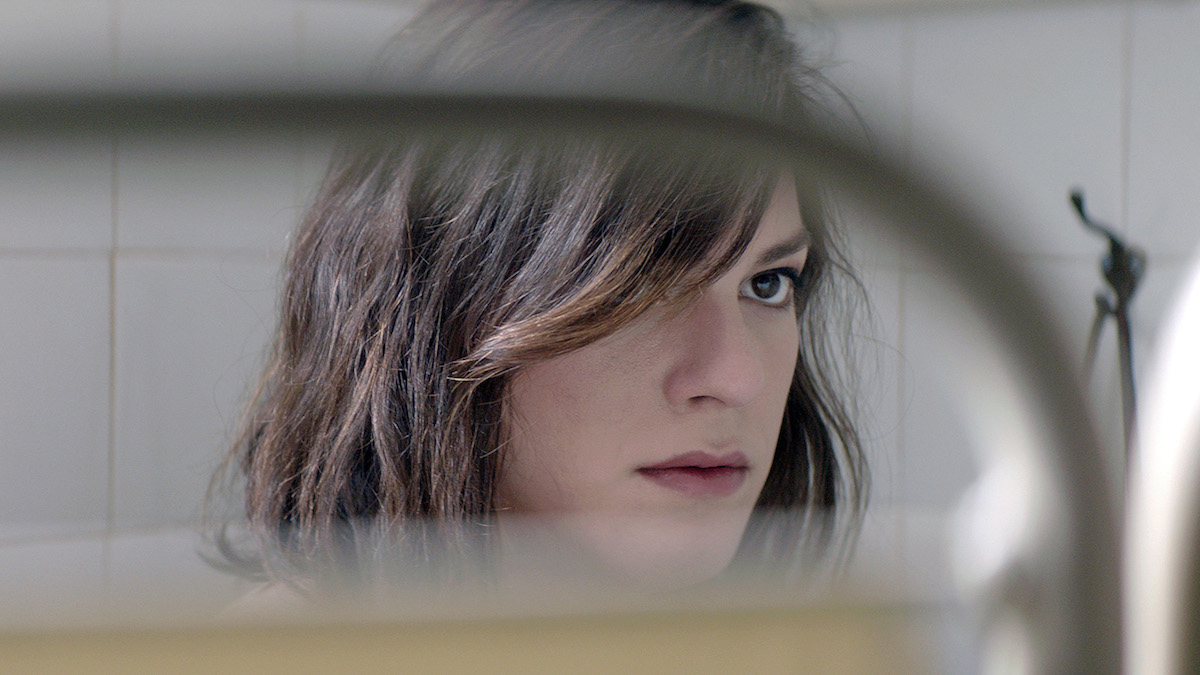 A Fantastic Woman (Una mujer fantástica) directed by Sebastian Lelio has been selected as Chile’s submission for the best foreign-language film category at the 2018 Oscars.
The film starring transgender star Daniela Vega premiered at the Berlin International Film Festival, where it won the Teddy Award, and the Silver Bear for best script.
Marina and Orlando are in love and planning for the future.
Marina is a young waitress and aspiring singer. Orlando is 20 years older than her, and owns a printing company.
After celebrating Marina’s birthday one evening, Orlando falls seriously ill. Marina rushes him to the emergency room, but he passes away just after arriving at the hospital.
Instead of being able to mourn her lover, suddenly Marina is treated with suspicion. The doctors and Orlando’s family don’t trust her. A woman detective investigates Marina to see if she was involved in his death. Orlando’s ex-wife forbids her from attending the funeral. And to make matters worse, Orlando’s son threatens to throw Marina out of the flat she shared with Orlando.
Marina is a trans woman and for most of Orlando’s family, her sexual identity is an aberration, a perversion.
So Marina struggles for the right to be herself. She battles the very same forces that she has spent a lifetime fighting just to become the woman she is now – a complex, strong, forthright and fantastic woman.
https://www.youtube.com/watch?v=SgDhpy9Z-NM
A Fantastic Woman (Una mujer fantástica) directed by Sebastian Lelio has been selected as Chile’s submission for the best foreign-language film category at the 2018 Oscars.
The film starring transgender star Daniela Vega premiered at the Berlin International Film Festival, where it won the Teddy Award, and the Silver Bear for best script.
Marina and Orlando are in love and planning for the future.
Marina is a young waitress and aspiring singer. Orlando is 20 years older than her, and owns a printing company.
After celebrating Marina’s birthday one evening, Orlando falls seriously ill. Marina rushes him to the emergency room, but he passes away just after arriving at the hospital.
Instead of being able to mourn her lover, suddenly Marina is treated with suspicion. The doctors and Orlando’s family don’t trust her. A woman detective investigates Marina to see if she was involved in his death. Orlando’s ex-wife forbids her from attending the funeral. And to make matters worse, Orlando’s son threatens to throw Marina out of the flat she shared with Orlando.
Marina is a trans woman and for most of Orlando’s family, her sexual identity is an aberration, a perversion.
So Marina struggles for the right to be herself. She battles the very same forces that she has spent a lifetime fighting just to become the woman she is now – a complex, strong, forthright and fantastic woman.
https://www.youtube.com/watch?v=SgDhpy9Z-NM
-
SHEIKH JACKSON is Egypt’s Entry for 2018 Oscar Race for Best Foreign Film | TRAILER
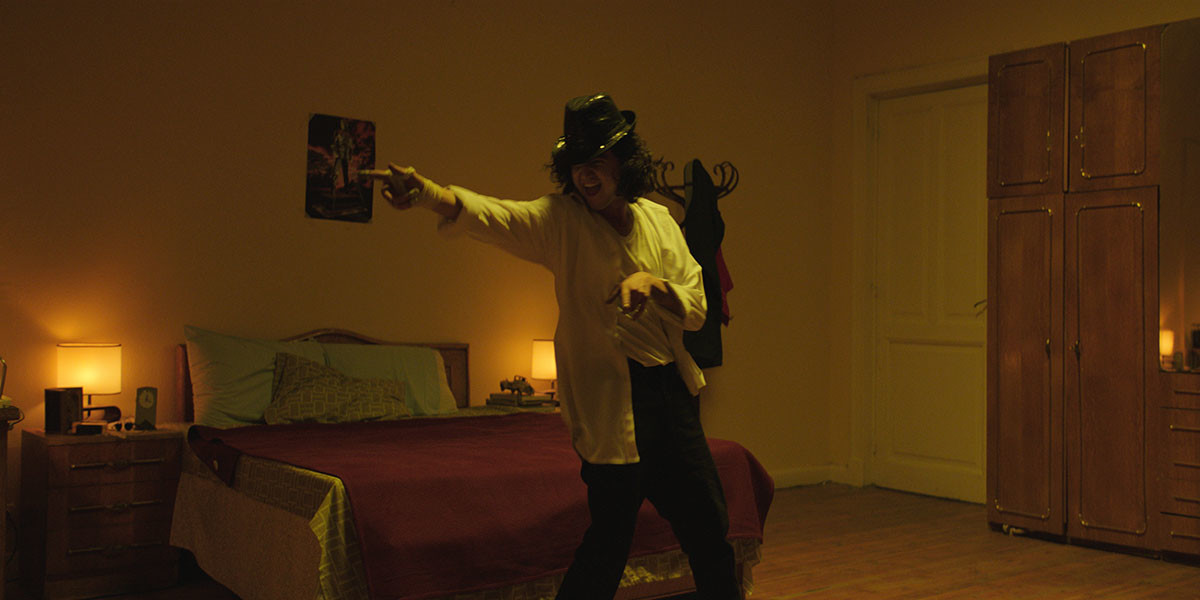 Sheikh Jackson directed by Amr Salama has been selected as Egypt’s candidate for the Best Foreign Language Film category at the 2018 Oscars.
Starring Ahmed El-Fishawy, Ahmed Malek, Maged El-Kedwany and Amina Khalil, Sheikh Jackson is set to World Premiere on the final day of the 2017 Toronto International Film Festival.
June 25, 2009. Any Michael Jackson fan can tell you where they were on this date, the day the King of Pop died. Director and writer Amr Salama transports us back to that moment through the eyes — and the kaleidoscopic, MTV-inspired dreams — of a young imam (Ahmad Alfishawy), whose devout and devoted life is thrown into chaos by the passing of The Gloved One.
The tabloid event triggers memories of his teen years (rising star Ahmed Malek steps in here) when he worshiped everything Jacko did, from the Thriller-era haircut to the bondage pants from the Bad tour. But MJ’s passing also stirs up emotions around the death of the young cleric’s mother and its aftermath, when his gruff father (Maged El Kedwany) offered little support. With the sheikh’s past increasingly encroaching onthe present, he begins to question not just how to moonwalk but what it means to be a man, to have faith, and to be true to oneself. TIFF
https://www.youtube.com/watch?v=qsijix35ORE
Sheikh Jackson directed by Amr Salama has been selected as Egypt’s candidate for the Best Foreign Language Film category at the 2018 Oscars.
Starring Ahmed El-Fishawy, Ahmed Malek, Maged El-Kedwany and Amina Khalil, Sheikh Jackson is set to World Premiere on the final day of the 2017 Toronto International Film Festival.
June 25, 2009. Any Michael Jackson fan can tell you where they were on this date, the day the King of Pop died. Director and writer Amr Salama transports us back to that moment through the eyes — and the kaleidoscopic, MTV-inspired dreams — of a young imam (Ahmad Alfishawy), whose devout and devoted life is thrown into chaos by the passing of The Gloved One.
The tabloid event triggers memories of his teen years (rising star Ahmed Malek steps in here) when he worshiped everything Jacko did, from the Thriller-era haircut to the bondage pants from the Bad tour. But MJ’s passing also stirs up emotions around the death of the young cleric’s mother and its aftermath, when his gruff father (Maged El Kedwany) offered little support. With the sheikh’s past increasingly encroaching onthe present, he begins to question not just how to moonwalk but what it means to be a man, to have faith, and to be true to oneself. TIFF
https://www.youtube.com/watch?v=qsijix35ORE
-
SPOOR is Poland’s Entry for 2018 Oscar Race for Best Foreign Film | TRAILER
 Spoor (Pokot) by Agnieszka Holland has been selected as Poland’s candidate for the Best Foreign Language Film at the 90th Academy Awards.
The film is based on Olga Tokarczuk’s best-selling novel “Drive Your Plough over the Bones of the Dead”, published in 2009; and stars Agnieszka Mandat, Wiktor Zborowski, Jakub Gierszał, Borys Szyc, Andrzej Grabowski, Tomasz Kot, Katarzyna Herman, Patricia Volny, Miroslav Krobot, Marcin Bosak, and Andrzej Konopka.
Spoor follows retired engineer Janina Duszejko, living in the Polish Sudeten mountains. One snowy winter night, she stumbles upon the dead body of her neighbor. The man, a poacher, had died a mysterious death. The only visible tracks around his house are roe deer hooves. Seeing the ineptitude of the police, Duszejko begins an unconventional investigation of her own.
Spoor (Pokot) had its world premiere at the 67th Berlin International Film Festival, where the film won the Silver Bear, the Alfred Bauer award for opening new perspectives in film art.
https://www.youtube.com/watch?v=O96ZznajP5s
Spoor (Pokot) by Agnieszka Holland has been selected as Poland’s candidate for the Best Foreign Language Film at the 90th Academy Awards.
The film is based on Olga Tokarczuk’s best-selling novel “Drive Your Plough over the Bones of the Dead”, published in 2009; and stars Agnieszka Mandat, Wiktor Zborowski, Jakub Gierszał, Borys Szyc, Andrzej Grabowski, Tomasz Kot, Katarzyna Herman, Patricia Volny, Miroslav Krobot, Marcin Bosak, and Andrzej Konopka.
Spoor follows retired engineer Janina Duszejko, living in the Polish Sudeten mountains. One snowy winter night, she stumbles upon the dead body of her neighbor. The man, a poacher, had died a mysterious death. The only visible tracks around his house are roe deer hooves. Seeing the ineptitude of the police, Duszejko begins an unconventional investigation of her own.
Spoor (Pokot) had its world premiere at the 67th Berlin International Film Festival, where the film won the Silver Bear, the Alfred Bauer award for opening new perspectives in film art.
https://www.youtube.com/watch?v=O96ZznajP5s
-
BARRAGE Starring Isabelle Huppert is Luxembourg’s Entry for 2018 Oscar Race for Best Foreign Film | TRAILER
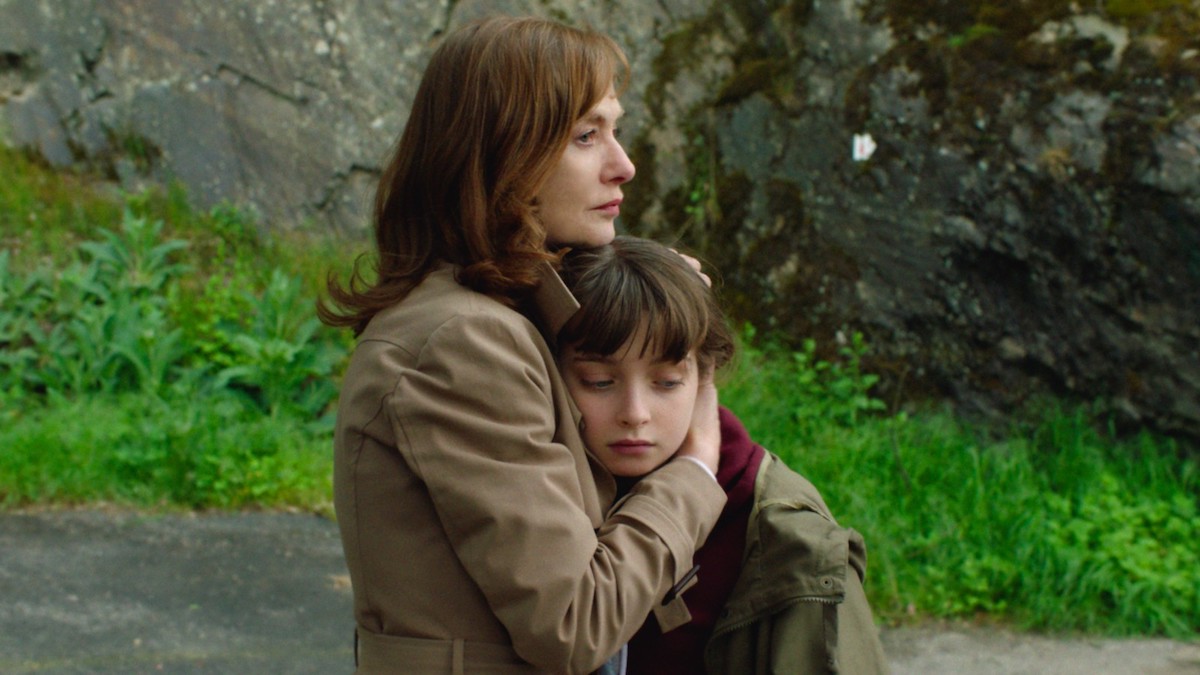 Barrage directed by Laura Schroeder has been selected to represent Luxembourg in the 90th edition of the Academy Awards in the category “Foreign Language Film Award”.
This film, written by Laura Schroeder and the French novelist Marie Nimier, is a drama about three generations of women, and stars Lolita Chammah, Isabelle Huppert as well as Themis Pauwels. Luxembourg actors Charles Müller, Marja-Leena Juncker and Luc Schiltz complete the cast.
Barrage celebrated its world premiere in February 2017 in the Forum section of the 2017 Berlin International Film Festival – it is the first feature film of a Luxembourg filmmaker hosted in official selection at the Festival. The Luxemburgish premiere took place in March 2017 at the Luxembourg City Film Festival. The film was also presented at the Vilnius Film Festival (Lithuania), the Titanic International Film Festival Budapest (Hungary), the Buenos Aires International Festival of Independent Cinema (Argentina), the Jeonju International Film Festival (South Korea) Jove – Valencia International Film Festival (Spain) and the New Horizons International Film Festival (Wroclaw, Poland). Barrage was released in Luxembourg and French cinemas on July 19, 2017.
https://www.youtube.com/watch?v=ENJUiV378Aw
Barrage directed by Laura Schroeder has been selected to represent Luxembourg in the 90th edition of the Academy Awards in the category “Foreign Language Film Award”.
This film, written by Laura Schroeder and the French novelist Marie Nimier, is a drama about three generations of women, and stars Lolita Chammah, Isabelle Huppert as well as Themis Pauwels. Luxembourg actors Charles Müller, Marja-Leena Juncker and Luc Schiltz complete the cast.
Barrage celebrated its world premiere in February 2017 in the Forum section of the 2017 Berlin International Film Festival – it is the first feature film of a Luxembourg filmmaker hosted in official selection at the Festival. The Luxemburgish premiere took place in March 2017 at the Luxembourg City Film Festival. The film was also presented at the Vilnius Film Festival (Lithuania), the Titanic International Film Festival Budapest (Hungary), the Buenos Aires International Festival of Independent Cinema (Argentina), the Jeonju International Film Festival (South Korea) Jove – Valencia International Film Festival (Spain) and the New Horizons International Film Festival (Wroclaw, Poland). Barrage was released in Luxembourg and French cinemas on July 19, 2017.
https://www.youtube.com/watch?v=ENJUiV378Aw
-
FROST is Lithuania’s Entry for 2018 Oscar Race for Best Foreign Film | TRAILER
 Frost (Šerkšnas) directed by Sarunas Bartas has been selected as Lithuania’s submission for best foreign-language film at the upcoming 2018 Oscars.
The film that premiered in the Directors’ Fortnight section at Cannes in 2017, stars young Lithuanian newcomers Mantas Jančiauskas and Lyja Maknavičiūtė. The cast also includes the French star Vanessa Paradis and the famous Polish actor Andrzej Chyra.
Filmed during a complicated expedition to the front lines of the Ukraine, Frost tells the story of Inga and Rokas carrying aid from Vilnius to the Ukraine. At the line of engagement in Donetsk, the young couple, raised in the independent Lithuania without the experience of war, quickly realizes the feelings of people in the face of hatred, aggression, violence and ruin.
https://www.youtube.com/watch?v=93acrZ2dnqY
Frost (Šerkšnas) directed by Sarunas Bartas has been selected as Lithuania’s submission for best foreign-language film at the upcoming 2018 Oscars.
The film that premiered in the Directors’ Fortnight section at Cannes in 2017, stars young Lithuanian newcomers Mantas Jančiauskas and Lyja Maknavičiūtė. The cast also includes the French star Vanessa Paradis and the famous Polish actor Andrzej Chyra.
Filmed during a complicated expedition to the front lines of the Ukraine, Frost tells the story of Inga and Rokas carrying aid from Vilnius to the Ukraine. At the line of engagement in Donetsk, the young couple, raised in the independent Lithuania without the experience of war, quickly realizes the feelings of people in the face of hatred, aggression, violence and ruin.
https://www.youtube.com/watch?v=93acrZ2dnqY
-
SONG OF GRANITE is Ireland’s Entry for 2018 Oscar Race for Best Foreign Film | TRAILER
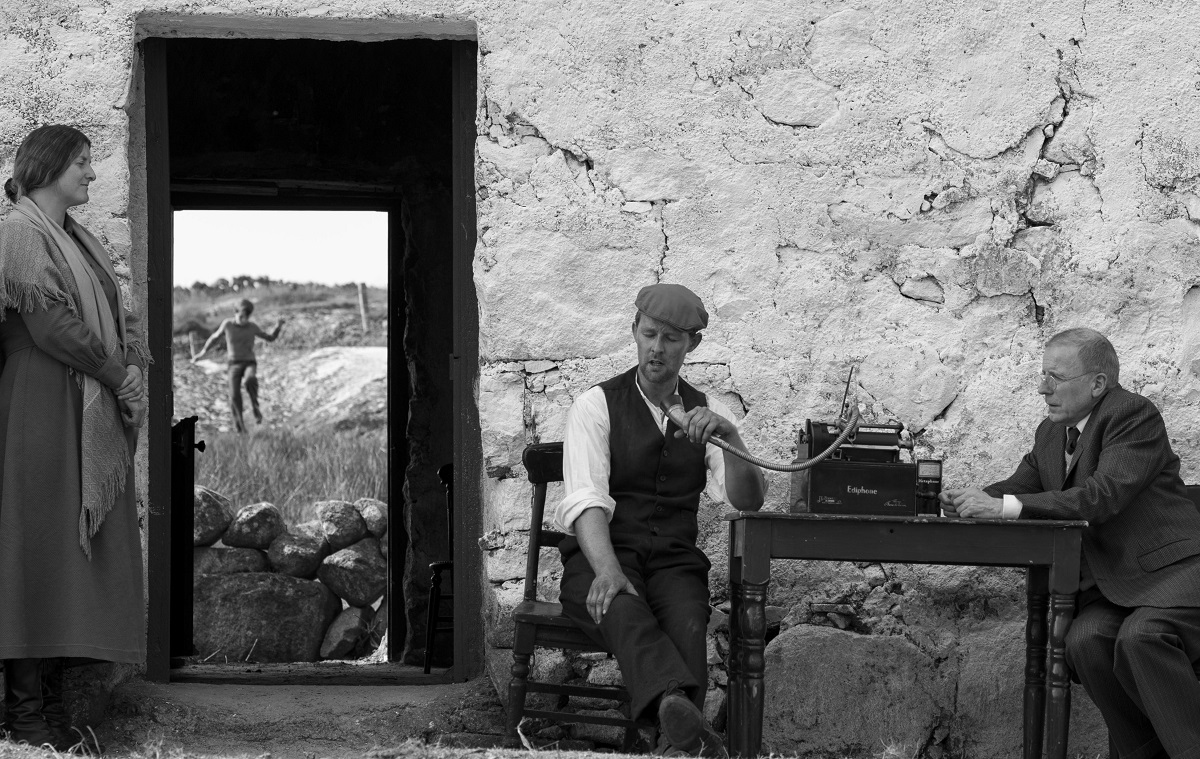 Song of Granite has been selected by Irish Film & Television Academy (IFTA) as Ireland’s submission for the Foreign Language category at the 90th Academy Awards. There were three titles eligible this year, Song of Granite, Rocky Ros Muc and Aithrí (Penance).
Directed by Pat Collins (Silence), ‘Song of Granite’ premiered to critical acclaim at the 2017 SXSW Film Festival earlier this year.
Acclaimed filmmaker Pat Collins brings the dramatic life story of legendary seannós singer Joe Heaney to the screen, an audacious exploration of the man and his music. With an approach that marries traditional narrative episodes with documentary footage, the film celebrates the music Joe Heaney created while painting an unflinching portrait of Heaney, the man. Enigmatic and complex, Joe Heaney was one of the greats of traditional Irish singing. Shaped by the myths, fables and songs of his upbringing in the west of Ireland, his emergence as a gifted artist came at a personal cost. Featuring performances from Lisa O’Neill, Damien Dempsey, Seamus Begley and sean nós singers Micheál O’Confhaola and Pól Ó Ceannabháin, the film is an intense exploration of music and song.
Áine Moriarty – IFTA CEO said: “The Irish Academy is delighted that this hauntingly beautiful and lyrical film from Pat Collins will represent Ireland in the Oscar Foreign Language contest – with Richard Kendrick’s masterful cinematography, Ireland’s picturesque landscape and unique culture of song and story takes centre stage, as the story of legendary singer Joe Heaney is skilfully brought to life – a story that will resonate with many immigrants worldwide from diverse cultural backgrounds.”
Pat Collins – Director and co-writer of ‘Song of Granite’ said: “Joe Heaney, the subject of this film, was a great teacher and advocate for the Irish traditional singing and taught singing to students all over America. He remains one of the great traditional singers. I think he would have liked the notion of a film with sean nós singing at its core representing Ireland in an international competition like the Oscars.”
Alan Maher and Jessie Fisk of Marcie Films “We are so proud that Song of Granite has been selected as the Irish entry for the Foreign Language Oscar. The film’s journey to date has been a real labour of love and it makes us all so happy to receive this very special recognition”.
https://www.youtube.com/watch?v=pBbfPpWPuoE
Song of Granite has been selected by Irish Film & Television Academy (IFTA) as Ireland’s submission for the Foreign Language category at the 90th Academy Awards. There were three titles eligible this year, Song of Granite, Rocky Ros Muc and Aithrí (Penance).
Directed by Pat Collins (Silence), ‘Song of Granite’ premiered to critical acclaim at the 2017 SXSW Film Festival earlier this year.
Acclaimed filmmaker Pat Collins brings the dramatic life story of legendary seannós singer Joe Heaney to the screen, an audacious exploration of the man and his music. With an approach that marries traditional narrative episodes with documentary footage, the film celebrates the music Joe Heaney created while painting an unflinching portrait of Heaney, the man. Enigmatic and complex, Joe Heaney was one of the greats of traditional Irish singing. Shaped by the myths, fables and songs of his upbringing in the west of Ireland, his emergence as a gifted artist came at a personal cost. Featuring performances from Lisa O’Neill, Damien Dempsey, Seamus Begley and sean nós singers Micheál O’Confhaola and Pól Ó Ceannabháin, the film is an intense exploration of music and song.
Áine Moriarty – IFTA CEO said: “The Irish Academy is delighted that this hauntingly beautiful and lyrical film from Pat Collins will represent Ireland in the Oscar Foreign Language contest – with Richard Kendrick’s masterful cinematography, Ireland’s picturesque landscape and unique culture of song and story takes centre stage, as the story of legendary singer Joe Heaney is skilfully brought to life – a story that will resonate with many immigrants worldwide from diverse cultural backgrounds.”
Pat Collins – Director and co-writer of ‘Song of Granite’ said: “Joe Heaney, the subject of this film, was a great teacher and advocate for the Irish traditional singing and taught singing to students all over America. He remains one of the great traditional singers. I think he would have liked the notion of a film with sean nós singing at its core representing Ireland in an international competition like the Oscars.”
Alan Maher and Jessie Fisk of Marcie Films “We are so proud that Song of Granite has been selected as the Irish entry for the Foreign Language Oscar. The film’s journey to date has been a real labour of love and it makes us all so happy to receive this very special recognition”.
https://www.youtube.com/watch?v=pBbfPpWPuoE
-
SUMMER 1993 is Spain’s Entry for 2018 Oscar Race for Best Foreign Film | TRAILER
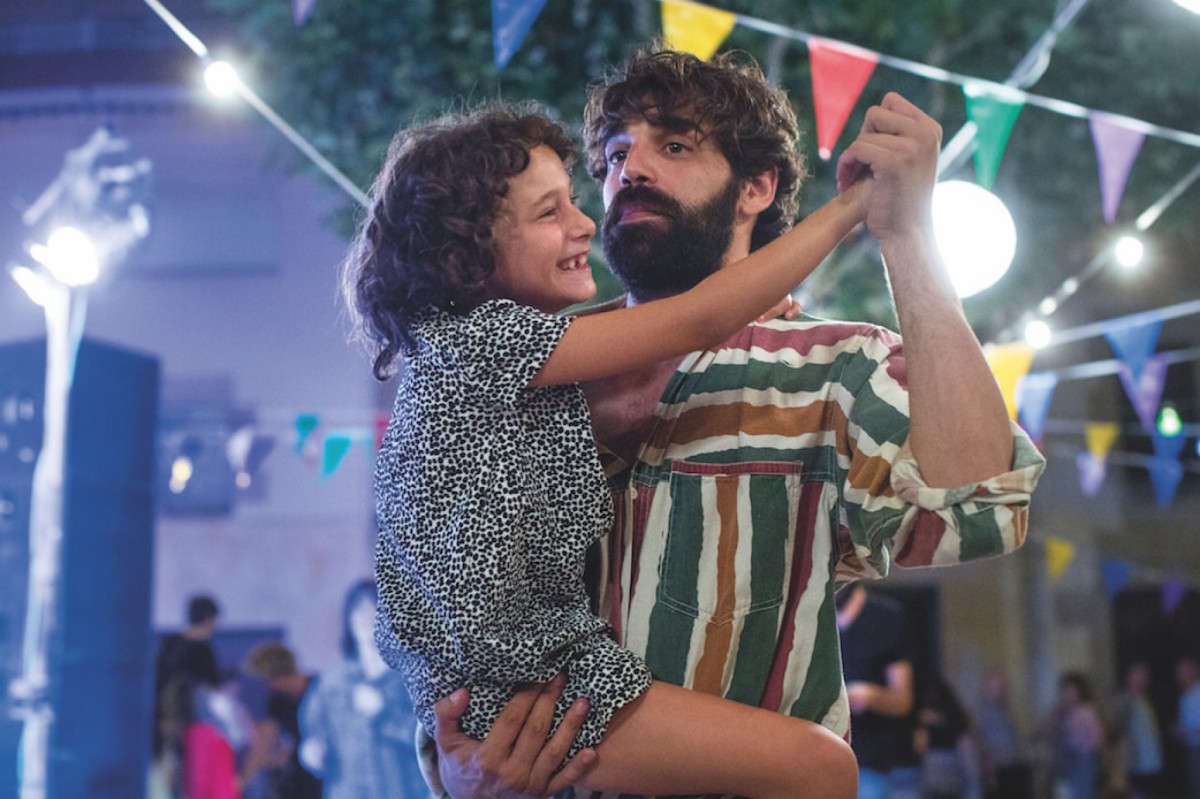 Summer 1993 (Estiu 1993), the debut feature film of director Carla Simon, has been selected by the Spanish film academy to represent Spain in the best foreign-language film category at the 90th Academy Awards.
The story is inspired by the director Carla Simon’s own experiences as a child. Summer 1993 premiered at the 2017 Berlin International Film Festival where it won Best First Feature Award.
In the summer 1993, following the death of her parents, six years old Frida moves from Barcelona to the Catalan province to live with her aunt and uncle, who are now her new legal guardians. The country life is a challenge for Frida – time passes differently in her new home and the nature that surrounds her is mysterious and estranging. She now has a little sister for whom she has to take care of and has to deal with new feelings, such as jealousy. Often, Frida is naively convinced that running away would be the best solution to her problems. Yet, the family does what it can to achieve a fragile new balance and bring normality to their life. Occasional family outings to a local fiesta or a swimming pool, cooking or listening to jazz in the garden bring them moments of happiness. Slowly, Frida realizes that she is there to stay and has to adapt to the new environment. Before the season is over, she has to cope with her emotions and her parents have to learn to love her as their own daughter.
Summer 1993 (Estiu 1993), the debut feature film of director Carla Simon, has been selected by the Spanish film academy to represent Spain in the best foreign-language film category at the 90th Academy Awards.
The story is inspired by the director Carla Simon’s own experiences as a child. Summer 1993 premiered at the 2017 Berlin International Film Festival where it won Best First Feature Award.
In the summer 1993, following the death of her parents, six years old Frida moves from Barcelona to the Catalan province to live with her aunt and uncle, who are now her new legal guardians. The country life is a challenge for Frida – time passes differently in her new home and the nature that surrounds her is mysterious and estranging. She now has a little sister for whom she has to take care of and has to deal with new feelings, such as jealousy. Often, Frida is naively convinced that running away would be the best solution to her problems. Yet, the family does what it can to achieve a fragile new balance and bring normality to their life. Occasional family outings to a local fiesta or a swimming pool, cooking or listening to jazz in the garden bring them moments of happiness. Slowly, Frida realizes that she is there to stay and has to adapt to the new environment. Before the season is over, she has to cope with her emotions and her parents have to learn to love her as their own daughter.
-
THE FIXER is Romania’s Entry for 2018 Oscar Race for Best Foreign Film | TRAILER
 Adrian Sitaru’s The Fixer / Fixeur has been selected by Romania to represent the country in the best foreign-language film category at the 90th Academy Awards.
The film starring Tudor Aaron Istodor, Mehdi Nebbou, Nicolas Wanczycki, Diana Spatarescu, Adrian Titieni, world premiered at the 2016 Toronto International Film Festival.
In The Fixer, Romanian-born Radu Patru (Tudor Istodor) is a trainee at a prestigious French news network. Serving as a translator and general problem solver, or “fixer,” for the headlining journalists during his trial period, he’s looking to make his big break. He sees his opportunity when two underage Romanian prostitutes are repatriated from France, creating an international scandal. Taking advantage of his language skills and local connections, Radu is prepared to do whatever it takes to interview one of the young girls. But as he ventures into tricky moral ground, he must stop to ask himself if, as an aspiring journalist, he can live with the consequences of his actions, and if, as a father, he’s setting a good example for his son.
https://www.youtube.com/watch?v=hTMWK6YsWY8
Adrian Sitaru’s The Fixer / Fixeur has been selected by Romania to represent the country in the best foreign-language film category at the 90th Academy Awards.
The film starring Tudor Aaron Istodor, Mehdi Nebbou, Nicolas Wanczycki, Diana Spatarescu, Adrian Titieni, world premiered at the 2016 Toronto International Film Festival.
In The Fixer, Romanian-born Radu Patru (Tudor Istodor) is a trainee at a prestigious French news network. Serving as a translator and general problem solver, or “fixer,” for the headlining journalists during his trial period, he’s looking to make his big break. He sees his opportunity when two underage Romanian prostitutes are repatriated from France, creating an international scandal. Taking advantage of his language skills and local connections, Radu is prepared to do whatever it takes to interview one of the young girls. But as he ventures into tricky moral ground, he must stop to ask himself if, as an aspiring journalist, he can live with the consequences of his actions, and if, as a father, he’s setting a good example for his son.
https://www.youtube.com/watch?v=hTMWK6YsWY8
-
AMERIKA SQUARE is Greece’s Entry for 2018 Oscar Race for Best Foreign Film | TRAILER
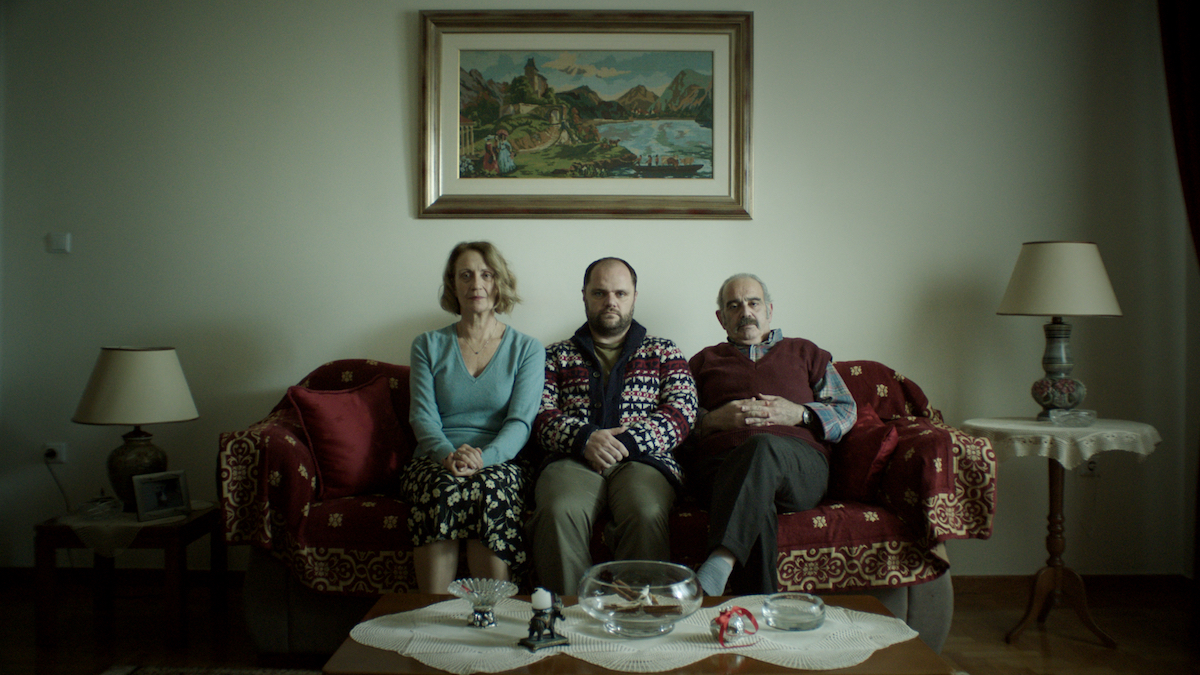 Amerika Square (Plateia Amerikis) directed by Yannis Sakaridis is Greece’s submission for the Best Foreign-language Film at the 90th Academy Awards. The film premiered last year at the Busan International Film Festival, and has won numerous awards including the FIPRESCI Prize at Thessaloniki International Film Festival, and Best Feature at the Los Angeles Greek Film Festival.
Filmmaker Yannis Sakaridis presents a clever satirical view of the Greek migrant crisis by exploring both xenophobic and sympathetic sentiments of Greeks towards foreigners escaping the war and hardships that engulfed their native lands. Told from three different points of view, the story follow through to an upbeat, yet realistic and plausible ending.
Nakos is an unemployed inhabitant of the small neighborhood of Amerika Square who grows increasingly disgruntled at the influx of Middle Eastern migrants coming to Athens. Much of Nakos’ frustration stems from his inability to do anything about the new demographics of his neighborhood, a situation he spends most of his time brooding over instead of undertaking measures to address the much bigger problem at hand – his dead-end life. The pathetic Nakos has few close allies – his parents with whom he lives and childhood friend Billy, the selfless tattoo artist next door in whom Nakos confides his hatred of immigrants. What Nakos does not confide in Billy is a sinister plan to eliminate some of the migrants utilizing a desperate measure that accomplishes a chain reaction only resulting in the loss of Nakos’ few remaining friends. Billy, a lost soul himself who has wittingly and unwittingly impacted countless other lost souls through his line of work, seizes upon an opportunity to help two migrants escape from Athens; one of which a beautiful African singer with whom he falls in love and sees that she escapes to France at great cost to himself; the other a weary Syrian doctor escaping the war in Aleppo and trying desperately to reunite with his 9 year old daughter who has been smuggled to Germany ahead of him.
In the end, sympathy and selflessness resonate more brightly than intolerance and Nakos finds his anti-migrant attitude to have cost him his only allies and the shreds of pride and dignity that had been clutching all along.
Amerika Square (Plateia Amerikis) directed by Yannis Sakaridis is Greece’s submission for the Best Foreign-language Film at the 90th Academy Awards. The film premiered last year at the Busan International Film Festival, and has won numerous awards including the FIPRESCI Prize at Thessaloniki International Film Festival, and Best Feature at the Los Angeles Greek Film Festival.
Filmmaker Yannis Sakaridis presents a clever satirical view of the Greek migrant crisis by exploring both xenophobic and sympathetic sentiments of Greeks towards foreigners escaping the war and hardships that engulfed their native lands. Told from three different points of view, the story follow through to an upbeat, yet realistic and plausible ending.
Nakos is an unemployed inhabitant of the small neighborhood of Amerika Square who grows increasingly disgruntled at the influx of Middle Eastern migrants coming to Athens. Much of Nakos’ frustration stems from his inability to do anything about the new demographics of his neighborhood, a situation he spends most of his time brooding over instead of undertaking measures to address the much bigger problem at hand – his dead-end life. The pathetic Nakos has few close allies – his parents with whom he lives and childhood friend Billy, the selfless tattoo artist next door in whom Nakos confides his hatred of immigrants. What Nakos does not confide in Billy is a sinister plan to eliminate some of the migrants utilizing a desperate measure that accomplishes a chain reaction only resulting in the loss of Nakos’ few remaining friends. Billy, a lost soul himself who has wittingly and unwittingly impacted countless other lost souls through his line of work, seizes upon an opportunity to help two migrants escape from Athens; one of which a beautiful African singer with whom he falls in love and sees that she escapes to France at great cost to himself; the other a weary Syrian doctor escaping the war in Aleppo and trying desperately to reunite with his 9 year old daughter who has been smuggled to Germany ahead of him.
In the end, sympathy and selflessness resonate more brightly than intolerance and Nakos finds his anti-migrant attitude to have cost him his only allies and the shreds of pride and dignity that had been clutching all along.
-
Fairy Tale Drama NOVEMBER is Estonia’s Entry for 2018 Oscar Race for Best Foreign Film | TRAILER
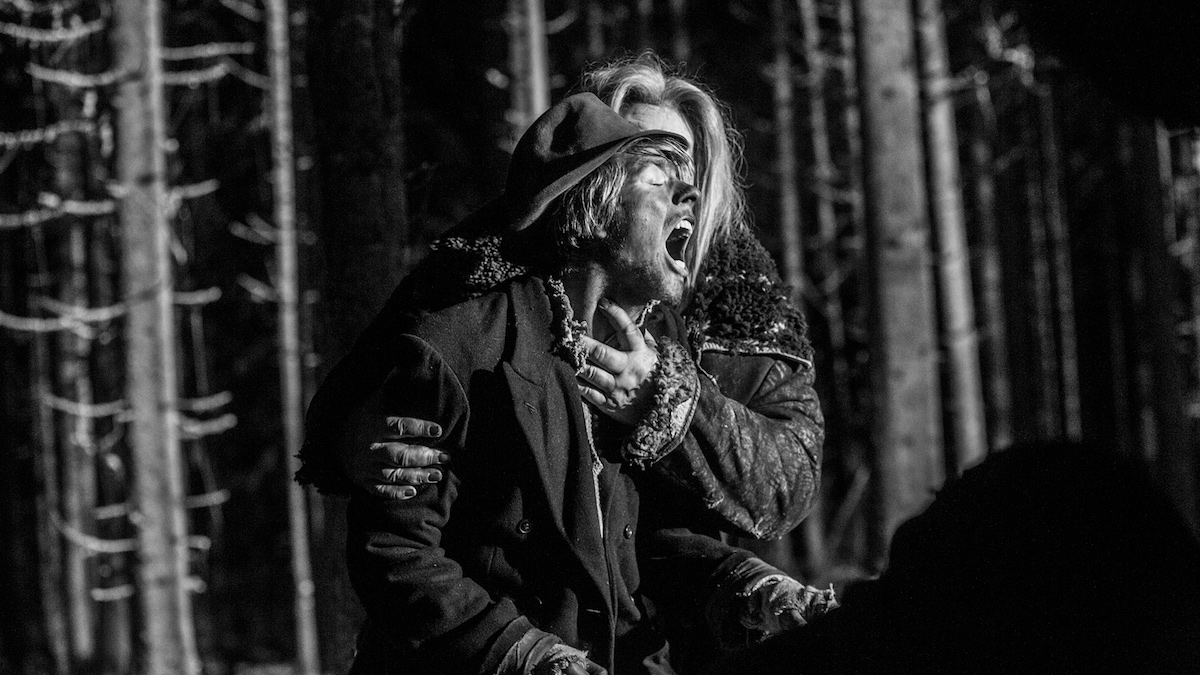 November directed by Rainer Sarnet has been submitted by Estonia to represent the country in the best foreign-language film category at the 90th Academy Awards. Shot in black and white, the film is an adaptation of the novel “Rehepapp” by Andrus Kivirähk.
“The director’s perseverance is admirable, as is his courage in presenting this witty and weird, but also romantic and mysterious movie to the audience. It’s a pleasure to observe the role of nuanced camerawork in creating a magical universe, supported by ingenious art direction,” reads the official explanation of the selection committee. “It is also commendable that the filmmakers have chosen to cast interesting types who have had no previous acting experience.”
The selection committee praised the film’s tasteful score, that adds to the overall mystique of the film and helps to create a faceted and telling impression of a quirky nation from the North, trying to make its way through life in a bizarre connection with nature and parallel worlds; to escape the swamp of stagnant folklore to find a way to the sun, poetry and love.
November starring Rea Lest and Jörgen Liik, is an adult fairy-tale with a story taking place in a pagan Estonian village, where greedy and callous villagers are taking on the Plague, the Devil, and various demonic entities. A young peasant girl Liina is hopelessly in love with Hans, who has only eyes for the pretty young lady of the manor. Liina’s life is further complicated by her father demanding a fixed marriage to a foul-mouthed older man Endel.
November internationally premiered at the 2017 Tribeca Film Festival, where it won the best cinematographer award for Mart Taniel. It was also selected to be shown in the official selection of the Karlovy Vary IFF and has been shown at numerous other festivals.
https://www.youtube.com/watch?v=j6nXObRVhRc
November directed by Rainer Sarnet has been submitted by Estonia to represent the country in the best foreign-language film category at the 90th Academy Awards. Shot in black and white, the film is an adaptation of the novel “Rehepapp” by Andrus Kivirähk.
“The director’s perseverance is admirable, as is his courage in presenting this witty and weird, but also romantic and mysterious movie to the audience. It’s a pleasure to observe the role of nuanced camerawork in creating a magical universe, supported by ingenious art direction,” reads the official explanation of the selection committee. “It is also commendable that the filmmakers have chosen to cast interesting types who have had no previous acting experience.”
The selection committee praised the film’s tasteful score, that adds to the overall mystique of the film and helps to create a faceted and telling impression of a quirky nation from the North, trying to make its way through life in a bizarre connection with nature and parallel worlds; to escape the swamp of stagnant folklore to find a way to the sun, poetry and love.
November starring Rea Lest and Jörgen Liik, is an adult fairy-tale with a story taking place in a pagan Estonian village, where greedy and callous villagers are taking on the Plague, the Devil, and various demonic entities. A young peasant girl Liina is hopelessly in love with Hans, who has only eyes for the pretty young lady of the manor. Liina’s life is further complicated by her father demanding a fixed marriage to a foul-mouthed older man Endel.
November internationally premiered at the 2017 Tribeca Film Festival, where it won the best cinematographer award for Mart Taniel. It was also selected to be shown in the official selection of the Karlovy Vary IFF and has been shown at numerous other festivals.
https://www.youtube.com/watch?v=j6nXObRVhRc
-
Award Winning ON BODY AND SOUL is Hungary’s Entry for 2018 Oscar Race for Best Foreign Film | TRAILER
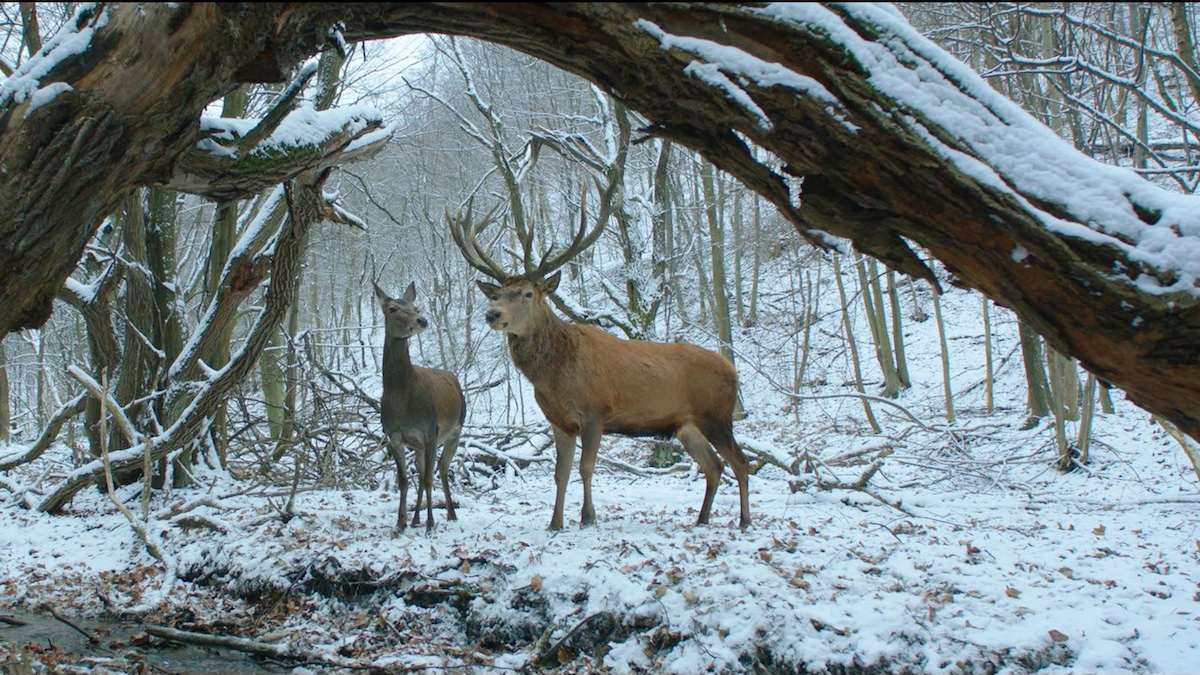 On Body and Soul (Testről és lélekről) directed by Ildiko Enyedi has been selected by the Hungarian Oscar Selection Committee to represent the country in the best foreign-language film category at the 2018 Oscars.
The film premiered at the 2017 Berlinale earlier this year, where the int’l jury headed by Paul Verhoeven awarded it the prestigious Golden Bear. On Body and Soul won the FIPRESCI Prize, the Ecumenical Jury Prize, the Berliner Morgenpost’s Reader Jury Prize in Berlin as well, and the Sydney Film Festival competition in June. Ildikó Enyedi became the first woman director to win in the 10-year history of the Sydney Film Festival competition for “courageous, audacious and cutting-edge” cinema.
Endre (Géza Morcsányi) and Maria (Alexandra Borbély) work at a slaughterhouse. He is the financial director, she the new quality inspector. By day, their urban workplace houses scenes of animals being slaughtered — and Enyedi does not shy away from the carnage. By night, they dream of the same pastoral scene in which deer rub against each other in the snow. Endre is mild-mannered, while the OCD-afflicted Maria is nervous and introverted. In everyday life, these two can’t quite connect, then a company psychiatrist realizes that they see identical images during sleep. Should these subconsciously kindred coworkers commingle in their waking hours? Or are they better off resigning themselves to being lovers only in dreams?
On Body and Soul will have its North American premiere at the 2017 Toronto International Film Festival.
https://www.youtube.com/watch?v=aS6mv_rN6bU
On Body and Soul (Testről és lélekről) directed by Ildiko Enyedi has been selected by the Hungarian Oscar Selection Committee to represent the country in the best foreign-language film category at the 2018 Oscars.
The film premiered at the 2017 Berlinale earlier this year, where the int’l jury headed by Paul Verhoeven awarded it the prestigious Golden Bear. On Body and Soul won the FIPRESCI Prize, the Ecumenical Jury Prize, the Berliner Morgenpost’s Reader Jury Prize in Berlin as well, and the Sydney Film Festival competition in June. Ildikó Enyedi became the first woman director to win in the 10-year history of the Sydney Film Festival competition for “courageous, audacious and cutting-edge” cinema.
Endre (Géza Morcsányi) and Maria (Alexandra Borbély) work at a slaughterhouse. He is the financial director, she the new quality inspector. By day, their urban workplace houses scenes of animals being slaughtered — and Enyedi does not shy away from the carnage. By night, they dream of the same pastoral scene in which deer rub against each other in the snow. Endre is mild-mannered, while the OCD-afflicted Maria is nervous and introverted. In everyday life, these two can’t quite connect, then a company psychiatrist realizes that they see identical images during sleep. Should these subconsciously kindred coworkers commingle in their waking hours? Or are they better off resigning themselves to being lovers only in dreams?
On Body and Soul will have its North American premiere at the 2017 Toronto International Film Festival.
https://www.youtube.com/watch?v=aS6mv_rN6bU