
 Thelma directed by Joachim Trier has been selected as Norway’s entry for the foreign-language category at the 2018 Oscars.
The Norwegian Oscar committee chose Trier’s fourth feature, which will have its international premiere at the 2017 Toronto International Film Festival (September 7 to 17) followed by New York Film Festival (September 15 to October 28), from a shortlist of candidates, which also included Norwegian directors Izer Aliu’s Hunting Flies (Fluefangeren) and Jorunn Myklebust Syversen’s The Tree Feller (Hoggeren).
The film which opened last month’s Norwegian International Film Festival in Haugesund and received the Norwegian Film Critics Prize, will open in the US on November 10th.
Starring Eili Harboe, Thelma portrays Thelma, a young student in Oslo. When she is drawn to another woman, she is overwhelmed by emotions she does not dare acknowledge – and frightening and inexplicable powers are forcing themselves into the open.
“Thelma confirms that Trier is a unique and style-safe film artist of a broad and international format,” explained the Norwegian Oscar committee – “based on his special and character-exploring universe, the film has become an all-embraced, ambitious and personal drama about a young woman’s awakening and detachment.
“Thelma is a film that touches the viewer on several levels, both emotionally and intellectually – it is visually striking, modern in its expression, at the same time with clear references to film classics. With this film Trier, Vogt and their regular group of assistants have delivered a story that will reach a wide audience, and which we strongly believe in as our Oscar candidate,” added chairman of the Oscar committee, managing director Sindre Guldvog, of the Norwegian Film Institute.
https://www.youtube.com/watch?v=F4lHlIMNNbY
Thelma directed by Joachim Trier has been selected as Norway’s entry for the foreign-language category at the 2018 Oscars.
The Norwegian Oscar committee chose Trier’s fourth feature, which will have its international premiere at the 2017 Toronto International Film Festival (September 7 to 17) followed by New York Film Festival (September 15 to October 28), from a shortlist of candidates, which also included Norwegian directors Izer Aliu’s Hunting Flies (Fluefangeren) and Jorunn Myklebust Syversen’s The Tree Feller (Hoggeren).
The film which opened last month’s Norwegian International Film Festival in Haugesund and received the Norwegian Film Critics Prize, will open in the US on November 10th.
Starring Eili Harboe, Thelma portrays Thelma, a young student in Oslo. When she is drawn to another woman, she is overwhelmed by emotions she does not dare acknowledge – and frightening and inexplicable powers are forcing themselves into the open.
“Thelma confirms that Trier is a unique and style-safe film artist of a broad and international format,” explained the Norwegian Oscar committee – “based on his special and character-exploring universe, the film has become an all-embraced, ambitious and personal drama about a young woman’s awakening and detachment.
“Thelma is a film that touches the viewer on several levels, both emotionally and intellectually – it is visually striking, modern in its expression, at the same time with clear references to film classics. With this film Trier, Vogt and their regular group of assistants have delivered a story that will reach a wide audience, and which we strongly believe in as our Oscar candidate,” added chairman of the Oscar committee, managing director Sindre Guldvog, of the Norwegian Film Institute.
https://www.youtube.com/watch?v=F4lHlIMNNbYAwards
-
Supernatural Thriller THELMA is Norway’s Entry for 2018 Oscar Race for Best Foreign Film | TRAILER
Thelma directed by Joachim Trier has been selected as Norway’s entry for the foreign-language category at the 2018 Oscars.
The Norwegian Oscar committee chose Trier’s fourth feature, which will have its international premiere at the 2017 Toronto International Film Festival (September 7 to 17) followed by New York Film Festival (September 15 to October 28), from a shortlist of candidates, which also included Norwegian directors Izer Aliu’s Hunting Flies (Fluefangeren) and Jorunn Myklebust Syversen’s The Tree Feller (Hoggeren).
The film which opened last month’s Norwegian International Film Festival in Haugesund and received the Norwegian Film Critics Prize, will open in the US on November 10th.
Starring Eili Harboe, Thelma portrays Thelma, a young student in Oslo. When she is drawn to another woman, she is overwhelmed by emotions she does not dare acknowledge – and frightening and inexplicable powers are forcing themselves into the open.
“Thelma confirms that Trier is a unique and style-safe film artist of a broad and international format,” explained the Norwegian Oscar committee – “based on his special and character-exploring universe, the film has become an all-embraced, ambitious and personal drama about a young woman’s awakening and detachment.
“Thelma is a film that touches the viewer on several levels, both emotionally and intellectually – it is visually striking, modern in its expression, at the same time with clear references to film classics. With this film Trier, Vogt and their regular group of assistants have delivered a story that will reach a wide audience, and which we strongly believe in as our Oscar candidate,” added chairman of the Oscar committee, managing director Sindre Guldvog, of the Norwegian Film Institute.
https://www.youtube.com/watch?v=F4lHlIMNNbY
-
Muslim Drama LAYLA M. is The Netherlands’ Entry for 2018 Oscar Race for Best Foreign Film | TRAILER
 Layla M. directed by Mijke de Jong, has been selected as the official entry from The Netherlands for the Academy Award in the Best Foreign Language Film category.
The film tells the controversial and searingly honest story of a young female Islamist. Layla, a Dutch-Moroccan teenager, is radicalized by her adopted country’s anti-Muslim measures. She marries a devout young jihadist and together they leave Amsterdam to join an Islamist cell in the Middle East – only to discover that her new community has its own restrictions, prejudices and dangers.
Layla M. starring Nora el Koussour (Laila), Ilias Addab (Abdel), Yasemin Cetinkaya (Oum Osama), Hassan Akkouch (Zine), Husam Khadad (Sheikh Abdullah Al Sabin), Ayisha Siddiqi (Mereyem) Bilal Wahib (Younes) Bobbie Koek (Hana) Mohammed Azaay (Father) and Esma Abouzahra (Mother), world premiered in the Platform competition of the 2016 Toronto International Film Festival.
Layla M. (18) is a young Muslim born in Holland.
Their Moroccan parents had already emigrated to Amsterdam before their birth, and there lay Layla and her brother Younes liberal large.
Layla is an intelligent, funny and stubborn girl with a strong sense of justice. Through the daily confrontation with prejudices against Muslims and Islam, Layla feels increasingly less affable and incomprehensible. Her parents do not try to attract attention and do not help her. Whether on the road, in school, or in politics; the reservations about headscarf-wearing women and men with raucous beards are almost omnipresent in Layla’s world, against the background of various Islamic terror attacks.
Their faith gives Layla a hold and is only strengthened by her displeasure and her longing for affiliation. It is slowly, but surely, joining a group of radical Muslims to create a world in which Islam is tolerated and accepted; and can be lived freely.
Layla is increasingly in conflict with her environment, her family, and even her best friend, Mereyem. Her father, a parade example of an “assimilated alien,” tries to keep his children in check, but Layla refuses to live as he does: as a guest in his own country.
The radical group becomes their new family. Including Abdel, a charismatic believing Muslim, who impressed Layla with his strong speeches.
As Layla’s relationship with her family grows, she feels that your only option is to go away from home. True to her belief, Layla decides to marry Abdel.
After her wedding, Layla goes to the Middle East with Abdel.
Layla meets a world that nourishes their ideas and needs, but ultimately puts them before a seemingly impossible choice.
https://www.youtube.com/watch?v=esGsns05lI0
Layla M. directed by Mijke de Jong, has been selected as the official entry from The Netherlands for the Academy Award in the Best Foreign Language Film category.
The film tells the controversial and searingly honest story of a young female Islamist. Layla, a Dutch-Moroccan teenager, is radicalized by her adopted country’s anti-Muslim measures. She marries a devout young jihadist and together they leave Amsterdam to join an Islamist cell in the Middle East – only to discover that her new community has its own restrictions, prejudices and dangers.
Layla M. starring Nora el Koussour (Laila), Ilias Addab (Abdel), Yasemin Cetinkaya (Oum Osama), Hassan Akkouch (Zine), Husam Khadad (Sheikh Abdullah Al Sabin), Ayisha Siddiqi (Mereyem) Bilal Wahib (Younes) Bobbie Koek (Hana) Mohammed Azaay (Father) and Esma Abouzahra (Mother), world premiered in the Platform competition of the 2016 Toronto International Film Festival.
Layla M. (18) is a young Muslim born in Holland.
Their Moroccan parents had already emigrated to Amsterdam before their birth, and there lay Layla and her brother Younes liberal large.
Layla is an intelligent, funny and stubborn girl with a strong sense of justice. Through the daily confrontation with prejudices against Muslims and Islam, Layla feels increasingly less affable and incomprehensible. Her parents do not try to attract attention and do not help her. Whether on the road, in school, or in politics; the reservations about headscarf-wearing women and men with raucous beards are almost omnipresent in Layla’s world, against the background of various Islamic terror attacks.
Their faith gives Layla a hold and is only strengthened by her displeasure and her longing for affiliation. It is slowly, but surely, joining a group of radical Muslims to create a world in which Islam is tolerated and accepted; and can be lived freely.
Layla is increasingly in conflict with her environment, her family, and even her best friend, Mereyem. Her father, a parade example of an “assimilated alien,” tries to keep his children in check, but Layla refuses to live as he does: as a guest in his own country.
The radical group becomes their new family. Including Abdel, a charismatic believing Muslim, who impressed Layla with his strong speeches.
As Layla’s relationship with her family grows, she feels that your only option is to go away from home. True to her belief, Layla decides to marry Abdel.
After her wedding, Layla goes to the Middle East with Abdel.
Layla meets a world that nourishes their ideas and needs, but ultimately puts them before a seemingly impossible choice.
https://www.youtube.com/watch?v=esGsns05lI0
-
HER LOVE BOILS BATHWATER is Japan’s Entry for 2018 Oscar Race for Best Foreign Film | TRAILER
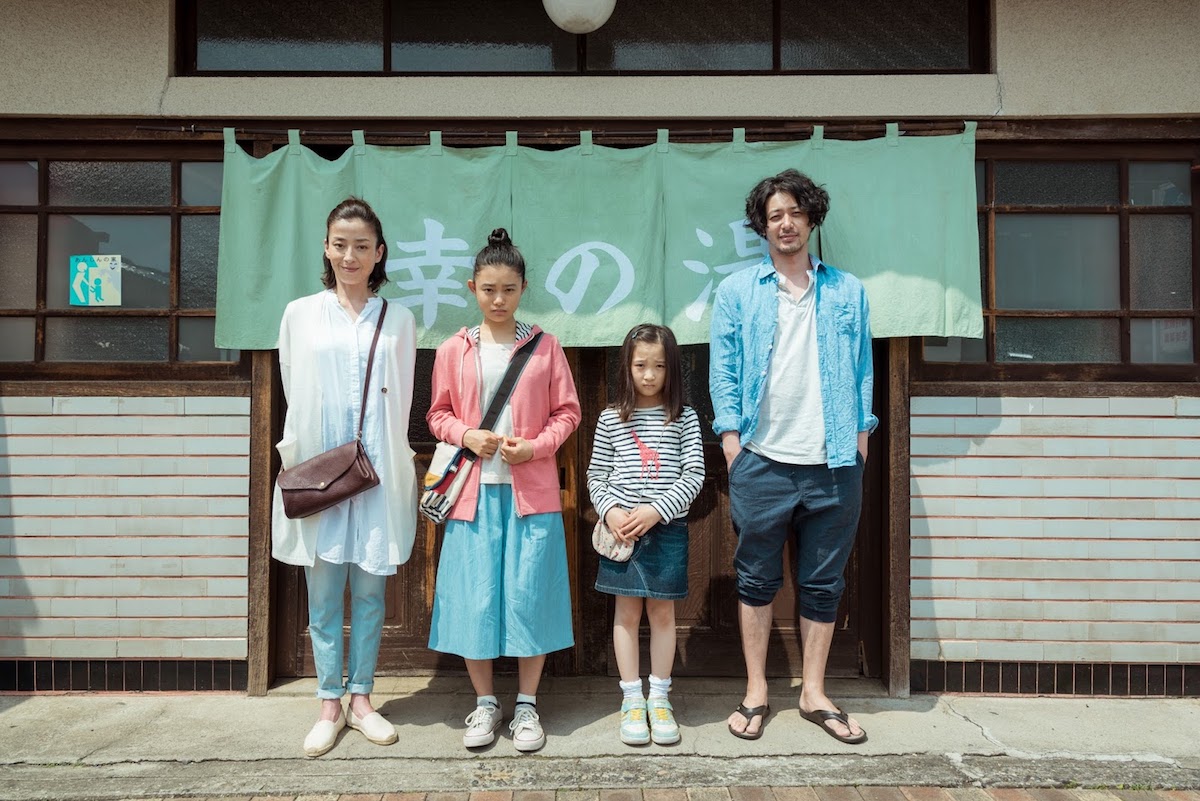 Ryota Nakano’s Her Love Boils Bathwater (湯を沸かすほどの熱い愛 / Yu o Wakasu Hodo no Atsui Ai) has been selected by Japan as the country’s submission in the foreign-language category at the 2018 Oscars.
The film stars Rie Miyazawa, Hana Sugisaki, Yukiko Shinohara, Taro Suruga, Aoi Ito, Tori Matsuzaka, Joe Odagiri
InHer Love Boils Bathwater, Futaba is a loving but strict single mother whose world is shaken when she discovers she has terminal cancer and has only a few months to live. Newly determined, she decides to use the brief amount of time she has left to bring back her husband, reopen their shut-down bathhouse, and set her teenage daughter on the path to independence. As she attempts to reconcile her splintered family before it is too late, long-repressed revelations rise to the surface.
https://www.youtube.com/watch?v=uQYrbqO0d48
Ryota Nakano’s Her Love Boils Bathwater (湯を沸かすほどの熱い愛 / Yu o Wakasu Hodo no Atsui Ai) has been selected by Japan as the country’s submission in the foreign-language category at the 2018 Oscars.
The film stars Rie Miyazawa, Hana Sugisaki, Yukiko Shinohara, Taro Suruga, Aoi Ito, Tori Matsuzaka, Joe Odagiri
InHer Love Boils Bathwater, Futaba is a loving but strict single mother whose world is shaken when she discovers she has terminal cancer and has only a few months to live. Newly determined, she decides to use the brief amount of time she has left to bring back her husband, reopen their shut-down bathhouse, and set her teenage daughter on the path to independence. As she attempts to reconcile her splintered family before it is too late, long-repressed revelations rise to the surface.
https://www.youtube.com/watch?v=uQYrbqO0d48
-
THE CHRONICLES OF MELANIE is Latvia’s Entry for 2018 Oscar Race for Best Foreign Film | TRAILER
 The Chronicles of Melanie (Melanijas hronika) directed by Viestur Kairish, has been selected as Latvia’s official candidate for best foreign-language film for the 2018 Oscars.
The film “The Chronicles of Melanie” is based on the life story of Melānija Vanaga, a Latvian woman who managed to survive her deportation to Siberia. It is a truthful account of the miracle of human character, magnitude of the human spirit and the painful destinies, which were a part of the greatest tragedy facing the Latvian nation. It is the story of Latvian women who had to suffer and survive physically and emotionally in order for Latvia to live.
An early morning of 15 June 1941 in Soviet-occupied Latvia. The authorities break into the house of Melanie and her husband Aleksandrs, editor of a newspaper of independent Latvia, make them wake up their eight-year-old son Andrejs and get into a lorry. At the station, the men are separated from their families. On this day, the Soviets deported about 17,000 people from Latvia (the next wave of deportations came in March of 1949).
The deported are taken to Siberia in cattle cars. Melanie and her son first have to survive – the three-week long ride to the remote Tiukhtet village, the first months in the alien environment, famine and illness – and then to live. They have to make peace with the new life and accept it even though everything seems to have lost its point and reason. This drives some to the point of collapse, yet Melanie is aware of “only one string sounding and that string is hope.” She takes detailed notes that later becomes a weighty literary work about the 16 years spent in Siberia.
Out of her notes, Melānija Vanaga prepared a book of documentary prose Veļupes krastā, which was published in 1991, soon after Latvia regained independence. Later, it served as the concluding volume in Vanaga’s seven-book series “The Gathering of Souls” about the personal history of her family and entire Latvia.
For the entire period of her exile (1941–1957), Melānija writes letters to Aleksandrs without sending them and dedicates a handwritten family chronicle to her son Aleksandrs, for she herself no longer hopes to return to Latvia. In 1957, Melānija is freed. She goes to Riga where she finds out that Aleksandrs barely survived a year in the harsh environment to which he was sent. Melānija spends the rest of her life working as a cow herder.
To maintain hope, to preserve in oneself a person who is stronger than famine, cold, cruelty and even death and is capable of taking on responsibility for another person, to help others – such is the confirmation of Melānija Vanaga, her memories and also this film to the light in the world and in every one of us.
The Chronicles of Melanie (Melanijas hronika) directed by Viestur Kairish, has been selected as Latvia’s official candidate for best foreign-language film for the 2018 Oscars.
The film “The Chronicles of Melanie” is based on the life story of Melānija Vanaga, a Latvian woman who managed to survive her deportation to Siberia. It is a truthful account of the miracle of human character, magnitude of the human spirit and the painful destinies, which were a part of the greatest tragedy facing the Latvian nation. It is the story of Latvian women who had to suffer and survive physically and emotionally in order for Latvia to live.
An early morning of 15 June 1941 in Soviet-occupied Latvia. The authorities break into the house of Melanie and her husband Aleksandrs, editor of a newspaper of independent Latvia, make them wake up their eight-year-old son Andrejs and get into a lorry. At the station, the men are separated from their families. On this day, the Soviets deported about 17,000 people from Latvia (the next wave of deportations came in March of 1949).
The deported are taken to Siberia in cattle cars. Melanie and her son first have to survive – the three-week long ride to the remote Tiukhtet village, the first months in the alien environment, famine and illness – and then to live. They have to make peace with the new life and accept it even though everything seems to have lost its point and reason. This drives some to the point of collapse, yet Melanie is aware of “only one string sounding and that string is hope.” She takes detailed notes that later becomes a weighty literary work about the 16 years spent in Siberia.
Out of her notes, Melānija Vanaga prepared a book of documentary prose Veļupes krastā, which was published in 1991, soon after Latvia regained independence. Later, it served as the concluding volume in Vanaga’s seven-book series “The Gathering of Souls” about the personal history of her family and entire Latvia.
For the entire period of her exile (1941–1957), Melānija writes letters to Aleksandrs without sending them and dedicates a handwritten family chronicle to her son Aleksandrs, for she herself no longer hopes to return to Latvia. In 1957, Melānija is freed. She goes to Riga where she finds out that Aleksandrs barely survived a year in the harsh environment to which he was sent. Melānija spends the rest of her life working as a cow herder.
To maintain hope, to preserve in oneself a person who is stronger than famine, cold, cruelty and even death and is capable of taking on responsibility for another person, to help others – such is the confirmation of Melānija Vanaga, her memories and also this film to the light in the world and in every one of us.
-
REQUIEM FOR MRS. J is Serbia’s Entry for 2018 Oscar Race for Best Foreign Film | TRAILER
 The black comedy Requiem for Mrs. J (Rekvijem za gospodju J.) directed by Bojan Vuletić Mirjana has been selected by Serbia as its candidate for best foreign-language film in the 2018 Oscars.
The film, starring Mirjana Karanović (Mrs. J), Jovana Gavrilovic (Ana), Danica Nedeljkovic (Koviljka), and Vucic Perovic (Milanče) premiered at the 2017 Berlin International Film Festival.
In Requiem for Mrs. J, Mrs. J. is a middle-aged widow living in a modest post-communist flat in Belgrade with her mother in law and two daughters. Jelena has had enough of life. Her husband died a year ago, and she feels tired and lonely – in spite of her two daughters and her mother-in-law who all share her flat. She has decided that, at the end of the week, on the anniversary of her husband’s death, she will commit suicide. She has a pistol ready for the job. But beforehand there are a number of things to sort out: she needs to return an armchair she borrowed from a neighbour and she has to terminate her life insurance policy. She also needs to get a mason to put her portrait photograph on her gravestone and renew her health insurance card. In order to do so, Jelena needs proof that she has been a salaried employee for the past twenty years. Gradually, this quiet, humble woman begins to realize that nothing’s simple in a country that’s constantly swinging back and forth between torment and transition. The authorities are unable to cope, Jelena’s former employers are now bankrupt and the remaining staff are just killing time. And the end of the week is drawing near.
The black comedy Requiem for Mrs. J (Rekvijem za gospodju J.) directed by Bojan Vuletić Mirjana has been selected by Serbia as its candidate for best foreign-language film in the 2018 Oscars.
The film, starring Mirjana Karanović (Mrs. J), Jovana Gavrilovic (Ana), Danica Nedeljkovic (Koviljka), and Vucic Perovic (Milanče) premiered at the 2017 Berlin International Film Festival.
In Requiem for Mrs. J, Mrs. J. is a middle-aged widow living in a modest post-communist flat in Belgrade with her mother in law and two daughters. Jelena has had enough of life. Her husband died a year ago, and she feels tired and lonely – in spite of her two daughters and her mother-in-law who all share her flat. She has decided that, at the end of the week, on the anniversary of her husband’s death, she will commit suicide. She has a pistol ready for the job. But beforehand there are a number of things to sort out: she needs to return an armchair she borrowed from a neighbour and she has to terminate her life insurance policy. She also needs to get a mason to put her portrait photograph on her gravestone and renew her health insurance card. In order to do so, Jelena needs proof that she has been a salaried employee for the past twenty years. Gradually, this quiet, humble woman begins to realize that nothing’s simple in a country that’s constantly swinging back and forth between torment and transition. The authorities are unable to cope, Jelena’s former employers are now bankrupt and the remaining staff are just killing time. And the end of the week is drawing near.
-
TOM OF FINLAND is Finland’s Entry for 2018 Oscar Race for Best Foreign Film | TRAILER

The biopic Tom of Finland directed by Dome Karukoski has been selected as Finland’s submission for best foreign film at the 2018 Oscars.
-
A TAXI DRIVER is South Korea’s Entry for 2018 Oscar Race for Best Foreign Film | TRAILER
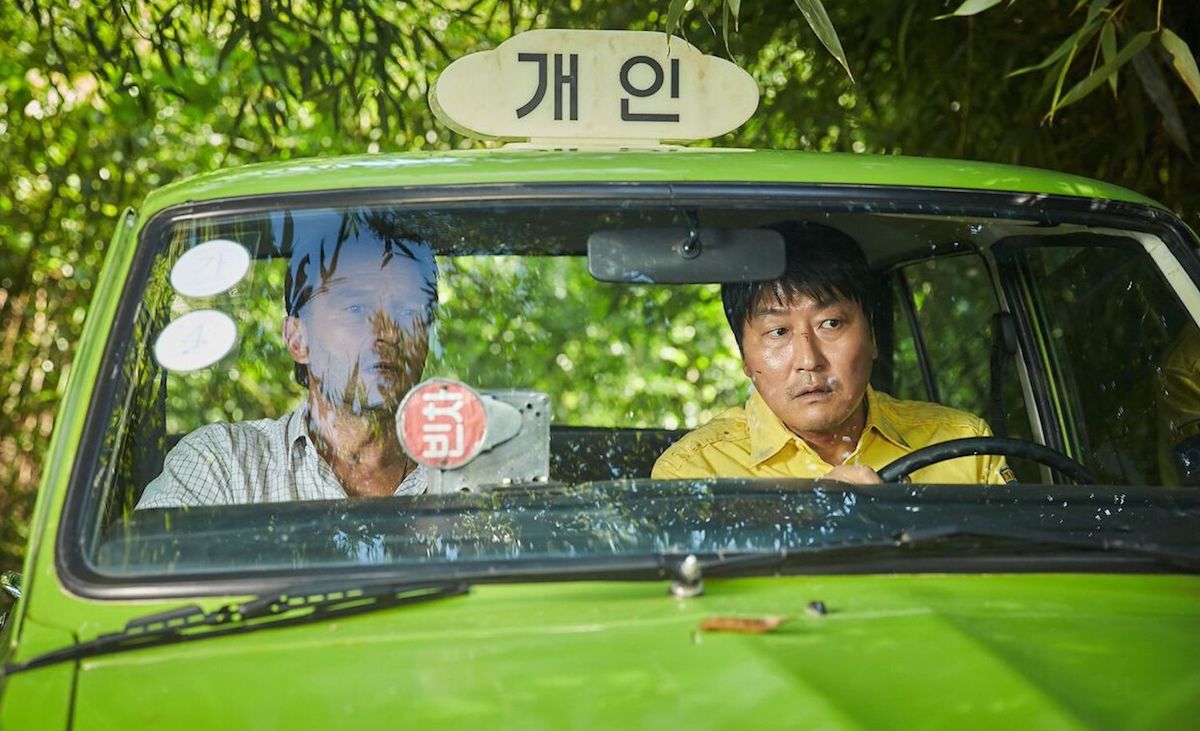 A Taxi Driver directed by Jang Hun, has been selected as South Korea’s official candidate in the Best Foreign Language Film at the 2018 Oscars.
The film, starring Song Kang-ho, Thomas Kretschmann, Yoo Hai-jin, and Ryu Jun-yeol, is based on the true story of German reporter Jürgen Hinzpeter and Korean taxi driver Kim Sa-Bok.Jürgen Hinzpeter covering the Gwangju Uprising, which took place from May 18-27, 1980 in Gwangju, South Korea.
A Taxi Driver had its international premiere as the closing night film of the 2017 Fantasia International Film Festival, where Song Kang-ho won the award for Best Actor.
May, 1980, Seoul. Demonstrations denouncing the martial law proclaimed by the dictator Chun Doo-hwan disrupt the routine of Man-seob, a cranky taxi driver who curses the protesters who prevent him from working. Raising his daughter alone after the death of his wife, Man-seob is crushed by debt. Every fare counts. When he hears a colleague boast that he’s about to receive a colossal sum for taking a Westerner to Gwangju, Man-seob rushes to the rendezvous point to rob him of his client, a German journalist calling himself Peter. The latter intends to investigate clandestinely rumours that Gwangju is under siege by the army and that the government has cut off all communication between the city and the rest of the country. Man-seob, however, lies about his understanding of English and the reasons for their journey. He has no idea what he has embarked on. Their fate will be closely bound to that of the inhabitants of Gwangju.
https://www.youtube.com/watch?v=ZbUwOP9HZQk
A Taxi Driver directed by Jang Hun, has been selected as South Korea’s official candidate in the Best Foreign Language Film at the 2018 Oscars.
The film, starring Song Kang-ho, Thomas Kretschmann, Yoo Hai-jin, and Ryu Jun-yeol, is based on the true story of German reporter Jürgen Hinzpeter and Korean taxi driver Kim Sa-Bok.Jürgen Hinzpeter covering the Gwangju Uprising, which took place from May 18-27, 1980 in Gwangju, South Korea.
A Taxi Driver had its international premiere as the closing night film of the 2017 Fantasia International Film Festival, where Song Kang-ho won the award for Best Actor.
May, 1980, Seoul. Demonstrations denouncing the martial law proclaimed by the dictator Chun Doo-hwan disrupt the routine of Man-seob, a cranky taxi driver who curses the protesters who prevent him from working. Raising his daughter alone after the death of his wife, Man-seob is crushed by debt. Every fare counts. When he hears a colleague boast that he’s about to receive a colossal sum for taking a Westerner to Gwangju, Man-seob rushes to the rendezvous point to rob him of his client, a German journalist calling himself Peter. The latter intends to investigate clandestinely rumours that Gwangju is under siege by the army and that the government has cut off all communication between the city and the rest of the country. Man-seob, however, lies about his understanding of English and the reasons for their journey. He has no idea what he has embarked on. Their fate will be closely bound to that of the inhabitants of Gwangju.
https://www.youtube.com/watch?v=ZbUwOP9HZQk
-
QUIT STARING AT MY PLATE is Croatia’s Entry for 2018 Oscar Race for Best Foreign Film | TRAILER
 Quit Staring at My Plate (Ne gledaj mi u pijat), the debut feature film from director Hana Jušić’, has been selected by Croatia as its official candidate in the Best Foreign Language Film category at the 2018 Oscars.
The film starring Mia Petričević, Nikša Butijer, Arijana Čulina, Zlatko Buric had its World Premiere at the 2016 Venice Days where the film won the FEDEORA Award for Best European Film.
In the film Marijana’s life revolves around her family, whether she likes it or not. They live on top of one another in a tiny apartment, driving one another crazy. Then her controlling father has a stroke and is left completely bedridden, and Marijana takes his place as head of the clan. Soon, she is working two jobs to keep everything afloat, while her mother and disabled brother do their best to scupper the ship. Driven to the edge, Marijana finds comfort in seedy sex with random strangers; and this taste of freedom leaves her wanting more. But now that she has finally found freedom, what’s she meant to do with it?
https://www.youtube.com/watch?v=PjE6IE9QgNk
Quit Staring at My Plate (Ne gledaj mi u pijat), the debut feature film from director Hana Jušić’, has been selected by Croatia as its official candidate in the Best Foreign Language Film category at the 2018 Oscars.
The film starring Mia Petričević, Nikša Butijer, Arijana Čulina, Zlatko Buric had its World Premiere at the 2016 Venice Days where the film won the FEDEORA Award for Best European Film.
In the film Marijana’s life revolves around her family, whether she likes it or not. They live on top of one another in a tiny apartment, driving one another crazy. Then her controlling father has a stroke and is left completely bedridden, and Marijana takes his place as head of the clan. Soon, she is working two jobs to keep everything afloat, while her mother and disabled brother do their best to scupper the ship. Driven to the edge, Marijana finds comfort in seedy sex with random strangers; and this taste of freedom leaves her wanting more. But now that she has finally found freedom, what’s she meant to do with it?
https://www.youtube.com/watch?v=PjE6IE9QgNk
-
SCARY MOTHER is Georgia’s Entry for 2018 Oscar Race for Best Foreign Film | TRAILER
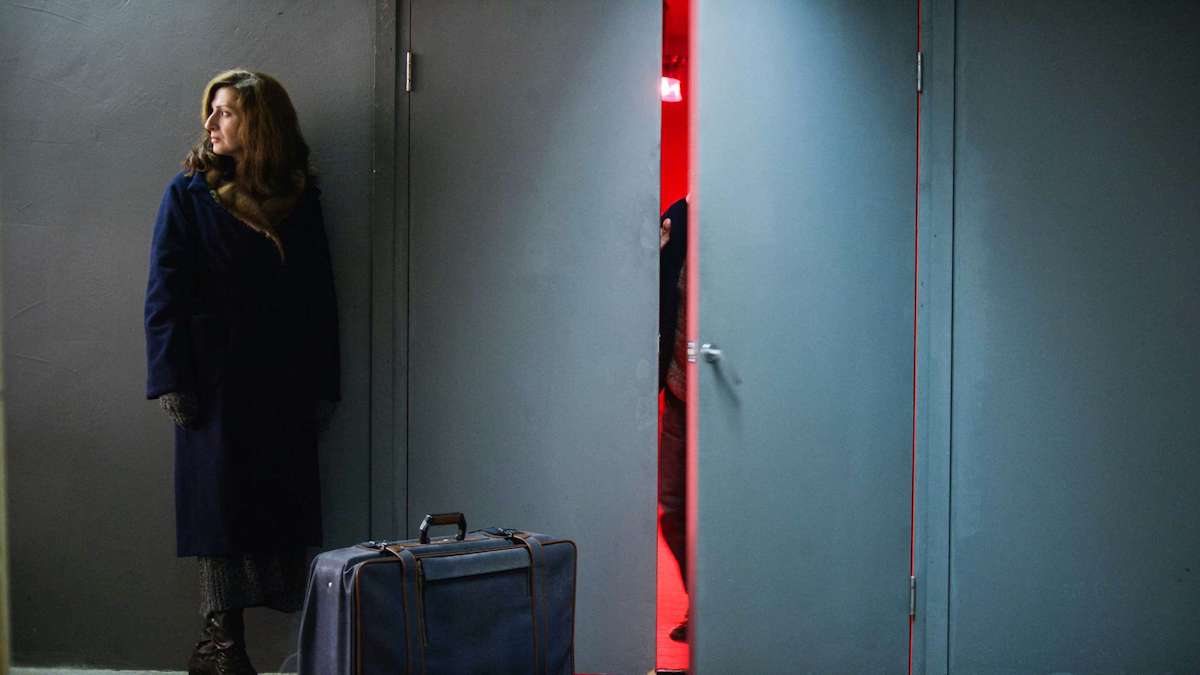 Ana Urushadze’s award-winning debut feature film, Scary Mother (Sashishi deda), has been selected by Georgia as its official candidate in the Best Foreign Language Film category at the 2018 Oscars.
The film starring Nata Murvanidze, Ramaz Ioseliani, Dimitri Tatishvili, and Avtandil Makharadze, World Premiered at the 2017 Locarno Film Festival where the film won the Swatch First Feature Award (Prize for Best First Feature). After the Locarno Film Festival, the film competed at the 2017 Sarajevo Film Festival where it won the the Heart of Sarajevo for Best Feature Film; and the Cineuropa Prize.
Scary Mother follows the story of a 50-year-old housewife, Manana (Nato Murvanidze), struggling with a dilemma: she has to choose between her family life and a love for writing she has repressed for years. When she finally decides to follow her passion, she is ready to sacrifice everything for it, mentally and physically.
Ana Urushadze’s award-winning debut feature film, Scary Mother (Sashishi deda), has been selected by Georgia as its official candidate in the Best Foreign Language Film category at the 2018 Oscars.
The film starring Nata Murvanidze, Ramaz Ioseliani, Dimitri Tatishvili, and Avtandil Makharadze, World Premiered at the 2017 Locarno Film Festival where the film won the Swatch First Feature Award (Prize for Best First Feature). After the Locarno Film Festival, the film competed at the 2017 Sarajevo Film Festival where it won the the Heart of Sarajevo for Best Feature Film; and the Cineuropa Prize.
Scary Mother follows the story of a 50-year-old housewife, Manana (Nato Murvanidze), struggling with a dilemma: she has to choose between her family life and a love for writing she has repressed for years. When she finally decides to follow her passion, she is ready to sacrifice everything for it, mentally and physically.
-
Annemarie Jacir’s WAJIB is Palestine’s Entry for 2018 Oscar Race for Best Foreign Film | TRAILER
 Wajib, a film written and directed by Annemarie Jacir, has been selected by Palestine as its official candidate in the Best Foreign Language Film category at the 2018 Oscars.
The film starring Mohammad Bakri, Saleh Bakri, Maria Zreik and Leila Bakri, World Premiered in official competition at the 2017 Locarno Film Festival, and will have its North American premiere at the 2017 Toronto International Film Festival.
In the film, Abu Shadi is a divorced father and a school teacher in his mid-60s living in Nazareth. After his daughter’s wedding in one month he will be living alone. Shadi, his architect son, arrives from Rome after years abroad to help his father in hand delivering the wedding invitations as per local Palestinian custom. As the estranged pair spend the day together, the tense details of their relationship come to a head challenging their fragile and very different lives.
This is director Annemarie Jacir’s third time representing Palestine at the Academy Awards, having been submitted for Salt of the Sea (2008) and When I Saw You (2012).
Click here to see a clip from Wajib
Wajib, a film written and directed by Annemarie Jacir, has been selected by Palestine as its official candidate in the Best Foreign Language Film category at the 2018 Oscars.
The film starring Mohammad Bakri, Saleh Bakri, Maria Zreik and Leila Bakri, World Premiered in official competition at the 2017 Locarno Film Festival, and will have its North American premiere at the 2017 Toronto International Film Festival.
In the film, Abu Shadi is a divorced father and a school teacher in his mid-60s living in Nazareth. After his daughter’s wedding in one month he will be living alone. Shadi, his architect son, arrives from Rome after years abroad to help his father in hand delivering the wedding invitations as per local Palestinian custom. As the estranged pair spend the day together, the tense details of their relationship come to a head challenging their fragile and very different lives.
This is director Annemarie Jacir’s third time representing Palestine at the Academy Awards, having been submitted for Salt of the Sea (2008) and When I Saw You (2012).
Click here to see a clip from Wajib
Wajib by @AnnemarieJacir is selected to rep. #Palestine in the Best Frgn Film category at the 90th Academy Awards. #Oscars, here we come! pic.twitter.com/cE4ZiEHmNt
— Noor (@suleimannh) August 29, 2017
-
BLACK LEVEL is Ukraine’s Entry for 2018 Oscar Race for Best Foreign Film | TRAILER
 The Ukraine Oscar Committee has selected Valentyn Vasyanovych’s Black Level, as its candidate in the Best Foreign Language Film category at the 2018 Oscars.
The film had its world premiere at the 2017 Odesa International Film Festival, where it won the International Federation of Film Critics FIPRESCI prize.
“Black Level” is a documentary-feature drama telling the story of a 50-year-old wedding photographer facing the prospect of losing everything he has ever loved.
The Ukraine Oscar Committee has selected Valentyn Vasyanovych’s Black Level, as its candidate in the Best Foreign Language Film category at the 2018 Oscars.
The film had its world premiere at the 2017 Odesa International Film Festival, where it won the International Federation of Film Critics FIPRESCI prize.
“Black Level” is a documentary-feature drama telling the story of a 50-year-old wedding photographer facing the prospect of losing everything he has ever loved.
50-year anniversary is the beginning of a complicated phase in the life of a wedding photographer Kostya. All that he loved and to which had been tied to, permanently disappears. Although there are not so many such things in his life: father, paralyzed by a stroke; girlfriend, working as a stylist in a wedding magazine; an old cat and photographic slides in which Kostya is young and happy. Kostya is photographing someone else’s happiness all of his life. For him, it is a daily routine. https://www.youtube.com/watch?v=w0D0CRejU3A
-
WOODPECKERS is Dominican Republic’s Entry for 2018 Oscar Race for Best Foreign Film | TRAILER
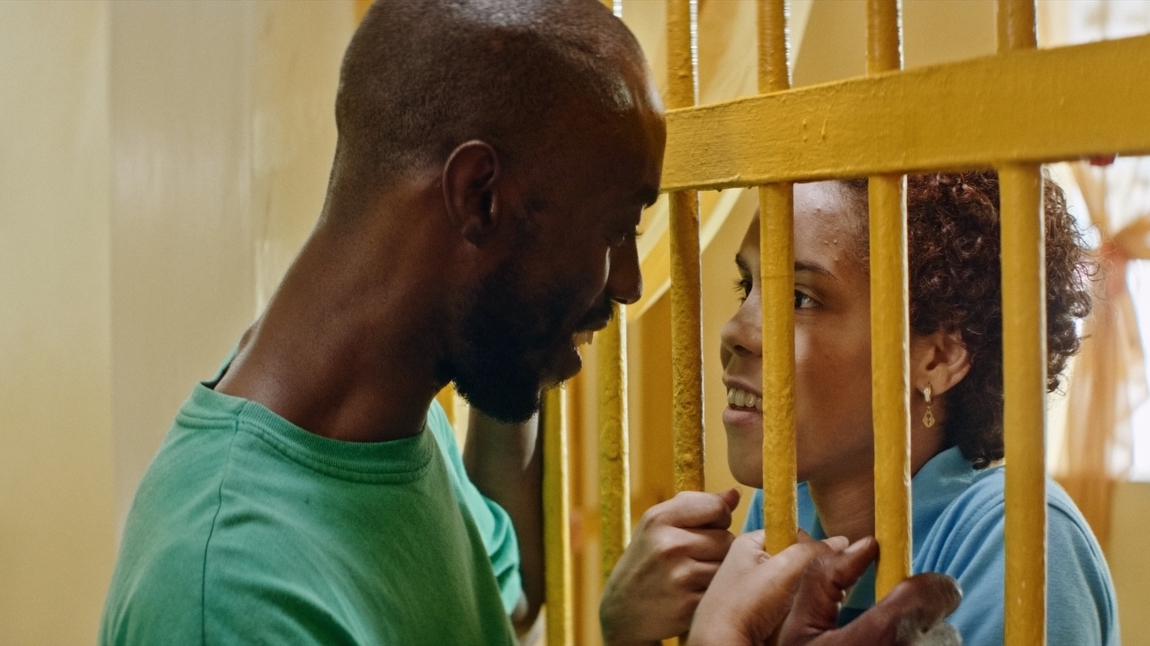 José María Cabral’s Woodpeckers (Carpinteros) was selected this week as Dominican Republic’s official submission for the 2018 Foreign Language Oscar category.
Woodpeckers (Carpinteros) which premiered earlier this year at the 2017 Sundance Film Festival tells the story of handsome Dominican-Haitian Julián (actor Jean Jean in a breakout role) who begins a begins a jail sentence for petty theft inside the notorious Najayo prison just outside Santo Domingo. He becomes immersed in the system of “Woodpecking,” the unique sign language the male prisoners use to communicate with women in the adjacent penitentiary just over 400 feet away. Julián’s entanglement with one female inmate, Yanelly (the astonishing Dominican actress Judith Rodriguez Perez), is the fuse that ignites the events of Woodpeckers, which was shot on location at the actual prison using real inmates for all but the lead roles.
Director José María Cabral’s first feature film, Jaque Mate (2011), was selected as the Dominican entry for the Best Foreign Language Oscar at the 85th Academy Awards.
José María Cabral’s Woodpeckers (Carpinteros) was selected this week as Dominican Republic’s official submission for the 2018 Foreign Language Oscar category.
Woodpeckers (Carpinteros) which premiered earlier this year at the 2017 Sundance Film Festival tells the story of handsome Dominican-Haitian Julián (actor Jean Jean in a breakout role) who begins a begins a jail sentence for petty theft inside the notorious Najayo prison just outside Santo Domingo. He becomes immersed in the system of “Woodpecking,” the unique sign language the male prisoners use to communicate with women in the adjacent penitentiary just over 400 feet away. Julián’s entanglement with one female inmate, Yanelly (the astonishing Dominican actress Judith Rodriguez Perez), is the fuse that ignites the events of Woodpeckers, which was shot on location at the actual prison using real inmates for all but the lead roles.
Director José María Cabral’s first feature film, Jaque Mate (2011), was selected as the Dominican entry for the Best Foreign Language Oscar at the 85th Academy Awards.