
 Ismael Nazario spent more than two years at Rikers. Credit: Mark Benjamin[/caption]
In his latest documentary, Rikers, Marc Levin delves into one of the country’s most famous correctional facilities to put you face to face with those who faced time in one of the world most violent and notorious prisons. The documentary features personal stories of former prisoners from the late 70’s to present day, who vividly describe their experiences of the torture of solidarity confinement, what it’s like living in a cage with criminals and being at the mercy of the hands of the correctional officers, as well as the kind of life you face if you’re fortunate enough to leave.The documentary features about 12 testimonials of former prisoners from Rikers Island and how the prison managed to bring out violence in them that they never knew they were capable of. We interviewed Marc on his journey to get the word out on those who couldn’t get out.
In a brief summary, could you tell us what the documentary is about?
Rikers is about the experience of being incarcerated at Rikers Island, NYC’s largest jail that holds about 7,500 people on any given day. We gave former detainees who have been incarcerated there – some for months, some for years – the opportunity to describe what they experienced, direct to camera.
[gallery type="rectangular" ids="18343,18344,18345,18346,18347,18348"]
What was your motivation for making a documentary about Rikers?
The film was an idea that Bill Moyers had, and he approached us with it. We’ve worked with Bill over decades, and he knew that we had a deep background making films about jails – where people are held awaiting trial – as well as prisons, where people are sent to serve their sentence. Like many of us, Bill had been reading the excellent investigative journalism about the abuses and corruption at Rikers Island, and it started him thinking that we really hadn’t heard directly from the people who have endured it. How long did this film take? Did you run into any roadblocks while making it? The film took about a year to make.
What was the most challenging part of getting the film made?
The biggest challenge was finding the right people to feature. We interviewed over 100 people and then narrowed it down to about a dozen who are in the documentary. The other major challenge was editing it into a composite narrative. We used very little B-roll or archival. As Bill Moyers said to us,“There is no production value greater than the human face.”
What do you want the audience to take away from RIKERS?
We have criminalized so many people that the word CRIMINAL has come to mean something subhuman and undeserving of any empathy or compassion. The people that you meet in Rikers are thoughtful, articulate, humble, spiritual human beings. They have families, and they have hope. Some were found guilty of the charges against them. Others endured Rikers and then they were cleared of the charges. None were spared the culture of violence that exists there. We need to think about that and what we want justice in New York, and in America, to look like. In a sentence or two tell our readers why they should see the film. We’ve had a very powerful reaction from audiences already, and I think it will move people. There seems to be a growing understanding that our criminal justice system needs real reform. This film is not just about “them,” it’s about us, who we are. You don’t have to travel to Guantanamo or Abu Ghraib to see torture. You can just go a few miles from the heart of Manhattan. Remember what Fyodor Dostoevsky wrote over a hundred years ago, “The degree of civilization in a society can be judged by entering its prisons.
What did you learn while making Rikers and can you give tips to any prospective Documentary filmmakers?
Many of these characters had other compelling stories about their early lives, their time in prison, and their struggles reentering society. It was very difficult to leave them on the editing room floor. But we wanted to focus exclusively on their experiences on Rikers Island. It sounds rather straightforward to edit together the stories of a dozen people so they tell a collective story, while also each offering their own unique perspective. But finding the right rhythm, pace, and structure is a lot trickier than it appears. The editing room is where it all comes together
What’s next step for both you and the doc?
After premiering at the DOC NYC film festival on Saturday, November 12th , Rikers will be broadcast on THIRTEEN/WNET in New York on November 15th at 10pm and again on the 20th at 10pm. We are in discussion for national television distribution, but in the meantime, it will be streaming at RIKERSfilm.org starting with the broadcast premiere. Already many organizations are hosting screenings of the film, and we hope it will continue to be used for education and a catalyst for change.
Rikers had its world premiere at the DOC NYC 2016.
For more information click here.
Ismael Nazario spent more than two years at Rikers. Credit: Mark Benjamin[/caption]
In his latest documentary, Rikers, Marc Levin delves into one of the country’s most famous correctional facilities to put you face to face with those who faced time in one of the world most violent and notorious prisons. The documentary features personal stories of former prisoners from the late 70’s to present day, who vividly describe their experiences of the torture of solidarity confinement, what it’s like living in a cage with criminals and being at the mercy of the hands of the correctional officers, as well as the kind of life you face if you’re fortunate enough to leave.The documentary features about 12 testimonials of former prisoners from Rikers Island and how the prison managed to bring out violence in them that they never knew they were capable of. We interviewed Marc on his journey to get the word out on those who couldn’t get out.
In a brief summary, could you tell us what the documentary is about?
Rikers is about the experience of being incarcerated at Rikers Island, NYC’s largest jail that holds about 7,500 people on any given day. We gave former detainees who have been incarcerated there – some for months, some for years – the opportunity to describe what they experienced, direct to camera.
[gallery type="rectangular" ids="18343,18344,18345,18346,18347,18348"]
What was your motivation for making a documentary about Rikers?
The film was an idea that Bill Moyers had, and he approached us with it. We’ve worked with Bill over decades, and he knew that we had a deep background making films about jails – where people are held awaiting trial – as well as prisons, where people are sent to serve their sentence. Like many of us, Bill had been reading the excellent investigative journalism about the abuses and corruption at Rikers Island, and it started him thinking that we really hadn’t heard directly from the people who have endured it. How long did this film take? Did you run into any roadblocks while making it? The film took about a year to make.
What was the most challenging part of getting the film made?
The biggest challenge was finding the right people to feature. We interviewed over 100 people and then narrowed it down to about a dozen who are in the documentary. The other major challenge was editing it into a composite narrative. We used very little B-roll or archival. As Bill Moyers said to us,“There is no production value greater than the human face.”
What do you want the audience to take away from RIKERS?
We have criminalized so many people that the word CRIMINAL has come to mean something subhuman and undeserving of any empathy or compassion. The people that you meet in Rikers are thoughtful, articulate, humble, spiritual human beings. They have families, and they have hope. Some were found guilty of the charges against them. Others endured Rikers and then they were cleared of the charges. None were spared the culture of violence that exists there. We need to think about that and what we want justice in New York, and in America, to look like. In a sentence or two tell our readers why they should see the film. We’ve had a very powerful reaction from audiences already, and I think it will move people. There seems to be a growing understanding that our criminal justice system needs real reform. This film is not just about “them,” it’s about us, who we are. You don’t have to travel to Guantanamo or Abu Ghraib to see torture. You can just go a few miles from the heart of Manhattan. Remember what Fyodor Dostoevsky wrote over a hundred years ago, “The degree of civilization in a society can be judged by entering its prisons.
What did you learn while making Rikers and can you give tips to any prospective Documentary filmmakers?
Many of these characters had other compelling stories about their early lives, their time in prison, and their struggles reentering society. It was very difficult to leave them on the editing room floor. But we wanted to focus exclusively on their experiences on Rikers Island. It sounds rather straightforward to edit together the stories of a dozen people so they tell a collective story, while also each offering their own unique perspective. But finding the right rhythm, pace, and structure is a lot trickier than it appears. The editing room is where it all comes together
What’s next step for both you and the doc?
After premiering at the DOC NYC film festival on Saturday, November 12th , Rikers will be broadcast on THIRTEEN/WNET in New York on November 15th at 10pm and again on the 20th at 10pm. We are in discussion for national television distribution, but in the meantime, it will be streaming at RIKERSfilm.org starting with the broadcast premiere. Already many organizations are hosting screenings of the film, and we hope it will continue to be used for education and a catalyst for change.
Rikers had its world premiere at the DOC NYC 2016.
For more information click here.DOC NYC
Documentary storytelling is flourishing like never before. DOC NYC is at the center of celebrating and supporting this cultural movement. DOC NYC is also an Academy-qualifying festival for short films. DOC NYC’s winning short will qualify for consideration in the Documentary Short Subject category of the Annual Academy Awards® without the standard theatrical run, provided the film otherwise complies with the Academy rules.
DOC NYC started in 2005 and takes place in Manhattan, New York, USA
-
Marc Levin Talks About His New Documentary RIKERS World Premiering at DOC NYC
[caption id="attachment_18346" align="aligncenter" width="1000"] Ismael Nazario spent more than two years at Rikers. Credit: Mark Benjamin[/caption]
In his latest documentary, Rikers, Marc Levin delves into one of the country’s most famous correctional facilities to put you face to face with those who faced time in one of the world most violent and notorious prisons. The documentary features personal stories of former prisoners from the late 70’s to present day, who vividly describe their experiences of the torture of solidarity confinement, what it’s like living in a cage with criminals and being at the mercy of the hands of the correctional officers, as well as the kind of life you face if you’re fortunate enough to leave.The documentary features about 12 testimonials of former prisoners from Rikers Island and how the prison managed to bring out violence in them that they never knew they were capable of. We interviewed Marc on his journey to get the word out on those who couldn’t get out.
In a brief summary, could you tell us what the documentary is about?
Rikers is about the experience of being incarcerated at Rikers Island, NYC’s largest jail that holds about 7,500 people on any given day. We gave former detainees who have been incarcerated there – some for months, some for years – the opportunity to describe what they experienced, direct to camera.
[gallery type="rectangular" ids="18343,18344,18345,18346,18347,18348"]
What was your motivation for making a documentary about Rikers?
The film was an idea that Bill Moyers had, and he approached us with it. We’ve worked with Bill over decades, and he knew that we had a deep background making films about jails – where people are held awaiting trial – as well as prisons, where people are sent to serve their sentence. Like many of us, Bill had been reading the excellent investigative journalism about the abuses and corruption at Rikers Island, and it started him thinking that we really hadn’t heard directly from the people who have endured it. How long did this film take? Did you run into any roadblocks while making it? The film took about a year to make.
What was the most challenging part of getting the film made?
The biggest challenge was finding the right people to feature. We interviewed over 100 people and then narrowed it down to about a dozen who are in the documentary. The other major challenge was editing it into a composite narrative. We used very little B-roll or archival. As Bill Moyers said to us,“There is no production value greater than the human face.”
What do you want the audience to take away from RIKERS?
We have criminalized so many people that the word CRIMINAL has come to mean something subhuman and undeserving of any empathy or compassion. The people that you meet in Rikers are thoughtful, articulate, humble, spiritual human beings. They have families, and they have hope. Some were found guilty of the charges against them. Others endured Rikers and then they were cleared of the charges. None were spared the culture of violence that exists there. We need to think about that and what we want justice in New York, and in America, to look like. In a sentence or two tell our readers why they should see the film. We’ve had a very powerful reaction from audiences already, and I think it will move people. There seems to be a growing understanding that our criminal justice system needs real reform. This film is not just about “them,” it’s about us, who we are. You don’t have to travel to Guantanamo or Abu Ghraib to see torture. You can just go a few miles from the heart of Manhattan. Remember what Fyodor Dostoevsky wrote over a hundred years ago, “The degree of civilization in a society can be judged by entering its prisons.
What did you learn while making Rikers and can you give tips to any prospective Documentary filmmakers?
Many of these characters had other compelling stories about their early lives, their time in prison, and their struggles reentering society. It was very difficult to leave them on the editing room floor. But we wanted to focus exclusively on their experiences on Rikers Island. It sounds rather straightforward to edit together the stories of a dozen people so they tell a collective story, while also each offering their own unique perspective. But finding the right rhythm, pace, and structure is a lot trickier than it appears. The editing room is where it all comes together
What’s next step for both you and the doc?
After premiering at the DOC NYC film festival on Saturday, November 12th , Rikers will be broadcast on THIRTEEN/WNET in New York on November 15th at 10pm and again on the 20th at 10pm. We are in discussion for national television distribution, but in the meantime, it will be streaming at RIKERSfilm.org starting with the broadcast premiere. Already many organizations are hosting screenings of the film, and we hope it will continue to be used for education and a catalyst for change.
Rikers had its world premiere at the DOC NYC 2016.
For more information click here.
-
Director Michael Galinsky Talks About ALL THE RAGE ( SAVED BY DR. SARNO)
[caption id="attachment_18275" align="aligncenter" width="1000"] All the Rage ( Saved by Dr. Sarno)[/caption]
In a world where instant gratification and quick fixes are king, alternative approaches to healing are commonly dismissed. Director Michael Galinsky explores the world of psychosomatic pain in All the Rage ( Saved by Dr. Sarno) by documenting both the teachings of Dr. Sarno as well as the Galinsky’s own experiences of applying Dr. Sarno’s theories to his immobilizing back pain. The documentary boasts big names whose lives have been changed by Dr. Sarno, like Howard Stern and Larry David, and is a refreshing angle on a medical innovation. Rather than relying on the more clinical approach of talking heads and client confessions, watching the director himself go on this journey gives a point of view that isn’t often shown in medical documentaries and is a key factor in successfully persuading the audience on something that could be a very hard sell. All the Rage ( Saved by Dr. Sarno) is world premiering at the DOC NYC 2016.
We interviewed Director Michael Galinsky to give us more insight on All the Rage.
Can you briefly tell the readers what All the Rage is about?
All The Rage began as a film about Dr. John Sarno and his mind body approach to back pain. We came to the story because of a personal connection to it. Michael’s father read Dr. Sarno’s book “Healing Back Pain” in the 80’s and healed from years of chronic whiplash pain. Later Michael’s brother went to see Dr. Sarno when he had such bad hand problems that he could not type or drive. Michael read the book at that point and banished his own recurrent back pain for a decade. When it came roaring back and he was slammed to the floor in incredible pain, he went to see Dr Sarno as well, and thus began a 12 year odyssey to make this film. Over the course of filming it became an increasingly personal story.
What was your main motivation for making the documentary?
We at Rumur knew that Dr. Sarno had a powerful story that needed to be told. We have made four other feature docs about characters who are fighting for what they believe in against great odds. We originally tried making this film as a verite documentary, but quickly found it difficult. In fact, it ended up getting put on hold for many years because we couldn’t raise any funding and we weren’t convinced that we knew how to make it. When Michael’s back problems flared up again in 2011, we were more determined than ever to finish the film. The good news was that the culture had shifted dramatically in the time that the project was on hold. People were much more open to the idea that many health problems had a psychosomatic connection. That made it much more exciting to work on it. That process has only ramped up over the last 5 years.
Being that psychosomatic pain is so often dismissed, were you at all reluctant to make a film about it?
We weren’t reluctant to make, but we did find it hard to fund, and hard to conceptualize. The idea that pain has a psychosomatic basis was widely dismissed as unscientific a dozen years ago. Both doctors and patients found it hard to wrap their minds around the idea that back pain might have an emotional cause. Because of that reality, we needed to be very deliberate about how we told the story. Now the idea is much more accepted and there is a flood of research supporting this idea.
How long did it take to shoot? Did you run into any challenges while making it?
In our first 3 years of trying to get the film off the ground, we shot only 6 hours of tape. By contrast we shot nearly 300 hours on another doc that we were working on at the same time. The first challenge was funding. We applied for dozens of grants, many of them multiple times, but the ideas at the heart of the film didn’t connect. While Dr. Sarno’s ideas are controversial with the mainstream, he does have a large and dedicated following thanks to the success of his best-selling books on back pain. Hundreds of people have said his books changed their lives. That way, we were able to raise funding via kickstarter once we restarted the film. At that point, the only way we could think of a film was in terms of direct cinema. We had no interest in doing talking head interviews. At the same time, there wasn’t much action we could follow. Dr. Sarno would not introduce us to patients and we couldn’t find anyone to follow, so we were kind of stuck. Eventually, we made it more personal as we went along, using Michael’s story as a way to give the audience a character to relate to. We were thenable to make use of the footage we had shot and we ended up interviewing a number of people because it was a complex story that needed many voices.
Can you tell our readers why they should see All the Rage and what you want the audience to take away from the film?
All The Rage won’t provide people with an easy answer to their problems, but it will give them a way to view their lives, and their emotions, in a more open way that should put them on a pathway towards healing. We were very conscious of making a film that honors Dr. Sarno’s legacy without making a film that was just for people who are already fans of his work. We also didn’t want to make a film that was essentially his book in a shortened form, but instead a film that would inspire people to do their own work in coming to understand the ideas. Almost everyone we have shown the film to so far has asked, “Can I show this to my brother/father/friend”. Most people have also said, “This will help so many people!” Last week we saw that a well know comedian cancelled a show due to back pain. We sent him a link that night and in the morning we got a message that said, “Fabulous Film!, Finish it! I’ll promote it!” That same day we heard from another comedian who had just read the book and echoed the sentiments above. The goal was to make a film that drove home the idea that our minds and bodies are intimately connected. I think we accomplished that.
What would you say to nonbelievers in psychosomatic pain? How can a friend or family member convince a nonbeliever with chronic pain to get this kind of help?
As Dr. Sarno points out, you can’t convince anyone of anything. For this reason, we tried to make a film that wouldn’t feel like we were trying to convince them. However we did want to show, to illustrate that connection. By the end of the film it can’t be ignored.
Can you give tips to any prospective Documentary filmmakers?What did you learn while making All the Rage?
Making films takes time. There’s always a way around no. This morning on the way to NY we ran into a friend who works at the airport. We met her when she inquired about our camera bag last year. Turned out that she was interested in film. A couple of weeks later she started to shoot a documentary about a transgender co-worker who was becoming a major advocate for transgender rights. We started to help her shoot and conceptualize the film. There’s been a learning curve there for sure, but she showed us something she shot earlier this week just before the election. It’s going to be a several year shoot and she is coming to understand what needs to get shot and what she can let go. It was awesome to see how much she’s learned- which leads to you learn by doing!
What’s next step for both you and the doc?
We hope that the film changes the conversation about health care. We have a half dozen films in the fire- but we know we are going to spend the next year getting this film out.
All the Rage World Premiered at DOC NYC 2016 and will screen again on Tuesday, November 15, 2016, 9:45 PM at the IFC Center.
For tickets and more information click here.
All the Rage ( Saved by Dr. Sarno)[/caption]
In a world where instant gratification and quick fixes are king, alternative approaches to healing are commonly dismissed. Director Michael Galinsky explores the world of psychosomatic pain in All the Rage ( Saved by Dr. Sarno) by documenting both the teachings of Dr. Sarno as well as the Galinsky’s own experiences of applying Dr. Sarno’s theories to his immobilizing back pain. The documentary boasts big names whose lives have been changed by Dr. Sarno, like Howard Stern and Larry David, and is a refreshing angle on a medical innovation. Rather than relying on the more clinical approach of talking heads and client confessions, watching the director himself go on this journey gives a point of view that isn’t often shown in medical documentaries and is a key factor in successfully persuading the audience on something that could be a very hard sell. All the Rage ( Saved by Dr. Sarno) is world premiering at the DOC NYC 2016.
We interviewed Director Michael Galinsky to give us more insight on All the Rage.
Can you briefly tell the readers what All the Rage is about?
All The Rage began as a film about Dr. John Sarno and his mind body approach to back pain. We came to the story because of a personal connection to it. Michael’s father read Dr. Sarno’s book “Healing Back Pain” in the 80’s and healed from years of chronic whiplash pain. Later Michael’s brother went to see Dr. Sarno when he had such bad hand problems that he could not type or drive. Michael read the book at that point and banished his own recurrent back pain for a decade. When it came roaring back and he was slammed to the floor in incredible pain, he went to see Dr Sarno as well, and thus began a 12 year odyssey to make this film. Over the course of filming it became an increasingly personal story.
What was your main motivation for making the documentary?
We at Rumur knew that Dr. Sarno had a powerful story that needed to be told. We have made four other feature docs about characters who are fighting for what they believe in against great odds. We originally tried making this film as a verite documentary, but quickly found it difficult. In fact, it ended up getting put on hold for many years because we couldn’t raise any funding and we weren’t convinced that we knew how to make it. When Michael’s back problems flared up again in 2011, we were more determined than ever to finish the film. The good news was that the culture had shifted dramatically in the time that the project was on hold. People were much more open to the idea that many health problems had a psychosomatic connection. That made it much more exciting to work on it. That process has only ramped up over the last 5 years.
Being that psychosomatic pain is so often dismissed, were you at all reluctant to make a film about it?
We weren’t reluctant to make, but we did find it hard to fund, and hard to conceptualize. The idea that pain has a psychosomatic basis was widely dismissed as unscientific a dozen years ago. Both doctors and patients found it hard to wrap their minds around the idea that back pain might have an emotional cause. Because of that reality, we needed to be very deliberate about how we told the story. Now the idea is much more accepted and there is a flood of research supporting this idea.
How long did it take to shoot? Did you run into any challenges while making it?
In our first 3 years of trying to get the film off the ground, we shot only 6 hours of tape. By contrast we shot nearly 300 hours on another doc that we were working on at the same time. The first challenge was funding. We applied for dozens of grants, many of them multiple times, but the ideas at the heart of the film didn’t connect. While Dr. Sarno’s ideas are controversial with the mainstream, he does have a large and dedicated following thanks to the success of his best-selling books on back pain. Hundreds of people have said his books changed their lives. That way, we were able to raise funding via kickstarter once we restarted the film. At that point, the only way we could think of a film was in terms of direct cinema. We had no interest in doing talking head interviews. At the same time, there wasn’t much action we could follow. Dr. Sarno would not introduce us to patients and we couldn’t find anyone to follow, so we were kind of stuck. Eventually, we made it more personal as we went along, using Michael’s story as a way to give the audience a character to relate to. We were thenable to make use of the footage we had shot and we ended up interviewing a number of people because it was a complex story that needed many voices.
Can you tell our readers why they should see All the Rage and what you want the audience to take away from the film?
All The Rage won’t provide people with an easy answer to their problems, but it will give them a way to view their lives, and their emotions, in a more open way that should put them on a pathway towards healing. We were very conscious of making a film that honors Dr. Sarno’s legacy without making a film that was just for people who are already fans of his work. We also didn’t want to make a film that was essentially his book in a shortened form, but instead a film that would inspire people to do their own work in coming to understand the ideas. Almost everyone we have shown the film to so far has asked, “Can I show this to my brother/father/friend”. Most people have also said, “This will help so many people!” Last week we saw that a well know comedian cancelled a show due to back pain. We sent him a link that night and in the morning we got a message that said, “Fabulous Film!, Finish it! I’ll promote it!” That same day we heard from another comedian who had just read the book and echoed the sentiments above. The goal was to make a film that drove home the idea that our minds and bodies are intimately connected. I think we accomplished that.
What would you say to nonbelievers in psychosomatic pain? How can a friend or family member convince a nonbeliever with chronic pain to get this kind of help?
As Dr. Sarno points out, you can’t convince anyone of anything. For this reason, we tried to make a film that wouldn’t feel like we were trying to convince them. However we did want to show, to illustrate that connection. By the end of the film it can’t be ignored.
Can you give tips to any prospective Documentary filmmakers?What did you learn while making All the Rage?
Making films takes time. There’s always a way around no. This morning on the way to NY we ran into a friend who works at the airport. We met her when she inquired about our camera bag last year. Turned out that she was interested in film. A couple of weeks later she started to shoot a documentary about a transgender co-worker who was becoming a major advocate for transgender rights. We started to help her shoot and conceptualize the film. There’s been a learning curve there for sure, but she showed us something she shot earlier this week just before the election. It’s going to be a several year shoot and she is coming to understand what needs to get shot and what she can let go. It was awesome to see how much she’s learned- which leads to you learn by doing!
What’s next step for both you and the doc?
We hope that the film changes the conversation about health care. We have a half dozen films in the fire- but we know we are going to spend the next year getting this film out.
All the Rage World Premiered at DOC NYC 2016 and will screen again on Tuesday, November 15, 2016, 9:45 PM at the IFC Center.
For tickets and more information click here.
-
Director Madeleine Gavin Discusses Her New Film CITY OF JOY Premiering at DOC NYC
[caption id="attachment_18245" align="aligncenter" width="1000"] City of Joy[/caption]
In what might be one of the most important and uplifting documentaries premiering at DOC NYC, City of Joy follows a community for women survivors of violence in the Eastern Democratic Republic of Congo. The documentary displays how these women triumph over abuse and join forces to revolutionize their community. The doc is equally stirring as it is inspirational, and encourages a catalyst for change at every turn. As a fantastic reassurance of what women can do when the work together, this is one documentary not to be missed. We sat down with the director Madeleine Gavin, to tell us more about this film.
Can you tell us what City of joy is all about?
City of Joy takes place in Eastern Democratic Republic of Congo, an area often referred to as “the worst place in the world to be a woman.” The film follows the first class of women who enter a leadership center in Bukavu, in Eastern DRC for a 9-month leadership training. It also focuses on the founders of this center, three activists who imagined this revolutionary place where women who have suffered horrific rape and abuse can learn to lead others and work toward changing their country, in spite of all they have endured.
What was your motivation for making a documentary about women survivors of violence in the Eastern Democratic Republic of Congo? When did you first become aware of these women?
What motivated me to want to make this film began a few years before this leadership center, City of Joy (from which the film gets its title) opened. At the time, I was creating web pieces that tracked some of the work Eve Ensler (author of The Vagina Monologues) and V-Day (the movement she founded) were doing to end violence against women and girls around the world.
I remember the first piece I did about the Democratic Republic of Congo. I had known about the genocide in Rwanda but, at the time had only a vague knowledge of the DRC and the violence occurring there since the mid 1990’s. As I began to learn more about was going on, the torture, the devastation to women’s families, to their communities, their children, their bodies, I was shaken to the core. Having a young daughter myself, it was impossible to imagine how these women could envision a life with meaning after being through what they had or witnessing their children go through such atrocities. And yet there was a resilience and insistence on hope in these women that was palpable. To say that it was awe-inspiring is really an understatement but it was this awe I felt in the face of the incomprehensible strength of these women that initially motivated me to want to make this film.
Once City of Joy opened and we began shooting and following the first class of women there, my commitment to this project became even stronger. I knew of Co-Founder Eve Ensler’s work and her dedication to ending violence against women but getting to know Co-Founder Christine Schuler-Deschryver and seeing the work of Co-Founder Dr. Denis Mukwege, left an indelible mark on me. Risking their own personal safety, the founders of City of Joy – as well as many others who teach and work there – have a fierce devotion to the women of Congo and to the country they dearly love. I felt I needed to tell the story of this devotion, this dedication to hope in a world where so much hopelessness surrounded them.
How long did it take to film and what did you find to be most challenging part of making it?
We shot on and off for a little over four years. There were many challenges in the making of this film. There were times when, because of the logistics of shooting in Congo and issues related to access and security, I had to reimagine what I had wanted to shoot, mid-shoot. This was often difficult because material I dearly wanted might become impossible to shoot. But one of the most challenging things overall I would say was trying to find the balance between the devastation of what these women had suffered and the incredible force of hope and joy that they embodied. I didn’t want audiences to go numb in the watching of this film and to shut down and stop listening. So I grappled a lot with the shifting tones. In the shooting, there was of course wrenching, heart-breaking emotion. But there was also a huge amount of humor, irreverence and joy. It was really important to me that audiences experienced the powerful and often incomprehensible array of emotions I myself experienced in Congo.
In a sentence or two, tell our readers why they should see the City of Joy.
I think audiences should see City of Joy because there is so much they can learn from the individuals in it and because our worlds are connected and we need to take action to care about others the way these women care about each other. I myself feel like I learned a lot about the meaning of the word “joy” from the women of Congo, a very important word that the graduates of City of Joy are taking along with their courage and strength, into their work in villages all over Congo.
It is an incredibly important topic, particularly now. I think people will get a lot out of your message. What specifically do you want the audience to take away from City of Joy?
I hope that audiences will be moved by the individuals in this film, by their strength, their courage and their dedication to each other and to changing their country. I also hope people will be outraged by what the women have suffered and that they will begin to understand how connected our world is, that we can’t separate corporate greed from violence in villages that we could never even find on a map. I really hope people will leave the theatre with the belief that change is possible and that we all have a huge role in that. If these women at City of Joy can move beyond experiences that would paralyze many, then I really hope audiences will actively join their fight.
Can you give tips to any prospective Documentary film makers? What did you learn while making the film?
I learned so much from the people in the film, first and foremost. But in terms of filmmaking itself, I definitely learned to be even more flexible with narrative, sometimes intentionally and sometimes out of necessity. I really wanted this film to have its own particular style of story-telling, to be an experience for an audience rather than information. I grappled a lot with this and, whether I was fully successful or not, I learned an enormous amount about pushing boundaries of narrative. Regarding tips for others, I would only say that trying to be true to the specificity of what you want to explore in a film is so important. Being open to criticism and new ideas is equally important. Doing something that goes against the central core of your film, however, is often worth fighting against. Of course trying to figure out the sweet spot of where that line falls can be difficult but is also key.
What’s next step for both you and the doc?
City of Joy is the first film I have directed. Before this I have worked primarily as an editor in both documentary and narrative. I love both forms and tend to go back and forth between them. Right now I am working with Rebecca Cammisa (WHICH WAY HOME) on her new film for HBO about radioactive waste that was illegally dumped in downtown St. Louis. I am also developing a new project that I hope to direct.
City of Joy premieres tonight at 7:00 PM at SVA Theatre
For more information and to buy tickets click here.
City of Joy[/caption]
In what might be one of the most important and uplifting documentaries premiering at DOC NYC, City of Joy follows a community for women survivors of violence in the Eastern Democratic Republic of Congo. The documentary displays how these women triumph over abuse and join forces to revolutionize their community. The doc is equally stirring as it is inspirational, and encourages a catalyst for change at every turn. As a fantastic reassurance of what women can do when the work together, this is one documentary not to be missed. We sat down with the director Madeleine Gavin, to tell us more about this film.
Can you tell us what City of joy is all about?
City of Joy takes place in Eastern Democratic Republic of Congo, an area often referred to as “the worst place in the world to be a woman.” The film follows the first class of women who enter a leadership center in Bukavu, in Eastern DRC for a 9-month leadership training. It also focuses on the founders of this center, three activists who imagined this revolutionary place where women who have suffered horrific rape and abuse can learn to lead others and work toward changing their country, in spite of all they have endured.
What was your motivation for making a documentary about women survivors of violence in the Eastern Democratic Republic of Congo? When did you first become aware of these women?
What motivated me to want to make this film began a few years before this leadership center, City of Joy (from which the film gets its title) opened. At the time, I was creating web pieces that tracked some of the work Eve Ensler (author of The Vagina Monologues) and V-Day (the movement she founded) were doing to end violence against women and girls around the world.
I remember the first piece I did about the Democratic Republic of Congo. I had known about the genocide in Rwanda but, at the time had only a vague knowledge of the DRC and the violence occurring there since the mid 1990’s. As I began to learn more about was going on, the torture, the devastation to women’s families, to their communities, their children, their bodies, I was shaken to the core. Having a young daughter myself, it was impossible to imagine how these women could envision a life with meaning after being through what they had or witnessing their children go through such atrocities. And yet there was a resilience and insistence on hope in these women that was palpable. To say that it was awe-inspiring is really an understatement but it was this awe I felt in the face of the incomprehensible strength of these women that initially motivated me to want to make this film.
Once City of Joy opened and we began shooting and following the first class of women there, my commitment to this project became even stronger. I knew of Co-Founder Eve Ensler’s work and her dedication to ending violence against women but getting to know Co-Founder Christine Schuler-Deschryver and seeing the work of Co-Founder Dr. Denis Mukwege, left an indelible mark on me. Risking their own personal safety, the founders of City of Joy – as well as many others who teach and work there – have a fierce devotion to the women of Congo and to the country they dearly love. I felt I needed to tell the story of this devotion, this dedication to hope in a world where so much hopelessness surrounded them.
How long did it take to film and what did you find to be most challenging part of making it?
We shot on and off for a little over four years. There were many challenges in the making of this film. There were times when, because of the logistics of shooting in Congo and issues related to access and security, I had to reimagine what I had wanted to shoot, mid-shoot. This was often difficult because material I dearly wanted might become impossible to shoot. But one of the most challenging things overall I would say was trying to find the balance between the devastation of what these women had suffered and the incredible force of hope and joy that they embodied. I didn’t want audiences to go numb in the watching of this film and to shut down and stop listening. So I grappled a lot with the shifting tones. In the shooting, there was of course wrenching, heart-breaking emotion. But there was also a huge amount of humor, irreverence and joy. It was really important to me that audiences experienced the powerful and often incomprehensible array of emotions I myself experienced in Congo.
In a sentence or two, tell our readers why they should see the City of Joy.
I think audiences should see City of Joy because there is so much they can learn from the individuals in it and because our worlds are connected and we need to take action to care about others the way these women care about each other. I myself feel like I learned a lot about the meaning of the word “joy” from the women of Congo, a very important word that the graduates of City of Joy are taking along with their courage and strength, into their work in villages all over Congo.
It is an incredibly important topic, particularly now. I think people will get a lot out of your message. What specifically do you want the audience to take away from City of Joy?
I hope that audiences will be moved by the individuals in this film, by their strength, their courage and their dedication to each other and to changing their country. I also hope people will be outraged by what the women have suffered and that they will begin to understand how connected our world is, that we can’t separate corporate greed from violence in villages that we could never even find on a map. I really hope people will leave the theatre with the belief that change is possible and that we all have a huge role in that. If these women at City of Joy can move beyond experiences that would paralyze many, then I really hope audiences will actively join their fight.
Can you give tips to any prospective Documentary film makers? What did you learn while making the film?
I learned so much from the people in the film, first and foremost. But in terms of filmmaking itself, I definitely learned to be even more flexible with narrative, sometimes intentionally and sometimes out of necessity. I really wanted this film to have its own particular style of story-telling, to be an experience for an audience rather than information. I grappled a lot with this and, whether I was fully successful or not, I learned an enormous amount about pushing boundaries of narrative. Regarding tips for others, I would only say that trying to be true to the specificity of what you want to explore in a film is so important. Being open to criticism and new ideas is equally important. Doing something that goes against the central core of your film, however, is often worth fighting against. Of course trying to figure out the sweet spot of where that line falls can be difficult but is also key.
What’s next step for both you and the doc?
City of Joy is the first film I have directed. Before this I have worked primarily as an editor in both documentary and narrative. I love both forms and tend to go back and forth between them. Right now I am working with Rebecca Cammisa (WHICH WAY HOME) on her new film for HBO about radioactive waste that was illegally dumped in downtown St. Louis. I am also developing a new project that I hope to direct.
City of Joy premieres tonight at 7:00 PM at SVA Theatre
For more information and to buy tickets click here.
-
Director Ryan Jones Talks Aboout SCOTT’S PIZZA TOURS, a Documentary You’ll Want To Devour
[caption id="attachment_18236" align="aligncenter" width="1000"] Scott’s Pizza Tours[/caption]
After what some might call a post-apocalyptic week, Scott’s Pizza Tours might just be the documentary to remind you that you can have fun again. The documentary follows the life of Scott Wiener, pizza enthusiast and New York’s slice-spirit guide, letting you in on the secrets of New York’s unparalleled pies. We interviewed director Ryan Jones to tell us more about the film and why this is the doc you’ll be craving. Scott’s Pizza Tours makes its world premiere at 2016 DOC NYC.
This isn’t what one might call a tradition subject for a documentary, when did you first become aware of Scott Wiener and what was your motivation to choose him as your subject?
I had known Scott for a few years through my wife, but I hadn’t had the chance to go on his pizza tour. I knew the depth of his knowledge, and his personality, so I had mentioned to my co-director, Shawn Willis, the idea of doing a doc about Scott, but it was kind of on the back-burner. Then I went on a tour and I was blown away. I called Shawn from the tour and said, “We need to do this movie immediately.” He is a true showman on the tour, and I knew that would translate on-screen. Plus, he’s talking about the most popular food in the world! We felt that it was a great combination of food doc and personal profile of this quirky pizza lover who has taken his passion and turned it into a successful business.
What do you hope the audience takes away from seeing Scott’s Pizza Tours?
We hope that the audience comes away with a better idea of the history and science of this food that everyone loves so much, but more importantly, we hope that Scott’s story inspires people to see what can be created from their own passions.
In a brief summary, can you tell our readers why they should see this documentary?
This is a movie about pizza, and Scott Weiner, a really lovely human being, who wants to tell you all about it. There are no skeletons in the closet, no dark secret life; it’s just a funny, uplifting story, and it’s the perfect escape from the post-election depression we’re all feeling.
That is an excellent sales point! So what’s next for you and the doc?
We’ve just re-cut the movie into a short, so we’re re-submitting to some other festivals that passed on the movie before. Next, we’re hoping to do a documentary about the rise and fall of Gawker.
Can you give tips to any prospective Documentary filmmakers?
The great thing about making a documentary is that you don’t have to have all the best gear, a huge production team, or a bunch of industry connections. All you need is a good story well told. Production quality can be forgiven, and the film will find its way to the public, so long as you tell an engaging story. So my advice is to just go for it. Don’t wait for the stars to align; just start shooting by any means necessary.
Did you run into any roadblocks trying to get Scott’s Pizza Tours made?
Our only roadblock was trying to hold a camera with one hand and eat a slice of pizza with the other.
Scott’s Pizza Tours[/caption]
After what some might call a post-apocalyptic week, Scott’s Pizza Tours might just be the documentary to remind you that you can have fun again. The documentary follows the life of Scott Wiener, pizza enthusiast and New York’s slice-spirit guide, letting you in on the secrets of New York’s unparalleled pies. We interviewed director Ryan Jones to tell us more about the film and why this is the doc you’ll be craving. Scott’s Pizza Tours makes its world premiere at 2016 DOC NYC.
This isn’t what one might call a tradition subject for a documentary, when did you first become aware of Scott Wiener and what was your motivation to choose him as your subject?
I had known Scott for a few years through my wife, but I hadn’t had the chance to go on his pizza tour. I knew the depth of his knowledge, and his personality, so I had mentioned to my co-director, Shawn Willis, the idea of doing a doc about Scott, but it was kind of on the back-burner. Then I went on a tour and I was blown away. I called Shawn from the tour and said, “We need to do this movie immediately.” He is a true showman on the tour, and I knew that would translate on-screen. Plus, he’s talking about the most popular food in the world! We felt that it was a great combination of food doc and personal profile of this quirky pizza lover who has taken his passion and turned it into a successful business.
What do you hope the audience takes away from seeing Scott’s Pizza Tours?
We hope that the audience comes away with a better idea of the history and science of this food that everyone loves so much, but more importantly, we hope that Scott’s story inspires people to see what can be created from their own passions.
In a brief summary, can you tell our readers why they should see this documentary?
This is a movie about pizza, and Scott Weiner, a really lovely human being, who wants to tell you all about it. There are no skeletons in the closet, no dark secret life; it’s just a funny, uplifting story, and it’s the perfect escape from the post-election depression we’re all feeling.
That is an excellent sales point! So what’s next for you and the doc?
We’ve just re-cut the movie into a short, so we’re re-submitting to some other festivals that passed on the movie before. Next, we’re hoping to do a documentary about the rise and fall of Gawker.
Can you give tips to any prospective Documentary filmmakers?
The great thing about making a documentary is that you don’t have to have all the best gear, a huge production team, or a bunch of industry connections. All you need is a good story well told. Production quality can be forgiven, and the film will find its way to the public, so long as you tell an engaging story. So my advice is to just go for it. Don’t wait for the stars to align; just start shooting by any means necessary.
Did you run into any roadblocks trying to get Scott’s Pizza Tours made?
Our only roadblock was trying to hold a camera with one hand and eat a slice of pizza with the other.
Scott’s Pizza Tours makes its world premiere on Friday, November 11 at 5:30pm at IFC Center and screens again on November 14th at 12:45. You can get more information and buy tickets here.
-
EXCLUSIVE: Spotlighting THE LURE With Exclusive Clip and Interview with Tomas Leach
[caption id="attachment_18212" align="aligncenter" width="691"] The Lure[/caption]
Though stories of treasure hunts are often reserved for the fiction genre, director Tomas Leach is captivating audiences by documenting the hunt for eccentric millionaire Forrest Fenn’s buried treasure in The Lure. Fenn was an art dealer who in 2010 decided to bury his fortune in the Rocky Mountains, leaving only a cryptic poem as a treasure map. The Lure follows dedicated treasure seekers on their expedition to find the fortune as well as documenting the history of the hunt and interviewing Forrest himself about his motivations and the effects the hunt has had on his life. In addition to the sense of adventure so rarely found in real life, the doc’s scenery throughout the tranquil and transcendent Rocky’s make the audience feel that the true reward can be found in your surroundings. The Lure will be making it’s world premiere at DOC NYC. VIMOOZ was fortunate enough to get an exclusive first clip as well as interview Tomas Leach himself.
When did you first become aware of Forrest Fenn and the treasure hunt?
I read a small article about Forrest and his treasure and it sparked something inside me that got me excited to find out more. There’s something mysterious and magical about a hidden treasure that sets the mind racing.
Once I started to research more and spent time with the searchers, I realized the story had a depth and cinematic beauty to it that I really wanted to make a film about.
[caption id="attachment_18216" align="aligncenter" width="1000"]
The Lure[/caption]
Though stories of treasure hunts are often reserved for the fiction genre, director Tomas Leach is captivating audiences by documenting the hunt for eccentric millionaire Forrest Fenn’s buried treasure in The Lure. Fenn was an art dealer who in 2010 decided to bury his fortune in the Rocky Mountains, leaving only a cryptic poem as a treasure map. The Lure follows dedicated treasure seekers on their expedition to find the fortune as well as documenting the history of the hunt and interviewing Forrest himself about his motivations and the effects the hunt has had on his life. In addition to the sense of adventure so rarely found in real life, the doc’s scenery throughout the tranquil and transcendent Rocky’s make the audience feel that the true reward can be found in your surroundings. The Lure will be making it’s world premiere at DOC NYC. VIMOOZ was fortunate enough to get an exclusive first clip as well as interview Tomas Leach himself.
When did you first become aware of Forrest Fenn and the treasure hunt?
I read a small article about Forrest and his treasure and it sparked something inside me that got me excited to find out more. There’s something mysterious and magical about a hidden treasure that sets the mind racing.
Once I started to research more and spent time with the searchers, I realized the story had a depth and cinematic beauty to it that I really wanted to make a film about.
[caption id="attachment_18216" align="aligncenter" width="1000"] Tomas Leach Shooting THE LURE[/caption]
Now that you’ve done the documentary. Do you know where the treasure is?
As soon as I flew out there, I knew that even starting to think of where the treasure is would lead to me lost in the Rockies, with a massive beard and a gleam in my eye.
How long did it take to shoot and what was the hardest part about making it?
We made several trips to film over 2 years and then took another year to edit and finish the film. Every film has challenges and this was no different. From a practical viewpoint, the Rockies are vast and untamed. And in terms of the story, I wanted to weave together multiple narratives and make it a richer film than just a wacky treasure chase.
Can you tell our readers why they should see The Lure and what you want the audience to take away from the film?
I think the film taps into something universal and magical about people searching. Whether it’s for gold, happiness, great stories or whatever it may be, we are all on the search for something to make us feel more complete. The Lure is an entertaining and I hope touching tale about that and more, all set in a visually powerful and mysterious part of the world.
Tomas Leach Shooting THE LURE[/caption]
Now that you’ve done the documentary. Do you know where the treasure is?
As soon as I flew out there, I knew that even starting to think of where the treasure is would lead to me lost in the Rockies, with a massive beard and a gleam in my eye.
How long did it take to shoot and what was the hardest part about making it?
We made several trips to film over 2 years and then took another year to edit and finish the film. Every film has challenges and this was no different. From a practical viewpoint, the Rockies are vast and untamed. And in terms of the story, I wanted to weave together multiple narratives and make it a richer film than just a wacky treasure chase.
Can you tell our readers why they should see The Lure and what you want the audience to take away from the film?
I think the film taps into something universal and magical about people searching. Whether it’s for gold, happiness, great stories or whatever it may be, we are all on the search for something to make us feel more complete. The Lure is an entertaining and I hope touching tale about that and more, all set in a visually powerful and mysterious part of the world.
 The feeling of magic definitely looms throughout the film! Can you give tips to any prospective Documentary film makers? What did you learn while making In No Great Hurry?
The most important thing for me is always to fall completely into the story. Don’t make something you don’t want to live and breathe for years. Get people around you that you trust and get feedback even on the early idea. And don’t forget that film is a visual medium. If you can’t communicate through images, it’s failing.
What’s next step for both you and the doc?
I have a few feature doc ideas that I developing at the moment, but I’ve also written a narrative feature that I’d like to make next year. As for The Lure, I’m excited to get it in front of audiences at the world premiere this weekend and stay tuned for next steps!
The feeling of magic definitely looms throughout the film! Can you give tips to any prospective Documentary film makers? What did you learn while making In No Great Hurry?
The most important thing for me is always to fall completely into the story. Don’t make something you don’t want to live and breathe for years. Get people around you that you trust and get feedback even on the early idea. And don’t forget that film is a visual medium. If you can’t communicate through images, it’s failing.
What’s next step for both you and the doc?
I have a few feature doc ideas that I developing at the moment, but I’ve also written a narrative feature that I’d like to make next year. As for The Lure, I’m excited to get it in front of audiences at the world premiere this weekend and stay tuned for next steps!
The Lure will World Premiere at DOC NYC on Sunday, November 13, 2016, at 7:45 PM at Cinepolis Chelsea and screens again on Tuesday November 15, 2016, 3:00 PM at the IFC Center. Click here for tickets and additional information!
-
“Motley’s Law” “Class Divide” Wins Grand Jury Prizes at 2015 DOC NYC
 The 2015 DOC NYC announced its award-winners as well as news of record attendance. The Grand Jury Prize Winner in the Viewfinders Competition is Motley’s Law, directed by Nicole Horanyi, (pictured above) a portrait of Kimberley Motley, the only Western lawyer licensed to work in Afghanistan’s courts. The Grand Jury Prize Winner in the Metropolis Competition is HBO’s Class Divide, directed by Marc Levin, which takes a look at NYC’s gentrification and growing inequality through the microcosm of the Chelsea intersection of 10th Avenue and 26th Street.
Winners of the Grand Jury Prize in the Viewfinders and Metropolis competitions will receive a one-week theatrical, awards-qualifying run at the IFC Center in 2016. They will also receive a deliverables package provided by Technicolor-PostWorks New York.
Viewfinders Competition: The jury selected from among ten films in this section, chosen by the programmers for their distinct directorial visions.
Grand Jury Prize Winner: Motley’s Law, directed by Nicole Horanyi, is a portrait of Kimberley Motley, the only Western lawyer licensed to work in Afghanistan’s courts.
Jurors’ statement: “Motley’s Law brings the audience into the world of the fascinatingly brave Kimberley Motley. The film offers an unapologetic view of Motley’s practice. The excellent construction of the film exudes strong filmmaking qualities. A brave documentary film in every way.”
Special Mention: Newman directed by Jon Fox, in which a maverick inventor battles against the scientific establishment over a miraculous energy-producing machine.
https://www.youtube.com/watch?v=yHUPVFo1BhY
Jurors’ statement: “A compelling character-driven film, Newman keeps at his heart a sense of passion and possibly madness. When there is so little left in this world to inspire wonder, this film inspired many questions for the jury and stayed with them.”
Films featured in the Viewfinders section: The Anthropologist, dirs. Seth Kramer, Daniel A. Miller & Jeremy Newberger; Barge, dir. Ben Powell; Bluespace, dir. Ian Cheney; A Good American, dir. Friedrich Moser; I Am Sun Mu, dir. Adam Sjöberg; A Journey of a Thousand Miles: Peacekeepers, dirs. Sharmeen Obaid-Chinoy & Geeta Gandbhir; Motley’s Law, dir. Nicole Horanyi; Newman, dir. Jon Fox; P.S. Jerusalem, dir. Danae Elon; The Sunshine Makers, dir. Cosmo Feilding Mellen.
Metropolis Competition: The jury selected from among ten films in this section, which showcases films that exemplify the diverse range of stories in New York City.
Grand Jury Prize Winner: HBO’s Class Divide, directed by Marc Levin, takes a look at NYC’s gentrification and growing inequality through the microcosm of the Chelsea intersection of 10th Avenue and 26th Street.
Jurors’ statement: “Class Divide is a timely encapsulation of so many of the vital social and political questions facing New York City today. The film gives its viewers an of-the-moment window into so many of the tensions which define life in New York City – race, class, socio-economic injustice, real estate, opportunity and the lack of it… It’s a quintessential New York film.”
Special Mention: Missing People, directed by David Shapiro, in which a New York City gallerist, haunted by the unsolved murder of her brother, becomes obsessed with a New Orleans painter.
https://www.youtube.com/watch?v=P_DJ3BHfgD4
Jurors’ statement: “Missing People tackles the issues of human existence in a way that no other film in this category does.”
Films featured in the Metropolis section: Class Divide, dir. Marc Levin; Daddy Don’t Go, dir. Emily Abt; The Jazz Loft According to W. Eugene Smith, dir. Sara Fishko; Left on Purpose, dir. Justin Schein, co-dir. David Mehlman; The Lost Arcade, dir. Kurt Vincent; Miriam: Home Delivery, dir. Juliet Jordan; Missing People, dir. David Shapiro; OXD: One Extraordinary Day, dir. Craig Lowy; Tested, dir. Curtis Chin; Tree Man, dirs. Jon Reiner & Brad Rothschild.
Shorts Competition: All short films featured in the festival aside from the DOC NYC U section were eligible for this jury prize. The winning short film qualifies for consideration in the Documentary Short Subject category of the Annual Academy Awards® without the standard theatrical run, provided the film otherwise complies with the Academy rules.
Grand Jury Prize Co-winner: Pink Boy, directed by Eric Rockey, is an intimate portrait of a gender-non-conforming child growing up in conservative, rural Florida.
https://vimeo.com/134578861
Jurors’ statement: “Creative and well-crafted, Pink Boy is a tender and heartfelt portrait of a transgender boy and his protective loving mother that stayed with this jury long after the film was over. The filmmakers clearly earned the trust of their subjects and managed to produce a film with editorial and emotional resonance.”
Grand Jury Prize Co-winner: The Surrender, directed by Steven Maing, focuses on a man who is indicted for allegedly jeopardizing national security.
Jurors’ statement: “This quietly powerful film documents Stephen Kim, a State Department intelligence analyst accused of espionage, in his last few days as a free man before facing a long prison sentence. The aggressive prosecution of leakers isn’t an easy story to tell. But, through beautiful imagery and intimate character moments, The Surrender builds to a gut-wrenching conclusion.”
Special Mentions: A Passion of Gold and Fire, directed by Sébastien Pins; The Bad Boy of Bowling, directed by Bryan Storkel; and German Shepherd, directed by Nils Bergendal.
DOC NYC U Competition: This new program featured the best short-form student work coming out of the city’s top documentary programs at New York University, Columbia University, The School of Visual Arts, and New York Film Academy. Their faculties chose the films and the festival provided a platform for their selections.
Best Film: Fairy Tales, directed by Rongfei Guo (New York University), is a profile of a rural working-class Chinese girl turned social media sensation.
https://www.youtube.com/watch?v=BeVNXqKix3Y
Jurors’ statement: “The jury recognizes this film for its unique character and story. Fairy Tales employs creative techniques, attention to detail, and a confidence in directorial style.”
Special Mentions: Alive and Kicking, directed by Lara-Ann de Wet (New York Film Academy); Last Days of Domino, directed by Yuqi Kang (School of Visual Arts).
SundanceNow Doc Club Audience Award: Features from both competitive sections were eligible for this award, based on audience balloting at the primary screening of each film.
Winner: Left on Purpose, directed by Justin Schein and co-directed by David Mehlman, begins as the portrait of the life of an antiwar radical but instead threatens to become about his suicide.
The 2015 DOC NYC announced its award-winners as well as news of record attendance. The Grand Jury Prize Winner in the Viewfinders Competition is Motley’s Law, directed by Nicole Horanyi, (pictured above) a portrait of Kimberley Motley, the only Western lawyer licensed to work in Afghanistan’s courts. The Grand Jury Prize Winner in the Metropolis Competition is HBO’s Class Divide, directed by Marc Levin, which takes a look at NYC’s gentrification and growing inequality through the microcosm of the Chelsea intersection of 10th Avenue and 26th Street.
Winners of the Grand Jury Prize in the Viewfinders and Metropolis competitions will receive a one-week theatrical, awards-qualifying run at the IFC Center in 2016. They will also receive a deliverables package provided by Technicolor-PostWorks New York.
Viewfinders Competition: The jury selected from among ten films in this section, chosen by the programmers for their distinct directorial visions.
Grand Jury Prize Winner: Motley’s Law, directed by Nicole Horanyi, is a portrait of Kimberley Motley, the only Western lawyer licensed to work in Afghanistan’s courts.
Jurors’ statement: “Motley’s Law brings the audience into the world of the fascinatingly brave Kimberley Motley. The film offers an unapologetic view of Motley’s practice. The excellent construction of the film exudes strong filmmaking qualities. A brave documentary film in every way.”
Special Mention: Newman directed by Jon Fox, in which a maverick inventor battles against the scientific establishment over a miraculous energy-producing machine.
https://www.youtube.com/watch?v=yHUPVFo1BhY
Jurors’ statement: “A compelling character-driven film, Newman keeps at his heart a sense of passion and possibly madness. When there is so little left in this world to inspire wonder, this film inspired many questions for the jury and stayed with them.”
Films featured in the Viewfinders section: The Anthropologist, dirs. Seth Kramer, Daniel A. Miller & Jeremy Newberger; Barge, dir. Ben Powell; Bluespace, dir. Ian Cheney; A Good American, dir. Friedrich Moser; I Am Sun Mu, dir. Adam Sjöberg; A Journey of a Thousand Miles: Peacekeepers, dirs. Sharmeen Obaid-Chinoy & Geeta Gandbhir; Motley’s Law, dir. Nicole Horanyi; Newman, dir. Jon Fox; P.S. Jerusalem, dir. Danae Elon; The Sunshine Makers, dir. Cosmo Feilding Mellen.
Metropolis Competition: The jury selected from among ten films in this section, which showcases films that exemplify the diverse range of stories in New York City.
Grand Jury Prize Winner: HBO’s Class Divide, directed by Marc Levin, takes a look at NYC’s gentrification and growing inequality through the microcosm of the Chelsea intersection of 10th Avenue and 26th Street.
Jurors’ statement: “Class Divide is a timely encapsulation of so many of the vital social and political questions facing New York City today. The film gives its viewers an of-the-moment window into so many of the tensions which define life in New York City – race, class, socio-economic injustice, real estate, opportunity and the lack of it… It’s a quintessential New York film.”
Special Mention: Missing People, directed by David Shapiro, in which a New York City gallerist, haunted by the unsolved murder of her brother, becomes obsessed with a New Orleans painter.
https://www.youtube.com/watch?v=P_DJ3BHfgD4
Jurors’ statement: “Missing People tackles the issues of human existence in a way that no other film in this category does.”
Films featured in the Metropolis section: Class Divide, dir. Marc Levin; Daddy Don’t Go, dir. Emily Abt; The Jazz Loft According to W. Eugene Smith, dir. Sara Fishko; Left on Purpose, dir. Justin Schein, co-dir. David Mehlman; The Lost Arcade, dir. Kurt Vincent; Miriam: Home Delivery, dir. Juliet Jordan; Missing People, dir. David Shapiro; OXD: One Extraordinary Day, dir. Craig Lowy; Tested, dir. Curtis Chin; Tree Man, dirs. Jon Reiner & Brad Rothschild.
Shorts Competition: All short films featured in the festival aside from the DOC NYC U section were eligible for this jury prize. The winning short film qualifies for consideration in the Documentary Short Subject category of the Annual Academy Awards® without the standard theatrical run, provided the film otherwise complies with the Academy rules.
Grand Jury Prize Co-winner: Pink Boy, directed by Eric Rockey, is an intimate portrait of a gender-non-conforming child growing up in conservative, rural Florida.
https://vimeo.com/134578861
Jurors’ statement: “Creative and well-crafted, Pink Boy is a tender and heartfelt portrait of a transgender boy and his protective loving mother that stayed with this jury long after the film was over. The filmmakers clearly earned the trust of their subjects and managed to produce a film with editorial and emotional resonance.”
Grand Jury Prize Co-winner: The Surrender, directed by Steven Maing, focuses on a man who is indicted for allegedly jeopardizing national security.
Jurors’ statement: “This quietly powerful film documents Stephen Kim, a State Department intelligence analyst accused of espionage, in his last few days as a free man before facing a long prison sentence. The aggressive prosecution of leakers isn’t an easy story to tell. But, through beautiful imagery and intimate character moments, The Surrender builds to a gut-wrenching conclusion.”
Special Mentions: A Passion of Gold and Fire, directed by Sébastien Pins; The Bad Boy of Bowling, directed by Bryan Storkel; and German Shepherd, directed by Nils Bergendal.
DOC NYC U Competition: This new program featured the best short-form student work coming out of the city’s top documentary programs at New York University, Columbia University, The School of Visual Arts, and New York Film Academy. Their faculties chose the films and the festival provided a platform for their selections.
Best Film: Fairy Tales, directed by Rongfei Guo (New York University), is a profile of a rural working-class Chinese girl turned social media sensation.
https://www.youtube.com/watch?v=BeVNXqKix3Y
Jurors’ statement: “The jury recognizes this film for its unique character and story. Fairy Tales employs creative techniques, attention to detail, and a confidence in directorial style.”
Special Mentions: Alive and Kicking, directed by Lara-Ann de Wet (New York Film Academy); Last Days of Domino, directed by Yuqi Kang (School of Visual Arts).
SundanceNow Doc Club Audience Award: Features from both competitive sections were eligible for this award, based on audience balloting at the primary screening of each film.
Winner: Left on Purpose, directed by Justin Schein and co-directed by David Mehlman, begins as the portrait of the life of an antiwar radical but instead threatens to become about his suicide.
-
BOUNCE: HOW THE BALL TAUGHT THE WORLD TO PLAY, Documentary Exploring Origins of Sport, to NY Premiere at DOC NYC | TRAILER
 BOUNCE: HOW THE BALL TAUGHT THE WORLD TO PLAY, a new feature documentary by filmmaker Jerome Thélia exploring the nature and origins of sport, will have its New York Premiere at DOC NYC on Monday at 7:30 pm.
Inspired by the book, The Ball: Discovering the Object of the Game by John Fox
From Brazilian favelas to dusty Congolese villages, from neolithic Scottish isles to modern soccer pitches, BOUNCE: HOW THE BALL TAUGHT THE WORLD TO PLAY explores the little-known origins of our favorite sports. The film crosses time, languages and continents to discover how the ball has staked its claim on our lives and fueled our passion to compete. Equal parts science, history and cultural essay, BOUNCE: HOW THE BALL TAUGHT THE WORLD TO PLAY removes us from the scandals and commercialism of today’s sports world to uncover the true reasons we play ball, helping us reclaim our universal connection to the games we love.
https://www.youtube.com/watch?v=q8UyRUrb6KM
BOUNCE: HOW THE BALL TAUGHT THE WORLD TO PLAY, a new feature documentary by filmmaker Jerome Thélia exploring the nature and origins of sport, will have its New York Premiere at DOC NYC on Monday at 7:30 pm.
Inspired by the book, The Ball: Discovering the Object of the Game by John Fox
From Brazilian favelas to dusty Congolese villages, from neolithic Scottish isles to modern soccer pitches, BOUNCE: HOW THE BALL TAUGHT THE WORLD TO PLAY explores the little-known origins of our favorite sports. The film crosses time, languages and continents to discover how the ball has staked its claim on our lives and fueled our passion to compete. Equal parts science, history and cultural essay, BOUNCE: HOW THE BALL TAUGHT THE WORLD TO PLAY removes us from the scandals and commercialism of today’s sports world to uncover the true reasons we play ball, helping us reclaim our universal connection to the games we love.
https://www.youtube.com/watch?v=q8UyRUrb6KM
-
HAROLD AND LILLIAN: A HOLLYWOOD LOVE STORY to US Premiere at DOC NYC 2015 | TRAILER
 HAROLD AND LILLIAN: A HOLLYWOOD LOVE STORY, which will have its US PREMIERE at the upcoming DOC NYC 2015. HAROLD AND LILLIAN: A HOLLYWOOD LOVE STORY is directed by Academy Award Nominee Daniel Raim, Executive Produced by Danny DeVito and features many familiar faces including Harold Michelson, Lillian Michelson, Danny DeVito, Francis Ford Coppola, Mel Brooks, Anahid Nazarian, Rick Carter, Tom Walsh, Jim Bissell, Marc Wanamaker, Bill Krohn, Norman Newberry, and Gene Allen.
Academy Award®-nominated director Daniel Raim and Executive Producer Danny DeVito (Pulp Fiction, Man on the Moon) present HAROLD AND LILLIAN: A HOLLYWOOD LOVE STORY, a fascinating and deeply moving account of the romantic and creative partnership of storyboard artist Harold Michelson and his wife, film researcher Lillian Michelson—a talented couple once considered “the heart of Hollywood.”
Harold and Lillian worked on hundreds of iconic films during Hollywood’s golden age including The Ten Commandments, The Apartment, The Birds, Who’s Afraid Of Virginia Woolf?, The Graduate, Rosemary’s Baby, Fiddler On The Roof, Star Trek: The Motion Picture, Scarface, Full Metal Jacket and more.
Although the couple was responsible for some of Hollywood’s most iconic examples of visual storytelling, their contributions remain largely uncredited. Through an engaging mix of love letters, film clips and candid conversations with Harold and Lillian, Danny DeVito, Mel Brooks, Francis Coppola and others, this heartfelt documentary chronicles their remarkable relationship and two extraordinary careers spanning six decades of movie-making history.
https://www.youtube.com/watch?v=7RuCqsZhkLE
HAROLD AND LILLIAN: A HOLLYWOOD LOVE STORY, which will have its US PREMIERE at the upcoming DOC NYC 2015. HAROLD AND LILLIAN: A HOLLYWOOD LOVE STORY is directed by Academy Award Nominee Daniel Raim, Executive Produced by Danny DeVito and features many familiar faces including Harold Michelson, Lillian Michelson, Danny DeVito, Francis Ford Coppola, Mel Brooks, Anahid Nazarian, Rick Carter, Tom Walsh, Jim Bissell, Marc Wanamaker, Bill Krohn, Norman Newberry, and Gene Allen.
Academy Award®-nominated director Daniel Raim and Executive Producer Danny DeVito (Pulp Fiction, Man on the Moon) present HAROLD AND LILLIAN: A HOLLYWOOD LOVE STORY, a fascinating and deeply moving account of the romantic and creative partnership of storyboard artist Harold Michelson and his wife, film researcher Lillian Michelson—a talented couple once considered “the heart of Hollywood.”
Harold and Lillian worked on hundreds of iconic films during Hollywood’s golden age including The Ten Commandments, The Apartment, The Birds, Who’s Afraid Of Virginia Woolf?, The Graduate, Rosemary’s Baby, Fiddler On The Roof, Star Trek: The Motion Picture, Scarface, Full Metal Jacket and more.
Although the couple was responsible for some of Hollywood’s most iconic examples of visual storytelling, their contributions remain largely uncredited. Through an engaging mix of love letters, film clips and candid conversations with Harold and Lillian, Danny DeVito, Mel Brooks, Francis Coppola and others, this heartfelt documentary chronicles their remarkable relationship and two extraordinary careers spanning six decades of movie-making history.
https://www.youtube.com/watch?v=7RuCqsZhkLE
-
Award Winning Documentary BARGE to NY Premiere at 2015 DOC NYC | TRAILER
 The award winning documentary BARGE directed by Ben Powell have its NY premiere at 2015 DOC NYC, where it will screen in the Viewfinders Section.
BARGE had its World Premiere at SXSW 2015, and went on to win Grand Jury Prize, Best Documentary Feature: Dallas International Film Festival 2015, Best Documentary Feature: Crossroads Film Festival 2015 and Honorable Mention, Best Documentary: Ashland Independent Film Festival 2015.
BARGE evocatively depicts the lives of the Mississippi River’s ship workers over twenty-eight day shifts, shuttling cargo back and forth along America’s waterway. Dryland’s misfits, these men from all backgrounds and experience level fastidiously work to achieve their individual dreams while holding together our nation’s industrial backbone. A debut feature from Austin-based Ben Powell, BARGE is an intimate portrait of the machinery of American ambitions.
A towboat drifts down the Mississippi River, on its way to the port of New Orleans. This is a barge whose life is the water, the banks, and the bright lights ahead. On board, dry land’s misfits find purpose and direction as the steady hands who move a few million tons of cargo up and down the river each year. A green deckhand; a former convict working his way up to first mate; an engineer with 38 years of experience, in no hurry to retire; and an ancient waterway pulling a double shift as the backbone of a national economy. As long as the boat is moving, they’re making money. Through the exquisitely observed details of modern river travel, this is a meditation on the importance of a meaningful job and the machinery of American ambitions.
https://vimeo.com/121178742
The award winning documentary BARGE directed by Ben Powell have its NY premiere at 2015 DOC NYC, where it will screen in the Viewfinders Section.
BARGE had its World Premiere at SXSW 2015, and went on to win Grand Jury Prize, Best Documentary Feature: Dallas International Film Festival 2015, Best Documentary Feature: Crossroads Film Festival 2015 and Honorable Mention, Best Documentary: Ashland Independent Film Festival 2015.
BARGE evocatively depicts the lives of the Mississippi River’s ship workers over twenty-eight day shifts, shuttling cargo back and forth along America’s waterway. Dryland’s misfits, these men from all backgrounds and experience level fastidiously work to achieve their individual dreams while holding together our nation’s industrial backbone. A debut feature from Austin-based Ben Powell, BARGE is an intimate portrait of the machinery of American ambitions.
A towboat drifts down the Mississippi River, on its way to the port of New Orleans. This is a barge whose life is the water, the banks, and the bright lights ahead. On board, dry land’s misfits find purpose and direction as the steady hands who move a few million tons of cargo up and down the river each year. A green deckhand; a former convict working his way up to first mate; an engineer with 38 years of experience, in no hurry to retire; and an ancient waterway pulling a double shift as the backbone of a national economy. As long as the boat is moving, they’re making money. Through the exquisitely observed details of modern river travel, this is a meditation on the importance of a meaningful job and the machinery of American ambitions.
https://vimeo.com/121178742
-
“Noma: My Perfect Storm” Documentary on World’s Best Restaurant to Premiere at DOC NYC and Opens in Theaters on Dec. 18
 “Noma: My Perfect Storm,” the documentary on the World’s Best Restaurant will have its North American premiere at 2015 DOC NYC before being released in theaters, On Demand and on iTunes on Dec. 18 via Magnolia Pictures.
The documentary directed by Pierre Deschamps, follows celebrated chef Rene Redzepi against the backdrop of his Copenhagen-based restaurant called Noma,which was voted The World’s Best Restaurant in 2010, 2011, 2012 and 2014.
“Noma: My Perfect Storm,” the documentary on the World’s Best Restaurant will have its North American premiere at 2015 DOC NYC before being released in theaters, On Demand and on iTunes on Dec. 18 via Magnolia Pictures.
The documentary directed by Pierre Deschamps, follows celebrated chef Rene Redzepi against the backdrop of his Copenhagen-based restaurant called Noma,which was voted The World’s Best Restaurant in 2010, 2011, 2012 and 2014.
 Inspired by two books written by celebrated chef René Redzepi, the film follows him on a culinary journey as he travels to find inspiration for creating novel dishes for travelers from around the world.
Noma: My Perfect Storm is a creative journey into the mind of René Redzepi.
How did he manage to revolutionize the entire world of gastronomy, inventing the alphabet and vocabulary that would infuse newfound pedigree to Nordic cuisine and establish a new edible world while radically changing the image of the modern chef? His story has the feel of a classic fairy tale: the ugly duckling transformed into a majestic swan, who now reigns over the realm of modern gourmet cuisine. But beneath the polished surface, cracks appear in the form of old wounds. 2013 stands as the worst year in René Redzepi’s career.
We follow him as he fights his way back to the top, reinventing NOMA and reclaiming the title of best restaurant in the world in 2014 for the fourth time.
https://vimeo.com/139779858
Inspired by two books written by celebrated chef René Redzepi, the film follows him on a culinary journey as he travels to find inspiration for creating novel dishes for travelers from around the world.
Noma: My Perfect Storm is a creative journey into the mind of René Redzepi.
How did he manage to revolutionize the entire world of gastronomy, inventing the alphabet and vocabulary that would infuse newfound pedigree to Nordic cuisine and establish a new edible world while radically changing the image of the modern chef? His story has the feel of a classic fairy tale: the ugly duckling transformed into a majestic swan, who now reigns over the realm of modern gourmet cuisine. But beneath the polished surface, cracks appear in the form of old wounds. 2013 stands as the worst year in René Redzepi’s career.
We follow him as he fights his way back to the top, reinventing NOMA and reclaiming the title of best restaurant in the world in 2014 for the fourth time.
https://vimeo.com/139779858
-
DADDY DON’T GO, Executive Produced by Omar Epps & Malik Yoba, to Premiere at 2015 DOCNYC
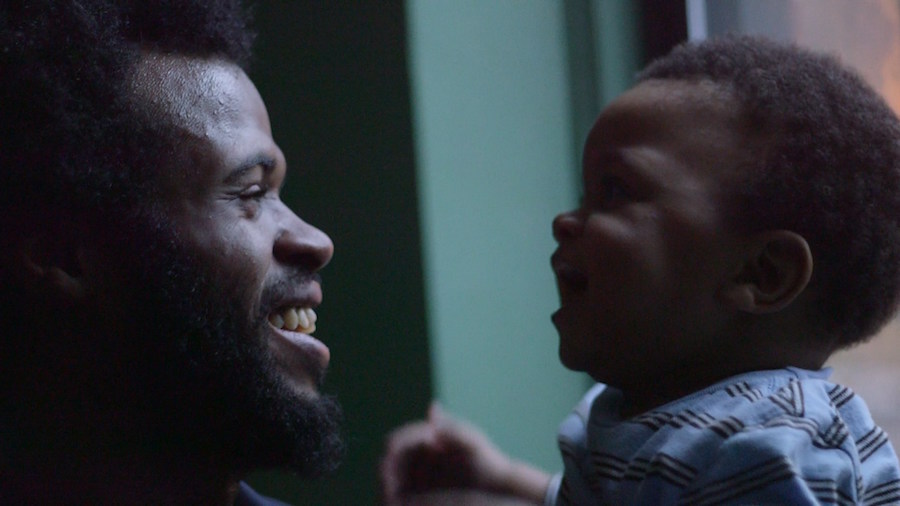
DADDY DON’T GO directed by Emily Abt, and Executive Produced by Omar Epps (Resurrection) & Malik Yoba (Empire) will premiere at the 2015 DOC NYC on November 14th. “Daddy Don’t Go” captures two years in the lives of four disadvantaged fathers in New York City as they fight to defy the odds against them.
-
Cancer Documentary, THE C WORD, Narrated by Morgan Freeman to Premiere at DOC NYC | TRAILER
 The documentary, THE C WORD, which takes on the institutions preventing meaningful progress in the ways we currently treat cancer, will have its NYC premiere at DOC NYC on Sunday, November 15, 2015.
Directed by cancer survivor Meghan O’Hara (producer of Michael Moore’s Fahrenheit 9/11, Bowling for Columbine and Sicko) and narrated by Oscar winner Morgan Freeman, THE C WORD mixes the personal stories of Meghan and celebrated neurosurgeon and cancer revolutionary Dr. David Servan-Schreiber with an in-depth exploration of the systemic societal failings that predispose Americans to cancer, and follows a vibrant cast of characters who are changing the game.
From executive producer Morgan Freeman comes THE C WORD, a bold new film that will forever change the way we view cancer. At its heart are powerful twin narratives: one from
celebrated French neuroscientist and cancer revolutionary Dr. David Servan-Schreiber, the other from THE C WORD’s own director, Meghan
L. O’Hara.
After braving the journey from diagnosis to
wellness, Meghan and David join forces to expose systematic failings in our society, which reinforce the bad habits that predispose us to disease. Together, they lead us on a wild ride of discovery, which reveals crucial hidden scientific evidence, exposes the absurdity of the status quo, and follows a vibrant cast of characters who are changing the game.
Despite decades of drug development and treatment innovations, the rise of cancer is outpacing our ability to fight back. Billions of dollars have been put into the elusive search for “the cure”, but today each of us has a one in two chance of being diagnosed at some point in our life.
Until recently, we thought that cancer was only due to a genetic predisposition, or to an unlucky draw. THE C WORD irrevocably establishes the connection between the current cancer epidemic and our western lifestyle from a scientific, documented and optimistic point of view. The latest research findings clearly show that up to 70% of cancer deaths are linked to our daily behaviors: smoking, a diet of processed foods, a sedentary lifestyle, excessive stress, and a continued exposure to daily contaminants. Catalytic in its revelations, THE C WORD is also an indictment of a trillion-dollar processed food industry that thrives while we get sick and relies on an economic model that chooses profit over people, leaving us undernourished and overweight, especially in our underserved communities.
THE C WORD delivers a message of hope. It urges us to stop being afraid and gives us the tools to take immediate action to reclaim our health and improve our outcomes.
https://www.youtube.com/watch?v=8g4gx_dnLUc
The documentary, THE C WORD, which takes on the institutions preventing meaningful progress in the ways we currently treat cancer, will have its NYC premiere at DOC NYC on Sunday, November 15, 2015.
Directed by cancer survivor Meghan O’Hara (producer of Michael Moore’s Fahrenheit 9/11, Bowling for Columbine and Sicko) and narrated by Oscar winner Morgan Freeman, THE C WORD mixes the personal stories of Meghan and celebrated neurosurgeon and cancer revolutionary Dr. David Servan-Schreiber with an in-depth exploration of the systemic societal failings that predispose Americans to cancer, and follows a vibrant cast of characters who are changing the game.
From executive producer Morgan Freeman comes THE C WORD, a bold new film that will forever change the way we view cancer. At its heart are powerful twin narratives: one from
celebrated French neuroscientist and cancer revolutionary Dr. David Servan-Schreiber, the other from THE C WORD’s own director, Meghan
L. O’Hara.
After braving the journey from diagnosis to
wellness, Meghan and David join forces to expose systematic failings in our society, which reinforce the bad habits that predispose us to disease. Together, they lead us on a wild ride of discovery, which reveals crucial hidden scientific evidence, exposes the absurdity of the status quo, and follows a vibrant cast of characters who are changing the game.
Despite decades of drug development and treatment innovations, the rise of cancer is outpacing our ability to fight back. Billions of dollars have been put into the elusive search for “the cure”, but today each of us has a one in two chance of being diagnosed at some point in our life.
Until recently, we thought that cancer was only due to a genetic predisposition, or to an unlucky draw. THE C WORD irrevocably establishes the connection between the current cancer epidemic and our western lifestyle from a scientific, documented and optimistic point of view. The latest research findings clearly show that up to 70% of cancer deaths are linked to our daily behaviors: smoking, a diet of processed foods, a sedentary lifestyle, excessive stress, and a continued exposure to daily contaminants. Catalytic in its revelations, THE C WORD is also an indictment of a trillion-dollar processed food industry that thrives while we get sick and relies on an economic model that chooses profit over people, leaving us undernourished and overweight, especially in our underserved communities.
THE C WORD delivers a message of hope. It urges us to stop being afraid and gives us the tools to take immediate action to reclaim our health and improve our outcomes.
https://www.youtube.com/watch?v=8g4gx_dnLUc