
The Durban International Film Festival announced its award-winners at the closing ceremony of the festival’s 35th edition At the awards ceremony, the festival’s highest accolade of Best Feature Film went to Malian auteur Abderrahmane Sissako’s masterful Timbuktu, from a selection of competition films that the international jury described as having dealt with “individuals coping with ideological, social and political pressures whilst trying to find their own identity and humanity in a world increasingly under distress.”
The jury commended Sissako’s film for being “an impressively well-made film that makes us aware, in an extraordinarily human and gentle way, of the fight for dignity and freedom of individuals against oppression and violence. Beautifully crafted and showing mature accomplishment on all levels the film illustrates the absurdity of war and ideological dogmatism and offers humor, gentility and humaneness as a possible solution to the madness that seems to engulf so many regions in the world and on our continent. It embraces cinema as a weapon of love against violence and intolerance.”
The International Jury consisted of: Rémi Bonhomme, who heads Critics Week at Cannes Film Festival; Diarah N’Daw-Spech, the co-founder and co-director of the African Diaspora Film Festival in New York; Andrew Worsdale, writer, director and previous winner of Best South African Feature film at DIFF; and actress and activist Paulina Malefane, known for her role of Carmen in both the stage and film productions of U-Carmen eKhayelitsha, and co-founder of the Isango Ensemble.
The award for Best South African Feature Film, went to Jenna Bass’ exciting first feature Love the One You Love. The local jury stated that they chose the film “for its stylistic and narrative freshness”, calling it “a playful, quirky and idiosyncratic debut made with curiosity, warmth, heart and sensitivity.” Bass was also honoured with the prize for Best Direction in a South African Feature Film, with the jury describing the young director as “inquisitive, innovative and with a unique voice and luminous cinematic sensibility, who shows us a contemporary universe which is as imaginative as it is true”.
The accolade for Best Documentary went to Mahdi Fleifel’s A World Not Ours. According to the jury, “This intimate, affecting and often humorous debut feature is a portrait of three generations of exile in a refugee camp in southern Lebanon, a Palestinian pocket of hemmed-in buildings and stifled hopes. Fleifel may have set out to tell a small domestic story about the loved ones he has left behind but the result is a powerful tale of the human cost of a political nightmare, the end of which seems very far away.”
Best South African Documentary was awarded to Rehad Desai’s Miners Shot Down. The film was also awarded the Amnesty International (Durban) Human Rights Award. The film was chosen “for its profoundly moving portrayal of the Marikana miners’ massacre. The human rights abuses so vividly portrayed include the right to life, the right to justice, the right to protection by the police, the right to know, the right to peaceful protest and the right to human dignity.”
The full list of awards is as follows:
Best Feature Film: TIMBUKTU by Abderrahmane Sissako
Best First Feature Film: SALVATION ARMY by Abdellah Taia
Best Direction: Noaz Deshe for WHITE SHADOW
Best Screenplay: LOVE IS STRANGE written by Ira Sachs and Mauricio Zacharias
Best Cinematography: Sofian el Fani – TIMBUKTU
Best Actor: Ibrahim Ahmed – TIMBUKTU & Tony Kgoroge – cold harbour
Best Actress: Chi Mhende – LOVE THE ONE YOU LOVE
Durban International Film Festival Award for Artistic Bravery: Petter Brunner – MY BLIND HEART
Best SA Documentary: MINERS SHOT DOWN by Rehad Desai
Special Mention: NELSON MANDELA: THE MYTH AND ME by Khalo Matabane
Best Direction in a South African dDcumentary: I, AFRIKANER by Annalet Steenkamp
Special Mention: FATHERLAND by Tarryn Crossman
Best Documentary: A WORLD NOT OURS by Mahdi Fleifel
Best Short Film: OUT OF PLACE by Ozan Mermer
Best South African Short Film: KEYS, MONEY, PHONE by Roger Young
Photo caption: Jenna Bass left receives her award for SA Film at the 35th Durban International Film Festival. From left Peter Machen (DIFF Manager), and jury members Neil Coppen, Katrina Hedren, Darryl Els.
Read more

 The Journeymen[/caption]
The World Premiere of the South African documentary, The Journeymen, will be the opening night film of the 37th edition of the Durban International Film Festival.
The Durban International Film Festival takes place from June16 to 26, 2016.
[caption id="attachment_14111" align="aligncenter" width="1200"]
The Journeymen[/caption]
The World Premiere of the South African documentary, The Journeymen, will be the opening night film of the 37th edition of the Durban International Film Festival.
The Durban International Film Festival takes place from June16 to 26, 2016.
[caption id="attachment_14111" align="aligncenter" width="1200"]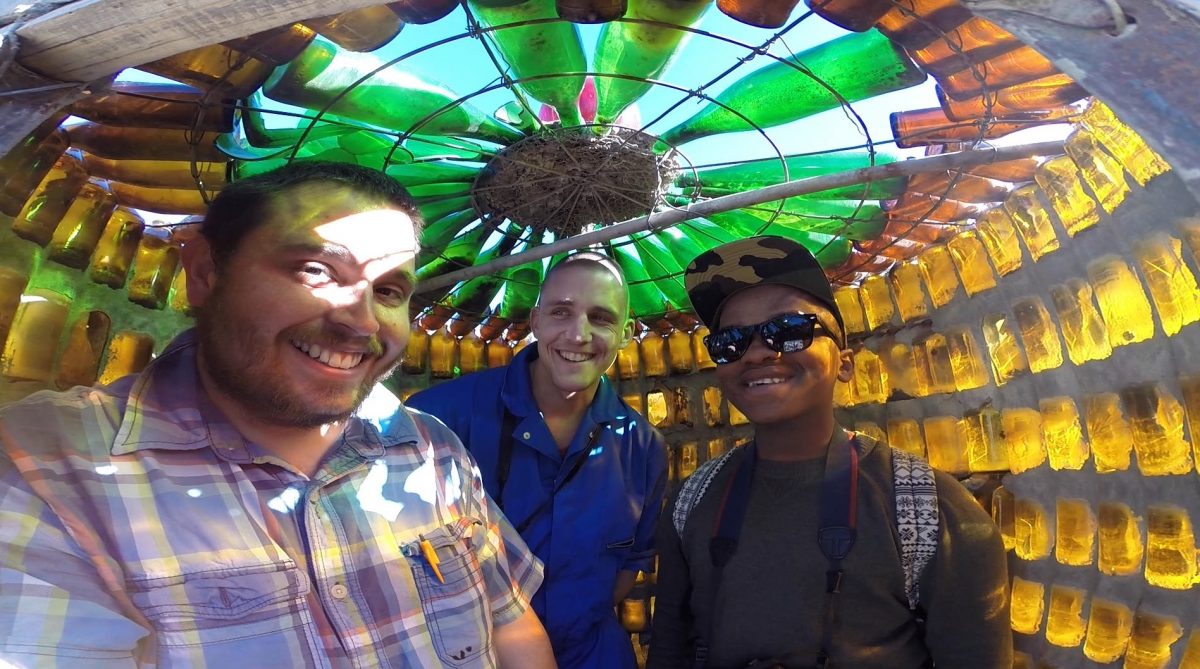 The Journeymen[/caption]
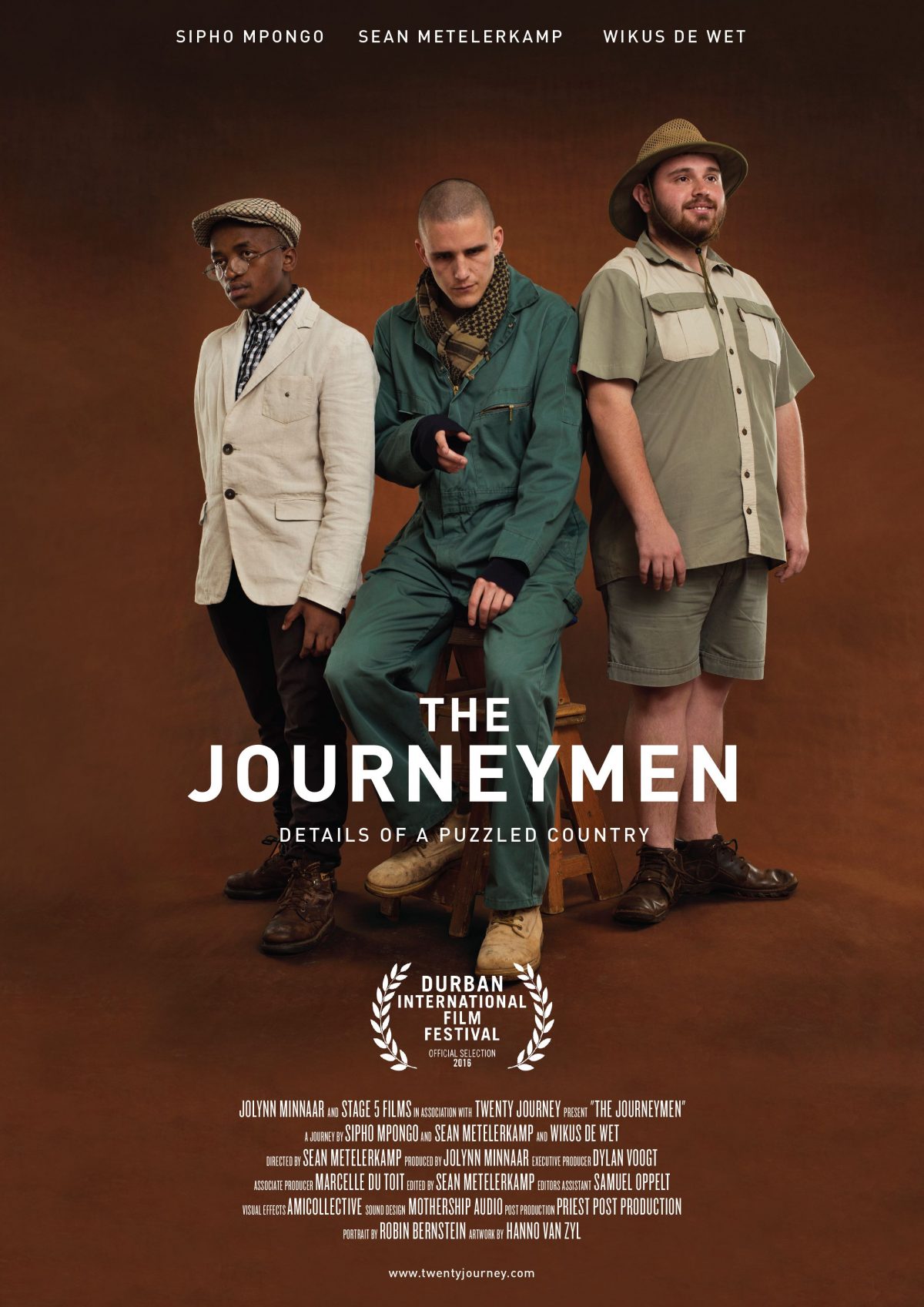
The Journeymen, the latest installment in the Twenty Journey project, is directed by Sean Metelerkamp and produced by filmmaker Jolynn Minnaar whose film, Unearthed, was one of the big hits at DIFF 2014.
Filmed as part of the Twenty Journey project in 2014, the year in which South Africa celebrated 20 years of democracy and mourned Nelson Mandela’s death, The Journeymen chronicles the journey of three young South African photographers, Wikus de Wet, Sipho Mpongo and Sean Metelerkamp, as they travel 24 000km in a motorhome throughout South Africa, with GoPro cameras strapped to their chests, to explore the mood and feel the pulse of contemporary South Africa. From urban sprawls to dusty rural roads, the trio were driven by the question “Has Mandela’s vision of equality in a rainbow nation been achieved?”
[caption id="attachment_14113" align="aligncenter" width="1200"]
The Journeymen[/caption]
The Journeymen, the latest installment in the Twenty Journey project, is directed by Sean Metelerkamp and produced by filmmaker Jolynn Minnaar whose film, Unearthed, was one of the big hits at DIFF 2014.
Filmed as part of the Twenty Journey project in 2014, the year in which South Africa celebrated 20 years of democracy and mourned Nelson Mandela’s death, The Journeymen chronicles the journey of three young South African photographers, Wikus de Wet, Sipho Mpongo and Sean Metelerkamp, as they travel 24 000km in a motorhome throughout South Africa, with GoPro cameras strapped to their chests, to explore the mood and feel the pulse of contemporary South Africa. From urban sprawls to dusty rural roads, the trio were driven by the question “Has Mandela’s vision of equality in a rainbow nation been achieved?”
[caption id="attachment_14113" align="aligncenter" width="1200"]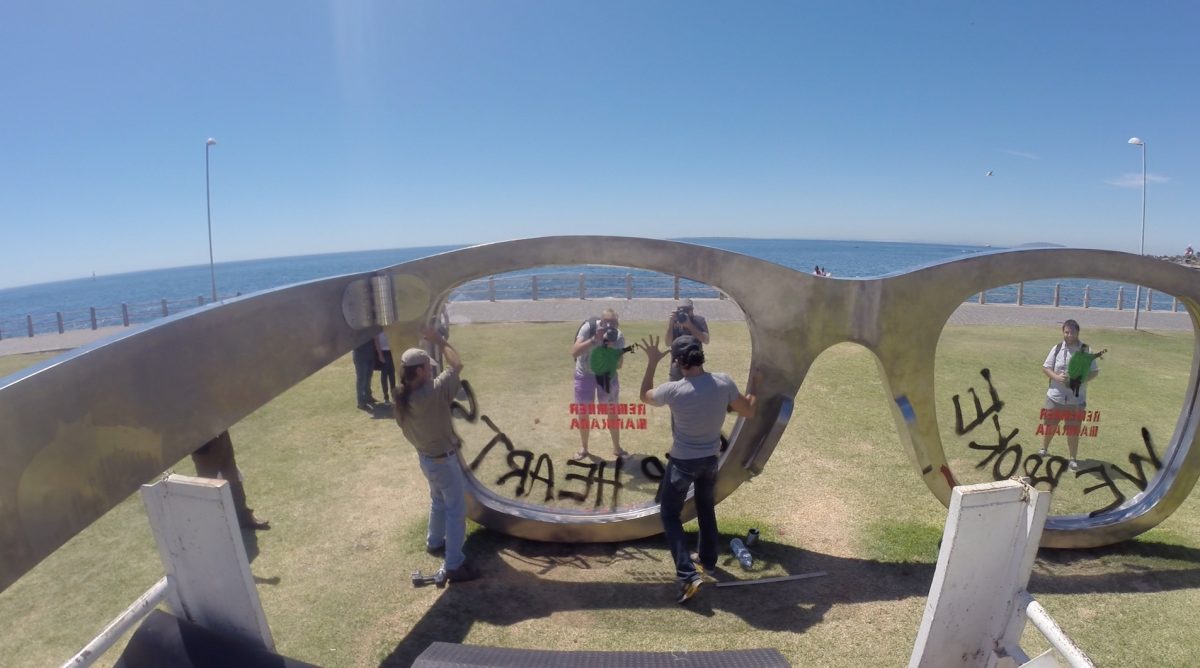 The Journeymen[/caption]
The film answers this with a kaleidoscopic set of responses that are disturbing, beautiful, thought-provoking and, more than anything, movingly surreal.
Said Acting Festival Director, Peter Machen, “It is highly appropriate that this intersectional portrait of our strange and beautiful country will screen on the fortieth anniversary of 16th June, 1976. The film is a portrait of a nation that was forever changed by the actions of the youth of Soweto, and screening it on this day will act as a tribute to the bravery of the tens of thousands of unnamed young people who helped build the road to our liberation.”
[caption id="attachment_14093" align="aligncenter" width="1200"]
The Journeymen[/caption]
The film answers this with a kaleidoscopic set of responses that are disturbing, beautiful, thought-provoking and, more than anything, movingly surreal.
Said Acting Festival Director, Peter Machen, “It is highly appropriate that this intersectional portrait of our strange and beautiful country will screen on the fortieth anniversary of 16th June, 1976. The film is a portrait of a nation that was forever changed by the actions of the youth of Soweto, and screening it on this day will act as a tribute to the bravery of the tens of thousands of unnamed young people who helped build the road to our liberation.”
[caption id="attachment_14093" align="aligncenter" width="1200"] The Journeymen[/caption]
Machen continued, “The film shows the underlying demons of our troubled national soul but also its deep and profound beauty. Made with technology that is widely accessible, the film is also a vibrant call to arms for new modes of filmmaking and fresh approaches to narrative. We are very happy to be screening the world premiere of The Journeymen on the opening night of the 37th Edition of DIFF.”
Director, Sean Metelerkamp said, “While we never set out to make a feature length documentary, looking back, through embracing new technology, we were able to capture our promising, contentious and confusing country as we went about exploring our respective photographic themes. We hope that this collaboration – between three guys from different cultural and racial backgrounds, united simply by a duty to set out and discover truly authentic South African stories – kickstarts conversations and interactions. As luck would have it, our film features a chance encounter with Sam Nzima, who photographed Hector Pietersen. We can’t think of a better way to honour Youth Day than to share our film with the country. “
The Journeymen[/caption]
Machen continued, “The film shows the underlying demons of our troubled national soul but also its deep and profound beauty. Made with technology that is widely accessible, the film is also a vibrant call to arms for new modes of filmmaking and fresh approaches to narrative. We are very happy to be screening the world premiere of The Journeymen on the opening night of the 37th Edition of DIFF.”
Director, Sean Metelerkamp said, “While we never set out to make a feature length documentary, looking back, through embracing new technology, we were able to capture our promising, contentious and confusing country as we went about exploring our respective photographic themes. We hope that this collaboration – between three guys from different cultural and racial backgrounds, united simply by a duty to set out and discover truly authentic South African stories – kickstarts conversations and interactions. As luck would have it, our film features a chance encounter with Sam Nzima, who photographed Hector Pietersen. We can’t think of a better way to honour Youth Day than to share our film with the country. “
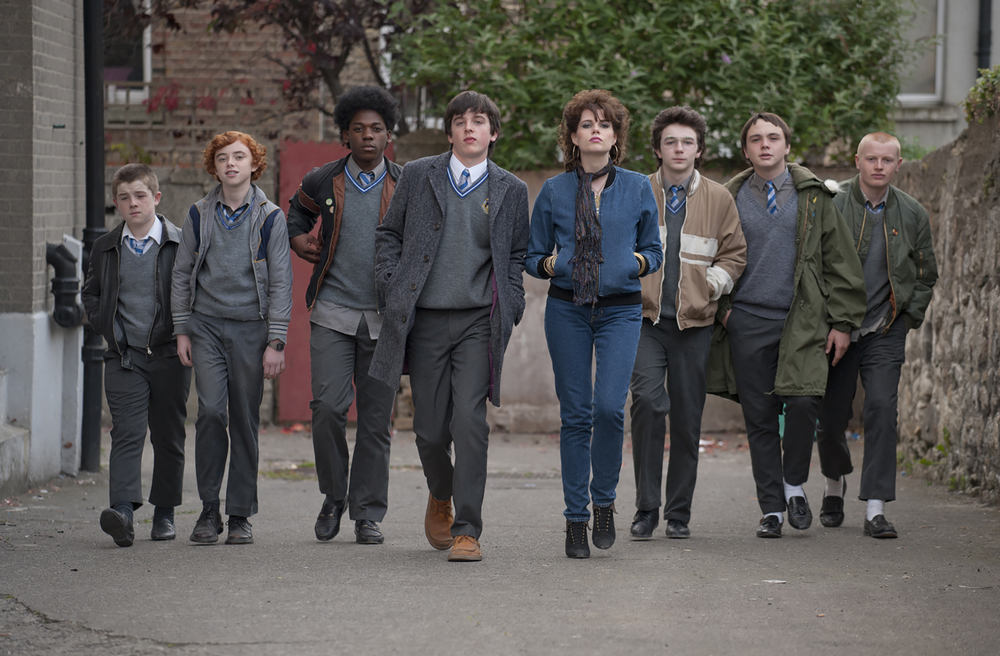 John Carney’s SING STREET will open the upcoming 2016 Audi Dublin International Film Festival on February 18, 2016 . Directed by John Carney (ONCE), SING STREET stars Ferdia Walsh-Peelo, Aidan Gillen, Maria Doyle Kennedy and Jack Reynor.
SING STREET takes us back to 1980s Dublin where an economic recession forces Conor out of his comfortable private school and into survival mode at the inner-city public school where the kids are rough and the teachers are rougher. He finds a glimmer of hope in the mysterious and über-cool Raphina, and with the aim of winning her heart he invites her to star in his band’s music videos. She agrees, and now Conor must deliver what he’s promised – calling himself “Cosmo” and immersing himself in the vibrant rock music trends of the ‘80s, he forms a band with a few lads, and the group pours their hearts into writing lyrics and shooting videos. Combining Carney’s trademark warmth and humor with a punk rock edge, and featuring a memorable soundtrack with hits from The Cure, Duran Duran, The Police, and Genesis, SING STREET is an electrifying coming-of-age film that will resonate with music fans across the board.
“I’m excited to have Sing Street premiere at the Festival,” said director John Carney. “The film loosely charts my own experiences as a skinny kid in a pretty rough and tumble school in the mid 80s in Dublin. I invite any of the school bullies from back then (teachers included), to the screening, where I will publicly fight them.”
The
John Carney’s SING STREET will open the upcoming 2016 Audi Dublin International Film Festival on February 18, 2016 . Directed by John Carney (ONCE), SING STREET stars Ferdia Walsh-Peelo, Aidan Gillen, Maria Doyle Kennedy and Jack Reynor.
SING STREET takes us back to 1980s Dublin where an economic recession forces Conor out of his comfortable private school and into survival mode at the inner-city public school where the kids are rough and the teachers are rougher. He finds a glimmer of hope in the mysterious and über-cool Raphina, and with the aim of winning her heart he invites her to star in his band’s music videos. She agrees, and now Conor must deliver what he’s promised – calling himself “Cosmo” and immersing himself in the vibrant rock music trends of the ‘80s, he forms a band with a few lads, and the group pours their hearts into writing lyrics and shooting videos. Combining Carney’s trademark warmth and humor with a punk rock edge, and featuring a memorable soundtrack with hits from The Cure, Duran Duran, The Police, and Genesis, SING STREET is an electrifying coming-of-age film that will resonate with music fans across the board.
“I’m excited to have Sing Street premiere at the Festival,” said director John Carney. “The film loosely charts my own experiences as a skinny kid in a pretty rough and tumble school in the mid 80s in Dublin. I invite any of the school bullies from back then (teachers included), to the screening, where I will publicly fight them.”
The 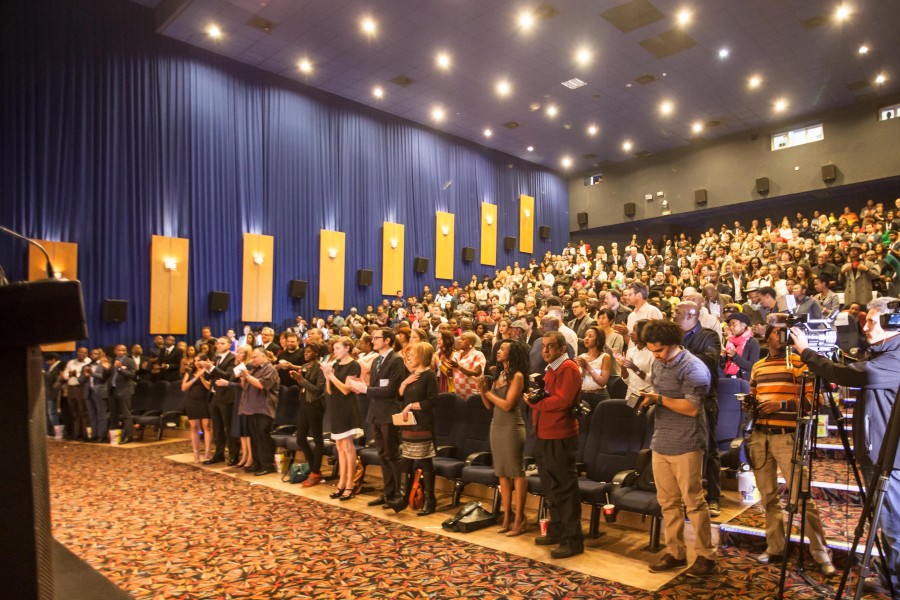 The annual Durban International Film Festival (DIFF) and the Durban FilmMart (DFM) have announced the dates for next year’s editions, which take place almost a month earlier than the usual July dates. The 2016 Durban International Film Festival will now take place from June 16 to 26, 2016 while the DFM will take place from 17 to 20 June, 2016
The events have been rescheduled due to a clash with the 21st International Aids Conference, which takes place at the end of Jul 2016. The AIDS conference will be using both the Elangeni and Maharani hotels, which are traditionally used as a festival and market hub.
The annual Durban International Film Festival (DIFF) and the Durban FilmMart (DFM) have announced the dates for next year’s editions, which take place almost a month earlier than the usual July dates. The 2016 Durban International Film Festival will now take place from June 16 to 26, 2016 while the DFM will take place from 17 to 20 June, 2016
The events have been rescheduled due to a clash with the 21st International Aids Conference, which takes place at the end of Jul 2016. The AIDS conference will be using both the Elangeni and Maharani hotels, which are traditionally used as a festival and market hub.
 The
The 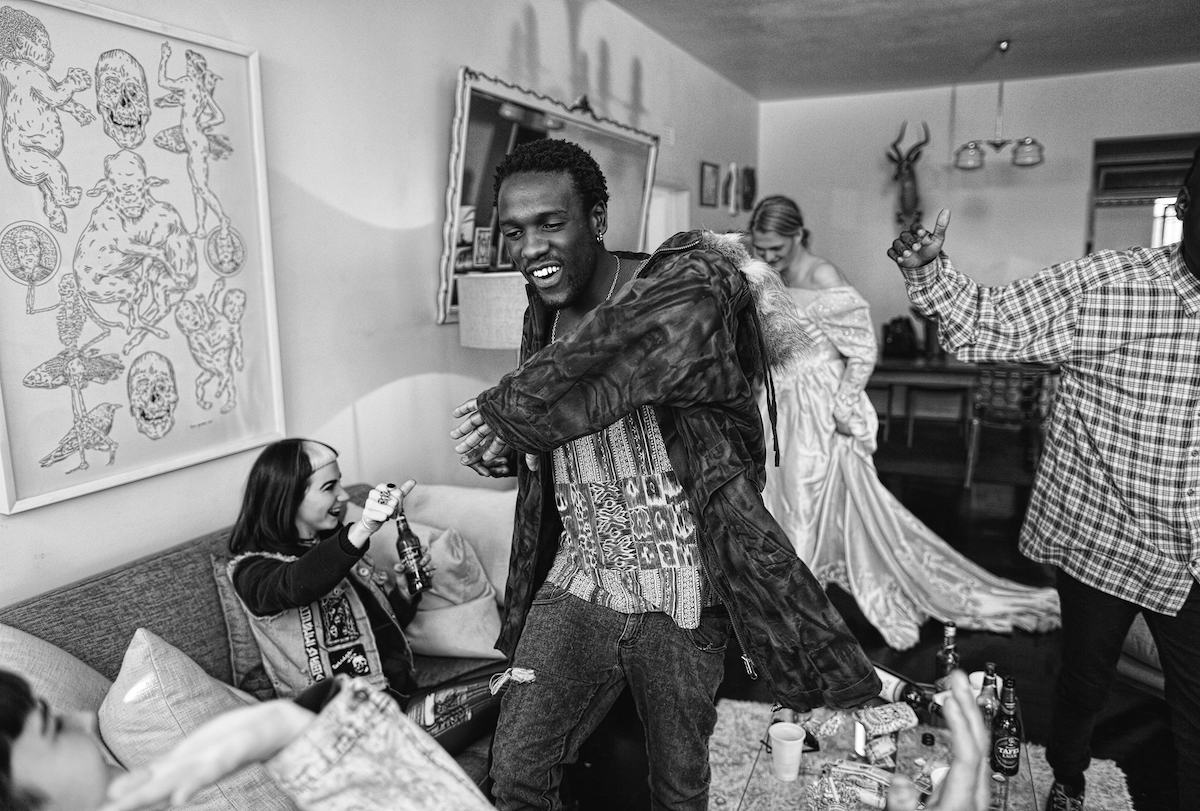 The award for Best South African Feature Film went to Necktie Youth directed by Sibs Shongwe-La Mer, described by the jury as “a film desperate to reconcile the seemingly disparate realities of its country, and whose urgent questions about South African life are posed with such mischievous energy that they cannot help provoke debate, itself one of the most important responsibilities of cinema.” (pictured above)
Shongwe La-Mer also won the award for Best Direction, for Necktie Youth, “for displaying a unique, contemporary voice weaving together poetic images and a striking view of South African youth with a boldness seldom seen in South African cinema.”
The Best Documentary and Best SA Documentary awards went toBeats of the Antonov directed by Hajooj Kuka and The Dream of the Shahrazad directed by Francois Verster, respectively. The jury awarded Beats of the Antonov “for its story, characters, relevance and visual interpretation,” and for a “story told with grace, while honouring the integrity of the people who gave them access as well as the subject matter.”
The award for Best South African Feature Film went to Necktie Youth directed by Sibs Shongwe-La Mer, described by the jury as “a film desperate to reconcile the seemingly disparate realities of its country, and whose urgent questions about South African life are posed with such mischievous energy that they cannot help provoke debate, itself one of the most important responsibilities of cinema.” (pictured above)
Shongwe La-Mer also won the award for Best Direction, for Necktie Youth, “for displaying a unique, contemporary voice weaving together poetic images and a striking view of South African youth with a boldness seldom seen in South African cinema.”
The Best Documentary and Best SA Documentary awards went toBeats of the Antonov directed by Hajooj Kuka and The Dream of the Shahrazad directed by Francois Verster, respectively. The jury awarded Beats of the Antonov “for its story, characters, relevance and visual interpretation,” and for a “story told with grace, while honouring the integrity of the people who gave them access as well as the subject matter.”
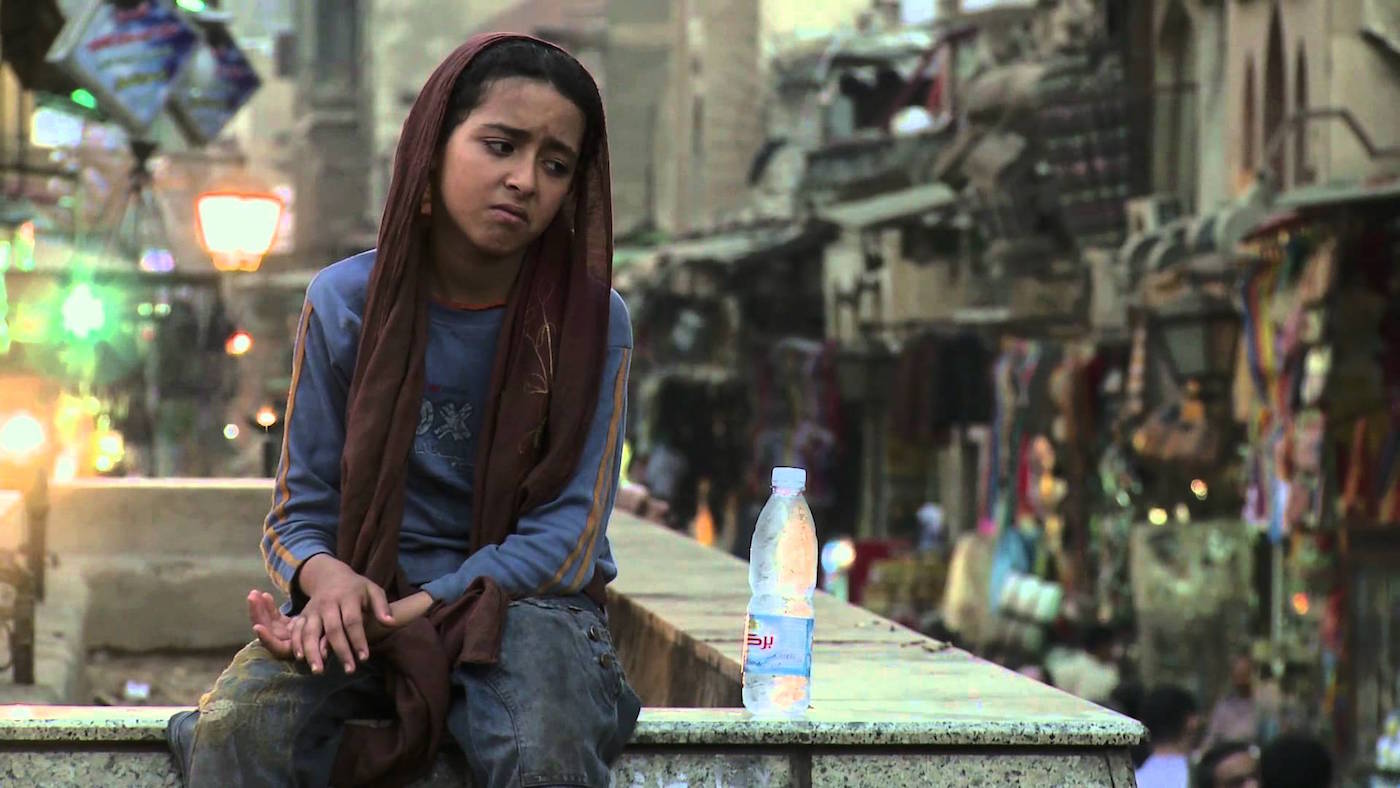 The Dream of the Shahrazad was awarded for the way in which “the filmmakers pushed themselves beyond their comfort zone, taking mythology and bringing it into the centre of modernity,” and for being “an ambitious film..(that) addresses life post revolution and what is left after heartbreak.” (pictured above)
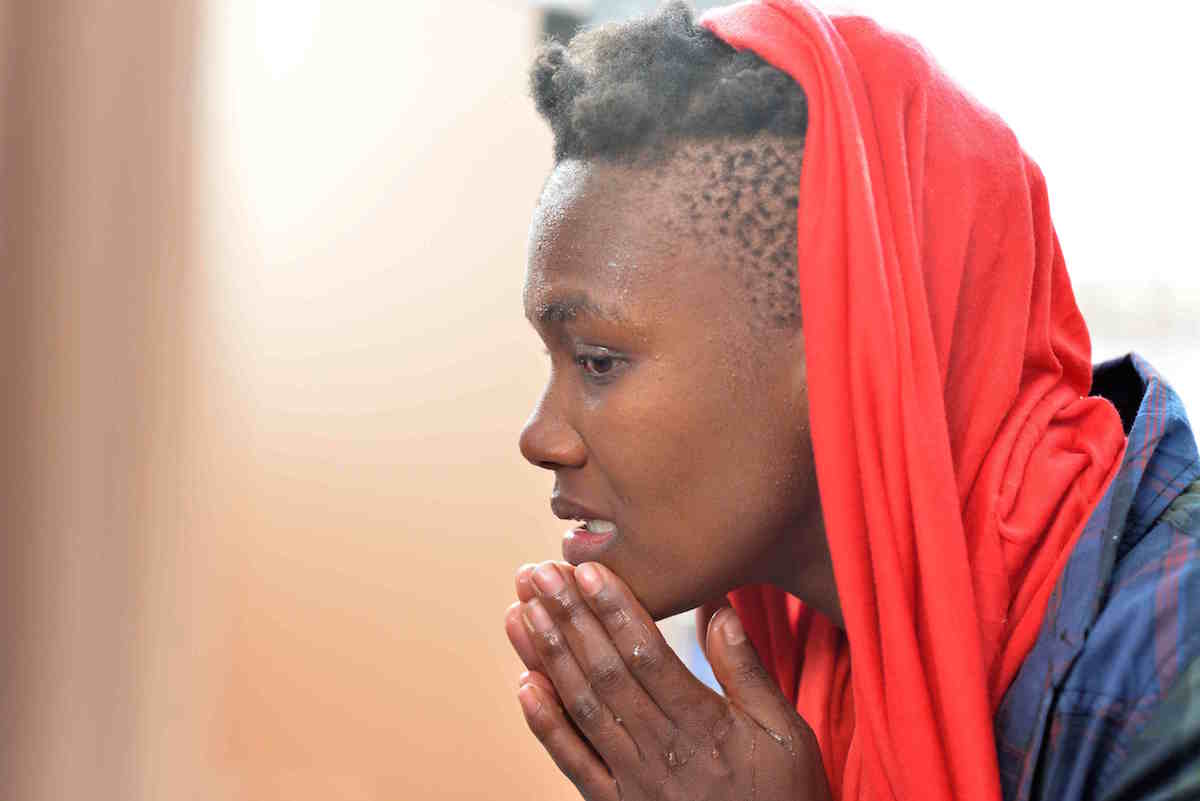
 Didier Michon for his charismatic and captivating performance in Fevers directed by Hicham Ayouch received the Best Actor Award. (pictured above)
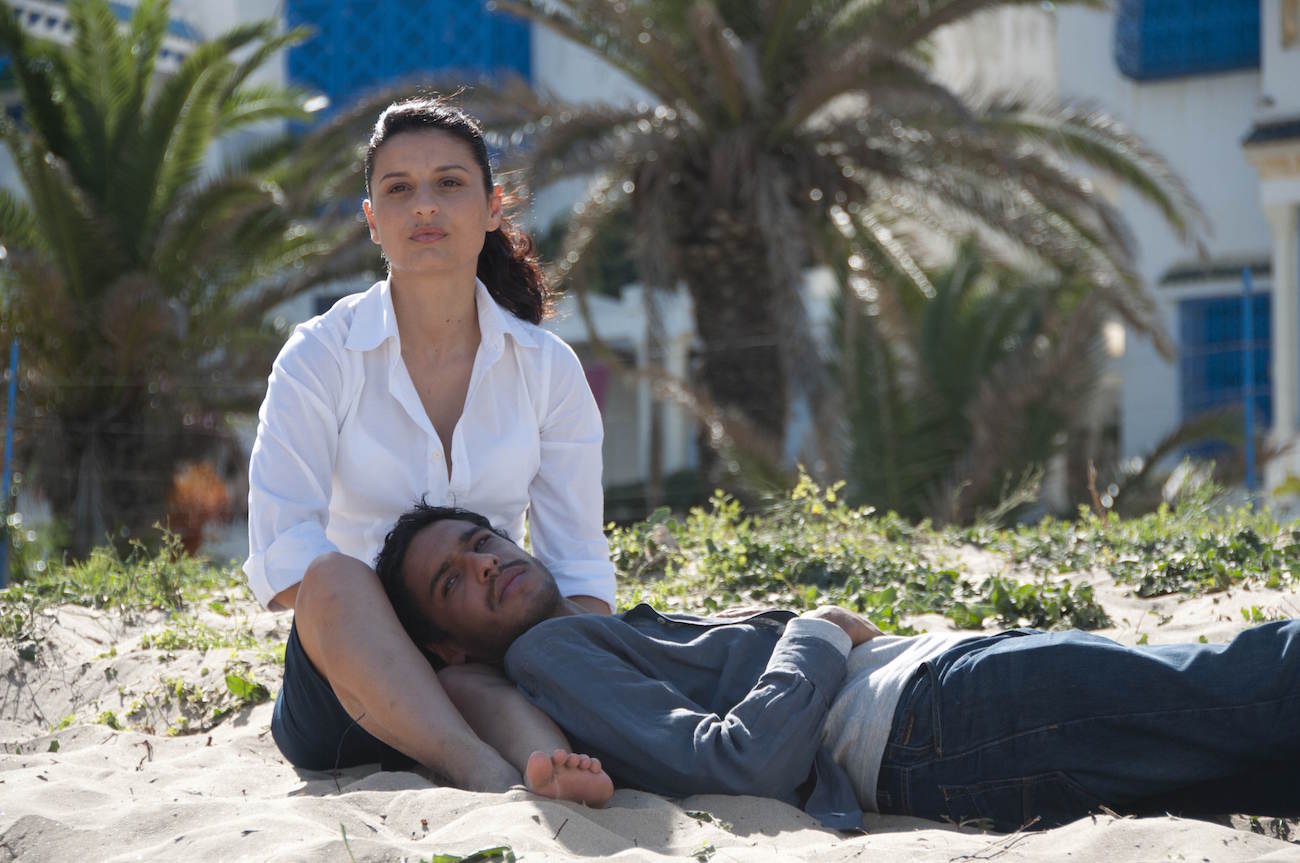
The award for Best Actress went to Anissa Daoud for her portrayal of a determined activist who takes a stand, in an important film Tunisian Spring directed by Raja Amari.
Didier Michon for his charismatic and captivating performance in Fevers directed by Hicham Ayouch received the Best Actor Award. (pictured above)
The award for Best Actress went to Anissa Daoud for her portrayal of a determined activist who takes a stand, in an important film Tunisian Spring directed by Raja Amari.
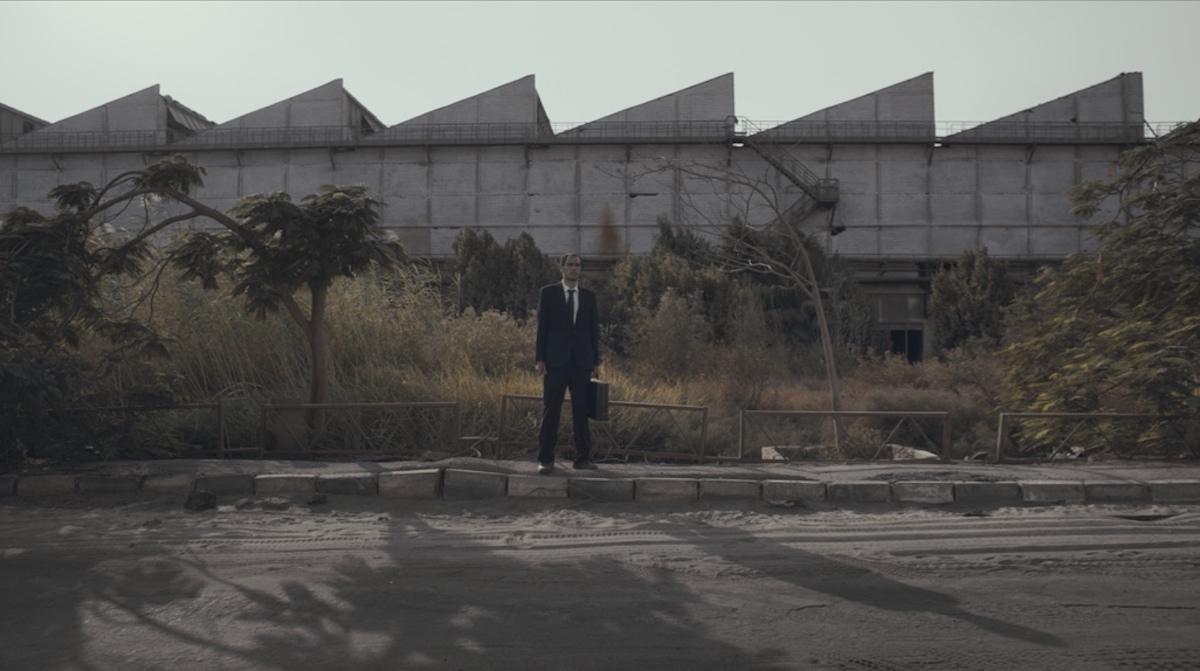 Best African Short Film award went to The Aftermath of the Inauguration of the Public Toilet at Kilometre 375 directed by Omar el Zohairy. The jury described this as an “exceptional film explores and pushes new avenues in political satire and the cinema.” (pictured above)
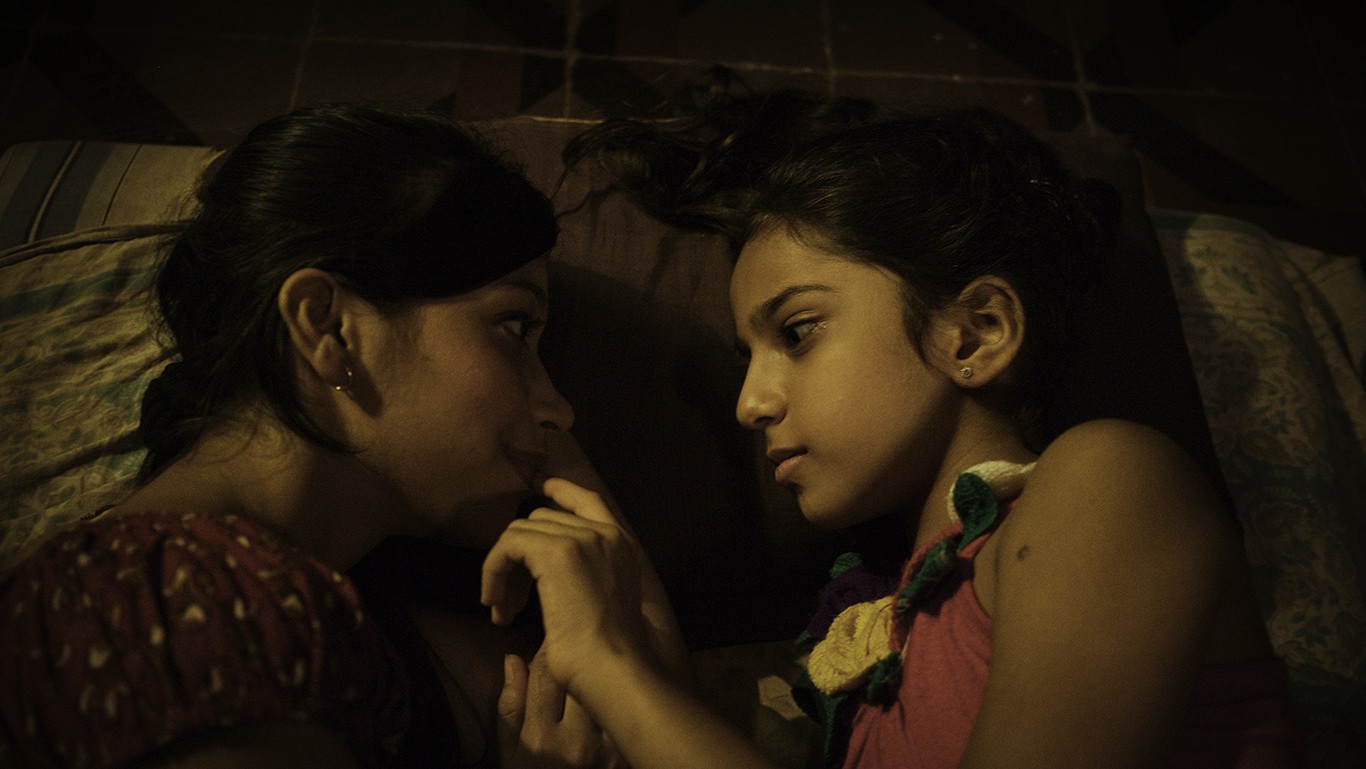
Unomalanga and The Witch directed by Palesa Shongwe, and cited by the jury as “a gentle and unexpected film (that) sheds light on the subtleties of relationships between women”, won the Best South African Short Film award.
Best African Short Film award went to The Aftermath of the Inauguration of the Public Toilet at Kilometre 375 directed by Omar el Zohairy. The jury described this as an “exceptional film explores and pushes new avenues in political satire and the cinema.” (pictured above)
Unomalanga and The Witch directed by Palesa Shongwe, and cited by the jury as “a gentle and unexpected film (that) sheds light on the subtleties of relationships between women”, won the Best South African Short Film award.
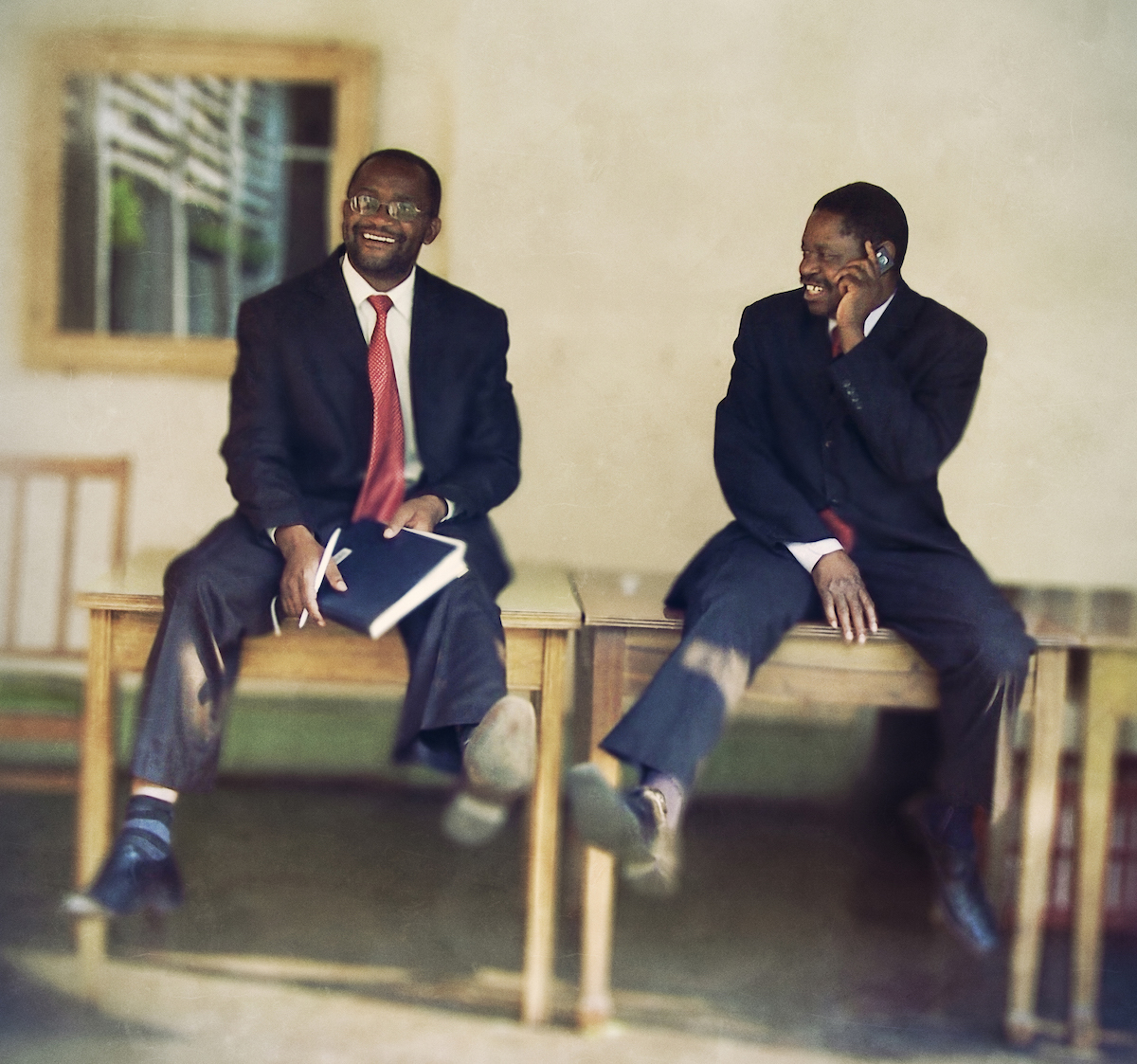 Democrats directed by Camilla Nielsson, got a Special Mention for a Documentary,which is “commended for putting a human face on a story that is complex and sometimes almost opaque.” (pictured above)
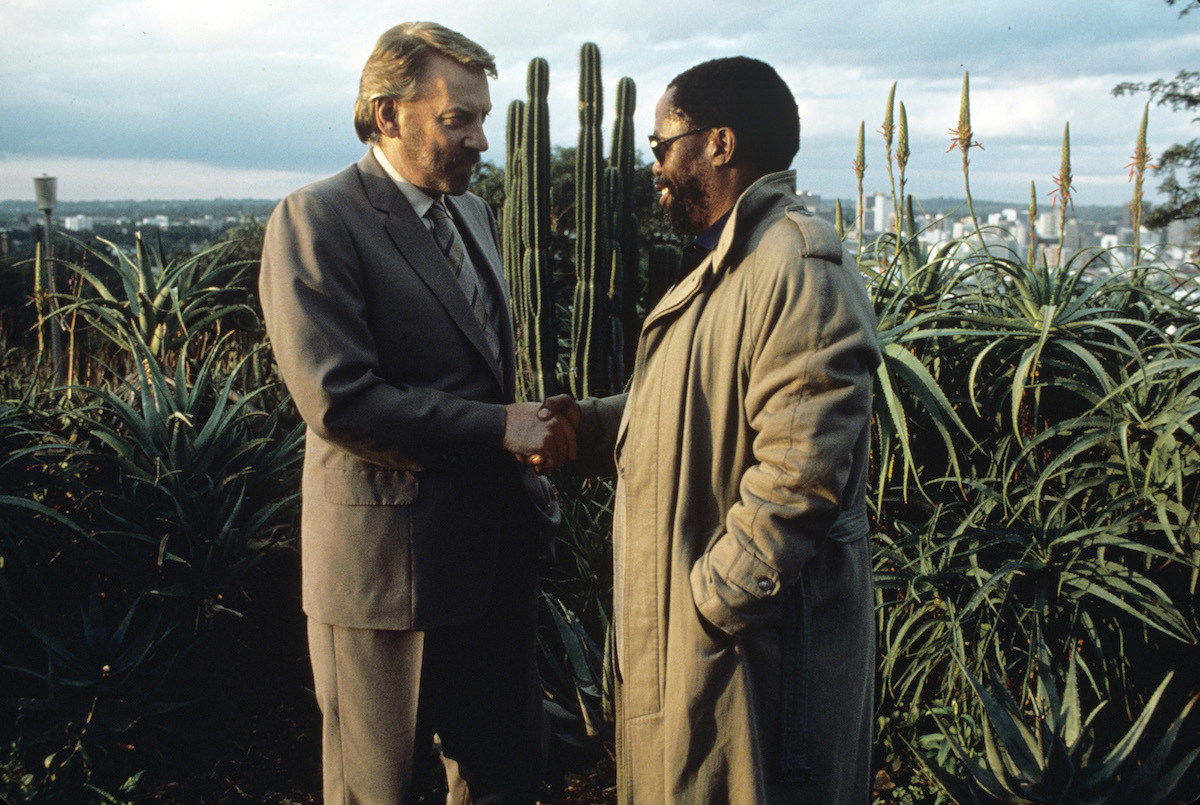 The award-winning and world-renowned French filmmaker Euzhan Palcy will showcase her most celebrated work, A DRY WHITE SEASON (1989), as part of the film’s 25th anniversary at this year’s
 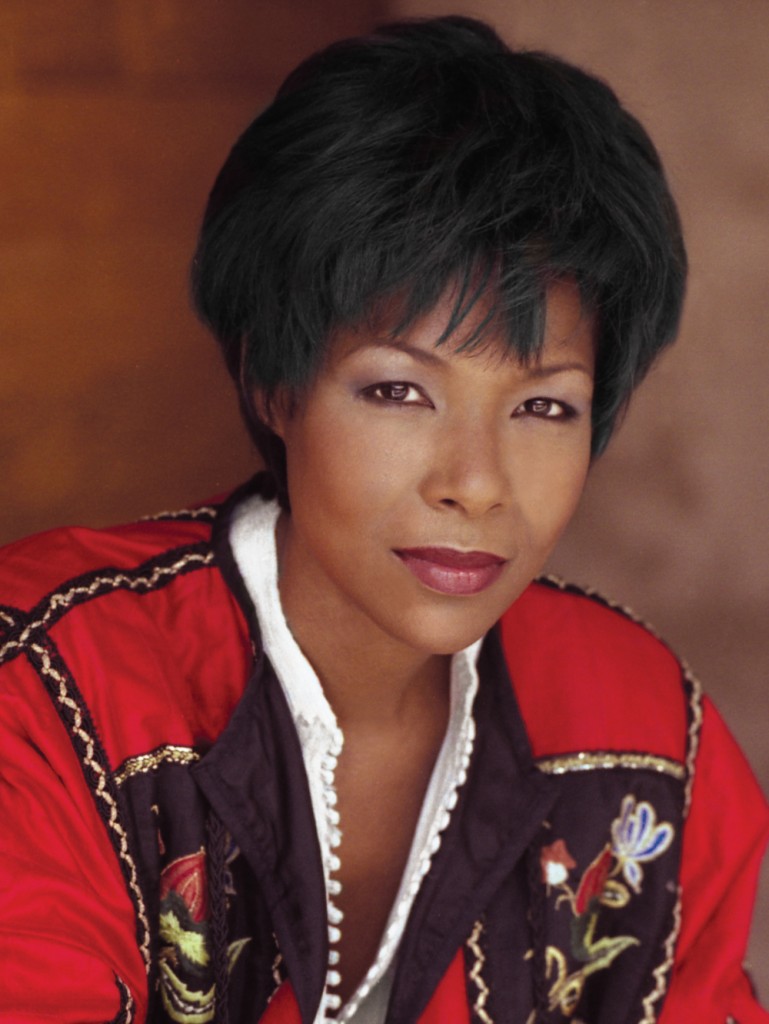 At the time the film was produced, Ms. Palcy (pictured above) was distinguished for being the first black female director to be hired by a major Hollywood studio (MGM) and to direct an anti-apartheid film during Nelson Mandela’s prison sentence. She is also the only woman to have directed Marlon Brando and the first black person to win a French Oscar.
Andre Brink’s book, a narrative about the social movements of South Africa and the 1976 Soweto riots inspired Palcy’s impassioned response to illustrate an accurate account of the reality of apartheid. Palcy made the film in 1989 after doing extensive research undercover in Soweto. The film stars Donald Sutherland, Janet Suzman, Marlon Brando, Zakes Mokae, Susan Sarandon, John Kani, Winston Ntshona, Jürgen Prochnow amongst others.
“We are pleased to be able to present an important work created by a black woman, which highlights and even represents the lost voices of the people of this continent; the unspoken narratives and the untold stories,” says Pedro Pimenta, Director of DIFF. “Her courage to create a work which could stand out and give three dimensional life to Brink’s book, and by association the voiceless at the time, required an enormous amount of bravery. We are proud to be able to salute her at the DIFF this year.”
The South African event will kick off on
At the time the film was produced, Ms. Palcy (pictured above) was distinguished for being the first black female director to be hired by a major Hollywood studio (MGM) and to direct an anti-apartheid film during Nelson Mandela’s prison sentence. She is also the only woman to have directed Marlon Brando and the first black person to win a French Oscar.
Andre Brink’s book, a narrative about the social movements of South Africa and the 1976 Soweto riots inspired Palcy’s impassioned response to illustrate an accurate account of the reality of apartheid. Palcy made the film in 1989 after doing extensive research undercover in Soweto. The film stars Donald Sutherland, Janet Suzman, Marlon Brando, Zakes Mokae, Susan Sarandon, John Kani, Winston Ntshona, Jürgen Prochnow amongst others.
“We are pleased to be able to present an important work created by a black woman, which highlights and even represents the lost voices of the people of this continent; the unspoken narratives and the untold stories,” says Pedro Pimenta, Director of DIFF. “Her courage to create a work which could stand out and give three dimensional life to Brink’s book, and by association the voiceless at the time, required an enormous amount of bravery. We are proud to be able to salute her at the DIFF this year.”
The South African event will kick off on  The 2015 Wavescape Surf Film Festival has announced a record lineup of 23 movies over a week at the 36th Durban International Film Festival, which takes place from
  Included are films from the most remote wildernesses of Alaska (Arctic Swell) (pictured above) and the Arctic Circle (The Cradle of Storms). But from these frozen wastelands and frigid waves we sweep to the translucent tropical waters and reefs of Indonesia in the Mentawai Drone Movie, a short shot entirely by aerial drone.
“Don’t miss the languidly beautiful pace of Bella Vita that takes us to Tuscany as an Italian surfer and activist retraces his ancient roots, or the hard-hitting feminist film Flux: Redefining Women’s Surfing that ask serious questions of the surf industry.”
“One of my favorite shorts is Narcose, an artistically rendered account of world apnea free diving champion Guillaume Néry’s hallucinations caused by ‘raptures of the deep’ during one of his dives,” says Spike.
There are films about skateboarding in the urban precincts of Cape Town, and keeping within themes of sustainability, two South African shorts about wooden surfboard craftsman. From the epic surfing and slo-mo definition of world class surfing inAttractive Distractions, we move to Always on the Road, a beautifully shot film that traces the old surf routes of Europe along the Basque countryside, as well as France and Portugal.
There are obligatory soul surfing movies (I Had Too Much To Dream Last Night, Missing, Rail to Rail and Se7en Signs) to a heady mix of high action surfing that can be found in Missing, Attractive Distractions, Strange Rumblings in Shangri La andPipeline and Kelly Slater.
Included are films from the most remote wildernesses of Alaska (Arctic Swell) (pictured above) and the Arctic Circle (The Cradle of Storms). But from these frozen wastelands and frigid waves we sweep to the translucent tropical waters and reefs of Indonesia in the Mentawai Drone Movie, a short shot entirely by aerial drone.
“Don’t miss the languidly beautiful pace of Bella Vita that takes us to Tuscany as an Italian surfer and activist retraces his ancient roots, or the hard-hitting feminist film Flux: Redefining Women’s Surfing that ask serious questions of the surf industry.”
“One of my favorite shorts is Narcose, an artistically rendered account of world apnea free diving champion Guillaume Néry’s hallucinations caused by ‘raptures of the deep’ during one of his dives,” says Spike.
There are films about skateboarding in the urban precincts of Cape Town, and keeping within themes of sustainability, two South African shorts about wooden surfboard craftsman. From the epic surfing and slo-mo definition of world class surfing inAttractive Distractions, we move to Always on the Road, a beautifully shot film that traces the old surf routes of Europe along the Basque countryside, as well as France and Portugal.
There are obligatory soul surfing movies (I Had Too Much To Dream Last Night, Missing, Rail to Rail and Se7en Signs) to a heady mix of high action surfing that can be found in Missing, Attractive Distractions, Strange Rumblings in Shangri La andPipeline and Kelly Slater.
 And with any selection of surf films, there is the whacky wildcard: Expencive Porno Movie (sic) (pictured above) spoofs the “surf porn” genre, of endless shots of waves and wave-riding, with a cheesy 1960’s Austin Powers theme. The widest collection yet hails from locations such as Namibia, Cape Town, Hawaii, California, Indonesia, Portugal, Spain, Alaska, Patagonia, and Australia.

 The
The  The South African film AYANDA, directed by Sara Blecher has been selected as the opening night film of the
  The film stars Fulu Mugovhani (of Scandal fame) and Nigerian actor OC Ukeje, with a star South African cast including Ntathi Moshesh, Kenneth Nkosi, Jafta Mamabola, Thomas Gumede, Sihle Xaba and veteran star of stage and screen Vanessa Cooke.
“We are pleased that this feel-good film will open this year’s festival,” says Pedro Pimenta, Director of the DIFF. “The opening film of this, the most prestigious international film event in SA, needs to reflect a clear priority established by the festival to reach and develop local audiences.”
This is the second opening night film at DIFF for director Sara Blecher. Her film Otelo Burning opened the 2011 edition of DIFF to critical acclaim. “We are very proud of Ayanda and are thrilled to have it selected as the opening film at this year’s festival. The film had a very successful screening in Cannes last monthwe look forward to screening it to festival-goers in Durban,” says Blecher.
“Ayanda offers an interesting and positive convergence of talents style , resources and distribution potential for the film market.” says Pimenta. “There is a real sense that reaching an audience has been the most important motivation equally shared by the filmmakers and their financiers in its creation.”
“Ayanda celebrates the diversity of our country and revels in the fact that we are a multi-cultural, colourful and exciting melting pot of Africa,” says co-producer Terry Pheto. “With this film we have tried to capture the Afropolitan nature of our country and the energy of its people.”
“What is also particularly encouraging in terms of the South African film industry is that the film, originally titled, Andani and the Mechanic, was a project in the 2013 Durban FilmMart, the co-production and finance forum of the DIFF and the Durban Film Office.” says Pimenta. “The film is one of five titles that have been part of the DFM process over the years that will be screened this year at DIFF.”
The festival includes more than 200 theatrical screenings and a full seminar and workshop programme, as well as the Wavescapes Film Festival, and various industry initiatives, including the 8th Talents Durban (presented in cooperation with the Berlinale Talents) and the 6th Durban FilmMart co-production market (presented in partnership with the Durban Film Office).
The film stars Fulu Mugovhani (of Scandal fame) and Nigerian actor OC Ukeje, with a star South African cast including Ntathi Moshesh, Kenneth Nkosi, Jafta Mamabola, Thomas Gumede, Sihle Xaba and veteran star of stage and screen Vanessa Cooke.
“We are pleased that this feel-good film will open this year’s festival,” says Pedro Pimenta, Director of the DIFF. “The opening film of this, the most prestigious international film event in SA, needs to reflect a clear priority established by the festival to reach and develop local audiences.”
This is the second opening night film at DIFF for director Sara Blecher. Her film Otelo Burning opened the 2011 edition of DIFF to critical acclaim. “We are very proud of Ayanda and are thrilled to have it selected as the opening film at this year’s festival. The film had a very successful screening in Cannes last monthwe look forward to screening it to festival-goers in Durban,” says Blecher.
“Ayanda offers an interesting and positive convergence of talents style , resources and distribution potential for the film market.” says Pimenta. “There is a real sense that reaching an audience has been the most important motivation equally shared by the filmmakers and their financiers in its creation.”
“Ayanda celebrates the diversity of our country and revels in the fact that we are a multi-cultural, colourful and exciting melting pot of Africa,” says co-producer Terry Pheto. “With this film we have tried to capture the Afropolitan nature of our country and the energy of its people.”
“What is also particularly encouraging in terms of the South African film industry is that the film, originally titled, Andani and the Mechanic, was a project in the 2013 Durban FilmMart, the co-production and finance forum of the DIFF and the Durban Film Office.” says Pimenta. “The film is one of five titles that have been part of the DFM process over the years that will be screened this year at DIFF.”
The festival includes more than 200 theatrical screenings and a full seminar and workshop programme, as well as the Wavescapes Film Festival, and various industry initiatives, including the 8th Talents Durban (presented in cooperation with the Berlinale Talents) and the 6th Durban FilmMart co-production market (presented in partnership with the Durban Film Office).

