
Now in its 28th year, the Human Rights Watch Film Festival in London, from 14-22 March, 2024, presents a line-up of 10 award-winning, international feature-length films.

Human Rights Watch is one of the world’s leading independent organizations dedicated to defending and protecting human rights. Through the Human Rights Watch Film Festival we bear witness to human rights violations and create a forum for courageous individuals on both sides of the lens to empower audiences with the knowledge that personal commitment can make a difference. The film festival brings to life human rights abuses through storytelling in a way that challenges each individual to empathize and demand justice for all people.
Human Rights Watch Film Festival started in 2009 and takes place in New York, USA
Now in its 28th year, the Human Rights Watch Film Festival in London, from 14-22 March, 2024, presents a line-up of 10 award-winning, international feature-length films.
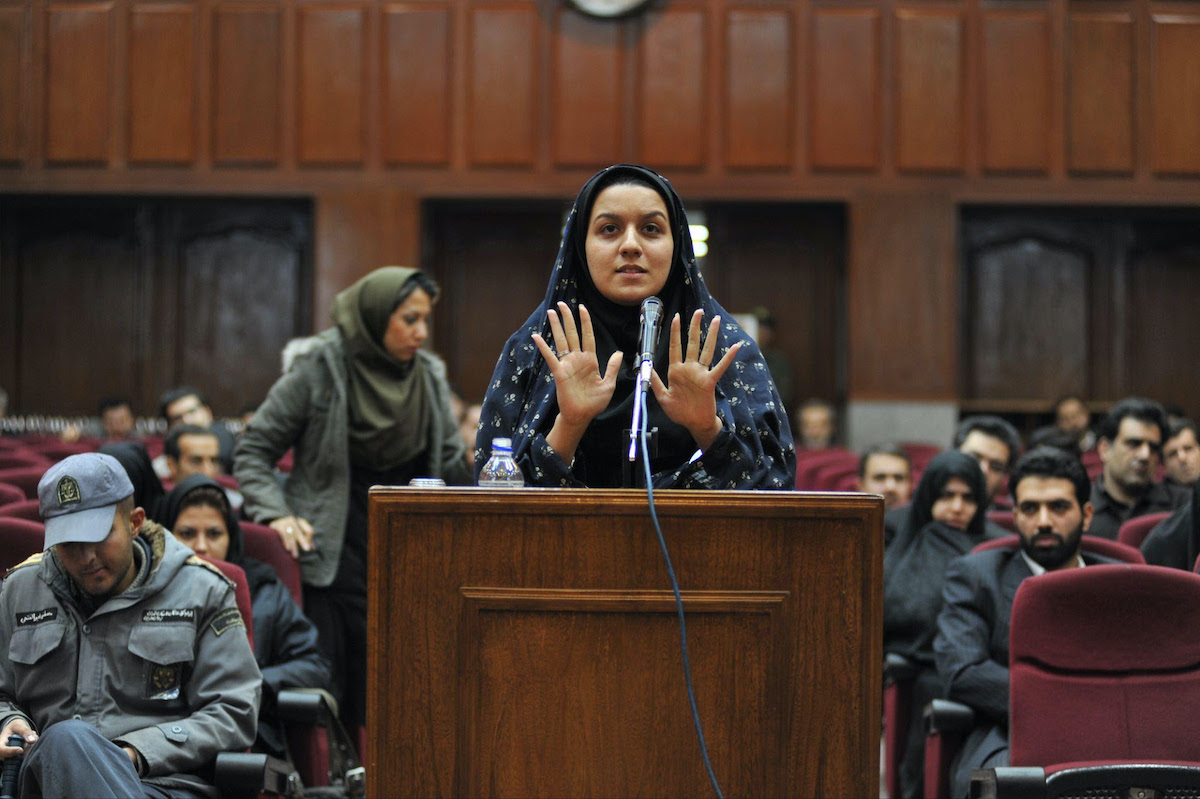
From the Ukraine conflict to transgender rights, the 2023 Human Rights Watch Film Festival will present 10 new films from May 31 to June 11, 2023 in New York at Film at Lincoln Center and IFC Center.

The Human Rights Watch Film Festival, now in its 27th year in London, presents a line-up of 10 award-winning, international documentary films at the Barbican from March 16-24, 2023, and digitally across the UK and Ireland on the festival website from March 20-26, 2023.

The Human Rights Watch Film Festival, now in its 33rd year, will present a full edition of 10 groundbreaking new films, available both in-person and online nationwide in the U.S., from May 20 to 26, 2022. For the first time in two years, the New York festival will be back with a full program of in-person screenings at Film at Lincoln Center and IFC Center, with in-depth discussions with filmmakers, film participants, activists and Human Rights Watch researchers. The festival will continue to offer the opportunity to watch all 10 new films online across the U.S. with a full digital edition of the film festival.

The Human Rights Watch Film Festival, now in its 32nd year, unveiled the lineup for its second full digital edition, available nationwide in the U.S. from May 19 through 27, 2021. The film festival will feature in-depth online discussions with filmmakers, film participants and Human Rights Watch researchers and advocates.
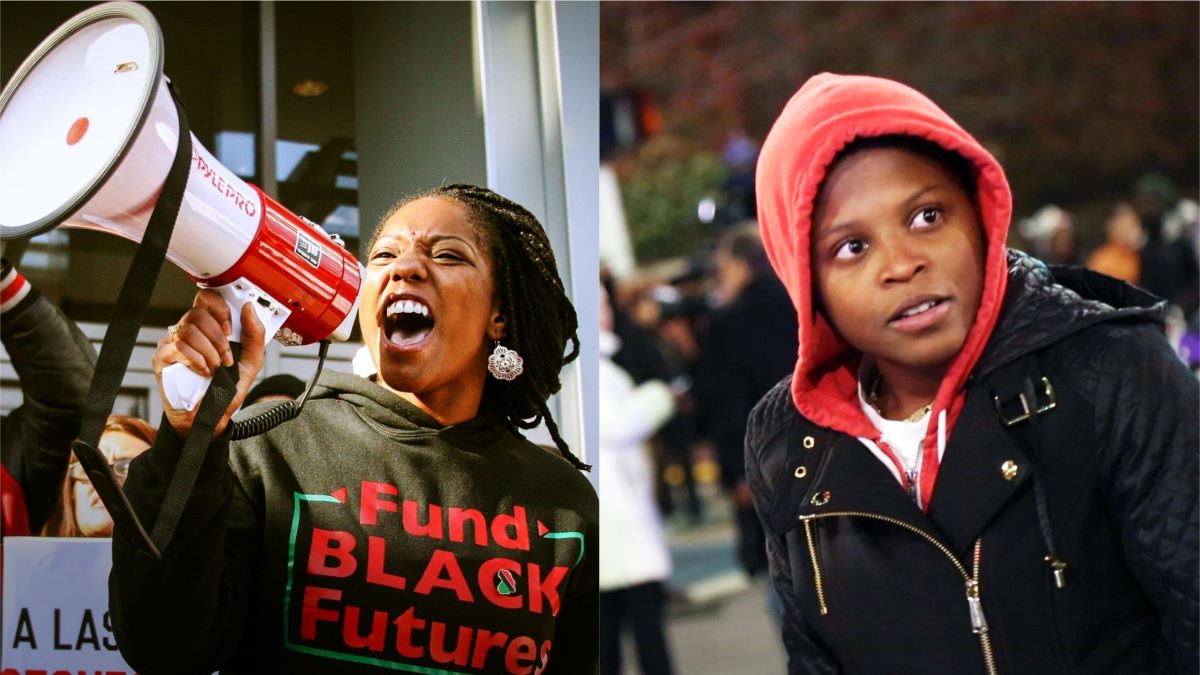
The 2021 Human Rights Watch Film Festival celebrates 25 years with a full digital edition featuring 10 powerful and uplifting new documentaries available to stream across the UK on Barbican Cinema On Demand from March 18-26, 2021.
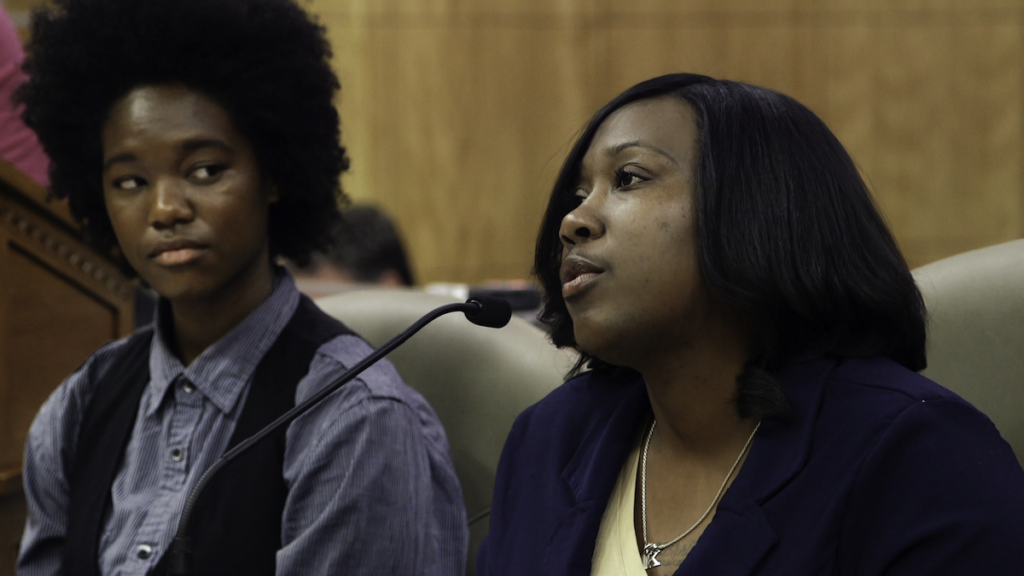
Filmed over seven years with extraordinary access and intimate accounts from currently and formerly incarcerated people, Erika Cohn’s ‘Belly of the Beast‘ exposes modern-day eugenics and reproductive injustice in California prisons. The film will have its World Premiere as the opening night film of the 2020 Human Rights Watch Film Festival New York Digital Edition taking place June 11-20, 2020.
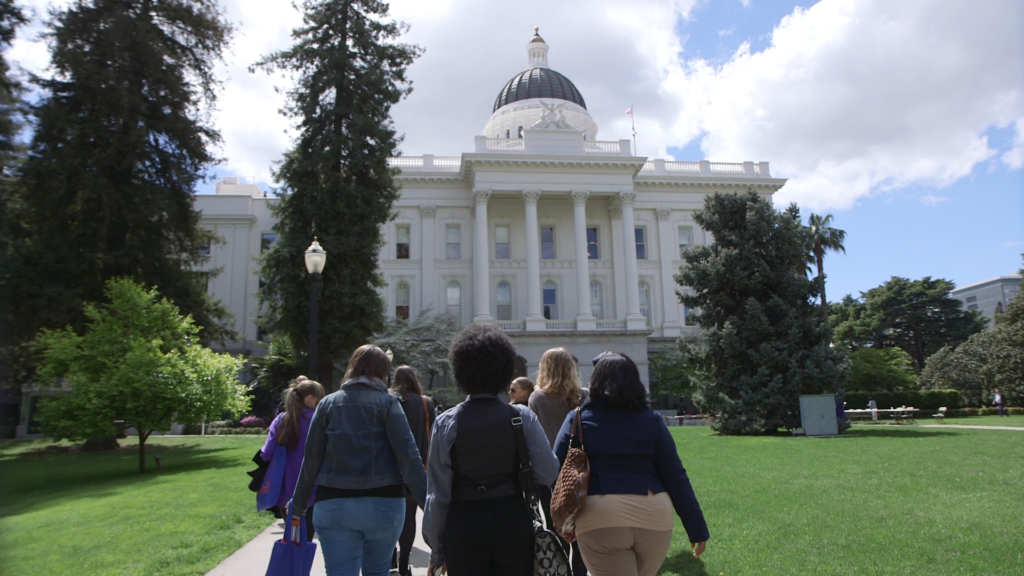
Amidst the Covid-19 health crisis, for the first time ever, the Human Rights Watch Film Festival will present a digital edition of its full slate of films from June 11-20, 2020. Expanding beyond New York City, the festival announced the first eight films of the line up that will enjoy their U.S. Digital Festival Premieres, making the films available nationwide. In keeping with the festival’s long-standing tradition of contextualizing films with conversations, online screenings will feature in-depth discussions with filmmakers, film subjects and Human Rights Watch researchers. The festival plans to return to Film at Lincoln Center and IFC Center next year and beyond.

The documentary The 8th from directors Lucy Kennedy, Maeve O’Boyle, and Aideen Kane tells the story of Irish women and their fight to overturn one of the most restrictive abortion bans in the world. The film will have its U.S. premiere at the 2020 Human Rights Watch Film Festival, taking place June 11-20, 2020.
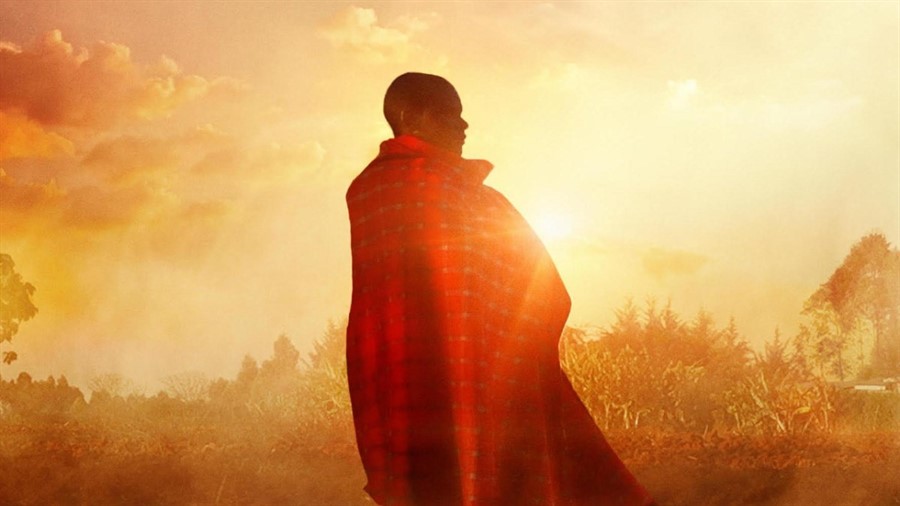
Kenyan director and 2019 Rory Peck Award winner, Pete Murimi’s documentary I am Samuel will have its U.S. premiere at 2020 Human Rights Watch Film Festival New York Digital Edition in June. The documentary had its World Premiere at the 2020 Hot Docs Canadian International Documentary Festival.
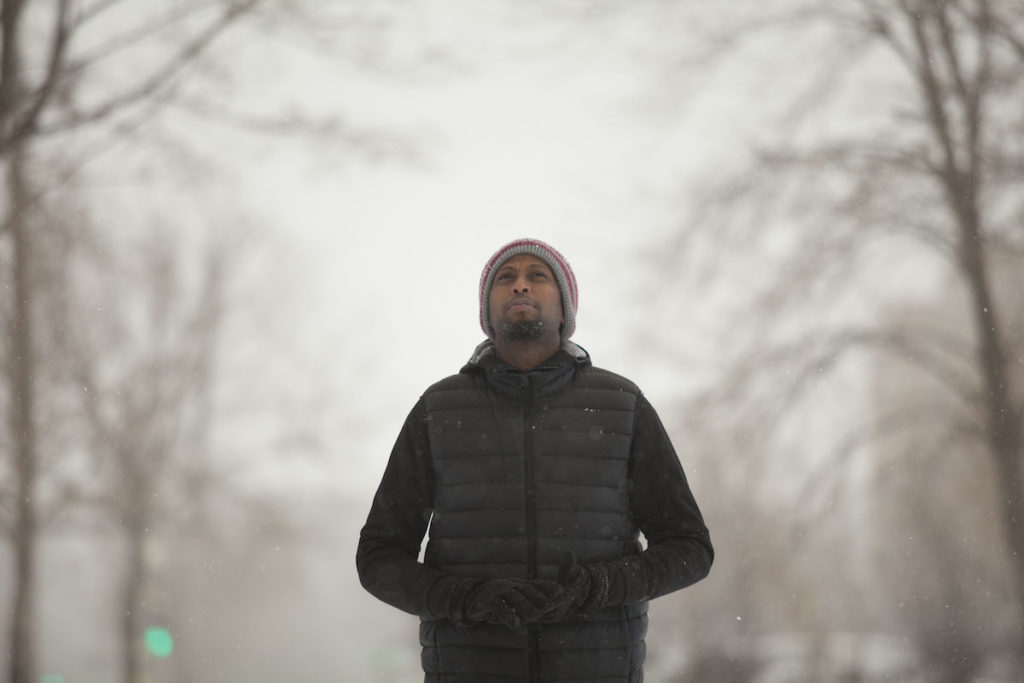
In the new documentary film Accept the Call from Eunice Lau, a father seeks to understand why his son is accused of terrorism. Accept the Call will world premiere at 2019 Human Rights Watch Film Festival in New York.
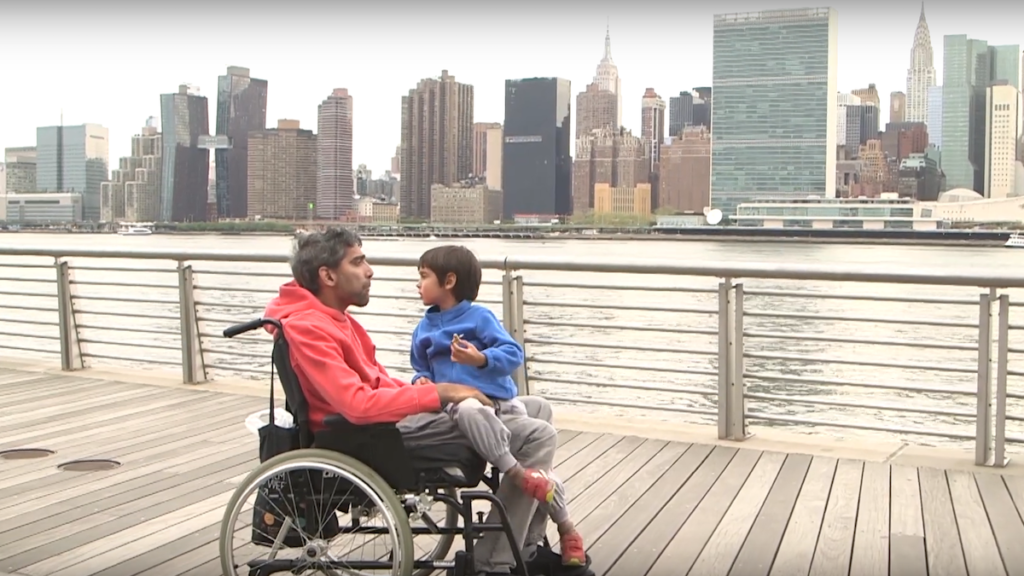
Disability activist and filmmaker Jason DaSilva will premiere When We Walk the follow-up to his 2013 documentary When I Walk, at the 2019 Human Rights Watch Film Festival in New York City on June 14, 2019. The second film in the ‘When They Walk’ trilogy confronts the U.S. Medicaid system and new personal challenges; Filmmaker Jason DaSilva explains the disparity between the different states and national healthcare crisis as he tries to be closer to his son who lives 2,000 miles away.