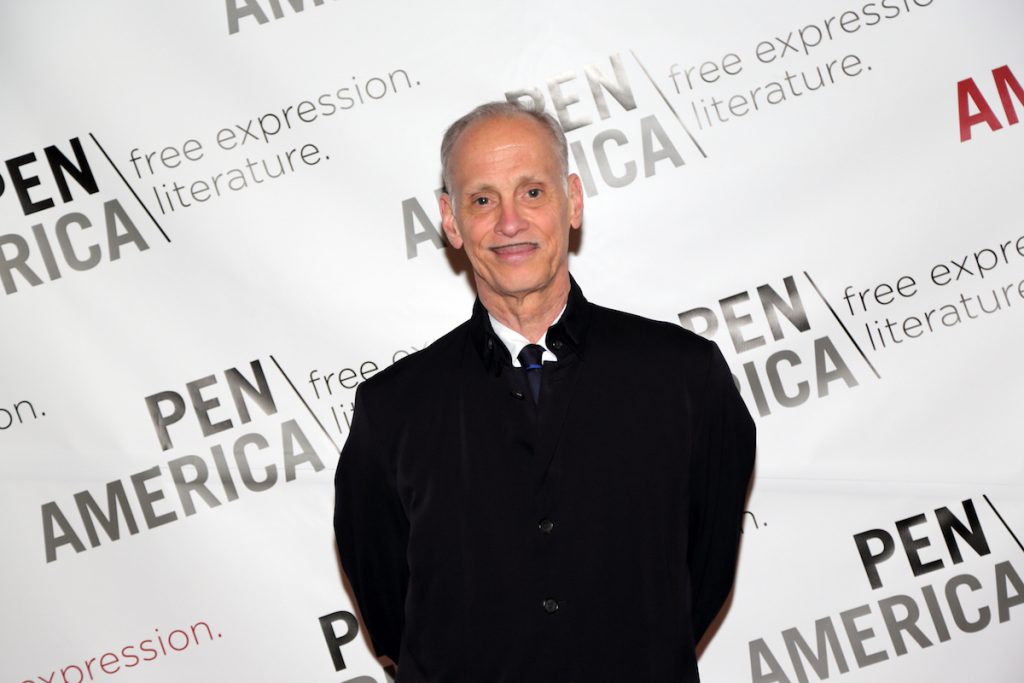
John Waters will receive the Pardo d’onore Manor award during the 72nd edition of the Locarno Film Festival followed by one of the new “Crazy Midnight” screenings featuring his film Cecil B. DeMented (2000).

Thousands of film fans and industry professionals meet at the Locarno Film Festival every summer to share their thirst for new discoveries and a passion for cinema in all its diversity.
In Locarno they find a quality program, rich, eclectic, surprising, and where emerging talent rubs shoulders with prestigious guests.
Locarno Film Festival started in 1946 and takes place in Locarno, Switzerland
John Waters will receive the Pardo d’onore Manor award during the 72nd edition of the Locarno Film Festival followed by one of the new “Crazy Midnight” screenings featuring his film Cecil B. DeMented (2000).
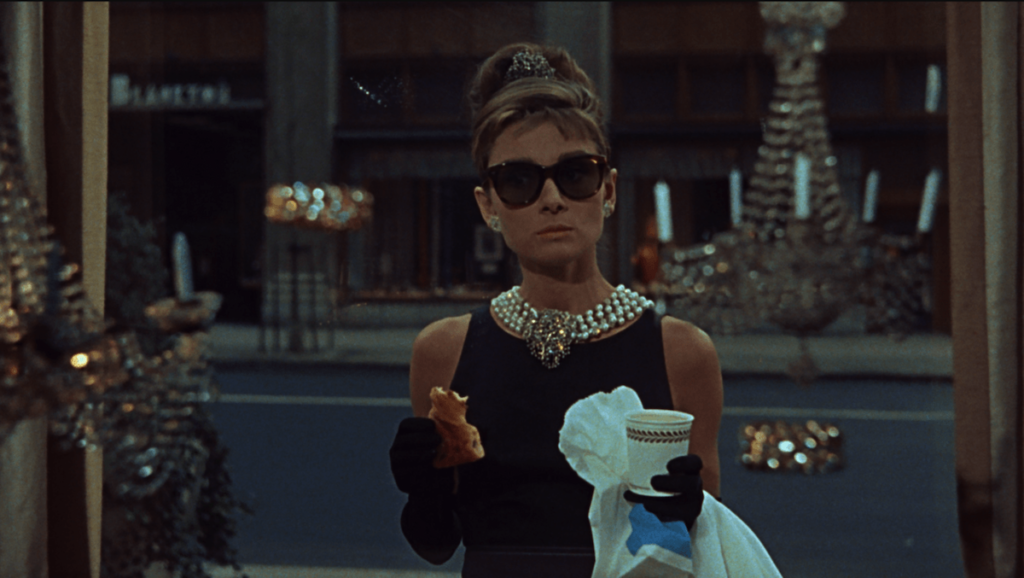
The Retrospective of the 72nd Locarno Film Festival will be dedicated to the American filmmaker Blake Edwards, featuring his complete filmography as director – 37 titles from 1955 to 1993, plus a survey of films by other directors, in particular Richard Quine, for which he wrote the screenplay. The program will also include a selection of his acclaimed work for television.
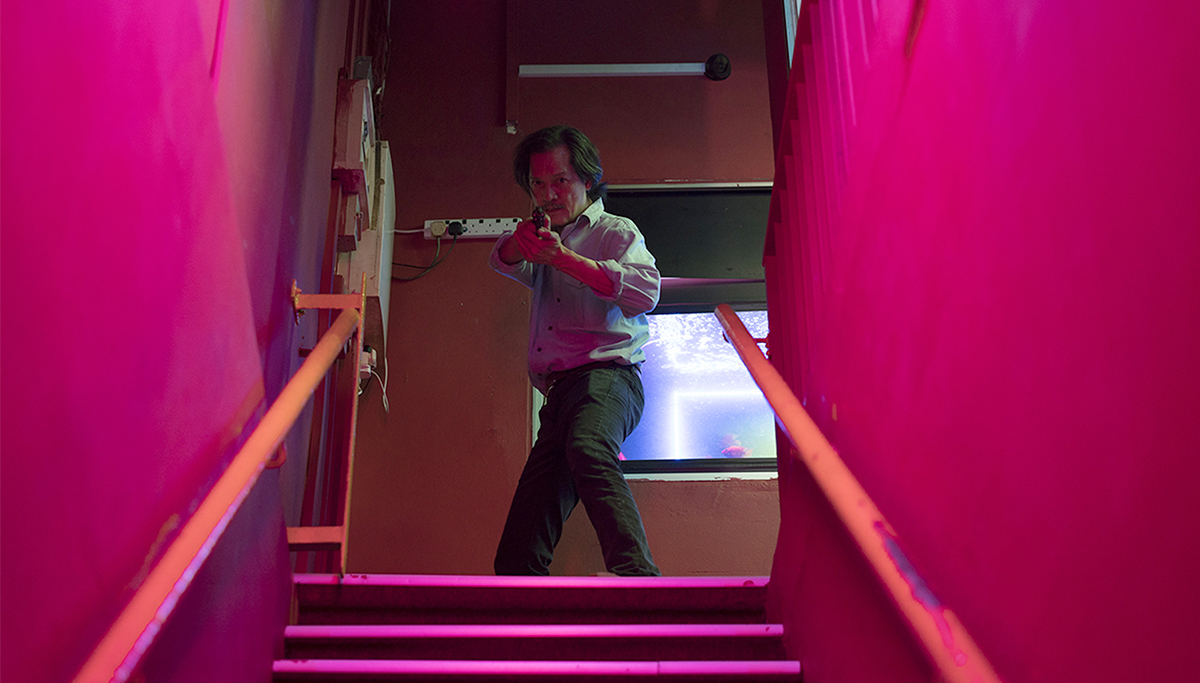 A Land Imagined by Yeo Siew Hua[/caption]
The 2018 edition of the Locarno Festival ended with A Land Imagined by director Yeo Siew Hua being crowned the winner of the Golden Lepoard for Best Film. In A Land Imagined, Wang, a lonely construction worker from China, goes missing at a Singapore land reclamation site after forming a virtual friendship with a mysterious gamer. Lok, a police investigator, has to uncover the truth in order to find him.
Carlo Chatrian, Artistic Director commented “Held in extremely high temperatures, Locarno71 was a rich and diversified edition, just as it is in the tradition of a festival which is not afraid to approach extremes and to combine a smile with reflection. The guests who brought their experience and congeniality, were joined by new ideas that were well received, I think about the critical success of the film La Flor or the wonderful response of the audience to the night screening of the television series by Bruno Dumont, for example. In the aesthetic search for a form suited to a rapidly changing actuality, where images seem omnipresent, the award-winning films tell of a world where man is still the measure of all things. With 12 award-winning women – among two Swiss directors – out of 25 awards, the 71st edition confirmed that Locarno is a festival where one plans the future”.
The 72nd Locarno Festival will be held from August 7 to 17, 2019.
A Land Imagined by Yeo Siew Hua[/caption]
The 2018 edition of the Locarno Festival ended with A Land Imagined by director Yeo Siew Hua being crowned the winner of the Golden Lepoard for Best Film. In A Land Imagined, Wang, a lonely construction worker from China, goes missing at a Singapore land reclamation site after forming a virtual friendship with a mysterious gamer. Lok, a police investigator, has to uncover the truth in order to find him.
Carlo Chatrian, Artistic Director commented “Held in extremely high temperatures, Locarno71 was a rich and diversified edition, just as it is in the tradition of a festival which is not afraid to approach extremes and to combine a smile with reflection. The guests who brought their experience and congeniality, were joined by new ideas that were well received, I think about the critical success of the film La Flor or the wonderful response of the audience to the night screening of the television series by Bruno Dumont, for example. In the aesthetic search for a form suited to a rapidly changing actuality, where images seem omnipresent, the award-winning films tell of a world where man is still the measure of all things. With 12 award-winning women – among two Swiss directors – out of 25 awards, the 71st edition confirmed that Locarno is a festival where one plans the future”.
The 72nd Locarno Festival will be held from August 7 to 17, 2019.
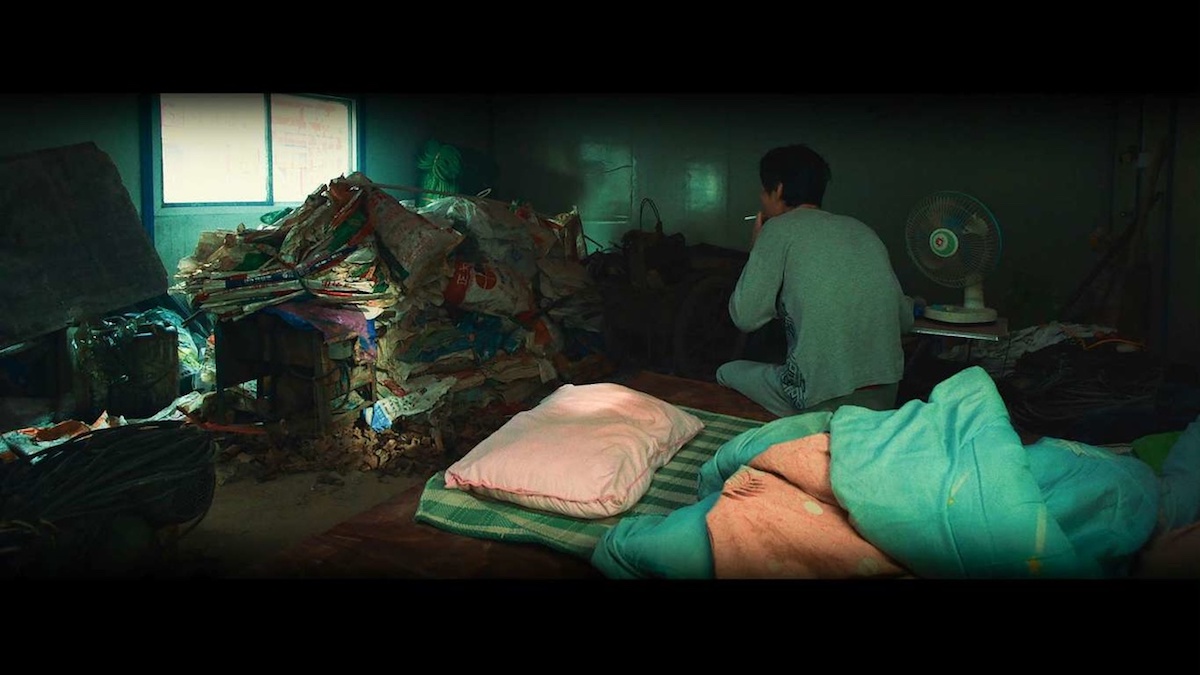 The Fragile House (Hai shang cheng shi)[/caption]
The Fragile House (Hai shang cheng shi) by Lin Zi, China is the winner of The Signs of Life Award ELECTRONIC-ART.FOUNDATION for the Best Film 2018 at the Locarno Festival. The Signs of Life jury awarded Lin Zi film for “an unnerving portrait of one family’s estrangement and avarice within China’s burgeoning upper-middle class”.
The Fundación Casa Wabi – Mantarraya Award was given to director Benjamin Crotty for The Glorious Acceptance of Nicolas Chauvin (Le Discours d’acceptation glorieux de Nicolas Chauvin), France “a film that plays with fact, legend — and fake news — in inventively madcap ways.”
Signs of Life aims to explore new grounds, narrative forms and innovative cinematic languages. Originally out-of-competition when founded in 2014, Signs of Life is a competitive section since last year. This year’s jury is composed by Emilie Bujès, festival director (Switzerland), Tiziana Finzi, curator (Italy) and Josh Siegel, curator (USA).
The Fragile House (Hai shang cheng shi)[/caption]
The Fragile House (Hai shang cheng shi) by Lin Zi, China is the winner of The Signs of Life Award ELECTRONIC-ART.FOUNDATION for the Best Film 2018 at the Locarno Festival. The Signs of Life jury awarded Lin Zi film for “an unnerving portrait of one family’s estrangement and avarice within China’s burgeoning upper-middle class”.
The Fundación Casa Wabi – Mantarraya Award was given to director Benjamin Crotty for The Glorious Acceptance of Nicolas Chauvin (Le Discours d’acceptation glorieux de Nicolas Chauvin), France “a film that plays with fact, legend — and fake news — in inventively madcap ways.”
Signs of Life aims to explore new grounds, narrative forms and innovative cinematic languages. Originally out-of-competition when founded in 2014, Signs of Life is a competitive section since last year. This year’s jury is composed by Emilie Bujès, festival director (Switzerland), Tiziana Finzi, curator (Italy) and Josh Siegel, curator (USA). Film producer Ted Hope will receive the Best Independent Producer Award 2018 “Premio Raimondo Rezzonico” at the Locarno Film Festival for his involvement in independent international film production, bringing new and unexpected voices into the spotlight. Ted Hope will receive the Award in Piazza Grande on Thursday, August 2.
Ted Hope, whose career spans over more than 35 years, is marked by his passion for independent cinema. Born in the United States in 1962, Ted Hope came early to the world of cinema and in 1990 founded the production company Good Machine in New York, together with James Schamus. These were the years in which Hope produced the first films by Ang Lee: Tui shou (Pushing Hands, 1991), Xi yan (The Wedding Banquet, 1993) and Yin shi nan nu (Eat Drink Man Woman, 1994), the last ones both nominated at the Academy Awards, followed by The Ice Storm (1997), screened at Locarno in Piazza Grande. During the same period, Happiness (1998), directed by Todd Solondz, was presented at the Directors’ Fortnight in Cannes and won of the International Critics’ Award; Ride with the Devil (1999); and In the Bedroom (2001), which won numerous awards, including five Academy Awards nominations and a Golden Globe. Three of his productions also won the Grand Jury Prize at the Sundance Film Festival: What Happened Was… (1994), The Brothers McMullen (1995), and American Splendor (2003). The latter, based on the life of the cartoonist Harvey Pekar, won numerous awards, including the International Critics’ Award at the Cannes Festival and was nominated for an Oscar.
In 2015 Hope was called upon by Amazon to take care of the production of feature films. At the head of the creative team at Amazon Studios, he is responsible for the films produced, developed and acquired by the company, managing to combine his taste for independent cinema with the needs of a large distribution giant. The most prestigious results are Manchester by the Sea (2016), which won an Oscar for its leading actor in 2017, and The Big Sick (2017), which won the Prix du Public UBS in Piazza Grande last year. In his first year at Amazon Studios, the Amazon team distributed 14 films, winning 335 nominations and 131 awards, including seven Academy Awards and five Golden Globe nominations. In 2018, in the wake of his numerous successes, he continues to support the work of important directors on the international scene, including Lynne Ramsay, Spike Lee, Gus Van Sant and Lauren Greenfield. Prior to joining Amazon, Hope produced over 70 films and was also one of the founders of the production companies This is That and Double Hope Films. His flair for talent helped launch the careers of major directors such as Hal Hartley, Michel Gondry, Nicole Holofcener and many others. Hope’s inspiring filmmaking guide Hope For Film was published in 2015.
Carlo Chatrian, Artistic Director of the Locarno Festival: “In a scene marked by the growing weight of marketing and communication strategies, Ted Hope embodies a role-model figure for those who consider cinema to be a vehicle for making original and different voices heard. As simple in his way of presenting himself as he is in his production choices, in thirty years as an independent producer or in the Amazon Studios team, Ted Hope has not changed his relationship with the directors and the films he supports. The Best Independent Producer Award “Premio Raimondo Rezzonico” that the Festival presents him is therefore both recognition for the work he has done and a sign of encouragement to continue along the path he has taken.”
Ted Hope will receive the Best Independent Producer Award “Premio Raimondo Rezzonico” in Piazza Grande on the evening of Thursday, August 2. The tribute will be accompanied by the screening of a selection of films from his career. On Friday August 3, at 10.30 am, the Festival public will have the chance to attend a conversation with the producer at the Spazio Cinema.
The Best Independent Producer Award “Premio Raimondo Rezzonico”, offered by the Municipality of Minusio, was established in 2002, in memory of the President who chaired the Festival from 1980 to 1999.
The 71st edition of the Locarno Festival will take place from August 1 to 11, 2018.
Film producer Ted Hope will receive the Best Independent Producer Award 2018 “Premio Raimondo Rezzonico” at the Locarno Film Festival for his involvement in independent international film production, bringing new and unexpected voices into the spotlight. Ted Hope will receive the Award in Piazza Grande on Thursday, August 2.
Ted Hope, whose career spans over more than 35 years, is marked by his passion for independent cinema. Born in the United States in 1962, Ted Hope came early to the world of cinema and in 1990 founded the production company Good Machine in New York, together with James Schamus. These were the years in which Hope produced the first films by Ang Lee: Tui shou (Pushing Hands, 1991), Xi yan (The Wedding Banquet, 1993) and Yin shi nan nu (Eat Drink Man Woman, 1994), the last ones both nominated at the Academy Awards, followed by The Ice Storm (1997), screened at Locarno in Piazza Grande. During the same period, Happiness (1998), directed by Todd Solondz, was presented at the Directors’ Fortnight in Cannes and won of the International Critics’ Award; Ride with the Devil (1999); and In the Bedroom (2001), which won numerous awards, including five Academy Awards nominations and a Golden Globe. Three of his productions also won the Grand Jury Prize at the Sundance Film Festival: What Happened Was… (1994), The Brothers McMullen (1995), and American Splendor (2003). The latter, based on the life of the cartoonist Harvey Pekar, won numerous awards, including the International Critics’ Award at the Cannes Festival and was nominated for an Oscar.
In 2015 Hope was called upon by Amazon to take care of the production of feature films. At the head of the creative team at Amazon Studios, he is responsible for the films produced, developed and acquired by the company, managing to combine his taste for independent cinema with the needs of a large distribution giant. The most prestigious results are Manchester by the Sea (2016), which won an Oscar for its leading actor in 2017, and The Big Sick (2017), which won the Prix du Public UBS in Piazza Grande last year. In his first year at Amazon Studios, the Amazon team distributed 14 films, winning 335 nominations and 131 awards, including seven Academy Awards and five Golden Globe nominations. In 2018, in the wake of his numerous successes, he continues to support the work of important directors on the international scene, including Lynne Ramsay, Spike Lee, Gus Van Sant and Lauren Greenfield. Prior to joining Amazon, Hope produced over 70 films and was also one of the founders of the production companies This is That and Double Hope Films. His flair for talent helped launch the careers of major directors such as Hal Hartley, Michel Gondry, Nicole Holofcener and many others. Hope’s inspiring filmmaking guide Hope For Film was published in 2015.
Carlo Chatrian, Artistic Director of the Locarno Festival: “In a scene marked by the growing weight of marketing and communication strategies, Ted Hope embodies a role-model figure for those who consider cinema to be a vehicle for making original and different voices heard. As simple in his way of presenting himself as he is in his production choices, in thirty years as an independent producer or in the Amazon Studios team, Ted Hope has not changed his relationship with the directors and the films he supports. The Best Independent Producer Award “Premio Raimondo Rezzonico” that the Festival presents him is therefore both recognition for the work he has done and a sign of encouragement to continue along the path he has taken.”
Ted Hope will receive the Best Independent Producer Award “Premio Raimondo Rezzonico” in Piazza Grande on the evening of Thursday, August 2. The tribute will be accompanied by the screening of a selection of films from his career. On Friday August 3, at 10.30 am, the Festival public will have the chance to attend a conversation with the producer at the Spazio Cinema.
The Best Independent Producer Award “Premio Raimondo Rezzonico”, offered by the Municipality of Minusio, was established in 2002, in memory of the President who chaired the Festival from 1980 to 1999.
The 71st edition of the Locarno Festival will take place from August 1 to 11, 2018. I FEEL GOOD by Benoît Delépine, Gustave Kervern[/caption]
The official program of the 71st edition of the Locarno Festival was announced at a press conference today, Wednesday July 11, 2018. The line-up for the official juries was also announced as were tributes to Wolf-Eckart Bühler, Pierre Rissient, Francis Reusser and Claude Lanzmann. The 71st Locarno Festival will take place from August 1 to 11, 2018.
In the program introduction, Carlo Chatrian, Artistic director, notes “This year’s program also includes films that, instead of portraying the conflicts raging around the world, concentrate on private stories, while allowing the present to resonate like the echoes of a thunderstorm. Examples are Yara by Abbas Fahdel, who following his epic Homeland (Iraq Year Zero) has left the war zone to plunge into the Lebanese countryside; or the portrait which Ethan Hawke – Excellence Award 2018 – dedicates in the eponymous film to the musician BLAZE, conflicted but charming hero, a rebel against the system and a profoundly free spirit, fated for a tragic end. These are just two films that create a bond between the self and the world, between the details of an individual life and the universal truths revealed by their story. Another of their common traits is also found in many other titles: the courage shown by their protagonists when faced with an insurmountable obstacle. Perhaps that’s why these and so many other films this year simply take a name for their title (Diane, Alice T., M., Menocchio, Sibel, Ray & Liz, Siyabonga). It may well be a sign of renewed trust in film as an art form capable of telling the stories of men and women without filtering them through symbolism, proof that the human face may be back as the be-all and end-all of a film. If so, I should like to present this year’s program as a single, magnificent and very long portrait gallery of unique faces, disarming even when well aware of the artfulness of their fiction. From Stan Laurel to the young Israeli Menahem and his disturbing statements in M.; from Mae West’s opulence to the sublime beauty of Julio Bressane’s muse in Sedução da Carne; from the discreet charm of Ingrid Bergman to the appeal of Noée Abita in Genèse; from the madcap elegance of Irene Dunne to the disenchanted appeal of Mary Kay Place in Diane.”
I FEEL GOOD by Benoît Delépine, Gustave Kervern[/caption]
The official program of the 71st edition of the Locarno Festival was announced at a press conference today, Wednesday July 11, 2018. The line-up for the official juries was also announced as were tributes to Wolf-Eckart Bühler, Pierre Rissient, Francis Reusser and Claude Lanzmann. The 71st Locarno Festival will take place from August 1 to 11, 2018.
In the program introduction, Carlo Chatrian, Artistic director, notes “This year’s program also includes films that, instead of portraying the conflicts raging around the world, concentrate on private stories, while allowing the present to resonate like the echoes of a thunderstorm. Examples are Yara by Abbas Fahdel, who following his epic Homeland (Iraq Year Zero) has left the war zone to plunge into the Lebanese countryside; or the portrait which Ethan Hawke – Excellence Award 2018 – dedicates in the eponymous film to the musician BLAZE, conflicted but charming hero, a rebel against the system and a profoundly free spirit, fated for a tragic end. These are just two films that create a bond between the self and the world, between the details of an individual life and the universal truths revealed by their story. Another of their common traits is also found in many other titles: the courage shown by their protagonists when faced with an insurmountable obstacle. Perhaps that’s why these and so many other films this year simply take a name for their title (Diane, Alice T., M., Menocchio, Sibel, Ray & Liz, Siyabonga). It may well be a sign of renewed trust in film as an art form capable of telling the stories of men and women without filtering them through symbolism, proof that the human face may be back as the be-all and end-all of a film. If so, I should like to present this year’s program as a single, magnificent and very long portrait gallery of unique faces, disarming even when well aware of the artfulness of their fiction. From Stan Laurel to the young Israeli Menahem and his disturbing statements in M.; from Mae West’s opulence to the sublime beauty of Julio Bressane’s muse in Sedução da Carne; from the discreet charm of Ingrid Bergman to the appeal of Noée Abita in Genèse; from the madcap elegance of Irene Dunne to the disenchanted appeal of Mary Kay Place in Diane.”
 Filmmaker and graphic designer Kyle Cooper will receive the Vision Award Ticinomoda, dedicated to those who have used their talents to create new perspectives in the world of cinema at the upcoming 71st Locarno Festival. Kyle Cooper will be a guest in Piazza Grande on Sunday August 5, and the tribute will be accompanied by a screening of the film Se7en.
Born in 1962 in Salem, Massachusetts, Kyle Cooper is one of the most original and innovative film title designers in world cinema. Known to the mainstream public for the opening sequence he created for the film Se7en (1995), directed by David Fincher, Cooper has given fresh impetus to the art of movie titling. Over the three decades of his career to date he has directed and produced over 350 titles sequences, working with some of the highest profile filmmakers in global cinema.
After studying graphic design at the Yale School of Art and under the guidance of noted U.S. designer Paul Rand, he named and co-founded one of Hollywood’s most successful creative agencies: Imaginary Forces. His career as director and graphic designer took off with the title sequence for Se7en (1995), a milestone which the New York Times Magazine hailed as “one of the most important design innovations of the 1990s”. Cooper experimented with kinetic typography, reprising the work of Saul Bass and attuning lettering and other elements to each single movie, as with the hieroglyphs of The Mummy (1999) or the cobweb typography of the first Spider-Man movie (2002). He came up with an astonishing range of techniques to capture viewers’ attention during the opening minutes, immersing them in the atmosphere of the film from the very outset. The range of films and genres on which he worked was equally broad: Braveheart (1995), Donnie Brasco (1997), Across the Universe (2007), The New World (2005), The Incredible Hulk (2008), Final Destination 5 (2011), Black Mass (2015), Argo (2012), Mission Impossible (1996), Mission Impossible – Ghost Protocol (2011), The Secret Life of Walter Mitty (2013), Mother! (2017). He also worked for television, with The Walking Dead (2010), American Horror Story (2011), Scream Queens (2015), Limitless (2015), Feud (2017), and lastly for video games, in such as Metal Gear Solid 2: Sons of Liberty (2001), Scarface: The World Is Yours (2006), Metal Gear Solid V: The Phantom Pain (2015) and Death Stranding (upcoming). He worked also on brand designing brands such as SU2C and Marvel logo animation. In 2003 he left Imaginary Forces and set up the creative agency Prologue Films. In 2008 he was a finalist at the National Design Awards. He has earned five nominations for the Emmy Awards. He is a member of the Academy of Motion Picture Arts and Sciences and he also holds the title of Royal Designer for Industry from the Royal Society of Arts in London.
Carlo Chatrian, Artistic Director of the Locarno Festival: “Kyle Cooper is an artist who has single-handedly changed the visual impact of contemporary cinema. His hundreds of creations have been gateways to iconic movies loved by millions of viewers. His title sequences combine experimentation and graphic research, CGI (computer-generated imagery) and details borrowed from often invisible microcosms, breaking down the barriers between auteur and mainstream, crafting and industry. The award is both a mark of our recognition of the significance of his work and an invitation to reassess the role and value of these short films within films.”
Kyle Cooper will receive the Vision Award Ticinomoda in Piazza Grande on the evening of August 5. On the following day, Monday August 6, he will hold a master class. The tribute will also be accompanied by screenings of a selection of films reflecting his career.
In recent years the Locarno Festival has given the Vision Award, introduced in 2013, to Douglas Trumbull (2013), Garrett Brown (2014), Walter Murch (2015), Howard Shore (2016) and José Luis Alcaine (2017).
The 71st Locarno Festival will take place from August 1 to 11, 2018.
https://vimeo.com/9400332
Filmmaker and graphic designer Kyle Cooper will receive the Vision Award Ticinomoda, dedicated to those who have used their talents to create new perspectives in the world of cinema at the upcoming 71st Locarno Festival. Kyle Cooper will be a guest in Piazza Grande on Sunday August 5, and the tribute will be accompanied by a screening of the film Se7en.
Born in 1962 in Salem, Massachusetts, Kyle Cooper is one of the most original and innovative film title designers in world cinema. Known to the mainstream public for the opening sequence he created for the film Se7en (1995), directed by David Fincher, Cooper has given fresh impetus to the art of movie titling. Over the three decades of his career to date he has directed and produced over 350 titles sequences, working with some of the highest profile filmmakers in global cinema.
After studying graphic design at the Yale School of Art and under the guidance of noted U.S. designer Paul Rand, he named and co-founded one of Hollywood’s most successful creative agencies: Imaginary Forces. His career as director and graphic designer took off with the title sequence for Se7en (1995), a milestone which the New York Times Magazine hailed as “one of the most important design innovations of the 1990s”. Cooper experimented with kinetic typography, reprising the work of Saul Bass and attuning lettering and other elements to each single movie, as with the hieroglyphs of The Mummy (1999) or the cobweb typography of the first Spider-Man movie (2002). He came up with an astonishing range of techniques to capture viewers’ attention during the opening minutes, immersing them in the atmosphere of the film from the very outset. The range of films and genres on which he worked was equally broad: Braveheart (1995), Donnie Brasco (1997), Across the Universe (2007), The New World (2005), The Incredible Hulk (2008), Final Destination 5 (2011), Black Mass (2015), Argo (2012), Mission Impossible (1996), Mission Impossible – Ghost Protocol (2011), The Secret Life of Walter Mitty (2013), Mother! (2017). He also worked for television, with The Walking Dead (2010), American Horror Story (2011), Scream Queens (2015), Limitless (2015), Feud (2017), and lastly for video games, in such as Metal Gear Solid 2: Sons of Liberty (2001), Scarface: The World Is Yours (2006), Metal Gear Solid V: The Phantom Pain (2015) and Death Stranding (upcoming). He worked also on brand designing brands such as SU2C and Marvel logo animation. In 2003 he left Imaginary Forces and set up the creative agency Prologue Films. In 2008 he was a finalist at the National Design Awards. He has earned five nominations for the Emmy Awards. He is a member of the Academy of Motion Picture Arts and Sciences and he also holds the title of Royal Designer for Industry from the Royal Society of Arts in London.
Carlo Chatrian, Artistic Director of the Locarno Festival: “Kyle Cooper is an artist who has single-handedly changed the visual impact of contemporary cinema. His hundreds of creations have been gateways to iconic movies loved by millions of viewers. His title sequences combine experimentation and graphic research, CGI (computer-generated imagery) and details borrowed from often invisible microcosms, breaking down the barriers between auteur and mainstream, crafting and industry. The award is both a mark of our recognition of the significance of his work and an invitation to reassess the role and value of these short films within films.”
Kyle Cooper will receive the Vision Award Ticinomoda in Piazza Grande on the evening of August 5. On the following day, Monday August 6, he will hold a master class. The tribute will also be accompanied by screenings of a selection of films reflecting his career.
In recent years the Locarno Festival has given the Vision Award, introduced in 2013, to Douglas Trumbull (2013), Garrett Brown (2014), Walter Murch (2015), Howard Shore (2016) and José Luis Alcaine (2017).
The 71st Locarno Festival will take place from August 1 to 11, 2018.
https://vimeo.com/9400332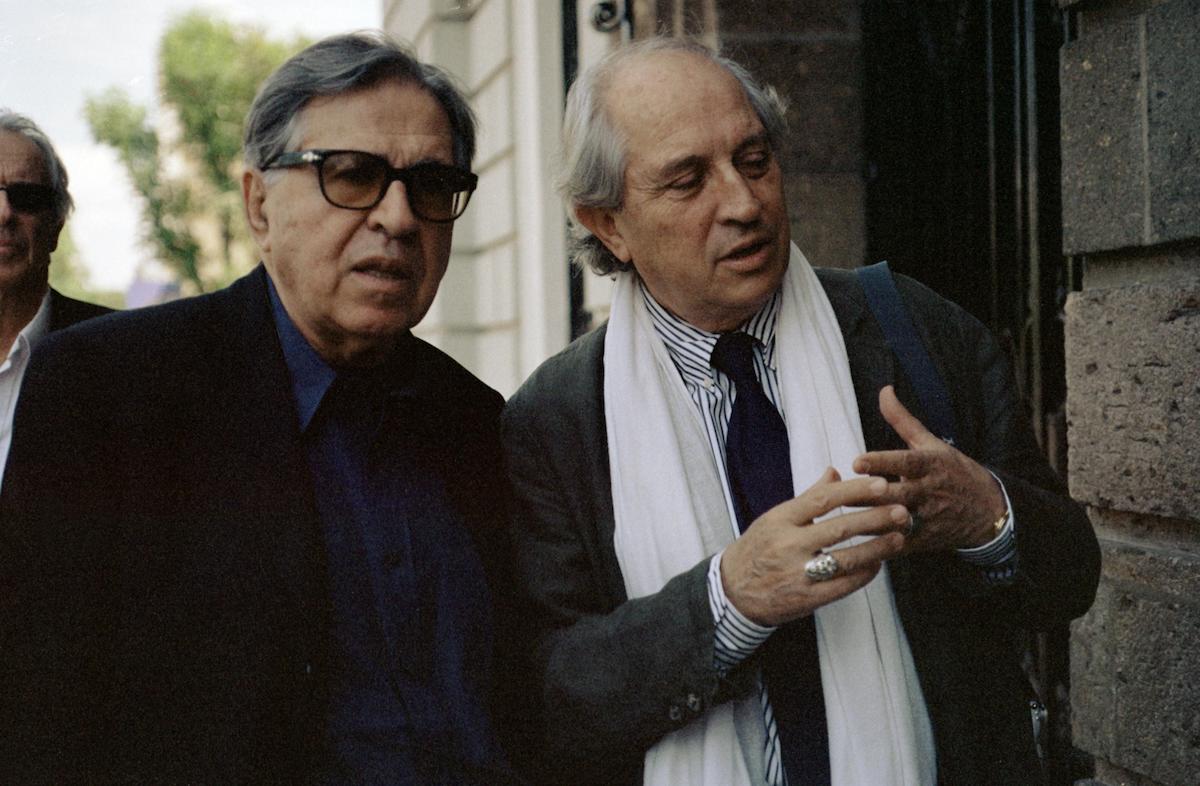 Paolo Taviani and Vittorio Storaro[/caption]
The Locarno Festival will pay tribute to the remarkable career of the Taviani brothers and also honor the memory of Vittorio Taviani, who died last April during the upcoming 71st edition. Director and screenwriter Paolo Taviani will be a guest in Piazza Grande and the tribute will be accompanied by the screening their film Good morning Babilonia (1987) in a new print restored by Italy’s National Film Archive (CSC) and Istituto Luce-Cinecittà.
Hallmarked by an expressive language in which both poetry and politics run deep, the Tavianis made a number of outstanding films in the history of Italian cinema. From the 1960s the two master directors produced work that was socially committed but also highly poetic, telling real stories that were often fraught with contradictions and bringing vital issues of political and civic engagement to the attention of a wider public. The Taviani’s talents were first shown to a Locarno audience in 1974 (San Michele aveva un gallo) and then later 1982 (La notte di San Lorenzo), a milestone screening in the Festival’s long history.
Paolo and Vittorio Taviani began directing films in 1954 with a series of documentaries on social subjects. The short feature San Miniato, luglio ’44, made in collaboration with Cesare Zavattini, belongs to this period. They went on to work with Joris Ivens on L’Italia non è un paese povero (1960). Their full-length feature film debut came in 1962 when, together with Valentino Orsini, they made Un uomo da bruciare, starring Gian Maria Volonté in a portrait of political activism that was inspired by Salvatore Carnevale, a Sicilian trade unionist murdered by the mafia. It was the first title in what was to become an impressively long filmography, as I sovversivi (1967) and Sotto il segno dello scorpione (1969) renewed the intense creative partnership to which they devoted their entire careers. As the years went by the Tavianis explored new styles and also began to achieve international recognition. San Michele aveva un gallo (1972) and Allonsanfàn (1974), with Marcello Mastroianni and Lea Massari, were selected for the Directors’ Fortnight, but it was in 1977, with Padre Padrone, based on an autobiographical novel by Gavino Ledda, that they won the Golden Palm and Critics’ Prize at Cannes. They received their awards from jury president Roberto Rossellini, and in Italy were also awarded a special David di Donatello and a Nastro d’Argento.
After Il prato (1979) the Tavianis made another remarkable film, La notte di San Lorenzo (1982), a choral portrait of life in rural Tuscany during the Second World War. Screened at Locarno in Piazza Grande, this was the Tuscan brothers’ first film with music by Nicola Piovani and it won them the Grand Prix at Cannes, plus David di Donatello and Nastro d’Argento awards for direction and screenwriting. The Tavianis then moved on to another literary adaptation, Kaos (1984). Based on Pirandello’s Novelle per un anno, it won a David di Donatello for best screenplay. Two years later they received a Golden Lion for career achievement at the Venice International Film Festival and in 1987 they embarked on a major international production with Good morning Babilonia, the story of two Tuscan brothers who emigrate to the USA to seek their fortune. They were to return to historical settings for Il sole anche di notte (1990), Fiorile (1993), Le affinità elettive (1996) and Tu ridi (1998). During the following decade the Tavianis made several features for television, including Resurrezione (2001) and Luisa Sanfelice (2004). They also continued to produce literary adaptations such as La masseria delle allodole (2007) and Maraviglioso Boccaccio (2015).
In 2012 the Tavianis returned to Berlin with Cesare deve morire and won the Golden Bear, as well as two David di Donatello awards for best direction and best film. The last feature on which they worked together was Una questione privata in 2017, eventually credited only to Paolo as director because of his brother’s failing health. Their last work in partnership, after a lifelong career together in filmmaking, rounded off a cycle whose closure leaves a strong sense of loss on the international cinema scene.
Carlo Chatrian, Artistic Director of the Locarno Festival: “Among the many pictures which could rightfully be screened to mark the extraordinary career of the Tavianis, Good morning Babilonia is a period drama that combines the beauty of Italian cathedrals with the nascent movie industry in California. Today – in an epoch in which the film art seems to be becoming somehow immaterial – it has a special resonance. It is not just a homage to the great Italian tradition of art and craft workshops, but also an insightful interpretation of what cinema is about, which includes craft skills in its collective artistic vision. In my view this, together with a consistently maintained ethical position, is one dimension of the Taviani brothers’ approach to filmmaking that deserves to be remembered. I am therefore especially happy and honored to be able to welcome Paolo Taviani to recall the splendid contribution that he, together with his brother Vittorio, made towards the ageless cinema we celebrate every year in Locarno.”
The Locarno Festival will pay tribute to Paolo Taviani in Piazza Grande and the tribute will be accompanied by a world premiere screening of the restored print of Good morning Babilonia (1987) by the Italian National Film Archive (CSC) and Istituto Luce-Cinecittà.
The 71st Locarno Festival will take place from 1 to 11 August 2018.
Paolo Taviani and Vittorio Storaro[/caption]
The Locarno Festival will pay tribute to the remarkable career of the Taviani brothers and also honor the memory of Vittorio Taviani, who died last April during the upcoming 71st edition. Director and screenwriter Paolo Taviani will be a guest in Piazza Grande and the tribute will be accompanied by the screening their film Good morning Babilonia (1987) in a new print restored by Italy’s National Film Archive (CSC) and Istituto Luce-Cinecittà.
Hallmarked by an expressive language in which both poetry and politics run deep, the Tavianis made a number of outstanding films in the history of Italian cinema. From the 1960s the two master directors produced work that was socially committed but also highly poetic, telling real stories that were often fraught with contradictions and bringing vital issues of political and civic engagement to the attention of a wider public. The Taviani’s talents were first shown to a Locarno audience in 1974 (San Michele aveva un gallo) and then later 1982 (La notte di San Lorenzo), a milestone screening in the Festival’s long history.
Paolo and Vittorio Taviani began directing films in 1954 with a series of documentaries on social subjects. The short feature San Miniato, luglio ’44, made in collaboration with Cesare Zavattini, belongs to this period. They went on to work with Joris Ivens on L’Italia non è un paese povero (1960). Their full-length feature film debut came in 1962 when, together with Valentino Orsini, they made Un uomo da bruciare, starring Gian Maria Volonté in a portrait of political activism that was inspired by Salvatore Carnevale, a Sicilian trade unionist murdered by the mafia. It was the first title in what was to become an impressively long filmography, as I sovversivi (1967) and Sotto il segno dello scorpione (1969) renewed the intense creative partnership to which they devoted their entire careers. As the years went by the Tavianis explored new styles and also began to achieve international recognition. San Michele aveva un gallo (1972) and Allonsanfàn (1974), with Marcello Mastroianni and Lea Massari, were selected for the Directors’ Fortnight, but it was in 1977, with Padre Padrone, based on an autobiographical novel by Gavino Ledda, that they won the Golden Palm and Critics’ Prize at Cannes. They received their awards from jury president Roberto Rossellini, and in Italy were also awarded a special David di Donatello and a Nastro d’Argento.
After Il prato (1979) the Tavianis made another remarkable film, La notte di San Lorenzo (1982), a choral portrait of life in rural Tuscany during the Second World War. Screened at Locarno in Piazza Grande, this was the Tuscan brothers’ first film with music by Nicola Piovani and it won them the Grand Prix at Cannes, plus David di Donatello and Nastro d’Argento awards for direction and screenwriting. The Tavianis then moved on to another literary adaptation, Kaos (1984). Based on Pirandello’s Novelle per un anno, it won a David di Donatello for best screenplay. Two years later they received a Golden Lion for career achievement at the Venice International Film Festival and in 1987 they embarked on a major international production with Good morning Babilonia, the story of two Tuscan brothers who emigrate to the USA to seek their fortune. They were to return to historical settings for Il sole anche di notte (1990), Fiorile (1993), Le affinità elettive (1996) and Tu ridi (1998). During the following decade the Tavianis made several features for television, including Resurrezione (2001) and Luisa Sanfelice (2004). They also continued to produce literary adaptations such as La masseria delle allodole (2007) and Maraviglioso Boccaccio (2015).
In 2012 the Tavianis returned to Berlin with Cesare deve morire and won the Golden Bear, as well as two David di Donatello awards for best direction and best film. The last feature on which they worked together was Una questione privata in 2017, eventually credited only to Paolo as director because of his brother’s failing health. Their last work in partnership, after a lifelong career together in filmmaking, rounded off a cycle whose closure leaves a strong sense of loss on the international cinema scene.
Carlo Chatrian, Artistic Director of the Locarno Festival: “Among the many pictures which could rightfully be screened to mark the extraordinary career of the Tavianis, Good morning Babilonia is a period drama that combines the beauty of Italian cathedrals with the nascent movie industry in California. Today – in an epoch in which the film art seems to be becoming somehow immaterial – it has a special resonance. It is not just a homage to the great Italian tradition of art and craft workshops, but also an insightful interpretation of what cinema is about, which includes craft skills in its collective artistic vision. In my view this, together with a consistently maintained ethical position, is one dimension of the Taviani brothers’ approach to filmmaking that deserves to be remembered. I am therefore especially happy and honored to be able to welcome Paolo Taviani to recall the splendid contribution that he, together with his brother Vittorio, made towards the ageless cinema we celebrate every year in Locarno.”
The Locarno Festival will pay tribute to Paolo Taviani in Piazza Grande and the tribute will be accompanied by a world premiere screening of the restored print of Good morning Babilonia (1987) by the Italian National Film Archive (CSC) and Istituto Luce-Cinecittà.
The 71st Locarno Festival will take place from 1 to 11 August 2018.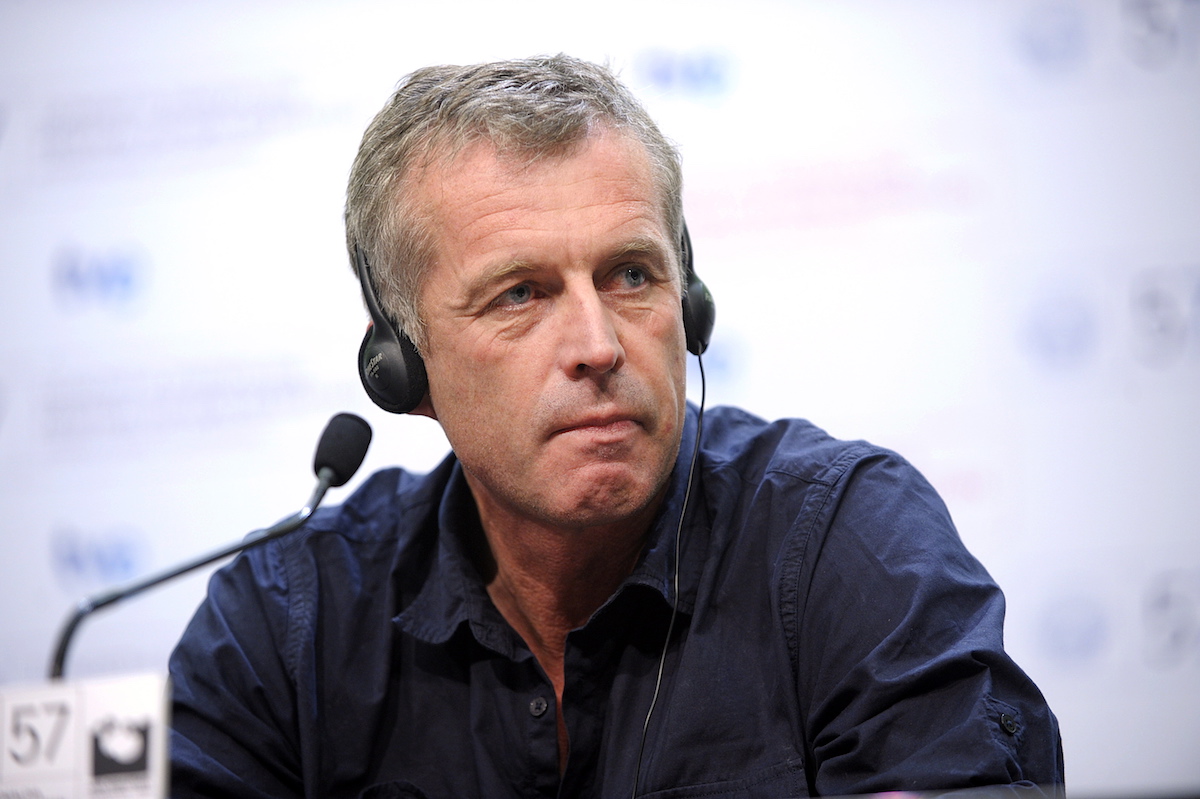 French filmmaker Bruno Dumont will receive the Pardo d’onore Manor award at the 71st Locarno Festival. Dumont will be a guest at the Festival in Piazza Grande on Saturday August 4 for the world premiere of the miniseries Coincoin et les z’inhumains.
Born in Bailleul in the French part of Flanders in 1958, Bruno Dumont is one of the most original directors on the international scene today. Many of his films have proved controversial during a career stretching back over two decades, in which he has focused his rigorous, austere and uncompromising gaze on the mystery that lies within the reality of daily life, meticulously exploring the question of the existence of evil and the banal forms it can take.
Dumont made his directing debut at the age of 38 with his first full-length feature, La vie de Jésus (1997), shot in his own native city of Bailleul. It was an immediate success, bringing him a César nomination for best first film and also a special mention in the Caméra d’or section at Cannes, where it was selected for the Directors’ Fortnight. Dumont carried on his highly personal cinematic research in his second full-length feature L’Humanité (1999), which won the Grand Prix at Cannes.
In 2003 Dumont moved away from locations in Northern France for the first time to make his third film Twentynine Palms (2003), set in California. He returned to France to make Flandres (2006), which brought him his second Grand Prix at Cannes. Mystery is central to Dumont’s idea of cinema: in Hadewijch (2009) and Hors Satan (2011) he once again explored the sacred through the everyday. In 2012 Dumont made Camille Claudel 1915, on aspects of the life of the noted French sculptress, with Juliette Binoche in the title role. The film was presented at the Berlinale in 2013.
Dumont began working for television with the series P’tit Quinquin (2014), which aired on ARTE. The move also brought humor into Dumont’s filmic world for the first time, a shift in genre which he repeated in his next feature film Ma Loute (2016), a blend of comedy and drama shown in competition at Cannes in 2016. The next change of tone was even more extreme, as the filmmaker tackled the challenge of a rock musical with Jeannette, l’enfance de Jeanne d’Arc (2017), based on a play by Charles Péguy. During the 71st Locarno Festival Dumont will be presenting his new miniseries Coincoin et les z’inhumains, due for theatrical release in Switzerland and screening on ARTE in September.
Carlo Chatrian, Artistic Director of the Locarno Festival: “Bruno Dumont is one of those directors who best typify 21st century cinema. His films are deeply rooted in philosophical, literary and film tradition and yet are forward-looking at the same time; they are the best possible riposte to those who claim that the cinema has nothing left to discover. His films are essays on men and women, on the absurdity intrinsic to existence, but also on the eternal problem of evil. They are also exhortations not to cease thinking about such issues, even when the noise from the images all around us becomes deafening. Dumont’s presence in Locarno will provide an opportunity to look back over some of the stages in his remarkable career and also, first and foremost, to discover the sequel to the series which took the Directors’ Fortnight by storm four years ago. I can’t think of a better way for miniseries to make their Piazza Grande debut than with this offering that combines slapstick comedy with a political message.”
Bruno Dumont will receive the Pardo d’onore Manor award in Piazza Grande on the evening of 4 August. The Festival tribute will also include screenings of several titles in his filmography to date. On Sunday 5 August the Festival audience will also be able to see the filmmaker in a panel discussion at the Spazio Cinema.
Recipients of the Pardo d’onore award at past Festivals include Samuel Fuller, Jean-Luc Godard, Ken Loach, Sydney Pollack, William Friedkin, Jia Zhang-ke, Alain Tanner, Werner Herzog, Agnès Varda, Michael Cimino, Marco Bellocchio, Alejandro Jodorowsky and, in 2017, Jean-Marie Straub and Todd Haynes. The Pardo d’onore is supported by Swiss department store chain Manor.
The 71st Locarno Festival will take place from 1 to 11 August 2018.
French filmmaker Bruno Dumont will receive the Pardo d’onore Manor award at the 71st Locarno Festival. Dumont will be a guest at the Festival in Piazza Grande on Saturday August 4 for the world premiere of the miniseries Coincoin et les z’inhumains.
Born in Bailleul in the French part of Flanders in 1958, Bruno Dumont is one of the most original directors on the international scene today. Many of his films have proved controversial during a career stretching back over two decades, in which he has focused his rigorous, austere and uncompromising gaze on the mystery that lies within the reality of daily life, meticulously exploring the question of the existence of evil and the banal forms it can take.
Dumont made his directing debut at the age of 38 with his first full-length feature, La vie de Jésus (1997), shot in his own native city of Bailleul. It was an immediate success, bringing him a César nomination for best first film and also a special mention in the Caméra d’or section at Cannes, where it was selected for the Directors’ Fortnight. Dumont carried on his highly personal cinematic research in his second full-length feature L’Humanité (1999), which won the Grand Prix at Cannes.
In 2003 Dumont moved away from locations in Northern France for the first time to make his third film Twentynine Palms (2003), set in California. He returned to France to make Flandres (2006), which brought him his second Grand Prix at Cannes. Mystery is central to Dumont’s idea of cinema: in Hadewijch (2009) and Hors Satan (2011) he once again explored the sacred through the everyday. In 2012 Dumont made Camille Claudel 1915, on aspects of the life of the noted French sculptress, with Juliette Binoche in the title role. The film was presented at the Berlinale in 2013.
Dumont began working for television with the series P’tit Quinquin (2014), which aired on ARTE. The move also brought humor into Dumont’s filmic world for the first time, a shift in genre which he repeated in his next feature film Ma Loute (2016), a blend of comedy and drama shown in competition at Cannes in 2016. The next change of tone was even more extreme, as the filmmaker tackled the challenge of a rock musical with Jeannette, l’enfance de Jeanne d’Arc (2017), based on a play by Charles Péguy. During the 71st Locarno Festival Dumont will be presenting his new miniseries Coincoin et les z’inhumains, due for theatrical release in Switzerland and screening on ARTE in September.
Carlo Chatrian, Artistic Director of the Locarno Festival: “Bruno Dumont is one of those directors who best typify 21st century cinema. His films are deeply rooted in philosophical, literary and film tradition and yet are forward-looking at the same time; they are the best possible riposte to those who claim that the cinema has nothing left to discover. His films are essays on men and women, on the absurdity intrinsic to existence, but also on the eternal problem of evil. They are also exhortations not to cease thinking about such issues, even when the noise from the images all around us becomes deafening. Dumont’s presence in Locarno will provide an opportunity to look back over some of the stages in his remarkable career and also, first and foremost, to discover the sequel to the series which took the Directors’ Fortnight by storm four years ago. I can’t think of a better way for miniseries to make their Piazza Grande debut than with this offering that combines slapstick comedy with a political message.”
Bruno Dumont will receive the Pardo d’onore Manor award in Piazza Grande on the evening of 4 August. The Festival tribute will also include screenings of several titles in his filmography to date. On Sunday 5 August the Festival audience will also be able to see the filmmaker in a panel discussion at the Spazio Cinema.
Recipients of the Pardo d’onore award at past Festivals include Samuel Fuller, Jean-Luc Godard, Ken Loach, Sydney Pollack, William Friedkin, Jia Zhang-ke, Alain Tanner, Werner Herzog, Agnès Varda, Michael Cimino, Marco Bellocchio, Alejandro Jodorowsky and, in 2017, Jean-Marie Straub and Todd Haynes. The Pardo d’onore is supported by Swiss department store chain Manor.
The 71st Locarno Festival will take place from 1 to 11 August 2018.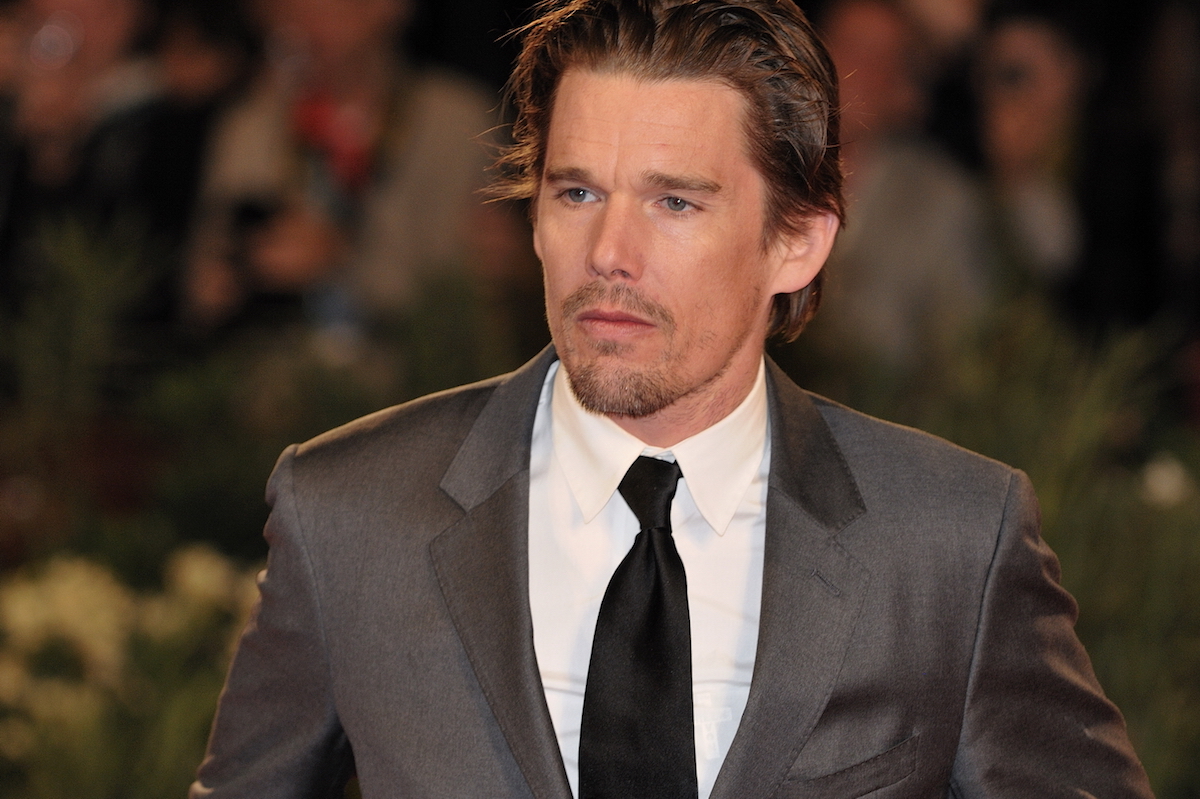 Ethan Hawke[/caption]
Actor, director, Ethan Hawke will receive this year’s Excellence Award at the 71st Locarno Festival and attend the international premiere of his most recent film as director, Blaze, presented at the 2018 Sundance Film Festival.
Carlo Chatrian, Artistic Director of the Locarno Festival: “I’m especially pleased to be able to pay tribute to Ethan Hawke, not just because he’s a fine, remarkably flexible artist and performer, but because he is right in line with the concept of “cinema” that we want to present in Locarno. An art in which entertainment goes hand in hand with visual research, where emotion is indispensably interlinked with the reflection on crucial themes and personalities capable of interpreting our time. From his fruitful partnership with Linklater to his stunning performance in Paul Schrader’s First Reformed, Hawke has shown that there’s more to an actor than a body – however appealing – in front of the camera’s gaze. His latest film BLAZE confirms him as an auteur with a great talent for storytelling and directing his cast, heralding a new and promising chapter in an already rich and impressive career.”
Ethan Hawke will receive the Excellence Award in Piazza Grande on Wednesday August 8. The tribute will be accompanied by the screenings of several titles from Hawke’s filmography, and on Thursday August 9, the Festival audience will be able to attend a panel conversation with the actor and director at the Spazio Cinema.
The Excellence Award pays homage to personalities who, through their work and talent, have enriched the cinema with their unique contribution. Amongst Excellence Award winners during the previous editions, are Mathieu Kassovitz, Edward Norton, John Malkovich and Juliette Binoche and Isabelle Huppert.
The 71st Locarno Festival will take place from August 1 to 11, 2018.
The Excellence Award of the 71st Locarno Festival will go to a multifaceted talent of the American and international cinema. In a career stretching back over thirty years, Ethan Hawke has never ceased to experiment, tackling new genres and media and always maintaining a committed gaze. He first became familiar to audiences thanks to Peter Weir’s Dead Poets Society (1989), in which he played the part of the introverted student Todd Anderson alongside Robin Williams.
Ethan Hawke made his acting debut at age 14 in Explorers (1985), the first film in a long career both in front of and behind the camera. A watershed moment arrived in 1995 when he began a partnership with Richard Linklater, who chose him for the role of Jesse in Before Sunrise, the first chapter of a trilogy in which Hawke contributed both as an actor and a screenwriter, in Before Sunset (2004) and Before Midnight (2013). Both of his screenplays were nominated for an Academy Award. Other directors with whom Hawke has been regularly collaborating are Andrew Niccol: Gattaca (1997), Lord of War (2005), Good Kill (2014) and Antoine Fuqua: Training Day (2001), Brooklyn’s Finest (2009), The Magnificent Seven (2016).
It was his performance opposite Denzel Washington in Antoine Fuqua’s Training Day in 2001 which brought Hawke his first Academy Award nomination for Best Supporting Actor. In 2014, again with Richard Linklater directing, he was in the cast of Boyhood, shot over a period of twelve years from 2002 to 2013, as the father of the film’s male lead. The role brought him further nominations as Best Supporting Actor, for both the Oscars and the Golden Globe Awards. In recent years he continued his career with some of Hollywood’s most highly regarded directors, playing the lead in First Reformed (2017), written and directed by Paul Schrader.
Over more than three decades Hawke has established himself as one of the most versatile actors of his generation, managing to traverse various stages and styles of performance without ever being trapped by his most successful and impressionable roles. Instead, he has consistently shrugged off any categorization, constantly adapting his approach in a range of different projects. He made his directing debut with Chelsea Walls (2001), followed by the screen adaptation of his second novel The Hottest State (2006), the documentary Seymour: An Introduction (2014) and his most recent and accomplished film BLAZE, a biopic on the controversial country singer-songwriter Blaze Foley, played by Benjamin Dickey. The film was presented at the 2018 Sundance Film Festival, where its lead actor Dickey won a Special Jury Award for Acting.
Ethan Hawke[/caption]
Actor, director, Ethan Hawke will receive this year’s Excellence Award at the 71st Locarno Festival and attend the international premiere of his most recent film as director, Blaze, presented at the 2018 Sundance Film Festival.
Carlo Chatrian, Artistic Director of the Locarno Festival: “I’m especially pleased to be able to pay tribute to Ethan Hawke, not just because he’s a fine, remarkably flexible artist and performer, but because he is right in line with the concept of “cinema” that we want to present in Locarno. An art in which entertainment goes hand in hand with visual research, where emotion is indispensably interlinked with the reflection on crucial themes and personalities capable of interpreting our time. From his fruitful partnership with Linklater to his stunning performance in Paul Schrader’s First Reformed, Hawke has shown that there’s more to an actor than a body – however appealing – in front of the camera’s gaze. His latest film BLAZE confirms him as an auteur with a great talent for storytelling and directing his cast, heralding a new and promising chapter in an already rich and impressive career.”
Ethan Hawke will receive the Excellence Award in Piazza Grande on Wednesday August 8. The tribute will be accompanied by the screenings of several titles from Hawke’s filmography, and on Thursday August 9, the Festival audience will be able to attend a panel conversation with the actor and director at the Spazio Cinema.
The Excellence Award pays homage to personalities who, through their work and talent, have enriched the cinema with their unique contribution. Amongst Excellence Award winners during the previous editions, are Mathieu Kassovitz, Edward Norton, John Malkovich and Juliette Binoche and Isabelle Huppert.
The 71st Locarno Festival will take place from August 1 to 11, 2018.
The Excellence Award of the 71st Locarno Festival will go to a multifaceted talent of the American and international cinema. In a career stretching back over thirty years, Ethan Hawke has never ceased to experiment, tackling new genres and media and always maintaining a committed gaze. He first became familiar to audiences thanks to Peter Weir’s Dead Poets Society (1989), in which he played the part of the introverted student Todd Anderson alongside Robin Williams.
Ethan Hawke made his acting debut at age 14 in Explorers (1985), the first film in a long career both in front of and behind the camera. A watershed moment arrived in 1995 when he began a partnership with Richard Linklater, who chose him for the role of Jesse in Before Sunrise, the first chapter of a trilogy in which Hawke contributed both as an actor and a screenwriter, in Before Sunset (2004) and Before Midnight (2013). Both of his screenplays were nominated for an Academy Award. Other directors with whom Hawke has been regularly collaborating are Andrew Niccol: Gattaca (1997), Lord of War (2005), Good Kill (2014) and Antoine Fuqua: Training Day (2001), Brooklyn’s Finest (2009), The Magnificent Seven (2016).
It was his performance opposite Denzel Washington in Antoine Fuqua’s Training Day in 2001 which brought Hawke his first Academy Award nomination for Best Supporting Actor. In 2014, again with Richard Linklater directing, he was in the cast of Boyhood, shot over a period of twelve years from 2002 to 2013, as the father of the film’s male lead. The role brought him further nominations as Best Supporting Actor, for both the Oscars and the Golden Globe Awards. In recent years he continued his career with some of Hollywood’s most highly regarded directors, playing the lead in First Reformed (2017), written and directed by Paul Schrader.
Over more than three decades Hawke has established himself as one of the most versatile actors of his generation, managing to traverse various stages and styles of performance without ever being trapped by his most successful and impressionable roles. Instead, he has consistently shrugged off any categorization, constantly adapting his approach in a range of different projects. He made his directing debut with Chelsea Walls (2001), followed by the screen adaptation of his second novel The Hottest State (2006), the documentary Seymour: An Introduction (2014) and his most recent and accomplished film BLAZE, a biopic on the controversial country singer-songwriter Blaze Foley, played by Benjamin Dickey. The film was presented at the 2018 Sundance Film Festival, where its lead actor Dickey won a Special Jury Award for Acting.
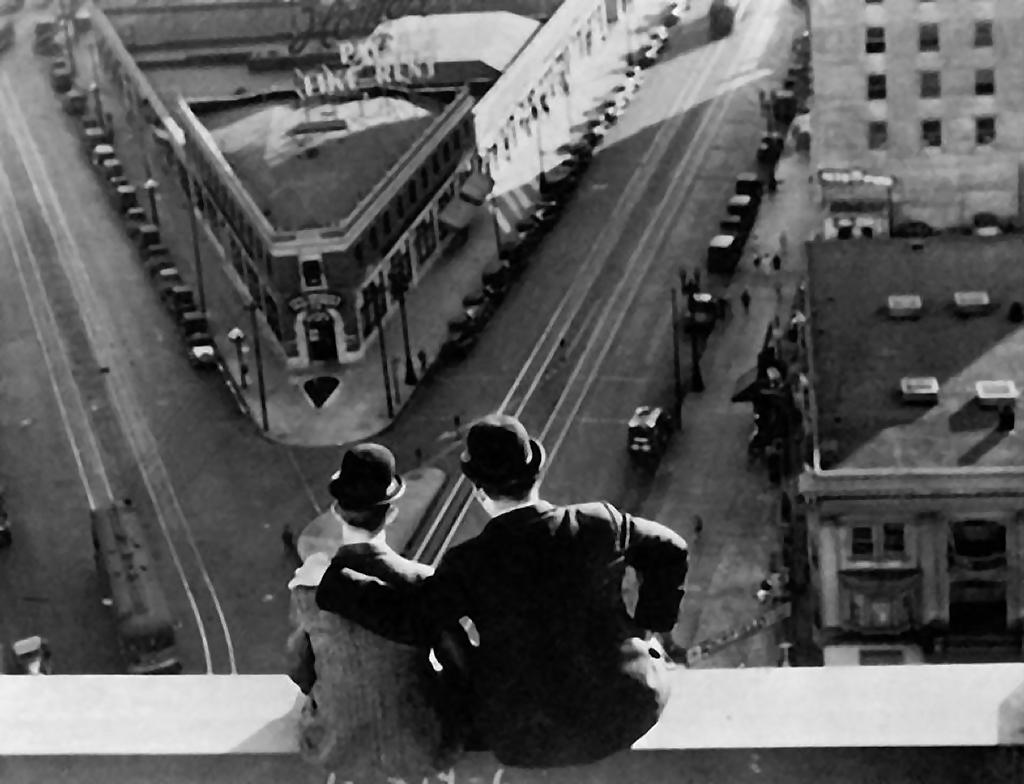 “Liberty” with Laurel & Hardy[/caption]
The Locarno Festival’s major Retrospective will be dedicated to three-time Oscar winner Leo McCarey (1898 – 1969), a director who left his indelible mark not only on comedy (with Laurel & Hardy, the Marx Brothers and Harold Lloyd) but also on classic drama (Cary Grant, Charles Laughton, Bing Crosby).
The Retrospective follows on from the Festival’s tributes to other masters of the genre in recent years, such as Lubitsch, Minnelli, and Cukor. In the words of Artistic Director Carlo Chatrian, this event “will be an inspiration and a stimulus for new generations of viewers and filmmakers”.
McCarey learned his trade during the 1920s at the Hal Roach Studios, initially as a gag writer before directing films. Roach and McCarey were key figures in the golden age of silent comedy in America, launching the successful careers of comedians such as Charley Chase and Max Davidson, as well as the insuperable stardom of Laurel & Hardy. Determined to create a more modern style of slapstick, McCarey established his hallmarks of sophisticated writing, innovative gestures, and elegant choreography.
Graduating to full-length features as the sound era dawned, McCarey became a master of the screwball comedy, launching the career of Cary Grant in The Awful Truth (1937) and helming films hailed as milestones of the genre and starring some of its biggest names: Harold Lloyd and Mae West, Charles Laughton and Eddie Cantor, plus the Marx Brothers, who chose him to direct their masterpiece Duck Soup (1933).
In the late Thirties and after the war, McCarey toned down the humorous element in his work and turned increasingly to drama, in movies that ranged in subject from romance to the religious life. Once again, in his late period, McCarey brought out the finest in his stars – Ingrid Bergman and Paul Newman, Bing Crosby and Deborah Kerr – and also rejoined forces with Cary Grant in such memorable pictures as Good Sam (1948) and An Affair to Remember (1957).
Carlo Chatrian, Artistic Director of the Locarno Festival, comments: “Dedicating a Retrospective to Leo McCarey means first and foremost paying homage to a master of a genre that today has become increasingly rare. His films were big hits at the box office but were also well received by the critics and are now recognized, somewhat belatedly, as more complex and multi-layered than simple genre pieces. It is time for McCarey’s name to be awarded the status he deserves: we are fully convinced that his art, elegance, and sense of timing will be an inspiration and a stimulus for new generations of viewers and filmmakers. Lastly, on a more personal note, this Retrospective is also a tribute to a period of our own childhood which we all lived through, but perhaps have sometimes since forgotten: laughing with Laurel & Hardy does not just offer the sweet taste of nostalgia, but will also remind us of the visionary and beneficial power that comedy has always possessed.”
Curated by Roberto Turigliatto, the Retrospective will be organized in partnership with the Cinémathèque suisse and the Cinémathèque française, with additional input from the Pordenone Silent Film Festival. It will be accompanied by a volume in English and French to be published by Capricci.
Roberto Turigliatto, the curator of the Locarno Festival Retrospective, describes McCarey as “A man of many talents who began as the assistant to Tod Browning and became a director at the peak of the studio system, but also a secret personality still requiring critical assessment. He remains unparalleled in film history for the sublime alchemy of feelings and refined practice of comedy and melodrama that he brought to his great masterpieces such as Love Affair (1939). Make Way for Tomorrow (1937) was his personal favorite despite its failure with the public and can even be regarded as an astonishing precursor of Tôkyô monogatari (1953) by Yasujirô Ozu.
The project will involve other major institutions in Switzerland and abroad, ensuring that the Retrospective will travel a circuit of prestigious venues worldwide until 2019. Partners already confirmed include: in Switzerland, the Cinémathèque suisse, Filmpodium in Zurich, Kino REX in Berne and Les Cinémas du Grütli in Geneva; in Italy, the National Cinema Museum in Turin and the I Milleocchi Festival in Trieste; in France, the Cinémathèque française.
The 71st Locarno Festival will be held from August 1 to 11, 2018.
“Liberty” with Laurel & Hardy[/caption]
The Locarno Festival’s major Retrospective will be dedicated to three-time Oscar winner Leo McCarey (1898 – 1969), a director who left his indelible mark not only on comedy (with Laurel & Hardy, the Marx Brothers and Harold Lloyd) but also on classic drama (Cary Grant, Charles Laughton, Bing Crosby).
The Retrospective follows on from the Festival’s tributes to other masters of the genre in recent years, such as Lubitsch, Minnelli, and Cukor. In the words of Artistic Director Carlo Chatrian, this event “will be an inspiration and a stimulus for new generations of viewers and filmmakers”.
McCarey learned his trade during the 1920s at the Hal Roach Studios, initially as a gag writer before directing films. Roach and McCarey were key figures in the golden age of silent comedy in America, launching the successful careers of comedians such as Charley Chase and Max Davidson, as well as the insuperable stardom of Laurel & Hardy. Determined to create a more modern style of slapstick, McCarey established his hallmarks of sophisticated writing, innovative gestures, and elegant choreography.
Graduating to full-length features as the sound era dawned, McCarey became a master of the screwball comedy, launching the career of Cary Grant in The Awful Truth (1937) and helming films hailed as milestones of the genre and starring some of its biggest names: Harold Lloyd and Mae West, Charles Laughton and Eddie Cantor, plus the Marx Brothers, who chose him to direct their masterpiece Duck Soup (1933).
In the late Thirties and after the war, McCarey toned down the humorous element in his work and turned increasingly to drama, in movies that ranged in subject from romance to the religious life. Once again, in his late period, McCarey brought out the finest in his stars – Ingrid Bergman and Paul Newman, Bing Crosby and Deborah Kerr – and also rejoined forces with Cary Grant in such memorable pictures as Good Sam (1948) and An Affair to Remember (1957).
Carlo Chatrian, Artistic Director of the Locarno Festival, comments: “Dedicating a Retrospective to Leo McCarey means first and foremost paying homage to a master of a genre that today has become increasingly rare. His films were big hits at the box office but were also well received by the critics and are now recognized, somewhat belatedly, as more complex and multi-layered than simple genre pieces. It is time for McCarey’s name to be awarded the status he deserves: we are fully convinced that his art, elegance, and sense of timing will be an inspiration and a stimulus for new generations of viewers and filmmakers. Lastly, on a more personal note, this Retrospective is also a tribute to a period of our own childhood which we all lived through, but perhaps have sometimes since forgotten: laughing with Laurel & Hardy does not just offer the sweet taste of nostalgia, but will also remind us of the visionary and beneficial power that comedy has always possessed.”
Curated by Roberto Turigliatto, the Retrospective will be organized in partnership with the Cinémathèque suisse and the Cinémathèque française, with additional input from the Pordenone Silent Film Festival. It will be accompanied by a volume in English and French to be published by Capricci.
Roberto Turigliatto, the curator of the Locarno Festival Retrospective, describes McCarey as “A man of many talents who began as the assistant to Tod Browning and became a director at the peak of the studio system, but also a secret personality still requiring critical assessment. He remains unparalleled in film history for the sublime alchemy of feelings and refined practice of comedy and melodrama that he brought to his great masterpieces such as Love Affair (1939). Make Way for Tomorrow (1937) was his personal favorite despite its failure with the public and can even be regarded as an astonishing precursor of Tôkyô monogatari (1953) by Yasujirô Ozu.
The project will involve other major institutions in Switzerland and abroad, ensuring that the Retrospective will travel a circuit of prestigious venues worldwide until 2019. Partners already confirmed include: in Switzerland, the Cinémathèque suisse, Filmpodium in Zurich, Kino REX in Berne and Les Cinémas du Grütli in Geneva; in Italy, the National Cinema Museum in Turin and the I Milleocchi Festival in Trieste; in France, the Cinémathèque française.
The 71st Locarno Festival will be held from August 1 to 11, 2018.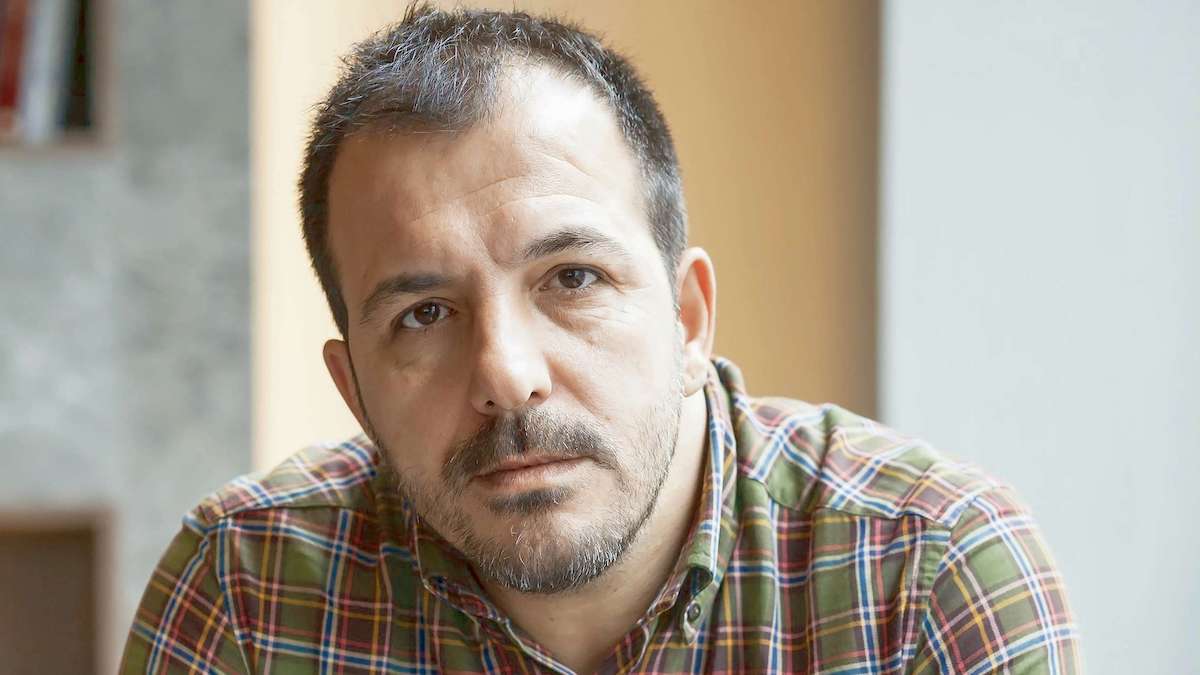 Gürcan Keltek[/caption]
Meteors (Meteorlar) by Gürcan Keltek which World Premiered at the 2017 Locarno Film Festival has been voted winner of the festival’s Cinelab Award.
The second edition of the initiative by the Locarno Festival in partnership with Festival Scope presented a selection of 10 films from the Concorso Cineasti del presente. After its premiere at the Festival, each film was screened until August 20.
[caption id="attachment_24088" align="aligncenter" width="1200"]
Gürcan Keltek[/caption]
Meteors (Meteorlar) by Gürcan Keltek which World Premiered at the 2017 Locarno Film Festival has been voted winner of the festival’s Cinelab Award.
The second edition of the initiative by the Locarno Festival in partnership with Festival Scope presented a selection of 10 films from the Concorso Cineasti del presente. After its premiere at the Festival, each film was screened until August 20.
[caption id="attachment_24088" align="aligncenter" width="1200"]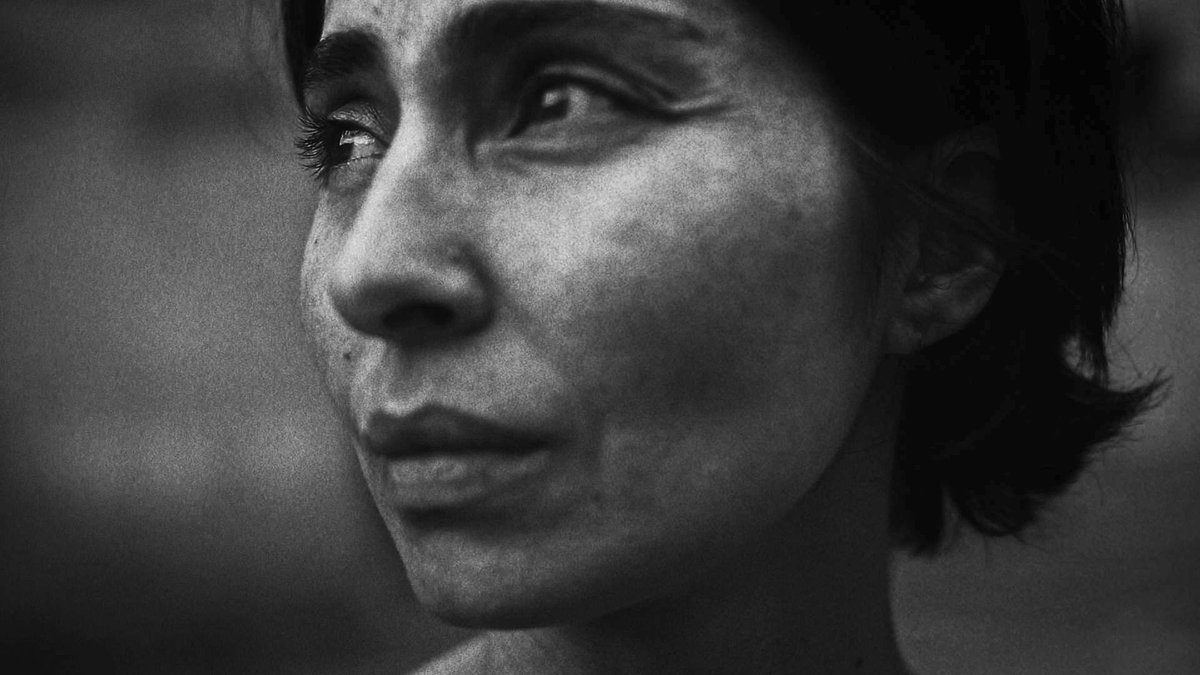 Meteors (Meteorlar) by Gürcan Keltek.[/caption]
For this year’s Cinelab Award, the audience chose Meteorlar by Gürcan Keltek. The Award was exclusively given by the Locarno Festival initiative on Festival Scope. The winner is given technical services worth 22,000€, which is offered by Cinelab Bucharest.
Meteorlar had its world premiere in Locarno. It is Turkish filmmaker Gürcan Keltek’s debut feature. Meteorlar also won Locarno Festival’s Swatch Art Peace Hotel Award.
They come at night and everybody steps out. They light torches and remember those who have walked these streets before them. In the coming hours, the city wil be on lockdown: an eclipse appears and meteors start to fall.
Meteors (Meteorlar) by Gürcan Keltek.[/caption]
For this year’s Cinelab Award, the audience chose Meteorlar by Gürcan Keltek. The Award was exclusively given by the Locarno Festival initiative on Festival Scope. The winner is given technical services worth 22,000€, which is offered by Cinelab Bucharest.
Meteorlar had its world premiere in Locarno. It is Turkish filmmaker Gürcan Keltek’s debut feature. Meteorlar also won Locarno Festival’s Swatch Art Peace Hotel Award.
They come at night and everybody steps out. They light torches and remember those who have walked these streets before them. In the coming hours, the city wil be on lockdown: an eclipse appears and meteors start to fall.