[caption id="attachment_31373" align="aligncenter" width="1200"]
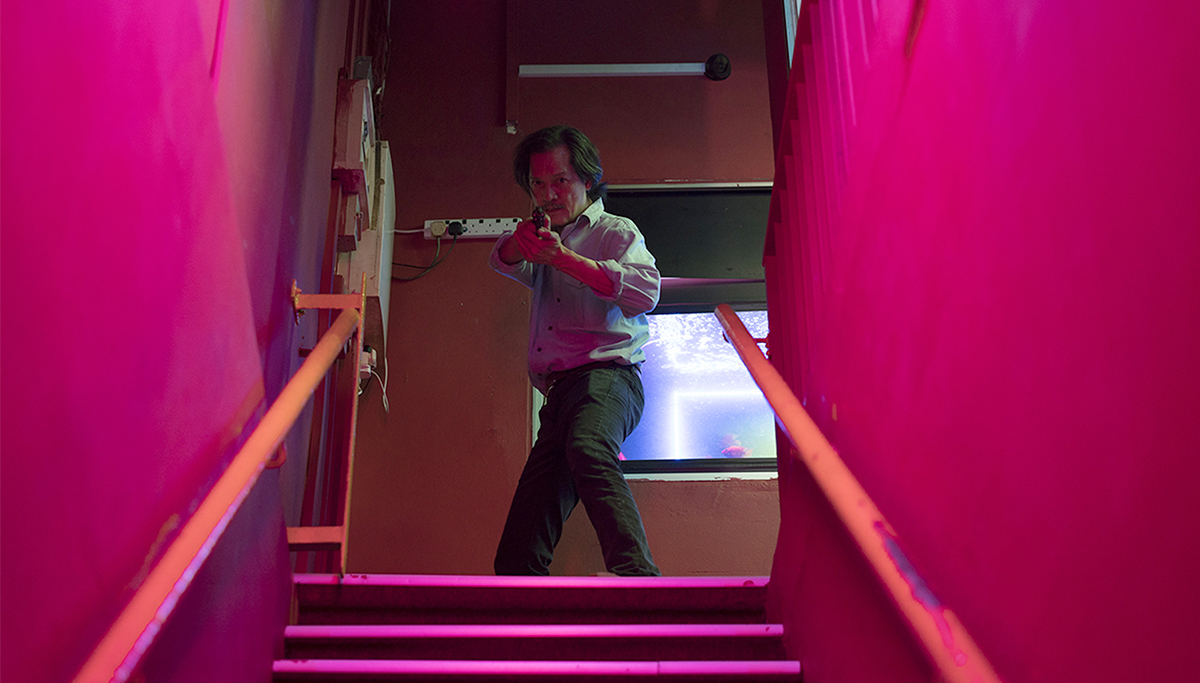
A Land Imagined by Yeo Siew Hua[/caption]
The 2018 edition of the Locarno Festival ended with
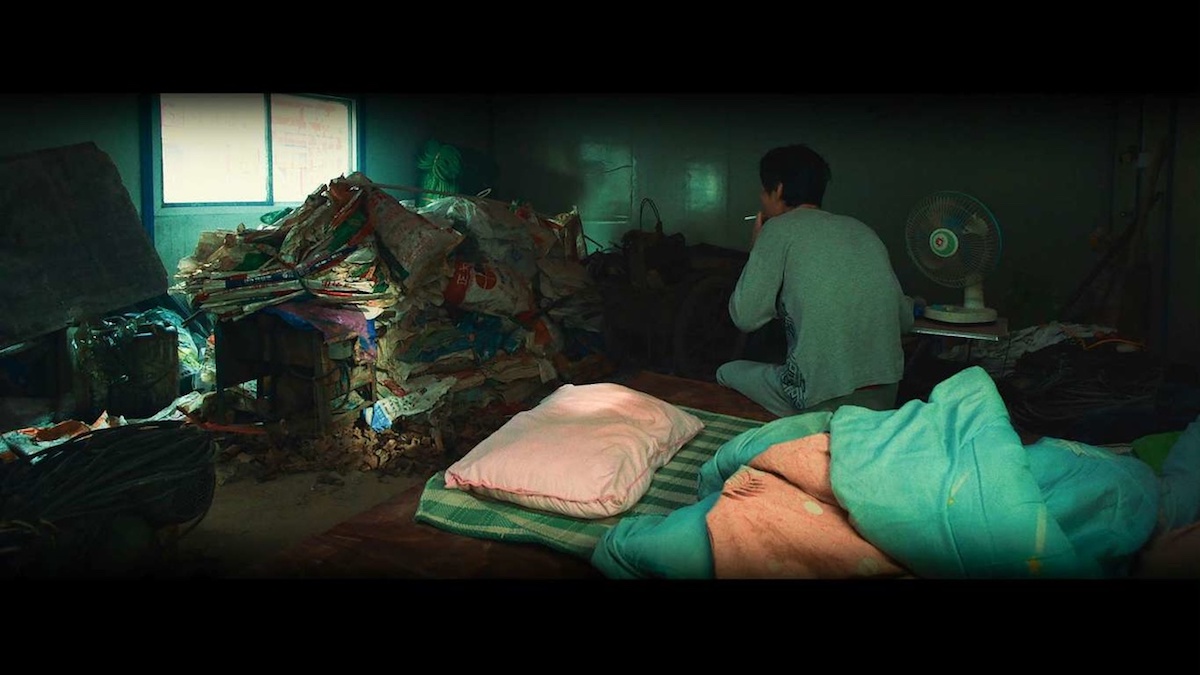
A Land Imagined by director Yeo Siew Hua being crowned the winner of the Golden Lepoard for Best Film. In A Land Imagined, Wang, a lonely construction worker from China, goes missing at a Singapore land reclamation site after forming a virtual friendship with a mysterious gamer. Lok, a police investigator, has to uncover the truth in order to find him.
Carlo Chatrian, Artistic Director commented “Held in extremely high temperatures, Locarno71 was a rich and diversified edition, just as it is in the tradition of a festival which is not afraid to approach extremes and to combine a smile with reflection. The guests who brought their experience and congeniality, were joined by new ideas that were well received, I think about the critical success of the film La Flor or the wonderful response of the audience to the night screening of the television series by Bruno Dumont, for example. In the aesthetic search for a form suited to a rapidly changing actuality, where images seem omnipresent, the award-winning films tell of a world where man is still the measure of all things. With 12 award-winning women – among two Swiss directors – out of 25 awards, the 71st edition confirmed that Locarno is a festival where one plans the future”.
The 72nd Locarno Festival will be held from August 7 to 17, 2019.
Concorso internazionale
Pardo d’oro (Golden Leopard)
A LAND IMAGINED by YEO Siew Hua, Singapore / France / The Netherlands
Premio Speciale della giuria (Special Jury Prize)
M by Yolande Zauberman, France
Pardo per la miglior regia (Leopard for Best Direction)
TARDE PARA MORIR JOVEN by Dominga Sotomayor, Chile / Brazil / Argentina / The Netherlands / Qatar
Pardo per la miglior interpretazione femminile (Pardo for Best Actress)
Andra Guți for ALICE T. by Radu Muntean, Romania / France / Sweden
Pardo per la miglior interpretazione maschile (Pardo for Best Actor)
KI Joobong for GANGBYUN HOTEL (Hotel by the River) by HONG Sangsoo, South Korea
Special Mention
RAY & LIZ by Richard Billingham, United Kingdom
Concorso Cineasti del presente
Pardo d’oro Cineasti del presente for the best film
CHAOS by Sara Fattahi, Austria / Syria / Lebanon / Qatar
Premio per il miglior regista emergente – Città e Regione di Locarno (Prize for the Best Emerging Director)
DEAD HORSE NEBULA by Tarık Aktaş, Turkey
Premio Speciale della Giuria Ciné+ Cineasti del presente (Special Jury Prize)
CLOSING TIME by Nicole Vögele, Switzerland / Germany
Special Mentions
FAUSTO by Andrea Bussmann, Mexico / Canada
Rose, character of L’ÉPOQUE by Matthieu Bareyre, France
Signs of Life
Signs of Life Award ELECTRONIC-ART.FOUNDATION to the Best Film
HAI SHANG CHENG SHI (The Fragile House) by LIN Zi, China
Fundación Casa Wabi – Mantarraya Award
LE DISCOURS D’ACCEPTATION GLORIEUX DE NICOLAS CHAUVIN by Benjamin Crotty, France
First Feature
Swatch First Feature Award (Prize for Best First Feature)
ALLES IST GUT by Eva Trobisch, Germany
Swatch Art Peace Hotel Award
RŪGŠTUS MIŠKAS (Acid Forest) by Rugilė Barzdžiukaitė, Lithuania
Special Mention
TIRSS, RIHLAT ALSOO’OUD ILA ALMAR’I (Erased, Ascent of the Invisible) by Ghassan Halwani, Lebanon
Pardi di domani
Concorso internazionale
Pardino d’oro for the Best International Short Film – Premio SRG SSR
D’UN CHÂTEAU L’AUTRE by Emmanuel Marre, Belgium / France
Pardino d’argento SRG SSR for the Concorso Internazionale
HEART OF HUNGER by Bernardo Zanotta, The Netherlands
Pardi di domani Best Direction Prize – PIANIFICA
EL LABERINTO by Laura Huertas Millán, France / Columbia / USA
Medien Patent Verwaltung AG Award
JE SORS ACHETER DES CIGARETTES by Osman Cerfon, France
Special Mention
LA MÁXIMA LONGITUD DE UN PUENTE by Simón Vélez, Columbia / Argentina
Concorso nazionale
Pardino d’oro for the Best Swiss Short Film – Premio Swiss Life
LOS QUE DESEAN by Elena López Riera, Switzerland / Spain
(Locarno Short Film Nominee For The European Film Awards 2018)
Pardino d’argento Swiss Life for the Concorso nazionale
ABIGAÏL by Magdalena Froger, Switzerland
Best Swiss Newcomer Award
ICI LE CHEMIN DES ÂNES by Lou Rambert Preiss, Switzerland
Prix du Public UBS
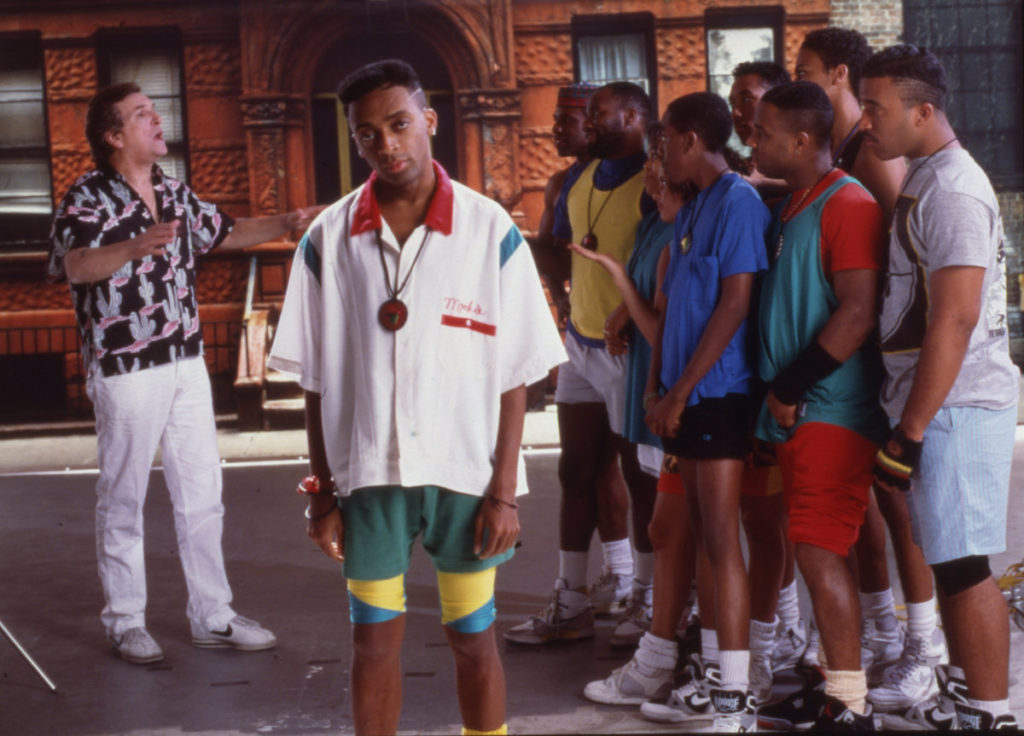
BLACKKKLANSMAN by Spike Lee, USA
Variety Piazza Grande Award
LE VENT TOURNE by Bettina Oberli, Switzerland, France
Read more


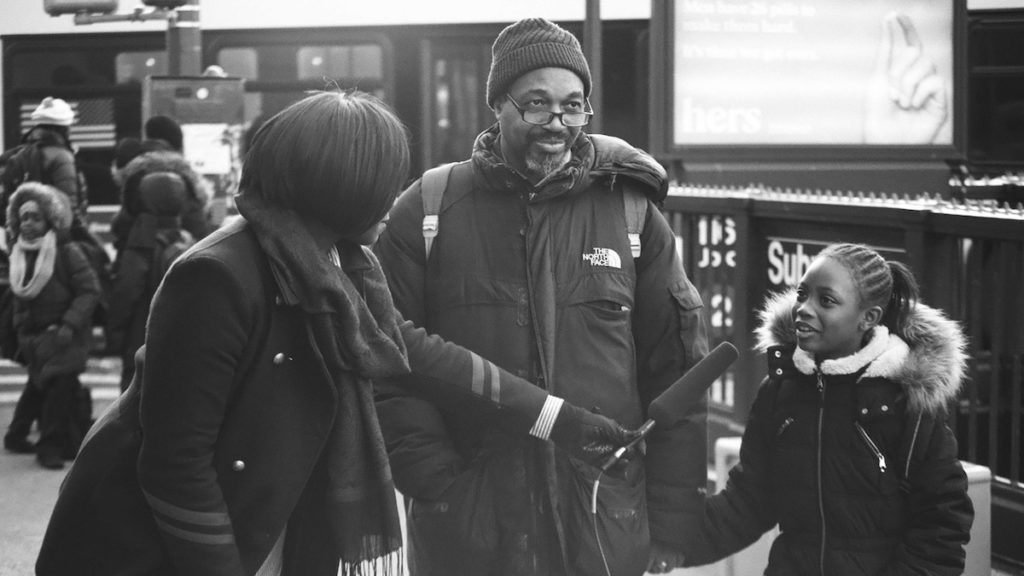

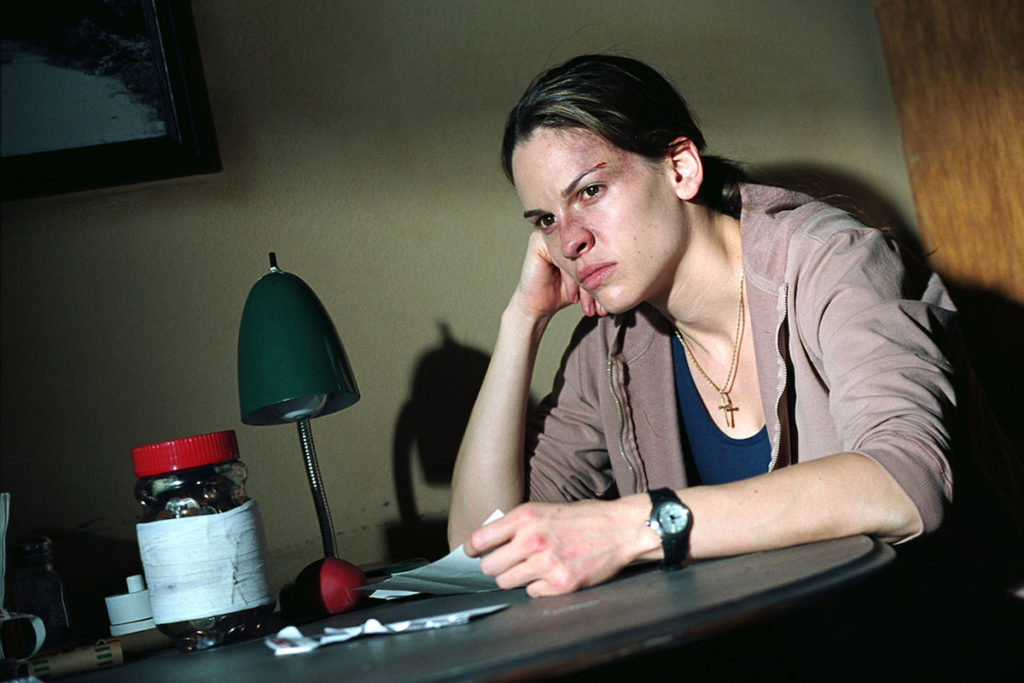
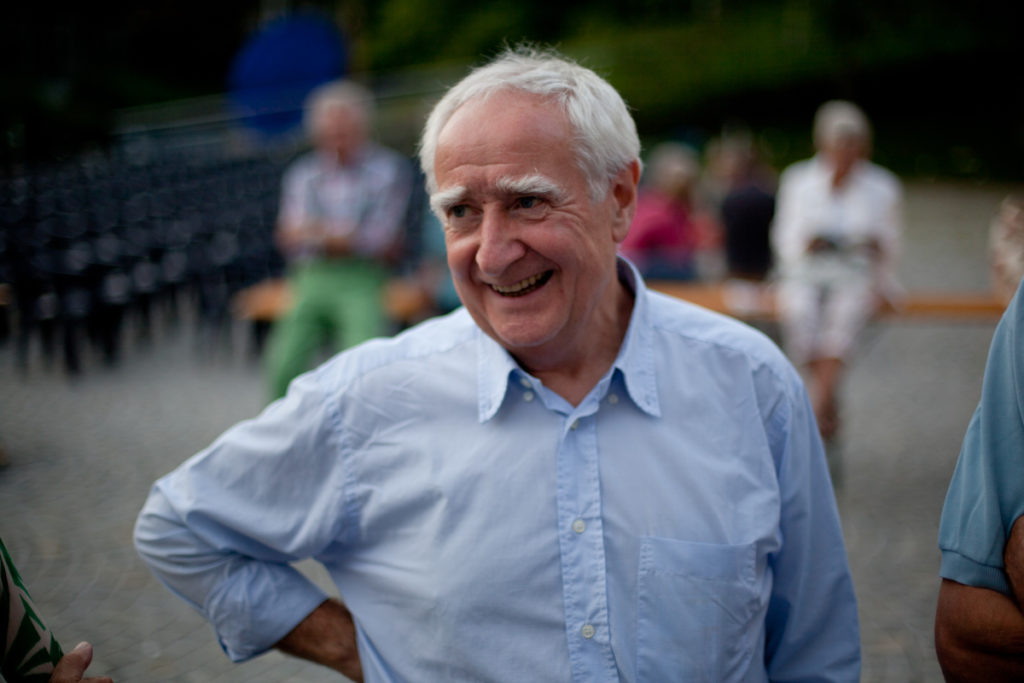

 The Fragile House (Hai shang cheng shi)[/caption]
 Film producer Ted Hope will receive the Best Independent Producer Award 2018 “Premio Raimondo Rezzonico” at the Locarno Film Festival for his involvement in independent international film production, bringing new and unexpected voices into the spotlight. Ted Hope will receive the Award in Piazza Grande on Thursday, August 2.
Ted Hope, whose career spans over more than 35 years, is marked by his passion for independent cinema. Born in the United States in 1962, Ted Hope came early to the world of cinema and in 1990 founded the production company Good Machine in New York, together with James Schamus. These were the years in which Hope produced the first films by Ang Lee: Tui shou (Pushing Hands, 1991), Xi yan (The Wedding Banquet, 1993) and Yin shi nan nu (Eat Drink Man Woman, 1994), the last ones both nominated at the Academy Awards, followed by The Ice Storm (1997), screened at Locarno in Piazza Grande. During the same period, Happiness (1998), directed by Todd Solondz, was presented at the Directors’ Fortnight in Cannes and won of the International Critics’ Award; Ride with the Devil (1999); and In the Bedroom (2001), which won numerous awards, including five Academy Awards nominations and a Golden Globe. Three of his productions also won the Grand Jury Prize at the Sundance Film Festival: What Happened Was… (1994), The Brothers McMullen (1995), and American Splendor (2003). The latter, based on the life of the cartoonist Harvey Pekar, won numerous awards, including the International Critics’ Award at the Cannes Festival and was nominated for an Oscar.
In 2015 Hope was called upon by Amazon to take care of the production of feature films. At the head of the creative team at Amazon Studios, he is responsible for the films produced, developed and acquired by the company, managing to combine his taste for independent cinema with the needs of a large distribution giant. The most prestigious results are Manchester by the Sea (2016), which won an Oscar for its leading actor in 2017, and The Big Sick (2017), which won the Prix du Public UBS in Piazza Grande last year. In his first year at Amazon Studios, the Amazon team distributed 14 films, winning 335 nominations and 131 awards, including seven Academy Awards and five Golden Globe nominations. In 2018, in the wake of his numerous successes, he continues to support the work of important directors on the international scene, including Lynne Ramsay, Spike Lee, Gus Van Sant and Lauren Greenfield. Prior to joining Amazon, Hope produced over 70 films and was also one of the founders of the production companies This is That and Double Hope Films. His flair for talent helped launch the careers of major directors such as Hal Hartley, Michel Gondry, Nicole Holofcener and many others. Hope’s inspiring filmmaking guide Hope For Film was published in 2015.
Carlo Chatrian, Artistic Director of the Locarno Festival: “In a scene marked by the growing weight of marketing and communication strategies, Ted Hope embodies a role-model figure for those who consider cinema to be a vehicle for making original and different voices heard. As simple in his way of presenting himself as he is in his production choices, in thirty years as an independent producer or in the Amazon Studios team, Ted Hope has not changed his relationship with the directors and the films he supports. The Best Independent Producer Award “Premio Raimondo Rezzonico” that the Festival presents him is therefore both recognition for the work he has done and a sign of encouragement to continue along the path he has taken.”
Ted Hope will receive the Best Independent Producer Award “Premio Raimondo Rezzonico” in Piazza Grande on the evening of Thursday, August 2. The tribute will be accompanied by the screening of a selection of films from his career. On Friday August 3, at 10.30 am, the Festival public will have the chance to attend a conversation with the producer at the Spazio Cinema.
The Best Independent Producer Award “Premio Raimondo Rezzonico”, offered by the Municipality of Minusio, was established in 2002, in memory of the President who chaired the Festival from 1980 to 1999.
The 71st edition of the Locarno Festival will take place from August 1 to 11, 2018.
Film producer Ted Hope will receive the Best Independent Producer Award 2018 “Premio Raimondo Rezzonico” at the Locarno Film Festival for his involvement in independent international film production, bringing new and unexpected voices into the spotlight. Ted Hope will receive the Award in Piazza Grande on Thursday, August 2.
Ted Hope, whose career spans over more than 35 years, is marked by his passion for independent cinema. Born in the United States in 1962, Ted Hope came early to the world of cinema and in 1990 founded the production company Good Machine in New York, together with James Schamus. These were the years in which Hope produced the first films by Ang Lee: Tui shou (Pushing Hands, 1991), Xi yan (The Wedding Banquet, 1993) and Yin shi nan nu (Eat Drink Man Woman, 1994), the last ones both nominated at the Academy Awards, followed by The Ice Storm (1997), screened at Locarno in Piazza Grande. During the same period, Happiness (1998), directed by Todd Solondz, was presented at the Directors’ Fortnight in Cannes and won of the International Critics’ Award; Ride with the Devil (1999); and In the Bedroom (2001), which won numerous awards, including five Academy Awards nominations and a Golden Globe. Three of his productions also won the Grand Jury Prize at the Sundance Film Festival: What Happened Was… (1994), The Brothers McMullen (1995), and American Splendor (2003). The latter, based on the life of the cartoonist Harvey Pekar, won numerous awards, including the International Critics’ Award at the Cannes Festival and was nominated for an Oscar.
In 2015 Hope was called upon by Amazon to take care of the production of feature films. At the head of the creative team at Amazon Studios, he is responsible for the films produced, developed and acquired by the company, managing to combine his taste for independent cinema with the needs of a large distribution giant. The most prestigious results are Manchester by the Sea (2016), which won an Oscar for its leading actor in 2017, and The Big Sick (2017), which won the Prix du Public UBS in Piazza Grande last year. In his first year at Amazon Studios, the Amazon team distributed 14 films, winning 335 nominations and 131 awards, including seven Academy Awards and five Golden Globe nominations. In 2018, in the wake of his numerous successes, he continues to support the work of important directors on the international scene, including Lynne Ramsay, Spike Lee, Gus Van Sant and Lauren Greenfield. Prior to joining Amazon, Hope produced over 70 films and was also one of the founders of the production companies This is That and Double Hope Films. His flair for talent helped launch the careers of major directors such as Hal Hartley, Michel Gondry, Nicole Holofcener and many others. Hope’s inspiring filmmaking guide Hope For Film was published in 2015.
Carlo Chatrian, Artistic Director of the Locarno Festival: “In a scene marked by the growing weight of marketing and communication strategies, Ted Hope embodies a role-model figure for those who consider cinema to be a vehicle for making original and different voices heard. As simple in his way of presenting himself as he is in his production choices, in thirty years as an independent producer or in the Amazon Studios team, Ted Hope has not changed his relationship with the directors and the films he supports. The Best Independent Producer Award “Premio Raimondo Rezzonico” that the Festival presents him is therefore both recognition for the work he has done and a sign of encouragement to continue along the path he has taken.”
Ted Hope will receive the Best Independent Producer Award “Premio Raimondo Rezzonico” in Piazza Grande on the evening of Thursday, August 2. The tribute will be accompanied by the screening of a selection of films from his career. On Friday August 3, at 10.30 am, the Festival public will have the chance to attend a conversation with the producer at the Spazio Cinema.
The Best Independent Producer Award “Premio Raimondo Rezzonico”, offered by the Municipality of Minusio, was established in 2002, in memory of the President who chaired the Festival from 1980 to 1999.
The 71st edition of the Locarno Festival will take place from August 1 to 11, 2018.