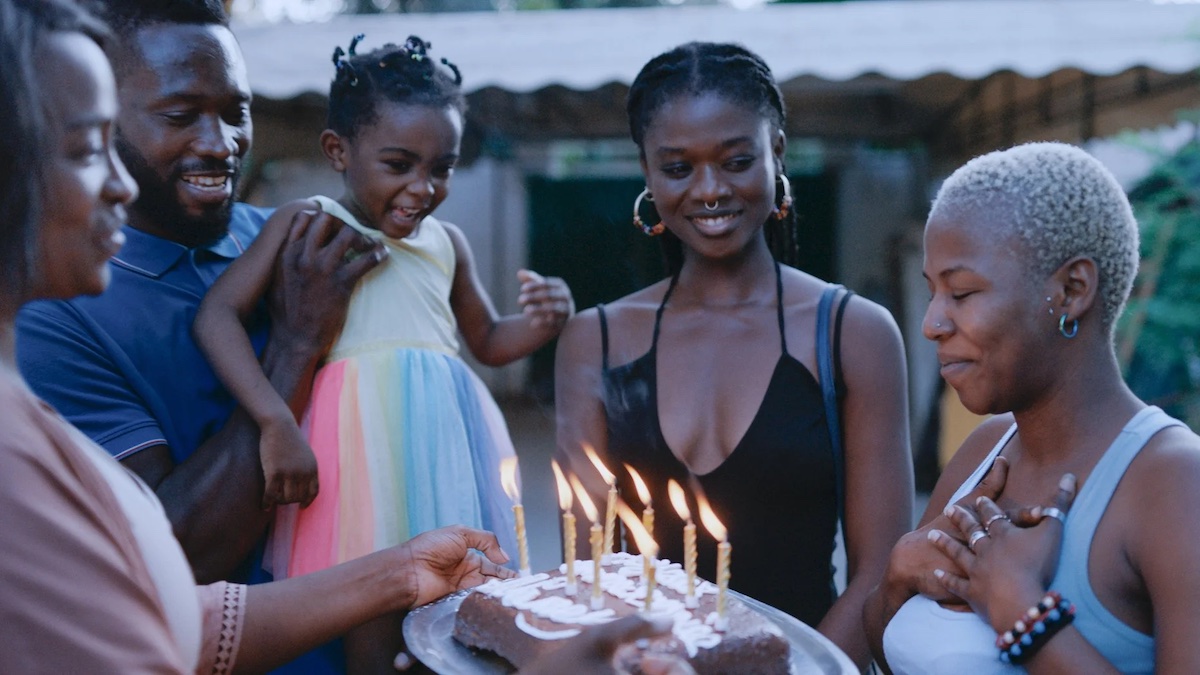
The New York African Film Festival returns for its 33rd edition, spotlighting 14 feature and 25 short films under the theme “As the Stars Sow the Earth”.

African Film Festival was founded in 1990. Its flagship program, the New York African Film Festival (NYAFF) launched in 1993. This program takes place annually in collaboration with Film at Lincoln Center, Maysles Cinema Institute, and Brooklyn Academy of Music (BAM).
African Film Festival, Inc. (AFF) is dedicated to advancing an enhanced understanding of African culture through the moving image. It offers diverse platforms for the wide distribution of African media through its flagship annual film festival and complementary year-round programming. AFF is committed to increasing visibility and recognition for African media artists by introducing African film and culture to a broad range of audiences in the United States and abroad, bypassing economic, class and racial barriers.
New York African Film Festival (NYAFF) started in 1993 and takes place in New York City
The New York African Film Festival returns for its 33rd edition, spotlighting 14 feature and 25 short films under the theme “As the Stars Sow the Earth”.

The 32nd New York African Film Festival (NYAFF), running May 1 through May 31, 2025 under the banner “Fluid Horizons: A Shifting Lens on a Hopeful World” will screen 125 contemporary and classic films from Africa and its diaspora. The festival is held in partnership with Film at Lincoln Center (FLC), the Maysles Documentary Center, and the Brooklyn Academy of Music.

The 32nd edition of the New York African Film Festival (NYAFF) unveiled the lineup featuring more than 30 contemporary and classic films from Africa and its diaspora. This year’s theme, “Fluid Horizons: A Shifting Lens on a Hopeful World,” honors the resilience of African youth and the forebearers who paved the way for them.

The 31st edition of the New York African Film Festival (NYAFF) runs from May 8 to May 14, 2024, showcasing African and diaspora filmmakers’ unique storytelling through the moving image.

The New York premiere of Moussa Sène Absa’s Xalé will kickoff of the 30th New York African Film Festival (NYAFF) at Film at Lincoln Center (FLC) from May 10 to 16, 2023. Under the banner, Freeforms, the festival presents over 30 films from more than 15 countries.

Under the banner “Visions of Freedom”, the 29th New York African Film Festival (NYAFF) will run from May 12 to 17, 2022 at Film at Lincoln Center (FLC).

The virtual 28th edition of the New York African Film Festival (NYAFF) will open with Desmond Ovbiagele’s The Milkmaid, Nigeria’s entry for the 2021 Academy Award for Best International Feature Film. Depicting the impact of extremism on the families of those it touches, the drama follows a Fulani milkmaid as she confronts the religious insurgents who kidnapped her sister.

Under the banner “Streaming Rivers: The Past into the Present,” the New York African Film Festival (NYAFF) returns virtually December 2-6 with a spotlight on the cinema of two nations: Nigeria and the Sudan. Presented by Film at Lincoln Center (FLC) and African Film Festival, Inc. (AFF), this year’s regional NYAFF will screen six features and eight short films in the FLC Virtual Cinema, as AFF celebrates its 30th anniversary.
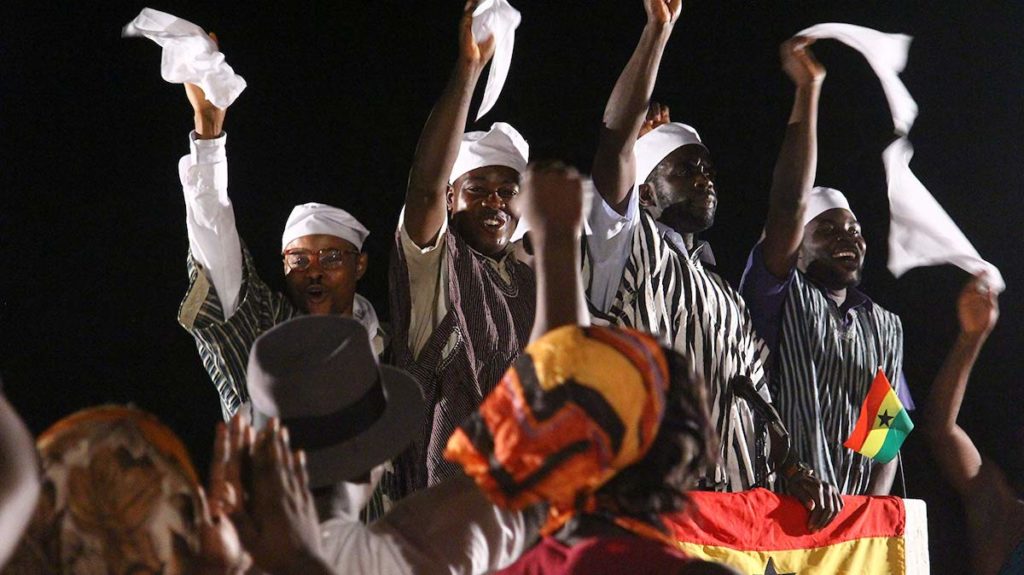
Under the theme “Beyond Borders: Storytelling Across Time,” this year the citywide 26th edition of the New York African Film Festival (NYAFF) launches at the Brooklyn Academy of Music’s BAMcinématek in May, heads to Film at Lincoln Center (FLC) from May 30 through June 4, and closes at Maysles Cinema. The festival lineup includes 68 films of multiple genres from 31 countries across the diaspora, and is presented by FLC and African Film Festival, Inc.
 Borders[/caption]
Under the theme “25 Years of the New York African Film Festival,” this year’s New York African Film Festival will pay homage to the pioneers of African cinema along with commemorating the 100th birthday of the venerated South African freedom fighter and national leader Nelson Mandela, with a crop of films from his native land. The month-long festival brings 66 films from 25 countries to FSLC, the Brooklyn Academy of Music’s BAMcinématek, and Maysles Cinema in Harlem.
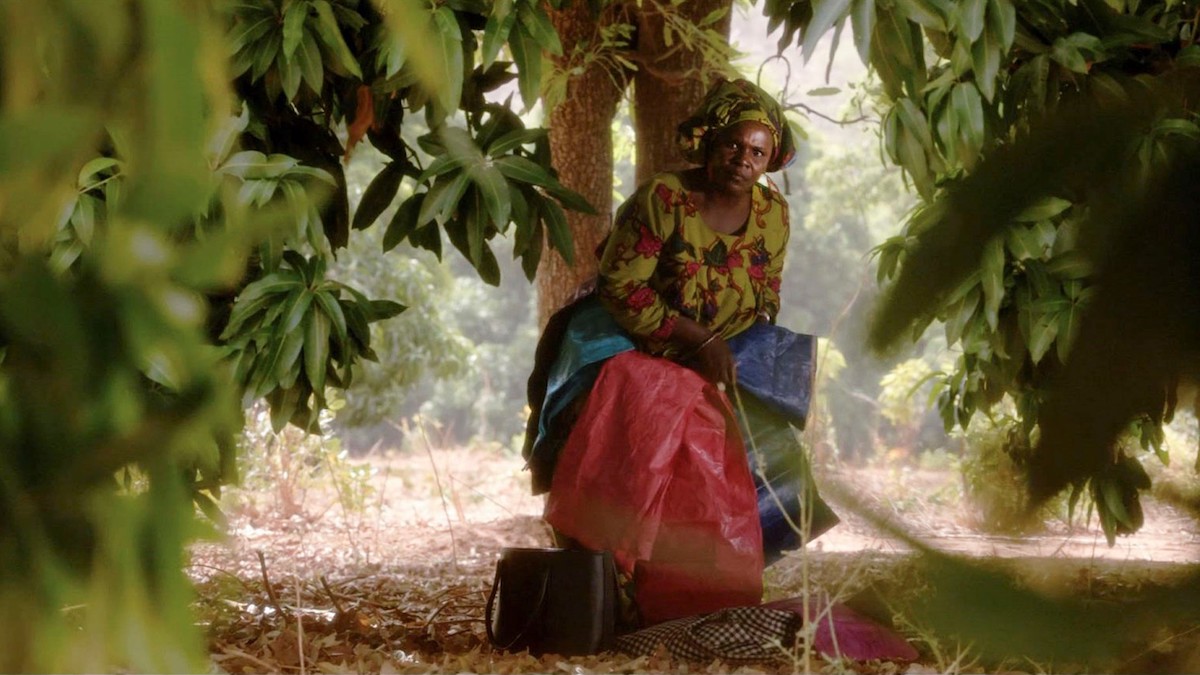
Opening Night will spotlight Apolline Traoré’s award-winning film, Borders, which speaks to migration as well as to African women’s struggles, in a timely echo of the #MeToo movement. The film follows four women as they travel from Mali to Nigeria, supporting each other while battling sexism and corruption. The film won three prizes at FESPACO, including the Paul Robeson Prize for the best film by a director from the African diaspora. Borders will screen with a short film dedicated to the memory of Burkinabé director Idrissa Ouedraogo, who passed away in February and was a mentor to Traoré.
French director Berni Goldblat’s Wallay will have its New York premiere as the festival’s Centerpiece film on Friday, May 18. The coming-of-age tale follows Ady, a young troublemaker sent from France to his single father’s homeland of Burkina Faso for the summer. There, the teen finds new challenges as he navigates a different world.
The festival tips a hat to key figures in the history of African film with the U.S. premieres of Abderrhamane Sissako: Beyond Territories, Valérie Osouf’s intimate portrait of the acclaimed director of Bamako and the Oscar-nominated Timbuktu; a 2017 version of the 1983 classic Selbe: One Among Many, by Safi Faye, the first sub-Saharan woman to direct a theatrically released film, now restored to its original Wolof language; and Mohamed Challouf’s Tahar Cheriaa: Under the Shadow of the Baobab, which documents the career of the founder of the Carthage Film Festival, Africa’s first film festival. The festival will include the 1989 documentary short Parlons Grand-mère by the late Senegalese director Djibril Diop Mambéty.
Other highlights include films from a new wave of African directors, including Machérie Ekwa Bahango of the Democratic Republic of the Congo and Jeferson De of Brazil. The festival kicks off with a town hall meeting on Sunday, May 13, at the Film Society of Lincoln Center’s Amphitheater. Titled “Activism & Art: Personal Journeys,” it will bring together storytellers of various mediums to discuss how their art informs their activism.
“Falling,” a free digital and interactive art exhibition exploring youth activism in Southern Africa, will run during the FSLC segment at the Elinor Bunin Munroe Film Center Amphitheater.
The NYAFF heads to the Brooklyn Academy of Music (BAMcinématek) Thursday, May 24, through Monday, May 28, as a part of BAM’s popular dance and music festival DanceAfrica. It closes with a series of classic and contemporary narratives and documentaries at Maysles Cinema in Harlem running Thursday, June 7, through Sunday, June 10.
Borders[/caption]
Under the theme “25 Years of the New York African Film Festival,” this year’s New York African Film Festival will pay homage to the pioneers of African cinema along with commemorating the 100th birthday of the venerated South African freedom fighter and national leader Nelson Mandela, with a crop of films from his native land. The month-long festival brings 66 films from 25 countries to FSLC, the Brooklyn Academy of Music’s BAMcinématek, and Maysles Cinema in Harlem.
Opening Night will spotlight Apolline Traoré’s award-winning film, Borders, which speaks to migration as well as to African women’s struggles, in a timely echo of the #MeToo movement. The film follows four women as they travel from Mali to Nigeria, supporting each other while battling sexism and corruption. The film won three prizes at FESPACO, including the Paul Robeson Prize for the best film by a director from the African diaspora. Borders will screen with a short film dedicated to the memory of Burkinabé director Idrissa Ouedraogo, who passed away in February and was a mentor to Traoré.
French director Berni Goldblat’s Wallay will have its New York premiere as the festival’s Centerpiece film on Friday, May 18. The coming-of-age tale follows Ady, a young troublemaker sent from France to his single father’s homeland of Burkina Faso for the summer. There, the teen finds new challenges as he navigates a different world.
The festival tips a hat to key figures in the history of African film with the U.S. premieres of Abderrhamane Sissako: Beyond Territories, Valérie Osouf’s intimate portrait of the acclaimed director of Bamako and the Oscar-nominated Timbuktu; a 2017 version of the 1983 classic Selbe: One Among Many, by Safi Faye, the first sub-Saharan woman to direct a theatrically released film, now restored to its original Wolof language; and Mohamed Challouf’s Tahar Cheriaa: Under the Shadow of the Baobab, which documents the career of the founder of the Carthage Film Festival, Africa’s first film festival. The festival will include the 1989 documentary short Parlons Grand-mère by the late Senegalese director Djibril Diop Mambéty.
Other highlights include films from a new wave of African directors, including Machérie Ekwa Bahango of the Democratic Republic of the Congo and Jeferson De of Brazil. The festival kicks off with a town hall meeting on Sunday, May 13, at the Film Society of Lincoln Center’s Amphitheater. Titled “Activism & Art: Personal Journeys,” it will bring together storytellers of various mediums to discuss how their art informs their activism.
“Falling,” a free digital and interactive art exhibition exploring youth activism in Southern Africa, will run during the FSLC segment at the Elinor Bunin Munroe Film Center Amphitheater.
The NYAFF heads to the Brooklyn Academy of Music (BAMcinématek) Thursday, May 24, through Monday, May 28, as a part of BAM’s popular dance and music festival DanceAfrica. It closes with a series of classic and contemporary narratives and documentaries at Maysles Cinema in Harlem running Thursday, June 7, through Sunday, June 10.
 Vaya[/caption]
The Film Society of Lincoln Center and African Film Festival, Inc. have joined forces once again, to present the 24th New York African Film Festival, themed “The Peoples’ Revolution,” and taking place May 3 to 9, 2017. The festival’s theme, “The Peoples’ Revolution,” taps into the pulse of protest and the calls for change bubbling up throughout the peoples of the world, a reform charge championed by a new wave of artists throughout Africa and its diaspora.
The festival continues throughout May at Lehman College, Maysles Cinema, and the Brooklyn Academy of Music’s BAMcinématek. Across these venues, the festival will present a total of 25 feature-length films and 36 short films from 25 countries—celebrated African films from the continent and the diaspora.
Opening Night will see the U.S. premiere of award-winning South African director Akin Omotoso’s Vaya, a moving film about three strangers on a train to the city whose lives eventually collide. The film won the Special Jury Prize for Outstanding Film at the 2016 Africa International Film Festival (AFRIFF) and took the Best Screenplay prize at Africa Magic Viewer’s Choice Awards in 2017.
https://www.youtube.com/watch?v=PKqTa8i1jCg
Ethiopian filmmaker Sewmehon Yismaw’s drama Ewir Amora Kelabi will have its world premiere as the Centerpiece selection on Friday, May 5. Based on a true story, this remarkable tale is about one’s journey to find a better life and honor one’s family, highlighting the plight of displaced people worldwide.
Other films taking up this theme include the Tunisian dramedy Zizou, set at the outset of the Arab Spring; the South African drama Kalushi, based on a true story during the Soweto uprisings; the South African documentary Uprize!, about a peaceful protest of the apartheid government of South Africa in the 1970s that turned into a slaughter; the documentary Malcolm X: Struggle for Freedom, a rarely screened repertory title chronicling the American leader as he took on global issues; and Footprints of Pan-Africanism, a documentary on the role of Africans in the independence movement.
The FSLC segment concludes with “Art and Activism: Personal Journeys,” a town hall event with artists of various disciplines discussing how their art serves as activism, at the Elinor Bunin Monroe Film Center Amphitheater. It includes a digital art exhibition exploring dance and movement via virtual reality.
Following its opening at Film Society of Lincoln Center, the NYAFF heads to other New York City institutions throughout May. On May 10, the festival presents an evening of film and discussion at Lehman College in the Bronx, in conjunction with the New York City Mayor’s Office of Media Entertainment’s inaugural “One Book, One New York” program. On May 19, the festival lands at Maysles Cinema in Harlem for a three-day program of documentaries. As is its tradition, the festival concludes over Memorial Day Weekend (May 26-29) at the Brooklyn Academy of Music (BAMcinématek) as part of its popular dance and music festival DanceAfrica.
Vaya[/caption]
The Film Society of Lincoln Center and African Film Festival, Inc. have joined forces once again, to present the 24th New York African Film Festival, themed “The Peoples’ Revolution,” and taking place May 3 to 9, 2017. The festival’s theme, “The Peoples’ Revolution,” taps into the pulse of protest and the calls for change bubbling up throughout the peoples of the world, a reform charge championed by a new wave of artists throughout Africa and its diaspora.
The festival continues throughout May at Lehman College, Maysles Cinema, and the Brooklyn Academy of Music’s BAMcinématek. Across these venues, the festival will present a total of 25 feature-length films and 36 short films from 25 countries—celebrated African films from the continent and the diaspora.
Opening Night will see the U.S. premiere of award-winning South African director Akin Omotoso’s Vaya, a moving film about three strangers on a train to the city whose lives eventually collide. The film won the Special Jury Prize for Outstanding Film at the 2016 Africa International Film Festival (AFRIFF) and took the Best Screenplay prize at Africa Magic Viewer’s Choice Awards in 2017.
https://www.youtube.com/watch?v=PKqTa8i1jCg
Ethiopian filmmaker Sewmehon Yismaw’s drama Ewir Amora Kelabi will have its world premiere as the Centerpiece selection on Friday, May 5. Based on a true story, this remarkable tale is about one’s journey to find a better life and honor one’s family, highlighting the plight of displaced people worldwide.
Other films taking up this theme include the Tunisian dramedy Zizou, set at the outset of the Arab Spring; the South African drama Kalushi, based on a true story during the Soweto uprisings; the South African documentary Uprize!, about a peaceful protest of the apartheid government of South Africa in the 1970s that turned into a slaughter; the documentary Malcolm X: Struggle for Freedom, a rarely screened repertory title chronicling the American leader as he took on global issues; and Footprints of Pan-Africanism, a documentary on the role of Africans in the independence movement.
The FSLC segment concludes with “Art and Activism: Personal Journeys,” a town hall event with artists of various disciplines discussing how their art serves as activism, at the Elinor Bunin Monroe Film Center Amphitheater. It includes a digital art exhibition exploring dance and movement via virtual reality.
Following its opening at Film Society of Lincoln Center, the NYAFF heads to other New York City institutions throughout May. On May 10, the festival presents an evening of film and discussion at Lehman College in the Bronx, in conjunction with the New York City Mayor’s Office of Media Entertainment’s inaugural “One Book, One New York” program. On May 19, the festival lands at Maysles Cinema in Harlem for a three-day program of documentaries. As is its tradition, the festival concludes over Memorial Day Weekend (May 26-29) at the Brooklyn Academy of Music (BAMcinématek) as part of its popular dance and music festival DanceAfrica.
 Confusion Na Wa
Under the banner theme “Revolution and Liberation in the Digital Age,” the 21st New York African Film Festival (NYAFF) will take place May 7-13, 2014. The initial leg of the festival includes eleven features and eight short films from various African nations and the Diaspora, and continues throughout May at the Cinema at the Maysles Documentary Center and the Brooklyn Academy of Music’s BAMcinématek.
With a gracious nod to Nollywood, the world’s second-largest film industry, and to the 100th centenary of Nigeria, the festival Opening Night presentation will be Confusion Na Wa, the dark comedy by Kenneth Gyang. Winner of Best Picture at the 2013 African Movie Academy Awards, the film stars OC Ukeje and Gold Ikponmwosa as two grifters whose decision to blackmail a straying husband (played by Ramsey Nouah) sets in motion a chain of events leading to a shocking conclusion.
NYAFF audiences will get a sneak peek before the May 16 theatrical release of the critically acclaimed film Half of a Yellow Sun, based on the internationally best-selling novel of the same name by National Book Critics Circle Award–winning Nigerian author Chimamanda Ngozi Adichie. Directed by Biyi Bandele, the Centerpiece selection stars Thandie Newton and Anika Noni Rose as glamorous twins navigating life, love, and the turbulence of the Biafra (Nigerian Civil) war in 1960s Nigeria. The Monterey Media release also includes a powerful performance by recent Oscar-nominee Chiwetel Ejiofor.
A crop of films take up this year’s theme of revolution and liberation. In the documentary Mugabe: Villain or Hero?, director Roy Agyemang gets unprecedented access to the Zimbabwean leader and his entourage and lays bare the fight between African leaders and the West for African minerals and land. Ibrahim El Batout’s narrative feature Winter of Discontent takes viewers inside the Tahrir Square protests that were so central to the Arab Spring. And Ntare Guma Mbaho Mwine’s timely experimental short Kuhani features a conflicted priest, just as Uganda’s Anti-Homosexual Act is grabbing headlines.
As a part of this, women’s rights and issues are again in the spotlight. In her documentary Bastards, director Deborah Perkin follows a single mother, beaten and raped at 14 and discarded as she fights in Moroccan court to legitimize her sham marriage, thus ensuring a future for the daughter born out of her nightmare. In Cameronian director Victor Viyouh’s drama Ninah’s Dowry, the title character flees an abusive marriage only to be pursued by her husband to retrieve either his property (her) or the dowry he paid. The short Beleh, by Eka Christa Assam, turns gender roles on their head as a bullying husband gets a taste of his own medicine. The wounded central characters in the narrative films Of Good Report by Jahmil X.T. Qubeka and Grigris by Mahamat-Saleh Haroun are allegorical to the societal shifts and legacy of post-independent Africa.
On the lighter side, the festival will also present comedies, including Confusion Na Wa and It’s Us (Ni Si Si), as well as the U.S. premiere of the short Soko Sonko (The Market King). The Tunisian short Wooden Hands, also a U.S. premiere, delights as a willful five year-old’s act of rebellion takes on a life of its own. Additionally, writer Marguerite Abouet and illustrator Clément Oubrerie have brought their popular cartoon to life as directors of the animated feature Aya of Yop City, which follows the adventures of a 19-year-old and her girlfriends in Ivory Coast.
The Closing Night film on Tuesday, May 13, will be Sarraounia, Med Hondo’s sweeping epic based on historical accounts of Queen Sarraounia. Feared for her bravery and expertise in the occult arts, the fierce warrior leads the Azans of Niger into battle against French colonialists and enslavement at the turn of the century. The historical drama took first prize at the Panafrican Film and Television Festival of Ouagadougou (FESPACO) in 1987.
Opening Night Film
Confusion Na Wa
Kenneth Gyang, Nigeria, 2013, 105m
English and Pidgin with English subtitles
Set in a Nigerian city, Confusion Na Wa is a dark comedy about a group of strangers whose fates become intertwined over the course of 24 hours. At the heart of everything is a phone found by opportunists Charles and Chichi, who, having read through its contents, decide to blackmail the owner Emeka, an arrogant lawyer who is cheating on his wife. Little do they realize that their misdemeanors have set in motion a chain of events that will lead to their own downfall. Meanwhile Bello, a civil servant who naïvely thinks hard work is its own reward is pushed to the edge of reason by his wife and his boss. And businessman Babajide lets his piety get the better of him. Eventually mayhem will connect them all. With a script by Tom Rowlands-Rees, director Kenneth Gyang takes a nonlinear approach to storytelling in this Nollywood prizewinner (Confusion Na Wa was named Best Film at the 2013 African Movie Academy Awards).
Centerpiece Film
Half of a Yellow Sun
Biyi Bandele, Nigeria/UK, 2013, 113m
With epic grandeur, Half of a Yellow Sun tell the story of a generation living through the tumult of Nigeria’s independence and the ensuing Nigerian-Biafran War through the thorny romantic journeys of two sisters. Olanna (Thandie Newton) is married to Odenigbo (Chiwetel Ejiofor), a revolutionary who fathers a child with another woman. Her twin sister Kainene (Anika Noni Rose) is in love with a British writer (Joseph Mawle) who has come to Nigeria to teach. Playwright Biyi Bandele makes his film directorial debut with this adaptation of Nigerian writer Chimamanda Ngozi Adichie’s Orange Prize–winning novel.Half of a Yellow Sun may take place 50 years ago, but Bandale has fashioned it as an emotionally gripping example of contemporary Nigerian cinema, and honors the ongoing strength of that country’s women in the process.
Closing Night Film
Sarraounia
Med Hondo, Burkina Faso/Mauritania/France, 1986, 120m
Dioula, French, and Fula with English subtitles
We are thrilled to have Mauritanian filmmaker Med Hondo, an important figure in postcolonial African cinema, with us to present his 1986 film Sarraouina. Based on historical accounts of Queen Sarraounia, who leads the Azans into battle against the French colonialists at the turn of the century, Hondo’s sweeping epic rivals any that American cinema has produced. A brilliant strategist and forceful leader, Sarraounia is a young warrior queen, whose mastery of the ancient “magic” skills of martial arts and pharmacology is first put to the test when she defends her people from attack by a neighboring tribe, which earns respect from the men she guides into battle and deep loyalty from her people. But her real trial comes when the French army marches south to widen its colonial grip on the African continent. Hondo contrasts the strong alliances that emerge among African communities with the self-seeking and purposelessness of the Europeans and provides much-needed African historical perspective. Sarraounia is not only an engrossing tale of a remarkable woman’s bravery but also a captivating study of revolution against enslavement and the struggle for peace and freedom.
Aya of Yop City
Marguerite Abouet & Clément Oubrerie, Ivory Coast/France, 2013, 85m
French with English subtitles
Abouet and Oubrerie bring their popular comic-book series that tracks the adventures of a young woman in a working-class town to cinematic life in a beautifully drawn account of West Africa in the 1970s. Nineteen-year-old aspiring doctor Aya spends most of her time at home in the Abidjan suburb of Yopougon (nicknamed Yop City) studying and dealing with her family so she doesn’t have time to take part in the exploits of her gal pals Bintou and Adjoua, both of whom want it all—to marry up as well as start their own business. Things go awry, though, when one of them gets pregnant. Oubrerie’s vivid drawings capture the spirit of a community growing past colonialism along with the rest of the country, and a spectacular soundtrack of period funk, rock, disco, and Afrojazz sets it all in motion. A delight for the eyes and the ears.
Bastards
Deborah Perkin, Morocco/UK, 2013, 93m
Arabic with English subtitles
In Morocco, as in all Muslim countries, sex outside marriage is illegal. Single mothers are despised, but what is the fate of their children? They are outcasts, condemned to a life of discrimination. Bastards tells this story from a mother’s point of view. At 14, Rabha El Haimer was an illiterate child bride, beaten, raped, and then rejected. Ten years later, she is a single mother, fighting to legalize her forced marriage, to register her daughter, and to make the father accept his child so that she can secure a future for her “illegitimate” daughter. With unprecedented access to the Moroccan justice system, filmmaker Deborah Perkin follows Rabha’s fight from the Casablanca slums—confronting her mother and asking why she married her off so young—to the high courts where the child’s father makes absurd claims and Rabha suffers verbal abuse from her father-in-law. Perkin may be the first Westerner to film in Moroccan family courts, where she captures real-life drama, played out in the first Muslim country in the world to recognize that single mothers and illegitimate children have rights.
Screening with
Beleh
Eka Christa Assam, Cameroon, 2013, 30m
Pidgin with English subtitles
Pregnant Joffi has a bullying husband who takes her, and pretty much everything else, for granted. His attitude is challenged when he awakes one morning to find a very different world from the one he fell asleep to the night before. A quirky, poignant, and pertinent look at gender roles.
Grigris
Mahamat-Saleh Haroun, Chad/France, 2013, 101m
French and Arabic with English subtitles
Despite a bum leg, 25-year-old Grigris has hopes of becoming a professional dancer, using his killer moves on the dance floor of his local club to secure some extra cash. His dreams are tested when his stepfather falls critically ill and he’s forced to risk his future by smuggling oil to pay the hospital bills. When he falls for Mimi, a beautiful but damaged prostitute, they attempt to start a new life together. But as bad decisions begin to catch up with them, they are forced to run for their lives. Their pasts, however, are never far behind… Professional dancer Souleymane Deme is remarkable as a man who can’t get a break, and veteran director Mahamat-Saleh Haroun, whose visually striking films have won awards at the Cannes and Venice film festivals, creates an elegant character study.
It’s Us (Ni Si Si)
Nick Reding, Kenya, 2013, 88m
Swahili with English subtitles
Picture a typical Kenyan community: a harmonious muddle of tribes, intermarriages, and extended families; people living and working together all their days who don’t care which tribe their neighbor belongs to. What starts out as comic ribbing and good-natured banter between friends takes a more serious turn when politically motivated rumors arise and a sudden mistrust takes hold. With mistrust comes a sense of threat, and with threats, fear escalates, and in a matter of days, the bonds and alliances—the foundation of the community—are severed, just as they were in Kenya in 2008. Can a once-peaceful community learn from the mistakes of the past and be given another chance? Written and directed by Nick Reding, It’s Us was produced by the NGO-sponsored Arts for Education (S.A.F.E.) prior to Kenya’s elections to promote identity, peace, and unity by showing people confronting turmoil and violence. Can film change hearts and minds? Nick Reding and S.A.F.E. are making sure that happens.
Mugabe: Villain or Hero?
Roy Agyemang, UK/Zimbabwe, 2012, 116m
To most in the West, the title question of Roy Agyemang’s provocative documentary hardly needs to be asked. Accused of inept leadership and human-rights abuses, Zimbabwean president Robert Mugabe, who has ruled the country since its independence from Great Britain in 1980 and was sworn in for a new five-year term just last summer, is also known for being the first African leader to seize white-controlled farms and redistribute them to the local population. British-born of Ghanaian parents, Agyemang set out to gain a fresh perspective on Mugabe by exploring the reality behind the headlines. And what was supposed to be a three-month project became a three-year all-access journey with Mugabe and his inner circle that reveals a charismatic, complicated man ruling a country at the intersection of international economics and post-colonial fallout. This personal film also raises wider serious issues about the relationship between African leaders and the West in the fight for the continent’s minerals and land.
New African Shorts
TRT: 110m
Baudouin Mouanda: Congolese Dreams
Philippe Cordey, Congo, 2012, 25m
Lingala, French, and German with English subtitles
For his latest project, The Dream, photographer Baudouin Mouanda explores beauty in unlikely places by asking women to pose in the same white wedding dress in different locations, from rubbish dumps to crowded trains.
Aissa’s Story
Iquo B. Essien, Nigeria/USA, 2013, 15m
French and English with English subtitles
An African immigrant housekeeper and single mother must decide whether to move on with her life or fight when the case against her assaulter is dismissed.
Kwaku Ananse
Akosua Adoma Owusu, Ghana/Mexico/USA, 2013, 26m
Outsider Nyan attends her estranged father’s funeral. Overwhelmed at the procession, she searches for him in the spirit world. Kwaku Ananse draws upon the rich mythology of Ghana and combines semi-autobiographical elements with the tale of Kwaku Ananse, a trickster in West African stories who appears as both spider and man.
Soko Sonko (The Market King)
Ekwa Msangi-Omari, Kenya/USA, 2014, 22m
Kiswahili and Sheng with English subtitles
When her mom gets sick, Kibibi’s dad takes her to the market to get her hair braided before school. A fish out of water, this well-intentioned dad goes on a roller coaster of a journey where no man has gone before… because only women have been there!
Afronauts
Frances Bodomo, Ghana/USA, 2014, 15m
On July 16, 1969, America prepares to launch Apollo 11. Thousands of miles away, the Zambia Space Academy hopes to beat America to the moon. Inspired by true events.
Kuhani
Ntare Guma Mbaho Mwine, Uganda, 2013, 7m
An experimental short inspired by Ugandan Catholic priest Father Anthony Musaala’s open letter titled “The Failure of Celibate Chastity Among Diocesan Priests.” Father Musaala is one of many Ugandans who has been persecuted as a result of the country’s recently passed Anti-Homosexuality Act.
Ninah’s Dowry
Victor Viyouh, Cameron, 2012, 95m
English, Pidgin and Babanki with English subtitles
Ninah is a mother of three stuck in an abusive relationship with no hope of change. Her family lives off her meager earnings from farm work while her husband, Memfi, drinks away his equally meager earnings as a shepherd. When she learns that her father is seriously ill and her husband refuses to let her go to him, Ninah realizes that she cannot take the abuse anymore and runs away. Memfi pursues her: he will recover the dowry he paid or take home the woman he owns—by any means necessary. This action sets off an incredible series of events with a whirlwind of suspense, thrills, and adventure that traverses the Cameroon landscape. Writer-director Victor Viyouh has crafted a powerful story with nuanced and complex characters, and Mbufung Seikeh, as Ninah, makes a screen debut that is nothing short of astonishing.
Of Good Report
Jahmil X.T. Qubeka, South Africa, 2013, 109m
English and Xhosa with English subtitles
Schoolteacher Parker Sithole (Mothusi Magano) arrives in a rural village with no local connections. Though his unassuming disposition and a glowing recommendation from his previous employer inspires trust and sympathy, he promptly begins a torrid affair with one of his new pupils, 16-year-old Nolitha (Petronella Tshuma). Jahmil X.T. Qubeka’s second feature delves into the type of impoverished black community that the government has ignored, making it that despair is part of the working poor’s daily life, and a man “of good report” can get away with anything. Shot in stark black and white, the film is a tribute to classic film noir while at the same time takes us out of that genre with bold artistic and political strokes (the film was banned, but quickly unbanned, by South African authorities).
Winter of Discontent (El sheita elli fat)
Ibrahim El Batout, Egypt, 2012, 96m
Arabic with English subtitles
Set against the momentous backdrop of the whirlwind protests in Cairo’s Tahrir Square that began on January 25th, 2011, director Ibrahim El Batout takes us on a raw and starkly moving journey into the lives of revolutionaries and counter-revolutionaries alike. Amr is an opposition activist whose face is etched with pain and sorrow; Farah is a journalist who is feeling the pressure of working for the state’s television news channel; and Adel is a security officer who tortures detainees by day and has dinner with his wife in the comfort of their home by night. Their lives will collide in this hard-hitting political thriller that lays bare the police state of Hosni Mubarak’s Egypt and offers a glimpse of the systematic torture and harassment that targeted any internal dissidence. One of the most dramatically satisfying cinematic accounts to date dealing with Egypt’s turbulent developments.
Screening with
Wooden Hands
Kaouther Ben Hania, Tunisia, 2013, 23m
Arabic with English subtitles
As the holidays end, 5-year-old Amira entertains herself before going back to Koran school. Attaching her hand to a chair with superglue looks like fun…