
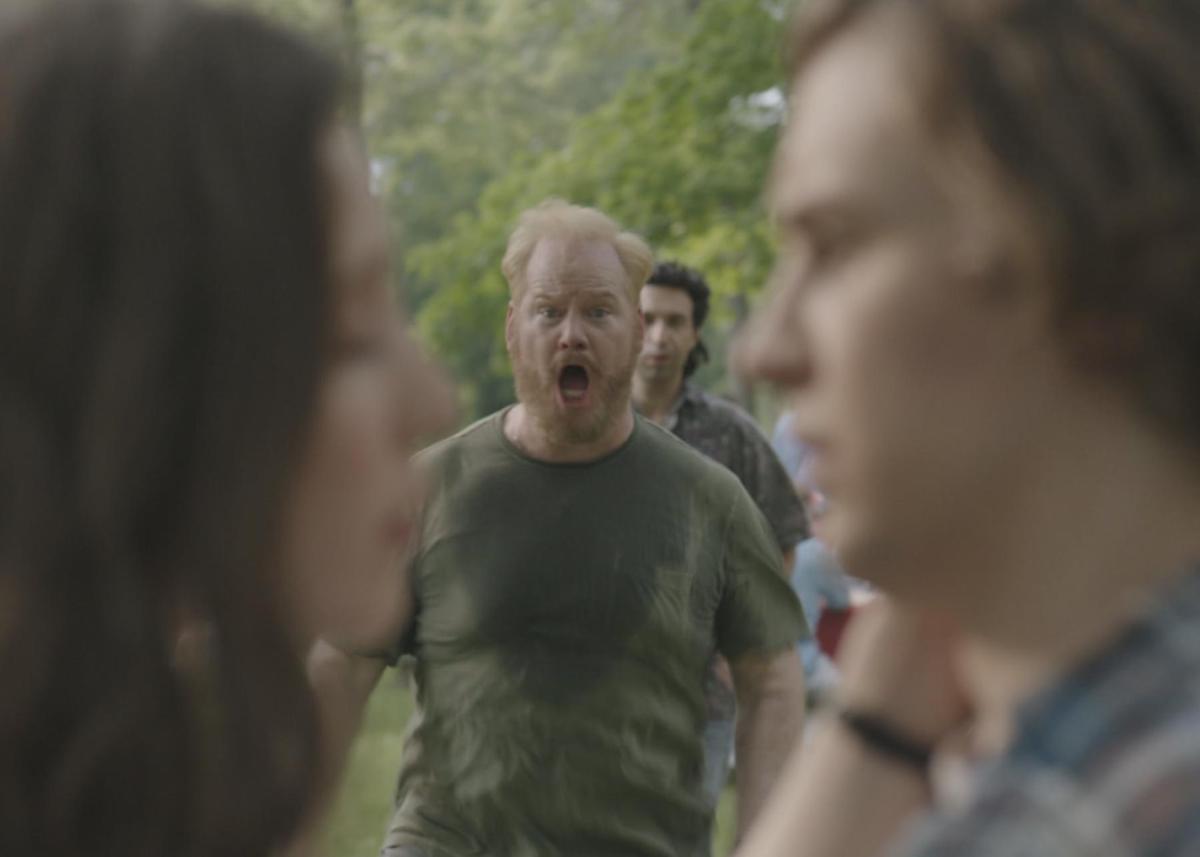
 YOU CAN CHOOSE YOUR FAMILY[/caption]
Over a six-day run, from August 7 to 12, 2018, the 22nd Annual Flickers’ Rhode Island International Film Festival will screen 293 films that include 84 World/United States Premieres from 48 countries.
The festival will host the premieres of local films such as Pat Heywood and Jamil McGinnis’ “Fall River,” Clayton Vila’s “Back to Life: The Torin Yater-Wallace Story,” URI Film Professor, Reshad Kulenovic’s “Blood & Moonlight,” Selene Means’ “The Time Is Already,” Ali Migliore’s “After Her,” Denali Tiller’s “Tre Maison Dason,” Gene Pina’s “Warrior,” Tim Gray’s “Survivors of Malmedy: December 1944” and many, many more.
Starting on Tuesday, August 7th, a special year long “Celebration of Women in Film and Arts” will be launched (#WomenInTheArts). To celebrate this achievement, the Festival is dedicated this year’s event to Dr. Winifred E. Brownell, a groundbreaking educator and Dean Emerita of the Arts and Sciences at the University of Rhode Island. Her visionary work propelled the University to become a leading hub for film media studies and nurtured the Festival during its infancy, spurring it to become the internationally acclaimed event that it is today. The Festival is also establishing a $2,000 annual scholarship in her name that pays recognition to her career championing the arts and humanities at the University of Rhode Island and a leading female voice in higher education.
RIIFF is one of 10 Festivals in the world that is an Academy Award qualifier in the Live Action, Animation and Documentary Short categories and a qualifier with the British Academy of Film and Television Arts (BAFTA).
YOU CAN CHOOSE YOUR FAMILY[/caption]
Over a six-day run, from August 7 to 12, 2018, the 22nd Annual Flickers’ Rhode Island International Film Festival will screen 293 films that include 84 World/United States Premieres from 48 countries.
The festival will host the premieres of local films such as Pat Heywood and Jamil McGinnis’ “Fall River,” Clayton Vila’s “Back to Life: The Torin Yater-Wallace Story,” URI Film Professor, Reshad Kulenovic’s “Blood & Moonlight,” Selene Means’ “The Time Is Already,” Ali Migliore’s “After Her,” Denali Tiller’s “Tre Maison Dason,” Gene Pina’s “Warrior,” Tim Gray’s “Survivors of Malmedy: December 1944” and many, many more.
Starting on Tuesday, August 7th, a special year long “Celebration of Women in Film and Arts” will be launched (#WomenInTheArts). To celebrate this achievement, the Festival is dedicated this year’s event to Dr. Winifred E. Brownell, a groundbreaking educator and Dean Emerita of the Arts and Sciences at the University of Rhode Island. Her visionary work propelled the University to become a leading hub for film media studies and nurtured the Festival during its infancy, spurring it to become the internationally acclaimed event that it is today. The Festival is also establishing a $2,000 annual scholarship in her name that pays recognition to her career championing the arts and humanities at the University of Rhode Island and a leading female voice in higher education.
RIIFF is one of 10 Festivals in the world that is an Academy Award qualifier in the Live Action, Animation and Documentary Short categories and a qualifier with the British Academy of Film and Television Arts (BAFTA).
Film Festivals
-
Rhode Island International Film Festival Celebrates 22nd Season with Over 290 Films
[caption id="attachment_31064" align="aligncenter" width="1200"] YOU CAN CHOOSE YOUR FAMILY[/caption]
Over a six-day run, from August 7 to 12, 2018, the 22nd Annual Flickers’ Rhode Island International Film Festival will screen 293 films that include 84 World/United States Premieres from 48 countries.
The festival will host the premieres of local films such as Pat Heywood and Jamil McGinnis’ “Fall River,” Clayton Vila’s “Back to Life: The Torin Yater-Wallace Story,” URI Film Professor, Reshad Kulenovic’s “Blood & Moonlight,” Selene Means’ “The Time Is Already,” Ali Migliore’s “After Her,” Denali Tiller’s “Tre Maison Dason,” Gene Pina’s “Warrior,” Tim Gray’s “Survivors of Malmedy: December 1944” and many, many more.
Starting on Tuesday, August 7th, a special year long “Celebration of Women in Film and Arts” will be launched (#WomenInTheArts). To celebrate this achievement, the Festival is dedicated this year’s event to Dr. Winifred E. Brownell, a groundbreaking educator and Dean Emerita of the Arts and Sciences at the University of Rhode Island. Her visionary work propelled the University to become a leading hub for film media studies and nurtured the Festival during its infancy, spurring it to become the internationally acclaimed event that it is today. The Festival is also establishing a $2,000 annual scholarship in her name that pays recognition to her career championing the arts and humanities at the University of Rhode Island and a leading female voice in higher education.
RIIFF is one of 10 Festivals in the world that is an Academy Award qualifier in the Live Action, Animation and Documentary Short categories and a qualifier with the British Academy of Film and Television Arts (BAFTA).
-
HOTEL MUMBAI Starring Armie Hammer, Dev Patel to Open 2018 Adelaide Film Festival
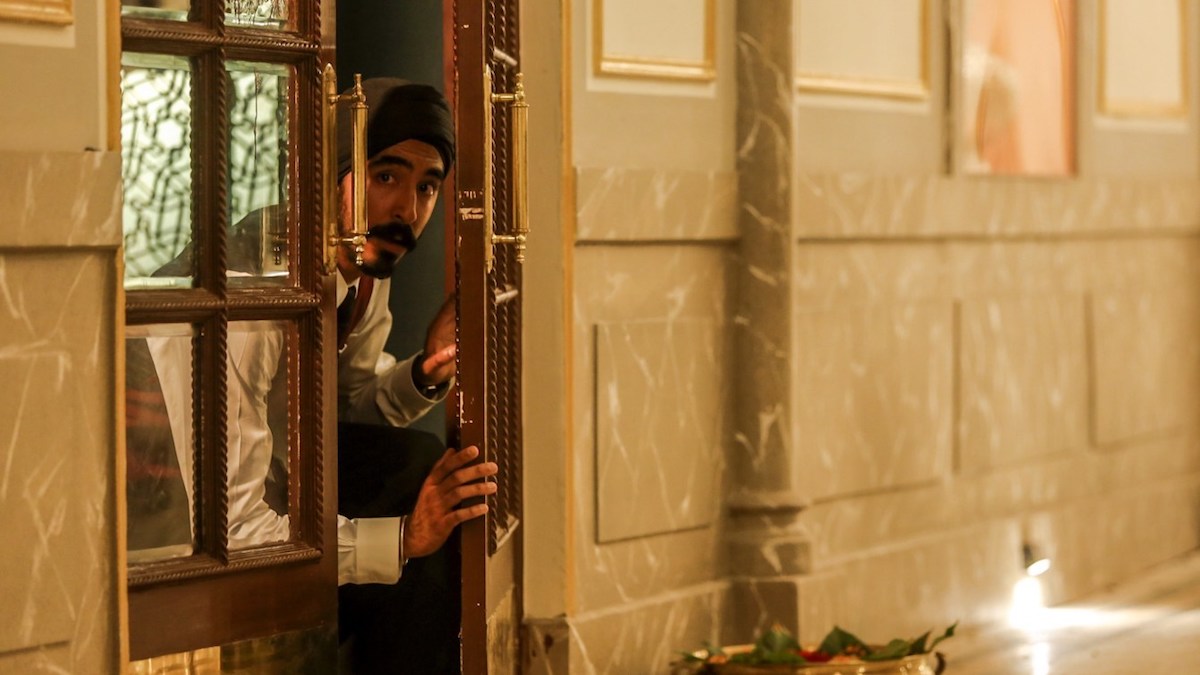 The internationally anticipated film Hotel Mumbai is set for an Australian Premiere at the 2018 Adelaide Film Festival Film Festival Opening Night Gala on Wednesday October 10, after its World Premiere as a TIFF special presentation in September at the 2018 Toronto International Film Festival.
Directed by Anthony Maras and starring Armie Hammer, Dev Patel, Nazanin Bonaidi, Tilda Cobham-Hervey, with Anupam Kher, and Jason Isaacs, Hotel Mumbai tells the astonishing story of those trapped in the iconic Taj Mahal Palace Hotel in the 2008 attacks.
Director Anthony Maras comments, “I am forever grateful for the unwavering support the Adelaide Film Festival has offered our project since day one. The SAFC and ADL Film Fest’s backing of Hotel Mumbai enabled my home town of Adelaide to play a crucial role in the making of this truly international production, and allowed us to work again with so many amazing South Australian cast and crew. It could not be more fitting to premiere the film at AFF, and so soon after the World Premiere at the Toronto international Film Festival.”
The internationally anticipated film Hotel Mumbai is set for an Australian Premiere at the 2018 Adelaide Film Festival Film Festival Opening Night Gala on Wednesday October 10, after its World Premiere as a TIFF special presentation in September at the 2018 Toronto International Film Festival.
Directed by Anthony Maras and starring Armie Hammer, Dev Patel, Nazanin Bonaidi, Tilda Cobham-Hervey, with Anupam Kher, and Jason Isaacs, Hotel Mumbai tells the astonishing story of those trapped in the iconic Taj Mahal Palace Hotel in the 2008 attacks.
Director Anthony Maras comments, “I am forever grateful for the unwavering support the Adelaide Film Festival has offered our project since day one. The SAFC and ADL Film Fest’s backing of Hotel Mumbai enabled my home town of Adelaide to play a crucial role in the making of this truly international production, and allowed us to work again with so many amazing South Australian cast and crew. It could not be more fitting to premiere the film at AFF, and so soon after the World Premiere at the Toronto international Film Festival.”
HOTEL MUMBAI
26 November 2008. A wave of devastating terror attacks throughout Mumbai catapult the bustling Indian metropolis into chaos. In the heart of the city’s tourist district, Jihadist terrorists lay siege to the iconic Taj Palace Hotel, whose guests and staff become trapped in a heroic, days-long fight for survival.
-
Fantasia 2018 Awards – Daniel Roby’s JUST A BREATH AWAY Wins Best Film
[caption id="attachment_30222" align="aligncenter" width="1200"]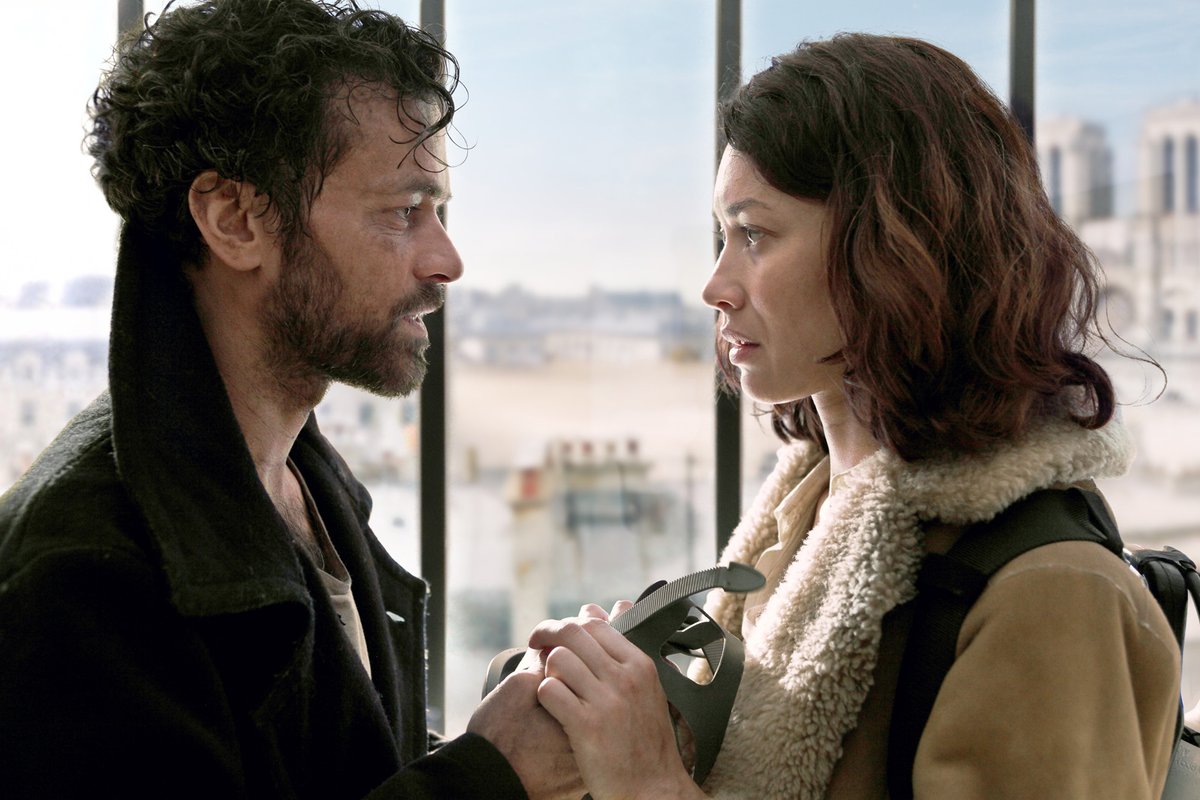 Just a Breath Away (Dans la brume)[/caption]
The Fantasia International Film Festival announced the award winners of the juried sections of its 22nd edition, with the festival’s Best Film Award going to Daniel Roby’s Paris-set science fiction adventure Just a Breath Away (Dans la brume), which opened Fantasia 2018 to massive acclaim and adoration. The epic apocalyptic thriller, which stars Romain Duris and Olga Kurylenko, sees The City of Lights covered in a deadly white fog that threatens the very existence of humanity.
Just a Breath Away (Dans la brume)[/caption]
The Fantasia International Film Festival announced the award winners of the juried sections of its 22nd edition, with the festival’s Best Film Award going to Daniel Roby’s Paris-set science fiction adventure Just a Breath Away (Dans la brume), which opened Fantasia 2018 to massive acclaim and adoration. The epic apocalyptic thriller, which stars Romain Duris and Olga Kurylenko, sees The City of Lights covered in a deadly white fog that threatens the very existence of humanity.
THE CHEVAL NOIR AWARDS
BEST FILM: DANS LA BRUME (d. Daniel Roby) BEST DIRECTOR: Nosipho Dumisa (NUMBER 37) BEST SCREENPLAY: Isa Mazzei (CAM) BEST ACTOR: Joshua Burge (RELAXER) BEST ACTRESS: Kim Da-mi (THE WITCH PART 1: THE SUBVERSION) The Cheval Noir jury also awarded a special prize to Dennison Ramalho’s The Nightshifter, noting, “Marriage is hell in this daring combination of sub-genres and tones, creating a grisly original ghost story, fueled by revenge, infused with pitch-black comedy, and littered with assorted body parts.”NEW FLESH AWARD FOR BEST FIRST FEATURE
BEST FIRST FEATURE: CAM (d. Daniel Goldhaber) The New Flesh Jury calls Cam, “an ambitious, empowered project devoid of moral policing with respect to sex work, smartly told through visually vibrant storytelling. Cam captures the complexities and contradictions of curated identities on- and offline. This talented team embodies a collaborative spirit of next generation of genre filmmakers.” SPECIAL MENTION: AMIKO The jury calls Amiko, directed by 20-year-old filmmaker Yoko Yamanaka, “a new auteur voice with a DIY punk spirit delivered with a PURE punch.” SPECIAL MENTION: ONE CUT OF THE DEAD The jury also adds that Shinichirou Ueda’s One Cut of the Dead is, “a conceptually playful and brave film, willing to risk losing the audience knowing they will win them back in the end. And they do.”AQCC-CAMERA LUCIDA AWARD
WINNING FILM: MICROHABITAT (d. Jeon Go-Woon) Says the jury, “Microhabitat uses skilled criticism of consumer society, and offers a powerful portrait of a woman that is subtly both comedy and drama, all backed by elegant and controlled staging.”AXIS: SATOSHI KON AWARD FOR EXCELLENCE IN ANIMATION
BEST ANIMATED FEATURE: PENGUIN HIGHWAY (d. Hiroyasu Ishida) Says the Axis jury, “For creating a beautifully written and designed story of love and friendship: a magical sci-fi love story for all ages that touched our hearts and minds, we present The Satoshi Kon Award to Penguin Highway.” SPECIAL MENTION: DA HU FA The jury adds, “This brilliantly crafted film defies description by being both funny and frightening, cute and horrific. It thrilled and mystified the jury and we would like to acknowledge for daring to be a genre blending political allegory. The special mention goes to Da Hu Fa.” BEST ANIMATED SHORT FILM: SIMBIOSIS CARNAL “This beautiful and playfully animated film is a nine minute master class in gender equality. It takes us on a sensual journey, brings us to a fantastic climax and shows us that images are more powerful than words. The Satoshi Kon Award for best animated short goes to Simbiosis Carnal.” SPECIAL MENTION: MAKE IT SOUL “With design inspired by African American folk art this is a beautiful story of soul searching where the protagonist learns to sacrifice his self interest for the greater good. The jury would like to give a special mention to Make it Soul.”INTERNATIONAL SHORT FILM COMPETITION AWARD
BEST SHORT FILM: AURORE (d. Mael Le Mée) The Short Film Jury called Aurore, “an attention-grabbing, slick, surreal slide into the world of teenage sexual exploration and the beauty of the unfamiliar, accepting the otherworldly and finding beauty in what we don’t understand. Fantasia’s International Short Film Jury awards Aurore the title of Best Short Feature.” BEST DIRECTOR: SANTIAGO MENGHINI (MILK) “Fantasia’s jury for the International Short film competition awards Milk the title of Best Director due to Menghini’s masterful ability to capture universal moments of growth and maturity through a tense, haunting, and wholly purposeful coming of age vision of the childlike realization of a caretaker’s malicious intent.” BEST SCREENPLAY: TRAVIS BIBLE (EXIT STRATEGY) The jury calls Exit Strategy, “a well structured, tightly controlled script about human beings lack of control. Exit Strategy is a surprisingly touching look at the different languages of love and learning. This films offers concise character development and a thoughtful switch on a familiar narrative, showing us how to accept our fate. BEST ACTOR: FÉLIX GRENIER (FAUVE) “The jury was utterly impressed by Félix Grenier’s performance, this young up-and-comer’s raw and innate talent is displayed in such a confident and vulnerable manner that this exhilarating breakout star can only get better from here on out.” BEST ACTRESS: MANDA TOURÉ (PETIT AVARIE) The jury notes, “We were blown away by Manda Touré’s ability to deliver undeliverable dialogue and express internal monologue that is so unabashedly hyper psycho-sexual and casually cavalier, it translates as insanely appealing.” SPECIAL MENTION: HELLO, RAIN “The jury was impressed by this audacious deep dive into an individualistic and decadent world, in which a filmmaker could achieve such a bold and spiritually fueled universe where vibrant art direction reigns supreme and nothing is off limits.”THE BARRY CONVEX AWARD FOR BEST CANADIAN FEATURE
The jury for the 2018 Barry Convex Award for Best Canadian Feature or Co-Production awarded David Paradis’ Le Nid their top honor, for, “Its unconventional and disturbing narrative, its poignant revelations and a strong lead performance from actor Pierre-Luc Brillant that skillfully glides between deadpan humor, terror and pathos.”FANTASIA VIRTUAL REALITY JURY AWARD
The Fantasia VR Jury awarded the 2018 Fantasia VR Grand Prize to the film Dinner Party, directed by Angel Manuel Soto. Says the jury, “This film intelligently uses every aspect of the virtual reality experience to its advantage, and benefits from an intelligent script and a cast of actors who contribute to the overall offering. ” A special mention from the jury goes to Alexander Aja’s Campfire Creepers series – already at two episodes and showing great potential – which pays homage to the genre-film culture of the ’80s and ’90s, smartly transposed into a virtual reality experience.
-
2018 Toronto International Film Festival Reveals First Wave of Films
[caption id="attachment_31044" align="aligncenter" width="1200"]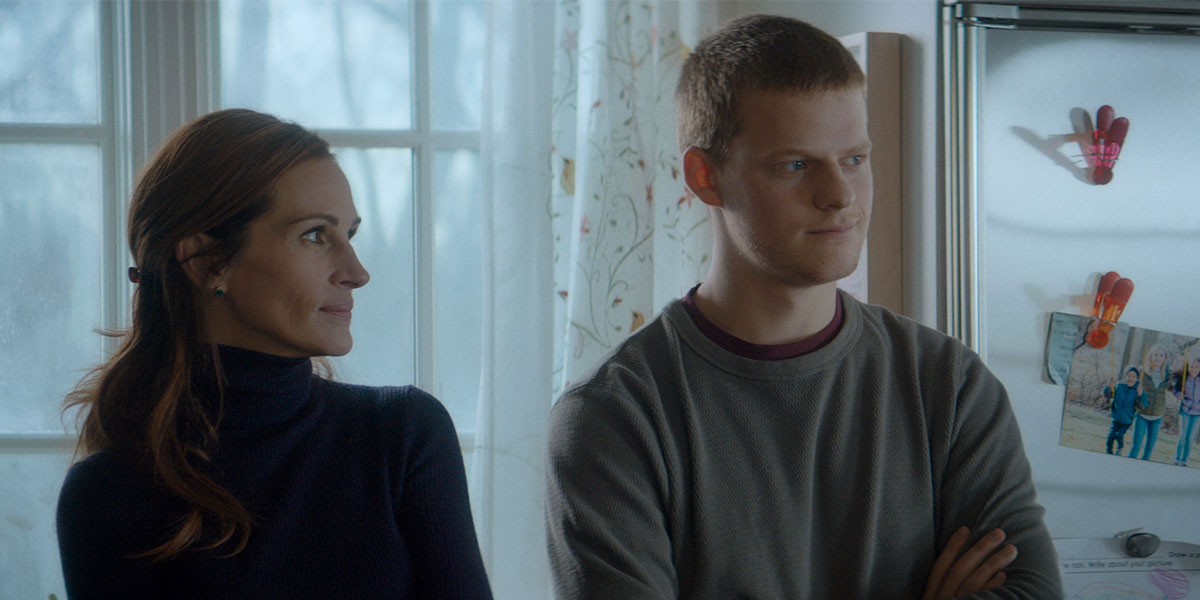 Ben is Back[/caption]
The Toronto International Film Festival today unveiled the first round of films premiering in the Gala and Special Presentation programs of the upcoming 43rd edition. Of the 17 Galas and 30 Special Presentations, today’s announcement includes 13 features directed by women.
“We have an exceptional selection of films this year that will excite Festival audiences from all walks of life,” said Handling. “Today’s lineup showcases beloved auteurs alongside fresh voices in filmmaking, including numerous female powerhouses. The sweeping range in cinematic storytelling from around the world is a testament to the uniqueness of the films that are being made.”
“Every September we invite the whole film world to Toronto, one of the most diverse, movie-mad cities in the world. I’m thrilled that we’ve been able to put together a lineup of Galas and Special Presentations that reflects Toronto’s spirit of inclusive, passionate engagement with film. We can’t wait to unveil these films for our audience.”
The 43rd Toronto International Film Festival runs from September 6 to 16, 2018.
Ben is Back[/caption]
The Toronto International Film Festival today unveiled the first round of films premiering in the Gala and Special Presentation programs of the upcoming 43rd edition. Of the 17 Galas and 30 Special Presentations, today’s announcement includes 13 features directed by women.
“We have an exceptional selection of films this year that will excite Festival audiences from all walks of life,” said Handling. “Today’s lineup showcases beloved auteurs alongside fresh voices in filmmaking, including numerous female powerhouses. The sweeping range in cinematic storytelling from around the world is a testament to the uniqueness of the films that are being made.”
“Every September we invite the whole film world to Toronto, one of the most diverse, movie-mad cities in the world. I’m thrilled that we’ve been able to put together a lineup of Galas and Special Presentations that reflects Toronto’s spirit of inclusive, passionate engagement with film. We can’t wait to unveil these films for our audience.”
The 43rd Toronto International Film Festival runs from September 6 to 16, 2018.
GALAS 2018
Beautiful Boy Felix van Groeningen, USA World Premiere Everybody Knows Asghar Farhadi, Spain/France/Italy North American Premiere First Man Damien Chazelle, USA Canadian Premiere Galveston Mélanie Laurent, USA Canadian Premiere The Hate U Give George Tillman, Jr., USA World Premiere Hidden Man Jiang Wen, China International Premiere High Life Claire Denis, Germany/France/Poland/United Kingdom World Premiere Husband Material Anurag Kashyap, India World Premiere The Kindergarten Teacher Sara Colangelo, USA Canadian Premiere The Land of Steady Habits Nicole Holofcener, USA World Premiere Life Itself Dan Fogelman, USA World Premiere The Public Emilio Estevez, USA World Premiere Red Joan Sir Trevor Nunn, United Kingdom World Premiere Shadow Zhang Yimou, China North American Premiere A Star is Born Bradley Cooper, USA North American Premiere What They Had Elizabeth Chomko, USA International Premiere Widows Steve McQueen, United Kingdom/USA World PremiereSPECIAL PRESENTATIONS 2018
Ben is Back Peter Hedges, USA World Premiere Burning Lee Chang-dong, South Korea North American Premiere Can You Ever Forgive Me? Marielle Heller, USA International Premiere Capernaum Nadine Labaki, Lebanon North American Premiere Cold War Paweł Pawlikowski, Poland/United Kingdom/France Canadian Premiere Colette Wash Westmoreland, United Kingdom Canadian Premiere Dogman Matteo Garrone, Italy/France Canadian Premiere The Front Runner Jason Reitman, USA International Premiere Giant Little Ones Keith Behrman, Canada World Premiere Giant Little Ones (Les filles du soleil) Eva Husson, France International Premiere Hotel Mumbai Anthony Maras, Australia World Premiere The Hummingbird Project Kim Nguyen, Canada World Premiere If Beale Street Could Talk Barry Jenkins, USA World Premiere Manto Nandita Das, India North American Premiere Maya Mia Hansen-Løve, France World Premiere Monsters and Men Reinaldo Marcus Green, USA Canadian Premiere Special Presentations Opening Film MOUTHPIECE Patricia Rozema, Canada World Premiere Non-Fiction Olivier Assayas, France Canadian Premiere The Old Man & The Gun David Lowery, USA International Premiere Papi Chulo John Butler, Ireland World Premiere Roma Alfonso Cuarón, Mexico/USA Canadian Premiere Special Presentations Closing Film Shoplifters Hirokazu Kore-eda, Japan Canadian Premiere The Sisters Brothers Jacques Audiard, USA/France/Romania/Spain North American Premiere Sunset László Nemes, Hungary/France North American Premiere Through Black Spruce Don McKellar, Canada World Premiere The Wedding Guest Michael Winterbottom, United Kingdom World Premiere The Weekend Stella Meghie, USA World Premiere Where Hands Touch Amma Asante, United Kingdom World Premiere White Boy Rick Yann Demange, USA International Premiere Wildlife Paul Dano, USA Canadian Premiere
-
Canadian Premiere of SHOPLIFTERS to Close 2018 Toronto International Film Festival Special Presentations Program
[caption id="attachment_29298" align="aligncenter" width="926"]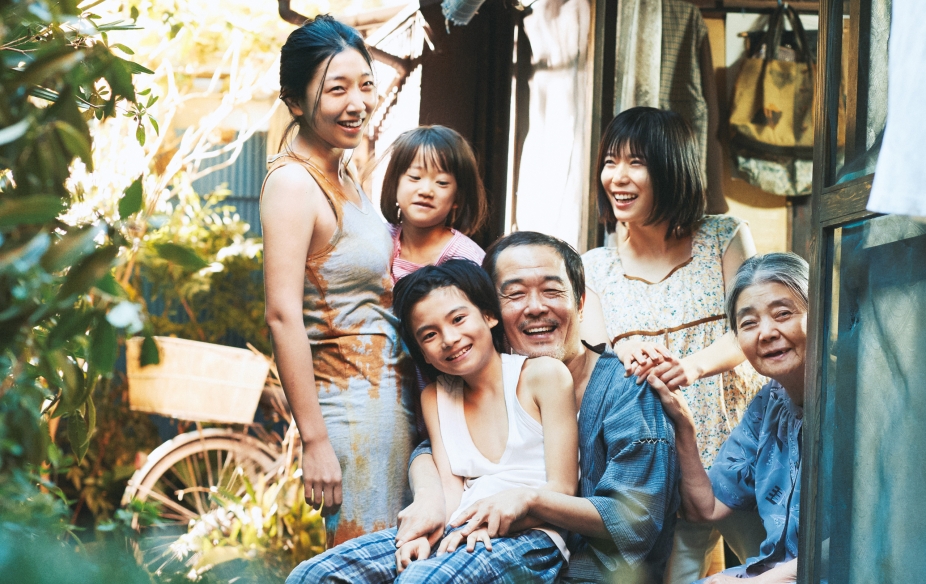 MANBIKI KAZOKU(Shoplifters) by KORE-EDA Hirokazu[/caption]
The Canadian Premiere of Hirokazu Kore-eda’s Shoplifters will close the 2018 Special Presentations program of the Toronto International Film Festival. After a remarkably successful run in Japan and abroad, TIFF is excited to bring this thoughtful drama by the Japanese master to Canada for the very first time.
“Shoplifters is about connections, family, and what keeps us together,” said Piers Handling, Director & CEO of TIFF. “We’ve been fortunate to present many films by Kore-eda at TIFF, including After Life (1998), Like Father, Like Son (2013), and Our Little Sister (2015). We’re delighted to share his Palme d’Or–winning film with Toronto audiences.”
Equal parts incisive social critique and nuanced family portrait, the latest from Japanese master Hirokazu Kore-eda — winner of this year’s Palme d’Or at Cannes — follows a small band of marginalized misfits struggling to make ends meet in a merciless urban environment.
https://www.youtube.com/watch?v=2lqgxmq24qE
The 43rd Toronto International Film Festival runs from September 6 to 16, 2018.
MANBIKI KAZOKU(Shoplifters) by KORE-EDA Hirokazu[/caption]
The Canadian Premiere of Hirokazu Kore-eda’s Shoplifters will close the 2018 Special Presentations program of the Toronto International Film Festival. After a remarkably successful run in Japan and abroad, TIFF is excited to bring this thoughtful drama by the Japanese master to Canada for the very first time.
“Shoplifters is about connections, family, and what keeps us together,” said Piers Handling, Director & CEO of TIFF. “We’ve been fortunate to present many films by Kore-eda at TIFF, including After Life (1998), Like Father, Like Son (2013), and Our Little Sister (2015). We’re delighted to share his Palme d’Or–winning film with Toronto audiences.”
Equal parts incisive social critique and nuanced family portrait, the latest from Japanese master Hirokazu Kore-eda — winner of this year’s Palme d’Or at Cannes — follows a small band of marginalized misfits struggling to make ends meet in a merciless urban environment.
https://www.youtube.com/watch?v=2lqgxmq24qE
The 43rd Toronto International Film Festival runs from September 6 to 16, 2018.
-
World Premiere of MOUTHPIECE to Open 2018 Toronto International Film Festival Special Presentations Program
 The World Premiere of Mouthpiece will be the opening film of the Special Presentations program of the 2018 Toronto International Film Festival. Directed by Patricia Rozema and written by Rozema, Amy Nostbakken, and Norah Sadava, the film stars Nostbakken, Sadava, and Maev Beaty.
Mouthpiece is a powerful and amusing look into the female psyche that harnesses the essence of Nostbakken and Sadava’s award-winning play, from which it was loosely adapted. Cassandra Haywood (played by both Nostbakken and Sadava) is a strong, single woman, a writer who lives by her own rules. She is also a bit of a disaster. Following the sudden death of her mother, Elaine (Beaty), Cassandra begins to recognize the resemblances between her more traditional mother and herself, and the frightening similarities between the struggles of past generations of women and the realities of today.
“We are thrilled to be opening the Special Presentations programme with Patricia Rozema, an iconic Canadian filmmaker,” said Cameron Bailey, Artistic Director of TIFF. “Based on the play of the same name, Mouthpiece is one of Rozema’s most vibrant films, an honest and heart-wrenching portrayal of a young woman finding her voice after the passing of her mother.
“I can’t thank the TIFF programmers enough for the special spotlight on Mouthpiece,” said Rozema. “I’m thrilled to introduce Amy Nostbakken, Norah Sadava, and Maev Beaty to cinema audiences. That this movie was written, directed, shot, designed, edited, produced, and costume designed by women shouldn’t feel special, but it is — and makes it all the more sweet.”
The 43rd Toronto International Film Festival runs from September 6 to 16, 2018.
The World Premiere of Mouthpiece will be the opening film of the Special Presentations program of the 2018 Toronto International Film Festival. Directed by Patricia Rozema and written by Rozema, Amy Nostbakken, and Norah Sadava, the film stars Nostbakken, Sadava, and Maev Beaty.
Mouthpiece is a powerful and amusing look into the female psyche that harnesses the essence of Nostbakken and Sadava’s award-winning play, from which it was loosely adapted. Cassandra Haywood (played by both Nostbakken and Sadava) is a strong, single woman, a writer who lives by her own rules. She is also a bit of a disaster. Following the sudden death of her mother, Elaine (Beaty), Cassandra begins to recognize the resemblances between her more traditional mother and herself, and the frightening similarities between the struggles of past generations of women and the realities of today.
“We are thrilled to be opening the Special Presentations programme with Patricia Rozema, an iconic Canadian filmmaker,” said Cameron Bailey, Artistic Director of TIFF. “Based on the play of the same name, Mouthpiece is one of Rozema’s most vibrant films, an honest and heart-wrenching portrayal of a young woman finding her voice after the passing of her mother.
“I can’t thank the TIFF programmers enough for the special spotlight on Mouthpiece,” said Rozema. “I’m thrilled to introduce Amy Nostbakken, Norah Sadava, and Maev Beaty to cinema audiences. That this movie was written, directed, shot, designed, edited, produced, and costume designed by women shouldn’t feel special, but it is — and makes it all the more sweet.”
The 43rd Toronto International Film Festival runs from September 6 to 16, 2018.
-
Durban FilmMart Awards 2018: CHEESE GIRL Wins Most Promising Documentary
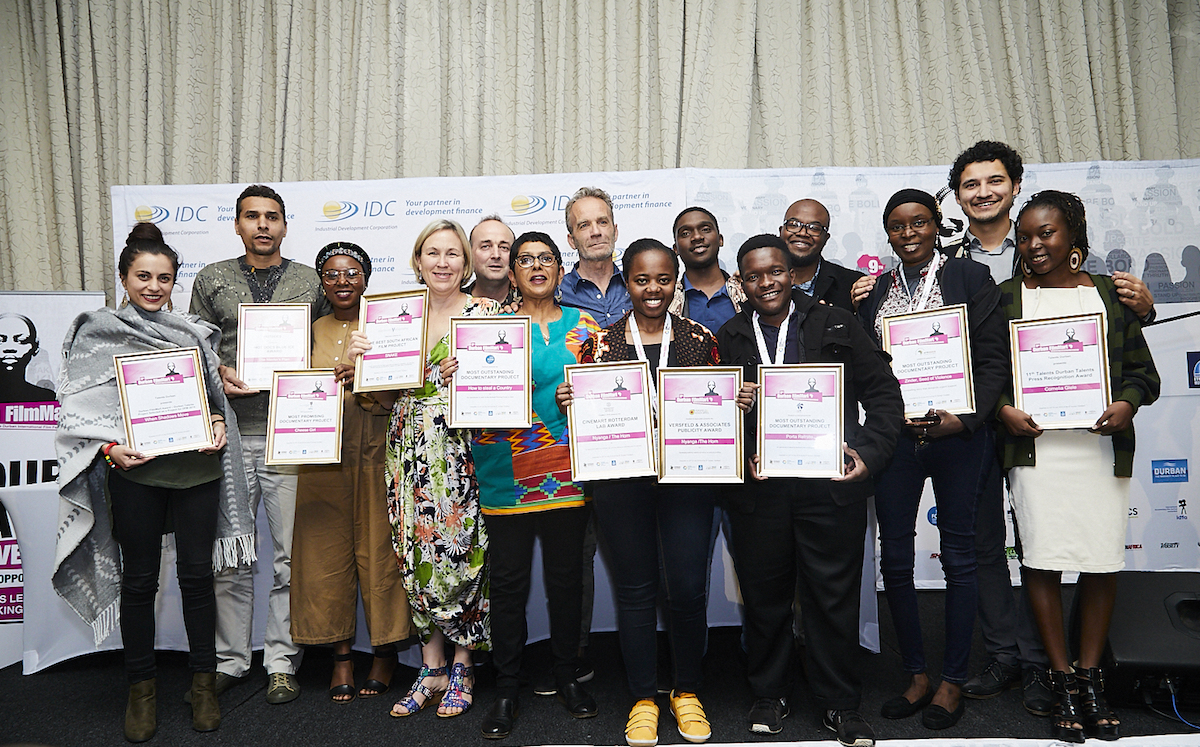
Award winners at 2018 Durban FilmMart Durban FilmMart (DFM) – the industry development program of the Durban Film Office and Durban International Film Festival – ended the 2018 edition with an awards ceremony.
-
Actress Vanessa Redgrave to Receive Golden Lion for Lifetime Achievement at Venice International Film Festival
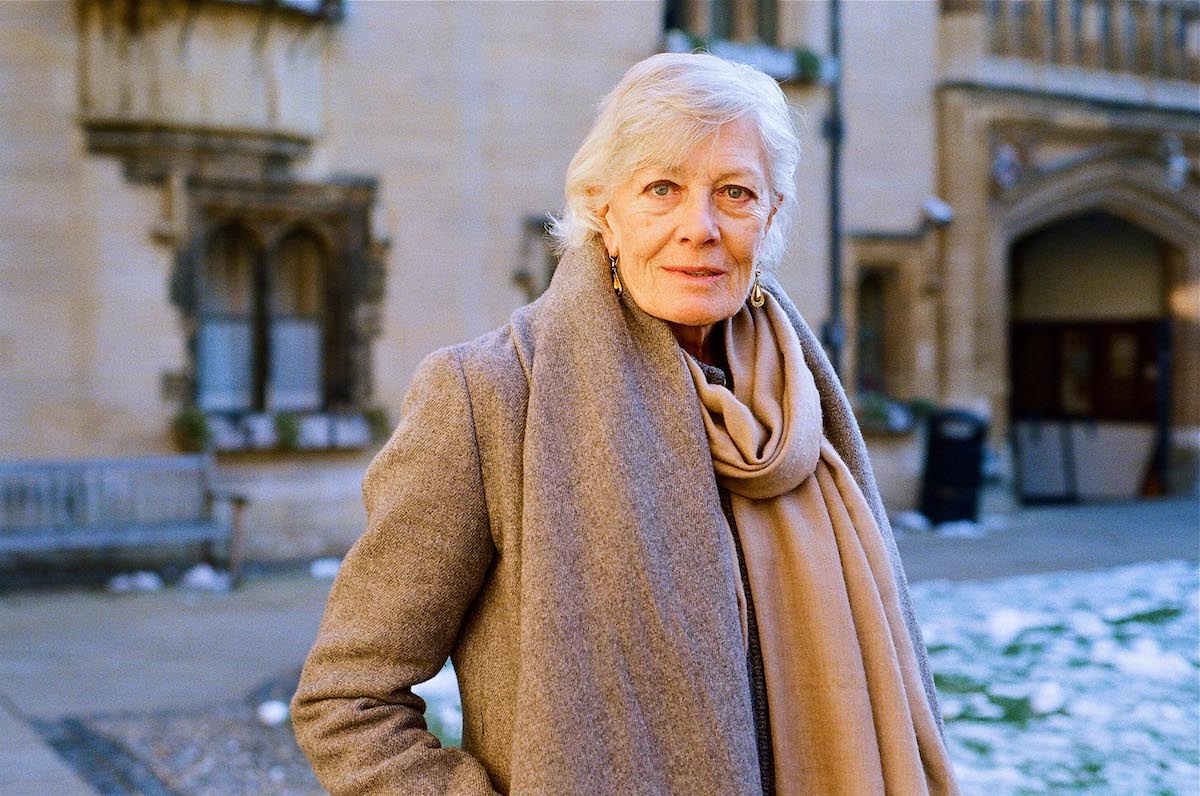 Actress Vanessa Redgrave will be awarded the Golden Lion for Lifetime Achievement at the 75th Venice International Film Festival (29 August – 8 September, 2018). Vanessa Redgrave joins director David Cronenberg, who will also receive the Golden Lion for Lifetime Achievement at the 75th Venice Film Festival.
Vanessa Redgrave declared: “I am astonished and especially delighted to hear that I will be awarded by the Venice Film Festival for a life’s work in film. Last summer I was filming in Venice in The Aspern Papers. Many many years ago I filmed La vacanza in the marshes of the Veneto. My character spoke every word in the Venetian dialect. I bet I am the only non-Italian actress to act an entire role in Venetian dialect! Thank you a million dear Festival! “.
Alberto Barbera declared: “Unanimously considered one of today’s best actresses, Redgrave’s sensitive, infinitely faceted performances ideally render complex and often controversial characters. Gifted with a natural elegance, innate seductive power, and extraordinary talent, she can nonchalantly pass from European art house cinema to lavish Hollywood productions, from the stage to TV sets, each time offering top-quality results. In the sixty years of her professional activity, her performances have displayed authoritativeness and total control over the roles she plays, a boundless and highly sophisticated generosity, and a healthy dose of the courage and fighting spirit which are a hallmark of her compassionate, artistic nature”.
Actress Vanessa Redgrave will be awarded the Golden Lion for Lifetime Achievement at the 75th Venice International Film Festival (29 August – 8 September, 2018). Vanessa Redgrave joins director David Cronenberg, who will also receive the Golden Lion for Lifetime Achievement at the 75th Venice Film Festival.
Vanessa Redgrave declared: “I am astonished and especially delighted to hear that I will be awarded by the Venice Film Festival for a life’s work in film. Last summer I was filming in Venice in The Aspern Papers. Many many years ago I filmed La vacanza in the marshes of the Veneto. My character spoke every word in the Venetian dialect. I bet I am the only non-Italian actress to act an entire role in Venetian dialect! Thank you a million dear Festival! “.
Alberto Barbera declared: “Unanimously considered one of today’s best actresses, Redgrave’s sensitive, infinitely faceted performances ideally render complex and often controversial characters. Gifted with a natural elegance, innate seductive power, and extraordinary talent, she can nonchalantly pass from European art house cinema to lavish Hollywood productions, from the stage to TV sets, each time offering top-quality results. In the sixty years of her professional activity, her performances have displayed authoritativeness and total control over the roles she plays, a boundless and highly sophisticated generosity, and a healthy dose of the courage and fighting spirit which are a hallmark of her compassionate, artistic nature”.
Vanessa Redgrave Biography
Born into a thespian family, nominated six times for an Oscar (she won in 1977 for her performance in Julia), and the winner of a Volpi Cup in Venice in 1994 for Little Odessa, for 60 years, Vanessa Redgrave has been one of the best-loved and most-sought-after actresses of international art house cinema. A stage actress as well, she has won a Tony Award and an Olivier Award for best actress. Among her most recent works, in 2018 she performed in The Aspern Papers by Julian Landais, with Jonathan Rhys Meyers and Joely Richardson; Mrs Lowry & Son by Adrian Noble, with Timothy Spall; and Georgetown by Christoph Waltz, with Annette Bening. In 2017, she directed and starred in Sea Sorrow with Ralph Fiennes and Emma Thompson (produced by Carlo Nero) and she performed at the Young Vic Theatre in The Inheritance by Matthew Lopez, produced by Sonia Friedman and directed by Stephen Daldry. Redgrave was born in London in 1937 and studied acting at London’s Central School of Music and Dance. Her family has a long and glorious tradition in film and on the stage. Her paternal grandfather, Roy Redgrave, was one of Australia’s most famous silent movie actors. Her father, Michael, and her mother, Rachel Kempson, were members of the Old Vic Theater. Her father, in particular, was also a well-known movie actor. Right from an early age, Vanessa was a successful stage actress and she debuted on the silver screen alongside her father in 1958 in the comedy Behind the Mask. She then dedicated herself to theatre and became a member of the Stratford-upon-Avon Theater Company. This is where she met director Tony Richardson, who, in the early 1960s, became her husband and directed her in Shakespeare plays. In 1966, Redgrave returned to the silver screen in Morgan: A Suitable Case for Treatment, by Karel Reisz, which won her the award for best actress at Cannes and her first Oscar nomination. Always in 1966, she performed in Blow-up by Michelangelo Antonioni. The topic of incommunicability, one of the Italian director’s favorites, found a perfect interpreter in that young, enigmatic woman who can express herself almost without speaking. One year later, Joshua Logan brought her to the United States to shoot Camelot, after which Vanessa returned to Europe for two more films directed by Richardson, The Sailor from Gibraltar, and in 1968, The Charge of the Light Brigade. That same year, she portrayed the non-conformist ballerina Isadora Duncan in Isadora (1968) by Karel Reisz (her second Oscar nomination). In 1971, she played the unlucky queen in Mary, Queen of Scots (1971, her third nomination for an Oscar), a nun in The Devils by Ken Russel, and a girl confined in a madhouse in Vacation by Tinto Brass, which stars Franco Nero and was presented at the Venice Film Festival. Vanessa Redgrave won an Oscar for her performance as the brave and headstrong Julia (1977), by Fred Zinnemann. In 1984, James Ivory directed her in The Bostonians (another Oscar nomination) and in 1985 she played the lonely teacher in Wetherby (1985) by David Hare. She received her sixth Oscar nomination for her portrayal of sensitive Ruth Wilcox in Howard’s End (1992), once again by James Ivory. In 1994, she received the Volpi Cup in Venice for Little Odessa by James Gray. She played the bitter protagonist in Mrs Dalloway (1997) by Marleen Gorris and in 2007 she starred in Atonement by Joe Wright, the opening film at the Venice Film Festival that year.
-
2018 Taormina FilmFest Awards – ONCE UPON A TIME IN NOVEMBER Wins Best Film
[caption id="attachment_31018" align="aligncenter" width="1200"] Once upon a Time in November[/caption]
The 64th edition of the Taormina FilmFest, just wrapped with Andrzej Jakimowski’s Once upon a Time in November winning the Taormina Arte Award for Best Film. Lorena Luciano and Filippo Piscopo’s It Will be Chaos took home the The Taormina Arte Award for Best Directing, while Debra Granik won The Taormina Arte Award for Best Screenplay for Leave No Trace. Nino Monteleone’s Be Kind received a Special Mention.
“The festival offered a week-long series of exceptional films which were attended by a very attentive audience who appreciated their selection, originality and depth,” said artistic co-director Silvia Bizio. The festival will return for its 65th edition in June 2019
Once upon a Time in November[/caption]
The 64th edition of the Taormina FilmFest, just wrapped with Andrzej Jakimowski’s Once upon a Time in November winning the Taormina Arte Award for Best Film. Lorena Luciano and Filippo Piscopo’s It Will be Chaos took home the The Taormina Arte Award for Best Directing, while Debra Granik won The Taormina Arte Award for Best Screenplay for Leave No Trace. Nino Monteleone’s Be Kind received a Special Mention.
“The festival offered a week-long series of exceptional films which were attended by a very attentive audience who appreciated their selection, originality and depth,” said artistic co-director Silvia Bizio. The festival will return for its 65th edition in June 2019
2018 Winners of the Taormina FilmFest Awards
The Cirs Award of the Italian Social Reintegration Committee: Road to the Lemon Grove by Dale Hildebrand – CANADA/ITALY – International Premiere The Angelo D’Arrigo Award, presented by Laura Mancuso: Dr. Pietro Bartolo, from Lampedusa The Sebastiano Gesù Award, in memory of the Sicilian film critic who passed away earlier this month: Luca Vullo Ccà Semu (30 mins) – ITALY The Ferrari De Benedetti Award, presented by the journalist Paola Ferrari: La Libertà non Deve Morire in Mare by Alfredo Lo Piero – ITALY – World Premiere The Videobank Award, presented by Ginevra Chiechio: Lello Analfino, leader of the historic Tinturia musical group The Tauro d’Oro Award: Maurizio Millenotti for the costumes of The Happy Prince The Tauro d’Oro Lifetime Achievement Award: Matthew Modine The Tauro d’Oro Awards, for Best Director and Best Actor: Rupert Everett for The Happy Prince The Tauro d’Oro Award: Richard Dreyfuss The Tauro d’Oro Italian Excellence Award, for acting, directing and screenwriting: Michele Placido The Tauro d’Oro Best Independent Film Award: Trauma is a Time Machine by Angelica Zollo – USA – European Premiere The Taormina Arte Award for Best Producer: Gianluca Curti The Taormina Arte Award for Best Distributor: SunFilm Group Special Mention: Be Kind by Nino Monteleone – ITALY – World Premiere The Taormina Arte Award for Best Screenplay: Leave No Trace by Debra Granik – USA – Italian Premiere The Taormina Arte Award for Best Actor: Alberto Mica in Transfert by Massimiliano Russo – ITALY – World Premiere The Taormina Arte Award for Best Actress: Leven Rambin in Tatterdemalion by Ramaa Mosley – USA – International Premiere The Taormina Arte Award for Best Director: It Will be Chaos by Filippo Piscopo and Lorena Luciana – USA/ITALY – International Premiere The Taormina Arte Award for Best Film: Once upon a Time in November by Andrzej Jakimowski – POLAND – International Premiere https://www.youtube.com/watch?v=tPOTPy-lLmU
-
Hong Kong’s Summer International Film Festival Opens with MIRAI and Closes with HAPPY AS LAZARRO
[caption id="attachment_30997" align="aligncenter" width="1200"] HAPPY AS LAZARRO[/caption]
Hong Kong’s Summer International Film Festival (SummerIFF), to be held from 18 to 28 August 2018, will open with Mirai, directed by the leading Japanese anime master Mamoru Hosoda, and close with Happy as Lazzaro, winner of Best Screenplay at Cannes Film Festival, directed by acclaimed Italian filmmaker Alice Rohrwacher. Highlights among the 36 films presented in this year’s SummerIFF include award-winning works from the world’s top film festivals, hot picks from Japan and Korea, as well as a special program dedicated to the legendary star Audrey Hepburn.
https://www.youtube.com/watch?v=vgy0dGg2EVA
HAPPY AS LAZARRO[/caption]
Hong Kong’s Summer International Film Festival (SummerIFF), to be held from 18 to 28 August 2018, will open with Mirai, directed by the leading Japanese anime master Mamoru Hosoda, and close with Happy as Lazzaro, winner of Best Screenplay at Cannes Film Festival, directed by acclaimed Italian filmmaker Alice Rohrwacher. Highlights among the 36 films presented in this year’s SummerIFF include award-winning works from the world’s top film festivals, hot picks from Japan and Korea, as well as a special program dedicated to the legendary star Audrey Hepburn.
https://www.youtube.com/watch?v=vgy0dGg2EVA
Mamoru HOSODA will meet Hong Kong audiences
Mamoru HOSODA will come to Hong Kong with his new film, Mirai, to open the SummerIFF on 18 August. As a prelude to his visit, all four of his celebrated feature animations will be presented from 14 August onwards. The 15-day festival will conclude with Happy as Lazzaro, a magic-realist fable mixing time-bending fantasy with contemporary social critique that won Alice Rohrwacher her well-deserved award and wide accolade at Cannes. https://www.youtube.com/watch?v=6d-lsJZgmJsNeo YAU and Jennifer YU appointed as HKIFF Youth Ambassadors
A star-studded line-up illuminates HKIFF this year. Following the appointment of renowned actor Aaron Kwok Fu-shing as Festival Ambassador of the 43rd Hong Kong International Film Festival (HKIFF43), two promising young actors, Neo Yau and Jennifer Yu, are newly appointed as Youth Ambassadors. Together they will help develop young people’s interest in film culture and encourage a broader spectrum of youth to go to the movies, made more accessible and affordable by low cost student tickets. As a continued effort to promote local talents, Distinction, directed by Jevons Au and starring Jennifer Yu, will be showcased in SummerIFF.Star-studded hot picks and award-winning works
A number of the most sought-after stars from Japan and Korea will also be featured, including SMAP in The Bastard and the Beautiful World; Suda Masaki in Spark and Wilderness; Satoh Takeru in Inuyashiki; and Ryu Jun-yeol in Believer. Hurry Go Round, the documentary about the late legendary X Japan guitarist, is also a must-see for fans. Award-winning films fresh from top international film festivals are also program highlights – Touch Me Not, the controversial Golden Bear winner at Berlinale; The Prayer, winner of Berlinale Silver Bear for Best Actor (Anthony Bajon); and Border, winner of Un Certain Regards Award at Cannes. Veteran Wim Wenders’ new documentary, Pope Francis – A Man of His Word, also promises to allure audiences.A tribute to Audrey HEPBURN
Equally attractive as new hits are timeless classics. On the 25th anniversary of the passing of Audrey Hepburn, SummerIFF celebrates the remarkable achievement of this great actress of all time. Six of her acclaimed works from the golden age of Hollywood are featured, including Roman Holiday (1953) which won her three prominent Best Actress awards; My Fair Lady (1964), winner of eight Oscars including Best Picture; and Breakfast at Tiffany’s (1961) that affirmed her status as an enduring icon of grace. Four restored classics from China and Japan are among the most significant in modern film history. These include Yellow Earth, the ground-breaking debut work by Chen Kaige; The Horse Thief by Tian Zhuangzhuang; as well as two Japanese Palme d’Or winners – Kagemusha by Kurosawa Akira and The Ballad of Narayama by Imamura Shohei.
-
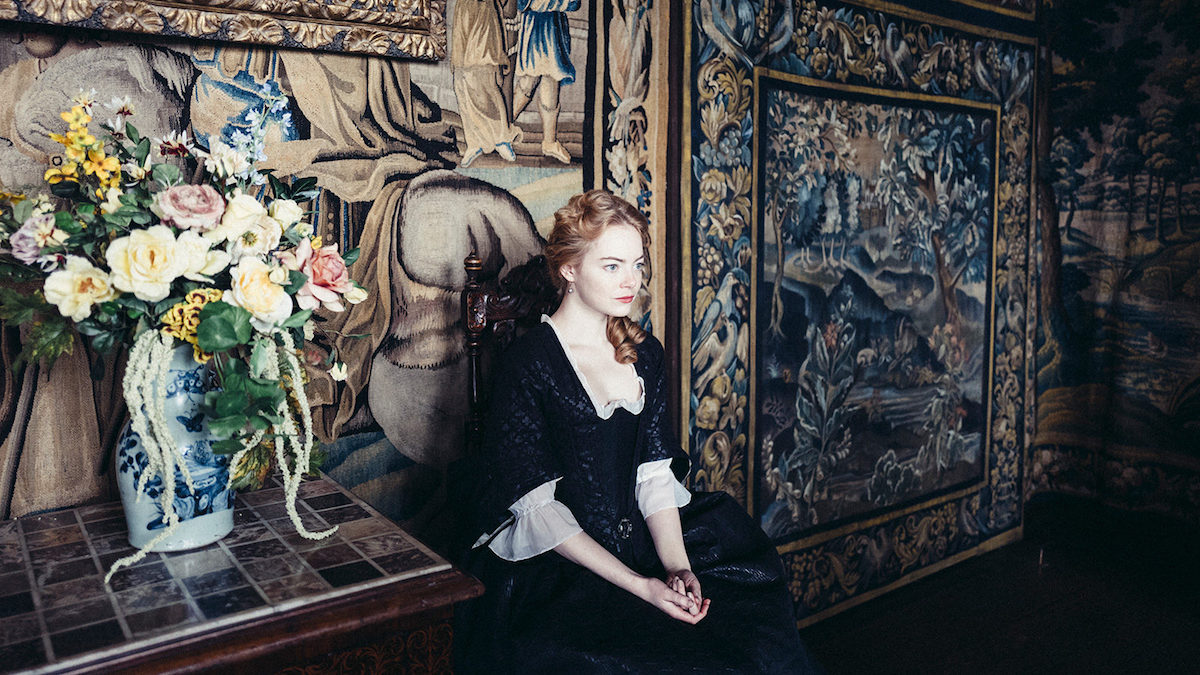
THE FAVOURITE starring Rachel Weisz and Emma Stone To Open New York Film Festival
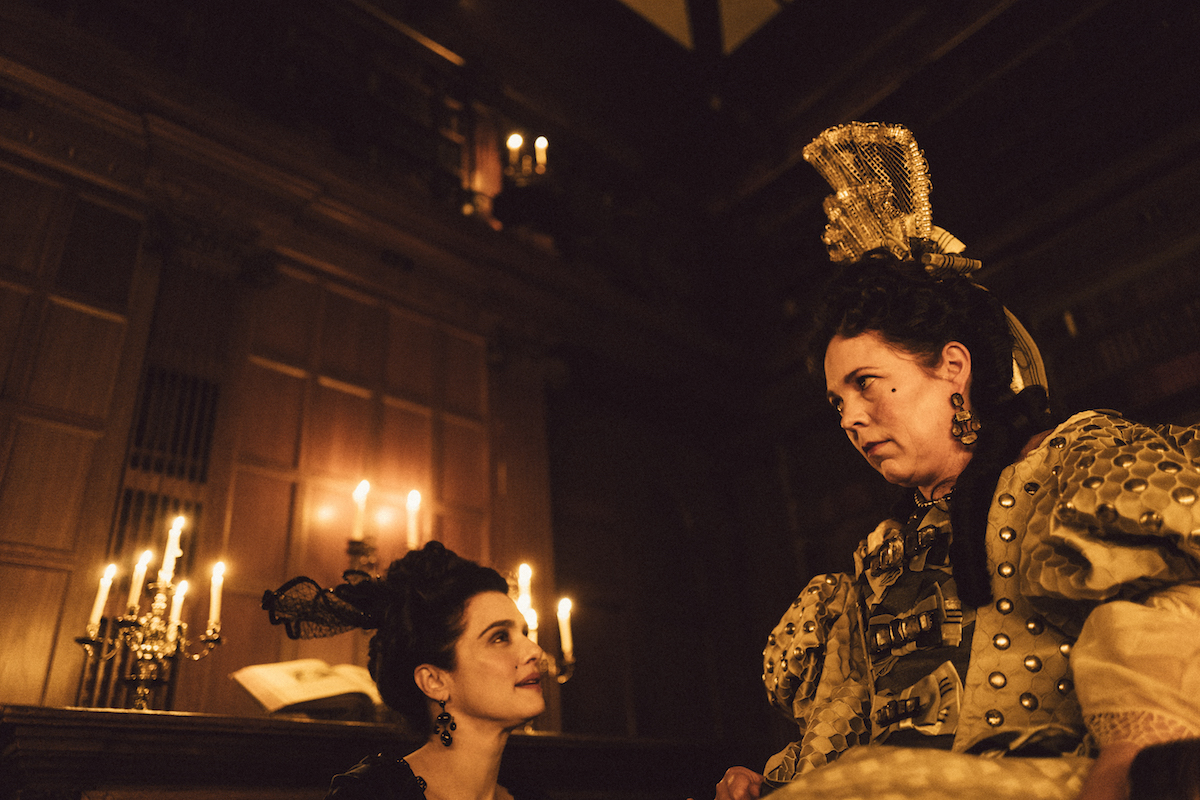 Yorgos Lanthimos’s The Favourite starring Rachel Weisz and Emma Stone will make its New York premiere as the Opening Night film of the 56th New York Film Festival on Friday, September 28, 2018 at Alice Tully Hall. The Favourite is a Fox Searchlight Pictures release and opens November 23, 2018.
In Yorgos Lanthimos’s wildly intricate and very darkly funny new film, Sarah Churchill, the Duchess of Marlborough (Rachel Weisz), and her servant Abigail Hill (Emma Stone) engage in a sexually charged fight to the death for the body and soul of Queen Anne (Olivia Colman) at the height of the War of the Spanish Succession. This trio of truly brilliant performances is the dynamo that powers Lanthimos’s top-to-bottom reimagining of the costume epic, in which the visual pageantry of court life in 18th-century England becomes not just a lushly appointed backdrop but an ironically heightened counterpoint to the primal conflict unreeling behind closed doors.
Yorgos Lanthimos’s The Favourite starring Rachel Weisz and Emma Stone will make its New York premiere as the Opening Night film of the 56th New York Film Festival on Friday, September 28, 2018 at Alice Tully Hall. The Favourite is a Fox Searchlight Pictures release and opens November 23, 2018.
In Yorgos Lanthimos’s wildly intricate and very darkly funny new film, Sarah Churchill, the Duchess of Marlborough (Rachel Weisz), and her servant Abigail Hill (Emma Stone) engage in a sexually charged fight to the death for the body and soul of Queen Anne (Olivia Colman) at the height of the War of the Spanish Succession. This trio of truly brilliant performances is the dynamo that powers Lanthimos’s top-to-bottom reimagining of the costume epic, in which the visual pageantry of court life in 18th-century England becomes not just a lushly appointed backdrop but an ironically heightened counterpoint to the primal conflict unreeling behind closed doors.
 New York Film Festival Director and Selection Committee Chair Kent Jones said, “The Favourite is a lot of things at once, each of them perfectly meshed: a historical epic; a visual feast; a wild, wild ride; a formidable display of the art of acting from Rachel Weisz, Emma Stone, and Olivia Colman, abetted by a brilliant cast; a tour de force from Yorgos Lanthimos. And… it’s a blast. We’re very excited to have it as our opening night film.”
“It’s a great privilege to be showing The Favourite for the opening night of the New York Film Festival, which is a very special place for the film,” said Lanthimos. “I had a wonderful experience screening The Lobster at this distinct festival and I’m looking forward to sharing The Favourite with audiences in New York. I was envisioning this film for many years and eventually had a lot of fun making it.”
The 17-day New York Film Festival (September 28 – October 14) highlights the best in world cinema, featuring works from celebrated filmmakers as well as fresh new talent.
New York Film Festival Director and Selection Committee Chair Kent Jones said, “The Favourite is a lot of things at once, each of them perfectly meshed: a historical epic; a visual feast; a wild, wild ride; a formidable display of the art of acting from Rachel Weisz, Emma Stone, and Olivia Colman, abetted by a brilliant cast; a tour de force from Yorgos Lanthimos. And… it’s a blast. We’re very excited to have it as our opening night film.”
“It’s a great privilege to be showing The Favourite for the opening night of the New York Film Festival, which is a very special place for the film,” said Lanthimos. “I had a wonderful experience screening The Lobster at this distinct festival and I’m looking forward to sharing The Favourite with audiences in New York. I was envisioning this film for many years and eventually had a lot of fun making it.”
The 17-day New York Film Festival (September 28 – October 14) highlights the best in world cinema, featuring works from celebrated filmmakers as well as fresh new talent.
New York Film Festival Opening Night Films
2017 Last Flag Flying (Richard Linklater, US) 2016 13TH (Ava DuVernay, US) 2015 The Walk (Robert Zemeckis, US) 2014 Gone Girl (David Fincher, US) 2013 Captain Phillips (Paul Greengrass, US) 2012 Life of Pi (Ang Lee, US) 2011 Carnage (Roman Polanski, France/Poland) 2010 The Social Network (David Fincher, US) 2009 Wild Grass (Alain Resnais, France) 2008 The Class (Laurent Cantet, France) 2007 The Darjeeling Limited (Wes Anderson, US) 2006 The Queen (Stephen Frears, UK) 2005 Good Night, and Good Luck. (George Clooney, US) 2004 Look at Me (Agnès Jaoui, France) 2003 Mystic River (Clint Eastwood, US) 2002 About Schmidt (Alexander Payne, US) 2001 Va savoir (Jacques Rivette, France) 2000 Dancer in the Dark (Lars von Trier, Denmark) 1999 All About My Mother (Pedro Almodóvar, Spain) 1998 Celebrity (Woody Allen, US) 1997 The Ice Storm (Ang Lee, US) 1996 Secrets & Lies (Mike Leigh, UK) 1995 Shanghai Triad (Zhang Yimou, China) 1994 Pulp Fiction (Quentin Tarantino, US) 1993 Short Cuts (Robert Altman, US) 1992 Olivier Olivier (Agnieszka Holland, France) 1991 The Double Life of Veronique (Krzysztof Kieslowski, Poland/France) 1990 Miller’s Crossing (Joel Coen, US) 1989 Too Beautiful for You (Bertrand Blier, France) 1988 Women on the Verge of a Nervous Breakdown (Pedro Almodóvar, Spain) 1987 Dark Eyes (Nikita Mikhalkov, Soviet Union) 1986 Down by Law (Jim Jarmusch, US) 1985 Ran (Akira Kurosawa, Japan) 1984 Country (Richard Pearce, US) 1983 The Big Chill (Lawrence Kasdan, US) 1982 Veronika Voss (Rainer Werner Fassbinder, West Germany) 1981 Chariots of Fire (Hugh Hudson, UK) 1980 Melvin and Howard (Jonathan Demme, US) 1979 Luna (Bernardo Bertolucci, Italy/US) 1978 A Wedding (Robert Altman, US) 1977 One Sings, the Other Doesn’t (Agnès Varda, France) 1976 Small Change (François Truffaut, France) 1975 Conversation Piece (Luchino Visconti, Italy) 1974 Don’t Cry with Your Mouth Full (Pascal Thomas, France) 1973 Day for Night (François Truffaut, France) 1972 Chloe in the Afternoon (Eric Rohmer, France) 1971 The Debut (Gleb Panfilov, Soviet Union) 1970 The Wild Child (François Truffaut, France) 1969 Bob & Carol & Ted & Alice (Paul Mazursky, US) 1968 Capricious Summer (Jiri Menzel, Czechoslovakia) 1967 The Battle of Algiers (Gillo Pontecorvo, Italy/Algeria) 1966 Loves of a Blonde (Milos Forman, Czechoslovakia) 1965 Alphaville (Jean-Luc Godard, France) 1964 Hamlet (Grigori Kozintsev, USSR) 1963 The Exterminating Angel (Luis Buñuel, Mexico)
-
Toronto International Film Festival Cancels #TIFF18 Press Conference Following Shooting
 The Toronto International Film Festival has canceled the planned #TIFF18 press conference scheduled for Tuesday, July 24, following the shooting in a popular Toronto’s Greektown neighborhood late Sunday night when a gunman opened fire killing two and wounding 13. The gunman is also dead, Toronto Police Chief Mark Saunders said. Instead, the 2018 Toronto International Film Festival’s first slate of Galas and Special Presentations will be announced by press release on Tuesday, July 24.
In light of the tragedy that occurred last night in Toronto and out of respect for those affected, TIFF is cancelling its scheduled press conference tomorrow, July 24th. Instead, the film announcements will go out via press release at 10am.
The Toronto Danforth area is the gold standard of our city’s vibrancy and we stand with our fellow Torontonians in condemnation of this violence.
https://twitter.com/TIFF_NET/status/1021441193564098568
The Toronto International Film Festival has canceled the planned #TIFF18 press conference scheduled for Tuesday, July 24, following the shooting in a popular Toronto’s Greektown neighborhood late Sunday night when a gunman opened fire killing two and wounding 13. The gunman is also dead, Toronto Police Chief Mark Saunders said. Instead, the 2018 Toronto International Film Festival’s first slate of Galas and Special Presentations will be announced by press release on Tuesday, July 24.
In light of the tragedy that occurred last night in Toronto and out of respect for those affected, TIFF is cancelling its scheduled press conference tomorrow, July 24th. Instead, the film announcements will go out via press release at 10am.
The Toronto Danforth area is the gold standard of our city’s vibrancy and we stand with our fellow Torontonians in condemnation of this violence.
https://twitter.com/TIFF_NET/status/1021441193564098568