[caption id="attachment_30765" align="aligncenter" width="1200"]

SOME LIKE IT HOT[/caption]
Since 2012, the Venezia Classici of the Venice International Film Festival has been presenting the world premieres of a selection of the best restorations of classic films conducted over the previous year by film libraries, cultural institutions and productions all over the world. Curated by Alberto Barbera in collaboration with Stefano Francia di Celle, Venezia Classici also presents a selection of documentaries about cinema and its filmmakers. The Jury, chaired by Italian director Salvatore Mereu (Three Steps Dancing, Pretty Butterflies), is composed of 26 cinema history students – nominated by their professors – from Italian universities, DAMS performing arts courses, and Ca’ Foscari University of Venice, and will award the VENEZIA CLASSICI AWARD for the BEST RESTORED FILM and the BEST DOCUMENTARY ON CINEMA.
The numerous restored masterpieces in the Venezia Classici section of the 75th Venice International Film Festival include: The Night of the Shooting Stars (1982) by Paolo and Vittorio Taviani, Il posto (1961) by Ermanno Olmi, The Ascent (1976) by Larisa Shepitko, The Place Without Limits (1977) by Arturo Ripstein, The Brick and the Mirror (1964) by Ebrahim Golestan, Adieu Philippine (1962) by Jacques Roziers, Last Year in Marienbad (1961, Golden Lion at the Venice International Film Festival) by Alain Resnais, Some Like It Hot (1959) by Billy Wilder, Street of Shame (1956, Special Mention at the Venice International Film Festival) by Kenji Mizoguchi, The Night Porter (1974) by Liliana Cavani and Love, Thy Name Be Sorrow (1962) by Tomu Uchida.
The 75th Venice International Film Festival will be held at the Lido from August 29 to September 8, 2018; it is directed by Alberto Barbera and organized by the Biennale chaired by Paolo Baratta.
The list of the films selected for the Venezia Classici section of the 75th Festival:
VENEZIA CLASSICI
THEY LIVE [ESSI VIVONO]
by JOHN CARPENTER (USA, 1988, 94’, COL.)
restoration: Studiocanal
IL PORTIERE DI NOTTE (THE NIGHT PORTER)
by LILIANA CAVANI (Italy, 1974, 120’, COL.)
restoration: CSC-Cineteca Nazionale and Istituto Luce – Cinecittà
THE NAKED CITY [LA CITTÀ NUDA]
by JULES DASSIN (USA, 1948, 96’, B/W)
restoration: Brook Productions and Master Licensing
KHESHT O AYENEH (THE BRICK AND THE MIRROR)
by EBRAHIM GOLESTAN (Iran, 1964, 130’, B/W)
restoration: Ecran Noir production (Mitra Farahani) and Ebrahim Golestan in collaboration with Cineteca di Bologna
AKASEN CHITAI (STREET OF SHAME) [LA STRADA DELLA VERGOGNA]
by KENJI MIZOGUCHI (Japan, 1956, 86’, B/W)
restoration: Kadokawa Corporation
IL POSTO
by ERMANNO OLMI (Italy, 1961, 95’, B/W)
restoration: Cineteca di Bologna and Titanus
L’ANNÉE DERNIÈRE À MARIENBAD (LAST YEAR IN MARIENBAD) [L’ANNO SCORSO A MARIENBAD]
by ALAIN RESNAIS (France, Italy, 1961, 94’, B/W)
restoration: Studiocanal with the support of Centre National du Cinéma et de l’image animée and Chanel
EL LUGAR SIN LÍMITES (THE PLACE WITHOUT LIMITS) [IL LUOGO SENZA LIMITI]
by ARTURO RIPSTEIN (Mexico, 1977, 110’, COL.)
restoration: Cineteca Nacional México and Imcine
ADIEU PHILIPPINE [DESIDERI NEL SOLE]
by JACQUES ROZIERS (France, Italy, 1962, 103’, B/W)
restoration: Cinémathèque française and A17 with the support of Centre national du cinéma et de l’image animée. In collaboration with Les Archives audiovisuelles de Monaco, La Cinémathèque suisse and Extérieur Nuit.
VOSKHOZHDENIYE (THE ASCENT) [L’ASCESA]
by LARISA SHEPITKO (Russia, 1976, 110’, B/W)
restoration: Mosfilm (producer of the restoration Karen Shakhnazarov)
THE KILLERS [CONTRATTO PER UCCIDERE]
by DON SIEGEL (USA, 1964, 102’, COL.)
restoration: Universal Pictures
THE KILLERS [I GANGSTERS]
by ROBERT SIODMAK (USA, 1946, 95’, B/W)
restoration: Universal Pictures
LA NOTTE DI SAN LORENZO (THE NIGHT OF THE SHOOTING STARS)
by PAOLO E VITTORIO TAVIANI (Italy, 1982, 107’, COL.)
restoration: CSC-Cineteca Nazionale and Istituto Luce – Cinecittà
KOI YA KOI NASUNA KOI (LOVE, THY NAME BE SORROW aka THE MAD FOX) [LA VOLPE FOLLE]
by TOMU UCHIDA (Japan, 1962, 109’, COL.)
restoration: Toei Company, Ltd.
MORTE A VENEZIA (DEATH IN VENICE)
by LUCHINO VISCONTI (Italy, France, USA, 1971, 130’, COL.)
restoration: Cineteca di Bologna and Istituto Luce – Cinecittà in collaboration with Warner Bros. and The Criterion Collection
NOTHING SACRED [NULLA SUL SERIO]
by WILLIAM A. WELLMAN (USA, 1937, 74’, COL.)
restoration: The Museum of Modern Art
SOME LIKE IT HOT [A QUALCUNO PIACE CALDO]
by BILLY WILDER (USA, 1959, 121′, B/W)
restoration: Park Circus in collaboration with Metro Goldwyn Mayer and The Criterion Collection
The Venezia Classici section will also feature the presentation of a selection of documentaries about cinema and its filmmakers. The complete list of the section will be announced during the press conference presenting the program of the Venice Film Festival, on Wednesday, July 25th at 11 a.m. in Rome (Cinema Moderno).
Salvatore Mereu – Biography
Salvatore Mereu was born in Dorgali in 1965. After graduating in film directing from the Centro Sperimentale di Cinematografia in Rome, he made several short films including Notte rumena (1996), Miguel (1999), Il mare (2004). Starting with his first feature-length film, Ballo a tre passi (Three Steps Dancing, 2003), distinguished by its particular four-part structure, each corresponding to one season of the year, he explores the relationship between tradition and modernity in his native land, Sardinia. For Ballo a tre passi, Mereu won the Settimana della Critica award in Venice in 2003, as well as the David di Donatello and the Ciak d’Oro as best emerging director. He was also nominated for three Nastro d’argento awards including Best Screenplay. His second film, Sonetàula (2008), was presented at the Berlin Film Festival in the Panorama section, and was awarded the Globo d’oro of the Foreign Press, as well as the FIPA d’Or at the Biarritz Film Festival for Best Screenplay. He returned to the Venice Film Festival in 2010 with Tajabone, set among the young students of the middle schools on the outskirts of Cagliari, and in 2012 participated in the Orizzonti section with Bellas mariposas (Pretty Butterflies), from the eponymous book by Sergio Atzeni, the story of two adolescent girls who live in a working-class neighbourhood in Cagliari. The film won him the Schermi di Qualità award at the Venice Film Festival, the Big Screen Award at the Rotterdam Festival. For the same film, he won the Premio Suso Cecchi D’Amico for Best Screenplay and the Premio Tonino Guerra for Best Screenplay at the Bif&st. In 2013, again for the Venice Film Festival, he made the collective film Venezia 70 – Future Reloaded along with 70 directors from around the world, to celebrate the Festival’s 70th edition. For years he has alternated his work as a director with his teaching of image education. He has taught film in various schools around the island, producing several short films with his students (Il mare, La vita adesso, Scegliere per crescere, Futuro prossimo), selected for the most important Italian and international film festivals. In recent years, in collaboration with CELCAM, he has taught a course in film direction and screenwriting at the Department of Humanities and Philosophy at the University of Cagliari. Since 2004, he has been a member of the Accademia del Cinema Italiano.
Read more

 The 2018 Venice Film Festival will host a special screening of Vanessa Redgrave’s latest film The Aspern Papers, directed by Julien Landais, as part of Tribute to Redgrave on the occasion of her Golden Lion for Lifetime Achievement 2018 award. In addition to Vanessa Redgrave, the film stars Jonathan Rhys Meyers and Joely Richardson.
Julien Landais directed The Aspern Papers from a script he wrote with Jean Pavans and Hannah Bhuiya, which is based on Pavans’ adaptation of the novella by Henry James. Poppy Delevingne, Jon Kortajarena and Lois Robbins co-star alongside Morgane Polanski, Barbara Meier, Alice Aufray, and Nicolas Hau.
The 2018 Venice Film Festival will host a special screening of Vanessa Redgrave’s latest film The Aspern Papers, directed by Julien Landais, as part of Tribute to Redgrave on the occasion of her Golden Lion for Lifetime Achievement 2018 award. In addition to Vanessa Redgrave, the film stars Jonathan Rhys Meyers and Joely Richardson.
Julien Landais directed The Aspern Papers from a script he wrote with Jean Pavans and Hannah Bhuiya, which is based on Pavans’ adaptation of the novella by Henry James. Poppy Delevingne, Jon Kortajarena and Lois Robbins co-star alongside Morgane Polanski, Barbara Meier, Alice Aufray, and Nicolas Hau.
 The Aspern Papers is a story of obsession, grandeur lost, and dreams of Byronic adventures. Set in Venice in the late 19th century, it centres on Morton Vint (Jonathan Rhys Meyers), an ambitious editor who is fascinated by the romantic poet Jeffrey Aspern (Jon Kortajarena) and by his icon’s short and wildly romantic life. Having travelled from America to Venice, he is determined to get his hands on the letters Aspern wrote to his beautiful lover and muse, Juliana Bordereau (Vanessa Redgrave). Now the ferocious guardian of their secrets Juliana lives in a Venetian palazzo with her niece (Joely Richardson) who she seems to control and Morton tries to manipulate. But when the ambitious adventurer trifles with Miss Tina’s affections she learns to see through his scheme.
The 75th Venice International Film Festival will be held from August 29th to September 8th, 2018
https://www.youtube.com/watch?v=NssUm89BXII
The Aspern Papers is a story of obsession, grandeur lost, and dreams of Byronic adventures. Set in Venice in the late 19th century, it centres on Morton Vint (Jonathan Rhys Meyers), an ambitious editor who is fascinated by the romantic poet Jeffrey Aspern (Jon Kortajarena) and by his icon’s short and wildly romantic life. Having travelled from America to Venice, he is determined to get his hands on the letters Aspern wrote to his beautiful lover and muse, Juliana Bordereau (Vanessa Redgrave). Now the ferocious guardian of their secrets Juliana lives in a Venetian palazzo with her niece (Joely Richardson) who she seems to control and Morton tries to manipulate. But when the ambitious adventurer trifles with Miss Tina’s affections she learns to see through his scheme.
The 75th Venice International Film Festival will be held from August 29th to September 8th, 2018
https://www.youtube.com/watch?v=NssUm89BXII Chinese director Zhang Yimou will be awarded the 2018 Jaeger-LeCoultre Glory to the Filmmaker of the 75th Venice International Film Festival. The award, dedicated to a figure who has left a particularly original mark on contemporary cinema, will be conferred on Zhang Yimou on September 6 2018 in the Sala Grande (Palazzo del Cinema), before the world premiere screening Out of Competition of his new film Ying (
 Driven[/caption]
The world premiere of Driven directed by Nick Hamm (
Driven[/caption]
The world premiere of Driven directed by Nick Hamm (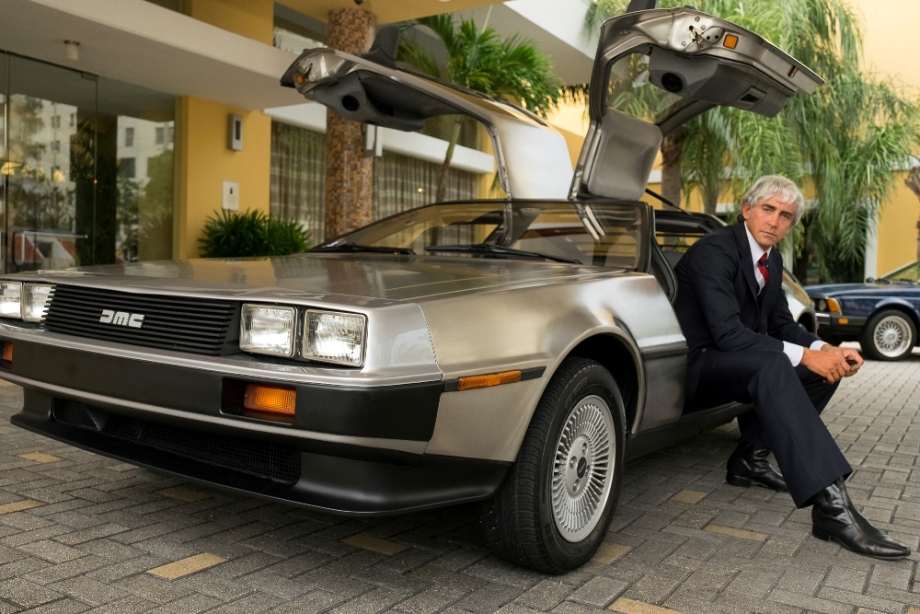 Driven[/caption]
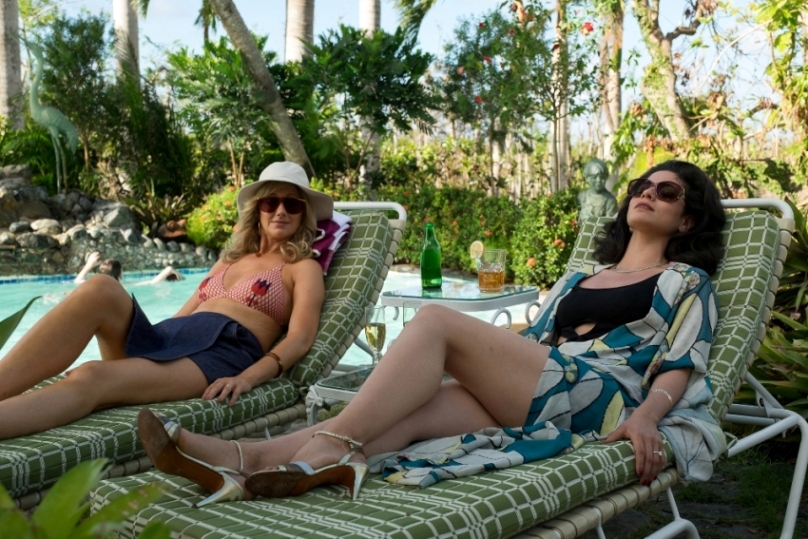
The cast of Driven is led by Lee Pace (Guardians of the Galaxy, The Hobbit) as motoring engineer and designer John DeLorean, Jason Sudeikis (Downsizing), as Jim Hoffman, DeLorean’s friend and con-man tuned FBI informant, Judy Greer (Ant-Man) as Hoffman’s strong-willed wife Ellen and Corey Stoll (House of Cards, Midnight in Paris) as ambitious FBI agent Benedict Tissa.
Nick Hamm declared: “Venice is an inspiring festival with an incredible audience. I am both honoured and delighted to be invited back to share this crazy, untold story.”
The 75th Venice International Film Festival directed by Alberto Barbera and organized by the Biennale di Venezia, chaired by Paolo Baratta, will take place August 29 to September 8, 2018.
Driven[/caption]
The cast of Driven is led by Lee Pace (Guardians of the Galaxy, The Hobbit) as motoring engineer and designer John DeLorean, Jason Sudeikis (Downsizing), as Jim Hoffman, DeLorean’s friend and con-man tuned FBI informant, Judy Greer (Ant-Man) as Hoffman’s strong-willed wife Ellen and Corey Stoll (House of Cards, Midnight in Paris) as ambitious FBI agent Benedict Tissa.
Nick Hamm declared: “Venice is an inspiring festival with an incredible audience. I am both honoured and delighted to be invited back to share this crazy, untold story.”
The 75th Venice International Film Festival directed by Alberto Barbera and organized by the Biennale di Venezia, chaired by Paolo Baratta, will take place August 29 to September 8, 2018.
 Driven[/caption]
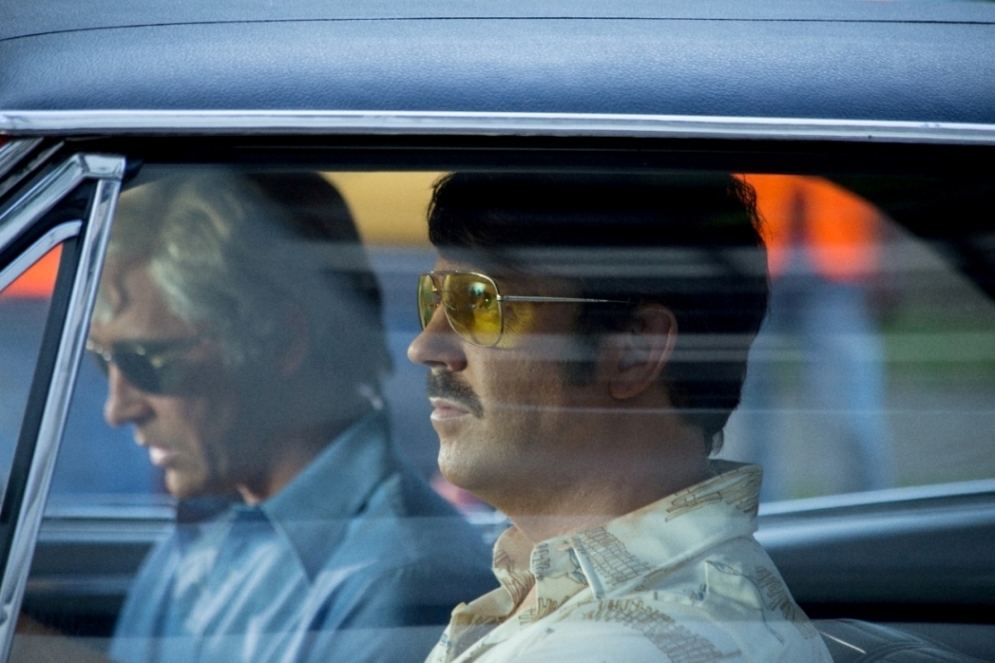
It’s 1974 and Jim Hoffman (Jason Sudeikis) is your average family man—father of two, hard-working pilot, doting husband to Ellen (Judy Greer). Oh, he’s also an occasional drug smuggler. And when Jim is caught using his family vacation to smuggle cocaine into the US, ambitious FBI agent Benedict J. Tisa (Corey Stoll) sees an opportunity to earn a major victory for the Bureau by using Jim to entrap his elusive supplier.
Starting over in an affluent San Diego neighbourhood on the government’s payroll, Jim’s duties as a confidential informant get side-tracked when he befriends his famous neighbour, motoring engineer and designer John DeLorean (Lee Pace). Bedazzled by DeLorean’s charm and vision, Jim soon finds himself in DeLorean’s inner circle at the launch of a new enterprise that promises to revolutionize the American motor industry.
However, when DeLorean’s dream hits the buffers with his company set to go belly-up, and Tisa’s nowhere near getting his guy, Jim suddenly finds himself caught between two desperate men who are willing to do anything to succeed.
Driven[/caption]
It’s 1974 and Jim Hoffman (Jason Sudeikis) is your average family man—father of two, hard-working pilot, doting husband to Ellen (Judy Greer). Oh, he’s also an occasional drug smuggler. And when Jim is caught using his family vacation to smuggle cocaine into the US, ambitious FBI agent Benedict J. Tisa (Corey Stoll) sees an opportunity to earn a major victory for the Bureau by using Jim to entrap his elusive supplier.
Starting over in an affluent San Diego neighbourhood on the government’s payroll, Jim’s duties as a confidential informant get side-tracked when he befriends his famous neighbour, motoring engineer and designer John DeLorean (Lee Pace). Bedazzled by DeLorean’s charm and vision, Jim soon finds himself in DeLorean’s inner circle at the launch of a new enterprise that promises to revolutionize the American motor industry.
However, when DeLorean’s dream hits the buffers with his company set to go belly-up, and Tisa’s nowhere near getting his guy, Jim suddenly finds himself caught between two desperate men who are willing to do anything to succeed.
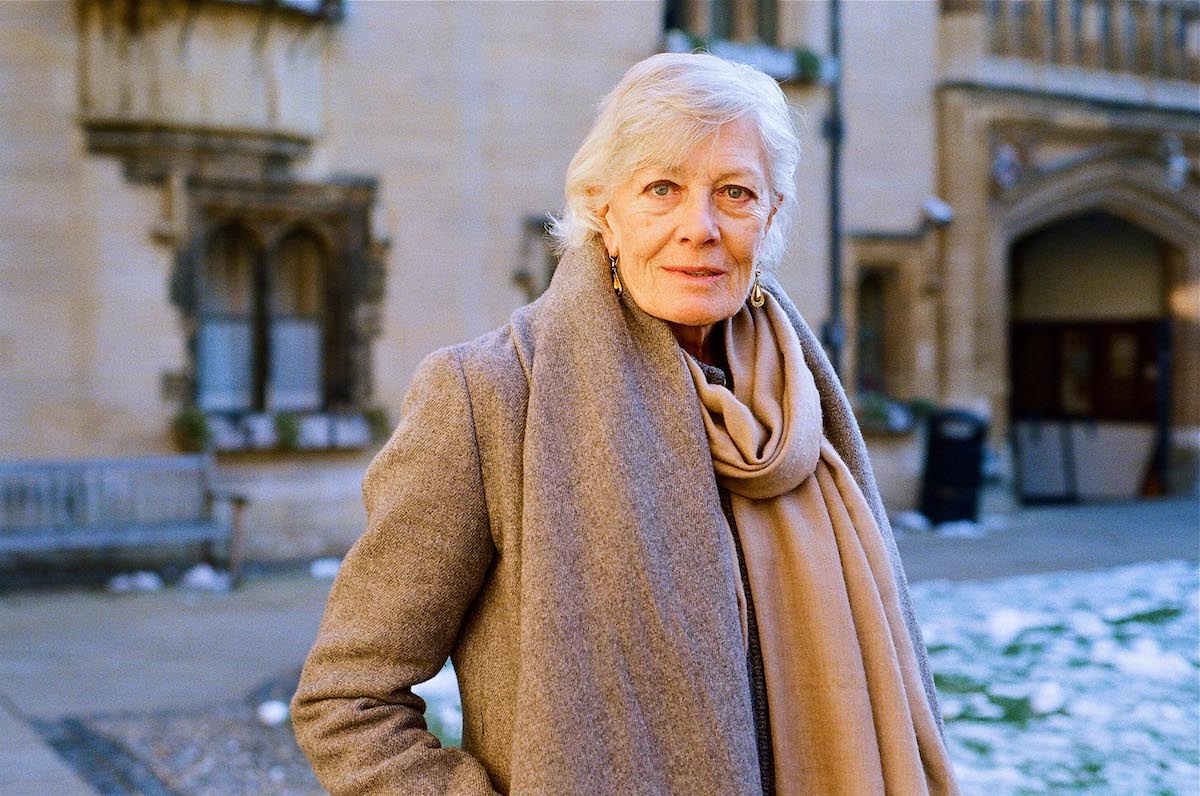 Actress Vanessa Redgrave will be awarded the Golden Lion for Lifetime Achievement at the 75th Venice International Film Festival (29 August – 8 September, 2018). Vanessa Redgrave joins director David Cronenberg, who will also receive the Golden Lion for Lifetime Achievement at the 75th Venice Film Festival.
Vanessa Redgrave declared: “I am astonished and especially delighted to hear that I will be awarded by the Venice Film Festival for a life’s work in film. Last summer I was filming in Venice in The Aspern Papers. Many many years ago I filmed La vacanza in the marshes of the Veneto. My character spoke every word in the Venetian dialect. I bet I am the only non-Italian actress to act an entire role in Venetian dialect! Thank you a million dear Festival! “.
Alberto Barbera declared: “Unanimously considered one of today’s best actresses, Redgrave’s sensitive, infinitely faceted performances ideally render complex and often controversial characters. Gifted with a natural elegance, innate seductive power, and extraordinary talent, she can nonchalantly pass from European art house cinema to lavish Hollywood productions, from the stage to TV sets, each time offering top-quality results. In the sixty years of her professional activity, her performances have displayed authoritativeness and total control over the roles she plays, a boundless and highly sophisticated generosity, and a healthy dose of the courage and fighting spirit which are a hallmark of her compassionate, artistic nature”.
Actress Vanessa Redgrave will be awarded the Golden Lion for Lifetime Achievement at the 75th Venice International Film Festival (29 August – 8 September, 2018). Vanessa Redgrave joins director David Cronenberg, who will also receive the Golden Lion for Lifetime Achievement at the 75th Venice Film Festival.
Vanessa Redgrave declared: “I am astonished and especially delighted to hear that I will be awarded by the Venice Film Festival for a life’s work in film. Last summer I was filming in Venice in The Aspern Papers. Many many years ago I filmed La vacanza in the marshes of the Veneto. My character spoke every word in the Venetian dialect. I bet I am the only non-Italian actress to act an entire role in Venetian dialect! Thank you a million dear Festival! “.
Alberto Barbera declared: “Unanimously considered one of today’s best actresses, Redgrave’s sensitive, infinitely faceted performances ideally render complex and often controversial characters. Gifted with a natural elegance, innate seductive power, and extraordinary talent, she can nonchalantly pass from European art house cinema to lavish Hollywood productions, from the stage to TV sets, each time offering top-quality results. In the sixty years of her professional activity, her performances have displayed authoritativeness and total control over the roles she plays, a boundless and highly sophisticated generosity, and a healthy dose of the courage and fighting spirit which are a hallmark of her compassionate, artistic nature”.
 A Star is Born, the much-anticipated directorial debut of four-time Oscar® nominee Bradley Cooper and feature film debut of award-winning actor and Oscar® -nominated musical artist Lady Gaga, will have its out-of-competition world premiere at the 75th Venice International Film Festival.
The premiere screening of A Star is Born, which was also co-written and produced by Cooper, will be held on Friday, August 31st, in the Sala Grande at the Palazzo del Cinema on the Venice Lido. The 75th Venice International Film Festival will take place at the Lido from August 29 to September 8, 2018; it is directed by Alberto Barbera and organized by la Biennale di Venezia, chaired by Paolo Baratta. Slated for release beginning October 5, 2018, the film will be distributed worldwide by Warner Bros.
In this new take on the powerful love story, Cooper plays seasoned musician Jackson Maine, who discovers—and falls in love with—struggling artist Ally (Gaga). She has just about given up on her dream to make it big as a singer until Jack coaxes her into the spotlight. But even as Ally’s career takes off, the personal side of their relationship is breaking down, as Jack fights an ongoing battle with his own internal demons.
A Star is Born features original songs performed live on-camera by Cooper and Gaga, who wrote a number of tracks together and in collaboration with such musical artists as Lukas Nelson, Jason Isbell and Mark Ronson. The film’s ensemble cast also includes Andrew Dice Clay, with Dave Chappelle and Sam Elliott.
A Star is Born, the much-anticipated directorial debut of four-time Oscar® nominee Bradley Cooper and feature film debut of award-winning actor and Oscar® -nominated musical artist Lady Gaga, will have its out-of-competition world premiere at the 75th Venice International Film Festival.
The premiere screening of A Star is Born, which was also co-written and produced by Cooper, will be held on Friday, August 31st, in the Sala Grande at the Palazzo del Cinema on the Venice Lido. The 75th Venice International Film Festival will take place at the Lido from August 29 to September 8, 2018; it is directed by Alberto Barbera and organized by la Biennale di Venezia, chaired by Paolo Baratta. Slated for release beginning October 5, 2018, the film will be distributed worldwide by Warner Bros.
In this new take on the powerful love story, Cooper plays seasoned musician Jackson Maine, who discovers—and falls in love with—struggling artist Ally (Gaga). She has just about given up on her dream to make it big as a singer until Jack coaxes her into the spotlight. But even as Ally’s career takes off, the personal side of their relationship is breaking down, as Jack fights an ongoing battle with his own internal demons.
A Star is Born features original songs performed live on-camera by Cooper and Gaga, who wrote a number of tracks together and in collaboration with such musical artists as Lukas Nelson, Jason Isbell and Mark Ronson. The film’s ensemble cast also includes Andrew Dice Clay, with Dave Chappelle and Sam Elliott. First Man, directed by Damien Chazelle (
 The silent film classic The Golem – How He Came Into The World (Der Golem – Wie er in die Welt kam, 1920), written and directed by Paul Wegener, is the film chosen for the Pre-opening event of the 75th Venice International Film Festival of the Biennale di Venezia, to be shown in the Sala Darsena (Palazzo del Cinema) on the Lido on Tuesday August 28th.
The Golem – How He Came Into The World will be screened from a new digital copy made from the original negative that was thought to have been lost, restored in 4K and supervised by the Friedrich-Wilhelm-Murnau-Stiftung in Wiesbaden (Germany) and by the Cinémathèque Royale de Belgique (Cinematek) in Brussels, to be shown in its world premiere screening. The digital restoration was done by Immagine ritrovata in Bologna.
The screening of The Golem – How He Came Into The World will be scored with original music by maestro Admir Shkurtaj, commissioned by La Biennale di Venezia, and performed live by the Mesimèr Ensemble wth members: Hersjana Matmuja (soprano), Giorgio Distante (Bb trumpet, midi trumpet), Pino Basile (cupafon – a set of friction drums, percussions, ocarina), Vanessa Sotgiù (synthesizer, piano), Iacopo Conoci (cello), Admir Shkurtaj (conductor, electronics, accordion, piano).
The 75th Venice International Film Festival will be held on the Lido from August 29th to September 8th 2018, directed by Alberto Barbera and organized by La Biennale chaired by Paolo Baratta.
The silent film classic The Golem – How He Came Into The World (Der Golem – Wie er in die Welt kam, 1920), written and directed by Paul Wegener, is the film chosen for the Pre-opening event of the 75th Venice International Film Festival of the Biennale di Venezia, to be shown in the Sala Darsena (Palazzo del Cinema) on the Lido on Tuesday August 28th.
The Golem – How He Came Into The World will be screened from a new digital copy made from the original negative that was thought to have been lost, restored in 4K and supervised by the Friedrich-Wilhelm-Murnau-Stiftung in Wiesbaden (Germany) and by the Cinémathèque Royale de Belgique (Cinematek) in Brussels, to be shown in its world premiere screening. The digital restoration was done by Immagine ritrovata in Bologna.
The screening of The Golem – How He Came Into The World will be scored with original music by maestro Admir Shkurtaj, commissioned by La Biennale di Venezia, and performed live by the Mesimèr Ensemble wth members: Hersjana Matmuja (soprano), Giorgio Distante (Bb trumpet, midi trumpet), Pino Basile (cupafon – a set of friction drums, percussions, ocarina), Vanessa Sotgiù (synthesizer, piano), Iacopo Conoci (cello), Admir Shkurtaj (conductor, electronics, accordion, piano).
The 75th Venice International Film Festival will be held on the Lido from August 29th to September 8th 2018, directed by Alberto Barbera and organized by La Biennale chaired by Paolo Baratta.
 David Cronenberg will receive the Golden Lion for Lifetime Achievement for directors at the 75th Venice International Film Festival, taking place August 29 to September 8, 2018.
Accepting the award, David Cronenberg declared: “I’ve always loved the Golden Lion of Venice. A lion that flies on golden wings––that’s the essence of art, isn’t it? The essence of cinema. It will be almost unbearably thrilling to receive a Golden Lion of my own.”
With regard to this prize, Festival Director, Alberto Barbera declared: “Although Cronenberg was originally relegated to the margins of the horror genre, right from his first, scandalously subversive movies, the director has shown that he wants to take his audiences well beyond the cinema of exploitation, as he constructs an original and highly personal structure, movie after movie. Revolving around the inseparable relationship of body, sex, and death, his universe is populated by grotesque deformities and terrifying couplings, a horror which reflects the fear of mutations inflicted on bodies by science and technology, of disease and physical decay, of the unresolved conflict between spirit and flesh. Violence, sexual transgression, confusion between what is real and what is virtual, the image’s deforming role in contemporary society: these are a few of the recurring themes which have helped make him one of the most daring and stimulating filmmakers ever, a tireless innovator of forms and languages.”
Director David Cronenberg’s reputation as an authentic auteur has been firmly established by his uniquely personal body of work which includes: Shivers, Rabid, Fast Company, The Brood, Scanners, Videodrome, The Fly, Dead Ringers, Naked Lunch, Crash, eXistenZ, The Dead Zone, M. Butterfly, Spider, A History of Violence, Eastern Promises, A Dangerous Method, Cosmopolis and Maps to the Stars. In 1991, Cronenberg was nominated for the Silver Bear Award at the Berlin Film Festival for Naked Lunch and won this award in 1999 for eXistenZ. Cronenberg’s films Crash, Spider, A History of Violence and Cosmopolis have all been in competition for the Palme d’Or prize at the Cannes Film Festival. In 1996, Crash received a Special Jury Prize from the Festival. Most recently, in 2011, A Dangerous Method was nominated for a Golden Lion Award at the Venice Film Festival.
Frequently lauded as one of the world’s greatest and most influential directors, Cronenberg’s films have earned him critical praise and recognition internationally. In 1999, he presided over the Cannes Film Festival jury and in 2006, was awarded the Festival’s lifetime achievement award, the Carrosse d’Or. Collectively, his films have been nominated for seven Golden Globes; received BAFTA and France’s César Award nominations for A History of Violence and Eastern Promises; four Academy Award nominations; prizes from the Toronto International Film Festival, Directors Guild of Canada and Canada’s Genie Awards. Cronenberg’s short film, At the Suicide of the Last Jew in the World in the Last Cinema in the World, in which he also stars, was created for the Chacun son cinema collection of films commemorating the 60th anniversary of the Cannes International Film Festival. Other special commissions include Camera (2000), created for the 25th anniversary of the Toronto International Film (TIFF) and The Nest (2013) as part of TIFF’s David Cronenberg Evolution exhibition and retrospective.
In 2006, Cronenberg worked with the Art Gallery of Ontario as a guest curator for the exhibition, Andy Warhol/Supernova: Stars, Deaths and Disasters, 1962-1964. David created an innovative soundtrack audio guide with additional commentary by several of Warhol’s contemporaries. Further challenging himself outside the realm of film, David brought the opera of the The Fly to the stage for the Théâtre du Châtelet and LA Opera in 2008. Turning his hand to fiction in 2014, David debuted his first novel, Consumed. The inventive and disturbing work was mounted as a stage play by Theatre Bremen in 2015 and is currently being developed for television. Recognition of Cronenberg’s contribution to art and culture has included an appointment as an Officer to the Order of Canada in 2003, a Companion of the Order of Canada in 2014, investiture in France’s Order of Arts and Letters in 1990 and the Légion d’Honneur in 2009. Cronenberg was made a Fellow of the British Film Institute in 2011.
David Cronenberg will receive the Golden Lion for Lifetime Achievement for directors at the 75th Venice International Film Festival, taking place August 29 to September 8, 2018.
Accepting the award, David Cronenberg declared: “I’ve always loved the Golden Lion of Venice. A lion that flies on golden wings––that’s the essence of art, isn’t it? The essence of cinema. It will be almost unbearably thrilling to receive a Golden Lion of my own.”
With regard to this prize, Festival Director, Alberto Barbera declared: “Although Cronenberg was originally relegated to the margins of the horror genre, right from his first, scandalously subversive movies, the director has shown that he wants to take his audiences well beyond the cinema of exploitation, as he constructs an original and highly personal structure, movie after movie. Revolving around the inseparable relationship of body, sex, and death, his universe is populated by grotesque deformities and terrifying couplings, a horror which reflects the fear of mutations inflicted on bodies by science and technology, of disease and physical decay, of the unresolved conflict between spirit and flesh. Violence, sexual transgression, confusion between what is real and what is virtual, the image’s deforming role in contemporary society: these are a few of the recurring themes which have helped make him one of the most daring and stimulating filmmakers ever, a tireless innovator of forms and languages.”
Director David Cronenberg’s reputation as an authentic auteur has been firmly established by his uniquely personal body of work which includes: Shivers, Rabid, Fast Company, The Brood, Scanners, Videodrome, The Fly, Dead Ringers, Naked Lunch, Crash, eXistenZ, The Dead Zone, M. Butterfly, Spider, A History of Violence, Eastern Promises, A Dangerous Method, Cosmopolis and Maps to the Stars. In 1991, Cronenberg was nominated for the Silver Bear Award at the Berlin Film Festival for Naked Lunch and won this award in 1999 for eXistenZ. Cronenberg’s films Crash, Spider, A History of Violence and Cosmopolis have all been in competition for the Palme d’Or prize at the Cannes Film Festival. In 1996, Crash received a Special Jury Prize from the Festival. Most recently, in 2011, A Dangerous Method was nominated for a Golden Lion Award at the Venice Film Festival.
Frequently lauded as one of the world’s greatest and most influential directors, Cronenberg’s films have earned him critical praise and recognition internationally. In 1999, he presided over the Cannes Film Festival jury and in 2006, was awarded the Festival’s lifetime achievement award, the Carrosse d’Or. Collectively, his films have been nominated for seven Golden Globes; received BAFTA and France’s César Award nominations for A History of Violence and Eastern Promises; four Academy Award nominations; prizes from the Toronto International Film Festival, Directors Guild of Canada and Canada’s Genie Awards. Cronenberg’s short film, At the Suicide of the Last Jew in the World in the Last Cinema in the World, in which he also stars, was created for the Chacun son cinema collection of films commemorating the 60th anniversary of the Cannes International Film Festival. Other special commissions include Camera (2000), created for the 25th anniversary of the Toronto International Film (TIFF) and The Nest (2013) as part of TIFF’s David Cronenberg Evolution exhibition and retrospective.
In 2006, Cronenberg worked with the Art Gallery of Ontario as a guest curator for the exhibition, Andy Warhol/Supernova: Stars, Deaths and Disasters, 1962-1964. David created an innovative soundtrack audio guide with additional commentary by several of Warhol’s contemporaries. Further challenging himself outside the realm of film, David brought the opera of the The Fly to the stage for the Théâtre du Châtelet and LA Opera in 2008. Turning his hand to fiction in 2014, David debuted his first novel, Consumed. The inventive and disturbing work was mounted as a stage play by Theatre Bremen in 2015 and is currently being developed for television. Recognition of Cronenberg’s contribution to art and culture has included an appointment as an Officer to the Order of Canada in 2003, a Companion of the Order of Canada in 2014, investiture in France’s Order of Arts and Letters in 1990 and the Légion d’Honneur in 2009. Cronenberg was made a Fellow of the British Film Institute in 2011. Director Guillermo del Toro (
 Guillermo del Toro fairy tale drama
  Yesterday, in the Sala Grande of the Palazzo del Cinema at the 74th
  Director Stephen Frears received The Jaeger-LeCoultre Glory To The Filmmaker Award and Reverso engraved watched from Chief Marketing Officer of Jaeger-LeCoultre Nicolas Siriez (L) and festival director Alberto Barbera (R). (Photo by Sebastiano Pessina)
Following the award ceremony, the Festival presented the Out of Competition screening of Frears’ new film
Director Stephen Frears received The Jaeger-LeCoultre Glory To The Filmmaker Award and Reverso engraved watched from Chief Marketing Officer of Jaeger-LeCoultre Nicolas Siriez (L) and festival director Alberto Barbera (R). (Photo by Sebastiano Pessina)
Following the award ceremony, the Festival presented the Out of Competition screening of Frears’ new film