
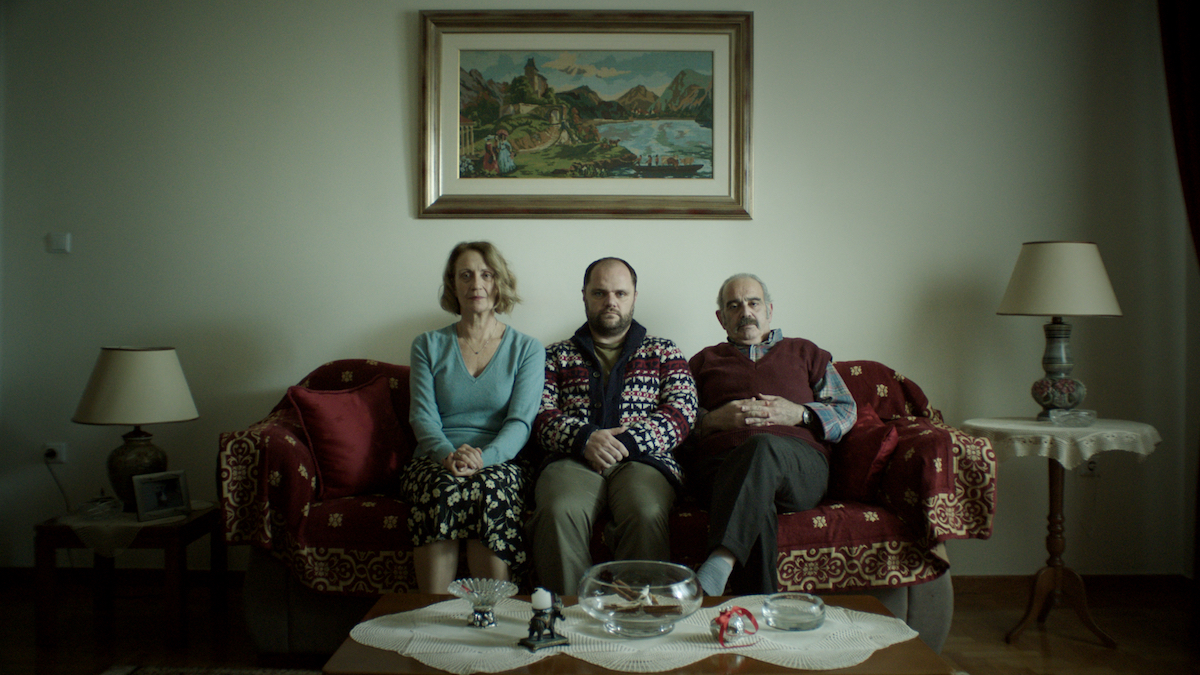
 Amerika Square (Plateia Amerikis) directed by Yannis Sakaridis is Greece’s submission for the Best Foreign-language Film at the 90th Academy Awards. The film premiered last year at the Busan International Film Festival, and has won numerous awards including the FIPRESCI Prize at Thessaloniki International Film Festival, and Best Feature at the Los Angeles Greek Film Festival.
Filmmaker Yannis Sakaridis presents a clever satirical view of the Greek migrant crisis by exploring both xenophobic and sympathetic sentiments of Greeks towards foreigners escaping the war and hardships that engulfed their native lands. Told from three different points of view, the story follow through to an upbeat, yet realistic and plausible ending.
Nakos is an unemployed inhabitant of the small neighborhood of Amerika Square who grows increasingly disgruntled at the influx of Middle Eastern migrants coming to Athens. Much of Nakos’ frustration stems from his inability to do anything about the new demographics of his neighborhood, a situation he spends most of his time brooding over instead of undertaking measures to address the much bigger problem at hand – his dead-end life. The pathetic Nakos has few close allies – his parents with whom he lives and childhood friend Billy, the selfless tattoo artist next door in whom Nakos confides his hatred of immigrants. What Nakos does not confide in Billy is a sinister plan to eliminate some of the migrants utilizing a desperate measure that accomplishes a chain reaction only resulting in the loss of Nakos’ few remaining friends. Billy, a lost soul himself who has wittingly and unwittingly impacted countless other lost souls through his line of work, seizes upon an opportunity to help two migrants escape from Athens; one of which a beautiful African singer with whom he falls in love and sees that she escapes to France at great cost to himself; the other a weary Syrian doctor escaping the war in Aleppo and trying desperately to reunite with his 9 year old daughter who has been smuggled to Germany ahead of him.
In the end, sympathy and selflessness resonate more brightly than intolerance and Nakos finds his anti-migrant attitude to have cost him his only allies and the shreds of pride and dignity that had been clutching all along.
Amerika Square (Plateia Amerikis) directed by Yannis Sakaridis is Greece’s submission for the Best Foreign-language Film at the 90th Academy Awards. The film premiered last year at the Busan International Film Festival, and has won numerous awards including the FIPRESCI Prize at Thessaloniki International Film Festival, and Best Feature at the Los Angeles Greek Film Festival.
Filmmaker Yannis Sakaridis presents a clever satirical view of the Greek migrant crisis by exploring both xenophobic and sympathetic sentiments of Greeks towards foreigners escaping the war and hardships that engulfed their native lands. Told from three different points of view, the story follow through to an upbeat, yet realistic and plausible ending.
Nakos is an unemployed inhabitant of the small neighborhood of Amerika Square who grows increasingly disgruntled at the influx of Middle Eastern migrants coming to Athens. Much of Nakos’ frustration stems from his inability to do anything about the new demographics of his neighborhood, a situation he spends most of his time brooding over instead of undertaking measures to address the much bigger problem at hand – his dead-end life. The pathetic Nakos has few close allies – his parents with whom he lives and childhood friend Billy, the selfless tattoo artist next door in whom Nakos confides his hatred of immigrants. What Nakos does not confide in Billy is a sinister plan to eliminate some of the migrants utilizing a desperate measure that accomplishes a chain reaction only resulting in the loss of Nakos’ few remaining friends. Billy, a lost soul himself who has wittingly and unwittingly impacted countless other lost souls through his line of work, seizes upon an opportunity to help two migrants escape from Athens; one of which a beautiful African singer with whom he falls in love and sees that she escapes to France at great cost to himself; the other a weary Syrian doctor escaping the war in Aleppo and trying desperately to reunite with his 9 year old daughter who has been smuggled to Germany ahead of him.
In the end, sympathy and selflessness resonate more brightly than intolerance and Nakos finds his anti-migrant attitude to have cost him his only allies and the shreds of pride and dignity that had been clutching all along.
Foreign Language Films
-
AMERIKA SQUARE is Greece’s Entry for 2018 Oscar Race for Best Foreign Film | TRAILER
Amerika Square (Plateia Amerikis) directed by Yannis Sakaridis is Greece’s submission for the Best Foreign-language Film at the 90th Academy Awards. The film premiered last year at the Busan International Film Festival, and has won numerous awards including the FIPRESCI Prize at Thessaloniki International Film Festival, and Best Feature at the Los Angeles Greek Film Festival.
Filmmaker Yannis Sakaridis presents a clever satirical view of the Greek migrant crisis by exploring both xenophobic and sympathetic sentiments of Greeks towards foreigners escaping the war and hardships that engulfed their native lands. Told from three different points of view, the story follow through to an upbeat, yet realistic and plausible ending.
Nakos is an unemployed inhabitant of the small neighborhood of Amerika Square who grows increasingly disgruntled at the influx of Middle Eastern migrants coming to Athens. Much of Nakos’ frustration stems from his inability to do anything about the new demographics of his neighborhood, a situation he spends most of his time brooding over instead of undertaking measures to address the much bigger problem at hand – his dead-end life. The pathetic Nakos has few close allies – his parents with whom he lives and childhood friend Billy, the selfless tattoo artist next door in whom Nakos confides his hatred of immigrants. What Nakos does not confide in Billy is a sinister plan to eliminate some of the migrants utilizing a desperate measure that accomplishes a chain reaction only resulting in the loss of Nakos’ few remaining friends. Billy, a lost soul himself who has wittingly and unwittingly impacted countless other lost souls through his line of work, seizes upon an opportunity to help two migrants escape from Athens; one of which a beautiful African singer with whom he falls in love and sees that she escapes to France at great cost to himself; the other a weary Syrian doctor escaping the war in Aleppo and trying desperately to reunite with his 9 year old daughter who has been smuggled to Germany ahead of him.
In the end, sympathy and selflessness resonate more brightly than intolerance and Nakos finds his anti-migrant attitude to have cost him his only allies and the shreds of pride and dignity that had been clutching all along.
-
Fairy Tale Drama NOVEMBER is Estonia’s Entry for 2018 Oscar Race for Best Foreign Film | TRAILER
 November directed by Rainer Sarnet has been submitted by Estonia to represent the country in the best foreign-language film category at the 90th Academy Awards. Shot in black and white, the film is an adaptation of the novel “Rehepapp” by Andrus Kivirähk.
“The director’s perseverance is admirable, as is his courage in presenting this witty and weird, but also romantic and mysterious movie to the audience. It’s a pleasure to observe the role of nuanced camerawork in creating a magical universe, supported by ingenious art direction,” reads the official explanation of the selection committee. “It is also commendable that the filmmakers have chosen to cast interesting types who have had no previous acting experience.”
The selection committee praised the film’s tasteful score, that adds to the overall mystique of the film and helps to create a faceted and telling impression of a quirky nation from the North, trying to make its way through life in a bizarre connection with nature and parallel worlds; to escape the swamp of stagnant folklore to find a way to the sun, poetry and love.
November starring Rea Lest and Jörgen Liik, is an adult fairy-tale with a story taking place in a pagan Estonian village, where greedy and callous villagers are taking on the Plague, the Devil, and various demonic entities. A young peasant girl Liina is hopelessly in love with Hans, who has only eyes for the pretty young lady of the manor. Liina’s life is further complicated by her father demanding a fixed marriage to a foul-mouthed older man Endel.
November internationally premiered at the 2017 Tribeca Film Festival, where it won the best cinematographer award for Mart Taniel. It was also selected to be shown in the official selection of the Karlovy Vary IFF and has been shown at numerous other festivals.
https://www.youtube.com/watch?v=j6nXObRVhRc
November directed by Rainer Sarnet has been submitted by Estonia to represent the country in the best foreign-language film category at the 90th Academy Awards. Shot in black and white, the film is an adaptation of the novel “Rehepapp” by Andrus Kivirähk.
“The director’s perseverance is admirable, as is his courage in presenting this witty and weird, but also romantic and mysterious movie to the audience. It’s a pleasure to observe the role of nuanced camerawork in creating a magical universe, supported by ingenious art direction,” reads the official explanation of the selection committee. “It is also commendable that the filmmakers have chosen to cast interesting types who have had no previous acting experience.”
The selection committee praised the film’s tasteful score, that adds to the overall mystique of the film and helps to create a faceted and telling impression of a quirky nation from the North, trying to make its way through life in a bizarre connection with nature and parallel worlds; to escape the swamp of stagnant folklore to find a way to the sun, poetry and love.
November starring Rea Lest and Jörgen Liik, is an adult fairy-tale with a story taking place in a pagan Estonian village, where greedy and callous villagers are taking on the Plague, the Devil, and various demonic entities. A young peasant girl Liina is hopelessly in love with Hans, who has only eyes for the pretty young lady of the manor. Liina’s life is further complicated by her father demanding a fixed marriage to a foul-mouthed older man Endel.
November internationally premiered at the 2017 Tribeca Film Festival, where it won the best cinematographer award for Mart Taniel. It was also selected to be shown in the official selection of the Karlovy Vary IFF and has been shown at numerous other festivals.
https://www.youtube.com/watch?v=j6nXObRVhRc
-
Award Winning ON BODY AND SOUL is Hungary’s Entry for 2018 Oscar Race for Best Foreign Film | TRAILER
 On Body and Soul (Testről és lélekről) directed by Ildiko Enyedi has been selected by the Hungarian Oscar Selection Committee to represent the country in the best foreign-language film category at the 2018 Oscars.
The film premiered at the 2017 Berlinale earlier this year, where the int’l jury headed by Paul Verhoeven awarded it the prestigious Golden Bear. On Body and Soul won the FIPRESCI Prize, the Ecumenical Jury Prize, the Berliner Morgenpost’s Reader Jury Prize in Berlin as well, and the Sydney Film Festival competition in June. Ildikó Enyedi became the first woman director to win in the 10-year history of the Sydney Film Festival competition for “courageous, audacious and cutting-edge” cinema.
Endre (Géza Morcsányi) and Maria (Alexandra Borbély) work at a slaughterhouse. He is the financial director, she the new quality inspector. By day, their urban workplace houses scenes of animals being slaughtered — and Enyedi does not shy away from the carnage. By night, they dream of the same pastoral scene in which deer rub against each other in the snow. Endre is mild-mannered, while the OCD-afflicted Maria is nervous and introverted. In everyday life, these two can’t quite connect, then a company psychiatrist realizes that they see identical images during sleep. Should these subconsciously kindred coworkers commingle in their waking hours? Or are they better off resigning themselves to being lovers only in dreams?
On Body and Soul will have its North American premiere at the 2017 Toronto International Film Festival.
https://www.youtube.com/watch?v=aS6mv_rN6bU
On Body and Soul (Testről és lélekről) directed by Ildiko Enyedi has been selected by the Hungarian Oscar Selection Committee to represent the country in the best foreign-language film category at the 2018 Oscars.
The film premiered at the 2017 Berlinale earlier this year, where the int’l jury headed by Paul Verhoeven awarded it the prestigious Golden Bear. On Body and Soul won the FIPRESCI Prize, the Ecumenical Jury Prize, the Berliner Morgenpost’s Reader Jury Prize in Berlin as well, and the Sydney Film Festival competition in June. Ildikó Enyedi became the first woman director to win in the 10-year history of the Sydney Film Festival competition for “courageous, audacious and cutting-edge” cinema.
Endre (Géza Morcsányi) and Maria (Alexandra Borbély) work at a slaughterhouse. He is the financial director, she the new quality inspector. By day, their urban workplace houses scenes of animals being slaughtered — and Enyedi does not shy away from the carnage. By night, they dream of the same pastoral scene in which deer rub against each other in the snow. Endre is mild-mannered, while the OCD-afflicted Maria is nervous and introverted. In everyday life, these two can’t quite connect, then a company psychiatrist realizes that they see identical images during sleep. Should these subconsciously kindred coworkers commingle in their waking hours? Or are they better off resigning themselves to being lovers only in dreams?
On Body and Soul will have its North American premiere at the 2017 Toronto International Film Festival.
https://www.youtube.com/watch?v=aS6mv_rN6bU
-
Supernatural Thriller THELMA is Norway’s Entry for 2018 Oscar Race for Best Foreign Film | TRAILER
 Thelma directed by Joachim Trier has been selected as Norway’s entry for the foreign-language category at the 2018 Oscars.
The Norwegian Oscar committee chose Trier’s fourth feature, which will have its international premiere at the 2017 Toronto International Film Festival (September 7 to 17) followed by New York Film Festival (September 15 to October 28), from a shortlist of candidates, which also included Norwegian directors Izer Aliu’s Hunting Flies (Fluefangeren) and Jorunn Myklebust Syversen’s The Tree Feller (Hoggeren).
The film which opened last month’s Norwegian International Film Festival in Haugesund and received the Norwegian Film Critics Prize, will open in the US on November 10th.
Starring Eili Harboe, Thelma portrays Thelma, a young student in Oslo. When she is drawn to another woman, she is overwhelmed by emotions she does not dare acknowledge – and frightening and inexplicable powers are forcing themselves into the open.
“Thelma confirms that Trier is a unique and style-safe film artist of a broad and international format,” explained the Norwegian Oscar committee – “based on his special and character-exploring universe, the film has become an all-embraced, ambitious and personal drama about a young woman’s awakening and detachment.
“Thelma is a film that touches the viewer on several levels, both emotionally and intellectually – it is visually striking, modern in its expression, at the same time with clear references to film classics. With this film Trier, Vogt and their regular group of assistants have delivered a story that will reach a wide audience, and which we strongly believe in as our Oscar candidate,” added chairman of the Oscar committee, managing director Sindre Guldvog, of the Norwegian Film Institute.
https://www.youtube.com/watch?v=F4lHlIMNNbY
Thelma directed by Joachim Trier has been selected as Norway’s entry for the foreign-language category at the 2018 Oscars.
The Norwegian Oscar committee chose Trier’s fourth feature, which will have its international premiere at the 2017 Toronto International Film Festival (September 7 to 17) followed by New York Film Festival (September 15 to October 28), from a shortlist of candidates, which also included Norwegian directors Izer Aliu’s Hunting Flies (Fluefangeren) and Jorunn Myklebust Syversen’s The Tree Feller (Hoggeren).
The film which opened last month’s Norwegian International Film Festival in Haugesund and received the Norwegian Film Critics Prize, will open in the US on November 10th.
Starring Eili Harboe, Thelma portrays Thelma, a young student in Oslo. When she is drawn to another woman, she is overwhelmed by emotions she does not dare acknowledge – and frightening and inexplicable powers are forcing themselves into the open.
“Thelma confirms that Trier is a unique and style-safe film artist of a broad and international format,” explained the Norwegian Oscar committee – “based on his special and character-exploring universe, the film has become an all-embraced, ambitious and personal drama about a young woman’s awakening and detachment.
“Thelma is a film that touches the viewer on several levels, both emotionally and intellectually – it is visually striking, modern in its expression, at the same time with clear references to film classics. With this film Trier, Vogt and their regular group of assistants have delivered a story that will reach a wide audience, and which we strongly believe in as our Oscar candidate,” added chairman of the Oscar committee, managing director Sindre Guldvog, of the Norwegian Film Institute.
https://www.youtube.com/watch?v=F4lHlIMNNbY
-
Muslim Drama LAYLA M. is The Netherlands’ Entry for 2018 Oscar Race for Best Foreign Film | TRAILER
 Layla M. directed by Mijke de Jong, has been selected as the official entry from The Netherlands for the Academy Award in the Best Foreign Language Film category.
The film tells the controversial and searingly honest story of a young female Islamist. Layla, a Dutch-Moroccan teenager, is radicalized by her adopted country’s anti-Muslim measures. She marries a devout young jihadist and together they leave Amsterdam to join an Islamist cell in the Middle East – only to discover that her new community has its own restrictions, prejudices and dangers.
Layla M. starring Nora el Koussour (Laila), Ilias Addab (Abdel), Yasemin Cetinkaya (Oum Osama), Hassan Akkouch (Zine), Husam Khadad (Sheikh Abdullah Al Sabin), Ayisha Siddiqi (Mereyem) Bilal Wahib (Younes) Bobbie Koek (Hana) Mohammed Azaay (Father) and Esma Abouzahra (Mother), world premiered in the Platform competition of the 2016 Toronto International Film Festival.
Layla M. (18) is a young Muslim born in Holland.
Their Moroccan parents had already emigrated to Amsterdam before their birth, and there lay Layla and her brother Younes liberal large.
Layla is an intelligent, funny and stubborn girl with a strong sense of justice. Through the daily confrontation with prejudices against Muslims and Islam, Layla feels increasingly less affable and incomprehensible. Her parents do not try to attract attention and do not help her. Whether on the road, in school, or in politics; the reservations about headscarf-wearing women and men with raucous beards are almost omnipresent in Layla’s world, against the background of various Islamic terror attacks.
Their faith gives Layla a hold and is only strengthened by her displeasure and her longing for affiliation. It is slowly, but surely, joining a group of radical Muslims to create a world in which Islam is tolerated and accepted; and can be lived freely.
Layla is increasingly in conflict with her environment, her family, and even her best friend, Mereyem. Her father, a parade example of an “assimilated alien,” tries to keep his children in check, but Layla refuses to live as he does: as a guest in his own country.
The radical group becomes their new family. Including Abdel, a charismatic believing Muslim, who impressed Layla with his strong speeches.
As Layla’s relationship with her family grows, she feels that your only option is to go away from home. True to her belief, Layla decides to marry Abdel.
After her wedding, Layla goes to the Middle East with Abdel.
Layla meets a world that nourishes their ideas and needs, but ultimately puts them before a seemingly impossible choice.
https://www.youtube.com/watch?v=esGsns05lI0
Layla M. directed by Mijke de Jong, has been selected as the official entry from The Netherlands for the Academy Award in the Best Foreign Language Film category.
The film tells the controversial and searingly honest story of a young female Islamist. Layla, a Dutch-Moroccan teenager, is radicalized by her adopted country’s anti-Muslim measures. She marries a devout young jihadist and together they leave Amsterdam to join an Islamist cell in the Middle East – only to discover that her new community has its own restrictions, prejudices and dangers.
Layla M. starring Nora el Koussour (Laila), Ilias Addab (Abdel), Yasemin Cetinkaya (Oum Osama), Hassan Akkouch (Zine), Husam Khadad (Sheikh Abdullah Al Sabin), Ayisha Siddiqi (Mereyem) Bilal Wahib (Younes) Bobbie Koek (Hana) Mohammed Azaay (Father) and Esma Abouzahra (Mother), world premiered in the Platform competition of the 2016 Toronto International Film Festival.
Layla M. (18) is a young Muslim born in Holland.
Their Moroccan parents had already emigrated to Amsterdam before their birth, and there lay Layla and her brother Younes liberal large.
Layla is an intelligent, funny and stubborn girl with a strong sense of justice. Through the daily confrontation with prejudices against Muslims and Islam, Layla feels increasingly less affable and incomprehensible. Her parents do not try to attract attention and do not help her. Whether on the road, in school, or in politics; the reservations about headscarf-wearing women and men with raucous beards are almost omnipresent in Layla’s world, against the background of various Islamic terror attacks.
Their faith gives Layla a hold and is only strengthened by her displeasure and her longing for affiliation. It is slowly, but surely, joining a group of radical Muslims to create a world in which Islam is tolerated and accepted; and can be lived freely.
Layla is increasingly in conflict with her environment, her family, and even her best friend, Mereyem. Her father, a parade example of an “assimilated alien,” tries to keep his children in check, but Layla refuses to live as he does: as a guest in his own country.
The radical group becomes their new family. Including Abdel, a charismatic believing Muslim, who impressed Layla with his strong speeches.
As Layla’s relationship with her family grows, she feels that your only option is to go away from home. True to her belief, Layla decides to marry Abdel.
After her wedding, Layla goes to the Middle East with Abdel.
Layla meets a world that nourishes their ideas and needs, but ultimately puts them before a seemingly impossible choice.
https://www.youtube.com/watch?v=esGsns05lI0
-
HER LOVE BOILS BATHWATER is Japan’s Entry for 2018 Oscar Race for Best Foreign Film | TRAILER
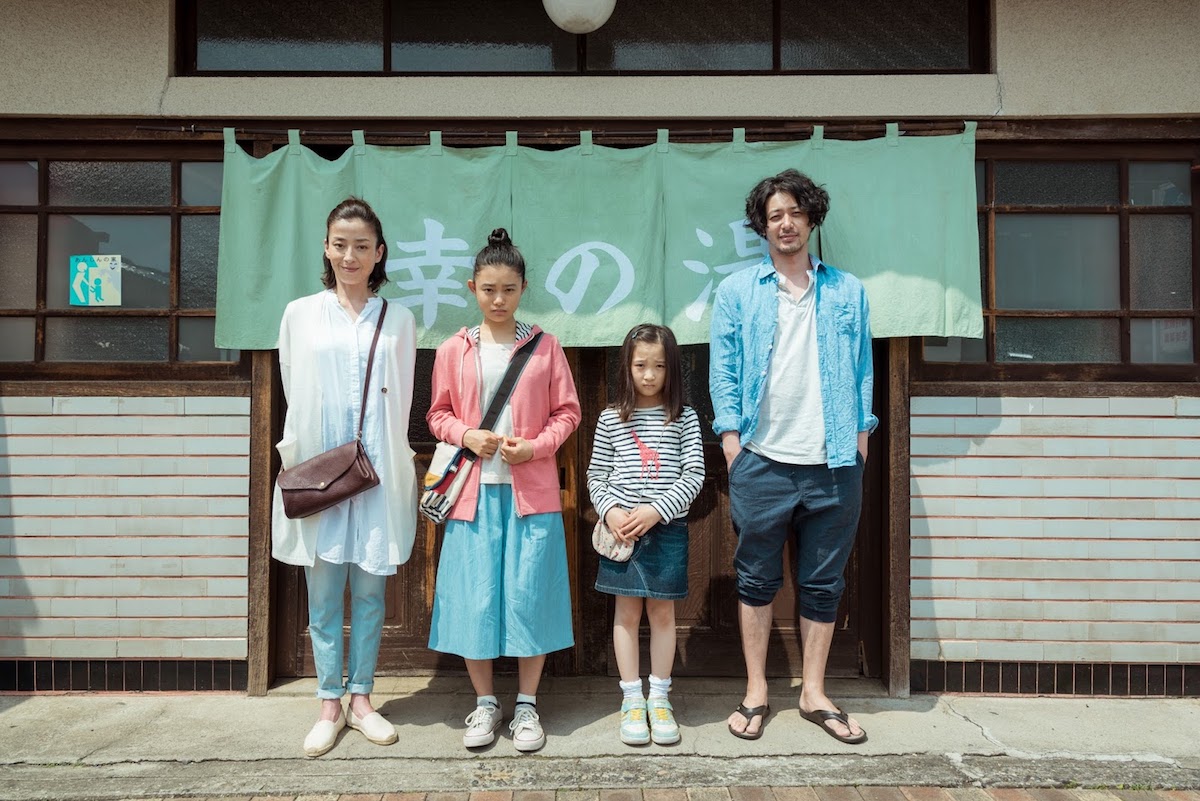 Ryota Nakano’s Her Love Boils Bathwater (湯を沸かすほどの熱い愛 / Yu o Wakasu Hodo no Atsui Ai) has been selected by Japan as the country’s submission in the foreign-language category at the 2018 Oscars.
The film stars Rie Miyazawa, Hana Sugisaki, Yukiko Shinohara, Taro Suruga, Aoi Ito, Tori Matsuzaka, Joe Odagiri
InHer Love Boils Bathwater, Futaba is a loving but strict single mother whose world is shaken when she discovers she has terminal cancer and has only a few months to live. Newly determined, she decides to use the brief amount of time she has left to bring back her husband, reopen their shut-down bathhouse, and set her teenage daughter on the path to independence. As she attempts to reconcile her splintered family before it is too late, long-repressed revelations rise to the surface.
https://www.youtube.com/watch?v=uQYrbqO0d48
Ryota Nakano’s Her Love Boils Bathwater (湯を沸かすほどの熱い愛 / Yu o Wakasu Hodo no Atsui Ai) has been selected by Japan as the country’s submission in the foreign-language category at the 2018 Oscars.
The film stars Rie Miyazawa, Hana Sugisaki, Yukiko Shinohara, Taro Suruga, Aoi Ito, Tori Matsuzaka, Joe Odagiri
InHer Love Boils Bathwater, Futaba is a loving but strict single mother whose world is shaken when she discovers she has terminal cancer and has only a few months to live. Newly determined, she decides to use the brief amount of time she has left to bring back her husband, reopen their shut-down bathhouse, and set her teenage daughter on the path to independence. As she attempts to reconcile her splintered family before it is too late, long-repressed revelations rise to the surface.
https://www.youtube.com/watch?v=uQYrbqO0d48
-
THE CHRONICLES OF MELANIE is Latvia’s Entry for 2018 Oscar Race for Best Foreign Film | TRAILER
 The Chronicles of Melanie (Melanijas hronika) directed by Viestur Kairish, has been selected as Latvia’s official candidate for best foreign-language film for the 2018 Oscars.
The film “The Chronicles of Melanie” is based on the life story of Melānija Vanaga, a Latvian woman who managed to survive her deportation to Siberia. It is a truthful account of the miracle of human character, magnitude of the human spirit and the painful destinies, which were a part of the greatest tragedy facing the Latvian nation. It is the story of Latvian women who had to suffer and survive physically and emotionally in order for Latvia to live.
An early morning of 15 June 1941 in Soviet-occupied Latvia. The authorities break into the house of Melanie and her husband Aleksandrs, editor of a newspaper of independent Latvia, make them wake up their eight-year-old son Andrejs and get into a lorry. At the station, the men are separated from their families. On this day, the Soviets deported about 17,000 people from Latvia (the next wave of deportations came in March of 1949).
The deported are taken to Siberia in cattle cars. Melanie and her son first have to survive – the three-week long ride to the remote Tiukhtet village, the first months in the alien environment, famine and illness – and then to live. They have to make peace with the new life and accept it even though everything seems to have lost its point and reason. This drives some to the point of collapse, yet Melanie is aware of “only one string sounding and that string is hope.” She takes detailed notes that later becomes a weighty literary work about the 16 years spent in Siberia.
Out of her notes, Melānija Vanaga prepared a book of documentary prose Veļupes krastā, which was published in 1991, soon after Latvia regained independence. Later, it served as the concluding volume in Vanaga’s seven-book series “The Gathering of Souls” about the personal history of her family and entire Latvia.
For the entire period of her exile (1941–1957), Melānija writes letters to Aleksandrs without sending them and dedicates a handwritten family chronicle to her son Aleksandrs, for she herself no longer hopes to return to Latvia. In 1957, Melānija is freed. She goes to Riga where she finds out that Aleksandrs barely survived a year in the harsh environment to which he was sent. Melānija spends the rest of her life working as a cow herder.
To maintain hope, to preserve in oneself a person who is stronger than famine, cold, cruelty and even death and is capable of taking on responsibility for another person, to help others – such is the confirmation of Melānija Vanaga, her memories and also this film to the light in the world and in every one of us.
The Chronicles of Melanie (Melanijas hronika) directed by Viestur Kairish, has been selected as Latvia’s official candidate for best foreign-language film for the 2018 Oscars.
The film “The Chronicles of Melanie” is based on the life story of Melānija Vanaga, a Latvian woman who managed to survive her deportation to Siberia. It is a truthful account of the miracle of human character, magnitude of the human spirit and the painful destinies, which were a part of the greatest tragedy facing the Latvian nation. It is the story of Latvian women who had to suffer and survive physically and emotionally in order for Latvia to live.
An early morning of 15 June 1941 in Soviet-occupied Latvia. The authorities break into the house of Melanie and her husband Aleksandrs, editor of a newspaper of independent Latvia, make them wake up their eight-year-old son Andrejs and get into a lorry. At the station, the men are separated from their families. On this day, the Soviets deported about 17,000 people from Latvia (the next wave of deportations came in March of 1949).
The deported are taken to Siberia in cattle cars. Melanie and her son first have to survive – the three-week long ride to the remote Tiukhtet village, the first months in the alien environment, famine and illness – and then to live. They have to make peace with the new life and accept it even though everything seems to have lost its point and reason. This drives some to the point of collapse, yet Melanie is aware of “only one string sounding and that string is hope.” She takes detailed notes that later becomes a weighty literary work about the 16 years spent in Siberia.
Out of her notes, Melānija Vanaga prepared a book of documentary prose Veļupes krastā, which was published in 1991, soon after Latvia regained independence. Later, it served as the concluding volume in Vanaga’s seven-book series “The Gathering of Souls” about the personal history of her family and entire Latvia.
For the entire period of her exile (1941–1957), Melānija writes letters to Aleksandrs without sending them and dedicates a handwritten family chronicle to her son Aleksandrs, for she herself no longer hopes to return to Latvia. In 1957, Melānija is freed. She goes to Riga where she finds out that Aleksandrs barely survived a year in the harsh environment to which he was sent. Melānija spends the rest of her life working as a cow herder.
To maintain hope, to preserve in oneself a person who is stronger than famine, cold, cruelty and even death and is capable of taking on responsibility for another person, to help others – such is the confirmation of Melānija Vanaga, her memories and also this film to the light in the world and in every one of us.
-
REQUIEM FOR MRS. J is Serbia’s Entry for 2018 Oscar Race for Best Foreign Film | TRAILER
 The black comedy Requiem for Mrs. J (Rekvijem za gospodju J.) directed by Bojan Vuletić Mirjana has been selected by Serbia as its candidate for best foreign-language film in the 2018 Oscars.
The film, starring Mirjana Karanović (Mrs. J), Jovana Gavrilovic (Ana), Danica Nedeljkovic (Koviljka), and Vucic Perovic (Milanče) premiered at the 2017 Berlin International Film Festival.
In Requiem for Mrs. J, Mrs. J. is a middle-aged widow living in a modest post-communist flat in Belgrade with her mother in law and two daughters. Jelena has had enough of life. Her husband died a year ago, and she feels tired and lonely – in spite of her two daughters and her mother-in-law who all share her flat. She has decided that, at the end of the week, on the anniversary of her husband’s death, she will commit suicide. She has a pistol ready for the job. But beforehand there are a number of things to sort out: she needs to return an armchair she borrowed from a neighbour and she has to terminate her life insurance policy. She also needs to get a mason to put her portrait photograph on her gravestone and renew her health insurance card. In order to do so, Jelena needs proof that she has been a salaried employee for the past twenty years. Gradually, this quiet, humble woman begins to realize that nothing’s simple in a country that’s constantly swinging back and forth between torment and transition. The authorities are unable to cope, Jelena’s former employers are now bankrupt and the remaining staff are just killing time. And the end of the week is drawing near.
The black comedy Requiem for Mrs. J (Rekvijem za gospodju J.) directed by Bojan Vuletić Mirjana has been selected by Serbia as its candidate for best foreign-language film in the 2018 Oscars.
The film, starring Mirjana Karanović (Mrs. J), Jovana Gavrilovic (Ana), Danica Nedeljkovic (Koviljka), and Vucic Perovic (Milanče) premiered at the 2017 Berlin International Film Festival.
In Requiem for Mrs. J, Mrs. J. is a middle-aged widow living in a modest post-communist flat in Belgrade with her mother in law and two daughters. Jelena has had enough of life. Her husband died a year ago, and she feels tired and lonely – in spite of her two daughters and her mother-in-law who all share her flat. She has decided that, at the end of the week, on the anniversary of her husband’s death, she will commit suicide. She has a pistol ready for the job. But beforehand there are a number of things to sort out: she needs to return an armchair she borrowed from a neighbour and she has to terminate her life insurance policy. She also needs to get a mason to put her portrait photograph on her gravestone and renew her health insurance card. In order to do so, Jelena needs proof that she has been a salaried employee for the past twenty years. Gradually, this quiet, humble woman begins to realize that nothing’s simple in a country that’s constantly swinging back and forth between torment and transition. The authorities are unable to cope, Jelena’s former employers are now bankrupt and the remaining staff are just killing time. And the end of the week is drawing near.
-
TOM OF FINLAND is Finland’s Entry for 2018 Oscar Race for Best Foreign Film | TRAILER

The biopic Tom of Finland directed by Dome Karukoski has been selected as Finland’s submission for best foreign film at the 2018 Oscars.
-
A TAXI DRIVER is South Korea’s Entry for 2018 Oscar Race for Best Foreign Film | TRAILER
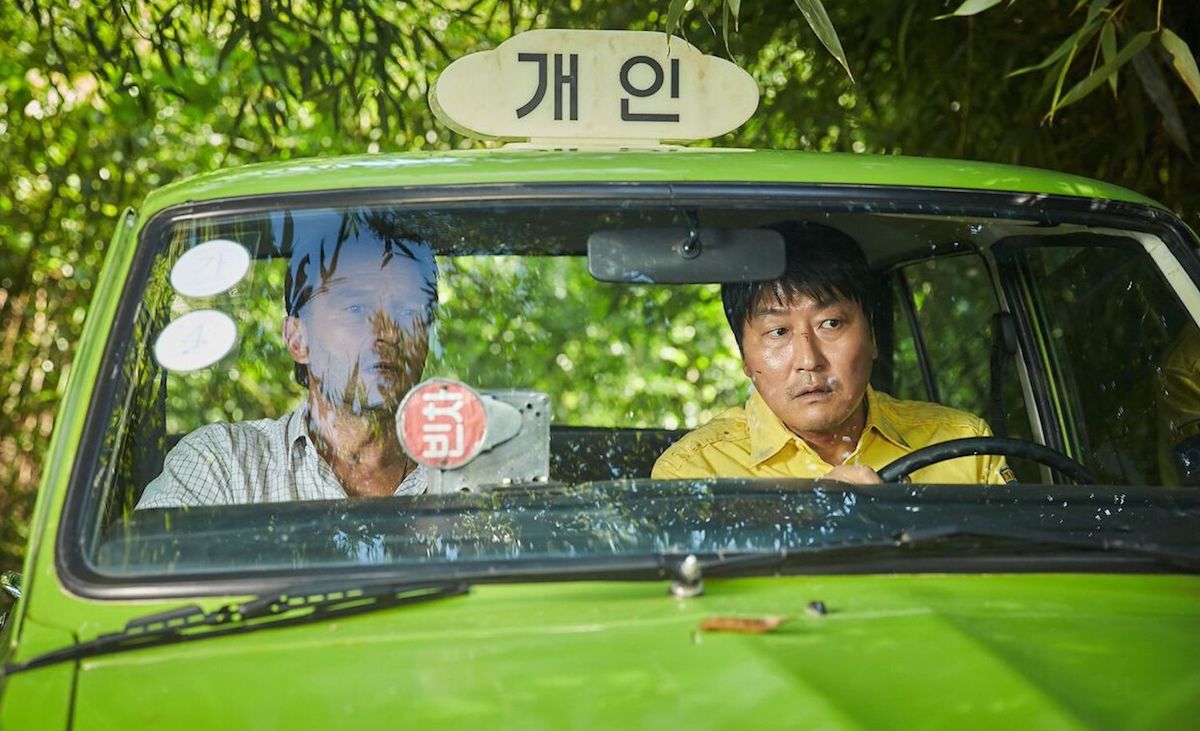 A Taxi Driver directed by Jang Hun, has been selected as South Korea’s official candidate in the Best Foreign Language Film at the 2018 Oscars.
The film, starring Song Kang-ho, Thomas Kretschmann, Yoo Hai-jin, and Ryu Jun-yeol, is based on the true story of German reporter Jürgen Hinzpeter and Korean taxi driver Kim Sa-Bok.Jürgen Hinzpeter covering the Gwangju Uprising, which took place from May 18-27, 1980 in Gwangju, South Korea.
A Taxi Driver had its international premiere as the closing night film of the 2017 Fantasia International Film Festival, where Song Kang-ho won the award for Best Actor.
May, 1980, Seoul. Demonstrations denouncing the martial law proclaimed by the dictator Chun Doo-hwan disrupt the routine of Man-seob, a cranky taxi driver who curses the protesters who prevent him from working. Raising his daughter alone after the death of his wife, Man-seob is crushed by debt. Every fare counts. When he hears a colleague boast that he’s about to receive a colossal sum for taking a Westerner to Gwangju, Man-seob rushes to the rendezvous point to rob him of his client, a German journalist calling himself Peter. The latter intends to investigate clandestinely rumours that Gwangju is under siege by the army and that the government has cut off all communication between the city and the rest of the country. Man-seob, however, lies about his understanding of English and the reasons for their journey. He has no idea what he has embarked on. Their fate will be closely bound to that of the inhabitants of Gwangju.
https://www.youtube.com/watch?v=ZbUwOP9HZQk
A Taxi Driver directed by Jang Hun, has been selected as South Korea’s official candidate in the Best Foreign Language Film at the 2018 Oscars.
The film, starring Song Kang-ho, Thomas Kretschmann, Yoo Hai-jin, and Ryu Jun-yeol, is based on the true story of German reporter Jürgen Hinzpeter and Korean taxi driver Kim Sa-Bok.Jürgen Hinzpeter covering the Gwangju Uprising, which took place from May 18-27, 1980 in Gwangju, South Korea.
A Taxi Driver had its international premiere as the closing night film of the 2017 Fantasia International Film Festival, where Song Kang-ho won the award for Best Actor.
May, 1980, Seoul. Demonstrations denouncing the martial law proclaimed by the dictator Chun Doo-hwan disrupt the routine of Man-seob, a cranky taxi driver who curses the protesters who prevent him from working. Raising his daughter alone after the death of his wife, Man-seob is crushed by debt. Every fare counts. When he hears a colleague boast that he’s about to receive a colossal sum for taking a Westerner to Gwangju, Man-seob rushes to the rendezvous point to rob him of his client, a German journalist calling himself Peter. The latter intends to investigate clandestinely rumours that Gwangju is under siege by the army and that the government has cut off all communication between the city and the rest of the country. Man-seob, however, lies about his understanding of English and the reasons for their journey. He has no idea what he has embarked on. Their fate will be closely bound to that of the inhabitants of Gwangju.
https://www.youtube.com/watch?v=ZbUwOP9HZQk
-
QUIT STARING AT MY PLATE is Croatia’s Entry for 2018 Oscar Race for Best Foreign Film | TRAILER
 Quit Staring at My Plate (Ne gledaj mi u pijat), the debut feature film from director Hana Jušić’, has been selected by Croatia as its official candidate in the Best Foreign Language Film category at the 2018 Oscars.
The film starring Mia Petričević, Nikša Butijer, Arijana Čulina, Zlatko Buric had its World Premiere at the 2016 Venice Days where the film won the FEDEORA Award for Best European Film.
In the film Marijana’s life revolves around her family, whether she likes it or not. They live on top of one another in a tiny apartment, driving one another crazy. Then her controlling father has a stroke and is left completely bedridden, and Marijana takes his place as head of the clan. Soon, she is working two jobs to keep everything afloat, while her mother and disabled brother do their best to scupper the ship. Driven to the edge, Marijana finds comfort in seedy sex with random strangers; and this taste of freedom leaves her wanting more. But now that she has finally found freedom, what’s she meant to do with it?
https://www.youtube.com/watch?v=PjE6IE9QgNk
Quit Staring at My Plate (Ne gledaj mi u pijat), the debut feature film from director Hana Jušić’, has been selected by Croatia as its official candidate in the Best Foreign Language Film category at the 2018 Oscars.
The film starring Mia Petričević, Nikša Butijer, Arijana Čulina, Zlatko Buric had its World Premiere at the 2016 Venice Days where the film won the FEDEORA Award for Best European Film.
In the film Marijana’s life revolves around her family, whether she likes it or not. They live on top of one another in a tiny apartment, driving one another crazy. Then her controlling father has a stroke and is left completely bedridden, and Marijana takes his place as head of the clan. Soon, she is working two jobs to keep everything afloat, while her mother and disabled brother do their best to scupper the ship. Driven to the edge, Marijana finds comfort in seedy sex with random strangers; and this taste of freedom leaves her wanting more. But now that she has finally found freedom, what’s she meant to do with it?
https://www.youtube.com/watch?v=PjE6IE9QgNk
-
SCARY MOTHER is Georgia’s Entry for 2018 Oscar Race for Best Foreign Film | TRAILER
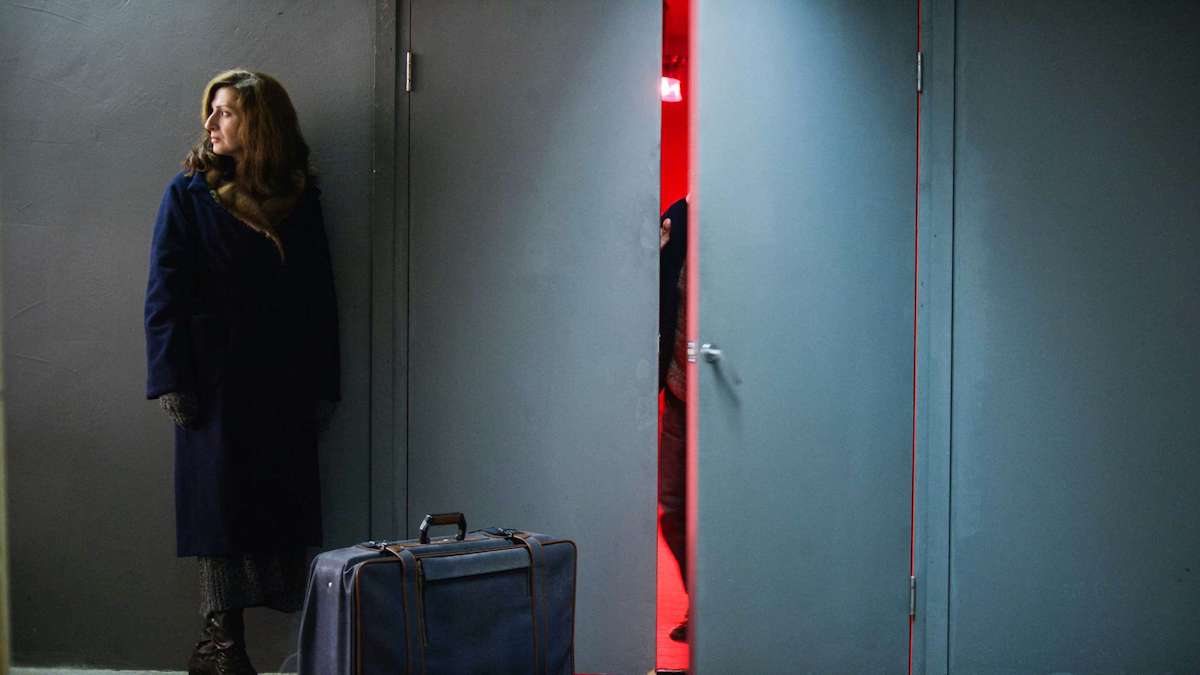 Ana Urushadze’s award-winning debut feature film, Scary Mother (Sashishi deda), has been selected by Georgia as its official candidate in the Best Foreign Language Film category at the 2018 Oscars.
The film starring Nata Murvanidze, Ramaz Ioseliani, Dimitri Tatishvili, and Avtandil Makharadze, World Premiered at the 2017 Locarno Film Festival where the film won the Swatch First Feature Award (Prize for Best First Feature). After the Locarno Film Festival, the film competed at the 2017 Sarajevo Film Festival where it won the the Heart of Sarajevo for Best Feature Film; and the Cineuropa Prize.
Scary Mother follows the story of a 50-year-old housewife, Manana (Nato Murvanidze), struggling with a dilemma: she has to choose between her family life and a love for writing she has repressed for years. When she finally decides to follow her passion, she is ready to sacrifice everything for it, mentally and physically.
Ana Urushadze’s award-winning debut feature film, Scary Mother (Sashishi deda), has been selected by Georgia as its official candidate in the Best Foreign Language Film category at the 2018 Oscars.
The film starring Nata Murvanidze, Ramaz Ioseliani, Dimitri Tatishvili, and Avtandil Makharadze, World Premiered at the 2017 Locarno Film Festival where the film won the Swatch First Feature Award (Prize for Best First Feature). After the Locarno Film Festival, the film competed at the 2017 Sarajevo Film Festival where it won the the Heart of Sarajevo for Best Feature Film; and the Cineuropa Prize.
Scary Mother follows the story of a 50-year-old housewife, Manana (Nato Murvanidze), struggling with a dilemma: she has to choose between her family life and a love for writing she has repressed for years. When she finally decides to follow her passion, she is ready to sacrifice everything for it, mentally and physically.