
 Here is the poster for Piercing, written and directed by Nicolas Pesce, that World Premiere in the Midnight section at the 2018 Sundance Film Festival. Piercing stars Christopher Abbott, Mia Wasikowska, Laia Costa, Marin Ireland, Maria Dizzia, and Wendell Pierce
Reed (Christopher Abbott) is going on a business trip. He kisses his wife and infant son goodbye, but in lieu of a suitcase filled with clothes, he’s packed a toothbrush and a murder kit. Everything is meticulously planned: check into a hotel and kill an unsuspecting victim. Only then will he rid himself of his devious impulses and continue to be a good husband and father. But Reed gets more than he bargained for with Jackie (Mia Wasikowska), an alluring call girl who arrives at his room. First, they relax and get in the mood, but when there’s an unexpected disruption, the balance of control begins to sway back and forth between the two. Is he seeing things? Who’s playing whom? Before the night is over, a feverish nightmare will unfold, and Reed and Jackie will seal their bond in blood.
Based on the critically acclaimed cult novel by Ryu Murakami, Director Nicolas Pesce (THE EYES OF MY MOTHER, Sundance 2016) blends psychological horror with comedy and stylish neo-noir, resulting in a sly take on the fantasy of escape and the hazards of modern romance.
2018 Sundance Film Festival Screenings:
World Premiere: Saturday, January 20th at 11:59pm (PC Library)
Public Screening #2: Sunday, January 21st at 8:30pm (Egyptian, PC)
Public Screening #3: Wednesday, January 24th at 8:30pm (The MARC)
Public Screening #4: Friday, January 26th at 11:59pm (Broadway 6, SLC)
Public Screening #5: Saturday, January 27th at 11:59pm (PC Library)
Here is the poster for Piercing, written and directed by Nicolas Pesce, that World Premiere in the Midnight section at the 2018 Sundance Film Festival. Piercing stars Christopher Abbott, Mia Wasikowska, Laia Costa, Marin Ireland, Maria Dizzia, and Wendell Pierce
Reed (Christopher Abbott) is going on a business trip. He kisses his wife and infant son goodbye, but in lieu of a suitcase filled with clothes, he’s packed a toothbrush and a murder kit. Everything is meticulously planned: check into a hotel and kill an unsuspecting victim. Only then will he rid himself of his devious impulses and continue to be a good husband and father. But Reed gets more than he bargained for with Jackie (Mia Wasikowska), an alluring call girl who arrives at his room. First, they relax and get in the mood, but when there’s an unexpected disruption, the balance of control begins to sway back and forth between the two. Is he seeing things? Who’s playing whom? Before the night is over, a feverish nightmare will unfold, and Reed and Jackie will seal their bond in blood.
Based on the critically acclaimed cult novel by Ryu Murakami, Director Nicolas Pesce (THE EYES OF MY MOTHER, Sundance 2016) blends psychological horror with comedy and stylish neo-noir, resulting in a sly take on the fantasy of escape and the hazards of modern romance.
2018 Sundance Film Festival Screenings:
World Premiere: Saturday, January 20th at 11:59pm (PC Library)
Public Screening #2: Sunday, January 21st at 8:30pm (Egyptian, PC)
Public Screening #3: Wednesday, January 24th at 8:30pm (The MARC)
Public Screening #4: Friday, January 26th at 11:59pm (Broadway 6, SLC)
Public Screening #5: Saturday, January 27th at 11:59pm (PC Library)Films
-
Sundance 2018: See New Poster for Nicolas Pesce’s PIERCING Starring Christopher Abbott, Mia Wasikowska
Here is the poster for Piercing, written and directed by Nicolas Pesce, that World Premiere in the Midnight section at the 2018 Sundance Film Festival. Piercing stars Christopher Abbott, Mia Wasikowska, Laia Costa, Marin Ireland, Maria Dizzia, and Wendell Pierce
Reed (Christopher Abbott) is going on a business trip. He kisses his wife and infant son goodbye, but in lieu of a suitcase filled with clothes, he’s packed a toothbrush and a murder kit. Everything is meticulously planned: check into a hotel and kill an unsuspecting victim. Only then will he rid himself of his devious impulses and continue to be a good husband and father. But Reed gets more than he bargained for with Jackie (Mia Wasikowska), an alluring call girl who arrives at his room. First, they relax and get in the mood, but when there’s an unexpected disruption, the balance of control begins to sway back and forth between the two. Is he seeing things? Who’s playing whom? Before the night is over, a feverish nightmare will unfold, and Reed and Jackie will seal their bond in blood.
Based on the critically acclaimed cult novel by Ryu Murakami, Director Nicolas Pesce (THE EYES OF MY MOTHER, Sundance 2016) blends psychological horror with comedy and stylish neo-noir, resulting in a sly take on the fantasy of escape and the hazards of modern romance.
2018 Sundance Film Festival Screenings:
World Premiere: Saturday, January 20th at 11:59pm (PC Library)
Public Screening #2: Sunday, January 21st at 8:30pm (Egyptian, PC)
Public Screening #3: Wednesday, January 24th at 8:30pm (The MARC)
Public Screening #4: Friday, January 26th at 11:59pm (Broadway 6, SLC)
Public Screening #5: Saturday, January 27th at 11:59pm (PC Library)
-
Watch Trailer for Australian Thriller “Goldstone”, Opens in Theaters in U.S. on March 9
[caption id="attachment_12448" align="aligncenter" width="1200"] Goldstone[/caption]
Goldstone, the latest film from Writer/Director/Director of Photography/Editor/Composer Ivan Sen, is described as a “Neo Western” crossed with “Outback Noir.” The drama charged thriller is the winner of four AACTA Awards (Australian version of the Oscars) for Best Director, Best Actor, Best Supporting Actress and Best Cinematography. The cast includes Aaron Pedersen, Alex Russell, Jacki Weaver, Cheng Pei-Pei, David Wenham, David Gulpilil, Michelle Lim Davidson, and Tom E. Lewis. Goldstone opens in theaters in New York and Los Angeles on March 9, 2018.
Goldstone is a frontier mining outpost, where different cultural worlds collide, in an epically beautiful desert landscape. It is a place where Indigenous, and non-Indigenous, people push against each other like tectonic plates. It is a clash of cultures, ideologies and spirits, and it has been happening since “outsiders” first arrived in Australia.
Indigenous Detective Jay Swan arrives in Goldstone on a missing persons enquiry. What seems like a simple investigation, however, opens a web of crime, corruption, trampling of land rights and human trafficking. Jay must pull his life together and bury his personal differences with a young local cop, so together they can bring justice to Goldstone.
https://www.youtube.com/watch?v=L0f-D2wIUKU
Goldstone[/caption]
Goldstone, the latest film from Writer/Director/Director of Photography/Editor/Composer Ivan Sen, is described as a “Neo Western” crossed with “Outback Noir.” The drama charged thriller is the winner of four AACTA Awards (Australian version of the Oscars) for Best Director, Best Actor, Best Supporting Actress and Best Cinematography. The cast includes Aaron Pedersen, Alex Russell, Jacki Weaver, Cheng Pei-Pei, David Wenham, David Gulpilil, Michelle Lim Davidson, and Tom E. Lewis. Goldstone opens in theaters in New York and Los Angeles on March 9, 2018.
Goldstone is a frontier mining outpost, where different cultural worlds collide, in an epically beautiful desert landscape. It is a place where Indigenous, and non-Indigenous, people push against each other like tectonic plates. It is a clash of cultures, ideologies and spirits, and it has been happening since “outsiders” first arrived in Australia.
Indigenous Detective Jay Swan arrives in Goldstone on a missing persons enquiry. What seems like a simple investigation, however, opens a web of crime, corruption, trampling of land rights and human trafficking. Jay must pull his life together and bury his personal differences with a young local cop, so together they can bring justice to Goldstone.
https://www.youtube.com/watch?v=L0f-D2wIUKU
-
Watch New Trailer for Warwick Thornton’s Award Winning SWEET COUNTRY
[caption id="attachment_25238" align="aligncenter" width="1000"]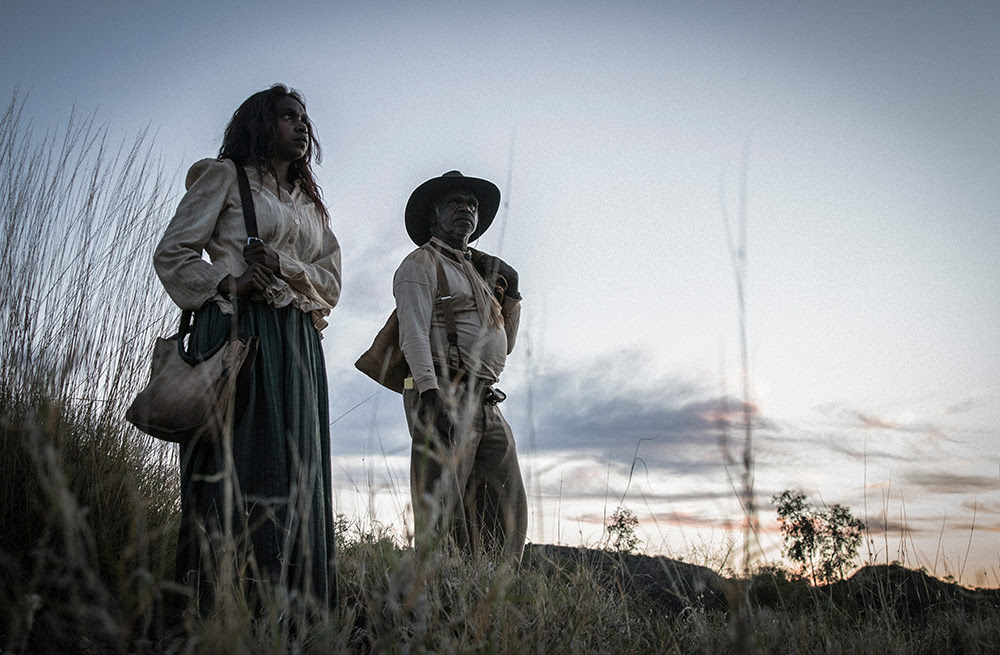 Sweet Country by Warwick Thornton[/caption]
Samuel Goldwyn Films has released the new trailer for Warwick Thornton’s critically acclaimed festival hit Sweet Country which opens in theaters in early Spring 2018.
Sweet Country had its world premiere at the 2017 Venice Film Festival where Warwick won a Special Jury Prize. The film then went on to win the coveted Platform prize at the 2017 Toronto International Film Festival as well as winning Best Film at the Adelaide Film Festival and the Asia Pacific Screen Awards.
Sweet Country draws on the conventions of the American Western to explore the genesis of contemporary Australian racism and the generational neglect of Aboriginal people. It’s 1929 on the vast, desert-like Eastern Arrernte Nation lands that are now known as the Central Australian outback. Sam Kelly (Hamilton Morris), a middle-aged Aboriginal man, works the land of a kind preacher, Fred Smith (Sam Neill). After an ill-tempered bully arrives in town and Kelly kills him in self-defense, he and his wife, Lizzie, go on the run as a posse gathers to hunt him down.
https://www.youtube.com/watch?v=xfFYmtPegOI
Sweet Country by Warwick Thornton[/caption]
Samuel Goldwyn Films has released the new trailer for Warwick Thornton’s critically acclaimed festival hit Sweet Country which opens in theaters in early Spring 2018.
Sweet Country had its world premiere at the 2017 Venice Film Festival where Warwick won a Special Jury Prize. The film then went on to win the coveted Platform prize at the 2017 Toronto International Film Festival as well as winning Best Film at the Adelaide Film Festival and the Asia Pacific Screen Awards.
Sweet Country draws on the conventions of the American Western to explore the genesis of contemporary Australian racism and the generational neglect of Aboriginal people. It’s 1929 on the vast, desert-like Eastern Arrernte Nation lands that are now known as the Central Australian outback. Sam Kelly (Hamilton Morris), a middle-aged Aboriginal man, works the land of a kind preacher, Fred Smith (Sam Neill). After an ill-tempered bully arrives in town and Kelly kills him in self-defense, he and his wife, Lizzie, go on the run as a posse gathers to hunt him down.
https://www.youtube.com/watch?v=xfFYmtPegOI
-
Sundance 2018: See Bart Layton’s AMERICAN ANIMALS New Poster
 Here is the new poster for American Animals, written and directed by Bart Layton and World Premiere tonight in the U.S. Dramatic Competition at the 2018 Sundance Film Festival. American Animals stars Evan Peters, Barry Keoghan, Blake Jenner, Jared Abrahamson, Ann Dowd, and Udo Kier.
Lexington, Kentucky, 2004: Spencer and Warren dream of remarkable lives beyond their middle-class suburban existence. They head off to colleges in the same town, haunted by the fear they may never be special in any way. Spencer is given a tour of his school’s incredibly valuable rare book collection and describes it all to Warren. Suddenly, it hits them—they could pull off one of the most audacious art-thefts in recent history, from the university’s special collections library. Convinced they can get away with it, they recruit two other friends. Suddenly, the dance of knowing what happens if they cross the line becomes all-consuming.
Buoyed by an exceptional cast, BAFTA Award–winning documentary director Bart Layton (The Imposter, 2012 Sundance Film Festival) makes a brilliant leap into the world of fiction, cleverly utilizing elements of nonfiction to propel the narrative. A “mostly” true story, American Animals is both a thrilling heist film and an existential journey of four misguided young men searching in all the wrong places for identity, meaning, adventure, and the kind of life that movies are made about.
2018 Sundance Film Festival Screenings:
World Premiere: Fri. 1/19, 3:30 p.m., Eccles PC
Press & Industry Screening: Friday, January 19th at 6:00pm (Park Ave Theater)
Second Public Screening: Sat. 1/20, noon, Grand SLC
Third Public Screening: Sat. 1/20, 10:00 p.m., Redstone 2 PC
Fourth Public Screening: Sun. 1/21, 9:00 p.m., Sundance Resort Provo
Fifth Public Screening: Wed. 1/24, 3:00 p.m., PC Library PC
Sixth Public Screening: Fri. 1/26, 9:00 p.m., Sundance Resort Provo
Seventh Public Screening: Sat. 1/27, 11:30 a.m., MARC PC
Here is the new poster for American Animals, written and directed by Bart Layton and World Premiere tonight in the U.S. Dramatic Competition at the 2018 Sundance Film Festival. American Animals stars Evan Peters, Barry Keoghan, Blake Jenner, Jared Abrahamson, Ann Dowd, and Udo Kier.
Lexington, Kentucky, 2004: Spencer and Warren dream of remarkable lives beyond their middle-class suburban existence. They head off to colleges in the same town, haunted by the fear they may never be special in any way. Spencer is given a tour of his school’s incredibly valuable rare book collection and describes it all to Warren. Suddenly, it hits them—they could pull off one of the most audacious art-thefts in recent history, from the university’s special collections library. Convinced they can get away with it, they recruit two other friends. Suddenly, the dance of knowing what happens if they cross the line becomes all-consuming.
Buoyed by an exceptional cast, BAFTA Award–winning documentary director Bart Layton (The Imposter, 2012 Sundance Film Festival) makes a brilliant leap into the world of fiction, cleverly utilizing elements of nonfiction to propel the narrative. A “mostly” true story, American Animals is both a thrilling heist film and an existential journey of four misguided young men searching in all the wrong places for identity, meaning, adventure, and the kind of life that movies are made about.
2018 Sundance Film Festival Screenings:
World Premiere: Fri. 1/19, 3:30 p.m., Eccles PC
Press & Industry Screening: Friday, January 19th at 6:00pm (Park Ave Theater)
Second Public Screening: Sat. 1/20, noon, Grand SLC
Third Public Screening: Sat. 1/20, 10:00 p.m., Redstone 2 PC
Fourth Public Screening: Sun. 1/21, 9:00 p.m., Sundance Resort Provo
Fifth Public Screening: Wed. 1/24, 3:00 p.m., PC Library PC
Sixth Public Screening: Fri. 1/26, 9:00 p.m., Sundance Resort Provo
Seventh Public Screening: Sat. 1/27, 11:30 a.m., MARC PC
-
Yan England’s Indie Thriller “1:54” Sets a March Release Date | Trailer
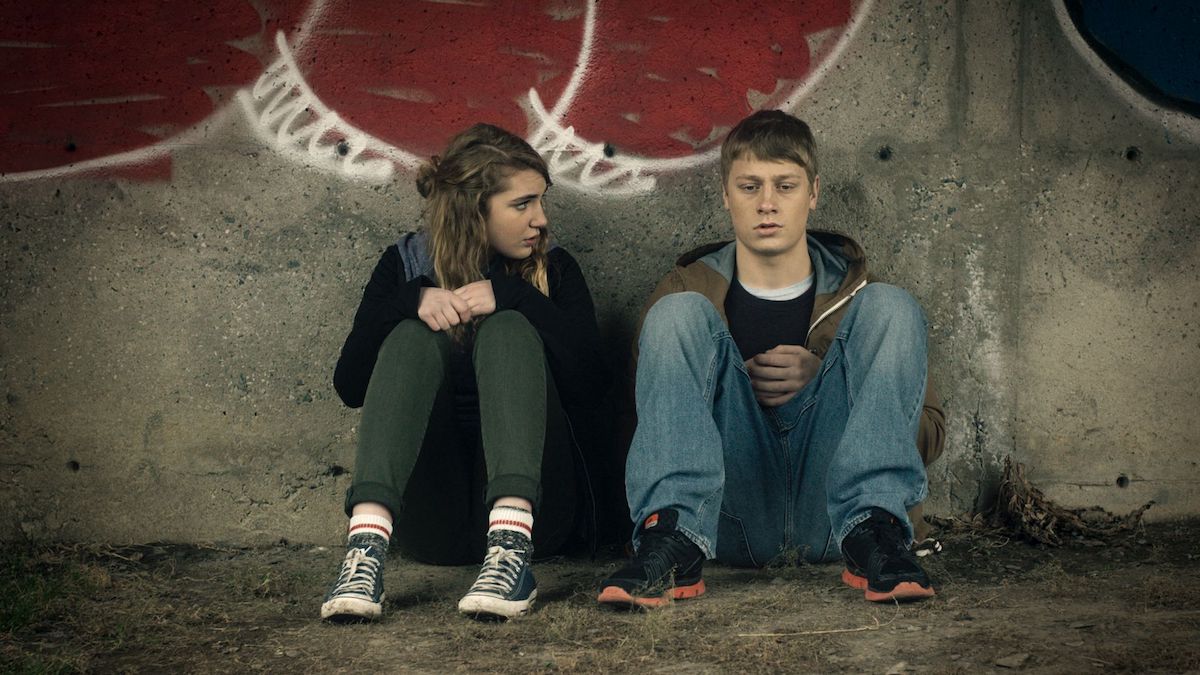 Breaking Glass will release Oscar-nominated writer-director Yan England’s (“Henry”) awarding-winning, psychological thriller 1:54. The film will have a Los Angeles theatrical release on March 9 and a DVD/VOD release on March 13.
1:54 follows Tim, a shy sixteen-year-old athlete, who is gifted with a natural athletic ability for running. However, the last four years of high school have been tough on him because of Jeff and his crew. In his last year of high school, Tim is sick and tired of feeling like a loser, and wants to shine for once. He decides to stand up to Jeff by dethroning him in the 800m championship, the event Jeff is known for in school. But behind the competition and rivalry, a secret is wreaking havoc. Soon, Tim finds himself pushed to the edge because of the pressure he endures where human limits reach the point of no return.
1:54 held its world premiere at the Angouleme French-Language Film Festival where it took home Best Actor and the Student’s Jury prize, its US premiere at the Chicago International Film Festival, and played numerous other festivals, including BFI Flare: London LGBT Film Festival, Busan International Film Festival, OUTshine Film Festival, and the Vancouver International Film Festival. The film stars Antoine Olivier Pilon (Mommy) in a powerful, career-making performance alongside Sophie Nélisse (Professor Lazhar, The Book Thief).
Breaking Glass will release Oscar-nominated writer-director Yan England’s (“Henry”) awarding-winning, psychological thriller 1:54. The film will have a Los Angeles theatrical release on March 9 and a DVD/VOD release on March 13.
1:54 follows Tim, a shy sixteen-year-old athlete, who is gifted with a natural athletic ability for running. However, the last four years of high school have been tough on him because of Jeff and his crew. In his last year of high school, Tim is sick and tired of feeling like a loser, and wants to shine for once. He decides to stand up to Jeff by dethroning him in the 800m championship, the event Jeff is known for in school. But behind the competition and rivalry, a secret is wreaking havoc. Soon, Tim finds himself pushed to the edge because of the pressure he endures where human limits reach the point of no return.
1:54 held its world premiere at the Angouleme French-Language Film Festival where it took home Best Actor and the Student’s Jury prize, its US premiere at the Chicago International Film Festival, and played numerous other festivals, including BFI Flare: London LGBT Film Festival, Busan International Film Festival, OUTshine Film Festival, and the Vancouver International Film Festival. The film stars Antoine Olivier Pilon (Mommy) in a powerful, career-making performance alongside Sophie Nélisse (Professor Lazhar, The Book Thief).
-
Audi Dublin International Film Festival 2018 Announces Rich Line-up of Irish Documentaries
[caption id="attachment_26613" align="aligncenter" width="1200"] A Mother Brings Her Son To Be Shot[/caption]
With the festival about a month away, the Audi Dublin International Film Festival taking place February 21st to March 4th, 2018, gave a taste of their exciting 2018 film program by announcing this year’s Irish documentary line-up.
Festival Director, Gráinne Humphreys said, ‘This year’s Irish documentary line-up, full of World and Irish Premieres reveals a preoccupation with the tensions between long-held traditions and the contemporary society. These extraordinary films ask questions of what we can treasure and protect, what can be re-invented and what we need to learn to let go of. These profound and searching documentaries give a glimpse of what’s in store when the full Audi Dublin International Film Festival programme is announced on 24th January’.
One farmer’s courageous struggle to maintain a centuries-old lifestyle in the shadow of a huge multinational is traced in the Irish Premiere of Feargal Ward’s The Lonely Battle of Thomas Reid; the walk of the Camino is re-invented as a Kerry curragh sea journey in the Irish Premiere of Dónal Ó’Céilleachair’s The Camino Voyage featuring Brendan Begley and Glen Hansard; and Paul Duane traces a hypnotic musical journey that brings us to the earliest Western music still in existence in the World Premiere of While You Live, Shine.
A less welcome tradition, that of dissident Republican vigilantism in pockets of the North, is shockingly explored in the Irish Premiere of Sinéad O’Shea’s much-anticipated A Mother Brings Her Son to Be Shot. The Troubles also reverberate through the Irish Premiere of Donal Foreman’s The Image You Missed, which sees the filmmaker grapple with the legacy of his estranged father, Arthur MacCaig, and the decades-spanning archive of the conflict in Northern Ireland that he created.
Each year the Arts Council’s Reel Art scheme, in association with ADIFF and Filmbase, commissions two films that offer filmmakers a chance to make highly creative, imaginative and experimental documentaries on an artistic theme. Receiving their World Premieres at this year’s festival in the IFI are Rouzbeh Rashidi’s Phantom Islands, a visceral exploration of the boundaries between documentary and fiction and Niall McCann’s reflective encounter with Irish musician and artist Adrian Crowley in The Science of Ghosts.
Lastly, major Irish filmmaker Pat Collins returns to documentary with Twilight, a beautiful evocation of the end of day, that was filmed over two years in Baltimore, West Cork.
A Mother Brings Her Son To Be Shot[/caption]
With the festival about a month away, the Audi Dublin International Film Festival taking place February 21st to March 4th, 2018, gave a taste of their exciting 2018 film program by announcing this year’s Irish documentary line-up.
Festival Director, Gráinne Humphreys said, ‘This year’s Irish documentary line-up, full of World and Irish Premieres reveals a preoccupation with the tensions between long-held traditions and the contemporary society. These extraordinary films ask questions of what we can treasure and protect, what can be re-invented and what we need to learn to let go of. These profound and searching documentaries give a glimpse of what’s in store when the full Audi Dublin International Film Festival programme is announced on 24th January’.
One farmer’s courageous struggle to maintain a centuries-old lifestyle in the shadow of a huge multinational is traced in the Irish Premiere of Feargal Ward’s The Lonely Battle of Thomas Reid; the walk of the Camino is re-invented as a Kerry curragh sea journey in the Irish Premiere of Dónal Ó’Céilleachair’s The Camino Voyage featuring Brendan Begley and Glen Hansard; and Paul Duane traces a hypnotic musical journey that brings us to the earliest Western music still in existence in the World Premiere of While You Live, Shine.
A less welcome tradition, that of dissident Republican vigilantism in pockets of the North, is shockingly explored in the Irish Premiere of Sinéad O’Shea’s much-anticipated A Mother Brings Her Son to Be Shot. The Troubles also reverberate through the Irish Premiere of Donal Foreman’s The Image You Missed, which sees the filmmaker grapple with the legacy of his estranged father, Arthur MacCaig, and the decades-spanning archive of the conflict in Northern Ireland that he created.
Each year the Arts Council’s Reel Art scheme, in association with ADIFF and Filmbase, commissions two films that offer filmmakers a chance to make highly creative, imaginative and experimental documentaries on an artistic theme. Receiving their World Premieres at this year’s festival in the IFI are Rouzbeh Rashidi’s Phantom Islands, a visceral exploration of the boundaries between documentary and fiction and Niall McCann’s reflective encounter with Irish musician and artist Adrian Crowley in The Science of Ghosts.
Lastly, major Irish filmmaker Pat Collins returns to documentary with Twilight, a beautiful evocation of the end of day, that was filmed over two years in Baltimore, West Cork.
Irish Documentaries at ADIFF 2018
The Lonely Battle of Thomas Reid The Science of Ghosts Phantom Islands Twilight Light While You Live, Shine The Image You Missed The Camino Voyage
-
2018 Slamdance Film Festival Complete Beyond and Shorts Lineup
[caption id="attachment_26593" align="aligncenter" width="1200"] Goodbye, Brooklyn[/caption]
This year’s 2018 Slamdance Film Festival which kicks off on Friday January 19 thru 25 in Park City, Utah, will feature an impressive Beyond and Shorts programs for their 24th edition. The short film lineup showcases productions from 26 countries, with shorts in the Narrative, Documentary, Animation, Anarchy and Experimental sections all eligible for the 2018 Oscar® Qualifying Shorts competition.
Several Slamdance Alumni return with highly anticipated presentations in the Beyond lineup. All films in this highly-selective program are made by emerging filmmakers working just beyond their first features.
Goodbye, Brooklyn[/caption]
This year’s 2018 Slamdance Film Festival which kicks off on Friday January 19 thru 25 in Park City, Utah, will feature an impressive Beyond and Shorts programs for their 24th edition. The short film lineup showcases productions from 26 countries, with shorts in the Narrative, Documentary, Animation, Anarchy and Experimental sections all eligible for the 2018 Oscar® Qualifying Shorts competition.
Several Slamdance Alumni return with highly anticipated presentations in the Beyond lineup. All films in this highly-selective program are made by emerging filmmakers working just beyond their first features.
-
2018 Noir City Film Festival Returns to Seattle, Unveils Lineup + Opens with “The Maltese Falcon”
[caption id="attachment_26573" align="aligncenter" width="1200"] The Maltese Falcon[/caption]
The Film Noir festival, Noir City, returns to the legendary Egyptian theater in Seattle for the 2018 edition from February 16 through 22, with exceptional films from the most “noir” of decades, 1941 to 1951. The festival presents 18 classic films as they were experienced on their original releases, pairing a top-tier studio “A” with a shorter, low-budget second feature, or “B” film. All but two of the films will be presented in glorious 35mm.
The host of Noir City, Czar of Noir Eddie Muller, will also be back to delight audiences with twisted tales and anecdotes about each film. If you’ve seen his show “Noir Alley” on Turner Classic Movies, then you know what an incomparable master of the darkest corners of human motivation he is. Eddie is available for interviews via phone or SKYPE.
Opening Night the Egyptian will be transformed into a haven for gangsters, molls, vixens, and villains, with Noir-themed wine and a shadowy cityscape photo booth to capture patrons at their sinister best. Presented in 35mm, the Opening Night film, The Maltese Falcon (1941), John Huston’s remarkable directorial debut, sets the tone for this year’s stellar line-up. The As include The Blue Dahlia (1946), starring Alan Ladd and Veronica Lake, which incredibly is making its first appearance in Noir City, and Flesh and Fantasy (1943), by renowned French director Julien Divivier and featuring a dazzling cast including Barbara Stanwyck, Charles Boyer, Edward G. Robinson, and Robert Cummings.
The Bs include Quiet Please, Murder (1942), a surprisingly racy film starring George Sanders as a cunning forger that must match wits with an equally cunning femme fatale (Gail Patrick), and Bodyguard (1948), a film that ironically stars real-life lawbreaker Lawrence Tierney as a lawman framed for a murder in a meat-packing plant. This breakneck-paced thriller is also distinguished by the co-writer, Robert Altman.
On closing night, the Film Noir Foundation’s latest restoration, an independently made noir crowd pleaser The Man Who Cheated Himself (1950), will have its Seattle premiere (the world premiere is only a couple of weeks earlier at the San Francisco Noir City). Thanks to the generosity of FNF donors, the Foundation was able to fully fund the restoration of this film. Starring Lee J. Cobb, this James M. Cain-style thriller gets maximum impact from its San Francisco locations, including a memorable climax at Fort Point.
“We are excited for this year’s Noir City to return,” says SIFF Artistic Director Beth Barrett. “The 1915 Masonic Temple building that houses the Egyptian has some dark shadows of its own. There’s definitely no better or more atmospheric movie palace to host Noir City in Seattle, one of the greatest movie-going cities in the nation.”
The Maltese Falcon[/caption]
The Film Noir festival, Noir City, returns to the legendary Egyptian theater in Seattle for the 2018 edition from February 16 through 22, with exceptional films from the most “noir” of decades, 1941 to 1951. The festival presents 18 classic films as they were experienced on their original releases, pairing a top-tier studio “A” with a shorter, low-budget second feature, or “B” film. All but two of the films will be presented in glorious 35mm.
The host of Noir City, Czar of Noir Eddie Muller, will also be back to delight audiences with twisted tales and anecdotes about each film. If you’ve seen his show “Noir Alley” on Turner Classic Movies, then you know what an incomparable master of the darkest corners of human motivation he is. Eddie is available for interviews via phone or SKYPE.
Opening Night the Egyptian will be transformed into a haven for gangsters, molls, vixens, and villains, with Noir-themed wine and a shadowy cityscape photo booth to capture patrons at their sinister best. Presented in 35mm, the Opening Night film, The Maltese Falcon (1941), John Huston’s remarkable directorial debut, sets the tone for this year’s stellar line-up. The As include The Blue Dahlia (1946), starring Alan Ladd and Veronica Lake, which incredibly is making its first appearance in Noir City, and Flesh and Fantasy (1943), by renowned French director Julien Divivier and featuring a dazzling cast including Barbara Stanwyck, Charles Boyer, Edward G. Robinson, and Robert Cummings.
The Bs include Quiet Please, Murder (1942), a surprisingly racy film starring George Sanders as a cunning forger that must match wits with an equally cunning femme fatale (Gail Patrick), and Bodyguard (1948), a film that ironically stars real-life lawbreaker Lawrence Tierney as a lawman framed for a murder in a meat-packing plant. This breakneck-paced thriller is also distinguished by the co-writer, Robert Altman.
On closing night, the Film Noir Foundation’s latest restoration, an independently made noir crowd pleaser The Man Who Cheated Himself (1950), will have its Seattle premiere (the world premiere is only a couple of weeks earlier at the San Francisco Noir City). Thanks to the generosity of FNF donors, the Foundation was able to fully fund the restoration of this film. Starring Lee J. Cobb, this James M. Cain-style thriller gets maximum impact from its San Francisco locations, including a memorable climax at Fort Point.
“We are excited for this year’s Noir City to return,” says SIFF Artistic Director Beth Barrett. “The 1915 Masonic Temple building that houses the Egyptian has some dark shadows of its own. There’s definitely no better or more atmospheric movie palace to host Noir City in Seattle, one of the greatest movie-going cities in the nation.”
NOIR CITY 2018 LINEUP
The Maltese Falcon (35mm) Sam Spade (Humphrey Bogart), a cynical, tough-talking private eye, becomes ensnared in a web of deceit when a simple missing persons case becomes a deadly hunt for a missing statuette.(d: John Huston c: Humphrey Bogart, Mary Astor, Sidney Greenstreet, Peter Lorre, 1941 101 min) Quiet Please, Murder (35mm) A book thief/forger sells a fake book to a Nazi through a female agent. A detective tries to uncover who the forger is and gets in the middle of a three way struggle for rare books and revenge in a public library. (d: John Larkin c: George Sanders, Gail Patrick, Richard Denning, 1942, 70 min) Shadow of a Doubt (35mm) In Alfred Hitchcock’s glimpse into the dark side of suburbia, a young woman discovers her visiting uncle may not be the man he seems to be. (d: Alfred Hitchcock c: Joseph Cotton, Teresa Wright, Hume Cronyn, 1943, 108 min) Address Unknown (35mm) The film tells the story of two families caught up in the rise of Nazism in Germany prior to the start of World War II. (d: William Cameron Menzies c: Paul Lukas, Peter van Eyck, Carl Esmond, 1944, 75 min) Flesh and Fantasy (35mm) Two members of a gentlemen’s club tell three tales of the supernatural in this atmospheric pre-cursor to “The Twilight Zone.” (d: Julien Divivier c: Barbara Stanwyck, Charles Boyer, Edward G. Robinson, Robert Cummings, 1943, 94 min) Destiny (35mm) Originally conceived as a fourth “episode” in Flesh and Fantasy, this expanded story is about a cynical ex-con and the blind girl that may be the key to his redemption. (d: Reginald Le Borg c: Alan Curtis, Gloria Jean, Frank Craven,1944, 65 min) Mildred Pierce (35mm) Joan Crawford delivers a ferocious, Oscar®-winning performance as a hard-working housewife who struggles to provide the best life for her little girl Veda, only to find herself trapped in a dark world of thwarted desires. (d: Michael Curtiz c: Joan Crawford, Zachary Scott, Ann Blyth, Eve Arden, Bruce Bennett, 1945, 111 min) Jealousy (35mm) A successful alcoholic writer is murdered and his wife is accused. (d: Gustav Machatý c: Jane Randolph, John Loder, Karen Morley, Nils Asther, 1945, 71 min) The Blue Dahlia (35mm) Writer Raymond Chandler’s only original screenplay is a classic about a returning vet being framed for his unfaithful wife’s murder. (d: George Marshall c: Alan Ladd, Veronica Lake, Doris Dowling, William Bendix, 1946, 96 min) The Big Sleep (35mm) Private detective Philip Marlowe is hired by a rich family. Before the complex case is over, he’s seen murder, blackmail, and what might be love. (d: Howard Hawks c: Humphrey Bogart, Lauren Bacall, Martha Vickers, Dorothy Malone, Elisha Cook Jr., 1946, 114 min) Kiss of Death (Digital) With his law-breaking lifestyle in the past, an ex-con, along with his family, attempt to start a new life, knowing a betrayed someone from the past is bound to see otherwise. (d: Henry Hathaway c: Victor Mature, Richard Widmark, Coleen Gray, Karl Malden, 1947, 99 min) Blind Spot (35mm) Veteran Columbia star Chester Morris delivers a terrific performance as a hard-drinking, hard-luck writer who pitches his skeptical publisher an ingenious “locked room” mystery . . . only to have the crime come true. (d: Robert Gordon c: Chester Morris, William Forrest, Constance Dowling, 1947, 73 min) I Walk Alone (Digital) An ex-convict leaves prison expecting his equal share from his ex-partner. But his partner has no intention of sharing. (d: Byron Haskin c: Burt Lancaster, Kirk Douglas, Lizabeth Scott, Marc Lawrence, Wendell Corey, 1948, 97 min) Bodyguard (35mm) An ousted Los Angeles homicide detective goes to work for a widow and is framed for murder. (d: Richard Fleischer c: Lawrence Tierney, Priscilla Lane, Phillip Reed, Steve Brodie,1948, 62 min) The Accused (35mm) When a college student grows inappropriately fond of his psychology professor and tries to rape her, she fights back. But as she defends herself, she accidentally kills her attacker. (d: William Dieterle c: Loretta Young, Robert Cummings, Wendell Corey, Douglas Dick, 1949, 101 min) The Threat (35mm) Murderer Arnold “Red” Kluger has a score to settle: When he was convicted, he promised revenge on the people who put him in prison. (d: Felix E. Feist c: Charles McGraw, Virginia Grey, Michael O’Shea, Anthony Caruso, 1949, 66 min) The Man Who Cheated Himself A woman in the process of divorce shoots her husband and gets her police lieutenant boyfriend to help hide the body. (d: Felix E. Feist c: Lee J. Cobb, Jane Wyatt, John Dall, Harlan Warde,1950, 81 min) Roadblock An honest LA insurance detective becomes corrupt and turns to crime after falling in love with a gold-digger model. (d: Harold Daniels c: Charles McGraw, Joan Dixon, Lowell Gilmore, 1951, 73 min)
-
Seven Restorations to Celebrate Their World Premieres in Berlinale Classics 2018 at Berlin International Film Festival
[caption id="attachment_26567" align="aligncenter" width="1200"] Letyat Zhuravli (The Cranes are Flying)[/caption]
The Berlinale Classics section of the 68th Berlin International Film Festival will present the world premieres of a total of seven films in digitally restored versions.
Wim Wenders’ prize-winning classic Der Himmel über Berlin (Wings of Desire, Federal Republic of Germany / France 1987) returns to the screen in a new, digitally restored 4K DCP version. Two guardian angels keep watch over Berlin, until one of them falls in love with a mortal woman. He chooses to become human, giving up his immortality, and an entirely new world is revealed to him. The film was shot on both black-and-white and colour stock. At the time, that required several additional steps in the lab in order to produce a final colour negative, which was several generations removed from the camera negatives. This version, restored by the Wim Wenders Foundation, is based on the original negatives; STUDIOCANAL will be releasing it in German cinemas in the near future.
Az én XX. századom (My 20th Century, Hungary / Federal Republic of Germany 1989), the feature debut of the winner of the 2017 Golden Bear, Ildikó Enyedi, is a complex, poetic fairy tale, and an homage to silent movies. Shot in black-and-white, the film follows the very different live of identical twins in Old Europe at the dawn of the 20th century. Using the original camera negative and the magnetic sound track, the film was digitally restored in 4K by the Hungarian National Film Fund – Hungarian National Film Archive, working with Hungarian Filmlab. Cinematographer Tibor Máthé (HSC – Hungarian Society of Cinematographers) supervised the digital grading.
Sidney Lumet’s thriller Fail Safe (USA 1964) is an impressive critique of the Cold War military doctrine. When an errant U.S. bomber threatens to destroy Moscow, the president calls the Soviet premier on the red phone to try to prevent a retaliatory nuclear strike. The film was restored in 4K under the aegis of Sony Pictures Entertainment and its head of restoration, Grover Crisp. The incomplete camera negative was supplemented with the use of a duplicate negative. Conforming the various different source materials presented a special challenge to the restoration team.
Letyat Zhuravli (The Cranes Are Flying, USSR 1957) by Mikhail Kalatozov was Soviet cinema’s first international hit after World War II. Made during the period of liberalisation that followed Joseph Stalin’s death, this unusual black-and-white film’s expressionist images tell the tragic story of two lovers after Germany’s invasion of the Soviet Union. The film brought international fame to Mikhail Kalatozov and his lead actress, Tatiana Samoilova. Letyat Zhuravli was restored by Mosfilm under the leadership of general director Karen Shakhnazarov. The ditigal 2K restoration, on the basis of the original negative, was supervised by the head of restoration Igor Bogdasarov.
Director Assi Dayan was lauded by the International Jury of the Berlinale in 1993 for the courage and honesty of his HaChayim Al-Pi Agfa (Life According to Agfa, Israel 1992). The film revolves around a Tel Aviv bar, where a world of bohemians, business people, junkies, tourists, pimps, and soldiers all meet. The events of a single night, captured in black-and-white photos, are a microcosm of a society that considers itself liberal and tolerant, but in which seemingly trivial actions can become explosive. The 4K restoration was produced by the Jerusalem Cinematheque – Israel Film Archive, where the negative was scanned. It was supervised by cinematographer Yoav Kosh and supported by the Israel Film Fund.
With Tokyo Boshoku (Tokyo Twilight, Japan 1957), Berlinale Classics will provide a rare opportunity to see a largely unknown and seldom shown work by Yasujiro Ozu. The theme of the end of a family living together is one that Japanese directing maestro Yasujiro Ozu often reworks, and here he has given it a dramatic twist. In wintery Tokyo, a family’s silence leads to its breakdown. Tokyo Boshoku, considered Ozu’s most sombre post-war film, was digitally restored in 4K on the basis of the 35mm duplicate negative provided by the Japanese production company Shochiku, managed by Shochiku MediaWorX Inc. Colour correction was led by Ozu’s former assistant cameraman Takashi Kawamata and cinematographer Masashi Chikamori.
The Berlinale Classics section will open on February 16, 2018, at 5 pm in the Friedrichstadt-Palast with the premiere of the Deutsche Kinemathek’s digital restoration of the 1923 silent film classic Das alte Gesetz (The Ancient Law) directed by E.A. Dupont (see press release of December 5, 2017). ZDF/ARTE commissioned French composer Philippe Schoeller to create new music for this version, which will be presented by the Orchester Jakobsplatz München with Daniel Grossmann at the podium.
The full programme of the Berlinale Classics section:
Das alte Gesetz (The Ancient Law)
Dir: Ewald André Dupont, Germany, 1923
World premiere of the digitally restored version
in 2K DCP
Az én XX. századom (My 20th Century)
Dir: Ildikó Enyedi, Hungary / Federal Republic of Germany, 1989
Presented by Ildikó Enyedi and Tibor Máthé
World premiere of the digitally restored version
in 4K DCP
Fail Safe
Dir: Sidney Lumet, USA, 1964
World premiere of the digitally restored version
in 4K DCP
HaChayim Al-Pi Agfa (Life According To Agfa)
Dir: Assi Dayan, Israel, 1992
World premiere of the digitally restored version
in 4K DCP
Der Himmel über Berlin (Wings of Desire)
Dir: Wim Wenders, Germany / France, 1987
Presented by Wim Wenders
World premiere of the digitally restored version
in 4K DCP
Letyat Zhuravli (The Cranes are Flying)
Dir: Mikhail Kalatozov, USSR, 1957
World premiere of the digitally restored version
in 2K DCP
Tokyo Boshoku (Tokyo Twilight)
Dir: Yasujiro Ozu, Japan, 1957a
Presented by Wim Wenders
World premiere of the digitally restored version
in 4K DCP
Letyat Zhuravli (The Cranes are Flying)[/caption]
The Berlinale Classics section of the 68th Berlin International Film Festival will present the world premieres of a total of seven films in digitally restored versions.
Wim Wenders’ prize-winning classic Der Himmel über Berlin (Wings of Desire, Federal Republic of Germany / France 1987) returns to the screen in a new, digitally restored 4K DCP version. Two guardian angels keep watch over Berlin, until one of them falls in love with a mortal woman. He chooses to become human, giving up his immortality, and an entirely new world is revealed to him. The film was shot on both black-and-white and colour stock. At the time, that required several additional steps in the lab in order to produce a final colour negative, which was several generations removed from the camera negatives. This version, restored by the Wim Wenders Foundation, is based on the original negatives; STUDIOCANAL will be releasing it in German cinemas in the near future.
Az én XX. századom (My 20th Century, Hungary / Federal Republic of Germany 1989), the feature debut of the winner of the 2017 Golden Bear, Ildikó Enyedi, is a complex, poetic fairy tale, and an homage to silent movies. Shot in black-and-white, the film follows the very different live of identical twins in Old Europe at the dawn of the 20th century. Using the original camera negative and the magnetic sound track, the film was digitally restored in 4K by the Hungarian National Film Fund – Hungarian National Film Archive, working with Hungarian Filmlab. Cinematographer Tibor Máthé (HSC – Hungarian Society of Cinematographers) supervised the digital grading.
Sidney Lumet’s thriller Fail Safe (USA 1964) is an impressive critique of the Cold War military doctrine. When an errant U.S. bomber threatens to destroy Moscow, the president calls the Soviet premier on the red phone to try to prevent a retaliatory nuclear strike. The film was restored in 4K under the aegis of Sony Pictures Entertainment and its head of restoration, Grover Crisp. The incomplete camera negative was supplemented with the use of a duplicate negative. Conforming the various different source materials presented a special challenge to the restoration team.
Letyat Zhuravli (The Cranes Are Flying, USSR 1957) by Mikhail Kalatozov was Soviet cinema’s first international hit after World War II. Made during the period of liberalisation that followed Joseph Stalin’s death, this unusual black-and-white film’s expressionist images tell the tragic story of two lovers after Germany’s invasion of the Soviet Union. The film brought international fame to Mikhail Kalatozov and his lead actress, Tatiana Samoilova. Letyat Zhuravli was restored by Mosfilm under the leadership of general director Karen Shakhnazarov. The ditigal 2K restoration, on the basis of the original negative, was supervised by the head of restoration Igor Bogdasarov.
Director Assi Dayan was lauded by the International Jury of the Berlinale in 1993 for the courage and honesty of his HaChayim Al-Pi Agfa (Life According to Agfa, Israel 1992). The film revolves around a Tel Aviv bar, where a world of bohemians, business people, junkies, tourists, pimps, and soldiers all meet. The events of a single night, captured in black-and-white photos, are a microcosm of a society that considers itself liberal and tolerant, but in which seemingly trivial actions can become explosive. The 4K restoration was produced by the Jerusalem Cinematheque – Israel Film Archive, where the negative was scanned. It was supervised by cinematographer Yoav Kosh and supported by the Israel Film Fund.
With Tokyo Boshoku (Tokyo Twilight, Japan 1957), Berlinale Classics will provide a rare opportunity to see a largely unknown and seldom shown work by Yasujiro Ozu. The theme of the end of a family living together is one that Japanese directing maestro Yasujiro Ozu often reworks, and here he has given it a dramatic twist. In wintery Tokyo, a family’s silence leads to its breakdown. Tokyo Boshoku, considered Ozu’s most sombre post-war film, was digitally restored in 4K on the basis of the 35mm duplicate negative provided by the Japanese production company Shochiku, managed by Shochiku MediaWorX Inc. Colour correction was led by Ozu’s former assistant cameraman Takashi Kawamata and cinematographer Masashi Chikamori.
The Berlinale Classics section will open on February 16, 2018, at 5 pm in the Friedrichstadt-Palast with the premiere of the Deutsche Kinemathek’s digital restoration of the 1923 silent film classic Das alte Gesetz (The Ancient Law) directed by E.A. Dupont (see press release of December 5, 2017). ZDF/ARTE commissioned French composer Philippe Schoeller to create new music for this version, which will be presented by the Orchester Jakobsplatz München with Daniel Grossmann at the podium.
The full programme of the Berlinale Classics section:
Das alte Gesetz (The Ancient Law)
Dir: Ewald André Dupont, Germany, 1923
World premiere of the digitally restored version
in 2K DCP
Az én XX. századom (My 20th Century)
Dir: Ildikó Enyedi, Hungary / Federal Republic of Germany, 1989
Presented by Ildikó Enyedi and Tibor Máthé
World premiere of the digitally restored version
in 4K DCP
Fail Safe
Dir: Sidney Lumet, USA, 1964
World premiere of the digitally restored version
in 4K DCP
HaChayim Al-Pi Agfa (Life According To Agfa)
Dir: Assi Dayan, Israel, 1992
World premiere of the digitally restored version
in 4K DCP
Der Himmel über Berlin (Wings of Desire)
Dir: Wim Wenders, Germany / France, 1987
Presented by Wim Wenders
World premiere of the digitally restored version
in 4K DCP
Letyat Zhuravli (The Cranes are Flying)
Dir: Mikhail Kalatozov, USSR, 1957
World premiere of the digitally restored version
in 2K DCP
Tokyo Boshoku (Tokyo Twilight)
Dir: Yasujiro Ozu, Japan, 1957a
Presented by Wim Wenders
World premiere of the digitally restored version
in 4K DCP
-
Kino Lorber to Release Tribeca Film Festival Award-Winning Romantic Comedy KEEP THE CHANGE
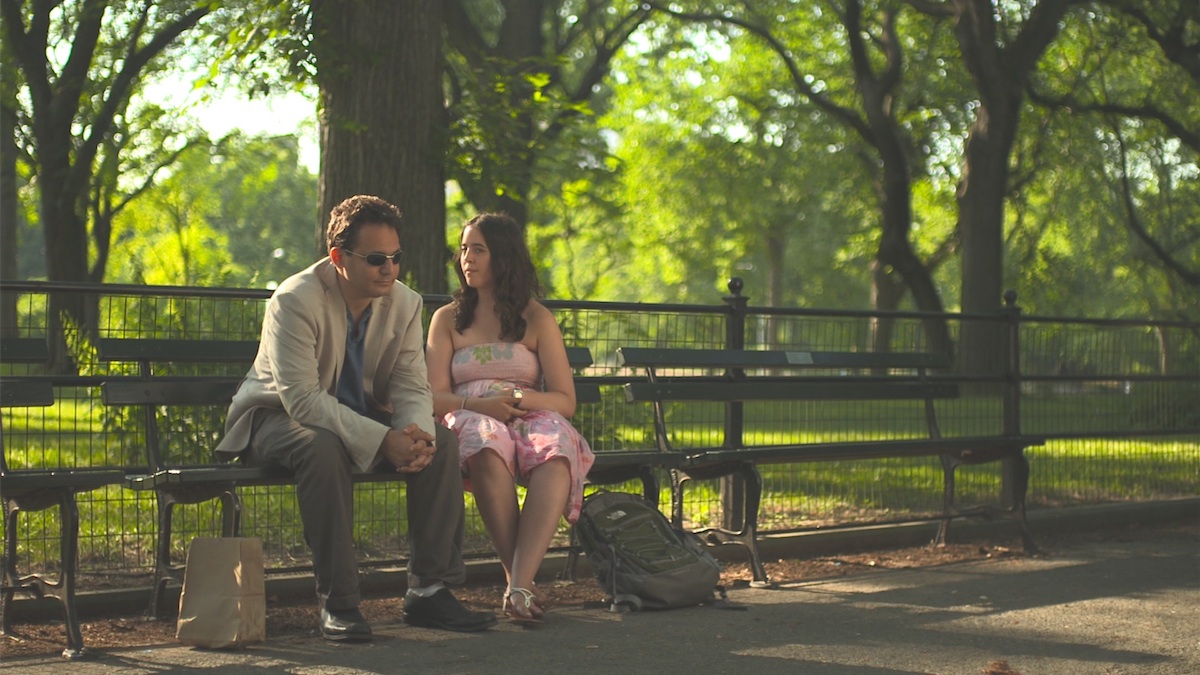 The New York-set award-winning romantic comedy Keep The Change, written and directed by Rachel Israel, and starring newcomers Brandon Polansky (as David) and Samantha Elisofon (as Sarah), centers around David and Sarah’s unexpected encounter and ensuing romance. Jessica Walter (Arrested Development, Archer), Tibor Feldman (The Devil Wears Prada), Sondra James (Royal Pains), and Johnathan Tchaikovsky (The Wolf of Wall Street) round up the cast.
While David struggles to come to terms with his own high-functioning autism, he unexpectedly falls for Sarah, a quirky and outgoing woman whose lust for life both irks and fascinates him. As David and Sarah’s relationship evolves, Keep The Change blossoms into a refreshingly off-kilter story about the ups-and-downs of romantic love – and the rewards of acceptance, self-love and mutual trust.
Painting an honest portrait of a community seldom depicted on the big screen, Keep The Change is based on the award-winning short film developed by Rachel Israel and lead actor Brandon Polansky that was inspired by Polansky’s experiences at Adaptations, a community for adults on the autism spectrum that meets at the Jewish Community Center (JCC) of Manhattan. Film Director Rachel Israel cast Keep The Change with non-professional actors from Adaptations, and she worked closely with them to create fictional versions of themselves for the film.
Keep The Change premiered at the 2017 Tribeca Film Festival, where it won two of the festival’s most coveted awards: Best U.S. Narrative Feature and Best New Narrative Director. It also received Special Mention for the Nora Ephron Prize. At last summer’s Karlovy Vary International Film Festival, the film won the Best Debut and FIPRESCI awards.
Keep The Change will be released by Kino Lorber and opens in New York on March 16, following its prominent berth as opening night feature of the 2018 ReelAbilities Film Festival in March. A national expansion will follow.
Director Rachel Israel wrote in a prepared statement: “Keep The Change has been a labor of love for all involved, from our cast to our crew, our producers, and our community partners at the JCC’s Center for Special Needs. We made a unique, risk-taking film and it is wonderful to see it come to light on the big screen. We are absolutely thrilled to be partnered with Kino Lorber, and to have their exceptional taste and reputation behind the film.”
https://www.youtube.com/watch?v=PKyivROX8MI
The New York-set award-winning romantic comedy Keep The Change, written and directed by Rachel Israel, and starring newcomers Brandon Polansky (as David) and Samantha Elisofon (as Sarah), centers around David and Sarah’s unexpected encounter and ensuing romance. Jessica Walter (Arrested Development, Archer), Tibor Feldman (The Devil Wears Prada), Sondra James (Royal Pains), and Johnathan Tchaikovsky (The Wolf of Wall Street) round up the cast.
While David struggles to come to terms with his own high-functioning autism, he unexpectedly falls for Sarah, a quirky and outgoing woman whose lust for life both irks and fascinates him. As David and Sarah’s relationship evolves, Keep The Change blossoms into a refreshingly off-kilter story about the ups-and-downs of romantic love – and the rewards of acceptance, self-love and mutual trust.
Painting an honest portrait of a community seldom depicted on the big screen, Keep The Change is based on the award-winning short film developed by Rachel Israel and lead actor Brandon Polansky that was inspired by Polansky’s experiences at Adaptations, a community for adults on the autism spectrum that meets at the Jewish Community Center (JCC) of Manhattan. Film Director Rachel Israel cast Keep The Change with non-professional actors from Adaptations, and she worked closely with them to create fictional versions of themselves for the film.
Keep The Change premiered at the 2017 Tribeca Film Festival, where it won two of the festival’s most coveted awards: Best U.S. Narrative Feature and Best New Narrative Director. It also received Special Mention for the Nora Ephron Prize. At last summer’s Karlovy Vary International Film Festival, the film won the Best Debut and FIPRESCI awards.
Keep The Change will be released by Kino Lorber and opens in New York on March 16, following its prominent berth as opening night feature of the 2018 ReelAbilities Film Festival in March. A national expansion will follow.
Director Rachel Israel wrote in a prepared statement: “Keep The Change has been a labor of love for all involved, from our cast to our crew, our producers, and our community partners at the JCC’s Center for Special Needs. We made a unique, risk-taking film and it is wonderful to see it come to light on the big screen. We are absolutely thrilled to be partnered with Kino Lorber, and to have their exceptional taste and reputation behind the film.”
https://www.youtube.com/watch?v=PKyivROX8MI
-
Sundance 2018: Watch Trailer for Gloria Allred Documentary SEEING ALLRED
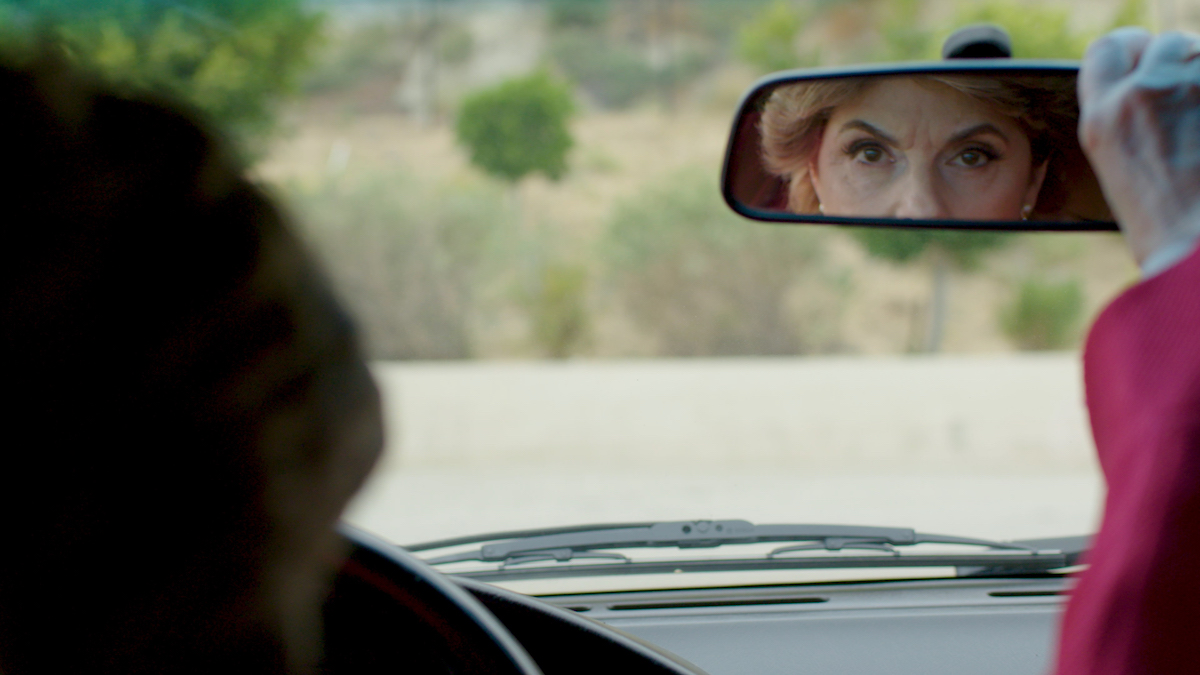 As sexual-violence allegations grip the nation, the revealing Gloria Allred documentary “Seeing Allred” provides a candid look at one of the most public crusaders against the war on women. Seeing Allred will World Premiere at the 2018 Sundance Film Festival and debut on Netflix February 9, 2018.
Through rare archival footage and revealing interviews with both her supporters and critics, this fascinating biographical portrait examines Gloria Allred’s personal trauma and assesses both her wins and setbacks on high-profile cases against Bill Cosby and Donald Trump.
Featuring interviews with Gloria Steinem, Don Lemon, Alan Dershowitz, Allred’s daughter Lisa Bloom and others, Seeing Allred is a portrait of a woman everyone thinks they know, at a time when women need her the most.
Seeing Allred is directed by Sophie Sartain (Mimi and Dona, 2015) and Roberta Grossman (Above and Beyond, 2014); and produced by Grossman, Sartain, Marta Kauffman (co-creator of Friends and Grace & Frankie), Robbie Rowe Tollin (The Zookeeper’s Wife), and Hannah KS Canter (Grace & Frankie).
https://www.youtube.com/watch?v=SC8Eg0odTfY
As sexual-violence allegations grip the nation, the revealing Gloria Allred documentary “Seeing Allred” provides a candid look at one of the most public crusaders against the war on women. Seeing Allred will World Premiere at the 2018 Sundance Film Festival and debut on Netflix February 9, 2018.
Through rare archival footage and revealing interviews with both her supporters and critics, this fascinating biographical portrait examines Gloria Allred’s personal trauma and assesses both her wins and setbacks on high-profile cases against Bill Cosby and Donald Trump.
Featuring interviews with Gloria Steinem, Don Lemon, Alan Dershowitz, Allred’s daughter Lisa Bloom and others, Seeing Allred is a portrait of a woman everyone thinks they know, at a time when women need her the most.
Seeing Allred is directed by Sophie Sartain (Mimi and Dona, 2015) and Roberta Grossman (Above and Beyond, 2014); and produced by Grossman, Sartain, Marta Kauffman (co-creator of Friends and Grace & Frankie), Robbie Rowe Tollin (The Zookeeper’s Wife), and Hannah KS Canter (Grace & Frankie).
https://www.youtube.com/watch?v=SC8Eg0odTfY
-
ELVIS PRESLEY: THE SEARCHER, Documentary Exploring His Creative Journey, Debuts April 14 on HBO
 The new documentary Elvis Presley: The Searcher will debut Saturday, April 14 on HBO. This three-hour, two-film presentation focuses on Elvis Presley the musical artist, taking the audience on a comprehensive creative journey from his childhood through the final 1976 Jungle Room recording sessions.
The films include stunning atmospheric shots taken inside Graceland, Elvis’ iconic home, and feature more than 20 new, primary source interviews with session players, producers, engineers, directors and other artists who knew him or who were profoundly influenced by him. The documentary also features never-before-seen photos and footage from private collections worldwide, and includes an original musical score composed by Pearl Jam lead guitarist Mike McCready.
Priscilla Presley, David Porter (legendary Memphis music writer and producer), Thom Zimny (director), Jon Landau (producer) and moderator John Jackson (SVP A&R, Sony Music) will discuss the film, the cultural impact of Elvis’ music and how that impact became the embodiment of rock’n’roll at the 2018 SXSW Festival in March.
The panel is expected to cover:
The new documentary Elvis Presley: The Searcher will debut Saturday, April 14 on HBO. This three-hour, two-film presentation focuses on Elvis Presley the musical artist, taking the audience on a comprehensive creative journey from his childhood through the final 1976 Jungle Room recording sessions.
The films include stunning atmospheric shots taken inside Graceland, Elvis’ iconic home, and feature more than 20 new, primary source interviews with session players, producers, engineers, directors and other artists who knew him or who were profoundly influenced by him. The documentary also features never-before-seen photos and footage from private collections worldwide, and includes an original musical score composed by Pearl Jam lead guitarist Mike McCready.
Priscilla Presley, David Porter (legendary Memphis music writer and producer), Thom Zimny (director), Jon Landau (producer) and moderator John Jackson (SVP A&R, Sony Music) will discuss the film, the cultural impact of Elvis’ music and how that impact became the embodiment of rock’n’roll at the 2018 SXSW Festival in March.
The panel is expected to cover:
- how Elvis found inspiration in black and white gospel music of Tupelo
- his early experience with the great African-American blues and r’n’b of Memphis
- his evolution as an artist with Sam Phillips
- the creative impact of his time serving in the U.S. Army in Germany
- the creative highs and lows of his career in the 1960s, culminating in the triumphant ’68 special
- an assessment of Elvis as a performing artist in the early ’70s, featuring a discussion of Jon Landau’s seminal 1971 review of Elvis in concert
- a discussion of the interviews conducted for the film, including insights into the conversations with Scotty Moore, Red West, Bruce Springsteen and Tom Petty, among others
- insight into the creation of the film’s score by Pearl Jam’s Mike McCready
- an inquiry into the artistic and personal struggles that preceded his death in 1977