
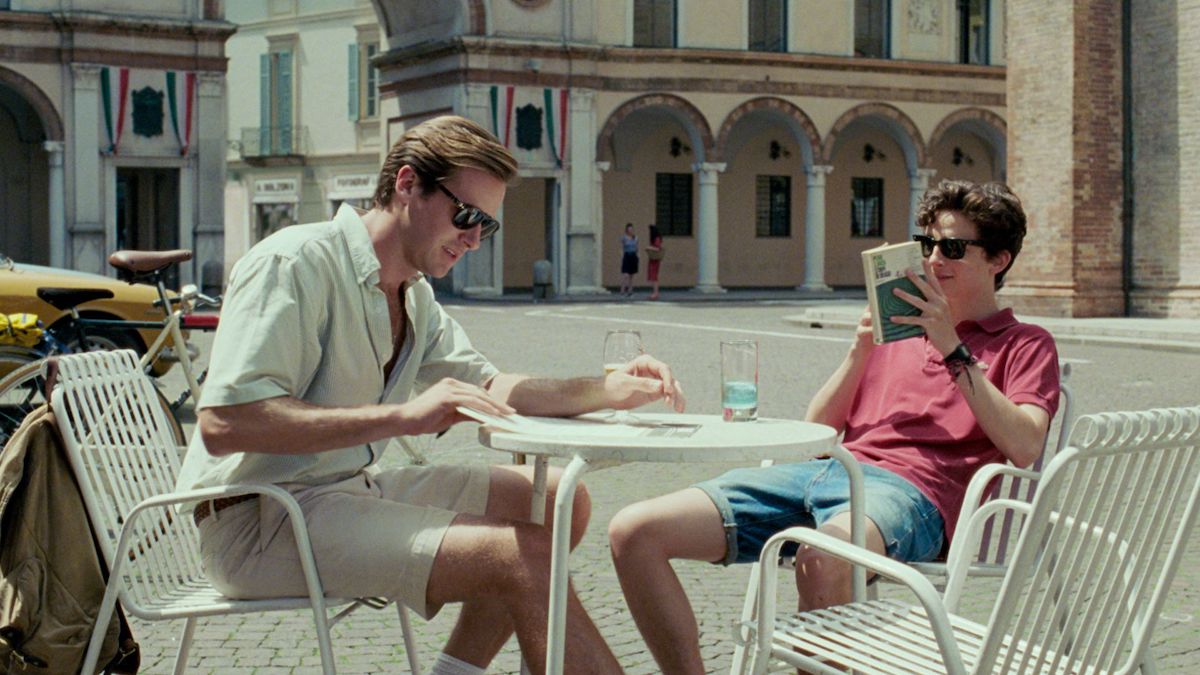
 Call Me By Your Name[/caption]
Luca Guadagnino’s Call Me By Your Name, leads the nominations for the 2017 Chicago Film Critics Association awards with eight nods, including Best Picture, and Guadagnino for Best Director. Co-stars Armie Hammer and Michael Stuhlbarg were both nominated for Best Supporting Actor and young star Timothee Chalamet received dual nominations for Actor and Breakthrough Performer.
Coming in second place in the nomination count with seven was The Shape of Water, visionary filmmaker Guillermo del Toro’s Cold War-era romantic fantasy. The film was nominated for Best Picture and del Toro received nods for Director and Original Screenplaywith co-writer Vanessa Taylor; while Sally Hawkins landed in the Best Actress category.
Now in its 30th year, the CFCA will announce its winners during their year-end awards dinner to be held on December 12, 2017.
Call Me By Your Name[/caption]
Luca Guadagnino’s Call Me By Your Name, leads the nominations for the 2017 Chicago Film Critics Association awards with eight nods, including Best Picture, and Guadagnino for Best Director. Co-stars Armie Hammer and Michael Stuhlbarg were both nominated for Best Supporting Actor and young star Timothee Chalamet received dual nominations for Actor and Breakthrough Performer.
Coming in second place in the nomination count with seven was The Shape of Water, visionary filmmaker Guillermo del Toro’s Cold War-era romantic fantasy. The film was nominated for Best Picture and del Toro received nods for Director and Original Screenplaywith co-writer Vanessa Taylor; while Sally Hawkins landed in the Best Actress category.
Now in its 30th year, the CFCA will announce its winners during their year-end awards dinner to be held on December 12, 2017.
News
All the News.
All the News.
-
CALL ME BY YOUR NAME Leads Nominations for 2017 Chicago Film Critics Association Awards
[caption id="attachment_25916" align="aligncenter" width="1200"] Call Me By Your Name[/caption]
Luca Guadagnino’s Call Me By Your Name, leads the nominations for the 2017 Chicago Film Critics Association awards with eight nods, including Best Picture, and Guadagnino for Best Director. Co-stars Armie Hammer and Michael Stuhlbarg were both nominated for Best Supporting Actor and young star Timothee Chalamet received dual nominations for Actor and Breakthrough Performer.
Coming in second place in the nomination count with seven was The Shape of Water, visionary filmmaker Guillermo del Toro’s Cold War-era romantic fantasy. The film was nominated for Best Picture and del Toro received nods for Director and Original Screenplaywith co-writer Vanessa Taylor; while Sally Hawkins landed in the Best Actress category.
Now in its 30th year, the CFCA will announce its winners during their year-end awards dinner to be held on December 12, 2017.
-
PHANTOM THREAD Named Best Movie of 2017 by Boston Society of Film Critics
[caption id="attachment_25911" align="aligncenter" width="1200"]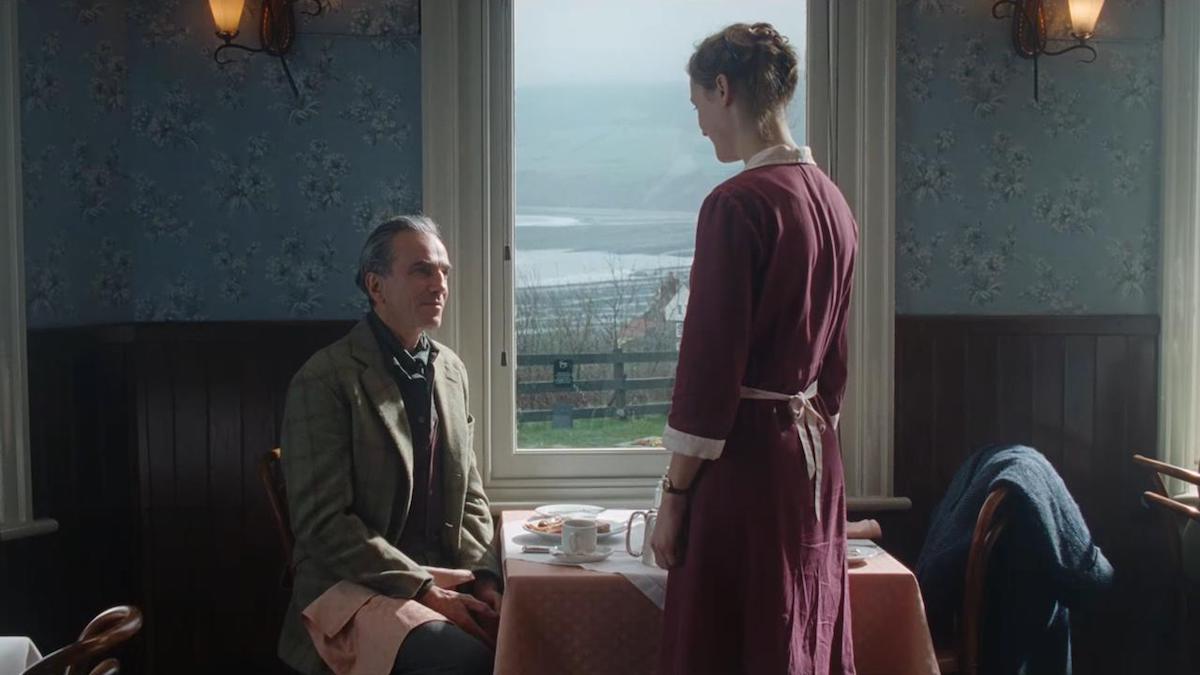 Phantom Thread[/caption]
Phantom Thread was named the Best Picture of 2017 by the Boston Society of Film Critics on Sunday, and the film’s director Paul Thomas Anderson was named Best Director. The Square was voted Best Foreign-Language Film, and Dawson City: Frozen Time was named Best Documentary.
Phantom Thread[/caption]
Phantom Thread was named the Best Picture of 2017 by the Boston Society of Film Critics on Sunday, and the film’s director Paul Thomas Anderson was named Best Director. The Square was voted Best Foreign-Language Film, and Dawson City: Frozen Time was named Best Documentary.
2017 Boston Society of Film Critics Awards, Commendations and Rediscoveries
Best Picture – Phantom Thread Best Actor – Daniel Kaluuya for Get Out Best Actress – Sally Hawkins for The Shape of Water Best Supporting Actor – Willem Dafoe for The Florida Project Best Supporting Actress – Laurie Metcalf for Lady Bird Best Director – Paul Thomas Anderson for Phantom Thread Best Screenplay – Greta Gerwig for Lady Bird Best Cinematography – Hoyte Van Hoytema for Dunkirk Best Documentary – Dawson City: Frozen Time Best Foreign-Language Film (awarded in memory of Jay Carr) – The Square Best Animated Film – Coco Best Film Editing (awarded in memory of Karen Schmeer) – David Lowery for A Ghost Story Best New Filmmaker (awarded in memory of David Brudnoy) – Jordan Peele for Get Out Best Ensemble Cast – The Meyerowitz Stories (New and Selected) Best Original Score – Jonny Greenwood for Phantom Thread Best Film Series “A Year of Women in Cinema” at The Brattle Theatre “Hachimiri Madness! Japanese Independents from the Punk Years” at The Harvard Film Archive “Harry Dean Stanton: Say Something True” at The Museum of Fine Arts Boston “Frederick Wiseman: For the Record” at The Museum of Fine Arts Boston “Robert Mitchum Centennial Tribute” at The Brattle Theatre Best Rediscoveries Targets [1968, Peter Bogdanovich] at The Brattle Theatre The Loom [1986, Stan Brakhage] (“Stan Brakhage’s Metaphors on Vision”) at The Harvard Film Archive Seven Beauties [1975, Lina Wertmuller] (“The Films of Lina Wertmuller”) at The Brattle Theatre The Brig [1964, Jonas Mekas] (“Scenes from the Life of a Happy Man … The Films of Jonas Mekas”) at The Harvard Film Archive A Bay of Blood [1971, Mario Bava] (“Mario Bava and the Birth of Italian Giallo”) at The Brattle Theatre Retrospective of the Year (awarded in memory of David Pendleton) “The Complete Jean Renoir” at The Harvard Film Archive Commendations To The Brattle Theatre for ensuring that the iconic Boston movieThe Friends of Eddie Coyle can once again be seen by cinema audiences. With no prints to be found of the 1973 film starring Robert Mitchum, the Brattle convinced Paramount Pictures that there was demand for the picture and made a significant financial contribution to the studio’s creation of a DCP of the digital restoration that had been done for a DVD release. To Boston-based musicians and silent-film-music scholars Martin Marks, Robert Humphreville and Jeff Rapsis, whose live accompaniment at silent-film screenings have delighted Boston audiences for many years. Their artistry was particularly sublime this year during the silent component of The Harvard Film Archive’s “That Certain Feeling … The Touch of Ernst Lubitsch,” a series requiring music for broad comedies, extravagant adventures and subtle dramas. To the Waltham-based, artist-run film collective AgX Boston, for creating a space dedicated to fostering skill-building and interest in photochemical-based moving images through workshops, events and collaborative experimentation.
-
THE SHAPE OF WATER Tops 75th Golden Globe Awards Nominations with 7 Nods | Complete List
[caption id="attachment_25167" align="aligncenter" width="1200"]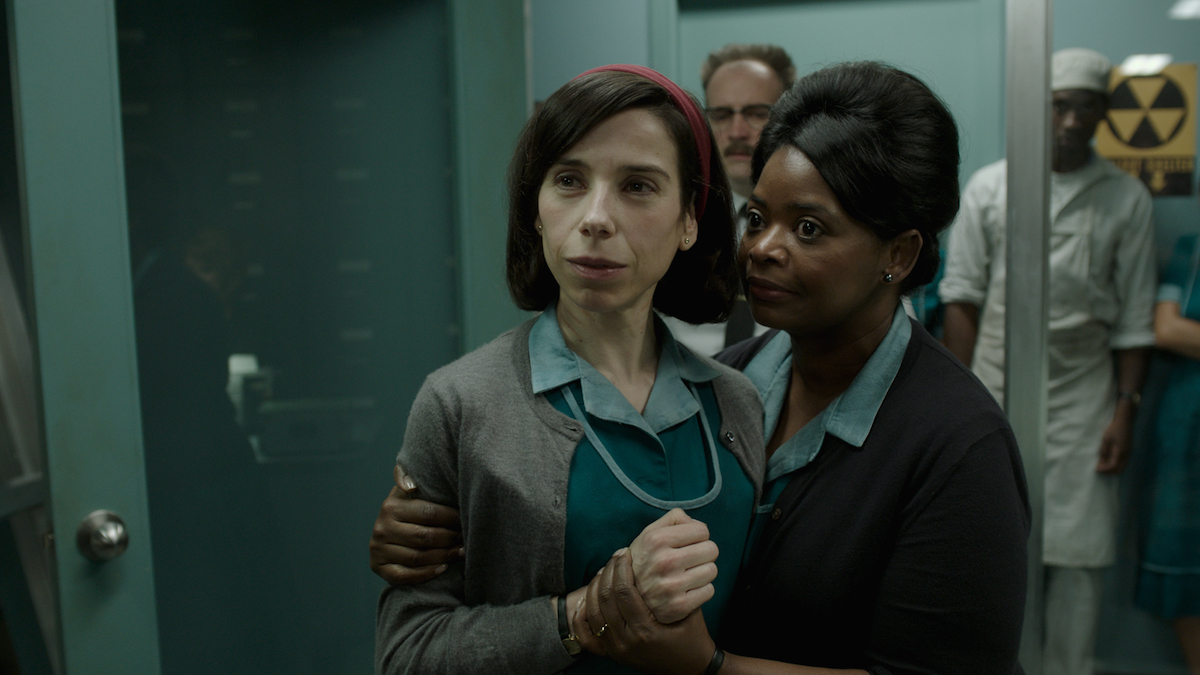 Sally Hawkins and Octavia Spencer in the film THE SHAPE OF WATER.[/caption]
The Shape of Water leads the nominations for the 75th Golden Globe Awards announced live this morning with 7 nods including Best Motion Picture – Drama, and Best Director for Guillermo Del Toro. Other big winners include Three Billboards Outside Ebbing, Missouri with 6 nominations and Lady Bird with 4 nominations.
The 75th Annual Golden Globe® Awards will air LIVE coast-to-coast on NBC Sunday, January 7, 2018, from 5-8PM PT/8-11PM ET from the Beverly Hilton Hotel with host Seth Meyers.
Sally Hawkins and Octavia Spencer in the film THE SHAPE OF WATER.[/caption]
The Shape of Water leads the nominations for the 75th Golden Globe Awards announced live this morning with 7 nods including Best Motion Picture – Drama, and Best Director for Guillermo Del Toro. Other big winners include Three Billboards Outside Ebbing, Missouri with 6 nominations and Lady Bird with 4 nominations.
The 75th Annual Golden Globe® Awards will air LIVE coast-to-coast on NBC Sunday, January 7, 2018, from 5-8PM PT/8-11PM ET from the Beverly Hilton Hotel with host Seth Meyers.
75th Golden Globe Awards Nominations
BEST MOTION PICTURE – DRAMA a. CALL ME BY YOUR NAME b. DUNKIRK c. THE POST d. THE SHAPE OF WATER e. THREE BILLBOARDS OUTSIDE EBBING, MISSOURI BEST PERFORMANCE BY AN ACTRESS IN A MOTION PICTURE – DRAMA a. JESSICA CHASTAIN – MOLLY’S GAME b. SALLY HAWKINS – THE SHAPE OF WATER c. FRANCES MCDORMAND – THREE BILLBOARDS OUTSIDE EBBING, MISSOURI d. MERYL STREEP – THE POST e. MICHELLE WILLIAMS – ALL THE MONEY IN THE WORLD BEST PERFORMANCE BY AN ACTOR IN A MOTION PICTURE – DRAMA a. TIMOTHÉE CHALAMET – CALL ME BY YOUR NAME b. DANIEL DAY-LEWIS – PHANTOM THREAD c. TOM HANKS – THE POST d. GARY OLDMAN – DARKEST HOUR e. DENZEL WASHINGTON – ROMAN J. ISRAEL, ESQ. BEST MOTION PICTURE – MUSICAL OR COMEDY a. THE DISASTER ARTIST b. GET OUT c. THE GREATEST SHOWMAN d. I, TONYA e. LADY BIRD BEST PERFORMANCE BY AN ACTRESS IN A MOTION PICTURE – MUSICAL OR COMEDY a. JUDI DENCH – VICTORIA & ABDUL b. HELEN MIRREN – THE LEISURE SEEKER c. MARGOT ROBBIE – I, TONYA d. SAOIRSE RONAN – LADY BIRD e. EMMA STONE – BATTLE OF THE SEXES BEST PERFORMANCE BY AN ACTOR IN A MOTION PICTURE – MUSICAL OR COMEDY a. STEVE CARELL – BATTLE OF THE SEXES b. ANSEL ELGORT – BABY DRIVER c. JAMES FRANCO – THE DISASTER ARTIST d. HUGH JACKMAN – THE GREATEST SHOWMAN e. DANIEL KALUUYA – GET OUT BEST MOTION PICTURE – ANIMATED a. THE BOSS BABY b. THE BREADWINNER c. COCO d. FERDINAND e. LOVING VINCENT BEST MOTION PICTURE – FOREIGN LANGUAGE a. A FANTASTIC WOMAN (CHILE) b. FIRST THEY KILLED MY FATHER (CAMBODIA) c. IN THE FADE (GERMANY / FRANCE) d. LOVELESS (RUSSIA) e. THE SQUARE (SWEDEN / GERMANY / FRANCE) BEST PERFORMANCE BY AN ACTRESS IN A SUPPORTING ROLE IN ANY MOTION PICTURE a. MARY J. BLIGE – MUDBOUND b. HONG CHAU – DOWNSIZING c. ALLISON JANNEY – I, TONYA d. LAURIE METCALF – LADY BIRD e. OCTAVIA SPENCER – THE SHAPE OF WATER BEST PERFORMANCE BY AN ACTOR IN A SUPPORTING ROLE IN ANY MOTION PICTURE a. WILLEM DAFOE – THE FLORIDA PROJECT b. ARMIE HAMMER – CALL ME BY YOUR NAME c. RICHARD JENKINS – THE SHAPE OF WATER d. CHRISTOPHER PLUMMER – ALL THE MONEY IN THE WORLD e. SAM ROCKWELL – THREE BILLBOARDS OUTSIDE EBBING, MISSOURI BEST DIRECTOR – MOTION PICTURE a. GUILLERMO DEL TORO – THE SHAPE OF WATER b. MARTIN MCDONAGH – THREE BILLBOARDS OUTSIDE EBBING, MISSOURI c. CHRISTOPHER NOLAN – DUNKIRK d. RIDLEY SCOTT – ALL THE MONEY IN THE WORLD e. STEVEN SPIELBERG – THE POST BEST SCREENPLAY – MOTION PICTURE a. GUILLERMO DEL TORO, VANESSA TAYLOR – THE SHAPE OF WATER b. GRETA GERWIG – LADY BIRD c. LIZ HANNAH, JOSH SINGER – THE POST d. MARTIN MCDONAGH – THREE BILLBOARDS OUTSIDE EBBING, MISSOURI e. AARON SORKIN – MOLLY’S GAME BEST ORIGINAL SCORE – MOTION PICTURE a. CARTER BURWELL – THREE BILLBOARDS OUTSIDE EBBING, MISSOURI b. ALEXANDRE DESPLAT – THE SHAPE OF WATER c. JONNY GREENWOOD – PHANTOM THREAD d. JOHN WILLIAMS – THE POST e. HANS ZIMMER – DUNKIRK BEST ORIGINAL SONG – MOTION PICTURE a. “HOME” — FERDINAND Music by: Nick Jonas, Justin Tranter, Nick Monson Lyrics by: Nick Jonas, Justin Tranter b. “MIGHTY RIVER” — MUDBOUND Music by: Raphael Saadiq Lyrics by: Mary J. Blige, Raphael Saadiq, Taura Stinson c. “REMEMBER ME” — COCO Music by: Kristen Anderson-Lopez and Robert Lopez Lyrics by: Kristen Anderson-Lopez and Robert Lopez d. “THE STAR” — THE STAR Music by: Mariah Carey, Marc Shaiman Lyrics by: Mariah Carey, Marc Shaiman e. “THIS IS ME” — THE GREATEST SHOWMAN Music by: Benj Pasek, Justin Paul Lyrics by: Benj Pasek, Justin Paul BEST TELEVISION SERIES – DRAMA a. THE CROWN – NETFLIX b. GAME OF THRONES – HBO c. THE HANDMAID’S TALE – HULU d. STRANGER THINGS – NETFLIX e. THIS IS US – NBC BEST PERFORMANCE BY AN ACTRESS IN A TELEVISION SERIES – DRAMA a. CAITRIONA BALFE – OUTLANDER b. CLAIRE FOY – THE CROWN c. MAGGIE GYLLENHAAL – THE DEUCE d. KATHERINE LANGFORD – 13 REASONS WHY e. ELISABETH MOSS – THE HANDMAID’S TALE BEST PERFORMANCE BY AN ACTOR IN A TELEVISION SERIES – DRAMA a. JASON BATEMAN – OZARK b. STERLING K. BROWN – THIS IS US c. FREDDIE HIGHMORE – THE GOOD DOCTOR d. BOB ODENKIRK – BETTER CALL SAUL e. LIEV SCHREIBER – RAY DONOVAN BEST TELEVISION SERIES – MUSICAL OR COMEDY a. BLACK-ISH ABC b. THE MARVELOUS MRS. MAISEL AMAZON c. MASTER OF NONE NETFLIX d. SMILF SHOWTIME e. WILL & GRACE NBC BEST PERFORMANCE BY AN ACTRESS IN A TELEVISION SERIES –MUSICAL OR COMEDY a. PAMELA ADLON – BETTER THINGS b. ALISON BRIE – GLOW c. RACHEL BROSNAHAN – THE MARVELOUS MRS. MAISEL d. ISSA RAE – INSECURE e. FRANKIE SHAW – SMILF BEST PERFORMANCE BY AN ACTOR IN A TELEVISION SERIES – MUSICAL OR COMEDY a. ANTHONY ANDERSON – BLACK-ISH b. AZIZ ANSARI – MASTER OF NONE c. KEVIN BACON – I LOVE DICK d. WILLIAM H. MACY – SHAMELESS e. ERIC MCCORMACK – WILL & GRACE BEST TELEVISION LIMITED SERIES OR MOTION PICTURE MADE FOR TELEVISION a. BIG LITTLE LIES – HBO b. FARGO – FX c. FEUD: BETTE AND JOAN – FX d. THE SINNER – USA NETWORK e. TOP OF THE LAKE: CHINA GIRL – SUNDANCETV BEST PERFORMANCE BY AN ACTRESS IN A LIMITED SERIES OR A MOTION PICTURE MADE FOR TELEVISION a. JESSICA BIEL – THE SINNER b. NICOLE KIDMAN – BIG LITTLE LIES c. JESSICA LANGE – FEUD: BETTE AND JOAN d. SUSAN SARANDON – FEUD: BETTE AND JOAN e. REESE WITHERSPOON – BIG LITTLE LIES BEST PERFORMANCE BY AN ACTOR IN A LIMITED SERIES OR A MOTION PICTURE MADE FOR TELEVISION a. ROBERT DE NIRO – THE WIZARD OF LIES b. JUDE LAW – THE YOUNG POPE c. KYLE MACLACHLAN – TWIN PEAKS d. EWAN MCGREGOR – FARGO e. GEOFFREY RUSH – GENIUS BEST PERFORMANCE BY AN ACTRESS IN A SUPPORTING ROLE IN A SERIES, LIMITED SERIES OR MOTION PICTURE MADE FOR TELEVISION a. LAURA DERN – BIG LITTLE LIES b. ANN DOWD – THE HANDMAID’S TALE c. CHRISSY METZ – THIS IS US d. MICHELLE PFEIFFER – THE WIZARD OF LIES e. SHAILENE WOODLEY – BIG LITTLE LIES BEST PERFORMANCE BY AN ACTOR IN A SUPPORTING ROLE IN A SERIES, LIMITED SERIES OR MOTION PICTURE MADE FOR TELEVISION a. DAVID HARBOUR – STRANGER THINGS b. ALFRED MOLINA – FEUD: BETTE AND JOAN c. CHRISTIAN SLATER – MR. ROBOT d. ALEXANDER SKARSGÅRD – BIG LITTLE LIES e. DAVID THEWLIS – FARGO
-
2017 IDA Documentary Awards – DINA Wins Best Feature
[caption id="attachment_19891" align="aligncenter" width="1200"] Dina[/caption]
Dina, directed by Dan Sickles and Antonio Santini, about a love story between two people who have autism spectrum disorder, won Best Feature at the 33rd International Documentary Association awards ceremony on Saturday in Hollywood.
https://www.youtube.com/watch?v=f4BSWA7pWuc
Other winners at the IDA Documentary Awards include Edith+Eddie directed by Laura Checkoway snagging the prize for Best Short. The short film tells the story of America’s oldest interracial newlyweds.
Dina[/caption]
Dina, directed by Dan Sickles and Antonio Santini, about a love story between two people who have autism spectrum disorder, won Best Feature at the 33rd International Documentary Association awards ceremony on Saturday in Hollywood.
https://www.youtube.com/watch?v=f4BSWA7pWuc
Other winners at the IDA Documentary Awards include Edith+Eddie directed by Laura Checkoway snagging the prize for Best Short. The short film tells the story of America’s oldest interracial newlyweds.
2017 IDA Documentary Award winners:
Best Feature Dina Directors/Producers: Antonio Santini and Dan Sickles The Orchard Best Short Edith+Eddie Director: Laura Checkoway Producer: Thomas Lee Wright Kartemquin Films Best Cinematography Machines Cinematography by: Rodrigo Trejo Villanueva Kino Lorber Best Editing Dawson City: Frozen Time Edited by: Bill Morrison Kino Lorber Best Music Brimstone & Glory Original Score by: Dan Romer and Benh Zeitlin Oscilloscope Laboratories Best Writing Donkeyote Written by: Chico Pereira, Manuel Pereira and Gabriel Molera Scottish Documentary Institute Pare Lorentz Award THE PARE LORENTZ AWARD RECOGNIZES FILMS THAT DEMONSTRATE EXEMPLARY FILMMAKING WHILE FOCUSING ON THE APPROPRIATE USE OF THE NATURAL ENVIRONMENT, JUSTICE FOR ALL AND THE ILLUMINATION OF PRESSING SOCIAL PROBLEMS. Watani: My Homeland (Recipient) Director: Marcel Mettelsiefen Intent to Destroy (Special Mention) Director: Joe Berlinger ABC News VideoSource Award THIS AWARD IS GIVEN EACH YEAR FOR THE BEST USE OF NEWS FOOTAGE AS AN INTEGRAL COMPONENT IN A DOCUMENTARY. LA 92 Directors: Dan Lindsay & TJ Martin National Geographic Best Curated Series Award Independent Lens Executive Producers: Lois Vossen and Sally Jo Fifer PBS Best Limited Series The Defiant Ones Executive Producers: Allen Hughes, Doug Pray, Andrew Kosove, Broderick Johnson, Laura Lancaster, Jerry Longarzo, Michael Lombardo, and Gene Kirkwood HBO Best Episodic Series Award Planet Earth II Executive Producer: Michael Gunton BBC AMERICA/BBC Worldwide Best Short Form Series Award The New York Times Op-Docs Executive Producer: Kathleen Lingo The New York Times David L. Wolper Student Documentary Award THIS AWARD RECOGNIZES EXCEPTIONAL ACHIEVEMENT IN NON-FICTION FILM AND VIDEO PRODUCTION AT THE UNIVERSITY LEVEL AND BRINGS GREATER PUBLIC AND INDUSTRY AWARENESS TO THE WORK OF STUDENTS IN THE DOCUMENTARY FIELD. Man on Fire Director: Joel Fendelman Producer: James Chase Sanchez University of Texas, Austin Career Achievement Award Lourdes Portillo Amicus Award Abigail Disney Emerging Documentary Filmmaker Award Yance Ford Courage Under Fire Award The filmmaking teams and subjects of: City of Ghosts Cries from Syria Hell on Earth: The Fall of Syria and the Rise of ISIS Last Men in Aleppo
-
THE FLORIDA PROJECT, FACES PLACES, BPM Among 2017 San Francisco Film Critics Circle Winners
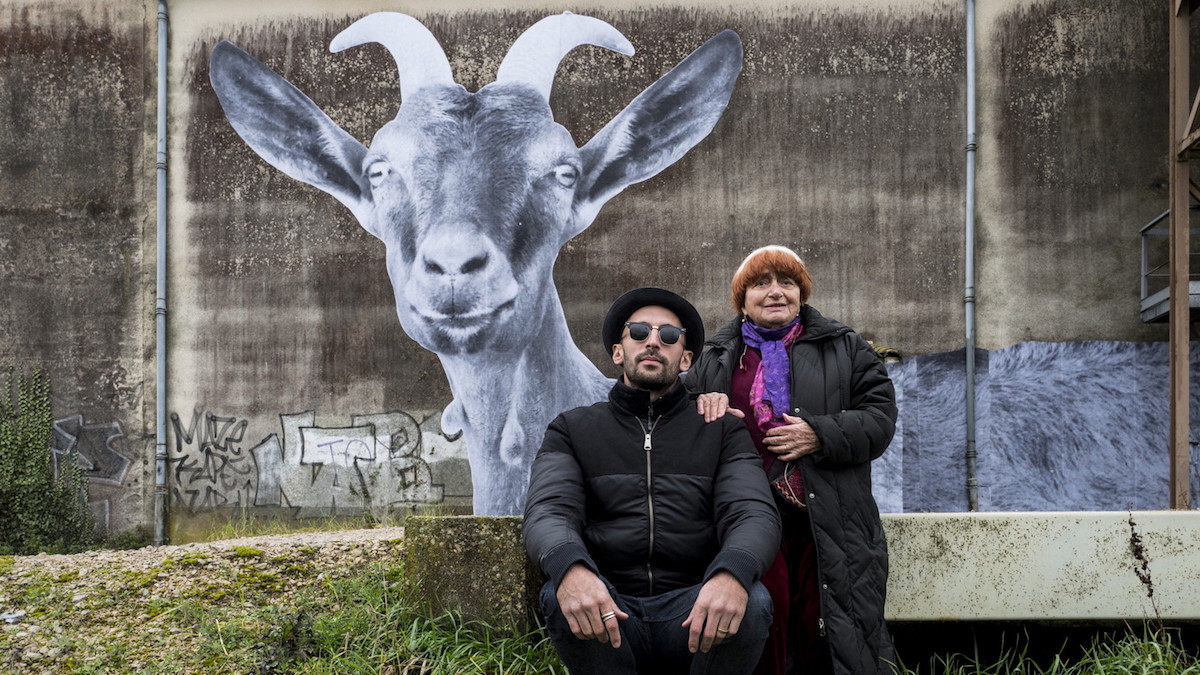
Faces Places THE FLORIDA PROJECT, Sean Baker’s coming-of-age film about little rascals growing up in the shadow of Disney World, was named Best Picture of 2017 by San Francisco Film Critics Circle
-
Toronto Film Critics Association Names THE FLORIDA PROJECT Best Film of 2017
[caption id="attachment_23729" align="aligncenter" width="1200"]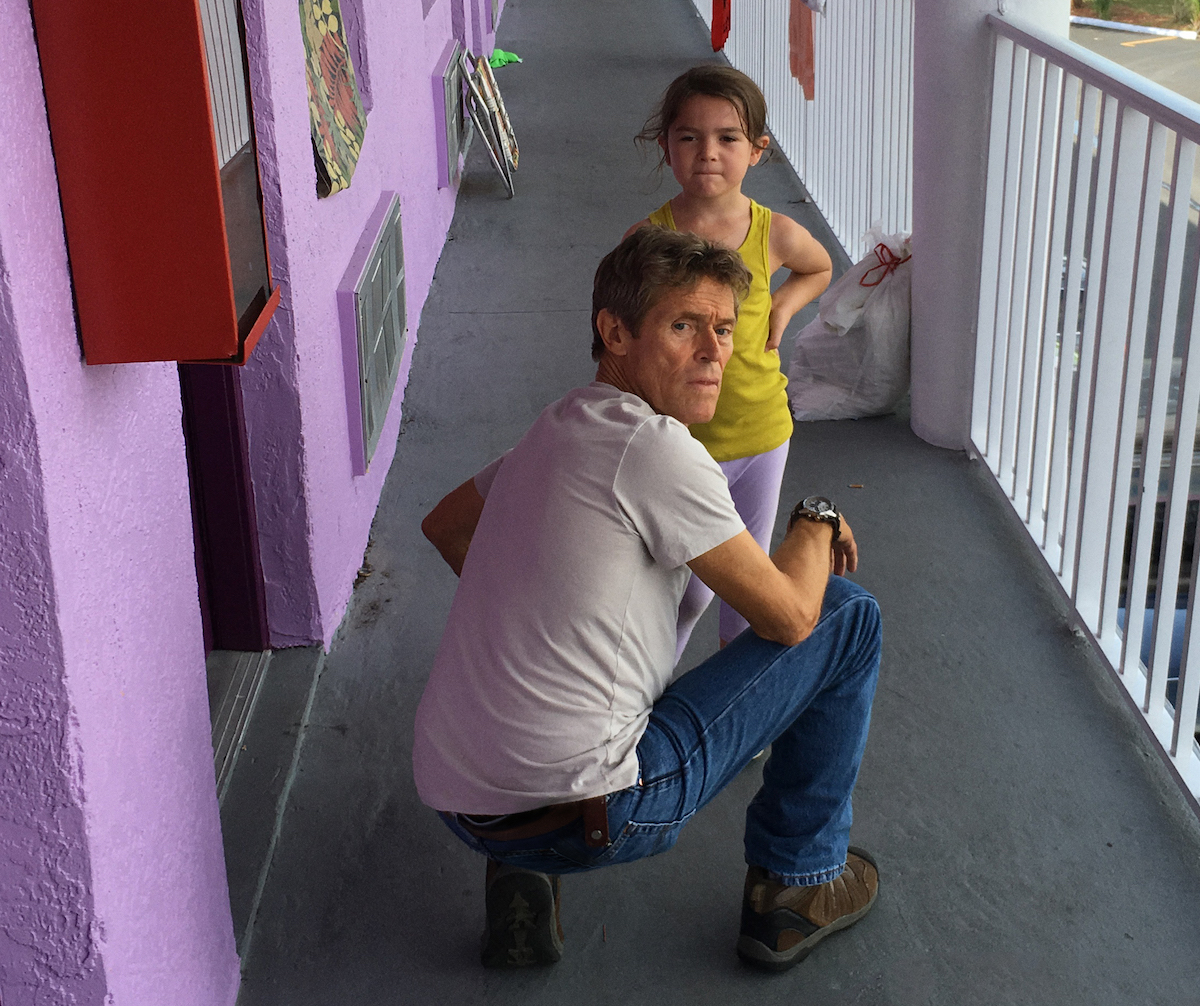 THE FLORIDA PROJECT[/caption]
The Florida Project, Sean Baker’s drama about kids growing up fast in a welfare motel in the shadow of Disney World, was named the year’s Best Picture winner by the Toronto Film Critics Association. Willem Dafoe was chosen Best Supporting Actor for his role as the empathetic motel manager.
Greta Gerwig was named Best Director for her coming-of-age comedic drama, Lady Bird, while the film’s co-star Laurie Metcalf, was chosen Best Supporting Actress.
The TFCA chose Frances McDormand as Best Actress for her portrayal of a driven and tormented mother in Martin McDonagh’s Three Billboards Outside Ebbing, Missouri.
Faces Places, a whimsical journey through France directed by Agnès Varda and muralist JR, was given the Allan King Documentary Film Award.
Art-world satire The Square, directed by Ruben Östlund, was chosen Best Foreign-Language film.
Nora Twomey’s The Breadwinner, based on Canadian author Deborah Ellis’ award-winning novel about an 11-year-old Afghan girl who provides for her family in difficult times, was named Best Animated Feature.
The membership also chose the three finalists for the Rogers Best Canadian Film Award: Hello Destroyer directed by Kevan Funk, Werewolf directed by Ashley McKenzie and Wexford Plaza directed by Joyce Wong.
The winner will be named at the 21st TFCA awards gala, to be held in Toronto, on January 9, 2018, hosted by Cameron Bailey, Artistic Director of the Toronto International Film Festival.
Other awards include the 2017 recipient of the Technicolor Clyde Gilmour Award is Inuk director, producer and writer Zacharias Kunuk. Kunuk has earned international acclaim for his dramatic work, including winning the prestigious Caméra d’Or for Best First Feature at Cannes 2001 for Atanarjuat: The Fast Runner. He has chosen Montreal-based Inuk filmmaker and visual artist Isabella Weetaluktuk to receive $50,000 worth of services from Technicolor. She will accept the award at the gala.
Weetaluktuk, a graduate of NSCAD University in Halifax, premiered her short Three Thousand, her first film with the National Film Board, at the 18th annual imagineNATIVE Film + Media Arts Festival in October.
THE FLORIDA PROJECT[/caption]
The Florida Project, Sean Baker’s drama about kids growing up fast in a welfare motel in the shadow of Disney World, was named the year’s Best Picture winner by the Toronto Film Critics Association. Willem Dafoe was chosen Best Supporting Actor for his role as the empathetic motel manager.
Greta Gerwig was named Best Director for her coming-of-age comedic drama, Lady Bird, while the film’s co-star Laurie Metcalf, was chosen Best Supporting Actress.
The TFCA chose Frances McDormand as Best Actress for her portrayal of a driven and tormented mother in Martin McDonagh’s Three Billboards Outside Ebbing, Missouri.
Faces Places, a whimsical journey through France directed by Agnès Varda and muralist JR, was given the Allan King Documentary Film Award.
Art-world satire The Square, directed by Ruben Östlund, was chosen Best Foreign-Language film.
Nora Twomey’s The Breadwinner, based on Canadian author Deborah Ellis’ award-winning novel about an 11-year-old Afghan girl who provides for her family in difficult times, was named Best Animated Feature.
The membership also chose the three finalists for the Rogers Best Canadian Film Award: Hello Destroyer directed by Kevan Funk, Werewolf directed by Ashley McKenzie and Wexford Plaza directed by Joyce Wong.
The winner will be named at the 21st TFCA awards gala, to be held in Toronto, on January 9, 2018, hosted by Cameron Bailey, Artistic Director of the Toronto International Film Festival.
Other awards include the 2017 recipient of the Technicolor Clyde Gilmour Award is Inuk director, producer and writer Zacharias Kunuk. Kunuk has earned international acclaim for his dramatic work, including winning the prestigious Caméra d’Or for Best First Feature at Cannes 2001 for Atanarjuat: The Fast Runner. He has chosen Montreal-based Inuk filmmaker and visual artist Isabella Weetaluktuk to receive $50,000 worth of services from Technicolor. She will accept the award at the gala.
Weetaluktuk, a graduate of NSCAD University in Halifax, premiered her short Three Thousand, her first film with the National Film Board, at the 18th annual imagineNATIVE Film + Media Arts Festival in October.
2017 Toronto Film Critics Association Awards winners and runners-up:
BEST PICTURE “The Florida Project” (Elevation Pictures) Runners-up “Phantom Thread” (Focus Features) “Three Billboards Outside Ebbing, Missouri” (Fox Searchlight) BEST ACTOR Daniel Day-Lewis, “Phantom Thread” (Focus Features) Runners-up Timothée Chalamet, “Call Me By Your Name” (Mongrel Media) Gary Oldman “Darkest Hour” (Focus Features) BEST ACTRESS Frances McDormand, “Three Billboards Outside Ebbing, Missouri” (Fox Searchlight) Runners-up Sally Hawkins, “The Shape of Water” (Fox Searchlight) Saoirse Ronan, “Lady Bird” (Elevation Pictures) BEST SUPPORTING ACTOR Willem Dafoe “The Florida Project” (Elevation Pictures) Runners-up Sam Rockwell, “Three Billboards Outside Ebbing, Missouri” (Fox Searchlight) Michael Stuhlbarg, “Call Me By Your Name” (Mongrel Media) BEST SUPPORTING ACTRESS Laurie Metcalf “Lady Bird” (Elevation Pictures) Runners-up Allison Janney, “I, Tonya” (VVS Films) Lesley Manville, “Phantom Thread” (Focus Features) BEST DIRECTOR Greta Gerwig, “Lady Bird” (Elevation Pictures) Runners-up Paul Thomas Anderson, “Phantom Thread” (Focus Features) Jordan Peele, “Get Out” (Universal Pictures) BEST SCREENPLAY, ADAPTED OR ORIGINAL “Get Out” by Jordan Peele (Universal Pictures) Runners-up “Lady Bird” by Greta Gerwig (Elevation Pictures) “Three Billboards Outside Ebbing, Missouri” by Martin McDonagh (Fox Searchlight) BEST FIRST FEATURE “Get Out” directed by Jordan Peele (Universal Pictures) Runners-up “Lady Macbeth” directed by William Oldroyd (D Films) “Werewolf,” directed by Ashley McKenzie (grassfire films) BEST ANIMATED FEATURE “The Breadwinner” (Elevation Pictures) Runners-up “Coco” (Disney/Pixar) “Window Horses” (Mongrel Media) BEST FOREIGN-LANGUAGE FILM “The Square” (The Archive of Film Inc.) Runners-up “Faces Places” (Cohen Media Group) “Loveless” (Mongrel Media) ALLAN KING DOCUMENTARY FILM AWARD “Faces Places” (Cohen Media Group) Runners-up “Jane” (National Geographic) “Kedi” (Blue Ice Docs) ROGERS BEST CANADIAN FILM AWARD FINALISTS “Hello Destroyer” directed by Kevan Funk (Northern Banner) “Werewolf” directed by Ashley McKenzie (grassfire films) “Wexford Plaza” directed by Joyce Wong (LevelFILM)
-
GOD’S OWN COUNTRY, LADY MACBETH Win Big at 2017 British Independent Film Awards
[caption id="attachment_19901" align="aligncenter" width="1200"] God’s Own Country[/caption]
The 2017 British Independent Film Awards took place today in London and God’s Own Country was awarded the top prize Best British Independent Film. The film also walked with awards for Best Actor for Josh O’Connor, Debut Screenwriter for Francis Lee and Best Sound.
Other big winners include Lady Macbeth which snagged the awards for Best Cinematography, Best Costume Design, Best Screenplay, Most Promising Newcomer for Naomi Ackie, and Best Actress for Florence Pugh.
God’s Own Country[/caption]
The 2017 British Independent Film Awards took place today in London and God’s Own Country was awarded the top prize Best British Independent Film. The film also walked with awards for Best Actor for Josh O’Connor, Debut Screenwriter for Francis Lee and Best Sound.
Other big winners include Lady Macbeth which snagged the awards for Best Cinematography, Best Costume Design, Best Screenplay, Most Promising Newcomer for Naomi Ackie, and Best Actress for Florence Pugh.
2017 British Independent Film Awards Winners
Best Casting SARAH CROWE for The Death of Stalin Best Cinematography sponsored by Blackmagic Design ARI WEGNER for Lady Macbeth Best Costume Design HOLLY WADDINGTON for Lady Macbeth Best Editing JON GREGORY for Three Billboards Outside Ebbing, Missouri Best Effects NICK ALLDER and BEN WHITE for The Ritual Best Make Up & Hair Design NICOLE STAFFORD for The Death of Stalin Best Music sponsored by Universal Music Publishing Group CARTER BURWELL for Three Billboards Outside Ebbing, Missouri Best Production Design CRISTINA CASALI for The Death of Stalin Best Sound ANNA BERTMARK for God’s Own Country Debut Screenwriter FRANCIS LEE for God’s Own Country The Douglas Hickox Award (Best Debut Director) RUNGANO NYONI for I Am Not A Witch Best Documentary ALMOST HEAVEN, dir: Carol Salter Breakthrough Producer EMILY MORGAN for I Am Not A Witch Best International Independent Film GET OUT, dir: Jordan Peele Best British Short Film FISH STORY Most Promising Newcomer NAOMI ACKIE for Lady Macbeth Best Screenplay ALICE BIRCH for Lady Macbeth Best Actress FLORENCE PUGH for Lady Macbeth Best Actor JOSH O’CONNOR for God’s Own Country Best Director RUNGANO NYONI for I Am Not A Witch Best British Independent Film GOD’S OWN COUNTRY
-
THE SQUARE Sweeps 2017 European Film Awards, Wins Best Film, Best Director
[caption id="attachment_22898" align="aligncenter" width="1200"]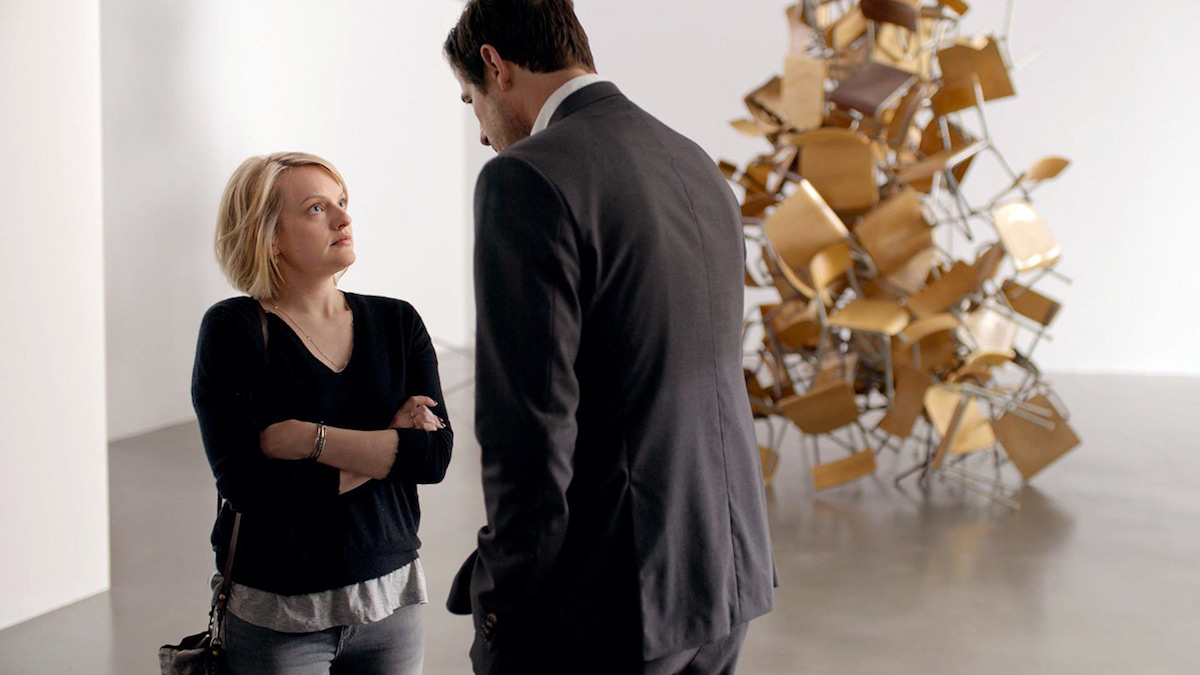 The Square[/caption]
The Square written and directed by Ruben Östlund is the big winner at this year’s 2017 European Film Awards held today in Berlin, winning 6 major awards including Best Film, Best Comedy, Best Director and Best Director for Ruben Östlund; and Best Actor for Claes Bang.
The Square[/caption]
The Square written and directed by Ruben Östlund is the big winner at this year’s 2017 European Film Awards held today in Berlin, winning 6 major awards including Best Film, Best Comedy, Best Director and Best Director for Ruben Östlund; and Best Actor for Claes Bang.
2017 European Film Awards Winners
EUROPEAN FILM 2017 THE SQUARE WRITTEN & DIRECTED BY Ruben Östlund EUROPEAN COMEDY 2017 THE SQUARE WRITTEN & DIRECTED BY Ruben Östlund EUROPEAN DISCOVERY 2017 – Prix FIPRESCI LADY MACBETH DIRECTED BY William Oldroyd WRITTEN BY Alice Birch EUROPEAN DOCUMENTARY 2017 COMMUNION WRITTEN & DIRECTED BY Anna Zamecka EUROPEAN ANIMATED FEATURE FILM 2017 LOVING VINCENT DIRECTED BY Dorota Kobiela & Hugh Welchman WRITTEN BY Dorota Kobiela, Hugh Welchman & Jacek Dehnel ANIMATION: Dorota Kobiela & Łukasz Mackiewicz EUROPEAN SHORT FILM 2017 TIMECODE by Juanjo Giménez EUROPEAN DIRECTOR 2017 Ruben Östlund for THE SQUARE EUROPEAN ACTRESS 2017 Alexandra Borbély in ON BODY AND SOUL EUROPEAN ACTOR 2017 Claes Bang in THE SQUARE EUROPEAN SCREENWRITER 2017 Ruben Östlund for THE SQUARE EUROPEAN CINEMATOGRAPHER 2017 – Prix CARLO DI PALMA Michail Krichman for LOVELESS EUROPEAN EDITOR 2017 Robin Campillo for BPM (BEATS PER MINUTE) EUROPEAN PRODUCTION DESIGNER 2017 Josefin Åsberg for THE SQUARE EUROPEAN COSTUME DESIGNER 2017 Katarzyna Lewińska for SPOOR EUROPEAN HAIR & MAKE-UP ARTIST 2017 Leendert van Nimwegen for BRIMSTONE EUROPEAN COMPOSER 2017 Evgueni & Sacha Galperine for LOVELESS EUROPEAN SOUND DESIGNER 2017 Oriol Tarragó for A MONSTER CALLS EUROPEAN FILM ACADEMY LIFETIME ACHIEVEMENT AWARD Aleksandr Sokurov EUROPEAN ACHIEVEMENT IN WORLD CINEMA Julie Delpy EUROPEAN CO-PRODUCTION AWARD 2017 – Prix EURIMAGES Cedomir Kolar PEOPLE’S CHOICE AWARD 2017 for Best European Film STEFAN ZWEIG – FAREWELL TO EUROPE (VOR DER MORGENRÖTE) DIRECTED BY Maria Schrader WRITTEN BY Maria Schrader & Jan Schomburg
-
GET OUT, JANE, BPM Named 2017 Best Films by D.C. Film Critics Association
[caption id="attachment_25828" align="aligncenter" width="1200"]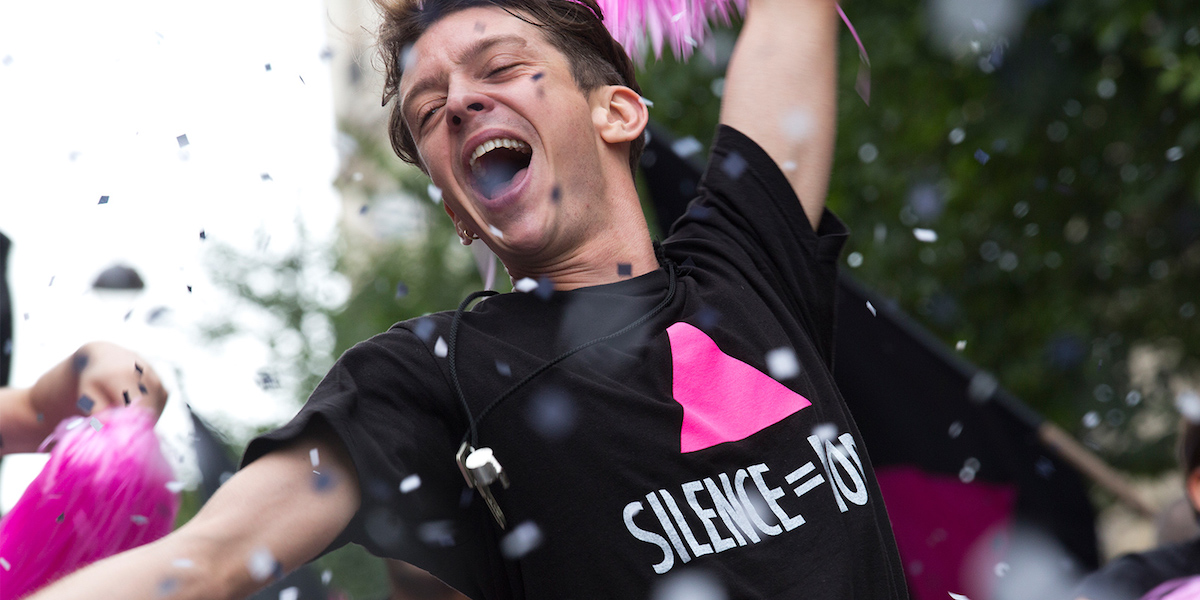 BPM (Beats Per Minute),[/caption]
“Get Out,” a smart, hair-raising satire about prejudice and race relations from writer-director Jordan Peele, lead the Washington, D.C. Area Film Critics Association (WAFCA) 2017 honorees winning Best Film.
Frances McDormand’s searing turn as a grieving, unapologetically outspoken mother nabbed the Best Actress award for the darkly comedic “Three Billboards Outside Ebbing, Missouri.” Other acting honors for that film went to Sam Rockwell as Best Supporting Actor and Best Acting Ensemble for the cast as a whole.
Best Supporting Actress was awarded to Laurie Metcalf, as a working-class mother in “Lady Bird.” For their thoughtful adaptation of author Hillary Jordan’s acclaimed 2008 novel about the relationship between two families—one black, one white—living in the 1940s Jim Crow South, Dee Rees and Virgil Williams earned Best Adapted Screenplay accolades for “Mudbound.”
Brooklynn Prince clinched the Best Youth Performance category for “The Florida Project.”
Best Documentary kudos went to “Jane” and “BPM (Beats Per Minute),” Robin Campillo’s touching story of the HIV/AIDS epidemic in 1990s France, took Best Foreign Language Film honors.
The Washington, D.C. Area Film Critics Association comprises 52 DC-VA-MD-based film critics from television, radio, print and the Internet. Voting was conducted from December 5-7, 2017.
BPM (Beats Per Minute),[/caption]
“Get Out,” a smart, hair-raising satire about prejudice and race relations from writer-director Jordan Peele, lead the Washington, D.C. Area Film Critics Association (WAFCA) 2017 honorees winning Best Film.
Frances McDormand’s searing turn as a grieving, unapologetically outspoken mother nabbed the Best Actress award for the darkly comedic “Three Billboards Outside Ebbing, Missouri.” Other acting honors for that film went to Sam Rockwell as Best Supporting Actor and Best Acting Ensemble for the cast as a whole.
Best Supporting Actress was awarded to Laurie Metcalf, as a working-class mother in “Lady Bird.” For their thoughtful adaptation of author Hillary Jordan’s acclaimed 2008 novel about the relationship between two families—one black, one white—living in the 1940s Jim Crow South, Dee Rees and Virgil Williams earned Best Adapted Screenplay accolades for “Mudbound.”
Brooklynn Prince clinched the Best Youth Performance category for “The Florida Project.”
Best Documentary kudos went to “Jane” and “BPM (Beats Per Minute),” Robin Campillo’s touching story of the HIV/AIDS epidemic in 1990s France, took Best Foreign Language Film honors.
The Washington, D.C. Area Film Critics Association comprises 52 DC-VA-MD-based film critics from television, radio, print and the Internet. Voting was conducted from December 5-7, 2017.
THE 2017 WAFCA AWARD WINNERS:
Best Film: Get Out Best Director: Christopher Nolan (Dunkirk) Best Actor: Gary Oldman (Darkest Hour) Best Actress: Frances McDormand (Three Billboards Outside Ebbing, Missouri) Best Supporting Actor: Sam Rockwell (Three Billboards Outside Ebbing, Missouri) Best Supporting Actress: Laurie Metcalf (Lady Bird) Best Acting Ensemble: Three Billboards Outside Ebbing, Missouri Best Youth Performance: Brooklynn Prince (The Florida Project) Best Voice Performance: Anthony Gonzalez (Coco) Best Motion Capture Performance: Andy Serkis (War for the Planet of the Apes) Best Original Screenplay: Jordan Peele (Get Out) Best Adapted Screenplay: Virgil Williams and Dee Rees (Mudbound) Best Animated Feature: Coco Best Documentary: Jane Best Foreign Language Film: BPM (Beats Per Minute) Best Production Design: Production Designer: Dennis Gassner; Set Decorator: Alessandra Querzola (Blade Runner 2049) Best Cinematography: Roger A. Deakins, ASC, BSC (Blade Runner 2049) Best Editing: Paul Machliss, ACE; Jonathan Amos, ACE (Baby Driver) Best Original Score: Hans Zimmer and Benjamin Wallfisch (Blade Runner 2049) The Joe Barber Award for Best Portrayal of Washington, DC: The Post
-
American Film Institute Announces AFI AWARDS 2017 – Top 10 Films of 2017
[caption id="attachment_24746" align="aligncenter" width="1200"]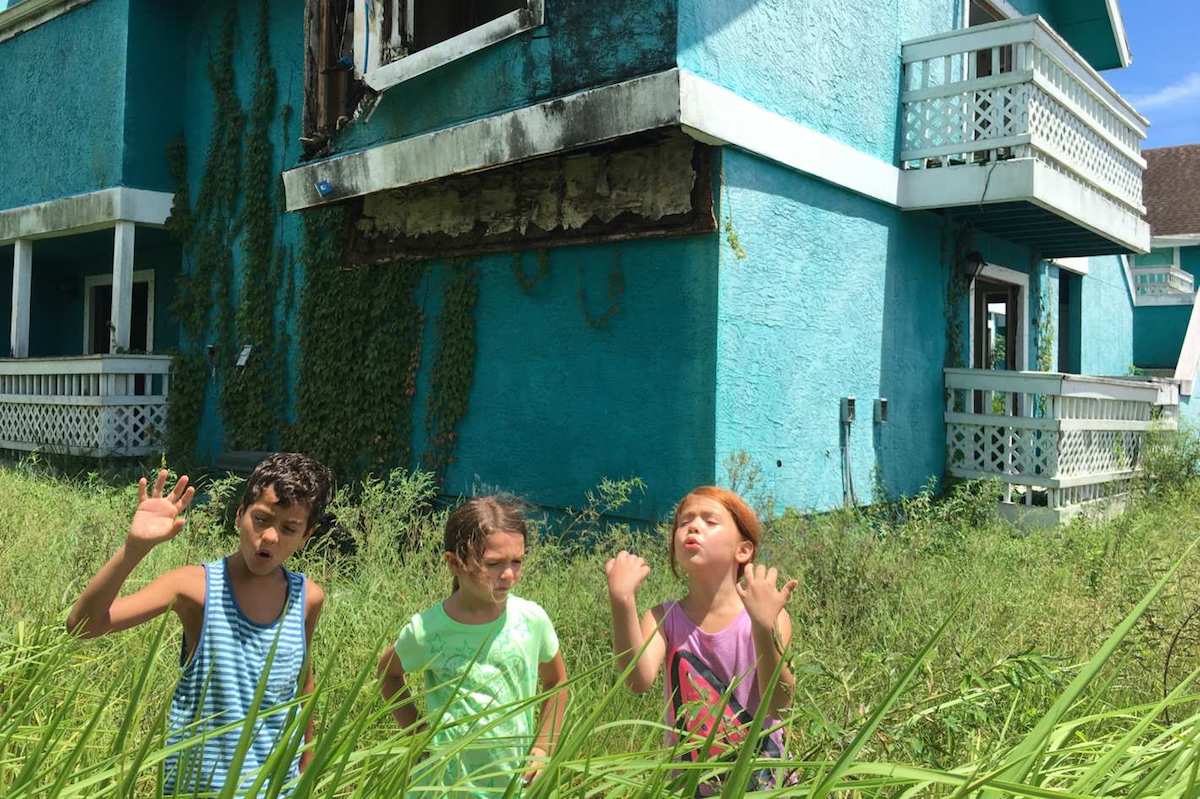 The Florida Project[/caption]
The American Film Institute (AFI) announced today the Official Selections of AFI AWARDS 2017, celebrating the year’s most outstanding 10 films and 10 television programsdeemed culturally and artistically significant.
In addition to the 20 honorees, AFI also recognizes THE VIETNAM WAR with an AFI Special Award.
AFI AWARDS is a coveted honor for its noncompetitive celebration of collaboration. Honorees are selected based on works that advance the art of the moving image, enhance the rich cultural heritage of America’s art form, inspire audiences and artists alike and make a mark on American society.
“At a time when the world seems defined by division, storytellers bring us together as one,” said Bob Gazzale, AFI President and CEO. “AFI AWARDS is honored to celebrate this community of artists who challenge and inspire us, entertain and enlighten us — ultimately reminding us of our common heartbeat.”
Honorees will gather on January 5, 2018, for recognition at the annual AFI AWARDS private luncheon in Los Angeles, CA.
The Florida Project[/caption]
The American Film Institute (AFI) announced today the Official Selections of AFI AWARDS 2017, celebrating the year’s most outstanding 10 films and 10 television programsdeemed culturally and artistically significant.
In addition to the 20 honorees, AFI also recognizes THE VIETNAM WAR with an AFI Special Award.
AFI AWARDS is a coveted honor for its noncompetitive celebration of collaboration. Honorees are selected based on works that advance the art of the moving image, enhance the rich cultural heritage of America’s art form, inspire audiences and artists alike and make a mark on American society.
“At a time when the world seems defined by division, storytellers bring us together as one,” said Bob Gazzale, AFI President and CEO. “AFI AWARDS is honored to celebrate this community of artists who challenge and inspire us, entertain and enlighten us — ultimately reminding us of our common heartbeat.”
Honorees will gather on January 5, 2018, for recognition at the annual AFI AWARDS private luncheon in Los Angeles, CA.
AFI MOVIES OF THE YEAR
THE BIG SICK CALL ME BY YOUR NAME DUNKIRK THE FLORIDA PROJECT GET OUT LADY BIRD THE POST THE SHAPE OF WATER THREE BILLBOARDS OUTSIDE EBBING, MISSOURI WONDER WOMANAFI TV PROGRAMS OF THE YEAR
BIG LITTLE LIES THE CROWN FEUD: BETTE AND JOAN GAME OF THRONES THE GOOD PLACE THE HANDMAID’S TALE INSECURE MASTER OF NONE STRANGER THINGS 2 THIS IS USAFI SPECIAL AWARD
THE VIETNAM WAR
-
15 Documentary Feature Films Advance in Oscar Race
[caption id="attachment_23408" align="aligncenter" width="1200"]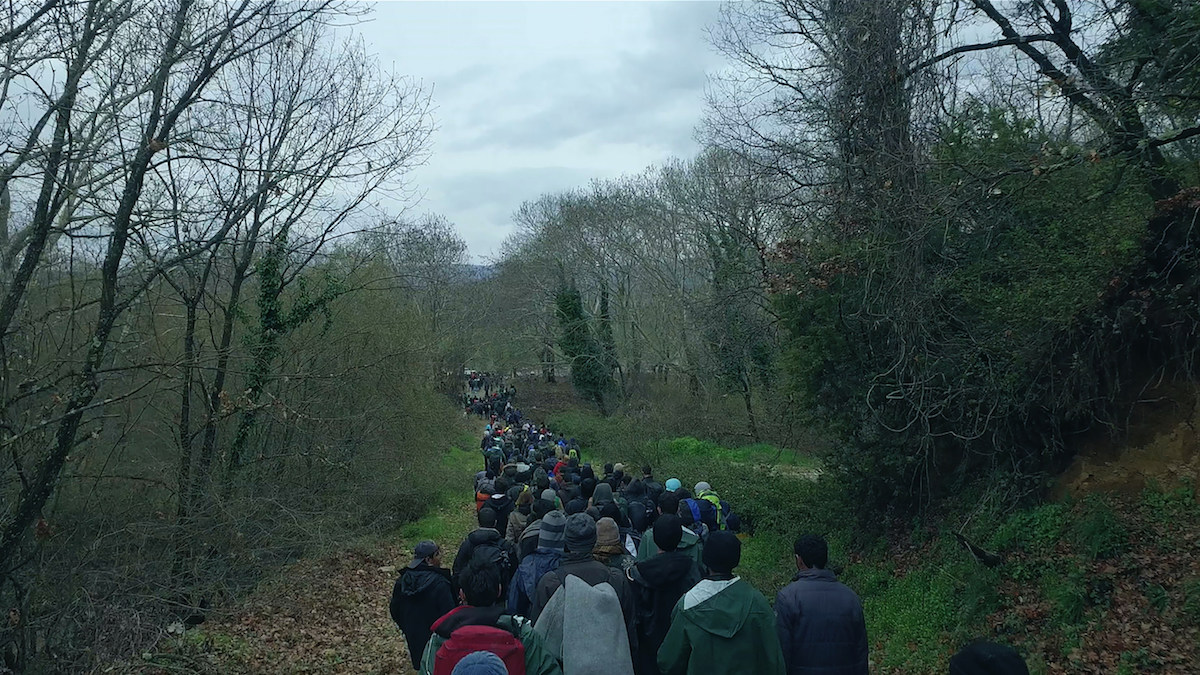 Human Flow[/caption]
The Academy of Motion Picture Arts and Sciences has selected 15 films in the Documentary Feature category that will advance in the voting process for the 90th Academy Awards. One hundred seventy films were originally submitted in the category.
The Academy’s Documentary Branch will now select the five nominees from among the 15 titles.
Nominations for the 90th Academy Awards will be announced on Tuesday, January 23, 2018.
The 90th Oscars will be held on Sunday, March 4, 2018, at the Dolby Theatre at Hollywood & Highland Center in Hollywood, and will be televised live on the ABC Television Network at 6:30 p.m. ET/3:30 p.m. PT.
The 15 films are listed below in alphabetical order by title, with their production companies:
“Abacus: Small Enough to Jail,” Mitten Media, Motto Pictures, Kartemquin Educational Films
and WGBH/FRONTLINE
“Chasing Coral,” Exposure Labs in partnership with The Ocean Agency & View Into the Blue
in association with Argent Pictures & The Kendeda Fund
“City of Ghosts,” Our Time Projects and Jigsaw Productions
“Ex Libris – The New York Public Library,” Ex Libris Films
“Faces Places,” Ciné Tamaris
“Human Flow,” Participant Media and AC Films
“Icarus,” Netflix Documentary in association with Impact Partners, Diamond Docs, Chicago
Media Project and Alex Productions
“An Inconvenient Sequel: Truth to Power,” Paramount Pictures and Participant Media
“Jane,” National Geographic Studios in association with Public Road Productions
“LA 92,” Lightbox
“Last Men in Aleppo,” Larm Film
“Long Strange Trip,” Double E Pictures, AOMA Sunshine Films and Sikelia
“One of Us,” Loki Films
“Strong Island,” Yanceville Films and Louverture Films
“Unrest,” Shella Films and Little by Little Films
Human Flow[/caption]
The Academy of Motion Picture Arts and Sciences has selected 15 films in the Documentary Feature category that will advance in the voting process for the 90th Academy Awards. One hundred seventy films were originally submitted in the category.
The Academy’s Documentary Branch will now select the five nominees from among the 15 titles.
Nominations for the 90th Academy Awards will be announced on Tuesday, January 23, 2018.
The 90th Oscars will be held on Sunday, March 4, 2018, at the Dolby Theatre at Hollywood & Highland Center in Hollywood, and will be televised live on the ABC Television Network at 6:30 p.m. ET/3:30 p.m. PT.
The 15 films are listed below in alphabetical order by title, with their production companies:
“Abacus: Small Enough to Jail,” Mitten Media, Motto Pictures, Kartemquin Educational Films
and WGBH/FRONTLINE
“Chasing Coral,” Exposure Labs in partnership with The Ocean Agency & View Into the Blue
in association with Argent Pictures & The Kendeda Fund
“City of Ghosts,” Our Time Projects and Jigsaw Productions
“Ex Libris – The New York Public Library,” Ex Libris Films
“Faces Places,” Ciné Tamaris
“Human Flow,” Participant Media and AC Films
“Icarus,” Netflix Documentary in association with Impact Partners, Diamond Docs, Chicago
Media Project and Alex Productions
“An Inconvenient Sequel: Truth to Power,” Paramount Pictures and Participant Media
“Jane,” National Geographic Studios in association with Public Road Productions
“LA 92,” Lightbox
“Last Men in Aleppo,” Larm Film
“Long Strange Trip,” Double E Pictures, AOMA Sunshine Films and Sikelia
“One of Us,” Loki Films
“Strong Island,” Yanceville Films and Louverture Films
“Unrest,” Shella Films and Little by Little Films
-
THE SHAPE OF WATER Leads with 14 Nominations for 23rd Critics’ Choice Awards
[caption id="attachment_25167" align="aligncenter" width="1200"] Sally Hawkins and Octavia Spencer in the film THE SHAPE OF WATER.[/caption]
“The Shape of Water” leads the nominations for the 23rd Annual Critics’ Choice Awards with 14 nods including Best Picture, and Best Director for Guillermo del Toro. The winners will be revealed live at the star-studded Critics’ Choice Awards gala on Thursday, January 11, 2018 on the CW Network .
“Call Me By Your Name,” “Dunkirk,” “Lady Bird,” and “The Post” impressed with eight nominations each, and are all in the running for Best Picture and Best Director, among others. “Blade Runner 2049” earned seven nominations, followed by “The Big Sick” and “Three Billboards Outside Ebbing, Missouri” each with six, and “Get Out” and “I, Tonya” with five.
FILM NOMINATIONS FOR THE 23rd ANNUAL CRITICS’ CHOICE AWARDS
BEST PICTURE
The Big Sick Call Me by Your Name Darkest Hour Dunkirk The Florida Project Get Out Lady Bird The Post The Shape of Water Three Billboards Outside Ebbing, MissouriBEST ACTOR
Timothée Chalamet – Call Me by Your Name James Franco – The Disaster Artist Jake Gyllenhaal – Stronger Tom Hanks – The Post Daniel Kaluuya – Get Out Daniel Day-Lewis – Phantom Thread Gary Oldman – Darkest HourBEST ACTRESS
Jessica Chastain – Molly’s Game Sally Hawkins – The Shape of Water Frances McDormand – Three Billboards Outside Ebbing, Missouri Margot Robbie – I, Tonya Saoirse Ronan – Lady Bird Meryl Streep – The PostBEST SUPPORTING ACTOR
Willem Dafoe – The Florida Project Armie Hammer – Call Me By Your Name Richard Jenkins – The Shape of Water Sam Rockwell – Three Billboards Outside Ebbing, Missouri Patrick Stewart – Logan Michael Stuhlbarg – Call Me by Your NameBEST SUPPORTING ACTRESS
Mary J. Blige – Mudbound Hong Chau – Downsizing Tiffany Haddish – Girls Trip Holly Hunter – The Big Sick Allison Janney – I, Tonya Laurie Metcalf – Lady Bird Octavia Spencer – The Shape of WaterBEST YOUNG ACTOR/ACTRESS
Mckenna Grace – Gifted Dafne Keen – Logan Brooklynn Prince – The Florida Project Millicent Simmonds – Wonderstruck Jacob Tremblay – WonderBEST ACTING ENSEMBLE
Dunkirk Lady Bird Mudbound The Post Three Billboards Outside Ebbing, MissouriBEST DIRECTOR
Guillermo del Toro – The Shape of Water Greta Gerwig – Lady Bird Martin McDonagh – Three Billboards Outside Ebbing, Missouri Christopher Nolan – Dunkirk Luca Guadagnino – Call Me By Your Name Jordan Peele – Get Out Steven Spielberg – The PostBEST ORIGINAL SCREENPLAY
Guillermo del Toro and Vanessa Taylor – The Shape of Water Greta Gerwig – Lady Bird Emily V. Gordon and Kumail Nanjiani – The Big Sick Liz Hannah and Josh Singer – The Post Martin McDonagh – Three Billboards Outside Ebbing, Missouri Jordan Peele – Get OutBEST ADAPTED SCREENPLAY
James Ivory – Call Me by Your Name Scott Neustadter and Michael H. Weber – The Disaster Artist Dee Rees and Virgil Williams – Mudbound Aaron Sorkin – Molly’s Game Jack Thorne, Steve Conrad, Stephen Chbosky – WonderBEST CINEMATOGRAPHY
Roger Deakins – Blade Runner 2049 Hoyte van Hoytema – Dunkirk Dan Laustsen – The Shape of Water Rachel Morrison – Mudbound Sayombhu Mukdeeprom – Call Me By Your NameBEST PRODUCTION DESIGN
Paul Denham Austerberry, Shane Vieau, Jeff Melvin – The Shape of Water Jim Clay, Rebecca Alleway – Murder on the Orient Express Nathan Crowley, Gary Fettis – Dunkirk Dennis Gassner, Alessandra Querzola – Blade Runner 2049 Sarah Greenwood, Katie Spencer – Beauty and the Beast Mark Tildesley, Véronique Melery – Phantom ThreadBEST EDITING
Michael Kahn, Sarah Broshar – The Post Paul Machliss, Jonathan Amos – Baby Driver Lee Smith – Dunkirk Joe Walker – Blade Runner 2049 Sidney Wolinsky – The Shape of WaterBEST COSTUME DESIGN
Renée April – Blade Runner 2049 Mark Bridges – Phantom Thread Jacqueline Durran – Beauty and the Beast Lindy Hemming – Wonder Woman Luis Sequeira – The Shape of WaterBEST HAIR AND MAKEUP
Beauty and the Beast Darkest Hour I, Tonya The Shape of Water WonderBEST VISUAL EFFECTS
Blade Runner 2049 Dunkirk The Shape of Water Thor: Ragnarok War for the Planet of the Apes Wonder WomanBEST ANIMATED FEATURE
The Breadwinner Coco Despicable Me 3 The LEGO Batman Movie Loving VincentBEST ACTION MOVIE
Baby Driver Logan Thor: Ragnarok War for the Planet of the Apes Wonder WomanBEST COMEDY
The Big Sick The Disaster Artist Girls Trip I, Tonya Lady BirdBEST ACTOR IN A COMEDY
Steve Carell – Battle of the Sexes James Franco – The Disaster Artist Chris Hemsworth – Thor: Ragnarok Kumail Nanjiani – The Big Sick Adam Sandler – The Meyerowitz Stories (New and Selected)BEST ACTRESS IN A COMEDY
Tiffany Haddish – Girls Trip Zoe Kazan – The Big Sick Margot Robbie – I, Tonya Saoirse Ronan – Lady Bird Emma Stone – Battle of the SexesBEST SCI-FI OR HORROR MOVIE
Blade Runner 2049 Get Out It The Shape of WaterBEST FOREIGN LANGUAGE FILM
BPM (Beats Per Minute) A Fantastic Woman First They Killed My Father In the Fade The Square ThelmaBEST SONG
Evermore – Beauty and the Beast Mystery of Love – Call Me By Your Name Remember Me – Coco Stand Up for Something – Marshall This Is Me – The Greatest ShowmanBEST SCORE
Alexandre Desplat – The Shape of Water Jonny Greenwood – Phantom Thread Dario Marianelli – Darkest Hour Benjamin Wallfisch and Hans Zimmer – Blade Runner 2049 John Williams – The Post Hans Zimmer – Dunkirk