
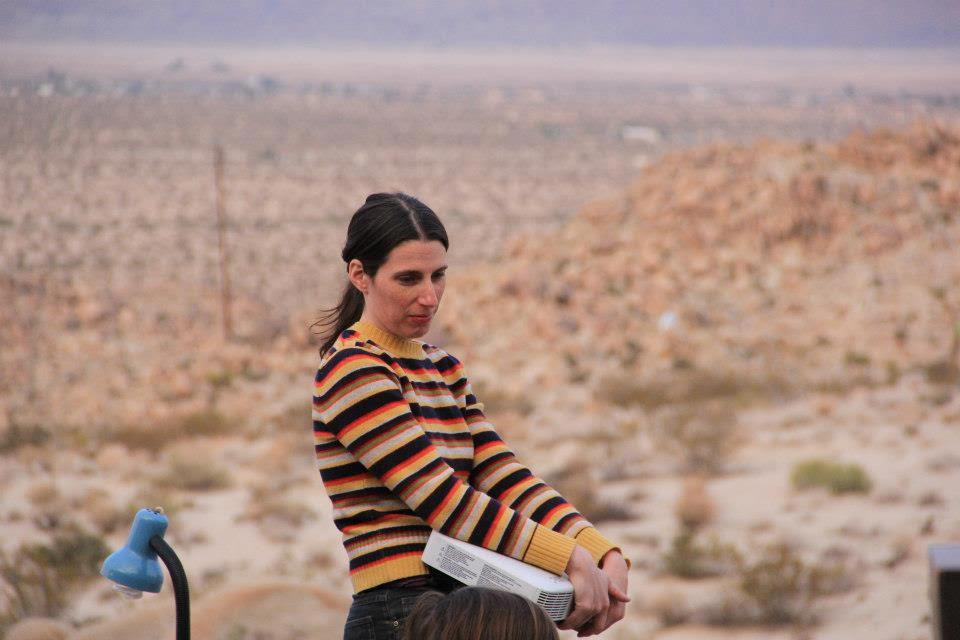
 Julie Perini has been selected by The Northwest Film Center, Oregon Arts Commission, and Portland Film Office as the winner of the 2017 Oregon Media Arts Fellowship (OMAF).
Julie Perini is a Portland-based media who works in experimental and documentary film and video, installations, and live events. Originally from Poughkeepie, NY, she has been exploring her immediate surroundings with cameras since age 15 when she discovered a VHS camcorder in her parent’s suburban home. Perini’s work often explores the areas between fact and fiction, the staged and improvised, and the personal and political, often in response to social movements happening locally and globally. Perini’s work has exhibited and screened internationally at such venues as the Centre Pompidou-Metz (France), Artists’ Television Access (San Francisco), Visible Evidence XX (Stockholm), The Horse Hospital (London), Cornell Cinema (Ithaca, NY), Microscope Gallery (New York City), among others. She has been awarded artist residencies at Yaddo, Signal Fire, Kimmel Harding Nelson Center, and Djerassi Resident Artists Program and is currently employed as an Associate Professor in the School of Art + Design at Portland State University. She has received grants and fellowships in support of her work from the New York Foundation for the Arts, the New York State Council on the Arts, The Regional Arts and Culture Council, the Oregon Arts Commission, and The Precipice Fund.
The $5,500 Fellowship award will go towards funding The Gentleman Bank Robber: The Story of Butch Lesbian Freedom Fighter rita bo brown, a feature-length documentary that tells the story of bo brown, a white working-class butch from Klamath Falls, Oregon who was a member of the revolutionary George Jackson Brigade, an underground, militant revolutionary prison abolitionist group based in Seattle, Washington in the 1970s. As a member of the George Jackson Brigade, bo became known as “The Gentleman Bank Robber” for combing her butch style of dress with a polite way of demanding funds from bank tellers, one of the ways the Brigade funded its militant activities to protest military aggression, injustice, and exploitation.
The Oregon Media Arts Fellowship supports filmmakers who have demonstrated an ongoing commitment to the media arts. Jurors reviewed 42 submissions from applicants throughout the state, weighing artistic merit, the potential of the proposed activity to advance the artist’s work, and the feasibility of the projects proposed. The Fellowship is funded by the Oregon Arts Commission and the Portland Film Office and administered by Northwest Film.
The application deadline for the 2018 Oregon Media Arts Fellowships is January 1, 2018
Julie Perini has been selected by The Northwest Film Center, Oregon Arts Commission, and Portland Film Office as the winner of the 2017 Oregon Media Arts Fellowship (OMAF).
Julie Perini is a Portland-based media who works in experimental and documentary film and video, installations, and live events. Originally from Poughkeepie, NY, she has been exploring her immediate surroundings with cameras since age 15 when she discovered a VHS camcorder in her parent’s suburban home. Perini’s work often explores the areas between fact and fiction, the staged and improvised, and the personal and political, often in response to social movements happening locally and globally. Perini’s work has exhibited and screened internationally at such venues as the Centre Pompidou-Metz (France), Artists’ Television Access (San Francisco), Visible Evidence XX (Stockholm), The Horse Hospital (London), Cornell Cinema (Ithaca, NY), Microscope Gallery (New York City), among others. She has been awarded artist residencies at Yaddo, Signal Fire, Kimmel Harding Nelson Center, and Djerassi Resident Artists Program and is currently employed as an Associate Professor in the School of Art + Design at Portland State University. She has received grants and fellowships in support of her work from the New York Foundation for the Arts, the New York State Council on the Arts, The Regional Arts and Culture Council, the Oregon Arts Commission, and The Precipice Fund.
The $5,500 Fellowship award will go towards funding The Gentleman Bank Robber: The Story of Butch Lesbian Freedom Fighter rita bo brown, a feature-length documentary that tells the story of bo brown, a white working-class butch from Klamath Falls, Oregon who was a member of the revolutionary George Jackson Brigade, an underground, militant revolutionary prison abolitionist group based in Seattle, Washington in the 1970s. As a member of the George Jackson Brigade, bo became known as “The Gentleman Bank Robber” for combing her butch style of dress with a polite way of demanding funds from bank tellers, one of the ways the Brigade funded its militant activities to protest military aggression, injustice, and exploitation.
The Oregon Media Arts Fellowship supports filmmakers who have demonstrated an ongoing commitment to the media arts. Jurors reviewed 42 submissions from applicants throughout the state, weighing artistic merit, the potential of the proposed activity to advance the artist’s work, and the feasibility of the projects proposed. The Fellowship is funded by the Oregon Arts Commission and the Portland Film Office and administered by Northwest Film.
The application deadline for the 2018 Oregon Media Arts Fellowships is January 1, 2018News
All the News.
All the News.
-
Julie Perini Wins 2017 Oregon Media Arts Fellowship to Fund ‘The Story of Butch Lesbian Freedom Fighter rita bo brown’
Julie Perini has been selected by The Northwest Film Center, Oregon Arts Commission, and Portland Film Office as the winner of the 2017 Oregon Media Arts Fellowship (OMAF).
Julie Perini is a Portland-based media who works in experimental and documentary film and video, installations, and live events. Originally from Poughkeepie, NY, she has been exploring her immediate surroundings with cameras since age 15 when she discovered a VHS camcorder in her parent’s suburban home. Perini’s work often explores the areas between fact and fiction, the staged and improvised, and the personal and political, often in response to social movements happening locally and globally. Perini’s work has exhibited and screened internationally at such venues as the Centre Pompidou-Metz (France), Artists’ Television Access (San Francisco), Visible Evidence XX (Stockholm), The Horse Hospital (London), Cornell Cinema (Ithaca, NY), Microscope Gallery (New York City), among others. She has been awarded artist residencies at Yaddo, Signal Fire, Kimmel Harding Nelson Center, and Djerassi Resident Artists Program and is currently employed as an Associate Professor in the School of Art + Design at Portland State University. She has received grants and fellowships in support of her work from the New York Foundation for the Arts, the New York State Council on the Arts, The Regional Arts and Culture Council, the Oregon Arts Commission, and The Precipice Fund.
The $5,500 Fellowship award will go towards funding The Gentleman Bank Robber: The Story of Butch Lesbian Freedom Fighter rita bo brown, a feature-length documentary that tells the story of bo brown, a white working-class butch from Klamath Falls, Oregon who was a member of the revolutionary George Jackson Brigade, an underground, militant revolutionary prison abolitionist group based in Seattle, Washington in the 1970s. As a member of the George Jackson Brigade, bo became known as “The Gentleman Bank Robber” for combing her butch style of dress with a polite way of demanding funds from bank tellers, one of the ways the Brigade funded its militant activities to protest military aggression, injustice, and exploitation.
The Oregon Media Arts Fellowship supports filmmakers who have demonstrated an ongoing commitment to the media arts. Jurors reviewed 42 submissions from applicants throughout the state, weighing artistic merit, the potential of the proposed activity to advance the artist’s work, and the feasibility of the projects proposed. The Fellowship is funded by the Oregon Arts Commission and the Portland Film Office and administered by Northwest Film.
The application deadline for the 2018 Oregon Media Arts Fellowships is January 1, 2018
-
RIP: Egyptian Film Critic, Journalist and Film Historian Samir Farid Dead at 73
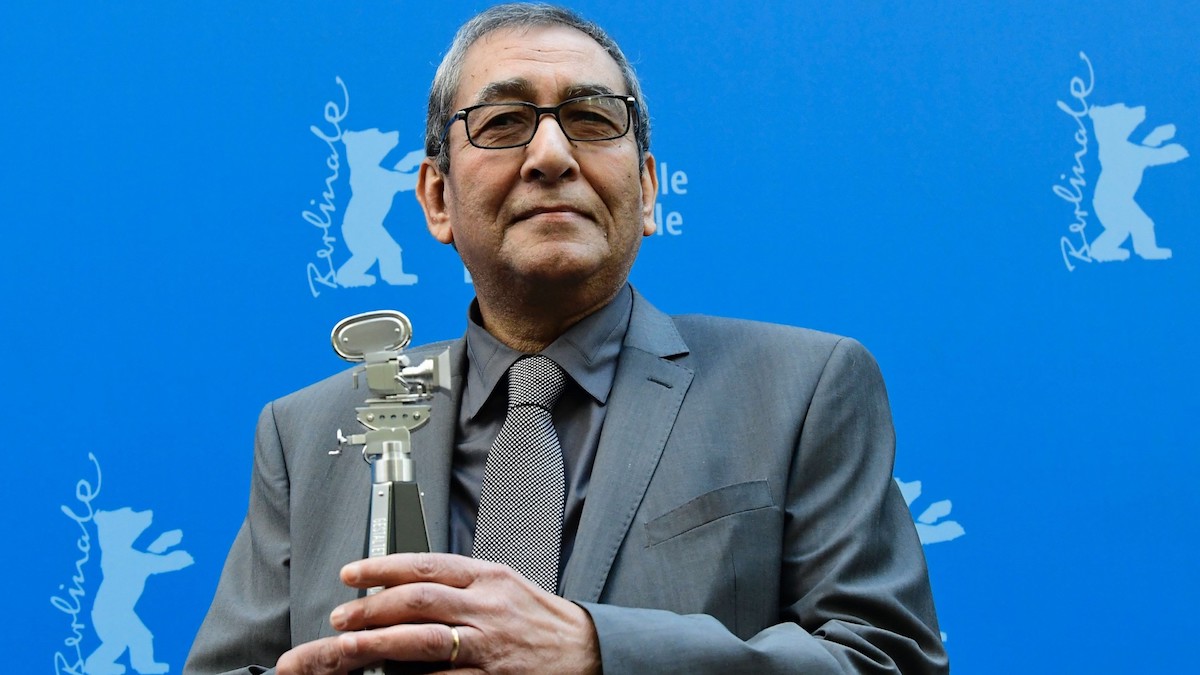 Egyptian film critic, journalist and film historian Samir Farid died on Tuesday after a long battle with lung cancer. He was 73.
In 2002, Samir Farid won the state award for excellence in the arts. He was also awarded the Cannes Film Festival Gold Medal in both 1997 and 2000. Earlier this year, he was given the honorary Berlinale Camera Award at the 2017 Berlin International Film Festival.
In 2014, he was the head of the Cairo International Film Festival.
The Berlin International Film Festival issued a statement:
The Berlin International Festival mourns the loss of renowned film critic and author Samir Farid who died after a long illness on April 4.
Samir Farid was highly esteemed as a film expert, and his opinions and advice were cherished worldwide. As a film critic he also accompanied the Berlinale over decades. In February 2017 the Festival awarded Farid a Berlinale Camera, an honour bestowed upon film personalities to whom the Berlin International Film Festival feels particularly indebted.
He first trained his sharp eye for film during his studies at the Higher Institute of Dramatic Arts at the Academy of Arts in Cairo. In 1965 he began his career as a critic at the Egyptian daily Al-Gomhoreya, where he worked for 38 years. During this period, he co-founded the National Festival of Short and Documentary Films (1970), the National Festival of Feature Films (1971), as well as the Egyptian Film Critics Association (1972). As of the 1970s, Farid was also a member of the FIPRESCI, the international federation of film critics. Over the course of his long career, he used his extensive knowledge while serving as a jury member at many world-renowned film festivals. For a few years during the 1980s, he was also a correspondent for the trade magazine Variety. In 2004 he began working for the daily Al-Masry Al-Youm. Farid was the author and translator of more than 60 books on Arab and world cinema.
“With Samir Farid we have lost an important voice from the Arab world. His commitment and passion for cinema were unrivalled. With his death I have also lost an old friend,” states Berlinale Director Dieter Kosslick.
Egyptian film critic, journalist and film historian Samir Farid died on Tuesday after a long battle with lung cancer. He was 73.
In 2002, Samir Farid won the state award for excellence in the arts. He was also awarded the Cannes Film Festival Gold Medal in both 1997 and 2000. Earlier this year, he was given the honorary Berlinale Camera Award at the 2017 Berlin International Film Festival.
In 2014, he was the head of the Cairo International Film Festival.
The Berlin International Film Festival issued a statement:
The Berlin International Festival mourns the loss of renowned film critic and author Samir Farid who died after a long illness on April 4.
Samir Farid was highly esteemed as a film expert, and his opinions and advice were cherished worldwide. As a film critic he also accompanied the Berlinale over decades. In February 2017 the Festival awarded Farid a Berlinale Camera, an honour bestowed upon film personalities to whom the Berlin International Film Festival feels particularly indebted.
He first trained his sharp eye for film during his studies at the Higher Institute of Dramatic Arts at the Academy of Arts in Cairo. In 1965 he began his career as a critic at the Egyptian daily Al-Gomhoreya, where he worked for 38 years. During this period, he co-founded the National Festival of Short and Documentary Films (1970), the National Festival of Feature Films (1971), as well as the Egyptian Film Critics Association (1972). As of the 1970s, Farid was also a member of the FIPRESCI, the international federation of film critics. Over the course of his long career, he used his extensive knowledge while serving as a jury member at many world-renowned film festivals. For a few years during the 1980s, he was also a correspondent for the trade magazine Variety. In 2004 he began working for the daily Al-Masry Al-Youm. Farid was the author and translator of more than 60 books on Arab and world cinema.
“With Samir Farid we have lost an important voice from the Arab world. His commitment and passion for cinema were unrivalled. With his death I have also lost an old friend,” states Berlinale Director Dieter Kosslick.
-
Montclair Film Announces Student Winners of 2017 Emerging Filmmaker Competition
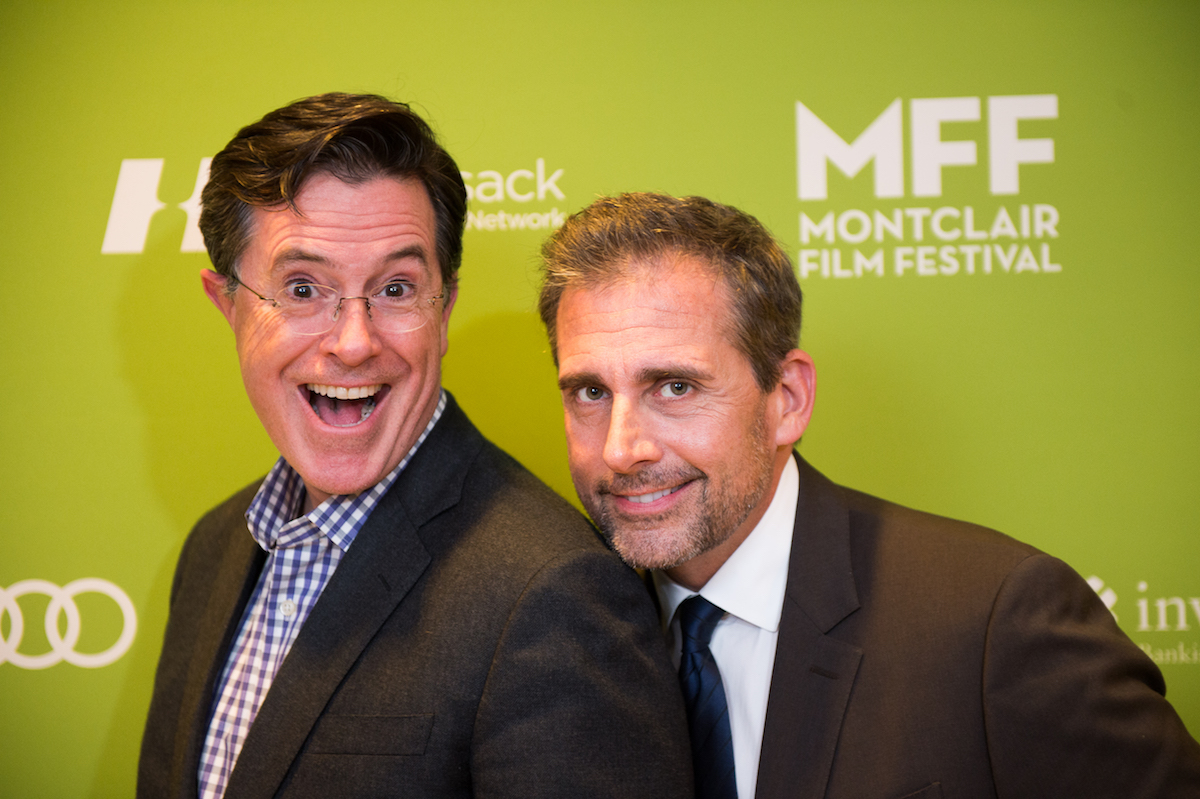 Montclair Film announced the winners of the 2017 Emerging Filmmaker Competition (EFC), a program that screens work by students in grades 4-12 from the Tri-State Area and beyond. This year, over 90 films were submitted in three categories: Cinemaniacs (grades 4-6), Storytellers (grades 7-9), and Visionaries (grades 10-12). Winning films were selected by a group of educators and industry professionals, and all winning films will be screened at the Montclair Film Festival’s EFC Showcase on Saturday, April 29, at 11:00 a.m. at the Wellmont Theater in Montclair, NJ.
Montclair Film has also selected 15 students from across the area to participate in the Montclair Film Festival’s Junior Jury. The jurors will review a selection of films, meet with industry professionals to learn about the process of jury deliberation, adjudicate, and select a winning film for the festival’s Junior Jury Award, to be given on Saturday, May 6th, 2017.
The Montclair Film Festival, in conjunction with the Montclair Special Education Parents Advisory Council (SEPAC), will also be featuring two Sensory Friendly screenings for families this year. Sensory friendly screenings feature lowered sound, raised house lights, and the freedom for young people with sensory sensitivities to move, speak, and view films in a friendly, judgement-free environment. This year’s screenings will be INTO THE WHO KNOWS!, screening Sunday, April 30 at 11:00 a.m. at the Clairidge (suggested for children ages 6 and up), and SWIM TEAM on Friday, May 5 at 4:30 p.m. at the Bellevue (suggested for ages 12 and up).
The Montclair Film Festival will also feature a public art reception on Saturday, May 6 at 2:00 p.m. at the Investors Bank Film & Media Center, showcasing a collaborative student Air/Water Art Installation, co-presented by the Montclair Cooperative School that focuses on this year’s Community Climate Action Campaign. The piece, featuring thousands of re-purposed plastic bottles and mixed materials, will be on display throughout the Montclair Film Festival on the rear façade of the building, located at 505 Bloomfield Avenue. The reception is free and open to the public.
“As our Education programs continue to grow, we’re incredibly proud of these students, both as filmmakers and film lovers,” said Montclair Film Education Director Sue Hollenberg. “We remain dedicated to creating meaningful experiences for students of all ages, and the diversity and reach of these programs are a demonstration of our commitment to teaching the art of film. We congratulate all of our students on their outstanding work.”
Montclair Film announced the winners of the 2017 Emerging Filmmaker Competition (EFC), a program that screens work by students in grades 4-12 from the Tri-State Area and beyond. This year, over 90 films were submitted in three categories: Cinemaniacs (grades 4-6), Storytellers (grades 7-9), and Visionaries (grades 10-12). Winning films were selected by a group of educators and industry professionals, and all winning films will be screened at the Montclair Film Festival’s EFC Showcase on Saturday, April 29, at 11:00 a.m. at the Wellmont Theater in Montclair, NJ.
Montclair Film has also selected 15 students from across the area to participate in the Montclair Film Festival’s Junior Jury. The jurors will review a selection of films, meet with industry professionals to learn about the process of jury deliberation, adjudicate, and select a winning film for the festival’s Junior Jury Award, to be given on Saturday, May 6th, 2017.
The Montclair Film Festival, in conjunction with the Montclair Special Education Parents Advisory Council (SEPAC), will also be featuring two Sensory Friendly screenings for families this year. Sensory friendly screenings feature lowered sound, raised house lights, and the freedom for young people with sensory sensitivities to move, speak, and view films in a friendly, judgement-free environment. This year’s screenings will be INTO THE WHO KNOWS!, screening Sunday, April 30 at 11:00 a.m. at the Clairidge (suggested for children ages 6 and up), and SWIM TEAM on Friday, May 5 at 4:30 p.m. at the Bellevue (suggested for ages 12 and up).
The Montclair Film Festival will also feature a public art reception on Saturday, May 6 at 2:00 p.m. at the Investors Bank Film & Media Center, showcasing a collaborative student Air/Water Art Installation, co-presented by the Montclair Cooperative School that focuses on this year’s Community Climate Action Campaign. The piece, featuring thousands of re-purposed plastic bottles and mixed materials, will be on display throughout the Montclair Film Festival on the rear façade of the building, located at 505 Bloomfield Avenue. The reception is free and open to the public.
“As our Education programs continue to grow, we’re incredibly proud of these students, both as filmmakers and film lovers,” said Montclair Film Education Director Sue Hollenberg. “We remain dedicated to creating meaningful experiences for students of all ages, and the diversity and reach of these programs are a demonstration of our commitment to teaching the art of film. We congratulate all of our students on their outstanding work.”
2017 EMERGING FILMMAKER COMPETITION WINNERS
Cinemaniacs (Grades 4-6) Grand Prize Narrative GREAT AUNT’S DISGUISE Hanmer Elementary Liv Hammer Cora Tinker Edie Carson Grand Prize Comedy HOW TO MAKE A FILM FOR DUMMIES The Pingry School Jordan Miller Vared Shmuler Jenna Hauser Meher Khan Storytellers (Grades 7-9) Grand Prize Comedy & Grand Prize Narrative SOCK MONSTER Middletown High School South Victoria Pater Courtney Voehl Olivia Parauda Cassidy Anontucci Milla Shinder Erik Pedersen Special Jury Prize Comedy BULLFROG Union Catholic Regional High School Zachary Reichgut Grand Prize Experimental IMPERCEPTIBLE Montclair Kimberley Academy Luke Gardiner Grand Prize Documentary PROJECT IDENTITY South Orange Middle School Alex Ferrandiz Sam Cohen Lucia Garritano Robin Kalderen Ray Feinleib Visionaries (Grades 10-12) Grand Prize Comedy TINY Middletown High School South Matt King Special Jury Prize Comedy (tie) THE INDUBITABLE MOLLY DAVIS Montclair Kimberly Academy Lily Jones Special Jury Prize Comedy (tie) PLANET OF THE DOGS Montclair High School Owen Plofker Grand Prize Experimental 1600 Middletown High School South Charlotte Larish Lisa Merola Maria Dragone Sage Levine Special Jury Prize Experimental THE SEARCH FOR HAPPINESS Columbia High School Jacob Hirsch Grand Prize Narrative PERSONAL SPACE Montclair High School Lucia Ledesma Aidan Champeau Jake Weinberg Lilli Herrick Jacob Manthy Petra Fox Jake Diamond Special Jury Prize Narrative (tie) BLACK & WHITE REVENGE Montville Township High School David Champion Jeff Gallup Heather Giudice Samantha Grossman Alec Grossman Jack Motherway Paul Riccio Veronica Tullo Special Jury Prize Narrative (Tie) FIND Morristown High School Kylee Strasser Grand Prize Documentary & Social Impact XENOPHOBIA The Hudson School Sean Riller-Miltner Special Jury Prize Documentary LOVE SHOULDN’T HURT Montclair High School Blythe Bahramipour Special Jury Prize Social Impact BEHIND CLOSED DOORS Passaic County Technical Institute Tiffany Cano Special Jury Prize Social Impact THE HURDLE Passaic County Technical Institute Tyrese Watkins THE 2017 JUNIOR JURY Abby Berberian, Bridgewater Raritan High School Aidan Champeau, Montclair High School David Chun, Millburn Alison Cottingham, Montclair Kimberley Academy Tyrell Dickerson, Academy 360 Soula Garcia, Bloomfield High School Hank Greenberg, Montclair High School Jackson Healey, Middletown High School South Kianni, Keys, Newark Academy Reymond Lamb, Montclair High School Noah Levine, Livingston High Daniel Mathis, Montclair High School Gabrielle Narcisse, Kent Place School Sophia Raines, West Orange High School Kayleen Silva, Ridgefield Park
-
‘8 BORDERS, 8 DAYS’ and ‘SWEETHEART DEAL’ Win True Productions + SIFF Documentary Filmmakers Grants
[caption id="attachment_21780" align="aligncenter" width="1200"] Sham, Yaman and Lulu in Lesbos, Greece, September 2015 (Amanda Bailly) (8 BORDERS, 8 DAYS – Amanda Bailly)[/caption]
Amanda Bailly’s film 8 BORDERS, 8 DAYS and co-directors Elisa Levine and Gabriel Miller’s film SWEETHEART DEAL have been awarded filmmaking grants in the 2016 True Productions + SIFF $50,000 Documentary Filmmakers Grant program.
True Productions founder Dwayne Clark, and his wife Terese Clark, have generously pledged to underwrite an annual $50,0000 grant for three years, this being the second year. “We are committed to producing true stories and both these documentaries touch our hearts. Both my wife and I are children of immigrants and we understand the plight of the immigrant. But we are especially touched by those seeking refuge from violence. In addition, when it comes to the topic of heroin addiction, we see Seattle and nearby communities struggling with solutions. We hope by supporting SWEETHEART DEAL, that we can keep the problem top of mind and perhaps spark more conversations around prevention,” said Dwayne Clark.
“I am so grateful to True Productions + SIFF for investing in the story of this single Syrian mother and her children, who had no other option but to travel in a raft across the sea with smugglers,” director Amanda Bailly said. “It is through human stories like this one that I hope our country can understand what it means to close our doors to the millions of people in need of refuge.”
8 BORDERS, 8 DAYS is the story of one woman’s personal revolution in the context of one of the greatest human rights crises of our time. The film weaves between the intimate story of a fierce single mother of two from Syria, and an immersive experience of their eight-day journey to safety.
Elisa Levine and Gabriel Miller’s film SWEETHEART DEAL, produced by Peggy Case, follows the lives of four women whose lives are ruled by heroin, and there is no help in sight – except from a ponytailed eccentric living in a Winnebago parked on Seattle’s notorious Aurora Avenue.
“When Mary Ellen Mark and Martin Bell made STREETWISE back in 1984, they chose Seattle because it was considered America’s most livable city. They wanted to show that if the issue of homeless kids could be a problem in wholesome Seattle, it had to be a problem everywhere. The same holds true today for heroin addiction,” director Elisa Levine said. “This incredible support from True Productions + SIFF comes at a crucial point in our post-production process. We so look forward to sharing SWEETHEART DEAL with SIFF audiences when it is completed.”
“Continuing with our second consecutive year, we are thrilled to have selected two powerful documentaries for the True Productions + SIFF Documentary Filmmaking Grant,” said Interim Artistic Director Beth Barrett. “8 BORDERS, 8 DAYS and SWEETHEART DEAL have tackled the issues of immigration and heroin addiction with such grace and thoughtfulness, and thanks to the dedication of Dwayne and Teresa Clark and True Productions, both films will be equipped with the necessary tools for launching into the festival and exhibition world.”
Sham, Yaman and Lulu in Lesbos, Greece, September 2015 (Amanda Bailly) (8 BORDERS, 8 DAYS – Amanda Bailly)[/caption]
Amanda Bailly’s film 8 BORDERS, 8 DAYS and co-directors Elisa Levine and Gabriel Miller’s film SWEETHEART DEAL have been awarded filmmaking grants in the 2016 True Productions + SIFF $50,000 Documentary Filmmakers Grant program.
True Productions founder Dwayne Clark, and his wife Terese Clark, have generously pledged to underwrite an annual $50,0000 grant for three years, this being the second year. “We are committed to producing true stories and both these documentaries touch our hearts. Both my wife and I are children of immigrants and we understand the plight of the immigrant. But we are especially touched by those seeking refuge from violence. In addition, when it comes to the topic of heroin addiction, we see Seattle and nearby communities struggling with solutions. We hope by supporting SWEETHEART DEAL, that we can keep the problem top of mind and perhaps spark more conversations around prevention,” said Dwayne Clark.
“I am so grateful to True Productions + SIFF for investing in the story of this single Syrian mother and her children, who had no other option but to travel in a raft across the sea with smugglers,” director Amanda Bailly said. “It is through human stories like this one that I hope our country can understand what it means to close our doors to the millions of people in need of refuge.”
8 BORDERS, 8 DAYS is the story of one woman’s personal revolution in the context of one of the greatest human rights crises of our time. The film weaves between the intimate story of a fierce single mother of two from Syria, and an immersive experience of their eight-day journey to safety.
Elisa Levine and Gabriel Miller’s film SWEETHEART DEAL, produced by Peggy Case, follows the lives of four women whose lives are ruled by heroin, and there is no help in sight – except from a ponytailed eccentric living in a Winnebago parked on Seattle’s notorious Aurora Avenue.
“When Mary Ellen Mark and Martin Bell made STREETWISE back in 1984, they chose Seattle because it was considered America’s most livable city. They wanted to show that if the issue of homeless kids could be a problem in wholesome Seattle, it had to be a problem everywhere. The same holds true today for heroin addiction,” director Elisa Levine said. “This incredible support from True Productions + SIFF comes at a crucial point in our post-production process. We so look forward to sharing SWEETHEART DEAL with SIFF audiences when it is completed.”
“Continuing with our second consecutive year, we are thrilled to have selected two powerful documentaries for the True Productions + SIFF Documentary Filmmaking Grant,” said Interim Artistic Director Beth Barrett. “8 BORDERS, 8 DAYS and SWEETHEART DEAL have tackled the issues of immigration and heroin addiction with such grace and thoughtfulness, and thanks to the dedication of Dwayne and Teresa Clark and True Productions, both films will be equipped with the necessary tools for launching into the festival and exhibition world.”
-
Filmmakers: The Academy Launches 2017 Student Academy Awards Competition
[caption id="attachment_21755" align="aligncenter" width="1200"] The Academy of Motion Picture Arts and Sciences presented its 43rd Annual Student Academy Awards® on Thursday, September 22, in Beverly Hills. Pictured (left to right): Foreign Animated film winner Ahmad Saleh, Animated film winner Echo Wu, Animated film winner Carter Boyce and Animated film winner Alicja Jasina.[/caption]
The Academy is now accepting entries for its 2017 Student Academy Awards® competition. All Student Academy Award® winners become eligible for Oscars® consideration. The entry deadline for submissions is Thursday, June 1.
New this year, the competition has expanded to allow two options for students at international film schools to submit their films. In addition to CILECT-member schools submitting one student film per international film school category, international students may now enter films that qualify through film festivals recognized by the Student Academy Awards Executive Committee.
The U.S. competition is open to all full-time undergraduate and graduate students whose films are made within the curricular structure of an eligible accredited institution.
For the third year, students are asked to submit their films online using FilmFreeway, a widely used festival and competition platform.
The 44th Student Academy Awards presentation will be held on Thursday, October 12, at the Academy’s Samuel Goldwyn Theater in Beverly Hills.
Past winners have gone on to receive 57 Oscar nominations and have won or shared 10 awards. This year one 2016 Student Academy Award winner received an Oscar nomination in the Documentary Short Subject category: Daphne Matziaraki, a Gold Medal winner in the Documentary category for “4.1 Miles.” Past Student Academy Award winners include acclaimed filmmakers Pete Docter, Cary Fukunaga, John Lasseter, Spike Lee, Trey Parker and Robert Zemeckis.
In 1972, the Academy established the Student Academy Awards to provide a platform for emerging global filmmakers by creating opportunities within the industry to showcase their work.
The Academy of Motion Picture Arts and Sciences presented its 43rd Annual Student Academy Awards® on Thursday, September 22, in Beverly Hills. Pictured (left to right): Foreign Animated film winner Ahmad Saleh, Animated film winner Echo Wu, Animated film winner Carter Boyce and Animated film winner Alicja Jasina.[/caption]
The Academy is now accepting entries for its 2017 Student Academy Awards® competition. All Student Academy Award® winners become eligible for Oscars® consideration. The entry deadline for submissions is Thursday, June 1.
New this year, the competition has expanded to allow two options for students at international film schools to submit their films. In addition to CILECT-member schools submitting one student film per international film school category, international students may now enter films that qualify through film festivals recognized by the Student Academy Awards Executive Committee.
The U.S. competition is open to all full-time undergraduate and graduate students whose films are made within the curricular structure of an eligible accredited institution.
For the third year, students are asked to submit their films online using FilmFreeway, a widely used festival and competition platform.
The 44th Student Academy Awards presentation will be held on Thursday, October 12, at the Academy’s Samuel Goldwyn Theater in Beverly Hills.
Past winners have gone on to receive 57 Oscar nominations and have won or shared 10 awards. This year one 2016 Student Academy Award winner received an Oscar nomination in the Documentary Short Subject category: Daphne Matziaraki, a Gold Medal winner in the Documentary category for “4.1 Miles.” Past Student Academy Award winners include acclaimed filmmakers Pete Docter, Cary Fukunaga, John Lasseter, Spike Lee, Trey Parker and Robert Zemeckis.
In 1972, the Academy established the Student Academy Awards to provide a platform for emerging global filmmakers by creating opportunities within the industry to showcase their work.
-
Film Independent Selects 10 Indie Filmmakers for 2017 Documentary Lab + Launches Fiscal Sponsorship Program
[caption id="attachment_21677" align="aligncenter" width="1200"]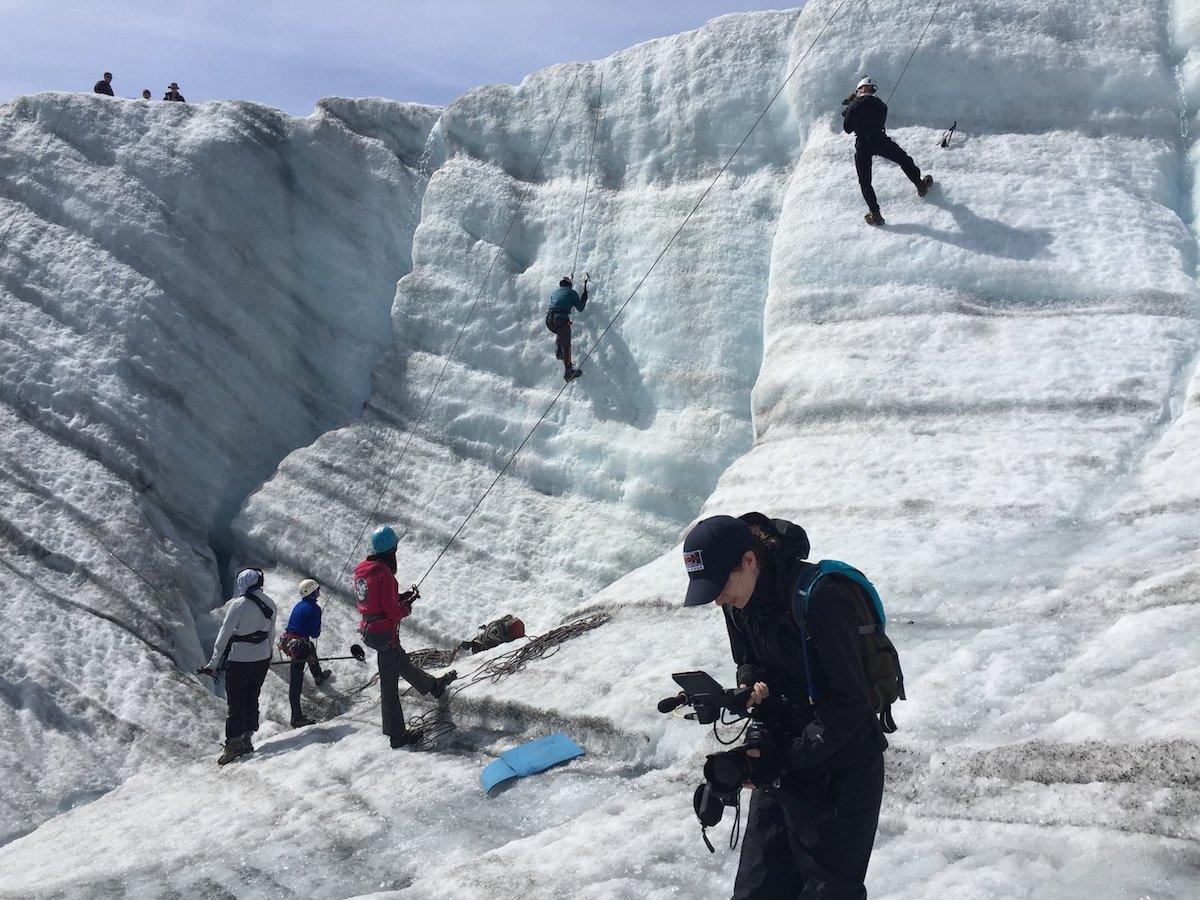 Brooklyn/Alaska, Erica Sterne[/caption]
10 filmmakers and six projects have been selected for Film Independent’s 2017 Documentary Lab. The 2017 Doc Lab is a five-week intensive program designed to support filmmakers who are currently in post-production on their feature-length documentaries.
“We’re thrilled to bring together this group of talented filmmakers for the seventh year of our Documentary Lab and provide them with career support and mentorship that will help elevate their unique visions and fully realize the potential of their stories,” said Kushner.
This year’s Documentary Lab Advisors and Guest Speakers include Jennifer Arnold (Tig, A Small Act); Nels Bangerter (Editor, Cameraperson); Peter Broderick (President, Paradigm Consulting); Greg Finton (Editor, He Named Me Malala); Keith Fulton (The Bad Kids); Simon Kilmurry (Executive Director, International Documentary Association); Peter Nicks (The Force); Lou Pepe (The Bad Kids); and Chris Perez (Partner, Donaldson + Callif LLP).
The organization also launched its new Fiscal Sponsorship Program, open to all types of eligible projects at every stage including documentary and fiction films and interactive media. Fiscal sponsorship is a legal arrangement between a 501(c)3 and an independent artist that gives them the eligibility to apply for grants and solicit tax-deductible donations for their project.
“In response to what our members have told us they need, we’re happy to deepen our support by offering Fiscal Sponsorship, helping filmmakers gain access to new sources of project funding,” said Jennifer Kushner, Director of Artist Development.
The 2017 Documentary Lab projects and Fellows are:
Brooklyn/Alaska, Erica Sterne – director/producer
Teenage boys from tough Brooklyn neighborhoods discover the natural world on an unlikely adventure through the remote Alaskan wilderness and are transformed by the physical and emotional challenges encountered along the way.
Minding the Gap, Bing Liu – director/producer, Diane Quon – producer
Bing, a 25-year-old Chinese-American skateboarder and filmmaker, returns to his hometown and reconnects with two skateboarders: Keire, an African-American 17-year-old and Zack, a white 23-year-old, who all share a history of childhood trauma. Over the next three years, their freewheeling lives unravel as they figure out who they hope to be.
Shadow of His Wings, Lucas Habte – director/producer, Isidore Bethel – producer/editor
Hoping to understand his Ethiopian father’s history of forced migration, an American filmmaker moves to Addis Ababa and falls in love with a young man who soon must flee homophobic death threats at home to become France’s first LGBT refugee from Ethiopia.
A Taste of Sky, Michael Lei – director/producer
In the dizzying heights of Bolivia’s capital of La Paz a gastronomical revolution is offering the possibility of hope to the country’s impoverished youth. We follow the trials and tribulations of GUSTU, the innovative cooking school and world-class restaurant of South America’s poorest country.
A Woman’s Work, Yu Gu – director, Elizabeth Ai – producer
Football and feminism collide in this feature documentary that follows three former NFL cheerleaders as they battle against their former teams and the NFL to reverse 50 years of illegal employment practices.
Waiting for Kate…(female is not a genre) Amy Goldstein – director/producer, Anouchka van Riel –producer
Waiting for Kate…(female is not a genre) takes us on the roller coaster of contemporary pop stardom, with an unprecedented inside look at the euphoric highs and destructive lows on the cutting edge of today’s music industry.
image via Brooklyn/Alaska, Erica Sterne
Brooklyn/Alaska, Erica Sterne[/caption]
10 filmmakers and six projects have been selected for Film Independent’s 2017 Documentary Lab. The 2017 Doc Lab is a five-week intensive program designed to support filmmakers who are currently in post-production on their feature-length documentaries.
“We’re thrilled to bring together this group of talented filmmakers for the seventh year of our Documentary Lab and provide them with career support and mentorship that will help elevate their unique visions and fully realize the potential of their stories,” said Kushner.
This year’s Documentary Lab Advisors and Guest Speakers include Jennifer Arnold (Tig, A Small Act); Nels Bangerter (Editor, Cameraperson); Peter Broderick (President, Paradigm Consulting); Greg Finton (Editor, He Named Me Malala); Keith Fulton (The Bad Kids); Simon Kilmurry (Executive Director, International Documentary Association); Peter Nicks (The Force); Lou Pepe (The Bad Kids); and Chris Perez (Partner, Donaldson + Callif LLP).
The organization also launched its new Fiscal Sponsorship Program, open to all types of eligible projects at every stage including documentary and fiction films and interactive media. Fiscal sponsorship is a legal arrangement between a 501(c)3 and an independent artist that gives them the eligibility to apply for grants and solicit tax-deductible donations for their project.
“In response to what our members have told us they need, we’re happy to deepen our support by offering Fiscal Sponsorship, helping filmmakers gain access to new sources of project funding,” said Jennifer Kushner, Director of Artist Development.
The 2017 Documentary Lab projects and Fellows are:
Brooklyn/Alaska, Erica Sterne – director/producer
Teenage boys from tough Brooklyn neighborhoods discover the natural world on an unlikely adventure through the remote Alaskan wilderness and are transformed by the physical and emotional challenges encountered along the way.
Minding the Gap, Bing Liu – director/producer, Diane Quon – producer
Bing, a 25-year-old Chinese-American skateboarder and filmmaker, returns to his hometown and reconnects with two skateboarders: Keire, an African-American 17-year-old and Zack, a white 23-year-old, who all share a history of childhood trauma. Over the next three years, their freewheeling lives unravel as they figure out who they hope to be.
Shadow of His Wings, Lucas Habte – director/producer, Isidore Bethel – producer/editor
Hoping to understand his Ethiopian father’s history of forced migration, an American filmmaker moves to Addis Ababa and falls in love with a young man who soon must flee homophobic death threats at home to become France’s first LGBT refugee from Ethiopia.
A Taste of Sky, Michael Lei – director/producer
In the dizzying heights of Bolivia’s capital of La Paz a gastronomical revolution is offering the possibility of hope to the country’s impoverished youth. We follow the trials and tribulations of GUSTU, the innovative cooking school and world-class restaurant of South America’s poorest country.
A Woman’s Work, Yu Gu – director, Elizabeth Ai – producer
Football and feminism collide in this feature documentary that follows three former NFL cheerleaders as they battle against their former teams and the NFL to reverse 50 years of illegal employment practices.
Waiting for Kate…(female is not a genre) Amy Goldstein – director/producer, Anouchka van Riel –producer
Waiting for Kate…(female is not a genre) takes us on the roller coaster of contemporary pop stardom, with an unprecedented inside look at the euphoric highs and destructive lows on the cutting edge of today’s music industry.
image via Brooklyn/Alaska, Erica Sterne
-
75th Annual Golden Globe Awards Sets Date of January 7, 2018
[caption id="attachment_19566" align="aligncenter" width="1200"] Meryl Streep accepts the Cecil B. Demille Award at the 74th Annual Golden Globes Awards at the Beverly Hilton in Beverly Hills, CA on Sunday, January 8, 2017.[/caption]
The Hollywood Foreign Press Association will present the 75th Golden Globe Awards on Sunday, Jan. 7, 2018. The ceremony will air on NBC live coast-to-coast.
In January, NBC’s telecast of “The 74th Annual Golden Globe Awards” averaged 20.0 million viewers and a 5.6 rating (+2%) in adults 18-49, according to Nielsen Media Research. That represented a year-to-year gain of 1.5 million persons or 8% versus the prior year’s 18.5 million viewers, making it the second most-watched “Golden Globes” in the last 10 years.
Meryl Streep accepts the Cecil B. Demille Award at the 74th Annual Golden Globes Awards at the Beverly Hilton in Beverly Hills, CA on Sunday, January 8, 2017.[/caption]
The Hollywood Foreign Press Association will present the 75th Golden Globe Awards on Sunday, Jan. 7, 2018. The ceremony will air on NBC live coast-to-coast.
In January, NBC’s telecast of “The 74th Annual Golden Globe Awards” averaged 20.0 million viewers and a 5.6 rating (+2%) in adults 18-49, according to Nielsen Media Research. That represented a year-to-year gain of 1.5 million persons or 8% versus the prior year’s 18.5 million viewers, making it the second most-watched “Golden Globes” in the last 10 years.
-
SAG Announces 2018 Screen Actors Guild Award Dates
[caption id="attachment_20309" align="aligncenter" width="1200"] LOS ANGELES, CA – JANUARY 29: Actor Mahershala Ali, winner of the awards for Outstanding Male Actor in a Supporting Role for ‘Moonlight’ and Outstanding Cast in a Motion Picture for ‘Hidden Figures,’ poses with awards backstage during The 23rd Annual Screen Actors Guild Awards at The Shrine Auditorium on January 29, 2017 in Los Angeles, California. 26592_017 (Photo by Matt Winkelmeyer/Getty Images for TNT) *** Local Caption *** Mahershala Ali[/caption]
SAG today announced that the 24th annual Screen Actors Guild Award will air live on TNT and TBS on Sunday, Jan. 21, 2018, at 8 p.m. (ET)/5 p.m. (PT). The organization also announced the key deadlines and dates leading up to the 24th Annual Screen Actors Guild Awards.
This year, TNT and TBS’s telecasts of the SAG Awards drew more than 5 million viewers and scored tremendous audience growth compared to last year, including increases of +50% among adults 18-49, +45% among adults 18-34 and +33% among total viewers. Social media engagement also saw significant growth this year, with the number of SAG Awards-related posts increasing by +53% on Twitter and +68% on Facebook, compared to last year.
Key Dates
Upcoming key deadlines and events leading to the 24th Annual Screen Actors Guild Awards are:
Monday, Mar. 13, 2017
Nominating Committees Drawn by Random Sample
Monday, Mar. 20, 2017
Notification of Selection Mailed to Nominating Committee Members
Friday, Apr.14, 2017
Deadline for Selected Members to Opt-in to Serve on Nominating Committees
Monday, July 10, 2017
Submissions Open
Monday, Oct. 2, 2017
Period to Request Paper Final Ballots in Lieu of Online Voting Begins
Monday, Oct. 2, 2017
Media Nominations and Ceremony Credential Applications Open
Monday, Oct. 23, 2017
Submissions Close at 5 p.m. PT
Monday, Oct. 30, 2017
Media Nominations and Ceremony Credential Applications Close
Monday, Nov. 6, 2017
Publicists Nominations Credentials Applications Open
Thursday, Nov. 16, 2017
Nominations Balloting Opens
Friday, Dec. 1, 2017
Deadline for Paying November 2017 Dues and/or Changing Address with SAG-AFTRA to be Eligible for Final Balloting
Friday, Dec. 1, 2017
Publicists Nominations Credentials Applications Close
Thursday, Dec 7, 2017
Records Pulled for Final Balloting
Sunday, Dec. 10, 2017
Nominations Balloting Closes at 5 p.m. PT
Wednesday, Dec. 13, 2017
Nominations Announced
Thursday, Dec. 14, 2017
Publicists Ceremony Credentials Applications Open
Tuesday Dec. 19, 2017
Final Voting Opens
Friday, Jan. 5, 2018
Publicists Ceremony Credentials Applications Close
Monday, Jan. 8, 2018
Final Day to Request Paper Final Ballots in Lieu of Online Voting
Friday, Jan. 19, 2018
Final Votes Must be Cast Online or Ballots Received by the Elections Firm by 12 Noon P
Sunday, Jan. 21, 2018
24th Annual Screen Actors Guild Awards(R)
LOS ANGELES, CA – JANUARY 29: Actor Mahershala Ali, winner of the awards for Outstanding Male Actor in a Supporting Role for ‘Moonlight’ and Outstanding Cast in a Motion Picture for ‘Hidden Figures,’ poses with awards backstage during The 23rd Annual Screen Actors Guild Awards at The Shrine Auditorium on January 29, 2017 in Los Angeles, California. 26592_017 (Photo by Matt Winkelmeyer/Getty Images for TNT) *** Local Caption *** Mahershala Ali[/caption]
SAG today announced that the 24th annual Screen Actors Guild Award will air live on TNT and TBS on Sunday, Jan. 21, 2018, at 8 p.m. (ET)/5 p.m. (PT). The organization also announced the key deadlines and dates leading up to the 24th Annual Screen Actors Guild Awards.
This year, TNT and TBS’s telecasts of the SAG Awards drew more than 5 million viewers and scored tremendous audience growth compared to last year, including increases of +50% among adults 18-49, +45% among adults 18-34 and +33% among total viewers. Social media engagement also saw significant growth this year, with the number of SAG Awards-related posts increasing by +53% on Twitter and +68% on Facebook, compared to last year.
Key Dates
Upcoming key deadlines and events leading to the 24th Annual Screen Actors Guild Awards are:
Monday, Mar. 13, 2017
Nominating Committees Drawn by Random Sample
Monday, Mar. 20, 2017
Notification of Selection Mailed to Nominating Committee Members
Friday, Apr.14, 2017
Deadline for Selected Members to Opt-in to Serve on Nominating Committees
Monday, July 10, 2017
Submissions Open
Monday, Oct. 2, 2017
Period to Request Paper Final Ballots in Lieu of Online Voting Begins
Monday, Oct. 2, 2017
Media Nominations and Ceremony Credential Applications Open
Monday, Oct. 23, 2017
Submissions Close at 5 p.m. PT
Monday, Oct. 30, 2017
Media Nominations and Ceremony Credential Applications Close
Monday, Nov. 6, 2017
Publicists Nominations Credentials Applications Open
Thursday, Nov. 16, 2017
Nominations Balloting Opens
Friday, Dec. 1, 2017
Deadline for Paying November 2017 Dues and/or Changing Address with SAG-AFTRA to be Eligible for Final Balloting
Friday, Dec. 1, 2017
Publicists Nominations Credentials Applications Close
Thursday, Dec 7, 2017
Records Pulled for Final Balloting
Sunday, Dec. 10, 2017
Nominations Balloting Closes at 5 p.m. PT
Wednesday, Dec. 13, 2017
Nominations Announced
Thursday, Dec. 14, 2017
Publicists Ceremony Credentials Applications Open
Tuesday Dec. 19, 2017
Final Voting Opens
Friday, Jan. 5, 2018
Publicists Ceremony Credentials Applications Close
Monday, Jan. 8, 2018
Final Day to Request Paper Final Ballots in Lieu of Online Voting
Friday, Jan. 19, 2018
Final Votes Must be Cast Online or Ballots Received by the Elections Firm by 12 Noon P
Sunday, Jan. 21, 2018
24th Annual Screen Actors Guild Awards(R)
-
2017 Oscars: MOONLIGHT Wins Best Picture After LA LA LAND Was Mistakenly Given The Award
[caption id="attachment_21140" align="aligncenter" width="1200"] Adele Romanski, Berry Jenkins, and Jeremy Kleiner accept the Oscar® for Best motion picture of the year, for work on “Moonlight” with host Jimmy Kimmel during the live ABC Telecast of The 89th Oscars® at the Dolby® Theatre in Hollywood, CA on Sunday, February 26, 2017.[/caption]
And the Academy Award for Best Picture goes to La La Land. Oops sorry, Moonlight. That’s pretty much how it went last night at the 2017 Oscars. Warren Beatty and Faye Dunaway were presenting the best-picture award when Faye Dunaway announced that La La Land was the winner. The La La Land team excitedly accepted the award and the speeches began, before one of the film’s producer realized the mixup and announced that Moonlight was instead the winner.
PricewaterhouseCoopers, the accounting firm that tallies the Oscars voting, told ABC News in a statement that presenters Faye Dunaway and Warren Beatty were given the wrong envelope when they went on stage to announce the winner of the coveted best picture award.
PricewaterhouseCoopers issued a statement shortly after apologizing, “We sincerely apologize to “Moonlight,” “La La Land,” Warren Beatty, Faye Dunaway, and Oscar viewers for the error that was made during the award announcement for Best Picture. The presenters had mistakenly been given the wrong category envelope and when discovered, was immediately corrected. We are currently investigating how this could have happened, and deeply regret that this occurred. We appreciate the grace with which the nominees, the Academy, ABC, and Jimmy Kimmel handled the situation.”
Adele Romanski, Berry Jenkins, and Jeremy Kleiner accept the Oscar® for Best motion picture of the year, for work on “Moonlight” with host Jimmy Kimmel during the live ABC Telecast of The 89th Oscars® at the Dolby® Theatre in Hollywood, CA on Sunday, February 26, 2017.[/caption]
And the Academy Award for Best Picture goes to La La Land. Oops sorry, Moonlight. That’s pretty much how it went last night at the 2017 Oscars. Warren Beatty and Faye Dunaway were presenting the best-picture award when Faye Dunaway announced that La La Land was the winner. The La La Land team excitedly accepted the award and the speeches began, before one of the film’s producer realized the mixup and announced that Moonlight was instead the winner.
PricewaterhouseCoopers, the accounting firm that tallies the Oscars voting, told ABC News in a statement that presenters Faye Dunaway and Warren Beatty were given the wrong envelope when they went on stage to announce the winner of the coveted best picture award.
PricewaterhouseCoopers issued a statement shortly after apologizing, “We sincerely apologize to “Moonlight,” “La La Land,” Warren Beatty, Faye Dunaway, and Oscar viewers for the error that was made during the award announcement for Best Picture. The presenters had mistakenly been given the wrong category envelope and when discovered, was immediately corrected. We are currently investigating how this could have happened, and deeply regret that this occurred. We appreciate the grace with which the nominees, the Academy, ABC, and Jimmy Kimmel handled the situation.”
Winners of the 89th Academy Awards
ACTOR IN A LEADING ROLE CASEY AFFLECK Manchester by the Sea ACTOR IN A SUPPORTING ROLE MAHERSHALA ALI Moonlight ACTRESS IN A LEADING ROLE EMMA STONE La La Land ACTRESS IN A SUPPORTING ROLE VIOLA DAVIS Fences ANIMATED FEATURE FILM ZOOTOPIA Byron Howard, Rich Moore and Clark Spencer CINEMATOGRAPHY LA LA LAND Linus Sandgren COSTUME DESIGN FANTASTIC BEASTS AND WHERE TO FIND THEM Colleen Atwood DIRECTING LA LA LAND Damien Chazelle DOCUMENTARY (FEATURE) O.J.: MADE IN AMERICA Ezra Edelman and Caroline Waterlow DOCUMENTARY (SHORT SUBJECT) THE WHITE HELMETS Orlando von Einsiedel and Joanna Natasegara FILM EDITING HACKSAW RIDGE John Gilbert FOREIGN LANGUAGE FILM THE SALESMAN Iran MAKEUP AND HAIRSTYLING SUICIDE SQUAD Alessandro Bertolazzi, Giorgio Gregorini and Christopher Nelson MUSIC (ORIGINAL SCORE) LA LA LAND Justin Hurwitz MUSIC (ORIGINAL SONG) CITY OF STARS from La La Land; Music by Justin Hurwitz; Lyric by Benj Pasek and Justin Paul BEST PICTURE MOONLIGHT Adele Romanski, Dede Gardner and Jeremy Kleiner, Producers PRODUCTION DESIGN LA LA LAND Production Design: David Wasco; Set Decoration: Sandy Reynolds-Wasco SHORT FILM (ANIMATED) PIPER Alan Barillaro and Marc Sondheimer SHORT FILM (LIVE ACTION) SING Kristof Deák and Anna Udvardy SOUND EDITING ARRIVAL Sylvain Bellemare SOUND MIXING HACKSAW RIDGE Kevin O’Connell, Andy Wright, Robert Mackenzie and Peter Grace VISUAL EFFECTS THE JUNGLE BOOK Robert Legato, Adam Valdez, Andrew R. Jones and Dan Lemmon WRITING (ADAPTED SCREENPLAY) WINNER MOONLIGHT Screenplay by Barry Jenkins; Story by Tarell Alvin McCraney WRITING (ORIGINAL SCREENPLAY) MANCHESTER BY THE SEA Written by Kenneth Lonergan
-
RIP: Actor, Director Bill Paxton Dead at 61
[caption id="" align="alignnone" width="1200"]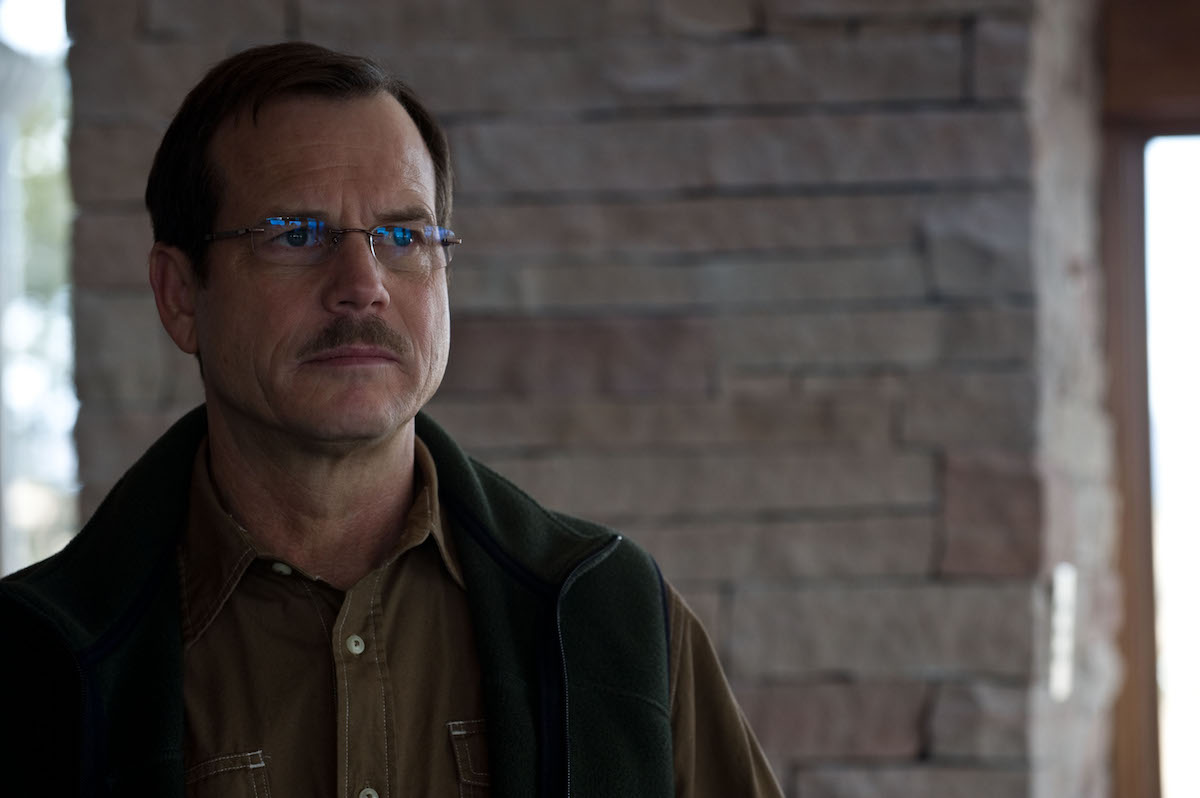 Bill Paxton in Haywire[/caption]
TMZ is reporting that actor and director Bill Paxton died on Saturday February 25, 2017, due to complications of surgery. He was 61 years.
He appeared in a number of films, including The Terminator (1984), Weird Science (1985), Aliens (1986), Predator 2 (1990), True Lies (1994), Apollo 13 (1995), Twister (1996), and Titanic (1997).
The family released a statement “It is with heavy hearts we share the news that Bill Paxton has passed away due to complications from surgery.” The family accurately describes his “illustrious career spanning four decades as a beloved and prolific actor and filmmaker. Bill’s passion for the arts was felt by all who knew him, and his warmth and tireless energy were undeniable.”
Paxton was married to Louise Newbury, and the father of two children.
Bill Paxton in Haywire[/caption]
TMZ is reporting that actor and director Bill Paxton died on Saturday February 25, 2017, due to complications of surgery. He was 61 years.
He appeared in a number of films, including The Terminator (1984), Weird Science (1985), Aliens (1986), Predator 2 (1990), True Lies (1994), Apollo 13 (1995), Twister (1996), and Titanic (1997).
The family released a statement “It is with heavy hearts we share the news that Bill Paxton has passed away due to complications from surgery.” The family accurately describes his “illustrious career spanning four decades as a beloved and prolific actor and filmmaker. Bill’s passion for the arts was felt by all who knew him, and his warmth and tireless energy were undeniable.”
Paxton was married to Louise Newbury, and the father of two children.
-
2017 Film Independent Spirit Awards Winners – MOONLIGHT Wins Best Film
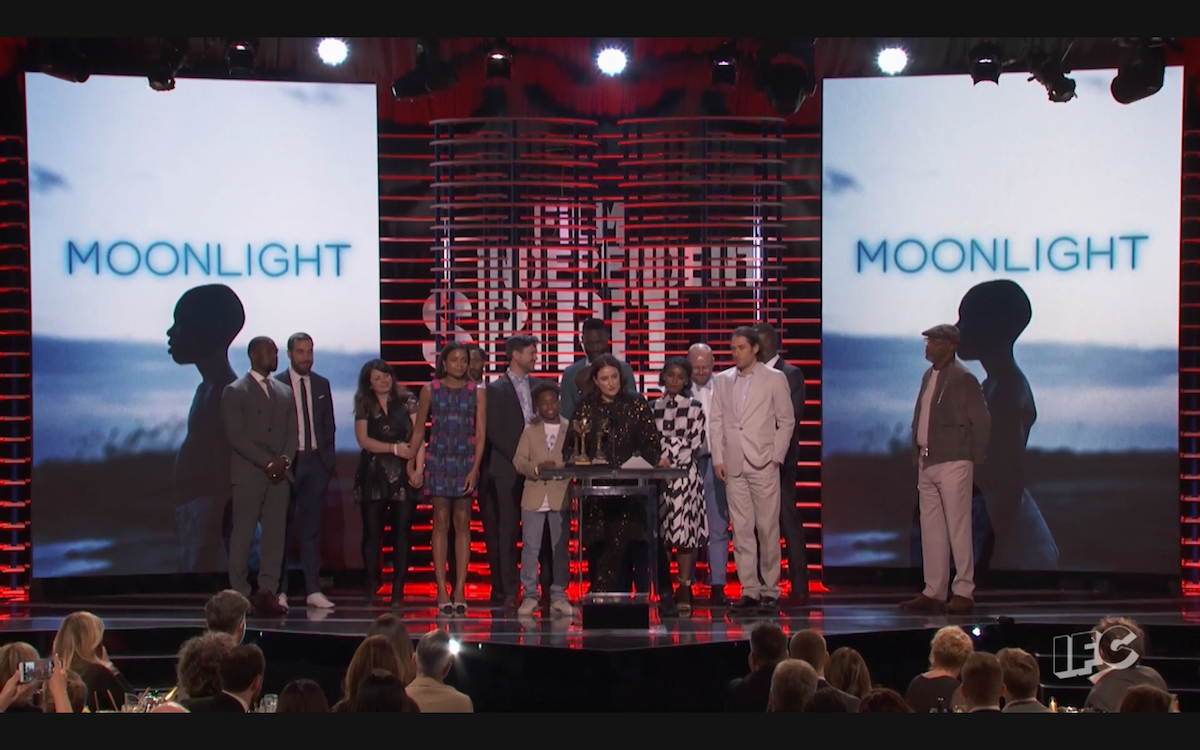 Moonlight shined bright at the 32nd Film Independent Spirit Awards, winning Best Feature, Best Director, Best Screenplay, Best Cinematography, Best Editing and the Robert Altman Award.
The Witch, Other People, Manchester by the Sea, Elle and Hell or High Water along with Spa Night, O.J.: Made in America and Toni Erdman also received awards at the ceremony, which was held in a tent on the beach in Santa Monica on Saturday.
The Witch won Best First Feature and Best First Screenplay; Manchester by the Sea won Best Male Lead; Elle won Best Female Lead; Hell or High Water won Best Supporting Male; Other People won Best Supporting Female; Spa Night won the John Cassavetes Award; O.J.: Made in America won Best Documentary and Toni Erdmann won Best International Film.
The 10th annual Robert Altman Award was given to one film’s director, casting director and ensemble cast. Barry Jenkins’ Moonlight received this award, along with casting director Yesi Ramirez and ensemble cast members Mahershala Ali, Patrick Decile, Naomie Harris, Alex Hibbert, André Holland, Jharrel Jerome, Janelle Monáe, Jaden Piner, Trevante Rhodes and Ashton Sanders.
The 2017 Roger and Chaz Ebert Foundation Fellowship, which includes a cash grant of $10,000, was awarded to Project Involve Fellow, Jomo Fray. This annual award is given to a filmmaker currently participating in a Film Independent Artist Development program with the mission of diversity in mind. Film Independent also awarded the inaugural Turner Fellowship, which includes a $10,000 cash grant, to Project Involve Fellow Kady Kamakate.
The following is a complete list of 2017 Film Independent Spirit Awards winners:
Best Feature:
Moonlight (A24)
Producers: Dede Gardner, Jeremy Kleiner, Adele Romanski
Best Director:
Barry Jenkins, Moonlight (A24)
Best Screenplay:
Barry Jenkins, Tarell Alvin McCraney (Story By), Moonlight (A24)
Best First Feature:
The Witch (A24)
Director: Robert Eggers
Producers: Daniel Bekerman, Jay Van Hoy, Lars Knudsen, Jodi Redmond,
Rodrigo Teixeira
Best First Screenplay:
Robert Eggers, The Witch (A24)
John Cassavetes Award (For best feature made under $500,000):
Spa Night (Strand Releasing)
Writer/Director: Andrew Ahn
Producers: David Ariniello, Giulia Caruso, Ki Jin Kim, Kelly Thomas
Best Supporting Female:
Molly Shannon, Other People (Vertical Entertainment)
Best Supporting Male:
Ben Foster, Hell or High Water (CBS Films/Lionsgate)
Best Female Lead:
Isabelle Huppert, Elle (Sony Pictures Classics)
Best Male Lead:
Casey Affleck, Manchester by the Sea (Amazon Studios)
Robert Altman Award:
Moonlight (A24)
Director: Barry Jenkins
Casting Director: Yesi Ramirez
Ensemble Cast: Mahershala Ali, Patrick Decile, Naomie Harris, Alex Hibbert, André Holland, Jharrel Jerome, Janelle Monáe, Jaden Piner, Trevante Rhodes, Ashton Sanders
Best Cinematography:
James Laxton, Moonlight (A24)
Best Editing:
Joi McMillon, Nat Sanders, Moonlight (A24)
Best International Film:
Toni Erdmann (Germany and Romania– Sony Pictures Classics)
Director: Maren Ade
Best Documentary:
O.J.: Made in America (ESPN Films)
Director/Producer: Ezra Edelman
Producers: Deirdre Fenton, Libby Geist, Nina Krstic, Erin Leyden, Tamara Rosenberg, Connor Schell, Caroline Waterlow
https://www.youtube.com/watch?list=PLpPm9s-eElkGWipG86oC8ajjdlit2qJKl&v=aSTBp1yW6vQ
Moonlight shined bright at the 32nd Film Independent Spirit Awards, winning Best Feature, Best Director, Best Screenplay, Best Cinematography, Best Editing and the Robert Altman Award.
The Witch, Other People, Manchester by the Sea, Elle and Hell or High Water along with Spa Night, O.J.: Made in America and Toni Erdman also received awards at the ceremony, which was held in a tent on the beach in Santa Monica on Saturday.
The Witch won Best First Feature and Best First Screenplay; Manchester by the Sea won Best Male Lead; Elle won Best Female Lead; Hell or High Water won Best Supporting Male; Other People won Best Supporting Female; Spa Night won the John Cassavetes Award; O.J.: Made in America won Best Documentary and Toni Erdmann won Best International Film.
The 10th annual Robert Altman Award was given to one film’s director, casting director and ensemble cast. Barry Jenkins’ Moonlight received this award, along with casting director Yesi Ramirez and ensemble cast members Mahershala Ali, Patrick Decile, Naomie Harris, Alex Hibbert, André Holland, Jharrel Jerome, Janelle Monáe, Jaden Piner, Trevante Rhodes and Ashton Sanders.
The 2017 Roger and Chaz Ebert Foundation Fellowship, which includes a cash grant of $10,000, was awarded to Project Involve Fellow, Jomo Fray. This annual award is given to a filmmaker currently participating in a Film Independent Artist Development program with the mission of diversity in mind. Film Independent also awarded the inaugural Turner Fellowship, which includes a $10,000 cash grant, to Project Involve Fellow Kady Kamakate.
The following is a complete list of 2017 Film Independent Spirit Awards winners:
Best Feature:
Moonlight (A24)
Producers: Dede Gardner, Jeremy Kleiner, Adele Romanski
Best Director:
Barry Jenkins, Moonlight (A24)
Best Screenplay:
Barry Jenkins, Tarell Alvin McCraney (Story By), Moonlight (A24)
Best First Feature:
The Witch (A24)
Director: Robert Eggers
Producers: Daniel Bekerman, Jay Van Hoy, Lars Knudsen, Jodi Redmond,
Rodrigo Teixeira
Best First Screenplay:
Robert Eggers, The Witch (A24)
John Cassavetes Award (For best feature made under $500,000):
Spa Night (Strand Releasing)
Writer/Director: Andrew Ahn
Producers: David Ariniello, Giulia Caruso, Ki Jin Kim, Kelly Thomas
Best Supporting Female:
Molly Shannon, Other People (Vertical Entertainment)
Best Supporting Male:
Ben Foster, Hell or High Water (CBS Films/Lionsgate)
Best Female Lead:
Isabelle Huppert, Elle (Sony Pictures Classics)
Best Male Lead:
Casey Affleck, Manchester by the Sea (Amazon Studios)
Robert Altman Award:
Moonlight (A24)
Director: Barry Jenkins
Casting Director: Yesi Ramirez
Ensemble Cast: Mahershala Ali, Patrick Decile, Naomie Harris, Alex Hibbert, André Holland, Jharrel Jerome, Janelle Monáe, Jaden Piner, Trevante Rhodes, Ashton Sanders
Best Cinematography:
James Laxton, Moonlight (A24)
Best Editing:
Joi McMillon, Nat Sanders, Moonlight (A24)
Best International Film:
Toni Erdmann (Germany and Romania– Sony Pictures Classics)
Director: Maren Ade
Best Documentary:
O.J.: Made in America (ESPN Films)
Director/Producer: Ezra Edelman
Producers: Deirdre Fenton, Libby Geist, Nina Krstic, Erin Leyden, Tamara Rosenberg, Connor Schell, Caroline Waterlow
https://www.youtube.com/watch?list=PLpPm9s-eElkGWipG86oC8ajjdlit2qJKl&v=aSTBp1yW6vQ
-
Martin Scorsese will Present Robert De Niro with the 44th Chaplin Award at FSLC Gala
[caption id="attachment_21076" align="aligncenter" width="1200"]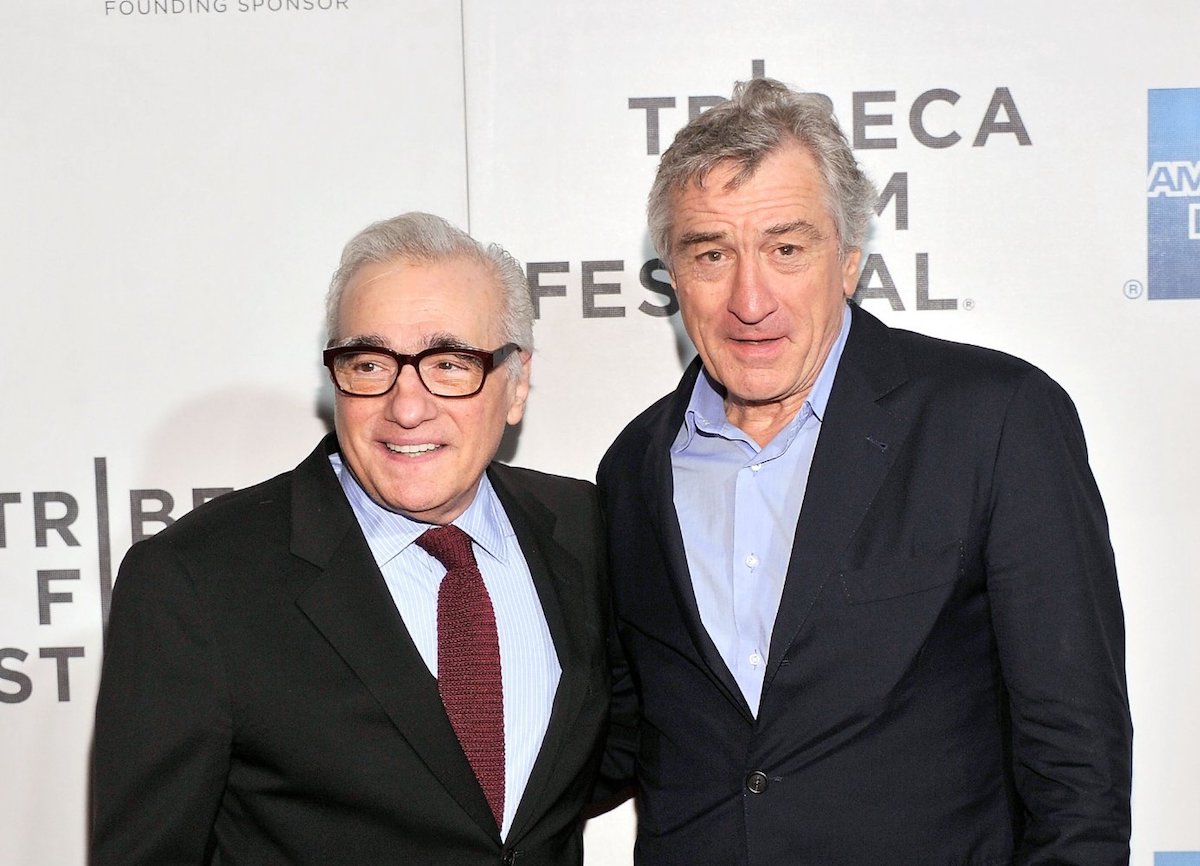 Martin Scorsese and Robert De Niro[/caption]
Filmmaker Martin Scorsese will present Robert De Niro with the 44th Chaplin Award at Film Society of Lincoln Center Gala on Monday, May 8, 2017. The pair have worked together on eight films, beginning with Mean Streets in 1973.
The evening’s presenters will also include Meryl Streep, Whoopi Goldberg, Ben Stiller, Barry Levinson, and Harvey Keitel. The annual event, attended by a host of notable guests and presenters, will include movie and interview clips, culminating in the presentation of the Chaplin Award to De Niro by Scorsese. Streep and Scorsese are both previous recipients of the Chaplin Award—the 35th and 25th, respectively.
The Gala celebrates all the facets of De Niro’s remarkable career in cinema, including his amazing array of performances, which have resulted in some of the most memorable characters committed to film; his status as an unparalleled figure of New York film and culture; and his championing of independent film through the Tribeca Film Festival and Tribeca Film Institute.
In addition, on the occasion of the Gala, the Film Society will present a weeklong tribute celebrating De Niro’s most iconic roles, April 12-19. Among the 12 films featured in the series are many of his collaborations with Scorsese, including Mean Streets, Taxi Driver, Raging Bull, The King of Comedy, Goodfellas, Casino, and more. The complete lineup will be announced next month.
The Film Society’s Annual Gala began in 1972 when it honored Charlie Chaplin, who returned to the U.S. from exile to accept the commendation. The award was then renamed for Chaplin and has been presented to many of the film industry’s most notable talents, including Scorsese, Streep, Alfred Hitchcock, Billy Wilder, Laurence Olivier, Federico Fellini, Elizabeth Taylor, Bette Davis, James Stewart, Robert Altman, Diane Keaton, Tom Hanks, Sidney Poitier, Barbra Streisand, Robert Redford, and, last year, Morgan Freeman.
Martin Scorsese and Robert De Niro[/caption]
Filmmaker Martin Scorsese will present Robert De Niro with the 44th Chaplin Award at Film Society of Lincoln Center Gala on Monday, May 8, 2017. The pair have worked together on eight films, beginning with Mean Streets in 1973.
The evening’s presenters will also include Meryl Streep, Whoopi Goldberg, Ben Stiller, Barry Levinson, and Harvey Keitel. The annual event, attended by a host of notable guests and presenters, will include movie and interview clips, culminating in the presentation of the Chaplin Award to De Niro by Scorsese. Streep and Scorsese are both previous recipients of the Chaplin Award—the 35th and 25th, respectively.
The Gala celebrates all the facets of De Niro’s remarkable career in cinema, including his amazing array of performances, which have resulted in some of the most memorable characters committed to film; his status as an unparalleled figure of New York film and culture; and his championing of independent film through the Tribeca Film Festival and Tribeca Film Institute.
In addition, on the occasion of the Gala, the Film Society will present a weeklong tribute celebrating De Niro’s most iconic roles, April 12-19. Among the 12 films featured in the series are many of his collaborations with Scorsese, including Mean Streets, Taxi Driver, Raging Bull, The King of Comedy, Goodfellas, Casino, and more. The complete lineup will be announced next month.
The Film Society’s Annual Gala began in 1972 when it honored Charlie Chaplin, who returned to the U.S. from exile to accept the commendation. The award was then renamed for Chaplin and has been presented to many of the film industry’s most notable talents, including Scorsese, Streep, Alfred Hitchcock, Billy Wilder, Laurence Olivier, Federico Fellini, Elizabeth Taylor, Bette Davis, James Stewart, Robert Altman, Diane Keaton, Tom Hanks, Sidney Poitier, Barbra Streisand, Robert Redford, and, last year, Morgan Freeman.