
 The Dallas-Fort Worth Film Critics Association voted the newsroom drama SPOTLIGHT as the best film of 2015, according to the results of its 22nd annual critics’ poll. This year’s awards are presented in memory of Philip Wuntch, the longtime Dallas Morning News film critic who passed away in October.
Rounding out the composite list of the top 10 films of the year were THE REVENANT (2), CAROL (3), SICARIO (4), MAD MAX: FURY ROAD (5), THE BIG SHORT (6), THE MARTIAN (7), ROOM (8), THE DANISH GIRL (9) and BROOKLYN (10).
The association voted SON OF SAUL as the best foreign language film of the year. Runners-up included THE ASSASSIN (2), THE SECOND MOTHER (3), MUSTANG (4) and GOODNIGHT MOMMY (5).
AMY won for Best Documentary over THE LOOK OF SILENCE (2), THE WOLFPACK (3), GOING CLEAR: SCIENTOLOGY AND THE PRISON OF BELIEF (4) and THE HUNTING GROUND (5).
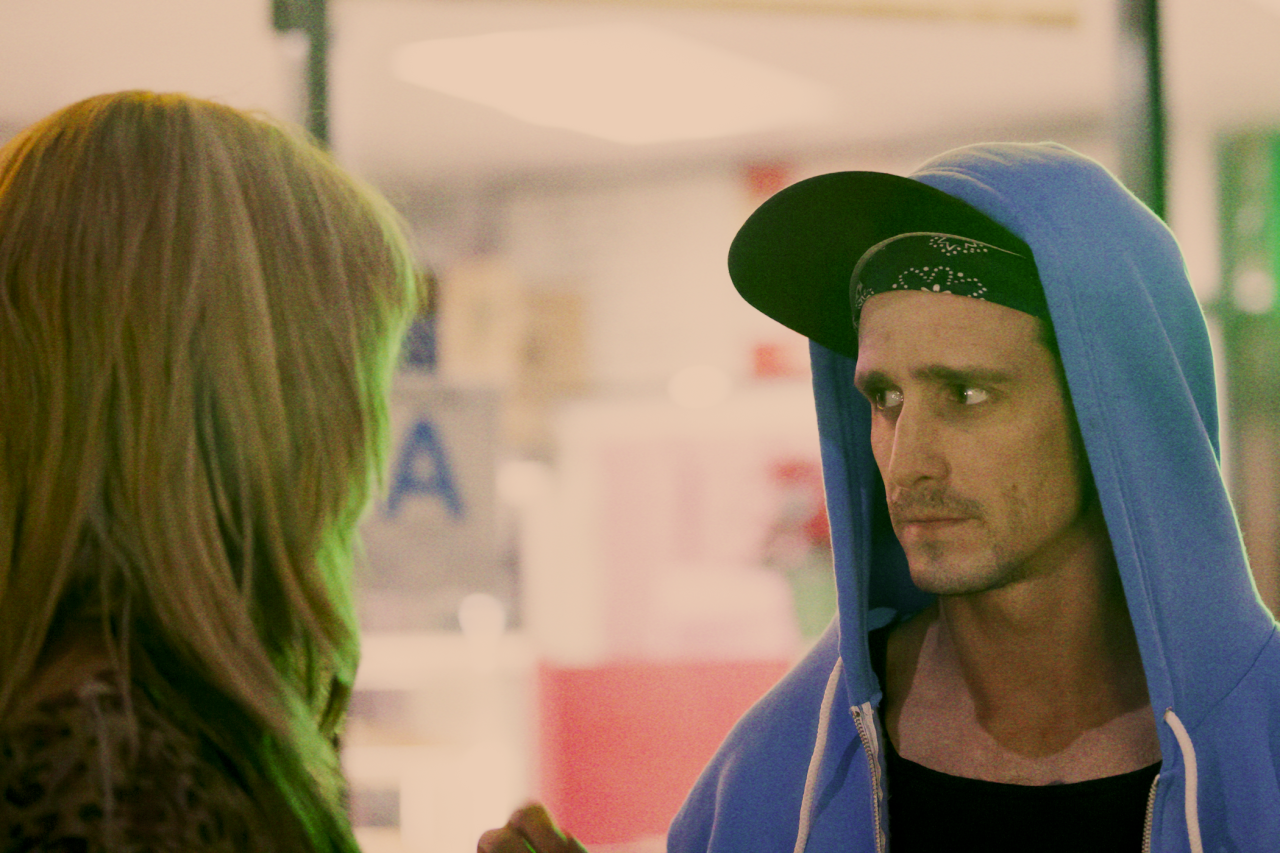
The association voted TANGERINE as the winner of the Russell Smith Award, named for the late Dallas Morning News film critic. The honor is given annually to the best low-budget or cutting-edge independent film.
The 2015 Dallas-Fort Worth Film Critics Association award winners.
Best Picture:
Spotlight (director — Tom McCarthy)
Best Animated Feature:
Inside Out (director — Pete Docter)
Best Foreign Language Film:
Son of Saul (Hungary)
Best Documentary:
Amy
Best Director:
Alejandro Gonzalez Inarritu (The Revenant)
Best Actor:
Leonardo DiCaprio (The Revenant)
Best Actress:
Brie Larson (Room)
Best Supporting Actor:
Paul Dano (Love and Mercy)
Best Supporting Actress:
Rooney Mara (Carol)
Best Screenplay:
Spotlight (Josh Singer, TomMcCarthy)
Best Cinematography:
Emmanuel Lubezki (The Revenant)
Best Musical Score:
The Revenant (Bryce Dessner, Carsten Nicolai and Ryûichi Sakamoto)
Russell Smith Award (named for the late Dallas Morning News film critic. The honor is given annually to the best low-budget or cutting-edge independent film.)
Tangerine (director — Sean Baker)
The Dallas-Fort Worth Film Critics Association voted the newsroom drama SPOTLIGHT as the best film of 2015, according to the results of its 22nd annual critics’ poll. This year’s awards are presented in memory of Philip Wuntch, the longtime Dallas Morning News film critic who passed away in October.
Rounding out the composite list of the top 10 films of the year were THE REVENANT (2), CAROL (3), SICARIO (4), MAD MAX: FURY ROAD (5), THE BIG SHORT (6), THE MARTIAN (7), ROOM (8), THE DANISH GIRL (9) and BROOKLYN (10).
The association voted SON OF SAUL as the best foreign language film of the year. Runners-up included THE ASSASSIN (2), THE SECOND MOTHER (3), MUSTANG (4) and GOODNIGHT MOMMY (5).
AMY won for Best Documentary over THE LOOK OF SILENCE (2), THE WOLFPACK (3), GOING CLEAR: SCIENTOLOGY AND THE PRISON OF BELIEF (4) and THE HUNTING GROUND (5).
The association voted TANGERINE as the winner of the Russell Smith Award, named for the late Dallas Morning News film critic. The honor is given annually to the best low-budget or cutting-edge independent film.
The 2015 Dallas-Fort Worth Film Critics Association award winners.
Best Picture:
Spotlight (director — Tom McCarthy)
Best Animated Feature:
Inside Out (director — Pete Docter)
Best Foreign Language Film:
Son of Saul (Hungary)
Best Documentary:
Amy
Best Director:
Alejandro Gonzalez Inarritu (The Revenant)
Best Actor:
Leonardo DiCaprio (The Revenant)
Best Actress:
Brie Larson (Room)
Best Supporting Actor:
Paul Dano (Love and Mercy)
Best Supporting Actress:
Rooney Mara (Carol)
Best Screenplay:
Spotlight (Josh Singer, TomMcCarthy)
Best Cinematography:
Emmanuel Lubezki (The Revenant)
Best Musical Score:
The Revenant (Bryce Dessner, Carsten Nicolai and Ryûichi Sakamoto)
Russell Smith Award (named for the late Dallas Morning News film critic. The honor is given annually to the best low-budget or cutting-edge independent film.)
Tangerine (director — Sean Baker)News
All the News.
All the News.
-
Dallas-Fort Worth Film Critics Association Picks SPOTLIGHT as 2015 Best Film; TANGERINE Wins Best Indie Film
The Dallas-Fort Worth Film Critics Association voted the newsroom drama SPOTLIGHT as the best film of 2015, according to the results of its 22nd annual critics’ poll. This year’s awards are presented in memory of Philip Wuntch, the longtime Dallas Morning News film critic who passed away in October.
Rounding out the composite list of the top 10 films of the year were THE REVENANT (2), CAROL (3), SICARIO (4), MAD MAX: FURY ROAD (5), THE BIG SHORT (6), THE MARTIAN (7), ROOM (8), THE DANISH GIRL (9) and BROOKLYN (10).
The association voted SON OF SAUL as the best foreign language film of the year. Runners-up included THE ASSASSIN (2), THE SECOND MOTHER (3), MUSTANG (4) and GOODNIGHT MOMMY (5).
AMY won for Best Documentary over THE LOOK OF SILENCE (2), THE WOLFPACK (3), GOING CLEAR: SCIENTOLOGY AND THE PRISON OF BELIEF (4) and THE HUNTING GROUND (5).
The association voted TANGERINE as the winner of the Russell Smith Award, named for the late Dallas Morning News film critic. The honor is given annually to the best low-budget or cutting-edge independent film.
The 2015 Dallas-Fort Worth Film Critics Association award winners.
Best Picture:
Spotlight (director — Tom McCarthy)
Best Animated Feature:
Inside Out (director — Pete Docter)
Best Foreign Language Film:
Son of Saul (Hungary)
Best Documentary:
Amy
Best Director:
Alejandro Gonzalez Inarritu (The Revenant)
Best Actor:
Leonardo DiCaprio (The Revenant)
Best Actress:
Brie Larson (Room)
Best Supporting Actor:
Paul Dano (Love and Mercy)
Best Supporting Actress:
Rooney Mara (Carol)
Best Screenplay:
Spotlight (Josh Singer, TomMcCarthy)
Best Cinematography:
Emmanuel Lubezki (The Revenant)
Best Musical Score:
The Revenant (Bryce Dessner, Carsten Nicolai and Ryûichi Sakamoto)
Russell Smith Award (named for the late Dallas Morning News film critic. The honor is given annually to the best low-budget or cutting-edge independent film.)
Tangerine (director — Sean Baker)
-
San Francisco Film Critics Circle Picks SPOTLIGHT as Best Picture of 2015; Guy Maddin’s THE FORBIDDEN ROOM Wins For ‘Underappreciated Independent Film’
 The San Francisco Film Critics Circle picked SPOTLIGHT as the Best Picture of 2015, and gave three awards to MAD MAX: FURY ROAD, two to BROOKLYN and two to LOVE & MERCY.
Paul Dano and Saoirse Ronan collected Best Actor and Best Actress, the former for his portrayal of Brian Wilson’s youthful but troubled musical genius in LOVE & MERCY and the latter for essaying delicate, nuanced emotional detail as a young immigrant woman coming of age and facing the choice of her life in BROOKLYN. The same films were also recognized for their screenwriters: Oren Moverman and Michael Alan Lerner for the thoughtfully structured biopic LOVE & MERCY and Nick Hornby for locating the emotion and internal struggle of an immigrant experience in his screen adaptation of the novel BROOKLYN.
Best Supporting Actor and Best Supporting Actress honors went, respectively, to Michael Shannon for his utterly credible work as a fiery real-estate exploiter in 99 HOMES and Mya Taylor for powerfully grounding, with heart and humor, TANGERINE, a tale of transgender sex workers navigating a nighttime odyssey on the streets of L.A.
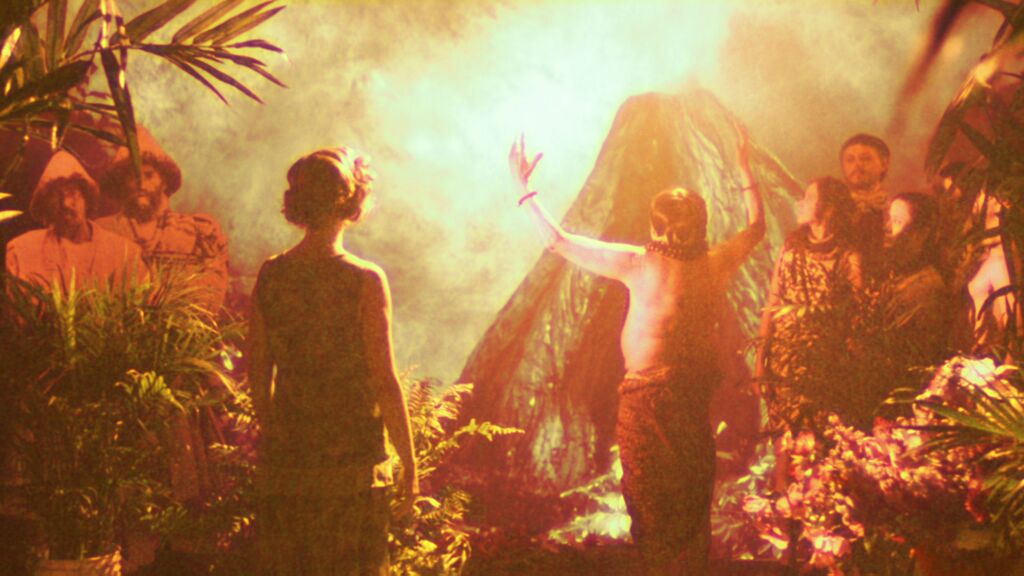
The SFFCC recognized SON OF SAUL as Best Foreign Language Film, ANOMALISA as Best Animated Feature, and LISTEN TO ME MARLON as Best Documentary. Finally, the SFFCC’s annual Special Citation Award for an underappreciated independent film went to Guy Maddin’s THE FORBIDDEN ROOM (pictured above).
Best Picture
WINNER – SPOTLIGHT
BROOKLYN
CAROL
LOVE & MERCY
MAD MAX: FURY ROAD
Best Director
WINNER – George Miller, MAD MAX: FURY ROAD
John Crowley, BROOKLYN
Todd Haynes, CAROL
Alejandro González Iñárritu, THE REVENANT
Tom McCarthy, SPOTLIGHT
Best Actor
WINNER – Paul Dano, LOVE & MERCY
Bryan Cranston, TRUMBO
Leonardo DiCaprio, THE REVENANT
Michael Fassbender, STEVE JOBS
Ian McKellen, MR. HOLMES
Best Actress
WINNER – Saoirse Ronan, BROOKLYN
Cate Blanchett, CAROL
Brie Larson, ROOM
Rooney Mara, CAROL
Charlotte Rampling, 45 YEARS
Best Supporting Actor
WINNER – Michael Shannon, 99 HOMES
Paul Dano, LOVE & MERCY
Benicio Del Toro, SICARIO
Mark Rylance, BRIDGE OF SPIES
Sylvester Stallone, CREED
Best Supporting Actress
WINNER – Mya Taylor, TANGERINE
Elizabeth Banks, LOVE & MERCY
Helen Mirren, TRUMBO
Alicia Vikander, THE DANISH GIRL
Alicia Vikander, EX MACHINA
Best Screenplay, Original
WINNER – LOVE & MERCY, Oren Moverman; Michael Alan Lerner
EX MACHINA, Alex Garland
SICARIO, Taylor Sheridan
SPOTLIGHT, Tom McCarthy; Josh Singer
TANGERINE, Sean Baker; Chris Bergoch
Best Screenplay, Adapted
WINNER – BROOKLYN, Nick Hornby
CAROL, Phyllis Nagy
DIARY OF A TEENAGE GIRL, Marielle Heller
45 YEARS, Andrew Haigh
THE MARTIAN, Drew Goddard
ROOM, Emma Donahue
Best Cinematography
WINNER – MAD MAX: FURY ROAD, John Seale
THE ASSASSIN, Ping Bing Lee
CAROL, Edward Lachmann
THE REVENANT, Emmanuel Lubezki
SICARIO, Roger Deakins
Best Production Design
WINNER – CAROL, Judy Becker; Heather Loeffler
BRIDGE OF SPIES, Adam Stockhausen; Rena DeAngelo; Bernard Henrich
BROOKLYN, François Séguin; Suzanne Cloutier
MAD MAX: FURY ROAD, Colin Gibson; Katie Sherrock; Lisa Thompson
THE REVENANT, Jack Fisk; Hamish Purdy
Best Film Editing
WINNER – MAD MAX: FURY ROAD, Margaret Sixel
THE BIG SHORT, Hank Corwin
LOVE & MERCY, Dino Jonsater
THE REVENANT, Stephen Mirrione
SICARIO, Joe Walker
Best Animated Feature
WINNER – ANOMALISA
BOY AND THE WORLD
INSIDE OUT
THE PEANUTS MOVIE
SHAUN THE SHEEP
Best Foreign Language Picture
WINNER – SON OF SAUL
THE ASSASSIN
GOODNIGHT MOMMY
A PIGEON SAT ON A BRANCH REFLECTING ON EXISTENCE
TIMBUKTU
Best Documentary
WINNER – LISTEN TO ME MARLON
AMY
BEST OF ENEMIES
THE LOOK OF SILENCE
MERU
Marlon Riggs Award for courage & vision in the Bay Area film community
Frank Lee For his lifelong dedication to film culture in San Francisco—in particular his twenty-plus-year film stewardship of the 4 Star Theatre in the tradition of the family-run independent art house and his attention to Hong Kong film, both marked by his astute taste and knowledge.
Special Citation for under-appreciated independent cinema
THE FORBIDDEN ROOM Guy Maddin’s haunted scream, full of artfully recreated, vinegar-eaten celluloid, is a rat’s nest of affairs too strange to recall and too troubling to forget
The San Francisco Film Critics Circle picked SPOTLIGHT as the Best Picture of 2015, and gave three awards to MAD MAX: FURY ROAD, two to BROOKLYN and two to LOVE & MERCY.
Paul Dano and Saoirse Ronan collected Best Actor and Best Actress, the former for his portrayal of Brian Wilson’s youthful but troubled musical genius in LOVE & MERCY and the latter for essaying delicate, nuanced emotional detail as a young immigrant woman coming of age and facing the choice of her life in BROOKLYN. The same films were also recognized for their screenwriters: Oren Moverman and Michael Alan Lerner for the thoughtfully structured biopic LOVE & MERCY and Nick Hornby for locating the emotion and internal struggle of an immigrant experience in his screen adaptation of the novel BROOKLYN.
Best Supporting Actor and Best Supporting Actress honors went, respectively, to Michael Shannon for his utterly credible work as a fiery real-estate exploiter in 99 HOMES and Mya Taylor for powerfully grounding, with heart and humor, TANGERINE, a tale of transgender sex workers navigating a nighttime odyssey on the streets of L.A.
The SFFCC recognized SON OF SAUL as Best Foreign Language Film, ANOMALISA as Best Animated Feature, and LISTEN TO ME MARLON as Best Documentary. Finally, the SFFCC’s annual Special Citation Award for an underappreciated independent film went to Guy Maddin’s THE FORBIDDEN ROOM (pictured above).
Best Picture
WINNER – SPOTLIGHT
BROOKLYN
CAROL
LOVE & MERCY
MAD MAX: FURY ROAD
Best Director
WINNER – George Miller, MAD MAX: FURY ROAD
John Crowley, BROOKLYN
Todd Haynes, CAROL
Alejandro González Iñárritu, THE REVENANT
Tom McCarthy, SPOTLIGHT
Best Actor
WINNER – Paul Dano, LOVE & MERCY
Bryan Cranston, TRUMBO
Leonardo DiCaprio, THE REVENANT
Michael Fassbender, STEVE JOBS
Ian McKellen, MR. HOLMES
Best Actress
WINNER – Saoirse Ronan, BROOKLYN
Cate Blanchett, CAROL
Brie Larson, ROOM
Rooney Mara, CAROL
Charlotte Rampling, 45 YEARS
Best Supporting Actor
WINNER – Michael Shannon, 99 HOMES
Paul Dano, LOVE & MERCY
Benicio Del Toro, SICARIO
Mark Rylance, BRIDGE OF SPIES
Sylvester Stallone, CREED
Best Supporting Actress
WINNER – Mya Taylor, TANGERINE
Elizabeth Banks, LOVE & MERCY
Helen Mirren, TRUMBO
Alicia Vikander, THE DANISH GIRL
Alicia Vikander, EX MACHINA
Best Screenplay, Original
WINNER – LOVE & MERCY, Oren Moverman; Michael Alan Lerner
EX MACHINA, Alex Garland
SICARIO, Taylor Sheridan
SPOTLIGHT, Tom McCarthy; Josh Singer
TANGERINE, Sean Baker; Chris Bergoch
Best Screenplay, Adapted
WINNER – BROOKLYN, Nick Hornby
CAROL, Phyllis Nagy
DIARY OF A TEENAGE GIRL, Marielle Heller
45 YEARS, Andrew Haigh
THE MARTIAN, Drew Goddard
ROOM, Emma Donahue
Best Cinematography
WINNER – MAD MAX: FURY ROAD, John Seale
THE ASSASSIN, Ping Bing Lee
CAROL, Edward Lachmann
THE REVENANT, Emmanuel Lubezki
SICARIO, Roger Deakins
Best Production Design
WINNER – CAROL, Judy Becker; Heather Loeffler
BRIDGE OF SPIES, Adam Stockhausen; Rena DeAngelo; Bernard Henrich
BROOKLYN, François Séguin; Suzanne Cloutier
MAD MAX: FURY ROAD, Colin Gibson; Katie Sherrock; Lisa Thompson
THE REVENANT, Jack Fisk; Hamish Purdy
Best Film Editing
WINNER – MAD MAX: FURY ROAD, Margaret Sixel
THE BIG SHORT, Hank Corwin
LOVE & MERCY, Dino Jonsater
THE REVENANT, Stephen Mirrione
SICARIO, Joe Walker
Best Animated Feature
WINNER – ANOMALISA
BOY AND THE WORLD
INSIDE OUT
THE PEANUTS MOVIE
SHAUN THE SHEEP
Best Foreign Language Picture
WINNER – SON OF SAUL
THE ASSASSIN
GOODNIGHT MOMMY
A PIGEON SAT ON A BRANCH REFLECTING ON EXISTENCE
TIMBUKTU
Best Documentary
WINNER – LISTEN TO ME MARLON
AMY
BEST OF ENEMIES
THE LOOK OF SILENCE
MERU
Marlon Riggs Award for courage & vision in the Bay Area film community
Frank Lee For his lifelong dedication to film culture in San Francisco—in particular his twenty-plus-year film stewardship of the 4 Star Theatre in the tradition of the family-run independent art house and his attention to Hong Kong film, both marked by his astute taste and knowledge.
Special Citation for under-appreciated independent cinema
THE FORBIDDEN ROOM Guy Maddin’s haunted scream, full of artfully recreated, vinegar-eaten celluloid, is a rat’s nest of affairs too strange to recall and too troubling to forget
-
Carol, The Assassin, Among Films on Film Comment 2015 Best-of-Year Lists
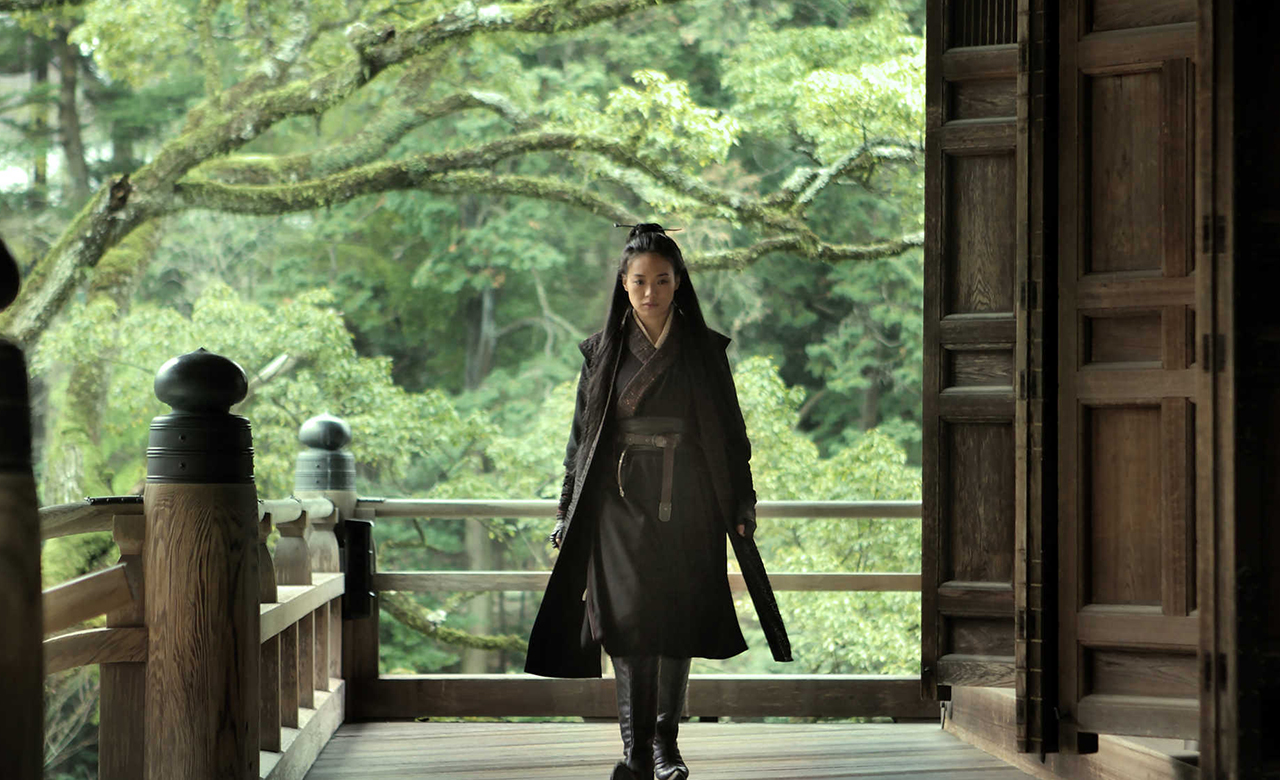 Film Comment’s annual end-of-the-year survey of film critics, journalists, film-section editors, and past and present contributors is out, and Todd Haynes’s Carol, Hou Hsiao-hsien’s The Assassin (pictured above), and George Miller’s Mad Max: Fury Road take the top spots among films released in 2015. Of the films that made appearances at film festivals or special screenings worldwide but have not received stateside distribution this year, Hong Sangsoo’s Right Now, Wrong Then, Athina Rachel Tsangari’s Chevalier, and Ben Rivers’s The Sky Trembles and the Earth Is Afraid and the Two Eyes Are Not Brothers received the top rankings.
Film Comment 2015 Top 10 Films Released in:
1. Carol Todd Haynes, U.S.
2. The Assassin Hou Hsiao-hsien, Taiwan
3. Mad Max: Fury Road George Miller, U.S.
4. Clouds of Sils Maria Olivier Assayas, France
5. Arabian Nights Miguel Gomes, Portugal
6. Timbuktu Abderrahmane Sissako, Mauritania/France
7. Spotlight Tom McCarthy, U.S.
8. Phoenix Christian Petzold, Germany
9. Inside Out Pete Docter & Ronnie del Carmen, U.S.
10. The Look of Silence Joshua Oppenheimer, Denmark/Indonesia
The rankings of other films making strong showings during the awards season are John Crowley’s Brooklyn (#18), Frederick Wiseman’s In Jackson Heights (#13), and Steven Spielberg’s Bridge of Spies (#20). Hou Hsiao-hsien’s The Assassin (#2) was the cover subject of Film Comment magazine’s September/October issue, and László Nemes’s Son of Saul (#14) was the cover subject of the November/December issue.
Film Comment’s survey also ranks films that have screened and made notable appearances at festivals throughout the year, but remain without U.S. distribution at press time.
Film Comment 2015 Top 10 Unreleased Films:
1. Right Now, Wrong Then Hong Sangsoo, South Korea
2. Chevalier Athina Rachel Tsangari, Greece
3. The Sky Trembles and the Earth Is Afraid and the Two Eyes Are Not Brothers Ben Rivers, U.K.
4. The Academy of Muses José Luis Guerín, Spain
5. Don’t Blink – Robert Frank Laura Israel, U.S.
6. Cosmos Andrzej Zulawski, Poland
7. Journey to the Shore Kiyoshi Kurosawa, Japan
8. Happy Hour Ryusuke Hamaguchi, Japan
9. Lost and Beautiful Pietro Marcello, Italy
10. Minotaur Nicolas Pereda, Mexico
Film Comment editor Gavin Smith said: “The 20 films that critics have voted for can be divided into four categories: mainstream Hollywood critical and box-office hits (3), American art-house-inclined indies (7), foreign-language art movies in a variety of familiar modes (5), and foreign-language movies that challenge viewers to enter cinematic realms they’ve never previously experienced (5). That balance, which happens to be encapsulated in the top five in micro form, feels about right for the agenda of this magazine, which, since the very beginning, has been to champion the best in cinema wherever it hails from, all creatures great and small. Since we managed to run features on 11 of these and sung the praises of another five, it’s a pleasure to close out the year on a high note.”
Film Comment’s annual end-of-the-year survey of film critics, journalists, film-section editors, and past and present contributors is out, and Todd Haynes’s Carol, Hou Hsiao-hsien’s The Assassin (pictured above), and George Miller’s Mad Max: Fury Road take the top spots among films released in 2015. Of the films that made appearances at film festivals or special screenings worldwide but have not received stateside distribution this year, Hong Sangsoo’s Right Now, Wrong Then, Athina Rachel Tsangari’s Chevalier, and Ben Rivers’s The Sky Trembles and the Earth Is Afraid and the Two Eyes Are Not Brothers received the top rankings.
Film Comment 2015 Top 10 Films Released in:
1. Carol Todd Haynes, U.S.
2. The Assassin Hou Hsiao-hsien, Taiwan
3. Mad Max: Fury Road George Miller, U.S.
4. Clouds of Sils Maria Olivier Assayas, France
5. Arabian Nights Miguel Gomes, Portugal
6. Timbuktu Abderrahmane Sissako, Mauritania/France
7. Spotlight Tom McCarthy, U.S.
8. Phoenix Christian Petzold, Germany
9. Inside Out Pete Docter & Ronnie del Carmen, U.S.
10. The Look of Silence Joshua Oppenheimer, Denmark/Indonesia
The rankings of other films making strong showings during the awards season are John Crowley’s Brooklyn (#18), Frederick Wiseman’s In Jackson Heights (#13), and Steven Spielberg’s Bridge of Spies (#20). Hou Hsiao-hsien’s The Assassin (#2) was the cover subject of Film Comment magazine’s September/October issue, and László Nemes’s Son of Saul (#14) was the cover subject of the November/December issue.
Film Comment’s survey also ranks films that have screened and made notable appearances at festivals throughout the year, but remain without U.S. distribution at press time.
Film Comment 2015 Top 10 Unreleased Films:
1. Right Now, Wrong Then Hong Sangsoo, South Korea
2. Chevalier Athina Rachel Tsangari, Greece
3. The Sky Trembles and the Earth Is Afraid and the Two Eyes Are Not Brothers Ben Rivers, U.K.
4. The Academy of Muses José Luis Guerín, Spain
5. Don’t Blink – Robert Frank Laura Israel, U.S.
6. Cosmos Andrzej Zulawski, Poland
7. Journey to the Shore Kiyoshi Kurosawa, Japan
8. Happy Hour Ryusuke Hamaguchi, Japan
9. Lost and Beautiful Pietro Marcello, Italy
10. Minotaur Nicolas Pereda, Mexico
Film Comment editor Gavin Smith said: “The 20 films that critics have voted for can be divided into four categories: mainstream Hollywood critical and box-office hits (3), American art-house-inclined indies (7), foreign-language art movies in a variety of familiar modes (5), and foreign-language movies that challenge viewers to enter cinematic realms they’ve never previously experienced (5). That balance, which happens to be encapsulated in the top five in micro form, feels about right for the agenda of this magazine, which, since the very beginning, has been to champion the best in cinema wherever it hails from, all creatures great and small. Since we managed to run features on 11 of these and sung the praises of another five, it’s a pleasure to close out the year on a high note.”
-
‘Carol’ ‘Brooklyn’ ‘The Danish Girl’ ‘Spotlight’ Among 21st Critics’ Choice Awards Nominations
 “Mad Max: Fury Road” leads the nominations for the 21st Critics’ Choice Awards with 13 nominations including Best Picture. “Carol,” impressed with nine nominations including Best Picture, and Best Director. “Spotlight” earned eight nominations, “Brooklyn,” “The Danish Girl,” each garnered five nominations and “Room” earned four.
The winners will be revealed live at the Critics’ Choice Awards gala, which will be broadcast from the Barker Hangar in Santa Monica on A&E, Lifetime and LMN on Sunday, January 17 at 8PM ET/ 5PM PT. Actor and comedian T.J. Miller will serve as the show’s host.
NOMINATIONS FOR THE 21st CRITICS’ CHOICE AWARDS
BEST PICTURE
The Big Short
Bridge of Spies
Brooklyn
Carol
Mad Max: Fury Road
The Martian
The Revenant
Room
Sicario
Spotlight
BEST ACTOR
Bryan Cranston – Trumbo
Matt Damon – The Martian
Johnny Depp – Black Mass
Leonardo DiCaprio – The Revenant
Michael Fassbender – Steve Jobs
Eddie Redmayne – The Danish Girl
BEST ACTRESS
Cate Blanchett – Carol
Brie Larson – Room
Jennifer Lawrence – Joy
Charlotte Rampling – 45 Years
Saoirse Ronan – Brooklyn
Charlize Theron – Mad Max: Fury Road
BEST SUPPORTING ACTOR
Paul Dano – Love & Mercy
Tom Hardy – The Revenant
Mark Ruffalo – Spotlight
Mark Rylance – Bridge of Spies
Michael Shannon – 99 Homes
Sylvester Stallone – Creed
BEST SUPPORTING ACTRESS
Jennifer Jason Leigh – The Hateful Eight
Rooney Mara – Carol
Rachel McAdams – Spotlight
Helen Mirren – Trumbo
Alicia Vikander – The Danish Girl
Kate Winslet – Steve Jobs
BEST YOUNG ACTOR/ACTRESS
Abraham Attah – Beasts of No Nation
RJ Cyler – Me and Earl and the Dying Girl
Shameik Moore – Dope
Milo Parker – Mr. Holmes
Jacob Tremblay – Room
BEST ACTING ENSEMBLE
The Big Short
The Hateful Eight
Spotlight
Straight Outta Compton
Trumbo
BEST DIRECTOR
Todd Haynes – Carol
Alejandro González Iñárritu – The Revenant
Tom McCarthy – Spotlight
George Miller – Mad Max: Fury Road
Ridley Scott – The Martian
Steven Spielberg – Bridge of Spies
BEST ORIGINAL SCREENPLAY
Matt Charman and Ethan Coen & Joel Coen – Bridge of Spies
Alex Garland – Ex Machina
Quentin Tarantino – The Hateful Eight
Pete Docter, Meg LeFauve, Josh Cooley – Inside Out
Josh Singer and Tom McCarthy – Spotlight
BEST ADAPTED SCREENPLAY
Charles Randolph and Adam McKay – The Big Short
Nick Hornby – Brooklyn
Drew Goddard – The Martian
Emma Donoghue – Room
Aaron Sorkin – Steve Jobs
BEST CINEMATOGRAPHY
Carol – Ed Lachman
The Hateful Eight – Robert Richardson
Mad Max: Fury Road – John Seale
The Martian – Dariusz Wolski
The Revenant – Emmanuel Lubezki
Sicario – Roger Deakins
BEST PRODUCTION DESIGN
Bridge of Spies – Adam Stockhausen, Rena DeAngelo
Brooklyn – François Séguin, Jennifer Oman and Louise Tremblay
Carol – Judy Becker, Heather Loeffler
The Danish Girl – Eve Stewart, Michael Standish
Mad Max: Fury Road – Colin Gibson
The Martian – Arthur Max, Celia Bobak
BEST EDITING
The Big Short – Hank Corwin
Mad Max: Fury Road – Margaret Sixel
The Martian – Pietro Scalia
The Revenant – Stephen Mirrione
Spotlight – Tom McArdle
BEST COSTUME DESIGN
Brooklyn – Odile Dicks-Mireaux
Carol – Sandy Powell
Cinderella – Sandy Powell
The Danish Girl – Paco Delgado
Mad Max: Fury Road – Jenny Beavan
BEST HAIR & MAKEUP
Black Mass
Carol
The Danish Girl
The Hateful Eight
Mad Max: Fury Road
The Revenant
BEST VISUAL EFFECTS
Ex Machina
Jurassic World
Mad Max: Fury Road
The Martian
The Revenant
The Walk
BEST ANIMATED FEATURE
Anomalisa
The Good Dinosaur
Inside Out
The Peanuts Movie
Shaun the Sheep Movie
BEST ACTION MOVIE
Furious 7
Jurassic World
Mad Max: Fury Road
Mission Impossible: Rogue Nation
Sicario
BEST ACTOR IN AN ACTION MOVIE
Daniel Craig – Spectre
Tom Cruise – Mission Impossible: Rogue Nation
Tom Hardy – Mad Max: Fury Road
Chris Pratt – Jurassic World
Paul Rudd – Ant-Man
BEST ACTRESS IN AN ACTION MOVIE
Emily Blunt – Sicario
Rebecca Ferguson – Mission Impossible: Rogue Nation
Bryce Dallas Howard – Jurassic World
Jennifer Lawrence – The Hunger Games: Mockingjay – Part 2
Charlize Theron – Mad Max: Fury Road
BEST COMEDY
The Big Short
Inside Out
Joy
Sisters
Spy
Trainwreck
BEST ACTOR IN A COMEDY
Christian Bale – The Big Short
Steve Carell – The Big Short
Robert De Niro – The Intern
Bill Hader – Trainwreck
Jason Statham – Spy
BEST ACTRESS IN A COMEDY
Tina Fey – Sisters
Jennifer Lawrence – Joy
Melissa McCarthy – Spy
Amy Schumer – Trainwreck
Lily Tomlin – Grandma
BEST SCI-FI/HORROR MOVIE
Ex Machina
It Follows
Jurassic World
Mad Max: Fury Road
The Martian
BEST FOREIGN LANGUAGE FILM
The Assassin
Goodnight Mommy
Mustang
The Second Mother
Son of Saul
BEST DOCUMENTARY FEATURE
Amy
Cartel Land
Going Clear: Scientology and the Prison of Belief
He Named Me Malala
The Look of Silence
Where to Invade Next
BEST SONG
Fifty Shades of Grey – Love Me Like You Do
Furious 7 – See You Again
The Hunting Ground – Til It Happens To You
Love & Mercy – One Kind of Love
Spectre – Writing’s on the Wall
Youth – Simple Song #3
BEST SCORE
Carol – Carter Burwell
The Hateful Eight – Ennio Morricone
The Revenant – Ryuichi Sakamoto and Alva Noto
Sicario – Johann Johannsson
Spotlight – Howard Shore
“Mad Max: Fury Road” leads the nominations for the 21st Critics’ Choice Awards with 13 nominations including Best Picture. “Carol,” impressed with nine nominations including Best Picture, and Best Director. “Spotlight” earned eight nominations, “Brooklyn,” “The Danish Girl,” each garnered five nominations and “Room” earned four.
The winners will be revealed live at the Critics’ Choice Awards gala, which will be broadcast from the Barker Hangar in Santa Monica on A&E, Lifetime and LMN on Sunday, January 17 at 8PM ET/ 5PM PT. Actor and comedian T.J. Miller will serve as the show’s host.
NOMINATIONS FOR THE 21st CRITICS’ CHOICE AWARDS
BEST PICTURE
The Big Short
Bridge of Spies
Brooklyn
Carol
Mad Max: Fury Road
The Martian
The Revenant
Room
Sicario
Spotlight
BEST ACTOR
Bryan Cranston – Trumbo
Matt Damon – The Martian
Johnny Depp – Black Mass
Leonardo DiCaprio – The Revenant
Michael Fassbender – Steve Jobs
Eddie Redmayne – The Danish Girl
BEST ACTRESS
Cate Blanchett – Carol
Brie Larson – Room
Jennifer Lawrence – Joy
Charlotte Rampling – 45 Years
Saoirse Ronan – Brooklyn
Charlize Theron – Mad Max: Fury Road
BEST SUPPORTING ACTOR
Paul Dano – Love & Mercy
Tom Hardy – The Revenant
Mark Ruffalo – Spotlight
Mark Rylance – Bridge of Spies
Michael Shannon – 99 Homes
Sylvester Stallone – Creed
BEST SUPPORTING ACTRESS
Jennifer Jason Leigh – The Hateful Eight
Rooney Mara – Carol
Rachel McAdams – Spotlight
Helen Mirren – Trumbo
Alicia Vikander – The Danish Girl
Kate Winslet – Steve Jobs
BEST YOUNG ACTOR/ACTRESS
Abraham Attah – Beasts of No Nation
RJ Cyler – Me and Earl and the Dying Girl
Shameik Moore – Dope
Milo Parker – Mr. Holmes
Jacob Tremblay – Room
BEST ACTING ENSEMBLE
The Big Short
The Hateful Eight
Spotlight
Straight Outta Compton
Trumbo
BEST DIRECTOR
Todd Haynes – Carol
Alejandro González Iñárritu – The Revenant
Tom McCarthy – Spotlight
George Miller – Mad Max: Fury Road
Ridley Scott – The Martian
Steven Spielberg – Bridge of Spies
BEST ORIGINAL SCREENPLAY
Matt Charman and Ethan Coen & Joel Coen – Bridge of Spies
Alex Garland – Ex Machina
Quentin Tarantino – The Hateful Eight
Pete Docter, Meg LeFauve, Josh Cooley – Inside Out
Josh Singer and Tom McCarthy – Spotlight
BEST ADAPTED SCREENPLAY
Charles Randolph and Adam McKay – The Big Short
Nick Hornby – Brooklyn
Drew Goddard – The Martian
Emma Donoghue – Room
Aaron Sorkin – Steve Jobs
BEST CINEMATOGRAPHY
Carol – Ed Lachman
The Hateful Eight – Robert Richardson
Mad Max: Fury Road – John Seale
The Martian – Dariusz Wolski
The Revenant – Emmanuel Lubezki
Sicario – Roger Deakins
BEST PRODUCTION DESIGN
Bridge of Spies – Adam Stockhausen, Rena DeAngelo
Brooklyn – François Séguin, Jennifer Oman and Louise Tremblay
Carol – Judy Becker, Heather Loeffler
The Danish Girl – Eve Stewart, Michael Standish
Mad Max: Fury Road – Colin Gibson
The Martian – Arthur Max, Celia Bobak
BEST EDITING
The Big Short – Hank Corwin
Mad Max: Fury Road – Margaret Sixel
The Martian – Pietro Scalia
The Revenant – Stephen Mirrione
Spotlight – Tom McArdle
BEST COSTUME DESIGN
Brooklyn – Odile Dicks-Mireaux
Carol – Sandy Powell
Cinderella – Sandy Powell
The Danish Girl – Paco Delgado
Mad Max: Fury Road – Jenny Beavan
BEST HAIR & MAKEUP
Black Mass
Carol
The Danish Girl
The Hateful Eight
Mad Max: Fury Road
The Revenant
BEST VISUAL EFFECTS
Ex Machina
Jurassic World
Mad Max: Fury Road
The Martian
The Revenant
The Walk
BEST ANIMATED FEATURE
Anomalisa
The Good Dinosaur
Inside Out
The Peanuts Movie
Shaun the Sheep Movie
BEST ACTION MOVIE
Furious 7
Jurassic World
Mad Max: Fury Road
Mission Impossible: Rogue Nation
Sicario
BEST ACTOR IN AN ACTION MOVIE
Daniel Craig – Spectre
Tom Cruise – Mission Impossible: Rogue Nation
Tom Hardy – Mad Max: Fury Road
Chris Pratt – Jurassic World
Paul Rudd – Ant-Man
BEST ACTRESS IN AN ACTION MOVIE
Emily Blunt – Sicario
Rebecca Ferguson – Mission Impossible: Rogue Nation
Bryce Dallas Howard – Jurassic World
Jennifer Lawrence – The Hunger Games: Mockingjay – Part 2
Charlize Theron – Mad Max: Fury Road
BEST COMEDY
The Big Short
Inside Out
Joy
Sisters
Spy
Trainwreck
BEST ACTOR IN A COMEDY
Christian Bale – The Big Short
Steve Carell – The Big Short
Robert De Niro – The Intern
Bill Hader – Trainwreck
Jason Statham – Spy
BEST ACTRESS IN A COMEDY
Tina Fey – Sisters
Jennifer Lawrence – Joy
Melissa McCarthy – Spy
Amy Schumer – Trainwreck
Lily Tomlin – Grandma
BEST SCI-FI/HORROR MOVIE
Ex Machina
It Follows
Jurassic World
Mad Max: Fury Road
The Martian
BEST FOREIGN LANGUAGE FILM
The Assassin
Goodnight Mommy
Mustang
The Second Mother
Son of Saul
BEST DOCUMENTARY FEATURE
Amy
Cartel Land
Going Clear: Scientology and the Prison of Belief
He Named Me Malala
The Look of Silence
Where to Invade Next
BEST SONG
Fifty Shades of Grey – Love Me Like You Do
Furious 7 – See You Again
The Hunting Ground – Til It Happens To You
Love & Mercy – One Kind of Love
Spectre – Writing’s on the Wall
Youth – Simple Song #3
BEST SCORE
Carol – Carter Burwell
The Hateful Eight – Ennio Morricone
The Revenant – Ryuichi Sakamoto and Alva Noto
Sicario – Johann Johannsson
Spotlight – Howard Shore
-
‘Youth’ ‘Mustang’ ‘Amy’ ‘The Lobster’ ‘Marshland’ Win European Film Awards
 ‘Youth’ (‘La Giovinezza’) directed and written by Academy Award-winner Paul Sorrentino, and starring Michal Kane, Harvey Keitel, Rachel Weisz, Paul Dano and Jane Fonda, won the top award, Best European Film of 2015, at the 28th European Film Awards. ‘Youth’ also won the awards for European Director for Paolo Sorrentino; and European Actor for Michael Caine.
‘Youth’ is the story of a retired orchestra conductor, on holiday in the Alps with his daughter and film director/best friend, who unexpectedly receives an invitation from Queen Elizabeth II to perform for Prince Philip’s birthday.
Complete list of winners of 28th European Film Awards
EUROPEAN FILM 2015
YOUTH (LA GIOVINEZZA)
WRITTEN & DIRECTED BY: Paolo Sorrentino
PRODUCED BY: Nicola Giuliano, Francesca Cima & Carlotta Calori
https://www.youtube.com/watch?v=-T7CM4di_0c
EUROPEAN COMEDY 2015
A PIGEON SAT ON A BRANCH REFLECTING ON EXISTENCE (EN DUVA SATT PÅ EN GREN OCH FUNDERADE PÅ TILLVARON) by Roy Andersson
https://www.youtube.com/watch?v=h7pna4laaAk
EUROPEAN DISCOVERY 2015 – Prix FIPRESCI
MUSTANG by Deniz Gamze Ergüven
https://www.youtube.com/watch?v=rU9JAN8LtIk
EUROPEAN DOCUMENTARY 2015
AMY by Asif Kapadia
https://www.youtube.com/watch?v=_2yCIwmNuLE
EUROPEAN ANIMATED FEATURE FILM 2015
SONG OF THE SEA by Tomm Moore
https://www.youtube.com/watch?v=7erpJFZhvTU
EUROPEAN SHORT FILM 2015
PICNIC (PIKNIK) by Jure Pavlović
EUROPEAN DIRECTOR 2015
Paolo Sorrentino for YOUTH (La Giovinezza)
EUROPEAN ACTRESS 2015
Charlotte Rampling in 45 YEARS
https://www.youtube.com/watch?v=Tg5cpiX18TA
EUROPEAN ACTOR 2015
Michael Caine in YOUTH (La Giovinezza)
EUROPEAN SCREENWRITER 2015
Yorgos Lanthimos & Efthimis Filippou for THE LOBSTER
https://www.youtube.com/watch?v=z069ldsumxA
EUROPEAN CINEMATOGRAPHER 2015 – Prix CARLO DI PALMA
Martin Gschlacht for GOODNIGHT MOMMY (Ich Seh Ich Seh)
https://www.youtube.com/watch?v=0kXpUaQpXMA
EUROPEAN EDITOR 2015
Jacek Drosio for BODY (Ciało)
https://www.youtube.com/watch?v=ZZ-3VAxWwnk
EUROPEAN PRODUCTION DESIGNER 2015
Sylvie Olivé for THE BRAND NEW TESTAMENT (Le Tout nouveau testament)
https://www.youtube.com/watch?v=w5QNKcwe_lM
EUROPEAN COSTUME DESIGNER 2015
Sarah Blenkinsop for THE LOBSTER
EUROPEAN COMPOSER 2015
Cat’s Eyes for THE DUKE OF BURGUNDY
https://www.youtube.com/watch?v=P-xIMBnclyA
EUROPEAN SOUND DESIGNER 2015
Vasco Pimentel & Miguel Martins for ARABIAN NIGHTS – VOL. I-III (As Mil e uma noites – Vol. I-III)
https://www.youtube.com/watch?v=yONovEHyvXo
EUROPEAN FILM ACADEMY LIFETIME ACHIEVEMENT AWARD
Charlotte Rampling
EUROPEAN ACHIEVEMENT IN WORLD CINEMA
Christoph Waltz
HONORARY AWARD
Sir Michael Caine
EUROPEAN CO-PRODUCTION AWARD 2015 – Prix EURIMAGES
Andrea Occhipinti
PEOPLE’S CHOICE AWARD 2015 for Best European Film
MARSHLAND (LA ISLA MÍNIMA) by Alberto Rodríguez
https://www.youtube.com/watch?v=8Fpk3Lnc638
‘Youth’ (‘La Giovinezza’) directed and written by Academy Award-winner Paul Sorrentino, and starring Michal Kane, Harvey Keitel, Rachel Weisz, Paul Dano and Jane Fonda, won the top award, Best European Film of 2015, at the 28th European Film Awards. ‘Youth’ also won the awards for European Director for Paolo Sorrentino; and European Actor for Michael Caine.
‘Youth’ is the story of a retired orchestra conductor, on holiday in the Alps with his daughter and film director/best friend, who unexpectedly receives an invitation from Queen Elizabeth II to perform for Prince Philip’s birthday.
Complete list of winners of 28th European Film Awards
EUROPEAN FILM 2015
YOUTH (LA GIOVINEZZA)
WRITTEN & DIRECTED BY: Paolo Sorrentino
PRODUCED BY: Nicola Giuliano, Francesca Cima & Carlotta Calori
https://www.youtube.com/watch?v=-T7CM4di_0c
EUROPEAN COMEDY 2015
A PIGEON SAT ON A BRANCH REFLECTING ON EXISTENCE (EN DUVA SATT PÅ EN GREN OCH FUNDERADE PÅ TILLVARON) by Roy Andersson
https://www.youtube.com/watch?v=h7pna4laaAk
EUROPEAN DISCOVERY 2015 – Prix FIPRESCI
MUSTANG by Deniz Gamze Ergüven
https://www.youtube.com/watch?v=rU9JAN8LtIk
EUROPEAN DOCUMENTARY 2015
AMY by Asif Kapadia
https://www.youtube.com/watch?v=_2yCIwmNuLE
EUROPEAN ANIMATED FEATURE FILM 2015
SONG OF THE SEA by Tomm Moore
https://www.youtube.com/watch?v=7erpJFZhvTU
EUROPEAN SHORT FILM 2015
PICNIC (PIKNIK) by Jure Pavlović
EUROPEAN DIRECTOR 2015
Paolo Sorrentino for YOUTH (La Giovinezza)
EUROPEAN ACTRESS 2015
Charlotte Rampling in 45 YEARS
https://www.youtube.com/watch?v=Tg5cpiX18TA
EUROPEAN ACTOR 2015
Michael Caine in YOUTH (La Giovinezza)
EUROPEAN SCREENWRITER 2015
Yorgos Lanthimos & Efthimis Filippou for THE LOBSTER
https://www.youtube.com/watch?v=z069ldsumxA
EUROPEAN CINEMATOGRAPHER 2015 – Prix CARLO DI PALMA
Martin Gschlacht for GOODNIGHT MOMMY (Ich Seh Ich Seh)
https://www.youtube.com/watch?v=0kXpUaQpXMA
EUROPEAN EDITOR 2015
Jacek Drosio for BODY (Ciało)
https://www.youtube.com/watch?v=ZZ-3VAxWwnk
EUROPEAN PRODUCTION DESIGNER 2015
Sylvie Olivé for THE BRAND NEW TESTAMENT (Le Tout nouveau testament)
https://www.youtube.com/watch?v=w5QNKcwe_lM
EUROPEAN COSTUME DESIGNER 2015
Sarah Blenkinsop for THE LOBSTER
EUROPEAN COMPOSER 2015
Cat’s Eyes for THE DUKE OF BURGUNDY
https://www.youtube.com/watch?v=P-xIMBnclyA
EUROPEAN SOUND DESIGNER 2015
Vasco Pimentel & Miguel Martins for ARABIAN NIGHTS – VOL. I-III (As Mil e uma noites – Vol. I-III)
https://www.youtube.com/watch?v=yONovEHyvXo
EUROPEAN FILM ACADEMY LIFETIME ACHIEVEMENT AWARD
Charlotte Rampling
EUROPEAN ACHIEVEMENT IN WORLD CINEMA
Christoph Waltz
HONORARY AWARD
Sir Michael Caine
EUROPEAN CO-PRODUCTION AWARD 2015 – Prix EURIMAGES
Andrea Occhipinti
PEOPLE’S CHOICE AWARD 2015 for Best European Film
MARSHLAND (LA ISLA MÍNIMA) by Alberto Rodríguez
https://www.youtube.com/watch?v=8Fpk3Lnc638
-
13 Filmmakers Win 2015 Rooftop Filmmakers Fund Grant
 Rooftop Films has awarded thirteen cash and service grants to alumni filmmakers, including The Rooftop Filmmakers’ Fund Garbo NYC Feature Film Grants, which were awarded to directors Kitty Green and Sebastian Silva. Green will receive a monetary grant of $15,000 to help finish her new film, Casting JonBenet, and Silva will receive a $10,000 grant to support his film, Demon Me.
“Kitty Green’s film Casting JonBenet represents the type of daring and meaningful cinema that Rooftop Films wants to support,” said Rooftop’s Founder and Artistic Director Mark Elijah Rosenberg. Green’s film is a sly and stylized documentary about the infamous murder of child model JonBenet Ramsey, using casting tapes and recreations by people from the community to create an emotional investigation of the case and its ramifications. “Like all our filmmakers, Green is working outside the mainstream, approaching a complex situation with narrative nuance and filmic innovation. We’re confident that all the films we’re supporting, from serious documentaries to outlandish fairy tales, are going to have a substantial impact.”
Kitty Green’s previous films include Ukraine is Not a Brothel, which won the 2015 AACTA Award for Best Feature Length Documentary, and “The Face of Ukraine: Casting Oksana Baiul,” which won the Jury Award for best non-fiction short documentary at the 2015 Sundance Film Festival. Sebastian Silva’s work includes The Maid, Nasty Baby, and Crystal Fairy, all of which have won numerous awards around the world.
COMPLETE LIST OF 2015 ROOFTOP FILMMAKERS FUND GRANTS
Rooftop Films / GarboNYC $15,000 Feature Film Grant:
Kitty Green, Casting JonBenet
Rooftop Films / GarboNYC $10,000 Feature Film Grant:
Sebastian Silva, Demon Me
Rooftop Films / Brigade Festival Publicity Grant:
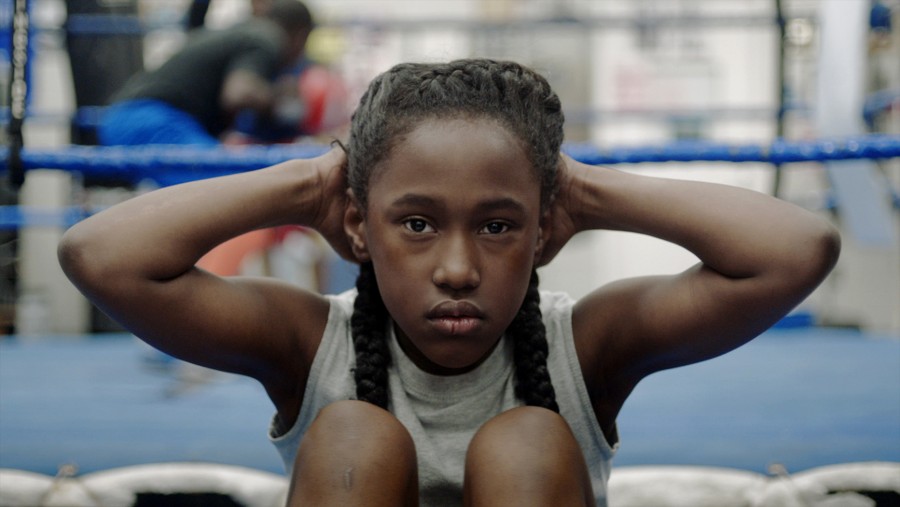
Anna Rose Holmer, The Fits (pictured above)
Rooftop Films / Technological Cinevideo Services Camera Grant:
Khalik Allah, Jamaica
Rooftop Films / Eastern Effects Equipment Grant:
Lauren Wolkstein & Chris Radcliff, The Strange Ones
Rooftop Films / Edgeworx Post-Production Grant:
Anja Marquardt, Wolf
Rooftop Films / DCTV Color Correction Feature Film Grant:
Sarah J. Christman, Swarm Season
Rooftop Films / DCTV Equipment and Services Short Film Grant:
Ryan Mauskopf, Sloof’s Supershop
Rooftop Films / DCTV Equipment and Services Short Film Grant:
Nathan Kensinger, Managed Retreat
Rooftop Films / Adrienne Shelly Foundation Short Film Grant For Women:
Jennifer Reeder, All Small Bodies
In addition to the above grants, Rooftop Films helped negotiate post-production services at Metropolis Films for alumni filmmaker Robert Greene.
Robert Greene, Kate Plays Christine
Rooftop Filmmakers’ Fund Short Film Grant:
Christopher K. Walker & Michael Beach Nichols, Beast of Man
Niki Lindroth von Bahr, Market Place
Nathan Kensinger, Managed Retreat
This year’s grantees join the ranks of past Rooftop Filmmakers Fund grantees, an illustrious group that includes Ana Lily Amirpour’s soon to be completed The Bad Batch, Gillian Robespierre with her indie hit Obvious Child, Jonas Carpignano’s recent Gotham award-winner Mediterranea, Lucy Walker with her Academy Award-nominated short documentary “The Tsunami and the Cherry Blossom,” Jeremy Saulnier’s FIPRESCI Critics’ award-winner, Blue Ruin, Keith Miller’s critically acclaimed and Tribeca Film Festival award-winning Five Star, and Benh Zeitlin’s Academy Award-nominated Beasts of the Southern Wild.
Rooftop Films has awarded thirteen cash and service grants to alumni filmmakers, including The Rooftop Filmmakers’ Fund Garbo NYC Feature Film Grants, which were awarded to directors Kitty Green and Sebastian Silva. Green will receive a monetary grant of $15,000 to help finish her new film, Casting JonBenet, and Silva will receive a $10,000 grant to support his film, Demon Me.
“Kitty Green’s film Casting JonBenet represents the type of daring and meaningful cinema that Rooftop Films wants to support,” said Rooftop’s Founder and Artistic Director Mark Elijah Rosenberg. Green’s film is a sly and stylized documentary about the infamous murder of child model JonBenet Ramsey, using casting tapes and recreations by people from the community to create an emotional investigation of the case and its ramifications. “Like all our filmmakers, Green is working outside the mainstream, approaching a complex situation with narrative nuance and filmic innovation. We’re confident that all the films we’re supporting, from serious documentaries to outlandish fairy tales, are going to have a substantial impact.”
Kitty Green’s previous films include Ukraine is Not a Brothel, which won the 2015 AACTA Award for Best Feature Length Documentary, and “The Face of Ukraine: Casting Oksana Baiul,” which won the Jury Award for best non-fiction short documentary at the 2015 Sundance Film Festival. Sebastian Silva’s work includes The Maid, Nasty Baby, and Crystal Fairy, all of which have won numerous awards around the world.
COMPLETE LIST OF 2015 ROOFTOP FILMMAKERS FUND GRANTS
Rooftop Films / GarboNYC $15,000 Feature Film Grant:
Kitty Green, Casting JonBenet
Rooftop Films / GarboNYC $10,000 Feature Film Grant:
Sebastian Silva, Demon Me
Rooftop Films / Brigade Festival Publicity Grant:
Anna Rose Holmer, The Fits (pictured above)
Rooftop Films / Technological Cinevideo Services Camera Grant:
Khalik Allah, Jamaica
Rooftop Films / Eastern Effects Equipment Grant:
Lauren Wolkstein & Chris Radcliff, The Strange Ones
Rooftop Films / Edgeworx Post-Production Grant:
Anja Marquardt, Wolf
Rooftop Films / DCTV Color Correction Feature Film Grant:
Sarah J. Christman, Swarm Season
Rooftop Films / DCTV Equipment and Services Short Film Grant:
Ryan Mauskopf, Sloof’s Supershop
Rooftop Films / DCTV Equipment and Services Short Film Grant:
Nathan Kensinger, Managed Retreat
Rooftop Films / Adrienne Shelly Foundation Short Film Grant For Women:
Jennifer Reeder, All Small Bodies
In addition to the above grants, Rooftop Films helped negotiate post-production services at Metropolis Films for alumni filmmaker Robert Greene.
Robert Greene, Kate Plays Christine
Rooftop Filmmakers’ Fund Short Film Grant:
Christopher K. Walker & Michael Beach Nichols, Beast of Man
Niki Lindroth von Bahr, Market Place
Nathan Kensinger, Managed Retreat
This year’s grantees join the ranks of past Rooftop Filmmakers Fund grantees, an illustrious group that includes Ana Lily Amirpour’s soon to be completed The Bad Batch, Gillian Robespierre with her indie hit Obvious Child, Jonas Carpignano’s recent Gotham award-winner Mediterranea, Lucy Walker with her Academy Award-nominated short documentary “The Tsunami and the Cherry Blossom,” Jeremy Saulnier’s FIPRESCI Critics’ award-winner, Blue Ruin, Keith Miller’s critically acclaimed and Tribeca Film Festival award-winning Five Star, and Benh Zeitlin’s Academy Award-nominated Beasts of the Southern Wild.
-
Complete List of 74 Original Songs Eligible for 2015 Oscar
 The Academy of Motion Picture Arts and Sciences announced that 74 songs from eligible feature-length motion pictures released in 2015 are in contention for nominations in the Original Song category for the 88th Academy Awards®.
The original songs, along with the motion picture in which each song is featured, are listed below in alphabetical order by film title and song title:
“Happy” from “Altered Minds”
“Home” from “Alvin and the Chipmunks: The Road Chip”
“None Of Them Are You” from “Anomalisa”
“Stem To The Rose” from “Becoming Bulletproof”
“The Mystery Of Your Gift” from “Boychoir”
“I Run” from “Chi-Raq”
“Pray 4 My City” from “Chi-Raq”
“Sit Down For This” from “Chi-Raq”
“Strong” from “Cinderella”
“So Long” from “Concussion”
“Fighting Stronger” from “Creed”
“Grip” from “Creed”
“Waiting For My Moment” from “Creed”
“Don’t Look Down” from “Danny Collins”
“Hey Baby Doll” from “Danny Collins”
“Dreamsong” from “The Diary of a Teenage Girl” (pictured above)
“It’s My Turn Now” from “Dope”
“Ya Rahem, Maula Maula” from “Dukhtar”
“Earned It” from “Fifty Shades of Grey”
“Love Me Like You Do” from “Fifty Shades of Grey”
“Salted Wound” from “Fifty Shades of Grey”
“Hands Of Love” from “Freeheld”
“See You Again” from “Furious Seven”
“Brother” from “Godspeed: The Story of Page Jones”
“As Real As You And Me” from “Home”
“Dancing In The Dark” from “Home”
“Feel The Light” from “Home”
“Red Balloon” from “Home”
“Two Of A Crime” from “Hot Pursuit”
“Til It Happens To You” from “The Hunting Ground”
“I’ll See You In My Dreams” from “I’ll See You in My Dreams”
“The Movie About Us” from “Ingrid Bergman – In Her Own Words”
“Bhoomiyilenghanumundo” from “Jalam”
“Koodu Vaykkan” from “Jalam”
“Pakalppaathi Chaari” from “Jalam”
“Yaathra Manoradhamerum” from “Jalam”
“Lost In Love” from “Jenny’s Wedding”
“True Love Avenue” from “Jenny’s Wedding”
“Hypnosis” from “Kahlil Gibran’s The Prophet”
“Juntos (Together)” from “McFarland, USA”
“The Light That Never Fails” from “Meru”
“The Crazy Ones” from “Miss You Already”
“There’s A Place” from “Miss You Already”
“Johanna” from “Mortdecai”
“Little Soldier” from “Pan”
“Something’s Not Right” from “Pan”
“Paranoid Girl” from “Paranoid Girls”
“Better When I’m Dancin'” from “The Peanuts Movie”
“Pink & Blue” from “Pink & Blue: Colors of Hereditary Cancer”
“Flashlight” from “Pitch Perfect 2”
“Birds Of A Feather” from “Poached”
“Still Breathing” from “Point Break”
“Manta Ray” from “Racing Extinction”
“Cold One” from “Ricki and the Flash”
“Torch” from “Rock the Kasbah”
“Someone Like You” from “The Rumperbutts”
“Aankhon Me Samaye Dil” from “Salt Bridge”
“Bachpana Thaa” from “Salt Bridge”
“Kanpne Lage Tum” from “Salt Bridge”
“Kyaa Bataaun Tujhe” from “Salt Bridge”
“Le Jaaye Jo Door Tumse” from “Salt Bridge”
“Na Jaane Kitni Door” from “Salt Bridge”
“Sookha Hi Rang Daalo” from “Salt Bridge”
“Feels Like Summer” from “Shaun the Sheep Movie”
“Phenomenal” from “Southpaw”
“Writing’s On The Wall” from “Spectre”
“Squeeze Me” from “The SpongeBob Movie: Sponge out of Water”
“Teamwork” from “The SpongeBob Movie: Sponge out of Water”
“Who Can You Trust” from “Spy”
“Came To Win” from “Sweet Micky for President”
“Mean Ol’ Moon” from “Ted 2”
“Love Was My Alibi” from “The Water Diviner”
“Fine On The Outside” from “When Marnie Was There”
“Simple Song #3” from “Youth”
During the nominations process, all voting members of the Music Branch will receive a Reminder List of works submitted in the category and a DVD copy of the song clips. Members will be asked to watch the clips and then vote in the order of their preference for not more than five achievements in the category. The five achievements receiving the highest number of votes will become the nominations for final voting for the award. A maximum of two songs may be nominated from any one film.
To be eligible, a song must consist of words and music, both of which are original and written specifically for the film. A clearly audible, intelligible, substantive rendition of both lyric and melody must be used in the body of the film or as the first music cue in the end credits.
The 88th Academy Awards nominations will be announced live on Thursday, January 14, 2016, at 5:30 a.m. PT at the Academy’s Samuel Goldwyn Theater in Beverly Hills.
The 88th Oscars® will be held on Sunday, February 28, 2016, at the Dolby Theatre® at Hollywood & Highland Center® in Hollywood, and will be televised live by the ABC Television Network at 7 p.m. ET/4 p.m. PT. The Oscar presentation also will be televised live in more than 225 countries and territories worldwide.
The Academy of Motion Picture Arts and Sciences announced that 74 songs from eligible feature-length motion pictures released in 2015 are in contention for nominations in the Original Song category for the 88th Academy Awards®.
The original songs, along with the motion picture in which each song is featured, are listed below in alphabetical order by film title and song title:
“Happy” from “Altered Minds”
“Home” from “Alvin and the Chipmunks: The Road Chip”
“None Of Them Are You” from “Anomalisa”
“Stem To The Rose” from “Becoming Bulletproof”
“The Mystery Of Your Gift” from “Boychoir”
“I Run” from “Chi-Raq”
“Pray 4 My City” from “Chi-Raq”
“Sit Down For This” from “Chi-Raq”
“Strong” from “Cinderella”
“So Long” from “Concussion”
“Fighting Stronger” from “Creed”
“Grip” from “Creed”
“Waiting For My Moment” from “Creed”
“Don’t Look Down” from “Danny Collins”
“Hey Baby Doll” from “Danny Collins”
“Dreamsong” from “The Diary of a Teenage Girl” (pictured above)
“It’s My Turn Now” from “Dope”
“Ya Rahem, Maula Maula” from “Dukhtar”
“Earned It” from “Fifty Shades of Grey”
“Love Me Like You Do” from “Fifty Shades of Grey”
“Salted Wound” from “Fifty Shades of Grey”
“Hands Of Love” from “Freeheld”
“See You Again” from “Furious Seven”
“Brother” from “Godspeed: The Story of Page Jones”
“As Real As You And Me” from “Home”
“Dancing In The Dark” from “Home”
“Feel The Light” from “Home”
“Red Balloon” from “Home”
“Two Of A Crime” from “Hot Pursuit”
“Til It Happens To You” from “The Hunting Ground”
“I’ll See You In My Dreams” from “I’ll See You in My Dreams”
“The Movie About Us” from “Ingrid Bergman – In Her Own Words”
“Bhoomiyilenghanumundo” from “Jalam”
“Koodu Vaykkan” from “Jalam”
“Pakalppaathi Chaari” from “Jalam”
“Yaathra Manoradhamerum” from “Jalam”
“Lost In Love” from “Jenny’s Wedding”
“True Love Avenue” from “Jenny’s Wedding”
“Hypnosis” from “Kahlil Gibran’s The Prophet”
“Juntos (Together)” from “McFarland, USA”
“The Light That Never Fails” from “Meru”
“The Crazy Ones” from “Miss You Already”
“There’s A Place” from “Miss You Already”
“Johanna” from “Mortdecai”
“Little Soldier” from “Pan”
“Something’s Not Right” from “Pan”
“Paranoid Girl” from “Paranoid Girls”
“Better When I’m Dancin'” from “The Peanuts Movie”
“Pink & Blue” from “Pink & Blue: Colors of Hereditary Cancer”
“Flashlight” from “Pitch Perfect 2”
“Birds Of A Feather” from “Poached”
“Still Breathing” from “Point Break”
“Manta Ray” from “Racing Extinction”
“Cold One” from “Ricki and the Flash”
“Torch” from “Rock the Kasbah”
“Someone Like You” from “The Rumperbutts”
“Aankhon Me Samaye Dil” from “Salt Bridge”
“Bachpana Thaa” from “Salt Bridge”
“Kanpne Lage Tum” from “Salt Bridge”
“Kyaa Bataaun Tujhe” from “Salt Bridge”
“Le Jaaye Jo Door Tumse” from “Salt Bridge”
“Na Jaane Kitni Door” from “Salt Bridge”
“Sookha Hi Rang Daalo” from “Salt Bridge”
“Feels Like Summer” from “Shaun the Sheep Movie”
“Phenomenal” from “Southpaw”
“Writing’s On The Wall” from “Spectre”
“Squeeze Me” from “The SpongeBob Movie: Sponge out of Water”
“Teamwork” from “The SpongeBob Movie: Sponge out of Water”
“Who Can You Trust” from “Spy”
“Came To Win” from “Sweet Micky for President”
“Mean Ol’ Moon” from “Ted 2”
“Love Was My Alibi” from “The Water Diviner”
“Fine On The Outside” from “When Marnie Was There”
“Simple Song #3” from “Youth”
During the nominations process, all voting members of the Music Branch will receive a Reminder List of works submitted in the category and a DVD copy of the song clips. Members will be asked to watch the clips and then vote in the order of their preference for not more than five achievements in the category. The five achievements receiving the highest number of votes will become the nominations for final voting for the award. A maximum of two songs may be nominated from any one film.
To be eligible, a song must consist of words and music, both of which are original and written specifically for the film. A clearly audible, intelligible, substantive rendition of both lyric and melody must be used in the body of the film or as the first music cue in the end credits.
The 88th Academy Awards nominations will be announced live on Thursday, January 14, 2016, at 5:30 a.m. PT at the Academy’s Samuel Goldwyn Theater in Beverly Hills.
The 88th Oscars® will be held on Sunday, February 28, 2016, at the Dolby Theatre® at Hollywood & Highland Center® in Hollywood, and will be televised live by the ABC Television Network at 7 p.m. ET/4 p.m. PT. The Oscar presentation also will be televised live in more than 225 countries and territories worldwide.
-
‘Carol’ Leads Nominations for 73rd Golden Globe Awards
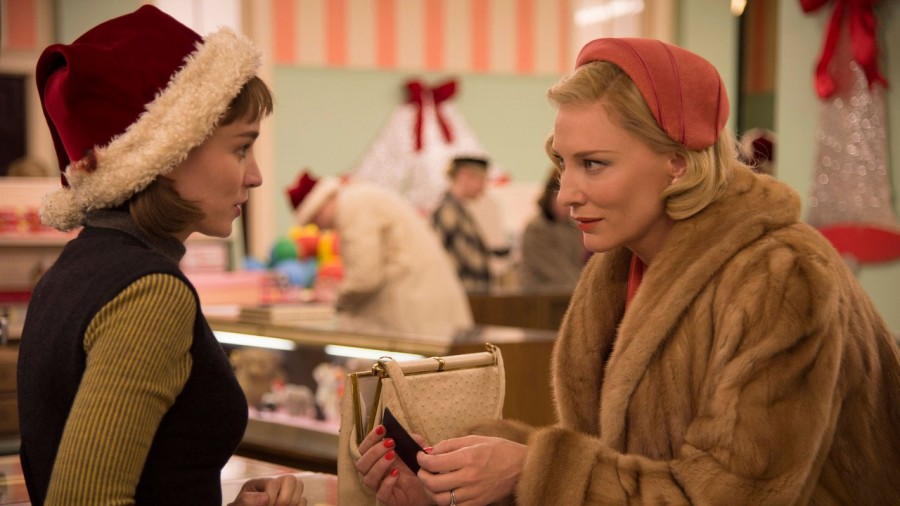 ‘Carol’ led the nominations for the 73rd Golden Globe Awards, with five nominations – best motion picture, drama; best performance by an actress, drama for both Cate Blanchett and Rooney Mara; best director, Todd Haynes; and best original score, Carter Burwell.
Film festival hits The Danish Girl, Room and Spotlight were right behind with 3 nominations each.
In the foreign film category Europe took the lead with nominations for France (Mustang), Hungary (Son of Saul), Finland/Germany/Estonia (The Fencer) and Belgium/France/Luxembourg (The Brand New Testament). Latin America rounded up the nominations with Chile’s The Club.
The Golden Globes will be presented on January 10 and broadcast live by NBC.
The complete list of nominations for 73rd Golden Globe Awards.
BEST MOTION PICTURE – DRAMA
CAROL
Number 9 Films; The Weinstein Company
MAD MAX: FURY ROAD
Warner Bros. Pictures / Village Roadshow Pictures / Kennedy Miller Mitchell; Warner Bros. Pictures
THE REVENANT
Regency Enterprises; Twentieth Century Fox
ROOM
Element Pictures / No Trace Camping; A24
SPOTLIGHT
Anonymous Content / Participant Media / First Look; Open Road Films
BEST PERFORMANCE BY AN ACTRESS IN A MOTION PICTURE – DRAMA
CATE BLANCHETT
CAROL
BRIE LARSON
ROOM
ROONEY MARA
CAROL
SAOIRSE RONAN
BROOKLYN
ALICIA VIKANDER
THE DANISH GIRL
BEST PERFORMANCE BY AN ACTOR IN A MOTION PICTURE – DRAMA
BRYAN CRANSTON
TRUMBO
LEONARDO DICAPRIO
THE REVENANT
MICHAEL FASSBENDER
STEVE JOBS
EDDIE REDMAYNE
THE DANISH GIRL
WILL SMITH
CONCUSSION
BEST MOTION PICTURE – MUSICAL OR COMEDY
THE BIG SHORT
Paramount Pictures / Regency Enterprises; Paramount Pictures
JOY
Fox 2000 Pictures; Twentieth Century Fox
THE MARTIAN
Twentieth Century Fox; Twentieth Century Fox
SPY
Twentieth Century Fox; Twentieth Century Fox
TRAINWRECK
Universal Pictures / Apatow Productions; Universal Pictures
BEST PERFORMANCE BY AN ACTRESS IN A MOTION PICTURE – MUSICAL OR COMEDY
JENNIFER LAWRENCE
JOY
MELISSA MCCARTHY
SPY
AMY SCHUMER
TRAINWRECK
MAGGIE SMITH
THE LADY IN THE VAN
LILY TOMLIN
GRANDMA
BEST PERFORMANCE BY AN ACTOR IN A MOTION PICTURE – MUSICAL OR COMEDY
CHRISTIAN BALE
THE BIG SHORT
STEVE CARELL
THE BIG SHORT
MATT DAMON
THE MARTIAN
AL PACINO
DANNY COLLINS
MARK RUFFALO
INFINITELY POLAR BEAR
BEST MOTION PICTURE – ANIMATED
ANOMALISA
Starburns Industries; Paramount Pictures
THE GOOD DINOSAUR
Pixar Animation Studios; Walt Disney Studios Motion Pictures
INSIDE OUT
Pixar Animation Studios; Walt Disney Studios Motion Pictures
THE PEANUTS MOVIE
Blue Sky Studios; Twentieth Century Fox
SHAUN THE SHEEP MOVIE
Aardman; Lionsgate / Studiocanal
BEST MOTION PICTURE – FOREIGN LANGUAGE
THE BRAND NEW TESTAMENT
(BELGIUM / FRANCE / LUXEMBOURG)
Terra Incognita / Climax Films / Après le Déluge / Juliette Films / Caviar; Belga Films / Le Pacte
THE CLUB
(CHILE)
Fabula; Music Box Films
THE FENCER
(FINLAND / GERMANY / ESTONIA)
Making Movies / Kick Film GmbH / Allfilm; Oy Nordisk Film Ab
MUSTANG
(FRANCE)
CG Cinéma / Vistamar Flimproduktion; Cohen Media Group
SON OF SAUL
(HUNGARY)
Laokoon Filmgroup; Sony Pictures Classics
BEST PERFORMANCE BY AN ACTRESS IN A SUPPORTING ROLE IN ANY MOTION PICTURE
JANE FONDA
YOUTH
JENNIFER JASON LEIGH
THE HATEFUL EIGHT
HELEN MIRREN
TRUMBO
ALICIA VIKANDER
EX MACHINA
KATE WINSLET
STEVE JOBS
BEST PERFORMANCE BY AN ACTOR IN A SUPPORTING ROLE IN ANY MOTION PICTURE
PAUL DANO
LOVE & MERCY
IDRIS ELBA
BEASTS OF NO NATION
MARK RYLANCE
BRIDGE OF SPIES
MICHAEL SHANNON
99 HOMES
SYLVESTER STALLONE
CREED
BEST DIRECTOR – MOTION PICTURE
TODD HAYNES
CAROL
ALEJANDRO G. IÑÁRRITU
THE REVENANT
TOM MCCARTHY
SPOTLIGHT
GEORGE MILLER
MAD MAX: FURY ROAD
RIDLEY SCOTT
THE MARTIAN
BEST SCREENPLAY – MOTION PICTURE
EMMA DONOGHUE
ROOM
TOM MCCARTHY, JOSH SINGER
SPOTLIGHT
CHARLES RANDOLPH, ADAM MCKAY
THE BIG SHORT
AARON SORKIN
STEVE JOBS
QUENTIN TARANTINO
THE HATEFUL EIGHT
BEST ORIGINAL SCORE – MOTION PICTURE
CARTER BURWELL
CAROL
ALEXANDRE DESPLAT
THE DANISH GIRL
ENNIO MORRICONE
THE HATEFUL EIGHT
DANIEL PEMBERTON
STEVE JOBS
RYUICHI SAKAMOTO, ALVA NOTO
THE REVENANT
BEST ORIGINAL SONG – MOTION PICTURE
“LOVE ME LIKE YOU DO” — FIFTY SHADES OF GREY
Music by:
Max Martin, Savan Kotecha, Ali Payami, Ilya Salmanzadeh
Lyrics by:
Max Martin, Savan Kotecha, Ali Payami, Ilya Salmanzadeh
“ONE KIND OF LOVE” — LOVE & MERCY
Music by:
Brian Wilson, Scott Bennett
Lyrics by:
Brian Wilson, Scott Bennett
“SEE YOU AGAIN” — FURIOUS 7
Music by:
Justin Franks, Andrew Cedar, Charlie Puth, Cameron Thomaz
Lyrics by:
Justin Franks, Andrew Cedar, Charlie Puth, Cameron Thomaz
“SIMPLE SONG #3” — YOUTH
Music by:
David Lang
Lyrics by:
David Lang
“WRITING’S ON THE WALL” — SPECTRE
Music by:
Sam Smith, Jimmy Napes
Lyrics by:
Sam Smith, Jimmy Napes
BEST TELEVISION SERIES – DRAMA
EMPIRE
FOX
20th Century Fox Television / Imagine Television
GAME OF THRONES
HBO
HBO Entertainment in association with Bighead, Littlehead; Television 360 and Startling Television
MR. ROBOT
USA NETWORK
Universal Cable Productions
NARCOS
NETFLIX
Gaumont International Television for Netflix
OUTLANDER
STARZ
Sony Pictures Television
BEST PERFORMANCE BY AN ACTRESS IN A TELEVISION SERIES – DRAMA
CAITRIONA BALFE
OUTLANDER
VIOLA DAVIS
HOW TO GET AWAY WITH MURDER
EVA GREEN
PENNY DREADFUL
TARAJI P. HENSON
EMPIRE
ROBIN WRIGHT
HOUSE OF CARDS
BEST PERFORMANCE BY AN ACTOR IN A TELEVISION SERIES – DRAMA
JON HAMM
MAD MEN
RAMI MALEK
MR. ROBOT
WAGNER MOURA
NARCOS
BOB ODENKIRK
BETTER CALL SAUL
LIEV SCHREIBER
RAY DONOVAN
BEST TELEVISION SERIES – MUSICAL OR COMEDY
CASUAL
HULU
Lionsgate TV / Right of Way
MOZART IN THE JUNGLE
AMAZON VIDEO
Amazon Studios
ORANGE IS THE NEW BLACK
NETFLIX
Lionsgate Television for Netflix
SILICON VALLEY
HBO
HBO Entertainment in association with Judgemental Films, Alec Berg, Altschuler Krinsky Works, and 3 Arts Entertainment
TRANSPARENT
AMAZON VIDEO
Amazon Studios
VEEP
HBO
HBO Entertainment in association with Dundee Productions
BEST PERFORMANCE BY AN ACTRESS IN A TELEVISION SERIES – MUSICAL OR COMEDY
RACHEL BLOOM
CRAZY EX-GIRLFRIEND
JAMIE LEE CURTIS
SCREAM QUEENS
JULIA LOUIS-DREYFUS
VEEP
GINA RODRIGUEZ
JANE THE VIRGIN
LILY TOMLIN
GRACE AND FRANKIE
BEST PERFORMANCE BY AN ACTOR IN A TELEVISION SERIES – MUSICAL OR COMEDY
AZIZ ANSARI
MASTER OF NONE
GAEL GARCÍA BERNAL
MOZART IN THE JUNGLE
ROB LOWE
THE GRINDER
PATRICK STEWART
BLUNT TALK
JEFFREY TAMBOR
TRANSPARENT
BEST TELEVISION LIMITED SERIES OR MOTION PICTURE MADE FOR TELEVISION
American Crime
ABC
ABC Studios
American Horror Story: Hotel
FX
20th Century Fox Television
Fargo
FX
MGM Television Studios / FX Productions
Flesh & Bone
Starz
Starz
Wolf Hall
PBS
A Playground Entertainment and Company Pictures production for BBC and MASTERPIECE in association with BBC Worldwide, Atlus Media and Prescience
BEST PERFORMANCE BY AN ACTRESS IN A LIMITED SERIES OR MOTION PICTURE MADE FOR TELEVISION
KIRSTEN DUNST
FARGO
LADY GAGA
AMERICAN HORROR STORY: HOTEL
SARAH HAY
FLESH & BONE
FELICITY HUFFMAN
AMERICAN CRIME
QUEEN LATIFAH
BESSIE
BEST PERFORMANCE BY AN ACTOR IN A LIMITED SERIES OR MOTION PICTURE MADE FOR TELEVISION
IDRIS ELBA
LUTHER
OSCAR ISAAC
SHOW ME A HERO
DAVID OYELOWO
NIGHTINGALE
MARK RYLANCE
WOLF HALL
PATRICK WILSON
FARGO
BEST PERFORMANCE BY AN ACTRESS IN A SUPPORTING ROLE IN A SERIES, LIMITED SERIES OR MOTION PICTURE MADE FOR TELEVISION
UZO ADUBA
ORANGE IS THE NEW BLACK
JOANNE FROGGATT
DOWNTON ABBEY
REGINA KING
AMERICAN CRIME
JUDITH LIGHT
TRANSPARENT
MAURA TIERNEY
THE AFFAIR
BEST PERFORMANCE BY AN ACTOR IN A SUPPORTING ROLE IN A SERIES, LIMITED SERIES OR MOTION PICTURE MADE FOR TELEVISION
ALAN CUMMING
THE GOOD WIFE
DAMIAN LEWIS
WOLF HALL
BEN MENDELSOHN
BLOODLINE
TOBIAS MENZIES
OUTLANDER
CHRISTIAN SLATER
MR. ROBOT
‘Carol’ led the nominations for the 73rd Golden Globe Awards, with five nominations – best motion picture, drama; best performance by an actress, drama for both Cate Blanchett and Rooney Mara; best director, Todd Haynes; and best original score, Carter Burwell.
Film festival hits The Danish Girl, Room and Spotlight were right behind with 3 nominations each.
In the foreign film category Europe took the lead with nominations for France (Mustang), Hungary (Son of Saul), Finland/Germany/Estonia (The Fencer) and Belgium/France/Luxembourg (The Brand New Testament). Latin America rounded up the nominations with Chile’s The Club.
The Golden Globes will be presented on January 10 and broadcast live by NBC.
The complete list of nominations for 73rd Golden Globe Awards.
BEST MOTION PICTURE – DRAMA
CAROL
Number 9 Films; The Weinstein Company
MAD MAX: FURY ROAD
Warner Bros. Pictures / Village Roadshow Pictures / Kennedy Miller Mitchell; Warner Bros. Pictures
THE REVENANT
Regency Enterprises; Twentieth Century Fox
ROOM
Element Pictures / No Trace Camping; A24
SPOTLIGHT
Anonymous Content / Participant Media / First Look; Open Road Films
BEST PERFORMANCE BY AN ACTRESS IN A MOTION PICTURE – DRAMA
CATE BLANCHETT
CAROL
BRIE LARSON
ROOM
ROONEY MARA
CAROL
SAOIRSE RONAN
BROOKLYN
ALICIA VIKANDER
THE DANISH GIRL
BEST PERFORMANCE BY AN ACTOR IN A MOTION PICTURE – DRAMA
BRYAN CRANSTON
TRUMBO
LEONARDO DICAPRIO
THE REVENANT
MICHAEL FASSBENDER
STEVE JOBS
EDDIE REDMAYNE
THE DANISH GIRL
WILL SMITH
CONCUSSION
BEST MOTION PICTURE – MUSICAL OR COMEDY
THE BIG SHORT
Paramount Pictures / Regency Enterprises; Paramount Pictures
JOY
Fox 2000 Pictures; Twentieth Century Fox
THE MARTIAN
Twentieth Century Fox; Twentieth Century Fox
SPY
Twentieth Century Fox; Twentieth Century Fox
TRAINWRECK
Universal Pictures / Apatow Productions; Universal Pictures
BEST PERFORMANCE BY AN ACTRESS IN A MOTION PICTURE – MUSICAL OR COMEDY
JENNIFER LAWRENCE
JOY
MELISSA MCCARTHY
SPY
AMY SCHUMER
TRAINWRECK
MAGGIE SMITH
THE LADY IN THE VAN
LILY TOMLIN
GRANDMA
BEST PERFORMANCE BY AN ACTOR IN A MOTION PICTURE – MUSICAL OR COMEDY
CHRISTIAN BALE
THE BIG SHORT
STEVE CARELL
THE BIG SHORT
MATT DAMON
THE MARTIAN
AL PACINO
DANNY COLLINS
MARK RUFFALO
INFINITELY POLAR BEAR
BEST MOTION PICTURE – ANIMATED
ANOMALISA
Starburns Industries; Paramount Pictures
THE GOOD DINOSAUR
Pixar Animation Studios; Walt Disney Studios Motion Pictures
INSIDE OUT
Pixar Animation Studios; Walt Disney Studios Motion Pictures
THE PEANUTS MOVIE
Blue Sky Studios; Twentieth Century Fox
SHAUN THE SHEEP MOVIE
Aardman; Lionsgate / Studiocanal
BEST MOTION PICTURE – FOREIGN LANGUAGE
THE BRAND NEW TESTAMENT
(BELGIUM / FRANCE / LUXEMBOURG)
Terra Incognita / Climax Films / Après le Déluge / Juliette Films / Caviar; Belga Films / Le Pacte
THE CLUB
(CHILE)
Fabula; Music Box Films
THE FENCER
(FINLAND / GERMANY / ESTONIA)
Making Movies / Kick Film GmbH / Allfilm; Oy Nordisk Film Ab
MUSTANG
(FRANCE)
CG Cinéma / Vistamar Flimproduktion; Cohen Media Group
SON OF SAUL
(HUNGARY)
Laokoon Filmgroup; Sony Pictures Classics
BEST PERFORMANCE BY AN ACTRESS IN A SUPPORTING ROLE IN ANY MOTION PICTURE
JANE FONDA
YOUTH
JENNIFER JASON LEIGH
THE HATEFUL EIGHT
HELEN MIRREN
TRUMBO
ALICIA VIKANDER
EX MACHINA
KATE WINSLET
STEVE JOBS
BEST PERFORMANCE BY AN ACTOR IN A SUPPORTING ROLE IN ANY MOTION PICTURE
PAUL DANO
LOVE & MERCY
IDRIS ELBA
BEASTS OF NO NATION
MARK RYLANCE
BRIDGE OF SPIES
MICHAEL SHANNON
99 HOMES
SYLVESTER STALLONE
CREED
BEST DIRECTOR – MOTION PICTURE
TODD HAYNES
CAROL
ALEJANDRO G. IÑÁRRITU
THE REVENANT
TOM MCCARTHY
SPOTLIGHT
GEORGE MILLER
MAD MAX: FURY ROAD
RIDLEY SCOTT
THE MARTIAN
BEST SCREENPLAY – MOTION PICTURE
EMMA DONOGHUE
ROOM
TOM MCCARTHY, JOSH SINGER
SPOTLIGHT
CHARLES RANDOLPH, ADAM MCKAY
THE BIG SHORT
AARON SORKIN
STEVE JOBS
QUENTIN TARANTINO
THE HATEFUL EIGHT
BEST ORIGINAL SCORE – MOTION PICTURE
CARTER BURWELL
CAROL
ALEXANDRE DESPLAT
THE DANISH GIRL
ENNIO MORRICONE
THE HATEFUL EIGHT
DANIEL PEMBERTON
STEVE JOBS
RYUICHI SAKAMOTO, ALVA NOTO
THE REVENANT
BEST ORIGINAL SONG – MOTION PICTURE
“LOVE ME LIKE YOU DO” — FIFTY SHADES OF GREY
Music by:
Max Martin, Savan Kotecha, Ali Payami, Ilya Salmanzadeh
Lyrics by:
Max Martin, Savan Kotecha, Ali Payami, Ilya Salmanzadeh
“ONE KIND OF LOVE” — LOVE & MERCY
Music by:
Brian Wilson, Scott Bennett
Lyrics by:
Brian Wilson, Scott Bennett
“SEE YOU AGAIN” — FURIOUS 7
Music by:
Justin Franks, Andrew Cedar, Charlie Puth, Cameron Thomaz
Lyrics by:
Justin Franks, Andrew Cedar, Charlie Puth, Cameron Thomaz
“SIMPLE SONG #3” — YOUTH
Music by:
David Lang
Lyrics by:
David Lang
“WRITING’S ON THE WALL” — SPECTRE
Music by:
Sam Smith, Jimmy Napes
Lyrics by:
Sam Smith, Jimmy Napes
BEST TELEVISION SERIES – DRAMA
EMPIRE
FOX
20th Century Fox Television / Imagine Television
GAME OF THRONES
HBO
HBO Entertainment in association with Bighead, Littlehead; Television 360 and Startling Television
MR. ROBOT
USA NETWORK
Universal Cable Productions
NARCOS
NETFLIX
Gaumont International Television for Netflix
OUTLANDER
STARZ
Sony Pictures Television
BEST PERFORMANCE BY AN ACTRESS IN A TELEVISION SERIES – DRAMA
CAITRIONA BALFE
OUTLANDER
VIOLA DAVIS
HOW TO GET AWAY WITH MURDER
EVA GREEN
PENNY DREADFUL
TARAJI P. HENSON
EMPIRE
ROBIN WRIGHT
HOUSE OF CARDS
BEST PERFORMANCE BY AN ACTOR IN A TELEVISION SERIES – DRAMA
JON HAMM
MAD MEN
RAMI MALEK
MR. ROBOT
WAGNER MOURA
NARCOS
BOB ODENKIRK
BETTER CALL SAUL
LIEV SCHREIBER
RAY DONOVAN
BEST TELEVISION SERIES – MUSICAL OR COMEDY
CASUAL
HULU
Lionsgate TV / Right of Way
MOZART IN THE JUNGLE
AMAZON VIDEO
Amazon Studios
ORANGE IS THE NEW BLACK
NETFLIX
Lionsgate Television for Netflix
SILICON VALLEY
HBO
HBO Entertainment in association with Judgemental Films, Alec Berg, Altschuler Krinsky Works, and 3 Arts Entertainment
TRANSPARENT
AMAZON VIDEO
Amazon Studios
VEEP
HBO
HBO Entertainment in association with Dundee Productions
BEST PERFORMANCE BY AN ACTRESS IN A TELEVISION SERIES – MUSICAL OR COMEDY
RACHEL BLOOM
CRAZY EX-GIRLFRIEND
JAMIE LEE CURTIS
SCREAM QUEENS
JULIA LOUIS-DREYFUS
VEEP
GINA RODRIGUEZ
JANE THE VIRGIN
LILY TOMLIN
GRACE AND FRANKIE
BEST PERFORMANCE BY AN ACTOR IN A TELEVISION SERIES – MUSICAL OR COMEDY
AZIZ ANSARI
MASTER OF NONE
GAEL GARCÍA BERNAL
MOZART IN THE JUNGLE
ROB LOWE
THE GRINDER
PATRICK STEWART
BLUNT TALK
JEFFREY TAMBOR
TRANSPARENT
BEST TELEVISION LIMITED SERIES OR MOTION PICTURE MADE FOR TELEVISION
American Crime
ABC
ABC Studios
American Horror Story: Hotel
FX
20th Century Fox Television
Fargo
FX
MGM Television Studios / FX Productions
Flesh & Bone
Starz
Starz
Wolf Hall
PBS
A Playground Entertainment and Company Pictures production for BBC and MASTERPIECE in association with BBC Worldwide, Atlus Media and Prescience
BEST PERFORMANCE BY AN ACTRESS IN A LIMITED SERIES OR MOTION PICTURE MADE FOR TELEVISION
KIRSTEN DUNST
FARGO
LADY GAGA
AMERICAN HORROR STORY: HOTEL
SARAH HAY
FLESH & BONE
FELICITY HUFFMAN
AMERICAN CRIME
QUEEN LATIFAH
BESSIE
BEST PERFORMANCE BY AN ACTOR IN A LIMITED SERIES OR MOTION PICTURE MADE FOR TELEVISION
IDRIS ELBA
LUTHER
OSCAR ISAAC
SHOW ME A HERO
DAVID OYELOWO
NIGHTINGALE
MARK RYLANCE
WOLF HALL
PATRICK WILSON
FARGO
BEST PERFORMANCE BY AN ACTRESS IN A SUPPORTING ROLE IN A SERIES, LIMITED SERIES OR MOTION PICTURE MADE FOR TELEVISION
UZO ADUBA
ORANGE IS THE NEW BLACK
JOANNE FROGGATT
DOWNTON ABBEY
REGINA KING
AMERICAN CRIME
JUDITH LIGHT
TRANSPARENT
MAURA TIERNEY
THE AFFAIR
BEST PERFORMANCE BY AN ACTOR IN A SUPPORTING ROLE IN A SERIES, LIMITED SERIES OR MOTION PICTURE MADE FOR TELEVISION
ALAN CUMMING
THE GOOD WIFE
DAMIAN LEWIS
WOLF HALL
BEN MENDELSOHN
BLOODLINE
TOBIAS MENZIES
OUTLANDER
CHRISTIAN SLATER
MR. ROBOT
-
‘Chi-Raq’ ‘A Ballerina’s Tale’ Among 2015 African-American Film Critics Award Winners
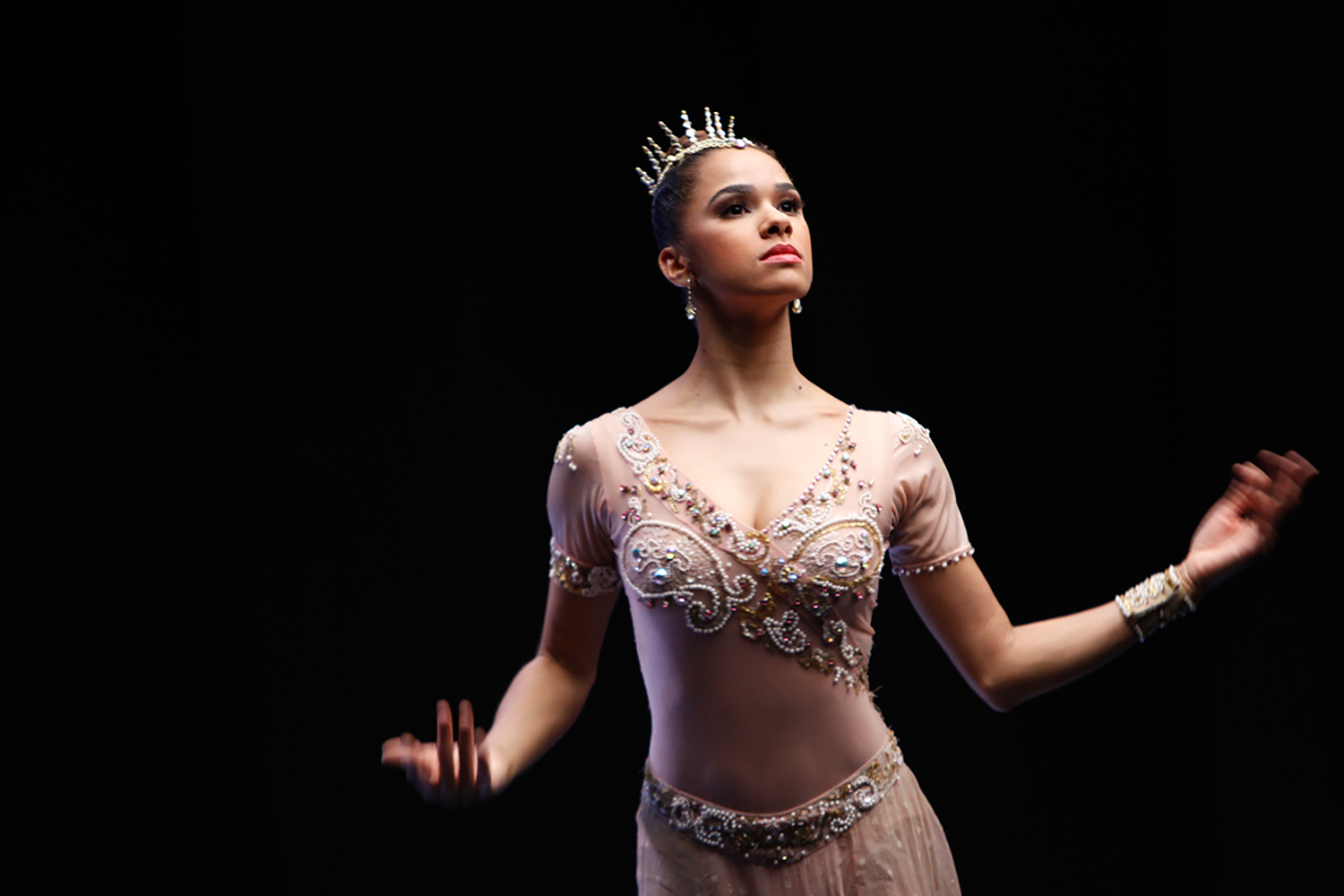 Straight Outta Compton, the surprise summer box office hit centered on the 90’s rap group N.W.A., captured an overwhelming majority of the votes cast by members of the African-American Film Critics Association (AAFCA) for the 7th AAFCA Awards, including Best Picture. Best Independent Film went to Spike Lee’s “Chi-Raq”, and Best Documentary went to “A Ballerina’s Tale,” (pictured above) the feature documentary about ballerina Misty Copeland.
“Our members found an interesting theme in many of the films released this year, giving a voice to communities who have generally been underserved and marginalized in society,” says AAFCA president Gil Robertson. “With movies like Straight Outta Compton, Chi-Raq, 3 1/2 Minutes and Dope, filmmakers brought to life many storylines that are a reflection of what’s happening in our world today, including the #BlackLivesMatter movement. Pictures like Carol and The Danish Girl, give voice to another community that is too often ridiculed and ignored by the status-quo. With Creed, the members of AAFCA found an opportunity to celebrate a film with “a” universal message of hope, honor and perseverance – something that everyone can embrace. Overall, it was a transformative year in cinema.”
AAFCA will hold its 7th annual awards ceremony on Wednesday, February 10, 2016 at the Taglyan Complex in Hollywood, CA.
The following is a complete list of 2015 AAFCA Awards winners.
Best Picture: “Straight Outta Compton” (Universal Pictures)
Best Director: Ryan Coogler –“Creed” (Warner Bros.)
Best Ensemble: “Straight Outta Compton” (Universal Pictures)
Best Actor: Will Smith “Concussion” (Sony)
Best Actress: Teyonah Parris “Chi-Raq” (Roadside Attractions)
Best Supporting Actor: Jason Mitchell “Straight Outta Compton” (Universal Pictures)
Best Supporting Actress: Tessa Thompson “Creed” (Warner Bros.)
Best Independent Film: “Chi-Raq” (Roadside Attractions)
Best Screenplay: Rick Famuyiwa, “Dope” (Open Road Films)
Breakout Performance: Michael B. Jordan “Creed” (Warner Bros.)
Best Animation: “The Peanuts Movie” (20th Century Fox)
Best Documentary: “A Ballerina’s Tale” (Sundance Selects)
Best Song: “See You Again” Furious 7 (Atlantic Records)
Best TV Comedy: “Black-ish” (ABC)
Best TV Drama: “How to Get Away with Murder” (ABC)
Best Cable/New Media TV Show: “Survivor’s Remorse” (Starz)
AAFCA Top Ten Films of 2015 are as follows in order of distinction:
1. Straight Outta Compton (Universal Pictures)
2. Creed (Warner Bros.)
3. Mad Max: Fury Road (Warner Bros.)
4. Beasts of No Nation (Netflix)
5. The Martian (20th Century Fox)
6. 3-1/2 Minutes/Dope (HBO/Open Road Films)
7. Chi-Raq (Roadside Attractions)
8. Carol (Weinstein Co.)
9. The Big Short (Paramount Pictures)
10. The Danish Girl (Focus Features)
AAFCA’s Special Achievement honors will be awarded to Codeblack Entertainment CEO, Jeff Clanagan; director John Singleton; Maverick Carter and LeBron James’ SpringHill Entertainment. New York Times film critic, Manohla Dargis will receive the organization’s Roger Ebert Award and HBO will receive the group’s Cinema Vanguard Award.
Straight Outta Compton, the surprise summer box office hit centered on the 90’s rap group N.W.A., captured an overwhelming majority of the votes cast by members of the African-American Film Critics Association (AAFCA) for the 7th AAFCA Awards, including Best Picture. Best Independent Film went to Spike Lee’s “Chi-Raq”, and Best Documentary went to “A Ballerina’s Tale,” (pictured above) the feature documentary about ballerina Misty Copeland.
“Our members found an interesting theme in many of the films released this year, giving a voice to communities who have generally been underserved and marginalized in society,” says AAFCA president Gil Robertson. “With movies like Straight Outta Compton, Chi-Raq, 3 1/2 Minutes and Dope, filmmakers brought to life many storylines that are a reflection of what’s happening in our world today, including the #BlackLivesMatter movement. Pictures like Carol and The Danish Girl, give voice to another community that is too often ridiculed and ignored by the status-quo. With Creed, the members of AAFCA found an opportunity to celebrate a film with “a” universal message of hope, honor and perseverance – something that everyone can embrace. Overall, it was a transformative year in cinema.”
AAFCA will hold its 7th annual awards ceremony on Wednesday, February 10, 2016 at the Taglyan Complex in Hollywood, CA.
The following is a complete list of 2015 AAFCA Awards winners.
Best Picture: “Straight Outta Compton” (Universal Pictures)
Best Director: Ryan Coogler –“Creed” (Warner Bros.)
Best Ensemble: “Straight Outta Compton” (Universal Pictures)
Best Actor: Will Smith “Concussion” (Sony)
Best Actress: Teyonah Parris “Chi-Raq” (Roadside Attractions)
Best Supporting Actor: Jason Mitchell “Straight Outta Compton” (Universal Pictures)
Best Supporting Actress: Tessa Thompson “Creed” (Warner Bros.)
Best Independent Film: “Chi-Raq” (Roadside Attractions)
Best Screenplay: Rick Famuyiwa, “Dope” (Open Road Films)
Breakout Performance: Michael B. Jordan “Creed” (Warner Bros.)
Best Animation: “The Peanuts Movie” (20th Century Fox)
Best Documentary: “A Ballerina’s Tale” (Sundance Selects)
Best Song: “See You Again” Furious 7 (Atlantic Records)
Best TV Comedy: “Black-ish” (ABC)
Best TV Drama: “How to Get Away with Murder” (ABC)
Best Cable/New Media TV Show: “Survivor’s Remorse” (Starz)
AAFCA Top Ten Films of 2015 are as follows in order of distinction:
1. Straight Outta Compton (Universal Pictures)
2. Creed (Warner Bros.)
3. Mad Max: Fury Road (Warner Bros.)
4. Beasts of No Nation (Netflix)
5. The Martian (20th Century Fox)
6. 3-1/2 Minutes/Dope (HBO/Open Road Films)
7. Chi-Raq (Roadside Attractions)
8. Carol (Weinstein Co.)
9. The Big Short (Paramount Pictures)
10. The Danish Girl (Focus Features)
AAFCA’s Special Achievement honors will be awarded to Codeblack Entertainment CEO, Jeff Clanagan; director John Singleton; Maverick Carter and LeBron James’ SpringHill Entertainment. New York Times film critic, Manohla Dargis will receive the organization’s Roger Ebert Award and HBO will receive the group’s Cinema Vanguard Award.
-
‘Spotlight’ ‘Amy’ ‘The Look of Silence’ Among Boston Society of Film Critics 2015 Award Winners
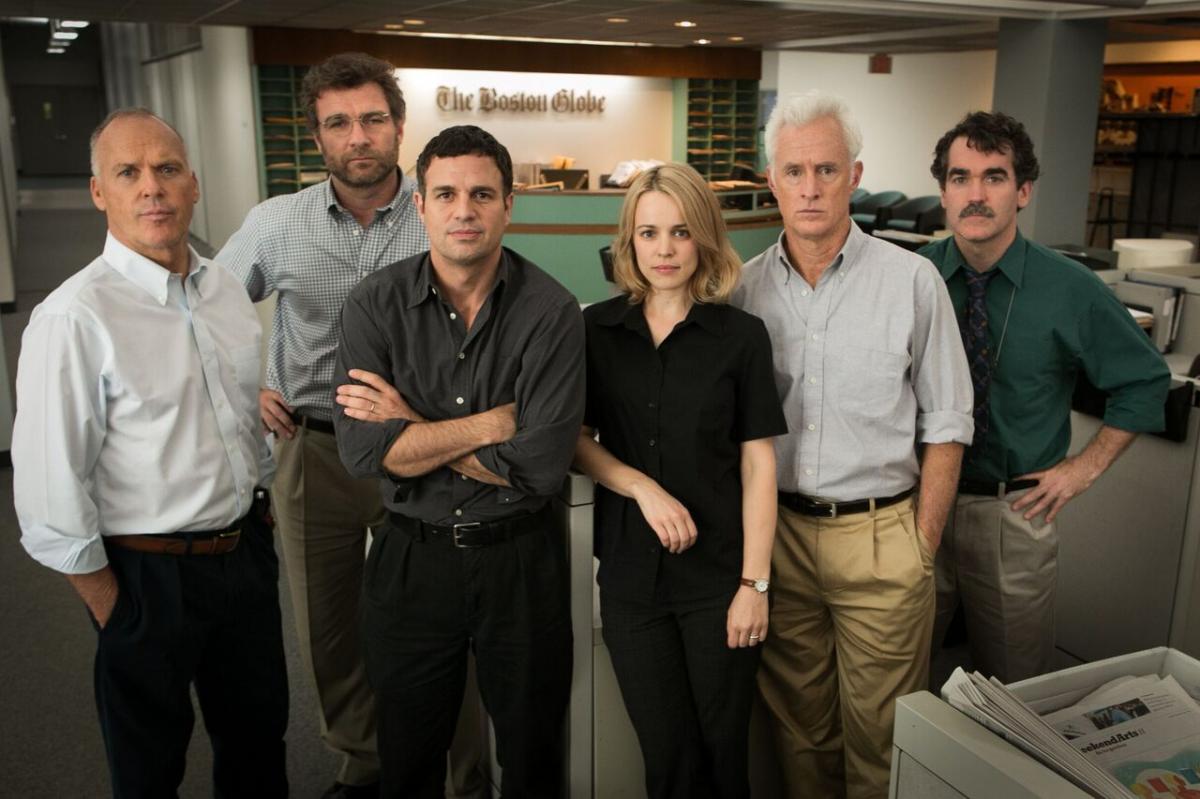 The Boston Society of Film Critics picked ‘Spotlight’ as the Best Film of 2015. ‘Spotlight’ directed by Academy Award-nominee Tom McCarthy and starring Michael Keaton, Mark Ruffalo, Rachel McAdams, Liev Schreiber, Brian d’Arcy James and Stanley Tucci, tells the riveting true story of the Pulitzer Prize-winning Boston Globe investigation into allegations of abuse in the Catholic Church. ‘Spotlight’ was also given the awards for Best Screenplay and Best Ensemble Cast.
The Amy Winehouse documentary titled ‘Amy’ received the award for Best Documentary; and ‘The Look of Silence’, director Joshua Oppenheimer’s powerful companion piece to the Oscar®-nominated The Act of Killing was voted Best Foreign-Language Film.
2015 Boston Society of Film Critics Awards
Best Picture – Spotlight
Best Actor – (tie) Paul Dano for Love & Mercy and Leonardo DiCaprio for The Revenant
Best Actress – Charlotte Rampling for 45 Years
Best Supporting Actor – Mark Rylance for Bridge of Spies
Best Supporting Actress – Kristen Stewart for Clouds of Sils Maria
Best Director – Todd Haynes for Carol
Best Screenplay – Tom McCarthy and Josh Singer for Spotlight
Best Cinematography – Edward Lachman for Carol
Best Documentary – Amy
Best Foreign-Language Film (awarded in memory of Jay Carr) – The Look of Silence
Best Animated Film – (tie) Anomalisa and Inside Out
Best Film Editing (awarded in memory of Karen Schmeer) – Margaret Sixel for Mad Max: Fury Road
Best New Filmmaker (awarded in memory of David Brudnoy) – Marielle Heller for The Diary of a Teenage Girl
Best Ensemble Cast – Spotlight
Best Use of Music in a Film – Love & Mercy
The Boston Society of Film Critics picked ‘Spotlight’ as the Best Film of 2015. ‘Spotlight’ directed by Academy Award-nominee Tom McCarthy and starring Michael Keaton, Mark Ruffalo, Rachel McAdams, Liev Schreiber, Brian d’Arcy James and Stanley Tucci, tells the riveting true story of the Pulitzer Prize-winning Boston Globe investigation into allegations of abuse in the Catholic Church. ‘Spotlight’ was also given the awards for Best Screenplay and Best Ensemble Cast.
The Amy Winehouse documentary titled ‘Amy’ received the award for Best Documentary; and ‘The Look of Silence’, director Joshua Oppenheimer’s powerful companion piece to the Oscar®-nominated The Act of Killing was voted Best Foreign-Language Film.
2015 Boston Society of Film Critics Awards
Best Picture – Spotlight
Best Actor – (tie) Paul Dano for Love & Mercy and Leonardo DiCaprio for The Revenant
Best Actress – Charlotte Rampling for 45 Years
Best Supporting Actor – Mark Rylance for Bridge of Spies
Best Supporting Actress – Kristen Stewart for Clouds of Sils Maria
Best Director – Todd Haynes for Carol
Best Screenplay – Tom McCarthy and Josh Singer for Spotlight
Best Cinematography – Edward Lachman for Carol
Best Documentary – Amy
Best Foreign-Language Film (awarded in memory of Jay Carr) – The Look of Silence
Best Animated Film – (tie) Anomalisa and Inside Out
Best Film Editing (awarded in memory of Karen Schmeer) – Margaret Sixel for Mad Max: Fury Road
Best New Filmmaker (awarded in memory of David Brudnoy) – Marielle Heller for The Diary of a Teenage Girl
Best Ensemble Cast – Spotlight
Best Use of Music in a Film – Love & Mercy
-
CAROL, THE DANISH GIRL, ROOM, SPOTLIGHT Receive Screen Actors Guild Awards Nominations
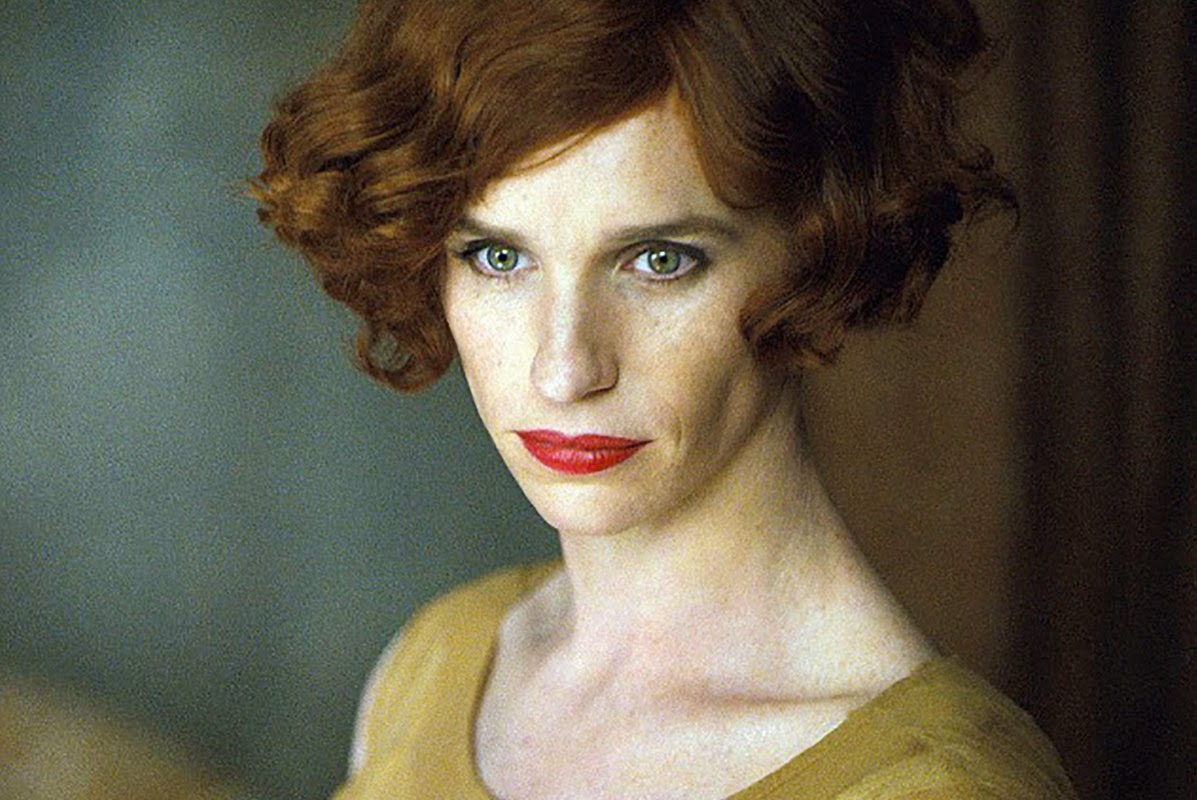 The nominees for the 22nd Screen Actors Guild Awards® for outstanding individual, cast and ensemble performances in film and television of 2015, as well as the nominees for outstanding action performances by film and television stunt ensembles were announced this morning. TRUMBO lead the field with 3 nominations, followed by BEASTS OF NO NATION, THE BIG SHORT, CAROL, THE DANISH GIRL (pictured above), ROOM, SPOTLIGHT and STEVE JOBS with 2 nominations.
The 22nd Screen Actors Guild Awards® will broadcast live on TNT and TBS on Saturday, Jan. 30, 2016 at 8 p.m. (ET) / 5 p.m. (PT).
The complete list of 22nd Screen Actors Guild Awards nominations.
22nd ANNUAL SCREEN ACTORS GUILD AWARDS® NOMINATIONS
THEATRICAL MOTION PICTURES
Outstanding Performance by a Male Actor in a Leading Role
BRYAN CRANSTON / Dalton Trumbo – “TRUMBO” (Bleecker Street)
JOHNNY DEPP / James “Whitey” Bulger – “BLACK MASS” (Warner Bros. Pictures)
LEONARDO DiCAPRIO / Hugh Glass – “THE REVENANT” (20th Century Fox)
MICHAEL FASSBENDER / Steve Jobs – “STEVE JOBS” (Universal Pictures)
EDDIE REDMAYNE / Einar Wegener/Lili Elbe – “THE DANISH GIRL” (Focus Features)
Outstanding Performance by a Female Actor in a Leading Role
CATE BLANCHETT / Carol Aird – “CAROL” (The Weinstein Company)
BRIE LARSON / Ma – “ROOM” (A24)
HELEN MIRREN / Maria Altmann – “WOMAN IN GOLD” (The Weinstein Company)
SAOIRSE RONAN / Eilis – “BROOKLYN” (Fox Searchlight Pictures)
SARAH SILVERMAN / Laney Brooks – “I SMILE BACK” (Broad Green Pictures)
Outstanding Performance by a Male Actor in a Supporting Role
CHRISTIAN BALE / Michael Burry – “THE BIG SHORT” (Paramount Pictures)
IDRIS ELBA / Commandant – “BEASTS OF NO NATION” (Netflix)
MARK RYLANCE / Abel Rudolph – “BRIDGE OF SPIES” (DreamWorks)
MICHAEL SHANNON / Rick Carver – “99 HOMES” (Broad Green Pictures)
JACOB TREMBLAY / Jack – “ROOM” (A24)
Outstanding Performance by a Female Actor in a Supporting Role
ROONEY MARA / Therese Belivet – “CAROL” (The Weinstein Company)
RACHEL McADAMS / Sacha Pfeiffer – “SPOTLIGHT” (Open Road Films)
HELEN MIRREN / Hedda Hopper – “TRUMBO” (Bleecker Street)
ALICIA VIKANDER / Gerda Wegener – “THE DANISH GIRL” (Focus Features)
KATE WINSLET / Joanna Hoffman – “STEVE JOBS” (Universal Pictures)
Outstanding Performance by a Cast in a Motion Picture
BEASTS OF NO NATION (Netflix)
ABRAHAM ATTAH / Agu
KURT EGYIAWAN / 2nd I-C
IDRIS ELBA / Commandant
THE BIG SHORT (Paramount Pictures)
CHRISTIAN BALE / Michael Burry
STEVE CARELL / Mark Baum
RYAN GOSLING / Jared Vennett
MELISSA LEO / Georgia Hale
HAMISH LINKLATER / Porter Collins
JOHN MAGARO / Charlie Geller
BRAD PITT / Ben Rickert
RAFE SPALL / Danny Moses
JEREMY STRONG / Vinny Peters
MARISA TOMEI / Cynthia Baum
FINN WITTROCK / Jamie Shipley
SPOTLIGHT (Open Road Films)
BILLY CRUDUP / Eric MacLeish
BRIAN D’ARCY JAMES / Matty Carroll
MICHAEL KEATON / Walter “Robby” Robinson
RACHEL McADAMS / Sacha Pfeiffer
MARK RUFFALO / Michael Rezendes
LIEV SCHREIBER / Marty Baron
JOHN SLATTERY / Ben Bradlee, Jr.
STANLEY TUCCI / Mitchell Garabedian
STRAIGHT OUTTA COMPTON (Universal Pictures)
NEIL BROWN JR. / DJ Yella
PAUL GIAMATTI / Jerry Heller
COREY HAWKINS / Dr. Dre
ALDIS HODGE / MC Ren
O’SHEA JACKSON JR. / Ice Cube
JASON MITCHELL / Eazy-E
TRUMBO (Bleecker Street)
ADEWALE AKINNUOYE-AGBAJE / Virgil Brooks
LOUIS C.K. / Arlen Hird
BRYAN CRANSTON / Dalton Trumbo
DAVID JAMES ELLIOTT / John Wayne
ELLE FANNING / Niki Trumbo
JOHN GOODMAN / Frank King
DIANE LANE / Cleo Trumbo
HELEN MIRREN / Hedda Hopper
MICHAEL STUHLBARG / Edward G. Robinson
ALAN TUDYK / Ian McLellan Hunter
TELEVISION PROGRAMS
Outstanding Performance by a Male Actor in a Television Movie or Miniseries
IDRIS ELBA / DCI John Luther – “LUTHER” (BBC America)
BEN KINGSLEY / Grand Vizier Ay – “TUT” (Spike)
RAY LIOTTA / Lorca/Tom Mitchell – “TEXAS RISING” (History)
BILL MURRAY / Himself – “A VERY MURRAY CHRISTMAS” (Netflix)
MARK RYLANCE / Thomas Cromwell – “WOLF HALL” (Masterpiece/PBS)
Outstanding Performance by a Female Actor in a Television Movie or Miniseries
NICOLE KIDMAN / Grace – “GRACE OF MONACO” (Lifetime)
QUEEN LATIFAH / Bessie Smith – “BESSIE” (HBO)
CHRISTINA RICCI / Lizzie Borden – “THE LIZZIE BORDEN CHRONICLES” (Lifetime)
SUSAN SARANDON / Gladys Mortenson – “THE SECRET LIFE OF MARILYN MONROE” (Lifetime)
KRISTEN WIIG / Delores DeWinter – “THE SPOILS BEFORE DYING” (IFC)
Outstanding Performance by a Male Actor in a Drama Series
PETER DINKLAGE / Tyrion Lannister – “GAME OF THRONES” (HBO)
JON HAMM / Don Draper – “MAD MEN” (AMC)
RAMI MALEK / Elliot – “MR. ROBOT” (USA Network)
BOB ODENKIRK / Jimmy McGill – “BETTER CALL SAUL” (AMC)
KEVIN SPACEY / Francis Underwood – “HOUSE OF CARDS” (Netflix)
Outstanding Performance by a Female Actor in a Drama Series
CLAIRE DANES / Carrie Mathison – “HOMELAND” (Showtime)
VIOLA DAVIS / Annalise Keating – “HOW TO GET AWAY WITH MURDER” (ABC)
JULIANNA MARGULIES / Alicia Florrick – “THE GOOD WIFE” (CBS)
MAGGIE SMITH / Violet Crawley, Dowager Countess of Grantham – “DOWNTON ABBEY” (Masterpiece/PBS)
ROBIN WRIGHT / Claire Underwood – “HOUSE OF CARDS” (Netflix)
Outstanding Performance by a Male Actor in a Comedy Series
TY BURRELL / Phil Dunphy – “MODERN FAMILY” (ABC)
LOUIS C.K. / Louie – “LOUIE” (FX Networks)
WILLIAM H. MACY / Frank – “SHAMELESS” (Showtime)
JIM PARSONS / Sheldon Cooper – “THE BIG BANG THEORY” (CBS)
JEFFREY TAMBOR / Maura Pfefferman – “TRANSPARENT” (Amazon)
Outstanding Performance by a Female Actor in a Comedy Series
UZO ADUBA / Suzanne “Crazy Eyes” Warren – “ORANGE IS THE NEW BLACK” (Netflix)
EDIE FALCO / Jackie Peyton – “NURSE JACKIE” (Showtime)
ELLIE KEMPER / Kimmy Schmidt – “UNBREAKABLE KIMMY SCHMIDT” (Netflix)
JULIA LOUIS-DREYFUS / President Selina Meyer – “VEEP” (HBO)
AMY POEHLER / Leslie Knope – “PARKS AND RECREATION” (NBC)
Outstanding Performance by an Ensemble in a Drama Series
DOWNTON ABBEY (Masterpiece/PBS)
HUGH BONNEVILLE / Robert, Earl of Grantham
LAURA CARMICHAEL / Lady Edith Crawley
JIM CARTER / Mr. Carson
RAQUEL CASSIDY / Baxter
BRENDAN COYLE / Mr. Bates
TOM CULLEN / Anthony Gillingham
MICHELLE DOCKERY / Lady Mary Crawley
KEVIN DOYLE / Mr. Molesley
JOANNE FROGGATT / Anna Bates
LILY JAMES / Lady Rose
ROBERT JAMES-COLLIER / Thomas Barrow
ALLEN LEECH / Tom Branson
PHYLLIS LOGAN / Mrs. Hughes
ELIZABETH McGOVERN / Cora, Countess of Grantham
SOPHIE McSHERA / Daisy
LESLEY NICOL / Mrs. Patmore
JULIAN OVENDEN / Charles Blake
DAVID ROBB / Dr. Clarkson
MAGGIE SMITH / Violet, Dowager Countess of Grantham
PENELOPE WILTON / Isobel Crawley
GAME OF THRONES (HBO)
ALFIE ALLEN / Theon Greyjoy
IAN BEATTIE / Ser Meryn Trant
JOHN BRADLEY / Samwell Tarly
GWENDOLINE CHRISTIE / Brienne of Tarth
EMILIA CLARKE / Daenerys Targaryen
MICHAEL CONDRON / Bowen Marsh
NIKOLAJ COSTER-WALDAU / Jaime Lannister
BEN CROMPTON / Dolorous Edd
LIAM CUNNINGHAM / Ser Davos Seaworth
STEPHEN DILLANE / Stannis Baratheon
PETER DINKLAGE / Tyrion Lannister
NATHALIE EMMANUEL / Missandei
TARA FITZGERALD / Selyse Baratheon
JEROME FLYNN / Bronn
BRIAN FORTUNE / Othell Yarwyck
JOEL FRY / Hizdahr Zo Loraq
AIDAN GILLEN / Littlefinger Petyr Baelish
IAIN GLEN / Ser Jorah Mormont
KIT HARINGTON / Jon Snow
LENA HEADEY / Cersei Lannister
MICHIEL HUISMAN / Daario Naharis
HANNAH MURRAY / Gilly
BRENOCK O’CONNOR / Olly
DANIEL PORTMAN / Podrick Payne
IWAN RHEON / Ramsay Snow
OWEN TEALE / Ser Alliser Thorne
SOPHIE TURNER / Sansa Stark
CARICE VAN HOUTEN / Melisandre
MAISIE WILLIAMS / Arya Stark
TOM WLASCHIHA / Jaqen H’ghar
HOMELAND (Showtime)
F. MURRAY ABRAHAM / Dar Adal
ATHEER ADEL / Numan
CLAIRE DANES / Carrie Mathison
ALEXANDER FEHLING / Jonas Hollander
RUPERT FRIEND / Peter Quinn
NINA HOSS / Astrid
RENÉ DAVID IFRAH / Bibi
MARK IVANIR / Ivan Krupin
SEBASTIAN KOCH / Otto Düring
MIRANDA OTTO / Allison Carr
MANDY PATINKIN / Saul Berenson
SARAH SOKOLOVIC / Laura Sutton
HOUSE OF CARDS (Netflix)
MAHERSHALA ALI / Remy Danton
DEREK CECIL / Seth Grayson
NATHAN DARROW / Edward Meechum
MICHAEL KELLY / Doug Stamper
ELIZABETH MARVEL / Heather Dunbar
MOLLY PARKER / Jackie Sharp
JIMMI SIMPSON / Gavin Orsay
KEVIN SPACEY / Francis Underwood
ROBIN WRIGHT / Claire Underwood
MAD MEN (AMC)
SOLA BAMIS / Shirley
STEPHANIE DRAKE / Meredith
JAY R. FERGUSON / Stan Rizzo
BRUCE GREENWOOD / Richard Burghoff
JON HAMM / Don Draper
CHRISTINA HENDRICKS / Joan Harris
JANUARY JONES / Betty Francis
VINCENT KARTHEISER / Pete Campbell
ELISABETH MOSS / Peggy Olson
KEVIN RAHM / Ted Chaough
KIERNAN SHIPKA / Sally Draper
JOHN SLATTERY / Roger Sterling
RICH SOMMER / Harry Crane
AARON STATON / Ken Cosgrove
MASON VALE COTTON / Bobby Draper
Outstanding Performance by an Ensemble in a Comedy Series
THE BIG BANG THEORY (CBS)
MAYIM BIALIK / Amy Farrah Fowler
KALEY CUOCO / Penny
JOHNNY GALECKI / Leonard Hofstadter
SIMON HELBERG / Howard Wolowitz
KUNAL NAYYAR / Rajesh Koothrappali
JIM PARSONS / Sheldon Cooper
MELISSA RAUCH / Bernadette Rostenkowski-Wolowitz
KEY & PEELE (Comedy Central)
KEEGAN-MICHAEL KEY / Various Characters
JORDAN PEELE / Various Characters
MODERN FAMILY (ABC)
JULIE BOWEN / Claire Dunphy
TY BURRELL / Phil Dunphy
AUBREY ANDERSON EMMONS / Lily Tucker-Pritchett
JESSE TYLER FERGUSON / Mitchell Pritchett
NOLAN GOULD / Luke Dunphy
SARAH HYLAND / Haley Dunphy
ED O’NEILL / Jay Pritchett
RICO RODRIGUEZ / Manny Delgado
ERIC STONESTREET / Cameron Tucker
SOFIA VERGARA / Gloria Delgado-Pritchett
ARIEL WINTER / Alex Dunphy
ORANGE IS THE NEW BLACK (Netflix)
UZO ADUBA / Suzanne “Crazy Eyes” Warren
MIKE BIRBIGLIA / Danny Pearson
MARSHA STEPHANIE BLAKE / Berdie Rogers
DANIELLE BROOKS / Tasha “Taystee” Jefferson
LAVERNE COX / Sophia Burset
JACKIE CRUZ / Marisol “Flaca” Gonzales
CATHERINE CURTIN / Wanda Bell
LEA DELARIA / Carrie “Big Boo” Black
BETH FOWLER / Sister Jane Ingalls
JOEL MARSH GARLAND / Scott O’Neill
KIMIKO GLENN / Brook Soso
ANNIE GOLDEN / Norma Romano
DIANE GUERRERO / Maritza Ramos
MICHAEL J. HARNEY / Sam Healy
VICKY JEUDY / Janae Watson
SELENIS LEYVA / Gloria Mendoza
TARYN MANNING / Tiffany “Pennsatucky” Doggett
ADRIENNE C. MOORE / Black Cindy
KATE MULGREW / Galina “Red” Reznikov
EMMA MYLES / Leanne Taylor
MATT PETERS / Joel Luschek
LORI PETTY / Lolly Whitehill
JESSICA PIMENTEL / Maria Ruiz
DASCHA POLANCO / Dayanara Diaz
LAURA PREPON / Alex Vause
ELIZABETH RODRIGUEZ / Aleida Diaz
RUBY ROSE / Stella Carlin
NICK SANDOW / Joe Caputo
ABIGAIL SAVAGE / Gina
TAYLOR SCHILLING / Piper Chapman
CONSTANCE SHULMAN / Yoga Jones
DALE SOULES / Frieda
YAEL STONE / Lorna Morello
SAMIRA WILEY / Poussey Washington
TRANSPARENT (Amazon)
ALEXANDRA BILLINGS / Davina Rejennae
CARRIE BROWNSTEIN / Syd Feldman
JAY DUPLASS / Josh Pfefferman
KATHRYN HAHN / Raquel Fein
GABY HOFFMANN / Ali Pfefferman
CHERRY JONES / Leslie Mackinaw
AMY LANDECKER / Sarah Pfefferman
JUDITH LIGHT / Shelly Pfefferman
HARI NEF / Gittel/Gerson
EMILY ROBINSON / Rose Boymelgreen
JEFFREY TAMBOR / Maura Pfefferman
VEEP (HBO)
DIEDRICH BADER / Bill Ericsson
SUFE BRADSHAW / Sue Wilson
ANNA CHLUMSKY / Amy Brookheimer
GARY COLE / Kent Davidson
KEVIN DUNN / Ben Cafferty
TONY HALE / Gary Walsh
HUGH LAURIE / Tom James
PHIL REEVES / Doyle
SAM RICHARDSON / Richard
REID SCOTT / Dan Egan
TIMOTHY SIMONS / Jonah Ryan
SARAH SUTHERLAND / Catherine
MATT WALSH / Mike McLintock
SAG AWARDS® HONORS FOR STUNT ENSEMBLES
Outstanding Action Performance by a Stunt Ensemble in a Motion Picture
“EVEREST” (Universal Pictures)
“FURIOUS 7” (Universal Pictures)
“JURASSIC WORLD” (Universal Pictures)
“MAD MAX: FURY ROAD” (Warner Bros. Pictures)
“MISSION: IMPOSSIBLE – ROGUE NATION” (Paramount Pictures)
Outstanding Action Performance by a Stunt Ensemble in a Comedy or Drama Series
“THE BLACKLIST” (NBC)
“GAME OF THRONES” (HBO)
“HOMELAND” (Showtime)
“MARVEL’S DAREDEVIL” (Netflix)
“THE WALKING DEAD” (AMC)
LIFE ACHIEVEMENT AWARD
52nd Annual SAG Life Achievement Award
CAROL BURNETT
The nominees for the 22nd Screen Actors Guild Awards® for outstanding individual, cast and ensemble performances in film and television of 2015, as well as the nominees for outstanding action performances by film and television stunt ensembles were announced this morning. TRUMBO lead the field with 3 nominations, followed by BEASTS OF NO NATION, THE BIG SHORT, CAROL, THE DANISH GIRL (pictured above), ROOM, SPOTLIGHT and STEVE JOBS with 2 nominations.
The 22nd Screen Actors Guild Awards® will broadcast live on TNT and TBS on Saturday, Jan. 30, 2016 at 8 p.m. (ET) / 5 p.m. (PT).
The complete list of 22nd Screen Actors Guild Awards nominations.
22nd ANNUAL SCREEN ACTORS GUILD AWARDS® NOMINATIONS
THEATRICAL MOTION PICTURES
Outstanding Performance by a Male Actor in a Leading Role
BRYAN CRANSTON / Dalton Trumbo – “TRUMBO” (Bleecker Street)
JOHNNY DEPP / James “Whitey” Bulger – “BLACK MASS” (Warner Bros. Pictures)
LEONARDO DiCAPRIO / Hugh Glass – “THE REVENANT” (20th Century Fox)
MICHAEL FASSBENDER / Steve Jobs – “STEVE JOBS” (Universal Pictures)
EDDIE REDMAYNE / Einar Wegener/Lili Elbe – “THE DANISH GIRL” (Focus Features)
Outstanding Performance by a Female Actor in a Leading Role
CATE BLANCHETT / Carol Aird – “CAROL” (The Weinstein Company)
BRIE LARSON / Ma – “ROOM” (A24)
HELEN MIRREN / Maria Altmann – “WOMAN IN GOLD” (The Weinstein Company)
SAOIRSE RONAN / Eilis – “BROOKLYN” (Fox Searchlight Pictures)
SARAH SILVERMAN / Laney Brooks – “I SMILE BACK” (Broad Green Pictures)
Outstanding Performance by a Male Actor in a Supporting Role
CHRISTIAN BALE / Michael Burry – “THE BIG SHORT” (Paramount Pictures)
IDRIS ELBA / Commandant – “BEASTS OF NO NATION” (Netflix)
MARK RYLANCE / Abel Rudolph – “BRIDGE OF SPIES” (DreamWorks)
MICHAEL SHANNON / Rick Carver – “99 HOMES” (Broad Green Pictures)
JACOB TREMBLAY / Jack – “ROOM” (A24)
Outstanding Performance by a Female Actor in a Supporting Role
ROONEY MARA / Therese Belivet – “CAROL” (The Weinstein Company)
RACHEL McADAMS / Sacha Pfeiffer – “SPOTLIGHT” (Open Road Films)
HELEN MIRREN / Hedda Hopper – “TRUMBO” (Bleecker Street)
ALICIA VIKANDER / Gerda Wegener – “THE DANISH GIRL” (Focus Features)
KATE WINSLET / Joanna Hoffman – “STEVE JOBS” (Universal Pictures)
Outstanding Performance by a Cast in a Motion Picture
BEASTS OF NO NATION (Netflix)
ABRAHAM ATTAH / Agu
KURT EGYIAWAN / 2nd I-C
IDRIS ELBA / Commandant
THE BIG SHORT (Paramount Pictures)
CHRISTIAN BALE / Michael Burry
STEVE CARELL / Mark Baum
RYAN GOSLING / Jared Vennett
MELISSA LEO / Georgia Hale
HAMISH LINKLATER / Porter Collins
JOHN MAGARO / Charlie Geller
BRAD PITT / Ben Rickert
RAFE SPALL / Danny Moses
JEREMY STRONG / Vinny Peters
MARISA TOMEI / Cynthia Baum
FINN WITTROCK / Jamie Shipley
SPOTLIGHT (Open Road Films)
BILLY CRUDUP / Eric MacLeish
BRIAN D’ARCY JAMES / Matty Carroll
MICHAEL KEATON / Walter “Robby” Robinson
RACHEL McADAMS / Sacha Pfeiffer
MARK RUFFALO / Michael Rezendes
LIEV SCHREIBER / Marty Baron
JOHN SLATTERY / Ben Bradlee, Jr.
STANLEY TUCCI / Mitchell Garabedian
STRAIGHT OUTTA COMPTON (Universal Pictures)
NEIL BROWN JR. / DJ Yella
PAUL GIAMATTI / Jerry Heller
COREY HAWKINS / Dr. Dre
ALDIS HODGE / MC Ren
O’SHEA JACKSON JR. / Ice Cube
JASON MITCHELL / Eazy-E
TRUMBO (Bleecker Street)
ADEWALE AKINNUOYE-AGBAJE / Virgil Brooks
LOUIS C.K. / Arlen Hird
BRYAN CRANSTON / Dalton Trumbo
DAVID JAMES ELLIOTT / John Wayne
ELLE FANNING / Niki Trumbo
JOHN GOODMAN / Frank King
DIANE LANE / Cleo Trumbo
HELEN MIRREN / Hedda Hopper
MICHAEL STUHLBARG / Edward G. Robinson
ALAN TUDYK / Ian McLellan Hunter
TELEVISION PROGRAMS
Outstanding Performance by a Male Actor in a Television Movie or Miniseries
IDRIS ELBA / DCI John Luther – “LUTHER” (BBC America)
BEN KINGSLEY / Grand Vizier Ay – “TUT” (Spike)
RAY LIOTTA / Lorca/Tom Mitchell – “TEXAS RISING” (History)
BILL MURRAY / Himself – “A VERY MURRAY CHRISTMAS” (Netflix)
MARK RYLANCE / Thomas Cromwell – “WOLF HALL” (Masterpiece/PBS)
Outstanding Performance by a Female Actor in a Television Movie or Miniseries
NICOLE KIDMAN / Grace – “GRACE OF MONACO” (Lifetime)
QUEEN LATIFAH / Bessie Smith – “BESSIE” (HBO)
CHRISTINA RICCI / Lizzie Borden – “THE LIZZIE BORDEN CHRONICLES” (Lifetime)
SUSAN SARANDON / Gladys Mortenson – “THE SECRET LIFE OF MARILYN MONROE” (Lifetime)
KRISTEN WIIG / Delores DeWinter – “THE SPOILS BEFORE DYING” (IFC)
Outstanding Performance by a Male Actor in a Drama Series
PETER DINKLAGE / Tyrion Lannister – “GAME OF THRONES” (HBO)
JON HAMM / Don Draper – “MAD MEN” (AMC)
RAMI MALEK / Elliot – “MR. ROBOT” (USA Network)
BOB ODENKIRK / Jimmy McGill – “BETTER CALL SAUL” (AMC)
KEVIN SPACEY / Francis Underwood – “HOUSE OF CARDS” (Netflix)
Outstanding Performance by a Female Actor in a Drama Series
CLAIRE DANES / Carrie Mathison – “HOMELAND” (Showtime)
VIOLA DAVIS / Annalise Keating – “HOW TO GET AWAY WITH MURDER” (ABC)
JULIANNA MARGULIES / Alicia Florrick – “THE GOOD WIFE” (CBS)
MAGGIE SMITH / Violet Crawley, Dowager Countess of Grantham – “DOWNTON ABBEY” (Masterpiece/PBS)
ROBIN WRIGHT / Claire Underwood – “HOUSE OF CARDS” (Netflix)
Outstanding Performance by a Male Actor in a Comedy Series
TY BURRELL / Phil Dunphy – “MODERN FAMILY” (ABC)
LOUIS C.K. / Louie – “LOUIE” (FX Networks)
WILLIAM H. MACY / Frank – “SHAMELESS” (Showtime)
JIM PARSONS / Sheldon Cooper – “THE BIG BANG THEORY” (CBS)
JEFFREY TAMBOR / Maura Pfefferman – “TRANSPARENT” (Amazon)
Outstanding Performance by a Female Actor in a Comedy Series
UZO ADUBA / Suzanne “Crazy Eyes” Warren – “ORANGE IS THE NEW BLACK” (Netflix)
EDIE FALCO / Jackie Peyton – “NURSE JACKIE” (Showtime)
ELLIE KEMPER / Kimmy Schmidt – “UNBREAKABLE KIMMY SCHMIDT” (Netflix)
JULIA LOUIS-DREYFUS / President Selina Meyer – “VEEP” (HBO)
AMY POEHLER / Leslie Knope – “PARKS AND RECREATION” (NBC)
Outstanding Performance by an Ensemble in a Drama Series
DOWNTON ABBEY (Masterpiece/PBS)
HUGH BONNEVILLE / Robert, Earl of Grantham
LAURA CARMICHAEL / Lady Edith Crawley
JIM CARTER / Mr. Carson
RAQUEL CASSIDY / Baxter
BRENDAN COYLE / Mr. Bates
TOM CULLEN / Anthony Gillingham
MICHELLE DOCKERY / Lady Mary Crawley
KEVIN DOYLE / Mr. Molesley
JOANNE FROGGATT / Anna Bates
LILY JAMES / Lady Rose
ROBERT JAMES-COLLIER / Thomas Barrow
ALLEN LEECH / Tom Branson
PHYLLIS LOGAN / Mrs. Hughes
ELIZABETH McGOVERN / Cora, Countess of Grantham
SOPHIE McSHERA / Daisy
LESLEY NICOL / Mrs. Patmore
JULIAN OVENDEN / Charles Blake
DAVID ROBB / Dr. Clarkson
MAGGIE SMITH / Violet, Dowager Countess of Grantham
PENELOPE WILTON / Isobel Crawley
GAME OF THRONES (HBO)
ALFIE ALLEN / Theon Greyjoy
IAN BEATTIE / Ser Meryn Trant
JOHN BRADLEY / Samwell Tarly
GWENDOLINE CHRISTIE / Brienne of Tarth
EMILIA CLARKE / Daenerys Targaryen
MICHAEL CONDRON / Bowen Marsh
NIKOLAJ COSTER-WALDAU / Jaime Lannister
BEN CROMPTON / Dolorous Edd
LIAM CUNNINGHAM / Ser Davos Seaworth
STEPHEN DILLANE / Stannis Baratheon
PETER DINKLAGE / Tyrion Lannister
NATHALIE EMMANUEL / Missandei
TARA FITZGERALD / Selyse Baratheon
JEROME FLYNN / Bronn
BRIAN FORTUNE / Othell Yarwyck
JOEL FRY / Hizdahr Zo Loraq
AIDAN GILLEN / Littlefinger Petyr Baelish
IAIN GLEN / Ser Jorah Mormont
KIT HARINGTON / Jon Snow
LENA HEADEY / Cersei Lannister
MICHIEL HUISMAN / Daario Naharis
HANNAH MURRAY / Gilly
BRENOCK O’CONNOR / Olly
DANIEL PORTMAN / Podrick Payne
IWAN RHEON / Ramsay Snow
OWEN TEALE / Ser Alliser Thorne
SOPHIE TURNER / Sansa Stark
CARICE VAN HOUTEN / Melisandre
MAISIE WILLIAMS / Arya Stark
TOM WLASCHIHA / Jaqen H’ghar
HOMELAND (Showtime)
F. MURRAY ABRAHAM / Dar Adal
ATHEER ADEL / Numan
CLAIRE DANES / Carrie Mathison
ALEXANDER FEHLING / Jonas Hollander
RUPERT FRIEND / Peter Quinn
NINA HOSS / Astrid
RENÉ DAVID IFRAH / Bibi
MARK IVANIR / Ivan Krupin
SEBASTIAN KOCH / Otto Düring
MIRANDA OTTO / Allison Carr
MANDY PATINKIN / Saul Berenson
SARAH SOKOLOVIC / Laura Sutton
HOUSE OF CARDS (Netflix)
MAHERSHALA ALI / Remy Danton
DEREK CECIL / Seth Grayson
NATHAN DARROW / Edward Meechum
MICHAEL KELLY / Doug Stamper
ELIZABETH MARVEL / Heather Dunbar
MOLLY PARKER / Jackie Sharp
JIMMI SIMPSON / Gavin Orsay
KEVIN SPACEY / Francis Underwood
ROBIN WRIGHT / Claire Underwood
MAD MEN (AMC)
SOLA BAMIS / Shirley
STEPHANIE DRAKE / Meredith
JAY R. FERGUSON / Stan Rizzo
BRUCE GREENWOOD / Richard Burghoff
JON HAMM / Don Draper
CHRISTINA HENDRICKS / Joan Harris
JANUARY JONES / Betty Francis
VINCENT KARTHEISER / Pete Campbell
ELISABETH MOSS / Peggy Olson
KEVIN RAHM / Ted Chaough
KIERNAN SHIPKA / Sally Draper
JOHN SLATTERY / Roger Sterling
RICH SOMMER / Harry Crane
AARON STATON / Ken Cosgrove
MASON VALE COTTON / Bobby Draper
Outstanding Performance by an Ensemble in a Comedy Series
THE BIG BANG THEORY (CBS)
MAYIM BIALIK / Amy Farrah Fowler
KALEY CUOCO / Penny
JOHNNY GALECKI / Leonard Hofstadter
SIMON HELBERG / Howard Wolowitz
KUNAL NAYYAR / Rajesh Koothrappali
JIM PARSONS / Sheldon Cooper
MELISSA RAUCH / Bernadette Rostenkowski-Wolowitz
KEY & PEELE (Comedy Central)
KEEGAN-MICHAEL KEY / Various Characters
JORDAN PEELE / Various Characters
MODERN FAMILY (ABC)
JULIE BOWEN / Claire Dunphy
TY BURRELL / Phil Dunphy
AUBREY ANDERSON EMMONS / Lily Tucker-Pritchett
JESSE TYLER FERGUSON / Mitchell Pritchett
NOLAN GOULD / Luke Dunphy
SARAH HYLAND / Haley Dunphy
ED O’NEILL / Jay Pritchett
RICO RODRIGUEZ / Manny Delgado
ERIC STONESTREET / Cameron Tucker
SOFIA VERGARA / Gloria Delgado-Pritchett
ARIEL WINTER / Alex Dunphy
ORANGE IS THE NEW BLACK (Netflix)
UZO ADUBA / Suzanne “Crazy Eyes” Warren
MIKE BIRBIGLIA / Danny Pearson
MARSHA STEPHANIE BLAKE / Berdie Rogers
DANIELLE BROOKS / Tasha “Taystee” Jefferson
LAVERNE COX / Sophia Burset
JACKIE CRUZ / Marisol “Flaca” Gonzales
CATHERINE CURTIN / Wanda Bell
LEA DELARIA / Carrie “Big Boo” Black
BETH FOWLER / Sister Jane Ingalls
JOEL MARSH GARLAND / Scott O’Neill
KIMIKO GLENN / Brook Soso
ANNIE GOLDEN / Norma Romano
DIANE GUERRERO / Maritza Ramos
MICHAEL J. HARNEY / Sam Healy
VICKY JEUDY / Janae Watson
SELENIS LEYVA / Gloria Mendoza
TARYN MANNING / Tiffany “Pennsatucky” Doggett
ADRIENNE C. MOORE / Black Cindy
KATE MULGREW / Galina “Red” Reznikov
EMMA MYLES / Leanne Taylor
MATT PETERS / Joel Luschek
LORI PETTY / Lolly Whitehill
JESSICA PIMENTEL / Maria Ruiz
DASCHA POLANCO / Dayanara Diaz
LAURA PREPON / Alex Vause
ELIZABETH RODRIGUEZ / Aleida Diaz
RUBY ROSE / Stella Carlin
NICK SANDOW / Joe Caputo
ABIGAIL SAVAGE / Gina
TAYLOR SCHILLING / Piper Chapman
CONSTANCE SHULMAN / Yoga Jones
DALE SOULES / Frieda
YAEL STONE / Lorna Morello
SAMIRA WILEY / Poussey Washington
TRANSPARENT (Amazon)
ALEXANDRA BILLINGS / Davina Rejennae
CARRIE BROWNSTEIN / Syd Feldman
JAY DUPLASS / Josh Pfefferman
KATHRYN HAHN / Raquel Fein
GABY HOFFMANN / Ali Pfefferman
CHERRY JONES / Leslie Mackinaw
AMY LANDECKER / Sarah Pfefferman
JUDITH LIGHT / Shelly Pfefferman
HARI NEF / Gittel/Gerson
EMILY ROBINSON / Rose Boymelgreen
JEFFREY TAMBOR / Maura Pfefferman
VEEP (HBO)
DIEDRICH BADER / Bill Ericsson
SUFE BRADSHAW / Sue Wilson
ANNA CHLUMSKY / Amy Brookheimer
GARY COLE / Kent Davidson
KEVIN DUNN / Ben Cafferty
TONY HALE / Gary Walsh
HUGH LAURIE / Tom James
PHIL REEVES / Doyle
SAM RICHARDSON / Richard
REID SCOTT / Dan Egan
TIMOTHY SIMONS / Jonah Ryan
SARAH SUTHERLAND / Catherine
MATT WALSH / Mike McLintock
SAG AWARDS® HONORS FOR STUNT ENSEMBLES
Outstanding Action Performance by a Stunt Ensemble in a Motion Picture
“EVEREST” (Universal Pictures)
“FURIOUS 7” (Universal Pictures)
“JURASSIC WORLD” (Universal Pictures)
“MAD MAX: FURY ROAD” (Warner Bros. Pictures)
“MISSION: IMPOSSIBLE – ROGUE NATION” (Paramount Pictures)
Outstanding Action Performance by a Stunt Ensemble in a Comedy or Drama Series
“THE BLACKLIST” (NBC)
“GAME OF THRONES” (HBO)
“HOMELAND” (Showtime)
“MARVEL’S DAREDEVIL” (Netflix)
“THE WALKING DEAD” (AMC)
LIFE ACHIEVEMENT AWARD
52nd Annual SAG Life Achievement Award
CAROL BURNETT
-
Independent and Documentary Films Among 47th NAACP Image Awards Nominations
 The nominees for the 47th NAACP Image Awards are out and includes some of the top independent films and documentary films of 2015. The organization honored independent films with the award for Outstanding Independent Motion Picture, and the nominees include “Beasts of No Nation,” “Brotherly Love (pictured above),” “Chi-Raq,” “Infinitely Polar Bear,” and “Secret in Their Eyes.”
The NAACP also recognized documentary films with the award for Outstanding Documentary – (Film), and the nominees include “Amy,” “Dreamcatcher,” “In My Fathers House,” “The Black Panthers: Vanguard of the Revolution,” and “What Happened, Miss Simone?”
The NAACP Image Awards celebrates the accomplishments of people of color in the fields of television, music, literature and film and also honors individuals or groups who promote social justice through creative endeavors. Winners will be announced during the two-hour star-studded event, which will broadcast LIVE on TV ONE on Friday, February 5, 2016 at 9pm/8c as a two-hour special.
“The Image Awards celebrates individuals who model principles of hard work, perseverance, and community empowerment and with the announcement of this year’s nominees the NAACP continues to spotlight the achievements of those in our community,” stated Roslyn M. Brock, Chairman of the NAACP National Board of Directors. “We have enjoyed a great collaboration with TV One and look forward to working with them again this year to create a memorable evening of entertainment.”
The complete list of categories and nominees for the 47th NAACP Image Awards:
ENTERTAINER OF THE YEAR
Michael B. Jordan
Misty Copeland
Pharrell Williams
Shonda Rhimes
Viola Davis
MOTION PICTURE
Outstanding Motion Picture
“Beasts of No Nation” (Netflix)
“Concussion” (Sony Pictures Entertainment)
“Creed” (Warner Bros. Pictures/Metro-Goldwyn-Mayer Pictures)
“Dope” (Open Road Films)
“Straight Outta Compton” (Universal Pictures)
Outstanding Actor in a Motion Picture
Abraham Attah – “Beasts of No Nation” (Netflix)
Chiwetel Ejiofor – “Secret in Their Eyes” (STX Entertainment)
Michael B. Jordan – “Creed” (Warner Bros. Pictures/Metro-Goldwyn-Mayer Pictures)
Michael Ealy – “The Perfect Guy” (Screen Gems)
Will Smith – “Concussion” (Sony Pictures Entertainment)
Outstanding Actress in a Motion Picture
Lauren ‘Keke’ Palmer – “Brotherly Love” (Flavor Unit)
Sanaa Lathan – “The Perfect Guy” (Screen Gems)
Teyonah Parris – “Chi-Raq” (Amazon Studios and Roadside Attractions)
Viola Davis – “Lila and Eve” (Samuel Goldwyn Films)
Zoe Saldana – “Infinitely Polar Bear” (Sony Pictures Classics)
Outstanding Supporting Actor in a Motion Picture
Chiwetel Ejiofor – “The Martian” (20th Century Fox)
Corey Hawkins – “Straight Outta Compton” (Universal Pictures)
Forest Whitaker – “Southpaw” (The Weinstein Company)
Idris Elba – “Beasts of No Nation” (Netflix)
O’Shea Jackson, Jr. – “Straight Outta Compton” (Universal Pictures)
Outstanding Supporting Actress in a Motion Picture
Angela Bassett – “Chi-Raq” (Amazon Studios and Roadside Attractions)
Gugu Mbatha-Raw – “Concussion” (Sony Pictures Entertainment)
Jennifer Hudson – “Chi-Raq” (Amazon Studios and Roadside Attractions)
Phylicia Rashad – “Creed” (Warner Bros. Pictures/Metro-Goldwyn-Mayer Pictures)
Tessa Thompson – “Creed” (Warner Bros. Pictures/Metro-Goldwyn-Mayer Pictures)
Outstanding Independent Motion Picture
“Beasts of No Nation” (Netflix)
https://www.youtube.com/watch?v=2xb9Ty-1frw
“Brotherly Love” (Flavor Unit)
https://www.youtube.com/watch?v=z_XD1QHLzto
“Chi-Raq” (Amazon Studios and Roadside Attractions)
https://www.youtube.com/watch?v=cA4gBeEPfww
“Infinitely Polar Bear” (Sony Pictures Classics)
https://www.youtube.com/watch?v=20qD5XpisDY
“Secret in Their Eyes” (STX Entertainment)
https://www.youtube.com/watch?v=TD_IlSSFVX4
DOCUMENTARY
Outstanding Documentary – (Film)
“Amy” (A24)
https://www.youtube.com/watch?v=_2yCIwmNuLE
“Dreamcatcher” (Rise Films, Green Acres Films & Vixen Films in association with Impact Partners and Artemis Rising Foundation)
https://www.youtube.com/watch?v=WRR3ZM6DQ28
“In My Fathers House” (Break Thru Films)
https://www.youtube.com/watch?v=ea4zi-am1m0
“The Black Panthers: Vanguard of the Revolution” (PBS Distribution/Firelight Films)
https://www.youtube.com/watch?v=F56O3kZ9qr0
“What Happened, Miss Simone?” (A Radical Media Production in Association with Moxie Firecracker for Netflix)
https://www.youtube.com/watch?v=llfBIJF9cxI
Outstanding Documentary – (Television)
“August Wilson: The Ground on Which I Stand” (PBS)
“Belief” (OWN)
“Kareem: Minority of One” (HBO)
“Light Girls” (OWN)
“Muhammad Ali: The Peoples Champ” (BET)
TELEVISION
Outstanding Comedy Series
“black-ish” (ABC)
“House of Lies” (Showtime)
“Key & Peele” (Comedy Central)
“Orange is the New Black” (Netflix)
“Survivor’s Remorse” (Starz)
Outstanding Actor in a Comedy Series
Andre Braugher – “Brooklyn Nine-Nine” (FOX)
Anthony Anderson – “black-ish” (ABC)
Don Cheadle – “House of Lies” (Showtime)
Dwayne Johnson – “Ballers” (HBO)
RonReaco Lee – “Survivor’s Remorse” (Starz)
Outstanding Actress in a Comedy Series
Gina Rodriguez – “Jane The Virgin” (The CW)
Loretta Devine – “The Carmichael Show” (NBC)
Tracee Ellis Ross – “black-ish” (ABC)
Uzo Aduba – “Orange is the New Black” (Netflix)
Wendy Raquel Robinson – “The Game” (BET)
Outstanding Supporting Actor in a Comedy Series
David Alan Grier – “The Carmichael Show” (NBC)
Laurence Fishburne – “black-ish” (ABC)
Mike Epps – “Survivor’s Remorse” (Starz)
Miles Brown – “black-ish” (ABC)
Terry Crews – “Brooklyn Nine-Nine” (FOX)
Outstanding Supporting Actress in a Comedy Series
Anna Deavere Smith – “Nurse Jackie” (Showtime)
Danielle Brooks – “Orange is the New Black” (Netflix)
Laverne Cox – “Orange is the New Black” (Netflix)
Marsai Martin – “black-ish” (ABC)
Tichina Arnold – “Survivor’s Remorse” (Starz)
Outstanding Drama Series
“Being Mary Jane” (BET)
“Empire” (FOX)
“How to Get Away with Murder” (ABC)
“Power” (Starz)
“Scandal” (ABC)
Outstanding Actor in a Drama Series
LL Cool J – “NCIS: Los Angeles” (CBS)
Morris Chestnut – “Rosewood” (FOX)
Omari Hardwick – “Power” (Starz)
Terrence Howard – “Empire” (FOX)
Wesley Snipes – “The Player” (NBC)
Outstanding Actress in a Drama Series
Gabrielle Union – “Being Mary Jane” (BET)
Kerry Washington – “Scandal” (ABC)
Nicole Beharie – “Sleepy Hollow” (FOX)
Taraji P. Henson – “Empire” (FOX)
Viola Davis – “How to Get Away With Murder” (ABC)
Outstanding Supporting Actor in a Drama Series
Alfred Enoch – “How to Get Away with Murder” (ABC)
Bryshere Y. Gray – “Empire” (FOX)
Guillermo Diaz – “Scandal” (ABC)
Joe Morton – “Scandal” (ABC)
Jussie Smollett – “Empire” (FOX)
Outstanding Supporting Actress in a Drama Series
Cicely Tyson – “How to Get Away with Murder” (ABC)
Danai Gurira – “The Walking Dead” (AMC)
Grace Gealey – “Empire” (FOX)
Naturi Naughton – “Power” (Starz)
Regina King – “American Crime” (ABC)
Outstanding Television Movie, Mini-Series or Dramatic Special
“American Crime” (ABC)
“Bessie” (HBO)
“Luther” (BBC America)
“The Book of Negroes” (BET)
“The Wiz Live!” (NBC)
Outstanding Actor in a Television Movie, Mini-Series or Dramatic Special
Cuba Gooding, Jr. – “The Book of Negroes” (BET)
David Alan Grier – “The Wiz Live!” (NBC)
David Oyelowo – “Nightingale” (HBO)
Idris Elba – “Luther” (BBC America)
Michael Kenneth Williams – “Bessie” (HBO)
Outstanding Actress in a Television Movie, Mini-Series or Dramatic Special
Angela Bassett – “American Horror Story: Hotel” (FX Networks)
Aunjanue Ellis – “The Book of Negroes” (BET)
Jill Scott – “With this Ring” (Lifetime)
LaTonya Richardson Jackson – “Show Me a Hero” (HBO)
Queen Latifah – “Bessie” (HBO)
Outstanding News/ Information – (Series or Special)
“Katrina: 10 Years After the Storm” (ABC)
“News One Now” (TV One)
“Oprah Prime: Celebrating Dr. King and the Selma Marches 50 Years Later” (OWN)
“Oprah: Where Are They Now?- Civil Rights Special” (OWN)
“Unsung” (TV One)
Outstanding Talk Series
“Melissa Harris-Perry” (MSNBC)
“Steve Harvey” (Syndicated)
“The Daily Show with Trevor Noah” (Comedy Central)
“The Talk” (CBS)
“The Wendy Williams Show” (Syndicated)
Outstanding Reality Program/Reality Competition Series
“Dancing with the Stars” (ABC)
“Iyanla: Fix My Life” (OWN)
“Shark Tank” (ABC)
“The Voice” (NBC)
“Welcome to Sweetie Pies” (OWN)
Outstanding Variety (Series or Special)
“Black Girls Rock!” (BET)
“Family Feud” (Syndicated)
“Oprahs Master Class” (OWN)
“The Daily Show with Trevor Noah” (Comedy Central)
“The Nightly Show with Larry Wilmore” (Comedy Central)
Outstanding Children’s Program
“Doc McStuffins” (Disney Junior)
“Dora and Friends” (Nickelodeon)
“K.C. Undercover” (Disney Channel)
“Little Ballers” (Nickelodeon)
“Project MC2” (Netflix)
Outstanding Performance by a Youth (Series, Special, Television Movie or Mini-series)
Hudson Yang – “Fresh Off The Boat” (ABC)
Marcus Scribner – “black-ish” (ABC)
Marsai Martin – “black-ish” (ABC)
Miles Brown – “black-ish” (ABC)
Skai Jackson – “Jessie” (Disney Channel)
Outstanding Host in a News, Talk, Reality, or Variety (Series or Special) – Individual or
“Family Feud” – Steve Harvey (Syndicated)
“Melissa Harris-Perry” – Melissa Harris-Perry (MSNBC)
“Real Sports with Bryant Gumbel ” – Bryant Gumbel (HBO)
“The Daily Show with Trevor Noah” – Trevor Noah (Comedy Central)
“The Nightly Show with Larry Wilmore” – Larry Wilmore (Comedy Central)
RECORDING
Outstanding New Artist
Andra Day (Warner Bros. Records)
Judith Hill (NPG Records)
Jussie Smollett (Columbia Records)
The Weeknd (Republic Records)
Yazz (Columbia Records)
Outstanding Male Artist
Charlie Wilson (RCA Records)
Kendrick Lamar (Top Dawg Entertainment/Aftermath/Interscope)
Pharrell Williams (Columbia Records/iamOTHER)
The Weeknd (Republic Records)
Tyrese Gibson (Voltron Recordz)
Outstanding Female Artist
Janet Jackson (Rhythm Nation/BMG)
Jazmine Sullivan (RCA Records)
Jill Scott (Atlantic Records)
Lalah Hathaway (Hathaway Entertainment/Entertainment One)
Lauryn Hill (RCA Records)
Outstanding Duo, Group or Collaboration
“Conqueror” – Empire Cast feat. Estelle & Jussie Smollett (Columbia Records)
“Hamilton: An American Musical” – Original Broadway Cast (Atlantic Records)
“No Sleeep” – Janet Jackson feat. J. Cole (Rhythm Nation/BMG)
“One Man Can Change The World” – Big Sean feat. Kanye West and John Legend (G.O.O.D. Music/Def Jam Recordings)
“Sound & Color” – Alabama Shakes (ATO Records)
Outstanding Jazz Album
“BrotherLEE Love: Celebrating Lee Morgan” – Terell Stafford Quintet (Capri Records)
“Dee Dee’s Feathers” – Dee Dee Bridgewater, Irvin Mayfield, New Orleans Jazz Orchestra (Okeh)
“Miles Davis at Newport 1955-1975: The Bootleg Series Vol. 4” – Miles Davis (Columbia/Legacy Recordings)
“The Complete Concert By The Sea” – Erroll Garner (Legacy Recordings/Octave Music Publishing Corporation)
The Epic” – Kamasi Washington (Brainfeeder)
Outstanding Gospel Album – (Traditional or Contemporary)
“A Different Place” – Kim Burrell (Shanachie Entertainment)
“It’s Personal” – Tina Campbell (Gee Tree Creative)
“Losing My Religion” – Kirk Franklin (RCA Inspiration)
“The Gospel According To Jazz – Chapter IV” – Kirk Whalum (Mack Avenue Records, Rendezvous, Top Drawer Records)
“You Shall Live” – Marvin Sapp (RCA Inspiration)
Outstanding Music Video
“Can’t Feel My Face” – The Weeknd (Republic Records)
“Freedom” – Pharrell Williams (Columbia Records/iamOTHER)
“No Sleeep” – Janet Jackson feat. J. Cole (Rhythm Nation/BMG)
“Shame” – Tyrese Gibson (Voltron Recordz)
“Sound & Color” – Alabama Shakes (ATO Records)
Outstanding Song – Traditional
“Back Together” – Jill Scott (Atlantic Records)
“Everytime I’m With You” – Seal (Reprise Records)
“Feeling Good” – Lauryn Hill (RCA Records)
“Goodnight Kisses” – Charlie Wilson (RCA Records)
“Let It Burn” – Jazmine Sullivan (RCA Records)
Outstanding Album
“Beauty Behind the Madness” – The Weeknd (Republic Records)
“Empire (Original Soundtrack from Season One)” – Empire Cast (Columbia Records)
“Forever Charlie” – Charlie Wilson (RCA Records)
“Unbreakable” – Janet Jackson (Rhythm Nation/BMG)
“Woman” – Jill Scott (Atlantic Records)
Outstanding Song – Contemporary
“Conqueror” – Empire Cast feat. Estelle & Jussie Smollett (Columbia)
“Freedom” – Pharrell Williams (Columbia Records/iamOTHER)
“No Sleeep” – Janet Jackson feat. J. Cole (Rhythm Nation/BMG)
“Unbreakable” – Janet Jackson (Rhythm Nation/BMG)
“You’re So Beautiful” – Empire Cast feat. Jussie Smollett & Yazz (Columbia Records)
LITERATURE
Outstanding Literary Work – Fiction
“Driving the King” – Ravi Howard (HarperCollins/Harper)
“Ghost Summer: Stories” – Tananarive Due (Prime Books)
“Mama’s Boy” – ReShonda Tate Billingsley (Gallery Books, a division of Simon & Schuster)
“Stand Your Ground” – Victoria Christopher Murrary (Touchstone)
“Under the Udala Trees” – Chinelo Okparanta (Houghton Mifflin Harcourt)
Outstanding Literary Work – Non-Fiction
“50 Billion Dollar Boss: African American Women Sharing Stories of Success in Entrepreneurship and Leadership” – Kathey Porter (Author), Andrea Hoffman (Author), (Palgrave Macmillan)
“Ghettoside: A True Story of Murder in America” – Jill Leovy (Spiegel & Grau)
“SHOWDOWN: Thurgood Marshall and the Supreme Court Nomination That Changed America” – Wil Haygood (Alfred A. Knopf)
“Spectacle: The Astonishing Life of Ota Benga” – Pamela Newkirk (HarperCollins/Amistad)
“The Light of the World” – Elizabeth Alexander (Grand Central Publishing)
Outstanding Literary Work – Debut Author
“Between The World and Me” – Ta-Nehisi Coates (Spiegel & Grau)
“The Fishermen” – Chigozie Obioma (Little, Brown & Company)
“The Star Side of Bird Hill” – Naomi Jackson (Penguin Press)
“The Turner House” – Angela Flournoy (Houghton Mifflin Harcourt)
“The Wind In The Reeds: A Storm, A Play And The City That Could Not Be Broken” – Wendell Pierce (Author), Rod Dreher (Author), (Riverhead Books)
Outstanding Literary Work – Biography/ Auto-Biography
“After the Dance: My Life with Marvin Gaye” – Jan Gaye (Author), David Ritz (With), (HarperCollins/Amistad)
“Between The World and Me” – Ta-Nehisi Coates (Spiegel & Grau)
“One Righteous Man: Samuel Battle and the Shattering of the Color Line in New York” – Arthur Browne (Beacon Press)
“Power Forward: My Presidential Education” – Reggie Love (Simon & Schuster)
“Year of Yes: How to Dance It Out, Stand In the Sun and Be Your Own Person” – Shonda Rhimes (Simon & Schuster)
Outstanding Literary Work – Instructional
“Big Words to Little Me: Tips and Advice for the Younger Self” – Sakina Ibrahim (Author), Jessie Lee (With), (Createspace (Self published))
“Free Your Mind: An African American Guide to Meditation and Freedom” – Cortez R. Rainey (CreateSpace)
“Grandbaby Cakes: Modern Recipes, Vintage Charm, Soulful Memories” – Jocelyn Delk Adams (Agate Surrey)
“Keep Calm… It’s Just Real Estate: Your No-Stress Guide To Buying A Home” – Egypt Sherrod (Perseus/Running Press)
“Soul Food Love: Healthy Recipes Inspired by One Hundred Years of Cooking in a Black Family” – Alice Randall (Author), Caroline Randall Williams (Author), (Clarkson Potter)
Outstanding Literary Work – Poetry
“Catalog of Unabashed Gratitude” – Ross Gay (University of Pittsburgh Press)
“How to Be Drawn” – Terrance Hayes (Penguin Books / Penguin Random House)
“Reconnaissance” – Carl Phillips (Farrar, Straus and Giroux)
“Redbone” – Mahogany L. Browne (Willow Books)
“Wild Hundreds” – Nate Marshall (University of Pittsburgh Press)
Outstanding Literary Work – Children
“Chasing Freedom: The Life Journeys of Harriet Tubman and Susan B. Anthony, Inspired by Historical Facts” – Nikki Grimes (Author), Michele Wood (Illustrator), (Orchard Books / Scholastic)
“Gordon Parks How the Photographer Captured Black and White America” – Carole Boston Weatherford (Author), Jamey Christoph (Illustrator), (Albert Whitman & Company)
“Granddaddy’s Turn: A Journey to the Ballot Box” – Michael S. Bandy (Author), Eric Stein (Author), James E. Ransome (Illustrator), (Candlewick Press)
“If You Plant a Seed” – Kadir Nelson (Balzer + Bray, an imprint of HarperCollins Publishers)
“New Shoes” – Susan Lynn Meyer (Author), Eric Velasquez (Illustrator), (Holiday House)
Outstanding Literary Work – Youth/Teens
“Rhythm Ride: A Road Trip Through the Motown Sound” – Andrea Davis Pinkney (Roaring Brook Press)
“Stella By Starlight” – Sharon Draper (Simon & Schuster)
“Untwine” – Edwidge Danticat (Scholastic Press)
“X: A Novel” – Ilyasah Shabazz (Author), Kekla Magoon (With), (Candlewick Press)
“You Are Wonderfully Made: 12 Life-Changing Principles for Teen Girls to Embrace” – Gwen Richardson (Author), Sylvia Daye Richardson (Author), (Cushcity Communications)
WRITING
Outstanding Writing in a Comedy Series
Alan Yang, Aziz Ansari – “Master of None” – Parents (Netflix)
Jennie Snyder Urman – “Jane The Virgin” – Chapter Twenty-Three (The CW)
Jill Soloway – “Transparent” – Kina Hora (Amazon Video)
Jordan Peele, Keegan-Michael Key, Jay Martel, Ian Roberts, Rebecca Drysdale, Colton Dunn, Phil Augusta Jackson, Alex Rubens, Charlie Sanders, Rich Talarico – “Key & Peele” – Y’all Ready For This? (Comedy Central)
Kenya M. Barris – “black-ish” – The Word (ABC)
Outstanding Writing in a Dramatic Series
Erika Green Swafford, Doug Stockstill – “How to Get Away with Murder” – Mama’s Here Now (ABC)
John Ridley – “American Crime” – Episode 1 (ABC)
LaToya Morgan – “TURN: Washingtons Spies” – False Flag (AMC)
Lee Daniels, Danny Strong – “Empire” – Pilot (FOX)
Mara Brock Akil, Jameal Turner, Keli Goff – “Being Mary Jane” – Sparrow (BET)
Outstanding Writing in a Motion Picture – (Television)
Dee Rees – “Bessie” (HBO)
Lawrence Hill, Clement Virgo – “The Book of Negroes” (BET)
Michael S. Bandy, Eric Stein – “White Water” (TV One)
Nzingha Stewart – “With this Ring” (Lifetime)
Shem Bitterman – “Whitney” (Lifetime)
Outstanding Writing in a Motion Picture (Film)
Andrea Berloff, Jonathan Herman – “Straight Outta Compton” (Universal Pictures)
Christopher Cleveland & Bettina Gilois, Grant Thompson – “McFarland USA” (Walt Disney Pictures)
Pete Docter, Meg LeFauve, Josh Cooley – “Inside Out” (Disney/Pixar)
Rick Famuyiwa – “Dope” (Open Road Films)
Ryan Coogler, Aaron Covington – “Creed” (Warner Bros. Pictures/Metro-Goldwyn- Mayer Pictures)
DIRECTING
Outstanding Directing in a Comedy Series
Aziz Ansari – “Master of None” – Parents (Netflix)
Brad Silberling – “Jane The Virgin” – Chapter Twenty-Three (The CW)
Don Cheadle – “House of Lies” – The Urge to Save Humanity is Almost Always a False Front for the Urge to Rule (Showtime)
Peter Atencio – “Key & Peele” – The End (Comedy Central)
Stan Lathan – “Real Husbands of Hollywood” – Cabin Pressure (BET)
Outstanding Directing in a Dramatic Series
Ernest Dickerson – “Hand of God” – Welcome the Stranger (Amazon Video)
John Ridley – “American Crime” – Episode 1 (ABC)
Lee Daniels – “Empire” – Pilot (FOX)
Millicent Shelton – “American Crime” – Episode Ten (ABC)
Salim Akil – “Being Mary Jane” – Sparrow (BET)
Outstanding Directing in a Motion Picture (Television)
Christine Swanson – “For the Love of Ruth” (TV One)
Dee Rees – “Bessie” (HBO)
Nzingha Stewart – “With this Ring” (Lifetime)
Rusty Cundieff – “White Water” (TV One)
Salim Akil – “The Start Up” (BET)
Outstanding Directing in a Motion Picture – (Film)
Alfonso Gomez-Rejon – “Me and Earl and the Dying Girl” (Fox Searchlight Pictures / Rhode Island Ave)
Charles Stone, III – “Lila and Eve” (Samuel Goldwyn Films)
F. Gary Gray – “Straight Outta Compton” (Universal Pictures)
Rick Famuyiwa – “Dope” (Open Road Films)
Ryan Coogler – “Creed” (Warner Bros. Pictures/Metro-Goldwyn-Mayer Pictures)
ANIMATED/CGI
Outstanding Character Voice-Over Performance – (Television or Film)
Aisha Tyler – “Archer” (FX Networks)
Audra McDonald – “Doc McStuffins” (Disney Junior)
Jeffrey Wright – “The Good Dinosaur” (Disney/Pixar)
Loretta Devine – “Doc McStuffins” (Disney Channel)
Wanda Sykes – “Penn Zero” (Disney XD)
The nominees for the 47th NAACP Image Awards are out and includes some of the top independent films and documentary films of 2015. The organization honored independent films with the award for Outstanding Independent Motion Picture, and the nominees include “Beasts of No Nation,” “Brotherly Love (pictured above),” “Chi-Raq,” “Infinitely Polar Bear,” and “Secret in Their Eyes.”
The NAACP also recognized documentary films with the award for Outstanding Documentary – (Film), and the nominees include “Amy,” “Dreamcatcher,” “In My Fathers House,” “The Black Panthers: Vanguard of the Revolution,” and “What Happened, Miss Simone?”
The NAACP Image Awards celebrates the accomplishments of people of color in the fields of television, music, literature and film and also honors individuals or groups who promote social justice through creative endeavors. Winners will be announced during the two-hour star-studded event, which will broadcast LIVE on TV ONE on Friday, February 5, 2016 at 9pm/8c as a two-hour special.
“The Image Awards celebrates individuals who model principles of hard work, perseverance, and community empowerment and with the announcement of this year’s nominees the NAACP continues to spotlight the achievements of those in our community,” stated Roslyn M. Brock, Chairman of the NAACP National Board of Directors. “We have enjoyed a great collaboration with TV One and look forward to working with them again this year to create a memorable evening of entertainment.”
The complete list of categories and nominees for the 47th NAACP Image Awards:
ENTERTAINER OF THE YEAR
Michael B. Jordan
Misty Copeland
Pharrell Williams
Shonda Rhimes
Viola Davis
MOTION PICTURE
Outstanding Motion Picture
“Beasts of No Nation” (Netflix)
“Concussion” (Sony Pictures Entertainment)
“Creed” (Warner Bros. Pictures/Metro-Goldwyn-Mayer Pictures)
“Dope” (Open Road Films)
“Straight Outta Compton” (Universal Pictures)
Outstanding Actor in a Motion Picture
Abraham Attah – “Beasts of No Nation” (Netflix)
Chiwetel Ejiofor – “Secret in Their Eyes” (STX Entertainment)
Michael B. Jordan – “Creed” (Warner Bros. Pictures/Metro-Goldwyn-Mayer Pictures)
Michael Ealy – “The Perfect Guy” (Screen Gems)
Will Smith – “Concussion” (Sony Pictures Entertainment)
Outstanding Actress in a Motion Picture
Lauren ‘Keke’ Palmer – “Brotherly Love” (Flavor Unit)
Sanaa Lathan – “The Perfect Guy” (Screen Gems)
Teyonah Parris – “Chi-Raq” (Amazon Studios and Roadside Attractions)
Viola Davis – “Lila and Eve” (Samuel Goldwyn Films)
Zoe Saldana – “Infinitely Polar Bear” (Sony Pictures Classics)
Outstanding Supporting Actor in a Motion Picture
Chiwetel Ejiofor – “The Martian” (20th Century Fox)
Corey Hawkins – “Straight Outta Compton” (Universal Pictures)
Forest Whitaker – “Southpaw” (The Weinstein Company)
Idris Elba – “Beasts of No Nation” (Netflix)
O’Shea Jackson, Jr. – “Straight Outta Compton” (Universal Pictures)
Outstanding Supporting Actress in a Motion Picture
Angela Bassett – “Chi-Raq” (Amazon Studios and Roadside Attractions)
Gugu Mbatha-Raw – “Concussion” (Sony Pictures Entertainment)
Jennifer Hudson – “Chi-Raq” (Amazon Studios and Roadside Attractions)
Phylicia Rashad – “Creed” (Warner Bros. Pictures/Metro-Goldwyn-Mayer Pictures)
Tessa Thompson – “Creed” (Warner Bros. Pictures/Metro-Goldwyn-Mayer Pictures)
Outstanding Independent Motion Picture
“Beasts of No Nation” (Netflix)
https://www.youtube.com/watch?v=2xb9Ty-1frw
“Brotherly Love” (Flavor Unit)
https://www.youtube.com/watch?v=z_XD1QHLzto
“Chi-Raq” (Amazon Studios and Roadside Attractions)
https://www.youtube.com/watch?v=cA4gBeEPfww
“Infinitely Polar Bear” (Sony Pictures Classics)
https://www.youtube.com/watch?v=20qD5XpisDY
“Secret in Their Eyes” (STX Entertainment)
https://www.youtube.com/watch?v=TD_IlSSFVX4
DOCUMENTARY
Outstanding Documentary – (Film)
“Amy” (A24)
https://www.youtube.com/watch?v=_2yCIwmNuLE
“Dreamcatcher” (Rise Films, Green Acres Films & Vixen Films in association with Impact Partners and Artemis Rising Foundation)
https://www.youtube.com/watch?v=WRR3ZM6DQ28
“In My Fathers House” (Break Thru Films)
https://www.youtube.com/watch?v=ea4zi-am1m0
“The Black Panthers: Vanguard of the Revolution” (PBS Distribution/Firelight Films)
https://www.youtube.com/watch?v=F56O3kZ9qr0
“What Happened, Miss Simone?” (A Radical Media Production in Association with Moxie Firecracker for Netflix)
https://www.youtube.com/watch?v=llfBIJF9cxI
Outstanding Documentary – (Television)
“August Wilson: The Ground on Which I Stand” (PBS)
“Belief” (OWN)
“Kareem: Minority of One” (HBO)
“Light Girls” (OWN)
“Muhammad Ali: The Peoples Champ” (BET)
TELEVISION
Outstanding Comedy Series
“black-ish” (ABC)
“House of Lies” (Showtime)
“Key & Peele” (Comedy Central)
“Orange is the New Black” (Netflix)
“Survivor’s Remorse” (Starz)
Outstanding Actor in a Comedy Series
Andre Braugher – “Brooklyn Nine-Nine” (FOX)
Anthony Anderson – “black-ish” (ABC)
Don Cheadle – “House of Lies” (Showtime)
Dwayne Johnson – “Ballers” (HBO)
RonReaco Lee – “Survivor’s Remorse” (Starz)
Outstanding Actress in a Comedy Series
Gina Rodriguez – “Jane The Virgin” (The CW)
Loretta Devine – “The Carmichael Show” (NBC)
Tracee Ellis Ross – “black-ish” (ABC)
Uzo Aduba – “Orange is the New Black” (Netflix)
Wendy Raquel Robinson – “The Game” (BET)
Outstanding Supporting Actor in a Comedy Series
David Alan Grier – “The Carmichael Show” (NBC)
Laurence Fishburne – “black-ish” (ABC)
Mike Epps – “Survivor’s Remorse” (Starz)
Miles Brown – “black-ish” (ABC)
Terry Crews – “Brooklyn Nine-Nine” (FOX)
Outstanding Supporting Actress in a Comedy Series
Anna Deavere Smith – “Nurse Jackie” (Showtime)
Danielle Brooks – “Orange is the New Black” (Netflix)
Laverne Cox – “Orange is the New Black” (Netflix)
Marsai Martin – “black-ish” (ABC)
Tichina Arnold – “Survivor’s Remorse” (Starz)
Outstanding Drama Series
“Being Mary Jane” (BET)
“Empire” (FOX)
“How to Get Away with Murder” (ABC)
“Power” (Starz)
“Scandal” (ABC)
Outstanding Actor in a Drama Series
LL Cool J – “NCIS: Los Angeles” (CBS)
Morris Chestnut – “Rosewood” (FOX)
Omari Hardwick – “Power” (Starz)
Terrence Howard – “Empire” (FOX)
Wesley Snipes – “The Player” (NBC)
Outstanding Actress in a Drama Series
Gabrielle Union – “Being Mary Jane” (BET)
Kerry Washington – “Scandal” (ABC)
Nicole Beharie – “Sleepy Hollow” (FOX)
Taraji P. Henson – “Empire” (FOX)
Viola Davis – “How to Get Away With Murder” (ABC)
Outstanding Supporting Actor in a Drama Series
Alfred Enoch – “How to Get Away with Murder” (ABC)
Bryshere Y. Gray – “Empire” (FOX)
Guillermo Diaz – “Scandal” (ABC)
Joe Morton – “Scandal” (ABC)
Jussie Smollett – “Empire” (FOX)
Outstanding Supporting Actress in a Drama Series
Cicely Tyson – “How to Get Away with Murder” (ABC)
Danai Gurira – “The Walking Dead” (AMC)
Grace Gealey – “Empire” (FOX)
Naturi Naughton – “Power” (Starz)
Regina King – “American Crime” (ABC)
Outstanding Television Movie, Mini-Series or Dramatic Special
“American Crime” (ABC)
“Bessie” (HBO)
“Luther” (BBC America)
“The Book of Negroes” (BET)
“The Wiz Live!” (NBC)
Outstanding Actor in a Television Movie, Mini-Series or Dramatic Special
Cuba Gooding, Jr. – “The Book of Negroes” (BET)
David Alan Grier – “The Wiz Live!” (NBC)
David Oyelowo – “Nightingale” (HBO)
Idris Elba – “Luther” (BBC America)
Michael Kenneth Williams – “Bessie” (HBO)
Outstanding Actress in a Television Movie, Mini-Series or Dramatic Special
Angela Bassett – “American Horror Story: Hotel” (FX Networks)
Aunjanue Ellis – “The Book of Negroes” (BET)
Jill Scott – “With this Ring” (Lifetime)
LaTonya Richardson Jackson – “Show Me a Hero” (HBO)
Queen Latifah – “Bessie” (HBO)
Outstanding News/ Information – (Series or Special)
“Katrina: 10 Years After the Storm” (ABC)
“News One Now” (TV One)
“Oprah Prime: Celebrating Dr. King and the Selma Marches 50 Years Later” (OWN)
“Oprah: Where Are They Now?- Civil Rights Special” (OWN)
“Unsung” (TV One)
Outstanding Talk Series
“Melissa Harris-Perry” (MSNBC)
“Steve Harvey” (Syndicated)
“The Daily Show with Trevor Noah” (Comedy Central)
“The Talk” (CBS)
“The Wendy Williams Show” (Syndicated)
Outstanding Reality Program/Reality Competition Series
“Dancing with the Stars” (ABC)
“Iyanla: Fix My Life” (OWN)
“Shark Tank” (ABC)
“The Voice” (NBC)
“Welcome to Sweetie Pies” (OWN)
Outstanding Variety (Series or Special)
“Black Girls Rock!” (BET)
“Family Feud” (Syndicated)
“Oprahs Master Class” (OWN)
“The Daily Show with Trevor Noah” (Comedy Central)
“The Nightly Show with Larry Wilmore” (Comedy Central)
Outstanding Children’s Program
“Doc McStuffins” (Disney Junior)
“Dora and Friends” (Nickelodeon)
“K.C. Undercover” (Disney Channel)
“Little Ballers” (Nickelodeon)
“Project MC2” (Netflix)
Outstanding Performance by a Youth (Series, Special, Television Movie or Mini-series)
Hudson Yang – “Fresh Off The Boat” (ABC)
Marcus Scribner – “black-ish” (ABC)
Marsai Martin – “black-ish” (ABC)
Miles Brown – “black-ish” (ABC)
Skai Jackson – “Jessie” (Disney Channel)
Outstanding Host in a News, Talk, Reality, or Variety (Series or Special) – Individual or
“Family Feud” – Steve Harvey (Syndicated)
“Melissa Harris-Perry” – Melissa Harris-Perry (MSNBC)
“Real Sports with Bryant Gumbel ” – Bryant Gumbel (HBO)
“The Daily Show with Trevor Noah” – Trevor Noah (Comedy Central)
“The Nightly Show with Larry Wilmore” – Larry Wilmore (Comedy Central)
RECORDING
Outstanding New Artist
Andra Day (Warner Bros. Records)
Judith Hill (NPG Records)
Jussie Smollett (Columbia Records)
The Weeknd (Republic Records)
Yazz (Columbia Records)
Outstanding Male Artist
Charlie Wilson (RCA Records)
Kendrick Lamar (Top Dawg Entertainment/Aftermath/Interscope)
Pharrell Williams (Columbia Records/iamOTHER)
The Weeknd (Republic Records)
Tyrese Gibson (Voltron Recordz)
Outstanding Female Artist
Janet Jackson (Rhythm Nation/BMG)
Jazmine Sullivan (RCA Records)
Jill Scott (Atlantic Records)
Lalah Hathaway (Hathaway Entertainment/Entertainment One)
Lauryn Hill (RCA Records)
Outstanding Duo, Group or Collaboration
“Conqueror” – Empire Cast feat. Estelle & Jussie Smollett (Columbia Records)
“Hamilton: An American Musical” – Original Broadway Cast (Atlantic Records)
“No Sleeep” – Janet Jackson feat. J. Cole (Rhythm Nation/BMG)
“One Man Can Change The World” – Big Sean feat. Kanye West and John Legend (G.O.O.D. Music/Def Jam Recordings)
“Sound & Color” – Alabama Shakes (ATO Records)
Outstanding Jazz Album
“BrotherLEE Love: Celebrating Lee Morgan” – Terell Stafford Quintet (Capri Records)
“Dee Dee’s Feathers” – Dee Dee Bridgewater, Irvin Mayfield, New Orleans Jazz Orchestra (Okeh)
“Miles Davis at Newport 1955-1975: The Bootleg Series Vol. 4” – Miles Davis (Columbia/Legacy Recordings)
“The Complete Concert By The Sea” – Erroll Garner (Legacy Recordings/Octave Music Publishing Corporation)
The Epic” – Kamasi Washington (Brainfeeder)
Outstanding Gospel Album – (Traditional or Contemporary)
“A Different Place” – Kim Burrell (Shanachie Entertainment)
“It’s Personal” – Tina Campbell (Gee Tree Creative)
“Losing My Religion” – Kirk Franklin (RCA Inspiration)
“The Gospel According To Jazz – Chapter IV” – Kirk Whalum (Mack Avenue Records, Rendezvous, Top Drawer Records)
“You Shall Live” – Marvin Sapp (RCA Inspiration)
Outstanding Music Video
“Can’t Feel My Face” – The Weeknd (Republic Records)
“Freedom” – Pharrell Williams (Columbia Records/iamOTHER)
“No Sleeep” – Janet Jackson feat. J. Cole (Rhythm Nation/BMG)
“Shame” – Tyrese Gibson (Voltron Recordz)
“Sound & Color” – Alabama Shakes (ATO Records)
Outstanding Song – Traditional
“Back Together” – Jill Scott (Atlantic Records)
“Everytime I’m With You” – Seal (Reprise Records)
“Feeling Good” – Lauryn Hill (RCA Records)
“Goodnight Kisses” – Charlie Wilson (RCA Records)
“Let It Burn” – Jazmine Sullivan (RCA Records)
Outstanding Album
“Beauty Behind the Madness” – The Weeknd (Republic Records)
“Empire (Original Soundtrack from Season One)” – Empire Cast (Columbia Records)
“Forever Charlie” – Charlie Wilson (RCA Records)
“Unbreakable” – Janet Jackson (Rhythm Nation/BMG)
“Woman” – Jill Scott (Atlantic Records)
Outstanding Song – Contemporary
“Conqueror” – Empire Cast feat. Estelle & Jussie Smollett (Columbia)
“Freedom” – Pharrell Williams (Columbia Records/iamOTHER)
“No Sleeep” – Janet Jackson feat. J. Cole (Rhythm Nation/BMG)
“Unbreakable” – Janet Jackson (Rhythm Nation/BMG)
“You’re So Beautiful” – Empire Cast feat. Jussie Smollett & Yazz (Columbia Records)
LITERATURE
Outstanding Literary Work – Fiction
“Driving the King” – Ravi Howard (HarperCollins/Harper)
“Ghost Summer: Stories” – Tananarive Due (Prime Books)
“Mama’s Boy” – ReShonda Tate Billingsley (Gallery Books, a division of Simon & Schuster)
“Stand Your Ground” – Victoria Christopher Murrary (Touchstone)
“Under the Udala Trees” – Chinelo Okparanta (Houghton Mifflin Harcourt)
Outstanding Literary Work – Non-Fiction
“50 Billion Dollar Boss: African American Women Sharing Stories of Success in Entrepreneurship and Leadership” – Kathey Porter (Author), Andrea Hoffman (Author), (Palgrave Macmillan)
“Ghettoside: A True Story of Murder in America” – Jill Leovy (Spiegel & Grau)
“SHOWDOWN: Thurgood Marshall and the Supreme Court Nomination That Changed America” – Wil Haygood (Alfred A. Knopf)
“Spectacle: The Astonishing Life of Ota Benga” – Pamela Newkirk (HarperCollins/Amistad)
“The Light of the World” – Elizabeth Alexander (Grand Central Publishing)
Outstanding Literary Work – Debut Author
“Between The World and Me” – Ta-Nehisi Coates (Spiegel & Grau)
“The Fishermen” – Chigozie Obioma (Little, Brown & Company)
“The Star Side of Bird Hill” – Naomi Jackson (Penguin Press)
“The Turner House” – Angela Flournoy (Houghton Mifflin Harcourt)
“The Wind In The Reeds: A Storm, A Play And The City That Could Not Be Broken” – Wendell Pierce (Author), Rod Dreher (Author), (Riverhead Books)
Outstanding Literary Work – Biography/ Auto-Biography
“After the Dance: My Life with Marvin Gaye” – Jan Gaye (Author), David Ritz (With), (HarperCollins/Amistad)
“Between The World and Me” – Ta-Nehisi Coates (Spiegel & Grau)
“One Righteous Man: Samuel Battle and the Shattering of the Color Line in New York” – Arthur Browne (Beacon Press)
“Power Forward: My Presidential Education” – Reggie Love (Simon & Schuster)
“Year of Yes: How to Dance It Out, Stand In the Sun and Be Your Own Person” – Shonda Rhimes (Simon & Schuster)
Outstanding Literary Work – Instructional
“Big Words to Little Me: Tips and Advice for the Younger Self” – Sakina Ibrahim (Author), Jessie Lee (With), (Createspace (Self published))
“Free Your Mind: An African American Guide to Meditation and Freedom” – Cortez R. Rainey (CreateSpace)
“Grandbaby Cakes: Modern Recipes, Vintage Charm, Soulful Memories” – Jocelyn Delk Adams (Agate Surrey)
“Keep Calm… It’s Just Real Estate: Your No-Stress Guide To Buying A Home” – Egypt Sherrod (Perseus/Running Press)
“Soul Food Love: Healthy Recipes Inspired by One Hundred Years of Cooking in a Black Family” – Alice Randall (Author), Caroline Randall Williams (Author), (Clarkson Potter)
Outstanding Literary Work – Poetry
“Catalog of Unabashed Gratitude” – Ross Gay (University of Pittsburgh Press)
“How to Be Drawn” – Terrance Hayes (Penguin Books / Penguin Random House)
“Reconnaissance” – Carl Phillips (Farrar, Straus and Giroux)
“Redbone” – Mahogany L. Browne (Willow Books)
“Wild Hundreds” – Nate Marshall (University of Pittsburgh Press)
Outstanding Literary Work – Children
“Chasing Freedom: The Life Journeys of Harriet Tubman and Susan B. Anthony, Inspired by Historical Facts” – Nikki Grimes (Author), Michele Wood (Illustrator), (Orchard Books / Scholastic)
“Gordon Parks How the Photographer Captured Black and White America” – Carole Boston Weatherford (Author), Jamey Christoph (Illustrator), (Albert Whitman & Company)
“Granddaddy’s Turn: A Journey to the Ballot Box” – Michael S. Bandy (Author), Eric Stein (Author), James E. Ransome (Illustrator), (Candlewick Press)
“If You Plant a Seed” – Kadir Nelson (Balzer + Bray, an imprint of HarperCollins Publishers)
“New Shoes” – Susan Lynn Meyer (Author), Eric Velasquez (Illustrator), (Holiday House)
Outstanding Literary Work – Youth/Teens
“Rhythm Ride: A Road Trip Through the Motown Sound” – Andrea Davis Pinkney (Roaring Brook Press)
“Stella By Starlight” – Sharon Draper (Simon & Schuster)
“Untwine” – Edwidge Danticat (Scholastic Press)
“X: A Novel” – Ilyasah Shabazz (Author), Kekla Magoon (With), (Candlewick Press)
“You Are Wonderfully Made: 12 Life-Changing Principles for Teen Girls to Embrace” – Gwen Richardson (Author), Sylvia Daye Richardson (Author), (Cushcity Communications)
WRITING
Outstanding Writing in a Comedy Series
Alan Yang, Aziz Ansari – “Master of None” – Parents (Netflix)
Jennie Snyder Urman – “Jane The Virgin” – Chapter Twenty-Three (The CW)
Jill Soloway – “Transparent” – Kina Hora (Amazon Video)
Jordan Peele, Keegan-Michael Key, Jay Martel, Ian Roberts, Rebecca Drysdale, Colton Dunn, Phil Augusta Jackson, Alex Rubens, Charlie Sanders, Rich Talarico – “Key & Peele” – Y’all Ready For This? (Comedy Central)
Kenya M. Barris – “black-ish” – The Word (ABC)
Outstanding Writing in a Dramatic Series
Erika Green Swafford, Doug Stockstill – “How to Get Away with Murder” – Mama’s Here Now (ABC)
John Ridley – “American Crime” – Episode 1 (ABC)
LaToya Morgan – “TURN: Washingtons Spies” – False Flag (AMC)
Lee Daniels, Danny Strong – “Empire” – Pilot (FOX)
Mara Brock Akil, Jameal Turner, Keli Goff – “Being Mary Jane” – Sparrow (BET)
Outstanding Writing in a Motion Picture – (Television)
Dee Rees – “Bessie” (HBO)
Lawrence Hill, Clement Virgo – “The Book of Negroes” (BET)
Michael S. Bandy, Eric Stein – “White Water” (TV One)
Nzingha Stewart – “With this Ring” (Lifetime)
Shem Bitterman – “Whitney” (Lifetime)
Outstanding Writing in a Motion Picture (Film)
Andrea Berloff, Jonathan Herman – “Straight Outta Compton” (Universal Pictures)
Christopher Cleveland & Bettina Gilois, Grant Thompson – “McFarland USA” (Walt Disney Pictures)
Pete Docter, Meg LeFauve, Josh Cooley – “Inside Out” (Disney/Pixar)
Rick Famuyiwa – “Dope” (Open Road Films)
Ryan Coogler, Aaron Covington – “Creed” (Warner Bros. Pictures/Metro-Goldwyn- Mayer Pictures)
DIRECTING
Outstanding Directing in a Comedy Series
Aziz Ansari – “Master of None” – Parents (Netflix)
Brad Silberling – “Jane The Virgin” – Chapter Twenty-Three (The CW)
Don Cheadle – “House of Lies” – The Urge to Save Humanity is Almost Always a False Front for the Urge to Rule (Showtime)
Peter Atencio – “Key & Peele” – The End (Comedy Central)
Stan Lathan – “Real Husbands of Hollywood” – Cabin Pressure (BET)
Outstanding Directing in a Dramatic Series
Ernest Dickerson – “Hand of God” – Welcome the Stranger (Amazon Video)
John Ridley – “American Crime” – Episode 1 (ABC)
Lee Daniels – “Empire” – Pilot (FOX)
Millicent Shelton – “American Crime” – Episode Ten (ABC)
Salim Akil – “Being Mary Jane” – Sparrow (BET)
Outstanding Directing in a Motion Picture (Television)
Christine Swanson – “For the Love of Ruth” (TV One)
Dee Rees – “Bessie” (HBO)
Nzingha Stewart – “With this Ring” (Lifetime)
Rusty Cundieff – “White Water” (TV One)
Salim Akil – “The Start Up” (BET)
Outstanding Directing in a Motion Picture – (Film)
Alfonso Gomez-Rejon – “Me and Earl and the Dying Girl” (Fox Searchlight Pictures / Rhode Island Ave)
Charles Stone, III – “Lila and Eve” (Samuel Goldwyn Films)
F. Gary Gray – “Straight Outta Compton” (Universal Pictures)
Rick Famuyiwa – “Dope” (Open Road Films)
Ryan Coogler – “Creed” (Warner Bros. Pictures/Metro-Goldwyn-Mayer Pictures)
ANIMATED/CGI
Outstanding Character Voice-Over Performance – (Television or Film)
Aisha Tyler – “Archer” (FX Networks)
Audra McDonald – “Doc McStuffins” (Disney Junior)
Jeffrey Wright – “The Good Dinosaur” (Disney/Pixar)
Loretta Devine – “Doc McStuffins” (Disney Channel)
Wanda Sykes – “Penn Zero” (Disney XD)