
 WEINER-DOG[/caption]
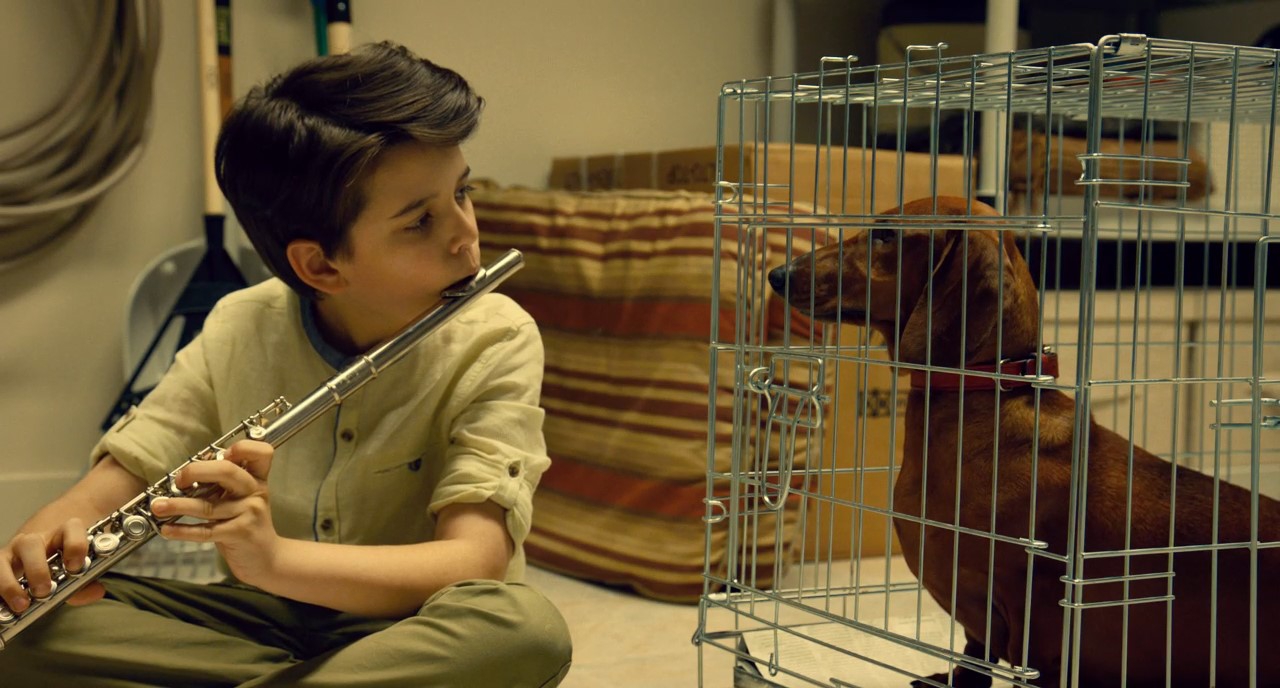
IFC Films has released the official trailer for Wiener-Dog, directed by Todd Solondz, about a dog and her life as she passes from owner to owner. The film opens in theaters on June 24.
Wiener-Dog, starring an all-star cast that includes Greta Gerwig, Julie Delpy, Danny DeVito, Ellen Burstyn, and Zosia Mamet, premiered at the 2016 Sundance Film Festival.
Wiener-Dog tells several stories featuring people who find their life inspired or changed by one particular dachshund, who seems to be spreading a certain kind of comfort and joy. Man’s best friend starts out teaching a young boy some contorted life lessons before being taken in by a compassionate vet tech named Dawn Wiener. Dawn reunites with someone from her past and sets off on a road trip picking up some depressed mariachis along the way. Wiener-Dog then encounters a floundering film professor, as well as an embittered elderly woman and her needy granddaughter—all longing for something more.
Twenty years ago, Todd Solondz took the Sundance Film Festival by storm when Welcome to the Dollhouse won the Grand Jury Prize at the 1996 Festival. Since then he has gone on to establish himself as one of the most uncompromising voices working in film. Wiener-Dog is vintage Solondz, brimming with brilliantly caustic and truthful observations about the human condition. He has a unique ability to find humor in the darkest of subject matter, allowing an empathetic light to shine on it.
https://www.youtube.com/watch?v=8C7OewoxnKI
WEINER-DOG[/caption]
IFC Films has released the official trailer for Wiener-Dog, directed by Todd Solondz, about a dog and her life as she passes from owner to owner. The film opens in theaters on June 24.
Wiener-Dog, starring an all-star cast that includes Greta Gerwig, Julie Delpy, Danny DeVito, Ellen Burstyn, and Zosia Mamet, premiered at the 2016 Sundance Film Festival.
Wiener-Dog tells several stories featuring people who find their life inspired or changed by one particular dachshund, who seems to be spreading a certain kind of comfort and joy. Man’s best friend starts out teaching a young boy some contorted life lessons before being taken in by a compassionate vet tech named Dawn Wiener. Dawn reunites with someone from her past and sets off on a road trip picking up some depressed mariachis along the way. Wiener-Dog then encounters a floundering film professor, as well as an embittered elderly woman and her needy granddaughter—all longing for something more.
Twenty years ago, Todd Solondz took the Sundance Film Festival by storm when Welcome to the Dollhouse won the Grand Jury Prize at the 1996 Festival. Since then he has gone on to establish himself as one of the most uncompromising voices working in film. Wiener-Dog is vintage Solondz, brimming with brilliantly caustic and truthful observations about the human condition. He has a unique ability to find humor in the darkest of subject matter, allowing an empathetic light to shine on it.
https://www.youtube.com/watch?v=8C7OewoxnKIVIMOOZ
-
Watch TRAILER for Todd Solondz’s Hilarious WEINER-DOG Starring Danny DeVito
[caption id="attachment_14136" align="aligncenter" width="1280"] WEINER-DOG[/caption]
IFC Films has released the official trailer for Wiener-Dog, directed by Todd Solondz, about a dog and her life as she passes from owner to owner. The film opens in theaters on June 24.
Wiener-Dog, starring an all-star cast that includes Greta Gerwig, Julie Delpy, Danny DeVito, Ellen Burstyn, and Zosia Mamet, premiered at the 2016 Sundance Film Festival.
Wiener-Dog tells several stories featuring people who find their life inspired or changed by one particular dachshund, who seems to be spreading a certain kind of comfort and joy. Man’s best friend starts out teaching a young boy some contorted life lessons before being taken in by a compassionate vet tech named Dawn Wiener. Dawn reunites with someone from her past and sets off on a road trip picking up some depressed mariachis along the way. Wiener-Dog then encounters a floundering film professor, as well as an embittered elderly woman and her needy granddaughter—all longing for something more.
Twenty years ago, Todd Solondz took the Sundance Film Festival by storm when Welcome to the Dollhouse won the Grand Jury Prize at the 1996 Festival. Since then he has gone on to establish himself as one of the most uncompromising voices working in film. Wiener-Dog is vintage Solondz, brimming with brilliantly caustic and truthful observations about the human condition. He has a unique ability to find humor in the darkest of subject matter, allowing an empathetic light to shine on it.
https://www.youtube.com/watch?v=8C7OewoxnKI
-
Watch TRAILER for Basketball Doc MANCHILD: THE SCHEA COTTON STORY
[caption id="attachment_14133" align="aligncenter" width="1200"]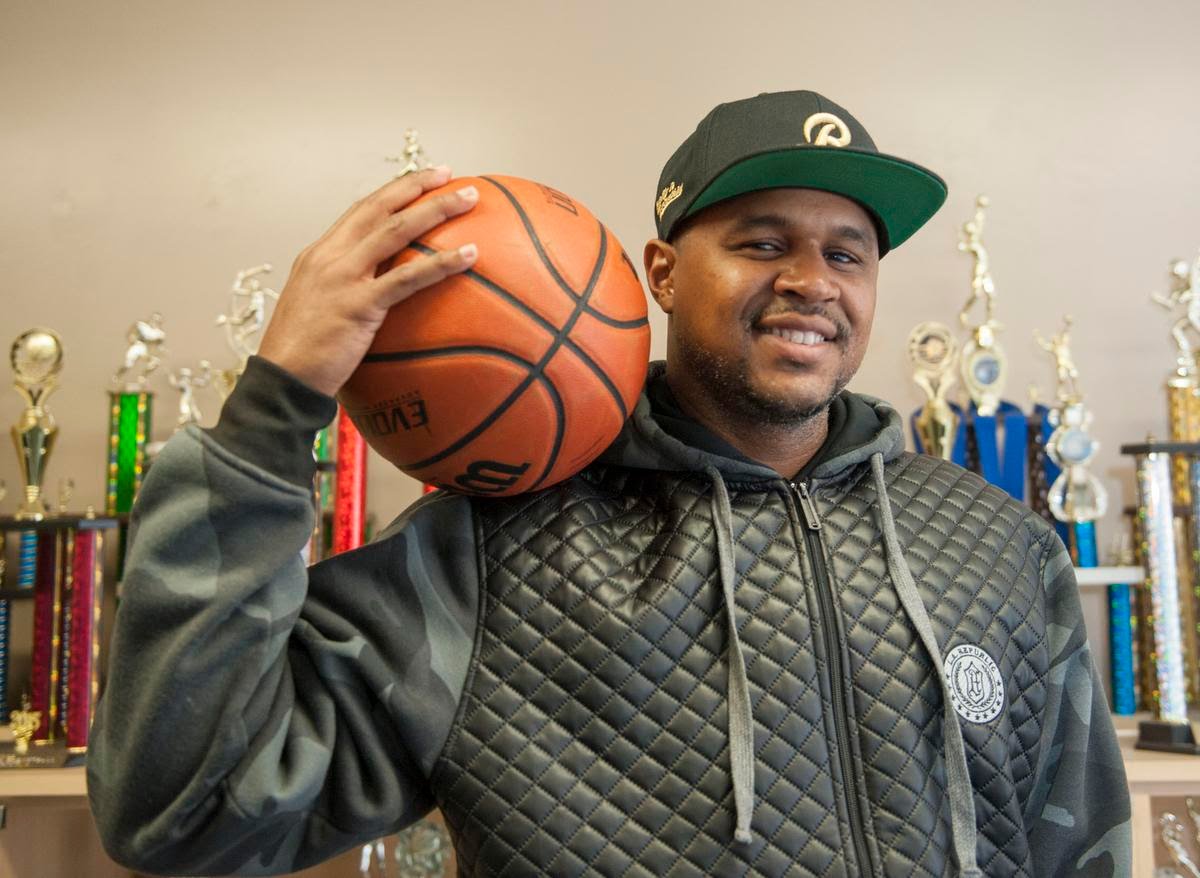 Manchild: The Schea Cotton Story[/caption]
Check out the trailer for the documentary film Manchild: The Schea Cotton Story, about a Los Angeles basketball legend by the name of Schea Cotton, described as “the Lebron before Lebron”.
Manchild will World Premiere at the upcoming 2016 LA Film Festival.
In Manchild, directed by Eric “Ptah” Herbert, Baron Davis, Tyson Chandler, Elton Brand, Paul Pierce, Randy Moss and others share their tales about Cotton.
Schea Cotton is the subject of one of the biggest mysteries in basketball’s history. Described as “the Lebron before Lebron,” Inglewood-native Cotton dominated the likes of Kevin Garnett and Paul Pierce and was one of the most highly touted high school athletes of a pre-social media era. Yet he never made it to the NBA. What happened?
NBA players, journalists, coaches and Cotton’s family recount with an almost pained nostalgia Cotton’s unmatched prowess as a player and the out-of-bounds emotions behind his story. First-time director Eric “Ptah” Herbert delivers a cautionary tale about the harsh reality of unfulfilled expectations.
https://www.youtube.com/watch?v=S05f_MF2Dx0
Manchild: The Schea Cotton Story[/caption]
Check out the trailer for the documentary film Manchild: The Schea Cotton Story, about a Los Angeles basketball legend by the name of Schea Cotton, described as “the Lebron before Lebron”.
Manchild will World Premiere at the upcoming 2016 LA Film Festival.
In Manchild, directed by Eric “Ptah” Herbert, Baron Davis, Tyson Chandler, Elton Brand, Paul Pierce, Randy Moss and others share their tales about Cotton.
Schea Cotton is the subject of one of the biggest mysteries in basketball’s history. Described as “the Lebron before Lebron,” Inglewood-native Cotton dominated the likes of Kevin Garnett and Paul Pierce and was one of the most highly touted high school athletes of a pre-social media era. Yet he never made it to the NBA. What happened?
NBA players, journalists, coaches and Cotton’s family recount with an almost pained nostalgia Cotton’s unmatched prowess as a player and the out-of-bounds emotions behind his story. First-time director Eric “Ptah” Herbert delivers a cautionary tale about the harsh reality of unfulfilled expectations.
https://www.youtube.com/watch?v=S05f_MF2Dx0
-
13 HOURS: THE SECRET SOLDIERS OF BENGHAZI is Closing Night Film of GI Film Festival
[caption id="attachment_14126" align="aligncenter" width="1200"]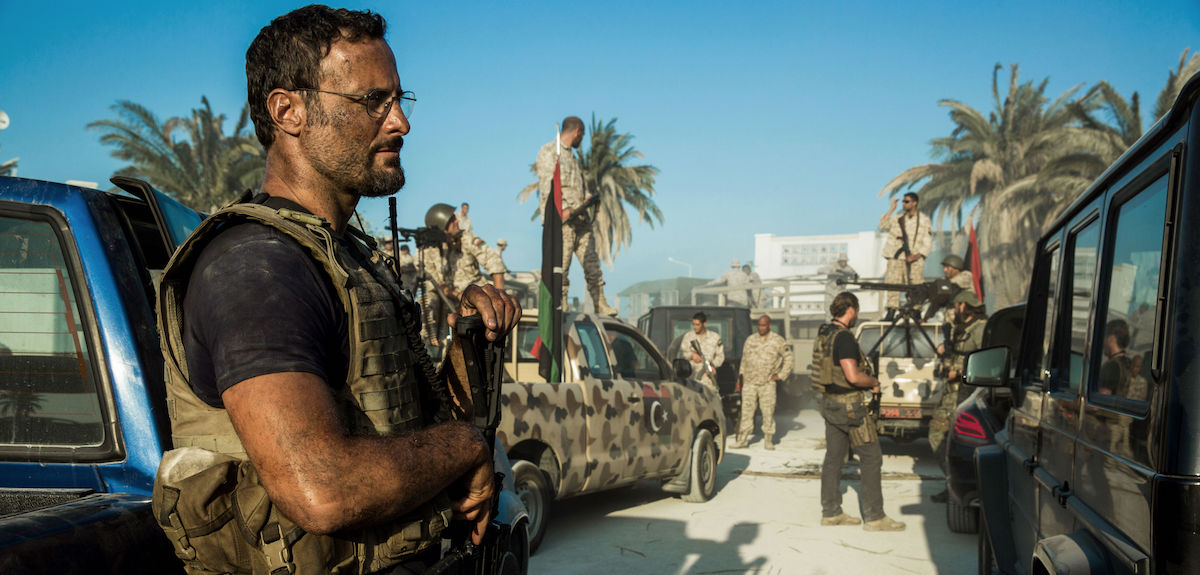 13 HOURS: THE SECRET SOLDIERS OF BENGHAZI[/caption]
The gripping true story 13 HOURS: THE SECRET SOLDIERS OF BENGHAZI will be honored as the closing night film at this year’s GI Film Festival in Washington, D.C. on Sunday, May 29th.
Three of the real-life heroes upon whose story the film is based-John “Tig” Tiegen, Mark “Oz” Geist and Kris “Tanto” Paronto- will attend the red carpet screening, along with one of the stars of the film, actor Dominic Fumusa (“Nurse Jackie”).
13 HOURS: THE SECRET SOLDIERS OF BENGHAZI tells the incredible true story of six elite ex-military operators who saved the lives of more than 25 Americans against overwhelming odds at a U.S. diplomatic compound in Libya.
Directed by Michael Bay, the film stars John Krasinski (TV’s “The Office”), James Badge Dale
(World War Z), Dominic Fumusa (TV’s “Nurse Jackie”) and Pablo Schreiber (TV’s “Orange is the New Black”), and is based on the book 13 Hours: The Inside Account of What Really Happened in Benghazi by New York Times best-selling author Mitchell Zuckoff with the members of the Annex Security Team.
13 HOURS: THE SECRET SOLDIERS OF BENGHAZI is available now on Digital HD and arrives on Blu-ray, DVD and On Demand on June 7th.
Described as “Sundance for the Troops,” the GI Film Festival preserves the stories of veterans through film, television, training and special events.
https://www.youtube.com/watch?v=4CJBuUwd0Os
13 HOURS: THE SECRET SOLDIERS OF BENGHAZI[/caption]
The gripping true story 13 HOURS: THE SECRET SOLDIERS OF BENGHAZI will be honored as the closing night film at this year’s GI Film Festival in Washington, D.C. on Sunday, May 29th.
Three of the real-life heroes upon whose story the film is based-John “Tig” Tiegen, Mark “Oz” Geist and Kris “Tanto” Paronto- will attend the red carpet screening, along with one of the stars of the film, actor Dominic Fumusa (“Nurse Jackie”).
13 HOURS: THE SECRET SOLDIERS OF BENGHAZI tells the incredible true story of six elite ex-military operators who saved the lives of more than 25 Americans against overwhelming odds at a U.S. diplomatic compound in Libya.
Directed by Michael Bay, the film stars John Krasinski (TV’s “The Office”), James Badge Dale
(World War Z), Dominic Fumusa (TV’s “Nurse Jackie”) and Pablo Schreiber (TV’s “Orange is the New Black”), and is based on the book 13 Hours: The Inside Account of What Really Happened in Benghazi by New York Times best-selling author Mitchell Zuckoff with the members of the Annex Security Team.
13 HOURS: THE SECRET SOLDIERS OF BENGHAZI is available now on Digital HD and arrives on Blu-ray, DVD and On Demand on June 7th.
Described as “Sundance for the Troops,” the GI Film Festival preserves the stories of veterans through film, television, training and special events.
https://www.youtube.com/watch?v=4CJBuUwd0Os
-
OPEN YOUR EYES Documentary to Premiere on HBO on July 18th
[caption id="attachment_14122" align="aligncenter" width="1200"] OPEN YOUR EYES[/caption]
The documentary OPEN YOUR EYES which follows a husband and wife who are both blind in rural Nepal and the Seva Outreach Team that restores their sight will premiere on HBO on on July 18th.
Told through the intimate lens of an elderly blind couple from Nepal, the film, executive produced by Laurene Powell Jobs, brings vital attention to cataract blindness and the shockingly cheap surgery (only three U.S. dollars!) that is restoring eyesight to thousands in rural poverty stricken areas.
OPEN YOUR EYES is directed by Irene Taylor Brodsky (Beware the Slenderman, Peabody Award-winning Hear and Now) and produced by Dr. Larry Brilliant, the pioneering physician who served as the director of Google’s philanthropy division.
The film follows the extraordinary journey of Manisara and Durga, an elderly couple in a remote mountain village in Nepal. Living for decades under the Himalayan sun, their eyes have slowly turned milky white with cataracts that have left them completely blind. When a team of eye specialists combing the mountainside village presents an opportunity for a free surgery to restore their sight, the couple begins a life-changing journey down the mountain to see again.
Married for more than 50 years and living in the foothills of Nepal, they are no longer the industrious farmers they once were. Manisara peels turmeric root most days and Durga can’t navigate the warren of pathways around him nor can he feed his animals. They feel dependent on their family for even the most basic needs. There are no cars to transport them. Life has become static.
A team of Nepali eye specialists combing the mountainside find them and urge them to come to the city for a chance to see again. A surgeon has come from Kathmandu, and the surgery is free. But the taste of defeat and growing old has made Manisara skeptical. And besides, who would even carry her down the mountain?
Their youngest granddaughter plops herself in Manisara’s lap, and her grandmother starts running her hands over the little girl’s feet, her legs, her nose. Is she like me? Touching the child, Manisara connects her past to her future.
Manisara and Durga are finally convinced. They set out for the eye hospital, tripping over goats and stones as they go, towards the distant city. They are carried, guided and then driven on a bewildering odyssey to restore their sight.
They arrive at the hospital and hear scores of other patients also waiting. Everyone has come for a miracle.
Cataract blindness affects millions of people in the developing world and yet can be cured for only a few dollars per patient. The Seva Foundation, an NGO co-founded by the film’s producer Dr. Larry Brilliant, is responsible for successfully restoring sight to 4 million blind people worldwide.
https://www.youtube.com/watch?v=UxYSVvgPEJY
OPEN YOUR EYES[/caption]
The documentary OPEN YOUR EYES which follows a husband and wife who are both blind in rural Nepal and the Seva Outreach Team that restores their sight will premiere on HBO on on July 18th.
Told through the intimate lens of an elderly blind couple from Nepal, the film, executive produced by Laurene Powell Jobs, brings vital attention to cataract blindness and the shockingly cheap surgery (only three U.S. dollars!) that is restoring eyesight to thousands in rural poverty stricken areas.
OPEN YOUR EYES is directed by Irene Taylor Brodsky (Beware the Slenderman, Peabody Award-winning Hear and Now) and produced by Dr. Larry Brilliant, the pioneering physician who served as the director of Google’s philanthropy division.
The film follows the extraordinary journey of Manisara and Durga, an elderly couple in a remote mountain village in Nepal. Living for decades under the Himalayan sun, their eyes have slowly turned milky white with cataracts that have left them completely blind. When a team of eye specialists combing the mountainside village presents an opportunity for a free surgery to restore their sight, the couple begins a life-changing journey down the mountain to see again.
Married for more than 50 years and living in the foothills of Nepal, they are no longer the industrious farmers they once were. Manisara peels turmeric root most days and Durga can’t navigate the warren of pathways around him nor can he feed his animals. They feel dependent on their family for even the most basic needs. There are no cars to transport them. Life has become static.
A team of Nepali eye specialists combing the mountainside find them and urge them to come to the city for a chance to see again. A surgeon has come from Kathmandu, and the surgery is free. But the taste of defeat and growing old has made Manisara skeptical. And besides, who would even carry her down the mountain?
Their youngest granddaughter plops herself in Manisara’s lap, and her grandmother starts running her hands over the little girl’s feet, her legs, her nose. Is she like me? Touching the child, Manisara connects her past to her future.
Manisara and Durga are finally convinced. They set out for the eye hospital, tripping over goats and stones as they go, towards the distant city. They are carried, guided and then driven on a bewildering odyssey to restore their sight.
They arrive at the hospital and hear scores of other patients also waiting. Everyone has come for a miracle.
Cataract blindness affects millions of people in the developing world and yet can be cured for only a few dollars per patient. The Seva Foundation, an NGO co-founded by the film’s producer Dr. Larry Brilliant, is responsible for successfully restoring sight to 4 million blind people worldwide.
https://www.youtube.com/watch?v=UxYSVvgPEJY
-
2016 Rooftop Films FREE Lineup Incl. GIRL ASLEEP, THE FITS, SONITA
[caption id="attachment_13852" align="aligncenter" width="1200"] Girl Asleep[/caption]
Rooftop Films will show over 30 FREE outdoor screenings, many of which are new, independent films that will screen as part of the 20th Annual Summer Series.
Highlights include a sneak preview of Anna Rose Holmer’s Sundance Film Festival hit and Rooftop Films/Brigade Marketing Grantee THE FITS, a danceathon screening of Mariano Cohn and Gastón Duprat’s Living Stars, a special silent screening of Patrick Shen’s In Pursuit of Silence, during which the audience will listen to the film on headphones, and a Cinema Ramble at Storm King Art Center with multiple screens set up across the park.
2016 ROOFTOP FILMS FREE SUMMER PROGRAM:
Rooftop Films and lululemon athletica
Various Locations
May 31
Elevated Acre, Financial District, Manhattan
THE FITS (Anna Rose Holmer)
A tomboy’s desire for a dance team’s acceptance warps when its members fall prey to mysterious spasms.
Presented in Partnership with: Oscilloscope Laboratories. In theaters June 3rd.
https://www.youtube.com/watch?v=WNZc3Vr1Oy4
June 25
Solar One, Kips Bay, Manhattan
LIVING STARS (Mariano Cohn and Gastón Duprat)
Free screening. Free Dance Party! No script, no plot, just music and gyrating bodies. Living Stars is a sixty-minute dance party and everyone’s invited!
https://www.youtube.com/watch?v=nhEP_bVDD0k
July 30
Waterfront Plaza at Brookfield Place, Financial District, Manhattan
IN PURSUIT OF SILENCE (Patrick Shen)
A meditative exploration of our relationship with silence, sound, and the impact of noise on our lives.
August 13
Storm King Art Center, New Windsor, NY
CINEMA RAMBLE AT STORM KING ART CENTER
A special night of short films sited among the sculptures and meadows of the Storm King Art Center.
Rooftop Films and The Downtown Brooklyn Partnership
All Screenings take place at Metrotech Commons, Downtown Brooklyn
June 10
SUNDANCE SHORT FILMS
Highlights from Sundance 2016 include these wild, weird and wonderful short films.
June 15
TIES THAT BIND: SHORT FILMS ABOUT FAMILIES
Family, for better and for worse: the protagonists of these films are the people we wish our family would be and sometimes are.
June 24
DANGEROUS DOCS: SHORT DOCUMENTARIES
Thrilling and unsettling and frighteningly true.
Rooftop Films and Roosevelt Island
All Screenings take place at Firefighters’ Field, Roosevelt Island, Manhattan
June 11
TERRITORY: SHORT FILMS ABOUT TURF WARS
Stories of the (sometimes) shared (sometimes) human space.
Rooftop Films and the River to River Festival
All Screenings take place at Liberty Plaza, Manhattan
June 22
RIVER TO RIVER PRESENTS: OLGA BELL’S KRAI
Olga Bell’s Krai is an audio‐visual performance concerned with the rest of the map: the wilderness, the towns, the inhabitants and their stories.
Presented by: The River to River Festival
Rooftop Films and Arts Brookfield
All Screenings take place at Waterfront Plaza at Brookfield Place, Financial District, Manhattan
July 28
ANIMATION BLOCK PARTY
Experience some of the year’s best animated short films at the incomparable Animation Block Party!
July 30
IN PURSUIT OF SILENCE (Patrick Shen)
A meditative exploration of our relationship with silence, sound, and the impact of noise on our lives.
https://www.youtube.com/watch?v=64c_1MtQUlM
Rooftop Films and Outdoor Cinema at Socrates Sculpture Park
All Screenings take place at Socrates Sculpture Park, Long Island City, Queens
July 20
SONITA (Rokhsareh Ghaem Maghami)
18-year-old rapper Sonita looks for a better life outside Iran in this complex and layered doc. Presented in partnership with Women Make Movies.
https://www.youtube.com/watch?v=B47MbpPuz7A
August 3
GIRL ASLEEP (Rosemary Meyers)
Greta’s bubble of obscure loserdom is burst when her parents throw a surprise 15th birthday party with her whole school!
https://www.youtube.com/watch?v=meN61FD9Wak
Presented in partnership with Oscilloscope Laboratories
Rooftop Films and Coney Island Flicks on the Beach
All Screenings take place Mondays on the beach at West 10th Street. Dates TBA
JURASSIC WORLD (Colin Trevorrow)
STAR WARS: THE FORCE AWAKENS (J.J. Abrams)
INSIDE OUT (Pete Docter, Ronnie del Carmen)
AVENGERS: AGE OF ULTRON (Joss Whedon)
LABYRINTH (Jim Henson)
CREED (Ryan Coogler)
Girl Asleep[/caption]
Rooftop Films will show over 30 FREE outdoor screenings, many of which are new, independent films that will screen as part of the 20th Annual Summer Series.
Highlights include a sneak preview of Anna Rose Holmer’s Sundance Film Festival hit and Rooftop Films/Brigade Marketing Grantee THE FITS, a danceathon screening of Mariano Cohn and Gastón Duprat’s Living Stars, a special silent screening of Patrick Shen’s In Pursuit of Silence, during which the audience will listen to the film on headphones, and a Cinema Ramble at Storm King Art Center with multiple screens set up across the park.
2016 ROOFTOP FILMS FREE SUMMER PROGRAM:
Rooftop Films and lululemon athletica
Various Locations
May 31
Elevated Acre, Financial District, Manhattan
THE FITS (Anna Rose Holmer)
A tomboy’s desire for a dance team’s acceptance warps when its members fall prey to mysterious spasms.
Presented in Partnership with: Oscilloscope Laboratories. In theaters June 3rd.
https://www.youtube.com/watch?v=WNZc3Vr1Oy4
June 25
Solar One, Kips Bay, Manhattan
LIVING STARS (Mariano Cohn and Gastón Duprat)
Free screening. Free Dance Party! No script, no plot, just music and gyrating bodies. Living Stars is a sixty-minute dance party and everyone’s invited!
https://www.youtube.com/watch?v=nhEP_bVDD0k
July 30
Waterfront Plaza at Brookfield Place, Financial District, Manhattan
IN PURSUIT OF SILENCE (Patrick Shen)
A meditative exploration of our relationship with silence, sound, and the impact of noise on our lives.
August 13
Storm King Art Center, New Windsor, NY
CINEMA RAMBLE AT STORM KING ART CENTER
A special night of short films sited among the sculptures and meadows of the Storm King Art Center.
Rooftop Films and The Downtown Brooklyn Partnership
All Screenings take place at Metrotech Commons, Downtown Brooklyn
June 10
SUNDANCE SHORT FILMS
Highlights from Sundance 2016 include these wild, weird and wonderful short films.
June 15
TIES THAT BIND: SHORT FILMS ABOUT FAMILIES
Family, for better and for worse: the protagonists of these films are the people we wish our family would be and sometimes are.
June 24
DANGEROUS DOCS: SHORT DOCUMENTARIES
Thrilling and unsettling and frighteningly true.
Rooftop Films and Roosevelt Island
All Screenings take place at Firefighters’ Field, Roosevelt Island, Manhattan
June 11
TERRITORY: SHORT FILMS ABOUT TURF WARS
Stories of the (sometimes) shared (sometimes) human space.
Rooftop Films and the River to River Festival
All Screenings take place at Liberty Plaza, Manhattan
June 22
RIVER TO RIVER PRESENTS: OLGA BELL’S KRAI
Olga Bell’s Krai is an audio‐visual performance concerned with the rest of the map: the wilderness, the towns, the inhabitants and their stories.
Presented by: The River to River Festival
Rooftop Films and Arts Brookfield
All Screenings take place at Waterfront Plaza at Brookfield Place, Financial District, Manhattan
July 28
ANIMATION BLOCK PARTY
Experience some of the year’s best animated short films at the incomparable Animation Block Party!
July 30
IN PURSUIT OF SILENCE (Patrick Shen)
A meditative exploration of our relationship with silence, sound, and the impact of noise on our lives.
https://www.youtube.com/watch?v=64c_1MtQUlM
Rooftop Films and Outdoor Cinema at Socrates Sculpture Park
All Screenings take place at Socrates Sculpture Park, Long Island City, Queens
July 20
SONITA (Rokhsareh Ghaem Maghami)
18-year-old rapper Sonita looks for a better life outside Iran in this complex and layered doc. Presented in partnership with Women Make Movies.
https://www.youtube.com/watch?v=B47MbpPuz7A
August 3
GIRL ASLEEP (Rosemary Meyers)
Greta’s bubble of obscure loserdom is burst when her parents throw a surprise 15th birthday party with her whole school!
https://www.youtube.com/watch?v=meN61FD9Wak
Presented in partnership with Oscilloscope Laboratories
Rooftop Films and Coney Island Flicks on the Beach
All Screenings take place Mondays on the beach at West 10th Street. Dates TBA
JURASSIC WORLD (Colin Trevorrow)
STAR WARS: THE FORCE AWAKENS (J.J. Abrams)
INSIDE OUT (Pete Docter, Ronnie del Carmen)
AVENGERS: AGE OF ULTRON (Joss Whedon)
LABYRINTH (Jim Henson)
CREED (Ryan Coogler)
-
Sundance Award-Winning Film MORRIS FROM AMERICA Gets A Summer Release
[caption id="attachment_14117" align="aligncenter" width="1200"]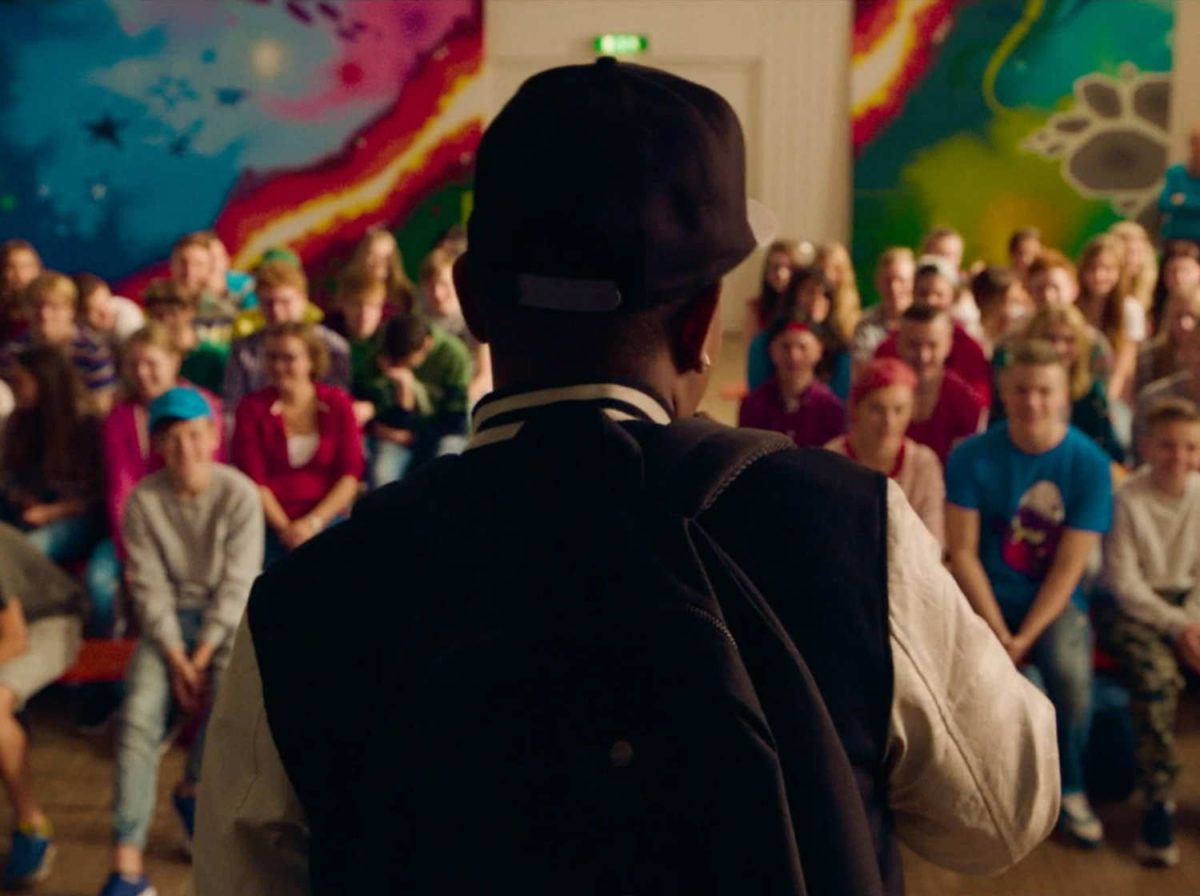 MORRIS FROM AMERICA[/caption]
The Sundance Film Festival Award-winning film MORRIS FROM AMERICA will be available exclusively on DirecTV beginning July 7th. It will open theatrically in select cities on August 19th.
Written and directed by acclaimed filmmaker Chad Hartigan (This is Martin Bonner), and starring Craig Robinson, Carla Juri, Lina Keller and Markees Christmas, Morris from America won two prizes at this year’s Sundance Film Festival, the Waldo Salt Screenwriting Award and a Special Jury Award for Robinson.
A heartwarming and crowd-pleasing coming-of-age comedy with a unique spin, Morris from America centers on Morris Gentry (Markees Christmas, in an incredible breakout performance) a 13-year-old who has just relocated with his single father, Curtis (Craig Robinson) to Heidelberg, Germany. Morris, who fancies himself the next Notorious B.I.G., is a complete fish-out-of-water—a budding hip-hop star in an EDM world. To complicate matters further, Morris quickly falls hard for his cool, rebellious, 15-year-old classmate Katrin. Morris sets out against all odds to take the hip-hop world by storm and win the girl of his dreams.
Morris from America will screen at the upcoming BAMcinemaFest 2016 in Brooklyn, New York.
MORRIS FROM AMERICA[/caption]
The Sundance Film Festival Award-winning film MORRIS FROM AMERICA will be available exclusively on DirecTV beginning July 7th. It will open theatrically in select cities on August 19th.
Written and directed by acclaimed filmmaker Chad Hartigan (This is Martin Bonner), and starring Craig Robinson, Carla Juri, Lina Keller and Markees Christmas, Morris from America won two prizes at this year’s Sundance Film Festival, the Waldo Salt Screenwriting Award and a Special Jury Award for Robinson.
A heartwarming and crowd-pleasing coming-of-age comedy with a unique spin, Morris from America centers on Morris Gentry (Markees Christmas, in an incredible breakout performance) a 13-year-old who has just relocated with his single father, Curtis (Craig Robinson) to Heidelberg, Germany. Morris, who fancies himself the next Notorious B.I.G., is a complete fish-out-of-water—a budding hip-hop star in an EDM world. To complicate matters further, Morris quickly falls hard for his cool, rebellious, 15-year-old classmate Katrin. Morris sets out against all odds to take the hip-hop world by storm and win the girl of his dreams.
Morris from America will screen at the upcoming BAMcinemaFest 2016 in Brooklyn, New York.
-
South African Doc THE JOURNEYMEN is Opening Night Film of Durban Film Festival
[caption id="attachment_14112" align="aligncenter" width="1788"] The Journeymen[/caption]
The World Premiere of the South African documentary, The Journeymen, will be the opening night film of the 37th edition of the Durban International Film Festival.
The Durban International Film Festival takes place from June16 to 26, 2016.
[caption id="attachment_14111" align="aligncenter" width="1200"]
The Journeymen[/caption]
The World Premiere of the South African documentary, The Journeymen, will be the opening night film of the 37th edition of the Durban International Film Festival.
The Durban International Film Festival takes place from June16 to 26, 2016.
[caption id="attachment_14111" align="aligncenter" width="1200"]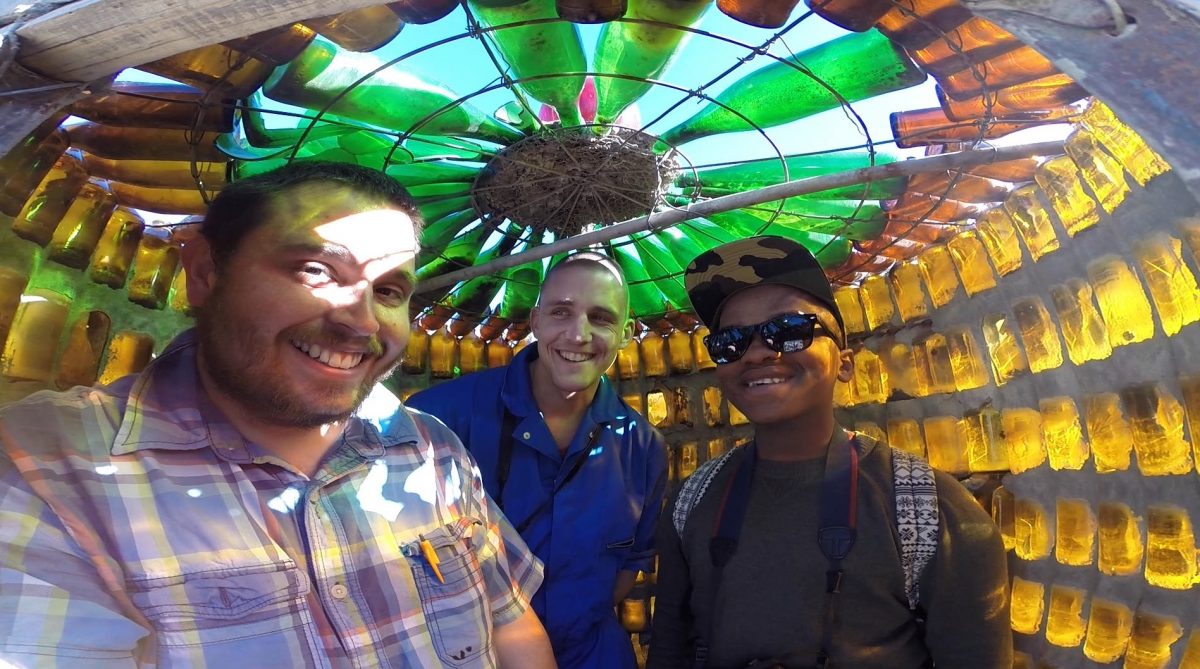 The Journeymen[/caption]
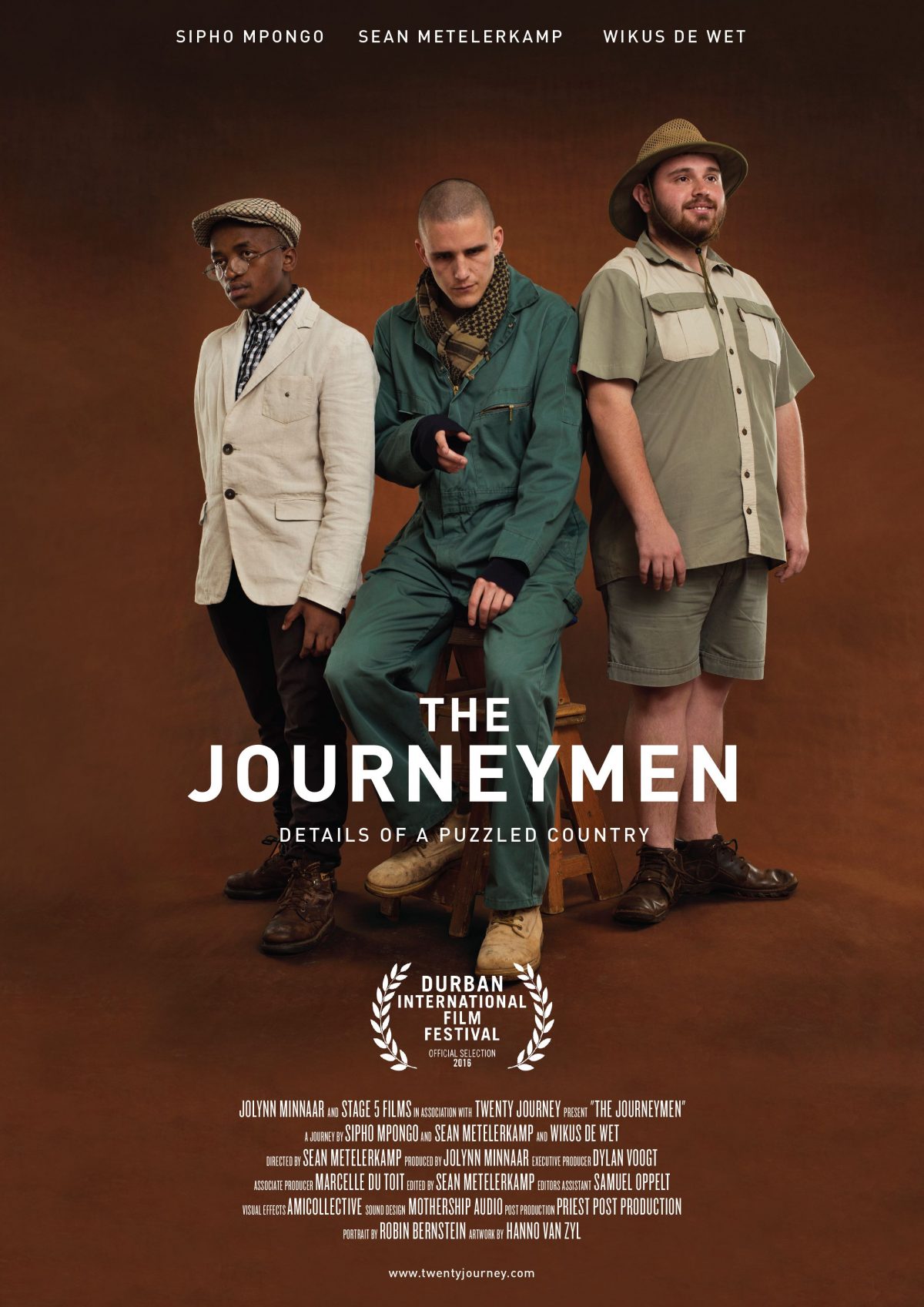
The Journeymen, the latest installment in the Twenty Journey project, is directed by Sean Metelerkamp and produced by filmmaker Jolynn Minnaar whose film, Unearthed, was one of the big hits at DIFF 2014.
Filmed as part of the Twenty Journey project in 2014, the year in which South Africa celebrated 20 years of democracy and mourned Nelson Mandela’s death, The Journeymen chronicles the journey of three young South African photographers, Wikus de Wet, Sipho Mpongo and Sean Metelerkamp, as they travel 24 000km in a motorhome throughout South Africa, with GoPro cameras strapped to their chests, to explore the mood and feel the pulse of contemporary South Africa. From urban sprawls to dusty rural roads, the trio were driven by the question “Has Mandela’s vision of equality in a rainbow nation been achieved?”
[caption id="attachment_14113" align="aligncenter" width="1200"]
The Journeymen[/caption]
The Journeymen, the latest installment in the Twenty Journey project, is directed by Sean Metelerkamp and produced by filmmaker Jolynn Minnaar whose film, Unearthed, was one of the big hits at DIFF 2014.
Filmed as part of the Twenty Journey project in 2014, the year in which South Africa celebrated 20 years of democracy and mourned Nelson Mandela’s death, The Journeymen chronicles the journey of three young South African photographers, Wikus de Wet, Sipho Mpongo and Sean Metelerkamp, as they travel 24 000km in a motorhome throughout South Africa, with GoPro cameras strapped to their chests, to explore the mood and feel the pulse of contemporary South Africa. From urban sprawls to dusty rural roads, the trio were driven by the question “Has Mandela’s vision of equality in a rainbow nation been achieved?”
[caption id="attachment_14113" align="aligncenter" width="1200"]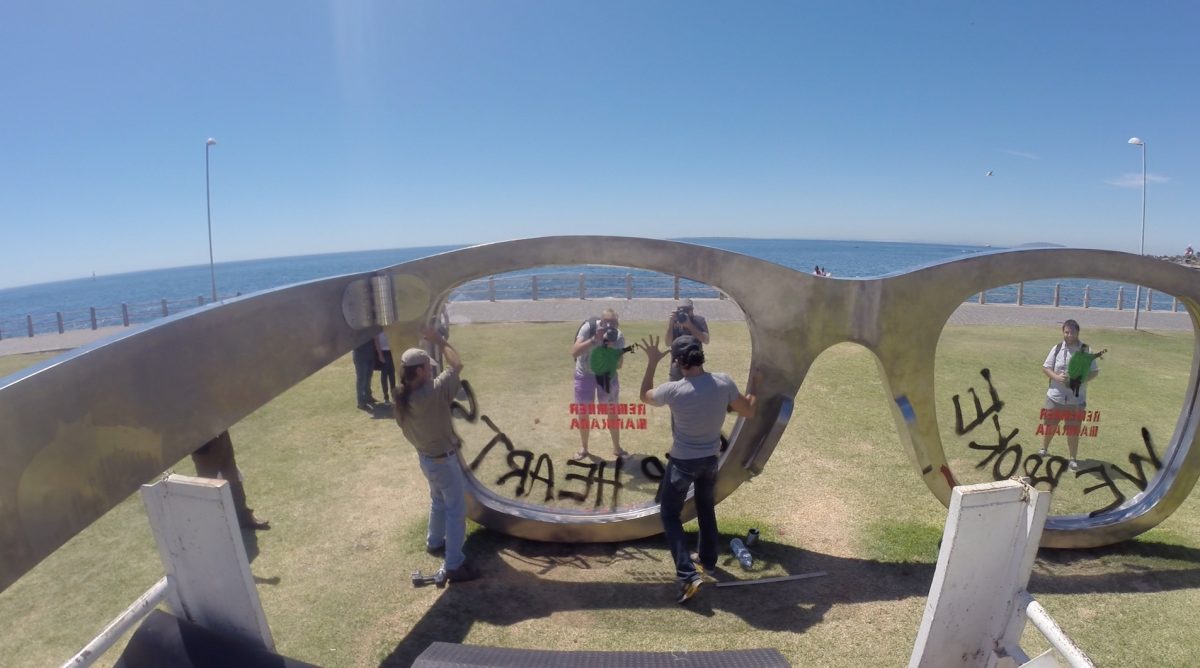 The Journeymen[/caption]
The film answers this with a kaleidoscopic set of responses that are disturbing, beautiful, thought-provoking and, more than anything, movingly surreal.
Said Acting Festival Director, Peter Machen, “It is highly appropriate that this intersectional portrait of our strange and beautiful country will screen on the fortieth anniversary of 16th June, 1976. The film is a portrait of a nation that was forever changed by the actions of the youth of Soweto, and screening it on this day will act as a tribute to the bravery of the tens of thousands of unnamed young people who helped build the road to our liberation.”
[caption id="attachment_14093" align="aligncenter" width="1200"]
The Journeymen[/caption]
The film answers this with a kaleidoscopic set of responses that are disturbing, beautiful, thought-provoking and, more than anything, movingly surreal.
Said Acting Festival Director, Peter Machen, “It is highly appropriate that this intersectional portrait of our strange and beautiful country will screen on the fortieth anniversary of 16th June, 1976. The film is a portrait of a nation that was forever changed by the actions of the youth of Soweto, and screening it on this day will act as a tribute to the bravery of the tens of thousands of unnamed young people who helped build the road to our liberation.”
[caption id="attachment_14093" align="aligncenter" width="1200"] The Journeymen[/caption]
Machen continued, “The film shows the underlying demons of our troubled national soul but also its deep and profound beauty. Made with technology that is widely accessible, the film is also a vibrant call to arms for new modes of filmmaking and fresh approaches to narrative. We are very happy to be screening the world premiere of The Journeymen on the opening night of the 37th Edition of DIFF.”
Director, Sean Metelerkamp said, “While we never set out to make a feature length documentary, looking back, through embracing new technology, we were able to capture our promising, contentious and confusing country as we went about exploring our respective photographic themes. We hope that this collaboration – between three guys from different cultural and racial backgrounds, united simply by a duty to set out and discover truly authentic South African stories – kickstarts conversations and interactions. As luck would have it, our film features a chance encounter with Sam Nzima, who photographed Hector Pietersen. We can’t think of a better way to honour Youth Day than to share our film with the country. “
The Journeymen[/caption]
Machen continued, “The film shows the underlying demons of our troubled national soul but also its deep and profound beauty. Made with technology that is widely accessible, the film is also a vibrant call to arms for new modes of filmmaking and fresh approaches to narrative. We are very happy to be screening the world premiere of The Journeymen on the opening night of the 37th Edition of DIFF.”
Director, Sean Metelerkamp said, “While we never set out to make a feature length documentary, looking back, through embracing new technology, we were able to capture our promising, contentious and confusing country as we went about exploring our respective photographic themes. We hope that this collaboration – between three guys from different cultural and racial backgrounds, united simply by a duty to set out and discover truly authentic South African stories – kickstarts conversations and interactions. As luck would have it, our film features a chance encounter with Sam Nzima, who photographed Hector Pietersen. We can’t think of a better way to honour Youth Day than to share our film with the country. “
-
New Poster and Trailer for Academy Award Nominee Bill Plympton’s HITLER’S FOLLY
[caption id="attachment_13879" align="aligncenter" width="1202"] HITLER’S FOLLY[/caption]
A new Poster and Trailer have been released for Academy Award Nominee Bill Plympton’s HITLER’S FOLLY, which will be available for free streaming online on June 3.
Bill Plympton’s new feature mockumentary HITLER’S FOLLY, is described as a merciless satire in which Adolf Hitler is reimagined as a successful animator and artist.
There will also be a FREE New York Premiere of HITLER’S FOLLY on Wednesday, June 1 at 7:00pm at SVA Theater (333 W 23rd St). After the screening, Plympton will also do special live drawings of a character from the film for interested fans.
The screening is open to the public and all of Bill’s fans. RSVP is required for admittance. Seating is strictly on a first come first served basis on the night.
HITLER’S FOLLY[/caption]
A new Poster and Trailer have been released for Academy Award Nominee Bill Plympton’s HITLER’S FOLLY, which will be available for free streaming online on June 3.
Bill Plympton’s new feature mockumentary HITLER’S FOLLY, is described as a merciless satire in which Adolf Hitler is reimagined as a successful animator and artist.
There will also be a FREE New York Premiere of HITLER’S FOLLY on Wednesday, June 1 at 7:00pm at SVA Theater (333 W 23rd St). After the screening, Plympton will also do special live drawings of a character from the film for interested fans.
The screening is open to the public and all of Bill’s fans. RSVP is required for admittance. Seating is strictly on a first come first served basis on the night.
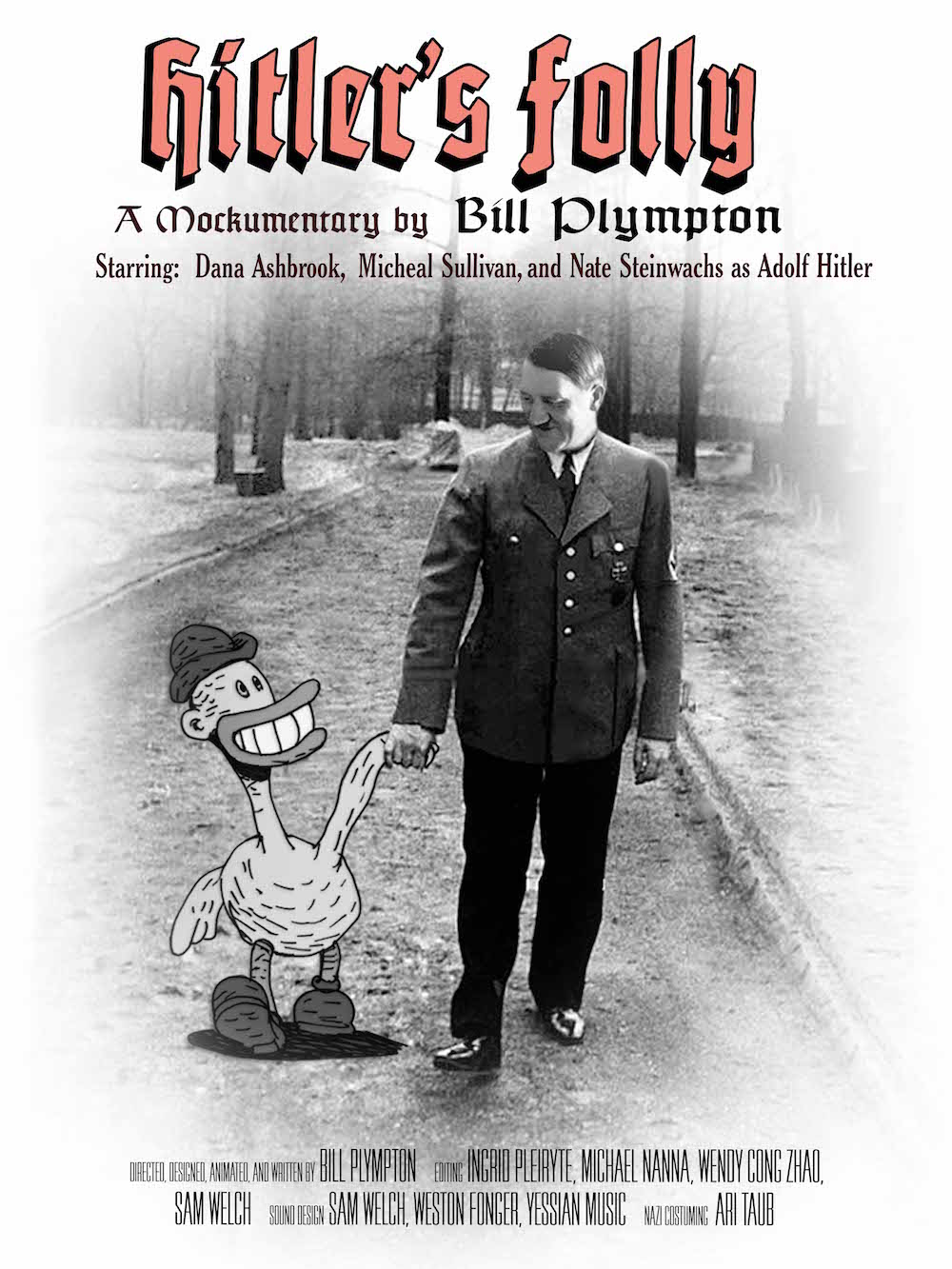 A merciless satire from Academy Award nominee Bill Plympton, HITLER’S FOLLY explores what might have happened if Adolf Hitler’s art career had been more successful and instead of becoming an evil dictator, he was inspired to become an animator like Walt Disney.
Using World War II footage, Hitler’s early artwork and Plympton’s signature animation, this dark mockumentary re-imagines history and explores Hitler’s unfulfilled animation career in the spirit of “The Producers” by Mel Brooks, “Der Fuhrer’s Face” by Walt Disney and “Blitz Wolf” by Tex Avery.
The film stars Dana Ashbrook (Twin Peaks) as Josh, Nate Steinwachs as Hitler and Michael Sullivan – star of Greaser’s Palace (1972) by Robert Downey.
HITLER’S FOLLY is directed, designed, animated, and written by Academy Award Nominee Bill Plympton.
https://www.youtube.com/watch?v=VQorb4N2nBs
A merciless satire from Academy Award nominee Bill Plympton, HITLER’S FOLLY explores what might have happened if Adolf Hitler’s art career had been more successful and instead of becoming an evil dictator, he was inspired to become an animator like Walt Disney.
Using World War II footage, Hitler’s early artwork and Plympton’s signature animation, this dark mockumentary re-imagines history and explores Hitler’s unfulfilled animation career in the spirit of “The Producers” by Mel Brooks, “Der Fuhrer’s Face” by Walt Disney and “Blitz Wolf” by Tex Avery.
The film stars Dana Ashbrook (Twin Peaks) as Josh, Nate Steinwachs as Hitler and Michael Sullivan – star of Greaser’s Palace (1972) by Robert Downey.
HITLER’S FOLLY is directed, designed, animated, and written by Academy Award Nominee Bill Plympton.
https://www.youtube.com/watch?v=VQorb4N2nBs
-
THE ISLAND PRESIDENT’s Mohamed Nasheed, Granted Refugee Status in Britain
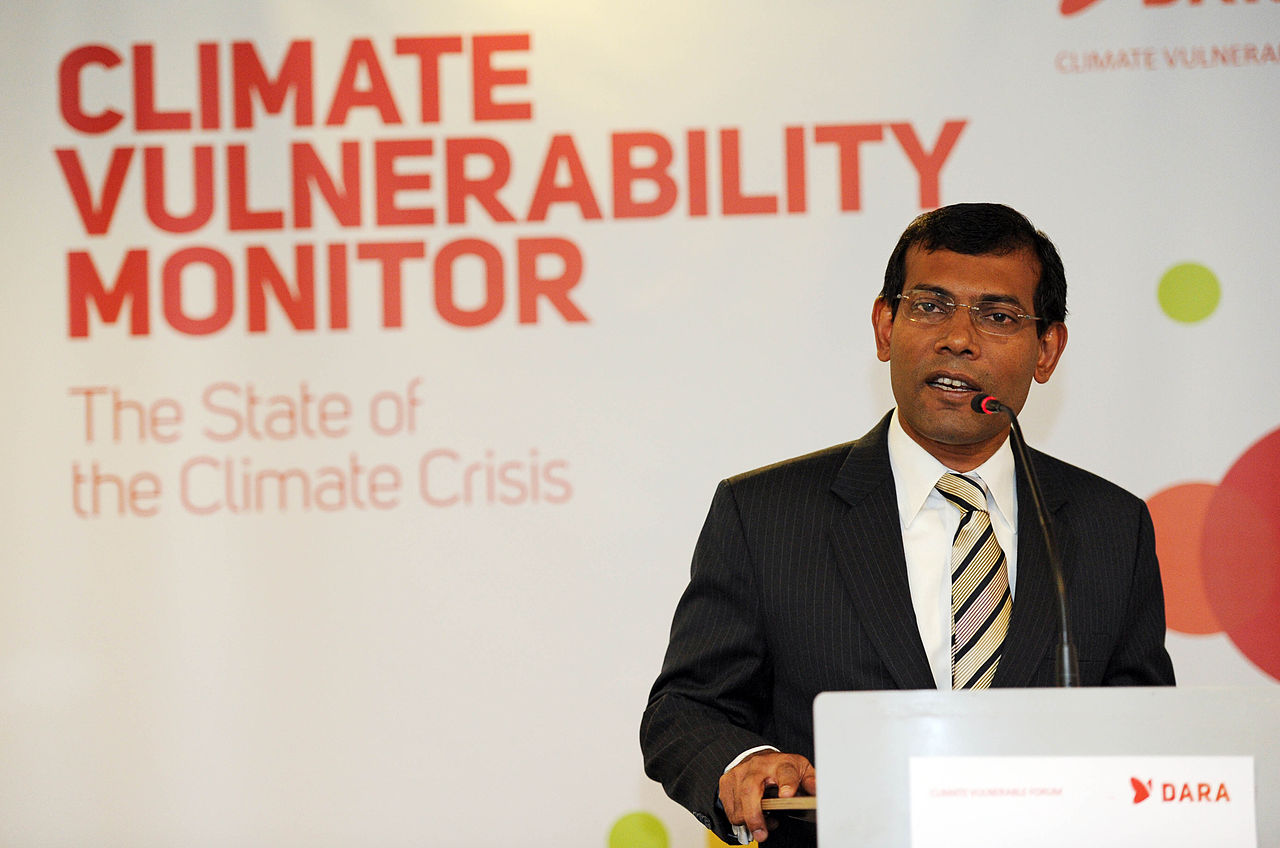 Mohamed Nasheed, the former president of the Maldives, and subject of the award winning documentary The Island President has reportedly been granted refugee status in Britain.
Nasheed was in Britain on medical leave from a 13-year prison sentence on terrorism charges.
The former president, Mohamed Nasheed, the country’s first democratically elected head of state, was jailed for ordering the military to arrest a sitting senior judge, which the court said was an abduction punishable under a section of an antiterrorism law. He was found guilty of terrorism and sentenced to thirteen years in prison.
Mohamed Nasheed had earlier resigned the presidency in February 2012, after weeks of demonstrations and a mutiny by some police officers.
The Island President, directed by Jon Shenk, is the story of President Mohamed Nasheed of the Maldives, a man confronting a problem greater than any other world leader has ever faced—the literal survival of his country and everyone in it. After bringing democracy to the Maldives after thirty years of despotic rule, Nasheed is now faced with an even greater challenge: as one of the most low-lying countries in the world, a rise of three feet in sea level would submerge the 1200 islands of the Maldives enough to make them uninhabitable.
The Island President captures Nasheed’s first year of office, culminating in his trip to the Copenhagen Climate Summit in 2009, where the film provides a rare glimpse of the political horse-trading that goes on at such a top-level global assembly. Nasheed is unusually candid about revealing his strategies—leveraging the Maldives’ underdog position as a tiny country, harnessing the power of media, and overcoming deadlocks through an appeal to unity with other developing nations. When hope fades for a written accord to be signed, Nasheed makes a stirring speech which salvages an agreement. Despite the modest size of his country, Mohamed Nasheed has become one of the leading international voices for urgent action on climate change.
https://www.youtube.com/watch?v=x10EbJymLz4
Mohamed Nasheed, the former president of the Maldives, and subject of the award winning documentary The Island President has reportedly been granted refugee status in Britain.
Nasheed was in Britain on medical leave from a 13-year prison sentence on terrorism charges.
The former president, Mohamed Nasheed, the country’s first democratically elected head of state, was jailed for ordering the military to arrest a sitting senior judge, which the court said was an abduction punishable under a section of an antiterrorism law. He was found guilty of terrorism and sentenced to thirteen years in prison.
Mohamed Nasheed had earlier resigned the presidency in February 2012, after weeks of demonstrations and a mutiny by some police officers.
The Island President, directed by Jon Shenk, is the story of President Mohamed Nasheed of the Maldives, a man confronting a problem greater than any other world leader has ever faced—the literal survival of his country and everyone in it. After bringing democracy to the Maldives after thirty years of despotic rule, Nasheed is now faced with an even greater challenge: as one of the most low-lying countries in the world, a rise of three feet in sea level would submerge the 1200 islands of the Maldives enough to make them uninhabitable.
The Island President captures Nasheed’s first year of office, culminating in his trip to the Copenhagen Climate Summit in 2009, where the film provides a rare glimpse of the political horse-trading that goes on at such a top-level global assembly. Nasheed is unusually candid about revealing his strategies—leveraging the Maldives’ underdog position as a tiny country, harnessing the power of media, and overcoming deadlocks through an appeal to unity with other developing nations. When hope fades for a written accord to be signed, Nasheed makes a stirring speech which salvages an agreement. Despite the modest size of his country, Mohamed Nasheed has become one of the leading international voices for urgent action on climate change.
https://www.youtube.com/watch?v=x10EbJymLz4
-
Palm Springs International Film Festival Announces 2017 Dates
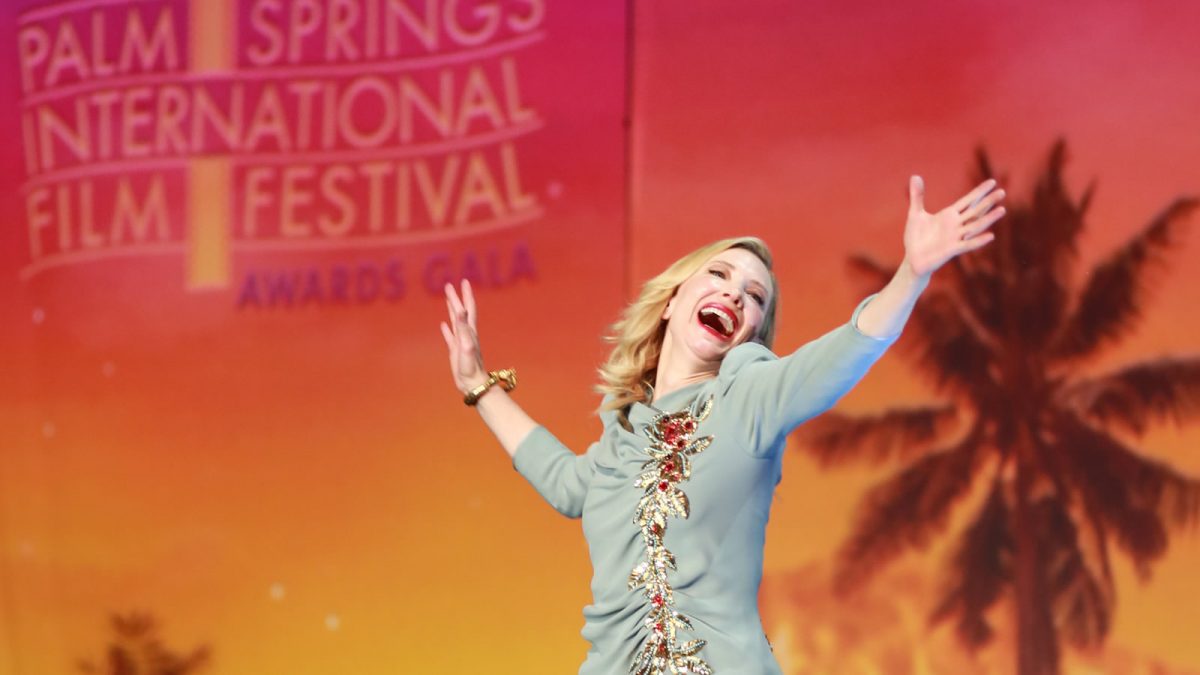 The 2017 Palm Springs International Film Festival dates were announced today; the 28th edition of the festival will open on January 5 and run through January 16, 2017.
The festival’s Awards Gala will be held on Monday, January 2 at the Palm Springs Convention Center. This past year’s star-studded event, hosted by Mary Hart, honored Cate Blanchett, Bryan Cranston, Matt Damon, Johnny Depp, Michael Fassbender, Brie Larson, Rooney Mara, Tom McCarthy, Saoirse Ronan, Alicia Vikander and the cast of The Big Short.
The 2017 Palm Springs International Film Festival will begin on Thursday, January 5 with an Opening Night screening followed by a reception at the Palm Springs Art Museum. Closing Night will take place on Sunday, January 15 with the Best of the Fest screenings on Monday, January 16.
The festival will begin accepting film submissions on July 1, 2016. Awards gala tickets and screening passes will go on sale August 1, 2016.
The 2017 Palm Springs International Film Festival dates were announced today; the 28th edition of the festival will open on January 5 and run through January 16, 2017.
The festival’s Awards Gala will be held on Monday, January 2 at the Palm Springs Convention Center. This past year’s star-studded event, hosted by Mary Hart, honored Cate Blanchett, Bryan Cranston, Matt Damon, Johnny Depp, Michael Fassbender, Brie Larson, Rooney Mara, Tom McCarthy, Saoirse Ronan, Alicia Vikander and the cast of The Big Short.
The 2017 Palm Springs International Film Festival will begin on Thursday, January 5 with an Opening Night screening followed by a reception at the Palm Springs Art Museum. Closing Night will take place on Sunday, January 15 with the Best of the Fest screenings on Monday, January 16.
The festival will begin accepting film submissions on July 1, 2016. Awards gala tickets and screening passes will go on sale August 1, 2016.
-
Showtime to Produce John Belushi Documentary
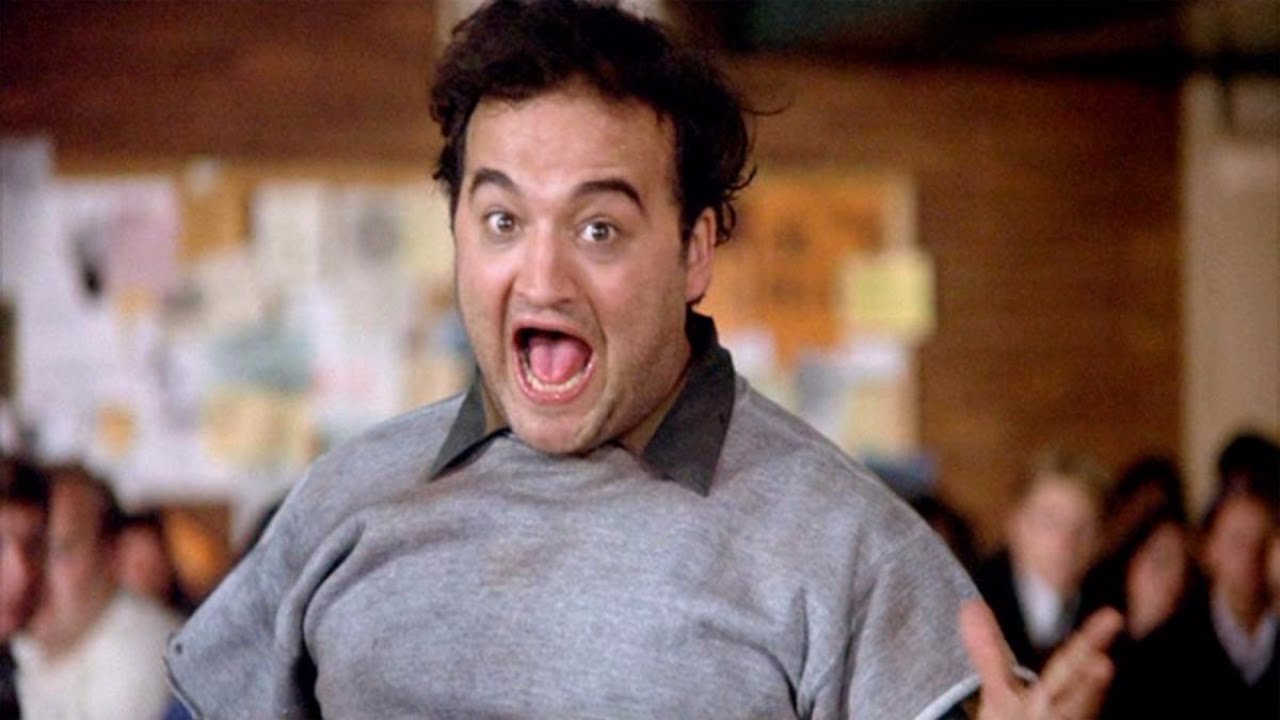 Showtime will once again team up with acclaimed filmmakers R.J. Cutler and John Battsek on a feature-length documentary about the extraordinary life and times of comic legend John Belushi.
Showtime previously collaborated with R.J. Cutler (The September Issue, The World According to Dick Cheney) and John Battsek (Searching For Sugar Man, The Tillman Story) on the successful Peabody Award-winning documentary Listen To Me Marlon.
For the first time, Belushi’s widow Judith Belushi Pisano has agreed to cooperate with the making of a film about the late comedian’s life, and provided the exclusive photo of John from her private collection. Directed by Cutler and produced by Battsek, the documentary is set to begin production in the fall, with long-time Belushi collaborator Sean Daniel serving as executive producer along with Bill Couturie. Cutler will also produce. The film will be produced in association with Sky Atlantic.
“Belushi was one of my very first heroes. At a time when film, television, and music were undergoing tectonic shifts within American culture, he was at the center of it all,” said Cutler. “At that moment, he had the number one show on television, the number one film at the box office, and the number one record on the charts. We plan to explore his unique genius and how his creative influence is still making an impact to this moment.”
“This is a film I have wanted to make for many years as John was a great hero of mine. Having Judy cooperation for the first time on a feature documentary of his life is very special and means we know we will be making a truly authentic film,” commented Battsek. “We plan to assemble a deep and three-dimensional look into the life of a man of great complexity and talent who went on to become an American comedic icon.”
“John Battsek and I have been discussing the possibility of making this film for over a decade,” added Judy Belushi. ” I’m thrilled to finally embark upon that journey together with him and director RJ Cutler. Passion Pictures is poised to make the definitive documentary on John Belushi – a man who not only had a profound effect on the comedy landscape of America, but also made an indelible mark on the social fabric of his time which continues to reverberate today.”
Showtime will once again team up with acclaimed filmmakers R.J. Cutler and John Battsek on a feature-length documentary about the extraordinary life and times of comic legend John Belushi.
Showtime previously collaborated with R.J. Cutler (The September Issue, The World According to Dick Cheney) and John Battsek (Searching For Sugar Man, The Tillman Story) on the successful Peabody Award-winning documentary Listen To Me Marlon.
For the first time, Belushi’s widow Judith Belushi Pisano has agreed to cooperate with the making of a film about the late comedian’s life, and provided the exclusive photo of John from her private collection. Directed by Cutler and produced by Battsek, the documentary is set to begin production in the fall, with long-time Belushi collaborator Sean Daniel serving as executive producer along with Bill Couturie. Cutler will also produce. The film will be produced in association with Sky Atlantic.
“Belushi was one of my very first heroes. At a time when film, television, and music were undergoing tectonic shifts within American culture, he was at the center of it all,” said Cutler. “At that moment, he had the number one show on television, the number one film at the box office, and the number one record on the charts. We plan to explore his unique genius and how his creative influence is still making an impact to this moment.”
“This is a film I have wanted to make for many years as John was a great hero of mine. Having Judy cooperation for the first time on a feature documentary of his life is very special and means we know we will be making a truly authentic film,” commented Battsek. “We plan to assemble a deep and three-dimensional look into the life of a man of great complexity and talent who went on to become an American comedic icon.”
“John Battsek and I have been discussing the possibility of making this film for over a decade,” added Judy Belushi. ” I’m thrilled to finally embark upon that journey together with him and director RJ Cutler. Passion Pictures is poised to make the definitive documentary on John Belushi – a man who not only had a profound effect on the comedy landscape of America, but also made an indelible mark on the social fabric of his time which continues to reverberate today.”
-
Ten Narrative Film Projects Selected for 2016 IFP Filmmaker Labs
 Ten narratives have been selected for the 2016 IFP Filmmaker Labs, IFP’s annual yearlong fellowship for first-time feature directors.
The creative teams of the selected films are currently attending the first week’s sessions – The Time Warner Foundation Completion Labs – taking place May 23-27th in New York City.
The IFP Narrative Filmmaker Labs are the only labs that support first-time feature directors with projects in post-production as they complete, market and distribute their films. The Labs provide filmmakers with the technical, creative and strategic tools necessary to launch their films and careers.
Now entering its twelfth year with over 100+ first-feature filmmakers supported, the community of Labs alumni is comprised of some of the most exciting and critically-acclaimed artists working today across film, television, new media and VR; these include multi-hyphenate creators such as Amy Seimetz (“The Girlfriend Experience”), Alex Karpovsky (“Girls”), David Lowery (PETE’S DRAGON), Dee Rees (BESSIE), Andrew Dosunmu (MOTHER OF GEORGE), Tim Sutton (DARK NIGHT), Jennifer Phang (ADVANTAGEOUS), and Terence Nance (AN OVERSIMPLIFICATION OF HER BEAUTY).
Recent 2015 IFP Labs Fellows have been already making their mark on the festival circuit. Just this year, THE ARBALEST won SXSW’s Narrative Grand Jury Prize and DONALD CRIED received distribution from The Orchard. Of the ten selected projects, seven have already premiered at top festivals including SXSW, Tribeca, Los Angeles Film Festival, Slamdance and Bentonville and two fellows are shooting new projects this summer.
“To highlight and support diverse stories and storytellers has always been the mission of the IFP Labs and of IFP as a whole,” says Joana Vicente, Executive Director of IFP and the Made in NY Media Center. “This year’s Narrative Lab Fellows are a perfect example of this, and the boundless creativity and diversity in their work is evident in just how wide-ranging these films’ settings are: from Kyiv, Ukraine, to the Alaskan fish canneries, to right here in Brooklyn’s Borough Park neighborhood.”
Under the artistic direction of IFP Head of Programming Amy Dotson and Program Manager and Producer Zach Mandinach, the supervising 2016 Narrative Lab leaders include Jon Reiss, director/producer and author (BOMB IT!; Think Outside the Box Office), Susan Stover, producer (WELCOME TO THE DOLLHOUSE; HIGH ART; HAPPY ACCIDENTS); Pierce Varous, producer (ALWAYS SHINE; H.) and founder of Nice Dissolve; Scott Macaulay, Filmmaker Magazine’s Editor-in-Chief and producer (JULIEN-DONKEY BOY). Individual Workshop Leaders include composer Keegan Dewitt (I’LL SEE YOU IN MY DREAMS; QUEEN OF EARTH), film editors Sabine Hoffman (MAGGIE’S PLAN; THE BALLAD OF JACK AND ROSE), Lee Percy (MARIA FULL OF GRACE; BOYS DON’T CRY), Jennifer Ruff (A WOMAN, A PART; GLASS CHIN),) and Marc Vives (MUSEUM HOURS; I USED TO BE DARKER), marketing experts Adam Kersh (Brigade Marketing) and Nick Camacho (Oscilloscope Laboratories), producers Anne Carey (THE DIARY OF A TEENAGE GIRL; THE SAVAGES), Mollye Asher (SONGS MY BROTHERS TAUGHT ME), Jodi Redmond (THE WITCH), and Darren Dean (TANGERINE), festival programmers Tom Hall (Montclair Film Festival) and Dan Nuxoll (Rooftop Films), and fellow filmmakers Ingrid Jungermann (WOMEN WHO KILL), Leah Meyerhoff (I BELIEVE IN UNICORNS), and Takeshi Fukunaga (OUT OF MY HAND).
In addition to lead support from the Time Warner Foundation, additional support for the IFP Filmmaker Labs includes grants from The Academy of Motion Picture Arts and Sciences, Ford Foundation, Hollywood Foreign Press Association, New York City Department of Cultural Affairs, New York State Council on the Arts, and SAGIndie. Lab partners include The Adrienne Shelly Foundation, BMI, and Rooftop Films.
The selected narrative projects for the 2016 IFP Filmmaker Labs and their attending Lab Fellows are:
ALASKA IS A DRAG
An aspiring superstar’s diva fabulous dreams are hard fought working at a fish cannery in Alaska. He dreams of escaping the monotony of fish guts and fist fights, but in the meantime, out of necessity he has learned to fight and is scouted by the local boxing coach and a new boy moves to town and wants to be his sparring partner. Shaz Bennett (Director, Writer, Producer), Jean-Pierre Caner (Producer, Consulting Editor). Los Angeles, CA.
A BAD IDEA GONE WRONG
A comedy about two would-be thieves who accidentally arm the alarm system and have to break out of the house they just broke into. When they discover an unexpected housesitter, they suddenly have to deal with a hostage situation, double crosses, and discoveries that make their difficult escape even more dubious. Jason Headley (Director, Writer), Tim Fender (Editor). San Francisco, CA.
COLD NOVEMBER
A 12-year-old girl being raised within a matriarchal household is taken through the right of passage of killing a deer for the first time. Expectations dissolve into chaos, and Florence finds herself alone, relying on instinct and training to follow through with her decisions and pull herself together while simultaneously living through the aftermath of a recent family trauma. Karl Jacob (Director, Writer, Producer), Pete Ohs (Editor). Hibbing, MN.
DAYVEON
Dayveon is a twelve-year-old boy who is coming to terms with the death of his older brother. Torn between a loving sister who has become his sole caretaker and the sense of camaraderie offered by his local gang, he’s forced to make decisions that threaten to rob him of his innocence. Amman Abbasi (Director, Writer, Producer), Steven Reneau (Writer, Producer). Little Rock, AR.
HEARTLOCK
A convict realizes his best shot at escaping is to master the art of “ducking,” a specialized form of prison manipulation in which an inmate befriends a flawed guard for the purposes of blackmail. He targets a tough-as-nails female guard with an underlying vulnerability. However, it doesn’t take long for his plan to hit a snag: he falls in love with her. Jon Kauffman (Director, Writer), Chris Cummings (Writer), Dominic Laperriere (Editor). New York, NY.
JULIA BLUE
Julia, a bright university student, is preparing for a life abroad when she meets English, a damaged soldier returning from the war zone in eastern Ukraine. An unexpected romance sparks between the two, as Julia and English fall deeply for each other. From metropolitan Kyiv to a remote Carpathian village, Julia and English must decide if they are ready to build a future together in a homeland that is slowly being torn apart. Roxy Toporowych (Director, Writer), Nilou Safinya (Producer), Ben Kim (Editor). Brooklyn, NY.
THE MISSING SUN
After a solar flare powers down her remote community, Alma discovers her husband Terry comatose. Pursuing a series of bizarre clues, she soon believes Terry is astral traveling to reunite with his deceased ex-wife. Determined to bring him back, Alma seeks helps from Terry’s estranged, psychedelic son and from the leader of a new-age religion who believes the sun-storm may signal the end-times. Brennan Vance (Director, Writer, Producer, DP, Editor), James Christenson (Producer). Minneapolis, MN.
POOR JANE
Jane and Henry are in a loving marriage. Another man humiliates Henry at a Christmas party and Jane decides she no longer loves him. The following morning Jane tells Henry she’s going to Target, but instead checks into a hotel and stops answering her phone. Jane spends the holidays drinking, having impulsive encounters with men and contemplating whether or not she wants to remain married. Katie Orr (Director, Writer), Alex Orr (Producer), David Swinburne (Co-Producer). Atlanta, GA.
SOLACE
When her father dies, Sole, 17, numbs her emotions with food. She unwillingly lives with her estranged grandmother. Desperate to escape her grandmother’s controlling love and illicit relationship with the pastor, Sole enters a forbidden friendship with the rebellious teenage neighbors. Juggling these relationships spirals Sole out of control with food but it ultimately forces her to confront her pain. Tchaiko Omawale (Director, Writer, Producer), Eileen Cabling (Associate Producer), Amanda Griffin (Editor). Los Angeles, CA.
UNTITLED HASIDIC FILM
Given unprecedented access to New York’s Orthodox Jewish community, the film is a story of faith and fatherhood – performed entirely in Yiddish. Joshua Z Weinstein (Director, Writer, Producer, DP), Daniel Finkelman (Producer), Danelle Eliav (Co-Producer), Royce Brown (Co-Producer). Brooklyn, NY.
Ten narratives have been selected for the 2016 IFP Filmmaker Labs, IFP’s annual yearlong fellowship for first-time feature directors.
The creative teams of the selected films are currently attending the first week’s sessions – The Time Warner Foundation Completion Labs – taking place May 23-27th in New York City.
The IFP Narrative Filmmaker Labs are the only labs that support first-time feature directors with projects in post-production as they complete, market and distribute their films. The Labs provide filmmakers with the technical, creative and strategic tools necessary to launch their films and careers.
Now entering its twelfth year with over 100+ first-feature filmmakers supported, the community of Labs alumni is comprised of some of the most exciting and critically-acclaimed artists working today across film, television, new media and VR; these include multi-hyphenate creators such as Amy Seimetz (“The Girlfriend Experience”), Alex Karpovsky (“Girls”), David Lowery (PETE’S DRAGON), Dee Rees (BESSIE), Andrew Dosunmu (MOTHER OF GEORGE), Tim Sutton (DARK NIGHT), Jennifer Phang (ADVANTAGEOUS), and Terence Nance (AN OVERSIMPLIFICATION OF HER BEAUTY).
Recent 2015 IFP Labs Fellows have been already making their mark on the festival circuit. Just this year, THE ARBALEST won SXSW’s Narrative Grand Jury Prize and DONALD CRIED received distribution from The Orchard. Of the ten selected projects, seven have already premiered at top festivals including SXSW, Tribeca, Los Angeles Film Festival, Slamdance and Bentonville and two fellows are shooting new projects this summer.
“To highlight and support diverse stories and storytellers has always been the mission of the IFP Labs and of IFP as a whole,” says Joana Vicente, Executive Director of IFP and the Made in NY Media Center. “This year’s Narrative Lab Fellows are a perfect example of this, and the boundless creativity and diversity in their work is evident in just how wide-ranging these films’ settings are: from Kyiv, Ukraine, to the Alaskan fish canneries, to right here in Brooklyn’s Borough Park neighborhood.”
Under the artistic direction of IFP Head of Programming Amy Dotson and Program Manager and Producer Zach Mandinach, the supervising 2016 Narrative Lab leaders include Jon Reiss, director/producer and author (BOMB IT!; Think Outside the Box Office), Susan Stover, producer (WELCOME TO THE DOLLHOUSE; HIGH ART; HAPPY ACCIDENTS); Pierce Varous, producer (ALWAYS SHINE; H.) and founder of Nice Dissolve; Scott Macaulay, Filmmaker Magazine’s Editor-in-Chief and producer (JULIEN-DONKEY BOY). Individual Workshop Leaders include composer Keegan Dewitt (I’LL SEE YOU IN MY DREAMS; QUEEN OF EARTH), film editors Sabine Hoffman (MAGGIE’S PLAN; THE BALLAD OF JACK AND ROSE), Lee Percy (MARIA FULL OF GRACE; BOYS DON’T CRY), Jennifer Ruff (A WOMAN, A PART; GLASS CHIN),) and Marc Vives (MUSEUM HOURS; I USED TO BE DARKER), marketing experts Adam Kersh (Brigade Marketing) and Nick Camacho (Oscilloscope Laboratories), producers Anne Carey (THE DIARY OF A TEENAGE GIRL; THE SAVAGES), Mollye Asher (SONGS MY BROTHERS TAUGHT ME), Jodi Redmond (THE WITCH), and Darren Dean (TANGERINE), festival programmers Tom Hall (Montclair Film Festival) and Dan Nuxoll (Rooftop Films), and fellow filmmakers Ingrid Jungermann (WOMEN WHO KILL), Leah Meyerhoff (I BELIEVE IN UNICORNS), and Takeshi Fukunaga (OUT OF MY HAND).
In addition to lead support from the Time Warner Foundation, additional support for the IFP Filmmaker Labs includes grants from The Academy of Motion Picture Arts and Sciences, Ford Foundation, Hollywood Foreign Press Association, New York City Department of Cultural Affairs, New York State Council on the Arts, and SAGIndie. Lab partners include The Adrienne Shelly Foundation, BMI, and Rooftop Films.
The selected narrative projects for the 2016 IFP Filmmaker Labs and their attending Lab Fellows are:
ALASKA IS A DRAG
An aspiring superstar’s diva fabulous dreams are hard fought working at a fish cannery in Alaska. He dreams of escaping the monotony of fish guts and fist fights, but in the meantime, out of necessity he has learned to fight and is scouted by the local boxing coach and a new boy moves to town and wants to be his sparring partner. Shaz Bennett (Director, Writer, Producer), Jean-Pierre Caner (Producer, Consulting Editor). Los Angeles, CA.
A BAD IDEA GONE WRONG
A comedy about two would-be thieves who accidentally arm the alarm system and have to break out of the house they just broke into. When they discover an unexpected housesitter, they suddenly have to deal with a hostage situation, double crosses, and discoveries that make their difficult escape even more dubious. Jason Headley (Director, Writer), Tim Fender (Editor). San Francisco, CA.
COLD NOVEMBER
A 12-year-old girl being raised within a matriarchal household is taken through the right of passage of killing a deer for the first time. Expectations dissolve into chaos, and Florence finds herself alone, relying on instinct and training to follow through with her decisions and pull herself together while simultaneously living through the aftermath of a recent family trauma. Karl Jacob (Director, Writer, Producer), Pete Ohs (Editor). Hibbing, MN.
DAYVEON
Dayveon is a twelve-year-old boy who is coming to terms with the death of his older brother. Torn between a loving sister who has become his sole caretaker and the sense of camaraderie offered by his local gang, he’s forced to make decisions that threaten to rob him of his innocence. Amman Abbasi (Director, Writer, Producer), Steven Reneau (Writer, Producer). Little Rock, AR.
HEARTLOCK
A convict realizes his best shot at escaping is to master the art of “ducking,” a specialized form of prison manipulation in which an inmate befriends a flawed guard for the purposes of blackmail. He targets a tough-as-nails female guard with an underlying vulnerability. However, it doesn’t take long for his plan to hit a snag: he falls in love with her. Jon Kauffman (Director, Writer), Chris Cummings (Writer), Dominic Laperriere (Editor). New York, NY.
JULIA BLUE
Julia, a bright university student, is preparing for a life abroad when she meets English, a damaged soldier returning from the war zone in eastern Ukraine. An unexpected romance sparks between the two, as Julia and English fall deeply for each other. From metropolitan Kyiv to a remote Carpathian village, Julia and English must decide if they are ready to build a future together in a homeland that is slowly being torn apart. Roxy Toporowych (Director, Writer), Nilou Safinya (Producer), Ben Kim (Editor). Brooklyn, NY.
THE MISSING SUN
After a solar flare powers down her remote community, Alma discovers her husband Terry comatose. Pursuing a series of bizarre clues, she soon believes Terry is astral traveling to reunite with his deceased ex-wife. Determined to bring him back, Alma seeks helps from Terry’s estranged, psychedelic son and from the leader of a new-age religion who believes the sun-storm may signal the end-times. Brennan Vance (Director, Writer, Producer, DP, Editor), James Christenson (Producer). Minneapolis, MN.
POOR JANE
Jane and Henry are in a loving marriage. Another man humiliates Henry at a Christmas party and Jane decides she no longer loves him. The following morning Jane tells Henry she’s going to Target, but instead checks into a hotel and stops answering her phone. Jane spends the holidays drinking, having impulsive encounters with men and contemplating whether or not she wants to remain married. Katie Orr (Director, Writer), Alex Orr (Producer), David Swinburne (Co-Producer). Atlanta, GA.
SOLACE
When her father dies, Sole, 17, numbs her emotions with food. She unwillingly lives with her estranged grandmother. Desperate to escape her grandmother’s controlling love and illicit relationship with the pastor, Sole enters a forbidden friendship with the rebellious teenage neighbors. Juggling these relationships spirals Sole out of control with food but it ultimately forces her to confront her pain. Tchaiko Omawale (Director, Writer, Producer), Eileen Cabling (Associate Producer), Amanda Griffin (Editor). Los Angeles, CA.
UNTITLED HASIDIC FILM
Given unprecedented access to New York’s Orthodox Jewish community, the film is a story of faith and fatherhood – performed entirely in Yiddish. Joshua Z Weinstein (Director, Writer, Producer, DP), Daniel Finkelman (Producer), Danelle Eliav (Co-Producer), Royce Brown (Co-Producer). Brooklyn, NY.