• “The Big Lebowski,” the 1971 Indie Film “Please Don’t Bury Me Alive!” Among 25 Films Added to National Film Registry

    The Big LebowskiThe Big Lebowski

    Librarian of Congress James H. Billington announced the annual selection of 25 motion pictures to be named to the National Film Registry of the Library of Congress

    The 2014 registry list includes Joel and Ethan Coen’s cult classic, “The Big Lebowski,” and Efraín Gutiérrez’s 1976 independent movie, “Please Don’t Bury Me Alive!,” considered by historians to be the first Chicano feature film. The documentaries and shorts named to the registry include “Into the Arms of Strangers: Stories of the Kindertransport,” a film examining the rescue operation that placed thousands of Jewish children with foster families in Great Britain prior to World War II; “Felicia,” a 13-minute short that showcases a Watts neighborhood through a teenager’s first-person narrative; and the 1980 “Moon Breath Beat,” created by animator Lisze Bechtold when she was a student at CalArts.

    Under the terms of the National Film Preservation Act, each year the Librarian of Congress names 25 films to the National Film Registry that are “culturally, historically or aesthetically” significant. The films must be at least 10 years old. The Librarian makes the annual registry selections after reviewing hundreds of titles nominated by the public and conferring with Library film curators and the distinguished members of the National Film Preservation Board (NFPB). 

    2014 National Film Registry

    13 Lakes (2004)
    James Benning’s feature-length film can be seen as a series of moving landscape paintings with artistry and scope that might be compared to Claude Monet’s series of water-lily paintings. Embracing the concept of “landscape as a function of time,” Benning shot his film at 13 different American lakes in identical 10-minute takes. Each is a static composition: a balance of sky and water in each frame with only the very briefest suggestion of human existence. At each lake, Benning prepared a single shot, selected a single camera position and a specific moment. The climate, the weather and the season deliver a level of variation to the film, a unique play of light, despite its singularity of composition. Curators of the Rotterdam Film Festival noted, “The power of the film is that the filmmaker teaches the viewer to look better and learn to distinguish the great varieties in the landscape alongside him. [The list of lakes] alone is enough to encompass a treatise on America and its history. A treatise the film certainly encourages, but emphatically does not take part in.” Benning, who studied mathematics and then film at the University of Wisconsin, currently is on the faculty at the California Institute of the Arts (CalArts).

    Bert Williams Lime Kiln Club Field Day (1913)
    In 1913, a stellar cast of African-American performers gathered in the Bronx, New York, to make a feature-length motion picture. The troupe starred vaudevillian Bert Williams, the first African-American to headline on Broadway and the most popular recording artist prior to 1920. After considerable footage was shot, the film was abandoned. One hundred years later, the seven reels of untitled and unassembled footage were discovered in the film vaults of the Museum of Modern Art, and are now believed to constitute the earliest surviving feature film starring black actors. Modeled after a popular collection of stories known as “Brother Gardener’s Lime Kiln Club,” the plot features three suitors vying to win the hand of the local beauty, portrayed by Odessa Warren Grey. The production also included members of the Harlem stage show known as J. Leubrie Hill’s “Darktown Follies.” Providing insight into early silent-film production (Williams can be seen applying his blackface makeup), these outtakes or rushes show white and black cast and crew working together, enjoying themselves in unguarded moments. Even in fragments of footage, Williams proves himself among the most gifted of screen comedians.

    The Big Lebowski (1998)
    From the unconventional visionaries Joel & Ethan Coen (the filmmakers behind “Fargo” and “O Brother, Where Art Thou?”) came this 1998 tale of kidnapping, mistaken identity and bowling. As they would again in the 2008 “Burn After Reading,” the Coens explore themes of alienation, inequality and class structure via a group of hard-luck, off-beat characters suddenly drawn into each other’s orbits. Jeff Bridges, in a career-defining role, stars as “The Dude,” an LA-based slacker who shares a last name with a rich man whose arm-candy wife is indebted to shady figures. Joining Bridges are John Goodman, Tara Reid, Julianne Moore, Philip Seymour Hoffman, Steve Buscemi and, in a now-legendary cameo, John Turturro. Stuffed with vignettes—each staged through the Coens’ trademark absurdist, innovative visual style—that are alternately funny and disturbing, “Lebowski” was only middling successful at the box office during its initial release. However, television, the Internet, home video and considerable word-of-mouth have made the film a highly quoted cult classic.

    Down Argentine Way (1940)
    Betty Grable’s first starring role in a Technicolor musical happened only because Alice Faye had an attack of appendicitis, but Grable took advantage of the situation and quickly made herself as important to 20th Century-Fox as Faye. Released just over a year before America entered World War II, this film and others starring Grable established her as the pinup queen. The title explains much, with Grable traveling to South America and falling in love with Don Ameche. Carmen Miranda makes her American film debut, and the Nicholas Brothers’ unparalleled dance routines dazzle.

    The Dragon Painter (1919)
    After becoming Hollywood’s first Asian star, Japanese-born Sessue Hayakawa, like many leading film actors of the time, formed his own production company—Haworth Pictures (combining his name with that of director William Worthington)—to gain more control over his films. “The Dragon Painter,” one of more than 20 feature films his company produced between 1918 and 1922, teamed Hayakawa and his wife Tsuru Aoki in the story of an obsessed, untutored painter who loses his artistic powers after he finds and marries the supposed “dragon princess.” His passion and earlier pursuit of her had consumed him with the urge to create. Reviewers of the time praised the film for its seemingly authentic Japanese atmosphere, including the city of Hakone and its Shinto gates, built in Yosemite Valley, California.

    Felicia (1965)
    This 13-minute short subject, marketed as an educational film, records a slice of life in the Watts neighborhood of Los Angeles prior to the rebellions of 1965. Filmmakers Trevor Greenwood, Robert Dickson and Alan Gorg were UCLA film students when they crafted a documentary from the perspective of the unassuming-yet-articulate teenager Felicia Bragg, a high-school student of African-American and Hispanic descent. Felicia’s first-person narrative reflects her hopes and frustrations as she annotates footage of her family, school and neighborhood, creating a time capsule that’s both historically and culturally significant. Its provenance as an educational film continues today as university courses use “Felicia” to teach documentary filmmaking techniques and cite it as an example of how non-traditional sources, as well as mainstream television news, reflect and influence public opinion.

    Ferris Bueller’s Day Off (1986)
    The late John Hughes, the king of both 1980s family comedy (“Home Alone”) and teen angst (“Sixteen Candles”), achieved a career highpoint with this funny, heartfelt tale of a teenage wiseacre (Matthew Broderick) whose day playing hooky leads not only to a host of comic misadventures but also, ultimately, to self-realization for both him and his friends. Hughes’ manner of depicting late-20th-century youth—their outward and inward lives—finds a successful vehicle in the “everyman” appeal of lead Broderick, whose conning of his parents is really an honest and earnest attempt to help his best friend. With the city of Chicago serving as backdrop and a now-iconic street performance of “Twist and Shout” serving as the film’s centerpiece, Ferris Bueller emerged as one of film’s greatest and most fully realized teen heroes. Alan Ruck, Mia Sara, Jennifer Grey and Jeffrey Jones co-starred in the film. This is Hughes’ first film on the registry.

    The Gang’s All Here (1943)
    Although not remembered as well today as those put out by MGM, 20th Century-Fox’s big Technicolor musicals stand up well in comparison. Showgirl Alice Faye, Fox’s No. 1 musical star, is romanced by a soldier who uses an assumed name and then turns out to be a rich playboy. Carmen Miranda is also featured and her outrageous costume is highlighted in the legendary musical number “The Lady in the Tutti Frutti Hat.” Busby Berkeley, who had just finished a long stint directing musicals at MGM and an earlier one at Warner Bros., directs and choreographs the film.

    House of Wax (1953)
    A remake of 1933’s “Mystery of the Wax Museum,” the 1953 “House of Wax” expanded upon the earlier horror tale of a mad sculptor who encases his victims’ corpses in wax. It added the dark talents of Vincent Price and helped introduce 3-D visual effects to a wide audience. “House of Wax,” produced by Warner Bros. and released in April 1953, is considered the first full-length 3-D color film ever produced and released by a major American film studio. Along with its technical innovations, “House of Wax” also solidified Vincent Price’s new role as America’s master of the macabre, and his voice resonated even more with the emerging stereophonic sound process. Though he had flirted with the fear genre earlier in his career in the 1946 “Shock,” “Wax” forever recast him as one of the first gentlemen of Hollywood horror. Along with Price, Phyllis Kirk, Frank Lovejoy and Carolyn Jones (as one of Price’s early victims) complete the cast. André de Toth directed the film.

    Into the Arms of Strangers: Stories of the Kindertransport (2000)
    Just prior to World War II, a rescue operation aided the youngest victims of Nazi terror when 10,000 Jewish and other children were sent from their homes and families to live with foster families and in group homes in Great Britain. This Oscar-winning film was directed by Mark Jonathan Harris, writer and director of another Oscar winner, “The Long Way Home,” and was produced by Deborah Oppenheimer, whose mother was among the children evacuated. The film examines the bond between parent and child, uncovering the anguish of the parents who reluctantly acknowledged they could no longer protect their children, but through their love saw a chance to protect them, by proxy if not proximity. Interviews with the surviving children reveal feelings of abandonment and estrangement that often took years to overcome. The film is a tribute not only to the children who survived, but to the people of England who agreed to rescue the refugees when U.S. leadership would not.

    Little Big Man (1970)
    In this Arthur Penn-directed Western, Dustin Hoffman (with exceptional assistance from make-up artist Dick Smith) plays a 121-year-old man looking back at his life as a pioneer in America’s Old West. The film is ambitious, both in its historical scope and narrative approach, which interweaves fact and myth, historical figures and events and fanciful tall tales. “Little Big Man” has been called an epic reinvented as a yarn, and the Western reimagined for a post-1960s audience, one already well-versed in the white hat-black hat tradition of the typical Hollywood Western saga. Against a backdrop that includes the cavalry, old-time medicine shows, life on the frontier and a climax at Custer’s Last Stand, Penn, Hoffman and scriptwriter Calder Willingham (from the novel by Thomas Berger) upend Western motifs while also still skillfully telling a series of remarkable human stories filled with tragedy and humor.

    Luxo Jr. (1986)
    The iconic living, moving desk lamp that now begins every Pixar motion picture (from “Finding Nemo” to “Monsters, Inc.” to “Up”) has its genesis in this charming, computer-animated short subject, directed by John Lasseter and produced by Lasseter and fellow Pixar visionary Bill Reeves. In the two-minute, 30-second film, two gray balance-arm lamps—one parentally large and one childishly small (the “Junior” of the title)—interact with a brightly colored ball. In strikingly vivid animation, Lasseter and Reeves manage to bring to joyous life these two inanimate objects and to infuse them both with personality and charm—qualities that would become the norm in such soon-to-be Pixar productions as “Toy Story,” “Cars” and “WALL-E.” Nominated for an Oscar in 1986 for best-animated short, “Luxo Jr.” was the first three-dimensional computer-animated film ever to be nominated for an Academy Award.

    Moon Breath Beat (1980)
    Lisze Bechtold created “Moon Breath Beat,” a five-minute color short subject, in 1980 while a student at California Institute of the Arts under the tutelage of artist and filmmaker Jules Engel, who founded the Experimental Animation program at CalArts. Engel asked, hypothetically, “What happens when an animator follows a line, a patch of color, or a shape into the unconscious? What wild images would emerge?” “Moon Breath Beat” reveals Bechtold responding with fluidity and whimsy. Her two-dimensional film was animated to a pre-composed rhythm, the soundtrack cut together afterward, sometimes four frames at a time, to match picture with track, she says. The dream-like story evolved as it was animated, depicting a woman and her two cats and how such forces as birds and the moon impact their lives. Following graduation, Bechtold was the effects animator for the Disney short “The Prince and the Pauper” (1990) and principal effects animator for “FernGully: The Last Rainforest” (1992). Now primarily an author and illustrator, she claims many of her characters were inspired by pets with big personalities, including “Buster the Very Shy Dog,” the subject of her series of children’s books.

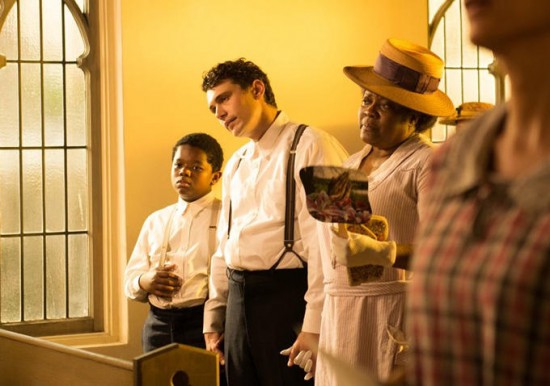
    Please Don’t Bury Me Alive!Please Don’t Bury Me Alive!

    Please Don’t Bury Me Alive! (1976)
    The San Antonio barrio in the early 1970s is the setting for writer, director and star Efraín Gutiérrez’s independent piece, considered by historians to be the first Chicano feature film. A self-taught filmmaker, Gutiérrez not only created the film from top to bottom on a shoestring, he also acted as its initial distributor and chief promoter, negotiating bookings throughout the Southwest where it filled theaters in Chicano neighborhoods. He tells his story in the turbulent days near the end of the Vietnam War, as a young Chicano man questioning his and his people’s place in society as thousands of his Latino brethren return from the war in coffins. Chon Noriega, director of the UCLA Chicano Studies Research Center, wrote, “The film is important as an instance of regional filmmaking, as a bicultural and bilingual narrative, and as a precedent that expanded the way that films got made. …” Cultural historians often compare Gutiérrez to Oscar Micheaux, the pioneering African-American filmmaker who came to prominence in the 1920s.

    The Power and the Glory (1933)
    Preston Sturges’ first original screenplay, “The Power and the Glory,” is a haunting tragedy in sharp contrast to the comedies of the 1940s that established him as one of America’s foremost writer-directors. Contrary to common practice of the time, Sturges wrote the film as a complete shooting script, which producer Jesse L. Lasky, believing it “the most perfect script I’d ever seen,” ordered director William K. Howard to film as written. Compared favorably to novels by Henry James and Joseph Conrad for its extensive mix of narration with dramatic action (Fox Studios coined the word “narratage” to publicize Sturges’ innovative technique), “The Power and the Glory” introduced a non-chronological structure to mainstream movies that was said to influence “Citizen Kane.” Like that film, “The Power and the Glory” presents a fragmented rags-to-riches tale of an American industrial magnate that begins with his death, in this case a suicide, and sensitively proceeds to produce a deeply affecting, morally ambivalent portrayal. The Nation magazine called Spencer Tracy’s performance in the lead role “one of the fullest characterizations ever achieved on screen.”

    Rio Bravo (1959)
    As legend goes, this Western, directed by Howard Hawks, was produced in part as a riposte to Fred Zinnemann’s “High Noon.” The film trades in the wide-open spaces for the confines of a small jail where a sheriff and his deputies are waiting for the transfer of a prisoner and the anticipated attempt by his equally unlawful brother to break the prisoner out. John Wayne stars as sheriff John T. Chance and is aided in his efforts to keep the law by Walter Brennan, Dean Martin and Ricky Nelson. Angie Dickinson is the love interest and Western regulars Claude Akins, Ward Bond and Pedro Gonzalez are also featured. A smart Western where gunplay is matched by wordplay, “Rio Bravo” is a terrific ensemble piece and director Hawks’ last great film.

    Rosemary’s Baby (1968)
    With “Rosemary’s Baby,” writer-director Roman Polanski brought his expressive European style of psychological filmmaking to an intricately plotted, best-selling American novel by Ira Levin, and created a masterpiece of the horror-film genre. Set in the sprawling Dakota apartment building on New York’s Central Park West, the film conveys an increasing sense of unease, claustrophobia and paranoia as the central character, convincingly played by Mia Farrow in her first starring role, comes to believe that a cult of witches in the building is implementing a plot against her and her unborn child. The supporting cast that Polanski assembled—John Cassavetes as Rosemary’s husband, Ruth Gordon and Sidney Blackmer as their neighbors, and Ralph Bellamy as her doctor—portray believably banal New Yorkers who gain nearly total control over Rosemary’s daily life during her pregnancy. Insistent that “a thread of deliberate ambiguity runs throughout the film,” Polanski maintains that the film’s denouement can be understood in more than one way.

    Ruggles of Red Gap (1935)
    Charles Laughton, known for such serious roles as Nero, King Henry VIII and later as the 1935 Captain Bligh, takes on comedy in this tale of an English manservant won in a poker game by American Charlie Ruggles, a member of Red Gap, Washington’s extremely small social elite. Laughton, in understated valet fashion, worriedly responds: “North America, my lord. Quite an untamed country I understand.” However, once in America, he finds not uncouth backwoodsmen, but rather a more egalitarian society that soon has Laughton reciting the Gettysburg Address, catching the American spirit and becoming a successful businessman. Aided by comedy stalwarts ZaSu Pitts and Roland Young, Laughton really shows his acting range and pulls off comedy perfectly. It didn’t hurt that Leo McCarey, who had just worked with W.C. Fields and would next guide Harold Lloyd, was in the director’s chair. McCarey, who could pull heartstrings or touch funny bones with equal skill, started his long directorial career working with such comedy icons as Laurel & Hardy and created several beloved American films.

    Saving Private Ryan (1998)
    Through the years, Hollywood’s take on war, honor and heroism has taken many conflicting forms. “Saving Private Ryan” drops ordinary soldiers into a near-impossible rescue mission set amid the carnage of World War II’s Omaha Beach landing. The film’s beginning scenes vividly show us “war is hell,” as William T. Sherman said. Spielberg conveyed ultra-realism with harrowing intensity. “Omaha Beach was actually an ‘X’ setting,” says Spielberg, “even worse than ‘NC-17,’ and I just kind of feel that (I had) to tell the truth about this war at the end of the century, 54 years later. I wasn’t going to add my film to a long list of pictures that make World War II ‘the glamorous war,’ ‘the romantic war.’”

    Shoes (1916)
    Renowned silent era writer-director Lois Weber drew on her experiences as a missionary to create “Shoes,” a masterfully crafted melodrama heightened by Weber’s intent to create, as she noted in an interview, “a slice out of real life.” Weber’s camera empathetically documents the suffering her central character, an underpaid shopgirl struggling to support her family, endures daily—standing all day behind a shop counter, walking in winter weather in shoes that provided no protection, stepping on a nail that pierces her flesh. Combining a Progressive era reformer’s zeal to document social problems with a vivid flair for visual storytelling, Weber details Eva’s growing desire for the pair of luxurious shoes she passes each day in a shop window, her self-examination in a cracked mirror after she agrees to go out with a cabaret tout to acquire the shoes, her repugnance as the man puts his hands on her body, and her shame as she breaks down in tears while displaying her newly acquired goods to her mother. The film, which opens with pages from social worker Jane Addams’s sociological study of prostitution, was acclaimed by “Variety” as “a vision of life as it actually is … devoid of theatricalism.”

    State Fair (1933)
    For director Henry King to create a film that celebrated an institution as beloved and indomitable as the State Fair, it required the presence of a cherished and steadfast star—in this case, icon, philosopher and America’s favorite cowboy, Will Rogers. Rogers found a superlative vehicle for his homespun persona in this small town slice-of-life setting. He is assisted by Janet Gaynor (already the Academy’s very first best-actress winner), Lew Ayres and Sally Eilers. Enhancing the fair’s festivities, which include the making of mom’s entry for the cook-off and the fattening-up of the family pig, are diverse storylines rich with Americana and romance—some long-lasting and some ephemeral, rife with fun but fleeting as the fair itself. The film’s authenticity owes much to its director, widely known as the “King of Americana” through films such as “Tol’able David,” “Carousel” and “Wait till the Sun Shines, Nellie.”

    Unmasked (1917)
    At the time “Unmasked” was released, Grace Cunard rivaled daredevils Pearl White (“The Perils of Pauline”) and Helen Holmes (“The Hazards of Helen”) as America’s Serial Queen. In the film, Cunard is a jewel thief pursuing the same wealthy marks as another thief played by Francis Ford, brother of director John Ford and himself a director and character actor. Cunard, in the mode of many women filmmakers of that era, not only starred in the film, but also wrote its script and parlayed her contributions into a directorial role as well. Produced at Universal Studios, the epicenter of female directors during the silent era, “Unmasked” reflected a style associated with European filmmakers of the time: artful and sophisticated cinematography comprised of complex camera movements and contrasting depths of field. With a plot rich in female initiative and problem-solving, Cunard fashioned a strong character who does not fit the image of traditional womanhood: she relishes her heists, performs unladylike physical exploits, manipulates court evidence, carries on with a man who is not her husband and yet survives the film without punishment. In essence, the character Cunard created echoed the woman behind the camera. Today, “Unmasked” serves as a succinct but illustrative example of the role of women in film history, as depicted in fact and fiction.

    V-E +1 (1945)
    The silent 16 mm footage that makes up “V-E +1” documents the burial of beaten and emaciated Holocaust victims found by Allied forces in the Nazi concentration camp at Falkenau, Czechoslovakia, as World War II ended in Europe. According to Samuel Fuller, who shot the footage while in the infantry unit that liberated the camp, the American commander in charge ordered leading civilians of the town who denied knowledge of the death camp to “prepare the bodies for a decent funeral,” parade them on wagons through the town, and bury them with dignity in the town’s cemetery. Fuller later became an acclaimed maverick writer-director known for crafting films that entertained, but nevertheless forced audiences to confront challenging societal issues. After making “The Big Red One,” a fictionalized version of his war experiences that included scenes set in Falkenau, Fuller unearthed his “V-E + 1” footage and returned to Falkenau to comment on the experience for the French documentary “Falkenau: The Impossible Years.”

    The Way of Peace (1947)
    Frank Tashlin, best known for making comedies with pop icons like Jerry Lewis or Jayne Mansfield, directed this 18-minute puppet film sponsored by the American Lutheran Church. Punctuated with stories from the Bible, the film’s purpose was to reinforce Christian values in the atomic age by condemning the consequences of human conflict with scenes of the crucifixion, lynching and Nazi fascism. Wah Ming Chang, a visual- effects artist who specialized in designing fantastic models, characters and props, created the puppets for the stop-motion animation and also produced the film, which reportedly took 20 months to complete. The film is narrated by actor Lew Ayres, who starred in the anti-war film “All Quiet on the Western Front” (1930). He was so influenced by that experience, that he became a vocal advocate for peace and famously declared himself a conscientious objector during World War II. The Reverend H. K. Rasbach, a frequent adviser on big-budget films such as “The Ten Commandments” and “The Greatest Story Ever Told,” provided technical supervision and story concept. The film premiered at Constitution Hall in Washington D.C., with more than 2,700 in attendance, including members of Congress, representatives of the Supreme Court and 750 leaders from various branches of government.

    Willy Wonka and the Chocolate Factory (1971)
    Author Roald Dahl adapted his own novel, Leslie Bricusse and Anthony Newley wrote a memorable musical score, and producer David Wolper wisely cast Gene Wilder as Wonka in this film musical about a contest put on by an often-sadistic candymaker. Harkening back to the classic Hollywood musicals, “Willy Wonka” is surreal, yet playful at the same time, and suffused with Harper Goff’s jaw-dropping color sets, which richly live up to the fanciful world found in one of the film’s signature songs, “Pure Imagination.” Wilder’s brilliant portrayal of the enigmatic Wonka caused theatergoers to like and fear Wonka at the same time, while the hallucinogenic tunnel sequence has traumatized children (and adults) for decades, their nightmares indelibly emblazoned in memory like the scariest scenes from “The Wizard of Oz.”

    Films Selected for the 2014 National Film Registry

    13 Lakes (2004)

    Bert Williams Lime Kiln Club Field Day (1913)

    The Big Lebowski (1998)

    Down Argentine Way (1940)

    The Dragon Painter (1919)

    Felicia (1965

    Ferris Bueller’s Day Off (1986)

    The Gang’s All Here (1943)

    House of Wax (1953)

    Into the Arms of Strangers: Stories of the Kindertransport (2000)

    Little Big Man (1970)

    Luxo Jr. (1986)

    Moon Breath Beat (1980)

    Please Don’t Bury Me Alive! (1976)

    The Power and the Glory (1933)

    Rio Bravo (1959)

    Rosemary’s Baby (1968)

    Ruggles of Red Gap (1935)

    Saving Private Ryan (1998)

    Shoes (1916)

    State Fair (1933)

    Unmasked (1917)

    V-E + 1 (1945)

    The Way of Peace (1947)

    Willy Wonka and the Chocolate Factory (1971)

    Read more


  • “The Keeping Room” from Toronto Film Festival to Get a 2015 Release

    the keeping room

    Julia Hart’s Black List Western feature, The Keeping Room, which had its world premiere at Toronto International Film Festival is set to be released in the U.S. in 2015 via Drafthouse Films. Directed by Daniel Barber (Harry Brown), The Keeping Room focuses on the violent resilience and dramatic camaraderie of three Southern women as their home is besieged during the purges at the close of the American Civil War. Forced to defend their land and fight for their lives, the women take up arms against their male oppressors, shattering gender and genre conventions in the process.

    A forceful turn from Brit Marling (Arbitrage, I Origins) heads a formidable trio of female leads that includes Hailee Steinfeld (True Grit, Ender’s Game) and newcomer Muna Otaru in a powerful break out role. Playing against his usual character, Sam Worthington (Avatar, Man On A Ledge), excels as a villainous renegade soldier intent on killing the women and razing their home.

    Based on Julia Hart’s revered 2012 Black List screenplay, The Keeping Room deliberately eschews Hollywood Western tropes and challenges gender politics as the female protagonist is defined in brave and provocative fashion. Described as “a feminist western with bite” (Indiewire) and “a beautifully breathless revisionist western” midway between Cold Mountain and Straw Dogs (Little White Lies), The Keeping Room is unflinching filmmaking anchored in the “bold and fearless” performances (Film School Rejects) delivered by its lead women.

    “The Keeping Room is a film that instantly resonated with us on so many levels,” said James Emanuel Shapiro, Drafthouse Films COO. “Not only is it filmmaking of the highest level but it challenges formulas with such convictions that we were all affected by its potency.”

    “We could not ask for a better partner than Drafthouse for The Keeping Room,” said producer Jordan Horowitz. “As with everything they do, we look forward to a theatrical release that is classy, energetic, passionate, and a whole lot of fun.” to be released theatrically nationwide in Fall 2015.

    The Keeping Room will open in an expansive theatrical release across North America in September 2015 and will be released on a variety of VOD platforms and digital, DVD, and Blu-ray formats after its theatrical run.

    http://youtu.be/-gtXf710ED8

    Read more


  • 2015 Beaufort International Film Festival to Honor Andie MacDowell & Announces Film Finalists

    The Ninth Annual Beaufort International Film Festival starting February 11 and continuing to February 15, 2015, in the historic coastal town of Beaufort, SC announces the film finalists.  BIFF 2015 will unveil the inaugural award for the Spirit & Pride of South Carolina Award, presented to that person whose career achievements in the areas of film, television or music have reflected positively on themselves and the state of South Carolina. The first award will be presented to Model and Actress Andie MacDowell, originally from Gaffney, SC. Academy Award Nominated Screenwriter and Best Selling Author Pat Conroy will present this inaugural award. Steve Rhea from Charleston, SC, will be presented the “Behind the Scenes” Award for his more than 30 years of work as a Film Location Specialist. The 2015 Beaufort International Film Festival Finalists are as follows: ANIMATION Blue Directed by: Katelyn Bianchini, Asia Lancaster, Rena Cheng Orange, CA Green Acres Directed by: James Beck (Dodge College, Chapman Univ.) Orange, CA Grounded Directed by:  Monica Stefanelli  (Dodge College, Chapman Univ.) Orange, CA Light Me Up Directed by:  Derek Dolechek, Ryan Walton (Dodge College, Chapman Univ.) Orange, CA My Light Has Gone Directed by: Jason Kummerfeldt (Dodge College, Chapman Univ.) Orange, CA DOCUMENTARY You Belong to Me Directed by:  John Cork Carmel, CA Cotton Road Directed by: Laura Kissel Columbia, SC In An Ideal World Directed by: Noel Schwerin San Francisco, CA Not Anymore: A Story of Revolution Directed by:  Matthew VanDyke Baltimore, MD Something You Can Call Home Directed by:  Rebecca Keynon London, United Kingdom The Civilian-Military Divide: Bridging the Gap Directed by:  Robert Roy Toronto, ON, CANADA FEATURE Cinema Purgatorio Directed by:  Chris White Greenville, SC Dig Two Graves Directed by:  Hunter Adams Los Angeles, CA  90027 The Lengths Directed by:  Tim Driscoll Jacksonville, FL Suck It Up Buttercup Directed:  Malindi Fickle Honolulu, HI The Frontier Directed by: Matt Rabinowitz West Hollywood, CA SHORTS: A Great Personality is Just Skin Deep Directed by:  John Schwab London, UK Counter Directed by: Nicholas Bouler Los Angeles, CA Last Night at the Ellington Directed by:  Geoffrey Gunn Greenville, SC Love Sick Lonnie Directed by:  Chad Matthews Austin, TX Nostalgic Directed by:  Ronald Eltanal Wilmette, IL The Quota Directed by: Jim Cushinery Los Angeles, CA Times Like Dying Directed by:  Evan Vetter Wilmington, NC Uncomfortable Silence Directed by:  Gabriele Altobelli Rome, Italy Wrong Side Up Directed by: Henry McComas Englewood, CO STUDENT FILMS Combustabilly Directed by:  Jake Bellew; University of North Carolina School of the Arts Into the Silent Sea Directed by:  Andrej Landin; Dodge College Roses for Margaret Directed by:  Christine Hurley; University of North Carolina School of the Arts Sea Odyssey Directed by:  Adam Nelson; Savannah College of Art & Design The Bright Side Directed by: Sarah Thacker; Dodge College The Collection Directed by:  Ian Gullett; University of North Carolina School of the Arts BEST COMEDY A Great Personality is Only Skin Deep CombustaBILLY Love Sick Lonnie Cinema Purgatorio The Quota Last Night at the Ellington The Lengths SCREENPLAY A Clash of Iron Richard Reed Riverside, CA Club Bong Song Tom Bixby St. Helena, SC Hell and Hallelujah! Margaret Ford Rogers Charleston, SC Lost Cause David Schroeder Miami, FL Mint Condition Gary Weeks Roswell, GA Sandbox Coordinates Sheila Watson and Tony Watson Johns Island, SC The Life Shift Marcia Chandler Rhea, Writer Charleston, SC BEST ACTOR: Daniel R. Jones  (Last Night at the Ellington- Short Film) Max Gail (The Frontier – Feature Film) Ted Levine  (Dig Two Graves – Feature Film) Mike Nussbaum (Nostalgic – Short Film) Chris White ( Cinema Purgatorio – Feature Film) BEST ACTRESS Traysie Amick (Cinema Purgatoria – Feature Film) Katharyn Grant (Wrong Side Up – Short Film) Lacey Marie Myer (Suck It Up Buttercup – Feature Film) Susan Ruttan ( The Quota – Short Film) Corsica Wilson (The Lengths – Feature Film) BEST DIRECTOR Hunter Adams ( Dig Two Graves– Feature Film) Malindi Fickle ( Suck It Up Buttercup – Feature Film) Geoffrey Gunn ( Last Night at the Ellington – Short Film) Henry Danoe McComas ( Wrong Side Up- Short Film) Evan Vetter  (Times Like Dying – Short Film) via digitaljournal

    Read more


  • Dallas-Fort Worth Film Critics Name “Birdman” as Top Film of 2014

    birdman movie 1BIRDMAN

    BIRDMAN was voted as the best film of 2014 by the Dallas-Fort Worth Film Critics Association. The DFW Critics also voted the film’s director Alejandro González Iñárritu, Best Director,  Michael Keaton for Best Actor, and Best Cinematography for Emmanuel Lubezki.  Rounding out the list of the top 10 films of the year were BOYHOOD (2), THE IMITATION GAME (3), THE THEORY OF EVERYTHING (4), THE GRAND BUDAPEST HOTEL (5), WHIPLASH (6), GONE GIRL (7), SELMA (8), WILD (9) and NIGHTCRAWLER (10).

    The complete list of winners and runners-up of 2014 Dallas-Fort Worth Film Critics Association awards.

    The Dallas-Fort Worth Film Critics Association voted the backstage drama BIRDMAN as the best film of 2014, according to the results of its 21st annual critics’ poll released today.

    Rounding out the composite list of the top 10 films of the year were BOYHOOD (2), THE IMITATION GAME (3), THE THEORY OF EVERYTHING (4), THE GRAND BUDAPEST HOTEL (5), WHIPLASH (6), GONE GIRL (7), SELMA (8), WILD (9) and NIGHTCRAWLER (10).

    For Best Actor, the association named Michael Keaton for BIRDMAN. Runners-up included Eddie Redmayne for THE THEORY OF EVERYTHING (2), Benedict Cumberbatch for THE IMITATION GAME (3), Jake Gyllenhaal for NIGHTCRAWLER (4) and Timothy Spall for MR. TURNER (5).

    Reese Witherspoon was voted Best Actress for WILD. Next in the voting were Julianne Moore for STILL ALICE (2), Rosamund Pike for GONE GIRL (3), Felicity Jones for THE THEORY OF EVERYTHING (4) and Marion Cotillard for TWO DAYS, ONE NIGHT (5).

    In the Best Supporting Actor category, the winner was J.K. Simmons for WHIPLASH. He was followed by Edward Norton for BIRDMAN (2), Ethan Hawke for BOYHOOD (3), Mark Ruffalo for FOXCATCHER (4) and Alfred Molina for LOVE IS STRANGE (5).

    For Best Supporting Actress, the association named Patricia Arquette for BOYHOOD. Runners-up were Emma Stone for BIRDMAN (2), Keira Knightley for THE IMITATION GAME (3), Jessica Chastain for A MOST VIOLENT YEAR (4) and Laura Dern for WILD (5).

    Alejandro González Iñárritu was voted Best Director for BIRDMAN. Next in the voting were Richard Linklater for BOYHOOD (2), Wes Anderson for THE GRAND BUDAPEST HOTEL (3), David Fincher for GONE GIRL (4) and Ava DuVernay for SELMA (5).

    The association voted FORCE MAJEURE as the best foreign-language film of the year. Runners-up included IDA (2), WINTER SLEEP (3), LEVIATHAN (4) and WILD TALES (5).

    CITIZENFOUR won for Best Documentary over LIFE ITSELF (2), JODOROWSKY’S DUNE (3), THE OVERNIGHTERS (4) and THE GREAT INVISIBLE (5).

    THE LEGO MOVIE was named the best animated film of 2014, with BIG HERO 6 as runner-up. Alejandro González Iñárritu, Nicolas Giacobone, Alexander Dinelaris and Armando Bo shared the Best Screenplay award for BIRDMAN over Richard Linklater for BOYHOOD.

    The award for Best Cinematography went to Emmanuel Lubezki for BIRDMAN, followed by Hoyte Van Hoytema for INTERSTELLAR. The association gave its award for Best Musical Score to Hans Zimmer for INTERSTELLAR.

    The association voted BOYHOOD as the winner of the Russell Smith Award, named for the late Dallas Morning News film critic. The honor is given annually to the best low-budget or cutting-edge independent film.

    Read more


  • “Selma” to Open, “Boychoir” to Close 2015 Palm Springs International Film Festival

    SelmaSelma

    The 26th annual Palm Springs International Film Festival (PSIFF) will open on Friday, January 2 with the Golden Globe nominated Selma directed by Ava Duvernay. The Festival will wrap on Sunday, January 11 with the US premiere of Boychoir directed by François Girard. New this year, the festival will focus on 20 films from Eastern Europe in a program titled Eastern Promises. The festival runs January 2-12, 2015.

    Directed by Ava DuVernay, Selma chronicles the tumultuous three-month period in 1965, when Dr. Martin Luther King, Jr. led a dangerous campaign to secure equal voting rights in the face of violent opposition.  The epic march from Selma to Montgomery culminated in President Johnson signing the Voting Rights Act of 1965, one of the most significant victories for the civil rights movement.  The film stars David Oyelowo, Tom Wilkinson, Cuba Gooding Jr., Alessandro Nivola, Giovanni Ribisi, Common, Carmen Ejogo, Lorraine Toussaint, with Tim Roth and Oprah Winfrey, who also serves as a producer. Oyelowo (who will receive the Festival’s Breakthrough Performance Award, Actor) and director DuVernay are expected to attend the film screening. The film has also received four Golden Globe nominations including Best Picture, Drama, Best Actor, Drama and Best Director. The film will open nationwide on January 16 over Martin Luther King, Jr. Day weekend and timed to the upcoming 50-year anniversary of the historical voting rights marches from Selma to Montgomery.

    http://youtu.be/x6t7vVTxaic

    BoychoirBoychoir

    The Festival will close with Boychoir, directed by François Girard.  The film is about a troubled 12-year-old from a disadvantaged background who gets accepted at an elite music school, The National Boychoir Academy.  He engages in a battle of wills with a tough taskmaster, the school’s Choirmaster, Carvelle.  The film stars Dustin Hoffman, Garrett Wareing, Kathy Bates, Eddie Izzard, Kevin McHale, Josh Lucas and Debra Winger.

     The festival will spotlight Central and Eastern European filmmaking in a special focus titled Eastern Promises. This year, the region boasts some of the strongest-ever candidates for the upcoming Best Foreign Language Film Oscar®, a mature generation of auteurs who are assuming the mantle of masters, and a new generation who created some of the most stirring, controversial and acclaimed films of 2014. The 20 films selected in the program include:

    Afterlife (Hungary) – Tender, funny and surprising, Afterlife is a sweetly absurdist coming-of-age tale that explores the relationship between an anxious twenty-something and his controlling father, a village Pastor — not only while the older man is alive, but also after his death. Director: Virág Zomborácz                          

    Corn Island (Georgia) – A fable-like drama capturing the cycle of life along the border between Georgia and Abkhazia. An old farmer sows corn on one of the tiny islands that form in the Inguri River each spring, but cultivating no-man’s land is dangerous business. Director: George Ovashvili                   

    Cowboys (Croatia) – A nifty blend of social drama and absurdist comedy, about a bunch of small town no-hopers who stage an American Western as a musical. Director: Tomislav Mršic

    Fair Play (Czech Republic/Slovakia/Germany) – In Czechoslovakia circa 1983, a talented young sprinter risks her career by resisting the “special care” program designed to boost her competition times in this involving drama. Director: Andrea Sedlácková

    Ida Ida

    Ida (Poland) – A moving and intimate drama set in 1960s Poland, about a young novitiate on the verge of taking her vows who discovers a dark family secret dating from the Nazi occupation. The film received Best Film, Best Director, Best Actress at the Polish Film Awards. Director: Pawel  Pawlikowski

    In the Crosswind (Estonia) – An art film in every sense of the word, this black-and-white slice of history mixes live-action with tableaux vivants to provide a requiem for inhabitants of the Baltics deported to Siberia or killed on Stalin’s orders. Director: Martti Helde

    The Guide (Ukraine) – A boy on the run is rescued by a blind folk minstrel in this tale of love, loyalty, betrayal and infamy, set during the suppression of rural “kulaks” — wealthy farmers — and the Soviet-engineered Ukraine famine that left as many as 10 million peasants dead from starvation. Director: Oles Sanin

    The Japanese Dog (Romania) – This moving tale centers on a bereaved 80-year-old reconnecting with his estranged son, who returns to Romania with a Japanese wife and child. Director: Tudor Christian Jurgiu      

    Kebab & Horoscope (Poland) – A former kebab-shop employee and an out-of-work horoscope writer declare themselves marketing experts and are hired to help a struggling carpet emporium in this droll shaggy-dog story. Director: Grzegorz Jaroszuk

    The Lesson (Bulgaria/Greece) – An honest, hard-working schoolteacher in a small Bulgarian town is driven to desperate measures to avoid financial ruin and must grapple with the moral consequences of her actions. Directors: Kristina Grozeva, Petar Valchanov

    Mirage (Hungary/Slovakia) – An African footballer on the lam (Isaach de Bankolé) in the desolate and lawless plains of Hungary becomes an avenging angel in Szabolcs Hajdu’s Eastern European western. A beautiful, mysterious work, it’s graced with fantastic camerawork and a superb soundtrack. Director: Szabolcs Hajdu                                                                                                                    

    No One’s Child (Serbia/Croatia) – In the spring of 1988, hunters capture a wild boy among the wolves deep in the Bosnian mountains and send him to a Belgrade orphanage. But his “education” is interrupted by war. Director: Vuk Ršumovic

    The Reaper (Croatia/Slovenia) – With a superb, seasoned cast and stellar camerawork, three intertwined stories unfold over a single night in an isolated Croatian village. This tense, nuanced drama makes for grim but compelling viewing. Director: Zvonimir Juric

    Rocks in My PocketsRocks in My Pockets

    Rocks in My Pockets (Latvia) – A modern milestone in animated storytelling, stuffed with irony, humor and tales within tales, this imaginative memoir merges director Signe Baumane’s own story with a mini-history of 20th century Latvia. Director: Signe  Baumane                                                             

    See you in Montevideo (Serbia) – This exciting sequel to Montevideo, Taste of a Dream (PSIFF, 2013) continues the tale of how the Yugoslav football team took part in the first official World Cup in Montevideo, Uruguay in 1930 and made sports history. Director: Dragan Bjelogrlic       

    Tangerines (Estonia) – 1992. An Estonian village in Abkhazia. The approaching war scares off all but two villagers who remain to harvest the tangerines. This deeply pacifist chamber drama is as tense as a thriller. Director: Zaza Urushadze

    These Are the Rules (Croatia/France/Serbia) – Based on a true story, this is a painstaking and painful account of the official indifference and injustice that confronts the law-abiding parents of a teenage boy badly beaten up by a high school bully. Director: Ognjen  Svilicic

    Three Windows and a Hanging (Kosovo) – When a woman from a traditional Kosovar village anonymously reveals to an international journalist that she and others were raped during the war with Serbia, the fallout from this once-repressed secret threatens to tear apart the fabric of village life. Director: Isa Qosja

    The Tribe (Ukraine) – One of the most original, audacious and talked about films of 2014, The Tribetakes place in a boarding school for the deaf where the students participate in an underground criminal network. Performed entirely in sign language without subtitles. DirectorL Myroslav Slaboshpytskiy

    White God (Hungary) – A new city law taxing mixed breed mutts leads many owners to dump their dogs on the streets – including 13-year-old Lili’s beloved pet Hagen. While she tries to find him, Hagen fights for survival. But every dog has his day. Director: Kornél Mundruczó    

    Read more


  • Toronto Film Critics Association names Richard Linklater’s “Boyhood” the Best Film of the Year

    BoyhoodBoyhood

    Richard Linklater’s Boyhood, has won three top prizes at the 2014 awards of the Toronto Film Critics Association.  In addition to the film’s Best Picture award, Linklater has won Best Director, and Patricia Arquette has been named Best Supporting Actress.  The Toronto Film Critics Association also named its three finalists for the Rogers Best Canadian Film Award: Enemy, directed by Denis Villeneuve; The F Word, directed by Michael Dowse; and Mommy, directed by Xavier Dolan.

    The 2014 Joe Fresh Allan King Documentary Award is given to The Overnighters; director Jesse Moss, and Albert Shin, director of the South Korean domestic drama In Her Place, was named the winner of the Scotiabank Jay Scott Prize for an emerging artist. 

    The full details of the 18th annual TFCA awards are as follows:

    Best Film: Richard Linklater’s Boyhood, a cinematic masterpiece that evokes beauty in life and the inevitable passage of time
    Runners-up: The Grand Budapest HotelInherent Vice

    Best Director: Richard Linklater, for the singular achievement that is Boyhood
    Runners-up: Paul Thomas Anderson, Inherent Vice; Wes Anderson, The Grand Budapest Hotel

    Best Actor: Tom Hardy, for playing a Welsh builder in crisis in Locke
    Runners-up: Jake Gyllenhaal, Nightcrawler; Ralph Fiennes, The Grand Budapest Hotel

    Best Actress: Marion Cotillard, for her performance as a Polish woman navigating 1920s America in The Immigrant
    Runners-up: Julianne Moore, Still Alice; Reese Witherspoon, Wild

    Best Supporting Actor: J.K. Simmons, for his role as a tyrannical conductor in Whiplash
    Runners-up: Josh Brolin, Inherent Vice; Edward Norton, Birdman

    Best Supporting Actress: Patricia Arquette, for her role as the mother of Mason Jr. in Boyhood
    Runners-up: Katherine Waterston, Inherent Vice; Tilda Swinton, Snowpiercer

    Best Screenplay: The Grand Budapest Hotel, for its nuanced humour and intricate narrative dollhouse
    Runners-up: Boyhood (dir. Richard Linklater); Inherent Vice (dir. Paul Thomas Anderson)

    Best Animated Feature: Isao Takahata’s delicate fable The Tale of the Princess Kaguya
    Runners-up: The Lego MovieBig Hero 6How to Train Your Dragon 2

    Best First Feature: Ritesh Batra’s The Lunchbox
    Runners-up: Nightcrawler (dir. Dan Gilroy); John Wick (dir. David Leitch and Chad Stahelski)

    Best Foreign-Language Film: Ruben Östlund’s Force Majeure
    Runners-up: Ida (dir. Pawel Pawlikowski); Leviathan (dir. Andrei Zvyagintsev)

    Best Documentary Film: Jesse Moss’s The Overnighters
    Runners-up: Citizenfour (dir. Laura Poitras); Manakamana (dir. Stephanie Spray and Pacho Velez)

    Read more


  • “Loitering with Intent” Starring Marisa Tomei, Sam Rockwell

    loitering with intent

    Plot twists are what make narratives interesting, and audiences love films that surprise them. But not every surprise in a film is necessarily a good one. In LOITERING WITH INTENT, which premiered at the 2014 Tribeca Film Festival, the plot you might think you will see is not exactly the plot you end up seeing.

    Dominic (Michael Godere) is a young actor who has little success. He works with an older, close friend Raphael (Ivan Martin) as bartenders. Raphael is also an actor who is only slightly more successful than Dominic (a character asks Raphael about a Woody Allen movie he appeared in – Martin himself had a small role in 2002’s Hollywood Ending). Frustrated by their lack of success, the two take a chance meeting with a producer as an opportunity to tell her about a script they’ve written for themselves to star in… though they haven’t actually written it yet. They have ten days to deliver a script, so they decide to hole up at Dominic’s sister Gigi’s house in the country to avoid distractions.

    However, they find themselves faced by even more distractions shortly after they arrive. First, a beautiful gardener named Ava (Isabelle McNally) arrives, and shortly afterwards Gigi (Marisa Tomei) shows up wasted with a life full of problems with her boyfriend Wayne (Sam Rockwell). Raphael decides to have fun with the girls – he has a past with Gigi – but Dominic is intently focused on the script. Wayne himself shows up later with his dimwitted surfer brother Devon (Brian Geraghty). The mix of personalities not only prevents Dominic and Raphael from getting work done, but it dredges up jealousies that turn the creative getaway to a binge of drama.

    LOITERING WITH INTENT has one of those plots in which the film’s setup veers into a completely different direction. If you’re expecting to see a film about two actors trying to write a script to save their careers, well, you’ll be disappointed because LOITERING WITH INTENT really has very little do with that after the first ten minutes. Once the ladies are introduced, the script gradually fades from importance in the narrative.

    That is the real issue with the film, which actually was written by Godere and Martin in an art imitates life situation. A unique setup quickly turns into an undistinguished drama about a house full of people who barely tolerate each other, let alone trust each other. There are plenty of hurt feelings to go around, but not necessarily the type of drama that is unique enough to engage you. The most interesting thing about the two leads – that they’re actors who try to write a script in a desperate attempt to jumpstart their careers – is quickly forgotten. It doesn’t mean that the other characters aren’t particularly interesting – Tomei’s Gigi and Rockwell’s Wayne have a relationship whose surface is just skimmed and Geraghty’s Devon is very funny when he isn’t being a surfer dude stereotype – but what they bring to the narrative isn’t as interesting as Dominic and Raphael’s relationship and what they are working on.

    Director Adam Rapp had a strong feature directorial debut with the 2005 Zooey Deschanel/Will Ferrell dramedy Winter Passing (which Martin also appeared in). He hasn’t done work as impressive as his debut since, and LOITERING WITH INTENT is not a step in the right direction for him.

    http://youtu.be/tQiDpAspH6Y

    RATING 2 out of 5: See it … At Your Own Risk

    LOITERING WITH INTENT opens on VOD on VOD on December 16 and in select theaters on January 16.

    Read more


  • “Birdman” “The Grand Budapest Hotel” “Boyhood” Lead 20th Critics’ Choice Movie Awards Nominations

    BirdmanBirdman

    The Broadcast Film Critics Association (BFCA) announced the nominees for the 20th Annual Critics’ Choice Movie Awards.  “Birdman” leads this year with thirteen nominations including Best Picture, Michael Keaton for Best Actor and Best Actor in a Comedy, Edward Norton for Best Supporting Actor, Emma Stone for Best Supporting Actress, Best Acting Ensemble, Alejandro G. Inarritu for Best Director, Best Original Screenplay, Best Cinematography, Best Art Direction, Best Editing, Best Comedy, and Best Score.

    “The Grand Budapest Hotel” also impressed with eleven nominations, which include Best Picture, Ralph Fiennes for Best Actor and Best Actor in a Comedy, Tony Revolori for Best Young Actor/Actress, Best Acting Ensemble, Wes Anderson for Best Director, Best Original Screenplay, Best Cinematography, Best Art Direction, Best Costume Design and Best Comedy.

    “Boyhood” was nominated for eight awards including Best Picture, Ethan Hawke for Best Supporting Actor, Patricia Arquette for Best Supporting Actress, Ellar Coltrane for Best Young Actor/Actress, Best Acting Ensemble, Richard Linklater for Best Director and Best Original Screenplay, and Best Editing.

    Kevin Costner, Ron Howard and Jessica Chastain will each receive special honors at the ceremony. Costner, winner of two Academy Awards® and a Primetime Emmy® Award, will be honored with the ‘Lifetime Achievement Award’ celebrating more than three decades of incredible work in film. The LOUIS XIII Critics’ Choice Genius Award, established to honor an icon who has demonstrated unprecedented excellence in the cinematic arts, will be presented to multiple award-winning director, producer and actor Ron Howard. Chastain will receive the inaugural ‘Critics’ Choice MVP Award,’ which recognizes an extraordinary actor for their work in several standout movies throughout a single year. She is being saluted for starring in the films Interstellar, Miss Julie, A Most Violent Year (which also earned her a nomination this year), and The Disappearance of Eleanor Rigby.

    The winners will be revealed at the Critics’ Choice Movie Awards, which will broadcast live on A&E from the Hollywood Palladium on January 15th at 9pm ET/ 6pm PT, the day the Academy Award nominations are announced.  Legendary Super Bowl Champion Michael Strahan will serve as the show’s host. Strahan is the co-host of the popular morning talk show “LIVE with Kelly and Michael,” and an Emmy-nominated “Fox NFL Sunday” analyst. He also serves as special co-host for ABC’s top-rated morning program, “Good Morning America.”

    NOMINATIONS FOR THE 20th ANNUAL CRITICS’ CHOICE MOVIE AWARDS

    BEST PICTURE
    Birdman
    Boyhood
    Gone Girl
    The Grand Budapest Hotel
    The Imitation Game
    Nightcrawler
    Selma
    The Theory of Everything
    Unbroken
    Whiplash

    BEST ACTOR
    Benedict Cumberbatch – The Imitation Game
    Ralph Fiennes – The Grand Budapest Hotel
    Jake Gyllenhaal – Nightcrawler
    Michael Keaton – Birdman
    David Oyelowo – Selma
    Eddie Redmayne – The Theory of Everything

    BEST ACTRESS
    Jennifer Aniston – Cake
    Marion Cotillard – Two Days, One Night
    Felicity Jones – The Theory of Everything
    Julianne Moore – Still Alice
    Rosamund Pike – Gone Girl
    Reese Witherspoon – Wild

    BEST SUPPORTING ACTOR
    Josh Brolin – Inherent Vice
    Robert Duvall – The Judge
    Ethan Hawke – Boyhood
    Edward Norton – Birdman
    Mark Ruffalo – Foxcatcher
    J.K. Simmons – Whiplash

    BEST SUPPORTING ACTRESS
    Patricia Arquette – Boyhood
    Jessica Chastain – A Most Violent Year
    Keira Knightley – The Imitation Game
    Emma Stone – Birdman
    Meryl Streep – Into the Woods
    Tilda Swinton – Snowpiercer

    BEST YOUNG ACTOR/ACTRESS
    Ellar Coltrane – Boyhood
    Ansel Elgort – The Fault in Our Stars
    Mackenzie Foy – Interstellar
    Jaeden Lieberher – St. Vincent
    Tony Revolori – The Grand Budapest Hotel
    Quvenzhane Wallis – Annie
    Noah Wiseman – The Babadook

    BEST ACTING ENSEMBLE
    Birdman
    Boyhood
    The Grand Budapest Hotel
    The Imitation Game
    Into the Woods
    Selma

    BEST DIRECTOR
    Wes Anderson – The Grand Budapest Hotel
    Ava DuVernay – Selma
    David Fincher – Gone Girl
    Alejandro G. Inarritu – Birdman
    Angelina Jolie – Unbroken
    Richard Linklater – Boyhood

    BEST ORIGINAL SCREENPLAY
    Birdman – Alejandro G. Inarritu, Nicolas Giacobone, Alexander Dinelaris, Jr., Armando Bo
    Boyhood – Richard Linklater
    The Grand Budapest Hotel – Wes Anderson, Hugo Guinness
    Nightcrawler – Dan Gilroy
    Whiplash – Damien Chazelle

    BEST ADAPTED SCREENPLAY
    Gone Girl – Gillian Flynn
    The Imitation Game – Graham Moore
    Inherent Vice – Paul Thomas Anderson
    The Theory of Everything – Anthony McCarten
    Unbroken – Joel Coen & Ethan Coen, Richard LaGravenese, William Nicholson
    Wild – Nick Hornby

    BEST CINEMATOGRAPY 
    Birdman – Emmanuel Lubezki
    The Grand Budapest Hotel – Robert Yeoman
    Interstellar – Hoyte Van Hoytema
    Mr. Turner – Dick Pope
    Unbroken – Roger Deakins

    BEST ART DIRECTION
    Birdman – Kevin Thompson/Production Designer, George DeTitta Jr./Set Decorator
    The Grand Budapest Hotel – Adam Stockhausen/Production Designer, Anna Pinnock/Set Decorator
    Inherent Vice – David Crank/Production Designer, Amy Wells/Set Decorator
    Interstellar – Nathan Crowley/Production Designer, Gary Fettis/Set Decorator
    Into the Woods – Dennis Gassner/Production Designer, Anna Pinnock/Set Decorator
    Snowpiercer – Ondrej Nekvasil/Production Designer, Beatrice Brentnerova/Set Decorator

    BEST EDITING
    Birdman – Douglas Crise, Stephen Mirrione
    Boyhood – Sandra Adair
    Gone Girl – Kirk Baxter
    Interstellar – Lee Smith
    Whiplash – Tom Cross

    BEST COSTUME DESIGN
    The Grand Budapest Hotel – Milena Canonero
    Inherent Vice – Mark Bridges
    Into the Woods – Colleen Atwood
    Maleficent – Anna B. Sheppard
    Mr. Turner – Jacqueline Durran

    BEST HAIR & MAKEUP
    Foxcatcher
    Guardians of the Galaxy
    The Hobbit: The Battle of the Five Armies
    Into the Woods
    Maleficent

    BEST VISUAL EFFECTS
    Dawn of the Planet of the Apes
    Edge of Tomorrow
    Guardians of the Galaxy
    The Hobbit: The Battle of the Five Armies
    Interstellar

    BEST ANIMATED FEATURE
    Big Hero 6
    The Book of Life
    The Boxtrolls
    How to Train Your Dragon 2
    The Lego Movie

    BEST ACTION MOVIE
    American Sniper
    Captain America: The Winter Soldier
    Edge of Tomorrow
    Fury
    Guardians of the Galaxy

    BEST ACTOR IN AN ACTION MOVIE
    Bradley Cooper – American Sniper
    Tom Cruise – Edge of Tomorrow
    Chris Evans – Captain America: The Winter Soldier
    Brad Pitt – Fury
    Chris Pratt – Guardians of the Galaxy

    BEST ACTRESS IN AN ACTION MOVIE
    Emily Blunt – Edge of Tomorrow
    Scarlett Johansson – Lucy
    Jennifer Lawrence – The Hunger Games: Mockingjay Part 1
    Zoe Saldana – Guardians of the Galaxy
    Shailene Woodley – Divergent

    BEST COMEDY
    Birdman
    The Grand Budapest Hotel
    St. Vincent
    Top Five
    22 Jump Street

    BEST ACTOR IN A COMEDY
    Jon Favreau – Chef
    Ralph Fiennes – The Grand Budapest Hotel
    Michael Keaton – Birdman
    Bill Murray – St. Vincent
    Chris Rock – Top Five
    Channing Tatum – 22 Jump Street

    BEST ACTRESS IN A COMEDY
    Rose Byrne – Neighbors
    Rosario Dawson – Top Five
    Melissa McCarthy – St. Vincent
    Jenny Slate – Obvious Child
    Kristen Wiig – The Skeleton Twins

    BEST SCI-FI/HORROR MOVIE
    The Babadook
    Dawn of the Planet of the Apes
    Interstellar
    Snowpiercer
    Under the Skin

    BEST FOREIGN LANGUAGE FILM
    Force Majeure
    Ida
    Leviathan
    Two Days, One Night
    Wild Tales

    BEST DOCUMENTARY FEATURE
    Citizenfour
    Glen Campbell: I’ll Be Me
    Jodorowsky’s Dune
    Last Days in Vietnam
    Life Itself
    The Overnighters

    BEST SONG
    Big Eyes – Lana Del Rey – Big Eyes
    Everything Is Awesome – Jo Li and the Lonely Island – The Lego Movie
    Glory – Common/John Legend – Selma
    Lost Stars – Keira Knightley – Begin Again
    Yellow Flicker Beat – Lorde – The Hunger Games: Mockingjay Part 1

    BEST SCORE
    Alexandre Desplat – The Imitation Game
    Johann Johannsson – The Theory of Everything
    Trent Reznor & Atticus Ross – Gone Girl
    Antonio Sanchez – Birdman
    Hans Zimmer – Interstellar

    Read more


  • World Champion Boxer Johnny Tapia Documentary to Debut on HBO

    TAPIA

    TAPIA, the documentary about the talented but tormented world champion boxer Johnny Tapia will debut Tuesday, December 16 (11:00 p.m.-midnight ET/PT), exclusively on HBO. TAPIA uses first-person narration and archival footage to explore the achievements, personal demons and ultimate redemption of the popular fighter, who died in 2012 at age 45. The film is executive produced by multiplatinum award-winning musician, entrepreneur and actor Curtis “50 Cent” Jackson and sports promoter, producer and entertainment executive Lou DiBella.

    “Johnny Tapia’s life story was an incredible journey, and we are eager to celebrate his biggest accomplishments and chronicle the toughest and most difficult moments of his turbulent life,” says Rick Bernstein, executive producer, HBO Sports. “Tapia was so much more than just a world champion, and we want to share this gripping account with our subscribers, many of whom may have seen Johnny in his five fights on HBO, but may not know the amazing story behind the fighter.”

    “This is not a boxing film, but a film about tragedy, triumph, demons and redemption,” says DiBella. “Johnny gives us an honest assessment of his strengths and frailties; he reminds us of the power and resiliency of the human spirit.”

    “Johnny’s is a story that needed to be told,” says Jackson. “Everyone can relate to some aspect of it, which makes it that much more powerful. Personally, his journey is one that has touched me greatly.”

    http://youtu.be/tllXLOQ2vWU

    Born Feb. 13, 1967, Johnny Tapia used boxing as way out of his impoverished life in Albuquerque, NM, becoming a five-time world champion in three different weight classes. Tormented as an adult by thebrutal kidnapping and murder of his mother, which occurred when he was eight years old, Tapia suffered repeated episodes of drug addiction and mental illness. His nickname, Mi Vida Loca (“My Crazy Life”), reflected not only Tapia’s intensity in the ring, but also a tumultuous personal life, which involved jail time and several drug overdoses. In 1994, he married his wife, Teresa, who helped Tapia regain control of his life in retirement before he succumbed to a heart attack in 2012.

    HBO has a rich and distinguished history of developing and presenting boxing documentaries, among them: “Legendary Nights: The Tale of Gatti-Ward”; “Klitschko”; the Emmy®-winning “Assault in the Ring”; the Peabody Award-winning “Thrilla in Manila”; “Joe Louis: America’s Hero…Betrayed”; the Peabody Award-winning “Ali-Frazier: One Nation Divisible”; and the Emmy®-winning “Sugar Ray Robinson: The Bright Lights and Dark Shadows of a Champion.”

    Other HBO playdates: Dec. 18 (4:45 p.m., 1:50 a.m.), 20 (11:30 a.m.), 22 (11:00 a.m.), 28 (10:30 a.m.) and 29 (12:30 p.m., 10:30 p.m.), and Jan. 8 (8:00 p.m., 3:50 a.m.) and 13 (4:00 p.m.)

    HBO2 playdates: Dec. 19 (3:00 p.m., 10:00 p.m.), 24 (7:00 p.m.) and 27 (4:00 p.m.), and Jan. 4 (7:40 a.m.) and 6 (9:00 a.m., 2:40 a.m.)


    Read more


  • “Boyhood” is Top Winner at 2014 Detroit Film Critics Society Awards

    BoyhoodBoyhood 

    Boyhood was the top winner at the 2014 Detroit Film Critics Society Awards, taking the awards in four categories of Best Picture, Best Director, Best Supporting Actress, and Best Screenplay. Birdman  and Whiplash  took two awards each.  There was a three-way tie in the category of Best Ensemble with Birdman, Guardians of the Galaxy, and The Grand Budapest Hotel.

    The Best of 2014 as picked by the Detroit Film Critics Society (nominees are listed in alphabetical order)

    BEST FILM

    Winner: Boyhood
    Birdman
    The Grand Budapest Hotel
    Under the Skin
    Whiplash

    BEST DIRECTOR

    Winner: Richard Linklater, Boyhood
    Wes Anderson, The Grand Budapest Hotel
    Damien Chazelle, Whiplash
    Jonathan Glazer, Under the Skin
    Ajejandro González Iñárritu, Birdman

    BEST ACTOR

    Winner: Michael Keaton, Birdman
    Benedict Cumberbatch, The Imitation Game
    Brendan Gleeson, Calvary
    Jake Gyllenhaal, Nightcrawler
    Tom Hardy, Locke
    Eddie Redmayne, The Theory of Everything

    BEST ACTRESS

    Winner: Rosamund Pike, Gone Girl
    Essie Davis, The Babadook
    Scarlett Johansson, Under the Skin
    Julianne Moore, Still Alice
    Reese Witherspoon, Wild

    BEST SUPPORTING ACTOR

    Winner: JK Simmons, Whiplash
    Josh Brolin, Inherent Vice
    Ethan Hawke, Boyhood
    Edward Norton, Birdman
    Mark Ruffalo, Foxcatcher

    BEST SUPPORTING ACTRESS

    Winner: Patricia Arquette, Boyhood
    Laura Dern, Wild
    Rene Russo, Nightcrawler
    Emma Stone, Birdman
    Tilda Swinton, Snowpiercer

    BEST ENSEMBLE

    Winner: Birdman
    Winner: The Grand Budapest Hotel
    Winner: Guardians of the Galaxy
    Boyhood
    Into the Woods

    BREAKTHROUGH

    Winner: Damien Chazelle, Whiplash (director, screenplay)
    Jennifer Kent, The Babadook (director, screenplay)
    Gugu Mbatha-Raw, Belle, Beyond the Lights (actress)
    Chris Pratt, Guardians of the Galaxy (actor)
    Dan Stevens, The Guest (actor)

    BEST SCREENPLAY

    Winner: Richard Linklater, Boyhood
    Wes Anderson, The Grand Budapest Hotel
    Damien Chazelle, Whiplash
    Nicolas Giacobone and Alejandro González Iñárritu, Birdman
    John Michael McDonagh, Calvary

    BEST DOCUMENTARY

    Winner: CitizenFour
    Finding Vivian Maier
    Jodorowsky’s Dune
    Keep On Keepin’ On
    Life Itself


    Read more


  • “Birdman” Leads 2014 Chicago Film Critics Association Nominations

    BirdmanBirdman

    “Birdman,” lead the nominations for the 2014 Chicago Film Critics Association awards with nine nominations, including Best Picture, nods for Alejandro G. Inarritu for Best Director and Best Original Screenplay, Michael Keaton for Best Actor, Edward Norton for Best Supporting Actor, Emma Stone for Best Supporting Actress and additional nominations for Cinematography, Editing and Original Score.

    The Grand Budapest HotelThe Grand Budapest Hotel

    In second place with eight nominations was “The Grand Budapest Hotel,” Wes Anderson’s whimsical comedy-drama about a concierge in a posh European hotel who becomes involved in intrigue while the world teeters on the brink of war. In addition to Best Picture and nominations for Anderson for Director and Original Screenplay, it was also cited for Art Direction/Set Production Design, Cinematography, Editing, Original Score and newcomer Tony Revolori landed in the Most Promising Performer category.

    BoyhoodBoyhood

    Following up with seven nominations was “Boyhood,” Richard Linklater’s intimate epic charting the growth and maturation of a boy over the course of a 12-year shooting period. In addition to Best Picture and Director/Original Screenplay slots for Linklater, there were nominations for Ethan Hawke for Supporting Actor, Patricia Arquette for Supporting Actress, Ellar Coltrane, the boy at the center of it all, for Most Promising Performer and a nod for Best Editing.  

    WhiplashWhiplash

    The acclaimed indie drama “Whiplash,” charting the battle of wills between a highly ambitious musical prodigy and his teacher, both obsessed with perfection at all costs, came up with five nominations, including Best Picture, Original Screenplay for writer-director Damien Chazelle, Supporting Actor for J.K. Simmons’s terrifying turn as the teacher and Best Editing.

    Ida

    Foreign titles were also represented in several key categories as well–beside being cited in the Foreign-Language Film category, “Ida” earned nods for Supporting Actress (Agata Kulesza), Promising Performer (Agata Trzebuchowska) and Cinematography while the wrenching Belgian drama “Two Days, One Night” earned Marion Cotillard a Best Actress nomination. “Life Itself,” Steve James’s celebration of the life and work of the late Roger Ebert, was nominated for Best Documentary alongside such equally acclaimed titles as “Citizenfour,” “Jodorowsky’s Dune,” “Last Days in Vietnam” and “The Overnighters.”

    The CFCA will announce its winners during our year-end awards dinner to be held on the evening of December 15, 2014. 

    BEST PICTURE
    Birdman
    Boyhood
    The Grand Budapest Hotel
    Under the Skin
    Whiplash

    BEST DIRECTOR
    Wes Anderson–The Grand Budapest Hotel
    David Fincher–Gone Girl
    Alejandro G. Inarritu–Birdman
    Richard Linklater–Boyhood
    Christopher Nolan–Interstellar

    BEST ACTOR
    Benedict Cumberbatch–The Imitation Game
    Jake Gyllenhaal–Nightcrawler
    Michael Keaton–Birdman
    David Oyelowo–Selma
    Eddie Redmayne–The Theory of Everything

    BEST ACTRESS
    Marion Cotillard–Two Days, One Night
    Scarlett Johansson–Under the Skin
    Julianne Moore–Still Alice
    Rosamund Pike–Gone Girl
    Reese Witherspoon–Wild

    BEST SUPPORTING ACTOR
    Josh Brolin–Inherent Vice
    Ethan Hawke–Boyhood
    Edward Norton–Birdman
    Mark Ruffalo–Foxcatcher
    J.K. Simmons–Whiplash

    BEST SUPPORTING ACTRESS
    Patricia Arquette–Boyhood
    Jessica Chastain–A Most Violent Year
    Laura Dern–Wild
    Agata Kulesza–Ida
    Emma Stone–Birdman

    BEST ORIGNAL SCREENPLAY
    Birdman–Alejandro G. Inarritu, Nicolas Giacobone, Alexander Dinelaris and Armando Bo
    Boyhood–Richard Linklater
    Calvary–John Michael McDonagh
    The Grand Budapest Hotel–Wes Anderson
    Whiplash–Damien Chazelle

    BEST ADAPTED SCREENPLAY
    Gone Girl–Gillian Flynn
    The Imitation Game–Graham Moore
    Inherent Vice–Paul Thomas Anderson
    Under the Skin–Walter Campbell & Jonathan Glazer
    Wild–Nick Hornby

    BEST FOREIGN-LANGUAGE FILM
    Force Majeure
    Ida
    Mommy
    The Raid 2
    Two Days, One Night

    BEST DOCUMENTARY
    Citizenfour
    Jodorowsky’s Dune
    Last Days in Vietnam
    Life Itself
    The Overnighters

    BEST ANIMATED FEATURE
    Big Hero 6
    The Boxtrolls
    How to Train Your Dragon 2
    The Lego Movie
    The Tale of the Princess Kaguya

    BEST ART DIRECTION/PRODUCTION DESIGN
    The Grand Budapest Hotel
    Interstellar
    Into The Woods
    Only Lovers Left Alive
    Snowpiercer

    BEST CINEMATOGRAPHY
    Birdman–Emmanuel Lubezki
    The Grand Budapest Hotel–Robert Yeoman
    Ida–Ryszard Lenczewski and Lukasz Zal
    Inherent Vice–Robert Elswit
    Interstellar–Hoyte Van Hoytema

    BEST EDITING
    Birdman–Douglas Crise and Stephen Mirrion
    Boyhood–Sandra Adair
    Gone Girl–Kirk Baxter
    The Grand Budapest Hotel–Barney Pilling
    Whiplash–Tom Cross

    BEST ORIGINAL SCORE
    Birdman–Antonio Sanchez
    The Grand Budapest Hotel–Alexandre Desplat
    The Imitation Game–Alexandre Desplat
    Interstellar–Hans Zimmer
    Under the Skin–Mica Levi

    MOST PROMISING PERFORMER
    Ellar Coltrane–Boyhood
    Gugu Mbatha-Raw–Belle/Beyond the Lights
    Jack O’Connell–Starred Up/Unbroken
    Tony Revolori–The Grand Budapest Hotel
    Jenny Slate–Obvious Child
    Agata Trzebuchowska–Ida

    MOST PROMISING FILMMAKER
    Damien Chazelle–Whiplash
    Dan Gilroy–Nightcrawler
    Jennifer Kent–The Babadook
    Jeremy Saulnier–Blue Ruin
    Justin Simien–Dear White People
    Nominations By The Numbers

    Read more


  • San Francisco Film Critics Circle Pick “BOYHOOD” as Best Film of 2014

     THE ONE I LOVE THE ONE I LOVE

    Richard Linklater’s twelve-years-in-the-making BOYHOOD was picked by the 35 Bay Area film critics that comprise the San Francisco Film Critics Circle, as the Best Picture of 2014, and Richard Linklater the Best Director. Patricia Arquette, as BOYHOOD’s enduring mother, earned Best Supporting Actress honors, and Sandra Adair took the Best Editing prize for crafting the narrative’s years-long progression. The group also gave laurels to Best Documentary CITIZENFOUR, and Best Foreign Language Picture IDA(Poland).  Charlie McDowell’s indie film THE ONE I LOVE was honored with a Special Citation for under-appreciated independent cinema.

    Read more