• Taye Diggs, Melissa George, Julia Stiles Among Actors Featured in 2013 Slamdance Film Festival Special Screenings

    Slamdance announced their Special Screenings Program for the 19th Annual Slamdance Film Festival and the official launch of the Slam Collective. The Special Screenings Program presents a variety of films featuring cast members Taye Diggs, Melissa George, Julia Stiles, Sean Young, Larry Fessenden, Mike Epps, Sanaa Lathan, and Forest Whitaker, among others.

    One of this year’s Special Screening selections, Jug Face, was the Grand Prize Winner of the 2011 Slamdance Screenwriting & Teleplay Competition. The Slam Collective features seven Slamdance filmmakers from five continents coming together to make I Want To Be An American, Slamdance’s first documentary feature. In the spirit of the Surrealist parlor game of chance Exquisite Corpse, each filmmaker makes a documentary short film based on imagery forwarded on by the previous filmmaker in the chain. The composite story forms a global independent filmmaking experience. The Slam Collective will World Premiere at Slamdance Film Festival, January 21st, 2013 and then online.

    The 2013 Slamdance Film Festival will take place January 18 – 24, 2013 in Park City, Utah, at the Treasure Mountain Inn: 255 Main Street, Park City, UT 84060.
     
    SPECIAL SCREENINGS PROGRAM:
    Between Us
    Director: Dan Mirvish, Screenwriters: Joe Hortua & Dan
    Mirvish
    (USA)
    In this darkly comedic drama based on a hit Off-Broadway play, twocouples reunite over the course of two volatile evenings where anything can happen.
    Cast: Taye Diggs, Melissa George, David Harbour, Julia Stiles
     
    Jug Face
    Director & Screenwriter: Chad Crawford Kinkle
    (USA) World Premiere 
    Teen, pregnant with her brother’s child, tries to escape from a backwoods community when she discovers that she must sacrifice herself to a creature in a pit in this dramatic horror offering.
    Cast: Lauren Ashley Carter, Sean Bridgers, Sean Young, Larry Fessenden,Daniel Manche, Scott Hodges, Katie Groshong, Alex Maisus
     
    Vipaka
    Director: Philippe Caland, Screenwriter: Shintaro Shimosawa
    (USA) World Premiere 
    You reap what you sow.
    Cast: Forest Whitaker, Anthony Mackie, Mike Epps, Sanaa Lathan, Nicole Ari Parker, Ariana Neal

    SLAM COLLECTIVE: I WANT TO BE AN AMERICAN
    (United States, Mexico, South Africa, Australia, India) World Premiere

    I Want To Be An American – Director: Dale Yudelman
    Stix, a 19-year-old youth has lived on the streets of Cape Town and the suburb of Manenburg all his life. The Americans he mentions are a notorious gang on the Cape Flats, but what Stix really wants is to see the world andAmerica someday.

    Clown In The Crowd – Director: Maya Newell
    Yani, a 29-year-old Peruvian refugee, leads a double life: part wife and mother, part clown.

    Aidee – Director: Dylan Verrechia
    The story of Aidee, a stripper living in Tijuana struggling relentlessly to provide her daughter with a good education and a better life.

    Suzanne Takes Me Down – Director: Q
    Through the course of one night, Suzanne, a transgender sex worker, walks the streets of Kolkata, confessing her dreams.

    Listen – Director: Monteith McCollum
    A story about man’s love affair with shortwave radio.

    All About Eve – Director: Peter Baxter
    Eve, an outgoing 12-year-old girl living in Hollywood, California is preparing to meet the world and life in the 21st Century.

    Rosa – Director: Daniel J. Harris
    Rosa is about a traditional wedding song in Cape Malay culture, now sung mostly at choral competitions.

    Read more


  • 2013 Palm Springs International Film Festival Announces Lineup of Opening, Closing Films, Film Premieres and Films From Emerging Directors

     [caption id="attachment_3036" align="alignnone" width="1020"]Blancanieves [/caption]

    The 24th annual Palm Springs International Film Festival (PSIFF) announced its complete line-up including Galas, Premieres and New Voices/New Visions.  The Festival will launch on Thursday, January 3 with a screening of the Foreign Language Oscar submission from Spain Blancanieves directed by Pablo Berger and wraps on Sunday, January 13 with the US premiere of Paul Andrew Williams’ Unfinished Song starring Terence Stamp and Vanessa Redgrave.  180 films from 68 countries, including 61 premieres (3 world, 21 North American and 37 U.S.), will unspool at the Festival, running from January 3-14 in Palm Springs, California.

    GALAS
    The Festival will open with the screening of Blancanieves (Spain/France), the Best Foreign Language Oscar submission from Spain.  Directed by Pablo Berger, Blancanieves is the spectacular silent movie adaptation of Snow White, where the daughter of a famous bullfighter is mistreated by her wicked stepmother.  When she runs away and joins a band of dwarfs, her natural bullfighting talent is discovered, but her stepmother plots to bring her down.  The film stars Maribel Verdú, Daniel Giménez Cacho, Pere Ponce, Sofía Oria,  Macarena Garcia, Ángela Molina, José María Pou and  Inma Cuesta.  Berger will attend the film screening.

    Closing the Festival is The Weinstein Company’s Unfinished Song (UK), directed by Paul Andrew Williams and starring Terence Stamp, Vanessa Redgrave, Gemma Arterton, Christopher Eccleston and Anne Reid.  Marking its US premiere, the film is about a curmudgeonly pensioner who takes his ailing wife’s place in their unconventional local choir, with hilarious results.  Terence Stamp will attend the film’s screening.

    PREMIERES
    The Festival will offer a selection of 61 premieres of highly anticipated films, showcasing the diversity of international cinema (for a list of film descriptions, please see attached):

    World premieres include: Elephants (France), Molly Maxwell (Canada) and Smiling Through the Apocalypse – Esquire in the 60s (USA), a documentary featuring Gore Vidal and Nora Ephron.

    North American premieres include: 900 Days (Netherlands), Breakaway (Philippines), Crawl (France),The Daughter (Russia), Dreamers (France), Filmistaan (India), Goltzius and the Pelican Company (United Kingdom) starring F. Murray Abraham, The Hypnotist (Sweden) directed by Lasse Hallström, I Belong(Norway), Jews of Egypt (Egypt), Mental (Australia/USA) starring Toni Collette, Liev Schreiber and Anthony LaPaglia, Papadopoulos & Sons (UK/Greece), The Passion of Michelangelo (Chile/France),Playground Chronicles (France), Purge (Finland/Estonia), Sadourni’s Butterflies (Argentina), The Snitch Cartel (Colombia), The Third Half (Macedonia), Two Lives (Germany/Norway) starring Liv Ullmann, This Life – Some Must Die, So Others Can Live (Denmark), and Yema (Algeria/France)

    U.S. premieres include: 4Some (Czech Republic), 7 Boxes (Paraguay), Allez, Eddy!(Belgium/Luxembuorg/The Netherlands), Call Girl (Sweden), Caught in the Web (China), Children of Sarajevo (Bosnia-Herzegovina), The Color of the Chameleon (Bulgaria), The Deep (Iceland/Norway),Eagles (Israel), Emperor (Japan/USA) directed by Peter Webber and starring Matthew Fox and Tommy Lee Jones, The Fifth Season (Belgium/Netherlands/France), First Comes Love (USA), Flying Blind (UK), The Fruit Hunters (Canada) featuring Bill Pullman, Great Expectations (UK/USA) directed by Mike Newell and starring Jeremy Irvine, Holliday Grainger, Helena Bonham Carter, Ralph Fiennes, Robbie Coltrane and Sally Hawkins, Hannah Arendt (Germany) starring Barbara Sukowa and Janet McTeer, Imagine(Poland/France/Portugal), Inescapable (Canada/South Africa) starring Marisa Tomei, Joshua Jackson and Oded Fehr, Jump (Ireland/UK), Mold (Turkey), More Than Honey (Germany/Austria/Switzerland), Multiple Visions (The Crazy Machine) (Mexico/France/Spain), Mumbai’s King (India), Nuala (Ireland), Our Homeland (Japan), Satellite Boy (Australia), The Shine of Day (Austria), Shores of Hope (Germany),Soongava: Dance of the Orchids (Nepal/France), Still (Canada) starring James Cromwell and Campbell Scott, Suicide Shop (France/Canada/Belgium), Unfinished Song (UK), What is this Film Called Love? (UK),When Day Breaks (Serbia/Croatia/France), When I Saw You (Palestine), White Tiger (Russia) and A World Not Ours (UK/Lebanon/Denmark).

    NEW VOICES/NEW VISIONS
    The New Voices/New Visions Award will honor one of ten films from top emerging international directors marking their feature film debut at the Festival, with the additional criteria that the films selected are currently without US distribution.  The winner is selected by a jury of US distributors and will receive a $60,000 Panavision camera rental package.  Films selected for this year include:

    7 Boxes(Paraguay) – 17-year-old Victor is offered $100 to transport seven boxes across a crowded outdoor marketplace, but the contents are linked to a serious crime and a lot of money and soon he finds himself in an adrenaline-fuelled race to outrun cops and bad guys. Director: Juan Carlos Maneglia, Tana Schémbori. Cast: Celso Franco, Lali González, Víctor Sosa, Nico García.

    Beauty(Argentina) – An intimate and poetic evocation of the experience of a young girl from an indigenous tribe in northern Argentina working as a maid in a middle class home. Director: Daniela Seggiearo. Cast: Rosmeri Segundo, Sasa Sharet, Ximena Banus, Camila Romagnolo, Risabel Mendoza, Victor Hugo Carrizo.

    The Cleaner(Peru) – In the midst of a mysterious and deadly epidemic in Lima, Perù, a depressed and isolated man cleans up after the dying. When he takes in a frightened young boy who has lost his mother, he’s quietly transformed by the experience of caring for another human being. Director: Adrian Saba. Cast: Victor Prada.

    The Daughter(Russia) – A haunting crime drama with Dostoevskian overtones, set in provincial Russia where a serial killer is murdering teenage girls. It’s a beautifully shot, marvelously performed film about faith, hope and love. Director: Alexander  Kasatkin, Natalya Nazarova. Cast: Maria Smolnikova, Yana Osipova, Igor Mazepa, Oleg Tkachev, Vladimir Mishukov.

    I Belong(Norway) – A Norwegian tragicomedy about how people who mean well end up hurting one another, and how acting on integrity and feelings is seen as troublesome in a rationalist society. Director: Dag Johan Haugerud. Cast: Ane Dahl Torp, Anne Marit Jacobsen, Birgitte Larsen, Henriette Steestrup, Laila Goody, Ragnhild Hilt, Trine Wiggen.

    Mumbai’s King(India) – Slumdog Millionaire minus the millions, this unadorned, neo-realist peep into the lives of kids from the Mumbai slums serves as a tribute to their spirit and ability to live life to the fullest. Director: Manjeet Singh. Cast: Rahul Bairagi, Arbaaz Khan, Tejas Parvatkar, Dhanshree Jain, Aftab Khan, Salman Khan.

    Playground Chronicles(France) – Brahim Fritah conveys the magic of childhood through whimsical visuals in this comedic chronicle of 10-year-old Brahim’s adventures in the Parisian suburbs, circa 1980.  With charm to burn, its evocation of those last, best days of youth is warmly infectious. Director: Brahim Fritah. Cast: Yanis Bahloul, Rocco Campochiard, Vincent Rottiers, Anne Azoulay, Philippe Rebbot, Mostefa Djadjam, Dalila Ibnou Ennadre.

    Sadourni’s Butterflies(Argentina) – In this dazzling neo-silent black and white melodrama an ex-circus dwarf convicted of a crime of passion gets out of prison and tries to restart his life.  Falling in love with a fellow porn movie voice over artiste, he dreams of the operation that would make her attainable…  A thrilling, poetic love story like nothing you have seen before. DirectorL Dario Nardi. Cast: Christian Medrano, Antonella Costa, Nicola Costantino, Ale Sergi.

    Satellite Boy(Australia) – Stunningly shot in the Australian Outback, Catriona McKenzie’s deeply felt exploration of Aboriginal folkways focuses on a ten-year-old boy forced to rely on the wisdom imparted by his grandfather when he gets lost in the wilds. Director: Catriona McKenzie. Cast: David Gulpilil, Cameron Wallaby, Joseph Pedley, Rohanna Angus, Dean Daley-Jones.

    This Life – Some Must Die, So Others Can Live(Denmark) – Based on a true story, this authentic, moving tale of Danish resistance to Nazi occupation has rivaled Flame & Citron as a local box office sensation. Director: Anne-Grethe  Bjarup Riis. Cast: Jens Jørn Spottag, Bodil Jørgensen, Thomas Ernst, Marie Bach Hansen, Bjarne Henriksen, Anne Louise Hassing.

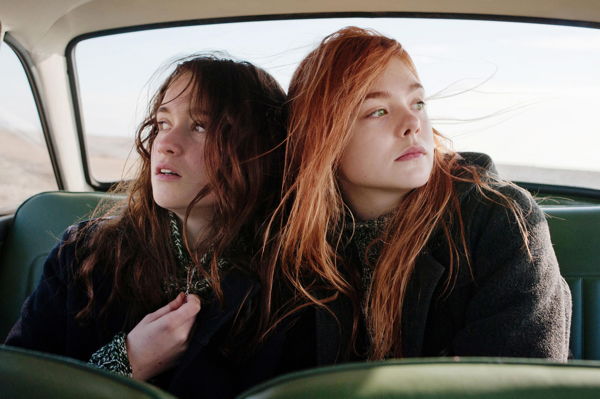
    Other Festival films with notable talent and directors include: Michael Haneke’s Amour (Austria); Leslie Zemeckis directs Bound By Flesh (USA); Bebe Neuwirth narrates Defiant Requiem (USA); Robert Redford, Meryl Streep and Ashley Judd narrating A Fierce Green Fire (USA); Elle Fanning, Alessandro Nivola and Annette Benning in Ginger & Rosa (UK); Abbie Cornish in The Girl (USA/Mexico); Charlotte Rampling and Gabriel Byrne in I, Anna (UK/France/Germany); Jamie-Lynn Sigler and Alicia Witt in I Do(USA); Iceberg Slim: Portrait of a Pimp (USA) featuring Ice-T, Chris Rock, Snoop Dogg and Quincy Jones;La Source (USA/Haiti) narrated by Don Cheadle; Love, Marilyn (USA) featuring Elizabeth Banks, Lindsay Lohan, Evan Rachel Wood, Ben Foster, Uma Thurman, Paul Giamatti, Viola Davis, Jeremy Piven, Ellen Burstyn, Adrien Brody, Marisa Tomei and Glenn Close; Jeff Bridges in A Place at the Table (USA); Marion Cotillard in Rust and Bone (France/Belgium); and Al Pacino, Christopher Walken, Julianna Marguiles and Alan Arkin in Stand Up Guys (USA).


    Read more


  • Ed Burns, Davis Guggenheim Among Jury Members for 2013 Sundance Film Festival


    Academy Award® winning director and producer Davis Guggenheim,  Ed Burns and  director Brett Morgen are among the 19 members of five juries awarding prizes at the 2013 Sundance Film Festival, January 17-27 in Park City, Salt Lake City, Ogden and Sundance, Utah. Short Film Awards will be announced at a ceremony on January 22 at Park City’s Jupiter Bowl, with feature film awards announced at a separate ceremony on January 26.

    Members of the Alfred P. Sloan Jury will be announced in January.

    U.S. DOCUMENTARY JURY

    Liz Garbus
    Academy Award® nominated, Emmy® winning director Liz Garbus’ latest film,Love, Marilyn (Studiocanal), internationally opened as a Gala Premiere at the 2012 Toronto Film Festival and was acquired by HBO for a 2013 debut. In 2011, Liz’s Bobby Fischer Against The World premiered at the Sundance Film Festival, earned an Emmy® nomination for Best Non-Fiction Special and won the prestigious UK Grierson Award for Best Cinema Documentary. Liz’s first documentary film, The Farm: Angola, USA, won the Grand Jury Prize at the 1998 Sundance Film Festival, was awarded ten other festival and critics’ awards, and was nominated for an Oscar in 1998. Liz is also Executive Producer of the Academy Award® nominated film Street Fight, and Producer of the Academy Award® nominated short, Killing in the Name. Other credits include The Execution of Wanda Jean (Sundance, HBO); The Nazi Officer’s Wife, narrated by Susan Sarandon and Julia Ormond (A&E); Girlhood (Wellspring/TLC); Yo Soy Boricua!, Pa Que Tu Lo Sepas, directed by Oscar-nominated actress Rosie Perez (IFC); Ghosts of Abu Ghraib, Emmy® winner for Outstanding Non-Fiction Special in 2007;  and Shouting Fire: Stores from the Edge of Free Speech(Sundance, HBO). Liz graduated Magna Cum Laude from Brown University and is a Fellow of the Open Society’s Center on Crime, Communities, and Culture.

    Davis Guggenheim 
    Davis Guggenheim is a critically acclaimed, Academy Award®winning director and producer whose work includes Waiting for “Superman”, It Might Get Loud,the 2009 documentary featuring Jimmy Page, The Edge and Jack White, and An Inconvenient Truth, featuring former Vice President Al Gore, which won the Oscar for Best Documentary in 2007. In 2008, Davis produced and directed President Barack Obama’s biographical film A Mother’s Promise, and most recently, The Road We’ve Travelled, a short film for Obama’s 2012 campaign. Davis has also directed many television series including Deadwood, NYPD Blueand 24.

    Gary Hustwit
    Gary Hustwit is an independent filmmaker based in New York and London. He worked with punk label SST Records in the late-1980s, ran the independent book publishing house Incommunicado Press during the 1990s, and was Vice President of the media website Salon.com in 2000. Hustwit has produced nine documentaries, beginning with I Am Trying To Break Your Heart, the 2002 film about the band Wilco. In 2007 he made his directorial debut with Helvetica, a documentary about graphic design and typography. The film marked the start of a design film trilogy, with Objectified, about product design, following in 2009. Urbanized, about the design of cities, premiered at the 2011 Toronto International Film Festival. Hustwit is a longtime advocate of self-distribution, direct audience engagement, and truly independent filmmaking.

    Brett Morgen
    Brett Morgen is a director and writer. His credits include Crossfire Hurricane(2012), 30 for 30: June 17, 1994 (2010), Chicago 10 (2007), Nimrod Nation(2007), The Kid Stays in the Picture (2002), and On the Ropes (1999). He is the recipient of several awards and honors including an Academy Award®nomination, the DGA Award for Outstanding Directorial Achievement in Documentary, the IDA Award for Best Feature, and two Peabody® Awards. He is currently working on the first authorized documentary about Kurt Cobain and in pre-production on When the Street Lights Go On, which will mark his feature dramatic debut.

    Diane Weyermann 
    Diane Weyermann is Participant Media’s Executive Vice President, Documentary Films, where she oversees such current projects as A Place At the Table andState 194, and earlier releases such as An Inconvenient Truth, Food, Inc., andWaiting for “Superman”. In 1996, she launched the Soros Documentary Fund, which later became the Sundance Institute Documentary Film Program and Fund. Prior to working at Participant Media, Diane was the Director of the Sundance Institute’s Documentary Film Program and Fund, where she was responsible for the Fund, two annual documentary film labs and worked closely with the Sundance Film Festival programming team on world documentaries.

    U.S. DRAMATIC JURY

    Ed Burns
    Ed Burns is an award-winning writer, director and actor. His debut film, The Brothers McMullen, premiered at the 1995 Sundance Film Festival, where it won the Grand Jury prize. The film, made on a budget of $25,000, went on to win “Best First Feature” at the 1996 Independent Spirit Awards. Since then he has helped to expand upon the new model of digital distribution by making his filmPurple Violet the first feature to premiere exclusively on iTunes and successfully releasing his subsequent films, Nice Guy Johnny and Newlyweds,via Video on Demand. He recently premiered his 11th feature film as a writer, director and star, The Fitzgerald Family Christmas, at the 2012 Toronto International Film Festival. In addition to his work as a director, Burns as starred in such films asSaving Private Ryan and 27 Dresses. He was born in Woodside, Queens, and currently lives in New York City with his wife and two children.

    Wesley Morris
    Wesley Morris writes about movies, culture, and style in sports for Grantland. He won the 2012 Pulitzer Prize for criticism for his film and culture writing for the Boston Globe. 

    Rodrigo Prieto
    Rodrigo Prieto is a cinematographer who was born in Mexico City. His feature work includes Sobrenatural, which garnered him Mexico’s Ariel Award in 1996 (Mexico’s Academy Award), and Un Embrujo (Under A Spell) which took the Concha de Plata for best cinematography at the San Sebastian Film Festival, in addition to another Ariel Award. Amores perros brought him to the attention of the world film community. His subsequent films as cinematographer have included Frida, for which he was an ASC Award nominee, 8 Mile, 25th Hour; and the award-winning 21 Grams. For his work on Brokeback Mountain, Rodrigo was nominated for an Academy Award®, a BAFTA Award, and an American Society of Cinematographers (ASC) Award. He also worked on Babel, which earned him his second consecutive BAFTA Award nomination, and Biutiful. After this, he travelled to Hong Kong and Shanghai with Ang Lee to shoot Lust, Caution, which earned a Golden Osella award for Best Cinematography at the Venice Film Festival. This film was also nominated for an Independent Spirit Award in 2008. His most recent works include working with director Francis Lawrence on Water for Elephants, Cameron Crowe on We Bought a Zoo, and Ben Affleck on Argo. He is currently working with Martin Scorsese on Wolf of Wall Street.

    Tom Rothman
    Tom is one of the most experienced executives in the modern media business. He recently departed as Chairman of Fox Filmed Entertainment after eighteen years, second in tenure only to Darryl Zanuck in Fox’s history. Previously, he worked at the Goldwyn Company, Columbia, and as a lawyer and independent producer. In his era, Fox Films earned over $30 billion in box office, more than 150 Oscar nominations, three Best Picture Awards, and include the two highest grossing films ever. He founded Fox Searchlight and has overseen the company throughout its existence. A pioneer in Independent Film, in 1986 he co-produced Jim Jarmusch’s Down by Law and Robert Frank’s Candy Mountain. He is an emeritus director of Sundance Institute and was present at its very first film festival.

    Clare Stewart 
    Clare Stewart is Head of Exhibition at the BFI (British Film Institute) where she commenced in October 2011. She is responsible for the cultural and commercial performance of BFI Southbank and BFI Festivals including the BFI London Film Festival of which she is Festival Director. Previously, Clare’s 17-year programming career has encompassed leadership roles as Festival Director, Sydney Film Festival (2006-2011) and the inaugural Head of Film Programs at the Australian Centre for the Moving Image in Melbourne (2002-2006) as well as various roles at the Australian Film Institute (1996-2001), including Exhibition Manager, and programmer and Committee Member of the Melbourne Cinémathèque (1995-2002).

    WORLD CINEMA DOCUMENTARY JURY

    Sean Farnel
    Sean Farnel specializes in festivals and digital distribution, primarily for creative documentary. Prior to working independently, he was Director of Programming at Hot Docs, North America’s largest documentary festival, market and conference. He started his career at the Toronto International Film Festival, where he became a staff Programmer specializing in documentary and learning programs. Sean is a graduate of Cinema Studies from one of Canada’s most respected film schools, Concordia University. Upon graduation he received the Motion Picture Foundation of Canada Award for Most Outstanding Achievement.

    Robert Hawk
    Robert Hawk is a longtime consultant/advisor to filmmakers and film festivals. He has had his own business, filmhawk.com, for 20 years and been a part of the indie film scene for 30, beginning as a researcher on The Times of Harvey Milkand The Celluloid Closet. He has served on festival juries and panels from Orlando to Oberhausen, curated film programs from the Kennedy Center to the Hanoi Cinematheque, and was on the Sundance Film Festival’s advisory selection committee for its entire existence (1987-1998). He currently serves on advisory boards for Independent Film Week (IFP/NY) and Outfest’s Legacy Project. His producer credits include Ballets Russes, Paul Goodman Changed My Life and Prodigal Sons and his consultant credits (among hundreds) includeCommon Threads, My Architect and The Laramie Project.

    Enat Sidi
    Born and raised in Tel Aviv, Enat Sidi is very active as an editor in the American documentary film world. She is a frequent collaborator with directors Heidi Ewing and Rachel Grady, having edited most of their nonfiction feature films including the 2005 Emmy® nominee The Boys of Baraka, the 2006 Academy Award nominee Jesus Camp, the HBO Peabody® winner 12th & Delaware and most recently Detropia, for which Enat won the editing award at the 2012 Sundance Film Festival. Enat recently acted as the consulting editor on Bully, the high profile documentary released in 2012 by the Weinstein Company.

    WORLD CINEMA DRAMATIC JURY

    Anurag Kashyap
    Anurag Kashyap was born in Gorakhpur, India, and studied zoology at the University of Delhi. His features as director include Paanch (2003), Black Friday(2004), No Smoking (2007), Dev. D (2009),That Girl in Yellow Boots (2010), and the two-part Gangs of Wasseypur (2012), which will play in the Spotlight Section of the 2013 Sundance Film Festival. His screenwriting credits include Deepa Mehta’s Genie Award–winning Water (2005). His films have made him a face representing the new wave of Indian Cinema at various prestigious platforms across the globe.

    Nadine Labaki
    Born in Lebanon, Nadine Labaki is an acclaimed filmmaker and actress. In 2005, she took part in the Cannes Film Festival Residence to write Caramel, her first feature film, which showcases a Beirut that most people are not familiar with. She directed and played a lead role in the film, which premiered at the Directors’ Fortnight at the 2007 Cannes Film Festival. In 2008, Variety included her on their 10 Directors to Watch list. In this year she also received the insignia of Chevalier in the Order of Arts and Letters from the French Ministry of Culture and Communication. She directed and starred in her second feature film Where Do We Go Now?,which premiered at the 2011 Cannes Film Festival in the Un Certain Regard category and won the Cadillac People’s Choice award at the 2011 Toronto Film Festival. Where Do We Go Now? also played at the 2012 Sundance Film Festival and was nominated for best foreign film at the Critics Choice Awards in Los Angeles.

    Joana Vicente
    Joana Vicente is an award-winning producer. She has been the Executive Director of the nonprofit IFP- the Independent Filmmaker Project- since December 2009. Prior to this, she produced/executive produced over 40 features by such acclaimed directors as Jim Jarmusch, Brian De Palma, Hal Hartley, Miguel Arteta, Nicole Holofcener, and Todd Solondz. In 2007, she was the recipient of the Made in NY Award for individuals who have made outstanding contributions to New York City’s entertainment industry. Vicente has produced 20 films that have screened at the Sundance Film Festival, including two Grand Jury Prizewinners: Three Seasons in 1999 and Welcome to the Dollhouse in 1996.

    SHORT FILM JURY

    Mike Farah
    Mike Farah is the President of Production for Funny or Die, overseeing the creative day-to-day operations for the premiere comedy site, along with Funny or Die’s television and feature projects. With FOD for nearly five years, Farah produced the award-winning video Prop 8: The Musical, the Ron Howard directed Presidential Reunion, and Marion Cotillard’s Forehead Tittaes, among many others. He is an executive producer of Funny Or Die’s Billy on the Street, airing on Fuse, and also produced the feature film Answer This!, written and directed by his brother, Chris Farah. Mike began his career at UTA, and headed up feature film development for Craig Brewer and Stephanie Allain at their Paramount-based production company. In 2010, The Hollywood Reporter named Farah one of the top 35 Hollywood executives under 35.

    Don Hertzfeldt
    Don Hertzfeldt is an Academy Award®nominated American independent filmmaker whose animated films have screened around the world, collectively receiving over 200 awards. He has had six films play in competition at the Sundance Film Festival, and in 2007 received the Grand Jury Prize for his animated short film, Everything Will Be OK. He has recently completed his first animated feature film, It’s Such a Beautiful Day.

    Magali Simard
    Magali Simard is a short film programmer at the Toronto International Film Festival and works for Film Programmes at the TIFF Bell Lightbox. She has been with the organization since 2006, working on its New Releases, Canada’s Top Ten, the Student Film Showcase, the Open Vault, and Human Rights Watch. She has hosted film discussions for Ryerson University, the National Screen Institute, the Canadian Film Center, the National Film Board, written for various online publications, and frequently hosts screenings at TIFF’s Film Trivia.


    Read more


  • Wong Kar Wai’s The Grandmaster to Open the 2013 Berlin International Film Festival

    The international premiere of The Grandmaster by Chinese director and president of this year’s jury, WONG Kar Wai, will open the 63rd Berlin International Film Festival.

    The Grandmaster is an epic martial arts drama set against the tumultuous backdrop of 1930’s China and inspired by the life and times of the legendary IP Man (Tony LEUNG Chiu Wai), mentor to Bruce LEE. The plot encompasses themes of war, family, revenge, desire, love, and memory. The all-star cast headed by Tony LEUNG Chiu Wai (Days of Being Wild – Berlinale Forum 1991,Chungking Express, Happy Together, In The Mood for Love, 2046, all directed by WONG Kar Wai), also includes Ziyi ZHANG (Crouching Tiger and Hidden Dragon, D: Ang Lee), who was a guest at the 2009 Berlinale Competition with Forever Enthralled (D: CHEN Kaige), CHANG Chen (Crouching Tiger and Hidden Dragon; Eros, D: WONG Kar Wai), ZHAO Benshan (Happy Times, D: ZHANG Yimou), XIAO Shengyang (A Woman, a Gun and a Noodle Shop, D: ZHANG Yimou – Berlinale Competition2010) and SONG Hye Kyo (A Reason to Live, D: LEE Jeong-hyang), as well as hundreds of Asia’s top martial artists.

    The 63rd Berlin International Film Festival runs February 7-17, 2012.

    Read more


  • The Times of Harvey Milk Among 25 Films Added to National Film Registry

    [caption id="attachment_3030" align="alignnone" width="550"]The Times of Harvey Milk [/caption]

    The Librarian of Congress James H. Billington today named 25 motion pictures that have been selected for inclusion in the National Film Registry of the Library of Congress. Spanning the period 1897-1999, the films named to the registry include documentaries, early films, and independent and experimental motion pictures. 

    Among the documentaries named to the registry are “The Times of Harvey Milk,” a revealing portrait of San Francisco’s first openly gay elected official; “One Survivor Remembers,” an Academy Award-winning documentary short about Holocaust survivor Gerda Weissmann Klein; and Ellen Bruno’s documentary about the struggle of the Cambodian people to rebuild in the aftermath of Pol Pot’s killing fields.

    Independent and experimental films include Nathaniel Dorsky’s “Hours for Jerome,” Richard Linklater’s “Slacker” and the Kodachrome Color Motion Picture Test film of 1922. Among the cinema firsts are “They Call It Pro Football,” which has been described as the “Citizen Kane” of sports movies; and the 1914 version of “Uncle Tom’s Cabin,” which features the first black actor to star in a feature-length American film. The actor Sam Lucas made theatrical history when he also appeared in the lead role in the stage production of “Uncle Tom’s Cabin” in 1878.

    2012 National Film Registry

    3:10 to Yuma (1957)
    Considered to be one of the best westerns of the 1950s, “3:10 to Yuma” has gained in stature since its original release as audiences have recognized the progressive insight the film provides into the psychology of its two main characters that becomes vividly exposed during scenes of heightened tension. Frankie Laine sang the film’s popular theme song, also titled “3:10 to Yuma.” Often compared favorably with “High Noon,” this innovative western from director Delmer Daves starred Glenn Ford and Van Heflin in roles cast against type and was based on a short story by Elmore Leonard.

    Anatomy of a Murder (1959)
    Director Otto Preminger brought a new cinematic frankness to film with this gripping crime-and-trial movie shot on location in Michigan’s Upper Peninsula where the incident on which it was based had occurred. Controversial in its day due to its blunt language and willingness to openly discuss adult themes, “Anatomy”—starring James Stewart, Ben Gazzara and Lee Remick—endures today for its first-rate drama and suspense, and its informed perspective on the legal system. The film includes an innovative jazz score by Duke Ellington and one of Saul Bass’s most memorable opening title sequences.

    The Augustas (1930s-1950s)
    Scott Nixon, a traveling salesman based in Augusta, Ga., was an avid member of the Amateur Cinema League who enjoyed recording his travels on film. In this 16-minute silent film, Nixon documents some 38 streets, storefronts and cities named Augusta in such far-flung locales as Montana and Maine. Arranged with no apparent rhyme or reason, the film strings together brief snapshots of these Augustas, many of which are indicated at pencil-point on a train timetable or roadmap. Nixon photographed his odyssey using both 8mm and 16mm cameras loaded with black-and-white and color film, amassing 26,000 feet of film that now resides at the University of South Carolina. While Nixon’s film does not illuminate the historical or present-day significance of these towns, it binds them together under the umbrella of Americana. Whether intentionally or coincidentally, this amateur auteur seems to juxtapose the name’s lofty origin—‘august,’ meaning great or venerable—with the unspectacular nature of everyday life in small-town America.

    Born Yesterday (1950)
    Judy Holliday’s sparkling lead performance as not-so-dumb “dumb blonde” Billie Dawn anchors this comedy classic based on Garson Kanin’s play and directed for the screen by George Cukor. Kanin’s satire on corruption in Washington, D.C., adapted for the screen by Albert Mannheimer, is full of charm and wit while subtly addressing issues of class, gender, social standing and American politics. Holliday’s work in the film (a role she had previously played on Broadway) was honored with the Academy Award for Best Actress and has endured as one of the era’s most finely realized comedy performances.

    Breakfast at Tiffany’s (1961)
    Truman Capote’s acclaimed novella—the bitter story of self-invented Manhattan call girl Holly Golightly—arrived on the big screen purged of its risqué dialogue and unhappy ending. George Axelrod’s screenplay excised explicit references to Holly’s livelihood and added an emotionally moving romance, resulting, in Capote’s view, in “a mawkish valentine to New York City.” Capote believed that Marilyn Monroe would have been perfect for the film and judged Audrey Hepburn, who landed the lead, “just wrong for the part.” Critics and audiences, however, have disagreed. The Los Angeles Times stated, “Miss Hepburn makes the complex Holly a vivid, intriguing figure.” Feminist critics in recent times have valued Hepburn’s portrayals of the period as providing a welcome alternative female role model to the dominant sultry siren of the 1950s. Hepburn conveyed intelligent curiosity, exuberant impetuosity, delicacy combined with strength, and authenticity that often emerged behind a knowingly false facade. Critics also have lauded the movie’s director Blake Edwards for his creative visual gags and facility at navigating the film’s abrupt changes in tone. Composer Henry Mancini’s classic “Moon River,” featuring lyrics by Johnny Mercer, also received critical acclaim. Mancini considered Hepburn’s wistful rendition of the song on guitar the best he had heard.

    A Christmas Story (1983)
    Humorist Jean Shepherd narrates this memoir of growing up in Hammond, Ind., during the 1940s when his greatest ambition was to receive a Red Ryder BB gun for Christmas. The film is based in part on Shepherd’s 1966 compilation of short stories titled “In God We Trust, All Others Pay Cash,” which originated on his radio and television programs. Writer-director Bob Clark had long dreamed of making a movie based on Shepherd’s work and his reverence for the material shows through as detail after nostalgic detail rings true with period flavor. Dozens of small but expertly realized moments reflect an astute understanding of human nature. Peter Billingsley—with his cherubic cheeks, oversized glasses and giddy grin—portrays Shepherd as a boy. Darren McGavin and Melinda Dillon are his harried-yet-lovable parents.

    The Corbett-Fitzsimmons Title Fight (1897)
    Independently produced motion picture recordings of famous boxing contests were a leading factor in establishing the commercial success of movies in the late 19th century. Championship boxing matches were the most widely popular sporting contests in America in that era, even though the sport was banned in many states in the 1890s. Soon after Nevada legalized boxing in 1897, the Corbett-Fitzsimmons title fight was held in that state in Carson City on St. Patrick’s Day of that year. The film recorded the introductions of famous personalities in attendance and all 14 of the fight’s three-minute rounds, plus the one-minute breaks between rounds. With a running time of approximately 100 minutes, “The Corbett-Fitzsimmons Title Fight” was the longest movie produced at that time. Films of championship matches before 1897 had been unsuccessful because they ended too quickly with knockouts, leaving movie audiences unwilling to pay high-ticket prices to see such short films. “Corbett-Fitzsimmons” was a tremendous commercial success for the producers and contestants James J. Corbett and Bob Fitzsimmons (the victor), generating an estimated $750,000 in income during the several years that it remained in distribution. This film also is deserving of a footnote in the technical history of motion pictures. Producers of early boxing films protected their films from piracy by engineering film printers and projectors that could only accept film stock of a proprietary size. The film prints of the fight were manufactured in a unique 63mm format that could only be run on a special projector advertised as “The Veriscope.”

    Dirty Harry (1971)
    Clint Eastwood’s role as rogue police officer Harry Callahan in director Don Siegel’s action-packed, controversial paean to vigilante justice marked a major turning point in Eastwood’s career. A top 10 box-office hit after its release, “Dirty Harry” struck a nerve in the era’s politically polarized atmosphere with those who believed that concern over suspects’ rights had gone too far. While a number of critics characterized the film as “fascistic,” Eastwood countered that Harry, who disregards police procedure and disobeys his superiors, represents “a fantasy character” who “does all the things people would like to do in real life but can’t.” “Dirty Harry,” he stated later, was ahead of its time, putting the “rights of the victim” above those of the accused. The film’s kinesthetic direction and editing laid the aesthetic groundwork for many of the 1970s’ gritty, realistic police dramas.

    Hours for Jerome: Parts 1 and 2 (1980-82)
    Nathaniel Dorsky shot the footage for what would become his silent tone poem, “Hours for Jerome,” between 1966 and 1970. He edited that footage over a two-year period. The film’s title evokes the liturgical “Book of Hours,” a medieval series of devotional prayers recited at eight-hour intervals throughout the day. Dorsky’s personal devotional loosely records the daily events of the filmmaker and his partner as an arrangement of images, energies and illuminations. The camera intimately surveys the surroundings, from the pastoral to the cosmopolitan, as fragments of light revolve around the four seasons. “Part 1” presents spring through summer and “Part 2” looks at fall and winter—a full year in 45 minutes. Named filmmaker of the decade in 2010 by Film Comment magazine, Dorsky creates his works to be projected at silent speed, between 17 and 20 frames per second instead of the usual 24 frames per second for sound film. Projecting his films at sound film speed, he writes, “is to strip them of their ability to open the heart and speak properly to their audience. Not only is the specific use of time violated, but the flickering threshold of cinema’s illusion—a major player in these works—is obscured.”

    The Kidnappers Foil (1930s-1950s)
    For three decades, Dallas native Melton Barker and his company traveled through the southern and central sections of the United States filming local children acting, singing and dancing in two-reel narrative films, all of which Barker titled “The Kidnappers Foil.” Barker recognized that many people enjoyed seeing themselves, their children and their communities on film. Since home movies were an expensive hobby, he developed a business to provide them. Other itinerant filmmakers produced similar fare, but Barker appears to have been the most prolific. Enlisting local movie theaters and newspapers to sponsor and promote the productions, Barker auditioned children and offered “acting lessons” to the most promising for a fee of a few dollars. He then assembled 50 to 75 would-be Shirley Temples and Jackie Coopers, ages 3 to 12, to act out the melodramatic story: a young girl is kidnapped from her birthday party and eventually rescued by a search party of local kids. After the “rescue,” the relieved townsfolk would celebrate with a party where the budding stars showcased their musical talents. A few weeks after filming, the town would screen the 15- to 20-minute picture to the delight of the local audience. Most prints of these films no longer exist, although some have been discovered in vintage movie houses or local historical societies. The Texas Archive of the Moving Image holds a collection of these itinerant films and hosts Internet resources for those who appeared in them as children.

    Kodachrome Color Motion Picture Tests (1922)
    This two-color (green-blue and red) film was produced as a demonstration reel at the Paragon Studios in Fort Lee, New Jersey, under the direction of Kodak scientist John Capstaff. It features leading actresses, including Mae Murray, Hope Hampton, and Mary Eaton, posing and miming for the camera to showcase the capability of the complex Kodachrome process to capture their translucent movie star complexions and colorful, high-fashion clothing. Hampton wears costumes designed for “The Light in the Dark,” the first commercial feature film to incorporate scenes filmed with the Kodachrome process. During the first three decades of motion picture history, the most practical methods for adding colors to 35mm prints filmed on black-and-white film stock had been through laborious processes by which separate colors were either painted on individual film frames by hand or added by overlaying mechanically produced stencils on prints and applying colors in sequence. While aesthetically pleasing, these color additive methods were complicated and costly. Soon after 1900, inventors in several countries began experimenting with ways to advance the chemistry of color movies and create film stocks capable of reproducing the true colors of nature. Leading the way in the U.S. were Technicolor in 1912 and Eastman Kodak, starting in 1914. The Kodachrome Color Motion Picture Tests of 1922 was the first publicly demonstrated color film to attract the general interest of the American film industry. Many feature films produced by major studios incorporated two-color sequences using Kodachrome and the rival Technicolor film stocks until three-strip Technicolor became the industry standard in the late 1930s.

    A League of Their Own (1992)
    Director Penny Marshall used the real-life All-American Girls Professional Baseball League (1943-1954) as a backdrop for this heartfelt comedy-drama. “A League of Their Own,” featuring an ensemble cast that includes Geena Davis, Tom Hanks, Madonna and Rosie O’Donnell, not only illuminates this fascinating, under-reported aspect of American sports history, but also effectively examines women’s changing roles during wartime. Rich with period detail and equally complex performances—especially Davis as a team ringer and Hanks as the down-on-his-luck coach—Marshall and her company delivered an enjoyably nostalgic film about women’s choices and solidarity during World War II that was both funny and feminist.

    The Matrix (1999)
    A visionary and complex film, the science-fiction epic “The Matrix” employed state-of-the-art special effects, production design and computer-generated animation to tell a story—steeped in mythological, literary, and philosophical references—about a revolt against a conspiratorial regime. The film’s visual style, drawing on the work of Hong Kong action film directors and Japanese anime films, altered science fiction filmmaking practices with its innovative digital techniques designed to enhance action sequences. Directors Andy and Lana Wachowski and visual effects supervisor John Gaeta (who received an Academy Award for his efforts) expertly exploited a digitally enhanced simulation of variable-speed cinematography to gain ultimate control over time and movement within images. The film’s myriad special effects, however, do not undermine its fundamentally traditional, if paranoid, story of man against machine.

    The Middleton Family at the New York World’s Fair (1939)
    Produced by Westinghouse for the 1939 World’s Fair, this industrial film is a striking hour-long time capsule that documents that historic event within a moralistic narrative. Shot in Technicolor, the film follows a fictional Indiana family of five (mom, dad, son, daughter and grandma) as they venture from grandma’s quaint house in Long Island to the fair’s popular pavilions. The whole family enjoys the gleaming sights, especially the futuristic technologies located in the Westinghouse Pavilion (including something called “television”). While the entire family is affected by the visit, none are changed so much as daughter Babs (played by a young Marjorie Lord), who eventually sours on her foreign-born, anti-capitalistic boyfriend in favor of a hometown electrical engineer who works at the fair. Both charming and heavy-handed, “The Middleton Family” provides latter-day audiences with a vibrant documentary record of the fair’s technological achievements and the heartland values of the age.

    One Survivor Remembers (1995)
    In this Academy Award-winning documentary short film by Kary Antholis, Holocaust survivor Gerda Weissmann Klein recounts her six-year ordeal as a victim of Nazi cruelty. At age 16, her comfortable life was shattered by the Nazi invasion of Poland. She and her family were sent to concentration and slave labor camps. She alone survived. Mixing footage shot in contemporary Europe at key locations of Klein’s story with interviews and personal photographs, “One Survivor Remembers” explores the effects that her experience had on the rest of her life. It is told with a simple yet powerful eloquence that “approaches poetry,” the Chicago Tribune observed.

    Parable (1964)
    In the 1930s, a number of Protestant groups, concerned about the perceived meretricious effects of Hollywood films, began producing non-theatrical motion pictures to spread the gospel of Jesus. “Parable” followed a filmmaking tradition that has not very often been recognized in general accounts of American film history. One of the most acclaimed and controversial films in this tradition, “Parable” debuted at the New York World’s Fair in May 1964 as the main attraction of the Protestant and Orthodox Center. Without aid of dialogue or subtitles, the film relies on music and an allegorical story that represents the “Circus as the World,” in the words of Rolf Forsberg, who wrote and co-directed the film with Tom Rook for the Protestant Council of New York. “Parable” depicts Jesus as an enigmatic, chalk-white, skull-capped circus clown who takes on the sufferings of oppressed workers, including women and minorities. The film generated controversy even before its initial screening. The fair’s president Robert Moses sought to have it withdrawn. Other fair organizers resigned with one exclaiming, “No one is going to make a clown out of my Jesus.” A disgruntled minister threatened to riddle the screen with shotgun holes if the film was shown. Undaunted, viewers voted overwhelmingly to keep the film running, and it became one of the fair’s most popular attractions. Newsweek proclaimed it “very probably the best film at the fair” and Time described it as “an art film that got religion.” The Fellini- and Bergman-inspired film received the 1966 Religious Film Award of the National Catholic Theatre Conference, along with honors at the 1966 Cannes, Venice and Edinburgh film festivals. It subsequently became a popular choice for screenings in both liberal and conservative churches.

    Samsara: Death and Rebirth in Cambodia (1990)
    International relief worker Ellen Bruno’s master’s thesis at Stanford University, “Samsara,” documents the struggle of the Cambodian people to rebuild a shattered society in the aftermath of Pol Pot’s killing fields. “Samsara” is a Sanskrit term that literally means “circle” or “wheel,” and is commonly translated as “cycle of existence.” Bruno fleshes out this concept by using ancient Buddhist teachings and folklore to provide a context for Cambodia’s struggle. Described as poetic, heartbreaking and evocative, the film brings a humanistic perspective to the political chaos of Southeast Asia with a deliberate, reflective and sometimes dreamlike pace as it intertwines the mundane realities of daily life with the spiritual beliefs of the Khmer people. One reviewer reflected, “The meditative pacing, the rhythm of bells and chimes, the luxuriant green landscape, the otherworldly response to horrific recent history—I was transported not just to a faraway place but to an altered consciousness.”

    Slacker (1991)
    Along with “Sex, Lies, and Videotape” (1989), “Slacker” is widely regarded as a touchstone in the blossoming of American independent cinema during the 1990s. A free-floating narrative, the film follows a colorful and engaging assortment of characters in Austin, Texas, throughout the course of a single day as they ruminate on UFOs, Scooby Doo, Leon Czolgosz and many other things. Shot on 16mm film with a budget of $23,000, director Richard Linklater dispensed with a structured plot in favor of interconnected vignettes. This resulted in a film of considerable quirky charm that has influenced a whole generation of independent filmmakers. “Slacker” was eventually picked up by a major distributor and earned more than $1 million at the box office.

    Sons of the Desert (1933)
    Stan Laurel and Oliver Hardy, along with comedian Charley Chase, star in this riotous comedy of fraternity and marital mishaps. Directed by veteran comedy director William A. Seiter for Hal Roach Studios, “Sons of the Desert” successfully incorporated into a feature-length film many of the comedic techniques that had made Laurel & Hardy such masters of short-subject humor. The film was ranked among the top 10 box-office hits after its release. Film scholars and fans consider it to be the duo’s finest feature film.

    The Spook Who Sat by the Door (1973)
    When “The Spook Who Sat by the Door” was restored for DVD release in 2004, the New York Times called it “a story of black insurrection too strong for 1973.” Based on a controversial best-selling 1969 novel by Sam Greenlee and with a subtly effective score by jazz legend Herbie Hancock, the film presents the story of a black man hired to integrate the CIA who uses his counter-revolutionary training to spark a black nationalist revolution in America’s urban streets. Financed mostly by individual African-American investors, some commentators lambasted the film for its sanctioning of violence and distributor United Artists pulled the movie from theaters after a successful three-week run. Others appreciated its significance. Washington Post journalist Adrienne Manns, a former spokesperson in the black student movement, argued that the film “lends humanity to persons who are usually portrayed as vicious, savage, sub-humans – the street gangs, the young people who have in many cities terrorized the communities they live in.” New York Times reviewer Vincent Canby commented, “The rage it projects is real.” Ivan Dixon, the film’s director known for his roles in “Hogan’s Heroes” and as the lead in “Nothing But a Man” (1964), believed that the film did not offer “a real solution” to racial injustice, but projected instead “a fantasy that everybody felt, every black male particularly.”

    They Call It Pro Football (1967)
    Before “They Call It Pro Football” premiered, football films were little more than highlight reels set to the oom-pah of a marching band. In 1964, National Football League commissioner Pete Rozelle agreed to the formation of NFL Films. With a background in public relations, he recognized that the success of the league depended on its image on television, which required creating a mystique. “They Call It Pro Football,” the first feature of NFL Films, looked at the game “in dramaturgical terms,” capturing the struggle, not merely the outcome, of games played on the field. Written and produced by Steve Sabol, directed by John Hentz and featuring the commanding cadence of narrator John Facenda and the music of Sam Spence, the film presented football on an epic scale and in a way rarely seen by the spectator. Telephoto lenses brought close-ups of players’ faces into viewers’ living rooms. Slow motion revealed surprising intricacy and grace. Sweeping ground-to-sky shots imparted a “heroic angle.” Coaches and players wearing microphones let the audience in on strategy and emotion. “They Call It Pro Football” established a mold for subsequent productions by NFL Films and has well earned its characterization as the “Citizen Kane” of sports movies.

    The Times of Harvey Milk (1984)
    Told largely with revealing news clips and archival footage interspersed with personal reminiscences, “The Times of Harvey Milk” vividly recounts the life of San Francisco’s first openly gay elected city official. The film, which received an Academy Award for Best Documentary Feature, traces Harvey Milk’s ascent from Bay Area businessman to political prominence as city supervisor and his 1978 assassination, which also claimed the life of San Francisco mayor George Moscone. While illuminating the effect that Milk had on those who knew him, the film also documents the nascent gay rights movement of the 1970s. The film, with its moving and incisive portrait of a city, a culture and a struggle—as well as Harvey Milk’s indomitable spirit—resonates profoundly as a historical document of a grassroots movement gaining political power through democratic means.

    Two-Lane Blacktop (1971)
    During a short-lived period following the success of such youth-oriented films as “Bonnie and Clyde,” “The Graduate” and especially “Easy Rider” in the late 1960s, Hollywood executives financed—with minimal oversight—a spate of low-budget, innovative films by young “New Hollywood” filmmakers. With influences ranging from playwright Samuel Beckett to European filmmakers Robert Bresson, Jacques Rivette and Michelangelo Antonioni, one such film was the minimalist classic “Two-Lane Blacktop.” The film follows two obsessed but laconic young operators of a souped-up 1955 Chevy (singer-songwriter James Taylor and Beach Boys drummer Dennis Wilson) as they engage in a cross-country race with a 1970 Pontiac GTO, whose loquacious, middle-aged driver (Warren Oates) continually reinvents his past and intended future. The drivers’ fixation on speed, mastery and competition is disrupted when a 17-year-old drifter (Laurie Bird) joins their masculine world and later leaves them in disarray. Director Monte Hellman and screenwriter Rudolph Wurlitzer allow audiences time to absorb the film’s spare landscapes, car-culture rituals and existential encounters, and to reflect on the myth of freedom that life on the road traditionally has embodied.

    Uncle Tom’s Cabin (1914)
    Harriet Beecher Stowe published her great anti-slavery novel in 1852. Adapted for the stage in 1853, it was continuously performed in the U.S. well into the 20th century. “Uncle Tom’s Cabin” was frequently adapted to movies after 1900, but always with white actors in the lead roles until this version, said to be the first feature-length American film that starred a black actor. Sam Lucas—actor, musician, singer and songwriter—had become famous in the 19th century for his performances in vaudeville and minstrel shows produced by Charles Frohman. In 1878, Frohman achieved a breakthrough in American theatrical history when he staged a production of “Uncle Tom’s Cabin,” featuring Lucas in the lead role. Thirty-six years later, Lucas was lured out of retirement by the World Producing Corp. to recreate his historic role on film and, in the process, set an important milestone in American movie history.

    The Wishing Ring; An Idyll of Old England (1914)
    Director Maurice Tourneur, called by film historian Kevin Brownlow “one of the men who introduced visual beauty to the American screen,” arrived in America in 1914. Previously, he worked as an artist (assisting sculptor Auguste Rodin and painter Pierre Puvis de Chavannes), actor and innovative director in French theater and cinema. Tourneur’s third American film, “The Wishing Ring,” was once believed lost until Brownlow located a 16mm print of the film in northern England. The print subsequently was copied to 35mm by the Library of Congress as part of an effort funded by the National Endowment for the Arts to preserve America’s film heritage. At the time of its initial release, the film was admired for its light and pleasing cross-class romantic story, its fresh performances and the authenticity of its “Old England” settings—although it was shot in New Jersey. Historians of silent cinema have lionized the film since its rediscovery. William K. Everson praised its “incredible sophistication of camerawork, lighting, and editing.” Richard Koszarski deemed it “an extraordinary film – probably the high point of American cinema up to that time.”

    Films Selected to the 2012 National Film Registry
    3:10 to Yuma (1957)
    Anatomy of a Murder (1959)
    The Augustas (1930s-1950s)
    Born Yesterday (1950)
    Breakfast at Tiffany’s (1961)
    A Christmas Story (1983)
    The Corbett-Fitzsimmons Title Fight (1897)
    Dirty Harry (1971)
    Hours for Jerome: Parts 1 and 2 (1980-82)
    The Kidnappers Foil (1930s-1950s)
    Kodachrome Color Motion Picture Tests (1922)
    A League of Their Own (1992)
    The Matrix (1999)
    The Middleton Family at the New York World’s Fair (1939)
    One Survivor Remembers (1995)
    Parable (1964)
    Samsara: Death and Rebirth in Cambodia (1990)
    Slacker (1991)
    Sons of the Desert (1933)
    The Spook Who Sat by the Door (1973)
    They Call It Pro Football (1967)
    The Times of Harvey Milk (1984)
    Two-Lane Blacktop (1971)
    Uncle Tom’s Cabin (1914)
    The Wishing Ring; An Idyll of Old England (1914)

    Read more


  • Amour, The Master Lead Nominations for London Critics’ Circle Film Awards

     [caption id="attachment_3028" align="alignnone" width="550"]Amour [/caption]

    Michael Haneke’s Amour and Paul Thomas Anderson’s The Master lead the nominations for the 33rd London Critics’ Circle Film Awards, each with seven nods.  

    Amour received nods for Film of the Year and Foreign Language Film, the Director and Screenwriter awards for Haneke, Actor for Jean-Louis Trintignant, Actress for Emmanuelle Riva and Supporting Actress for Isabelle Huppert.
     
    The Master picked up nominations for Film of the Year, Director and Screenwriter awards for Anderson, Actor and Supporting Actor for Joaquin Phoenix and Philip Seymour Hoffman respectively and Supporting Actress for Amy Adams.

    Documentary films, The Imposter and Berberian Sound Studio were nominated in the British Film category, the former film also receiving nominations in two additional categories. Indie film Beasts of the Southern Wild is also a nominee for Film of the Year

    The 33rd annual edition London Critics’ Circle Film Awards will take place on Sunday January 20, 2013. 

    33rd CRITICS’ CIRCLE FILM AWARDS NOMINATIONS IN FULL

    The Sky Movies Award: FILM OF THE YEAR
    Amour (Artificial Eye)
    Argo (Warners)
    Beasts of the Southern Wild (StudioCanal)
    Life of Pi (Fox)
    The Master (Entertainment)

    FOREIGN LANGUAGE FILM OF THE YEAR
    Amour (Artificial Eye)
    Holy Motors (Artificial Eye)
    Once Upon a Time in Anatolia (New Wave)
    Rust and Bone (StudioCanal)
    Tabu (New Wave)

    DOCUMENTARY OF THE YEAR
    The Imposter (Picturehouse/Revolver)
    London: The Modern Babylon (BFI)
    Nostalgia for the Light (New Wave)
    The Queen of Versailles (Dogwoof)
    Searching for Sugar Man (StudioCanal)

    The May Fair Hotel Award: BRITISH FILM OF THE YEAR
    Berberian Sound Studio (Artificial Eye)
    The Imposter (Picturehouse/Revolver)
    Les Miserables (Universal)
    Sightseers (StudioCanal)
    Skyfall (Sony)

    The Spotlight Award: ACTOR OF THE YEAR
    Daniel Day-Lewis – Lincoln (Fox)
    Hugh Jackman – Les Miserables (Universal)
    Mads Mikkelsen – The Hunt (Arrow)
    Joaquin Phoenix – The Master (Entertainment)
    Jean-Louis Trintignant – Amour (Artificial Eye)

    ACTRESS OF THE YEAR
    Jessica Chastain – Zero Dark Thirty (Universal)
    Marion Cotillard – Rust and Bone (StudioCanal)
    Helen Hunt – The Sessions (Fox)
    Jennifer Lawrence – Silver Linings Playbook (Entertainment)
    Emmanuelle Riva – Amour (Artificial Eye)

    SUPPORTING ACTOR OF THE YEAR
    Alan Arkin – Argo (Warners)
    Javier Bardem – Skyfall (Sony)
    Michael Fassbender – Prometheus (Fox)
    Philip Seymour Hoffman – The Master (Entertainment)
    Tommy Lee Jones – Lincoln (Fox)

    SUPPORTING ACTRESS OF THE YEAR
    Amy Adams – The Master (Entertainment)
    Judi Dench – Skyfall (Sony)
    Sally Field – Lincoln (Fox)
    Anne Hathaway – Les Miserables (Universal)
    Isabelle Huppert – Amour (Artificial Eye)

    BRITISH ACTOR OF THE YEAR – In association with Cameo Productions
    Daniel Craig – Skyfall (Sony)
    Charlie Creed-Miles – Wild Bill (The Works/Universal)
    Daniel Day-Lewis – Lincoln (Fox)
    Toby Jones – Berberian Sound Studio (Artificial Eye)
    Steve Oram – Sightseers (StudioCanal)

    BRITISH ACTRESS OF THE YEAR
    Emily Blunt – Looper (eOne) and Your Sister’s Sister (StudioCanal)
    Judi Dench – The Best Exotic Marigold Hotel (Fox) and Skyfall (Sony)
    Alice Lowe – Sightseers (StudioCanal)
    Helen Mirren – Hitchcock (Fox)
    Andrea Riseborough – Shadow Dancer (Paramount)

    YOUNG BRITISH PERFORMER OF THE YEAR
    Samantha Barks – Les Miserables (Universal)
    Fady Elsayed – My Brother the Devil (Verve)
    Tom Holland – The Impossible (eOne)
    Will Poulter – Wild Bill (The Works/Universal)
    Jack Reynor – What Richard Did (Artificial Eye)

    The American Airlines Award: DIRECTOR OF THE YEAR
    Paul Thomas Anderson – The Master (Entertainment)
    Kathryn Bigelow – Zero Dark Thirty (Universal)
    Nuri Bilge Ceylan – Once Upon a Time in Anatolia (New Wave)
    Michael Haneke – Amour (Artificial Eye)
    Ang Lee – Life of Pi (Fox)

    SCREENWRITER OF THE YEAR
    Paul Thomas Anderson – The Master (Entertainment)
    Mark Boal – Zero Dark Thirty (Universal)
    Michael Haneke – Amour (Artificial Eye)
    Quentin Tarantino – Django Unchained (Sony)
    Chris Terrio – Argo (Warners)

    BREAKTHROUGH BRITISH FILM-MAKER
    Ben Drew, writer/director – Ill Manors (Revolver)
    Sally El Hosaini, writer/director – My Brother the Devil (Verve)
    Dexter Fletcher, co-writer/director – Wild Bill (The Works/Universal)
    Bart Layton, writer/director – The Imposter (Picturehouse/Revolver)
    Alice Lowe & Steve Oram, writers – Sightseers (StudioCanal)

    The Sky 3D Award: TECHNICAL ACHIEVEMENT AWARD
    Anna Karenina – Jacqueline Durran, costumes (Universal)
    Argo – William Goldenberg, film editing (Warners)
    Beasts of the Southern Wild – Ben Richardson, cinematography (StudioCanal)
    Berberian Sound Studio – Joakim Sundstrom & Stevie Haywood, sound design (Artificial Eye)
    Holy Motors – Bernard Floch, makeup (Artificial Eye)
    Life of Pi – Claudio Miranda, cinematography (Fox)
    Life of Pi – Bill Westenhofer, visual effects (Fox)
    The Master – Jack Fisk & David Crank, production design (Entertainment)
    My Brother the Devil – David Raedeker, cinematography  (Verve)
    Rust and Bone – Alexandre Desplat, music (StudioCanal)

    DILYS POWELL AWARD FOR EXCELLENCE IN FILM: Sponsored by PREMIER
    Helena Bonham Carter

    Read more


  • First Films Announced for the Panorama Section of 2013 Berlin International Film Festival

    [caption id="attachment_3026" align="alignnone" width="1020"]Frances HaFrances Ha[/caption]

    Films from the US featuring Joseph Gordon-Levitt, Julianne Moore, Rob Epstein, Jeffrey Friedman, Amanda Seyfried, Juno Temple and Noah Baumbach were among the first films announced for the Panorama section of the 2013 Berlin International Film Festival. Other films included on the lineup include works by European filmmakers, such as Lars Kraume and Felix van Groeningen.

    Documentary films announced include those tackling explosive international issues, such as Palestine and the Middle East in State 194 and Alam laysa lana (A World Not Ours); or they attempt to come to terms with the past in Indonesia, as in The Act of Killing. The film Gut Renovation focuses on the rapid advance of gentrification in Western countries. And a portrait is dedicated to one of the most inspirational figures of German cinema: Roland Klick. The Panorama Dokumente series will make up about one third of the entire programme.

    Fictional films in the Main Programme and Panorama Special (15)


    Baek Ya (White Night) – Republic of Korea
    By Hee-il LeeSong
    With Tae-hee Won, Yi-kyung Yi
    European premiere

    Chemi Sabnis Naketsi (A Fold in My Blanket) – Georgia
    By Zaza Rusadze
    With Tornike Bziava, Tornike Gogrichiani, Zura Kipshidze, Avtandil Makharadze, Giorgi Nakashidze
    World premiere

    Dduit-dam-hwa: Gam-dok-i-mi-cheot-eo-yo (Behind the Camera) – Republic of Korea
    By E J-Yong
    With Yuh-jung Youn, Hee-soon Park, Hye-jung Gang, Jung-se Oh, Min-hee Kim
    International premiere

    Deshora (Belated) – Argentina/Columbia/Norway
    By Barbara Sarasola-Day
    With Luis Ziembrowski, Alejandro Buitrago, Maria Ucedo
    World premiere

    Don Jon’s Addiction – USA
    By Joseph Gordon-Levitt
    With Joseph Gordon-Levitt, Scarlett Johansson, Julianne Moore
    International premiere

    Frances Ha – USA
    By Noah Baumbach
    With Greta Gerwig, Mickey Sumner, Charlotte D’Ambiose, Adam Driver
    European premiere

    Habi, la extranjera (Habi, the Foreigner) – Argentina/Brazil
    By Maria Florencia Alvarez
    With Martina Juncadella, Martin Slipak, Maria Luisa Mendonça, Lucia Alfonsin
    World premiere

    Inch´Allah – Canada
    By Anaïs Barbeau-Lavalette
    With Evelyne Brochu, Sabrina Ouazani, Yousef Sweid, Sivan Levy, Carlo Brandt
    International premiere

    Kashi-ggot (Fatal) – Republic of Korea
    By Don-ku Lee
    With Yeon-woo Nam, Jo-a Yang, Jeong-ho Hong, Ki-doong Kang
    European premiere

    La Piscina (The Swimming Pool) – Cuba/Venezuela
    By Carlos Machado Quintela
    With Raul Capote, Monica Molinet, Felipe Garcia, Carlos Javier Martinez, Marcos Costa
    International premiere

    Lovelace – USA
    With Rob Epstein, Jeffrey Friedman
    By Amanda Seyfried, Peter Sarsgaard, Sharon Stone, Robert Patrick, Juno Temple
    International premiere

    Meine Schwestern (My Sisters) – Germany
    By Lars Kraume
    With Jördis Triebel, Nina Kunzendorf, Lisa Hagmeister, Beatrice Dalle, Angela Winkler
    World premiere

    Rock the Casbah – Israel
    By Yariv Horowitz
    With Yon Tumarkin, Roy Nik, Yotam Ishay, Rave Iftach, Khawla Alhaj Debsi
    International premiere

    Tanta Agua (So Much Water) – Uruguay/Mexico/Netherlands/ Germany
    By Ana Guevara Pose, Leticia Jorge Romero
    With Malú Chouza, Néstor Guzzini, Joaquín Castiglioni
    World premiere

    The Broken Circle Breakdown – Belgium
    By Felix van Groeningen
    With Johan Heldenbergh, Veerle Baetens, Nell Cattrysse
    International premiere

    Panorama Dokumente (7)

    Alam laysa lana (A World Not Ours) – Great Britain/Lebanon/Denmark 
    By Mahdi Fleifel
    European premiere

    Gut Renovation – USA
    By Su Friedrich
    International premiere

    Naked Opera – Luxemburg/Germany
    By Angela Christlieb
    World premiere

    Roland Klick – The Heart Is a Hungry Hunter – Germany
    By Sandra Prechtel
    With Roland Klick, Otto Sander, Eva Mattes, David Hess, Hark Bohm
    World premiere

    Sing Me the Songs That Say I Love You – A Concert for Kate McGarrigle – USA
    By Lian Lunson
    With Rufus Wainwright, Martha Wainwright, Emmylou Harris, Norah Jones, Anna McGarrigle
    European premiere

    State 194 – USA/Israel
    By Dan Setton
    With Yoram Millo, Daniel J. Chalfen, Ariel Setton, 
    Margaret Yen
    European premiere

    The Act of Killing – Denmark/Norway/Great Britain
    By Joshua Oppenheimer
    With Janus Billekov Jansen, Carlos Mariano Arango de Montis, Mariko Montpetit, Henrik Gugge Garnov, Charlotte Munch Bengtsen
    European premiere


    The Panorama section with its Main Programme, Panorama Special and Panorama Dokumenteseries will screen some 50 films in all.

    Read more


  • Academy Award Winning Actor Daniel Day-Lewis to be Honored at 2013 Santa Barbara International Film Festival


    [caption id="attachment_3024" align="alignnone" width="550"]Daniel Day-Lewis in Lincoln[/caption]

    Two-time Academy Award® winning actor Daniel Day-Lewis will be honored with the prestigious Montecito Award at the 28th Santa Barbara International Film Festival on behalf of his inspirational performance in the title role of Lincoln, and as a celebration of his overall career. The Santa Barbara International Film Festival runs January 24 – February 3, 2013.

    “Daniel Day-Lewis continues to inspire the industry and the public by his approach to tackling the most complex of characters and delivering brilliant performances time after time,” said Executive Director Roger Durling. “He is indicative of what the Montecito Award represents and we are thrilled to be presenting this to him this year.”

    Daniel Day-Lewis’s most recent work includes his portrayal of President Abraham Lincoln in Steven Spielberg’s film Lincoln.


    Read more


  • Poster Unveiled for 2013 Berlin International Film Festival

    The 63rd Berlin International Film Festival unveiled the poster for the 2013 festival which will take place from February 7 to 17, 2013.

    “The poster for the Berlinale 2013 will again add a bright note to the city’s winter landscape and set the mood for the Festival. The Berlinale Bear has no time to sleep in winter,” says Festival Director Dieter Kosslick.

    Read more


  • Indiana Film Journalists Vote Safety Not Guaranteed Best Film of 2012

    [caption id="attachment_2333" align="alignnone" width="550"]Safety Not Guaranteed[/caption]

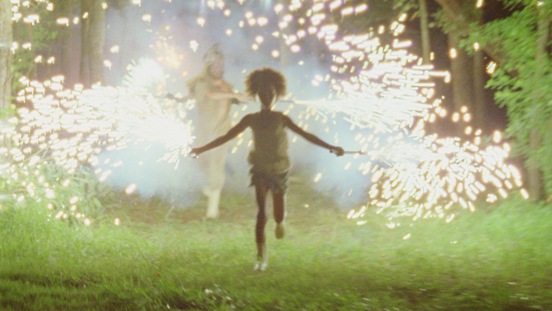
    “Safety Not Guaranteed” took top honors, winning Best Film as well as Best Original Screenplay (Derek Connolly) at the Indiana Film Journalists Association 2012 Awards.  “Beasts of the Southern Wild” was the runner-up for Best Film and also won the Original Vision Award, which recognizes a film that is especially innovative or groundbreaking. Eight other films were named Finalists for Best Film.

    Stephen Chbosky won Best Adapted Screenplay for “The Perks of Being a Wallflower.” “Rise of the Guardians” was named Best Animated Film, “Searching for Sugar Man“ Best Documentary and “The Raid: Redemption” Best Foreign Language Film. 

    The Hoosier Award, which recognizes a significant cinematic contribution by a person or persons with Indiana roots, went to Jon Vickers, Founding Director of Indiana University Cinema.  

    The following is the complete list of honored films:

    Best Film
    Winner: Safety Not Guaranteed
    Runner-Up: Beasts of the Southern Wild

    Other Finalists (listed alphabetically):
    Django Unchained
    Les Misérables
    Lincoln
    Moonrise Kingdom
    The Perks of Being a Wallflower
    The Sessions
    Silver Linings Playbook
    Zero Dark Thirty

    Best Animated Feature
    Winner: Rise of the Guardians
    Runner-Up: ParaNorman

    Best Foreign Language Film
    Winner: The Raid: Redemption
    Runner-Up: Amour

    Best Documentary
    Winner: Searching for Sugar Man
    Runner-Up: Room 237

    Best Original Screenplay
    Winner: Derek Connolly, “Safety Not Guaranteed”
    Runner-Up: Quentin Tarantino, “Django Unchained”

    Best Adapted Screenplay
    Winner: Stephen Chbosky, “The Perks of Being a Wallflower”
    Runner-Up: David O. Russell, “Silver Linings Playbook”

    Best Director
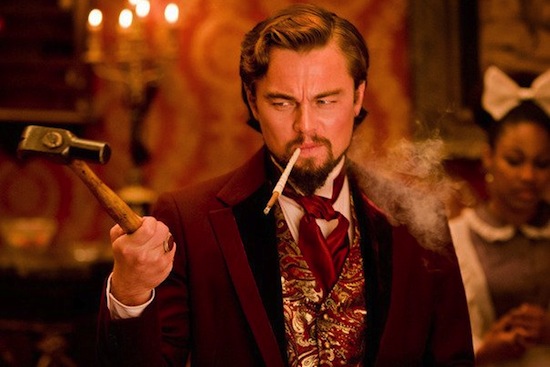
    Winner: Quentin Tarantino, “Django Unchained”
    Runner-Up: Kathryn Bigelow, “Zero Dark Thirty”

    Best Actress
    Winner: Jessica Chastain, “Zero Dark Thirty”
    Runner-Up: Jennifer Lawrence, “Silver Linings Playbook”

    Best Supporting Actress
    Winner: Anne Hathaway, “Les Misérables”
    Runner-Up: Helen Hunt, “The Sessions”

    Best Actor
    Winners (Tie):
    Bradley Cooper, “Silver Linings Playbook”
    Daniel Day-Lewis, “Lincoln”

    Best Supporting Actor
    Winner: Tommy Lee Jones, “Lincoln”
    Runner-Up: Christoph Waltz, “Django Unchained”

    Best Musical Score
    Winner: Thomas Newman, “Skyfall”
    Runner-Up: Mychael Danna, “Life of Pi”

    Original Vision Award
    Winner: Beasts of the Southern Wild
    Runner-Up: Django Unchained

    The Hoosier Award
    Winner: Jon Vickers, Founding Director of Indiana University Cinema

    Read more


  • Life of Pi, Bully Among Winners Las Vegas Film Critics Society 2012 Awards

    [caption id="attachment_2655" align="alignnone" width="550"]Best Documentary – Bully[/caption]

    The Las Vegas Film Critics Society selected “Life of Pi” as the best motion picture of 2012, along with Ang Lee as best director.  “Life of Pi” took home a total of five awards including, best cinematography, musical score, visual effects and youth in film award for its young star, Suraj Sharma. Best Documentary went to Bully and Best Foreign Film went to Amour.

    2012 Sierra Award winners

    Best Picture
    “Life of Pi”

    Best Actor
    Daniel Day Lewis, “Lincoln”

    Best Actress
    Jennifer Lawrence, “Silver Lining Playbook”

    Best Supporting Actor
    Tommy Lee Jones, “Lincoln”

    Best Supporting Actress
    Anne Hathaway, “Les Miserables”

    Best Director
    Ang Lee, “Life of Pi”

    Best Screenplay (Original or Adapted)
    Rian Johnson, “Looper”

    Best Cinematography
    Claudio Miranda, “Life of Pi”

    Best Film Editing
    “Zero Dark Thirty”

    Best Costume Design
    Jaqueline Durran, “Anna Karenina”

    Best Art Direction
    Alex Cameron, “Prometheus”

    Best Visual Effects
    “Life of Pi”

    Best Documentary
    “Bully”

    Best Foreign Film
    “Amour” (Germany)

    Best Song
    “Skyfall”

    Best Score
    Mychael Danna, “Life of Pi”

    Best Animated Film
    “Paranorman”

    Youth in Film
    Suraj Sharma, “Life of Pi”

    Best DVD (Packaging, Design, and Content)
    “Hitchcock: Masterpiece Collection” (Blu-Ray) 

    WILLIAM HOLDEN LIFETIME ACHIEVEMENT AWARD FOR 2012: Alan Arkin

    Read more


  • Searching for Sugar Man, Argo Among St. Louis Film Critics Best Films of 2012

    St. Louis Film Critics’ Awards

    Best Film:“Argo “
    runners-up: “Life of Pi” and “Lincoln”)

    Best Director:Ben Affleck (“Argo”)
    runner-up): Quentin Tarantino (“Django Unchained”) and
    Benh Zeitlin (“Beasts of the Southern Wild”)

    Best Actor:Daniel Day-Lewis (“Lincoln”) 
    (runner-up): John Hawkes (“The Sessions”)

    Best Actress:Jessica Chastain (“Zero Dark Thirty”)
    (runner-up): Jennifer Lawrence (“Silver Linings Playbook”)

    Best Supporting Actor:Christoph Waltz (“Django Unchained”)
    (runner-up): Tommy Lee Jones (“Lincoln”)

    Best Supporting Actress:(Tie): Ann Dowd (“Compliance”) and Helen Hunt (“The Sessions”)

    Best Original Screenplay:”Zero Dark Thirty” (Mark Boal) 
    (runner-up): “Django Unchained” (Quentin Tarantino)

    Best Adapted Screenplay:(Tie): “Lincoln” (Tony Kushner) and “Silver Linings Playbook” (David O. Russell)

    Best Cinematography:”Skyfall” (Roger Deakins
    (runner-up): “Life of Pi” (Claudio Miranda)

    Best Visual Effects:”Life of Pi”
    (runner-up): “The Avengers”

    Best Music:(Tie): “Django Unchained” and “Moonrise Kingdom

    Best Foreign-Language Film:“The Intouchables”
    (runners-up): “The Fairy” and “Headhunters”

    Best Documentary:“Searching for Sugar Man”
    (runner-up): “Ai Wei Wei: Never Sorry,” “Bully” and “How To Survive A Plague”

    Best Comedy:(Tie): “Moonrise Kingdom” and
    “Ted”

    Best Animated Film:“Wreck-It Ralph”
    (runner-up): “ParaNorman”

    Best Art-House or Festival Film(Tie): “Compliance” and “Safety Not Guaranteed”

    Special Merit (for best scene, cinematic technique or other memorable aspect or moment)
    (Four-way Tie):
    “Django Unchained” – The “bag head” bag/mask problems scene
    “Hitchcock” – Anthony Hopkins in lobby conducting to music/audience’s reaction during “Psycho” screening 
    “The Impossible” – Opening tsunami scene 
    “The Master” – The first “processing” questioning scene between Philip Seymour Hoffman and Joaquin Phoenix

    Read more