
 Bad Genius[/caption]
The 16th New York Asian Film Festival (NYAFF) will take place from June 30 to July 13 at the Film Society and July 14 to 16 at the SVA Theatre. North America’s leading festival of popular Asian cinema will showcase 57 feature films, including 3 International Premieres, 21 North American Premieres, 4 U.S. Premieres, and 15 films making their New York City debuts.
This year, all three of NYAFF’s Gala screenings are brilliant reinventions of the thriller genre. The Opening Gala will be the International Premiere of Nattawut Poonpiriya’s Bad Genius, the first Southeast Asian film to open the festival, with the director and stars in attendance. In this exhilarating high school thriller, straightA students Lynn (Chutimon Chuengcharoensukying) and Bank (Chanon Santinatornkul) stage a heist that will undermine the U.S. university entrance system after they lose their own scholarships. The Centerpiece Gala of the festival will be the North American Premiere of Mikhail Red’s Birdshot, a continuation of the festival programmers’ efforts to champion films from Southeast Asia, and the Philippines in particular. The Closing Gala is the U.S. Premiere of Jung Byunggil’s The Villainess, fresh from its Midnight screening in Cannes. The adrenaline soaked action film stars Kim Okvin as a ruthless female assassin trained in China who starts a new life with South Korea’s Intelligence Agency.
New to NYAFF in 2017 is the Main Competition section, featuring seven diverse works by first or second time directors that are all having their North American premieres at the festival. Competing are Bad Genius (Thailand), Birdshot (Philippines), A Double Life (Japan), The Gangster’s Daughter (Taiwan), Kfc (Vietnam), Jane (South Korea), and With Prisoners (Hong Kong). The competition jury will be announced at a later date, with winners revealed on the festival’s final night at Film Society of Lincoln Center on July 13.
More now than ever, Hong Kong cinema is at the core of the festival’s programming: faithful to its Chinatown origins, this year’s edition celebrates the best filmmaking from the Special Administrative Region with a central Hong Kong Panorama section, commemorating the 20th anniversary of its establishment, with major support from the Hong Kong Economic and Trade Office in New York. Over the past two decades, Hong Kong cinema has continuously influenced and inspired many filmmakers in Asia and in the world. This year’s lineup proves the originality and excellence of its production is intact: from a powerful condemnation of life inside the territory’s juvenile detention centers (With Prisoners), to a wartime epic about resistance heroes during the Japanese occupation (Our Time Will Come), to a tale of corruption and redemption set in the underbelly of 1960s Hong Kong (Dealer/Healer), the films bear testimony to the city’s rich cinema history.
The core of the panorama will be a special (and first of its kind) focus on the exciting new generation of directors, titled Young Blood Hong Kong. As part of the 20th anniversary, the festival is looking to the future of Hong Kong cinema, rather than its past: these recent Hong Kong directors are working in various genres, tackling a range of social issues, and paying homage to the film traditions they grew up with, from tenement dramas to vampire comedies. Meanwhile, NYAFF continues to bring established, major filmmakers from the region: Lawrence Lau, who, along with Ann Hui, is one of Hong Kong’s best neorealist directors, will be introducing his star studded crime action drama Dealer/Healer; the Panorama will spotlight the new generation from the region with guest filmmaker Wong Chun and screenwriter Florence Chan with Mad World, Derek Hui with This Is Not What I Expected, and Alan Lo with Zombiology: Enjoy Yourself Tonight. Other films by first time Hong Kong directors in this year’s lineup are Derek Tsang’s Soul Mate, Yan Pakwing and Chiu Sinhang’s Vampire Cleanup Department, and Andrew Wong’s With Prisoners.
The 2017 lineup also includes five LGBTQ themed films: two dramas with transsexual protagonists, Naoko Ogigami’s CloseKnit from Japan, and Cho Hyunhoon’s drama Jane from South Korea; two coming of age high school youth dramas, Ahn Jungmin’s Fantasy of the Girls from South Korea, and Leste Chen’s 2006 Eternal Summer from Taiwan, which merits a second look a decade on; and Lee Sangil’s wild and violent mystery thriller Rage, featuring Go Ayano (NYAFF 2016 Rising Star Asia awardee) as a homeless stranger invited into the home of a semi closeted salaryman (Satoshi Tsumabuki) as his live in lover.
Another highlight of this year’s festival are three films that celebrate Japan’s unique “Roman Porno” genre, each having their North American premieres: Aroused by Gymnopedies, Dawn of the Felines, and Wet Woman in the Wind. Nikkatsu, Japan’s oldest film studio, is celebrating 45 years since they birthed the soft core Roman Porno genre (roman derives from the French word for novel). Invented to save a dying industry, they gave carte blanche to directors with minimal rules: keep it under 80 minutes with a sex scene every ten. This allowed for wild stream of consciousness works of both the highest and lowest caliber. Now, Nikkatsu has enlisted top contemporary talent for the Roman Porno Reboot Project, taking the provocative, envelope pushing format to a whole new level.
In addition to the festival’s screenings, the NYAFF awards a number of honorees each year, including this year’s recipients:
The 2017 NYAFF Lifetime Achievement Award goes to veteran Hong Kong actor Tony Leung Kafai, who will attend a three film tribute, including Johnnie To’s Election, Longman Leung & Sunny Luk’s Cold War 2 and Tsui’s Hark’s The Taking of Tiger Mountain 3D. In a career spanning 35 years, Leung has worked with the iconic directors Li Hanhsiang, Wong Karwai, Stanley Kwan, and JeanJacques Annaud, and starred opposite the screen legends Jackie Chan, Leslie Cheung, Maggie Cheung, Andy Lau, Jet Li, and Fan Bingbing. Leung was arguably the first Hong Kong star to become an international heartthrob, in JeanJacques Annaud’s The Lover.
THe Star Asia Award recipient is Korean movie star Gang Dongwon, whose charisma and emotional investment in his performances gives his films a unique edge. His most iconic films include Lee Myungse’s Duelist, Park Jinpyo’s Voice of a Murderer, and Jang Hoon’s Secret Reunion. Last year, NYAFF presented two of his films, The Priests and A Violent Prosecutor, and in 2017, the festival will be joined by Gang to present a special screening of the magical fable Vanishing Time: A Boy Who Returned.
The Screen International Rising Star Asia Award will be given to Thailand’s Chutimon “Aokbab” Chuengcharoensukying. The 21 year old model, who is still a student at Bangkok’s Chulalongkorn University, found fame last year in Thank You for Sharing, an eight minute, viral short about cyberbullying. The NYAFF is opening with her feature debut, Bad Genius, in which she stars as a high school student who masterminds an ambitious heist of the American university entrance exam system. It’s a demanding role, in which her quick witted character must navigate a complex moral universe where parents and teachers don’t always know best.
Bad Genius[/caption]
The 16th New York Asian Film Festival (NYAFF) will take place from June 30 to July 13 at the Film Society and July 14 to 16 at the SVA Theatre. North America’s leading festival of popular Asian cinema will showcase 57 feature films, including 3 International Premieres, 21 North American Premieres, 4 U.S. Premieres, and 15 films making their New York City debuts.
This year, all three of NYAFF’s Gala screenings are brilliant reinventions of the thriller genre. The Opening Gala will be the International Premiere of Nattawut Poonpiriya’s Bad Genius, the first Southeast Asian film to open the festival, with the director and stars in attendance. In this exhilarating high school thriller, straightA students Lynn (Chutimon Chuengcharoensukying) and Bank (Chanon Santinatornkul) stage a heist that will undermine the U.S. university entrance system after they lose their own scholarships. The Centerpiece Gala of the festival will be the North American Premiere of Mikhail Red’s Birdshot, a continuation of the festival programmers’ efforts to champion films from Southeast Asia, and the Philippines in particular. The Closing Gala is the U.S. Premiere of Jung Byunggil’s The Villainess, fresh from its Midnight screening in Cannes. The adrenaline soaked action film stars Kim Okvin as a ruthless female assassin trained in China who starts a new life with South Korea’s Intelligence Agency.
New to NYAFF in 2017 is the Main Competition section, featuring seven diverse works by first or second time directors that are all having their North American premieres at the festival. Competing are Bad Genius (Thailand), Birdshot (Philippines), A Double Life (Japan), The Gangster’s Daughter (Taiwan), Kfc (Vietnam), Jane (South Korea), and With Prisoners (Hong Kong). The competition jury will be announced at a later date, with winners revealed on the festival’s final night at Film Society of Lincoln Center on July 13.
More now than ever, Hong Kong cinema is at the core of the festival’s programming: faithful to its Chinatown origins, this year’s edition celebrates the best filmmaking from the Special Administrative Region with a central Hong Kong Panorama section, commemorating the 20th anniversary of its establishment, with major support from the Hong Kong Economic and Trade Office in New York. Over the past two decades, Hong Kong cinema has continuously influenced and inspired many filmmakers in Asia and in the world. This year’s lineup proves the originality and excellence of its production is intact: from a powerful condemnation of life inside the territory’s juvenile detention centers (With Prisoners), to a wartime epic about resistance heroes during the Japanese occupation (Our Time Will Come), to a tale of corruption and redemption set in the underbelly of 1960s Hong Kong (Dealer/Healer), the films bear testimony to the city’s rich cinema history.
The core of the panorama will be a special (and first of its kind) focus on the exciting new generation of directors, titled Young Blood Hong Kong. As part of the 20th anniversary, the festival is looking to the future of Hong Kong cinema, rather than its past: these recent Hong Kong directors are working in various genres, tackling a range of social issues, and paying homage to the film traditions they grew up with, from tenement dramas to vampire comedies. Meanwhile, NYAFF continues to bring established, major filmmakers from the region: Lawrence Lau, who, along with Ann Hui, is one of Hong Kong’s best neorealist directors, will be introducing his star studded crime action drama Dealer/Healer; the Panorama will spotlight the new generation from the region with guest filmmaker Wong Chun and screenwriter Florence Chan with Mad World, Derek Hui with This Is Not What I Expected, and Alan Lo with Zombiology: Enjoy Yourself Tonight. Other films by first time Hong Kong directors in this year’s lineup are Derek Tsang’s Soul Mate, Yan Pakwing and Chiu Sinhang’s Vampire Cleanup Department, and Andrew Wong’s With Prisoners.
The 2017 lineup also includes five LGBTQ themed films: two dramas with transsexual protagonists, Naoko Ogigami’s CloseKnit from Japan, and Cho Hyunhoon’s drama Jane from South Korea; two coming of age high school youth dramas, Ahn Jungmin’s Fantasy of the Girls from South Korea, and Leste Chen’s 2006 Eternal Summer from Taiwan, which merits a second look a decade on; and Lee Sangil’s wild and violent mystery thriller Rage, featuring Go Ayano (NYAFF 2016 Rising Star Asia awardee) as a homeless stranger invited into the home of a semi closeted salaryman (Satoshi Tsumabuki) as his live in lover.
Another highlight of this year’s festival are three films that celebrate Japan’s unique “Roman Porno” genre, each having their North American premieres: Aroused by Gymnopedies, Dawn of the Felines, and Wet Woman in the Wind. Nikkatsu, Japan’s oldest film studio, is celebrating 45 years since they birthed the soft core Roman Porno genre (roman derives from the French word for novel). Invented to save a dying industry, they gave carte blanche to directors with minimal rules: keep it under 80 minutes with a sex scene every ten. This allowed for wild stream of consciousness works of both the highest and lowest caliber. Now, Nikkatsu has enlisted top contemporary talent for the Roman Porno Reboot Project, taking the provocative, envelope pushing format to a whole new level.
In addition to the festival’s screenings, the NYAFF awards a number of honorees each year, including this year’s recipients:
The 2017 NYAFF Lifetime Achievement Award goes to veteran Hong Kong actor Tony Leung Kafai, who will attend a three film tribute, including Johnnie To’s Election, Longman Leung & Sunny Luk’s Cold War 2 and Tsui’s Hark’s The Taking of Tiger Mountain 3D. In a career spanning 35 years, Leung has worked with the iconic directors Li Hanhsiang, Wong Karwai, Stanley Kwan, and JeanJacques Annaud, and starred opposite the screen legends Jackie Chan, Leslie Cheung, Maggie Cheung, Andy Lau, Jet Li, and Fan Bingbing. Leung was arguably the first Hong Kong star to become an international heartthrob, in JeanJacques Annaud’s The Lover.
THe Star Asia Award recipient is Korean movie star Gang Dongwon, whose charisma and emotional investment in his performances gives his films a unique edge. His most iconic films include Lee Myungse’s Duelist, Park Jinpyo’s Voice of a Murderer, and Jang Hoon’s Secret Reunion. Last year, NYAFF presented two of his films, The Priests and A Violent Prosecutor, and in 2017, the festival will be joined by Gang to present a special screening of the magical fable Vanishing Time: A Boy Who Returned.
The Screen International Rising Star Asia Award will be given to Thailand’s Chutimon “Aokbab” Chuengcharoensukying. The 21 year old model, who is still a student at Bangkok’s Chulalongkorn University, found fame last year in Thank You for Sharing, an eight minute, viral short about cyberbullying. The NYAFF is opening with her feature debut, Bad Genius, in which she stars as a high school student who masterminds an ambitious heist of the American university entrance exam system. It’s a demanding role, in which her quick witted character must navigate a complex moral universe where parents and teachers don’t always know best.
-
2017 New York Asian Film Festival Unveils Lineup, BAD GENIUS, BIRDSHOT, THE VILLAINESS and More
[caption id="attachment_22573" align="aligncenter" width="1200"] Bad Genius[/caption]
The 16th New York Asian Film Festival (NYAFF) will take place from June 30 to July 13 at the Film Society and July 14 to 16 at the SVA Theatre. North America’s leading festival of popular Asian cinema will showcase 57 feature films, including 3 International Premieres, 21 North American Premieres, 4 U.S. Premieres, and 15 films making their New York City debuts.
This year, all three of NYAFF’s Gala screenings are brilliant reinventions of the thriller genre. The Opening Gala will be the International Premiere of Nattawut Poonpiriya’s Bad Genius, the first Southeast Asian film to open the festival, with the director and stars in attendance. In this exhilarating high school thriller, straightA students Lynn (Chutimon Chuengcharoensukying) and Bank (Chanon Santinatornkul) stage a heist that will undermine the U.S. university entrance system after they lose their own scholarships. The Centerpiece Gala of the festival will be the North American Premiere of Mikhail Red’s Birdshot, a continuation of the festival programmers’ efforts to champion films from Southeast Asia, and the Philippines in particular. The Closing Gala is the U.S. Premiere of Jung Byunggil’s The Villainess, fresh from its Midnight screening in Cannes. The adrenaline soaked action film stars Kim Okvin as a ruthless female assassin trained in China who starts a new life with South Korea’s Intelligence Agency.
New to NYAFF in 2017 is the Main Competition section, featuring seven diverse works by first or second time directors that are all having their North American premieres at the festival. Competing are Bad Genius (Thailand), Birdshot (Philippines), A Double Life (Japan), The Gangster’s Daughter (Taiwan), Kfc (Vietnam), Jane (South Korea), and With Prisoners (Hong Kong). The competition jury will be announced at a later date, with winners revealed on the festival’s final night at Film Society of Lincoln Center on July 13.
More now than ever, Hong Kong cinema is at the core of the festival’s programming: faithful to its Chinatown origins, this year’s edition celebrates the best filmmaking from the Special Administrative Region with a central Hong Kong Panorama section, commemorating the 20th anniversary of its establishment, with major support from the Hong Kong Economic and Trade Office in New York. Over the past two decades, Hong Kong cinema has continuously influenced and inspired many filmmakers in Asia and in the world. This year’s lineup proves the originality and excellence of its production is intact: from a powerful condemnation of life inside the territory’s juvenile detention centers (With Prisoners), to a wartime epic about resistance heroes during the Japanese occupation (Our Time Will Come), to a tale of corruption and redemption set in the underbelly of 1960s Hong Kong (Dealer/Healer), the films bear testimony to the city’s rich cinema history.
The core of the panorama will be a special (and first of its kind) focus on the exciting new generation of directors, titled Young Blood Hong Kong. As part of the 20th anniversary, the festival is looking to the future of Hong Kong cinema, rather than its past: these recent Hong Kong directors are working in various genres, tackling a range of social issues, and paying homage to the film traditions they grew up with, from tenement dramas to vampire comedies. Meanwhile, NYAFF continues to bring established, major filmmakers from the region: Lawrence Lau, who, along with Ann Hui, is one of Hong Kong’s best neorealist directors, will be introducing his star studded crime action drama Dealer/Healer; the Panorama will spotlight the new generation from the region with guest filmmaker Wong Chun and screenwriter Florence Chan with Mad World, Derek Hui with This Is Not What I Expected, and Alan Lo with Zombiology: Enjoy Yourself Tonight. Other films by first time Hong Kong directors in this year’s lineup are Derek Tsang’s Soul Mate, Yan Pakwing and Chiu Sinhang’s Vampire Cleanup Department, and Andrew Wong’s With Prisoners.
The 2017 lineup also includes five LGBTQ themed films: two dramas with transsexual protagonists, Naoko Ogigami’s CloseKnit from Japan, and Cho Hyunhoon’s drama Jane from South Korea; two coming of age high school youth dramas, Ahn Jungmin’s Fantasy of the Girls from South Korea, and Leste Chen’s 2006 Eternal Summer from Taiwan, which merits a second look a decade on; and Lee Sangil’s wild and violent mystery thriller Rage, featuring Go Ayano (NYAFF 2016 Rising Star Asia awardee) as a homeless stranger invited into the home of a semi closeted salaryman (Satoshi Tsumabuki) as his live in lover.
Another highlight of this year’s festival are three films that celebrate Japan’s unique “Roman Porno” genre, each having their North American premieres: Aroused by Gymnopedies, Dawn of the Felines, and Wet Woman in the Wind. Nikkatsu, Japan’s oldest film studio, is celebrating 45 years since they birthed the soft core Roman Porno genre (roman derives from the French word for novel). Invented to save a dying industry, they gave carte blanche to directors with minimal rules: keep it under 80 minutes with a sex scene every ten. This allowed for wild stream of consciousness works of both the highest and lowest caliber. Now, Nikkatsu has enlisted top contemporary talent for the Roman Porno Reboot Project, taking the provocative, envelope pushing format to a whole new level.
In addition to the festival’s screenings, the NYAFF awards a number of honorees each year, including this year’s recipients:
The 2017 NYAFF Lifetime Achievement Award goes to veteran Hong Kong actor Tony Leung Kafai, who will attend a three film tribute, including Johnnie To’s Election, Longman Leung & Sunny Luk’s Cold War 2 and Tsui’s Hark’s The Taking of Tiger Mountain 3D. In a career spanning 35 years, Leung has worked with the iconic directors Li Hanhsiang, Wong Karwai, Stanley Kwan, and JeanJacques Annaud, and starred opposite the screen legends Jackie Chan, Leslie Cheung, Maggie Cheung, Andy Lau, Jet Li, and Fan Bingbing. Leung was arguably the first Hong Kong star to become an international heartthrob, in JeanJacques Annaud’s The Lover.
THe Star Asia Award recipient is Korean movie star Gang Dongwon, whose charisma and emotional investment in his performances gives his films a unique edge. His most iconic films include Lee Myungse’s Duelist, Park Jinpyo’s Voice of a Murderer, and Jang Hoon’s Secret Reunion. Last year, NYAFF presented two of his films, The Priests and A Violent Prosecutor, and in 2017, the festival will be joined by Gang to present a special screening of the magical fable Vanishing Time: A Boy Who Returned.
The Screen International Rising Star Asia Award will be given to Thailand’s Chutimon “Aokbab” Chuengcharoensukying. The 21 year old model, who is still a student at Bangkok’s Chulalongkorn University, found fame last year in Thank You for Sharing, an eight minute, viral short about cyberbullying. The NYAFF is opening with her feature debut, Bad Genius, in which she stars as a high school student who masterminds an ambitious heist of the American university entrance exam system. It’s a demanding role, in which her quick witted character must navigate a complex moral universe where parents and teachers don’t always know best.
-
Catya Plate Returns to 2017 Brooklyn Film Festival with World Premiere of MEETING MACGUFFIN | Trailer
[caption id="attachment_22516" align="aligncenter" width="1200"]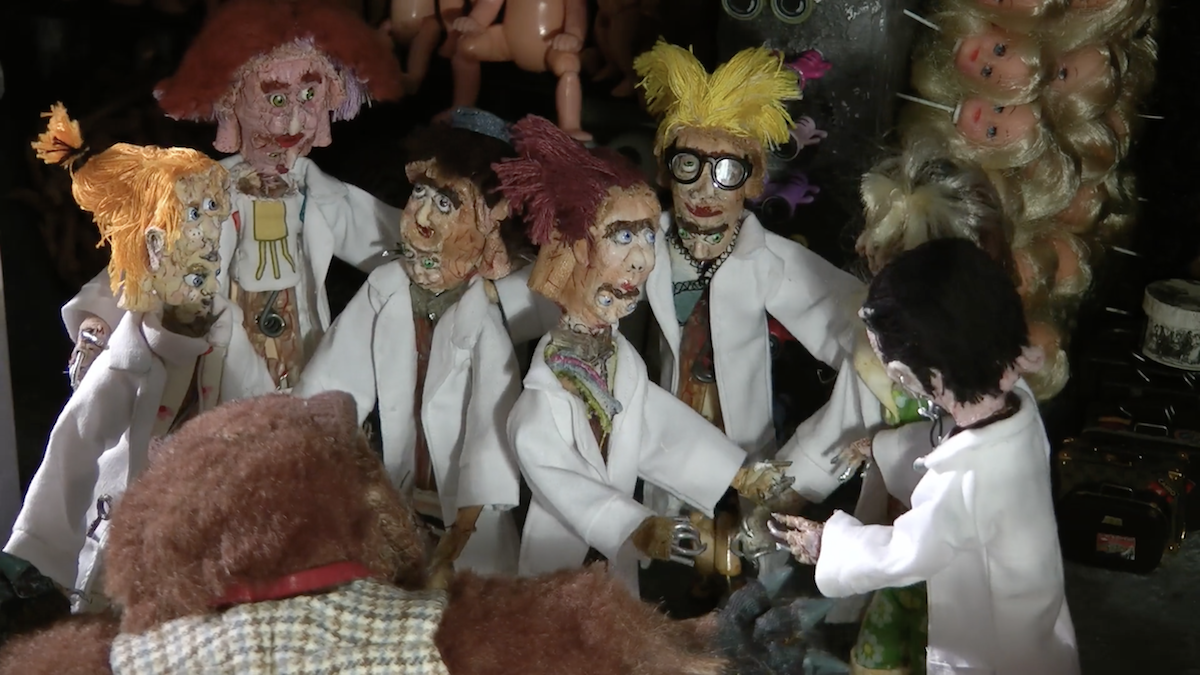 Meeting MacGuffin: An Animated Ecological Thriller[/caption]
Award winning Brooklyn filmmaker and artist Catya Plate, whose film “Hanging By A Thread” won the Spirit Award for Animation at the Brooklyn Film Festival in 2014, is back with the World Premiere of the stop motion animated film Meeting MacGuffin: An Animated Ecological Thriller at this year’s 20th Brooklyn Film Festival which runs from June 2 to 11, 2017.
“Meeting MacGuffin: An Animated Ecological Thriller” was successfully crowd funded via Hatchfund and features the remarkable voices of Hollywood celebrities Richard Horvitz and Misty Lee.
“Meeting MacGuffin” continues the tale which began in a post-apocalyptic future where humankind had fallen apart. A new breed of scientists, the Clothespin Freaks, had been reassembling human fragments to create an alternate form of humanity. Guided by LF, an animated sign, they travel with the nearly-finished new humans called Homeys, through underground caverns to complete their reconstitution and meet Gormal MacGuffin, a wise, blue-eyed groundhog climatologist with expertise in water renewal who prepares the Homeys for their mission to restore balance to decimated Earth.
Born in Barcelona, Spain, and raised in Germany, Catya completed her BFA at the Werkkunstschule, Köln, before coming to New York on a Fulbright Scholarship for post-graduate studies at School of Visual Arts. She has been exhibiting regularly and internationally since the mid-1980’s. Her work can be found in many public and private collections worldwide, including the Brooklyn Museum and the Museum of Modern Art Library in New York City. Articles and reviews of Plate’s films, exhibition and installation projects have appeared, among others, in Film Threat, The New York Times and The Independent.
Meeting MacGuffin: An Animated Ecological Thriller Screenings at Brooklyn Film Festival:
Monday, June 5th, 6:30pm, Syndicated Cinema, 40 Bogart St., Brooklyn, NY 11206
Saturday, June 10, 7pm, NY Media Center, 30 John St, Brooklyn, NY 11201
Meeting MacGuffin: An Animated Ecological Thriller[/caption]
Award winning Brooklyn filmmaker and artist Catya Plate, whose film “Hanging By A Thread” won the Spirit Award for Animation at the Brooklyn Film Festival in 2014, is back with the World Premiere of the stop motion animated film Meeting MacGuffin: An Animated Ecological Thriller at this year’s 20th Brooklyn Film Festival which runs from June 2 to 11, 2017.
“Meeting MacGuffin: An Animated Ecological Thriller” was successfully crowd funded via Hatchfund and features the remarkable voices of Hollywood celebrities Richard Horvitz and Misty Lee.
“Meeting MacGuffin” continues the tale which began in a post-apocalyptic future where humankind had fallen apart. A new breed of scientists, the Clothespin Freaks, had been reassembling human fragments to create an alternate form of humanity. Guided by LF, an animated sign, they travel with the nearly-finished new humans called Homeys, through underground caverns to complete their reconstitution and meet Gormal MacGuffin, a wise, blue-eyed groundhog climatologist with expertise in water renewal who prepares the Homeys for their mission to restore balance to decimated Earth.
Born in Barcelona, Spain, and raised in Germany, Catya completed her BFA at the Werkkunstschule, Köln, before coming to New York on a Fulbright Scholarship for post-graduate studies at School of Visual Arts. She has been exhibiting regularly and internationally since the mid-1980’s. Her work can be found in many public and private collections worldwide, including the Brooklyn Museum and the Museum of Modern Art Library in New York City. Articles and reviews of Plate’s films, exhibition and installation projects have appeared, among others, in Film Threat, The New York Times and The Independent.
Meeting MacGuffin: An Animated Ecological Thriller Screenings at Brooklyn Film Festival:
Monday, June 5th, 6:30pm, Syndicated Cinema, 40 Bogart St., Brooklyn, NY 11206
Saturday, June 10, 7pm, NY Media Center, 30 John St, Brooklyn, NY 11201
-
RLJ Entertainment to Release Thriller THE LIMEHOUSE GOLEM Starring Olivia Cooke | Trailer
[caption id="attachment_22559" align="aligncenter" width="1200"] The Limehouse Golem[/caption]
The thriller The Limehouse Golem directed by Juan Carlos Medina (Painless), that world premiered at the 2016 Toronto International Film Festival will be released in theaters and On Demand on September 8, by RLJ Entertainment.
Based on the novel “Dan Leno and the Limehouse Golem” by Peter Ackroyd, the film was written by the acclaimed writer Jane Goldman (Kingsmen, The Woman in Black), and stars Bill Nighy (Love Actually, Underworld), Olivia Cooke (Me and Earl and the Dying Girl, “Bates Motel”), Douglas Booth (Pride, Prejudice and Zombies, Noah), Daniel Mays (“Line of Duty”) and Eddie Marsan (Sherlock Homes, “Ray Donovan”).
The city of London is gripped with fear as a serial killer – dubbed The Limehouse Golem – is on the loose and leaving cryptic messages written in his victim’s blood. With few leads and increasing public pressure, Scotland Yard assigns the case to Inspector Kildare (Bill Nighy) – a seasoned detective with a troubled past and a sneaking SUSPICION he’s being set up to fail. Faced with a long list of suspects, including music hall star Dan Leno (Douglas Booth), Kildare must get help from a witness who has legal troubles of her own (Olivia Cooke), so he can stop the murders and bring the killer to justice.
https://www.youtube.com/watch?v=MCJp8-MebGY
The Limehouse Golem[/caption]
The thriller The Limehouse Golem directed by Juan Carlos Medina (Painless), that world premiered at the 2016 Toronto International Film Festival will be released in theaters and On Demand on September 8, by RLJ Entertainment.
Based on the novel “Dan Leno and the Limehouse Golem” by Peter Ackroyd, the film was written by the acclaimed writer Jane Goldman (Kingsmen, The Woman in Black), and stars Bill Nighy (Love Actually, Underworld), Olivia Cooke (Me and Earl and the Dying Girl, “Bates Motel”), Douglas Booth (Pride, Prejudice and Zombies, Noah), Daniel Mays (“Line of Duty”) and Eddie Marsan (Sherlock Homes, “Ray Donovan”).
The city of London is gripped with fear as a serial killer – dubbed The Limehouse Golem – is on the loose and leaving cryptic messages written in his victim’s blood. With few leads and increasing public pressure, Scotland Yard assigns the case to Inspector Kildare (Bill Nighy) – a seasoned detective with a troubled past and a sneaking SUSPICION he’s being set up to fail. Faced with a long list of suspects, including music hall star Dan Leno (Douglas Booth), Kildare must get help from a witness who has legal troubles of her own (Olivia Cooke), so he can stop the murders and bring the killer to justice.
https://www.youtube.com/watch?v=MCJp8-MebGY
-
The LGBT Documentary THE LIFE AND DEATH OF MARSHA P JOHNSON to Debut on Netflix | Trailer
[caption id="attachment_22039" align="aligncenter" width="1200"]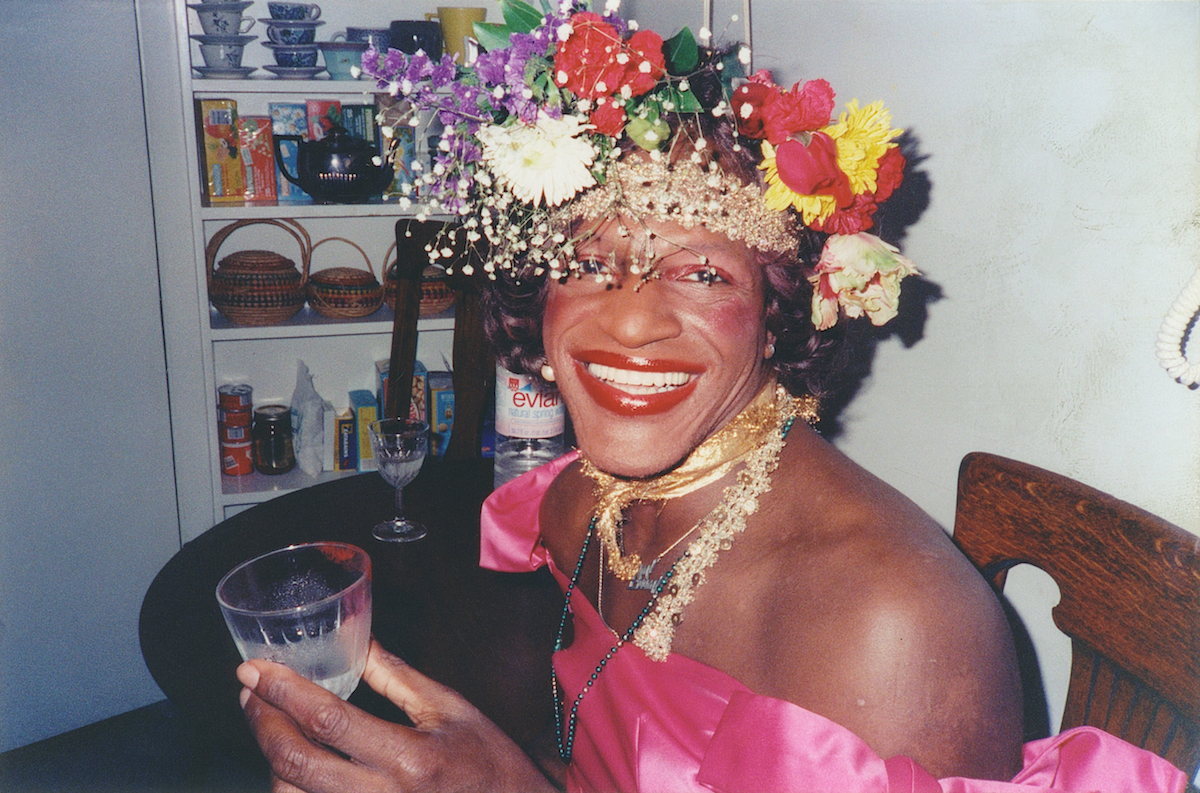 THE DEATH AND LIFE OF MARSHA P. JOHNSON[/caption]
David France’s The Death and Life of Marsha P. Johnson, a deeply compelling look at the murder of a transgender legend, known as “the Rosa Parks of the LGBT movement” has been acquired by Netflix, for release later this year. The powerful, haunting film is France’s follow-up to his Academy Award(R) nominated How to Survive a Plague.
When Marsha P. Johnson, the beloved, self-described “street queen” of NYC’s gay ghetto, was found floating in the Hudson River in 1992, the NYPD refused to investigate. Instead, they chalked it up to suicide, a widely dismissed conclusion, and left the mystery to fester for decades. Having played a pivotal role in the Stonewall Riots of 1969, Marsha and fellow icon Sylvia Rivera went on to form the world’s first trans-rights organization, STAR (Street Transvestites Action Revolutionaries) in 1970. And despite their many challenges over the years – harassment, homelessness, alcoholism – Marsha and Sylvia ignited a powerful and lasting civil rights movement for gender nonconforming people.
Now, 25 years after her untimely death, at a time of unprecedented visibility for, and escalating violence against, the transgender community, veteran crime-victim advocate Victoria Cruz has taken it upon herself to reexamine what happened to Marsha and measure the challenges that still face the community. The film follows as this intrepid champion pursues leads, mobilizes officials, and raises troubling new questions about a famous cold case. Along the way she burnishes the political legacy of a celebrated historical figure.
“Almost single-handedly, Marsha P. Johnson and her best friend Sylvia Rivera touched off a revolution in the way we talk about gender today,” said David France. “Their names should be household words. But Marsha’s life was cut tragically short and Sylvia died shortly thereafter, the victim of a broken heart. Getting to know their story through the investigation undertaken by Victoria Cruz, a seminal activist in her own right, has been one of the great honors of my career. Now, with Netflix as our distribution partner, I am confident the legacy of these tremendous women will never be forgotten.”
“We are honored to bring much deserved recognition to the dynamic life of Marsha P Johnson,” said Netflix VP of Original Documentary Programming Lisa Nishimura. “Her effervescent spirit and pioneering leadership of the LGBT movement is illuminated with an eloquent force by director David France and is a true testament to the power of documentary films.”
THE DEATH AND LIFE OF MARSHA P. JOHNSON[/caption]
David France’s The Death and Life of Marsha P. Johnson, a deeply compelling look at the murder of a transgender legend, known as “the Rosa Parks of the LGBT movement” has been acquired by Netflix, for release later this year. The powerful, haunting film is France’s follow-up to his Academy Award(R) nominated How to Survive a Plague.
When Marsha P. Johnson, the beloved, self-described “street queen” of NYC’s gay ghetto, was found floating in the Hudson River in 1992, the NYPD refused to investigate. Instead, they chalked it up to suicide, a widely dismissed conclusion, and left the mystery to fester for decades. Having played a pivotal role in the Stonewall Riots of 1969, Marsha and fellow icon Sylvia Rivera went on to form the world’s first trans-rights organization, STAR (Street Transvestites Action Revolutionaries) in 1970. And despite their many challenges over the years – harassment, homelessness, alcoholism – Marsha and Sylvia ignited a powerful and lasting civil rights movement for gender nonconforming people.
Now, 25 years after her untimely death, at a time of unprecedented visibility for, and escalating violence against, the transgender community, veteran crime-victim advocate Victoria Cruz has taken it upon herself to reexamine what happened to Marsha and measure the challenges that still face the community. The film follows as this intrepid champion pursues leads, mobilizes officials, and raises troubling new questions about a famous cold case. Along the way she burnishes the political legacy of a celebrated historical figure.
“Almost single-handedly, Marsha P. Johnson and her best friend Sylvia Rivera touched off a revolution in the way we talk about gender today,” said David France. “Their names should be household words. But Marsha’s life was cut tragically short and Sylvia died shortly thereafter, the victim of a broken heart. Getting to know their story through the investigation undertaken by Victoria Cruz, a seminal activist in her own right, has been one of the great honors of my career. Now, with Netflix as our distribution partner, I am confident the legacy of these tremendous women will never be forgotten.”
“We are honored to bring much deserved recognition to the dynamic life of Marsha P Johnson,” said Netflix VP of Original Documentary Programming Lisa Nishimura. “Her effervescent spirit and pioneering leadership of the LGBT movement is illuminated with an eloquent force by director David France and is a true testament to the power of documentary films.”
-
Watch Trailer for Chris Burkard’s Documentary UNDER AN ARCTIC SKY on Surfing in Iceland
[caption id="attachment_22549" align="aligncenter" width="1200"]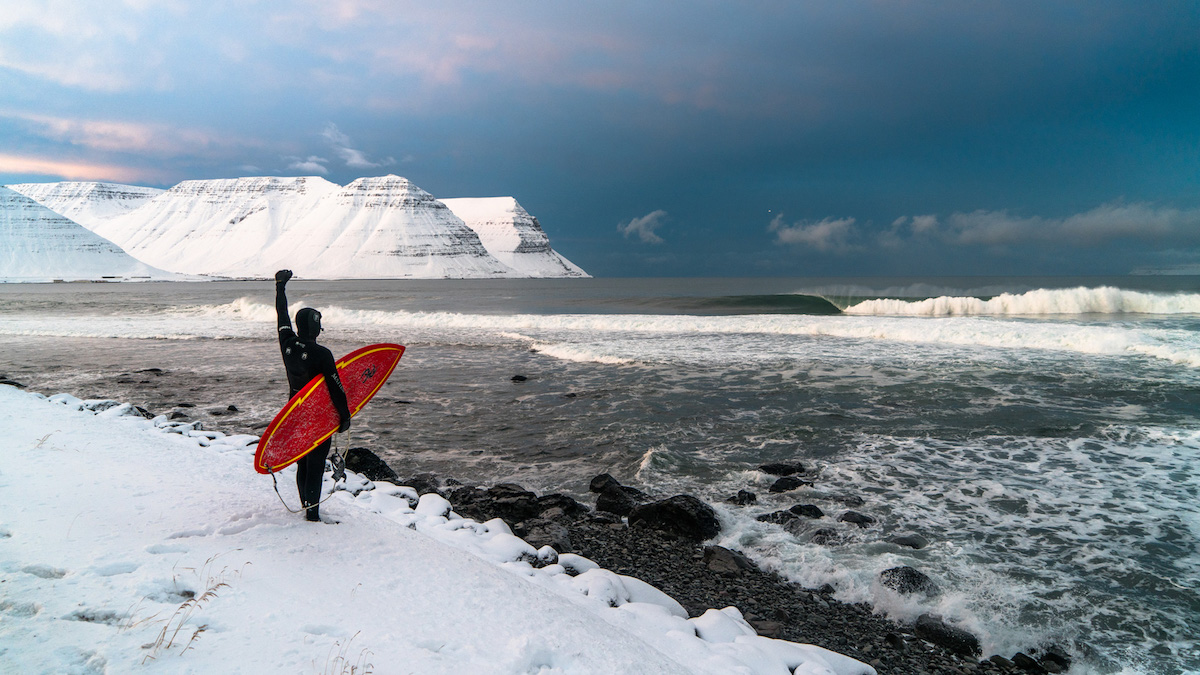 Under an Arctic Sky[/caption]
Here is the trailer for “Under an Arctic Sky,” a documentary film that follows six surfers along with photographer Chris Burkard on their journey to Iceland’s north coast in search of perfect waves during the largest storm in 25 years. The film first premiered this past April at the Tribeca Film Festival to a sold-out crowd.
If you are in New York City, next Thursday, June 8th, Adorama, one of the world’s largest photography, video, audio, imaging and electronics retailers, will be hosting a film screening of “Under an Arctic Sky.”
The film follows six surfers along with adventure photographer Chris Burkard and filmmaker Ben Weiland as they seek out unknown swell in the remote fjords of Iceland’s Hornstrandir Nature Reserve. Chartering a boat, they depart from Isafjordur on the cusp of the largest storm to make landfall in twenty-five years. With the knowledge that storms bring legendary swell the crew are optimistic, but face failure when the storm forces them back to shore. Making the decision to carry the expedition on by road they experience the brutality of Iceland’s winter and begin to question if searching out the unknown is worth risking their lives for. Despite setbacks the team pushes on and finds that uncertainty is the best ingredient for discovering the unimaginable.
Under an Arctic Sky[/caption]
Here is the trailer for “Under an Arctic Sky,” a documentary film that follows six surfers along with photographer Chris Burkard on their journey to Iceland’s north coast in search of perfect waves during the largest storm in 25 years. The film first premiered this past April at the Tribeca Film Festival to a sold-out crowd.
If you are in New York City, next Thursday, June 8th, Adorama, one of the world’s largest photography, video, audio, imaging and electronics retailers, will be hosting a film screening of “Under an Arctic Sky.”
The film follows six surfers along with adventure photographer Chris Burkard and filmmaker Ben Weiland as they seek out unknown swell in the remote fjords of Iceland’s Hornstrandir Nature Reserve. Chartering a boat, they depart from Isafjordur on the cusp of the largest storm to make landfall in twenty-five years. With the knowledge that storms bring legendary swell the crew are optimistic, but face failure when the storm forces them back to shore. Making the decision to carry the expedition on by road they experience the brutality of Iceland’s winter and begin to question if searching out the unknown is worth risking their lives for. Despite setbacks the team pushes on and finds that uncertainty is the best ingredient for discovering the unimaginable.
-
Matt Knudsen’s Western CASSIDY RED to World Premiere at Dances With Films | Trailer
[caption id="attachment_22541" align="aligncenter" width="1200"]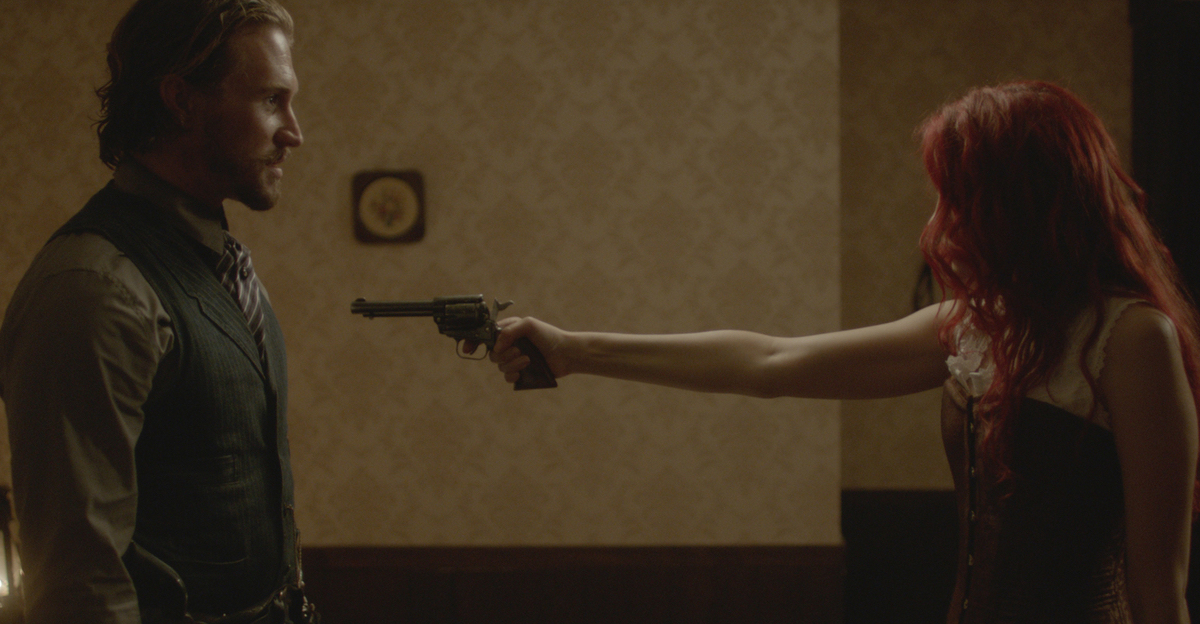 Cassidy Red[/caption]
“Cassidy Red,” a Western ballad of love and hate, written and directed by Matt Knudsen, a UCLA MFA student, will World Premiere as an Official Selection in Competition Features at Dances With Films on Friday, June 2, 2017, at 7:15 p.m., at the TCL Chinese Theatres (6801 Hollywood Boulevard, Hollywood, California).
Set against the backdrop of the 19th century American Southwest, the story follows “Josephine Cassidy,” the headstrong daughter of a prostitute and gunslinger, who returns to her hometown seeking vengeance against the corrupt lawman she believes murdered her lover.
Director Matt Knudsen says, “I wanted to acknowledge all of the iconic ingredients that made us fall in love with Westerns in the first place. But I conceived of the character Josephine Cassidy to represent the kind of progressive heroine that could help push the genre into a more interesting, contemporary place.”
The 92-minute film from Cassidy Red, LLC was shot at Old Tucson Studios (a historic location home to dozens of John Wayne classics) in Southern Arizona. Knudsen’s inspiration was the Spaghetti Westerns of his personal hero, the famed Sergio Leone, and the result owes much to the Italian classics he grew up watching. With the recent successes of Quentin Tarantino’s “The Hateful Eight,” Antoine Fuqua’s remake of “The Magnificent Seven”, and HBO’s “Westworld,” Knudsen has tapped into a nostalgic desire for the genre at a key moment.
Knudsen adds, “Like Leone often did for his films, I examined the genre and saw that there were stories, characters and themes not being represented. The superstructure of ‘Cassidy Red’ is forged from familiar elements we associate with the Western: the untamed frontier, the constant threat of violence, outlaws, betrayal, corruption, saloons, jail cells, livestock, prostitution, bloodshed… But, at its core, the film examines elements underrepresented in classic Westerns: strong, complex, proactive female characters, familial ties, heartbreak, sacrifice, choice, and star-crossed love.”
This love letter by Knudsen to the Western takes the audience on a journey through the American Southwest where two brothers fall for the same woman, resulting in a deadly love triangle.
Cassidy Red[/caption]
“Cassidy Red,” a Western ballad of love and hate, written and directed by Matt Knudsen, a UCLA MFA student, will World Premiere as an Official Selection in Competition Features at Dances With Films on Friday, June 2, 2017, at 7:15 p.m., at the TCL Chinese Theatres (6801 Hollywood Boulevard, Hollywood, California).
Set against the backdrop of the 19th century American Southwest, the story follows “Josephine Cassidy,” the headstrong daughter of a prostitute and gunslinger, who returns to her hometown seeking vengeance against the corrupt lawman she believes murdered her lover.
Director Matt Knudsen says, “I wanted to acknowledge all of the iconic ingredients that made us fall in love with Westerns in the first place. But I conceived of the character Josephine Cassidy to represent the kind of progressive heroine that could help push the genre into a more interesting, contemporary place.”
The 92-minute film from Cassidy Red, LLC was shot at Old Tucson Studios (a historic location home to dozens of John Wayne classics) in Southern Arizona. Knudsen’s inspiration was the Spaghetti Westerns of his personal hero, the famed Sergio Leone, and the result owes much to the Italian classics he grew up watching. With the recent successes of Quentin Tarantino’s “The Hateful Eight,” Antoine Fuqua’s remake of “The Magnificent Seven”, and HBO’s “Westworld,” Knudsen has tapped into a nostalgic desire for the genre at a key moment.
Knudsen adds, “Like Leone often did for his films, I examined the genre and saw that there were stories, characters and themes not being represented. The superstructure of ‘Cassidy Red’ is forged from familiar elements we associate with the Western: the untamed frontier, the constant threat of violence, outlaws, betrayal, corruption, saloons, jail cells, livestock, prostitution, bloodshed… But, at its core, the film examines elements underrepresented in classic Westerns: strong, complex, proactive female characters, familial ties, heartbreak, sacrifice, choice, and star-crossed love.”
This love letter by Knudsen to the Western takes the audience on a journey through the American Southwest where two brothers fall for the same woman, resulting in a deadly love triangle.
-
WELCOME TO GERMANY to Open, TEXT FOR YOU to Close 2017 Stony Brook Film Festival
[caption id="attachment_22536" align="aligncenter" width="1200"] Text for You[/caption]
A highly selective slate of new independent films will screen at the 22nd Annual Stony Brook Film Festival taking place July 20 to 29, at Staller Center for the Arts at Stony Brook University. Many filmmakers are expected to attend throughout the Festival to represent their films at screenings and Q&As.
Alan Inkles, Stony Brook’s founder and director, notes, “U.S. Premieres from Germany open and close the Festival. Both are entertaining and timely, and were chosen for their ability to bring in the widest possible audience since they are definite crowd pleasers. The Opening Night feature, Welcome to Germany, (Willkommen bei den Hartmanns), from Picture Tree International, is a delightful comedy about politics, cultural identity, xenophobia and family issues. Closing Night’s feature, Text for You (SMS für Dich) is a romantic comedy directed, co-written and starring Karoline Herfurth, (Berlin ‘36, The Reader). From Beta Cinema, Text for You is about loss and finding love again. It’s the perfect film to end our ten day run.”
In addition to Karoline Herfurth’s Text for You, a notable number of films in the Stony Brook line up are by women filmmakers. Catherine Eaton of The Sounding is director, co-writer, producer, and the central actor in the drama from Corsetless Productions. The Sounding is a unique story about a woman who has chosen to remain silent for years and who suddenly begins to speak using only the words of Shakespeare.
Other women filmmakers whose work will be screened include Love is Thicker Than Water from Mulholland Pictures, co-directed by Emily Harris (with Ate de Jong), Menemsha Films’ Fanny’s Journey by Lola Doillon, director and co-writer, based on a true story of children escaping Nazis. Tonio is directed by Paula van der Oest, and was the Netherlands’ foreign-language Oscar submission this year. Others from women filmmakers are Media Luna Films Little Wing by Selma Vilhunen, and From the Land of the Moon, directed and co-written by Nicole Garcia from IFC Films. The documentary Purple Dreams by director Joanne Hock, along with producer, Robin Gray, a 1977 Stony Brook University alum, explores the story of the first high school permitted to perform the musical The Color Purple.
Shorts by female filmmakers include Speak by director, writer, actress Laura Seay. Game by Jeannie Donohoe; Snowgirl by Ilina Perianova; Who Sank Your Ships? by Ella Kohn; Oma by Daniella Rabbani, Real Artists by Cameo Wood, and Interrogation by YueCheng Liu are all films by women.
[caption id="attachment_22537" align="aligncenter" width="1200"]
Text for You[/caption]
A highly selective slate of new independent films will screen at the 22nd Annual Stony Brook Film Festival taking place July 20 to 29, at Staller Center for the Arts at Stony Brook University. Many filmmakers are expected to attend throughout the Festival to represent their films at screenings and Q&As.
Alan Inkles, Stony Brook’s founder and director, notes, “U.S. Premieres from Germany open and close the Festival. Both are entertaining and timely, and were chosen for their ability to bring in the widest possible audience since they are definite crowd pleasers. The Opening Night feature, Welcome to Germany, (Willkommen bei den Hartmanns), from Picture Tree International, is a delightful comedy about politics, cultural identity, xenophobia and family issues. Closing Night’s feature, Text for You (SMS für Dich) is a romantic comedy directed, co-written and starring Karoline Herfurth, (Berlin ‘36, The Reader). From Beta Cinema, Text for You is about loss and finding love again. It’s the perfect film to end our ten day run.”
In addition to Karoline Herfurth’s Text for You, a notable number of films in the Stony Brook line up are by women filmmakers. Catherine Eaton of The Sounding is director, co-writer, producer, and the central actor in the drama from Corsetless Productions. The Sounding is a unique story about a woman who has chosen to remain silent for years and who suddenly begins to speak using only the words of Shakespeare.
Other women filmmakers whose work will be screened include Love is Thicker Than Water from Mulholland Pictures, co-directed by Emily Harris (with Ate de Jong), Menemsha Films’ Fanny’s Journey by Lola Doillon, director and co-writer, based on a true story of children escaping Nazis. Tonio is directed by Paula van der Oest, and was the Netherlands’ foreign-language Oscar submission this year. Others from women filmmakers are Media Luna Films Little Wing by Selma Vilhunen, and From the Land of the Moon, directed and co-written by Nicole Garcia from IFC Films. The documentary Purple Dreams by director Joanne Hock, along with producer, Robin Gray, a 1977 Stony Brook University alum, explores the story of the first high school permitted to perform the musical The Color Purple.
Shorts by female filmmakers include Speak by director, writer, actress Laura Seay. Game by Jeannie Donohoe; Snowgirl by Ilina Perianova; Who Sank Your Ships? by Ella Kohn; Oma by Daniella Rabbani, Real Artists by Cameo Wood, and Interrogation by YueCheng Liu are all films by women.
[caption id="attachment_22537" align="aligncenter" width="1200"] To the Edge of the Sky[/caption]
The Stony Brook Film Festival is presenting the World Premiere of To the Edge of the Sky, a riveting U.S. documentary directed by Long Island brothers Todd Wider and Jedd Wider known for their docs Client 9, and God Knows Where I Am. Todd and Jedd Wider were producers of the Academy Award winning film, Taxi to the Dark Side.
To the Edge of the Sky follows four families as they fight the FDA to gain access to a potentially lifesaving drug for Duchenne Muscular Dystrophy, a fatal disease the families’ sons suffer from and the number one genetic killer of boys in the world. The film focuses on the transformation of the mothers of four boys into “the rogue moms” as they become political activists during their righteous battle against time and the FDA. A Wider Film Projects film, it screens on Sunday, July 23 at 4:00 pm. To the Edge of the Sky will be preceded by a World Premiere of the short film Brothers by Zachary Fuhrer, also a Long Island filmmaker with roots in the community.
Stony Brook Film Festival is also presenting the U.S. Premiere of the documentary, The Second Act of Elliott Murphy. Originally from Rockville Centre, Murphy was an up-and- coming singer/songwriter who left for Paris three decades ago and who has become one of the most well known American rockers to tour regularly throughout Europe. The Second Act of Elliott Murphy follows his life on the road and includes interviews with Billy Joel and Bruce Springsteen, who both count themselves among his fans.
In addition to coming to the Stony Brook Film Festival and representing the documentary about his life and career, Elliott Murphy plans on playing a few tunes after his Q&A.
In addition to films from 19 foreign countries, the 22nd Annual Stony Brook Film Festival presented by Island Federal Credit Union has more American Independent features and shorts this year than ever before. 15,000 tickets are expected to be sold this summer.
To the Edge of the Sky[/caption]
The Stony Brook Film Festival is presenting the World Premiere of To the Edge of the Sky, a riveting U.S. documentary directed by Long Island brothers Todd Wider and Jedd Wider known for their docs Client 9, and God Knows Where I Am. Todd and Jedd Wider were producers of the Academy Award winning film, Taxi to the Dark Side.
To the Edge of the Sky follows four families as they fight the FDA to gain access to a potentially lifesaving drug for Duchenne Muscular Dystrophy, a fatal disease the families’ sons suffer from and the number one genetic killer of boys in the world. The film focuses on the transformation of the mothers of four boys into “the rogue moms” as they become political activists during their righteous battle against time and the FDA. A Wider Film Projects film, it screens on Sunday, July 23 at 4:00 pm. To the Edge of the Sky will be preceded by a World Premiere of the short film Brothers by Zachary Fuhrer, also a Long Island filmmaker with roots in the community.
Stony Brook Film Festival is also presenting the U.S. Premiere of the documentary, The Second Act of Elliott Murphy. Originally from Rockville Centre, Murphy was an up-and- coming singer/songwriter who left for Paris three decades ago and who has become one of the most well known American rockers to tour regularly throughout Europe. The Second Act of Elliott Murphy follows his life on the road and includes interviews with Billy Joel and Bruce Springsteen, who both count themselves among his fans.
In addition to coming to the Stony Brook Film Festival and representing the documentary about his life and career, Elliott Murphy plans on playing a few tunes after his Q&A.
In addition to films from 19 foreign countries, the 22nd Annual Stony Brook Film Festival presented by Island Federal Credit Union has more American Independent features and shorts this year than ever before. 15,000 tickets are expected to be sold this summer.
-
WOMEN & WINE, REFUGEE and PUSSY Win Seattle International Film Festival ShortsFest Jury Awards
[caption id="attachment_22532" align="aligncenter" width="1158"]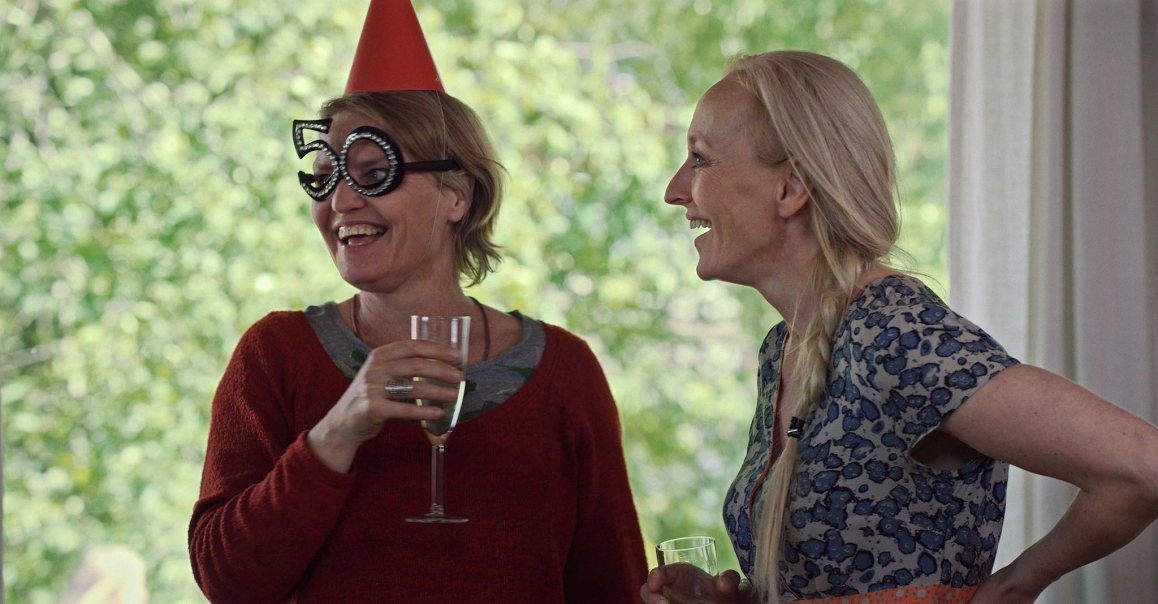 WOMEN & WINE[/caption]
ShortsFest Weekend, Seattle International Film Festival’s celebration of short films, that takes place every year over Memorial Day Weekend, announced this year’s Jury Award winners. This year’s Festival which runs May 18 to June 11, features 163 short films, including 22 World, 12 North American, and 19 US premieres.
WOMEN & WINE[/caption]
ShortsFest Weekend, Seattle International Film Festival’s celebration of short films, that takes place every year over Memorial Day Weekend, announced this year’s Jury Award winners. This year’s Festival which runs May 18 to June 11, features 163 short films, including 22 World, 12 North American, and 19 US premieres.
2017 SIFF SHORTSFEST AWARD WINNERS
LIVE-ACTION
GRAND JURY PRIZE WOMEN & WINE (NORWAY), directed by Liv Karin Dahlstrøm JURY STATEMENT: For its honest depiction of friendship that, over a short period of time, authentically runs the spectrum from silly and beautiful to awkward and heartbreaking, we give the Jury Award for Best Live Action Short to Women&Wine, directed by Liv Karin Dahlstrom. SPECIAL JURY MENTION NOTHING EVER REALLY ENDS (NORWAY), directed by Jakob Rørvik JURY STATEMENT: For its exceptional craftsmanship in all areas of the filmmaking process we decided that Nothing Ever Really Ends could not go unmentioned. From the writing and directing to the editing and acting this film unfolds effortlessly. And all in the service of an incredibly entertaining and relatable story. SPECIAL JURY MENTION FANNY (NORWAY), directed by Halfdan Ullmann Tøndel JURY STATEMENT: We’d also like to recognize a filmmaker who impressed us with an intimate and frank film about sexuality and loneliness. For his unique vision, heartbreaking honesty, and nuanced direction in the film Fanny, we’d like to award Halfdan Ullmann Tøndel a special jury award for emerging director.DOCUMENTARY
GRAND JURY PRIZE REFUGEE (USA), directed by Joyce Chen and Emily Moore JURY STATEMENT: For many refugees, getting to the United States is only the first step of a decades-long journey. Refugee is the moving and powerful story of a mother of five, Aicha Diop, whose journey to obtain asylum encapsulates the hope of life in America, as well as its harsh political realities. SPECIAL JURY MENTION WAITING FOR HASSANA (NIGERIA), directed by Ifunanya Maduka JURY STATEMENT: By bringing to light one young girl’s traumatic experience, this important documentary gives a voice to all 276 teenage girls whose lives were violently interrupted by Boko Haram in 2014. This film is a necessary reminder that an issue doesn’t vanish when its hashtag stops trending.ANIMATION
GRAND JURY PRIZE PUSSY (POLAND), directed by Renata Gasiorowska JURY STATEMENT: A witty and whimsical animated short about a girl and her body, Pussy quickly takes the audience on a wild ride through female sex positivity. SPECIAL JURY MENTION THE HEAD VANISHES (FRANCE), directed by Franck Dion JURY STATEMENT: Through its beautiful animation and unique perspective, The Head Vanishes poignantly captures the exceptional challenges, the hopeful glimmers, the peaceful moments, and the continual struggles of dealing with a mentally ill parent.FUTUREWAVE SHORTS AWARDS
WAVEMAKER AWARD (GRAND PRIZE) $1000 prize supported by Amazon Battles (CANADA, QUEBEC), directed by Karen Pinette Fontaine JURY STATEMENT: For its richly composed visuals and poetic journey of self that takes the viewer from a hollow party atmosphere to a seemingly empty space that becomes filled with the narrator’s culture that is thriving within her. PRODIGY CAMP SCHOLARSHIPS Each winner will be awarded a $1250 scholarship to the Prodigy Camp. The Petition (USA), directed by Riley Goodwin and Kibiriti Majuto
-
Provincetown International Film Festival to Honor INGRID GOES WEST’s Aubrey Plaza
[caption id="attachment_22529" align="aligncenter" width="1200"]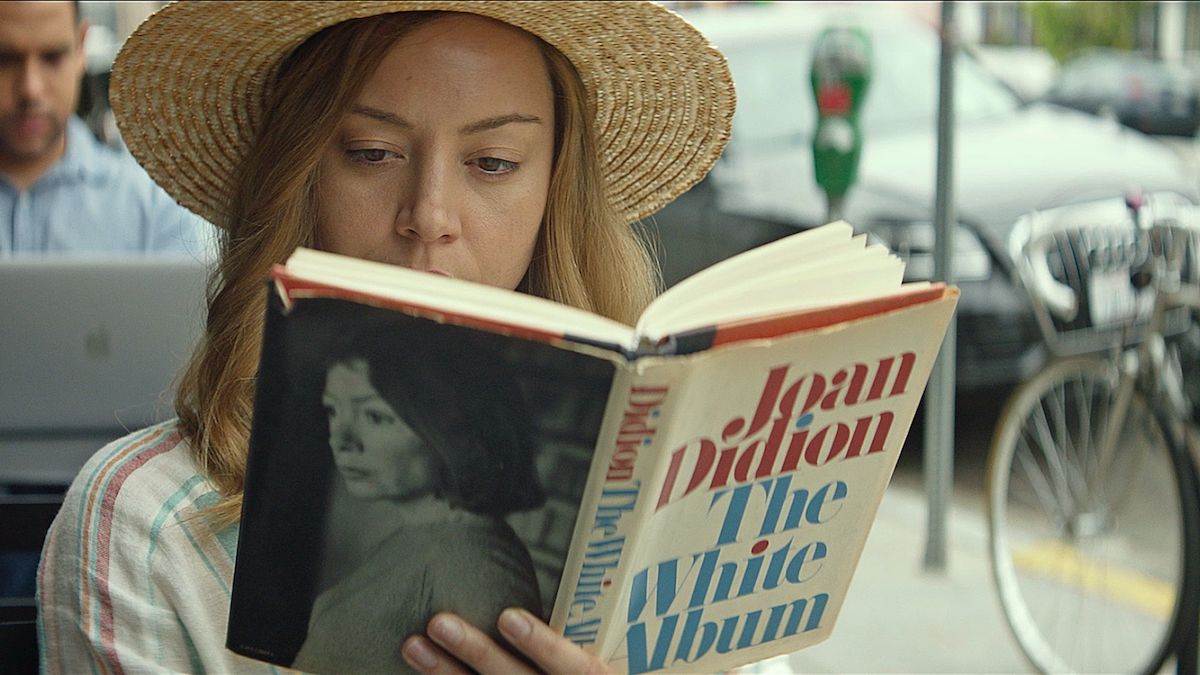 Aubrey Plaza as Ingrid Thorburn in INGRID GOES WEST[/caption]
The Provincetown International Film Festival (PIFF) will honor actress Aubrey Plaza, with the festival’s inaugural Next Wave Award, which recognizes those who have exciting and distinctive voices, take artistic risks, and have a passionate commitment to independent film.
Plaza, who stars in and produced the festival’s Closing Night Film, INGRID GOES WEST, will receive the honor at a ceremony on Sunday, June 18 at Fishermen Hall in Provincetown. She will also star in THE LITTLE HOURS which she produced and has recently received critical acclaim for her role on the FX series, “Legion.”
Additionally, the festival will host a special presentation with Julie Klausner and Scott King, the creators of Hulu’s hit original series “Difficult People” and a special screening of a new documentary from acclaimed filmmakers Sebastian Junger and Nick Quested (with Junger in attendance), as well as daily breakfast panels and more.
Other additional programing includes
Aubrey Plaza as Ingrid Thorburn in INGRID GOES WEST[/caption]
The Provincetown International Film Festival (PIFF) will honor actress Aubrey Plaza, with the festival’s inaugural Next Wave Award, which recognizes those who have exciting and distinctive voices, take artistic risks, and have a passionate commitment to independent film.
Plaza, who stars in and produced the festival’s Closing Night Film, INGRID GOES WEST, will receive the honor at a ceremony on Sunday, June 18 at Fishermen Hall in Provincetown. She will also star in THE LITTLE HOURS which she produced and has recently received critical acclaim for her role on the FX series, “Legion.”
Additionally, the festival will host a special presentation with Julie Klausner and Scott King, the creators of Hulu’s hit original series “Difficult People” and a special screening of a new documentary from acclaimed filmmakers Sebastian Junger and Nick Quested (with Junger in attendance), as well as daily breakfast panels and more.
Other additional programing includes
SPECIAL SCREENINGS
EPISODIC TV SPECIAL PRESENTATION: THE CREATIVE GENIUSES BEHIND “DIFFICULT PEOPLE,” PRESENTED BY HULU – Saturday, June 17, 2:30pm, Art House 2 Join Julie Klausner (creator, executive producer, writer, star) and Scott King (executive producer, showrunner) as they share clips from the upcoming third season and talk about their hilarious and wildly irreverent comedy series “Difficult People,” about two aspiring NYC comedians in their mid-30s (Klausner and “Billy on the Street” star Billy Eichner) who aren’t living up to their potential, hate just about everything and everyone – except for each other. Learn how the project caught the attention of executive producer Amy Poehler and is the stopping-place for a broad swath of guest stars from Nathan Lane to Kathie Lee Gifford to Seth Meyers and Lin-Manuel Miranda. Moderated by Kyle Turner, a freelance writer and editor based in Brooklyn, New York. His work has been featured in Paste Magazine, The Village Voice, Playboy, Slate, Vice, Brooklyn Magazine, and Indiewire’s /Bent. HELL ON EARTH: THE FALL OF SYRIA AND THE RISE OF ISIS (directed by Sebastian Junger and Nick Quested) – Sunday, June 18, 2pm, Art House 1 Academy Award-nominated filmmaker and best-selling author Sebastian Junger and his Emmy-winning filmmaking partner, Nick Quested, chronicle Syria’s descent into the unbridled chaos that allowed the rise of the Islamic State, better known as ISIS. This documentary delves into the real stories and persons in the conflict, giving a human face on the ground to what are just headlines and news clips to the rest of the world. Discovering the motivations, consequences and human toll from the war raises questions of how outside forces have influenced the situation, including the West. *Sebastian Junger will be in attendance.PIFFtalks
PIFFtalks: SCREEN ADAPTATIONS: FROM BOOKS AND FILMS – Thursday, June 15, 3pm, Harbor Lounge, 359 Commercial Street Join writer/producer Mark Protosevich (OLD BOY, I AM LEGEND, POSEIDON) and author Casey Sherman (Boston Strong, The Finest Hours) in a discussion about the challenges of adapting films from other original source material. Sherman’s telling of the 2013 Boston Marathon bombings was most recently adapted to the screen in the 2017 film PATRIOT’S DAY directed by Peter Berg. Protosevich will speak to the creative undertaking of adapting among other classic films, the 2003 South Korean classic film OLD BOY, directed by auteur filmmaker Park Chan-wook, for Spike Lee and his current project FLASH GORDON with director Matthew Vaughn. Moderated by award-winning journalist Ari Karpel. PIFFtalks: WOMEN IN FILM AT PIFF – Friday, June 16, 10am, Provincetown Theater, 238 Bradford Street It wasn’t long ago that women directors only accounted for 7% of the selections at the Cannes Film Festival. Meanwhile, 50% of PIFF’s 2017 narrative feature selections are directed by women, continuing the Festival’s long tradition of support. Join us for a conversation about being filmmakers, by directors and producers who just happen to be women. Panelists include: Noël Wells (MR. ROOSEVELT) and Katherine Dieckmann (STRANGE WEATHER). Moderated by Loren King, Boston Globe correspondent. PIFFtalks: SEBASTIAN JUNGER – Saturday, June 17, 10am, Provincetown Theater, 238 Bradford Street Join us for a special conversation with award-winning writer, director, journalist Sebastian Junger. Known for his wide range of best-selling books, The Perfect Storm, Fire, A Death in Belmont, and War. His documentary films include the Academy-Award nominated RESTREPO, WHICH WAY TO THE FRONT LINE FROM HERE?, and KORENGAL. His new film, HELL ON EARTH: THE FALL OF SYRIA AND THE RISE OF ISIS, is screening at this year’s festival. Moderated by journalist and author Mark Harris, former executive editor of Entertainment Weekly and author of Five Came Back. PIFFtalks: CAPTURING A TRUE STORY – Sunday, June 18, 10am, Provincetown Theater, 238 Bradford Street Every documentary has a huge responsibility to its viewers – to tell the truth. Join us to discuss the magic and pitfalls of capturing real events in order to tell a true story with respect to the people who lived it. How does the camera, direction editing and other filmmaking tools affect reality? Panelists include festival directors: Hope Litoff (32 PILLS: MY SISTER’S SUICIDE), Trish Adlesic (I AM EVIDENCE), and Andrew Rossi (BRONX GOTHIC). Moderated by Steven Raphael, Founder/President, Required Viewing.PIFFplus
ANCHOR AWARD: JOHN AND GUI YINGLING – Wednesday, June 14, 6:30pm presentation before Opening Night Screening, Fishermen Hall, 12 Winslow Street Each year, we recognize one of our generous community business partners who provides extraordinary support for the festival and our other year-round programs. Through his services as a longtime member of the Provincetown Film Society board, John Yingling along with his son Gui with whom he operates several local establishments including Bubula’s, Local 186, Enzo’s, and Spiritus Pizza, represent a vital part of the Provincetown community and have a steadfast commitment to giving back in time and resources. John and Gui win special kudos from our staff and volunteers by providing free pizza from Spiritus and an annual thank you party for our amazing volunteers. BOOK SIGNING – MAKE TROUBLE: JOHN WATERS – Thursday, June15, 5pm-7pm, MAP, 220 Commercial Street Pop culture icon, New York Times bestselling author and renowned filmmaker of such cult masterpieces as HAIRSPRAY, PINK FLAMINGOS and SERIAL MOM advises the graduating class of the Rhode Island School of Design to ‘get busy and make trouble’ in his new graphic book Make Trouble. In the book, Waters uses his sly wisdom and wealth of experience to encourage the younger generation to embrace chaos, be nosy, and challenge the status quo, while simultaneously urging anyone embarking on a creative path to be both pragmatic and disciplined. Notable quotes include: “Remember, a ‘no’ is free. Ask for the world and pay no mind if you are initially turned down.” “Don’t hate all rich people. They’re not all awful. Believe me. I know some evil poor people, too.” “Use technology for transgression, not lazy social living.” Meet John Waters… EVAN LAWSON FILMMAKERS’ BRUNCH – CELEBRATING FILMMAKERS ON THE FRONT LINE – Sunday, June 18, 12pm, Sage at the Pilgrim House, 336 Commercial Street Recipient of the 2016 Freedom Award from the Transgender Legal Defense and Education Fund for his HBO film SUITED, director Jason Benjamin will share his experiences working with the transgender community and with veterans for his upcoming film RETURNING. A screening of the film will take place at AMP Gallery, 432 Commercial Street on Sunday, June 18 at 4:30pm. The Evan Lawson Filmmakers’ Benefit Brunch honors the legacy of former board president Evan Law- son, who was a longtime advocate for Provincetown and its artists. Tax-deductible tickets are $250 at the box office and online. SHORT FILM SCREENING: “RETURNING” (directed by Jason Benjamin) – Sunday, June 18, 4:30pm, AMP Gallery, 432 Commercial Street After studying technique and theory of documentary filmmaking, four Florida veterans apply what they’ve learned to examine the Sarasota County Veterans Treatment Court system. This short documentary illustrates how the judicial system works with, and not against, local veterans. Through the treatment court, veterans are provided mentoring, counseling and other tools that focus on rehabilitation instead of incarceration. The veterans court is led by a compassionate circuit court judge who takes on each case with considerate justice. Meet the filmmakers: director Jason Benjamin, executive producer John Secor, and the veterans featured in the film. 2017 HBO AWARDS PRESENTATION – HBO PRESENTS THE AUDIENCE AWARDS – presentation during Closing Night Party, Sunday, June 18, 9pm, The Waterford Inn – Spindler’s, 386 Commercial Street HBO has long been known for connecting audiences around the world to compelling content that is both groundbreaking and popular. Likewise, they are uniquely poised to present our discerning audiences picks for Best Narrative Feature, Best Documentary Feature and Best Short Film. The 2016 Audience Awards went to: THE INNOCENTS directed by Anne Fontaine for Best Narrative Feature; THE MUSIC OF STRANGERS: YO-YO MA AND THE SILK ROAD ENSEMBLE by Morgan Neville, and POLITICAL ANIMALS by Jonah Markowitz and Tracy Wares (tie) for Best Documentary Feature; and TERRITORY directed by Eleanor Mortimer for Short Documentary Award. JOHN SCHLESINGER AWARD FOR FIRST TIME DIRECTOR – presentation during Closing Night Party, Sunday, June 18, 9pm, The Waterford Inn – Spindler’s, 386 Commercial Street In memory of John Schlesinger, this special award is given to first-time doc/narrative feature film directors at our Closing Night Awards presentation. John Schlesinger’s (1926-2003) work includes such highly acclaimed films as MIDNIGHT COWBOY, MARATHON MAN, THE DAY OF THE LOCUST, SUNDAY BLOODY SUNDAY and COLD COMFORT FARM. Mr. Schlesinger’s films reveal a keen social awareness, a fascination with love’s complexities, and a penchant for drawing out big performances. An actor himself, he helped to make stars out of such performers as Julie Chris- tie, Dustin Ho man and John Voight, and has the distinction of directing eight different actors in Academy Award-nominated performances. 2016 winners include BLOOD STRIPE directed by Remy Auberjonois for Best Narrative Feature; OFF THE RAILS by Adam Irving for Best Documentary Feature. HERE MEDIA PRESENTS: QUEER SHORTS AWARD – presentation during Closing Night Party, Sunday, June 18, 9pm, The Waterford Inn – Spindler’s, 386 Commercial Street Debuting a new award for 2016, HERE MEDIA presented the Jury Award for Best QUEER SHORT, which was chosen from those shorts presented in our QUEER SHORTS program. Awarding it again in 2017, this award comes with recognition and distribution by HERE MEDIA, including streaming of the winning short across HERE MEDIA properties. JURIED SHORTS AWARDS – presentation during Closing Night Party, Sunday, June 18, 9pm, The Waterford Inn – Spindler’s, 386 Commercial Street A team of film industry professionals will also present awards for Best Narrative Short Film; Best Animated Short Film; Best New England Short Film; and Best Student Short Film. 2016 winners include THUNDER ROAD directed by Jim Cummings for Best Narrative Short Film; GLOVE directed by Alexa Haas and Bernardo Britto for Best Animated Short Film; BLACK CANARIES directed by Jesse Kreitzer for Best New England Short Film; THE MINK CATCHER directed by Samantha Buck for Best Student Short Film; and MAIS DURO! directed by Camila Saldarriaga. The 2017 jurors are: Dilcia Barrera, Sundance Film Festival Short Film Programmer; Bernardo Britto, director (PIFF 2016 Best Animated Short Film, GLOVE), and director Lauren Wolkstein (THE STRANGE ONES, PIFF 2017).
-
THE REAGAN SHOW, A Doc Look at the First TV President, Opens June 30 in NY & LA | Trailer
[caption id="attachment_22526" align="aligncenter" width="1200"] THE REAGAN SHOW[/caption]
Pacho Velez’s and Sierra Pettengill’s THE REAGAN SHOW is an all-archival documentary about the original performer-president’s role of a lifetime: Leader of the Free World. A hit at the recent Tribeca Film Festival, the movie will open in New York at the Metrograph Theater and in Los Angeles at the Laemmle Monica Film Center on Friday, June 30, with a national rollout to immediately follow. It will also become available on VOD on July 4.
Teasing apart the spectacle at the heart of finger-on-the-button global diplomacy, THE REAGAN SHOW follows Ronald Reagan’s rivalry with charismatic Soviet leader Mikhail Gorbachev, tracing how the Communicator-in-Chief uses his public relations chops to overcome Soviet mistrust, the objections of a skeptical press corps and the looming threat of WW III. Chock full of wit and political irony, and told solely through 1980s network news and videotapes created by the Reagan administration itself, the film explores Reagan’s made-for-TV approach to politics as he faced down the United States’ greatest rival.
https://www.youtube.com/watch?v=07BHVGm-Y6s
THE REAGAN SHOW[/caption]
Pacho Velez’s and Sierra Pettengill’s THE REAGAN SHOW is an all-archival documentary about the original performer-president’s role of a lifetime: Leader of the Free World. A hit at the recent Tribeca Film Festival, the movie will open in New York at the Metrograph Theater and in Los Angeles at the Laemmle Monica Film Center on Friday, June 30, with a national rollout to immediately follow. It will also become available on VOD on July 4.
Teasing apart the spectacle at the heart of finger-on-the-button global diplomacy, THE REAGAN SHOW follows Ronald Reagan’s rivalry with charismatic Soviet leader Mikhail Gorbachev, tracing how the Communicator-in-Chief uses his public relations chops to overcome Soviet mistrust, the objections of a skeptical press corps and the looming threat of WW III. Chock full of wit and political irony, and told solely through 1980s network news and videotapes created by the Reagan administration itself, the film explores Reagan’s made-for-TV approach to politics as he faced down the United States’ greatest rival.
https://www.youtube.com/watch?v=07BHVGm-Y6s
-
Las Vegas Film Festival Opens and Closes with Sundance Hits LEMON and LANDLINE
[caption id="attachment_19433" align="aligncenter" width="1200"] Lemon[/caption]
The 10th Las Vegas Film Festival kicks off on Tuesday, June 6 with “Lemon,” which premiered at the 2017 Sundance Film Festival.
In Lemon, Isaac Lachmann has seen better days. His acting career is tanking, while his colleagues succeed; his blind girlfriend of 10 years plans to leave him; and his own family singles him out as a constant disappointment at their latest reunion. Even as he takes a chance on new romance, Isaac struggles to define his place in a world that has seemingly turned against him. Director Janicza Bravo’s (the 2014 Sundance Film Festival Short Film Jury Award winner for “Gregory Go Boom”) description-defying debut feature promises to delight and unsettle audiences in equal measure with its unique brand of discomforting humor. Bravo unflinchingly strips down her stellar lead and co-writer, Brett Gelman, to appalling levels of vulnerability, emphasized by idiosyncratic supporting turns from Michael Cera, Judy Greer, Nia Long, Martin Starr and Gillian Jacobs. Bursting with meticulous unease and loving contempt, Bravo questions what it means to truly unravel.
[caption id="attachment_20052" align="aligncenter" width="1200"]
Lemon[/caption]
The 10th Las Vegas Film Festival kicks off on Tuesday, June 6 with “Lemon,” which premiered at the 2017 Sundance Film Festival.
In Lemon, Isaac Lachmann has seen better days. His acting career is tanking, while his colleagues succeed; his blind girlfriend of 10 years plans to leave him; and his own family singles him out as a constant disappointment at their latest reunion. Even as he takes a chance on new romance, Isaac struggles to define his place in a world that has seemingly turned against him. Director Janicza Bravo’s (the 2014 Sundance Film Festival Short Film Jury Award winner for “Gregory Go Boom”) description-defying debut feature promises to delight and unsettle audiences in equal measure with its unique brand of discomforting humor. Bravo unflinchingly strips down her stellar lead and co-writer, Brett Gelman, to appalling levels of vulnerability, emphasized by idiosyncratic supporting turns from Michael Cera, Judy Greer, Nia Long, Martin Starr and Gillian Jacobs. Bursting with meticulous unease and loving contempt, Bravo questions what it means to truly unravel.
[caption id="attachment_20052" align="aligncenter" width="1200"] Jenny Slate and Abby Quinn appear in Landline by Gillian Robespierre[/caption]
Closing out the Festival on Sunday, June 11 is another Sundance Film Festival 2017 premiere, “Landline,” starting Jenny Slate, John Turturro, Edie Falco, Abby Quinn, Jay Duplass and Finn Wittrock. The Manhattan of 1995: a land without cell phones, but abundant in CD listening stations, bar smoke, and family dysfunction. Enter the Jacobs. Eldest daughter Dana’s looming marriage to straight-laced Ben prompts a willful dive into her wild side, while her younger sister, Ali, is still in high school but leads a covert life of sex, drugs, and clubbing. After discovering love letters penned by their father, the sisters try to expose his apparent affair while keeping it from their all-too-composed mother. Director Gillian Robespierre’s follow-up to “Obvious Child” reprises her talent for subversive comedy and explores how family bonds grow sturdier through lying, cheating, and strife. Compelled by the emotional snarl of people’s poor choices, “Landline” relishes in the dark humor of life’s low points while basking in ’90s nostalgia. An honest, observant portrait of sibling rivalry stumbling awkwardly toward friendship, and of children realizing that parents are people too, there’s no attempt at concealing the indulgences and insecurities of its characters—all of which make them endearing and human.
Jenny Slate and Abby Quinn appear in Landline by Gillian Robespierre[/caption]
Closing out the Festival on Sunday, June 11 is another Sundance Film Festival 2017 premiere, “Landline,” starting Jenny Slate, John Turturro, Edie Falco, Abby Quinn, Jay Duplass and Finn Wittrock. The Manhattan of 1995: a land without cell phones, but abundant in CD listening stations, bar smoke, and family dysfunction. Enter the Jacobs. Eldest daughter Dana’s looming marriage to straight-laced Ben prompts a willful dive into her wild side, while her younger sister, Ali, is still in high school but leads a covert life of sex, drugs, and clubbing. After discovering love letters penned by their father, the sisters try to expose his apparent affair while keeping it from their all-too-composed mother. Director Gillian Robespierre’s follow-up to “Obvious Child” reprises her talent for subversive comedy and explores how family bonds grow sturdier through lying, cheating, and strife. Compelled by the emotional snarl of people’s poor choices, “Landline” relishes in the dark humor of life’s low points while basking in ’90s nostalgia. An honest, observant portrait of sibling rivalry stumbling awkwardly toward friendship, and of children realizing that parents are people too, there’s no attempt at concealing the indulgences and insecurities of its characters—all of which make them endearing and human.
Additional special screenings include:
Person to Person (part of CINEVEGAS PRESENTS AT LVFF) Friday, June 9 at 8 p.m. Director: Dustin Guy Defa During a single day in New York City, a variety of characters grapple with the mundane, the unexpected, and the larger questions permeating their lives. An investigative reporter struggles with her first day on the job, despite help from her misguided boss; a rebellious teen attempts to balance her feminist ideals with other desires; and a young man seeks to reconcile with his ex-girlfriend, even as her brother threatens revenge. Meanwhile, an avid music lover traverses the city in search of a rare record for his vinyl collection. Director Dustin Guy Defa’s hotly-anticipated second feature (his first, “Bad Fever,” was named one of the best films of 2012 by The New Yorker), is a playful ode to the analog, the unassuming, and to New York itself. Shot entirely in 16mm, “Person to Person” effortlessly humanizes its characters, invoking an earnest realism in the performances of its ensemble cast: Michael Cera, Abbi Jacobson, Tavi Gevinson, Philip Baker Hall, George Sample III, and Bene Coopersmith. Are You Really My Friend? The Movie Saturday, June 10 at 2 p.m. Director: Robin Greenspun In 2011, photographer Tanja Hollander decided to visit each one of her Facebook “friends” (all 626 of them) in their homes and make formal portraits of each of them. Armed with her cameras and iPhone, Tanja traveled throughout the U.S. and around the world for 5 years, meticulously documenting her experiences in real time and creating a historical narrative, both visual and written, along the way. Her project is an exploration of friendships, the effects of social networks, the intimate places we call home and the communities in which we live. “Are You Really My Friend? The Movie” is part of Tanja Hollander’s current exhibition at the Massachusetts Museum of Contemporary Art which documents her entire project through photographs, portraits and ephemera The screening will be followed by a Q&A with Robin Greenspun and Tanja Hollander. Bright Lights Sunday, June 11 at 2 p.m. Directors: Fisher Stevens and Alexis Bloom The festival will also feature a special screening of the HBO documentary, “Bright Lights,” starring Carrie Fisher and Debbie Reynolds. The story of a family’s complicated love, this hilarious and heart-rending film is an intimate portrait of a unique mother/daughter relationship and Hollywood royalty in all its eccentricity. The screening will be followed by a Q&A with Todd Fisher.FESTIVAL PANELS AND COMMUNITY FORUMS
LVFF Panels give movie-goers the opportunity to hear behind-the-scenes stories and invaluable insider insight from industry professionals. Stop by Festival HQ, located inside the Lounge at Palms Casino Resort, Wednesday, Thursday and Saturday for panels paired with Festival mixers. Storytellers Panel and Mixer Wednesday, June 7 at 2 p.m. Prior to the 3 p.m. UNLV showcase screening, join screenwriter Marc May (former UNLV professor and current Towson University professor), producer and UNLV alumni Thomas Mahoney and Francisco Menendez (Artistic Director for the UNLV Department of Film) for a conversation focusing on inspiration, creativity and developing. Then, after the UNLV showcase screening, there will be an additional panel at 5 p.m. with UNLV professor David Waldman and Damien Stanford. Community Spark Panel and Mixer Thursday, June 8 at 3 p.m. A few rowdy filmmakers born in Las Vegas will share their filmmaking adventures in this panel with an emphasis on being a rebel and making films in Sin City. Panelists include Branden Christensen (director of the feature film “Still/Born” and director of the Music Video Lab), local producer Chuck Aiken, Brian Merrick (UNLV alumni and producer of the feature film “10 Days”) and Constanza Castro (producer of the short films “Joy Joy Nails” and “Cuddle Buddy”). Culture Panel and Mixer Saturday, June 10 at 2 p.m. Jury members from the 2013 LVFF will share their stories about filmmaking and the Festival mission. Panelists include director J.T. Gurzi, screenwriter Marika Cahn and producer Thomas Mahoney.PARTIES AND CULTURAL CELEBRATIONS
What would a film festival in Las Vegas be without some parties? On Tuesday, Wednesday and Thursday, the official Festival parties will be held inside Ghostbar at the Palms Casino Resort from 10 p.m. until close. All parties are open to the public, with a special VIP section for all passholders. Kick Off Mixer Tuesday, June 6; 5 p.m. – 9 p.m. Festival HQ at “The Lounge” inside Palms Casino Resort Music Video Lab Party Friday, June 9; Doors open 9 p.m., with the Music Video Labs premiere at 10 p.m. “Moon” inside Palms Casino Resort Hard ticket is required (available for purchase for $10 at lvff.com/box-office) Closing Night Festival Party and Awards Ceremony Saturday, June 11; 9 p.m. – 12:30 a.m. Palms Casino Resort Pool
-
Four Friends Confront Turning Thirty in KATE CAN’T SWIM to East Coast Premiere at Brooklyn Film Festival
[caption id="attachment_22519" align="aligncenter" width="1200"] Kate Can’t Swim[/caption]
Kate Can’t Swim, winner of the Jury’s Honorable Mention award at 2017 Slamdance Film Festival, and the Audience Award at the 2017 Sunscreen Film Festival will make its East Coast Premiere at the Brooklyn Film Festival.
Kate Can’t Swim starring Celeste Arias, Grayson DeJesus, Jennifer Allcott, and Josh Helman; is directed by Josh Helman, and written by Jennifer Allcott and Josh Helman.
The film features four compelling young actors as a group of friends struggling to come to terms with themselves as they move into their thirties.
KATE (Celeste Arias) is almost thirty, almost engaged, almost settled in her career as a writer—but is deeply dissatisfied. When Kate’s best friend EM (Jennifer Allcott) returns from Paris with a surprising new lover in tow (Josh Helman), Kate and her boyfriend PETE (Grayson DeJesus) spend a weekend in upstate New York with the new couple. As Kate struggles with her suspicions about Em’s new lover, dormant feelings about her own life arise, forcing her to decide whether to stay on her current life path or to burn it down and forge a new one.
Kate Can’t Swim Screenings at the 2017 Brooklyn Film Festival
showtime: 6:00 pm | Sunday June 4 | Windmill Studios
showtime: 9:30 pm | Thursday June 8 | Wythe Hotel
Kate Can’t Swim[/caption]
Kate Can’t Swim, winner of the Jury’s Honorable Mention award at 2017 Slamdance Film Festival, and the Audience Award at the 2017 Sunscreen Film Festival will make its East Coast Premiere at the Brooklyn Film Festival.
Kate Can’t Swim starring Celeste Arias, Grayson DeJesus, Jennifer Allcott, and Josh Helman; is directed by Josh Helman, and written by Jennifer Allcott and Josh Helman.
The film features four compelling young actors as a group of friends struggling to come to terms with themselves as they move into their thirties.
KATE (Celeste Arias) is almost thirty, almost engaged, almost settled in her career as a writer—but is deeply dissatisfied. When Kate’s best friend EM (Jennifer Allcott) returns from Paris with a surprising new lover in tow (Josh Helman), Kate and her boyfriend PETE (Grayson DeJesus) spend a weekend in upstate New York with the new couple. As Kate struggles with her suspicions about Em’s new lover, dormant feelings about her own life arise, forcing her to decide whether to stay on her current life path or to burn it down and forge a new one.
Kate Can’t Swim Screenings at the 2017 Brooklyn Film Festival
showtime: 6:00 pm | Sunday June 4 | Windmill Studios
showtime: 9:30 pm | Thursday June 8 | Wythe Hotel