[caption id="attachment_28123" align="aligncenter" width="1200"]
Borders[/caption]
Under the theme “25 Years of the New York African Film Festival,” this year’s New York African Film Festival will pay homage to the pioneers of African cinema along with commemorating the 100th birthday of the venerated South African freedom fighter and national leader Nelson Mandela, with a crop of films from his native land. The month-long
festival brings 66 films from 25 countries to
FSLC, the Brooklyn Academy of Music’s BAMcinématek, and Maysles Cinema in Harlem.
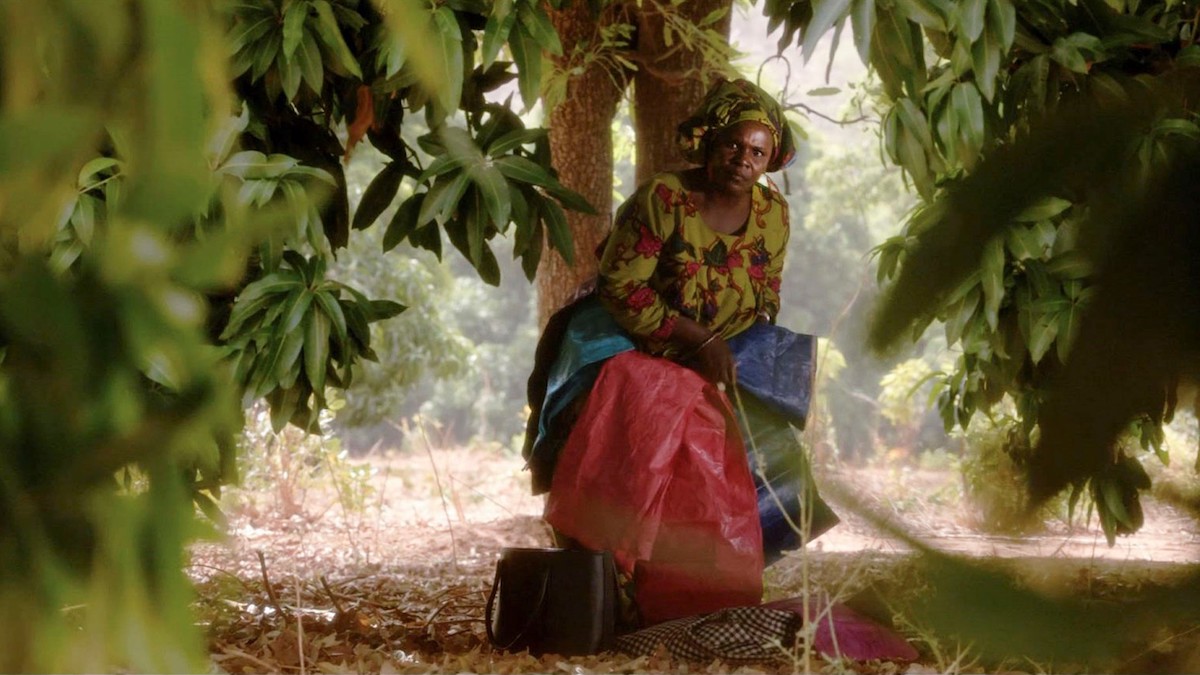
Opening Night will spotlight Apolline Traoré’s award-winning film,
Borders, which speaks to migration as well as to African women’s struggles, in a timely echo of the #MeToo movement. The film follows four women as they travel from Mali to Nigeria, supporting each other while battling sexism and corruption. The film won three prizes at FESPACO, including the Paul Robeson Prize for the best film by a director from the African diaspora. Borders will screen with a short film dedicated to the memory of Burkinabé director Idrissa Ouedraogo, who passed away in February and was a mentor to Traoré.
French director Berni Goldblat’s
Wallay will have its New York premiere as the festival’s Centerpiece film on Friday, May 18. The coming-of-age tale follows Ady, a young troublemaker sent from France to his single father’s homeland of Burkina Faso for the summer. There, the teen finds new challenges as he navigates a different world.
The festival tips a hat to key figures in the history of African film with the U.S. premieres of Abderrhamane Sissako: Beyond Territories, Valérie Osouf’s intimate portrait of the acclaimed director of Bamako and the Oscar-nominated Timbuktu; a 2017 version of the 1983 classic Selbe: One Among Many, by Safi Faye, the first sub-Saharan woman to direct a theatrically released film, now restored to its original Wolof language; and Mohamed Challouf’s Tahar Cheriaa: Under the Shadow of the Baobab, which documents the career of the founder of the Carthage Film Festival, Africa’s first film festival. The festival will include the 1989 documentary short Parlons Grand-mère by the late Senegalese director Djibril Diop Mambéty.
Other highlights include films from a new wave of African directors, including Machérie Ekwa Bahango of the Democratic Republic of the Congo and Jeferson De of Brazil. The festival kicks off with a town hall meeting on Sunday, May 13, at the Film Society of Lincoln Center’s Amphitheater. Titled “Activism & Art: Personal Journeys,” it will bring together storytellers of various mediums to discuss how their art informs their activism.
“Falling,” a free digital and interactive art exhibition exploring youth activism in Southern Africa, will run during the FSLC segment at the Elinor Bunin Munroe Film Center Amphitheater.
The NYAFF heads to the Brooklyn Academy of Music (BAMcinématek) Thursday, May 24, through Monday, May 28, as a part of BAM’s popular dance and music festival DanceAfrica. It closes with a series of classic and contemporary narratives and documentaries at Maysles Cinema in Harlem running Thursday, June 7, through Sunday, June 10.
FILMS AND DESCRIPTIONS
Opening Night
Borders
Apolline Traoré, Burkina Faso, 2017, 90m
French with English subtitles
New York Premiere
Four women — Adjara, Emma, Sali, and Vishaa — meet while riding buses that cross West African borders, starting in Dakar and traveling through Bamako, Cotonou, Ouagadougou, and on to Lagos. Despite the gorgeous landscapes of the Atlantic coast and the Sahel, not everything is beautiful: they undergo car breakdowns in the stifling heat, face highway robbers, and endure fights between passengers. But their worst fears are realized in the liminal space of the border itself, where they witness great corruption, violence against women, and dangerous traffic. To survive, the women must stick together and take care of each other: the consequences of this trip will change their lives.
Opening Night screening preceded by
Idrissa Ouedraogo, From the Land of the Upright People
Compiled by Burkina Faso National Television, Burkina Faso, 2016, 5m
This short profile pays tribute to the late Burkinabé writer-director Idrissa Ouedraogo.
Centerpiece
Wallay
Berni Goldblat, France/Burkina Faso, 2017, 82m
Dioula and French with English subtitles
New York Premiere
Thirteen-year-old Ady no longer listens to his father, who is raising Ady on his own in France. Running out of resources, Ady’s father decides to entrust Ady to his Uncle Amadou for the summer. Amadou and his family live on the other side of the Mediterranean Sea, in Burkina Faso. Things are quite different there, however, as boys of Ady’s age are expected to already become men. Ady must learn these lessons as he comes to understand the world a little differently during this life-changing holiday.
Abderrhamane Sissako: Beyond Territories
Valérie Osouf, France, 2017, 72m
French with English subtitles
U.S. Premiere
To be somewhere precise yet stand nowhere at all; to touch the human soul with images. In Valérie Osouf’s portrait of the world-renowned filmmaker Abderrahmane Sissako (Life on Earth, Bamako, Timbuktu), we are invited not only into his physical territory but also his poetic and politically engaged terrain. From Mali to China, from Nouakchott to Moscow, these spaces speak of displacement and exile. Featuring interviews with acclaimed artists, such as Danny Glover and Martin Scorsese, and everyday movie lovers — including a film-loving police officer and philosophy professor — Beyond Territories allows us to walk alongside Sissako and experience his world.
Baby Mamas
Stephina Zwane, South Africa, 2018, 93m
U.S. Premiere
Baby Mamas is a comedic drama about the lives and loves of four professional women in Johannesburg, each in her own stage of “baby mama drama.” Good girl Chantel discovers that she’s pregnant and her whole life is turned upside down. Sandy is still in love with her ex-boyfriend and the father of her child, even though he has decided to move on. Joy is in a tumultuous relationship with bad-boy Sizwe. Toli, a single mom and the leader of the group, must decide how much she is willing to risk as a parent while finding her path to love.
Black Sun
Alexei Speshnev, USSR, 1970, 97m
Russian with English subtitles
U.S. Premiere
This long-unseen Russian drama, never before released in the U.S., follows the life and death of Robert Moussombe, the leader of an unnamed African state. Moussombe is a fictionalized portrait of assassinated Congolese leader Patrice Lumumba, and the film’s events are a pastiche of the Congo Crisis in the 1960s, which signified the ascent of the Cold War that unraveled the newly minted post-independence nations on the continent of Africa.
Burkinabé Rising
Iara Lee, Burkina Faso, 2017, 72m
English, French and Moore with English subtitles
The beautifully filmed and intensely political documentary showcases the contemporary reality of creative nonviolent resistance in Burkina Faso. A small, landlocked country in West Africa, Burkina Faso is home to a vibrant community of artists and engaged citizens, who prove that political change can be achieved when people come together. Burkinabé Rising shows that Burkina Faso is an inspiration, not only to the rest of Africa but also to the rest of the world.
The Delivery Boy
Adekunle “Nodash” Adejuyigbe, Nigeria, 2017, 65m
Hausa and Pidgin with English subtitles
U.S. Premiere
Amir, a young orphan raised in an African extremist group, runs away on the eve of a suicide mission, taking his bomb vest with him. He has a mission of his own. On his way, he runs into Nkem, a young prostitute escaping a lynch mob for a crime committed while trying to get money to save her dying brother. Before the night is over, they traverse the underbelly of the Nigerian metropolis as they search for their identities, their stolen pasts, money, and any semblance of peace they can find.
Preceded by
Meokgo and the Stick Fighter
Teboho Mahlatsi, South Africa/Lesotho, 2005, 19m
Reclusive stick fighter Kgotso lives a solitary life high up in the Maluti Mountains of Lesotho. Whilst tending sheep and playing his concertina, he sees a beautiful and mysterious woman dreamily staring at him from the water. This story of unrequited love and sacrifice is a haunting tale spiced with magical realism.
Five Fingers for Marseilles
Michael Matthews, South Africa, 2017, 120m
English and Sotho with English subtitles
New York Premiere
Five Fingers for Marseilles fuses western influences — from classic John Ford to “spaghetti” to revisionist eras — into a contemporary South African crime drama with a local flavor. Twenty years ago, the young “Five Fingers” fought for the rural town of Marseilles against brutal police oppression. After fleeing in disgrace, the freedom-fighter-turned-outlaw returns to Marseilles seeking a peaceful, pastoral life. When he finds the town under new threat, he must reluctantly fight to free it. The great westerns have always contained sociopolitical threads, and Five Fingers’ loose allegory on current South African politics is dark, edge-of-the-seat, and starkly human.
Maki’la
Machérie Ekwa Bahango, Democratic Republic of the Congo/France, 2018, 78m
Lingala and French with English subtitles
U.S. Premiere
Nineteen-year-old Maki’la, nicknamed Maki, has been living on the streets since she was 13, and has long been friends with young hoodlum Mbingazor, who has become the boss of a criminal gang. The two end up getting married; however, the relationship is founded on exploitation and violence and soon leaves Maki feeling trapped. She manages to escape and goes into hiding, when she meets Acha, a 12-year-old who has recently wound up on the streets herself after losing her parents. Soon the two forge a close bond, though Mbingazor, angrier than ever, is close behind.
Purple Dreams
Joanne Hock, U.S., 2017, 73m
Stereotypes of black youth are turned upside down in this inspirational documentary shadowing six high-school students on an emotionally powerful, three-year journey of transformation in racially biased Charlotte, North Carolina. With access to arts and academic mentors, the film’s teenage subjects have the potential to break the cycle of poverty, homelessness, and gang-related violence. They are given an opportunity to transcend their circumstances through a triumphant musical production, an experience that ultimately propels them into a world of opportunity they never expected. Purple Dreams bears witness to the need for arts in education, especially in underserved communities.
Running After
Jeferson De, Brazil, 2018, 86m
New York Premiere
Eking out a living selling trinkets amidst the traffic-clogged streets of Rio de Janeiro, Paulo Gale sees an opportunity to change his life by becoming a football manager. While searching for his own Neymar in Rio’s suburbs, he discovers the remarkably talented Glanderson, a boy who dreams of becoming a professional soccer player despite the fact that he has only three toes on his right foot. Gale uses his entrepreneurial spirit and creativity to try and make Glanderson a star. A film of comic verve, Running After offers a glimpse of life on the peripheries of Brazil’s capital.
Selbe: One Among Many (2017 Version)
Safi Faye, Senegal, 1983/2017, 30m
Wolof with English subtitles
U.S. Premiere of Reissue in Wolof
In focusing on the daily life of a Senegalese village woman, Selbe: One Among Many examines the economic and social roles rural African women are expected to play. Selbe has the heavy responsibility of providing for a large family as her husband searches unsuccessfully for work in a neighboring town. On his return, he joins the other unemployed men of the village, who will not help the women, but are as dependent on them as the children for food and shelter. This reissue marks the first time the film has been issued in its original Wolof language.
Preceded by
On Monday of Last Week
Akosua Adoma Owusu, U.S., 2018, 14m
New York Premiere
Kamara, a Nigerian woman, works as a nanny for Josh, the five-year-old son of an interracial couple, Tracy and Neil. Tracy is an African American artist working on a commission in her basement studio — a space she rarely leaves. Kamara is intrigued by Tracy’s absence as a mother. When Tracy finally emerges from her studio one afternoon, Kamara’s growing curiosity is piqued. Their brief encounter inspires Kamara to become Tracy’s muse.
Tahar Cheriaa: Under the Shadow of the Baobab
Mohamed Challouf, Tunisia, 2014, 70m
Arabic and French with English subtitles
U.S. Premiere
Tahar Cheriaa: Under the Shadow of the Baobab documents the career of one of the core fathers of Pan-Africanism and founder of Africa’s first film festival, the Carthage Film Festival. After Tunisian independence, Tahar used all his energy to bring the first authentic images of postcolonial Africa to broader audiences. The film depicts Cheriaa’s ideas and projects, with interviews and archival material creating a complete portrait of the man and his fight for both Sub-Saharan African cinema and African cinema as a whole. His legacy in African cinema was crucial to nothing less than the modernization of the continent.
Preceded by
Parlons Grand-mère
Djibril Diop Mambéty, Senegal/Burkina Faso, 1989, 34m
Wolof with English subtitles
In his documentary about the making of Yaaba (1989), Idrissa Ouédraogo’s second feature, Djibril Diop Mambéty follows the director and cast to paint a humorous portrait of the dangers of filming in Burkina Faso.
The Wedding Ring
Rahmatou Keïta, Niger, 2016, 96m
Songhay, Zarma, Hausa, Fulani, Bambara and Moree with English subtitles
New York Premiere
A student who hails from a prestigious aristocratic family, Tiyaa returns home to the Sultanate of Damagaran, in Niger, for the winter holidays. She is expecting the young man whom she met at university in France — who also comes from a wealthy family, not far from where she grew up — to make a formal proposal of marriage. While waiting for the handsome suitor, she shares her secret with her friends, learning the other women’s stories of love, marriage, and divorce, painting a compelling and revealing portrait of male-female relations in Sahelian society.
Preceded by
Vagabonds
Magaajyia Silberfeld, U.S./France/Niger, 2017, 16m
Rachel is a young woman living with her Nigerien uncle and his American wife. When her aunt has had enough of Rachel’s free-spirited lifestyle, she kicks her out of the house. Soon she runs into a washed-up movie star whose life, she finds out, is surprisingly similar to her own.
Wonder Boy for President
John Barker, South Africa, 2016, 94m
U.S. Premiere
A charismatic young man from the Eastern Cape is coerced into running for president by two corrupt characters in this political satire that delves into the dynamics and challenges of politics in contemporary South Africa. Wonder Boy for President‘s unique “mockumentary” structure creates all kinds of fun. It’s often hard to tell where the documentary ends and the mockumentary begins, and that’s the great strength of this hilarious film.
Shorts Program 1 — Quartiers Lointains: Self Image
“Quartiers Lointains, a media collective comprised of young Francophonie artists and professionals, curated this shorts program which highlights works by artists of bi-cultural descent who seek to understand and explore their dual identity and engage in a dialogue to better understand the Other. (TRT: 90m)
Le Bleu blanc rouge de mes cheveux
Josza Anjembe, France, 2016, 21m
French with English subtitles
New York Premiere
Teenage Seyna faces unexpected obstacles on her mission to become a French citizen, from the disapproval of her Cameroonian father to the limitations of the camera lens.
Gagarine
Fanny Liatard and Jérémy Trouilh, France, 2015, 15m
French with English subtitles
New York Premiere
Yuri is 20. He lives with his mother in Ivry, the city where he grew up. But a demolition is approaching, and the scenery of his childhood dreams will soon disappear.
Nulle Part
Askia Traoré, France, 2014, 27m
French with English subtitles
New York Premiere
After a funeral, Jacky returns to his childhood neighborhood, where he reconnects with his friends and his first love.
Retour à Genoa City
Benoît Grimalt, France, 2017, 29m
French with English subtitles
New York Premiere
Since 1989, the director’s grandma and her brother have watched the same soap opera every day at the same time. Twenty years after his departure from Nice, he returns and asks them to tell him about the 3,527 episodes he’s missed.
Shorts Program 2 — Najia (Nigerian) Stories
Short works by filmmakers in Nigeria or diasporic filmmakers making films about Nigerian subjects from around the world. (TRT: 101m)
Birth of Afrobeat
Opiyo Okeyo, U.S., 2017, 7m
New York Premiere
In September 2017, Tony Allen, a 77-year-old drummer from Nigeria was invited to record the album “What Goes Up” with the American band Chicago Afrobeat Project. In this hybrid live-action/animated film, Allen recounts how he and his partner, the late music legend Fela Kuti, created the Afrobeat genre in Lagos, Nigeria.
Eja Aro
Badewa Ajibade, Nigeria, 2017, 14m
New York Premiere
Lolade is a young woman in her early twenties who has been in a long-distance relationship with Jubril Hassan for one year. Her brother, Seye, and her best friend, Ebele, both find it peculiar that she has yet to see Jubril in person.
Las Gidi Vice
Udoka Oyeka, Nigeria, 2017, 19m
New York Premiere
After a couple years of planning, a girl finally gets her revenge on the guy who ruined her life.
The Good Son
Tomisin Adepeju, UK, 2016, 14m
English and Yoruba with English subtitles
Kunle Owomole is a dutiful Nigerian son, the pride of his family. However, during a traditional family gathering, he is forced to address a secret he has kept from his parents, one that would have a profound impact on his relationship with them.
Mr. Gele: The Man. The Story. The Craft
Gladys Edeh, U.S., 2016, 14m
New York Premiere
Mr. Gele focuses on the man, the story, and the craft of the celebrated Houston-based Nigerian gele (African headwear) artist Mr. Hakeem Oluwasegun Olaleye, popularly known as Mr. Segun Gele, a self-taught creative who has been able to use his skills as a designer and makeup artist to beautify women around the world.
Still Water Runs Deep
Abessi Akhamie, Nigeria/U.S., 2017, 15m
English, Etsako, Hausa, and Pidgin with English subtitles
New York Premiere
Still Water Runs Deep follows a Nigerian patriarch who leads his household with a stern hand. But when his estranged son goes missing, his reluctant search turns into an emotional journey, shaking the core of his steely resolve and revealing his most intimate being.
Visions
Surreal 16 (Abba T. Makama, Michael Gouken Omouna, C.J. “Fiery” Obasi), Nigeria, 2017, 19m
U.S. Premiere
This anthology film, made up of three shorts inspired by dreams and visions, explores a young woman’s identity, relationship, and spirituality. Each short is directed by a member of the collective Surreal 16: Shaitan by Abba Makama, Brood by Michael Omonua, and Bruja by CJ “Fiery” Obasi.
Shorts Program 3 — New York Shorts
A selection of shorts made by filmmakers of African descent living in New York. (TRT: 95m)
A Christmas Mission, Sierra Leone
Tim Naylor, U.S., 2017, 10m
World Premiere
During the Christmas season, Dr. Hawanatu Jah organized a medical mission to help the poor in Sierra Leone.
In four days, with only four volunteer doctors from Europe and Africa, they treated over 600 patients and performed over 20 surgeries. This film shows how the passion of one inspires good health and hope for many.
Larabilaran: Le Talibé et moi
Djibril Drame and Mamedjarra Diop, Senegal/U.S., 2016, 26m
English, French, and Wolof with English subtitles
This film explores social and economic inequality in Dakar through the life of Seydina, a talibé (or student of the Qur’an), who negotiates his identity and relationship with Mariama, a well-educated and privileged girl.
Mamadou Warma: Deliveryman
Yusuf Kapadia, U.S., 2017, 9m
New York Premiere
Mamadou Warma escaped political persecution in Burkina Faso and came to the United States for a new lease on life. He now earns his living as a NYC bicycle deliveryman. A daylong journey alongside Warma reveals a man who looks optimistically toward his future, despite being an underpaid immigrant in a wealthy metropolis.
A Pesar de su Ausencia
Djali Brown-Cepeda, U.S., 2017, 10m
New York Premiere
In 1978 New York, one girl in a city of eight million, finds herself. Follow her journey.
Proclamation Punctuation
Sewra Kidane, U.S., 2016/2017, 5m
In this enthralling fashion film, a fabulously fascinating woman recites a short soliloquy paying homage to her love of exclamation points. Periods are so period, whereas an exclamation point livens up a sentence! There is simply nothing worse than a long dragged-out sentence ending in an uninspiring dull dot! So, when exclamation points are your philosophy on life, one must always keep it on the upbeat!
Via New York
Kagendo Murungi, U.S./Kenya, 1995, 10m
Drawing from memory and narrative, Via New York explores the politicization of African students in New York and the participation of South African lesbians and gays in the anti-apartheid movement. The film illustrates how both migration and the pursuit of formal education can function as catalysts for self-transformation and social change.
word: collected poetry
Jamil McGinnis and Pat Heywood, U.S., 2017, 17m
The videos in this anthology of spoken word poems brought to life were adapted from the work of four poets living in New York City. Together, the collection explores an abundance of systematic and human complexities, as well as the everyday realities of being young and black.
Read more


 El Angel directed by Luis Ortega[/caption]
Eighty-seven countries have submitted films for consideration in the Foreign Language Film category for the 91st Academy Awards. Malawi and Niger are first-time entrants.
Nominations for the 91st Academy Awards will be announced on Tuesday, January 22, 2019.
The 91st Oscars will be held on Sunday, February 24, 2019, at the Dolby Theatre® at Hollywood & Highland Center in Hollywood, and will be televised live by the ABC Television Network. The Oscars also will be televised live in more than 225 countries and territories worldwide.
The 2018 submissions are:
Afghanistan, “Rona Azim’s Mother,” Jamshid Mahmoudi, director;
Algeria, “Until the End of Time,” Yasmine Chouikh, director;
Argentina, “El Ángel,” Luis Ortega, director;
Armenia, “Spitak,” Alexander Kott, director;
Australia, “Jirga,” Benjamin Gilmour, director;
Austria, “The Waldheim Waltz,” Ruth Beckermann, director;
Bangladesh, “No Bed of Roses,” Mostofa Sarwar Farooki, director;
Belarus, “Crystal Swan,” Darya Zhuk, director;
Belgium, “Girl,” Lukas Dhont, director;
Bolivia, “The Goalkeeper,” Rodrigo “Gory” Patiño, director;
Bosnia and Herzegovina, “Never Leave Me,” Aida Begić, director;
Brazil, “The Great Mystical Circus,” Carlos Diegues, director;
Bulgaria, “Omnipresent,” Ilian Djevelekov, director;
Cambodia, “Graves without a Name,” Rithy Panh, director;
Canada, “Family Ties,” Sophie Dupuis, director;
Chile, “…And Suddenly the Dawn,” Silvio Caiozzi, director;
China, “Hidden Man,” Jiang Wen, director;
Colombia, “Birds of Passage,” Cristina Gallego, Ciro Guerra, directors;
Costa Rica, “Medea,” Alexandra Latishev, director;
Croatia, “The Eighth Commissioner,” Ivan Salaj, director;
Czech Republic, “Winter Flies,” Olmo Omerzu, director;
Denmark, “The Guilty,” Gustav Möller, director;
Dominican Republic, “Cocote,” Nelson Carlo De Los Santos Arias, director;
Ecuador, “A Son of Man,” Jamaicanoproblem, director;
Egypt, “Yomeddine,” A.B. Shawky, director;
Estonia, “Take It or Leave It,” Liina Trishkina-Vanhatalo, director;
Finland, “Euthanizer,” Teemu Nikki, director;
France, “Memoir of War,” Emmanuel Finkiel, director;
Georgia, “Namme,” Zaza Khalvashi, director;
Germany, “Never Look Away,” Florian Henckel von Donnersmarck, director;
Greece, “Polyxeni,” Dora Masklavanou, director;
Hong Kong, “Operation Red Sea,” Dante Lam, director;
Hungary, “Sunset,” László Nemes, director;
Iceland, “Woman at War,” Benedikt Erlingsson, director;
India, “Village Rockstars,” Rima Das, director;
Indonesia, “Marlina the Murderer in Four Acts,” Mouly Surya, director;
Iran, “No Date, No Signature,” Vahid Jalilvand, director;
Iraq, “The Journey,” Mohamed Jabarah Al-Daradji, director;
Israel, “The Cakemaker,” Ofir Raul Graizer, director;
Italy, “Dogman,” Matteo Garrone, director;
Japan, “Shoplifters,” Hirokazu Kore-eda, director;
Kazakhstan, “Ayka,” Sergey Dvortsevoy, director;
Kenya, “Supa Modo,” Likarion Wainaina, director;
Kosovo, “The Marriage,” Blerta Zeqiri, director;
Latvia, “To Be Continued,” Ivars Seleckis, director;
Lebanon, “Capernaum,” Nadine Labaki, director;
Lithuania, “Wonderful Losers: A Different World,” Arunas Matelis, director;
Luxembourg, “Gutland,” Govinda Van Maele, director;
Macedonia, “Secret Ingredient,” Gjorce Stavreski, director;
Malawi, “The Road to Sunrise,” Shemu Joyah, director;
Mexico, “Roma,” Alfonso Cuarón, director;
Montenegro, “Iskra,” Gojko Berkuljan, director;
Morocco, “Burnout,” Nour-Eddine Lakhmari, director;
Nepal, “Panchayat,” Shivam Adhikari, director;
Netherlands, “The Resistance Banker,” Joram Lürsen, director;
New Zealand, “Yellow Is Forbidden,” Pietra Brettkelly, director;
Niger, “The Wedding Ring,” Rahmatou Keïta, director;
Norway, “What Will People Say,” Iram Haq, director;
Pakistan, “Cake,” Asim Abbasi, director;
Palestine, “Ghost Hunting,” Raed Andoni, director;
Panama, “Ruben Blades Is Not My Name,” Abner Benaim, director;
Paraguay, “The Heiresses,” Marcelo Martinessi, director;
Peru, “Eternity,” Oscar Catacora, director;
Philippines, “Signal Rock,” Chito S. Roño, director;
Poland, “Cold War,” Pawel Pawlikowski, director;
Portugal, “Pilgrimage,” João Botelho, director;
Romania, “I Do Not Care If We Go Down in History as Barbarians,” Radu Jude, director;
Russia, “Sobibor,” Konstantin Khabensky, director;
Serbia, “Offenders,” Dejan Zecevic, director;
Singapore, “Buffalo Boys,” Mike Wiluan, director;
Slovakia, “The Interpreter,” Martin Šulík, director;
Slovenia, “Ivan,” Janez Burger, director;
South Africa, “Sew the Winter to My Skin,” Jahmil X.T. Qubeka, director;
South Korea, “Burning,” Lee Chang-dong, director;
Spain, “Champions,” Javier Fesser, director;
Sweden, “Border,” Ali Abbasi, director;
Switzerland, “Eldorado,” Markus Imhoof, director;
Taiwan, “The Great Buddha+,” Hsin-Yao Huang, director;
Thailand, “Malila The Farewell Flower,” Anucha Boonyawatana, director;
Tunisia, “Beauty and the Dogs,” Kaouther Ben Hania, director;
Turkey, “The Wild Pear Tree,” Nuri Bilge Ceylan, director;
Ukraine, “Donbass,” Sergei Loznitsa, director;
United Kingdom, “I Am Not a Witch,” Rungano Nyoni, director;
Uruguay, “Twelve-Year Night,” Álvaro Brechner, director;
Venezuela, “The Family,” Gustavo Rondón Córdova, director;
Vietnam, “The Tailor,” Buu Loc Tran, Kay Nguyen, directors;
Yemen, “10 Days before the Wedding,” Amr Gamal, director.
El Angel directed by Luis Ortega[/caption]
Eighty-seven countries have submitted films for consideration in the Foreign Language Film category for the 91st Academy Awards. Malawi and Niger are first-time entrants.
Nominations for the 91st Academy Awards will be announced on Tuesday, January 22, 2019.
The 91st Oscars will be held on Sunday, February 24, 2019, at the Dolby Theatre® at Hollywood & Highland Center in Hollywood, and will be televised live by the ABC Television Network. The Oscars also will be televised live in more than 225 countries and territories worldwide.
The 2018 submissions are:
Afghanistan, “Rona Azim’s Mother,” Jamshid Mahmoudi, director;
Algeria, “Until the End of Time,” Yasmine Chouikh, director;
Argentina, “El Ángel,” Luis Ortega, director;
Armenia, “Spitak,” Alexander Kott, director;
Australia, “Jirga,” Benjamin Gilmour, director;
Austria, “The Waldheim Waltz,” Ruth Beckermann, director;
Bangladesh, “No Bed of Roses,” Mostofa Sarwar Farooki, director;
Belarus, “Crystal Swan,” Darya Zhuk, director;
Belgium, “Girl,” Lukas Dhont, director;
Bolivia, “The Goalkeeper,” Rodrigo “Gory” Patiño, director;
Bosnia and Herzegovina, “Never Leave Me,” Aida Begić, director;
Brazil, “The Great Mystical Circus,” Carlos Diegues, director;
Bulgaria, “Omnipresent,” Ilian Djevelekov, director;
Cambodia, “Graves without a Name,” Rithy Panh, director;
Canada, “Family Ties,” Sophie Dupuis, director;
Chile, “…And Suddenly the Dawn,” Silvio Caiozzi, director;
China, “Hidden Man,” Jiang Wen, director;
Colombia, “Birds of Passage,” Cristina Gallego, Ciro Guerra, directors;
Costa Rica, “Medea,” Alexandra Latishev, director;
Croatia, “The Eighth Commissioner,” Ivan Salaj, director;
Czech Republic, “Winter Flies,” Olmo Omerzu, director;
Denmark, “The Guilty,” Gustav Möller, director;
Dominican Republic, “Cocote,” Nelson Carlo De Los Santos Arias, director;
Ecuador, “A Son of Man,” Jamaicanoproblem, director;
Egypt, “Yomeddine,” A.B. Shawky, director;
Estonia, “Take It or Leave It,” Liina Trishkina-Vanhatalo, director;
Finland, “Euthanizer,” Teemu Nikki, director;
France, “Memoir of War,” Emmanuel Finkiel, director;
Georgia, “Namme,” Zaza Khalvashi, director;
Germany, “Never Look Away,” Florian Henckel von Donnersmarck, director;
Greece, “Polyxeni,” Dora Masklavanou, director;
Hong Kong, “Operation Red Sea,” Dante Lam, director;
Hungary, “Sunset,” László Nemes, director;
Iceland, “Woman at War,” Benedikt Erlingsson, director;
India, “Village Rockstars,” Rima Das, director;
Indonesia, “Marlina the Murderer in Four Acts,” Mouly Surya, director;
Iran, “No Date, No Signature,” Vahid Jalilvand, director;
Iraq, “The Journey,” Mohamed Jabarah Al-Daradji, director;
Israel, “The Cakemaker,” Ofir Raul Graizer, director;
Italy, “Dogman,” Matteo Garrone, director;
Japan, “Shoplifters,” Hirokazu Kore-eda, director;
Kazakhstan, “Ayka,” Sergey Dvortsevoy, director;
Kenya, “Supa Modo,” Likarion Wainaina, director;
Kosovo, “The Marriage,” Blerta Zeqiri, director;
Latvia, “To Be Continued,” Ivars Seleckis, director;
Lebanon, “Capernaum,” Nadine Labaki, director;
Lithuania, “Wonderful Losers: A Different World,” Arunas Matelis, director;
Luxembourg, “Gutland,” Govinda Van Maele, director;
Macedonia, “Secret Ingredient,” Gjorce Stavreski, director;
Malawi, “The Road to Sunrise,” Shemu Joyah, director;
Mexico, “Roma,” Alfonso Cuarón, director;
Montenegro, “Iskra,” Gojko Berkuljan, director;
Morocco, “Burnout,” Nour-Eddine Lakhmari, director;
Nepal, “Panchayat,” Shivam Adhikari, director;
Netherlands, “The Resistance Banker,” Joram Lürsen, director;
New Zealand, “Yellow Is Forbidden,” Pietra Brettkelly, director;
Niger, “The Wedding Ring,” Rahmatou Keïta, director;
Norway, “What Will People Say,” Iram Haq, director;
Pakistan, “Cake,” Asim Abbasi, director;
Palestine, “Ghost Hunting,” Raed Andoni, director;
Panama, “Ruben Blades Is Not My Name,” Abner Benaim, director;
Paraguay, “The Heiresses,” Marcelo Martinessi, director;
Peru, “Eternity,” Oscar Catacora, director;
Philippines, “Signal Rock,” Chito S. Roño, director;
Poland, “Cold War,” Pawel Pawlikowski, director;
Portugal, “Pilgrimage,” João Botelho, director;
Romania, “I Do Not Care If We Go Down in History as Barbarians,” Radu Jude, director;
Russia, “Sobibor,” Konstantin Khabensky, director;
Serbia, “Offenders,” Dejan Zecevic, director;
Singapore, “Buffalo Boys,” Mike Wiluan, director;
Slovakia, “The Interpreter,” Martin Šulík, director;
Slovenia, “Ivan,” Janez Burger, director;
South Africa, “Sew the Winter to My Skin,” Jahmil X.T. Qubeka, director;
South Korea, “Burning,” Lee Chang-dong, director;
Spain, “Champions,” Javier Fesser, director;
Sweden, “Border,” Ali Abbasi, director;
Switzerland, “Eldorado,” Markus Imhoof, director;
Taiwan, “The Great Buddha+,” Hsin-Yao Huang, director;
Thailand, “Malila The Farewell Flower,” Anucha Boonyawatana, director;
Tunisia, “Beauty and the Dogs,” Kaouther Ben Hania, director;
Turkey, “The Wild Pear Tree,” Nuri Bilge Ceylan, director;
Ukraine, “Donbass,” Sergei Loznitsa, director;
United Kingdom, “I Am Not a Witch,” Rungano Nyoni, director;
Uruguay, “Twelve-Year Night,” Álvaro Brechner, director;
Venezuela, “The Family,” Gustavo Rondón Córdova, director;
Vietnam, “The Tailor,” Buu Loc Tran, Kay Nguyen, directors;
Yemen, “10 Days before the Wedding,” Amr Gamal, director.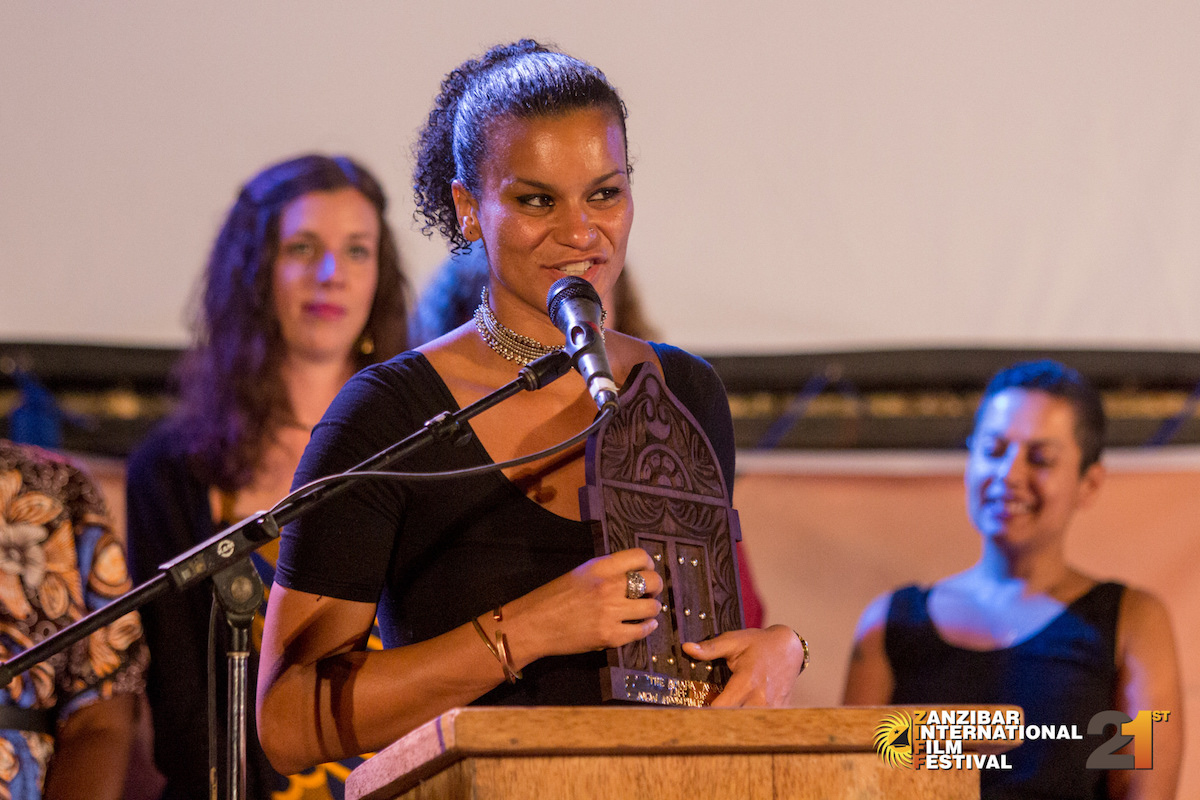 New Moon, from Philippa Ndisi-Herrmann win at Zanzibar International Film Festival[/caption]
African women dominated at the 2018
New Moon, from Philippa Ndisi-Herrmann win at Zanzibar International Film Festival[/caption]
African women dominated at the 2018 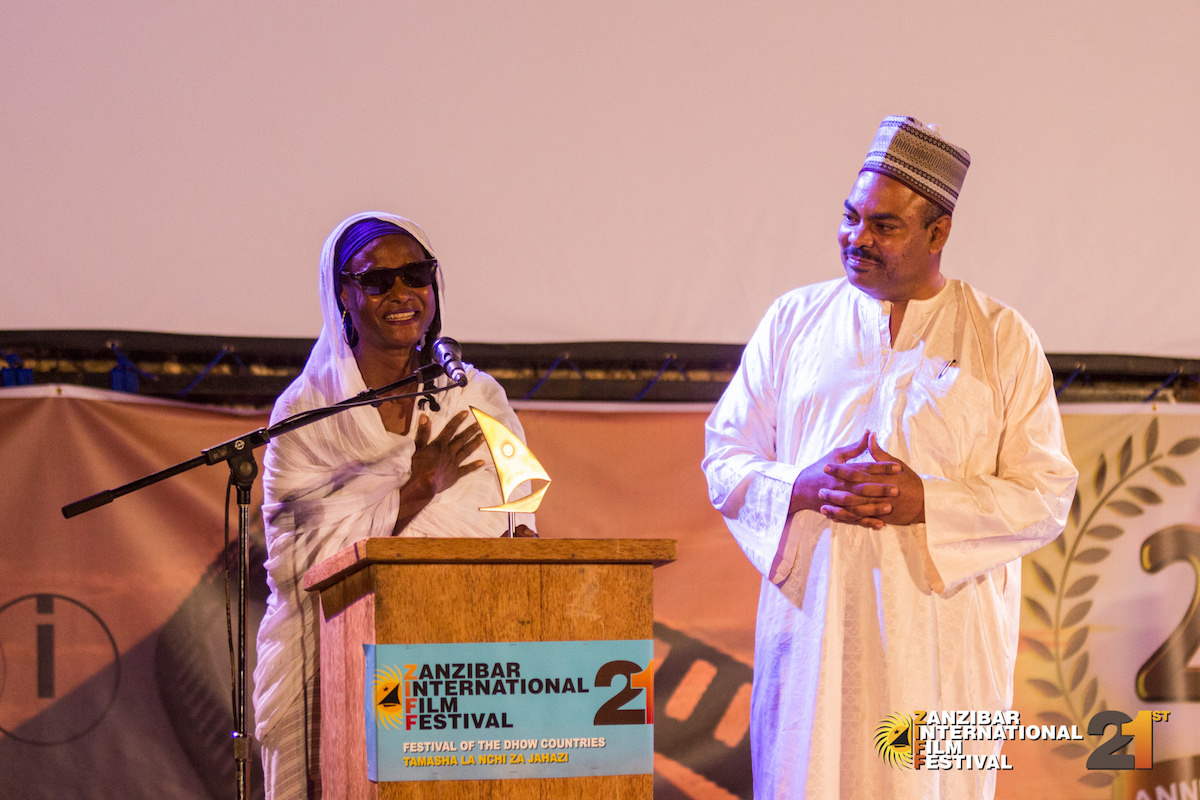 The Wedding Ring by Rahmatou Keita win at Zanzibar International Film Festival[/caption]
The Chairman’s Bi Kidude Award, named after the legendary Zanzibar musician, was awarded to Rahmatou Keita from Niger for her moving and romantic plea for cultural preservation,
The Wedding Ring by Rahmatou Keita win at Zanzibar International Film Festival[/caption]
The Chairman’s Bi Kidude Award, named after the legendary Zanzibar musician, was awarded to Rahmatou Keita from Niger for her moving and romantic plea for cultural preservation, 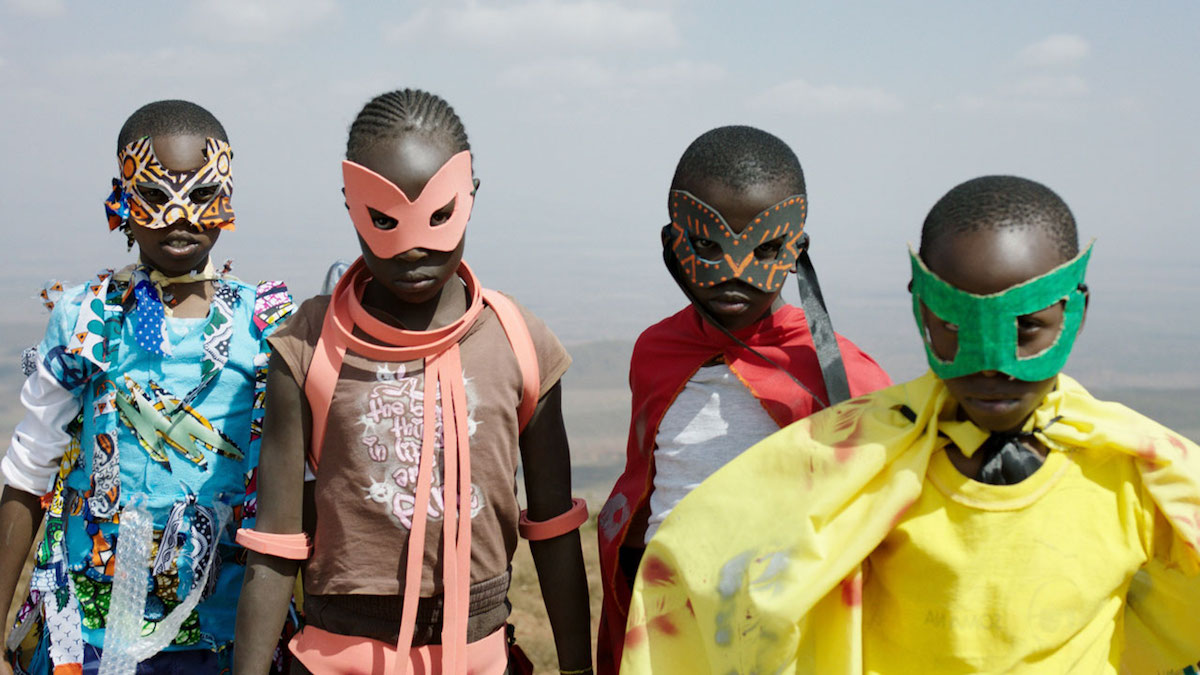
 A film still from In Loco Parentis by Neasa Ní Chianáin and David Rane[/caption]
10 narrative feature films and 10 documentary feature films will compete for the Golden Gate Awards (GGAs), and nearly $40,000 in total prizes at this year’s 2017
A film still from In Loco Parentis by Neasa Ní Chianáin and David Rane[/caption]
10 narrative feature films and 10 documentary feature films will compete for the Golden Gate Awards (GGAs), and nearly $40,000 in total prizes at this year’s 2017