
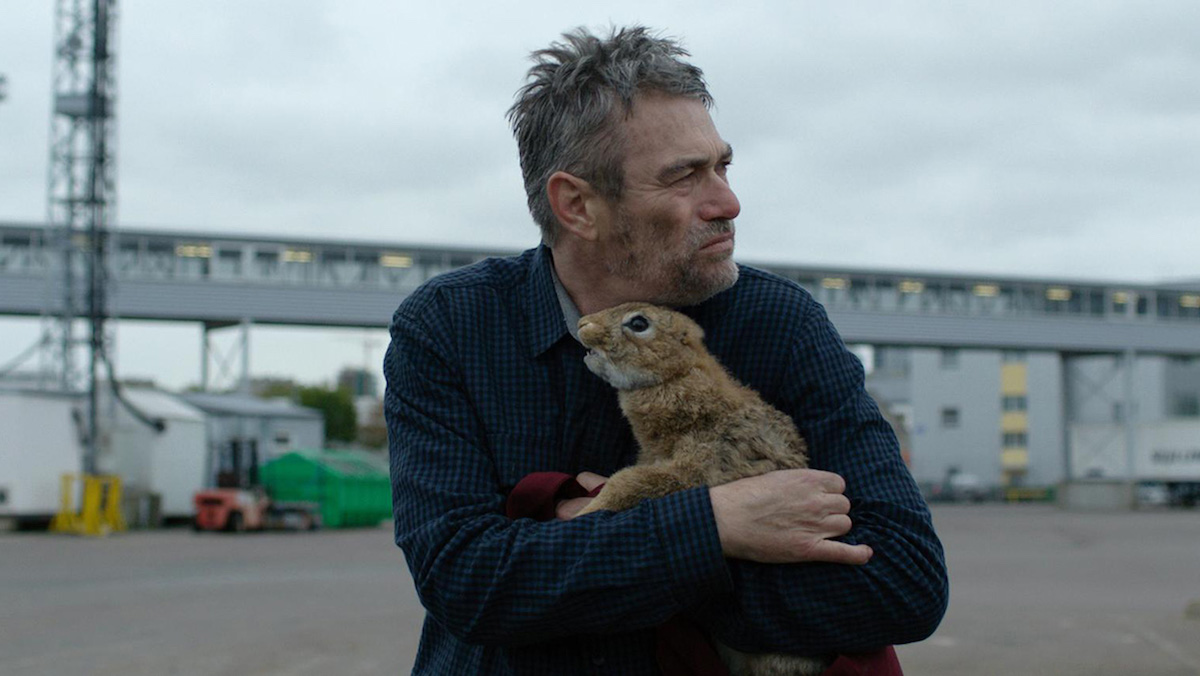
 The Zurich Film Festival will spotlight Hungary’s cinema, featuring 18 films made by a thriving new generation of Hungarian filmmakers.
Hungarian cinema has a long history of creating great masters. During the 1970s, a period of cultural thaw in the then socialist state, Hungary was regarded as one of the most important film producing countries in the world. Miklós Jancsó, Márta Mészáros and István Szabó astonished both Soviet and western audiences alike with their extraordinary political candour and their spectacular, cutting-edge film language.
Despite the efforts of some of its leading exponents, namely Bela Tarr and János Szász, the collapse of the Soviet Union signalled a downturn in the popularity of auteur film, and the country’s homegrown productions, which looked to the American model for inspiration, fell on blind eyes.
During a time in an ever more authoritarian country when democratic institutions, such as schools and universities, are closing and press freedom is becoming increasingly less free, a pleasing image is developing: filmmakers are clearly defying the situation – Hungarian cinema is back – and it’s thematically diverse, artistically radical, bursting with international esprit and enjoying remarkable success at the domestic box-office.
One of this cinema’s most striking thematic interests is the outsider, characters who are forced to assert themselves in a world where they feel alone. They do this in a whole variety of contexts, but always with resolute commitment and often with a huge pinch of humour, which can quite easily drift into the dark and absurd.
Hungary’s filmmakers are already at the highest international level when it comes to practising their craft. The renowned Budapest University of Drama and Film, and the countless international large-scale productions made in the capital, form two of Hungary’s most important talent forges. Here, they not only shape great directors, but also form their befitting cinematographers and technicians.
After celebrating success on the film world’s greatest stages, three filmmakers have become synonymous with the latest upturn in Hungarian cinema: director Kornél Mundruczó, an equally well-known force in the theatre world, astounded at Cannes in 2014 with his spectacularly directed, highly metaphoric film WHITE GOD (Un Certain Regard Award).
László Nemes’ debut-of-the-century, the Holocaust drama SON OF SAUL (2015), not only won the Jury Prize at Cannes and the Academy Award for Best Foreign Language Film, but also proved an astronomical success with Hungarian audiences after clocking up an almost unheard of 270’000 cinema entries in a country where 50’000 entries is already considered a hit. And finally, Ildikó Enyedi, whose breakthrough came in the 1990s, returned after an 18-year respite with her sensual and insidious romantic drama ON BODY AND SOUL (2017) to win a Golden Bear at the Berlinale and captivate the hearts of the Hungarian public.
These three great names of Hungarian cinema are far from standing alone: Hungary has been the recipient of many awards in recent years at the Karlovy Vary Film Festival, Central and Eastern Europe’s most important platform, including for Lili Horváth’s coming-of ager THE WEDNESDAY CHILD (2015) and Szabolcs Hajdu’s dark-humored family drama IT’S NOT THE TIME OF MY LIFE (2016), who, in a true Budapest spirit, shot the film in his own apartment with his own family members.
International multi award winning debuts such as Virág Zomborácz’s tragicomedy AFTERLIFE (2014), Gábor Reisz’s pioneering underground comedy FOR SOME INEXPLICABLE REASON (2014) and Attila Till’s black comedy KILLS ON WHEELS (2016) complete this new and remarkable image of a thriving filmmaking country.
This year’s most riveting Hungarian films further enhance the section’s program: Roland Vranik’s naturalization drama THE CITIZEN, György Kristof’s Cannes premiered debut OUT and the Berlin Panorama section’s audience favorite 1945 by Ferenc Török will screen alongside the award-winning documentary films JUDGMENT IN HUNGARY by Eszter Hajdú and DRIFTER by Gábor Hörcher. For the tenth time this year, the International Short Film Festival Winterthur has put together a comprehensive short film block comprising five films to round off the New World View section.
The Zurich Film Festival will spotlight Hungary’s cinema, featuring 18 films made by a thriving new generation of Hungarian filmmakers.
Hungarian cinema has a long history of creating great masters. During the 1970s, a period of cultural thaw in the then socialist state, Hungary was regarded as one of the most important film producing countries in the world. Miklós Jancsó, Márta Mészáros and István Szabó astonished both Soviet and western audiences alike with their extraordinary political candour and their spectacular, cutting-edge film language.
Despite the efforts of some of its leading exponents, namely Bela Tarr and János Szász, the collapse of the Soviet Union signalled a downturn in the popularity of auteur film, and the country’s homegrown productions, which looked to the American model for inspiration, fell on blind eyes.
During a time in an ever more authoritarian country when democratic institutions, such as schools and universities, are closing and press freedom is becoming increasingly less free, a pleasing image is developing: filmmakers are clearly defying the situation – Hungarian cinema is back – and it’s thematically diverse, artistically radical, bursting with international esprit and enjoying remarkable success at the domestic box-office.
One of this cinema’s most striking thematic interests is the outsider, characters who are forced to assert themselves in a world where they feel alone. They do this in a whole variety of contexts, but always with resolute commitment and often with a huge pinch of humour, which can quite easily drift into the dark and absurd.
Hungary’s filmmakers are already at the highest international level when it comes to practising their craft. The renowned Budapest University of Drama and Film, and the countless international large-scale productions made in the capital, form two of Hungary’s most important talent forges. Here, they not only shape great directors, but also form their befitting cinematographers and technicians.
After celebrating success on the film world’s greatest stages, three filmmakers have become synonymous with the latest upturn in Hungarian cinema: director Kornél Mundruczó, an equally well-known force in the theatre world, astounded at Cannes in 2014 with his spectacularly directed, highly metaphoric film WHITE GOD (Un Certain Regard Award).
László Nemes’ debut-of-the-century, the Holocaust drama SON OF SAUL (2015), not only won the Jury Prize at Cannes and the Academy Award for Best Foreign Language Film, but also proved an astronomical success with Hungarian audiences after clocking up an almost unheard of 270’000 cinema entries in a country where 50’000 entries is already considered a hit. And finally, Ildikó Enyedi, whose breakthrough came in the 1990s, returned after an 18-year respite with her sensual and insidious romantic drama ON BODY AND SOUL (2017) to win a Golden Bear at the Berlinale and captivate the hearts of the Hungarian public.
These three great names of Hungarian cinema are far from standing alone: Hungary has been the recipient of many awards in recent years at the Karlovy Vary Film Festival, Central and Eastern Europe’s most important platform, including for Lili Horváth’s coming-of ager THE WEDNESDAY CHILD (2015) and Szabolcs Hajdu’s dark-humored family drama IT’S NOT THE TIME OF MY LIFE (2016), who, in a true Budapest spirit, shot the film in his own apartment with his own family members.
International multi award winning debuts such as Virág Zomborácz’s tragicomedy AFTERLIFE (2014), Gábor Reisz’s pioneering underground comedy FOR SOME INEXPLICABLE REASON (2014) and Attila Till’s black comedy KILLS ON WHEELS (2016) complete this new and remarkable image of a thriving filmmaking country.
This year’s most riveting Hungarian films further enhance the section’s program: Roland Vranik’s naturalization drama THE CITIZEN, György Kristof’s Cannes premiered debut OUT and the Berlin Panorama section’s audience favorite 1945 by Ferenc Török will screen alongside the award-winning documentary films JUDGMENT IN HUNGARY by Eszter Hajdú and DRIFTER by Gábor Hörcher. For the tenth time this year, the International Short Film Festival Winterthur has put together a comprehensive short film block comprising five films to round off the New World View section.
The Wednesday Child
-
Zurich Film Festival to Spotlight New Hungarian Cinema
The Zurich Film Festival will spotlight Hungary’s cinema, featuring 18 films made by a thriving new generation of Hungarian filmmakers.
Hungarian cinema has a long history of creating great masters. During the 1970s, a period of cultural thaw in the then socialist state, Hungary was regarded as one of the most important film producing countries in the world. Miklós Jancsó, Márta Mészáros and István Szabó astonished both Soviet and western audiences alike with their extraordinary political candour and their spectacular, cutting-edge film language.
Despite the efforts of some of its leading exponents, namely Bela Tarr and János Szász, the collapse of the Soviet Union signalled a downturn in the popularity of auteur film, and the country’s homegrown productions, which looked to the American model for inspiration, fell on blind eyes.
During a time in an ever more authoritarian country when democratic institutions, such as schools and universities, are closing and press freedom is becoming increasingly less free, a pleasing image is developing: filmmakers are clearly defying the situation – Hungarian cinema is back – and it’s thematically diverse, artistically radical, bursting with international esprit and enjoying remarkable success at the domestic box-office.
One of this cinema’s most striking thematic interests is the outsider, characters who are forced to assert themselves in a world where they feel alone. They do this in a whole variety of contexts, but always with resolute commitment and often with a huge pinch of humour, which can quite easily drift into the dark and absurd.
Hungary’s filmmakers are already at the highest international level when it comes to practising their craft. The renowned Budapest University of Drama and Film, and the countless international large-scale productions made in the capital, form two of Hungary’s most important talent forges. Here, they not only shape great directors, but also form their befitting cinematographers and technicians.
After celebrating success on the film world’s greatest stages, three filmmakers have become synonymous with the latest upturn in Hungarian cinema: director Kornél Mundruczó, an equally well-known force in the theatre world, astounded at Cannes in 2014 with his spectacularly directed, highly metaphoric film WHITE GOD (Un Certain Regard Award).
László Nemes’ debut-of-the-century, the Holocaust drama SON OF SAUL (2015), not only won the Jury Prize at Cannes and the Academy Award for Best Foreign Language Film, but also proved an astronomical success with Hungarian audiences after clocking up an almost unheard of 270’000 cinema entries in a country where 50’000 entries is already considered a hit. And finally, Ildikó Enyedi, whose breakthrough came in the 1990s, returned after an 18-year respite with her sensual and insidious romantic drama ON BODY AND SOUL (2017) to win a Golden Bear at the Berlinale and captivate the hearts of the Hungarian public.
These three great names of Hungarian cinema are far from standing alone: Hungary has been the recipient of many awards in recent years at the Karlovy Vary Film Festival, Central and Eastern Europe’s most important platform, including for Lili Horváth’s coming-of ager THE WEDNESDAY CHILD (2015) and Szabolcs Hajdu’s dark-humored family drama IT’S NOT THE TIME OF MY LIFE (2016), who, in a true Budapest spirit, shot the film in his own apartment with his own family members.
International multi award winning debuts such as Virág Zomborácz’s tragicomedy AFTERLIFE (2014), Gábor Reisz’s pioneering underground comedy FOR SOME INEXPLICABLE REASON (2014) and Attila Till’s black comedy KILLS ON WHEELS (2016) complete this new and remarkable image of a thriving filmmaking country.
This year’s most riveting Hungarian films further enhance the section’s program: Roland Vranik’s naturalization drama THE CITIZEN, György Kristof’s Cannes premiered debut OUT and the Berlin Panorama section’s audience favorite 1945 by Ferenc Török will screen alongside the award-winning documentary films JUDGMENT IN HUNGARY by Eszter Hajdú and DRIFTER by Gábor Hörcher. For the tenth time this year, the International Short Film Festival Winterthur has put together a comprehensive short film block comprising five films to round off the New World View section.
-
American Film BOB AND THE TREES Win Top Prize at 50th Karlovy Vary International Film Festival
 The American film, Bob and the Trees, starring Bob Tarasuk, playing himself, as Bob, a fifty-year old logger, struggling to make ends meet in a threatened industry, was awarded with the Crystal Globe at the 50th Karlovy Vary International Film Festival. Tarasuk accepted the Festival Grand Prix in person, together with director Diego Ongaro (pictured above).
“This really is a surprise. We had virtually no money to shoot the film so I had to invest my and my wife’s money, and I would like to thank everybody involved in making the film” stated director Ongaro, noting that he still has not found a distributor. Bob Tarasuk, too, expressed his amazement: “I have never won anything so far. Indeed, I have never left the States before, but my grandmother was Czech and my grandfather Ukrainian so I dedicate this award to them.”
The Special Jury Prize went to Austrian director Peter Brunner for the film Those Who Fall Have Wings, a drama on coming to terms with the death of a loved one.
Kosovan Visar Morina received the Best Director Award for his film Babai, a story about a small boy setting off on a journey to find his father.
The Grand Prix for Best Documentary Film went to Helena Třeštíková for Mallory. Life hasn’t been easy on Mallory but after the birth of her son she tries desperately to kick her drug habit, and to stop living on the street. She wants to turn her back on her dark past and help those she knows best – people on the fringes of society. In her latest long-term documentary, Helena Třeštíková demonstrates that even seemingly hopeless lives needn’t be cut short halfway.
The prize for the best film of the East of the West Competition was awarded to social drama The Wednesday Child by the Hungarian director Lili Horváth, a tale of a young girl who wants to secure better circumstances for her child than she had.
OFFICIAL SELECTION – COMPETITION
GRAND JURY
Tim League, USA
Angelina Nikonova, Russia
Ólafur Darri Ólafsson, Iceland
Hengameh Panahi, France
Ondřej Zach, Czech Republic
GRAND PRIX – CRYSTAL GLOBE (25 000 USD)
The financial award is shared equally by the director and producer of the award-winning film.
Bob and the Trees
Directed by: Diego Ongaro
USA, 2015
SPECIAL JURY PRIZE (15 000 USD)
The financial award is shared equally by the director and producer of the award-winning film.
Those Who Fall Have Wings / Jeder der fällt hat Flügel
Directed by: Peter Brunner
Austria, 2015
BEST DIRECTOR AWARD
Visar Morina for the film Babai
Germany, Kosovo, Macedonia, France, 2015
BEST ACTRESS AWARD
Alena Mihulová for her role in the film Home Care / Domácí péče
Directed by: Slávek Horák
Czech Republic, Slovakia, 2015
EAST OF THE WEST – COMPETITION
EAST OF THE WEST JURY
Gaby Babić, Germany
Alexis Grivas, Greece
Tomáš Luňák, Czech Republic
Ivan I. Tverdovsky, Russia
Olena Yershova, Ukraine
EAST OF THE WEST AWARD (20 000 USD)
The financial award is shared equally by the director and producer of the award-winning film.
The Wednesday Child / Szerdai gyerek
Directed by: Lili Horváth
Hungary, Germany, 2015
SPECIAL JURY MENTION
The World Is Mine / Lumea e a mea
Directed by: Nicolae Constantin Tănase
Romania, 2015
DOCUMENTARY FILMS – COMPETITION
DOCUMENTARY FILMS JURY
Paolo Bertolin, Italy
Teodora Ana Mihai, Romania
Ivana Pauerová Miloševič, Czech Republic
BEST DOCUMENTARY FILM OVER 60 MINUTES (5 000 USD)
Mallory
Directed by: Helena Třeštíková
Czech Republic, 2015
SPECIAL JURY MENTION
The Father Tapes / Vaterfilm
Directed by: Albert Meisl
Austria, 2015
BEST DOCUMENTARY FILM UNDER 30 MINUTES (5 000 USD)
White Death / Muerta Blanca
Directed by: Roberto Collío
Chile, 2015
SPECIAL JURY MENTION
Women in Sink
Directed by: Iris Zaki
Great Britain, Israel, 2015
FORUM OF INDEPENDENTS – COMPETITION
FORUM OF INDEPENDENTS JURY
Katrin Gebbe, Germany
Michael Málek, Czech Republic
Yeo Joon Han, Malaysia
FORUM OF INDEPENDENTS AWARD
The winning film will be purchased by Czech Television for the flat fee of 5000 EUR.
Tangerine
Directed by: Sean Baker
USA, 2015
AUDIENCE AWARD
Youth / La giovinezza
Directed by: Paolo Sorrentino
Italy, France, Switzerland, Great Britain, 2015
Crystal Globe for Outstanding Artistic Contribution to World Cinema
Richard Gere, USA
Festival President’s Award for Contribution to Czech Cinematography
Iva Janžurová, Czech Republic
NON-STATUTORY AWARDS
AWARD OF INTERNATIONAL FILM CRITICS (FIPRESCI)
Awarded by The International Federation of Film Critics (FIPRESCI).
FIPRESCI JURY
Pamela Cohn, USA, Germany
Swapan Kumar Ghosh, India
Radovan Holub, Czech Republic
Eva Peydró, Spain
Srđan Vucinic, Serbia
Box
Directed by: Florin Şerban
Romania, Germany, France, 2015
THE ECUMENICAL JURY AWARD
THE ECUMENICAL JURY
Michael Otřísal, Czech Republic
Vít Poláček, Czech Republic
Lothar Strüber, Germany
Rita Weinert, Germany
Bob and the Trees
Directed by: Diego Ongaro
USA, 2015
SPECIAL JURY MENTION
Song of Songs / Pesn pesney
Directed by: Eva Neymann
Ukraine, 2015
FEDEORA AWARD
Awarded by the Federation of Film Critics of Europe and The Mediterranean (FEDEORA) to the best film from East of the West – Competition
FEDEORA JURY
Ronald Bergan, United Kingdom
James Evans, United Kingdom
Dubravka Lakić, Serbia
Heavenly Nomadic / Sutak
Directed by: Mirlan Abdykalykov
Kyrgysztan, 2015
The Wednesday Child / Szerdai gyerek
Directed by: Lili Horváth
Hungary, Germany 2015
EUROPA CINEMAS LABEL AWARD
For the best European film in the Official Selection – Competition and in the East of the West – Competition.
Europa Cinemas Label jury
Erika Borsos, Hungary
Caroline Dragacci, France
David O’Mahony, Ireland
Jens Schneiderheinze, Germany
Babai
Directed by: Visar Morina
Germany, Kosovo, Macedonia, France, 2015
BEST ACTOR AWARD
Kryštof Hádek for his role in the film The Snake Brothers / Kobry a užovky
Directed by: Jan Prušinovský
Czech Republic, 2015
SPECIAL JURY MENTION
The Magic Mountain / La montagne magique
Directed by: Anca Damian
Romania, France, Poland, 2015
SPECIAL JURY MENTION
Antonia
Directed by: Ferdinando Cito Filomarino
Italy, Greece, 2015
Works in Progress 2015
15 selected projects were presented in the Works in Progress 2015. The most promising project selected by the International Jury received the award of 10 000 Euros in services from the event’s partner Barrandov Studios.
THE WORKS IN PROGRESS JURY 2015
Paz Lázaro, Berlin International Film Festival (Germany)
Titus Kreyenberg, unafilm (Germany)
Jan Naszewski, New Europe Film Sales (Poland)
AWARD OF 10 000 EUROS IN SERVICES FOR THE MOST PROMISING PROJECT
Park
Directed by: Sofia Exarchou
Greece, 2015
image via 50th Karlovy Vary International Film Festival
The American film, Bob and the Trees, starring Bob Tarasuk, playing himself, as Bob, a fifty-year old logger, struggling to make ends meet in a threatened industry, was awarded with the Crystal Globe at the 50th Karlovy Vary International Film Festival. Tarasuk accepted the Festival Grand Prix in person, together with director Diego Ongaro (pictured above).
“This really is a surprise. We had virtually no money to shoot the film so I had to invest my and my wife’s money, and I would like to thank everybody involved in making the film” stated director Ongaro, noting that he still has not found a distributor. Bob Tarasuk, too, expressed his amazement: “I have never won anything so far. Indeed, I have never left the States before, but my grandmother was Czech and my grandfather Ukrainian so I dedicate this award to them.”
The Special Jury Prize went to Austrian director Peter Brunner for the film Those Who Fall Have Wings, a drama on coming to terms with the death of a loved one.
Kosovan Visar Morina received the Best Director Award for his film Babai, a story about a small boy setting off on a journey to find his father.
The Grand Prix for Best Documentary Film went to Helena Třeštíková for Mallory. Life hasn’t been easy on Mallory but after the birth of her son she tries desperately to kick her drug habit, and to stop living on the street. She wants to turn her back on her dark past and help those she knows best – people on the fringes of society. In her latest long-term documentary, Helena Třeštíková demonstrates that even seemingly hopeless lives needn’t be cut short halfway.
The prize for the best film of the East of the West Competition was awarded to social drama The Wednesday Child by the Hungarian director Lili Horváth, a tale of a young girl who wants to secure better circumstances for her child than she had.
OFFICIAL SELECTION – COMPETITION
GRAND JURY
Tim League, USA
Angelina Nikonova, Russia
Ólafur Darri Ólafsson, Iceland
Hengameh Panahi, France
Ondřej Zach, Czech Republic
GRAND PRIX – CRYSTAL GLOBE (25 000 USD)
The financial award is shared equally by the director and producer of the award-winning film.
Bob and the Trees
Directed by: Diego Ongaro
USA, 2015
SPECIAL JURY PRIZE (15 000 USD)
The financial award is shared equally by the director and producer of the award-winning film.
Those Who Fall Have Wings / Jeder der fällt hat Flügel
Directed by: Peter Brunner
Austria, 2015
BEST DIRECTOR AWARD
Visar Morina for the film Babai
Germany, Kosovo, Macedonia, France, 2015
BEST ACTRESS AWARD
Alena Mihulová for her role in the film Home Care / Domácí péče
Directed by: Slávek Horák
Czech Republic, Slovakia, 2015
EAST OF THE WEST – COMPETITION
EAST OF THE WEST JURY
Gaby Babić, Germany
Alexis Grivas, Greece
Tomáš Luňák, Czech Republic
Ivan I. Tverdovsky, Russia
Olena Yershova, Ukraine
EAST OF THE WEST AWARD (20 000 USD)
The financial award is shared equally by the director and producer of the award-winning film.
The Wednesday Child / Szerdai gyerek
Directed by: Lili Horváth
Hungary, Germany, 2015
SPECIAL JURY MENTION
The World Is Mine / Lumea e a mea
Directed by: Nicolae Constantin Tănase
Romania, 2015
DOCUMENTARY FILMS – COMPETITION
DOCUMENTARY FILMS JURY
Paolo Bertolin, Italy
Teodora Ana Mihai, Romania
Ivana Pauerová Miloševič, Czech Republic
BEST DOCUMENTARY FILM OVER 60 MINUTES (5 000 USD)
Mallory
Directed by: Helena Třeštíková
Czech Republic, 2015
SPECIAL JURY MENTION
The Father Tapes / Vaterfilm
Directed by: Albert Meisl
Austria, 2015
BEST DOCUMENTARY FILM UNDER 30 MINUTES (5 000 USD)
White Death / Muerta Blanca
Directed by: Roberto Collío
Chile, 2015
SPECIAL JURY MENTION
Women in Sink
Directed by: Iris Zaki
Great Britain, Israel, 2015
FORUM OF INDEPENDENTS – COMPETITION
FORUM OF INDEPENDENTS JURY
Katrin Gebbe, Germany
Michael Málek, Czech Republic
Yeo Joon Han, Malaysia
FORUM OF INDEPENDENTS AWARD
The winning film will be purchased by Czech Television for the flat fee of 5000 EUR.
Tangerine
Directed by: Sean Baker
USA, 2015
AUDIENCE AWARD
Youth / La giovinezza
Directed by: Paolo Sorrentino
Italy, France, Switzerland, Great Britain, 2015
Crystal Globe for Outstanding Artistic Contribution to World Cinema
Richard Gere, USA
Festival President’s Award for Contribution to Czech Cinematography
Iva Janžurová, Czech Republic
NON-STATUTORY AWARDS
AWARD OF INTERNATIONAL FILM CRITICS (FIPRESCI)
Awarded by The International Federation of Film Critics (FIPRESCI).
FIPRESCI JURY
Pamela Cohn, USA, Germany
Swapan Kumar Ghosh, India
Radovan Holub, Czech Republic
Eva Peydró, Spain
Srđan Vucinic, Serbia
Box
Directed by: Florin Şerban
Romania, Germany, France, 2015
THE ECUMENICAL JURY AWARD
THE ECUMENICAL JURY
Michael Otřísal, Czech Republic
Vít Poláček, Czech Republic
Lothar Strüber, Germany
Rita Weinert, Germany
Bob and the Trees
Directed by: Diego Ongaro
USA, 2015
SPECIAL JURY MENTION
Song of Songs / Pesn pesney
Directed by: Eva Neymann
Ukraine, 2015
FEDEORA AWARD
Awarded by the Federation of Film Critics of Europe and The Mediterranean (FEDEORA) to the best film from East of the West – Competition
FEDEORA JURY
Ronald Bergan, United Kingdom
James Evans, United Kingdom
Dubravka Lakić, Serbia
Heavenly Nomadic / Sutak
Directed by: Mirlan Abdykalykov
Kyrgysztan, 2015
The Wednesday Child / Szerdai gyerek
Directed by: Lili Horváth
Hungary, Germany 2015
EUROPA CINEMAS LABEL AWARD
For the best European film in the Official Selection – Competition and in the East of the West – Competition.
Europa Cinemas Label jury
Erika Borsos, Hungary
Caroline Dragacci, France
David O’Mahony, Ireland
Jens Schneiderheinze, Germany
Babai
Directed by: Visar Morina
Germany, Kosovo, Macedonia, France, 2015
BEST ACTOR AWARD
Kryštof Hádek for his role in the film The Snake Brothers / Kobry a užovky
Directed by: Jan Prušinovský
Czech Republic, 2015
SPECIAL JURY MENTION
The Magic Mountain / La montagne magique
Directed by: Anca Damian
Romania, France, Poland, 2015
SPECIAL JURY MENTION
Antonia
Directed by: Ferdinando Cito Filomarino
Italy, Greece, 2015
Works in Progress 2015
15 selected projects were presented in the Works in Progress 2015. The most promising project selected by the International Jury received the award of 10 000 Euros in services from the event’s partner Barrandov Studios.
THE WORKS IN PROGRESS JURY 2015
Paz Lázaro, Berlin International Film Festival (Germany)
Titus Kreyenberg, unafilm (Germany)
Jan Naszewski, New Europe Film Sales (Poland)
AWARD OF 10 000 EUROS IN SERVICES FOR THE MOST PROMISING PROJECT
Park
Directed by: Sofia Exarchou
Greece, 2015
image via 50th Karlovy Vary International Film Festival