
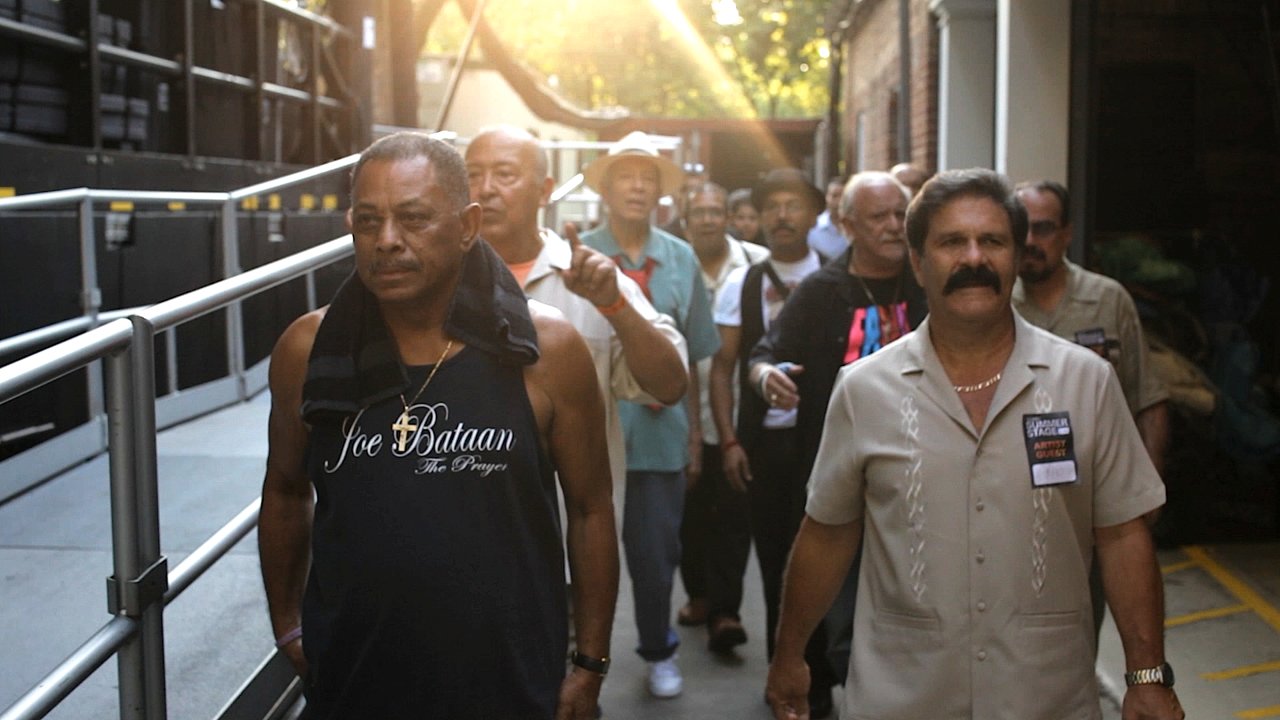
 WE LIKE IT LIKE THAT[/caption]
Award-winning documentary WE LIKE IT LIKE THAT will be released on iTunes and VOD nationwide on March 15.
Directed by Mathew Ramirez Warren, WE LIKE IT LIKE THAT tells the story of Latin boogaloo, a colorful expression of 1960s Latino soul, straight from the streets of New York City. From its origins to its recent resurgence, it’s the story of a sound that redefined a generation and was too funky to keep down.
WE LIKE IT LIKE THAT explores this fascinating, though often overlooked, bridge in Latin music history, showcasing the musical style that was born in the barrios of NYC and would eventually spawn a generation of chart-topping music artists and a global music movement that is once again alive and well today.
In the 1960s, a generation of musicians from East Harlem, the South Bronx and parts of Brooklyn fused Afro-Cuban music with R&B, jazz, funk and rock to create Latin boogaloo. It was a period of revolution and social awakening and young Latinos in search of their identity adopted Latin boogaloo as their soundtrack.
Much of this music was released by Alegre, Cotique and Fania Records during the 1960s and 70s. But as salsa, a more traditional style of Latin music, grew in popularity by the 1970s, some say the Latin boogaloo was killed off, not by the fans, but by cultural and industry politics.
By the 2000s, after decades of obscurity, the artists who made Latin boogaloo popular finally began to get the recognition they deserved, with the help of DJs and new bands such as DJ Turmix, The Boogaloo Assassins and Ray Lugo & the Boogaloo Destroyers, that pay tribute to the genre.
The cast of musicians and their personal stories told in We Like it Like Thatare as vibrant and enduring as the unforgettable rhythms they created. Some of the notable artists include Joe Bataan, a former gang leader who spent several years in prison before starting a band and becoming known as the “King of Latin Soul” and continues to be one of the most popular and active Latin boogaloo luminaries working today; Ricardo Ray, a Juilliard trained piano player who along with his singer, Bobby Cruz, recorded the first known Latin boogaloo “Lookie, Lookie” and went on to enjoy international fame in Latin music; Johnny Colon, the influential multi-instrumentalist, composer and bandleader who was a key player in the boogaloo scene and behind the first major latin boogaloo hit, “Boogaloo Blues,” a controversial song at the time for its chorus “LSD’s got a hold on me;” Jimmy Sabater, the late singer and percussionist for the Joe Cuba Sextet who helped write “Bang Bang,” the first boogaloo song to break through as a national hit; Pete Rodriguez, the bandleader whose group created “I Like it Like That,” the biggest Latin boogaloo hit of the 1960s and a repeat chart topper when it was covered in the 1990s.
https://www.youtube.com/watch?v=c–UlUha8nY
Additionally on March 11, “We Like It Like That: The Story of Latin Boogaloo Volume One” original motion picture soundtrack will be released digitally on Fania Records, featuring 14 classic latin boogaloo tracks from legendary music icons featured in the film such as Pete Rodriguez (“I Like It Like That”), Joe Bataan (“Ordinary Guy,” “Subway Joe”), Richie Ray (“Lookie Lookie”), Ray Barretto (“New York Soul”), Eddie Palmieri (“Azucar”), LeBron Brothers (“Summertime Blues”) and more.
WE LIKE IT LIKE THAT[/caption]
Award-winning documentary WE LIKE IT LIKE THAT will be released on iTunes and VOD nationwide on March 15.
Directed by Mathew Ramirez Warren, WE LIKE IT LIKE THAT tells the story of Latin boogaloo, a colorful expression of 1960s Latino soul, straight from the streets of New York City. From its origins to its recent resurgence, it’s the story of a sound that redefined a generation and was too funky to keep down.
WE LIKE IT LIKE THAT explores this fascinating, though often overlooked, bridge in Latin music history, showcasing the musical style that was born in the barrios of NYC and would eventually spawn a generation of chart-topping music artists and a global music movement that is once again alive and well today.
In the 1960s, a generation of musicians from East Harlem, the South Bronx and parts of Brooklyn fused Afro-Cuban music with R&B, jazz, funk and rock to create Latin boogaloo. It was a period of revolution and social awakening and young Latinos in search of their identity adopted Latin boogaloo as their soundtrack.
Much of this music was released by Alegre, Cotique and Fania Records during the 1960s and 70s. But as salsa, a more traditional style of Latin music, grew in popularity by the 1970s, some say the Latin boogaloo was killed off, not by the fans, but by cultural and industry politics.
By the 2000s, after decades of obscurity, the artists who made Latin boogaloo popular finally began to get the recognition they deserved, with the help of DJs and new bands such as DJ Turmix, The Boogaloo Assassins and Ray Lugo & the Boogaloo Destroyers, that pay tribute to the genre.
The cast of musicians and their personal stories told in We Like it Like Thatare as vibrant and enduring as the unforgettable rhythms they created. Some of the notable artists include Joe Bataan, a former gang leader who spent several years in prison before starting a band and becoming known as the “King of Latin Soul” and continues to be one of the most popular and active Latin boogaloo luminaries working today; Ricardo Ray, a Juilliard trained piano player who along with his singer, Bobby Cruz, recorded the first known Latin boogaloo “Lookie, Lookie” and went on to enjoy international fame in Latin music; Johnny Colon, the influential multi-instrumentalist, composer and bandleader who was a key player in the boogaloo scene and behind the first major latin boogaloo hit, “Boogaloo Blues,” a controversial song at the time for its chorus “LSD’s got a hold on me;” Jimmy Sabater, the late singer and percussionist for the Joe Cuba Sextet who helped write “Bang Bang,” the first boogaloo song to break through as a national hit; Pete Rodriguez, the bandleader whose group created “I Like it Like That,” the biggest Latin boogaloo hit of the 1960s and a repeat chart topper when it was covered in the 1990s.
https://www.youtube.com/watch?v=c–UlUha8nY
Additionally on March 11, “We Like It Like That: The Story of Latin Boogaloo Volume One” original motion picture soundtrack will be released digitally on Fania Records, featuring 14 classic latin boogaloo tracks from legendary music icons featured in the film such as Pete Rodriguez (“I Like It Like That”), Joe Bataan (“Ordinary Guy,” “Subway Joe”), Richie Ray (“Lookie Lookie”), Ray Barretto (“New York Soul”), Eddie Palmieri (“Azucar”), LeBron Brothers (“Summertime Blues”) and more.We Like It Like That – Boogaloo
-
WE LIKE IT LIKE THAT: THE STORY OF LATIN BOOGALOO Sets Release Date of March 15 | TRAILER
[caption id="attachment_11932" align="aligncenter" width="1280"] WE LIKE IT LIKE THAT[/caption]
Award-winning documentary WE LIKE IT LIKE THAT will be released on iTunes and VOD nationwide on March 15.
Directed by Mathew Ramirez Warren, WE LIKE IT LIKE THAT tells the story of Latin boogaloo, a colorful expression of 1960s Latino soul, straight from the streets of New York City. From its origins to its recent resurgence, it’s the story of a sound that redefined a generation and was too funky to keep down.
WE LIKE IT LIKE THAT explores this fascinating, though often overlooked, bridge in Latin music history, showcasing the musical style that was born in the barrios of NYC and would eventually spawn a generation of chart-topping music artists and a global music movement that is once again alive and well today.
In the 1960s, a generation of musicians from East Harlem, the South Bronx and parts of Brooklyn fused Afro-Cuban music with R&B, jazz, funk and rock to create Latin boogaloo. It was a period of revolution and social awakening and young Latinos in search of their identity adopted Latin boogaloo as their soundtrack.
Much of this music was released by Alegre, Cotique and Fania Records during the 1960s and 70s. But as salsa, a more traditional style of Latin music, grew in popularity by the 1970s, some say the Latin boogaloo was killed off, not by the fans, but by cultural and industry politics.
By the 2000s, after decades of obscurity, the artists who made Latin boogaloo popular finally began to get the recognition they deserved, with the help of DJs and new bands such as DJ Turmix, The Boogaloo Assassins and Ray Lugo & the Boogaloo Destroyers, that pay tribute to the genre.
The cast of musicians and their personal stories told in We Like it Like Thatare as vibrant and enduring as the unforgettable rhythms they created. Some of the notable artists include Joe Bataan, a former gang leader who spent several years in prison before starting a band and becoming known as the “King of Latin Soul” and continues to be one of the most popular and active Latin boogaloo luminaries working today; Ricardo Ray, a Juilliard trained piano player who along with his singer, Bobby Cruz, recorded the first known Latin boogaloo “Lookie, Lookie” and went on to enjoy international fame in Latin music; Johnny Colon, the influential multi-instrumentalist, composer and bandleader who was a key player in the boogaloo scene and behind the first major latin boogaloo hit, “Boogaloo Blues,” a controversial song at the time for its chorus “LSD’s got a hold on me;” Jimmy Sabater, the late singer and percussionist for the Joe Cuba Sextet who helped write “Bang Bang,” the first boogaloo song to break through as a national hit; Pete Rodriguez, the bandleader whose group created “I Like it Like That,” the biggest Latin boogaloo hit of the 1960s and a repeat chart topper when it was covered in the 1990s.
https://www.youtube.com/watch?v=c–UlUha8nY
Additionally on March 11, “We Like It Like That: The Story of Latin Boogaloo Volume One” original motion picture soundtrack will be released digitally on Fania Records, featuring 14 classic latin boogaloo tracks from legendary music icons featured in the film such as Pete Rodriguez (“I Like It Like That”), Joe Bataan (“Ordinary Guy,” “Subway Joe”), Richie Ray (“Lookie Lookie”), Ray Barretto (“New York Soul”), Eddie Palmieri (“Azucar”), LeBron Brothers (“Summertime Blues”) and more.
-
MAVIS!, Morphine: Journey of Dreams Among 7 Films on Shortlist for Best Documentary Award at 2015 Doc’n Roll Festival
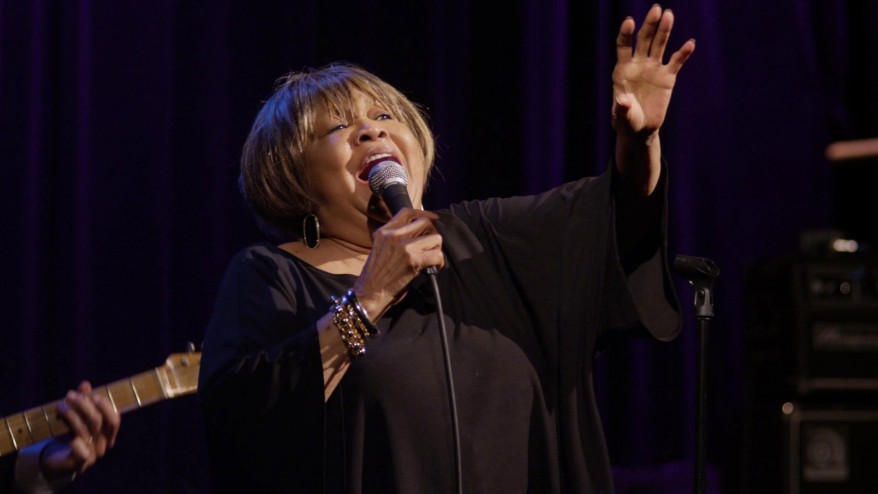 Seven music documentary films have made the shortlist for the Best Documentary Award of the 2015 Doc’n Roll Festival. The winner will receive a cash prize and an official certificate of award.
The films competing for the Best Documentary title from this year’s festival program are: Mavis!, a soulful portrait of gospel singer and civil rights icon Mavis Staples; story of a 90s American alt-rock group Morphine: Journey of Dreams; exploration of musician, composer, writer, collector and Pink Floyd collaborator Ron Geesin – An Improvised Life; Shake The Dust, a film that chronicles the impact of breakdancing in some unexpected parts of the world; Sleaford Mods: Invisible Britain which follows the band around on tour and visits neglected parts of the UK; the mysterious Theory of Obscurity: A film about The Residents, a rare glimpse in to the world of avant-garde music and multimedia collective The Residents; and We Like It Like That: The Story of Latin Boogaloo, a melting pot of funk, soul and Cuban influences brought together in 60’s New York City to define a generation.
Doc’n Roll will also present six music documentary shorts at this years festival. The program features Iranian short Uncle Essy – A day in the life of a music lover in Tehran about one of the oldest market stall holders in Tehran who is known for his unique music collection; McCrea 1971, the relatively unknown story of Louisiana’s forgotten rock festival; Simian Mobile Disco – WHORL, a cinematic journey with the electro-pioneers as they record their fifth album live; Brazilian doc This is a Saturday, All My Friends are Dead which follows experimental electro music group Digita as they tour South America; Wood & Wire: the Hand-Crafted Guitars of Creston Lea, a film for anyone interested in boutique electric instruments; and psychedelic garage rock comedy That Was Awesome – White Mystery.
Seven music documentary films have made the shortlist for the Best Documentary Award of the 2015 Doc’n Roll Festival. The winner will receive a cash prize and an official certificate of award.
The films competing for the Best Documentary title from this year’s festival program are: Mavis!, a soulful portrait of gospel singer and civil rights icon Mavis Staples; story of a 90s American alt-rock group Morphine: Journey of Dreams; exploration of musician, composer, writer, collector and Pink Floyd collaborator Ron Geesin – An Improvised Life; Shake The Dust, a film that chronicles the impact of breakdancing in some unexpected parts of the world; Sleaford Mods: Invisible Britain which follows the band around on tour and visits neglected parts of the UK; the mysterious Theory of Obscurity: A film about The Residents, a rare glimpse in to the world of avant-garde music and multimedia collective The Residents; and We Like It Like That: The Story of Latin Boogaloo, a melting pot of funk, soul and Cuban influences brought together in 60’s New York City to define a generation.
Doc’n Roll will also present six music documentary shorts at this years festival. The program features Iranian short Uncle Essy – A day in the life of a music lover in Tehran about one of the oldest market stall holders in Tehran who is known for his unique music collection; McCrea 1971, the relatively unknown story of Louisiana’s forgotten rock festival; Simian Mobile Disco – WHORL, a cinematic journey with the electro-pioneers as they record their fifth album live; Brazilian doc This is a Saturday, All My Friends are Dead which follows experimental electro music group Digita as they tour South America; Wood & Wire: the Hand-Crafted Guitars of Creston Lea, a film for anyone interested in boutique electric instruments; and psychedelic garage rock comedy That Was Awesome – White Mystery.
-
UK’s Music Documentary Festival, 2015 Doc’n Roll Film Festival Unveils Lineup | TRAILERS
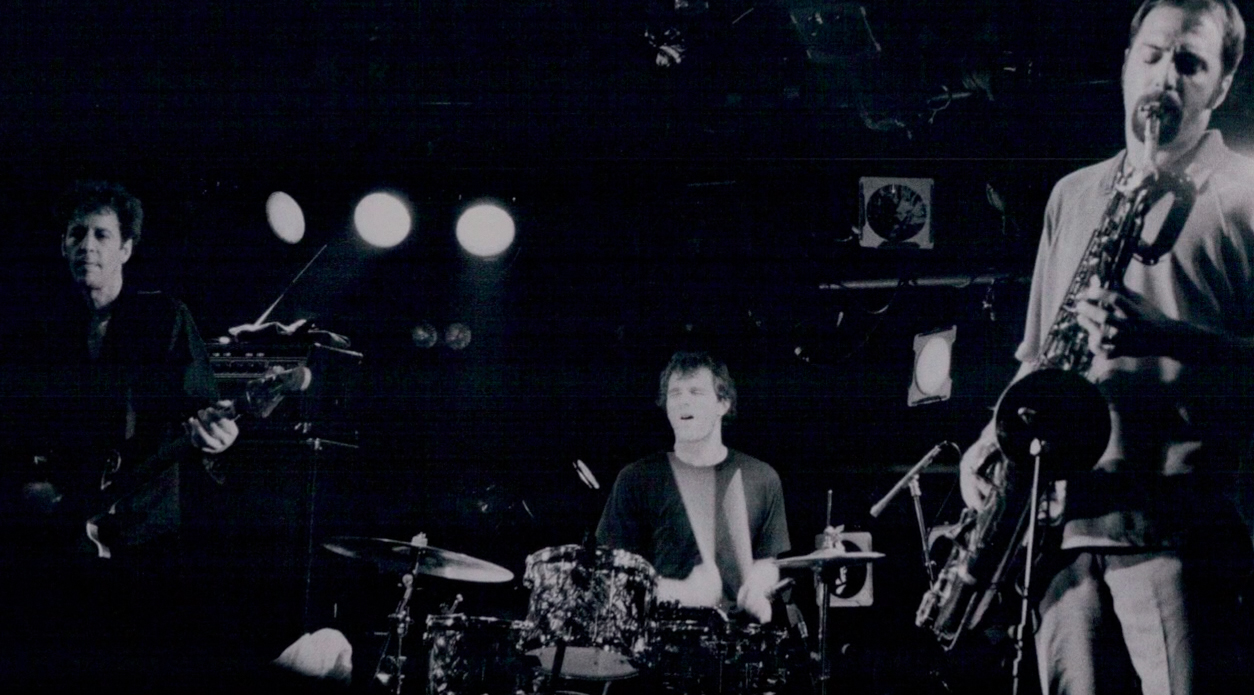
Doc’n Roll Film Festival, the UK’s music documentary festival, returns to London for its second edition from September 25 to October 4, 2015. The 2015 Doc’n Roll Film Festival will open with the UK premiere of Morphine: Journey of Dreams, the story of the unique and genre-blurring trio Morphine told through rare performance footage and tour journals, plus a Q&A with the film’s director Mark Shuman. Ten days later the festival will come to a close with the Theatrical World premiere of Lost Songs – The Basement Tapes Continued, a behind the scenes look at a two week recording session with some of today’s most talented musicians as they create new music using long-lost Bob Dylan lyrics from the iconic Basement Tapes sessions.