
And She Didn’t Die, a South African film directed by Kethiwe Ngcobo, has won the Ladima Foundation’s 8th edition of the Adiaha Award for Best Documentary by an African Woman, in partnership with Afrikamera Film Festival.
And She Didn’t Die follows the extraordinary journey of Lauretta Ngcobo, from rural South Africa to an acclaimed feminist writer in exile. Through her daughter, filmmaker Kethiwe Ngcobo, this documentary defies the erasure of Black women like Lauretta from history. The film highlights a five-generation storytelling tradition, emphasising cultural continuity across generations.
The documentary employs a reflexive approach, acknowledging both the film’s construction and Kethiwe’s connection as filmmaker and daughter. This self-awareness becomes integral to the storytelling, as documentation itself becomes part of the narrative.
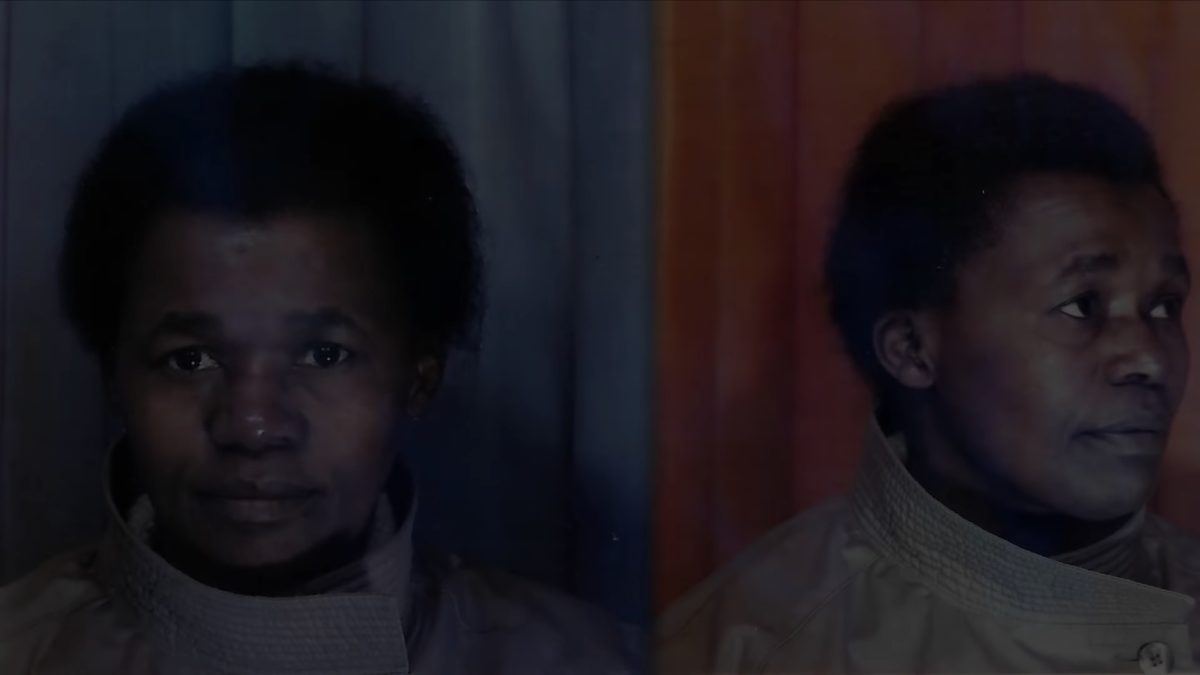
Kethiwe Zandile Ngcobo commented on the win, saying, “My mother titled her great novel, And They Didn’t Die, because she refused to let women like her be erased. And She Didn’t Die is my answer to her, a promise that she will not be forgotten. To receive an award whose name means first daughter is the deepest honour of my life. No film is made alone, and I share this with my co-producer Chloe White, with Palesa Sybia, and with the whole team who carried it with me. Most of all, this one was always for her, my mother.”
As part of the award, the film will be screened as part of the AFRIKAMERA 2026 edition REFLECT, taking place in Berlin in November 2026, and will be featured in the festival program, celebrating diverse African storytelling in cinema.
The Adiaha Award jury, made up of Paula Essam (Cameroon/Germany), Rumbi Katedza (Zimbabwe), and Samira Vera-Cruz (Cape Verde), was unanimous in their decision and had this to say about the winning film:
“And She Didn’t Die is beautifully crafted and emotionally layered, remarkably weaving together archival material, poetry, memory, reenactments, and personal testimony. Its initially measured pacing is one of its true strengths, allowing the story to breathe and fully resonate emotionally. The filmmaker tells this story with great confidence, establishing a profound connection with her subject, Lauretta Ngcobo, by honouring her multifaceted identity as a writer, a resistance fighter, and a mother. It is rare to see such extensive use of personal documentation to highlight one of South Africa’s most prolific female writers. At a time when the stories of women- particularly Black women within apartheid history and liberation movements -continue to be marginalized or forgotten, the film stands as a vital act of both remembrance and reclamation. Themes of heritage, the loss of home, and seeking refuge in a foreign land feel as deeply personal as they do universal.”
In her director’s statement, Kethiwe Ngcobo has this to say about the film, “And She Didn’t Die is a film I have been making for over twenty years, though I didn’t realise it at the time. The journey began with tapes, the originals lost; these were the transcription VHS copies that fell from the ceiling during a plumbing emergency in 2023. I understood I had been unconsciously archiving my mother’s story all along. The lost and found footage finally gave shape to the film that had been gestating for years. The film is deeply personal yet universally resonant. As Lauretta Ngcobo’s daughter, I inherited not just her stories but the responsibility to ensure they survive. My mother’s journey from rural storyteller to revolutionary activist to acclaimed feminist writer in exile represents a life lived as an act of resistance – against apartheid, against patriarchal tradition, and against the erasure of Black women’s voices.”
The jury also awarded a Special Mention to the Egyptian Film, 50 Meters, directed by Yomna Khattab, which they describe as, “A brave, tender, and deeply reflective debut that follows a daughter’s attempt to reconnect with her father through the act of filmmaking itself. The film offers a rare and moving engagement between a young woman and older men in ways that are seldom explored on screen. One of its most compelling achievements lies in the visual dialogue created between past and present: in the archival footage, the father films the daughter, while in the present, the daughter turns the camera back onto him. Through this reversal, the film becomes not only an exploration of family but also of perspective, authorship, and rediscovery through cinema. While struggling through the first part of the film, the daughter is able to answer some of the most difficult questions you could ask a parent – and when her father finally opens up and answers her question, it feels cathartic. Technically, the film is extremely strong and visually polished. An incredible debut feature.”
Leave a Reply
You must be logged in to post a comment.