
 Benicio Del Toro, will preside over the Un Certain Regard Jury at the 2018 Cannes Film Festival, eight years after sitting on the jury with other members including with Tim Burton, Benicio del Toro to select Thai director Apichatpong Weerasethakul’s Uncle Boonmee (The One Who Can Recall His Past Lives) as the winner of the Palme d’or.
Benicio Del Toro takes over from Uma Thurman, who was president in 2017 of a jury that awarded prizes to Mohammad Rasoulof, Jasmine Trinca, Mathieu Amalric, Taylor Sheridan and Michel Franco.
Born in Puerto Rico, raised in Pennsylvania, he is an artist who knows no boundaries. He is a great admirer of Jean Vigo and Charlie Chaplin and would have loved to have met Bela Lugosi, Lon Chaney, Toshiro Mifune or Humphrey Bogart. When he was 20 years old, he discovered The 400 Blows and the infinite universe of Fellini, Eisenstein, Bergman, Eustache, Kurosawa… The Naked Island of Kaneto Shindô became his go-to film.
At 6 feet 2, Benicio Del Toro always dreamt of becoming a basketball player but became an actor instead. His intense and magnetic presence on the screen makes him sleek and attractive. A chameleon with a thousand faces: a mild-mannered gangster (Usual Suspects, 1995), an eccentric moustachioed lawyer (Las Vegas Parano, 1998), a four-fingered robber (Snatch, 2000), an agent in a Mexican drug squad in cartel areas (Traffic, 2001, Ocar for Best Supporting Actor), an ex-convict turned fundamentalist Christian (21 Grams, 2003), a troubled American Indian (Jimmy P.: Psychotherapy of a Plains Indian, 2013), a famous drug dealer both charming and terrifying (Paradise Lost, 2014).
The charismatic Benicio Del Toro transforms each of his performances into impressive but subtle displays. Despite his apparent insouciance, he throws himself like no other into his roles – his teacher was Stella Adler of the Actors Studio. He is a loyal supporter of independent cinema and has worked with Abel Ferrara (The Funeral, 1996), Julian Schnabel (Basquiat, 1997) and Oliver Stone (Savages, 2012) – he also appears in the 8th episode of the saga Star Wars: The Last Jedi (2017).
In 2008, he received the award for best actor in Cannes for his role as Che Guevara in Steven Soderbergh’s two-part film – a part he carried for no fewer than seven years. Del Toro and the Festival have a long shared history. He was there for the special screening of Usual Suspects, then The Pledge (2001), Sin City (2005) and more recently, Sicario (2015) which was selected to compete for the Palme d’or. He was even there for his directorial debut, El Yuma, one of the segments of 7 Days in Havana, a collective work selected at Un Certain Regard in 2012. The following year, Benicio Del Toro said: “I’ve come here many times and it’s always amazing. I am totally thrilled and excited to be here.”
As the second competition within the Official Selection, Un Certain Regard will once again feature some twenty original and unique works in terms of themes and aesthetics.
This year’s Festival de Cannes will take place from Tuesday May 8 to Saturday May 19, 2018.
Benicio Del Toro, will preside over the Un Certain Regard Jury at the 2018 Cannes Film Festival, eight years after sitting on the jury with other members including with Tim Burton, Benicio del Toro to select Thai director Apichatpong Weerasethakul’s Uncle Boonmee (The One Who Can Recall His Past Lives) as the winner of the Palme d’or.
Benicio Del Toro takes over from Uma Thurman, who was president in 2017 of a jury that awarded prizes to Mohammad Rasoulof, Jasmine Trinca, Mathieu Amalric, Taylor Sheridan and Michel Franco.
Born in Puerto Rico, raised in Pennsylvania, he is an artist who knows no boundaries. He is a great admirer of Jean Vigo and Charlie Chaplin and would have loved to have met Bela Lugosi, Lon Chaney, Toshiro Mifune or Humphrey Bogart. When he was 20 years old, he discovered The 400 Blows and the infinite universe of Fellini, Eisenstein, Bergman, Eustache, Kurosawa… The Naked Island of Kaneto Shindô became his go-to film.
At 6 feet 2, Benicio Del Toro always dreamt of becoming a basketball player but became an actor instead. His intense and magnetic presence on the screen makes him sleek and attractive. A chameleon with a thousand faces: a mild-mannered gangster (Usual Suspects, 1995), an eccentric moustachioed lawyer (Las Vegas Parano, 1998), a four-fingered robber (Snatch, 2000), an agent in a Mexican drug squad in cartel areas (Traffic, 2001, Ocar for Best Supporting Actor), an ex-convict turned fundamentalist Christian (21 Grams, 2003), a troubled American Indian (Jimmy P.: Psychotherapy of a Plains Indian, 2013), a famous drug dealer both charming and terrifying (Paradise Lost, 2014).
The charismatic Benicio Del Toro transforms each of his performances into impressive but subtle displays. Despite his apparent insouciance, he throws himself like no other into his roles – his teacher was Stella Adler of the Actors Studio. He is a loyal supporter of independent cinema and has worked with Abel Ferrara (The Funeral, 1996), Julian Schnabel (Basquiat, 1997) and Oliver Stone (Savages, 2012) – he also appears in the 8th episode of the saga Star Wars: The Last Jedi (2017).
In 2008, he received the award for best actor in Cannes for his role as Che Guevara in Steven Soderbergh’s two-part film – a part he carried for no fewer than seven years. Del Toro and the Festival have a long shared history. He was there for the special screening of Usual Suspects, then The Pledge (2001), Sin City (2005) and more recently, Sicario (2015) which was selected to compete for the Palme d’or. He was even there for his directorial debut, El Yuma, one of the segments of 7 Days in Havana, a collective work selected at Un Certain Regard in 2012. The following year, Benicio Del Toro said: “I’ve come here many times and it’s always amazing. I am totally thrilled and excited to be here.”
As the second competition within the Official Selection, Un Certain Regard will once again feature some twenty original and unique works in terms of themes and aesthetics.
This year’s Festival de Cannes will take place from Tuesday May 8 to Saturday May 19, 2018.Cannes Film Festival
The international Festival de Cannes is one of the world’s most widely publicized events and certainly the most important film festival in terms of worldwide impact. “In order to achieve this level of longevity, the Festival de Cannes has remained faithful to its founding purpose: to draw attention to and raise the profile of films, with the aim of contributing towards the development of cinema, boosting the film industry worldwide and celebrating cinema at an international level. And to this day, this profession of faith constitutes the first article of the Festival regulations.
” -Thierry Frémaux, General Delegate
Cannes Film Festival (Festival de Cannes) started in 1946 and takes place in Cannes, France, Europe
-
Benicio Del Toro Named President of Un Certain Regard Jury at 2018 Cannes Film Festival
Benicio Del Toro, will preside over the Un Certain Regard Jury at the 2018 Cannes Film Festival, eight years after sitting on the jury with other members including with Tim Burton, Benicio del Toro to select Thai director Apichatpong Weerasethakul’s Uncle Boonmee (The One Who Can Recall His Past Lives) as the winner of the Palme d’or.
Benicio Del Toro takes over from Uma Thurman, who was president in 2017 of a jury that awarded prizes to Mohammad Rasoulof, Jasmine Trinca, Mathieu Amalric, Taylor Sheridan and Michel Franco.
Born in Puerto Rico, raised in Pennsylvania, he is an artist who knows no boundaries. He is a great admirer of Jean Vigo and Charlie Chaplin and would have loved to have met Bela Lugosi, Lon Chaney, Toshiro Mifune or Humphrey Bogart. When he was 20 years old, he discovered The 400 Blows and the infinite universe of Fellini, Eisenstein, Bergman, Eustache, Kurosawa… The Naked Island of Kaneto Shindô became his go-to film.
At 6 feet 2, Benicio Del Toro always dreamt of becoming a basketball player but became an actor instead. His intense and magnetic presence on the screen makes him sleek and attractive. A chameleon with a thousand faces: a mild-mannered gangster (Usual Suspects, 1995), an eccentric moustachioed lawyer (Las Vegas Parano, 1998), a four-fingered robber (Snatch, 2000), an agent in a Mexican drug squad in cartel areas (Traffic, 2001, Ocar for Best Supporting Actor), an ex-convict turned fundamentalist Christian (21 Grams, 2003), a troubled American Indian (Jimmy P.: Psychotherapy of a Plains Indian, 2013), a famous drug dealer both charming and terrifying (Paradise Lost, 2014).
The charismatic Benicio Del Toro transforms each of his performances into impressive but subtle displays. Despite his apparent insouciance, he throws himself like no other into his roles – his teacher was Stella Adler of the Actors Studio. He is a loyal supporter of independent cinema and has worked with Abel Ferrara (The Funeral, 1996), Julian Schnabel (Basquiat, 1997) and Oliver Stone (Savages, 2012) – he also appears in the 8th episode of the saga Star Wars: The Last Jedi (2017).
In 2008, he received the award for best actor in Cannes for his role as Che Guevara in Steven Soderbergh’s two-part film – a part he carried for no fewer than seven years. Del Toro and the Festival have a long shared history. He was there for the special screening of Usual Suspects, then The Pledge (2001), Sin City (2005) and more recently, Sicario (2015) which was selected to compete for the Palme d’or. He was even there for his directorial debut, El Yuma, one of the segments of 7 Days in Havana, a collective work selected at Un Certain Regard in 2012. The following year, Benicio Del Toro said: “I’ve come here many times and it’s always amazing. I am totally thrilled and excited to be here.”
As the second competition within the Official Selection, Un Certain Regard will once again feature some twenty original and unique works in terms of themes and aesthetics.
This year’s Festival de Cannes will take place from Tuesday May 8 to Saturday May 19, 2018.
-
Cannes Classics to Celebrate 50th Anniversary of Stanley Kubrick’s ‘2001: A Space Odyssey’
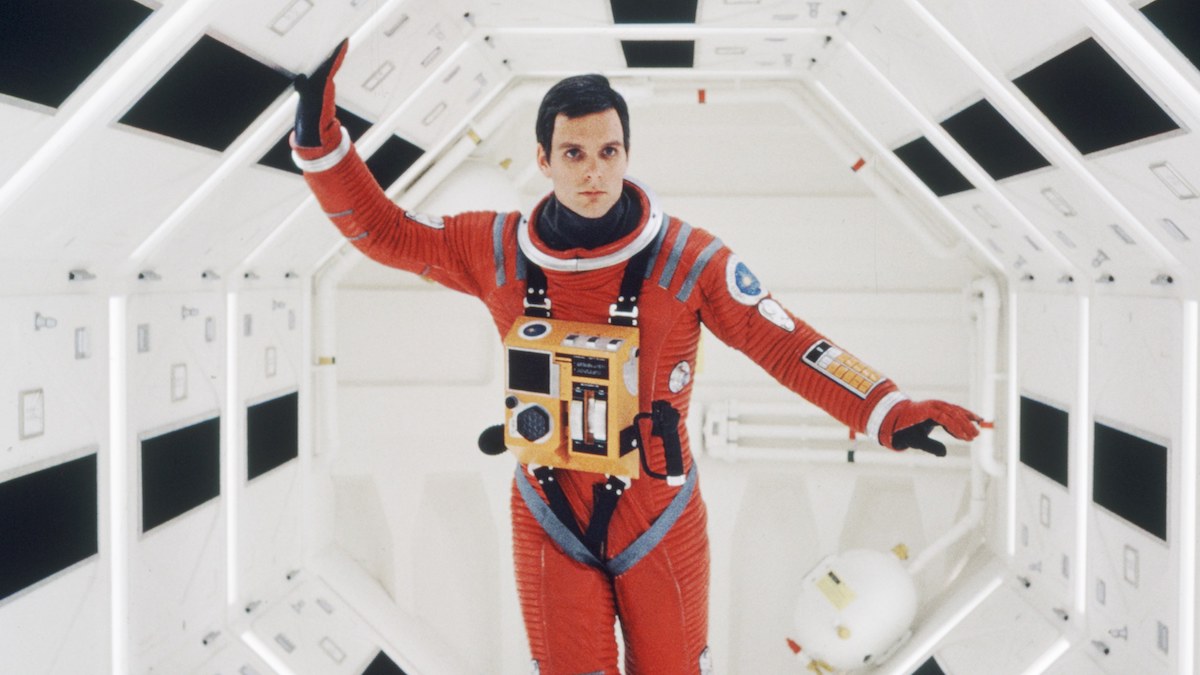 Cannes Classics at the upcoming 2018 Cannes Film Festival will celebrate the 50th anniversary of Stanley Kubrick’s 2001: A Space Odyssey, with world premiere of a 70mm print of the director’s 1968 masterpiece, introduced by filmmaker Christopher Nolan.
Set for Saturday, May 12, 2018, the screening will be introduced by filmmaker Christopher Nolan, who will be attending the Festival de Cannes for the first time. The screening will also be attended by members of Stanley Kubrick’s family including his daughter Katharina Kubrick and Stanley’s long time producing partner and brother-in-law Jan Harlan.
Nolan will also participate in a Cannes Masterclass, set for Sunday, May 13, during which he will discuss his award-winning filmography and also share his passion for the singular work of Stanley Kubrick.
For the first time since the original release, this 70mm print was struck from new printing elements made from the original camera negative. This is a true photochemical film recreation. There are no digital tricks, remastered effects, or revisionist edits. The original version will be presented to recreate the cinematic event audiences experienced 50 years ago. A longtime admirer of the late American auteur, Nolan worked closely with the team at Warner Bros. Pictures throughout the mastering process.
With 2001: A Space Odyssey, director Stanley Kubrick redefined the limits of filmmaking and cemented his legacy as one of the most revolutionary and influential film directors of all time. Originally released in 70mm Cinerama roadshow format on April 3, 1968, the film ignited the imaginations of critics and audiences alike and its impact continues to resonate to this day.
Christiane Kubrick said, “I’m delighted that Cannes has chosen to honour 2001: A Space Odyssey. If Stanley were alive today, we know he would be in admiration of the films of Christopher Nolan. And so, on behalf of Stanley’s family, I would personally like to thank Christopher for agreeing to introduce this very special screening.”
Nolan said, “One of my earliest memories of cinema is seeing Stanley Kubrick’s 2001: A Space Odyssey, in 70mm, at the Leicester Square Theatre in London with my father. The opportunity to be involved in recreating that experience for a new generation, and of introducing our new unrestored 70mm print of Kubrick’s masterpiece in all its analogue glory at the Festival de Cannes is an honour and a privilege.”
Thierry Frémaux said, “Stanley Kubrick in the Official Selection! It is a great honour for the Festival de Cannes to host the 50th anniversary celebration of one of the most extraordinary films in the history of cinema. And to welcome to the Festival for the first time Christopher Nolan, whose presence creates a precious bond between past and present, without which cinema would have no history.”
2001: A Space Odyssey will return to select U.S. theatres in 70mm beginning May 18, 2018.
Cannes Classics at the upcoming 2018 Cannes Film Festival will celebrate the 50th anniversary of Stanley Kubrick’s 2001: A Space Odyssey, with world premiere of a 70mm print of the director’s 1968 masterpiece, introduced by filmmaker Christopher Nolan.
Set for Saturday, May 12, 2018, the screening will be introduced by filmmaker Christopher Nolan, who will be attending the Festival de Cannes for the first time. The screening will also be attended by members of Stanley Kubrick’s family including his daughter Katharina Kubrick and Stanley’s long time producing partner and brother-in-law Jan Harlan.
Nolan will also participate in a Cannes Masterclass, set for Sunday, May 13, during which he will discuss his award-winning filmography and also share his passion for the singular work of Stanley Kubrick.
For the first time since the original release, this 70mm print was struck from new printing elements made from the original camera negative. This is a true photochemical film recreation. There are no digital tricks, remastered effects, or revisionist edits. The original version will be presented to recreate the cinematic event audiences experienced 50 years ago. A longtime admirer of the late American auteur, Nolan worked closely with the team at Warner Bros. Pictures throughout the mastering process.
With 2001: A Space Odyssey, director Stanley Kubrick redefined the limits of filmmaking and cemented his legacy as one of the most revolutionary and influential film directors of all time. Originally released in 70mm Cinerama roadshow format on April 3, 1968, the film ignited the imaginations of critics and audiences alike and its impact continues to resonate to this day.
Christiane Kubrick said, “I’m delighted that Cannes has chosen to honour 2001: A Space Odyssey. If Stanley were alive today, we know he would be in admiration of the films of Christopher Nolan. And so, on behalf of Stanley’s family, I would personally like to thank Christopher for agreeing to introduce this very special screening.”
Nolan said, “One of my earliest memories of cinema is seeing Stanley Kubrick’s 2001: A Space Odyssey, in 70mm, at the Leicester Square Theatre in London with my father. The opportunity to be involved in recreating that experience for a new generation, and of introducing our new unrestored 70mm print of Kubrick’s masterpiece in all its analogue glory at the Festival de Cannes is an honour and a privilege.”
Thierry Frémaux said, “Stanley Kubrick in the Official Selection! It is a great honour for the Festival de Cannes to host the 50th anniversary celebration of one of the most extraordinary films in the history of cinema. And to welcome to the Festival for the first time Christopher Nolan, whose presence creates a precious bond between past and present, without which cinema would have no history.”
2001: A Space Odyssey will return to select U.S. theatres in 70mm beginning May 18, 2018.
-
Swiss Filmmaker Ursula Meier to Preside over Caméra d’or Jury of Cannes Film Festival
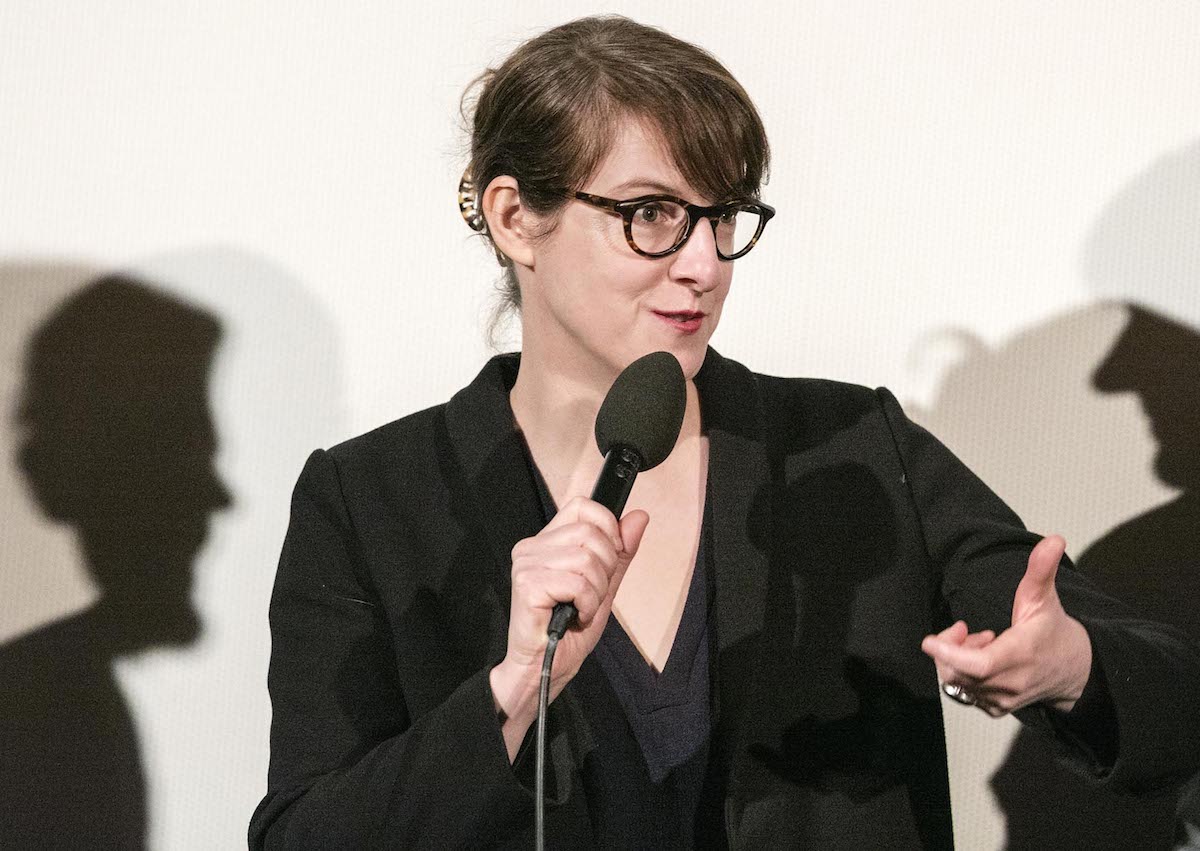 Swiss filmmaker Ursula Meier will head this year’s Caméra d’or Jury of the 2018 Cannes Film Festival, and along with six fellow-professionals, will select the best first film presented in the Official Selection, the Semaine de la Critique and the Directors’ Fortnight.
Ursula Meier is a filmmaker who questions the very need to film. This undoubtedly explains her compact and exciting filmography, which includes 5 short films, 2 works for television, 2 documentaries and 2 feature films for cinema. Inventive strokes of brilliance, each of them has been upsetting the apple cart with a fresh take and establishing her definitively on the European scene. Since 1994, Ursula Meier has compiled a bold cinematography that emphasises the complexity of the world.
An unconditional admirer of Wanda (Barbara Loden) and Sweetie (Jane Campion), Meier decided to take up directing after discovering Money (Robert Bresson). She then became assistant director to a major figure in Swiss cinema, Alain Tanner, with Fourbi (1996). She who claims to be fascinated by the notion of no man’s land has built her imagination there, and manages to reach out to buried areas of human nature, filming with tenderness, without pathos or judgment, characters who are guided by a powerful survival instinct. In 2014, she participated in the film Bridges of Sarajevo, a collective work by 13 European filmmakers, presented at Cannes in the Official Selection.
Her films for cinema – Home (2008) and Sister (2012, winner of the Silver Bear at the Berlinale) – are internationally acclaimed for their original angle and writing. Radical and poetic, the first is a fable shot with pale light and warm photography. The second is a modern tale in the form of a sober and poignant family chronicle.
“A first film,” says the newly appointed President, “is the place of all possibilities, of all audacity, of all risk-taking, of all madness. It is often said that you should not put everything into a first film but the opposite is true, you should put in exactly that – everything – just as you should put everything into every film while always preserving deep within yourself that original, vital, brutal, wild desire of the first time. What immense excitement and joy to discover all these films!”
Swiss filmmaker Ursula Meier will head this year’s Caméra d’or Jury of the 2018 Cannes Film Festival, and along with six fellow-professionals, will select the best first film presented in the Official Selection, the Semaine de la Critique and the Directors’ Fortnight.
Ursula Meier is a filmmaker who questions the very need to film. This undoubtedly explains her compact and exciting filmography, which includes 5 short films, 2 works for television, 2 documentaries and 2 feature films for cinema. Inventive strokes of brilliance, each of them has been upsetting the apple cart with a fresh take and establishing her definitively on the European scene. Since 1994, Ursula Meier has compiled a bold cinematography that emphasises the complexity of the world.
An unconditional admirer of Wanda (Barbara Loden) and Sweetie (Jane Campion), Meier decided to take up directing after discovering Money (Robert Bresson). She then became assistant director to a major figure in Swiss cinema, Alain Tanner, with Fourbi (1996). She who claims to be fascinated by the notion of no man’s land has built her imagination there, and manages to reach out to buried areas of human nature, filming with tenderness, without pathos or judgment, characters who are guided by a powerful survival instinct. In 2014, she participated in the film Bridges of Sarajevo, a collective work by 13 European filmmakers, presented at Cannes in the Official Selection.
Her films for cinema – Home (2008) and Sister (2012, winner of the Silver Bear at the Berlinale) – are internationally acclaimed for their original angle and writing. Radical and poetic, the first is a fable shot with pale light and warm photography. The second is a modern tale in the form of a sober and poignant family chronicle.
“A first film,” says the newly appointed President, “is the place of all possibilities, of all audacity, of all risk-taking, of all madness. It is often said that you should not put everything into a first film but the opposite is true, you should put in exactly that – everything – just as you should put everything into every film while always preserving deep within yourself that original, vital, brutal, wild desire of the first time. What immense excitement and joy to discover all these films!”
-
French Filmmaker Bertrand Bonello to Chair Cinéfondation and Short Films Jury for Cannes Film Festival
 French filmmaker Bertrand Bonello will chair the Cinéfondation and Short Films Jury of the 71st edition of the Festival de Cannes taking place May 8 to 19, 2018. Bonello will succeed Romanian director Cristian Mungiu.
From his very first film (Something Organic, 1998) to Nocturama (2016), Bertrand Bonello has occupied a unique place in the cinematographic landscape. His filmography includes seven feature films and eight short films, all of them highly distinctive. Since 2003, his films have been screened in Competition at the Festival de Cannes: Tiresia (2003), House of Tolerance (2011) and Saint Laurent (2014).
Whether in his portrait of a Brazilian transsexual, the refined but frosty everyday life of a brothel at the close of the nineteenth century, or a virtuoso biopic about creation and the pain it causes, sexual identity and the relationship to the body haunt his work. In his exploration of the troubled margins of our thoughts and desires, Bertrand Bonello ceaselessly questions the boundaries of reality.
Trained as a classical musician, this self-taught artisan works in music and cinema, sound and images, writes the script and composes the music for all his films. His critically acclaimed works reveal an acute mastery of audacity and aesthetics. Preferring perception over traditional narrative, long shots that emphasise the sensoriality of imagery, his worlds conjure up visual and sound experiences that break free of all limits. An admirer of Bresson, Pasolini and Jarmusch, fan of the Godfather and eXistenZ, Bonello seems to gravitate instinctively towards recurrent obsessions.
Bertrand Bonello: “What do we expect from young people, unknown filmmakers and early films? Let them shake us up, let them make us look at what we’re unable to see, let them enjoy the freedom, the sharpness, the recklessness and the daring that we sometimes no longer possess. The Cinéfondation has been working for 20 years to make these voices heard and I’m extremely proud this year to be able to accompany them.”
For his part, Gilles Jacob says of Bonello: “This year will be presided by one of the greatest contemporary directors, an iconoclastic and unique artist. And besides his art, his genuine humanity continues to shine to this day.”
French filmmaker Bertrand Bonello will chair the Cinéfondation and Short Films Jury of the 71st edition of the Festival de Cannes taking place May 8 to 19, 2018. Bonello will succeed Romanian director Cristian Mungiu.
From his very first film (Something Organic, 1998) to Nocturama (2016), Bertrand Bonello has occupied a unique place in the cinematographic landscape. His filmography includes seven feature films and eight short films, all of them highly distinctive. Since 2003, his films have been screened in Competition at the Festival de Cannes: Tiresia (2003), House of Tolerance (2011) and Saint Laurent (2014).
Whether in his portrait of a Brazilian transsexual, the refined but frosty everyday life of a brothel at the close of the nineteenth century, or a virtuoso biopic about creation and the pain it causes, sexual identity and the relationship to the body haunt his work. In his exploration of the troubled margins of our thoughts and desires, Bertrand Bonello ceaselessly questions the boundaries of reality.
Trained as a classical musician, this self-taught artisan works in music and cinema, sound and images, writes the script and composes the music for all his films. His critically acclaimed works reveal an acute mastery of audacity and aesthetics. Preferring perception over traditional narrative, long shots that emphasise the sensoriality of imagery, his worlds conjure up visual and sound experiences that break free of all limits. An admirer of Bresson, Pasolini and Jarmusch, fan of the Godfather and eXistenZ, Bonello seems to gravitate instinctively towards recurrent obsessions.
Bertrand Bonello: “What do we expect from young people, unknown filmmakers and early films? Let them shake us up, let them make us look at what we’re unable to see, let them enjoy the freedom, the sharpness, the recklessness and the daring that we sometimes no longer possess. The Cinéfondation has been working for 20 years to make these voices heard and I’m extremely proud this year to be able to accompany them.”
For his part, Gilles Jacob says of Bonello: “This year will be presided by one of the greatest contemporary directors, an iconoclastic and unique artist. And besides his art, his genuine humanity continues to shine to this day.”
-
Actress Cate Blanchett Named President of the Jury of 2018 Cannes Film Festival
 Actress Cate Blanchett will be the President of the Jury of the 71st edition of the Cannes Film Festival taking place May 8th to 19th, 2018.
“I have been to Cannes in many guises over the years; as an actress, producer, in the marketplace, the Gala-sphere and in Competition,” she declared, “but never solely for the sheer pleasure of watching the cornucopia of films this great festival harbours.”v
Cate Blanchett follows Pedro Almodóvar, Jury President of the 70th edition, whose jury awarded the Palme d’or to The Square by Swedish director Ruben Östlund.
“I am humbled by the privilege and responsibility of presiding over this year’s jury,” she continued. “This festival plays a pivotal role in bringing the world together to celebrate story; that strange and vital endeavour that all peoples share, understand and crave.”
Pierre Lescure, Festival de Cannes President and Thierry Frémaux, General Delegate, said: “We are delighted to welcome such a rare and unique artist whose talent and convictions enrich both screen and stage. Our conversations from this autumn tell us she will be a committed President, a passionate woman and a big-hearted spectator.”
Cate Blanchett will next appear in Ocean’s 8; the highly-anticipated film adaptation of Maria Semple’s Where’d You Go Bernadette, directed by Richard Linklater; and in The House with a Clock in its Walls, directed by Eli Roth.
Actress Cate Blanchett will be the President of the Jury of the 71st edition of the Cannes Film Festival taking place May 8th to 19th, 2018.
“I have been to Cannes in many guises over the years; as an actress, producer, in the marketplace, the Gala-sphere and in Competition,” she declared, “but never solely for the sheer pleasure of watching the cornucopia of films this great festival harbours.”v
Cate Blanchett follows Pedro Almodóvar, Jury President of the 70th edition, whose jury awarded the Palme d’or to The Square by Swedish director Ruben Östlund.
“I am humbled by the privilege and responsibility of presiding over this year’s jury,” she continued. “This festival plays a pivotal role in bringing the world together to celebrate story; that strange and vital endeavour that all peoples share, understand and crave.”
Pierre Lescure, Festival de Cannes President and Thierry Frémaux, General Delegate, said: “We are delighted to welcome such a rare and unique artist whose talent and convictions enrich both screen and stage. Our conversations from this autumn tell us she will be a committed President, a passionate woman and a big-hearted spectator.”
Cate Blanchett will next appear in Ocean’s 8; the highly-anticipated film adaptation of Maria Semple’s Where’d You Go Bernadette, directed by Richard Linklater; and in The House with a Clock in its Walls, directed by Eli Roth.
-
Cannes Film Festival Shakes Up Calendar – Announces 2018 Dates
 The 71st Cannes Film Festival will take place from Tuesday, May 8th to Saturday, May 19th, 2018. It will start one day earlier than in previous years, but will run for exactly the same length of time.
The opening will therefore take place on the evening of Tuesday, May 8th and the awards ceremony will be on Saturday, May 19th.
“Following 2017’s anniversary edition, the Festival is beginning a new period in its history,” says Festival President Pierre Lescure. “We intend to renew the principles of our organization as much as possible, while continuing to question the cinema of our age and to be present through its upheavals.”
In its announcement the festival notes that the new schedule will allow it to rebalance the two weeks of the event and to bring new energy to the proceedings. Starting on a Tuesday is expected to allow the festival to hold an additional gala evening before the Festival weekend and to organize previews of the opening film throughout France. Finally, bringing forward the announcement of awards by one day, to Saturday evening, will increase its prestige, while at the same time giving the closing film better exposure.
The 71st Cannes Film Festival will take place from Tuesday, May 8th to Saturday, May 19th, 2018. It will start one day earlier than in previous years, but will run for exactly the same length of time.
The opening will therefore take place on the evening of Tuesday, May 8th and the awards ceremony will be on Saturday, May 19th.
“Following 2017’s anniversary edition, the Festival is beginning a new period in its history,” says Festival President Pierre Lescure. “We intend to renew the principles of our organization as much as possible, while continuing to question the cinema of our age and to be present through its upheavals.”
In its announcement the festival notes that the new schedule will allow it to rebalance the two weeks of the event and to bring new energy to the proceedings. Starting on a Tuesday is expected to allow the festival to hold an additional gala evening before the Festival weekend and to organize previews of the opening film throughout France. Finally, bringing forward the announcement of awards by one day, to Saturday evening, will increase its prestige, while at the same time giving the closing film better exposure.
-
THE SQUARE Wins Palme d’Or at 70th Cannes Film Festival, Sofia Coppola, Joaquin Phoenix, Diane Kruger Win Awards
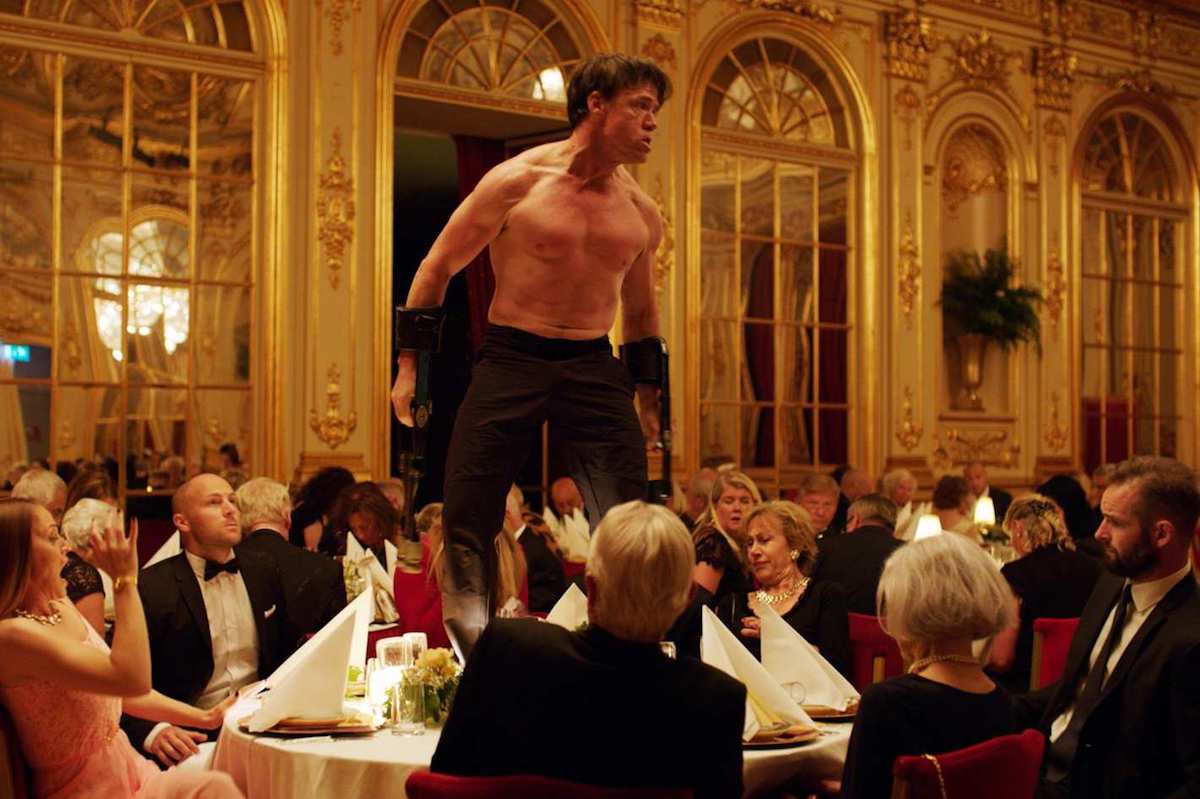
The Square by Ruben Östlund The Square by Ruben Östlund is the winner of the Palme d’Or at the 70th edition of the Cannes Film Festival.
-
Iranian Film LERD (A MAN OF INTEGRITY) Wins Un Certain Regard Prize at 2017 Cannes Film Festival.
[caption id="attachment_22455" align="aligncenter" width="1000"] (Lerd) A Man Of Integrity[/caption]
A Man Of Integrity (LERD) by Mohammad Rasoul of Iran, is the winner of the Un Certain Regard prize at the 2017 Cannes Film Festival.
Un Certain Regard 2017 presented in competition 18 films hailing from 22 different countries. 6 of the works were first films. The Opening film was Barbara by Mathieu Amalric.
Under the presidency of Uma Thurman (actress – United States), the Jury was comprised of Mohamed Diab (director – Egypt), Reda Kateb (actor – France), Joachim Lafosse (director – Belgium) and Karel Och (artistic director of the Karlovy Vary Film Festival – Czech Republic).
The Jury commented “We feel enormous gratitude to have had the honor of serving on the Jury for this historic 70th anniversary of the Festival de Cannes. We are proud to present an esthetically diverse and beautiful awards list for Un Certain Regard.“
“UN CERTAIN REGARD” PRIZE
LERD (A MAN OF INTEGRITY)
by Mohammad Rasoulof
Reza (35), having distanced himself from the ur- ban quagmire, leads a simple life along with his wife and sole son, somewhere in a remote village in Northern Iran. He spends his days working in his gold fish farm. Nearby, a private company with close links to the government and local authori- ties, has taken control of nearly every aspect of the regional life. Its shareholders, accumulating wealth, power and economic rents, have been pushing local farmers and small owners to dilap- idate their belongings, farms and estates, to the benefit of the Company’s influential net- work and its monopoly. It is under their pressure that many villagers have them- selves become local rings of the larger network of corruption.
PRIZE FOR BEST ACTRESS
JASMINE TRINCA for FORTUNATA by Sergio Castellitto
Fortunata has a difficult life, a daughter of eight and a failed marriage behind her. She works as a hairdresser in people’s houses, leaving from the outskirts to cross the city, going to the homes of the well-off to do women’s hair. Fortunata fights every day with determination to achieve her dream: opening her own salon and challenging fate, in an attempt at emancipating herself and gaining her independence and the right to some happiness. She knows that to achieve her dreams she has to be firm: she has thought of everything, she is ready for anything, but she had not considered the variable of love, the one subversive force capable of sweeping aside every certainty. Also because, perhaps for the first time, someone looks at her as the woman she is and truly loves her.
PRIZE FOR THE BEST POETIC NARRATIVE
BARBARA de Mathieu Amalric
An actress, Brigitte, is playing Barbara in a film that soon begins shooting.
Brigitte works on her character, her voice, the songs and scores, the imitation of her gestures, her knitting, the lines to learn. Things
move along. The character grows inside her. Invades her, even…
Yves, the director, is also working – via encounters, archival footage, the music. He seems inhabited and inspired by her…
But by whom? The actress or Barbara?
PRIZE FOR BEST DIRECTION
Taylor Sheridan for WIND RIVER
WIND RIVER is a chilling thriller that follows a rookie FBI agent who teams up with a local game tracker with deep community ties and a haunted past to investigate the murder of a local girl on a remote Native American Reservation in the hopes of solving the mysterious death. Written and directed by Taylor Sheridan, WIND RIVER also stars Gil Birmingham, Jon Bernthal, Julia Jones, Kelsey Asbille, and James Jordan.
JURY PRIZE
LAS HIJAS DE ABRIL (APRIL’S DAUGHTER) by Michel Franco
Valeria is 17 and pregnant. She lives in Puerto Vallarta with Clara, her half-sister.
Valeria has not wanted her long-absent mother, April, to find out about her pregnancy, but due to the economic strain and the overwhelming responsibility of having a baby in the house, Clara decides to call their mother.
April arrives, willing to help her daughters, but soon it will be clear why Valeria had kept her away.
(Lerd) A Man Of Integrity[/caption]
A Man Of Integrity (LERD) by Mohammad Rasoul of Iran, is the winner of the Un Certain Regard prize at the 2017 Cannes Film Festival.
Un Certain Regard 2017 presented in competition 18 films hailing from 22 different countries. 6 of the works were first films. The Opening film was Barbara by Mathieu Amalric.
Under the presidency of Uma Thurman (actress – United States), the Jury was comprised of Mohamed Diab (director – Egypt), Reda Kateb (actor – France), Joachim Lafosse (director – Belgium) and Karel Och (artistic director of the Karlovy Vary Film Festival – Czech Republic).
The Jury commented “We feel enormous gratitude to have had the honor of serving on the Jury for this historic 70th anniversary of the Festival de Cannes. We are proud to present an esthetically diverse and beautiful awards list for Un Certain Regard.“
“UN CERTAIN REGARD” PRIZE
LERD (A MAN OF INTEGRITY)
by Mohammad Rasoulof
Reza (35), having distanced himself from the ur- ban quagmire, leads a simple life along with his wife and sole son, somewhere in a remote village in Northern Iran. He spends his days working in his gold fish farm. Nearby, a private company with close links to the government and local authori- ties, has taken control of nearly every aspect of the regional life. Its shareholders, accumulating wealth, power and economic rents, have been pushing local farmers and small owners to dilap- idate their belongings, farms and estates, to the benefit of the Company’s influential net- work and its monopoly. It is under their pressure that many villagers have them- selves become local rings of the larger network of corruption.
PRIZE FOR BEST ACTRESS
JASMINE TRINCA for FORTUNATA by Sergio Castellitto
Fortunata has a difficult life, a daughter of eight and a failed marriage behind her. She works as a hairdresser in people’s houses, leaving from the outskirts to cross the city, going to the homes of the well-off to do women’s hair. Fortunata fights every day with determination to achieve her dream: opening her own salon and challenging fate, in an attempt at emancipating herself and gaining her independence and the right to some happiness. She knows that to achieve her dreams she has to be firm: she has thought of everything, she is ready for anything, but she had not considered the variable of love, the one subversive force capable of sweeping aside every certainty. Also because, perhaps for the first time, someone looks at her as the woman she is and truly loves her.
PRIZE FOR THE BEST POETIC NARRATIVE
BARBARA de Mathieu Amalric
An actress, Brigitte, is playing Barbara in a film that soon begins shooting.
Brigitte works on her character, her voice, the songs and scores, the imitation of her gestures, her knitting, the lines to learn. Things
move along. The character grows inside her. Invades her, even…
Yves, the director, is also working – via encounters, archival footage, the music. He seems inhabited and inspired by her…
But by whom? The actress or Barbara?
PRIZE FOR BEST DIRECTION
Taylor Sheridan for WIND RIVER
WIND RIVER is a chilling thriller that follows a rookie FBI agent who teams up with a local game tracker with deep community ties and a haunted past to investigate the murder of a local girl on a remote Native American Reservation in the hopes of solving the mysterious death. Written and directed by Taylor Sheridan, WIND RIVER also stars Gil Birmingham, Jon Bernthal, Julia Jones, Kelsey Asbille, and James Jordan.
JURY PRIZE
LAS HIJAS DE ABRIL (APRIL’S DAUGHTER) by Michel Franco
Valeria is 17 and pregnant. She lives in Puerto Vallarta with Clara, her half-sister.
Valeria has not wanted her long-absent mother, April, to find out about her pregnancy, but due to the economic strain and the overwhelming responsibility of having a baby in the house, Clara decides to call their mother.
April arrives, willing to help her daughters, but soon it will be clear why Valeria had kept her away.
-
Cannes Film Festival Announces Winners of 2017 Cinéfondation Prizes
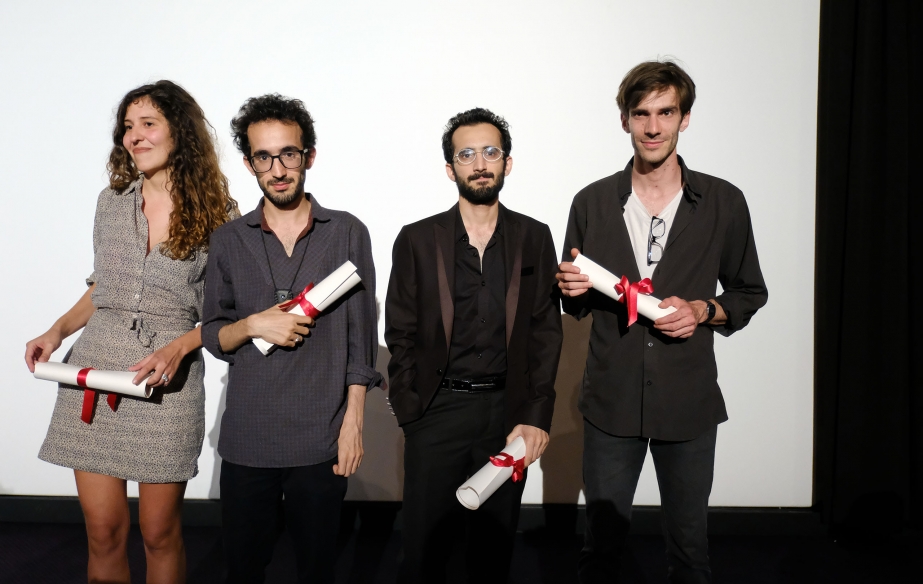 Paul Is Here directed by Valentina Maurel of INSAS, Belgium is the First Prize winner of the 2017 Cinéfondation at the Cannes Film Festival.
The Cinéfondation and Short Films Jury headed by Cristian Mungiu and including Clotilde Hesme, Athina Rachel Tsangari, Barry Jenkins and Eric Khoo, awarded the 2017 Cinéfondation Prizes during a ceremony held in the Buñuel Theatre, followed by the screening of the winning films.
The Cinéfondation Selection consisted of 16 student films, chosen out of 2,600 entries coming from 626 film schools around the world.
First Prize
Paul Is Here (PAUL EST LÀ)
directed by Valentina Maurel
INSAS, Belgium
Second Prize
Animal (HEYVAN)
directed by Bahram & Bahman Ark
Iranian National School of Cinema, Iran
Third Prize
Two Youths Died (DEUX ÉGARÉS SONT MORTS)
directed by Tommaso Usberti
La Fémis, France
The Cinéfondation allocates a €15,000 grant for the First Prize, €11,250 for the Second and €7,500 for the Third. The winner of the First Prize is also guaranteed the presentation of his/her first feature film at the Festival de Cannes.
Paul Is Here directed by Valentina Maurel of INSAS, Belgium is the First Prize winner of the 2017 Cinéfondation at the Cannes Film Festival.
The Cinéfondation and Short Films Jury headed by Cristian Mungiu and including Clotilde Hesme, Athina Rachel Tsangari, Barry Jenkins and Eric Khoo, awarded the 2017 Cinéfondation Prizes during a ceremony held in the Buñuel Theatre, followed by the screening of the winning films.
The Cinéfondation Selection consisted of 16 student films, chosen out of 2,600 entries coming from 626 film schools around the world.
First Prize
Paul Is Here (PAUL EST LÀ)
directed by Valentina Maurel
INSAS, Belgium
Second Prize
Animal (HEYVAN)
directed by Bahram & Bahman Ark
Iranian National School of Cinema, Iran
Third Prize
Two Youths Died (DEUX ÉGARÉS SONT MORTS)
directed by Tommaso Usberti
La Fémis, France
The Cinéfondation allocates a €15,000 grant for the First Prize, €11,250 for the Second and €7,500 for the Third. The winner of the First Prize is also guaranteed the presentation of his/her first feature film at the Festival de Cannes.
-
RIP: Kim Ji-seok, Deputy Director of Busan International Film Festival, Dies of Heart Attack at Cannes
 Kim Ji-seok, the Deputy Director and the Executive Programmer of Busan International Film Festival, died at age 57 on Thursday evening, May 18th (French local time), following a heart attack while attending the 2017 Cannes Film Festival, France, the Busan International Film Festival confirmed in a statement.
Born in 1960, Kim was a founding member of Busan International Film Festival from 1996 and was currently the Deputy Director and the Executive Programmer of the Festival.
In its statement, the Busan International Film Festival said, “In undying efforts, contribution and devotion in discovery of Asian films, Kim led Busan International Film Festival to be the center of Asian cinema and one of world-class film festivals.”
Kim Ji-seok
1960 Born in Busan, Korea
1983 Graduated from Busan National University
1990 M.A. in Film and Theater at Joong Ang University
1996-2017 Working in Busan International Film Festival
Kim Ji-seok, the Deputy Director and the Executive Programmer of Busan International Film Festival, died at age 57 on Thursday evening, May 18th (French local time), following a heart attack while attending the 2017 Cannes Film Festival, France, the Busan International Film Festival confirmed in a statement.
Born in 1960, Kim was a founding member of Busan International Film Festival from 1996 and was currently the Deputy Director and the Executive Programmer of the Festival.
In its statement, the Busan International Film Festival said, “In undying efforts, contribution and devotion in discovery of Asian films, Kim led Busan International Film Festival to be the center of Asian cinema and one of world-class film festivals.”
Kim Ji-seok
1960 Born in Busan, Korea
1983 Graduated from Busan National University
1990 M.A. in Film and Theater at Joong Ang University
1996-2017 Working in Busan International Film Festival
-
GOOD TIME Starring Robert Pattinson to World Premiere at Cannes Film Festival, in Theaters on August 11 | Trailer
 A24 will release Good Time starring Robert Pattinson, Benny Safdie, Jennifer Jason Leigh, Buddy Duress and Barkhad Abdi, on August 11, 2017. The film, from Josh & Benny Safdie, will make its World Premiere as a Competition title at this year’s 70th Annual Cannes Film Festival.
Following the mind-bending Heaven Knows What, celebrated filmmakers Josh and Ben Safdie return to the mean streets of New York City with Good Time, a hypnotic crime thriller that explores with bracing immediacy the tragic sway of family and fate.
After a botched bank robbery lands his younger brother in prison, Constantine Nikas (Robert Pattinson) embarks on a twisted odyssey through the city’s underworld in an increasingly desperate—and dangerous—attempt to get his brother out of jail. Over the course of one adrenalized night, Constantine finds himself on a mad descent into violence and mayhem as he races against the clock to save his brother and himself, knowing their lives hang in the balance.
Anchored by a career-defining performance from Robert Pattinson, Good Time is a psychotic symphony of propulsive intensity crafted by two of the most exciting young directors working today. Josh and Ben Safdie’s transcendent vision is an intoxicating portrait of desperation and destruction that will not be soon forgotten.
https://www.youtube.com/watch?v=AVyGCxHZ_Ko
A24 will release Good Time starring Robert Pattinson, Benny Safdie, Jennifer Jason Leigh, Buddy Duress and Barkhad Abdi, on August 11, 2017. The film, from Josh & Benny Safdie, will make its World Premiere as a Competition title at this year’s 70th Annual Cannes Film Festival.
Following the mind-bending Heaven Knows What, celebrated filmmakers Josh and Ben Safdie return to the mean streets of New York City with Good Time, a hypnotic crime thriller that explores with bracing immediacy the tragic sway of family and fate.
After a botched bank robbery lands his younger brother in prison, Constantine Nikas (Robert Pattinson) embarks on a twisted odyssey through the city’s underworld in an increasingly desperate—and dangerous—attempt to get his brother out of jail. Over the course of one adrenalized night, Constantine finds himself on a mad descent into violence and mayhem as he races against the clock to save his brother and himself, knowing their lives hang in the balance.
Anchored by a career-defining performance from Robert Pattinson, Good Time is a psychotic symphony of propulsive intensity crafted by two of the most exciting young directors working today. Josh and Ben Safdie’s transcendent vision is an intoxicating portrait of desperation and destruction that will not be soon forgotten.
https://www.youtube.com/watch?v=AVyGCxHZ_Ko
-
Documentary BECOMING CARY GRANT to World Premiere at Cannes Film Festival | Trailer
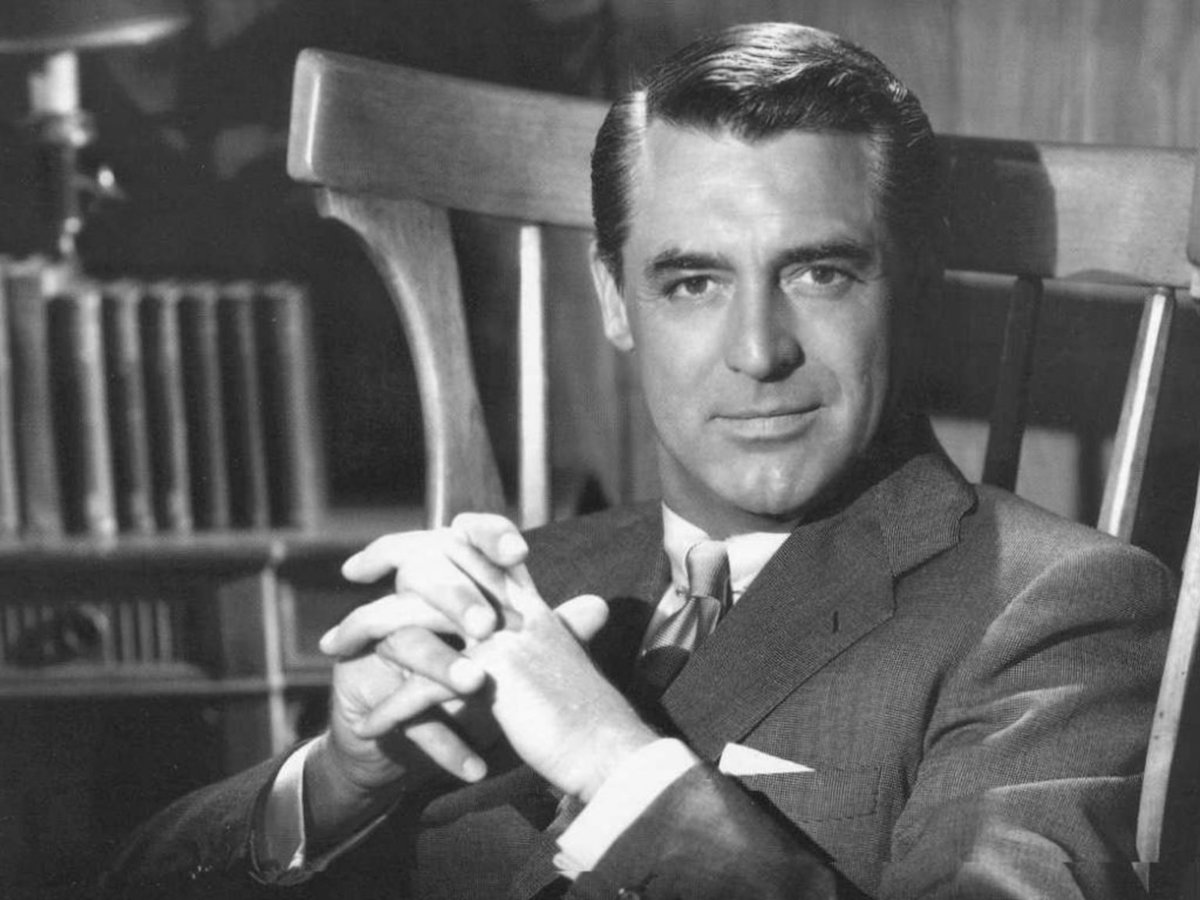 The new documentary Becoming Cary Grant, a definitive biography of the extraordinary Hollywood icon, will world premiere at the 2017 Cannes Film Festival. Following the festival, the film will have its world television debut on Showtime on Friday, June 9 at 9 p.m. ET/PT. Directed by Mark Kidel (Elvis Costello: Mystery Dance, A Journey With Peter Sellars), the captivating biopic reveals Cary Grant’s inner search to find himself at the height of his fame.
Using words and insights from his unpublished autobiography and newly discovered personal footage, Becoming Cary Grant unveils the intimate story of Archie Leach, the man behind the mask of the beloved and charming Hollywood legend known as Cary Grant. From his difficult childhood without his mother, through his 30 years of stardom, to the joys of his later years as a father, the film uncovers a side of Grant never seen by the public.Becoming Cary Grant plumbs the depths of Grant’s insecurities and reveals his unique journey of self-exploration through recounts of his probing LSD therapy sessions. The 85-minute documentary features a treasure trove of extracts from Grant’s films and exclusive interviews with his close friends about his troubled past.
The words of Cary Grant are spoken by actor Jonathan Pryce (Game of Thrones, Wolf Hall).
https://www.youtube.com/watch?v=WHkMZfmxDB8
The new documentary Becoming Cary Grant, a definitive biography of the extraordinary Hollywood icon, will world premiere at the 2017 Cannes Film Festival. Following the festival, the film will have its world television debut on Showtime on Friday, June 9 at 9 p.m. ET/PT. Directed by Mark Kidel (Elvis Costello: Mystery Dance, A Journey With Peter Sellars), the captivating biopic reveals Cary Grant’s inner search to find himself at the height of his fame.
Using words and insights from his unpublished autobiography and newly discovered personal footage, Becoming Cary Grant unveils the intimate story of Archie Leach, the man behind the mask of the beloved and charming Hollywood legend known as Cary Grant. From his difficult childhood without his mother, through his 30 years of stardom, to the joys of his later years as a father, the film uncovers a side of Grant never seen by the public.Becoming Cary Grant plumbs the depths of Grant’s insecurities and reveals his unique journey of self-exploration through recounts of his probing LSD therapy sessions. The 85-minute documentary features a treasure trove of extracts from Grant’s films and exclusive interviews with his close friends about his troubled past.
The words of Cary Grant are spoken by actor Jonathan Pryce (Game of Thrones, Wolf Hall).
https://www.youtube.com/watch?v=WHkMZfmxDB8
