
 Félicité[/caption]
13 film projects including Berlin Film Festival award winning Felicité by Alain Gomis, have been recommended for funding at the 26th jury session of the Berlinale’s World Cinema Fund (WCF).
Five film projects from Bangladesh, Palestine, Brazil, Afghanistan and Uruguay were nominated for production funding. In the additional WCF Europe funding program, four projects from Tunisia, Brazil, Argentina and Egypt were nominated for production funding. In the special program WCF Africa, two projects from South Africa and Sudan / South Africa were nominated for funding.
Two films were nominated for distribution funding in Germany, including Felicité by Alain Gomis, which was awarded the Silver Bear Grand Jury Prix at the Berlinale 2017.
The latest funding recommendations also include projects by Berlinale Talents alumni, as well as projects that were once in search of co-producers and so participated in the Berlinale Co-Production Market.
Félicité[/caption]
13 film projects including Berlin Film Festival award winning Felicité by Alain Gomis, have been recommended for funding at the 26th jury session of the Berlinale’s World Cinema Fund (WCF).
Five film projects from Bangladesh, Palestine, Brazil, Afghanistan and Uruguay were nominated for production funding. In the additional WCF Europe funding program, four projects from Tunisia, Brazil, Argentina and Egypt were nominated for production funding. In the special program WCF Africa, two projects from South Africa and Sudan / South Africa were nominated for funding.
Two films were nominated for distribution funding in Germany, including Felicité by Alain Gomis, which was awarded the Silver Bear Grand Jury Prix at the Berlinale 2017.
The latest funding recommendations also include projects by Berlinale Talents alumni, as well as projects that were once in search of co-producers and so participated in the Berlinale Co-Production Market.
News
All the News.
All the News.
-
13 Film Projects to Receive Funding from Berlinale’s World Cinema Fund
[caption id="attachment_21119" align="aligncenter" width="1200"] Félicité[/caption]
13 film projects including Berlin Film Festival award winning Felicité by Alain Gomis, have been recommended for funding at the 26th jury session of the Berlinale’s World Cinema Fund (WCF).
Five film projects from Bangladesh, Palestine, Brazil, Afghanistan and Uruguay were nominated for production funding. In the additional WCF Europe funding program, four projects from Tunisia, Brazil, Argentina and Egypt were nominated for production funding. In the special program WCF Africa, two projects from South Africa and Sudan / South Africa were nominated for funding.
Two films were nominated for distribution funding in Germany, including Felicité by Alain Gomis, which was awarded the Silver Bear Grand Jury Prix at the Berlinale 2017.
The latest funding recommendations also include projects by Berlinale Talents alumni, as well as projects that were once in search of co-producers and so participated in the Berlinale Co-Production Market.
-
7 African Films Win Durban FilmMart Awards 2017
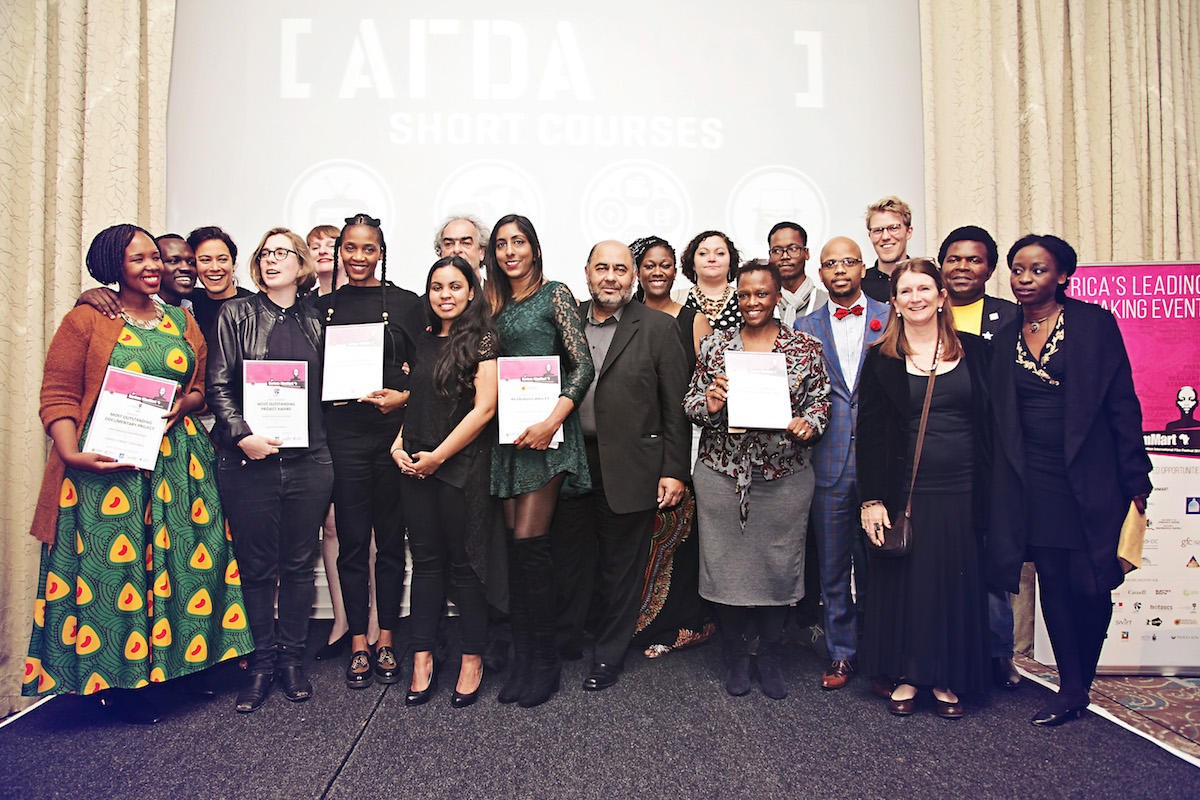 The Durban FilmMart (DFM), the industry development program of the Durban Film Office and Durban International Film Festival ended on a high note with the awards ceremony at the Tsogo Maharani Hotel in Durban, South Africa on Monday, July 17.
“The DFM is one of the most important film finance platforms and industry events on the African continent, and this year’s eighth edition has certainly been our biggest.” said Toni Monty, Head of the Durban Film Office. “We hosted over 600 delegates with over 30 countries participating in this year’s market; 17 of which were from Africa. We are thrilled that we have had a record number of 70 projects presenting at this year’s finance forum.”
Central to the Durban FilmMart have been the networking sessions and meetings held over four days between delegates comprising filmmakers, producers, distributors, agents, broadcasters and film funders and government agencies.
This year 22 official DFM film projects in development were presented at the Finance Forum through the partnership with Cinemart and IDFA, Netherlands.
The Durban FilmMart (DFM), the industry development program of the Durban Film Office and Durban International Film Festival ended on a high note with the awards ceremony at the Tsogo Maharani Hotel in Durban, South Africa on Monday, July 17.
“The DFM is one of the most important film finance platforms and industry events on the African continent, and this year’s eighth edition has certainly been our biggest.” said Toni Monty, Head of the Durban Film Office. “We hosted over 600 delegates with over 30 countries participating in this year’s market; 17 of which were from Africa. We are thrilled that we have had a record number of 70 projects presenting at this year’s finance forum.”
Central to the Durban FilmMart have been the networking sessions and meetings held over four days between delegates comprising filmmakers, producers, distributors, agents, broadcasters and film funders and government agencies.
This year 22 official DFM film projects in development were presented at the Finance Forum through the partnership with Cinemart and IDFA, Netherlands.
The 2017 Durban FilmMartAwards/Grants:
The International Documentary Film Festival of Amsterdam (IDFA) awarded the most promising documentary project at the DFM, Lobola: A Bride’s True Price (South Africa, Producer: Sarah Basyouny, Director: Sihle Hlophe) with an opportunity to attend the IDFA Forum, one of the top gatherings for documentary filmmakers, producers, commissioning editors, funds, private financiers and other documentary filmmakers in Europe, in November. The broadcast stream, Afridocs, that flights African and other international documentaries across 49 countries of sub-Saharan Africa on a weekly basis, gave a €3000 grant to Uasi (Kenya), Producers: Matrid Nyagah, Linda Ogeda, Director: Sam Soko. The CineMart Award, sponsored by the co-production market of the International Film Festival Rotterdam, went to the fiction project, Miles from Nowhere (South Africa), Producer: Bongiwe Selane, Director: Samantha Nell. The project is given an opportunity to attend the Rotterdam Lab, is a five-day training and networking event for producers from all over the world. Produire au Sud of Festival des 3 Continents (Nantes), awarded the fiction film Miles from Nowhere (South Africa), Producer: Bongiwe Selane, Director: Samantha Nell an opportunity to attend its developmental workshop program, PAS, where they will be given tools, expertise, and opportunities to develop European networks. Videovision Entertainment awarded the “Best South African Film Project” to the Dabulaphu (The Short Cut), Producers Zikethiwe Ngcobo, David Max Brown, Director Norman Maake. They receive a prize valued at R75 000, which guarantees its release once it is completed. The prize also includes marketing and distribution support from Videovision Entertainment. Versfeld & Associates, publicity consultants will develop publicity material and advise on publicity profiling through the development two projects: Womxn: Working (South Africa), Producer Tiny Mungwe and Director Shanelle Jewnarain, and Richard Was Here (South Africa), Producer: Akona Matyila and Director: Jack Chiang. Sørfond awarded the project Uasi (Kenya), Producers: Matrid Nyagah, Linda Ogeda, Director: Soko Sam with an opportunity to pitch at the Sørfond Pitching Forum in Oslo later this year. CineFAM-Africa Incubator Accelerator Programme award to pitch at the Caribbean Tales Film Festival in Toronto, went to Mary Ann Mandishona for Mamba Kazi – African Warrior Queens.
-
RIP: “Ed Wood” Actor Martin Landau Dead at 89
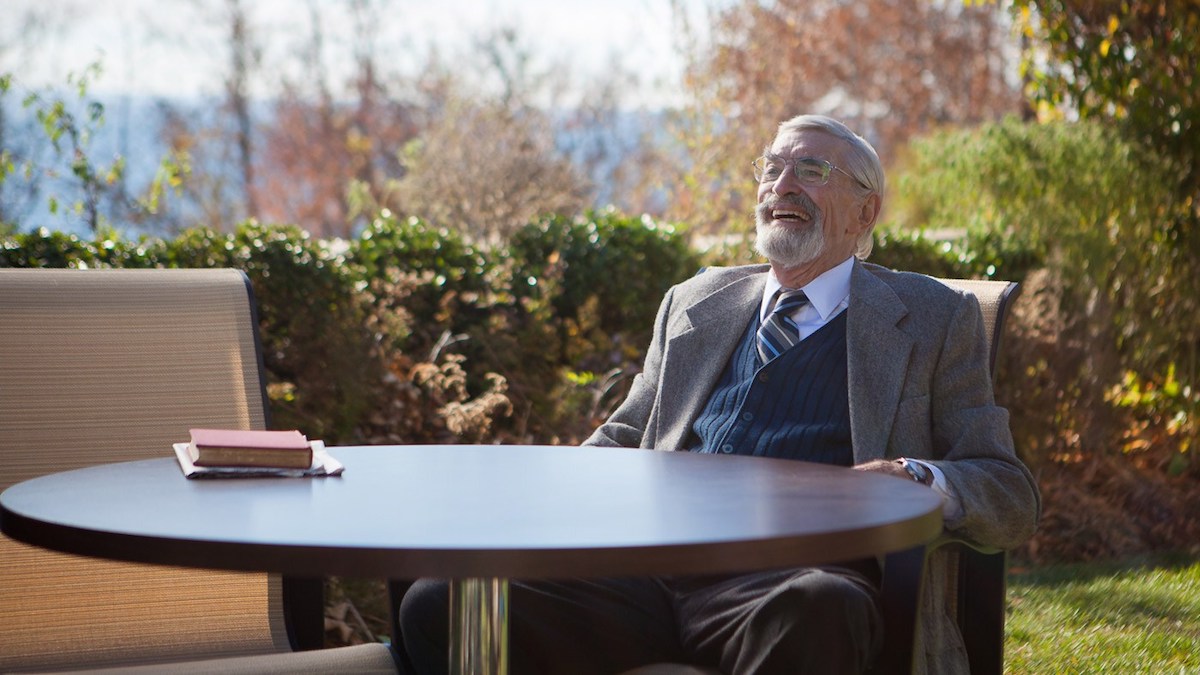 Academy Award-wining actor Martin Landau, who won an Oscar for playing Bela Lugosi in the movie “Ed Wood,” died Saturday. He was 89.
Landau died at Ronald Reagan UCLA Medical Center in Los Angeles following “unexpected complications during a short hospitalization,” his publicist Dick Guttman said in a statement.
Landau recently starred opposite Paul Sorvino in The Last Poker Game, which premiered at this year’s 2017 Tribeca Film Festival.
“The Last Poker Game’ follows Dr. Abe Mandelbaum (Martin Landau), who has just moved into a new manor with his ailing wife. After forming an unlikely friendship with a womanizing gambler (Paul Sorvino), their relationship is tested when they each try to convince a mysterious nurse (Maria Dizzia) that they are her long-lost father.”
A documentary about his life, An Actor’s Actor: The Life of Martin Landau, is reportedly in the works.
Academy Award-wining actor Martin Landau, who won an Oscar for playing Bela Lugosi in the movie “Ed Wood,” died Saturday. He was 89.
Landau died at Ronald Reagan UCLA Medical Center in Los Angeles following “unexpected complications during a short hospitalization,” his publicist Dick Guttman said in a statement.
Landau recently starred opposite Paul Sorvino in The Last Poker Game, which premiered at this year’s 2017 Tribeca Film Festival.
“The Last Poker Game’ follows Dr. Abe Mandelbaum (Martin Landau), who has just moved into a new manor with his ailing wife. After forming an unlikely friendship with a womanizing gambler (Paul Sorvino), their relationship is tested when they each try to convince a mysterious nurse (Maria Dizzia) that they are her long-lost father.”
A documentary about his life, An Actor’s Actor: The Life of Martin Landau, is reportedly in the works.
-
RIP: “Night of the Living Dead” Filmmaker George A. Romero Dead at 77
 George A. Romero, known for creating the modern zombie genre with his 1968 cult film, “Night of the Living Dead,” died on Sunday in Toronto after “a brief but aggressive battle with lung cancer,”. He was 77.
Romero went on to release “Dawn of the Dead” (1979), “Day of the Dead” (1985) and “Land of the Dead” (2005); and returned to independent filmmaking with “Diary of the Dead” (2008).
https://www.youtube.com/watch?v=JS_JQsljVlI
He is survived by his wife, Suzanne Desrocher Romero; his daughter, Tina; and two sons, Andrew and Cameron.
George A. Romero, known for creating the modern zombie genre with his 1968 cult film, “Night of the Living Dead,” died on Sunday in Toronto after “a brief but aggressive battle with lung cancer,”. He was 77.
Romero went on to release “Dawn of the Dead” (1979), “Day of the Dead” (1985) and “Land of the Dead” (2005); and returned to independent filmmaking with “Diary of the Dead” (2008).
https://www.youtube.com/watch?v=JS_JQsljVlI
He is survived by his wife, Suzanne Desrocher Romero; his daughter, Tina; and two sons, Andrew and Cameron.
-
8 Indie Filmmaking Team Win Spring 2017 SFFILM / Rainin Filmmaking Grants
 Eight filmmaking teams will receive a total of $300,000 in funding in the latest round of SFFILM / Rainin Filmmaking Grants to help with the next stage of their creative process, from screenwriting to postproduction.
SFFILM / Rainin Filmmaking Grants are awarded twice annually to filmmakers whose narrative feature films will have significant economic or professional impact on the Bay Area filmmaking community and meaningfully explore pressing social issues. More than $4 million has been awarded since the launch of this grant program in 2009, making the SFFILM, in partnership with the Kenneth Rainin Foundation, the largest grant-maker for independent narrative films in the United States.
The SFFILM / Rainin Filmmaking Grant program has funded more than 50 projects since its inception, including Geremy Jasper’s Sundance breakthrough Patti Cake$, which is on its way to a July theatrical release; Alex and Andrew Smith’s Walking Out starring Matt Bomer and Josh Wiggins, which premiered at the 2017 Sundance Film Festival; Chloé Zhao’s Songs My Brothers Taught Me, which screened at Sundance and Cannes in 2015 and has created buzz across the international festival circuit; Short Term 12, Destin Cretton’s sophomore feature which won both the Narrative Grand Jury Award and Audience Award at South by Southwest 2013; Ryan Coogler’s debut feature Fruitvale Station, which won the 2014 Film Independent Spirit Award for Best First Feature, the Un Certain Regard Avenir Prize at the 2013 Cannes Film Festival, and both the Grand Jury Prize and Audience Award in the narrative category at Sundance 2013; and Ben Zeitlin’s debut phenomenon Beasts of the Southern Wild, which won Sundance’s Grand Jury Prize and Cannes’ Camera d’Or in 2012 and earned four Academy Award nominations (including Best Picture).
The jury noted in a statement: “This group of finalists was exceptionally strong, and we are thrilled to support these eight bold and deeply human films, which collectively represent such a wide range of tones, styles, voices, and artistic visions. These filmmakers showcase the ever-growing talent coming out of San Francisco, and their work will contribute to the growing strength, diversity, and richness of the Bay Area filmmaking community.”
Eight filmmaking teams will receive a total of $300,000 in funding in the latest round of SFFILM / Rainin Filmmaking Grants to help with the next stage of their creative process, from screenwriting to postproduction.
SFFILM / Rainin Filmmaking Grants are awarded twice annually to filmmakers whose narrative feature films will have significant economic or professional impact on the Bay Area filmmaking community and meaningfully explore pressing social issues. More than $4 million has been awarded since the launch of this grant program in 2009, making the SFFILM, in partnership with the Kenneth Rainin Foundation, the largest grant-maker for independent narrative films in the United States.
The SFFILM / Rainin Filmmaking Grant program has funded more than 50 projects since its inception, including Geremy Jasper’s Sundance breakthrough Patti Cake$, which is on its way to a July theatrical release; Alex and Andrew Smith’s Walking Out starring Matt Bomer and Josh Wiggins, which premiered at the 2017 Sundance Film Festival; Chloé Zhao’s Songs My Brothers Taught Me, which screened at Sundance and Cannes in 2015 and has created buzz across the international festival circuit; Short Term 12, Destin Cretton’s sophomore feature which won both the Narrative Grand Jury Award and Audience Award at South by Southwest 2013; Ryan Coogler’s debut feature Fruitvale Station, which won the 2014 Film Independent Spirit Award for Best First Feature, the Un Certain Regard Avenir Prize at the 2013 Cannes Film Festival, and both the Grand Jury Prize and Audience Award in the narrative category at Sundance 2013; and Ben Zeitlin’s debut phenomenon Beasts of the Southern Wild, which won Sundance’s Grand Jury Prize and Cannes’ Camera d’Or in 2012 and earned four Academy Award nominations (including Best Picture).
The jury noted in a statement: “This group of finalists was exceptionally strong, and we are thrilled to support these eight bold and deeply human films, which collectively represent such a wide range of tones, styles, voices, and artistic visions. These filmmakers showcase the ever-growing talent coming out of San Francisco, and their work will contribute to the growing strength, diversity, and richness of the Bay Area filmmaking community.”
SPRING 2017 SFFILM / RAININ FILMMAKING GRANT WINNERS
The Continental Aron Kantor, writer/director; K.M. Soehnlein, cowriter – screenwriting – $25,000 A young, gay Latino immigrant working at New York’s legendary Continental Baths gets swept up in the burgeoning gay rights movement and the early disco scene while navigating an affair with his married boss. Jinn Nijla Mu’min, writer/director; Avril Speaks, producer – post-production – $50,000 Summer is a carefree, Black teenage Instagram celebrity whose world is turned upside down when her mother abruptly converts to Islam and becomes a different person. At first resistant to the faith, she begins to reevaluate her identity after becoming attracted to a Muslim classmate, crossing the thin line between physical desire and piety. Josephine Beth de Araújo, writer/director – screenwriting – $25,000 An obedient eight-year-old girl unintentionally witnesses a rape in Golden Gate Park. Unraveling with fear and paranoia, her subsequent violent outbursts put her family and classmates in jeopardy. Music Moves Us Cyrus Tabar, writer/director – screenwriting – $25,000 In a near future where music is outlawed in an authoritarian state, a passionate woman and her friends throw illegal techno dance parties in Oakland, California, and broadcast on a bootleg pirate radio station to bring people together. Refuge Mohammad Gorjestani, writer/director; Malcolm Pullinger, producer – screenwriting – $25,000 Set in 2025, Refuge depicts a brewing cyberwar between the US and Iran which puts Sonia, a young Iranian refugee and activist, at risk of deportation or internment. Her only escape may come at a greater price than she’s willing to pay. A Rooster on the Fire Escape Guetty Felin, writer/director/producer; Danielle Dreis, producer – packaging – $25,000 Upon coming to America, the Celestin family was hopping to leave behind the traumas of the brutal dictatorship of their tropical native land, but the sacrifices they made for their freedom create a dark spiral from which they might not recover. Sorry to Bother You Boots Riley, writer/director; Jonathan Duffy, George Rush and Kelly Williams, producers – production – $75,000 Sorry To Bother You tells the story of Cassius Green, a Black telemarketer who discovers a magical key to telemarketing success, propelling him into a macabre universe where he is selected to lead a species of genetically manipulated horse-people. We the Animals Jeremiah Zagar, writer/director; Jeremy Yaches and Christina King, producers – post-production – $50,000 Based on the bestselling novel by Justin Torres, We the Animals explores the beautiful and savage nature of family and the viscerally charged landscape of youth through the eyes of Jonah, the youngest son of a mixed-race, working-class couple, as he discovers his artistic identity.
-
Nelsan Ellis’ Family Says He Died of Heart Failure Due to Alcohol Withdrawal Complications
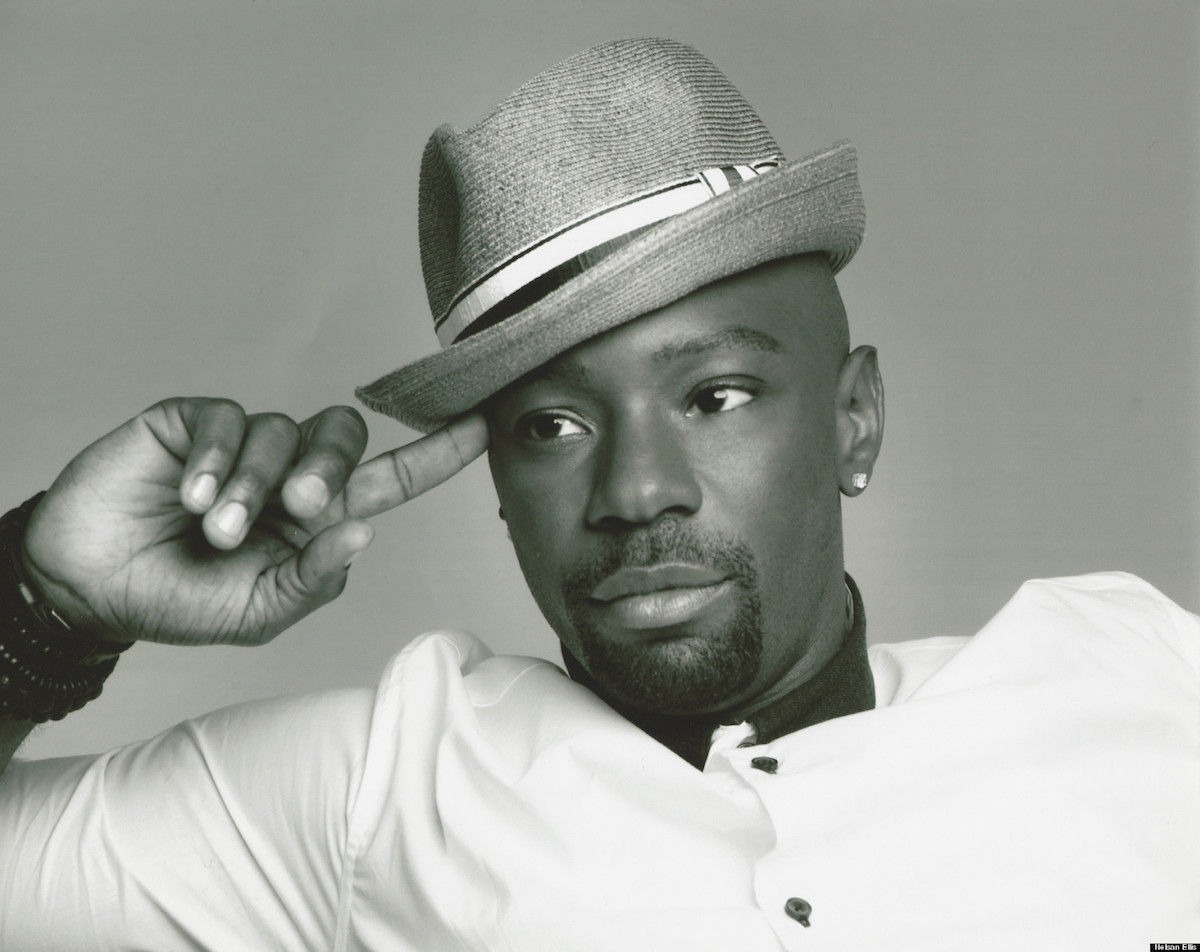 The family of actor Nelsan Ellis who starred on HBO’s True Blood and recently in the independent film Little Boxes, has released an official statement regarding the cause of his death. In the statement released to The Hollywood Reporter, his family said that the actor struggled with drug and alcohol abuse for years, and his heart failure was due to alcohol withdrawal complications. Nelsan Ellis died on Saturday, at age 39.
His family released the statement to The Hollywood Reporter via his manager Emily Gerson Saines in an effort to help others who may be struggling with the same addictions that afflicted Ellis:
Nelsan’s father has bravely agreed for me to share the circumstances of Nelsan’s heart failure. Nelsan has suffered with drug and alcohol abuse for years. After many stints in rehab, Nelsan attempted to withdraw from alcohol on his own. According to his father, during his withdrawal from alcohol he had a blood infection, his kidneys shut down, his liver was swollen, his blood pressure plummeted, and his dear sweet heart raced out of control.
On the morning of Saturday July 8th, after four days in Woodhull Hospital, Nelsan was pronounced dead. Nelsan was a gentle, generous and kind soul. He was a father, a son, a grandson, a brother, a nephew, and a great friend to those that were lucky enough to know him. Nelsan was ashamed of his addiction and thus was reluctant to talk about it during his life. His family, however, believes that in death he would want his life to serve as a cautionary tale in an attempt to help others.
The family of actor Nelsan Ellis who starred on HBO’s True Blood and recently in the independent film Little Boxes, has released an official statement regarding the cause of his death. In the statement released to The Hollywood Reporter, his family said that the actor struggled with drug and alcohol abuse for years, and his heart failure was due to alcohol withdrawal complications. Nelsan Ellis died on Saturday, at age 39.
His family released the statement to The Hollywood Reporter via his manager Emily Gerson Saines in an effort to help others who may be struggling with the same addictions that afflicted Ellis:
Nelsan’s father has bravely agreed for me to share the circumstances of Nelsan’s heart failure. Nelsan has suffered with drug and alcohol abuse for years. After many stints in rehab, Nelsan attempted to withdraw from alcohol on his own. According to his father, during his withdrawal from alcohol he had a blood infection, his kidneys shut down, his liver was swollen, his blood pressure plummeted, and his dear sweet heart raced out of control.
On the morning of Saturday July 8th, after four days in Woodhull Hospital, Nelsan was pronounced dead. Nelsan was a gentle, generous and kind soul. He was a father, a son, a grandson, a brother, a nephew, and a great friend to those that were lucky enough to know him. Nelsan was ashamed of his addiction and thus was reluctant to talk about it during his life. His family, however, believes that in death he would want his life to serve as a cautionary tale in an attempt to help others.
-
RIP: ‘True Blood’, LITTLE BOXES Actor Nelsan Ellis Dies at 39
 The actor Nelsan Ellis known for his work on the HBO series True Blood, has died aged 39.
His manager Emily Gerson Saines told the Hollywood Reporter “Nelsan has passed away after complications with heart failure.” He continued, “He was a great talent, and his words and presence will be forever missed.”
Ellis appeared in many films, including The Soloist (2009), Secretariat (2010), The Help (2011) The Butler (2013), and most recently, in the independent film Little Boxes (2016).
https://www.youtube.com/watch?v=VK7jkBkvqVo
Ellis credits his work on the documentary Damn Wonderful, about gay suicide, with helping to prepare for his role on True Blood. In an interview with Vulture, he explained “You have to be open. But more importantly, you make a statement when you do something like that. I did a documentary called Damn Wonderful, about gay suicide, and you make a statement, a big statement, when you go, “I don’t want to play this part because it’s gay.” If you have a child, if you have a son, and he comes out as gay, what are you going to do? If you have a daughter who comes out gay …? You just made a statement, and it has ripple effects. First of all, this show, it’s True Blood, and shit, we get scared when we read scripts! Excuse my language. When scripts come, we’re like, “What are they going to have us do this week?” But when you make a statement that is a judgment … I was kind of like, “Have you met Alan Ball?” I’m supposed to do what my boss tells me to do, as an actor. I can’t approach a character with judgment. I certainly can’t tell my boss, “I can act what I want to act, but not what you tell me to act,” especially on a show where you come in, knowing what it is. I was like, “Okay… I guess?” I just thought that, having just done the documentary, I didn’t like what he did because he made a statement, and sometimes you have to take responsibility.”
https://www.youtube.com/watch?v=01LcPeWuEW4
The actor Nelsan Ellis known for his work on the HBO series True Blood, has died aged 39.
His manager Emily Gerson Saines told the Hollywood Reporter “Nelsan has passed away after complications with heart failure.” He continued, “He was a great talent, and his words and presence will be forever missed.”
Ellis appeared in many films, including The Soloist (2009), Secretariat (2010), The Help (2011) The Butler (2013), and most recently, in the independent film Little Boxes (2016).
https://www.youtube.com/watch?v=VK7jkBkvqVo
Ellis credits his work on the documentary Damn Wonderful, about gay suicide, with helping to prepare for his role on True Blood. In an interview with Vulture, he explained “You have to be open. But more importantly, you make a statement when you do something like that. I did a documentary called Damn Wonderful, about gay suicide, and you make a statement, a big statement, when you go, “I don’t want to play this part because it’s gay.” If you have a child, if you have a son, and he comes out as gay, what are you going to do? If you have a daughter who comes out gay …? You just made a statement, and it has ripple effects. First of all, this show, it’s True Blood, and shit, we get scared when we read scripts! Excuse my language. When scripts come, we’re like, “What are they going to have us do this week?” But when you make a statement that is a judgment … I was kind of like, “Have you met Alan Ball?” I’m supposed to do what my boss tells me to do, as an actor. I can’t approach a character with judgment. I certainly can’t tell my boss, “I can act what I want to act, but not what you tell me to act,” especially on a show where you come in, knowing what it is. I was like, “Okay… I guess?” I just thought that, having just done the documentary, I didn’t like what he did because he made a statement, and sometimes you have to take responsibility.”
https://www.youtube.com/watch?v=01LcPeWuEW4
-
Sundance Institute and Skywalker Sound Announce Composers, Directors for 2017 Music and Sound Design Labs
 Sundance Institute along with Skywalker Sound announced the composers and directors selected for the Sundance Institute Music and Sound Design Labs, which return to the legendary Skywalker Sound Facilities for the fifth year.
At the Labs, composers, directors and sound designers will collaborate to develop music and sound for documentary and narrative film projects. Workshops and creative exercises, guided by leading film composers and sound designers acting as Creative Advisors, will mentor Fellows to explore sound and music’s crucial role in storytelling. As part of each Lab, a live chamber orchestra will perform each composer/director team’s original scores. The Music and Sound Design Lab for narrative feature films (July 7-20) is a joint initiative of the Institute’s Film Music Program and Feature Film Program. All of the selected feature film directors are currently working on their features in post-production and have been supported by the Feature Film Program at different stages throughout the development of their film. The Music and Sound Design Lab for documentaries (July 22-30) is a joint initiative of the Film Music Program and Documentary Film Program.
“Music is a fundamental element of storytelling and this year’s composers have distinct musical personalities that will capture a filmmaker’s vision and help their story come to life,” said Peter Golub, Director of the Sundance Institute Film Music Program. “Skywalker Sound continues to serve as an inspiring and creative space for composers, filmmakers and sound designers to come together and we are so grateful to call it home for the fifth year in a row.”
“Peter and the Sundance team are like family, we’re delighted to have them back again this year for the Labs,” said Josh Lowden, VP and General Manager of Skywalker Sound. “What we’ve tried to cultivate here is a kind of artists’ colony, where creatives from different disciplines can escape the day to day grind and come to work together. Our goal is to cultivate new relationships between directors, composers and sound designers and encourage collaboration that starts earlier and goes deeper. We hope that together we can continue to break down barriers and push the boundaries of creative storytelling.”
Creative Advisors this year include: composers Christophe Beck, Todd Boekelheide, George S. Clinton, Miriam Cutler, James Newton Howard, Laura Karpman, Thomas Newman, Craig Richey and Harry Gregson-Williams; Skywalker Sound designers Dennis Leonard, Bob Edwards, Pete Horner, Malcolm Fife, Bonnie Wild and David Accord; music editor Adam Smalley; directors Miguel Arteta and Robb Moss; editor Toby Shimin; writer and film historian Jon Burlingame; and Vice President Film, TV & Visual Media Relations at BMI, Doreen Ringer-Ross.
Sundance Institute along with Skywalker Sound announced the composers and directors selected for the Sundance Institute Music and Sound Design Labs, which return to the legendary Skywalker Sound Facilities for the fifth year.
At the Labs, composers, directors and sound designers will collaborate to develop music and sound for documentary and narrative film projects. Workshops and creative exercises, guided by leading film composers and sound designers acting as Creative Advisors, will mentor Fellows to explore sound and music’s crucial role in storytelling. As part of each Lab, a live chamber orchestra will perform each composer/director team’s original scores. The Music and Sound Design Lab for narrative feature films (July 7-20) is a joint initiative of the Institute’s Film Music Program and Feature Film Program. All of the selected feature film directors are currently working on their features in post-production and have been supported by the Feature Film Program at different stages throughout the development of their film. The Music and Sound Design Lab for documentaries (July 22-30) is a joint initiative of the Film Music Program and Documentary Film Program.
“Music is a fundamental element of storytelling and this year’s composers have distinct musical personalities that will capture a filmmaker’s vision and help their story come to life,” said Peter Golub, Director of the Sundance Institute Film Music Program. “Skywalker Sound continues to serve as an inspiring and creative space for composers, filmmakers and sound designers to come together and we are so grateful to call it home for the fifth year in a row.”
“Peter and the Sundance team are like family, we’re delighted to have them back again this year for the Labs,” said Josh Lowden, VP and General Manager of Skywalker Sound. “What we’ve tried to cultivate here is a kind of artists’ colony, where creatives from different disciplines can escape the day to day grind and come to work together. Our goal is to cultivate new relationships between directors, composers and sound designers and encourage collaboration that starts earlier and goes deeper. We hope that together we can continue to break down barriers and push the boundaries of creative storytelling.”
Creative Advisors this year include: composers Christophe Beck, Todd Boekelheide, George S. Clinton, Miriam Cutler, James Newton Howard, Laura Karpman, Thomas Newman, Craig Richey and Harry Gregson-Williams; Skywalker Sound designers Dennis Leonard, Bob Edwards, Pete Horner, Malcolm Fife, Bonnie Wild and David Accord; music editor Adam Smalley; directors Miguel Arteta and Robb Moss; editor Toby Shimin; writer and film historian Jon Burlingame; and Vice President Film, TV & Visual Media Relations at BMI, Doreen Ringer-Ross.
Artists and narrative projects selected for the 2017 Sundance Institute Music and Sound Design Lab: Feature Film (July 7-20) are:
Composers:
Bijan Olia is a Los Angeles-based composer who has written music for feature films, television, advertisements and the concert hall. In 2017, Bijan composed additional music for Warner Brothers’ Lego DC Superheroes: A Case of the Mondays, the documentary feature Served Like A Girl and the virtual reality video game Resident Evil VII Biohazard. He is currently assisting composer Michael A. Levine as an additional composer and music editor. Jackson Greenberg is a Los Angeles-based composer. He has written original scores for film and television including the Emmy-winning and Academy Award-nominated film Cartel Land. Cindy O’Connor began her career as a musical theater composer with All That He Was, is the winner of the Kennedy Center/ACTF Musical Theater Award and is published by Samuel French. She has written scores and songs for a wide variety of film, TV, and theater projects including the films Forgiving the Franklins, Not Forgotten and two seasons of the Starz series Crash. She is currently collaborating with Mark Isham on the ABC series Once Upon a Time. Camilla Uboldi is an Italian-born, Mexico City-based music composer and animator who has written music for theater, film, animation and TV series. Uboldi has assisted LA composer Laura Karpman on Black Nativity and The Galapagos Affair: Satan Came to Eden. She’s one of eight selected composers for the young artist program of the 2017 Mexican Cultural Ministry. Uboldi is currently composing an orchestral piece for the Vatican Stradivarius cello for the presentation by its new owners in Mexico and was invited by composers Andres Sanchez Maher and Gus Reyes to write music for the documentary El Paso de la Tortuga. Sergei Stern is a film composer with a huge love for arts and music and a deep, classical education, received from three different countries, each with its own rich history and culture. With each film he is scoring, Sergei tries to build a unique sound palette that would serve the story and impact the audience on emotional, intellectual and sometimes even physical levels. Jesi Nelson is a Los Angeles-based composer, raised in Wisconsin, whose music can be heard in a variety of television and film. After receiving her Master’s from Columbia College Chicago, she interned for Danny Elfman and soon after started assisting composer Michael Kramer. She has since written additional music for his shows such as the Emmy-nominated Lego Star Wars: The Freemaker Adventures, Ninjago: Masters of Spinjitzu and other films such as Saving Brinton.Directors:
Nia DaCosta / Little Woods (U.S.A.): For years, Ollie has illicitly helped the struggling fellow residents of her North Dakota oil boomtown access Canadian health care and meds. When the authorities catch on, she plans to abandon her crusade, only to be dragged in even deeper by her foster sister’s desperate plea for help. DaCosta has written and directed projects for stage, film and new media platforms including the playlet Kingdom Come, the game show Sagmeister v Walsh and the documentary Shark Loves the Amazon. She participated in the 2015 Sundance Screenwriters Lab and Sundance Directors Lab and has received support from the San Francisco Film Society and Time Warner Foundation. Elizabeth Chomko / What They Had (U.S.A.): After her mother wanders out into a snowstorm, Bridget returns home to Chicago to help her brother deal with their mother’s memory loss and their father’s reluctance to let go of their life together. The trip home and family crisis forces Bridget to face her past and, ultimately, her future. Chomko is a screenwriter, playwright, actor and director. She was a 2015 Sundance Screenwriting Fellow and a 2016 Academy Nicholl Fellow. She has appeared as an actress in numerous films, television series and regional theaters across the United States and London and is also a classical pianist, songwriter and visual artist. Nijla Mu’min / Jinn (U.S.A.): Summer is a carefree, black teenage Instagram celebrity whose world is shaken when her mother abruptly converts to Islam and becomes a different person. At first resistant to the faith, she begins to reevaluate her identity after becoming attracted to a Muslim classmate, crossing the thin line between physical desire and piety. Mu’min is a writer and filmmaker who tells stories about black girls and women who find themselves between worlds and identities. Her short films have screened at festivals across the country. Her filmmaking and screenwriting have been recognized by the Sundance Institute, IFP, and the Princess Grace Foundation. Bart Layton / American Animals (U.S.A.): American Animals tells the unbelievable but mostly true story of four young men who mistook their lives for a movie and attempted one of the most audacious art heists in US history. The film will take the thrill of the heist genre and turn it inside out, blurring the line between truth and fiction in a wild story of money, movies and the search for meaning. Layton is the creative director of leading British production company RAW and is the creator/executive producer of numerous long-running TV series and feature docs. He’s also a multi award-winning writer/director and producer, known for tackling controversial subject matter. His latest film, The Imposter, received huge critical acclaim after premiering at the 2012 Sundance Film Festival. Layton participated in Sundance Institute’s 2015 Screenwriters and Directors Labs. Rodrigo Barriuso / 1989 (Canada): In the wake of the Chernobyl nuclear disaster, Malin is separated from his family when he is assigned to work as a translator between Cuban doctors and children arriving from the USSR to receive medical treatment for radiation poisoning. Just as he begins to adapt to his new job and understand his importance, the Berlin Wall falls and Cuba enters a deep economic crisis. Malin is now so entrenched in the lives of the Chernobyl children that he fails to notice how his young family is suffering. He must find his way back to his family through the lessons he learns from the children in the hospital, becoming a better person on the way. Barriuso is a Cuban-Canadian Toronto-based award-winning film director. His debut short film, For Dorian, was exhibited in over thirty festivals and cultural institutions around the world. In addition to his work as a filmmaker, Rodrigo works as a freelance curator and has collaborated with a number of galleries and art fairs over the past 10 years. Barriuso attended Sundance Institute’s 2015 Havana Screenwriters Workshop and 2017 Editing Intensive. Christina Choe / Nancy (U.S.A.): When the elaborate lies told by a serial imposter inevitably unravel, she becomes perilously close to losing her entire identity – and the only person who ever truly loved her. Choe is an award-winning writer/director working in both documentary and narrative film. Her films, The Queen, FLOW and I am John Wayne, have screened at festivals around the world. She was also selected for a year-long HBO/DGA Directing Fellowship and awarded the Roger and Chaz Ebert Directing Fellowship at the 2015 Independent Spirit Awards. Choe was supported at Sundance Institute’s 2017 Editing Intensive.Artists and documentary projects selected for the 2017 Sundance Institute Music and Sound Design Lab: Documentary (July 22-30) are:
Composers:
Adam Schoenberg has had works performed and premiere at the Library of Congress, Kennedy Center, New York Philharmonic, The Cleveland Orchestra, Atlanta Symphony Orchestra, Los Angeles Philharmonic and Hollywood Bowl. Reference Recordings recently released an album of his orchestral works featuring the Kansas City Symphony. He is Assistant Professor of Composition at Occidental College. Ryan Rumery is a musician, composer, and music producer originally from Iowa. His music is featured in the films Awake: A Dream from Standing Rock, How to Let Go of the World, City of Gold, And, Apart, Those People, Gatewood and SynchroNYCity. Rumery is also an accomplished composer for theater and recently received an Obie Award for Sustained Excellence in Sound Design and Composition. Rumery frequently co-produces and records with Nick Luca at Elliott Smith’s former studio, New Monkey Studio in Van Nuys, CA and with Craig Schumacher at WaveLab in Tucson, Arizona. Recently signed to a major record label, Rebecca Dale is a British composer whose work was described by Gramophone as a ‘masterpiece’. Her latest feature Crossing The Line, about the troubled relationship between olympic athletes and addiction, was nominated for Best Original Composition in Feature Film at the 2017 Music & Sound Awards. An alumna of the ASCAP Film Scoring Workshop, she has worked on various Hollywood films and written for Classical No.1 albums, as well as extensive concert music, with her new Requiem released early 2018. Darryl Jones began his career performing with Miles Davis and from there went on to perform and/or record with artists including Sting, Herbie Hancock, Peter Gabriel, Eric Clapton and Madonna. As a composer, he has written, co-written or recorded with ESP, Stone Raiders and 3 Braves Souls, Miles Davis and more. Jones has been touring and recording with The Rolling Stones for the last 23 years. He scored the New Line Cinema film Love Jones, winner of the 1996 Sundance Audience award. Darryl is currently the subject of and composer for a documentary about his life and career directed by Eric Hamburg.Filmmakers:
Marcus Lindeen / The Acali Experiment: In 1973 five men and six women went on a dramatic raft expedition across the Atlantic Ocean for 101 days to study human aggression and sexuality. This documentary reunites them forty years later to reveal what actually happened during one of history’s strangest group experiments. Lindeen is a writer and director. His debut documentary feature Regretters, won the prestigious Prix Europa for Best European Documentary, the Swedish Academy Awards (Guldbagge) and the Swedish Emmy for Best Documentary in 2011. Elizabeth Stopford / Forgiveness: A modern American ghost story and a house that vanished. In the wake of two seemingly inexplicable shooting sprees, can a community forgive the teenage boy at the heart of its tragic past? Stepford has produced a portfolio of documentaries for BBC about monastic life including The Monastery, The Convent and 40 Days (TLC). Her directing credits include I’m Not Dead Yet and We Need to Talk About Dad. Dyana Winkler / United Skates: When America’s last standing roller rinks are threatened with closure, a community of thousands battle in a racially charged environment to save an underground subculture– one that has remained undiscovered by the mainstream for generations, yet has given rise to some of the world’s greatest musical talent. Winkler currently works as a freelance filmmaker where she produces, directs, shoots, edits and writes for hire in Brooklyn, NY. Her most recent fiction project, a feature screenplay, BELL, was awarded the 2016 Sundance Sloan Commissioning Grant and participated in the 2017 Sundance Screenwriter’s Lab. PJ Raval / Untitled Jennifer Laude Project: Grassroots activists in the Philippines are spurred into action when a local transgender woman is found dead in a motel room with a 19-year-old U.S. marine as the leading suspect. As they demand answers and a just trial, hidden histories of U.S. colonization come bubbling to the surface. Raval is an award-winning filmmaker and cinematographer whose work explores the overlooked subcultures and identities within the already marginalized LGBTQ+ community. Named one of Out Magazine’s “Out 100” and Filmmaker Magazine’s “25 New Faces of Independent Film,” Raval’s film credits include Trinidad (Showtime, LOGO) and Before You Know It.
-
FILMMAKERS: Apply for TIFF-CBC $10,000 Screenwriting Grant Supporting Canadian Storytellers
 TIFF and CBC Breaking Barriers Film Fund yesterday announced a new screenwriting grant created to support Canada’s diverse screenwriting talent, and discover a great Canadian screenplay. The TIFF-CBC Diverse Screenwriters Grant will provide $10,000 to a Canadian writer of an outstanding feature film screenplay, supporting them to further develop their project.
The TIFF-CBC Diverse Screenwriters Grant is open to screenwriters who are female, Indigenous, belong to visible minorities, or identify with a disability. Applicants must have an existing writer or director credit on at least one feature film that has been presented at TIFF. Full eligibility requirements and application details are available at tiff.net/industry.
“Our stories are only as rich and authentic as the voices that tell them. Screenwriting is a key focus of TIFF’s talent development activities, and this grant recognizes the tremendous value that diversity brings to the film-writing process, while celebrating outstanding Canadian storytelling,” said Kathleen Drumm, TIFF Industry Director.
“With their reputation for showcasing great Canadian creators, TIFF is a natural partner for CBC to work with to further our shared commitment to nurture and promote underrepresented storytellers in this country,” said Helen du Toit, Interim Senior Director, CBC Breaking Barriers Film Fund. “Through this new grant, we hope to discover the next great Canadian story that will celebrate Canada’s rich, diverse culture and resonate both at home and abroad.”
Submissions for the grant are now open (for screenplays between 85 and 120 pages) and will close on August 21, 2017. A jury will determine the winner based on the quality of the screenplay. The winner will be announced in November.
TIFF and CBC Breaking Barriers Film Fund yesterday announced a new screenwriting grant created to support Canada’s diverse screenwriting talent, and discover a great Canadian screenplay. The TIFF-CBC Diverse Screenwriters Grant will provide $10,000 to a Canadian writer of an outstanding feature film screenplay, supporting them to further develop their project.
The TIFF-CBC Diverse Screenwriters Grant is open to screenwriters who are female, Indigenous, belong to visible minorities, or identify with a disability. Applicants must have an existing writer or director credit on at least one feature film that has been presented at TIFF. Full eligibility requirements and application details are available at tiff.net/industry.
“Our stories are only as rich and authentic as the voices that tell them. Screenwriting is a key focus of TIFF’s talent development activities, and this grant recognizes the tremendous value that diversity brings to the film-writing process, while celebrating outstanding Canadian storytelling,” said Kathleen Drumm, TIFF Industry Director.
“With their reputation for showcasing great Canadian creators, TIFF is a natural partner for CBC to work with to further our shared commitment to nurture and promote underrepresented storytellers in this country,” said Helen du Toit, Interim Senior Director, CBC Breaking Barriers Film Fund. “Through this new grant, we hope to discover the next great Canadian story that will celebrate Canada’s rich, diverse culture and resonate both at home and abroad.”
Submissions for the grant are now open (for screenplays between 85 and 120 pages) and will close on August 21, 2017. A jury will determine the winner based on the quality of the screenplay. The winner will be announced in November.
-
10 Films Selected for 2017 European Parliament LUX Film Prize | Trailers
[caption id="attachment_22969" align="aligncenter" width="1200"]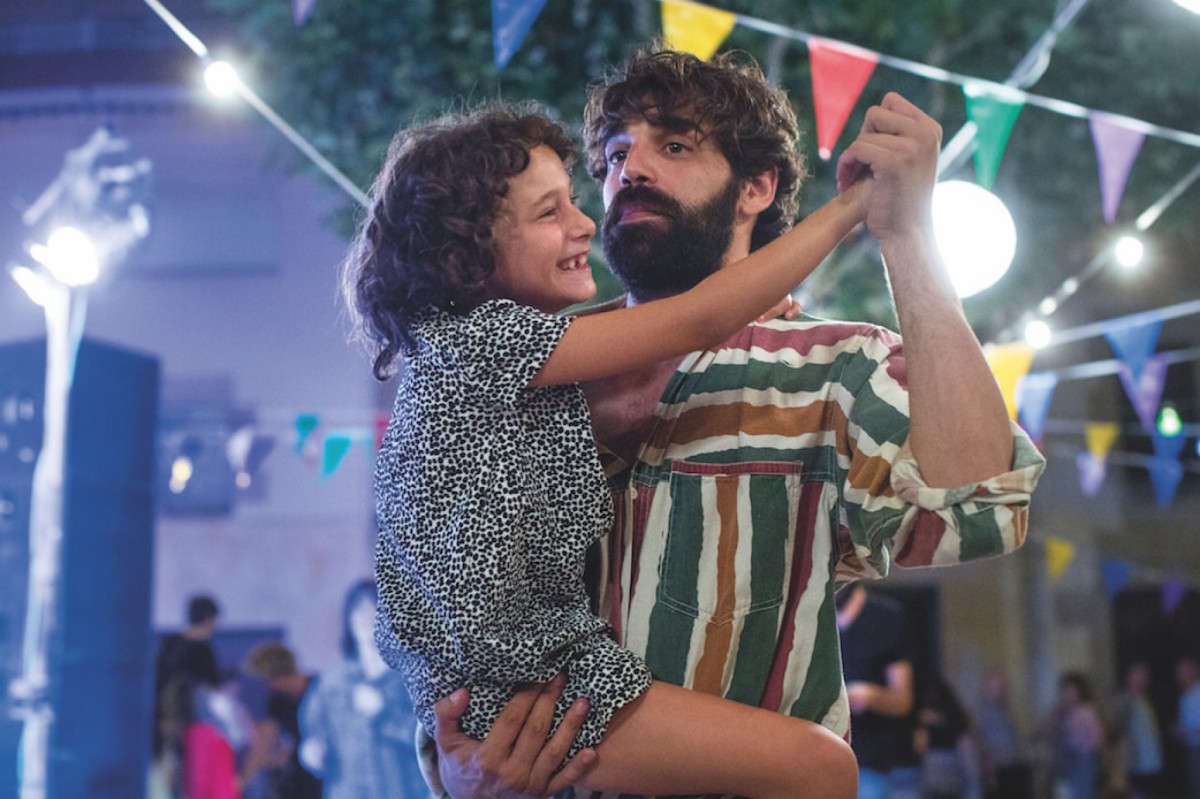 SUMMER 1993[/caption]
The ten films selected for the 11th European Parliament’s LUX Film Prize were revealed on Sunday at the 52nd Karlovy Vary International Film Festival.
From the 10 films in the Official Selection, 3 entries will be selected and announced at the Venice Days press conference in Rome at the end of July 2017 as those taking part in the LUX Film Prize Competition. These films will compete to be the winner of the 2017 LUX Film Prize, and will become the core of the 2017 LUX Film Days.
The 2017 LUX Film Prize winner will be awarded on November 15 in Strasbourg.
The LUX FILM PRIZE Official Selection (in alphabetical order)
A CIAMBRA by Jonas Carpignano (Italy/Brazil/United States/France/Germany/Sweden)
BPM (BEATS PER MINUTE) by Robin Campillo (France)
GLORY by Kristina Grozeva and Petar Valchanov (Bulgaria/Greece)
HEARTSTONE by Guðmundur Arnar Guðmundsson (Iceland/Denmark)
KING OF THE BELGIANS by Peter Brosens and Jessica Woodworth (Belgium/Netherlands/Bulgaria)
SÁMI BLOOD by Amanda Kernell (Sweden/Denmark/Norway)
SUMMER 1993 by Carla Simón (Spain)
THE LAST FAMILY by Jan P Matuszyński (Poland)
THE OTHER SIDE OF HOPE by Aki Kaurismäki (Finland/Germany)
WESTERN by Valeska Grisebach (Germany/Bulgaria/Austria)
More about the 10 films…
SUMMER 1993 is an intimate, autobiographical study of how hard it can be to fit in; it portrays a child’s experience of learning to live with grief and harsh reality after she finds herself orphaned at just six years old.
https://www.youtube.com/watch?v=YAnezFuhUBs
HEARTSTONE tells the story of two teenagers from rural Iceland getting to grips with their own identity and sexuality, as well as with the delicate and cruel transition to adulthood.
https://www.youtube.com/watch?v=R9Tcw-_SrcA
A CIAMBRA traces the rite of passage to adulthood of a 14-year-old Roma boy living in the neighborhood of the same name in Calabria, a marginalized community described by journalists as a real ghetto.
https://www.youtube.com/watch?v=cizugv2Y1AY
SÁMI BLOOD tells the vibrant tale of a young Lapp girl who dreams of a different life and distances herself from her community with great anguish because of the racist attitudes they have to face.
https://www.youtube.com/watch?v=0zpt2yf0nCM
BPM (BEATS PER MINUTE) follows a group of Act Up activists who fight to lend the AIDS problem more visibility in 1992 France and encourage faster progress to be made in terms of research and prevention.
https://www.youtube.com/watch?v=2fhO2A4SL24
WESTERN injects a story about German workers on a construction site for a hydroelectric power station in Bulgaria with ingredients from the cowboys-and-Indians classics, addressing the issues of economic immigration and integration.
https://www.youtube.com/watch?v=p8f8zHDwv_c
THE OTHER SIDE OF HOPE weaves together the stories of two men who have both struck out in search of a new life: an old Finnish man who buys a restaurant and a young Syrian immigrant who struggles to find a safe haven in Europe.
https://www.youtube.com/watch?v=-I5Tnaf28kk
GLORY follows a poor, middle-aged linesman for Bulgaria’s national railway company, who decides to hand piles of banknotes he finds on the rails one day in to the police, triggering a fight against corruption, as well as one for justice and dignity.
https://www.youtube.com/watch?v=BeEs2_6-AXU
THE LAST FAMILY shows the lives of the family of Polish painter Zdzisław Beksiński, in what could be described as a compact version of a 28-year reality show, as he recorded most of his day-to-day life.
https://www.youtube.com/watch?v=XfFt9RfO9Bc
KING OF THE BELGIANS follows a fictitious King of Belgium forced to come back from an official trip when Wallonia suddenly declares its independence, while a solar storm causes communications to collapse and airspace to shut down.
https://www.youtube.com/watch?v=NG9vmzUIOSk
SUMMER 1993[/caption]
The ten films selected for the 11th European Parliament’s LUX Film Prize were revealed on Sunday at the 52nd Karlovy Vary International Film Festival.
From the 10 films in the Official Selection, 3 entries will be selected and announced at the Venice Days press conference in Rome at the end of July 2017 as those taking part in the LUX Film Prize Competition. These films will compete to be the winner of the 2017 LUX Film Prize, and will become the core of the 2017 LUX Film Days.
The 2017 LUX Film Prize winner will be awarded on November 15 in Strasbourg.
The LUX FILM PRIZE Official Selection (in alphabetical order)
A CIAMBRA by Jonas Carpignano (Italy/Brazil/United States/France/Germany/Sweden)
BPM (BEATS PER MINUTE) by Robin Campillo (France)
GLORY by Kristina Grozeva and Petar Valchanov (Bulgaria/Greece)
HEARTSTONE by Guðmundur Arnar Guðmundsson (Iceland/Denmark)
KING OF THE BELGIANS by Peter Brosens and Jessica Woodworth (Belgium/Netherlands/Bulgaria)
SÁMI BLOOD by Amanda Kernell (Sweden/Denmark/Norway)
SUMMER 1993 by Carla Simón (Spain)
THE LAST FAMILY by Jan P Matuszyński (Poland)
THE OTHER SIDE OF HOPE by Aki Kaurismäki (Finland/Germany)
WESTERN by Valeska Grisebach (Germany/Bulgaria/Austria)
More about the 10 films…
SUMMER 1993 is an intimate, autobiographical study of how hard it can be to fit in; it portrays a child’s experience of learning to live with grief and harsh reality after she finds herself orphaned at just six years old.
https://www.youtube.com/watch?v=YAnezFuhUBs
HEARTSTONE tells the story of two teenagers from rural Iceland getting to grips with their own identity and sexuality, as well as with the delicate and cruel transition to adulthood.
https://www.youtube.com/watch?v=R9Tcw-_SrcA
A CIAMBRA traces the rite of passage to adulthood of a 14-year-old Roma boy living in the neighborhood of the same name in Calabria, a marginalized community described by journalists as a real ghetto.
https://www.youtube.com/watch?v=cizugv2Y1AY
SÁMI BLOOD tells the vibrant tale of a young Lapp girl who dreams of a different life and distances herself from her community with great anguish because of the racist attitudes they have to face.
https://www.youtube.com/watch?v=0zpt2yf0nCM
BPM (BEATS PER MINUTE) follows a group of Act Up activists who fight to lend the AIDS problem more visibility in 1992 France and encourage faster progress to be made in terms of research and prevention.
https://www.youtube.com/watch?v=2fhO2A4SL24
WESTERN injects a story about German workers on a construction site for a hydroelectric power station in Bulgaria with ingredients from the cowboys-and-Indians classics, addressing the issues of economic immigration and integration.
https://www.youtube.com/watch?v=p8f8zHDwv_c
THE OTHER SIDE OF HOPE weaves together the stories of two men who have both struck out in search of a new life: an old Finnish man who buys a restaurant and a young Syrian immigrant who struggles to find a safe haven in Europe.
https://www.youtube.com/watch?v=-I5Tnaf28kk
GLORY follows a poor, middle-aged linesman for Bulgaria’s national railway company, who decides to hand piles of banknotes he finds on the rails one day in to the police, triggering a fight against corruption, as well as one for justice and dignity.
https://www.youtube.com/watch?v=BeEs2_6-AXU
THE LAST FAMILY shows the lives of the family of Polish painter Zdzisław Beksiński, in what could be described as a compact version of a 28-year reality show, as he recorded most of his day-to-day life.
https://www.youtube.com/watch?v=XfFt9RfO9Bc
KING OF THE BELGIANS follows a fictitious King of Belgium forced to come back from an official trip when Wallonia suddenly declares its independence, while a solar storm causes communications to collapse and airspace to shut down.
https://www.youtube.com/watch?v=NG9vmzUIOSk
-
Kino Lorber and Zeitgeist Films Team Up for Multi-Year Strategic Alliance
 Kino Lorber is forming a multi-year strategic alliance with renowned film distributor Zeitgeist Films, founded and run by industry leaders Nancy Gerstman and Emily Russo.
Going forward, Kino Lorber and Zeitgeist Films will co-acquire four to five theatrical titles per year to be marketed and released by Zeitgeist Films, which continues to be operated and controlled by co-presidents Gerstman and Russo.
In addition, Kino Lorber will become the exclusive distributor of all Zeitgeist Films titles for the home video and educational markets, as well as all digital media, adding Zeitgeist’s library of more than 130 award-winning titles to Kino Lorber’s library of over 1500 acclaimed new and classic films.
Founded in 1988, Zeitgeist Films has distributed first films by such notable directors as Todd Haynes, Christopher Nolan, Laura Poitras, François Ozon, Atom Egoyan and the Quay Brothers. Their catalogue includes films from the world’s most outstanding filmmakers, such as Agnès Varda, Guy Maddin, Olivier Assayas, Abbas Kiarostami, Derek Jarman, Nuri Bilge Ceylan, Peter Greenaway, Yvonne Rainer, Jan Svankmajer, Andrei Zyvagintsev, Astra Taylor and Raoul Peck, to name a few.
Five Zeitgeist films have been nominated for Academy Awards and one, NOWHERE IN AFRICA, won the Academy Award for Best Foreign Language Film and went on to gross over $6 million at the U.S. box office. Among the company’s other most successful theatrical releases are: BILL CUNNINGHAM NEW YORK, THE CORPORATION, AIMEE & JAGUAR, SOPHIE SCHOLL: THE FINAL DAYS, BALLETS RUSSES, and INTO GREAT SILENCE.
Starting in July, Nancy Gerstman and Emily Russo will relocate to Kino Lorber’s midtown office in Manhattan along with Adrian Curry, an integral member of the Zeitgeist team since 1991. Curry will become Design Director for Kino Lorber and Zeitgeist Films.
Zeitgeist Co-Presidents Nancy Gerstman and Emily Russo enthused: “Our collaboration with Kino Lorber is a major step for us; possibly the most significant since we began our company 28 years ago. We are like-minded companies in many ways and anticipate a very successful partnership.”
Richard Lorber, CEO of Kino Lorber stated: “Nancy and Emily share our DNA in their passion for great cinema. Their superb taste and astute judgment distinguishes them as the leading curators in the world of art house distribution. We foresee compelling synergies as we pursue our joint mission with joined forces.”
Kino Lorber is forming a multi-year strategic alliance with renowned film distributor Zeitgeist Films, founded and run by industry leaders Nancy Gerstman and Emily Russo.
Going forward, Kino Lorber and Zeitgeist Films will co-acquire four to five theatrical titles per year to be marketed and released by Zeitgeist Films, which continues to be operated and controlled by co-presidents Gerstman and Russo.
In addition, Kino Lorber will become the exclusive distributor of all Zeitgeist Films titles for the home video and educational markets, as well as all digital media, adding Zeitgeist’s library of more than 130 award-winning titles to Kino Lorber’s library of over 1500 acclaimed new and classic films.
Founded in 1988, Zeitgeist Films has distributed first films by such notable directors as Todd Haynes, Christopher Nolan, Laura Poitras, François Ozon, Atom Egoyan and the Quay Brothers. Their catalogue includes films from the world’s most outstanding filmmakers, such as Agnès Varda, Guy Maddin, Olivier Assayas, Abbas Kiarostami, Derek Jarman, Nuri Bilge Ceylan, Peter Greenaway, Yvonne Rainer, Jan Svankmajer, Andrei Zyvagintsev, Astra Taylor and Raoul Peck, to name a few.
Five Zeitgeist films have been nominated for Academy Awards and one, NOWHERE IN AFRICA, won the Academy Award for Best Foreign Language Film and went on to gross over $6 million at the U.S. box office. Among the company’s other most successful theatrical releases are: BILL CUNNINGHAM NEW YORK, THE CORPORATION, AIMEE & JAGUAR, SOPHIE SCHOLL: THE FINAL DAYS, BALLETS RUSSES, and INTO GREAT SILENCE.
Starting in July, Nancy Gerstman and Emily Russo will relocate to Kino Lorber’s midtown office in Manhattan along with Adrian Curry, an integral member of the Zeitgeist team since 1991. Curry will become Design Director for Kino Lorber and Zeitgeist Films.
Zeitgeist Co-Presidents Nancy Gerstman and Emily Russo enthused: “Our collaboration with Kino Lorber is a major step for us; possibly the most significant since we began our company 28 years ago. We are like-minded companies in many ways and anticipate a very successful partnership.”
Richard Lorber, CEO of Kino Lorber stated: “Nancy and Emily share our DNA in their passion for great cinema. Their superb taste and astute judgment distinguishes them as the leading curators in the world of art house distribution. We foresee compelling synergies as we pursue our joint mission with joined forces.”
-
Eight Documentary Film Projects Selected for Sundance Institute Documentary Edit and Story Labs
 The Sundance Institute has selected eight documentary film projects for its annual Documentary Edit and Story Labs, taking place in two sessions at the Sundance Resort in Utah from June 23 to July 1 and July 7 to 15.
The Documentary Edit and Story Lab creates an incubation space for nonfiction storytellers to creatively interrogate their projects during the later stages of post-production. Among the breathtaking scenery of the Sundance Mountain Resort, filmmakers take advantage of the Lab’s creative environment to intensively explore story, dramatic structure and character development, centering their work around their own original motivation and intention.
Overseen by Documentary Film Program Director Tabitha Jackson and Labs Director Kristin Feeley, each Lab brings together independent director and editor teams with world-renowned documentary filmmakers acting as advisors. For the second year the Lab will host writers-in-residence Eric Hynes and Logan Hill in a program designed to bring film critics and nonfiction filmmakers together to forge a deeper understanding of nonfiction film through immersion in the creative process.
“This vibrant array of projects illustrates the power of documentary filmmakers to use the language of cinema to tell untold stories, challenge and change perspectives and use their independent voice to speak truth to power,” said Jackson. “Convening these directors and editors, to refine and hone their craft with the help of our creative advisors, will we hope fuel their bold and pivotal work at this critical moment.”
Recent projects that have participated in the Documentary Edit and Story Lab include Unrest, Whose Streets?, Newtown, Strong Island and Cameraperson. The Lab is part of the 26 residential Labs the Institute hosts each year to discover and foster the talent of emerging independent artists in film, theatre, new media and episodic content.
The selected projects for the Documentary Edit and Story Lab are:
Jacqueline Olive (director) / Always in Season (USA): As the trauma of more than a century of lynching African Americans bleeds into the present, Always in Season follows relatives of the perpetrators and victims seeking justice and reconciliation – all in the midst of police shootings, church burnings and heated national debate about the value of black lives.
Marilyn Ness (director), Don Bernier (editor) / Charm City (USA): During three years of unparalleled violence in Baltimore, Charm City delivers an unexpectedly candid, observational portrait of those left on the frontlines. With grit, fury and compassion, a group of police, citizens and government officials grapple with the consequences of violence and try to reclaim their future.
Sedika Mojadidi (director), Sinead Kinnane (editor) / Facing the Dragon (Afghanistan/USA): Filmmaker Sedika Mojadidi follows two compelling Afghan women, a Member of Parliament and a journalist, as the international community withdraws from Afghanistan, threatening its fragile democracy.
Naziha Arebi (director), Alice Powell (editor) / Freedom Fields (UK/Libya): In post-revolution Libya, a group of women are brought together by one dream: to play football for their nation. But as the country descends into civil war, their personal stories of aspirations, love and struggle collide with history.
Petra Costa (director), Jordana Berg (editor) / Impeachment (Brazil): An epic tragedy of corruption and betrayal, Impeachment is a behind-the-scenes look at the ousting of Brazil’s first female president. With unique access to the president and other key politicians, the film unravels like a political thriller as Brazil falls into disarray, echoing the undoing of so many democracies throughout the world.
Cristina Ibarra (co-director/co-editor), Alex Rivera (co-director/co-editor) / The Infiltrators (USA): When two young immigrant-activists get detained by Border Patrol, on purpose, their mission to expose the abuses inside a detention center becomes much more complex and dangerous than they imagined.
Hao Wu (director), Nanfu Wang (editor) / People’s Republic of Desire (China/USA): In China’s popular live-streaming showrooms, three millennials seek fame, fortune and human connection, ultimately finding the same promises and perils online as in their real lives.
Christina D. King (co-director), Elizabeth Castle (co-director), Kristen Nutile (editor) / Warrior Women (USA): Chronicling the lifelong struggle of a Lakota mother and daughter in the American Indian Movement’s fight for Native liberation from the 1970s to today, where they are protesting the Dakota Access Pipeline in Standing Rock, North Dakota.
The Sundance Institute has selected eight documentary film projects for its annual Documentary Edit and Story Labs, taking place in two sessions at the Sundance Resort in Utah from June 23 to July 1 and July 7 to 15.
The Documentary Edit and Story Lab creates an incubation space for nonfiction storytellers to creatively interrogate their projects during the later stages of post-production. Among the breathtaking scenery of the Sundance Mountain Resort, filmmakers take advantage of the Lab’s creative environment to intensively explore story, dramatic structure and character development, centering their work around their own original motivation and intention.
Overseen by Documentary Film Program Director Tabitha Jackson and Labs Director Kristin Feeley, each Lab brings together independent director and editor teams with world-renowned documentary filmmakers acting as advisors. For the second year the Lab will host writers-in-residence Eric Hynes and Logan Hill in a program designed to bring film critics and nonfiction filmmakers together to forge a deeper understanding of nonfiction film through immersion in the creative process.
“This vibrant array of projects illustrates the power of documentary filmmakers to use the language of cinema to tell untold stories, challenge and change perspectives and use their independent voice to speak truth to power,” said Jackson. “Convening these directors and editors, to refine and hone their craft with the help of our creative advisors, will we hope fuel their bold and pivotal work at this critical moment.”
Recent projects that have participated in the Documentary Edit and Story Lab include Unrest, Whose Streets?, Newtown, Strong Island and Cameraperson. The Lab is part of the 26 residential Labs the Institute hosts each year to discover and foster the talent of emerging independent artists in film, theatre, new media and episodic content.
The selected projects for the Documentary Edit and Story Lab are:
Jacqueline Olive (director) / Always in Season (USA): As the trauma of more than a century of lynching African Americans bleeds into the present, Always in Season follows relatives of the perpetrators and victims seeking justice and reconciliation – all in the midst of police shootings, church burnings and heated national debate about the value of black lives.
Marilyn Ness (director), Don Bernier (editor) / Charm City (USA): During three years of unparalleled violence in Baltimore, Charm City delivers an unexpectedly candid, observational portrait of those left on the frontlines. With grit, fury and compassion, a group of police, citizens and government officials grapple with the consequences of violence and try to reclaim their future.
Sedika Mojadidi (director), Sinead Kinnane (editor) / Facing the Dragon (Afghanistan/USA): Filmmaker Sedika Mojadidi follows two compelling Afghan women, a Member of Parliament and a journalist, as the international community withdraws from Afghanistan, threatening its fragile democracy.
Naziha Arebi (director), Alice Powell (editor) / Freedom Fields (UK/Libya): In post-revolution Libya, a group of women are brought together by one dream: to play football for their nation. But as the country descends into civil war, their personal stories of aspirations, love and struggle collide with history.
Petra Costa (director), Jordana Berg (editor) / Impeachment (Brazil): An epic tragedy of corruption and betrayal, Impeachment is a behind-the-scenes look at the ousting of Brazil’s first female president. With unique access to the president and other key politicians, the film unravels like a political thriller as Brazil falls into disarray, echoing the undoing of so many democracies throughout the world.
Cristina Ibarra (co-director/co-editor), Alex Rivera (co-director/co-editor) / The Infiltrators (USA): When two young immigrant-activists get detained by Border Patrol, on purpose, their mission to expose the abuses inside a detention center becomes much more complex and dangerous than they imagined.
Hao Wu (director), Nanfu Wang (editor) / People’s Republic of Desire (China/USA): In China’s popular live-streaming showrooms, three millennials seek fame, fortune and human connection, ultimately finding the same promises and perils online as in their real lives.
Christina D. King (co-director), Elizabeth Castle (co-director), Kristen Nutile (editor) / Warrior Women (USA): Chronicling the lifelong struggle of a Lakota mother and daughter in the American Indian Movement’s fight for Native liberation from the 1970s to today, where they are protesting the Dakota Access Pipeline in Standing Rock, North Dakota.