
 Nadia Murad and Murad Ismael appear in On Her Shoulders by Alexandria Bombach.[/caption]
This year’s Human Rights Watch Film Festival will showcase 15 timely and provocative documentary and narrative works, screening June 14 to 21, 2018 in New York City. In a year when women collectively raised their voices against discrimination and abuse, Human Rights Watch will present films offering incisive perspectives and critical insights on human rights issues impacting people around the world. Twelve of the 15 films are directed or co-directed by women.
Now in its 29th edition, the Human Rights Watch Film Festival is co-presented by the Film Society of Lincoln Center and IFC Center. All screenings will be followed by in-depth Q&A sessions with filmmakers, film subjects, Human Rights Watch researchers, and special guests.
“This year’s festival focuses on strong women who take great risks to push back against powerful forces within their respective societies. And, at a time when the use of personal data by institutions is front-page news, this year’s program explores governmental and corporate regulation of information, and how, by burying the truth and creating their own narratives, these gatekeepers are uniquely positioned to abuse their power and control the populace. ”
“In a year when women have spoken out against abuse, harassment and oppression, the festival highlights the outstanding work of women filmmakers telling epic stories of women fighting injustice with resilience and courage.” said John Biaggi, the Human Rights Watch Film Festival creative director. “The festival will also probe the headline-breaking questions of corporate and government control of information at a time when the use of personal data has outrun the limits of the law and ethics.”
The Opening Night documentary On Her Shoulders introduces Nadia Murad, a 23-year-old Yazidi survivor of atrocities by ISIS who makes it her life’s mission to fight for justice and freedom for her people.
Two documentaries highlight women’s rights in Afghanistan. A Thousand Girls Like Me follows a young mother seeking justice from a legal system designed to criminalize sexual abuse survivors like her. Facing the Dragon (winner of the festival’s Nestor Almendros Award) profiles two intrepid Afghan women — a member of parliament and a journalist — who risk the safety of their families to bring change and accountability to their country.
Naila and the Uprising features courageous Palestinian women activists who played a pivotal role in the First Intifada, and in Women of the Venezuelan Chaos, five resilient women find creative ways to defend their fellow citizens, their families, and their own lives amid the national crisis that has enveloped their country.
In the profoundly moving and poetic Angkar, a filmmaker traces her father’s journey home to Cambodia to seek out his Khmer Rouge persecutors while confronting his country’s collective amnesia regarding their horrifying past. In The Silence of Others, survivors of the Franco dictatorship’s crimes against humanity refuse to relent in their pursuit of justice, despite Spain’s “pact of forgetting,” which has denied Franco’s victims legal recourse. The Cleaners reveals a murky world of digital “cleaning,” in which giant social media companies employ workers to delete Internet content deemed inappropriate, raising essential questions over Internet control and the life-threatening impact of erasing entire resistance movements from the world’s gaze.
As always, the festival features critical human rights issues in the U.S., this year with three timely films. Charm City moves between community members, police and local officials during a period of heightened violence in Baltimore, exposing layers of disconnect and distrust that need to be addressed to move their city forward. TransMilitary focuses on the largest employer of transgender people in the country – the U.S. military – and the efforts of four brave people as they come forward to demand much-needed change. The Closing Night film, The Unafraid, introduces three high school students in Georgia, banned by the state from attending top state universities due to their unauthorized immigration status, and their passionate fight to pursue their dreams of higher education.
Nadia Murad and Murad Ismael appear in On Her Shoulders by Alexandria Bombach.[/caption]
This year’s Human Rights Watch Film Festival will showcase 15 timely and provocative documentary and narrative works, screening June 14 to 21, 2018 in New York City. In a year when women collectively raised their voices against discrimination and abuse, Human Rights Watch will present films offering incisive perspectives and critical insights on human rights issues impacting people around the world. Twelve of the 15 films are directed or co-directed by women.
Now in its 29th edition, the Human Rights Watch Film Festival is co-presented by the Film Society of Lincoln Center and IFC Center. All screenings will be followed by in-depth Q&A sessions with filmmakers, film subjects, Human Rights Watch researchers, and special guests.
“This year’s festival focuses on strong women who take great risks to push back against powerful forces within their respective societies. And, at a time when the use of personal data by institutions is front-page news, this year’s program explores governmental and corporate regulation of information, and how, by burying the truth and creating their own narratives, these gatekeepers are uniquely positioned to abuse their power and control the populace. ”
“In a year when women have spoken out against abuse, harassment and oppression, the festival highlights the outstanding work of women filmmakers telling epic stories of women fighting injustice with resilience and courage.” said John Biaggi, the Human Rights Watch Film Festival creative director. “The festival will also probe the headline-breaking questions of corporate and government control of information at a time when the use of personal data has outrun the limits of the law and ethics.”
The Opening Night documentary On Her Shoulders introduces Nadia Murad, a 23-year-old Yazidi survivor of atrocities by ISIS who makes it her life’s mission to fight for justice and freedom for her people.
Two documentaries highlight women’s rights in Afghanistan. A Thousand Girls Like Me follows a young mother seeking justice from a legal system designed to criminalize sexual abuse survivors like her. Facing the Dragon (winner of the festival’s Nestor Almendros Award) profiles two intrepid Afghan women — a member of parliament and a journalist — who risk the safety of their families to bring change and accountability to their country.
Naila and the Uprising features courageous Palestinian women activists who played a pivotal role in the First Intifada, and in Women of the Venezuelan Chaos, five resilient women find creative ways to defend their fellow citizens, their families, and their own lives amid the national crisis that has enveloped their country.
In the profoundly moving and poetic Angkar, a filmmaker traces her father’s journey home to Cambodia to seek out his Khmer Rouge persecutors while confronting his country’s collective amnesia regarding their horrifying past. In The Silence of Others, survivors of the Franco dictatorship’s crimes against humanity refuse to relent in their pursuit of justice, despite Spain’s “pact of forgetting,” which has denied Franco’s victims legal recourse. The Cleaners reveals a murky world of digital “cleaning,” in which giant social media companies employ workers to delete Internet content deemed inappropriate, raising essential questions over Internet control and the life-threatening impact of erasing entire resistance movements from the world’s gaze.
As always, the festival features critical human rights issues in the U.S., this year with three timely films. Charm City moves between community members, police and local officials during a period of heightened violence in Baltimore, exposing layers of disconnect and distrust that need to be addressed to move their city forward. TransMilitary focuses on the largest employer of transgender people in the country – the U.S. military – and the efforts of four brave people as they come forward to demand much-needed change. The Closing Night film, The Unafraid, introduces three high school students in Georgia, banned by the state from attending top state universities due to their unauthorized immigration status, and their passionate fight to pursue their dreams of higher education.
Naila and the Uprising (2017)
Filmmaker Julia Bacha (Budrus) reveals the hidden history of the key role women played in the Palestinian uprising known as the First Intifada.
Directed by Julia Bacha
Genre(s) Documentary Film
-
2018 Human Rights Watch Film Festival to Showcase 15 Films – 12 Directed by Women, Opens with ON HER SHOULDERS
[caption id="attachment_29010" align="aligncenter" width="1200"] Nadia Murad and Murad Ismael appear in On Her Shoulders by Alexandria Bombach.[/caption]
This year’s Human Rights Watch Film Festival will showcase 15 timely and provocative documentary and narrative works, screening June 14 to 21, 2018 in New York City. In a year when women collectively raised their voices against discrimination and abuse, Human Rights Watch will present films offering incisive perspectives and critical insights on human rights issues impacting people around the world. Twelve of the 15 films are directed or co-directed by women.
Now in its 29th edition, the Human Rights Watch Film Festival is co-presented by the Film Society of Lincoln Center and IFC Center. All screenings will be followed by in-depth Q&A sessions with filmmakers, film subjects, Human Rights Watch researchers, and special guests.
“This year’s festival focuses on strong women who take great risks to push back against powerful forces within their respective societies. And, at a time when the use of personal data by institutions is front-page news, this year’s program explores governmental and corporate regulation of information, and how, by burying the truth and creating their own narratives, these gatekeepers are uniquely positioned to abuse their power and control the populace. ”
“In a year when women have spoken out against abuse, harassment and oppression, the festival highlights the outstanding work of women filmmakers telling epic stories of women fighting injustice with resilience and courage.” said John Biaggi, the Human Rights Watch Film Festival creative director. “The festival will also probe the headline-breaking questions of corporate and government control of information at a time when the use of personal data has outrun the limits of the law and ethics.”
The Opening Night documentary On Her Shoulders introduces Nadia Murad, a 23-year-old Yazidi survivor of atrocities by ISIS who makes it her life’s mission to fight for justice and freedom for her people.
Two documentaries highlight women’s rights in Afghanistan. A Thousand Girls Like Me follows a young mother seeking justice from a legal system designed to criminalize sexual abuse survivors like her. Facing the Dragon (winner of the festival’s Nestor Almendros Award) profiles two intrepid Afghan women — a member of parliament and a journalist — who risk the safety of their families to bring change and accountability to their country.
Naila and the Uprising features courageous Palestinian women activists who played a pivotal role in the First Intifada, and in Women of the Venezuelan Chaos, five resilient women find creative ways to defend their fellow citizens, their families, and their own lives amid the national crisis that has enveloped their country.
In the profoundly moving and poetic Angkar, a filmmaker traces her father’s journey home to Cambodia to seek out his Khmer Rouge persecutors while confronting his country’s collective amnesia regarding their horrifying past. In The Silence of Others, survivors of the Franco dictatorship’s crimes against humanity refuse to relent in their pursuit of justice, despite Spain’s “pact of forgetting,” which has denied Franco’s victims legal recourse. The Cleaners reveals a murky world of digital “cleaning,” in which giant social media companies employ workers to delete Internet content deemed inappropriate, raising essential questions over Internet control and the life-threatening impact of erasing entire resistance movements from the world’s gaze.
As always, the festival features critical human rights issues in the U.S., this year with three timely films. Charm City moves between community members, police and local officials during a period of heightened violence in Baltimore, exposing layers of disconnect and distrust that need to be addressed to move their city forward. TransMilitary focuses on the largest employer of transgender people in the country – the U.S. military – and the efforts of four brave people as they come forward to demand much-needed change. The Closing Night film, The Unafraid, introduces three high school students in Georgia, banned by the state from attending top state universities due to their unauthorized immigration status, and their passionate fight to pursue their dreams of higher education.
-
Human Rights Watch Film Festival, London Will Feature 14 Award Winning Films, Opens with “Naila and the Uprising” | Trailers
[caption id="attachment_25154" align="aligncenter" width="1024"]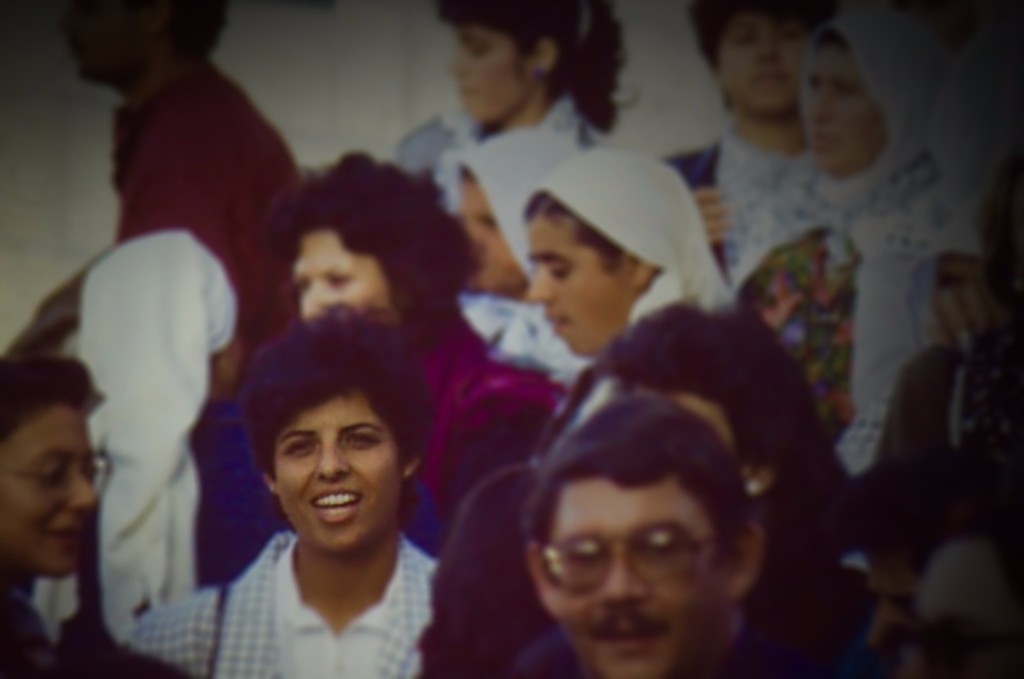 Naila and the Uprising[/caption]
The Human Rights Watch Film Festival in London from March 8 to 16, 2018, will feature 14 award-winning international documentary and feature films, half of them directed by women. The films offer fresh perspectives and critical insights on human rights concerns impacting people around the world today.
The festival will open at the Barbican on March 8, International Women’s Day, with Naila and the Uprising directed by Julia Bacha, which celebrates the courageous Palestinian women activists who played a pivotal role in the first Intifada, 30 years ago.
“In a year in which women have collectively raised their voices against discrimination and abuse, the 22nd edition of the festival spotlights strong women who push back against formidable forces within their respective societies,” said John Biaggi, creative director of the Human Rights Watch Film festival. “We are thrilled to open with the powerful Naila and the Uprising, which showcases women change-makers, and we look forward to welcoming the director Julia Bacha and film subjects Naila Ayesh and Zahira Kamal”.
When a nationwide uprising breaks out in 1987, Naila Ayesh must make a choice between love, family and freedom. Undaunted, she embraces all three, joining a clandestine network of women in a movement that forces the world to recognize the Palestinian right to self-determination for the first time.
“I call on women all over the world, I call on Israeli mothers: double your efforts to lift the injustices from my people, so my son, and your son, and all children can live side by side,” said Ayesh, who will attend opening night.
In the closing night film Silas, directed by Anjali Nayar and Hawa Essuman, the activist Silas Siakor and a network of dedicated citizen reporters respond with swift action when the rights to one-third of Liberia’s land are illegally signed away to multinational companies. “When they tear down the trees and strip the land, they tear down our people and strip away their lives,” Siakor said.
“Silas compellingly demonstrates how dedicated individuals can lead and create change,” Biaggi said. “We look forward to welcoming Silas Siakor and the director Anjali Nayar to London.”
The themes of female defiance, activists and resistance, environmental plunder and closed worlds are seen throughout the festival.
In The Poetess, directors Stefanie Brockhaus and Andreas Wolff introduce Hissa Hilal, who through her poetry performances challenges the repressive patriarchy ruling Saudi Arabia. In Margarita Cadenas’ Women of the Venezuelan Chaos, five resilient women creatively defend their fellow citizens, their families, and their very survival amid the national crisis that has enveloped their country. Sadaf Foroughi’s timely coming-of-age drama, Ava, portrays a strong and complex teenager who is pushed to the limits as she fights to find her voice, despite the constraints of her conservative, patriarchal community in Tehran.
The closing night theme of resistance and environmental plunder continues in Chris Kelly’s A Cambodian Spring, in which a fearless Buddhist monk and bold female leaders rally neighbors to oppose land-grabbing politicians and businesses, but at considerable cost to their personal lives and friendships.
Directed by Sabaah Folayan and Damon Davis, Whose Streets? takes an unflinching look at the Ferguson uprising in the US, told by the activists and leaders who live and breathe this movement for justice. “We are raising activists, we have to create a generation of activists if there’s gonna be any change”, said Aurellia Davis-Whitt, activist and film subject.
The festival will screen three films that expose viewers to worlds usually closed from the public eye: Mohammed Naqvi’s Insha’Allah Democracy shows a surprisingly intimate side of the former military dictator General Pervez Musharraf of Pakistan; Peter Nicks’ The Force brings us inside the Oakland Police Force in the USA, which is struggling to make change amidst serious corruption and misconduct, and Adam Sobel’s The Workers Cup presents an exposé on working conditions that migrant workers face in building the 2022 World Cup site in Qatar, following a group of young laborers hoping to become footballers themselves.
Three compelling cinema-verité-style documentaries reveal how war and bureaucracy can force institutions of care and shelter to become places of imprisonment and containment. Set in France where each year 92,000 people are placed under psychiatric care without their consent, Raymond Depardon’s 12 Days captures the raw and vulnerable interactions at the border of justice and psychiatry, humanity and bureaucracy when a crucial decision must be made: will a patient be forced to stay in a hospital or granted freedom.
In Rina Castelnuovo-Hollander and Tamir Elterman’s Muhi – Generally Temporary, a young boy from Gaza has been trapped in an Israeli hospital for over eight years. Rushed there in his infancy with a life-threatening immune disorder, Muhi, and his doting grandfather, Abu Naim, are caught in an immigration limbo and only permitted to reside within the constraints of the hospital walls. And in The Long Season, the award-winning filmmaker Leonard Retel Helmrich (Position Among the Stars) spent a year-and-a-half in the Majdal Anjar refugee camp in Lebanon capturing the intimate daily lives of Syrians whose futures are postponed by war.
This year’s benefit gala on March 7 at RIBA features Daniel McCabe’s This Is Congo, an immersive and unfiltered look at this lush, mineral-rich country, from the rise of Rwandan and Ugandan-backed M23 rebels in the North Kivu region of the Democratic Republic of Congo in 2012 to the present day, via four profoundly resilient characters. Described by Timo Meuller, researcher in the Africa Division of Human Rights Watch as, “the best documentary I’ve seen on the Democratic Republic of Congo. McCabe cares deeply about the country and does a great job walking the audience through the complicated historical trajectory of the Congo.” This is Congo will also screen within the festival program.
12 Days
Filmmaker(s):Raymond Depardon
https://www.youtube.com/watch?v=Mn6CbSBi3ho
A Cambodian Spring
Filmmaker(s):Chris Kelly
https://vimeo.com/209625471
Ava
Filmmaker(s):Sadaf Foroughi
https://www.youtube.com/watch?v=rF9pDPmF3is
Insha’allah Democracy
Filmmaker(s):Mohammed Naqvi
https://vimeo.com/237785739
Muhi – Generally Temporary
Filmmaker(s):Rina Castelnuovo-Hollander and Tamir Elterman
https://www.youtube.com/watch?v=z1Ej_v-_IwQ
Naila and the Uprising
Filmmaker(s):Julia Bacha
https://vimeo.com/242161763
Silas
Filmmaker(s):Anjali Nayar and Hawa Essuman
The Force
Filmmaker(s):Peter Nicks
https://www.youtube.com/watch?v=xrS5Okom6ow
The Long Season
Filmmaker(s):Leonard Retel Helmrich
https://vimeo.com/248278067
The Poetess
Filmmaker(s):Stefanie Brockhaus and Andreas Wolff
https://vimeo.com/241193553
The Workers Cup
Filmmaker(s):Adam Sobel
https://vimeo.com/218488667
This Is Congo
Filmmaker(s):Daniel McCabe
https://www.youtube.com/watch?v=4WfWODjDYAk
Whose Streets?
Filmmaker(s):Sabaah Folayan and Damon Davis
https://www.youtube.com/watch?v=upiJnjJSerw
Women of the Venezuelan Chaos
Filmmaker(s):Margarita Cadenas
https://vimeo.com/227763820
Naila and the Uprising[/caption]
The Human Rights Watch Film Festival in London from March 8 to 16, 2018, will feature 14 award-winning international documentary and feature films, half of them directed by women. The films offer fresh perspectives and critical insights on human rights concerns impacting people around the world today.
The festival will open at the Barbican on March 8, International Women’s Day, with Naila and the Uprising directed by Julia Bacha, which celebrates the courageous Palestinian women activists who played a pivotal role in the first Intifada, 30 years ago.
“In a year in which women have collectively raised their voices against discrimination and abuse, the 22nd edition of the festival spotlights strong women who push back against formidable forces within their respective societies,” said John Biaggi, creative director of the Human Rights Watch Film festival. “We are thrilled to open with the powerful Naila and the Uprising, which showcases women change-makers, and we look forward to welcoming the director Julia Bacha and film subjects Naila Ayesh and Zahira Kamal”.
When a nationwide uprising breaks out in 1987, Naila Ayesh must make a choice between love, family and freedom. Undaunted, she embraces all three, joining a clandestine network of women in a movement that forces the world to recognize the Palestinian right to self-determination for the first time.
“I call on women all over the world, I call on Israeli mothers: double your efforts to lift the injustices from my people, so my son, and your son, and all children can live side by side,” said Ayesh, who will attend opening night.
In the closing night film Silas, directed by Anjali Nayar and Hawa Essuman, the activist Silas Siakor and a network of dedicated citizen reporters respond with swift action when the rights to one-third of Liberia’s land are illegally signed away to multinational companies. “When they tear down the trees and strip the land, they tear down our people and strip away their lives,” Siakor said.
“Silas compellingly demonstrates how dedicated individuals can lead and create change,” Biaggi said. “We look forward to welcoming Silas Siakor and the director Anjali Nayar to London.”
The themes of female defiance, activists and resistance, environmental plunder and closed worlds are seen throughout the festival.
In The Poetess, directors Stefanie Brockhaus and Andreas Wolff introduce Hissa Hilal, who through her poetry performances challenges the repressive patriarchy ruling Saudi Arabia. In Margarita Cadenas’ Women of the Venezuelan Chaos, five resilient women creatively defend their fellow citizens, their families, and their very survival amid the national crisis that has enveloped their country. Sadaf Foroughi’s timely coming-of-age drama, Ava, portrays a strong and complex teenager who is pushed to the limits as she fights to find her voice, despite the constraints of her conservative, patriarchal community in Tehran.
The closing night theme of resistance and environmental plunder continues in Chris Kelly’s A Cambodian Spring, in which a fearless Buddhist monk and bold female leaders rally neighbors to oppose land-grabbing politicians and businesses, but at considerable cost to their personal lives and friendships.
Directed by Sabaah Folayan and Damon Davis, Whose Streets? takes an unflinching look at the Ferguson uprising in the US, told by the activists and leaders who live and breathe this movement for justice. “We are raising activists, we have to create a generation of activists if there’s gonna be any change”, said Aurellia Davis-Whitt, activist and film subject.
The festival will screen three films that expose viewers to worlds usually closed from the public eye: Mohammed Naqvi’s Insha’Allah Democracy shows a surprisingly intimate side of the former military dictator General Pervez Musharraf of Pakistan; Peter Nicks’ The Force brings us inside the Oakland Police Force in the USA, which is struggling to make change amidst serious corruption and misconduct, and Adam Sobel’s The Workers Cup presents an exposé on working conditions that migrant workers face in building the 2022 World Cup site in Qatar, following a group of young laborers hoping to become footballers themselves.
Three compelling cinema-verité-style documentaries reveal how war and bureaucracy can force institutions of care and shelter to become places of imprisonment and containment. Set in France where each year 92,000 people are placed under psychiatric care without their consent, Raymond Depardon’s 12 Days captures the raw and vulnerable interactions at the border of justice and psychiatry, humanity and bureaucracy when a crucial decision must be made: will a patient be forced to stay in a hospital or granted freedom.
In Rina Castelnuovo-Hollander and Tamir Elterman’s Muhi – Generally Temporary, a young boy from Gaza has been trapped in an Israeli hospital for over eight years. Rushed there in his infancy with a life-threatening immune disorder, Muhi, and his doting grandfather, Abu Naim, are caught in an immigration limbo and only permitted to reside within the constraints of the hospital walls. And in The Long Season, the award-winning filmmaker Leonard Retel Helmrich (Position Among the Stars) spent a year-and-a-half in the Majdal Anjar refugee camp in Lebanon capturing the intimate daily lives of Syrians whose futures are postponed by war.
This year’s benefit gala on March 7 at RIBA features Daniel McCabe’s This Is Congo, an immersive and unfiltered look at this lush, mineral-rich country, from the rise of Rwandan and Ugandan-backed M23 rebels in the North Kivu region of the Democratic Republic of Congo in 2012 to the present day, via four profoundly resilient characters. Described by Timo Meuller, researcher in the Africa Division of Human Rights Watch as, “the best documentary I’ve seen on the Democratic Republic of Congo. McCabe cares deeply about the country and does a great job walking the audience through the complicated historical trajectory of the Congo.” This is Congo will also screen within the festival program.
12 Days
Filmmaker(s):Raymond Depardon
https://www.youtube.com/watch?v=Mn6CbSBi3ho
A Cambodian Spring
Filmmaker(s):Chris Kelly
https://vimeo.com/209625471
Ava
Filmmaker(s):Sadaf Foroughi
https://www.youtube.com/watch?v=rF9pDPmF3is
Insha’allah Democracy
Filmmaker(s):Mohammed Naqvi
https://vimeo.com/237785739
Muhi – Generally Temporary
Filmmaker(s):Rina Castelnuovo-Hollander and Tamir Elterman
https://www.youtube.com/watch?v=z1Ej_v-_IwQ
Naila and the Uprising
Filmmaker(s):Julia Bacha
https://vimeo.com/242161763
Silas
Filmmaker(s):Anjali Nayar and Hawa Essuman
The Force
Filmmaker(s):Peter Nicks
https://www.youtube.com/watch?v=xrS5Okom6ow
The Long Season
Filmmaker(s):Leonard Retel Helmrich
https://vimeo.com/248278067
The Poetess
Filmmaker(s):Stefanie Brockhaus and Andreas Wolff
https://vimeo.com/241193553
The Workers Cup
Filmmaker(s):Adam Sobel
https://vimeo.com/218488667
This Is Congo
Filmmaker(s):Daniel McCabe
https://www.youtube.com/watch?v=4WfWODjDYAk
Whose Streets?
Filmmaker(s):Sabaah Folayan and Damon Davis
https://www.youtube.com/watch?v=upiJnjJSerw
Women of the Venezuelan Chaos
Filmmaker(s):Margarita Cadenas
https://vimeo.com/227763820
-
“OH, RICK!”, “THE STRANGER”, “ANTONIO LOPEZ 1970” Win 2017 DOC NYC Awards
[caption id="attachment_25696" align="aligncenter" width="1200"]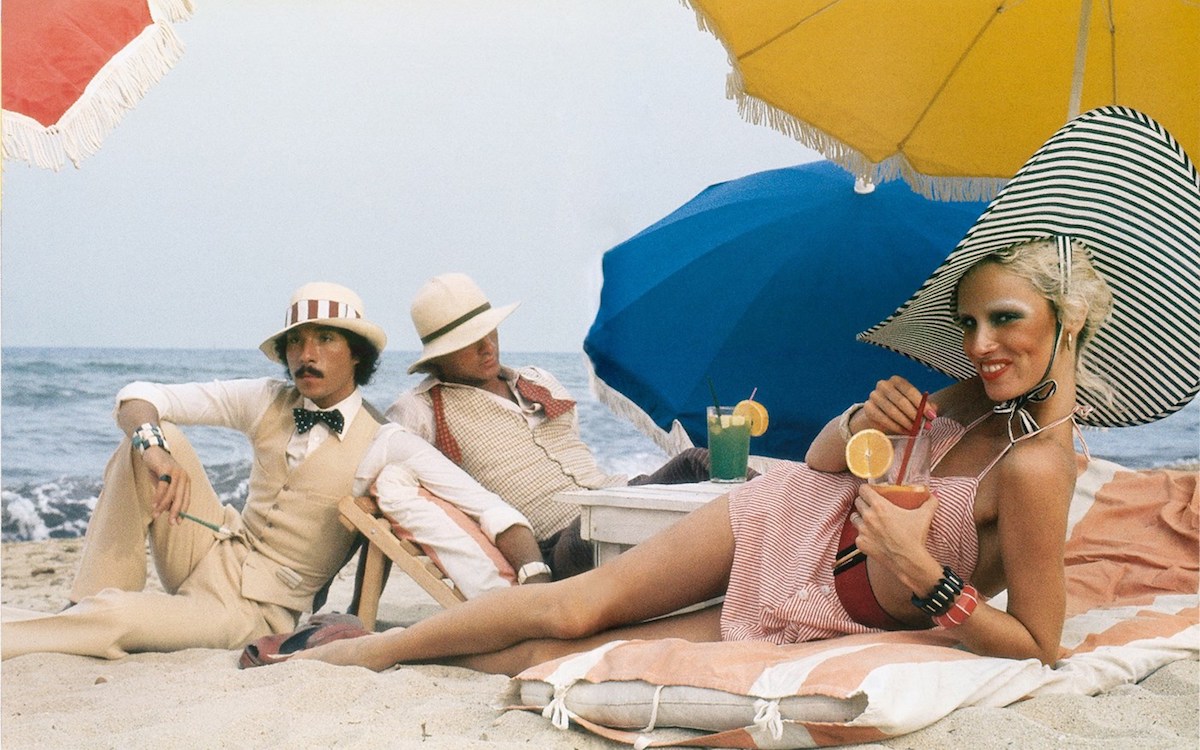 Antonio Lopez 1970: Sex Fashion & Disco[/caption]
Earlier this month three juries selected films from each of the 2017 DOC NYC festival’s Viewfinders, Metropolis and Shorts sections to recognize for their outstanding achievements. Festival audiences voted for the DOC NYC Audience Award, and a panel of industry professionals voted to select the winner of this year’s DOC NYC PRO Pitch Perfect Award, given to a work-in-progress. The winner of last year’s DOC NYC PRO Pitch Perfect Award, Naila and the Uprising from director Julia Bacha, had its World Premiere at the 2017 festival with a sold out screening in the festival’s largest venue, the SVA Theatre.
Antonio Lopez 1970: Sex Fashion & Disco[/caption]
Earlier this month three juries selected films from each of the 2017 DOC NYC festival’s Viewfinders, Metropolis and Shorts sections to recognize for their outstanding achievements. Festival audiences voted for the DOC NYC Audience Award, and a panel of industry professionals voted to select the winner of this year’s DOC NYC PRO Pitch Perfect Award, given to a work-in-progress. The winner of last year’s DOC NYC PRO Pitch Perfect Award, Naila and the Uprising from director Julia Bacha, had its World Premiere at the 2017 festival with a sold out screening in the festival’s largest venue, the SVA Theatre.
Viewfinders Competition
Films chosen for their distinct directorial visions. Grand Jury Prize Winner: The Stranger, directed by Nicole N. Horanyi, follows a 25-year-old single mother who meets the man of her dreams on Facebook, but she soon discovers that the charming, worldly man has secrets. Jurors’ statement: “For its multilayered approach to storytelling and challenge to the definition of nonfiction the Viewfinders jury awards The Stranger by filmmaker Nicole N. Horanyi.”Metropolis Competition
Films that exemplify the diverse range of stories in New York City. Grand Jury Prize Winner: Antonio Lopez 1970: Sex Fashion & Disco, directed by James Crump, is a portrait of the most influential fashion illustrator of 1970s New York and Paris, known for discovering talents such as Pat Cleveland and Grace Jones. Jurors’ statement: “For rescuing a vital figure in the fashion industry from the background of New York in the 1970s, when the joy and diversity of a new creative vision helped the city emerge from darkness, the Metropolis jury awards Antonio Lopez 1970: Sex Fashion & Disco by filmmaker James Crump.”Shorts Competition
Grand Jury Prize Winner: Traffic Stop, directed by Kate Davis, exposes a problematic police force using dashcam footage as a forensic recounting of a routine traffic stop turned brutal assault of Breaion King. Jurors’ statement: “For its powerful portrait of a woman at the center of one of America’s most important current issues, the Shorts jury awards Traffic Stop by filmmaker Kate Davis.” Special Mention: Winter’s Watch, directed by Brian Bolster, about a hotel caretaker embracing the solitude of the off-season. The 2017 winning Short film qualifies for consideration in the Documentary Short Subject category of the annual Academy Awards® without the standard theatrical run, provided the film otherwise complies with the Academy rules.Audience Award
Winner: Oh, Rick!, directed by Dustin Sussman and Aaron Rosenbloom, profiles comedian Rick Crom, the long-running emcee at Greenwich Village’s Comedy Cellar, and features Ray Romano, Colin Quinn, Sarah Silverman and Wanda Sykes.DOC NYC PRO Pitch Perfect Award
Recognizes the best pitch given during DOC NYC PRO’s Pitch Perfect Day, based on the pitch itself, as well as the viability of the project, and is determined by industry professionals taking part in the daylong pitch event. Winner: Blue Code of Silence, directed by Magnus Skatvold and Gregory Mallozzi, tells the forty-year-old story of when policeman Bob Leuci brought down New York City’s most corrupt police unit, but at a grave personal cost.
-
NAILA AND THE UPRISING, Story of the Role Women Played in First Intifada, Premieres at DOC NYC
Naila And The Uprising
Directed by acclaimed filmmaker Julia Bacha (Budrus, My Neighbourhood), Naila And The Uprising tells the remarkable story of Naila Ayesh, who played a key role in the First Intifada, the most vibrant, nonviolent mobilization in Palestinian history.
Naila And The Uprising will World Premiere at the eighth annual DOC NYC festival on Sunday, November 12 at the SVA Theatre, 209 East 23rd Street.
When the uprising broke out in the late 1980s, Naila was living in Gaza. Faced with a choice between love, family and freedom, she embraced all three, joining a clandestine network of Palestinian women in a movement that forced the world and Israel to recognize the Palestinian right to self-determination for the first time. The film focuses on the power of women’s leadership in building a united front in the struggle for self-determination, equality and freedom in the Occupied Palestinian Territories. It inventively combines animation with archival footage to explore this hidden history.
Naila And The Uprising premieres in the month leading up to the 30th anniversary of the start of the First Intifada on December 9, 1987 and, following its DOC NYC screening, will launch internationally at IDFA in Amsterdam.
Julia Bacha said the film was a long-anticipated Just Vision production: “The First Intifada is an iconic moment in Palestinian history, when women took the helm of leadership positions at the grassroots and guided a civil resistance effort that was highly strategic, effective and creative and, in many ways, is an example of what civil resistance can achieve in the face of overwhelming repression. It’s a story that the media at the time missed—a trend that continues today as communities organize across the region for equality, freedom and justice—and we’re thrilled to finally bring it to light.”
As part of a newly announced deal with Fork Films and THIRTEEN/WNET, Naila And The Uprising will be included in the four-part Women, War & Peace II series, which is slated to have its exclusive US broadcast premiere on PBS in 2018, as well as broad international distribution. This is the second installment of the Women War & Peace series, which highlights how women in contemporary conflict zones risk their lives and lift their communities in pursuit of freedom and justice. The first installment of the series in 2011—which included groundbreaking films like Pray the Devil Back to Hell—exceeded the expectations of PBS and the series producers.
-
DOC NYC 2017 to Close with NY Premiere of ERIC CLAPTON: LIFE IN 12 BARS + Announces Lineup
[caption id="attachment_23415" align="aligncenter" width="1200"]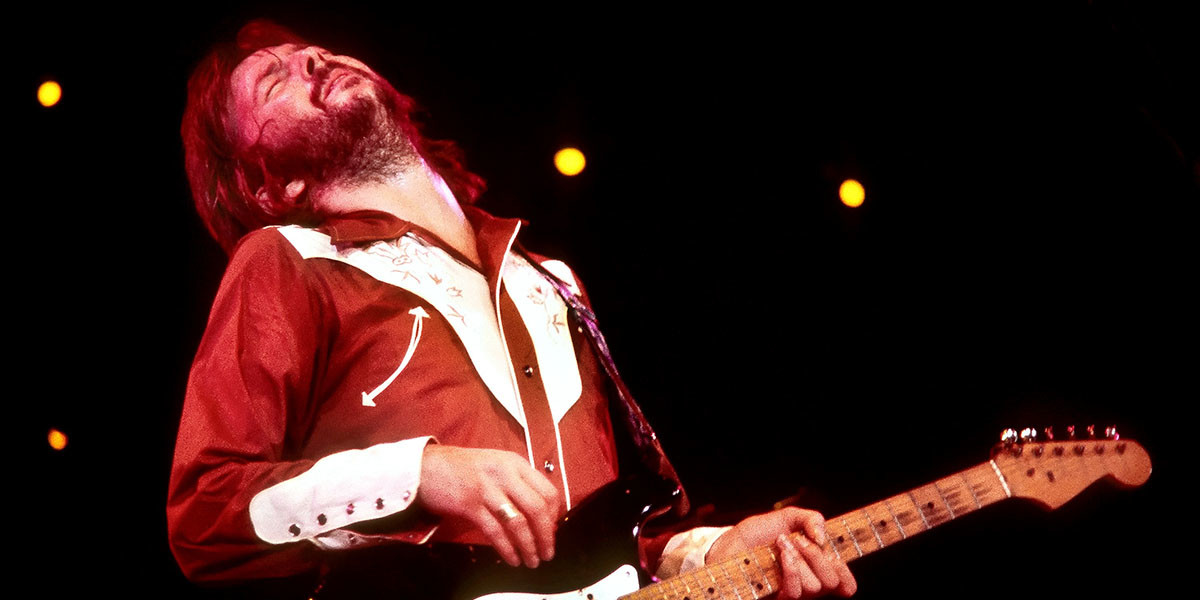 Eric Clapton: Life in 12 Bars[/caption]
DOC NYC announced the full lineup of over 250 films and events for its eighth edition, running November 9 to 16 at the IFC Center in Greenwich Village and Chelsea’s SVA Theatre and Cinepolis Chelsea.
Special Events include Closing Night Film, the NYC premiere of Eric Clapton: Life in 12 Bars, directed by Lili Fini Zanuck, with the acclaimed musician in attendance; Centerpiece Film, the world premiere of Far From the Tree, director Rachel Dretzin’s adaptation of Andrew Solomon’s bestselling book; and the NYC premiere of Wormwood, an ambitious new project from Errol Morris exploring the 1953 death of a CIA agent. The NYC premiere Greg Barker’s The Final Year, accompanied by members of the Obama administration, will open the festival.
World premieres at the festival include A Murder in Mansfield, by Barbara Kopple (Miss Sharon Jones!), which explores the impact of a 1989 murder on a family; Maynard, by Sam Pollard (Two Trains Runnin’), about Atlanta’s first black mayor, Maynard Jackson; Naila and the Uprising, by Julia Bacha (Budrus), about the hidden role women played in the First Intifada, a project that won last year’s DOC NYC Pitch Perfect competition; Father’s Kingdom, by Larry Feinberg, exploring the legacy of Father Divine, who attracted over a million followers and claimed to be God; The Iconoclast, by King Adz, about notorious art forger Michel van Rijn; and The Godfathers of Hardcore, by Ian McFarland, on the long-lived NYC hardcore punk band Agnostic Front.
Among this year’s U.S. premieres are David Bowie: The Last Five Years, by Francis Whately, an intimate look at the creative final years of the music icon; Antonio Lopez 1970: Sex Fashion & Disco, by James Crump, a portrait of the most influential fashion illustrator of 1970s New York and Paris; Scotty and the Secret History of Hollywood, by Matt Tyrnauer, about the man who was the secret sexual procurer to the stars; The Stranger, by past DOC NYC award winner Nicole N. Horanyi, about a woman who discovers the man of her dreams has secrets; Armed with Faith, by Geeta Gandbhir and Asad Faruqi, which follows the heroic Pakistani Bomb Disposal Unit; Soufra, by Thomas Morgan, and executive produced by Susan Sarandon, about a woman who starts her own successful catering company in a Lebanese refugee camp; EuroTrump, by Stephen Robert Morse and Nicholas Hampson, on the Dutch Donald Trump, Geert Wilders; and The Beatles, Hippies and Hells Angels: Inside the Crazy World of Apple, by Ben Lewis, a look back at the wild early days of Apple Corps.
“Documentary storytellers help us make sense of the tumultuous times we’re living in with artistry, humor and inspiring characters,” said Director of Programming Basil Tsiokos. “This year’s DOC NYC line-up gives audiences fresh insight into high profile figures and shines a light on lesser-known individuals who leave a big impression.” Tsiokos led the program selection in collaboration with Artistic Director Thom Powers and Executive Director Raphaela Neihausen.
The festival is curated in 18 sections that include two new strands: New World Order, with 6 films about global issues in the news, including Sky & Ground, which follows an extended family of refugees as they escape Syria; and Spiral, about the alarming rise of anti-Semitism in Europe. Centerstage, an 8-title section focused on performing and performers, presents the world premieres of The Problem with Apu, in which a South Asian-American comedian explores the impact of the character from The Simpsons; and Repeat Attenders, about musical theater superfans.
In the festival’s two feature competition sections, 8 films appear under the Viewfinders section for distinct directorial visions. They include the world premiere of Mole Man, about an autistic man who has built a 50-room structure in his backyard; and the U.S. premieres of The Judge, about the first female Shari’a judge in the Middle East, and Silas, about a Liberian environmental activist.
In the Metropolis competition section, 7 films are dedicated to stories set in New York City. They include the world premieres of The Iron Triangle, about the resistance to the urban renewal of Queens’ Willets Point; Vigilante: The Incredible True Story of Curtis Sliwa and the Guardian Angels, an unfiltered look at the founder of the controversial group; and Miracle on 42nd Street, about an apartment complex providing housing to performing artists, including past residents Alicia Keys, Terrence Howard and Angela Lansbury.
Other returning sections include high-profile Special Events; national and global takes inAmerican Perspectives and International Perspectives; and thematic sections Fight the Power (on activism), Sonic Cinema (on music), True Crime (on crime), Science Nonfiction (on science and technology), Modern Family (on unconventional families),Wild Life (on animals), Art & Design (on artists), and Behind the Scenes (on filmmaking). Short-form content (85 films in total) is represented by the festival’s Shorts Competition and DOC NYC U (showcasing student work).
The following is a breakdown of programming by section:
Eric Clapton: Life in 12 Bars[/caption]
DOC NYC announced the full lineup of over 250 films and events for its eighth edition, running November 9 to 16 at the IFC Center in Greenwich Village and Chelsea’s SVA Theatre and Cinepolis Chelsea.
Special Events include Closing Night Film, the NYC premiere of Eric Clapton: Life in 12 Bars, directed by Lili Fini Zanuck, with the acclaimed musician in attendance; Centerpiece Film, the world premiere of Far From the Tree, director Rachel Dretzin’s adaptation of Andrew Solomon’s bestselling book; and the NYC premiere of Wormwood, an ambitious new project from Errol Morris exploring the 1953 death of a CIA agent. The NYC premiere Greg Barker’s The Final Year, accompanied by members of the Obama administration, will open the festival.
World premieres at the festival include A Murder in Mansfield, by Barbara Kopple (Miss Sharon Jones!), which explores the impact of a 1989 murder on a family; Maynard, by Sam Pollard (Two Trains Runnin’), about Atlanta’s first black mayor, Maynard Jackson; Naila and the Uprising, by Julia Bacha (Budrus), about the hidden role women played in the First Intifada, a project that won last year’s DOC NYC Pitch Perfect competition; Father’s Kingdom, by Larry Feinberg, exploring the legacy of Father Divine, who attracted over a million followers and claimed to be God; The Iconoclast, by King Adz, about notorious art forger Michel van Rijn; and The Godfathers of Hardcore, by Ian McFarland, on the long-lived NYC hardcore punk band Agnostic Front.
Among this year’s U.S. premieres are David Bowie: The Last Five Years, by Francis Whately, an intimate look at the creative final years of the music icon; Antonio Lopez 1970: Sex Fashion & Disco, by James Crump, a portrait of the most influential fashion illustrator of 1970s New York and Paris; Scotty and the Secret History of Hollywood, by Matt Tyrnauer, about the man who was the secret sexual procurer to the stars; The Stranger, by past DOC NYC award winner Nicole N. Horanyi, about a woman who discovers the man of her dreams has secrets; Armed with Faith, by Geeta Gandbhir and Asad Faruqi, which follows the heroic Pakistani Bomb Disposal Unit; Soufra, by Thomas Morgan, and executive produced by Susan Sarandon, about a woman who starts her own successful catering company in a Lebanese refugee camp; EuroTrump, by Stephen Robert Morse and Nicholas Hampson, on the Dutch Donald Trump, Geert Wilders; and The Beatles, Hippies and Hells Angels: Inside the Crazy World of Apple, by Ben Lewis, a look back at the wild early days of Apple Corps.
“Documentary storytellers help us make sense of the tumultuous times we’re living in with artistry, humor and inspiring characters,” said Director of Programming Basil Tsiokos. “This year’s DOC NYC line-up gives audiences fresh insight into high profile figures and shines a light on lesser-known individuals who leave a big impression.” Tsiokos led the program selection in collaboration with Artistic Director Thom Powers and Executive Director Raphaela Neihausen.
The festival is curated in 18 sections that include two new strands: New World Order, with 6 films about global issues in the news, including Sky & Ground, which follows an extended family of refugees as they escape Syria; and Spiral, about the alarming rise of anti-Semitism in Europe. Centerstage, an 8-title section focused on performing and performers, presents the world premieres of The Problem with Apu, in which a South Asian-American comedian explores the impact of the character from The Simpsons; and Repeat Attenders, about musical theater superfans.
In the festival’s two feature competition sections, 8 films appear under the Viewfinders section for distinct directorial visions. They include the world premiere of Mole Man, about an autistic man who has built a 50-room structure in his backyard; and the U.S. premieres of The Judge, about the first female Shari’a judge in the Middle East, and Silas, about a Liberian environmental activist.
In the Metropolis competition section, 7 films are dedicated to stories set in New York City. They include the world premieres of The Iron Triangle, about the resistance to the urban renewal of Queens’ Willets Point; Vigilante: The Incredible True Story of Curtis Sliwa and the Guardian Angels, an unfiltered look at the founder of the controversial group; and Miracle on 42nd Street, about an apartment complex providing housing to performing artists, including past residents Alicia Keys, Terrence Howard and Angela Lansbury.
Other returning sections include high-profile Special Events; national and global takes inAmerican Perspectives and International Perspectives; and thematic sections Fight the Power (on activism), Sonic Cinema (on music), True Crime (on crime), Science Nonfiction (on science and technology), Modern Family (on unconventional families),Wild Life (on animals), Art & Design (on artists), and Behind the Scenes (on filmmaking). Short-form content (85 films in total) is represented by the festival’s Shorts Competition and DOC NYC U (showcasing student work).
The following is a breakdown of programming by section:
OPENING NIGHT
THE FINAL YEAR Dir: Greg Barker (NYC PREMIERE) Greg Barker gives an unprecedented look at the shaping of US foreign policy by following key members of outgoing US President Barack Obama’s administration.CLOSING NIGHT
ERIC CLAPTON: LIFE IN 12 BARS Dir: Lili Fini Zanuck (NYC PREMIERE) An intimate, revealing musical odyssey on the life and career of guitar virtuoso Eric Clapton, told by those who have known him best.CENTERPIECE
FAR FROM THE TREE Dir: Rachel Dretzin (WORLD PREMIERE) An adaptation of Andrew Solomon’s bestselling book examining how parents face their children’s extreme differences, challenging ideas of “normalcy.”SPECIAL EVENT
WORMWOOD Dir: Errol Morris (NYC PREMIERE) DOC NYC’s Visionaries Lifetime Achievement Award recipient Errol Morris (The Fog of War) investigates the 1953 death of a CIA agent in this innovative new project.VIEWFINDERS COMPETITION
THE JUDGE Dir: Erika Cohn (US PREMIERE) A vérité legal drama about the first woman appointed to a Shari’a court in the Middle East, providing rare insights into both Islamic law and gendered justice. LOVE, CECIL Dir: Lisa Immordino Vreeland (NYC PREMIERE) An affectionate portrait of Cecil Beaton, a multi-talented photographer, writer and painter who also designed sets and costumes for films like My Fair Lady. LOVE MEANS ZERO Dir: Jason Kohn (NYC PREMIERE) Infamous and influential tennis coach Nick Bollettieri has trained champions that include Andre Agassi and Boris Becker, but greatness comes at a personal price. MOLE MAN Dir: Guy Fiorita (WORLD PREMIERE) An autistic man is faced with the possibility of losing the only home he has ever known—and the remarkable 50-room structure he’s built in the backyard. NAILA AND THE UPRISING Dir: Julia Bacha (WORLD PREMIERE) Filmmaker Julia Bacha (Budrus) reveals the hidden history of the key role women played in the Palestinian uprising known as the First Intifada. SILAS Dirs: Anjali Nayar, Hawa Essuman (US PREMIERE) A rousing profile of Liberian activist Silas Siakor, a tireless crusader against illegal logging and a symbol of resistance for a new generation. THE STRANGER Dir: Nicole N. Horanyi (INTERNATIONAL PREMIERE) Amanda, a 25-year-old single mother, meets the man of her dreams on Facebook… but she soon discovers that the charming, worldly Casper has secrets. THIS IS CONGO Dir: Daniel McCabe (NYC PREMIERE) Filmmaker Daniel McCabe examines multiple sides of the fractious war in the Democratic Republic of Congo in this stunningly shot film.METROPOLIS COMPETITION
ANTONIO LOPEZ 1970: SEX FASHION & DISCO Dir: James Crump (NORTH AMERICAN PREMIERE) A portrait of the most influential fashion illustrator of 1970s New York and Paris, known for discovering talents such as Pat Cleveland and Grace Jones. CRADLE OF CHAMPIONS Dir: Bartle Bull (NYC PREMIERE) Three amateur boxers compete for glory and life-changing opportunities in New York City’s legendary Golden Gloves tournament. THE IRON TRIANGLE Dirs: Prudence Katze, William Lehman (WORLD PREMIERE) Workers and owners of auto repair shops in Queens’ Willets Point face off against gentrification and urban renewal for the future of their livelihoods and community. MIRACLE ON 42ND STREET Dir: Alice Elliott (WORLD PREMIERE) The surprising history of Manhattan Plaza and its embrace of the performing arts, featuring famed former residents including Alicia Keys, Terrence Howard and Angela Lansbury. Screening with Lucy Walker’s Oh, What A Beautiful City (A City Symphony). A celebration of summertime in NYC. OH, RICK! Dirs: Dustin Sussman, Aaron Rosenbloom (WORLD PREMIERE) A profile of comedian Rick Crom, long-running emcee at Greenwich Village’s Comedy Cellar, featuring Ray Romano, Colin Quinn, Sarah Silverman and Wanda Sykes. STILL WATERS Dir: Peter Gordon (WORLD PREMIERE) In Bushwick, where rapid gentrification is pushing out Latino families, a unique alternative after-school program serves as a haven for the community. VIGILANTE: THE INCREDIBLE TRUE STORY OF CURTIS SLIWA AND THE GUARDIAN ANGELS Dir: David Wexler (WORLD PREMIERE) An unfiltered look back at 1970s and ’80s NYC through the eyes of Curtis Sliwa, founder of the controversial crime prevention patrol the Guardian Angels.AMERICAN PERSPECTIVES
12TH AND CLAIRMOUNT Dir: Brian Kaufman (NYC PREMIERE) Hundreds of hours of home movies, archival footage, illustrations and new oral histories offer multiple perspectives of the 1967 Detroit uprising. 32 PILLS: MY SISTER’S SUICIDE Dir: Hope Litoff (NYC PREMIERE) Years after the suicide of her sister Ruth, a talented but troubled artist, director Hope Litoff tries to make sense of her loss. FAIL STATE Dir: Alex Shebanow (NYC PREMIERE) Executive produced by Dan Rather, Fail State explores the dark side of higher education in America, focusing on the rise of for-profit colleges. FATHER’S KINGDOM Dir: Lenny Feinberg (WORLD PREMIERE ) In the first half of the 20th century, Father Divine, an African-American spiritual leader, gained over a million followers by claiming to be God. THE GROWING SEASON Dir: Evan Briggs (WORLD PREMIERE) An intimate, bittersweet portrait of growing up and growing old, set in a nursing home that also houses a preschool program. MAYNARD Dir: Sam Pollard (WORLD PREMIERE) Director Sam Pollard constructs a portrait of charismatic trailblazer Maynard Jackson, who became Atlanta’s first black mayor in 1973. METH STORM Dirs: Brent Renaud, Craig Renaud (NYC PREMIERE ) DEA agents face the Sisyphean task of curbing the influx of Mexican ice, a more potent form of meth, into poor, rural communities in Arkansas. SHOT IN THE DARK Dir: Dustin Nakao Haider (NYC PREMIERE) Orr Academy’s high school basketball team is a refuge from the brutal realities of the streets of Chicago’s West Side.INTERNATIONAL PERSPECTIVES
ARMED WITH FAITH Dirs: Geeta Gandbhir, Asad Faruqi (NORTH AMERICAN PREMIERE) A suspenseful portrait of the men of the Pakistani Bomb Disposal Unit, who risk their own lives every day to combat homegrown and international terrorism. ASK THE SEXPERT Dir: Vaishali Sinha (NYC PREMIERE) A lighthearted look at India’s Dan Savage, Dr. Mahinder Watsa, a 93-year-old retired gynecologist. Is he a hero of progress or an enemy of traditional values? A BETTER MAN Dirs: Attiya Khan, Lawrence Jackman (US PREMIERE) Twenty years after their break-up, filmmaker Attiya Khan confronts her ex-boyfriend to take responsibility for their abusive relationship. CUBA AND THE CAMERAMAN Dir: Jon Alpert (NYC PREMIERE) For more than 40 years, acclaimed filmmaker Jon Alpert has enjoyed privileged access to Cuba, chronicling its changes from Havana to the countryside. ISLAND SOLDIER Dir: Nathan Fitch (NYC PREMIERE) Residents of the remote islands of Micronesia question whether the benefits of US protection are worth the human costs of fighting its wars. LOVESICK Dirs: Ann S. Kim, Priya Giri Desai (WORLD PREMIERE) In India, where marriage is a must but AIDS carries a stigma, Dr. Suniti Solomon serves as matchmaker for her HIV-positive patients. THE PINK HOUSE Dir: Sascha Ettinger Epstein (INTERNATIONAL PREMIERE) In a remote Australian gold-mining town, a genteel 70-year-old madam struggles to keep the oldest working brothel afloat in this entertaining portrait. Screening with Sam Ketay’s A Wonderful Place. Octogenarian Norma shares stories while giving a tour of her property atop her John Deere tractor. SOUFRA Dir: Thomas Morgan (NORTH AMERICAN PREMIERE) Working with a diverse group of Middle Eastern women, Mariam Shaar attempts to expand her catering company, based in a refugee camp near Beirut.NEW WORLD ORDER
EUROTRUMP Dirs: Stephen Robert Morse, Nicholas Hampson (NORTH AMERICAN PREMIERE) An in-depth exploration of Geert Wilders, the “Dutch Donald Trump,” as the controversial politician seems poised to become the Prime Minister of the Netherlands. INSHA’ALLAH DEMOCRACY Dir: Mohammed Ali Naqvi (NORTH AMERICAN PREMIERE) Following Pakistan’s former dictator, General Pervez Musharraf, as he runs for president, the filmmaker questions if democracy is truly possible in Pakistan. PLAYING GOD Dir: Karin Jurschick (US PREMIERE) A candid, complex portrait of compensation assessor Ken Feinberg, a man tasked with putting a dollar value on human lives in the wake of tragedies like 9/11 and Sandy Hook. RECRUITING FOR JIHAD Dirs: Adil Khan Farooq, Ulrik Imtiaz Rolfsen (NYC PREMIERE) Over several years, a journalist follows a charismatic, outspoken Norwegian missionary as he recruits young converts to Islam, and to fight for ISIS in Syria. SKY & GROUND Dirs: Talya Tibbon, Joshua Bennett (WORLD PREMIERE) A compelling, ground-level immersion into the greatest humanitarian crisis of our time, accompanying a large, extended family by foot from Syria to asylum in Germany. SPIRAL Dir: Laura Fairrie (US PREMIERE) An urgent, alarming look at the rise of anti-Semitism, Holocaust denial and physical and verbal assaults against Jews throughout Europe, particularly in France.CENTERSTAGE
BEHIND THE CURTAIN: TODRICK HALL Dir: Katherine Fairfax Wright (NYC PREMIERE) American Idol contestant and RuPaul’s Drag Race judge Todrick Hall races to complete an autobiographical musical and take the live show on the road to his devoted fans. GETTING NAKED: A BURLESQUE STORY Dir: James Lester (NORTH AMERICAN PREMIERE) Uncovering New York City’s neo-burlesque subculture, this entertaining film offers a lingering look at several sexy denizens of the nightlife scene. THE PROBLEM WITH APU Dir: Michael Melamedoff (WORLD PREMIERE) South Asian-American comedian Hari Kondabolu confronts his long-standing “nemesis,” Apu Nahasapeemapetilon, better known as the Kwik-E-Mart owner on The Simpsons. REBELS ON POINTE Dir: Bobbi Jo Hart (NYC PREMIERE) A globetrotting profile of NYC’s beloved Les Ballets Trockadero de Monte Carlo, an all-male dance troupe that fuses camp humor with classical ballet performed in drag. REPEAT ATTENDERS Dir: Mark Dooley (WORLD PREMIERE) An entertaining portrait of musical theatre superfans, for whom shows like Les Miz,Starlight Express and Cats are an obsession, a refuge and a place where they belong. Screening with Ben Kitnick’s Catskills. An 86-year-old dancer remembers the heyday of the upstate resort community. SAMMY DAVIS, JR.: I’VE GOTTA BE ME Dir: Sam Pollard (NYC PREMIERE) A star-studded roster of interviewees (including Jerry Lewis, Whoopi Goldberg and Billy Crystal) pay tribute to the legendary, multi-talented song-and-dance man. SIGHTED EYES/FEELING HEART Dir: Tracy Heather Strain (NYC PREMIERE) A moving account of the life of black playwright, communist, feminist, lesbian and outspoken trailblazer Lorraine Hansberry (A Raisin in the Sun). STANDING UP Dir: Jonathan Miller (WORLD PREMIERE) An Egyptian lawyer, a couch-surfing custodian and an Orthodox Jew walk into a comedy club… and end up starring in a film about three unlikely aspiring stand-up comics.TRUE CRIME
COLD BLOODED: THE CLUTTER FAMILY KILLINGS Dir: Joe Berlinger (SNEAK PREVIEW) Oscar®-nominated filmmaker Joe Berlinger reexamines the infamous 1959 murder of a Kansas family that Truman Capote explored in his landmark nonfiction novel In Cold Blood. (USA, 86 min.) THE ICONOCLAST Dir: King Adz (WORLD PREMIERE) A portrait of a Dutch art connoisseur and descendant of Rembrandt – in truth, a con man who made millions trafficking in forged and stolen art and antiquities. A MURDER IN MANSFIELD Dir: Barbara Kopple (WORLD PREMIERE) Oscar®-winning filmmaker Barbara Kopple explores the legacy of the 1989 murder of Noreen Boyle in Mansfield, Ohio and its impact on her family. WHAT HAUNTS US Dir: Paige Goldberg Tolmach (NYC PREMIERE) An investigation into a rash of suicides among the men in the filmmaker’s high school graduating class reveals a disturbing cover-up centered around a popular coach. Screening with Elivia Shaw and Paloma Martinez’s The Shift. Spend an overnight shift with the emergency dispatchers for the city of San Francisco. WHITE BOY Dir: Shawn Rech (NYC PREMIERE) The story of “White Boy Rick,” a legend of Detroit’s drug world in the 1980s, still imprisoned for a juvenile offense for the past 30 years.SCIENCE NONFICTION
THE EXPERIMENTAL CITY Dir: Chad Freidrichs (NYC PREMIERE) A fascinating chronicle of an almost successful attempt to build the city of the future by a visionary scientist and futurist comic strip writer in the 1960s. HAPPENING: A CLEAN ENERGY REVOLUTION Dir: James Redford (NYC PREMIERE) Seeking hope for a sustainable tomorrow, filmmaker James Redford crosses the country to chronicle the clean energy revolution already taking place. HOT GREASE Dirs: Sam Wainwright Douglas, Paul Lovelace, Jessica Wolfson (WORLD PREMIERE) A fascinating look at biodiesel, a growing industry with the potential to undercut the dominance of Big Oil—and it all starts with recycled cooking oil. THE NEW FIRE Dir: David Schumacher (NYC PREMIERE) Innovative young nuclear engineers attempt to develop next-generation reactors to provide clean and safe solutions to the world’s future energy needs.WILD LIFE
DONKEYOTE Dir: Chico Pereira (NYC PREMIERE) A 73-year-old Spanish man dreams of walking the Trail of Tears with his donkey and his dog—but getting to America from Spain presents a challenge. EATING ANIMALS Dir: Christopher Quinn (NYC PREMIERE) Based on the book by Jonathan Safran Foer and produced and narrated by Natalie Portman, this unflinching exposé looks at the devastating costs of our dietary choices. RODENTS OF UNUSUAL SIZE Dirs: Quinn Costello, Chris Metzler, Jeff Springer (WORLD PREMIERE) This quirky film follows bounty hunters and other colorful Gulf residents as they try to defend Louisiana from the invasive giant swamp rat known as the nutria. Screening with Olivier Bernier’s A Garbage Story. Over 30 years in the garbage business, Nick has become a bonafide trash connoisseur. SAMANTHA’S AMAZING ACROCATS Dir: Jacob Feiring (NYC PREMIERE) A woman pins her dreams of stardom on a traveling cat circus, but how long can she hold on as debt mounts and success seems elusive? Screening with Jeff Reichert and Farihah Zaman’s Nobody Loves Me. High in the Andes, a frog with an unusual appearance is threatened with extinction.ART & DESIGN
44 PAGES Dir: Tony Shaff (NYC PREMIERE) A heartwarming, behind-the-scenes look at the creation of the landmark 70th anniversary issue of beloved children’s magazine, Highlights. BIG TIME Dir: Kaspar Astrup Schröder (NYC PREMIERE) A portrait of superstar Danish architect Bjarke Ingels as he takes on his largest project yet, relocating to New York City to create the new 2 World Trade Center. FIVE SEASONS: THE GARDENS OF PIET OUDOLF Dir: Thomas Piper (NORTH AMERICAN PREMIERE) A portrait of visionary landscape designer Piet Oudolf, known for public works like the High Line that redefine our conception of gardens as works of art. LARGER THAN LIFE Dir: Tiffany Bartok (NYC PREMIERE) An intimate look at the life and death of Kevyn Aucoin, who moved from small town Louisiana to become a legendary makeup artist to supermodels and celebrities. MADDMAN: THE STEVE MADDEN STORY Dir: Ben Patterson (NYC PREMIERE) The rags-to-riches story of designer footwear mogul Steve Madden, who nearly lost everything because of his connections to notorious “Wolf of Wall Street,” Jordan Belfort. MORE ART UPSTAIRS Dir: Jody Hassett Sanchez (NYC PREMIERE) Who gets to decide what is good art? A competition touting the biggest cash prize in the art world finds cultural elitism butting up against Midwest populism. MR. FISH: CARTOONING FROM THE DEEP END Dir: Pablo Bryant (NYC PREMIERE) Finding it increasingly challenging to publish his subversive art, will controversial political cartoonist Mr. Fish be forced to sell out in order to sell his art?MODERN FAMILY
6 WEEKS TO MOTHER’S DAY Dir: Marvin Blunte (WORLD PREMIERE) In a remote jungle in Thailand, a unique democratic school provides orphans with education and empowerment under the watchful eyes of the woman they call Mother Aew. AMAZONA Dir: Clare Weiskopf (NORTH AMERICAN PREMIERE) The director tries to make sense of the elder woman’s decision to leave her children behind to live in the jungle after a family tragedy. ELISH’S NOTEBOOKS Dir: Golan Rise (INTERNATIONAL PREMIERE) Discovering a secret cache of journals written for them by their late mother, Elisheva’s children confront their complex feelings for their emotionally distant parent. HARMONY Dir: Lidia Sheinin (NORTH AMERICAN PREMIERE) Battle lines are drawn when an elderly Russian woman finds her comfortable apartment invaded by her family. Screening with Laura Checkoway’s Edith+Eddie. The love story of America’s oldest interracial newlyweds is threatened by a family feud. LIFE TO COME Dir: Claudio Capanna (US PREMIERE) Surrounded by the sounds of machines and doctors in white coats, severely premature twins Eden and Léandro fight for their survival. LOTS OF KIDS, A MONKEY AND A CASTLE Dir: Gustavo Salmerón (NYC PREMIERE) Spanish actor-turned-director Gustavo Salmerón captures his eccentric, extraordinary mother, who had three dreams: having lots of kids, a monkey and a castle. PLOT 35 Dir: Eric Caravaca (NORTH AMERICAN PREMIERE) French actor-turned-director Eric Caravaca unearths personal family history in search of his sister Charlotte, who died as a toddler before he was born. Screening with Matt Sukkar’s Durango. Adolescent brothers cope with loss over a summer in bucolic Colorado. THANK YOU FOR COMING Dir: Sara Lamm (NYC PREMIERE) After learning she was conceived via a sperm donor, Sara becomes a genealogical detective, navigating ancestry databases and DNA tests for clues to his identity.BEHIND THE SCENES
BLUE VELVET REVISITED Dir: Peter Braatz (NYC PREMIERE) Three decades after documenting the filming of David Lynch’s Blue Velvet, the director crafts an unconventional yet accessible meditation on the cult classic film. JIM & ANDY: THE GREAT BEYOND… Dir: Chris Smith (NYC PREMIERE) Offbeat documentarian Chris Smith (American Movie) reveals just how fully Jim Carrey took on the persona of idiosyncratic comedian Andy Kaufman on the set of Man on the Moon. KING COHEN Dir: Steve Mitchell (NYC PREMIERE) A look at the heyday of guerrilla filmmaking through a celebration of the work of maverick filmmaker Larry Cohen, known as “the John Cassavetes of exploitation.” SAVING BRINTON Dirs: Andrew Sherburne, Tommy Haines (NYC PREMIERE) An eccentric collector is on a mission to restore and preserve a cache of early films and cinema memorabilia, the legacy of a pioneering but forgotten Iowa showman. SCOTTY AND THE SECRET HISTORY OF HOLLYWOOD Dir: Matt Tyrnauer (US PREMIERE) A deliciously scandalous portrait of unsung Hollywood legend Scotty Bowers, whose bestselling memoir chronicled his decades spent as sexual procurer to the stars.FIGHT THE POWER
ATOMIC HOMEFRONT Dir: Rebecca Cammisa (NYC PREMIERE) A citizens’ movement confronts government bureaucracy to uncover the atomic secrets of St. Louis, Missouri in order to keep their families safe. BALTIMORE RISING Dir: Sonja Sohn Actress Sonja Sohn (HBO’s The Wire) returns to Baltimore in her directorial debut to chronicle the city in the wake of Freddie Gray’s death. MANKILLER Dir: Valerie Red-Horse Mohl (NYC PREMIERE) Wilma Mankiller rose from poverty to become the first female chief of the Cherokee nation, battling rampant sexism, political rivals and health challenges. NOTHING WITHOUT US Dir: Harriet Hirshorn (NYC PREMIERE) Female activists, scientists and scholars in the US and Africa demonstrates the vital role that women have played—and continue to play—in the global fight against HIV/AIDS. THE OTHER SIDE OF EVERYTHING Dir: Mila Turajlic (NYC PREMIERE) A locked door in her family’s Belgrade home provides the gateway to understanding the filmmaker’s remarkable mother and Serbia’s tumultuous political inheritance. QUEERCORE: HOW TO PUNK A REVOLUTION Dir: Yony Leyser (NYC PREMIERE) Misfits in both the mainstream gay and homophobic punk scenes, Bruce LaBruce and GB Jones invented a radical underground subculture that spread around the world. UNFRACTURED Dir: Chanda Chevannes (INTERNATIONAL PREMIERE) Shot over the last year of the historic grassroots fight against fracking in New York state, a raw, intimate look at biologist and activist Sandra Steingraber. ZERO WEEKS Dir: Ky Dickens (NYC PREMIERE) In most countries, workers have paid leave and job security to care for a newborn or family emergency—but not in the US, costing us all a heavy price.SONIC CINEMA
THE BEATLES, HIPPIES AND HELLS ANGELS: INSIDE THE CRAZY WORLD OF APPLE Dir: Ben Lewis (NORTH AMERICAN PREMIERE) An entertaining look behind the scenes at Apple Corps, which The Beatles hoped would allow them to spread their countercultural message throughout the world. BILL FRISELL: A PORTRAIT Dir: Emma Franz (NYC PREMIERE) A warm profile of Bill Frisell, a widely inventive guitarist who crosses musical boundaries, featuring Bonnie Raitt, Hal Willner, Paul Simon, Nels Cline, and more. DAVID BOWIE: THE LAST FIVE YEARS Dir: Francis Whately (US PREMIERE) An intimate look at the remarkably creative final years of David Bowie, through the production of his final two albums, and the stage musical, Lazarus. THE GODFATHERS OF HARDCORE Dir: Ian McFarland (WORLD PREMIERE) For over 35 years and still going strong, Agnostic Front’s Vinnie Stigma and Roger Miret have been synonymous with the New York punk scene. HELLO HELLO HELLO : LEE RANALDO : ELECTRIC TRIM Dir: Fred Riedel (NYC PREMIERE) Legendary Sonic Youth guitarist Lee Ranaldo embarks on the recording of a new experimental concept album with a little help from some friends. ITZHAK Dir: Alison Chernick (NYC PREMIERE) Widely considered the greatest living violinist, Itzhak Perlman takes us on a journey through his music and life. STREETLIGHT HARMONIES Dir: Brent Wilson (WORLD PREMIERE) A who’s who of musicians trace the evolution of doo wop in the 1950s, from street corners to radio stations all across America.SHORTS
Shorts: Body Language On the limits and potential of the human body, exploring dance, tattoos, pro wrestling, meditation and light sensitivity. Shorts: City Lights The ups and downs of city living, featuring artists, improv, hard work, boxing and table tennis. Shorts: Dream Weavers About fulfilling dreams and reimagining the world, featuring Cuban cigar factory workers, men seeking wives, a mail-order bride and more. Shorts: The Future is Feminine Everyday women and girls who inspire, including a housekeeper turned real estate entrepreneur, children’s rights advocate, unlikely athletes and special birthday girl. Shorts: Justice For All True crime and the criminal justice system, exploring death row, surveillance, juvenile offenders, police corruption, war criminals and capital punishment. Shorts: Mother Earth Protecting the planet, from Standing Rock and anti-fracking activism, to saving orangutans and sea turtles. Shorts: The New Normal America, before and after 11/8/16, exploring the Trump campaign, a divided electorate, immigration anxiety, fake news and disturbing parallels to past regimes. Shorts: Recorded Memory The past looms large in these affecting stories about confronting family relationships, reckoning with career decisions, remembering trauma and more. Shorts: Strange But True Quirky real life stories exploring insomnia, dreams, fetishes, first love, conspiracy theories and psychic abilities. Shorts: Surviving the System Finding oneself in and out of the criminal justice system, in stories about a police traffic stop that escalates into violence and a restaurant offering former prisoners a second chance.DOC NYC U
DOC NYC U: THE NEW SCHOOL SHOWCASE Selections from The New School’s Documentary Media Studies program, featuring a tap dancer, migratory birds, New York life, selfies and a yodeling punk singer destined for greatness. DOC NYC U: NEW YORK FILM ACADEMY SHOWCASE NYFA selections profile a Hiroshima orphan, a Central Park mainstay, a wolf rescuer, a persecuted journalist and a lost city. DOC NYC U: NEW YORK UNIVERSITY SHOWCASE NYU’s NewsDoc offerings explore a controversial Tibetan boarding school program in China and the growing popularity of taxi driving as a career for women in India. DOC NYC U: COLUMBIA UNIVERSITY SHOWCASE Work from Columbia Journalism School’s Documentary Project profiles deportation fears under Trump, a drug crisis in the Muslim community and adult illiteracy. DOC NYC U: SCHOOL OF VISUAL ARTS SHOWCASE SVA’s SocDoc program presents profiles of artists, musicians, designers, a vintage barbershop, broken hearts and Native American activism.SHORT LIST
ABACUS: SMALL ENOUGH TO JAIL Dir: Steve James Steve James (Hoop Dreams) profiles a small, family-run Chinatown bank—the only financial institution indicted following the 2008 financial crisis. Courtesy of PBS Distribution. THE B-SIDE: ELSA DORFMAN’S PORTRAIT PHOTOGRAPHY Dir: Errol Morris DOC NYC’s Visionaries Lifetime Achievement Award recipient Errol Morris (The Fog of War) profiles legendary large-format photographer Elsa Dorfman. Courtesy of NEON/Netflix. CHASING CORAL Dir: Jeff Orlowski Following his acclaimed film Chasing Ice, director Jeff Orlowski sets out to chronicle the environmental devastation happening to the world’s coral reefs. Courtesy of Netflix. CITY OF GHOSTS Dir: Matthew Heineman Anonymous Syrian citizen journalists risk their lives to stand up against ISIS and report the truth about the Syrian conflict. Courtesy of Amazon Studios/A&E IndieFilms/IFC Films. DINA Dirs: Antonio Santini, Dan Sickles An unforgettable couple, both on the autism spectrum, navigate the complexities of sex and romance in this Sundance Grand Jury Prize winning film. Courtesy of The Orchard. FACES PLACES Dirs: Agnès Varda, JR French New Wave legend Agnès Varda and acclaimed photographer JR travel the French countryside, celebrating ordinary people through extraordinary photo murals. Courtesy of Cohen Media Group. THE FINAL YEAR Dir: Greg Barker (NYC PREMIERE) Greg Barker gives an unprecedented look at the shaping of US foreign policy by following key members of outgoing US President Barack Obama’s administration. Courtesy of Motto Pictures/Passion Pictures. THE FORCE Dir: Peter Nicks An immersion into the beleaguered Oakland Police Department as it attempts to reform its scandal-ridden image. Courtesy of Kino Lorber/PBS Independent Lens. ICARUS Dir: Bryan Fogel An unexpected exposé of a complex doping operation at the heart of Russia’s Olympics program. Courtesy of Netflix. JANE Dir: Brett Morgen Brett Morgen (On the Ropes) reconstitutes 50-year-old National Geographic footage into a poetic look at primatologist Jane Goodall. Courtesy of National Geographic Documentary Films. KEDI Dir: Ceyda Torun This infectious portrait captures Istanbul through the eyes of its colorful street cats.Courtesy of Oscilloscope Laboratories/YouTube Red. ONE OF US Dirs: Heidi Ewing, Rachel Grady This year’s Visionaries Tribute honorees Heidi Ewing and Rachel Grady (Jesus Camp) penetrate the insular world of New York’s Hasidic community. Courtesy of Netflix. RISK Dir: Laura Poitras Oscar-winning filmmaker Laura Poitras (Citizenfour) creates a complex portrait of Wikileaks founder Julian Assange and his team. Courtesy of NEON/Showtime Documentary Films. STEP Dir: Amanda Lipitz The inaugural class of the Baltimore Leadership School for Young Women strives for success both academically and through its fierce step dancing team. Courtesy of Fox Searchlight. STRONG ISLAND Dir: Yance Ford Yance Ford explores the long-lasting impact on his African-American family of his brother’s murder, killed by a white man who was never punished for his crime. Courtesy of Netflix.