The Ashland Independent Film Festival announced its lineup of over 150 films for the eighteenth annual festival, April 11-15, 2019, in Ashland, Oregon.

What is Democracy? seeks to answer some of civilization’s most pressing questions, using illuminating interviews with such luminaries as Silvia Federici, Wendy Brown, Cornel West, and many others to expand our knowledge of this well-spread political system and give us some sense of its future in the age of Trump and Brexit. Beyond the experts, however, Taylor’s focus expands to the immigration crisis currently gripping Europe and the US, fashioning a brilliant film that will leave your mind churning with ideas.
Directed by Astra Taylor
Starring William Barber, Wendy Brown, Angela Davis
Genre(s) Documentary Film
The Ashland Independent Film Festival announced its lineup of over 150 films for the eighteenth annual festival, April 11-15, 2019, in Ashland, Oregon.

Yorgos Lanthimos’ The Favourite leads all films in the Vancouver Film Critics Circle’s international section with six nominations, and Katherine Jerkovic’s Roads in February leads all films in the Vancouver Film Critics’ Circles’ Canadian section with six nominations.
In the international section, Lanthimos’ delectable bodice ripper shares the Best Picture category with First Reformed, Paul Schrader’s pointed diagnosis of our ill-stricken times, and Alfonso Cuarón’s technically virtuosic and emotionally devastating Roma; Lanthimos, Schrader and Cuarón also assume their respective places in the Best Director category.
Burning, Roma and Shoplifters are up for Best Foreign Language Film, while Free Solo, Minding the Gap and Won’t You Be my Neighbor? are nominated for Best Documentary.
In the Canadian section, a wistful story about a young woman returning home to Uruguay after more than a decade away, Roads in February is nominated for Best Picture alongside Fausto, Andrea Bussmann’s loose adaptation of Goethe’s version of the Faust legend, and Edge of the Knife, co-directors Gwaai Edenshaw and Helen Haig-Brown’s 19th century epic, scripted entirely in two endangered Haida dialects (of which there are only 20-odd fluent speakers remaining). Jerkovic, Bussmann and Edenshaw and Haig-Brown are all nominated for Best Director, where they are joined by Philippe Lesage for Genesis.
The Best Canadian Documentary nominees are ANTHROPOCENE: The Human Epoch, The Museum of Forgotten Triumphs, and What Is Democracy?
 What Is Democracy?[/caption]
Coming at a moment of profound political and social crisis, What Is Democracy? is director Astra Taylor’s philosophical essay finding meaning in the word ‘democracy’ we too often take for granted.
Astra Taylor’s (Zizek! and Examined Life) idiosyncratic, philosophical journey spans millennia and continents: from ancient Athens’ groundbreaking experiment in self-government to capitalism’s roots in medieval Italy; from modern-day Greece grappling with financial collapse and a mounting refugee crisis to the United States reckoning with its racist past and the growing gap between rich and poor. The acclaimed documentary, which made its North American premiere at the 2018 Toronto International Film Festival, will enjoy a theatrical release via Zeitgeist Films in association with Kino Lorber starting Jan. 16, 2019, at IFC Center in New York followed by theatrical engagements nationwide.
Featuring a diverse cast—including celebrated theorists, trauma surgeons, activists, factory workers, asylum seekers, and former prime ministers—this urgent film connects the past and the present, the emotional and the intellectual, the personal and the political, in order to provoke and inspire. If we want to live in democracy, we must first ask what the word even means.
“More than anything else, What Is Democracy? is an invitation to think,” said Taylor. “We live in overwhelming, confounding times and are bombarded by information and bad news. My hope is that this film opens a contemplative space, allowing the viewer to consider the challenge of ruling ourselves from a variety of angles.”
[caption id="attachment_32761" align="aligncenter" width="1200"]
What Is Democracy?[/caption]
Coming at a moment of profound political and social crisis, What Is Democracy? is director Astra Taylor’s philosophical essay finding meaning in the word ‘democracy’ we too often take for granted.
Astra Taylor’s (Zizek! and Examined Life) idiosyncratic, philosophical journey spans millennia and continents: from ancient Athens’ groundbreaking experiment in self-government to capitalism’s roots in medieval Italy; from modern-day Greece grappling with financial collapse and a mounting refugee crisis to the United States reckoning with its racist past and the growing gap between rich and poor. The acclaimed documentary, which made its North American premiere at the 2018 Toronto International Film Festival, will enjoy a theatrical release via Zeitgeist Films in association with Kino Lorber starting Jan. 16, 2019, at IFC Center in New York followed by theatrical engagements nationwide.
Featuring a diverse cast—including celebrated theorists, trauma surgeons, activists, factory workers, asylum seekers, and former prime ministers—this urgent film connects the past and the present, the emotional and the intellectual, the personal and the political, in order to provoke and inspire. If we want to live in democracy, we must first ask what the word even means.
“More than anything else, What Is Democracy? is an invitation to think,” said Taylor. “We live in overwhelming, confounding times and are bombarded by information and bad news. My hope is that this film opens a contemplative space, allowing the viewer to consider the challenge of ruling ourselves from a variety of angles.”
[caption id="attachment_32761" align="aligncenter" width="1200"]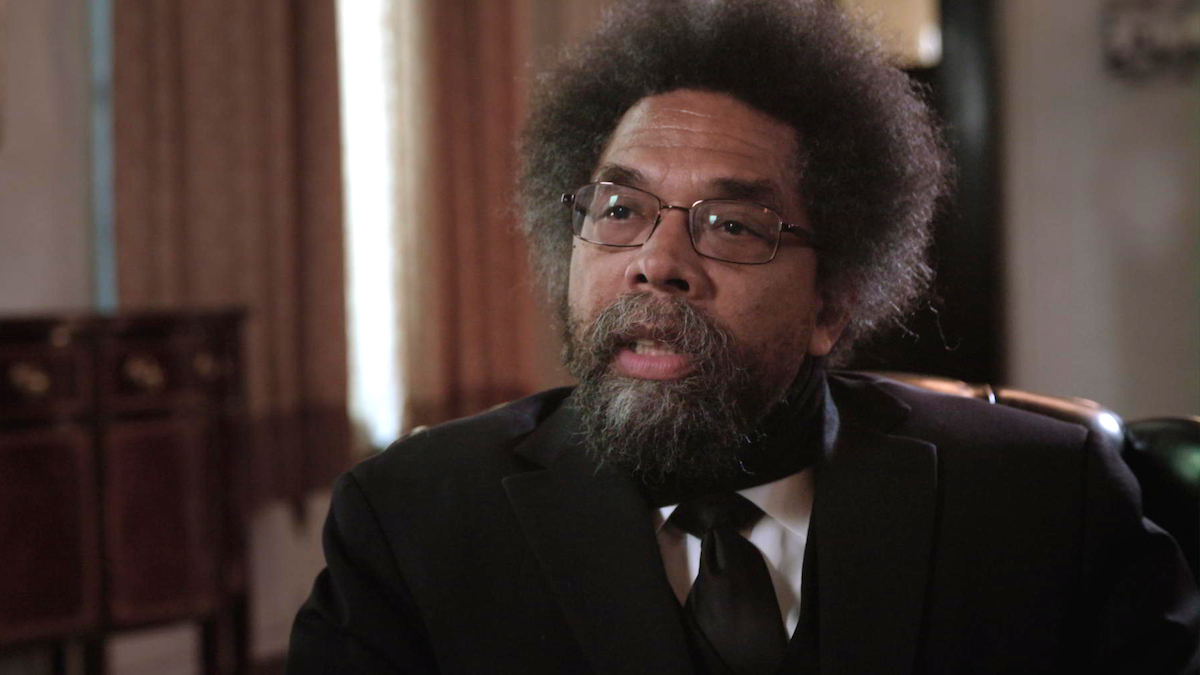 Cornel West in What is Democracy?[/caption]
Appearing in the film are: Cornel West, a prominent and provocative democratic intellectual and Professor of the Practice of Public Philosophy at Harvard University; Angela Davis a political activist and professor emeritus at the Department of History of Consciousness at the University of California, Santa Cruz, regarded as one of the foremost figures in the struggle for human rights and against racial discrimination; Professor Wendy Brown (University of California, Berkeley), whose fields of interest include the history of political theory, 19th- and 20th- century Continental theory, critical theory and theories of contemporary capitalism; Silvia Federici, a researcher, activist, and educator and Emerita Professor at Hofstra University; Zoe Konstantopoulou, the leader of the Course to Freedom political party and a former President of the Greek Parliament, who is also a lawyer specializing in national, European and international criminal law, public international law and human rights; Henry M. “Mickey” Michaux, Jr., who in 1972 became Durham County’s first black representative in the North Carolina state legislature, and is also the longest-serving member of the North Carolina House of Representatives.
ASTRA TAYLOR (Director) is a filmmaker writer, and political organizer. She is the director of the philosophical documentaries What Is Democracy? (TIFF 2018), Examined Life (TIFF 2008), and Zizek! (TIFF 2005); the author of the American Book Award winner The People’s Platform: Taking Back Power and Culture in the Digital Age; and a co-founder of the Debt Collective. She has written for The New York Times, The London Review of Books, The Guardian, The Walrus, The Baffler, n+1 and many other outlets. She is a Shuttleworth Foundation Fellow and a former touring member of the band Neutral Milk Hotel. Her new book, Democracy May Not Exist, but We’ll Miss It When It’s Gone, will be out from Metropolitan Books in early 2019.
https://www.youtube.com/watch?v=OHxRj9JWQMs
Cornel West in What is Democracy?[/caption]
Appearing in the film are: Cornel West, a prominent and provocative democratic intellectual and Professor of the Practice of Public Philosophy at Harvard University; Angela Davis a political activist and professor emeritus at the Department of History of Consciousness at the University of California, Santa Cruz, regarded as one of the foremost figures in the struggle for human rights and against racial discrimination; Professor Wendy Brown (University of California, Berkeley), whose fields of interest include the history of political theory, 19th- and 20th- century Continental theory, critical theory and theories of contemporary capitalism; Silvia Federici, a researcher, activist, and educator and Emerita Professor at Hofstra University; Zoe Konstantopoulou, the leader of the Course to Freedom political party and a former President of the Greek Parliament, who is also a lawyer specializing in national, European and international criminal law, public international law and human rights; Henry M. “Mickey” Michaux, Jr., who in 1972 became Durham County’s first black representative in the North Carolina state legislature, and is also the longest-serving member of the North Carolina House of Representatives.
ASTRA TAYLOR (Director) is a filmmaker writer, and political organizer. She is the director of the philosophical documentaries What Is Democracy? (TIFF 2018), Examined Life (TIFF 2008), and Zizek! (TIFF 2005); the author of the American Book Award winner The People’s Platform: Taking Back Power and Culture in the Digital Age; and a co-founder of the Debt Collective. She has written for The New York Times, The London Review of Books, The Guardian, The Walrus, The Baffler, n+1 and many other outlets. She is a Shuttleworth Foundation Fellow and a former touring member of the band Neutral Milk Hotel. Her new book, Democracy May Not Exist, but We’ll Miss It When It’s Gone, will be out from Metropolitan Books in early 2019.
https://www.youtube.com/watch?v=OHxRj9JWQMs Karl Berger of Karl Berger – Music Mind[/caption]
The fiercely independent 19th Annual Woodstock Film Festival will showcase more than 100 films and open with a live performance by the Karl Berger Band following the screening of the feature documentary Karl Berger – Music Mind, which offers “an inside look into the creative process and unique approach toward music that makes Karl Berger”. Matthew Heineman’s feature narrative debut A Private War, starring Rosamund Pike, Jamie Dornan and Stanley Tucci will close the film festival on the evening of Sunday, October 14th.
There will be a panel discussion after the film screening of Lessons from a School Shooting: Notes from Dunblane, featuring the filmmakers, as well as panelists from the documentary Newtown. In the wake of the 2012 Sandy Hook Elementary School massacre that took the lives of twenty first-graders and their teachers, local clergyman Father Bob Weiss receives a letter from a fellow priest in Dunblane, Scotland, whose community suffered an eerily similar fate in 1996. From across the Atlantic, the two priests forge a poignant bond through the shared experience of trauma and healing. Never before seen film clips of the filmmakers’ upcoming documentary about the mass shooting in Stoneman Douglas high school in Parkland, Florida, will be shown during the panel.
Roger Ross Williams is the first African American director to win an Academy Award with his short film Music By Prudence. Williams has directed a wide variety of acclaimed films including God Loves Uganda, which was shortlisted for an Academy Award, and Life, Animated, which was nominated for an Academy Award in 2017. Williams is on the Board of Governors for the Academy of motion pictures, Arts and Sciences, representing the Documentary branch, as well as being on the Diversity Committee for the Academy. This year Williams is our Special Guest Programmer whose selection spotlights some of his favorite contemporary works by filmmakers of color. Williams said, “I am thrilled to be a guest programmer at this year’s Woodstock Film Festival. The three films I have chosen demonstrate the scope, depth and creativity that is possible when we, as black filmmakers, tell our own stories.” These films include Hale County This Morning, This Evening, Shakedown, and Mr. SOUL!.
Karl Berger of Karl Berger – Music Mind[/caption]
The fiercely independent 19th Annual Woodstock Film Festival will showcase more than 100 films and open with a live performance by the Karl Berger Band following the screening of the feature documentary Karl Berger – Music Mind, which offers “an inside look into the creative process and unique approach toward music that makes Karl Berger”. Matthew Heineman’s feature narrative debut A Private War, starring Rosamund Pike, Jamie Dornan and Stanley Tucci will close the film festival on the evening of Sunday, October 14th.
There will be a panel discussion after the film screening of Lessons from a School Shooting: Notes from Dunblane, featuring the filmmakers, as well as panelists from the documentary Newtown. In the wake of the 2012 Sandy Hook Elementary School massacre that took the lives of twenty first-graders and their teachers, local clergyman Father Bob Weiss receives a letter from a fellow priest in Dunblane, Scotland, whose community suffered an eerily similar fate in 1996. From across the Atlantic, the two priests forge a poignant bond through the shared experience of trauma and healing. Never before seen film clips of the filmmakers’ upcoming documentary about the mass shooting in Stoneman Douglas high school in Parkland, Florida, will be shown during the panel.
Roger Ross Williams is the first African American director to win an Academy Award with his short film Music By Prudence. Williams has directed a wide variety of acclaimed films including God Loves Uganda, which was shortlisted for an Academy Award, and Life, Animated, which was nominated for an Academy Award in 2017. Williams is on the Board of Governors for the Academy of motion pictures, Arts and Sciences, representing the Documentary branch, as well as being on the Diversity Committee for the Academy. This year Williams is our Special Guest Programmer whose selection spotlights some of his favorite contemporary works by filmmakers of color. Williams said, “I am thrilled to be a guest programmer at this year’s Woodstock Film Festival. The three films I have chosen demonstrate the scope, depth and creativity that is possible when we, as black filmmakers, tell our own stories.” These films include Hale County This Morning, This Evening, Shakedown, and Mr. SOUL!.
Younger Days, directed by Paula van der Oest
WRESTLE, directed by Lauren Belfer and Suzannah Herbert
1-0, directed by Nada ElAzhary; 59 Seconds, directed by Mauro Carraro; After Her, directed by Aly Migliori; Antouni (Homeless), directed by Alik Tamar; Are You Still Singing?, directed by Gillian Barnes; A Year, directed by Jisun Jamie Lee; Beast, directed by Leonora Lonsdale; Beautiful Things, directed by Dina Waxman; Black Spirit, directed by Chakib Taleb-Bendiab; Boy Boy Girl Girl, directed by Ross Kauffman; Carolee, Barbara & Gunvor, directed by Lynne Sachs; The Christmas Rabbit, directed by Christophe Lopez-Huici; The Crying Room, directed by Shalom Auslander; Del Rio, directed by Raj Trivedi; Dinner, directed by Anna Gilmore; Edith Piaf (Said It Better Than Me), directed by Joseph Wallace; Ego, directed by Mario Addis; The English Teecher, directed by Andy and Carolyn London; Even Ants Strive for Survival, directed by Ren Xia; Funeral, directed by Leah Shore; Gamble, directed by Chayadol Lomtong; Goose in High Heels, directed by John R. Dilworth; He’s Watching, directed by Arthur Metcalf; Homing In, directed by Parker Hill; Jo, directed by Justine Williams; One Small Step, directed by Andrew Chesworth and Bobby Pontillas; Last Requests, directed by Courtenay Johnson; The Last Seance, directed by Laura Kulik; Lifeboat, directed by Skye Fitzgerald; Lucy, directed by Ruben Gutiérrez; The Magical Mystery of Musigny, directed by Emmett Goodman and John Meyer; Martin, directed by Sholto Crow; Melt Down, directed by Amy Jingyi Xu; Mirror Mirror, directed by Jacob Internicola; Mother, directed by Amanda Palmer; Moved to Tiers, directed by Avery Herzog; The Movie House on Main Street, directed by Teresa Torchiano; My Brother (Mi Hermano), directed by Alexis Gambis; Pour 585, directed by Patrick Smith; Rooster and The Queen, directed by Aaron Weisblatt; Salam, directed by Claire Fowler; Lessons from a School Shooting: Notes from Dunblane, directed by Kim A. Snyder; Shiva Baby, directed by Emma Seligman; Sorceress, directed by Max Blustin; Trump Bites, directed by Bill Plympton; Two Balloons, directed by Mark C. Smith; Unnatural, directed by Amy Wang; The Velvet Underground Played at My High School, directed by Tony Jannelli and Robert Pietri; Vicarious Resilience, directed by Eva Tenuto; Voice, directed by Takeshi Kushida; Welcome to the New World, directed by Jerry Suen & Anni Sultany; The Winds of Downhill, directed by Jedd and Todd Wider; Your Face Global Jam, directed by Ken Mora
Solicitous– Music by Drekoty
 Michael Moore’s Fahrenheit 11/9[/caption]
The World Premiere of Michael Moore’s Fahrenheit 11/9 , a radical and humorous look at the United States under Donald Trump, will open the Toronto International Film Festival 2018 documentary program. The Festival will screen 27 feature-length non-fiction films, representing 19 countries in the 2018 documentary program.
Other World Premieres include Rashida Jones and Alan Hicks’ Quincy, profiling musical icon Quincy Jones; Victoria Stone and Mark Deeble’s The Elephant Queen, narrated by Chiwetel Ejiofor, tracing the epic journey of an elephant herd; Billy Corben’s Screwball, a true-crime comedy on doping in Major League Baseball; and Maxim Pozdorovkin’s The Truth About Killer Robots, investigating the lethal consequences of automation.
One-third of this year’s doc features are directed or co-directed by female filmmakers including TIFF Docs closing film, Margarethe von Trotta’s Searching for Ingmar Bergman, which offers a multi-faceted look at the Swedish auteur’s life 100 years after his birth. Women creators, trailblazers, and the #MeToo movement are also examined within the lineup: Naziha Arebi’s Freedom Fields, about a Libyan women’s football team; Alex Holmes’ Maiden recounts the story of the first all-women sailing crew in the Whitbread Round the World Race (now the Volvo Ocean Race), skippered by Tracy Edwards; and Tom Volf’s Maria by Callas, narrated by Joyce DiDonato, profiles one of the major icons of the 20th century. More highlights include Alexis Bloom’s Divide and Conquer: The Story of Roger Ailes, covering the Fox News creator who was ousted for allegations of sexual harassment; and Tom Donahue’s This Changes Everything, an examination of gender dynamics in Hollywood, executive produced by Geena Davis. Mark Cousins’ Women Make Film: A New Road Movie Through Cinema , narrated by Tilda Swinton, explores international cinema through the lens of women directors.
Global politics and leaders of modern society are put under the microscope with films such as Werner Herzog and André Singer’s Meeting Gorbachev, on the former Soviet leader; Vitaly Mansky’s Putin’s Witnesses, focusing on Russia’s president; and Errol Morris’ American Dharma , looking at controversial Trump strategist Steve Bannon.
Grand adventures are at the heart of several docs in the selection. E. Chai Vasarhelyi and Jimmy Chin’s Free Solo captures Alex Honnold’s unprecedented climb of El Capitan without safety ropes; Andrey Paounov’s Walking on Water documents the artist Christo’s project The Floating Piers; John Chester’s The Biggest Little Farm chronicles an eight-year struggle to run a family farm; and Shannon Service and Jeffrey Waldron’s Ghost Fleet captures a nail-biting rescue of fishermen enslaved at sea.
After directing last year’s Festival opener Borg vs McEnroe, Janus Metz teams with Sine Plambech for the World Premiere of Heartbound, a longitudinal study 10 years in the making about the trend of Thai women marrying Danish men. And several documentaries represent eclectic perspectives told from around the world, including: Rithy Panh’s Graves Without a Name, on the legacy of Cambodia’s genocide; Jawad Rhalib’s When Arabs Danced, on Muslim performers pushing boundaries; James Longley’s Angels Are Made Of Light, about a group of Afghan children and their teachers; and Frederick Wiseman’s Monrovia, Indiana , about a small town in America’s Midwest.
The 43rd Toronto International Film Festival runs from September 6 to 16, 2018.
Michael Moore’s Fahrenheit 11/9[/caption]
The World Premiere of Michael Moore’s Fahrenheit 11/9 , a radical and humorous look at the United States under Donald Trump, will open the Toronto International Film Festival 2018 documentary program. The Festival will screen 27 feature-length non-fiction films, representing 19 countries in the 2018 documentary program.
Other World Premieres include Rashida Jones and Alan Hicks’ Quincy, profiling musical icon Quincy Jones; Victoria Stone and Mark Deeble’s The Elephant Queen, narrated by Chiwetel Ejiofor, tracing the epic journey of an elephant herd; Billy Corben’s Screwball, a true-crime comedy on doping in Major League Baseball; and Maxim Pozdorovkin’s The Truth About Killer Robots, investigating the lethal consequences of automation.
One-third of this year’s doc features are directed or co-directed by female filmmakers including TIFF Docs closing film, Margarethe von Trotta’s Searching for Ingmar Bergman, which offers a multi-faceted look at the Swedish auteur’s life 100 years after his birth. Women creators, trailblazers, and the #MeToo movement are also examined within the lineup: Naziha Arebi’s Freedom Fields, about a Libyan women’s football team; Alex Holmes’ Maiden recounts the story of the first all-women sailing crew in the Whitbread Round the World Race (now the Volvo Ocean Race), skippered by Tracy Edwards; and Tom Volf’s Maria by Callas, narrated by Joyce DiDonato, profiles one of the major icons of the 20th century. More highlights include Alexis Bloom’s Divide and Conquer: The Story of Roger Ailes, covering the Fox News creator who was ousted for allegations of sexual harassment; and Tom Donahue’s This Changes Everything, an examination of gender dynamics in Hollywood, executive produced by Geena Davis. Mark Cousins’ Women Make Film: A New Road Movie Through Cinema , narrated by Tilda Swinton, explores international cinema through the lens of women directors.
Global politics and leaders of modern society are put under the microscope with films such as Werner Herzog and André Singer’s Meeting Gorbachev, on the former Soviet leader; Vitaly Mansky’s Putin’s Witnesses, focusing on Russia’s president; and Errol Morris’ American Dharma , looking at controversial Trump strategist Steve Bannon.
Grand adventures are at the heart of several docs in the selection. E. Chai Vasarhelyi and Jimmy Chin’s Free Solo captures Alex Honnold’s unprecedented climb of El Capitan without safety ropes; Andrey Paounov’s Walking on Water documents the artist Christo’s project The Floating Piers; John Chester’s The Biggest Little Farm chronicles an eight-year struggle to run a family farm; and Shannon Service and Jeffrey Waldron’s Ghost Fleet captures a nail-biting rescue of fishermen enslaved at sea.
After directing last year’s Festival opener Borg vs McEnroe, Janus Metz teams with Sine Plambech for the World Premiere of Heartbound, a longitudinal study 10 years in the making about the trend of Thai women marrying Danish men. And several documentaries represent eclectic perspectives told from around the world, including: Rithy Panh’s Graves Without a Name, on the legacy of Cambodia’s genocide; Jawad Rhalib’s When Arabs Danced, on Muslim performers pushing boundaries; James Longley’s Angels Are Made Of Light, about a group of Afghan children and their teachers; and Frederick Wiseman’s Monrovia, Indiana , about a small town in America’s Midwest.
The 43rd Toronto International Film Festival runs from September 6 to 16, 2018.
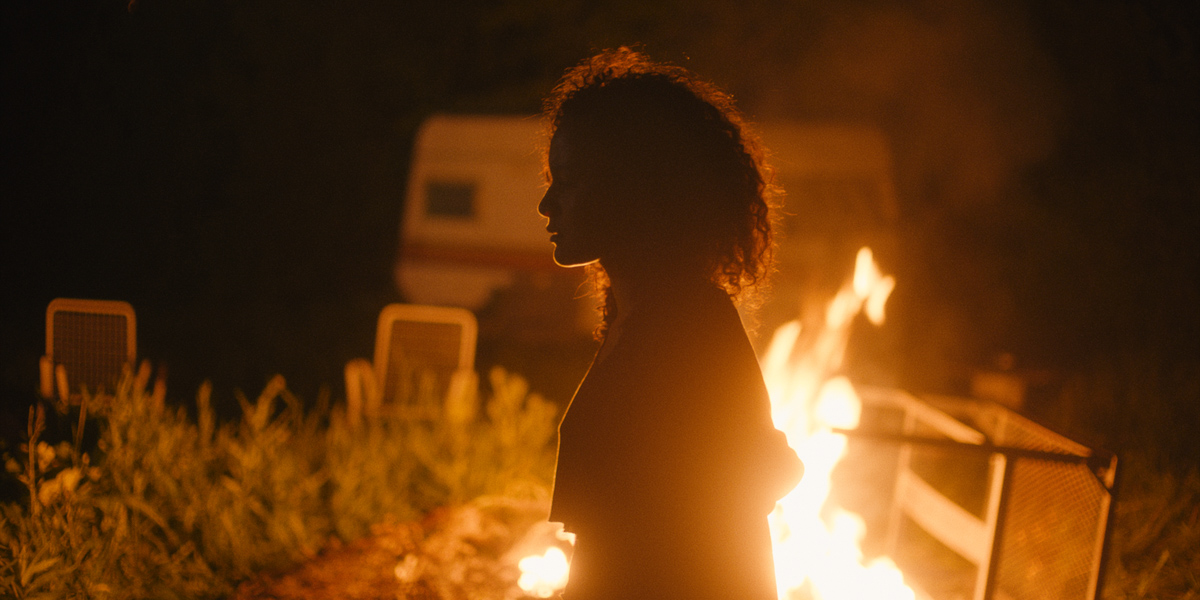 Firecrackers[/caption]
The Toronto International Film Festival added another 19 Canadian titles to the Festival’s 2018 lineup. The selection includes nine films directed by women and six exciting debut features. From personal dramas exploring identity to documentaries that spotlight a world at risk and democracy in jeopardy, this year’s lineup is rich in stories that tap into contemporary Canadian and International anxieties.
“We’re especially proud to present such a diverse group of films,” said Steve Gravestock, Senior Programmer, TIFF. “Ranging from science fiction to fantasy, myth to documentary, and romance to a dystopic vision of our neighbours to the south, this year’s Canadian films come from every region in the country, stretching from east to west and north to south.”
TIFF presents the World Premieres of three films that showcase Indigenous talent: Gwaai Edenshaw and Helen Haig-Brown’s Edge of the Knife, the first feature-length film made in Haida, which is classified by UNESCO as an endangered language; Darlene Naponse’s Falls Around Her, a moving portrait of healing and resilience, starring renowned Métis actor Tantoo Cardinal; and Miranda de Pencier’s feature directorial debut The Grizzlies, a creative collaboration between De Pencier and Inuit producers Alethea Arnaquq-Baril and Stacey Aglok MacDonald that tells an inspiring, true story and that was shot on location in MacDonald’s home community in Nunavut.
“We’re thrilled with this year’s lineup of compelling and distinctive films,” said Danis Goulet, TIFF Canadian Features Programmer. “The films feature characters who push hard against prescribed boundaries, asking vital questions about the state of the world and the status quo. We are especially excited to have a strong slate of bold and dynamic women-centric stories. Forty percent of the Canadian film slate this year is directed by women.”
This year’s lineup also includes works by legendary Canadian documentary filmmakers that look at contemporary culture through a critical lens, such as Jennifer Baichwal, Nicholas de Pencier, and Edward Burtynsky’s highly anticipated documentary Anthropocene, Ron Mann’s Carmine Street Guitars and Thom Fitzgerald’s Splinters; Festival alumnus Igor Drljača is making his feature-documentary debut at the Festival with The Stone Speakers, and veteran Barry Avrich returns with Prosecuting Evil: The Extraordinary World of Ben Ferencz, a portrait of the United States’ chief prosecutor during the Nuremberg trials.
A highlight of the festival will be a Special Event World Premiere and tribute showcasing the illuminating documentary Sharkwater Extinction, the final work by the late filmmaker and conservationist Rob Stewart. Other works by TIFF alumni premiering at the Festival include Canadian master Denys Arcand’s The Fall of the American Empire; Bruce Sweeney’s Kingsway; Sébastien Pilote’s The Fireflies Are Gone; Maxime Giroux’s The Great Darkened Days; and Astra Taylor’s What is Democracy? Renée Beaulieu is at TIFF for the first time with Les Salopes or the Naturally Wanton Pleasure of Skin, a study of a professor’s hidden desires.
The Canadian feature debuts at this year’s Festival are: Gwaai Edenshaw and Helen Haig-Brown’s Haida epic Edge of the Knife; Akash Sherman’s sci-fi fantasy drama Clara ; Jasmin Mozaffari’s Firecrackers; Andrea Bussmann’s first solo project, Fausto; Zach Lipovsky and Adam Stein’s Freaks and Miranda De Pencier’s Grizzlies.
This year’s slate also features performances by multiple Canadian and international stars, such as Amanda Crew, Graham Greene, Brigitte Poupart, Salma Hayek, Maria Bello, and Kyle MacLachlan. Other talent includes TIFF 2018 Rising Star Michaela Kurimsky ( Firecrackers) and former TIFF Rising Stars Sarah Gadon ( The Great Darkened Days) and Karelle Tremblay ( The Fireflies Are Gone).
All 23 Canadian feature films at the Festival are eligible for the Canada Goose ® Award for Best Canadian Feature Film. All five Canadian feature directorial debuts are eligible for the City of Toronto Award for Best Canadian First Feature Film. This year’s Canadian feature-film jury is composed of award-winning Montreal filmmaker Mathieu Denis ( Those Who Make Revolution Halfway Only Dig Their Own Graves), renowned Toronto journalist and documentarian Michelle Shephard ( Guantanamo’s Child: Omar Khadr), and legendary Turkish director Ali Özgentürk, who wrote the screenplay for The Girl with the Red Scarf .
The 43rd Toronto International Film Festival runs from September 6 to 16, 2018.
Firecrackers[/caption]
The Toronto International Film Festival added another 19 Canadian titles to the Festival’s 2018 lineup. The selection includes nine films directed by women and six exciting debut features. From personal dramas exploring identity to documentaries that spotlight a world at risk and democracy in jeopardy, this year’s lineup is rich in stories that tap into contemporary Canadian and International anxieties.
“We’re especially proud to present such a diverse group of films,” said Steve Gravestock, Senior Programmer, TIFF. “Ranging from science fiction to fantasy, myth to documentary, and romance to a dystopic vision of our neighbours to the south, this year’s Canadian films come from every region in the country, stretching from east to west and north to south.”
TIFF presents the World Premieres of three films that showcase Indigenous talent: Gwaai Edenshaw and Helen Haig-Brown’s Edge of the Knife, the first feature-length film made in Haida, which is classified by UNESCO as an endangered language; Darlene Naponse’s Falls Around Her, a moving portrait of healing and resilience, starring renowned Métis actor Tantoo Cardinal; and Miranda de Pencier’s feature directorial debut The Grizzlies, a creative collaboration between De Pencier and Inuit producers Alethea Arnaquq-Baril and Stacey Aglok MacDonald that tells an inspiring, true story and that was shot on location in MacDonald’s home community in Nunavut.
“We’re thrilled with this year’s lineup of compelling and distinctive films,” said Danis Goulet, TIFF Canadian Features Programmer. “The films feature characters who push hard against prescribed boundaries, asking vital questions about the state of the world and the status quo. We are especially excited to have a strong slate of bold and dynamic women-centric stories. Forty percent of the Canadian film slate this year is directed by women.”
This year’s lineup also includes works by legendary Canadian documentary filmmakers that look at contemporary culture through a critical lens, such as Jennifer Baichwal, Nicholas de Pencier, and Edward Burtynsky’s highly anticipated documentary Anthropocene, Ron Mann’s Carmine Street Guitars and Thom Fitzgerald’s Splinters; Festival alumnus Igor Drljača is making his feature-documentary debut at the Festival with The Stone Speakers, and veteran Barry Avrich returns with Prosecuting Evil: The Extraordinary World of Ben Ferencz, a portrait of the United States’ chief prosecutor during the Nuremberg trials.
A highlight of the festival will be a Special Event World Premiere and tribute showcasing the illuminating documentary Sharkwater Extinction, the final work by the late filmmaker and conservationist Rob Stewart. Other works by TIFF alumni premiering at the Festival include Canadian master Denys Arcand’s The Fall of the American Empire; Bruce Sweeney’s Kingsway; Sébastien Pilote’s The Fireflies Are Gone; Maxime Giroux’s The Great Darkened Days; and Astra Taylor’s What is Democracy? Renée Beaulieu is at TIFF for the first time with Les Salopes or the Naturally Wanton Pleasure of Skin, a study of a professor’s hidden desires.
The Canadian feature debuts at this year’s Festival are: Gwaai Edenshaw and Helen Haig-Brown’s Haida epic Edge of the Knife; Akash Sherman’s sci-fi fantasy drama Clara ; Jasmin Mozaffari’s Firecrackers; Andrea Bussmann’s first solo project, Fausto; Zach Lipovsky and Adam Stein’s Freaks and Miranda De Pencier’s Grizzlies.
This year’s slate also features performances by multiple Canadian and international stars, such as Amanda Crew, Graham Greene, Brigitte Poupart, Salma Hayek, Maria Bello, and Kyle MacLachlan. Other talent includes TIFF 2018 Rising Star Michaela Kurimsky ( Firecrackers) and former TIFF Rising Stars Sarah Gadon ( The Great Darkened Days) and Karelle Tremblay ( The Fireflies Are Gone).
All 23 Canadian feature films at the Festival are eligible for the Canada Goose ® Award for Best Canadian Feature Film. All five Canadian feature directorial debuts are eligible for the City of Toronto Award for Best Canadian First Feature Film. This year’s Canadian feature-film jury is composed of award-winning Montreal filmmaker Mathieu Denis ( Those Who Make Revolution Halfway Only Dig Their Own Graves), renowned Toronto journalist and documentarian Michelle Shephard ( Guantanamo’s Child: Omar Khadr), and legendary Turkish director Ali Özgentürk, who wrote the screenplay for The Girl with the Red Scarf .
The 43rd Toronto International Film Festival runs from September 6 to 16, 2018.
 Before Father Gets Back[/caption]
The 2018 Sheffield Doc/Fest film program lineup presents bold and innovative non-fiction films made by some of the most authentic international filmmakers working today. 2018 audiences will be treated to 37 World, 18 International, 24 European and 70 UK film premieres.
The works are selected across the main program Doc/Adventure, Doc/Expose, Doc/Think, Doc/Love, Doc/Rhythm, Doc/Visions, and focus Retro/Electric Avenues, New/UK, New/Lebanon program strands and accompanying Special Live events. Doc/Fest 2018 film program includes one special Preview screening, a late-night offering as Docs ‘Til Dawn and a selection of outdoor screenings Free Screen.
The festival opens on Thursday 7 June with the world premiere of Sean McAllister’s A Northern Soul.
Before Father Gets Back[/caption]
The 2018 Sheffield Doc/Fest film program lineup presents bold and innovative non-fiction films made by some of the most authentic international filmmakers working today. 2018 audiences will be treated to 37 World, 18 International, 24 European and 70 UK film premieres.
The works are selected across the main program Doc/Adventure, Doc/Expose, Doc/Think, Doc/Love, Doc/Rhythm, Doc/Visions, and focus Retro/Electric Avenues, New/UK, New/Lebanon program strands and accompanying Special Live events. Doc/Fest 2018 film program includes one special Preview screening, a late-night offering as Docs ‘Til Dawn and a selection of outdoor screenings Free Screen.
The festival opens on Thursday 7 June with the world premiere of Sean McAllister’s A Northern Soul.