
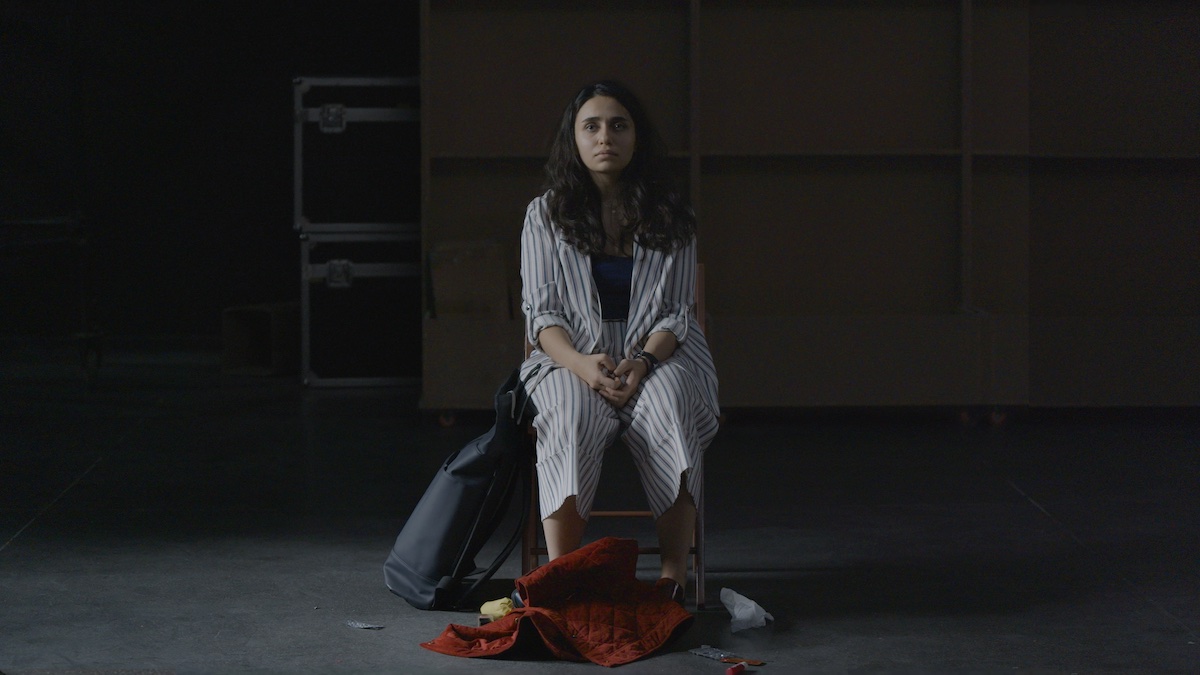
Using the audition room as a metaphor for control, abuse, and exploitation, director Mehrnoush Alia makes a powerful statement about women’s rights and autonomy through her film, 1001 Frames.
Inspired by real testimonies that Alia has collected from her inner circle, as well as her experience growing up in Iran during the #MeToo movement, 1001 Frames follows a well-known director with sinister intentions regarding the women he casts for his own film, “A Thousand and One Nights.”
In 1001 Frames, the line between documentary and fiction blurs. The core of this story, the way women are treated in the film industry, is a heavy reflection of the same industry today. Alia creates shots filled with uncomfortable intimacy and avoids sugar coating the real stories that lie within this film, and all over the world.
VIMooZ interviewed director Mehrnoush Alia to discuss the film’s commentary on the exploitation of women in the film industry.
BENI CWIAKALA: To start, I want to say congrats on your film being selected for the Brooklyn Film Festival! How long have you wanted to make this film, and was there a defining moment when you knew you wanted to make it?
MEHRNOUSH ALIA: I made a short version of it while I was a graduate student. The story has been with me all these years, and I always knew I wanted to make it into a feature. The MeToo movement and the “Woman, Life, Freedom” that happened in Iran were the reasons I finally made it into a feature.
BC: What’s your favorite part about being a filmmaker?
MA: I love writing and the research process the most. I take a lot of time during that time, talk to a lot of people, and make sure the stories are grounded in reality. I love to have people, and their stories inspire the work.
BC: What does it mean to you to premiere this film at the Brooklyn Film Festival?
MA: It has been the best experience. The film has been screening at festivals in many countries, but Brooklyn has been home to me, and a lot of my friends and artists I respect live here. It is a different experience to share the film with those you know well.
BC: Who inspires you in your field, and who’s your favorite director?
MA: A lot of artists inspire me, and the most influential on my work is from the Iranian cinema. Kiarostami and Farhadi are both big inspirations, and outside of the Iranian cinema, Kieslowski, amongst many others.
BC: What do you hope people, especially the non-female audience, take away from the film?
MA: For me, the film is really for the male audience, who are the ones who can really bring about change in the system. Many of the past male audiences have told me it has made them question their past actions, the moments that might not have been harassment, but for sure can be considered crossing lines and making someone uncomfortable.
BC: What visual style or tone did you want to achieve in this film?
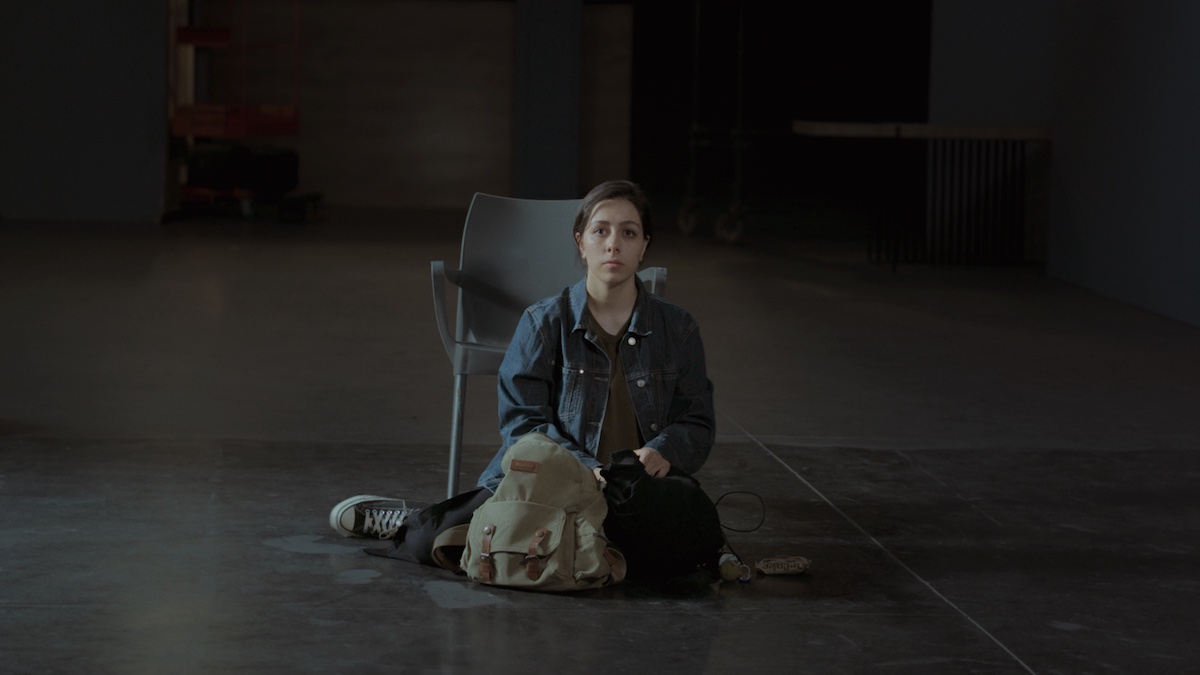
MA: The film is placed in an audition room, a black box that feels like a big prison. The women are boxed in by not only the location but also by the frame. It meant to capture how people in such situations feel suffocation and a sense of entrapment.
BC: Were there any difficult moments when filming this movie?
MA: It was all difficult. It is a terrible situation to put the cast and crew through, but everyone also told me it felt like therapy; it was hard, but there was a sense of release at the end.
BC: Is there a scene in 1001 Frames that means the most to you personally?
MA: The ending is the most important to me. It is when there is finally a release from all the tension that was created. When we feel how even reenacting those moments was emotionally unbearable for everyone, including those behind the camera. That’s why we have this ending.
BC: What goal do you have for the film after the festival?
MA: We hope we can get some sort of distribution. I believe it is a film that can travel long. Sadly, this is not an issue that will be resolved anytime soon. So I hope that we can continue sharing it with the audiences, especially in Iran, where we cannot share it yet, as women’s issues are very sensitive, and the fact that we chose to do it without the mandatory hijab prevents us from distribution in Iran. But hopefully, soon there will be a change.
This interview has been edited for length, clarity, and formatting. Some responses may have been condensed or lightly modified to improve readability while maintaining the original intent.
Leave a Reply
You must be logged in to post a comment.