[caption id="attachment_32910" align="aligncenter" width="1200"]

Troupe Zero[/caption]
112 feature-length new independent feature films have been selected for the 2019 Sundance Film Festival. The Festival will take place in Park City, Salt Lake City and at Sundance Mountain Resort, from January 24 to February 3, 2019.
Robert Redford, President and Founder of Sundance Institute, said, “Society relies on storytellers. The choices they make, and the risks they take, define our collective experience. This year’s Festival is full of storytellers who offer challenges, questions and entertainment. In telling their stories, they make difficult decisions in the pursuit of truth and art; culture reaps the reward.”
These films were selected from a record high of 14,259 submissions including 4,018 feature-length films. Of the feature film submissions, 1,767 were from the U.S. and 2,251 were international; 31% were directed by one or more women; 38% were directed by one or more filmmaker of color; 11% by one or more people who identify as LGBTQIA.
The official selections represent 33 countries and 45 first-time filmmakers. 53% of the directors in this year’s U.S. Dramatic Competition are women; 41% are people of color; 18% identify as LGBTQIA+. 44% of the directors in this year’s U.S. Documentary Competition are women; 22% are people of color; 5% identify as LGBTQIA+. Of the 61 directors in all four competition categories, comprising 56 films, 42% are women, 39% are people of color, and 23% identify as LGBTQIA. 24 films announced today were supported by Sundance Institute in development, whether through direct granting or residency Labs. 102 of the Festival’s feature films, or 91% of the lineup announced today, will be world premieres.
40%, or 45, of all films announced today were directed by one or more women; 36%, or 40, were directed by one or more filmmaker of color; 13% or 15 by one or more people who identify as LGBTQIA.
The 2020 Sundance Film Festival will take place January 23 – February 2, 2020.
2019 Sundance Film Festival Feature Films Lineup
U.S. DRAMATIC COMPETITION
Before You Know It / U.S.A. (Director: Hannah Pearl Utt, Screenwriters: Hannah Pearl Utt, Jen Tullock, Producers: Mallory Schwartz, Josh Hetzler, James Brown) — A long-kept family secret thrusts codependent, thirty-something sisters Rachel and Jackie Gurner into a literal soap opera. A journey that proves that you really can come of age, at any age. Cast: Hannah Pearl Utt, Jen Tullock, Judith Light, Mandy Patinkin, Mike Colter, Alec Baldwin. World Premiere
Big Time Adolescence / U.S.A. (Director and screenwriter: Jason Orley, Producers: Jeremy Garelick, Mickey Liddell, Pete Shiliamon, Mason Novick, Will Phelps) — A suburban teenager comes of age under the destructive guidance of his best friend, a charismatic college dropout. Cast: Pete Davidson, Griffin Gluck, Jon Cryer, Sydney Sweeney, Emily Arlook, Colson Baker. World Premiere
Brittany Runs A Marathon / U.S.A. (Director and screenwriter: Paul Downs Colaizzo, Producers: Matthew Plouffe, Tobey Maguire, Margot Hand) — A woman living in New York takes control of her life – one city block at a time. Cast: Jillian Bell, Michaela Watkins, Utkarsh Ambudkar, Lil Rel Howery, Micah Stock, Alice Lee. World Premiere
Clemency / U.S.A. (Director and screenwriter: Chinonye Chukwu, Producers: Bronwyn Cornelius, Julian Cautherley, Peter Wong, Timur Bekbosunov) — Years of carrying out death row executions have taken a toll on prison warden Bernadine Williams. As she prepares to execute another inmate, Bernadine must confront the psychological and emotional demons her job creates, ultimately connecting her to the man she is sanctioned to kill. Cast: Alfre Woodard, Aldis Hodge, Richard Schiff, Wendell Pierce, Richard Gunn, Danielle Brooks. World Premiere
The Farewell / U.S.A.,China (Director and screenwriter: Lulu Wang, Producers: Daniele Melia, Peter Saraf, Marc Turtletaub, Chris Weitz, Andrew Miano, Anita Gou) — A headstrong Chinese-American woman returns to China when her beloved grandmother is given a terminal diagnosis. Billi struggles with her family’s decision to keep grandma in the dark about her own illness as they all stage an impromptu wedding to see grandma one last time. Cast: Awkwafina, Tzi Ma, Diana Lin, Zhao Shuzhen, Lu Hong, Jiang Yongbo. World Premiere
Hala / U.S.A. (Director and screenwriter: Minhal Baig, Producers: Clarence Hammond, Jamal Watson, Minhal Baig) — Muslim teenager Hala copes with the unraveling of her family as she comes into her own. Cast: Geraldine Viswanathan, Jack Kilmer, Gabriel Luna, Purbi Joshi, Azad Khan, Anna Chlumsky. World Premiere
Honey Boy / U.S.A. (Director: Alma Har’el, Screenwriter: Shia LaBeouf, Producers: Brian Kavanaugh-Jones, Daniela Taplin Lundberg, Anita Gou, Christopher Leggett, Alma Har’el) — A child TV star and his ex-rodeo clown father face their stormy past through time and cinema. Cast: Shia LaBeouf, Lucas Hedges, Noah Jupe. World Premiere
Imaginary Order / U.S.A. (Director and screenwriter: Debra Eisenstadt, Producers: Debra Eisenstadt, Cosmos Kiindarius) — The sexual, psychological and moral unraveling of an obsessive-compulsive suburban mom. Cast: Wendi McLendon-Covey, Christine Woods, Max Burkholder, Steve Little, Catherine Curtin, Kate Alberts. World Premiere
The Last Black Man in San Francisco / U.S.A. (Director: Joe Talbot, Screenwriters: Joe Talbot, Rob Richert, Producers: Dede Gardner, Jeremy Kleiner, Christina Oh, Khaliah Neal, Joe Talbot) — Jimmie Fails dreams of reclaiming the Victorian home his grandfather built in the heart of San Francisco. Joined on his quest by his best friend Mont, Jimmie searches for belonging in a rapidly changing city that seems to have left them behind. Cast: Jimmie Fails, Jonathan Majors, Rob Morgan, Tichina Arnold, Danny Glover. World Premiere
Luce / U.S.A. (Director: Julius Onah, Screenwriters: JC Lee, Julius Onah, Producers: John Baker, Julius Onah, Andrew Yang) — A married couple is forced to reckon with their idealized image of their son, adopted from war-torn Eritrea, after an alarming discovery by a devoted high school teacher threatens his status as an all-star student. Cast: Naomi Watts, Octavia Spencer, Kelvin Harrison Jr., Tim Roth, Norbert Leo Butz. World Premiere
Ms. Purple / U.S.A. (Director: Justin Chon, Screenwriters: Justin Chon, Chris Dinh, Producer: Alex Chi, Justin Chon) — Kasie, stuck in LA’s Koreatown, works as a karaoke hostess getting paid for her companionship by drunken men. When her dad’s hospice nurse quits she reconnects with her estranged brother, Carey, forcing them to enter a period of intense self-reflection as their single father who raised them nears death. Cast: Tiffany Chu, Teddy Lee, Octavio Pizano, James Kang. World Premiere
Native Son / U.S.A. (Director: Rashid Johnson, Screenwriter: Suzan-Lori Parks, Producers: Matthew Perniciaro, Michael Sherman) — In this modern reimagining of Richard Wright’s seminal novel, a young African-American man named Bigger Thomas takes a job working for a highly influential Chicago family, a decision that will change the course of his life forever. Cast: Ashton Sanders, Margaret Qualley, Nick Robinson, KiKi Layne, Bill Camp, Sanaa Lathan. World Premiere.
DAY ONE
Share / U.S.A. (Director and screenwriter: Pippa Bianco, Producers: Carly Hugo, Tyler Byrne, Matt Parker) — After discovering a disturbing video from a night she doesn’t remember, sixteen-year-old Mandy must try to figure out what happened and how to navigate the escalating fallout. Cast: Rhianne Barreto, Charlie Plummer, Poorna Jagannathan, J.C. MacKenzie, Nick Galitzine, Lovie Simone. World Premiere
The Sound of Silence / U.S.A. (Director: Michael Tyburski, Screenwriters: Ben Nabors, Michael Tyburski, Producers: Ben Nabors, Michael Prall, Tariq Merhab, Charlie Scully, Mandy Tagger Brockey, Adi Ezroni) — A successful “house tuner” in New York City, who calibrates the sound in people’s homes in order to adjust their moods, meets a client with a problem he can’t solve. Cast: Peter Sarsgaard, Rashida Jones, Tony Revolori, Austin Pendleton. World Premiere
Them That Follow / U.S.A. (Directors and screenwriters: Britt Poulton, Dan Madison Savage, Producers: Bradley Gallo, Michael Helfant, Gerard Butler, Alan Siegel, Danielle Robinson) — Inside a snake-handling church deep in Appalachia, a forbidden relationship forces a pastor’s daughter to confront her community’s deadly tradition. Cast: Olivia Colman, Kaitlyn Dever, Alice Englert, Jim Gaffigan, Walton Goggins, Thomas Mann. World Premiere
To The Stars / U.S.A. (Director: Martha Stephens, Screenwriter: Shannon Bradley-Colleary, Producers: Kristin Mann, Laura D. Smith, Erik Rommesmo) — Under small town scrutiny, a withdrawn farmer’s daughter forges an intimate friendship with a worldly but reckless new girl in 1960s Oklahoma. Cast: Kara Hayward, Liana Liberato, Jordana Spiro, Shea Whigham, Malin Akerman, Tony Hale. World Premiere
U.S. DOCUMENTARY COMPETITION
Always in Season / U.S.A. (Director: Jacqueline Olive) — When 17-year-old Lennon Lacy is found hanging from a swing set in rural North Carolina in 2014, his mother’s search for justice and reconciliation begins as the trauma of more than a century of lynching African Americans bleeds into the present. World Premiere
American Factory / U.S.A. (Directors: Steven Bognar, Julia Reichert, Producers: Steven Bognar, Julia Reichert, Jeff Reichert, Julie Parker Benello) — In post-industrial Ohio, a Chinese billionaire opens a new factory in the husk of an abandoned General Motors plant, hiring two thousand blue-collar Americans. Early days of hope and optimism give way to setbacks as high-tech China clashes with working-class America. World Premiere
APOLLO 11 / U.S.A. (Director: Todd Douglas Miller, Producers: Todd Douglas Miller, Thomas Petersen, Evan Krauss) — A purely archival reconstruction of humanity’s first trip to another world, featuring never-before-seen 70mm footage and never-before-heard audio from the mission. World Premiere
Bedlam / U.S.A. (Director: Kenneth Paul Rosenberg, Producers: Kenneth Paul Rosenberg, Peter Miller) — A psychiatrist makes rounds in ERs, jails, and homeless camps to tell the intimate stories behind one of the greatest social crises of our time. A personal and intense journey into the world of the seriously mentally ill. World Premiere
David Crosby: Remember My Name / U.S.A. (Director: A.J. Eaton, Producers: Cameron Crowe, Michele Farinola, Greg Mariotti) — You thought you knew him. Meet David Crosby now in this portrait of a man with everything but an easy retirement on his mind. With unflinching honesty, self-examination, regret, fear, exuberance and an unshakable belief in family and the transformative nature of music, Crosby shares his often challenging journey. World Premiere
Hail Satan / U.S.A. (Director: Penny Lane, Producer: Gabriel Sedgwick) — A look at the intersection of religion and activism, tracing the rise of The Satanic Temple: only six years old and already one of the most controversial religious movements in American history. The Temple is calling for a Satanic revolution to save the nation’s soul. But are they for real? World Premiere
Jawline / U.S.A. (Director: Liza Mandelup, Producers: Bert Hamelinck, Sacha Ben Harroche, Hannah Reyer) — The film follows 16-year-old Austyn Tester, a rising star in the live-broadcast ecosystem who built his following on wide-eyed optimism and teen girl lust, as he tries to escape a dead-end life in rural Tennessee. World Premiere
Knock Down the House / U.S.A. (Director: Rachel Lears, Producers: Sarah Olson, Robin Blotnick, Rachel Lears) — A young bartender in the Bronx, a coal miner’s daughter in West Virginia, a grieving mother in Nevada and a registered nurse in Missouri build a movement of insurgent candidates challenging powerful incumbents in Congress. One of their races will become the most shocking political upset in recent American history. Cast: Alexandria Ocasio-Cortez. World Premiere
Midnight Family / Mexico, U.S.A. (Director: Luke Lorentzen, Producers: Kellen Quinn, Daniela Alatorre, Elena Fortes) — In Mexico City’s wealthiest neighborhoods, the Ochoa family runs a private ambulance, competing with other for-profit EMTs for patients in need of urgent help. As they try to make a living in this cutthroat industry, they struggle to keep their financial needs from compromising the people in their care. World Premiere
Mike Wallace Is Here / U.S.A. (Director: Avi Belkin, Producers: Rafael Marmor, John Battsek, Peggy Drexler, Avi Belkin, Christopher Leggett) — For over half a century, 60 Minutes’ fearsome newsman Mike Wallace went head-to-head with the world’s most influential figures. Relying exclusively on archival footage, the film interrogates the interrogator, tracking Mike’s storied career and troubled personal life while unpacking how broadcast journalism evolved to today’s precarious tipping point. World Premiere
Moonlight Sonata: Deafness in Three Movements / U.S.A. (Director: Irene Taylor Brodsky, Producers: Irene Taylor Brodsky, Tahria Sheather) — A deeply personal portrait of three lives, and the discoveries that lie beyond loss: a deaf boy growing up, his deaf grandfather growing old, and Beethoven the year he was blindsided by deafness and wrote his iconic sonata. World Premiere
One Child Nation / China, U.S.A. (Directors: Nanfu Wang, Jialing Zhang, Producers: Nanfu Wang, Jialing Zhang, Julie Goldman, Christoph Jörg, Christopher Clements, Carolyn Hepburn) — After becoming a mother, a filmmaker uncovers the untold history of China’s one-child policy and the generations of parents and children forever shaped by this social experiment. World Premiere
Pahokee / U.S.A. (Directors: Ivete Lucas, Patrick Bresnan, Producers: Ivete Lucas, Patrick Bresnan, Maida Lynn) — In a small agricultural town in the Florida Everglades, hopes for the future are concentrated on the youth. Four teens face heartbreak and celebrate in the rituals of an extraordinary senior year. World Premiere
TIGERLAND / U.S.A. (Director: Ross Kauffman, Producers: Fisher Stevens, Xan Parker, Zara Duffy) — 50 years ago, a young forest officer in India rallied the world to save tigers from extinction. Today, the creed is carried on in Far East Russia by the guardians of the last Siberian tigers, who risk everything to save the species. World Premiere
Untitled Amazing Johnathan Documentary / U.S.A. (Director and screenwriter: Ben Berman, Producers: Miranda Bailey, Ben Berman, Russell Groves, Amanda Marshall, Jacob Perlin) — What begins as a documentary following the final tour of a dying magician — “The Amazing Johnathan” — becomes an unexpected and increasingly bizarre journey as the filmmaker struggles to separate truth from illusion. Cast: Johnathan Szeles. World Premiere
Where’s My Roy Cohn? / U.S.A. (Director: Matt Tyrnauer, Producers: Matt Tyrnauer , Corey Reeser, Marie Brenner, Andrea Lewis) — Roy Cohn personified the dark arts of American politics, turning empty vessels into dangerous demagogues – from Joseph McCarthy to his final project, Donald J. Trump. This thriller-like exposé connects the dots, revealing how a deeply troubled master manipulator shaped our current American nightmare. World Premiere
WORLD CINEMA DRAMATIC COMPETITION
Dirty God / Netherlands, United Kingdom, Belgium, Ireland (Director: Sacha Polak, Screenwriters: Sacha Polak, Susanne Farrell, Producers: Marleen Slot, Michael Elliott) — Jade is a young mother in the prime of her life when an acid attack leaves her severely burned. While her face has been reconstructed, her beauty is lost beneath the scars. Descending a self-destructive path with relationships crumbling, Jade must take drastic action to reclaim her life. Cast: Vicky Knight, Katherine Kelly, Eliza Brady-Girard, Rebecca Stone, Bluey Robinson, Dana Marienci. International Premiere
Divine Love / Brazil, Uruguay, Denmark, Norway (Director: Gabriel Mascaro, Screenwriters: Gabriel Mascaro, Rachel Daisy Ellis, Esdras Bezerra, Producer: Rachel Daisy Ellis) — Brazil, 2027. A deeply religious woman uses her position in a notary’s office to advance her mission to save struggling couples from divorce. Whilst waiting for a sign in recognition of her efforts, she’s confronted with a crisis in her own marriage that ultimately brings her closer to God. Cast: Dira Praes, Julio Machado, Emilio de Melo, Teca Pereira, Mariana Nunes, Thalita Carauta. World Premiere
Dolce Fine Giornata / Poland (Director: Jacek Borcuch, Screenwriters: Jacek Borcuch, Szczepan Twardoch, Producer: Marta Habior) — In Tuscany, Maria’s stable family life begins to erode as her relationship with a young immigrant develops against a backdrop of terrorism and eroding democracy. Cast: Krystyna Janda, Katarzyna Smutniak, Vincent Riotta, Antonio Catania, Lorenzo de Moor, Robin Renucci. World Premiere
Judy & Punch / Australia (Director and screenwriter: Mirrah Foulkes, Producers: Michele Bennett, Nash Edgerton, Danny Gabai) — In the anarchic town of Seaside, nowhere near the sea, puppeteers Judy and Punch are trying to resurrect their marionette show. The show is a hit due to Judy’s superior puppeteering but Punch’s driving ambition and penchant for whisky lead to a inevitable tragedy that Judy must avenge. Cast: Mia Wasikowska, Damon Herriman, Tom Budge, Benedict Hardie, Lucy Velik, Terry Norris. World Premiere
Koko-di Koko-da / Sweden, Denmark (Director and screenwriter: Johannes Nyholm, Producer: Johannes Nyholm) — As a couple goes on a trip to find their way back to each other, a sideshow artist and his shady entourage emerge from the woods, terrorizing them, luring them deeper and deeper into a maelstrom of psychological terror and humiliating slapstick. Cast: Leif Edlund, Ylva Gallon, Peter Belli, Katarina Jacobson. World Premiere
The Last Tree / United Kingdom (Director and screenwriter: Shola Amoo, Producers: Lee Thomas, Myf Hopkins) — Femi is a British boy of Nigerian heritage who, after a happy childhood in rural Lincolnshire, moves to inner London to live with his mum. Struggling with the unfamiliar culture and values of his new environment, teenage Femi has to figure out which path to adulthood he wants to take. Cast: Sam Adewunmi, Gbemisola Ikumelo, Tai Golding. World Premiere
Monos / Colombia, Argentina, Netherlands, Germany, Sweden, Uruguay (Director: Alejandro Landes, Screenwriters: Alejandro Landes, Alexis Dos Santos, Producers: Alejandro Landes, Fernando Epstein, Santiago Zapata, Cristina Landes) — On a faraway mountaintop, eight kids with guns watch over a hostage and a conscripted milk cow. Cast: Julianne Nicholson, Moisés Arias, Sofia Buenaventura, Deibi Rueda, Karen Quintero, Laura Castrillón. World Premiere
Queen of Hearts / Denmark (Director: May el-Toukhy, Screenwriters: Maren Louise Käehne, May el-Toukhy, Producers: Caroline Blanco, René Ezra) — A woman jeopardizes both her career and her family when she seduces her teenage stepson and is forced to make an irreversible decision with fatal consequences. Cast: Trine Dyrholm, Gustav Lindh, Magnus Krepper. World Premiere
The Sharks / Uruguay, Argentina, Spain (Director and screenwriter: Lucía Garibaldi, Producers: Pancho Magnou Arnábal, Isabel García) — While a rumor about the presence of sharks in a small beach town distracts residents, 14-year-old Rosina begins to feel an instinct to shorten the distance between her body and Joselo’s. Cast: Romina Bentancur, Federico Morosini, Fabián Arenillas, Valeria Lois, Antonella Aquistapache. World Premiere
The Souvenir / United Kingdom (Director and screenwriter: Joanna Hogg, Producers: Luke Schiller, Joanna Hogg) — A quiet film student begins finding her voice as an artist while navigating a turbulent courtship with a charismatic but untrustworthy man. She defies her protective mother and concerned friends as she slips deeper and deeper into an intense, emotionally fraught relationship which comes dangerously close to destroying her dreams. Cast: Honor Swinton Byrne, Tom Burke, Tilda Swinton. World Premiere
This is not Berlin / Mexico (Director: Hari Sama, Screenwriters: Rodrigo Ordóñez, Hari Sama, Max Zunino, Producers: Ale García, Antonio Urdapilleta, Hari Sama, Verónica Valadez P.) — 1986, Mexico City. Seventeen-year-old Carlos doesn’t fit in anywhere, not in his family nor with the friends he has chosen in school. But everything changes when he is invited to a mythical nightclub where he discovers the underground nightlife scene: punk, sexual liberty and drugs. Cast: Xabiani Ponce de León, José Antonio Toledano, Ximena Romo, Mauro Sánchez Navarro, Klaudia García, Marina de Tavira. World Premiere
WE ARE LITTLE ZOMBIES / Japan (Director and screenwriter: Makoto Nagahisa, Producers: Shinichi Takahashi, Tahei Tamanishi, Haruki Yokoyama, Haruhiko Hasegawa) — Their parents are dead. They should be sad, but they can’t cry. So they form a kick-ass band. This is the story of four 13-year-olds in search of their emotions. Cast: Keita Ninomiya, Satoshi Mizuno, Mondo Okumura, Sena Nakajima. World Premiere
WORLD CINEMA DOCUMENTARY COMPETITION
Advocate / Israel, Canada, Switzerland (Directors: Rachel Leah Jones, Philippe Bellaïche, Producers: Philippe Bellaïche, Rachel Leah Jones, Paul Cadieux, Joelle Bertossa) Lea Tsemel defends Palestinians: from feminists to fundamentalists, from non-violent demonstrators to armed militants. As a Jewish-Israeli lawyer who has represented political prisoners for nearly 50 years, Tsemel, in her tireless quest for justice, pushes the praxis of a human rights defender to its limits. World Premiere
Cold Case Hammarskjold / Denmark (Director: Mads Brügger, Producers: Peter Engel, Andreas Rocksén, Bjarte M. Tveit) — Danish director Mads Brügger and Swedish private investigator Göran Bjorkdahl are trying to solve the mysterious death of Dag Hammarskjold. As their investigation closes in, they discover a crime far worse than killing the Secretary-General of the United Nations. World Premiere
Untitled Brazil Documentary / Brazil (Director and screenwriter: Petra Costa, Producers: Joanna Natasegara, Shane Boris, Tiago Pavan) — A cautionary tale for these times of democracy in crisis – the personal and political fuse to explore one of the most dramatic periods in Brazilian history. With unprecedented access to Presidents Dilma Rousseff and Lula da Silva, we witness their rise and fall and the tragically polarized nation that remains. World Premiere
The Disappearance of My Mother / Italy (Director and screenwriter: Beniamino Barrese, Producer: Filippo Macelloni) — An aging fashion model strives to escape the world of images and disappear for good, but her son’s determination to make a final film about her sparks an unexpected collaboration and confrontation with the camera’s gaze. World Premiere
Gaza / Ireland (Directors: Garry Keane, Andrew McConnell, Producers: Brendan J. Byrne, Garry Keane, Andrew McConnell, Paul Cadieux) — Gaza brings us into a unique place beyond the reach of television news reports to reveal a world rich with eloquent and resilient characters, offering us a cinematic and enriching portrait of a people attempting to lead meaningful lives against the rubble of perennial conflict. World Premiere
Honeyland / Macedonia (Directors: Ljubomir Stefanov, Tamara Kotevska, Producer: Atanas Georgiev) — When nomadic beekeepers break Honeyland’s basic rule (take half of the honey, but leave half to the bees), the last female beehunter in Europe must save the bees and restore natural balance. World Premiere
Lapü / Colombia (Directors: Juan Pablo Polanco, César Alejandro Jaimes, Screenwriters: Juan Pablo Polanco, César Alejandro Jaimes, María Canela Reyes, Producer: Julián David Quintero) — In the middle of the Guajira Desert, Doris, a young Wayuu woman, exhumes her cousin’s remains in order to meet her for the last time. Through a sensory journey this ritual leads her to confront death and blend the world of the dreams with the world of the living. Cast: Doris González Jusayú, Carmen González Jusayú. World Premiere
The Magic Life of V / Finland, Denmark, Bulgaria (Director: Tonislav Hristov, Screenwriters: Tonislav Hristov, Kaarle Aho, Producers: Kaarle Aho, Kai Nordberg) — Haunted by childhood traumas, Veera is trying to become more independent through live roleplaying. As she guides herself and her mentally-challenged brother through worlds of multiple roles and identities, witches and wizards, she finds the courage to face the demons of her own past and her abusive father’s legacy. World Premiere
Midnight Traveler / U.S.A., Qatar, United Kingdom, Canada (Director: Hassan Fazili, Screenwriter: Emelie Mahdavian, Producers: Emelie Mahdavian, Su Kim) — When the Taliban puts a bounty on Afghan director Hassan Fazili’s head, he is forced to flee with his wife and two young daughters. Capturing their uncertain journey, Fazili shows firsthand the dangers facing refugees seeking asylum and the love shared between a family on the run. World Premiere
Sea of Shadows / Austria (Director: Richard Ladkani, Producers: Walter Koehler, Wolfgang Knoepfler) —The vaquita, the world’s smallest whale, is near extinction as its habitat is destroyed by Mexican cartels and Chinese mafia, who harvest the swim bladder of the totoaba fish, the “cocaine of the sea.” Environmental activists, Mexican navy and undercover investigators are fighting back against this illegal multimillion-dollar business. World Premiere
Shooting the Mafia / Ireland (Director: Kim Longinotto, Producer: Niamh Fagan) — Sicilian Letizia Battaglia began a lifelong battle with the Mafia when she first pointed her camera at a brutally slain victim. Documenting the Cosa Nostra’s barbaric rule, she bore unflinching witness to their crimes. Her photographs, art, and bravery helped to bring an end to a shocking reign of slaughter. World Premiere
Stieg Larsson – The Man Who Played With Fire / Sweden (Director and screenwriter: Henrik Georgsson, Producers: Mattias Nohrborg, Fredrik Heinig) — A documentary about the Millennium-trilogy author Stieg Larsson and his pioneering work of fighting right wing extremists and neo-Nazis, an obsession with fatal consequences. International Premiere
NEXT
Adam / U.S.A. (Director: Rhys Ernst, Screenwriter: Ariel Schrag, Producers: Howard Gertler, James Schamus) — Awkward teenager Adam arrives to spend his final high school summer with his older sister, who has thrown herself into New York City’s lesbian and trans activist scene. Over the summer, Adam and those around him experience love, friendship, and attendant hard truths in this coming-of-age comedy. Cast: Nicholas Alexander, India Menuez, Leo Sheng, Chloe Levine, Margaret Qualley. World Premiere
Give Me Liberty / U.S.A. (Director: Kirill Mikhanovsky, Screenwriters: Alice Austen, Kirill Mikhanovsky, Producers: Alice Austen, George Rush, Walter S. Hall, Michael Manasseri, Sergey Shtern, Val Abel) — When a riot breaks out in Milwaukee, America’s most segregated city, medical transport driver Vic is torn between his promise to get a group of elderly Russians to a funeral and his desire to help Tracy, a young black woman with ALS. Cast: Lauren “Lolo” Spencer, Chris Galust, Maksim Stoyanov, Darya Ekamasova. World Premiere
Light From Light / U.S.A. (Director and screenwriter: Paul Harrill, Producers: James M. Johnston, Kelly Williams, Toby Halbrooks, Elisabeth Moss, Tim Headington, Theresa Page) — Shelia, a single mom and sometime paranormal investigator, is enlisted to investigate a possible “haunting” at a widower’s farmhouse in East Tennessee. Cast: Marin Ireland, Jim Gaffigan, Josh Wiggins, Atheena Frizzell, David Cale. World Premiere
Paradise Hills / Spain, U.S.A. (Director: Alice Waddington, Screenwriters: Nacho Vigalondo, Brian DeLeeuw, Producers: Adrian Guerra, Núria Valls) — A young woman is sent to Paradise Hills to be reformed, only to learn that the high-class facility’s beautiful facade hides a sinister secret. Cast: Emma Roberts, Danielle Macdonald, Awkwafina, Eiza González, Milla Jovovich, Jeremy Irvine. World Premiere
Premature / U.S.A. (Director: Rashaad Ernesto Green, Screenwriters: Rashaad Ernesto Green, Zora Howard, Producers: Joy Ganes, Rashaad Ernesto Green, Darren Dean) — The summer before she leaves for college, Ayanna meets handsome and mysterious outsider Isaiah; her entire world is turned upside down as she navigates the demanding terrain of young love against a changing Harlem landscape. Cast: Zora Howard, Joshua Boone, Michelle Wilson, Alexis Marie Wint, Imani Lewis, Tashiana Washington. World Premiere
Selah and the Spades / U.S.A. (Director and screenwriter: Tayarisha Poe, Producers: Lauren McBride, Lucas Joaquin, Drew Houpt, Tayarisha Poe, Jill Ahrens) — Five factions run the underground life of the prestigious Haldwell boarding school. At the head of the most powerful faction – The Spades – sits Selah Summers. By turns charming and callous, she chooses whom to keep close and whom to cut loose, walking the fine line between being feared and loved. Cast: Lovie Simone, Celeste O’Connor, Jharrel Jerome, Gina Torres, Jesse Williams. World Premiere
Sister Aimee / U.S.A. (Directors and screenwriters: Samantha Buck, Marie Schlingmann, Producers: Bettina Barrow, David Hartstein, Katherine Harper) — In 1926 America’s most famous evangelist is a woman. And she’s looking for a way out. Fed up with her own success, she gets swept up in her lover’s daydreams about Mexico and finds herself on a wild road trip towards the border. Based on true events. Mostly made up. Cast: Anna Margaret Hollyman, Michael Mosley, Andrea Suarez Paz, Julie White, Macon Blair, Amy Hargreaves. World Premiere
The Death of Dick Long / U.S.A. (Director: Daniel Scheinert, Screenwriter: Billy Chew, Producers: Jonathan Wang, Daniel Scheinert) — Dick died last night, and Zeke and Earl don’t want anybody finding out how. That’s too bad though, cause news travels fast in small-town Alabama. Cast: Michael Abbott Jr., Virginia Newcomb, Andre Hyland, Sarah Baker, Jess Weixler. World Premiere
The Infiltrators / U.S.A. (Directors: Alex Rivera, Cristina Ibarra, Screenwriters: Alex Rivera, Aldo Velasco, Producers: Cristina Ibarra, Alex Rivera, Darren Dean) — A rag-tag group of undocumented youth – Dreamers – deliberately get detained by Border Patrol in order to infiltrate a shadowy, for-profit detention center. Cast: Maynor Alvarado, Manuel Uriza, Chelsea Rendon, Juan Gabriel Pareja, Vik Sahay. World Premiere
The Wolf Hour / U.S.A. (Director and screenwriter: Alistair Banks Griffin, Producers: Brian Kavanaugh-Jones, Bailey Conway Anglewicz, Bradley Pilz) — Once a known counterculture figure, June E. Leigh now lives in self-imposed exile in her South Bronx apartment during the incendiary ’77 Summer of Sam. When an unseen tormentor begins exploiting June’s weaknesses, her insular universe begins to unravel. Cast: Naomi Watts, Emory Cohen, Jennifer Ehle, Kelvin Harrison Jr. World Premiere
PREMIERES
After The Wedding / U.S.A. (Director and screenwriter: Bart Freundlich, Producers: Joel B. Michaels, Harry Finkel) — Seeking funds for her orphanage in India, Isabelle travels to New York to meet Theresa, a wealthy benefactor. An invitation to attend a wedding ignites a series of events in which the past collides with the present while mysteries unravel. Based on the Academy Award-nominated film by Susanne Bier. Cast: Julianne Moore, Michelle Williams, Billy Crudup, Abby Quinn. World Premiere.
DAY ONE
Animals / United Kingdom, Ireland, Australia (Director: Sophie Hyde, Screenwriter: Emma Jane Unsworth, Producers: Sarah Brocklehurst, Rebecca Summerton, Cormac Fox, Sophie Hyde) — After a decade of partying, Laura and Tyler’s friendship is strained by Laura’s new love and her focus on her novel. A snapshot of a modern woman with competing desires, at once a celebration of female friendship and an examination of the choices we make when facing a crossroads.Cast: Holliday Grainger, Alia Shawkat. World Premiere
Blinded by the Light / United Kingdom (Director: Gurinder Chadha, Screenwriters: Sarfraz Manzoor, Gurinder Chadha, Paul Mayeda Berges, Producers: Gurinder Chadha, Jane Barclay, Jamal Daniel) — In 1987 during the austere days of Thatcher’s Britain, a teenager learns to live life, understand his family and find his own voice through the music of Bruce Springsteen. Cast: Viveik Kalra, Hayley Atwell, Rob Brydon, Kulvinder Ghir, Nell Williams, Aaron Phagura. World Premiere
Extremely Wicked, Shockingly Evil and Vile / U.S.A. (Director: Joe Berlinger, Screenwriter: Michael Werwie, Producers: Michael Costigan, Nicolas Chartier, Ara Keshishian, Michael Simkin) — A chronicle of the crimes of Ted Bundy from the perspective of Liz, his longtime girlfriend, who refused to believe the truth about him for years. Cast: Zac Efron, Lily Collins, Haley Joel Osment, Kaya Scodelario, John Malkovich, Jim Parsons. World Premiere
I Am Mother / Australia (Director: Grant Sputore, Screenwriter: Michael Lloyd Green, Producers: Timothy White, Kelvin Munro) — In the wake of humanity’s extinction, a teenage girl is raised by a robot designed to repopulate the earth. But their unique bond is threatened when an inexplicable stranger arrives with alarming news. Cast: Clara Rugaard, Rose Byrne, Hilary Swank. World Premiere
Late Night / U.S.A. (Director: Nisha Ganatra, Screenwriter: Mindy Kaling, Producers: Ben Browning, Howard Klein, Jillian Apfelbaum, Mindy Kaling) — Legendary late-night talk show host’s world is turned upside down when she hires her only female staff writer. Originally intended to smooth over diversity concerns, her decision has unexpectedly hilarious consequences as the two women separated by culture and generation are united by their love of a biting punchline. Cast: Emma Thompson, Mindy Kaling, John Lithgow, Paul Walter Hauser, Reid Scott, Amy Ryan. World Premiere
Official Secrets / United States, United Kingdom (Director: Gavin Hood, Screenwriters: Sara Bernstein, Gregory Bernstein, Gavin Hood, Producers: Ged Doherty, Elizabeth Fowler, Melissa Shiyu Zuo) — The true story of British Intelligence whistleblower Katharine Gun, who prior to the 2003 Iraq invasion leaked a top-secret NSA memo exposing a joint US-UK illegal spying operation against members of the UN Security Council. The memo proposed blackmailing member states into voting for war. Cast: Keira Knightley, Matt Smith, Ralph Feinnes, Matthew Goode, Rhys Ifans. World Premiere
Photograph / India (Director and screenwriter: Ritesh Batra, Producers: Neil Kopp, Vincent Savino, Anish Savjani) — Two lives intersect in Mumbai and go along together. A struggling street photographer, pressured to marry by his grandmother, convinces a shy stranger to pose as his fiancée. The pair develops a connection that transforms them in ways that they could not expect. Cast: Nawazuddin Siddiqi, Sanya Malhotra. World Premiere
Relive / U.S.A. (Director: Jacob Estes, Screenwriters: Jacob Estes, Drew Daywalt, Producers: Jason Blum, Bobby Cohen) —After a man’s family dies in what appears to be a murder, he gets a phone call from one of the dead, his niece. He’s not sure if she’s a ghost or if he’s going mad — but as it turns out, he’s not. Instead, her calls help him rewrite history. Cast: David Oyelowo, Storm Reid, Mykelti Williamson, Alfred Molina, Bryan Tyree Henry. World Premiere
Sonja – The White Swan / Norway (Director: Anne Sewitsky, Screenwriters: Mette Marit Bølstad, Andreas Markusson, Producers: Cornelia Boysen, Synnøve Hørsdal) — The true story of one of the world’s greatest athletes and the inventor of modern figure skating, who took Hollywood by storm in the 1930s, sacrificing everything to stay in the spotlight. Cast: Ine Marie Wilmann, Valene Kane, Eldar Skar, Anders Mordal, Pål Sverre Hagen, Aiden McArdle. International Premiere
The Mustang / U.S.A. (Director: Laure de Clermont-Tonnerre, Screenwriters: Laure de Clermont-Tonnerre, Mona Fastvold, Brock Norman Brock, Producer: Alain Goldman) — While participating in a rehabilitation program training wild mustangs, a convict at first struggles to connect with the horses and his fellow inmates, but learns to confront his violent past as he soothes an especially feisty horse. Cast: Matthias Schoenaerts, Connie Britton, Bruce Dern, Jason Mitchell, Gideon Adlon, Josh Stewart. World Premiere
The Boy Who Harnessed the Wind / United Kingdom (Director and screenwriter: Chiwetel Ejiofor, Producers: Andrea Calderwood, Gail Egan) — Against all the odds, a thirteen year old boy in Malawi invents an unconventional way to save his family and village from famine. Based on the true story of William Kamkwamba. Cast: Chiwetel Ejiofor, Maxwell Simba, Lily Banda, Noma Dumezweni, Aissa Maiga, Joseph Marcell. World Premiere
The Report / U.S.A. (Director and screenwriter: Scott Z. Burns, Producers: Steven Soderbergh, Jennifer Fox, Scott Z. Burns, Danny Gabai, Eddy Moretti ) — The story of Daniel Jones, lead investigator for the US Senate’s sweeping study into the CIA’s Detention and Interrogation Program, which was found to be brutal, immoral and ineffective. With the truth at stake, Jones battled tirelessly to make public what many in power sought to keep hidden. Cast: Adam Driver, Annette Bening, Jon Hamm, Ted Levine, Maura Tierney, Michael C. Hall. World Premiere
The Sunlit Night / Germany, Norway (Director: David Wnendt, Screenwriter: Rebecca Dinerstein, Producers: Michael Clark, Alex Turtletaub, Gabrielle Nadig, Fabian Gasmia, Ruben Thorkildsen, Jenny Slate) — Between New York City and the far north of Norway, an American painter and a Russian émigré find each other in the Arctic circle. Together under a sun that never sets, they discover a future and family that they didn’t know they had. Cast: Jenny Slate, Zach Galifianakis, Alex Sharp, Gillian Anderson, Fridjov Sáheim, David Paymer. World Premiere
The Tomorrow Man / U.S.A. (Director and screenwriter: Noble Jones, Producers: Luke Rivett, Nicolaas Bertelsen, James Schamus, Tony Lipp) — Ed Hemsler spends his life preparing for a disaster that may never come. Ronnie Meisner spends her life shopping for things she may never use. In a small town somewhere in America, these two people will try to find love while trying not to get lost in each other’s stuff. Cast: John Lithgow, Blythe Danner, Derek Cecil, Katie Aselton, Sophie Thatcher, Eve Harlow. World Premiere
Top End Wedding / Australia (Director: Wayne Blair, Screenwriters: Joshua Tyler, Miranda Tapsell, Producers: Rosemary Blight, Kylie du Fresne, Kate Croser) — Lauren and Ned are engaged, they are in love, and they have just ten days to find Lauren’s mother who has gone AWOL somewhere in the remote far north of Australia, reunite her parents and pull off their dream wedding. Cast: Miranda Tapsell, Gwilym Lee, Kerry Fox, Huw Higginson, Ursula Yovich, Shari Sebbens. World Premiere
Troupe Zero / U.S.A. (Director: Bert & Bertie, Screenwriter: Lucy Alibar, Producers: Todd Black, Jason Blumenthal, Steve Tisch, Alex Siskin, Viola Davis) — In rural 1977 Georgia, a misfit girl dreams of life in outer space. When a national competition offers her a chance at her dream, to be recorded on NASA’s Golden Record, she recruits a makeshift troupe of Birdie Scouts, forging friendships that last a lifetime and beyond. Cast: Viola Davis, Mckenna Grace, Jim Gaffigan, Mike Epps, Charlie Shotwell, Allison Janney. World Premiere
Velvet Buzzsaw / U.S.A. (Director and screenwriter: Dan Gilroy, Producer: Jennifer Fox) — A thriller set in the contemporary art world scene of Los Angeles, where big money artists and mega-collectors pay a high price when art collides with commerce. Cast: Jake Gyllenhaal, Rene Russo, Toni Collette, Zawe Ashton, Tom Sturridge, Natalia Dyer. World Premiere
DOCUMENTARY PREMIERES
Ask Dr. Ruth / U.S.A. (Director: Ryan White, Producers: Rafael Marmor, Ryan White, Jessica Hargrave, Christopher Leggett) — A documentary portrait chronicling the incredible life of Dr. Ruth Westheimer, a Holocaust survivor who became America’s most famous sex therapist. As her 90th birthday approaches, Dr. Ruth revisits her painful past and her career at the forefront of the sexual revolution. World Premiere
Halston / U.S.A. (Director and screenwriter: Frédéric Tcheng, Producers: Roland Ballester, Frédéric Tcheng, Stephanie Levy, Paul Dallas) — From Iowa to Studio 54, this investigation into the rags-to-riches story of America’s first superstar designer uncovers the cautionary tale of an artist who sold his name to Wall Street. World Premiere
Love, Antosha / U.S.A. (Director: Garret Price, Producers: Adam Gibbs, Drake Doremus) — A portrait of the extraordinary life and career of actor Anton Yelchin. World Premiere
Marianne & Leonard: Words of Love / U.S.A. (Director: Nick Broomfield, Producers: Marc Hoeferlin, Shani Hinton, Kyle Gibbon) — A story of enduring love between Leonard Cohen and his Norwegian muse Marianne Ihlen. The film follows their relationship from the early days in Greece, a time of ‘free love’ and open marriage, to how their love evolved when Leonard became a successful musician. World Premiere
MERATA: How Mum Decolonised The Screen / New Zealand (Director and screenwriter: Heperi MIta, Producer: Chelsea Winstanley) — An intimate portrayal of pioneering filmmaker Merata Mita, told through the eyes of her children. Using hours of archive footage, some never before seen, her youngest child discovers the filmmaker he never knew and shares with the world the mother he lost. International Premiere
Miles Davis: Birth of the Cool / U.S.A., United Kingdom (Director: Stanley Nelson, Producers: Nicole London, Stanley Nelson) — A visionary, innovator, and originator who defied categorization and embodied the word cool: a foray into the life and career of musical and cultural icon Miles Davis. World Premiere
Raise Hell: The Life & Times of Molly Ivins / U.S.A. (Director: Janice Engel, Screenwriters: Janice Engel, Monique Zavistovski, Producers: James Egan, Janice Engel, Carlisle Vandervoort) — Molly Ivins was six feet of flame-haired Texas trouble, a prescient political journalist, best-selling author and Bill of Rights warrior. She took no prisoners, leaving both sides of the aisle laughing and craving more of her razor-sharp wit. It’s time to Raise Hell like Molly! World Premiere
The Great Hack / U.S.A. (Directors: Karim Amer, Jehane Noujaim, Screenwriters: Karim Amer, Erin Barnett, Pedro Kos, Producers: Karim Amer, Geralyn Dreyfous, Judy Korin) — Data, arguably the world’s most valuable asset, is being weaponized to wage cultural and political wars. The dark world of data exploitation is uncovered through the unpredictable personal journeys of players on different sides of the explosive Cambridge Analytica/Facebook data story. World Premiere
The Inventor: Out for Blood in Silicon Valley / U.S.A. (Director: Alex Gibney, Producers: Jessie Deeter, Erin Edeiken, Alex Gibney) — With a magical new invention that promised to revolutionize blood testing, Elizabeth Holmes became the world’s youngest self-made billionaire, heralded as the next Steve Jobs. Then, overnight, her $10-billion-dollar company dissolved. The rise and fall of Theranos is a window into the psychology of fraud. World Premiere
Toni Morrison: The Pieces I Am / U.S.A. (Director: Timothy Greenfield-Sanders, Producers: Timothy Greenfield-Sanders, Johanna Giebelhaus, Chad Thompson, Tommy Walker) — This artful and intimate meditation on the legendary storyteller examines her life, her works and the powerful themes she has confronted throughout her literary career. Toni Morrison leads an assembly of her peers, critics and colleagues on an exploration of race, history, America and the human condition. World Premiere
Untouchable / U.S.A. (Director: Ursula Macfarlane, Producers: Simon Chinn, Jonathan Chinn, Poppy Dixon) — The inside story of the rise and fall of Harvey Weinstein reveals how, over decades, he acquires and protects his power even as scandal threatens to engulf him. Former colleagues and accusers detail the method and consequences of his alleged abuse, hoping for justice and to inspire change. World Premiere
Words from a Bear / U.S.A. (Director: Jeffrey Palmer, Producer: Jeffrey Palmer) — A visual journey into the mind and soul of Pulitzer Prize-winning author Navarro Scott Momaday, relating each written line to his unique Native American experience representing ancestry, place, and oral history. World Premiere
MIDNIGHT
Greener Grass / U.S.A. (Directors and screenwriters: Jocelyn DeBoer, Dawn Luebbe, Producer: Natalie Metzger) — A deliciously twisted comedy set in a demented, timeless suburbia where every adult wears braces on their straight teeth, couples coordinate meticulously pressed outfits, and coveted family members are swapped in more ways than one in this competition for acceptance. Cast: Jocelyn DeBoer, Dawn Luebbe, Beck Bennett, Neil Casey, Mary Holland, D’Arcy Carden. World Premiere
Little Monsters / Australia (Director and screenwriter: Abe Forsythe, Producers: Jodi Matterson, Bruna Papandrea, Steve Hutensky, Keith Calder, Jessica Calder) — A film dedicated to all the kindergarten teachers who motivate children to learn, instill them with confidence and stop them from being devoured by zombies. Cast: Lupita Nyong’o, Alexander England, Josh Gad. World Premiere
MEMORY – The Origins of Alien / U.S.A. (Director: Alexandre O. Philippe, Screenwriter: Alexandre O. Philippe, Producer: Kerry Deignan Roy) — The untold origin story behind Ridley Scott’s Alien – rooted in Greek and Egyptian mythologies, underground comics, the art of Francis Bacon, and the dark visions of Dan O’Bannon and H.R. Giger. A contemplation on the symbiotic collaborative process of moviemaking, the power of myth, and our collective unconscious. World Premiere
Mope / U.S.A. (Director: Lucas Heyne, Screenwriters: Lucas Heyne, Zack Newkirk, Producers: Kelly Hayes, Brian Cooper, Kern Saxton, Danny Roth) — Two ‘mopes’ – the lowest-level male performers in the porn industry – set their sights on an impossible dream: stardom. Cast: Nathan Stewart-Jarrett, Kelly Sry, Brian Huskey, Max Adler, David Arquette, Tonya Cornelisse. World Premiere
Sweetheart / U.S.A. (Director: JD Dillard, Screenwriters: JD Dillard, Alex Theurer, Alex Hyner, Producers: Jason Blum, JD Dillard, Alex Theurer, Alex Hyner, Bill Karesh) — Jenn has washed ashore a small tropical island and it doesn’t take her long to realize she’s completely alone. She must spend her days not only surviving the elements, but must also fend off the malevolent force that comes out each night. Cast: Kiersey Clemons, Emory Cohen, Hanna Mangan Lawrence, Andrew Crawford. World Premiere
The Hole in the Ground / Ireland (Director: Lee Cronin, Screenwriters: Lee Cronin, Stephen Shields, Producers: John Keville, Conor Barry) — One night, Sarah’s young son disappears into the woods behind their rural home. When he returns, he looks the same, but his behavior grows increasingly disturbing. Soon, Sarah realizes that the boy who returned may not be her son at all… Cast: Seána Kerslake, James Cosmo, Kati Outinen, Simone Kirby, Steve Wall, James Quinn Markey. World Premiere
The Lodge / U.S.A., United Kingdom (Directors: Veronika Franz, Severin Fiala, Screenwriters: Sergio Casci, Veronika Franz, Severin Fiala, Producers: Simon Oakes, Aliza James, Aaron Ryder) — In this psychologically chilling slow burn, a young woman and her reticent new stepchildren find themselves isolated in the family’s remote winter cabin, locked away to dredge up the mysteries of her dark past and the losses that seem to haunt them all. Cast: Riley Keough, Jaeden Martell, Lia McHugh, Alicia Silverstone, Richard Armitage. World Premiere
SPOTLIGHT
Greener Grass / U.S.A. (Directors and screenwriters: Jocelyn DeBoer, Dawn Luebbe, Producer: Natalie Metzger) — A deliciously twisted comedy set in a demented, timeless suburbia where every adult wears braces on their straight teeth, couples coordinate meticulously pressed outfits, and coveted family members are swapped in more ways than one in this competition for acceptance. Cast: Jocelyn DeBoer, Dawn Luebbe, Beck Bennett, Neil Casey, Mary Holland, D’Arcy Carden. World Premiere
Little Monsters / Australia (Director and screenwriter: Abe Forsythe, Producers: Jodi Matterson, Bruna Papandrea, Steve Hutensky, Keith Calder, Jessica Calder) — A film dedicated to all the kindergarten teachers who motivate children to learn, instill them with confidence and stop them from being devoured by zombies. Cast: Lupita Nyong’o, Alexander England, Josh Gad. World Premiere
MEMORY – The Origins of Alien / U.S.A. (Director: Alexandre O. Philippe, Screenwriter: Alexandre O. Philippe, Producer: Kerry Deignan Roy) — The untold origin story behind Ridley Scott’s Alien – rooted in Greek and Egyptian mythologies, underground comics, the art of Francis Bacon, and the dark visions of Dan O’Bannon and H.R. Giger. A contemplation on the symbiotic collaborative process of moviemaking, the power of myth, and our collective unconscious. World Premiere
Mope / U.S.A. (Director: Lucas Heyne, Screenwriters: Lucas Heyne, Zack Newkirk, Producers: Kelly Hayes, Brian Cooper, Kern Saxton, Danny Roth) — Two ‘mopes’ – the lowest-level male performers in the porn industry – set their sights on an impossible dream: stardom. Cast: Nathan Stewart-Jarrett, Kelly Sry, Brian Huskey, Max Adler, David Arquette, Tonya Cornelisse. World Premiere
Sweetheart / U.S.A. (Director: JD Dillard, Screenwriters: JD Dillard, Alex Theurer, Alex Hyner, Producers: Jason Blum, JD Dillard, Alex Theurer, Alex Hyner, Bill Karesh) — Jenn has washed ashore a small tropical island and it doesn’t take her long to realize she’s completely alone. She must spend her days not only surviving the elements, but must also fend off the malevolent force that comes out each night. Cast: Kiersey Clemons, Emory Cohen, Hanna Mangan Lawrence, Andrew Crawford. World Premiere
The Hole in the Ground / Ireland (Director: Lee Cronin, Screenwriters: Lee Cronin, Stephen Shields, Producers: John Keville, Conor Barry) — One night, Sarah’s young son disappears into the woods behind their rural home. When he returns, he looks the same, but his behavior grows increasingly disturbing. Soon, Sarah realizes that the boy who returned may not be her son at all… Cast: Seána Kerslake, James Cosmo, Kati Outinen, Simone Kirby, Steve Wall, James Quinn Markey. World Premiere
The Lodge / U.S.A., United Kingdom (Directors: Veronika Franz, Severin Fiala, Screenwriters: Sergio Casci, Veronika Franz, Severin Fiala, Producers: Simon Oakes, Aliza James, Aaron Ryder) — In this psychologically chilling slow burn, a young woman and her reticent new stepchildren find themselves isolated in the family’s remote winter cabin, locked away to dredge up the mysteries of her dark past and the losses that seem to haunt them all. Cast: Riley Keough, Jaeden Martell, Lia McHugh, Alicia Silverstone, Richard Armitage. World Premiere
KIDS
Abe / Brazil (Director: Fernando Grostein Andrade, Screenwriters: Lameece Issaq, Jacob Kader, Producers: Carlos Eduardo Ciampolini, Noberto Pinheiro Jr., Caio Gullane, Fabiano Gullane) — The Israeli-Jewish side of his family calls him Avram. The Palestinian-Muslim side Ibrahim. His first-generation American agnostic lawyer parents call him Abraham. But the 12-year-old kid from Brooklyn who loves food and cooking, prefers, well, Abe. Just Abe. Cast: Noah Schnapp, Seu Jorge Mário da Silva, Mark Margolis, Dagmara Dominczyk, Arian Moayed, Tom Mardirosian. World Premiere
The Elephant Queen / United Kingdom, Kenya (Directors: Victoria Stone, Mark Deeble, Screenwriter: Mark Deeble, Producers: Victoria Stone, Lucinda Englehart) — Athena is a mother who will do everything in her power to protect her herd when they are forced to leave their waterhole and embark on an epic journey across the African savannah in a tale of love, loss and coming home. U.S. Premiere
THE WITCH HUNTERS / Serbia, Macedonia (Director: Rasko Miljkovic, Screenwriters: Marko Manojlovic, Milos Kreckovic, Producer: Jovana Karaulic) — 10-year-old Jovan is often escaping reality to immerse himself into a fantasy world. It all changes when he befriends his new classmate Milica and the adventure to hunt her ‘witch’ stepmother starts. Cast: Mihajlo Milavic, Silma Mahmuti. U.S. Premiere
Read more

 Now Apocalypse[/caption]
Continuing its commitment to showcasing bold independent storytelling regardless of form, format or length, the 2019 Sundance Film Festival will feature 12 Episodic Works, 73 Short Films and 4 Special Events.
Of the projects announced today, 53% were directed or created by one or more women, 51% were directed or created by one or more filmmaker of color, and 26% by one or more people who identify as LGBTQIA. 12 were supported by Sundance Institute in development, whether through direct granting or residency Labs.
73 short films will screen at the Festival from 33 countries and chosen from 9,443 submissions — 4,720 from the U.S. and 4,723 international. Among the shorts the Festival has shown in recent years are World of Tomorrow, Thunder Road, Whiplash, The Tsunami and the Cherry Blossom, Gregory Go Boom and Edmond.
Now Apocalypse[/caption]
Continuing its commitment to showcasing bold independent storytelling regardless of form, format or length, the 2019 Sundance Film Festival will feature 12 Episodic Works, 73 Short Films and 4 Special Events.
Of the projects announced today, 53% were directed or created by one or more women, 51% were directed or created by one or more filmmaker of color, and 26% by one or more people who identify as LGBTQIA. 12 were supported by Sundance Institute in development, whether through direct granting or residency Labs.
73 short films will screen at the Festival from 33 countries and chosen from 9,443 submissions — 4,720 from the U.S. and 4,723 international. Among the shorts the Festival has shown in recent years are World of Tomorrow, Thunder Road, Whiplash, The Tsunami and the Cherry Blossom, Gregory Go Boom and Edmond.
 Don’t Hug Me I’m ScaredDon’t Hug Me I’m Scared[/caption]
Don’t Hug Me I’m Scared / United Kingdom (Creators and screenwriters: Becky Sloan, Joseph Pelling, Baker Terry) — In the small town community of Clayhill, roommates Red Guy, Yellow Guy and Duck live simple, uneventful lives – until Mayor Pigface disappears. Cast: Baker Terry, Joseph Pelling, Becky Sloan. World Premiere
The Dress Up Gang / United States (Creators: Robb Boardman, Cory Loykasek, Donny Divanian, Executive Producers: Dave Kneebone, Tim Heidecker, Eric Wareheim) — Donny, a responsible adult with the innocence and outlook of a child, relies on guidance and life advice from his friend Cory, the dad-like thirtysomething who has been crashing on his couch for quite some time. Cast: Donny Divanian, Cory Loykasek, Frankie Quinones, Andie MacDowell, Christian Duguay, Brent Weinbach. World Premiere
Girls Weekend / U.S.A. (Director: Kyra Sedgwick, Creator: Ali Liebegott) — When a queer daughter returns home to Las Vegas for a “girls weekend” with her estranged homophobic sister and people-pleasing mother, her gun-toting dad lets it slip that her mother’s cancer is back with a vengeance, forcing her to decide whether or not she can rejoin her family. Cast: Ali Liebegott, Linda Lavin, Amy Landecker, Ken Jenkens. World Premiere
It’s Not About Jimmy Keene / U.S.A. (Creator: Caleb Jaffe, Executive Producers: Jim Frohna, Diana Kunce) — The police shooting of an unarmed black teen reveals deep divisions within a mixed race family.Ivan, the youngest sibling, stalked by visions of Jimmy Keene’s floating corpse,is torn between opposing worldviews of his two older sisters.Cast: Caleb Jaffe, Roger Guenveur Smith, Gabrielle Maiden, Okwui Okpokwasili, Ayana Peters, David Warshofsky. World Premiere
Maggie / U.S.A. (Director and screenwriter: Sasha Gordon) — A darkly comedic series about a struggling new mom who ditches her dreary postpartum group for the stand-up comedy class next door. In the pilot episode, Maggie struggles with inappropriate fantasies about her live-in nanny. Cast: Christine Woods, David Walton, Maddison Ridley, Veronica Mosey, Dina Hashem, Jon Bander. World Premiere
Quarter Life Poetry / U.S.A. (Creator: Samantha Jayne, Arturo Perez Jr., Screenwriter: Samantha Jayne) — Poems for the young, broke and hangry. Cast: Samantha Jayne, Tori Ward, Meredith Thomas, Hailey Harris, Samantha Dockser, Tyler Haines. World Premiere
State of the Union / United Kingdom (Creator: Nick Hornby, Director: Stephen Frears) — Every week before their weekly marital therapy session, estranged couple Tom and Louise meet at a pub to try and get their story straight for the therapist. With each successive episode we piece together how their lives were, what drew them together and what has started to pull them apart.Cast: Rosamund Pike, Chris O’Dowd. World Premiere
Wu-Tang Clan: Of Mics and Men / U.S.A. (Director: Sacha Jenkins, Executive Producers: Peter J Scalettar, Peter Bittenbender, Chris Gary) — The cultural history of Wu-Tang Clan; artists who escape the poverty, violence, and oppression of their neighborhoods through music. They encounter wild success and heartbreak along the way to becoming the most recognized musical movement in the world — all while walking the tightrope that links business with brotherhood. Cast: All members of the Wu-Tang Clan. World Premiere
Work In Progress / U.S.A. (Creators and screenwriters: Abby McEnany, Tim Mason) — After her therapist dies mid-session and she begins to date a trans man, Abby is forced to re-evaluate her life choices, her dating options and whether or not to confront the woman responsible for ‘ruining her life’: SNL’s Julia Sweeney. Cast: Abby McEnany, Theo Germaine, Karin Anglin, Celeste Pechous, Julia Sweeney, Alison Gates. World Premiere
Don’t Hug Me I’m ScaredDon’t Hug Me I’m Scared[/caption]
Don’t Hug Me I’m Scared / United Kingdom (Creators and screenwriters: Becky Sloan, Joseph Pelling, Baker Terry) — In the small town community of Clayhill, roommates Red Guy, Yellow Guy and Duck live simple, uneventful lives – until Mayor Pigface disappears. Cast: Baker Terry, Joseph Pelling, Becky Sloan. World Premiere
The Dress Up Gang / United States (Creators: Robb Boardman, Cory Loykasek, Donny Divanian, Executive Producers: Dave Kneebone, Tim Heidecker, Eric Wareheim) — Donny, a responsible adult with the innocence and outlook of a child, relies on guidance and life advice from his friend Cory, the dad-like thirtysomething who has been crashing on his couch for quite some time. Cast: Donny Divanian, Cory Loykasek, Frankie Quinones, Andie MacDowell, Christian Duguay, Brent Weinbach. World Premiere
Girls Weekend / U.S.A. (Director: Kyra Sedgwick, Creator: Ali Liebegott) — When a queer daughter returns home to Las Vegas for a “girls weekend” with her estranged homophobic sister and people-pleasing mother, her gun-toting dad lets it slip that her mother’s cancer is back with a vengeance, forcing her to decide whether or not she can rejoin her family. Cast: Ali Liebegott, Linda Lavin, Amy Landecker, Ken Jenkens. World Premiere
It’s Not About Jimmy Keene / U.S.A. (Creator: Caleb Jaffe, Executive Producers: Jim Frohna, Diana Kunce) — The police shooting of an unarmed black teen reveals deep divisions within a mixed race family.Ivan, the youngest sibling, stalked by visions of Jimmy Keene’s floating corpse,is torn between opposing worldviews of his two older sisters.Cast: Caleb Jaffe, Roger Guenveur Smith, Gabrielle Maiden, Okwui Okpokwasili, Ayana Peters, David Warshofsky. World Premiere
Maggie / U.S.A. (Director and screenwriter: Sasha Gordon) — A darkly comedic series about a struggling new mom who ditches her dreary postpartum group for the stand-up comedy class next door. In the pilot episode, Maggie struggles with inappropriate fantasies about her live-in nanny. Cast: Christine Woods, David Walton, Maddison Ridley, Veronica Mosey, Dina Hashem, Jon Bander. World Premiere
Quarter Life Poetry / U.S.A. (Creator: Samantha Jayne, Arturo Perez Jr., Screenwriter: Samantha Jayne) — Poems for the young, broke and hangry. Cast: Samantha Jayne, Tori Ward, Meredith Thomas, Hailey Harris, Samantha Dockser, Tyler Haines. World Premiere
State of the Union / United Kingdom (Creator: Nick Hornby, Director: Stephen Frears) — Every week before their weekly marital therapy session, estranged couple Tom and Louise meet at a pub to try and get their story straight for the therapist. With each successive episode we piece together how their lives were, what drew them together and what has started to pull them apart.Cast: Rosamund Pike, Chris O’Dowd. World Premiere
Wu-Tang Clan: Of Mics and Men / U.S.A. (Director: Sacha Jenkins, Executive Producers: Peter J Scalettar, Peter Bittenbender, Chris Gary) — The cultural history of Wu-Tang Clan; artists who escape the poverty, violence, and oppression of their neighborhoods through music. They encounter wild success and heartbreak along the way to becoming the most recognized musical movement in the world — all while walking the tightrope that links business with brotherhood. Cast: All members of the Wu-Tang Clan. World Premiere
Work In Progress / U.S.A. (Creators and screenwriters: Abby McEnany, Tim Mason) — After her therapist dies mid-session and she begins to date a trans man, Abby is forced to re-evaluate her life choices, her dating options and whether or not to confront the woman responsible for ‘ruining her life’: SNL’s Julia Sweeney. Cast: Abby McEnany, Theo Germaine, Karin Anglin, Celeste Pechous, Julia Sweeney, Alison Gates. World Premiere
 FAST HORSE[/caption]
FAST HORSE / Canada (Director and screenwriter: Alexandra Lazarowich) — The Blackfoot bareback horse-racing tradition returns in the astonishingly dangerous Indian Relay. Siksika horseman Allison Red Crow struggles with second-hand horses and a new jockey on his way to challenge the best riders in the Blackfoot Confederacy.
U.S. Premiere.DAY ONE
The Ghost Behind / U.S.A. (Director: Caroline Rumley) — Four friends. Many bands. Expectations. Addiction. Loss.
Ghosts of Sugar Land / U.S.A. (Director: Bassam Tariq) — In Sugar Land, Texas, a group of young Muslim-American men ponder the disappearance of their friend “Mark,” who is suspected of joining ISIS. World Premiere
It’s Going To Be Beautiful / U.S.A., Mexico (Directors and screenwriters: Luis Gutierrez Arias, John Henry Theisen) — The U.S. Border Patrol has been given the task of choosing a winning design for building a wall on the U.S.- Mexico border.
Libre / U.S.A. (Director: Anna Barsan) — Undocumented immigrants forced to spend months in detention are turning to private companies to secure their release on bond. In exchange, immigrants pay exorbitant monthly fees for a GPS ankle monitor they can’t remove.
Life in Miniature / United Kingdom (Director and screenwriter: Ellen Evans) — A celebration of one woman’s mission to document the every day, as she carves a place for herself in the precious world of miniatures. U.S. Premiere
Life Overtakes Me / Sweden, U.S.A. (Directors: John Haptas, Kristine Samuelson) — Facing deportation, hundreds of refugee children in Sweden have become afflicted with Resignation Syndrome, withdrawing from the world into a coma-like state, as if frozen, for months, or even years. World Premiere
STAY CLOSE / U.S.A., China (Directors and screenwriters: Shuhan Fan, Luther Clement) — The underdog story of a fencer from Brooklyn who overcomes a gauntlet of hardships on the road to the Olympics. World Premiere
Throat Singing in Kangirsuk / Canada (Directors: Eva Kaukai, Manon Chamberland, Screenwriters: Emilie Baillargeon and Clark Ferguson) — Eva and Manon practice the art of throat singing in their native Arctic land, in the small village of Kangirsuk. World Premiere
The Tough / Poland (Director and screenwriter: Marcin Polar) — A discovery arouses a man’s imagination and propels him forward in an uncouth and obsessive way. Step by step, the camera participates as he explores of places hitherto unknown to humankind, which offer increasingly stronger resistance against human delicacy. World Premiere
ANIMATED SHORT FILMS
Acid Rain / Poland (Director and screenwriter: Tomek Popakul) — After running away from her depressing village in eastern Europe, a teenage girl meets a new friend under a bridge. International Premiere
Albatross Soup / U.S.A. (Director and screenwriter: Winnie Cheung) — A dizzying descent into deductive reasoning based on an entertaining yet disturbing lateral thinking puzzle.
animistica / Austria, Germany, Mexico (Director: Nikki Schuster) — An expedition into rotting animal carcasses and rampant spider webs, accompanied by a gloomy drone like a swarm of hungry flies. Foraging around the borderlands of the horror genre in a kaleidoscope of ecology in all its horrifying beauty. North American Premiere
The Call / Romania, France (Director and screenwriter: Anca Damian) — A phone call, a bathroom and a woman are at the intersection of the world. U.S. Premiere
CHICHI / U.S.A. (Director and screenwriter: David Nessl) — My dog has dreams and he tells me about them. I made a movie about those dreams. This is that movie. U.S. Premiere
Count Your Curses / Belgium (Director and screenwriter: Lorène Yavo) — In a town where supernatural beings are part of everyday life, two roommates had their house spirit devoured overnight, again. They go on their way to find a replacement spirit and a solution to their pest problem.
Knockstrike / Spain (Directors and screenwriters: Marc Torices, Pau Anglada, Genis Rigol) — Two men accidentally exchange briefcases. One contains a videotape that will lead the new owner to embark on an unexpected journey to figure out what is in it.
Muteum / Estonia, Hong Kong (Director and screenwriter: Aggie Pak Yee Lee) — In an art museum, we learn — from outer to inner, from deep to its deepest, seriously and sincerely. DAY ONE
OBON / Germany (Directors: André Hörmann, Anna Samo, Screenwriter: André Hörmann) — During the festival of Obon, one of the last survivors of the atomic bombing of Hiroshima receives the spirits of her parents, and is haunted by memories.
OCTANE / U.S.A. (Director and screenwriter: Jeron Braxton) — A man’s street race through hell and back parallels the Black experience in America.
The Phantom 52 / U.S.A. (Director and screenwriter: Geoff Marslett) — Loneliness: a trucker who calls out on his CB radio waiting for a reply that never comes. A ghost that haunts the deserted highways. A whale that sings at a frequency no other whale can even hear. World Premiere
Reneepoptosis / U.S.A., Japan (Director and screenwriter: Renee Zhan) — Three Renees go on a quest to find God, who is also Renee. As they traverse the mountains and valleys of Renee, they discover all the great joys, sorrows, and mysteries of being Renee. U.S. Premiere
Sister / U.S.A., China (Director and screenwriter: Siqi Song) — A man thinks back to his childhood memories of growing up with an annoying little sister in China in the 1990s. What would his life have been like if things had gone differently?
Under Covers / U.S.A. (Director and screenwriter: Michaela Olsen) — On the night of a lunar eclipse, we uncover the sweet, salacious, and spooky secrets of a small town. From a pigtailed psychopath to naughty nuns, this stop-motion animated film conjures a comforting thought: that weird is relative. World Premiere
Untravel / Serbia, Slovakia (Directors: Ana Nedeljkovic, Nikola Majdak, Screenwriter: Ana Nedeljkovic) — A girl lives in an isolated country, enclosed by a huge wall. She has never traveled anywhere, but all her life she has dreamed of leaving forever for a perfect world called Abroad.
FAST HORSE[/caption]
FAST HORSE / Canada (Director and screenwriter: Alexandra Lazarowich) — The Blackfoot bareback horse-racing tradition returns in the astonishingly dangerous Indian Relay. Siksika horseman Allison Red Crow struggles with second-hand horses and a new jockey on his way to challenge the best riders in the Blackfoot Confederacy.
U.S. Premiere.DAY ONE
The Ghost Behind / U.S.A. (Director: Caroline Rumley) — Four friends. Many bands. Expectations. Addiction. Loss.
Ghosts of Sugar Land / U.S.A. (Director: Bassam Tariq) — In Sugar Land, Texas, a group of young Muslim-American men ponder the disappearance of their friend “Mark,” who is suspected of joining ISIS. World Premiere
It’s Going To Be Beautiful / U.S.A., Mexico (Directors and screenwriters: Luis Gutierrez Arias, John Henry Theisen) — The U.S. Border Patrol has been given the task of choosing a winning design for building a wall on the U.S.- Mexico border.
Libre / U.S.A. (Director: Anna Barsan) — Undocumented immigrants forced to spend months in detention are turning to private companies to secure their release on bond. In exchange, immigrants pay exorbitant monthly fees for a GPS ankle monitor they can’t remove.
Life in Miniature / United Kingdom (Director and screenwriter: Ellen Evans) — A celebration of one woman’s mission to document the every day, as she carves a place for herself in the precious world of miniatures. U.S. Premiere
Life Overtakes Me / Sweden, U.S.A. (Directors: John Haptas, Kristine Samuelson) — Facing deportation, hundreds of refugee children in Sweden have become afflicted with Resignation Syndrome, withdrawing from the world into a coma-like state, as if frozen, for months, or even years. World Premiere
STAY CLOSE / U.S.A., China (Directors and screenwriters: Shuhan Fan, Luther Clement) — The underdog story of a fencer from Brooklyn who overcomes a gauntlet of hardships on the road to the Olympics. World Premiere
Throat Singing in Kangirsuk / Canada (Directors: Eva Kaukai, Manon Chamberland, Screenwriters: Emilie Baillargeon and Clark Ferguson) — Eva and Manon practice the art of throat singing in their native Arctic land, in the small village of Kangirsuk. World Premiere
The Tough / Poland (Director and screenwriter: Marcin Polar) — A discovery arouses a man’s imagination and propels him forward in an uncouth and obsessive way. Step by step, the camera participates as he explores of places hitherto unknown to humankind, which offer increasingly stronger resistance against human delicacy. World Premiere
ANIMATED SHORT FILMS
Acid Rain / Poland (Director and screenwriter: Tomek Popakul) — After running away from her depressing village in eastern Europe, a teenage girl meets a new friend under a bridge. International Premiere
Albatross Soup / U.S.A. (Director and screenwriter: Winnie Cheung) — A dizzying descent into deductive reasoning based on an entertaining yet disturbing lateral thinking puzzle.
animistica / Austria, Germany, Mexico (Director: Nikki Schuster) — An expedition into rotting animal carcasses and rampant spider webs, accompanied by a gloomy drone like a swarm of hungry flies. Foraging around the borderlands of the horror genre in a kaleidoscope of ecology in all its horrifying beauty. North American Premiere
The Call / Romania, France (Director and screenwriter: Anca Damian) — A phone call, a bathroom and a woman are at the intersection of the world. U.S. Premiere
CHICHI / U.S.A. (Director and screenwriter: David Nessl) — My dog has dreams and he tells me about them. I made a movie about those dreams. This is that movie. U.S. Premiere
Count Your Curses / Belgium (Director and screenwriter: Lorène Yavo) — In a town where supernatural beings are part of everyday life, two roommates had their house spirit devoured overnight, again. They go on their way to find a replacement spirit and a solution to their pest problem.
Knockstrike / Spain (Directors and screenwriters: Marc Torices, Pau Anglada, Genis Rigol) — Two men accidentally exchange briefcases. One contains a videotape that will lead the new owner to embark on an unexpected journey to figure out what is in it.
Muteum / Estonia, Hong Kong (Director and screenwriter: Aggie Pak Yee Lee) — In an art museum, we learn — from outer to inner, from deep to its deepest, seriously and sincerely. DAY ONE
OBON / Germany (Directors: André Hörmann, Anna Samo, Screenwriter: André Hörmann) — During the festival of Obon, one of the last survivors of the atomic bombing of Hiroshima receives the spirits of her parents, and is haunted by memories.
OCTANE / U.S.A. (Director and screenwriter: Jeron Braxton) — A man’s street race through hell and back parallels the Black experience in America.
The Phantom 52 / U.S.A. (Director and screenwriter: Geoff Marslett) — Loneliness: a trucker who calls out on his CB radio waiting for a reply that never comes. A ghost that haunts the deserted highways. A whale that sings at a frequency no other whale can even hear. World Premiere
Reneepoptosis / U.S.A., Japan (Director and screenwriter: Renee Zhan) — Three Renees go on a quest to find God, who is also Renee. As they traverse the mountains and valleys of Renee, they discover all the great joys, sorrows, and mysteries of being Renee. U.S. Premiere
Sister / U.S.A., China (Director and screenwriter: Siqi Song) — A man thinks back to his childhood memories of growing up with an annoying little sister in China in the 1990s. What would his life have been like if things had gone differently?
Under Covers / U.S.A. (Director and screenwriter: Michaela Olsen) — On the night of a lunar eclipse, we uncover the sweet, salacious, and spooky secrets of a small town. From a pigtailed psychopath to naughty nuns, this stop-motion animated film conjures a comforting thought: that weird is relative. World Premiere
Untravel / Serbia, Slovakia (Directors: Ana Nedeljkovic, Nikola Majdak, Screenwriter: Ana Nedeljkovic) — A girl lives in an isolated country, enclosed by a huge wall. She has never traveled anywhere, but all her life she has dreamed of leaving forever for a perfect world called Abroad. A Colony (Une colonie) by Geneviève Dulude De Celles[/caption]
Geneviève Dulude-De Celles first feature
A Colony (Une colonie) by Geneviève Dulude De Celles[/caption]
Geneviève Dulude-De Celles first feature 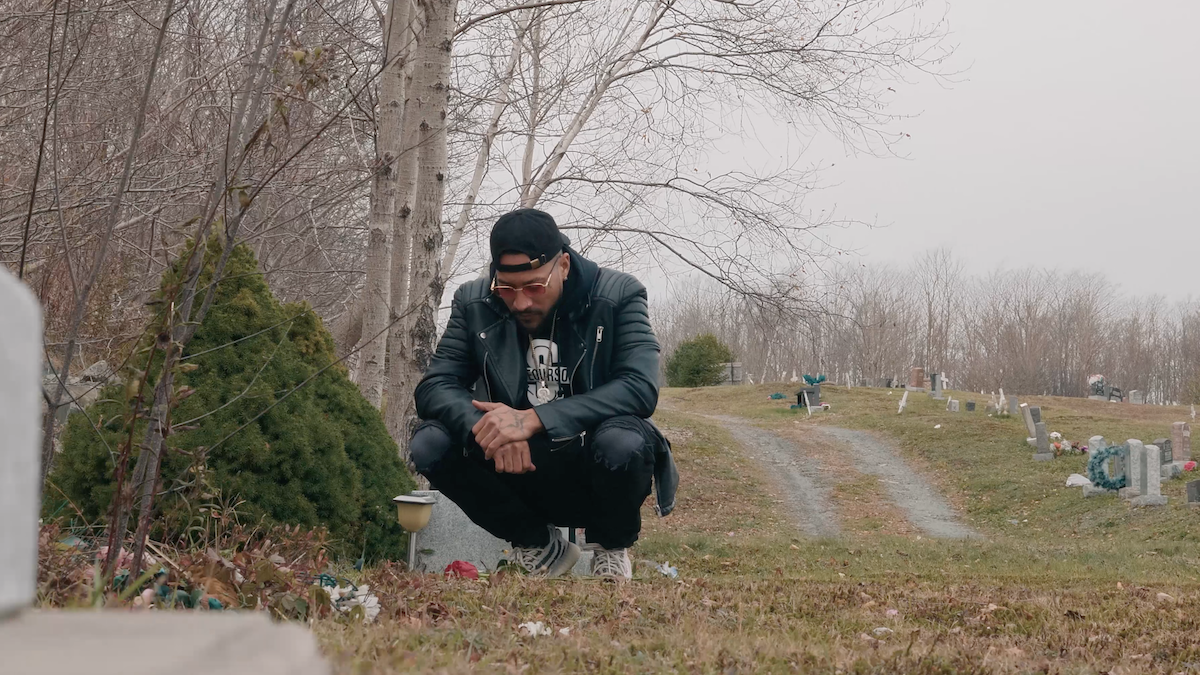
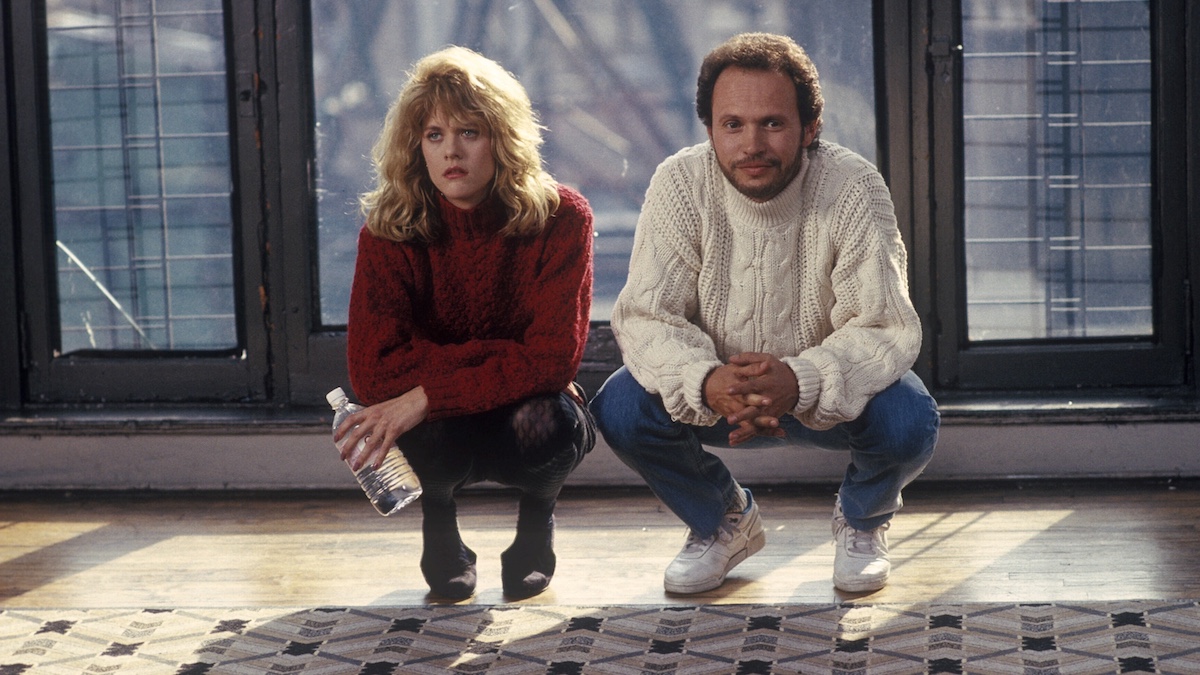 WHEN HARRY MET SALLY[/caption]
Who would believe it’s 30 years already – the 30th anniversary screening of the seminal romantic comedy When HARRY Met Sally… with stars Billy Crystal and Meg Ryan and director/producer Rob Reiner in attendance, will kick off the 10th annual TCM Classic Film Festival on Thursday, April 11th
Celebrated director Rob Reiner had no idea he would strike such a chord with audiences by posing the simple question: “can men and women really be friends?” The charming and TIMELESS film explores this idea by following the characters of HARRY (Billy Crystal) and Sally (Meg Ryan) over the course of twelve years through a series of chance encounters. When HARRY Met Sally… was an instant hit with audiences and critics alike: the film grossed more than $90 million at the box office and Nora Ephron’s taut, hilarious script garnered an Oscar nomination for Best Orginal Screenplay. Billy Crystal and Meg Ryan were also both nominated for Golden Globes for their performances, along with director Rob Reiner.
“There are romantic comedies – and then there’s When HARRY Met Sally…” said Ben Mankiewicz, TCM primetime anchor and official host of the TCM Classic Film Festival. “The chemistry between Billy Crystal and Meg Ryan makes them part of a legacy that includes the greats of classic movies: Spencer Tracy and Katherine Hepburn; Cary Grant and Rosalind Russell; and Jack Lemmon and Shirley MacLaine. And Rob Reiner – utilizing Nora Ephron’s word-perfect screenplay – follows in the rarefied air of the filmmaking giants who made those earlier pictures.”
The 2019
WHEN HARRY MET SALLY[/caption]
Who would believe it’s 30 years already – the 30th anniversary screening of the seminal romantic comedy When HARRY Met Sally… with stars Billy Crystal and Meg Ryan and director/producer Rob Reiner in attendance, will kick off the 10th annual TCM Classic Film Festival on Thursday, April 11th
Celebrated director Rob Reiner had no idea he would strike such a chord with audiences by posing the simple question: “can men and women really be friends?” The charming and TIMELESS film explores this idea by following the characters of HARRY (Billy Crystal) and Sally (Meg Ryan) over the course of twelve years through a series of chance encounters. When HARRY Met Sally… was an instant hit with audiences and critics alike: the film grossed more than $90 million at the box office and Nora Ephron’s taut, hilarious script garnered an Oscar nomination for Best Orginal Screenplay. Billy Crystal and Meg Ryan were also both nominated for Golden Globes for their performances, along with director Rob Reiner.
“There are romantic comedies – and then there’s When HARRY Met Sally…” said Ben Mankiewicz, TCM primetime anchor and official host of the TCM Classic Film Festival. “The chemistry between Billy Crystal and Meg Ryan makes them part of a legacy that includes the greats of classic movies: Spencer Tracy and Katherine Hepburn; Cary Grant and Rosalind Russell; and Jack Lemmon and Shirley MacLaine. And Rob Reiner – utilizing Nora Ephron’s word-perfect screenplay – follows in the rarefied air of the filmmaking giants who made those earlier pictures.”
The 2019 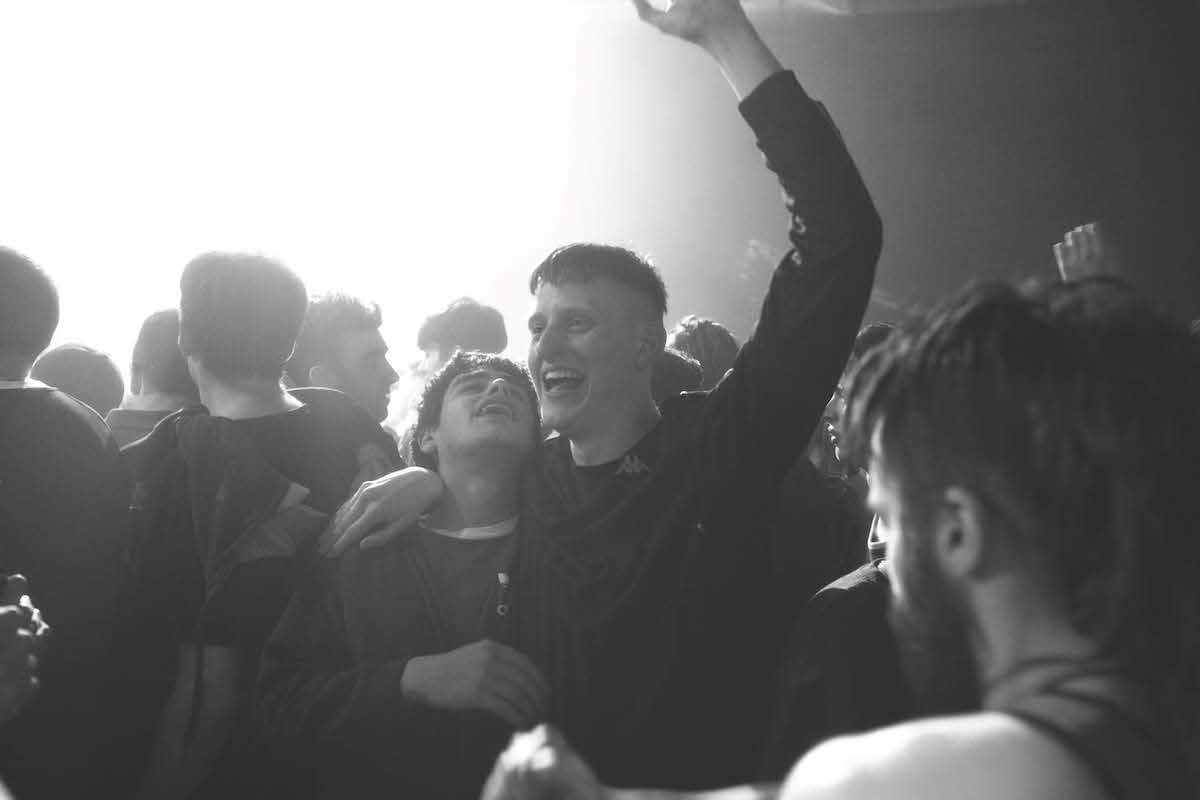 Beats, a film by Brian Welsh[/caption]
 Miles Davis: Birth of the Cool[/caption]
 Elisabeth Moss, Busy Philipps[/caption]
South by Southwest Conference and Festivals has added Film Keynote Jessica Brillhart along with a new round of Featured Speakers including Busy Philipps, Elisabeth Moss, and Frank Oz to the 2019 programming lineup. Among the Featured Speakers revealed are Clovyr co-founder Amber Baldet; singer and actor Lance Bass; Black Girls CODE founder Kimberly Bryant; musician and activist Laura Jane Grace; puppeteer, director and producer Frank Oz; Backstage Capital founder Arlan Hamilton; actor and comedian Kevin Hart; philosopher and writer Jaron Lanier; actress and producer Elisabeth Moss; The Daily Show host Trevor Noah; actress and writer Busy Philipps; GSD&M chairman and co-founder Roy Spence; and more. Additionally, best-selling author and researcher Brené Brown has been added as the SXSW 2019 Opening Speaker.
Jessica Brillhart, founder of independent studio Vrai Pictures, is an immersive director, writer, and theorist. She was the Principal Filmmaker for VR at Google where she worked with engineers to develop Google Jump, a virtual reality live-action capture ecosystem. Brillhart joins previously-announced Keynotes Joseph Lubin (Interactive), Shirley Manson and Lauren Mayberry (Music), Marti Noxon (Film), and Kevin Systrom with Josh Constine (Interactive).
“A shining star in the immersive arts community, Jessica Brillhart is an early explorer trying to define storytelling in the immersive world and she’s spearheaded early innovation in creating stories using VR, AR, and AI,” said Janet Pierson, Director of Film. “We are excited to share her perspectives on this exciting field, as well as from our many esteemed Featured Speakers in entertainment, business and technology.”
SXSW Conference programming is organized into 25 tracks divided between Interactive, Film, Music, and Convergence, presented in a variety of session formats. Once again, SXSW is offering expanded access to events for all registrants. Attendees will receive primary access to programming associated with their badge type but now also enjoy secondary entry to most other SXSW events.
Elisabeth Moss, Busy Philipps[/caption]
South by Southwest Conference and Festivals has added Film Keynote Jessica Brillhart along with a new round of Featured Speakers including Busy Philipps, Elisabeth Moss, and Frank Oz to the 2019 programming lineup. Among the Featured Speakers revealed are Clovyr co-founder Amber Baldet; singer and actor Lance Bass; Black Girls CODE founder Kimberly Bryant; musician and activist Laura Jane Grace; puppeteer, director and producer Frank Oz; Backstage Capital founder Arlan Hamilton; actor and comedian Kevin Hart; philosopher and writer Jaron Lanier; actress and producer Elisabeth Moss; The Daily Show host Trevor Noah; actress and writer Busy Philipps; GSD&M chairman and co-founder Roy Spence; and more. Additionally, best-selling author and researcher Brené Brown has been added as the SXSW 2019 Opening Speaker.
Jessica Brillhart, founder of independent studio Vrai Pictures, is an immersive director, writer, and theorist. She was the Principal Filmmaker for VR at Google where she worked with engineers to develop Google Jump, a virtual reality live-action capture ecosystem. Brillhart joins previously-announced Keynotes Joseph Lubin (Interactive), Shirley Manson and Lauren Mayberry (Music), Marti Noxon (Film), and Kevin Systrom with Josh Constine (Interactive).
“A shining star in the immersive arts community, Jessica Brillhart is an early explorer trying to define storytelling in the immersive world and she’s spearheaded early innovation in creating stories using VR, AR, and AI,” said Janet Pierson, Director of Film. “We are excited to share her perspectives on this exciting field, as well as from our many esteemed Featured Speakers in entertainment, business and technology.”
SXSW Conference programming is organized into 25 tracks divided between Interactive, Film, Music, and Convergence, presented in a variety of session formats. Once again, SXSW is offering expanded access to events for all registrants. Attendees will receive primary access to programming associated with their badge type but now also enjoy secondary entry to most other SXSW events.
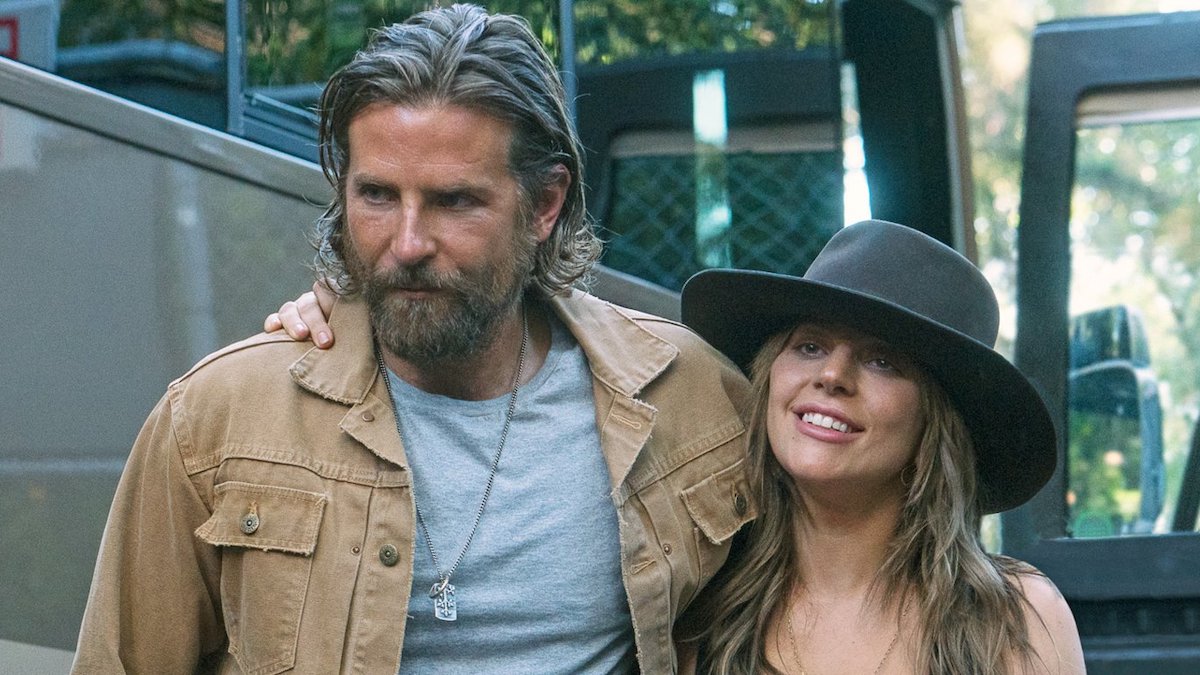 Bradley Cooper along with Lady Gaga in A Star is Born[/caption]
Bradley Cooper will receive the Director of the Year Award for
Bradley Cooper along with Lady Gaga in A Star is Born[/caption]
Bradley Cooper will receive the Director of the Year Award for  Alfonso Cuarón directing ROMA[/caption]
Academy Award winning director Alfonso Cuarón will receive the Sonny Bono Visionary Award for
Alfonso Cuarón directing ROMA[/caption]
Academy Award winning director Alfonso Cuarón will receive the Sonny Bono Visionary Award for  We Are Thankful[/caption]
The
We Are Thankful[/caption]
The 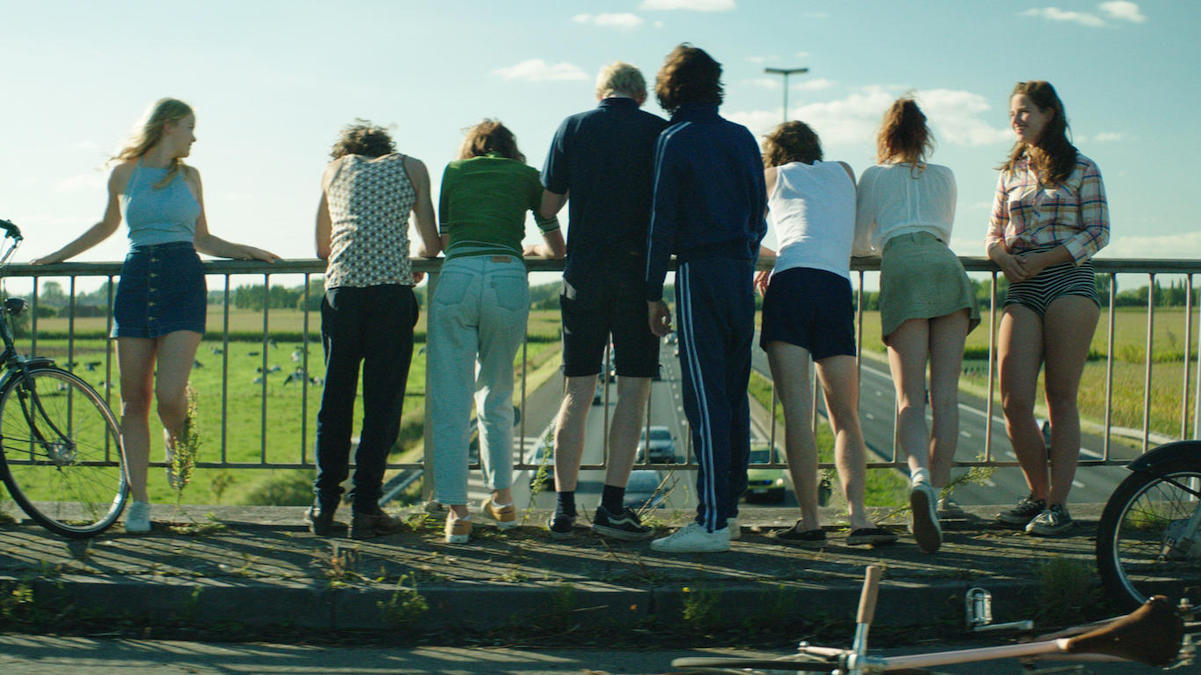 We (Wij) by Rene Eller[/caption]
“
We (Wij) by Rene Eller[/caption]
“