
 TO THE DESERT[/caption]
Twelve films produced in Argentina, Brazil, Chile, Costa Rica, the Dominican Republic, Mexico, Uruguay and Venezuela, make up the Horizontes Latinos section of the 2017 San Sebastian International Film Festival.
The Horizontes Latinos section is a selection of feature films not yet screened in Spain, produced totally or partially in Latin America, directed by filmmakers of Latin origin or which have as their setting or subject matter Latino communities in the rest of the world. Half of the titles in the section are first or second works.
Among the films is premiere of the winner of the two Films in Progress 30 awards in San Sebastian, La educación del Rey (Rey’s Education), first feature film from Santiago Esteves (Mendoza, Argentina, 1983), who has written and directed short films including Los crímenes (Best Iberoamerican Short Film and Critics’ Award at Huesca 2011) and has worked as an editor for Pablo Trapero, Mariano Llinás or Juan Villegas.
Another of the selected first films is La novia del desierto (The Desert Bride) by directors Cecilia Atán (Buenos Aires, 1978) and Valeria Pivato (Buenos Aires, 1973), which, having landed the Films in Progress Toulouse Award, was premiered in Un Certain Regard at the Cannes Festival and has just won the Jury Award for Best Debut Feature at the Lima Film Festival. The documentary by Atán, Madres de Plaza de Mayo, la historia (2016), was nominated for the Emmy Awards, and Pivato, who has worked with directors including Juan José Campanella, Walter Salles or Pablo Trapero, won the Patagonik International Screenwriters Competition with his Project Antes y después… y después otra vez.
Temporada de caza (Hunting Season, Films in Progress 31) is the first feature film by Natalia Garagiola (Buenos Aires, 1982), who will compete in Venice at the International Critics’ Week, an independent section organised by the Italian Union of Film Critics. One of Garagiola’s shorts, Yeguas y Cotorras (2012), was selected for the Critic’s Week at Cannes.
Gustavo Rondón (Caracas, 1977) has written, helmed and produced numerous shorts later screened at festivals such as Tribeca, Biarritz, Toulouse and Havana. The most recent, Nostalgia (2012) was selected to compete in Berlin. La familia (Films in Progress 30), which was screened at the Cannes Critics’ Week and has just won Jury Award for Best Film at Lima Film Festival, brings his feature directorial debut.
The filmography of Alexandra Latishev (San José, Costa Rica) contains the prizewinning short Irene (2014) and the documentary Los volátiles, winner of the Best Documentary Feature Film and Audience Awards at the Costa Rica Festival. Medea (Films in Progress 30), which competed at the BAFICI (Buenos Aires International Independent Film Festival), marks her debut in feature films.
After numerous experiences in the non-fictional field, in 2013 Marcela Said (Santiago de Chile, 1972) directed her first feature-length fiction, El verano de los peces voladores, Films in Progress Toulouse Award in 2013 which had its premiere at the Cannes Directors’ Fortnight. Horizontes Latinos will see the screening of her second film, Los perros (Films in Progress 31), after its presentation at the Cannes Critics’ Week.
Las olas (The Waves, Films in Progress, 30) is the third feature film from the director, screenwriter, actor and singer Adrián Biniez (Remedios de Escalada, Argentina, 1974), whose debut, Gigante (2009) won the Grand Jury Prize, the Alfred Bauer Award – in recognition of a film that “opens new perspectives on cinematic art” – and the Best First Feature Award at the Berlinale, as well as the Horizontes Award in San Sebastian.
Michel Franco (Mexico City, 1979) landed a special mention in San Sebastian with Después de Lucía (After Lucía, 2012), Best Feature Film in Un Certain Regard at Cannes. As a moviemaker he also won the Best Screenplay Award at Cannes for Chronic (2015). He also has a long and outstanding background as a producer: in 2015 he won the Best First Feature Award in Berlin for 600 millas (600 Miles,Gabriel Ripstein) plus the Golden Lion in Venice and a Special Mention in San Sebastian for Desde allá (From Afar, Lorenzo Vigas), both selected for Horizontes Latinos. Now he returns to the Festival as a director with Las hijas de Abril (April’s Daughters), having won the Jury Prize at Un Certain Regard.
Sebastián Lelio (Mendoza, Argentina, 1974) has a trajectory closely related to San Sebastian. His first film, La Sagrada Familia, competed in Horizontes Latinos in 2005 after its screening in Films in Progress. His fourth feature, Gloria, won the Films in Progress Award in San Sebastian in 2012. His latest film, Una mujer fantástica (A Fantastic Woman), Silver Bear for Best Screenplay at the Berlinale, will open the section.
Affonso Uchôa (Contagem, Brazil) and João Dumans (Belo Horizonte, Brazil) jointly wrote A vizinhança do tigre / The Hidden Tiger (2014). Here they repeat their collaboration as the directors of Arábia /Araby, selected for the Rotterdam Festival official competition and winner of a special mention at the BAFICI. Uchôa is the director of Mulher à tarde / Afternoon Woman (2010) and wrote with Marília Rocha A cidade onde envelheço / Where I Grow Old (2016), selected for Films in Progress Toulouse in 2015 and for Zabaltegi-Tabakalera last year.
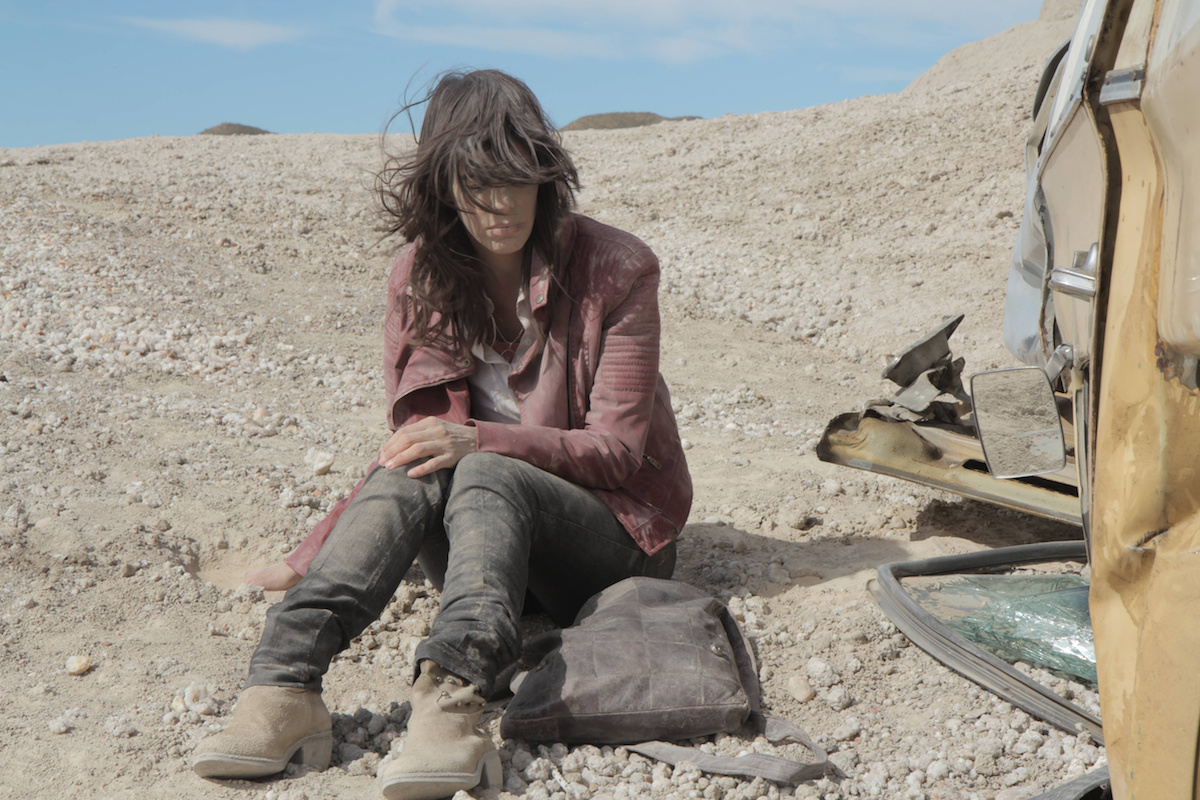
Al desierto (To the Desert) is the new feature film by Ulises Rosell (Buenos Aires, 1970), after the award-winning Sofacama / Sofabed (2006) and El etnógrafo / The Ethnographer (2012). Rosell wrote and directed this story of a kidnapping and hike across the Patagonia desert to premier in San Sebastian.
Lastly, Cocote, which has just won the Signs of Life section Award at the Locarno Festival, is the third film from the Dominican director Nelson Carlo de los Santos Arias (Santo Domingo, 1985), who in 2015 shot Santa Teresa y otras historias,a radical adaptation of Roberto Bolaño’s novel 2666, screened in Toronto and winner of awards in Marseille and Mar del Plata.
All twelve feature films compete for the Horizontes Award and its 35,000 euros. The six first and second films in the selection (La educación de Rey, La familia, Medea, Arábia, La novia del desierto and Temporada de caza) are also contenders for the EROSKI Youth Award.
TO THE DESERT[/caption]
Twelve films produced in Argentina, Brazil, Chile, Costa Rica, the Dominican Republic, Mexico, Uruguay and Venezuela, make up the Horizontes Latinos section of the 2017 San Sebastian International Film Festival.
The Horizontes Latinos section is a selection of feature films not yet screened in Spain, produced totally or partially in Latin America, directed by filmmakers of Latin origin or which have as their setting or subject matter Latino communities in the rest of the world. Half of the titles in the section are first or second works.
Among the films is premiere of the winner of the two Films in Progress 30 awards in San Sebastian, La educación del Rey (Rey’s Education), first feature film from Santiago Esteves (Mendoza, Argentina, 1983), who has written and directed short films including Los crímenes (Best Iberoamerican Short Film and Critics’ Award at Huesca 2011) and has worked as an editor for Pablo Trapero, Mariano Llinás or Juan Villegas.
Another of the selected first films is La novia del desierto (The Desert Bride) by directors Cecilia Atán (Buenos Aires, 1978) and Valeria Pivato (Buenos Aires, 1973), which, having landed the Films in Progress Toulouse Award, was premiered in Un Certain Regard at the Cannes Festival and has just won the Jury Award for Best Debut Feature at the Lima Film Festival. The documentary by Atán, Madres de Plaza de Mayo, la historia (2016), was nominated for the Emmy Awards, and Pivato, who has worked with directors including Juan José Campanella, Walter Salles or Pablo Trapero, won the Patagonik International Screenwriters Competition with his Project Antes y después… y después otra vez.
Temporada de caza (Hunting Season, Films in Progress 31) is the first feature film by Natalia Garagiola (Buenos Aires, 1982), who will compete in Venice at the International Critics’ Week, an independent section organised by the Italian Union of Film Critics. One of Garagiola’s shorts, Yeguas y Cotorras (2012), was selected for the Critic’s Week at Cannes.
Gustavo Rondón (Caracas, 1977) has written, helmed and produced numerous shorts later screened at festivals such as Tribeca, Biarritz, Toulouse and Havana. The most recent, Nostalgia (2012) was selected to compete in Berlin. La familia (Films in Progress 30), which was screened at the Cannes Critics’ Week and has just won Jury Award for Best Film at Lima Film Festival, brings his feature directorial debut.
The filmography of Alexandra Latishev (San José, Costa Rica) contains the prizewinning short Irene (2014) and the documentary Los volátiles, winner of the Best Documentary Feature Film and Audience Awards at the Costa Rica Festival. Medea (Films in Progress 30), which competed at the BAFICI (Buenos Aires International Independent Film Festival), marks her debut in feature films.
After numerous experiences in the non-fictional field, in 2013 Marcela Said (Santiago de Chile, 1972) directed her first feature-length fiction, El verano de los peces voladores, Films in Progress Toulouse Award in 2013 which had its premiere at the Cannes Directors’ Fortnight. Horizontes Latinos will see the screening of her second film, Los perros (Films in Progress 31), after its presentation at the Cannes Critics’ Week.
Las olas (The Waves, Films in Progress, 30) is the third feature film from the director, screenwriter, actor and singer Adrián Biniez (Remedios de Escalada, Argentina, 1974), whose debut, Gigante (2009) won the Grand Jury Prize, the Alfred Bauer Award – in recognition of a film that “opens new perspectives on cinematic art” – and the Best First Feature Award at the Berlinale, as well as the Horizontes Award in San Sebastian.
Michel Franco (Mexico City, 1979) landed a special mention in San Sebastian with Después de Lucía (After Lucía, 2012), Best Feature Film in Un Certain Regard at Cannes. As a moviemaker he also won the Best Screenplay Award at Cannes for Chronic (2015). He also has a long and outstanding background as a producer: in 2015 he won the Best First Feature Award in Berlin for 600 millas (600 Miles,Gabriel Ripstein) plus the Golden Lion in Venice and a Special Mention in San Sebastian for Desde allá (From Afar, Lorenzo Vigas), both selected for Horizontes Latinos. Now he returns to the Festival as a director with Las hijas de Abril (April’s Daughters), having won the Jury Prize at Un Certain Regard.
Sebastián Lelio (Mendoza, Argentina, 1974) has a trajectory closely related to San Sebastian. His first film, La Sagrada Familia, competed in Horizontes Latinos in 2005 after its screening in Films in Progress. His fourth feature, Gloria, won the Films in Progress Award in San Sebastian in 2012. His latest film, Una mujer fantástica (A Fantastic Woman), Silver Bear for Best Screenplay at the Berlinale, will open the section.
Affonso Uchôa (Contagem, Brazil) and João Dumans (Belo Horizonte, Brazil) jointly wrote A vizinhança do tigre / The Hidden Tiger (2014). Here they repeat their collaboration as the directors of Arábia /Araby, selected for the Rotterdam Festival official competition and winner of a special mention at the BAFICI. Uchôa is the director of Mulher à tarde / Afternoon Woman (2010) and wrote with Marília Rocha A cidade onde envelheço / Where I Grow Old (2016), selected for Films in Progress Toulouse in 2015 and for Zabaltegi-Tabakalera last year.
Al desierto (To the Desert) is the new feature film by Ulises Rosell (Buenos Aires, 1970), after the award-winning Sofacama / Sofabed (2006) and El etnógrafo / The Ethnographer (2012). Rosell wrote and directed this story of a kidnapping and hike across the Patagonia desert to premier in San Sebastian.
Lastly, Cocote, which has just won the Signs of Life section Award at the Locarno Festival, is the third film from the Dominican director Nelson Carlo de los Santos Arias (Santo Domingo, 1985), who in 2015 shot Santa Teresa y otras historias,a radical adaptation of Roberto Bolaño’s novel 2666, screened in Toronto and winner of awards in Marseille and Mar del Plata.
All twelve feature films compete for the Horizontes Award and its 35,000 euros. The six first and second films in the selection (La educación de Rey, La familia, Medea, Arábia, La novia del desierto and Temporada de caza) are also contenders for the EROSKI Youth Award.
San Sebastian International Film Festival
The San Sebastián International Film Festival is one of the most prestigious and important film festivals in the world, held annually in the Spanish city of Donostia-San Sebastián.
San Sebastian’s film program consists of some 200 films selected for six competitive sections (Official Selection, New Directors, Horizontes Latinos, Zabaltegi-Tabakalera, Perlak and Nest) and seven non-competitive sections (Culinary Zinema, Made in Spain, Zinemira, Velodrome, Movies for Kids, Retrospective and Klasikoak).
San Sebastian International Film Festival started in 1953 and takes place in Donostia-San Sebastián, Basque Country, Spain
-
12 Latino Films to Screen in 2017 San Sebastian International Film Festival Horizontes Latinos Program
[caption id="attachment_23830" align="aligncenter" width="1200"] TO THE DESERT[/caption]
Twelve films produced in Argentina, Brazil, Chile, Costa Rica, the Dominican Republic, Mexico, Uruguay and Venezuela, make up the Horizontes Latinos section of the 2017 San Sebastian International Film Festival.
The Horizontes Latinos section is a selection of feature films not yet screened in Spain, produced totally or partially in Latin America, directed by filmmakers of Latin origin or which have as their setting or subject matter Latino communities in the rest of the world. Half of the titles in the section are first or second works.
Among the films is premiere of the winner of the two Films in Progress 30 awards in San Sebastian, La educación del Rey (Rey’s Education), first feature film from Santiago Esteves (Mendoza, Argentina, 1983), who has written and directed short films including Los crímenes (Best Iberoamerican Short Film and Critics’ Award at Huesca 2011) and has worked as an editor for Pablo Trapero, Mariano Llinás or Juan Villegas.
Another of the selected first films is La novia del desierto (The Desert Bride) by directors Cecilia Atán (Buenos Aires, 1978) and Valeria Pivato (Buenos Aires, 1973), which, having landed the Films in Progress Toulouse Award, was premiered in Un Certain Regard at the Cannes Festival and has just won the Jury Award for Best Debut Feature at the Lima Film Festival. The documentary by Atán, Madres de Plaza de Mayo, la historia (2016), was nominated for the Emmy Awards, and Pivato, who has worked with directors including Juan José Campanella, Walter Salles or Pablo Trapero, won the Patagonik International Screenwriters Competition with his Project Antes y después… y después otra vez.
Temporada de caza (Hunting Season, Films in Progress 31) is the first feature film by Natalia Garagiola (Buenos Aires, 1982), who will compete in Venice at the International Critics’ Week, an independent section organised by the Italian Union of Film Critics. One of Garagiola’s shorts, Yeguas y Cotorras (2012), was selected for the Critic’s Week at Cannes.
Gustavo Rondón (Caracas, 1977) has written, helmed and produced numerous shorts later screened at festivals such as Tribeca, Biarritz, Toulouse and Havana. The most recent, Nostalgia (2012) was selected to compete in Berlin. La familia (Films in Progress 30), which was screened at the Cannes Critics’ Week and has just won Jury Award for Best Film at Lima Film Festival, brings his feature directorial debut.
The filmography of Alexandra Latishev (San José, Costa Rica) contains the prizewinning short Irene (2014) and the documentary Los volátiles, winner of the Best Documentary Feature Film and Audience Awards at the Costa Rica Festival. Medea (Films in Progress 30), which competed at the BAFICI (Buenos Aires International Independent Film Festival), marks her debut in feature films.
After numerous experiences in the non-fictional field, in 2013 Marcela Said (Santiago de Chile, 1972) directed her first feature-length fiction, El verano de los peces voladores, Films in Progress Toulouse Award in 2013 which had its premiere at the Cannes Directors’ Fortnight. Horizontes Latinos will see the screening of her second film, Los perros (Films in Progress 31), after its presentation at the Cannes Critics’ Week.
Las olas (The Waves, Films in Progress, 30) is the third feature film from the director, screenwriter, actor and singer Adrián Biniez (Remedios de Escalada, Argentina, 1974), whose debut, Gigante (2009) won the Grand Jury Prize, the Alfred Bauer Award – in recognition of a film that “opens new perspectives on cinematic art” – and the Best First Feature Award at the Berlinale, as well as the Horizontes Award in San Sebastian.
Michel Franco (Mexico City, 1979) landed a special mention in San Sebastian with Después de Lucía (After Lucía, 2012), Best Feature Film in Un Certain Regard at Cannes. As a moviemaker he also won the Best Screenplay Award at Cannes for Chronic (2015). He also has a long and outstanding background as a producer: in 2015 he won the Best First Feature Award in Berlin for 600 millas (600 Miles,Gabriel Ripstein) plus the Golden Lion in Venice and a Special Mention in San Sebastian for Desde allá (From Afar, Lorenzo Vigas), both selected for Horizontes Latinos. Now he returns to the Festival as a director with Las hijas de Abril (April’s Daughters), having won the Jury Prize at Un Certain Regard.
Sebastián Lelio (Mendoza, Argentina, 1974) has a trajectory closely related to San Sebastian. His first film, La Sagrada Familia, competed in Horizontes Latinos in 2005 after its screening in Films in Progress. His fourth feature, Gloria, won the Films in Progress Award in San Sebastian in 2012. His latest film, Una mujer fantástica (A Fantastic Woman), Silver Bear for Best Screenplay at the Berlinale, will open the section.
Affonso Uchôa (Contagem, Brazil) and João Dumans (Belo Horizonte, Brazil) jointly wrote A vizinhança do tigre / The Hidden Tiger (2014). Here they repeat their collaboration as the directors of Arábia /Araby, selected for the Rotterdam Festival official competition and winner of a special mention at the BAFICI. Uchôa is the director of Mulher à tarde / Afternoon Woman (2010) and wrote with Marília Rocha A cidade onde envelheço / Where I Grow Old (2016), selected for Films in Progress Toulouse in 2015 and for Zabaltegi-Tabakalera last year.
Al desierto (To the Desert) is the new feature film by Ulises Rosell (Buenos Aires, 1970), after the award-winning Sofacama / Sofabed (2006) and El etnógrafo / The Ethnographer (2012). Rosell wrote and directed this story of a kidnapping and hike across the Patagonia desert to premier in San Sebastian.
Lastly, Cocote, which has just won the Signs of Life section Award at the Locarno Festival, is the third film from the Dominican director Nelson Carlo de los Santos Arias (Santo Domingo, 1985), who in 2015 shot Santa Teresa y otras historias,a radical adaptation of Roberto Bolaño’s novel 2666, screened in Toronto and winner of awards in Marseille and Mar del Plata.
All twelve feature films compete for the Horizontes Award and its 35,000 euros. The six first and second films in the selection (La educación de Rey, La familia, Medea, Arábia, La novia del desierto and Temporada de caza) are also contenders for the EROSKI Youth Award.
-
6 Films in Films in Progress 32 at 2017 San Sebastian International Film Festival
[caption id="attachment_23805" align="aligncenter" width="1200"]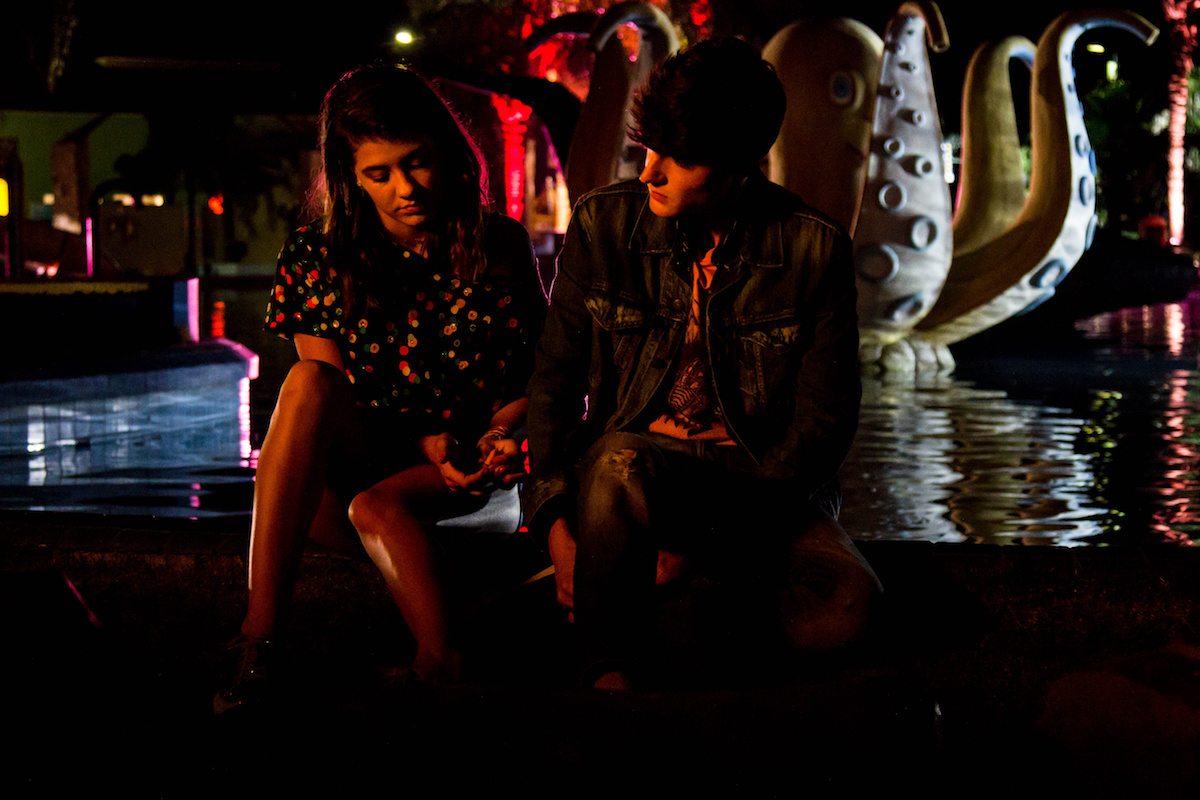 FERRUGEM / HUST[/caption]
Six films have been selected for Films in Progress 32 at 2017 San Sebastian International Film Festival: Agosto by Armando Capó (Costa Rica – Cuba – France); Ferrugem / Hust by Aly Muritiba (Brazil), Kairos, by Nicolás Buenaventura (France – Colombia), Familia sumergida (Immersed Family) by María Alche (Argentina – Brazil – Germany), Niña errante (Wandering Girl) by Rubén Mendoza (Colombia – France) and Rodantes (Wanderers) by Leandro Lara (Brazil – USA).
Some of the directors presenting their works in Films in Progress have already participated in San Sebastian, such as Armando Capó, whose project Agosto (August) was selected for the III Europe-Latin America Co-Production Forum where it won the EGEDA Award for Best Project, and Aly Muritiba, selected for the I Co-Production Forum with his project Para minha amada morta / To my Beloved (formerly O homen que matou a minha amada morta / To my Beloved Dead), which went on to participate in Films in Progress 26 and later in Horizontes Latinos 2015. Muritiba also revisited the Forum in 2016 with his project Barba ensopada de sangue / Blood-Drenched Beard.
Films in Progress is the program of subsidies to Latin American cinema which, held twice yearly, is organized jointly by the San Sebastian Festival and Cinélatino, Rencontres de Toulouse. Created in 2002, the event has become a platform for the international launch of new talents and a mandatory meeting place for the Latin American audiovisual industry.
In total, eight of the films presented at past editions in San Sebastian and Toulouse will be screened in New Directors and Horizontes Latinos. Two of the films which participated in Films in Progress 31 in Toulouse, La novia del desierto (The Desert Bride), by first-time directors Cecilia Atán and Valeria Pivato, and Los Perros, second feature from Marcela Said, were selected respectively for Un Certain Regard and the Critics’ Week at the last Festival de Cannes. Furthermore, La familia, first work by Gustavo Rondón, screened at Films in Progress 30, also participated in this last section.
As well as those already mentioned, Medea by Alexandra Latishev, Las olas (The Waves) by Adrián Biniez and La Educación del Rey (Rey’s Education) by Santiago Esteves, winner of the Industry Award, participated in the last edition of Films in Progress at San Sebastian; and Temporada de caza (Hunting Season) by Natalia Garagiola – Films in Progress Toulouse 2017 – will participate in Horizontes Latinos. Princesita (Princess) by Marialy Rivas, selected for Films in Progress in 2015, will compete in the New Directors section.
FERRUGEM / HUST[/caption]
Six films have been selected for Films in Progress 32 at 2017 San Sebastian International Film Festival: Agosto by Armando Capó (Costa Rica – Cuba – France); Ferrugem / Hust by Aly Muritiba (Brazil), Kairos, by Nicolás Buenaventura (France – Colombia), Familia sumergida (Immersed Family) by María Alche (Argentina – Brazil – Germany), Niña errante (Wandering Girl) by Rubén Mendoza (Colombia – France) and Rodantes (Wanderers) by Leandro Lara (Brazil – USA).
Some of the directors presenting their works in Films in Progress have already participated in San Sebastian, such as Armando Capó, whose project Agosto (August) was selected for the III Europe-Latin America Co-Production Forum where it won the EGEDA Award for Best Project, and Aly Muritiba, selected for the I Co-Production Forum with his project Para minha amada morta / To my Beloved (formerly O homen que matou a minha amada morta / To my Beloved Dead), which went on to participate in Films in Progress 26 and later in Horizontes Latinos 2015. Muritiba also revisited the Forum in 2016 with his project Barba ensopada de sangue / Blood-Drenched Beard.
Films in Progress is the program of subsidies to Latin American cinema which, held twice yearly, is organized jointly by the San Sebastian Festival and Cinélatino, Rencontres de Toulouse. Created in 2002, the event has become a platform for the international launch of new talents and a mandatory meeting place for the Latin American audiovisual industry.
In total, eight of the films presented at past editions in San Sebastian and Toulouse will be screened in New Directors and Horizontes Latinos. Two of the films which participated in Films in Progress 31 in Toulouse, La novia del desierto (The Desert Bride), by first-time directors Cecilia Atán and Valeria Pivato, and Los Perros, second feature from Marcela Said, were selected respectively for Un Certain Regard and the Critics’ Week at the last Festival de Cannes. Furthermore, La familia, first work by Gustavo Rondón, screened at Films in Progress 30, also participated in this last section.
As well as those already mentioned, Medea by Alexandra Latishev, Las olas (The Waves) by Adrián Biniez and La Educación del Rey (Rey’s Education) by Santiago Esteves, winner of the Industry Award, participated in the last edition of Films in Progress at San Sebastian; and Temporada de caza (Hunting Season) by Natalia Garagiola – Films in Progress Toulouse 2017 – will participate in Horizontes Latinos. Princesita (Princess) by Marialy Rivas, selected for Films in Progress in 2015, will compete in the New Directors section.
2017 San Sebastian International Film Festival Films in Progress 32
AGOSTO (AUGUST) ARMANDO CAPÓ RAMOS (COSTA RICA – CUBA – FRANCE) August, 1994, Cuba. Carlos (aged 14) was expecting a normal summer, but the country is thrown into chaos: the government policies change and thousands of Cubans take to the sea, hoping to escape. Friends leave, families separate, emotions are experienced for the first time. Nothing will be as it was before. FAMILIA SUMERGIDA (IMMERSED FAMILY) MARÍA ALCHÉ (ARGENTINA – BRAZIL – GERMANY) Marcela’s world becomes strange and fragile when her sister Rina dies. She feels lost in her own home and the connections with her close family circle are disjointed. One day her daughter’s young friend Nacho arrives at the house when his business trip is cancelled, and together they share conversations and strolls. Marcela is summoned to a meeting by a distant relation, while in her home she has discussions with members of her family who are in another dimension. FERRUGEM / HUST ALY MURITIBA (BRAZIL) Tati and Renet were already trading pics, videos and music by their cell phones, and on the last school trip they started making eye contact. However, what could have been the beginning of a love story becomes the end. KAIROS NICOLÁS BUENAVENTURA (FRANCE – COLOMBIA) Cali, Colombia. Amaranto, 60, was made redundant from his job as a cashier in a bank several years ago, yet he continues to come to his former workplace to perform menial tasks. The day an armoured van has to urgently deliver an important amount of cash, Amaranto is presented with the opportunity to commit a robbery as simple as it is extraordinary. NIÑA ERRANTE (WANDERING GIRL) RUBÉN MENDOZA (COLOMBIA – FRANCE) Angela is 12 and has 3 step-sisters approaching their thirties; the four meet for the first time when summoned for the death of a charismatic waster: their daddy. Angela has never lived with anyone other than her daddy and has no recollection of her mummy. Her sisters will leave her on the other side of the country with an aunt to prevent the social services from taking her in. On this voyage of mourning, particularly while sharing a room in a rundown roadside hotel, Angela, whose body is starting to wake up, recognises in each of her sisters their feminity, their sensuality, the mysteries of pleasure and pain, the body, misfortune and the challenge of being a woman on these roads. RODANTES (WANDERERS) LEANDRO LARA (BRAZIL – USA) Rodantes chronicles the lives of three characters: Tatiane, a young woman who leaves São Paulo in an attempt to rebuild her life after an unresolved past; Odair, a young man in the midst of sexual discoveries who takes risks when he leaves his parental home; and Henry, a Haitian immigrant who, after the death of his wife, struggles to survive with his two young children amid the progress and poverty of Brazil. They occasionally meet in the state of Rondônia, in the middle of chaos, with no other involvement than their condition of wanderers.
-
The Joseph Losey Retrospective at San Sebastian Film Festival to Showcase ALL of His Feature Films
 The 65th edition of the San Sebastian Film Festival will honor Joseph Losey with a retrospective of his 32 feature films and 6 short films.
In the seventies, Joseph Losey represented the greatest expression of auteur or art-house cinema with works like The Servant (1963), King and Country (1964), Accident (1967) and The Go-Between (1971), all of which, with the exception of the second, were written by the playwright Harold Pinter. But before becoming a leading figure of European independent film, Losey endured a complicated situation like so many others affected by the reprisals of the Hollywood witch hunt from 1947 onwards. His work is divided into three periods: his early period in North American film until the early fifties, the prestige he achieved in the UK of the sixties and seventies and a later, more itinerant stage when he worked for Italian, French and Spanish production.
Born in La Crosse, Wisconsin, in 1909, Losey turned his steps towards written and broadcast journalism, later moving into theatre. His openly left-wing beliefs led him to work on several mises en scène with Bertold Brecht and to spend a period in the former Soviet Union studying new theatre concepts. In the late thirties he started to direct short films with Metro Goldwyn Mayer, making his feature debut in 1948 with The Boy with Green Hair, a parable against war, totalitarianism and intransigence towards difference, produced by RKO. Although he did succeed in making a number of low-cost films noirs of undisguised social slant – The Lawless (1950), The Prowler (1951) and The Big Night (1951), all three penned by screenwriters blacklisted by the Un-American Activities Commission, Daniel Mainwaring, Daltun Trumbo and Ring Lardner Jr – and even a remake of Fritz Lang’s famous M in 1951, his name appeared on the blacklist for the tone of his early films and he was accused of belonging to the North American Communist Party.
When called to testify, he was in Italy shooting Stranger on the Prowl / Imbarco a mezzanotte (1952). He decided not to return to the United States and settled in Britain. He released said film under the pseudonym Andrea Forzano and trade union issues prevented his name from featuring on the first two movies made in his country of adoption: in The Sleeping Tiger (1954), first collaboration with one of his actors fetiche, Dirk Bogarde, he is credited as Victor Hanbury and, in The Intimate Stranger (1956), as Joseph Walton.
Losey took up his place in British cinema at a time of change. These were not only the days of rising Free Cinema, a trend he had no part in even if some of his earlier films made in the sixties did have a certain realistic and social angle, but also of the horror movie makers Hammer Film Productions, for which Losey started X The Unknown (1956), before he was ousted from the shooting and replaced by Leslie Norman, later directing The Damned (1962); these were Losey’s only inroads to the sci-fi domain.
Following a timid attempt at integration to the great British film industry with The Gypsy and the Gentleman (1958), a Rank production headlining Melina Mercouri, his work attracted outstanding interest from the mystery movie Blind Date (1959) and the prison drama The Criminal (1961), the beginning of his collaboration with the other actor with whom he would enjoy close understanding, Stanley Baker. Until the mid-seventies, Losey alternated highly personal films reflecting on relations of power (between both men and institutional bodies) constructed around mises en scène packed with symbols (his particular use of spectacular images), with what at first glance seemed to be more commercial titles served up by the big stars of the moment and taking their inspiration from works of enormous popularity or unquestionable literary prestige.
To this first group belonged the film that best defines his work, The Servant, with Pinter’s acerbic writing and the acting duel between Bogarde and James Fox, Accident (Grand Prix du Jury at the Cannes Festival), The Go-Between (Palme d’Or at Cannes) and the anti-war King and Country, played out in the British trenches of the First World War during a summary trial for desertion. The second group includes works like Eve (1962), adaptation of a novel by James Hadley Chase, starring Jeanne Moreau and which was the first of many films consecrated by Losey to female characters who irradiate a strange fascination; Modesty Blaise (1966), iconoclastic version of Peter O’Donnell and Jim Holdaway’s spy-fi comic strip featuring Monica Vitti; Boom (1968), a piece by Tennessee Williams dished up by the explosive couple Elizabeth Taylor & Richard Burton; Secret Ceremony (1968), a psychological and claustrophobic drama once again starring Elizabeth Taylor, with Robert Mitchum and Mia Farrow; A Doll’s House (1973), based on Henrik Ibsen’s piece and with Jane Fonda, David Warner and Trevor Howard, and A Romantic Englishwoman (1975), another of his defining movies, an intense and evil triangular game written by Tom Stoppard and performed by Glenda Jackson, Michael Caine and Helmut Berger.
During this prolific period, Losey made hugely abstract works including Figures in a Landscape (1970), following the flight of two prisoners pursued by a mysterious helicopter (with a screenplay written by actor Robert Shaw, its leading man alongside Malcolm McDowell; the film competed in San Sebastian) and Mr. Klein (1976), with Alain Delon in the part of an unsavoury character accused of being a Jew during the Nazi occupation in France (winner of the César for Best Film). But he also shot films of obvious political accent such as L’assassinio di Trotsky / The Assassination of Trotsky (1972), with Delon as Ramón Mercader and Burton in the role of Leon Trotsky, and Les routes du Sud (1978), continuation of La guerre est finie (1966) by Alain Resnais, once again written by Jorge Semprún and with Yves Montand repeating his role of Spanish exile in constant ideological conflict.
Losey returned to Brecht many years later with a cinema adaptation of Galileo (1974), based on the English translation by Charles Laughton and starring Topol, hugely popular at the time for his leading part in Fiddler on the Roof (1971). He also made the filmed opera Don Giovanni (1979) with Ruggero Raimondi and, in France, La Truite (1982) with Isabelle Huppert in the part of yet another of the director’s complex female characters. His last film was Steaming (1985) which, like the one before it, was never screened in Spain. This is a work of theatrical roots starring Vanessa Redgrave and Sarah Miles and set in London Turkish baths as they fight its closure on ladies day. Losey never saw the final cut of the film; he passed away in June 1984, almost a year before its presentation at Cannes.
Losey’s relationship with the San Sebastian Festival was always complicated owing to the Franco dictatorship. In addition to Figures in a Landscape, the Festival screened The Sleeping Tiger, Boom and, in the informative section, The Go-Between.The Romantic Englishman was also selected, but the director and Glenda Jackson refused to come to the event in protest against the death sentences recently signed by Franco.
The retrospective is organised jointly with the Filmoteca Española, and has the collaboration of the San Telmo Museum (San Sebastián), the Filmoteca Vasca and CulturArts-IVAC (Valencia). The cycle is complemented by the publication of a book about the director coordinated by Quim Casas in which different Spanish and British authors have participated.
After its screening in San Sebastian, the retrospective will run at the Filmoteca Española in Madrid.
The 65th edition of the San Sebastian Film Festival will honor Joseph Losey with a retrospective of his 32 feature films and 6 short films.
In the seventies, Joseph Losey represented the greatest expression of auteur or art-house cinema with works like The Servant (1963), King and Country (1964), Accident (1967) and The Go-Between (1971), all of which, with the exception of the second, were written by the playwright Harold Pinter. But before becoming a leading figure of European independent film, Losey endured a complicated situation like so many others affected by the reprisals of the Hollywood witch hunt from 1947 onwards. His work is divided into three periods: his early period in North American film until the early fifties, the prestige he achieved in the UK of the sixties and seventies and a later, more itinerant stage when he worked for Italian, French and Spanish production.
Born in La Crosse, Wisconsin, in 1909, Losey turned his steps towards written and broadcast journalism, later moving into theatre. His openly left-wing beliefs led him to work on several mises en scène with Bertold Brecht and to spend a period in the former Soviet Union studying new theatre concepts. In the late thirties he started to direct short films with Metro Goldwyn Mayer, making his feature debut in 1948 with The Boy with Green Hair, a parable against war, totalitarianism and intransigence towards difference, produced by RKO. Although he did succeed in making a number of low-cost films noirs of undisguised social slant – The Lawless (1950), The Prowler (1951) and The Big Night (1951), all three penned by screenwriters blacklisted by the Un-American Activities Commission, Daniel Mainwaring, Daltun Trumbo and Ring Lardner Jr – and even a remake of Fritz Lang’s famous M in 1951, his name appeared on the blacklist for the tone of his early films and he was accused of belonging to the North American Communist Party.
When called to testify, he was in Italy shooting Stranger on the Prowl / Imbarco a mezzanotte (1952). He decided not to return to the United States and settled in Britain. He released said film under the pseudonym Andrea Forzano and trade union issues prevented his name from featuring on the first two movies made in his country of adoption: in The Sleeping Tiger (1954), first collaboration with one of his actors fetiche, Dirk Bogarde, he is credited as Victor Hanbury and, in The Intimate Stranger (1956), as Joseph Walton.
Losey took up his place in British cinema at a time of change. These were not only the days of rising Free Cinema, a trend he had no part in even if some of his earlier films made in the sixties did have a certain realistic and social angle, but also of the horror movie makers Hammer Film Productions, for which Losey started X The Unknown (1956), before he was ousted from the shooting and replaced by Leslie Norman, later directing The Damned (1962); these were Losey’s only inroads to the sci-fi domain.
Following a timid attempt at integration to the great British film industry with The Gypsy and the Gentleman (1958), a Rank production headlining Melina Mercouri, his work attracted outstanding interest from the mystery movie Blind Date (1959) and the prison drama The Criminal (1961), the beginning of his collaboration with the other actor with whom he would enjoy close understanding, Stanley Baker. Until the mid-seventies, Losey alternated highly personal films reflecting on relations of power (between both men and institutional bodies) constructed around mises en scène packed with symbols (his particular use of spectacular images), with what at first glance seemed to be more commercial titles served up by the big stars of the moment and taking their inspiration from works of enormous popularity or unquestionable literary prestige.
To this first group belonged the film that best defines his work, The Servant, with Pinter’s acerbic writing and the acting duel between Bogarde and James Fox, Accident (Grand Prix du Jury at the Cannes Festival), The Go-Between (Palme d’Or at Cannes) and the anti-war King and Country, played out in the British trenches of the First World War during a summary trial for desertion. The second group includes works like Eve (1962), adaptation of a novel by James Hadley Chase, starring Jeanne Moreau and which was the first of many films consecrated by Losey to female characters who irradiate a strange fascination; Modesty Blaise (1966), iconoclastic version of Peter O’Donnell and Jim Holdaway’s spy-fi comic strip featuring Monica Vitti; Boom (1968), a piece by Tennessee Williams dished up by the explosive couple Elizabeth Taylor & Richard Burton; Secret Ceremony (1968), a psychological and claustrophobic drama once again starring Elizabeth Taylor, with Robert Mitchum and Mia Farrow; A Doll’s House (1973), based on Henrik Ibsen’s piece and with Jane Fonda, David Warner and Trevor Howard, and A Romantic Englishwoman (1975), another of his defining movies, an intense and evil triangular game written by Tom Stoppard and performed by Glenda Jackson, Michael Caine and Helmut Berger.
During this prolific period, Losey made hugely abstract works including Figures in a Landscape (1970), following the flight of two prisoners pursued by a mysterious helicopter (with a screenplay written by actor Robert Shaw, its leading man alongside Malcolm McDowell; the film competed in San Sebastian) and Mr. Klein (1976), with Alain Delon in the part of an unsavoury character accused of being a Jew during the Nazi occupation in France (winner of the César for Best Film). But he also shot films of obvious political accent such as L’assassinio di Trotsky / The Assassination of Trotsky (1972), with Delon as Ramón Mercader and Burton in the role of Leon Trotsky, and Les routes du Sud (1978), continuation of La guerre est finie (1966) by Alain Resnais, once again written by Jorge Semprún and with Yves Montand repeating his role of Spanish exile in constant ideological conflict.
Losey returned to Brecht many years later with a cinema adaptation of Galileo (1974), based on the English translation by Charles Laughton and starring Topol, hugely popular at the time for his leading part in Fiddler on the Roof (1971). He also made the filmed opera Don Giovanni (1979) with Ruggero Raimondi and, in France, La Truite (1982) with Isabelle Huppert in the part of yet another of the director’s complex female characters. His last film was Steaming (1985) which, like the one before it, was never screened in Spain. This is a work of theatrical roots starring Vanessa Redgrave and Sarah Miles and set in London Turkish baths as they fight its closure on ladies day. Losey never saw the final cut of the film; he passed away in June 1984, almost a year before its presentation at Cannes.
Losey’s relationship with the San Sebastian Festival was always complicated owing to the Franco dictatorship. In addition to Figures in a Landscape, the Festival screened The Sleeping Tiger, Boom and, in the informative section, The Go-Between.The Romantic Englishman was also selected, but the director and Glenda Jackson refused to come to the event in protest against the death sentences recently signed by Franco.
The retrospective is organised jointly with the Filmoteca Española, and has the collaboration of the San Telmo Museum (San Sebastián), the Filmoteca Vasca and CulturArts-IVAC (Valencia). The cycle is complemented by the publication of a book about the director coordinated by Quim Casas in which different Spanish and British authors have participated.
After its screening in San Sebastian, the retrospective will run at the Filmoteca Española in Madrid.
-
3 European Films in Production Selected for San Sebastian Film Festival’s 1st Glocal in Progress
[caption id="attachment_23605" align="aligncenter" width="1200"] A Decent Man by Hadrian Marcu[/caption]
Dantza (Spain), Izbrisana / Erased (Slovenia – Croatia – Serbia) and Un om la locul lui / A Decent Man (Romania) are the three European productions selected for the first edition of Glocal in Progress at the San Sebastian International Film Festival.
The three feature films are all at the post-production stage and will be presented to an audience of producers, distributors, sales agents and programmers, among other professionals, offering them the chance of contributing to their completion and international distribution.
Dantza will be the fifth participation by the Basque director Telmo Esnal at the San Sebastian Festival after presenting in New Directors in 2005 Aupa Etxebeste! co-written and co-directed with Asier Altuna; the short film Amona putz! in the Zinemira Basque Film Showcase in 2009; Urte berri on, amona! (Happy New Year Granma!) in Zabaltegi-New Directors in 2011 and the short Iraila from the collective film Kalebegiak, co-directed with Asier Altuna and presented at the Velodrome in the 64th edition.
Izbrisana / Erased by Miha Mazzini, a co-production between Slovenia, Croatia and Serbia, and the Romanian production Un om la locul lui / A Decent Man, by Hadrian Marcu are the first films of their directors.
This industry activity has the objective of lending greater visibility to European productions in non-hegemonic languages (those not filmed in German, Spanish, French, English, Italian and Russian). In 2016 alone, 21 films spoken totally or partially in said languages participated in the different competitions of the Festival, with Jätten / The Giant (Swedish) carrying off the Special Jury Prize and Park (Greek) the Kutxabank-New Directors Award.
Glocal in Progress complements the work started in 2014 by the Basque Government Department of Culture and Language Policy with the creation of Glocal Cinema, an initiative intended to promote networks between the film industries which produce films in non-hegemonic languages.
DANTZA
TELMO ESNAL (SPAIN)
Based on symbols and metaphors from Basque dances, Dantza is an imaginative musical film about the cycle of life and the development of society. Dance is used to deal with universal subjects in this film: amongst other things, survival, beliefs, celebrations, love and the never-ending struggle against death. The simple, clear narrative is backed up by songs, movement and rhythm.
IZBRISANA / ERASED
MIHA MAZZINI (SLOVENIA – CROATIA – SERBIA)
Ana (36) gives birth in a local hospital and everything goes well. There is only a small, bureaucratic problem: Ana is not on the computer files. It must be a software glitch, nothing serious. After a few days, Ana is entangled in a web of Kafkaesque proportions: Not appearing in the computer means no social security, no permanent address. Ana is suddenly a foreigner, even though she spent all of her life in Slovenia. Legally, she doesn’t exist. So, her child is an orphan. And orphans can be put up for adoption.
*On 26th February 1992 the Interior Ministry of the Republic of Slovenia erased 25,671 of its own nationals. The majority of those erased still have no legal status.
UN OM LA LOCUL LUI / A DECENT MAN
HADRIAN MARCU (ROMANIA)
Petru, a drilling engineer living in a community of oil industry workers, has a conflict. On the one hand he is about to get married to his pregnant girlfriend, Laura, and on the other he is involved with the wife of one of his colleagues Sonia, who suffers an accident at work. Petru’s new life seems to be starting, while Sonia feels hers is ending. Although he feels indebeted to her, he also feels responsible towards his unborn child. Laura finds out about his relationship with Sonia, unleashing a series of events. Petru and Sonia end up seeking comfort in each other’s arms. Both suffer irreversible damage as they desperately attempt to survive.
A Decent Man by Hadrian Marcu[/caption]
Dantza (Spain), Izbrisana / Erased (Slovenia – Croatia – Serbia) and Un om la locul lui / A Decent Man (Romania) are the three European productions selected for the first edition of Glocal in Progress at the San Sebastian International Film Festival.
The three feature films are all at the post-production stage and will be presented to an audience of producers, distributors, sales agents and programmers, among other professionals, offering them the chance of contributing to their completion and international distribution.
Dantza will be the fifth participation by the Basque director Telmo Esnal at the San Sebastian Festival after presenting in New Directors in 2005 Aupa Etxebeste! co-written and co-directed with Asier Altuna; the short film Amona putz! in the Zinemira Basque Film Showcase in 2009; Urte berri on, amona! (Happy New Year Granma!) in Zabaltegi-New Directors in 2011 and the short Iraila from the collective film Kalebegiak, co-directed with Asier Altuna and presented at the Velodrome in the 64th edition.
Izbrisana / Erased by Miha Mazzini, a co-production between Slovenia, Croatia and Serbia, and the Romanian production Un om la locul lui / A Decent Man, by Hadrian Marcu are the first films of their directors.
This industry activity has the objective of lending greater visibility to European productions in non-hegemonic languages (those not filmed in German, Spanish, French, English, Italian and Russian). In 2016 alone, 21 films spoken totally or partially in said languages participated in the different competitions of the Festival, with Jätten / The Giant (Swedish) carrying off the Special Jury Prize and Park (Greek) the Kutxabank-New Directors Award.
Glocal in Progress complements the work started in 2014 by the Basque Government Department of Culture and Language Policy with the creation of Glocal Cinema, an initiative intended to promote networks between the film industries which produce films in non-hegemonic languages.
DANTZA
TELMO ESNAL (SPAIN)
Based on symbols and metaphors from Basque dances, Dantza is an imaginative musical film about the cycle of life and the development of society. Dance is used to deal with universal subjects in this film: amongst other things, survival, beliefs, celebrations, love and the never-ending struggle against death. The simple, clear narrative is backed up by songs, movement and rhythm.
IZBRISANA / ERASED
MIHA MAZZINI (SLOVENIA – CROATIA – SERBIA)
Ana (36) gives birth in a local hospital and everything goes well. There is only a small, bureaucratic problem: Ana is not on the computer files. It must be a software glitch, nothing serious. After a few days, Ana is entangled in a web of Kafkaesque proportions: Not appearing in the computer means no social security, no permanent address. Ana is suddenly a foreigner, even though she spent all of her life in Slovenia. Legally, she doesn’t exist. So, her child is an orphan. And orphans can be put up for adoption.
*On 26th February 1992 the Interior Ministry of the Republic of Slovenia erased 25,671 of its own nationals. The majority of those erased still have no legal status.
UN OM LA LOCUL LUI / A DECENT MAN
HADRIAN MARCU (ROMANIA)
Petru, a drilling engineer living in a community of oil industry workers, has a conflict. On the one hand he is about to get married to his pregnant girlfriend, Laura, and on the other he is involved with the wife of one of his colleagues Sonia, who suffers an accident at work. Petru’s new life seems to be starting, while Sonia feels hers is ending. Although he feels indebeted to her, he also feels responsible towards his unborn child. Laura finds out about his relationship with Sonia, unleashing a series of events. Petru and Sonia end up seeking comfort in each other’s arms. Both suffer irreversible damage as they desperately attempt to survive.
-
James Franco, Diego Lerman Among Filmmakers Competing for Golden Shell at 2017 San Sebastian Festival
[caption id="attachment_23476" align="aligncenter" width="1200"] THE DISASTER ARTIST, JAMES FRANCO[/caption]
Films from some of the most important filmmakers will screen as Official Selections of the 2017 San Sebastian Festival, running from September 22 to 30. The Austrian filmmaker Barbara Albert, the Greek helmer Alexandros Avranas, the American James Franco and Matt Porterfield, the Argentine Diego Lerman, the Serbian Ivana Mladenovic, the French Olivier Nakache and Éric Toledano, and the Japanese Nobuhiro Suwa will compete alongside others for the Golden Shell.
Una especie de familia, the film starring Bárbara Lennie, is the fifth feature by Diego Lerman (Buenos Aires, 1976), whose debut movie, Tan de repente (Suddenly), received, among many other acknowledgments, the Silver Leopard for Best Film at the Locarno Festival. His films have been selected for Venice, the Cannes Directors’ Fortnight and the Horizontes Latinos section at San Sebastian, where his two previous films were screened, La mirada invisible (The Invisible Eye, 2010) and Refugiado (2014).
The subject matter of Una especie de familia is similar to Love Me Not, the fourth film by Alexandros Avranas (Larissa, Greece, 1977) winner of the Best Director Silver Lion at Venice for Miss Violence (2013). After True Crimes (2016), starring Jim Carrey and Charlotte Gainsbourg, Avranas now presents Love Me Not, a Greek-French co-production about a couple who hire a surrogate mother.
James Franco (Palo Alto, California, USA, 1978) directs, produces and stars in the comedy The Disaster Artist, narrating the filming of what is considered to be the best worst movie ever made, The Room (Tommy Wiseau, 2003), which has now become a cult film. The Disaster Artist is based on the book of the same name written by the actor Greg Sestero, one of the leading actors in The Room. Franco (127 hours) plays Tommy Wiseau, director, screenwriter, actor and producer ofThe Room.
Olivier Nakache (Suresnes, France, 1973) and Éric Toledano (Paris, 1971) closed the Festival in 2011 with the world premiere of Intouchables (The Intouchables), winner of 35 awards in its subsequent international career and the biggest French box-office success worldwide; they also closed the 2014 Festival with Samba. With their new collaboration, Le sens de la fête / C’est la vie!, a comedy set at a frenzied wedding in an 18th century French castle, they now compete for the first time for the Golden Shell.
Soldaţii. Poveste din Ferentari / Soldiers. Story from Ferentari is the feature film debut by Ivana Mladenovic (Kladovo, Serbia, 1984). This Romanian, Serbian and Belgian co-production tells the tale of a young anthropologist who heads for Ferentari, the poorest district of Bucharest, to write a study on pop music among the Roma community.
The Austrian actress, screenwriter, producer and director Barbara Albert (Vienna, 1970) returns to the Official Selection with Licht / Mademoiselle Paradis. Albert, who competed in Locarno with Böse Zellen / Free Radicals (2003), in Venice with Fallen (2006) and in San Sebastian with Die Lebenden / The Dead and the Living (2012), takes a closer look at the dramatic dilemma faced by a young blind pianist.
Sollers Point is the latest film by Matt Porterfield (Baltimore, USA, 1977), author of Hamilton (2006), Putty Hill (2010) and I Used to Be Darker (2013), three films acclaimed by the critics and premiered respectively at the Wisconsin, Berlin and Sundance festivals. Starring McCaul Lombardi (American Honey), Sollers Point opens with the house arrest of a small-time drug dealer.
Nobuhiro Suwa (Hiroshima, Japan, 1960) won the Fipresci Prize at Cannes for his second film, M/Other (1999) and the Jury Special Prize at Locarno for Un couple parfait (A Perfect Couple, 2005). He also wrote and co-directed, with Hippolyte Girardot, Yuki & Nina (2009), premiered at the Cannes Directors’ Fortnight and selected for Zabaltegi-Pearls. His impossible remake of Hiroshima mon amour, H Story, was part of the Festival retrospective New Japanese Independent Cinema 2000-2015. In Le lion est mort ce soir / The Lion Sleeps Tonight he brings long-standing actor (Jean-Pierre Léaud) together with a group of children, apprentice filmmakers, in an abandoned house.
These bring the number of confirmed titles for the Official Selection to fifteen. In addition to those mentioned in this press release are the opening film and those announced in the Spanish cinema press conference last week: Submergence (Wim Wenders), El autor (Manuel Martín-Cuenca), Handia (Jon Garaño and Aitor Arregi) and Life and Nothing More (Antonio Méndez Esparza), all contenders for the Golden Shell; Marrowbone (Sergio G. Sánchez) and the TV series La peste (Alberto Rodríguez), which will participate out of competition; and the special screening of Morir (Fernando Franco).
The other films completing the Official Selection at the 65th edition will be announced in the coming weeks.
LE LION EST MORT CE SOIR / THE LION SLEEPS TONIGHT
NOBUHIRO SUWA (FRANCE – JAPAN)
Cast: Jean-Pierre Léaud, Pauline Etienne
South of France. Present day. Jean, an aging actor caught by the past, settles himself secretly in an abandoned house where Juliette, the great love of his life, once lived. A group of young friends discover the same house, the perfect set to shoot their next horror movie. Jean and the children will meet face to face eventually and share…
LE SENS DE LA FÊTE / C’EST LA VIE!
OLIVIER NAKACHE, ÉRIC TOLEDANO (FRANCE)
Cast: Jean-Pierre Bacri, Gilles Lellouche, Suzanne Clément, Jean-Paul Rouve
For the happy couple this is the biggest night of their lives. But it’s just another of many for Max, from the catering company, Guy the photographer, James the singer, and everyone else working at the event. Pierre and Hélène have decided to celebrate their marriage in a beautiful 18th century castle on the outskirts of Paris. We follow the occasion from its preparation until the sun comes up, almost in real time, but only seen through the eyes of those working at the marriage. This will be a night full of surprises.
LICHT / MADEMOISELLE PARADIS
BARBARA ALBERT (AUSTRIA – GERMANY)
Cast: Maria Dragus, Devid Striesow, Katja Kolm, Lukas Miko, Maresi Riegner, Johanna Orsini-Rosenberg, Susanne Wuest, Stefanie Reinsperger, Christoph Luser
Vienna, 1777. The blind 18-year-old ‘Wunderkind’ pianist Maria Theresia Paradis lost her eyesight overnight when she was three years old. After countless failed medical experiments, her parents take her to the estate of controversial ‘miracle doctor’ Franz Anton Mesmer, where she joins a group of outlandish patients. She enjoys the liberal household in a Rococo world and tastes freedom for the first time, but begins to notice that as Mesmer’s treatment brings back her eyesight, she is losing her cherished musical virtuosity…
LOVE ME NOT
ALEXANDROS AVRANAS (GREECE – FRANCE)
Cast: Eleni Roussinou, Christos Loulis
A couple hires a young migrant to be their surrogate mother and moves her to their beautiful villa. While the man is away for work, the woman and the girl start to bond and enjoy the couple’s wealthy way of life. But behind her forced cheerfulness, the woman seems more and more depressed. After a few drinks with the girl, she goes for a drive. The next morning, her husband gets a call: his wife is dead, her burned body was found in her wrecked car.
SOLDAŢII. POVESTE DIN FERENTARI / SOLDIERS. STORY FROM FERENTARI
IVANA MLADENOVIC (ROMANIA – SERBIA – BELGIUM)
Cast: Adrian Schiop, Vasile Pavel-Digudai, Stefan Iancu, Nicolae Marin-Spaniolul, Kana Hashimoto, Dan Bursuc
Adi (40), a young anthropologist recently left by his girlfriend, moves to Ferentari (the poorest neighborhood in Bucharest) to write a study on manele music (the pop music of the Roma community). While researching his subject, he meets Alberto, a Roma ex-convict who promises to help him. Soon, the two begin a romance in which Adi feeds Alberto improbable plans to escape poverty while Alberto reciprocates with well-concocted phrases of love. When the money runs out, both find themselves trapped in an apartment where they love and use each other, in a game of need and power that has no winners.
SOLLERS POINT
MATT PORTERFIELD (USA – FRANCE)
Cast: McCaul Lombardi, Jim Belushi, Zazie Beetz
On probation and living in his father’s house after a year of incarceration, 24-year-old Keith navigates his deeply stratified Baltimore neighborhood in search of work and something to give his life new meaning. Though the outside world provides its own share of threats, Keith’s greatest enemies are the demons he harbors within.
THE DISASTER ARTIST
JAMES FRANCO (USA)
Cast: James Franco, Dave Franco, Seth Rogen, Alison Brie, Zac Efron, Josh Hutcherson, Jacki Weaver, Ari Graynor, Jason Mantzoukas
James Franco’s The Disaster Artist is the true story of the making of the film The Room, which has been called “the Citizen Kane of bad movies”. Tommy Wiseau’s cult classic has been screening to sold-out audiences nationwide for more than a decade. Franco directed The Disaster Artist from a screenplay by Scott Neustadter & Michael H. Weber, based on the book by Greg Sestero and Tom Bissell. Franco leads the cast, along with Dave Franco and Seth Rogen. The ensemble also features Alison Brie, Zac Efron, Josh Hutcherson, Jacki Weaver, Ari Graynor, and Jason Mantzoukas. The film was produced by Franco, Vince Jolivette, Seth Rogen, James Weaver, and Evan Goldberg. The Disaster Artist is a New Line Cinema presentation in association with Good Universe and RatPac-Dune, a Point Grey production in association with Ramona Films. Warner Bros. Pictures will oversee international distribution.
UNA ESPECIE DE FAMILIA (A SORT OF FAMILY)
DIEGO LERMAN (ARGENTINA – BRAZIL – POLAND – FRANCE)
Cast: Bárbara Lennie, Daniel Araoz, Claudio Tolcachir, Yanina Ávila
Malena is a middle-class doctor in Buenos Aires. One afternoon she receives a call from Dr Costas, telling her she must leave immediately for the north of the country: the baby she was expecting is about to be born. Suddenly and almost without a thought, Malena decides to set out on an uncertain voyage, packed with crossroads at which she has to deal with all sorts of legal and moral obstacles to the extent that she constantly asks herself to what limits she is prepared to go to get the thing she wants most.
THE DISASTER ARTIST, JAMES FRANCO[/caption]
Films from some of the most important filmmakers will screen as Official Selections of the 2017 San Sebastian Festival, running from September 22 to 30. The Austrian filmmaker Barbara Albert, the Greek helmer Alexandros Avranas, the American James Franco and Matt Porterfield, the Argentine Diego Lerman, the Serbian Ivana Mladenovic, the French Olivier Nakache and Éric Toledano, and the Japanese Nobuhiro Suwa will compete alongside others for the Golden Shell.
Una especie de familia, the film starring Bárbara Lennie, is the fifth feature by Diego Lerman (Buenos Aires, 1976), whose debut movie, Tan de repente (Suddenly), received, among many other acknowledgments, the Silver Leopard for Best Film at the Locarno Festival. His films have been selected for Venice, the Cannes Directors’ Fortnight and the Horizontes Latinos section at San Sebastian, where his two previous films were screened, La mirada invisible (The Invisible Eye, 2010) and Refugiado (2014).
The subject matter of Una especie de familia is similar to Love Me Not, the fourth film by Alexandros Avranas (Larissa, Greece, 1977) winner of the Best Director Silver Lion at Venice for Miss Violence (2013). After True Crimes (2016), starring Jim Carrey and Charlotte Gainsbourg, Avranas now presents Love Me Not, a Greek-French co-production about a couple who hire a surrogate mother.
James Franco (Palo Alto, California, USA, 1978) directs, produces and stars in the comedy The Disaster Artist, narrating the filming of what is considered to be the best worst movie ever made, The Room (Tommy Wiseau, 2003), which has now become a cult film. The Disaster Artist is based on the book of the same name written by the actor Greg Sestero, one of the leading actors in The Room. Franco (127 hours) plays Tommy Wiseau, director, screenwriter, actor and producer ofThe Room.
Olivier Nakache (Suresnes, France, 1973) and Éric Toledano (Paris, 1971) closed the Festival in 2011 with the world premiere of Intouchables (The Intouchables), winner of 35 awards in its subsequent international career and the biggest French box-office success worldwide; they also closed the 2014 Festival with Samba. With their new collaboration, Le sens de la fête / C’est la vie!, a comedy set at a frenzied wedding in an 18th century French castle, they now compete for the first time for the Golden Shell.
Soldaţii. Poveste din Ferentari / Soldiers. Story from Ferentari is the feature film debut by Ivana Mladenovic (Kladovo, Serbia, 1984). This Romanian, Serbian and Belgian co-production tells the tale of a young anthropologist who heads for Ferentari, the poorest district of Bucharest, to write a study on pop music among the Roma community.
The Austrian actress, screenwriter, producer and director Barbara Albert (Vienna, 1970) returns to the Official Selection with Licht / Mademoiselle Paradis. Albert, who competed in Locarno with Böse Zellen / Free Radicals (2003), in Venice with Fallen (2006) and in San Sebastian with Die Lebenden / The Dead and the Living (2012), takes a closer look at the dramatic dilemma faced by a young blind pianist.
Sollers Point is the latest film by Matt Porterfield (Baltimore, USA, 1977), author of Hamilton (2006), Putty Hill (2010) and I Used to Be Darker (2013), three films acclaimed by the critics and premiered respectively at the Wisconsin, Berlin and Sundance festivals. Starring McCaul Lombardi (American Honey), Sollers Point opens with the house arrest of a small-time drug dealer.
Nobuhiro Suwa (Hiroshima, Japan, 1960) won the Fipresci Prize at Cannes for his second film, M/Other (1999) and the Jury Special Prize at Locarno for Un couple parfait (A Perfect Couple, 2005). He also wrote and co-directed, with Hippolyte Girardot, Yuki & Nina (2009), premiered at the Cannes Directors’ Fortnight and selected for Zabaltegi-Pearls. His impossible remake of Hiroshima mon amour, H Story, was part of the Festival retrospective New Japanese Independent Cinema 2000-2015. In Le lion est mort ce soir / The Lion Sleeps Tonight he brings long-standing actor (Jean-Pierre Léaud) together with a group of children, apprentice filmmakers, in an abandoned house.
These bring the number of confirmed titles for the Official Selection to fifteen. In addition to those mentioned in this press release are the opening film and those announced in the Spanish cinema press conference last week: Submergence (Wim Wenders), El autor (Manuel Martín-Cuenca), Handia (Jon Garaño and Aitor Arregi) and Life and Nothing More (Antonio Méndez Esparza), all contenders for the Golden Shell; Marrowbone (Sergio G. Sánchez) and the TV series La peste (Alberto Rodríguez), which will participate out of competition; and the special screening of Morir (Fernando Franco).
The other films completing the Official Selection at the 65th edition will be announced in the coming weeks.
LE LION EST MORT CE SOIR / THE LION SLEEPS TONIGHT
NOBUHIRO SUWA (FRANCE – JAPAN)
Cast: Jean-Pierre Léaud, Pauline Etienne
South of France. Present day. Jean, an aging actor caught by the past, settles himself secretly in an abandoned house where Juliette, the great love of his life, once lived. A group of young friends discover the same house, the perfect set to shoot their next horror movie. Jean and the children will meet face to face eventually and share…
LE SENS DE LA FÊTE / C’EST LA VIE!
OLIVIER NAKACHE, ÉRIC TOLEDANO (FRANCE)
Cast: Jean-Pierre Bacri, Gilles Lellouche, Suzanne Clément, Jean-Paul Rouve
For the happy couple this is the biggest night of their lives. But it’s just another of many for Max, from the catering company, Guy the photographer, James the singer, and everyone else working at the event. Pierre and Hélène have decided to celebrate their marriage in a beautiful 18th century castle on the outskirts of Paris. We follow the occasion from its preparation until the sun comes up, almost in real time, but only seen through the eyes of those working at the marriage. This will be a night full of surprises.
LICHT / MADEMOISELLE PARADIS
BARBARA ALBERT (AUSTRIA – GERMANY)
Cast: Maria Dragus, Devid Striesow, Katja Kolm, Lukas Miko, Maresi Riegner, Johanna Orsini-Rosenberg, Susanne Wuest, Stefanie Reinsperger, Christoph Luser
Vienna, 1777. The blind 18-year-old ‘Wunderkind’ pianist Maria Theresia Paradis lost her eyesight overnight when she was three years old. After countless failed medical experiments, her parents take her to the estate of controversial ‘miracle doctor’ Franz Anton Mesmer, where she joins a group of outlandish patients. She enjoys the liberal household in a Rococo world and tastes freedom for the first time, but begins to notice that as Mesmer’s treatment brings back her eyesight, she is losing her cherished musical virtuosity…
LOVE ME NOT
ALEXANDROS AVRANAS (GREECE – FRANCE)
Cast: Eleni Roussinou, Christos Loulis
A couple hires a young migrant to be their surrogate mother and moves her to their beautiful villa. While the man is away for work, the woman and the girl start to bond and enjoy the couple’s wealthy way of life. But behind her forced cheerfulness, the woman seems more and more depressed. After a few drinks with the girl, she goes for a drive. The next morning, her husband gets a call: his wife is dead, her burned body was found in her wrecked car.
SOLDAŢII. POVESTE DIN FERENTARI / SOLDIERS. STORY FROM FERENTARI
IVANA MLADENOVIC (ROMANIA – SERBIA – BELGIUM)
Cast: Adrian Schiop, Vasile Pavel-Digudai, Stefan Iancu, Nicolae Marin-Spaniolul, Kana Hashimoto, Dan Bursuc
Adi (40), a young anthropologist recently left by his girlfriend, moves to Ferentari (the poorest neighborhood in Bucharest) to write a study on manele music (the pop music of the Roma community). While researching his subject, he meets Alberto, a Roma ex-convict who promises to help him. Soon, the two begin a romance in which Adi feeds Alberto improbable plans to escape poverty while Alberto reciprocates with well-concocted phrases of love. When the money runs out, both find themselves trapped in an apartment where they love and use each other, in a game of need and power that has no winners.
SOLLERS POINT
MATT PORTERFIELD (USA – FRANCE)
Cast: McCaul Lombardi, Jim Belushi, Zazie Beetz
On probation and living in his father’s house after a year of incarceration, 24-year-old Keith navigates his deeply stratified Baltimore neighborhood in search of work and something to give his life new meaning. Though the outside world provides its own share of threats, Keith’s greatest enemies are the demons he harbors within.
THE DISASTER ARTIST
JAMES FRANCO (USA)
Cast: James Franco, Dave Franco, Seth Rogen, Alison Brie, Zac Efron, Josh Hutcherson, Jacki Weaver, Ari Graynor, Jason Mantzoukas
James Franco’s The Disaster Artist is the true story of the making of the film The Room, which has been called “the Citizen Kane of bad movies”. Tommy Wiseau’s cult classic has been screening to sold-out audiences nationwide for more than a decade. Franco directed The Disaster Artist from a screenplay by Scott Neustadter & Michael H. Weber, based on the book by Greg Sestero and Tom Bissell. Franco leads the cast, along with Dave Franco and Seth Rogen. The ensemble also features Alison Brie, Zac Efron, Josh Hutcherson, Jacki Weaver, Ari Graynor, and Jason Mantzoukas. The film was produced by Franco, Vince Jolivette, Seth Rogen, James Weaver, and Evan Goldberg. The Disaster Artist is a New Line Cinema presentation in association with Good Universe and RatPac-Dune, a Point Grey production in association with Ramona Films. Warner Bros. Pictures will oversee international distribution.
UNA ESPECIE DE FAMILIA (A SORT OF FAMILY)
DIEGO LERMAN (ARGENTINA – BRAZIL – POLAND – FRANCE)
Cast: Bárbara Lennie, Daniel Araoz, Claudio Tolcachir, Yanina Ávila
Malena is a middle-class doctor in Buenos Aires. One afternoon she receives a call from Dr Costas, telling her she must leave immediately for the north of the country: the baby she was expecting is about to be born. Suddenly and almost without a thought, Malena decides to set out on an uncertain voyage, packed with crossroads at which she has to deal with all sorts of legal and moral obstacles to the extent that she constantly asks herself to what limits she is prepared to go to get the thing she wants most.
-
San Sebastian Film Festival Reveals First Titles in Pearls and Zabaltegi-Tabakalera Lineup
[caption id="attachment_22468" align="aligncenter" width="1200"]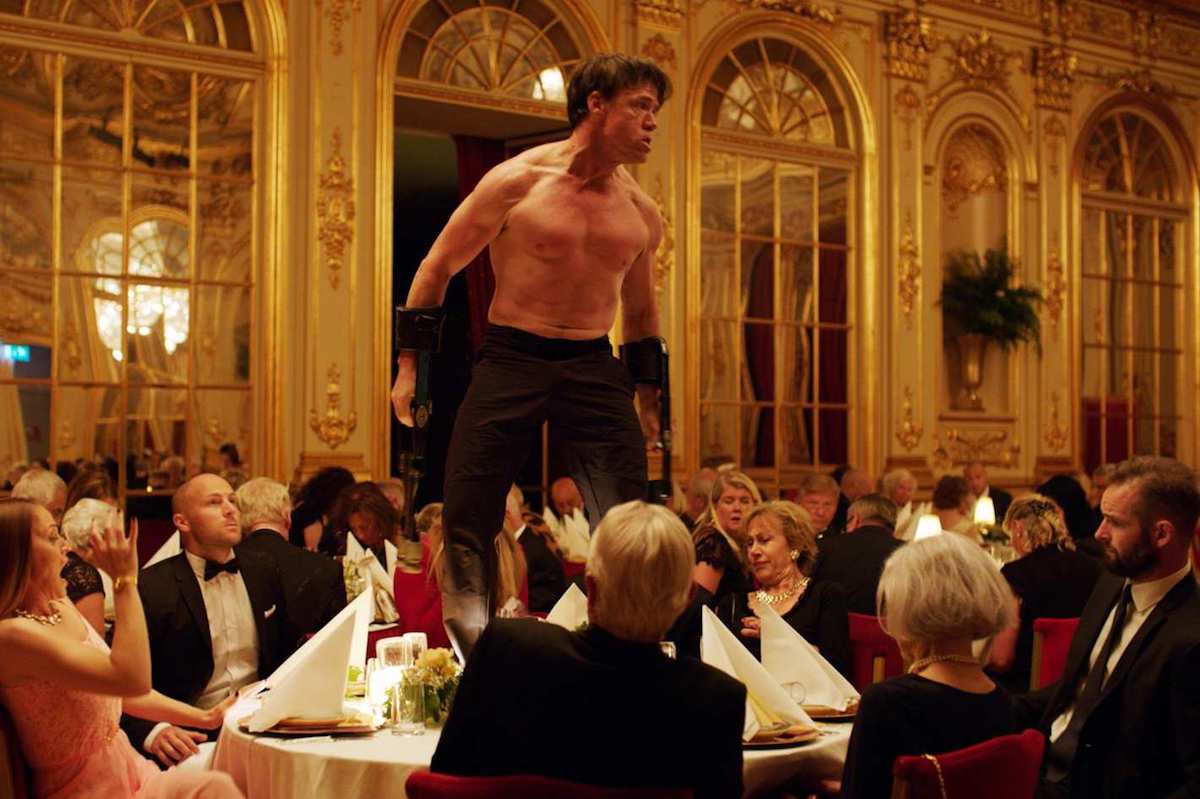 The Square by Ruben Östlund[/caption]
The Pearls and Zabaltegi-Tabakalera sections of the 2017 San Sebastian Film Festival will feature some of the year’s most important films. The Square, winner of the Golden Palm at the last Cannes Film Festival, will open the Zabaltegi-Tabakalera section.
The Hungarian filmmaker Ilkidó Enyedi, winner of the Golden Bear with the fable Teströl és lékekröl / On Body and Soul, will compete for the City of Donostia / San Sebastian Audience Award against the Jury Prize in Cannes, Nelyubov / Loveless, by Russian moviemaker Andrey Zvyagintsev (Leviafan / Leviathan) and the Jury Grand Prix at the French festival, 120 battements par minute (120 BMP) / 120 Beats Per Minute by Robin Campillo, screenwriter of Foxfire, which competed in San Sebastian’s Official Selection in 2012.
Also competing for the award decided by the audience are Wonderstruck, the adaptation of a story by Brian Selznick which competed at Cannes, in which Todd Haynes (Carol) directs Julianne Moore, Michelle Williams and child actors Oakes Fegley and Millicent Simmonds, and two films premiered at Sundance: The Big Sick, third film by Michael Showalter, about an interracial couple forced to deal with their cultural differences, and Call Me By Your Name by Luca Guadagnino (A Bigger Splash), screened at the Berlinale following its stop at the North American Festival. Loving Pablo will close the Pearls section.
Other titles in the Zabaltegi-Tabakalera section include Philippe Garrel with L’amant d’un jour / Lover for a Day; and Tesnota / Closeness, the debut by Kantemir Balagov, presented in Un Certain Regard. Saura(s), helmed by Félix Viscarret, a film from the Cineastas contados series; the directorial debut of Gustavo Salmerón, Muchos hijos, un mono y un castillo / Lots of Kids, a Monkey and a Castle, winner of Best Documentary at Karlovy Vary; the documentary No intenso agora / In the Intense Now, by the Brazilian filmmaker João Moreira Salles, which competed at Berlin; and the world premiere of Movistar+ series Vergüenza, written and helmed by Juan Cavestany and Álvaro Fernández Armero. This is the first time a television series will have competed for the Zabaltegi-Tabakalera Award.
The remaining titles making up both sections will be announced in the coming weeks.
The Square by Ruben Östlund[/caption]
The Pearls and Zabaltegi-Tabakalera sections of the 2017 San Sebastian Film Festival will feature some of the year’s most important films. The Square, winner of the Golden Palm at the last Cannes Film Festival, will open the Zabaltegi-Tabakalera section.
The Hungarian filmmaker Ilkidó Enyedi, winner of the Golden Bear with the fable Teströl és lékekröl / On Body and Soul, will compete for the City of Donostia / San Sebastian Audience Award against the Jury Prize in Cannes, Nelyubov / Loveless, by Russian moviemaker Andrey Zvyagintsev (Leviafan / Leviathan) and the Jury Grand Prix at the French festival, 120 battements par minute (120 BMP) / 120 Beats Per Minute by Robin Campillo, screenwriter of Foxfire, which competed in San Sebastian’s Official Selection in 2012.
Also competing for the award decided by the audience are Wonderstruck, the adaptation of a story by Brian Selznick which competed at Cannes, in which Todd Haynes (Carol) directs Julianne Moore, Michelle Williams and child actors Oakes Fegley and Millicent Simmonds, and two films premiered at Sundance: The Big Sick, third film by Michael Showalter, about an interracial couple forced to deal with their cultural differences, and Call Me By Your Name by Luca Guadagnino (A Bigger Splash), screened at the Berlinale following its stop at the North American Festival. Loving Pablo will close the Pearls section.
Other titles in the Zabaltegi-Tabakalera section include Philippe Garrel with L’amant d’un jour / Lover for a Day; and Tesnota / Closeness, the debut by Kantemir Balagov, presented in Un Certain Regard. Saura(s), helmed by Félix Viscarret, a film from the Cineastas contados series; the directorial debut of Gustavo Salmerón, Muchos hijos, un mono y un castillo / Lots of Kids, a Monkey and a Castle, winner of Best Documentary at Karlovy Vary; the documentary No intenso agora / In the Intense Now, by the Brazilian filmmaker João Moreira Salles, which competed at Berlin; and the world premiere of Movistar+ series Vergüenza, written and helmed by Juan Cavestany and Álvaro Fernández Armero. This is the first time a television series will have competed for the Zabaltegi-Tabakalera Award.
The remaining titles making up both sections will be announced in the coming weeks.
ZABALTEGI-TABAKALERA (PREVIEW)
THE SQUARE RUBEN ÖSTLUND (SWEDEN) Cast: Claes Bang, Elisabeth Moss, Dominic West, Terry Notary, Christopher Læssø OPENING NIGHT FILM Christian is a divorced father devoted to spending time with his two daughters. He’s a curator at a contemporary art museum, and the kind of guy who drives and electric car and supports the big humanitarian causes. He’s currently working on his next show, entitled The Square, an installation inviting passers-by to altruism, reminding them of their role as responsible fellow human beings. But sometimes it’s hard to live up to your own ideals: Christian’s meltdown in response to the theft of his mobile phone doesn’t exactly leave him in the best light… Meanwhile, the museum’s PR agency has created an unexpected campaign for The Square. The response is overblown and propels Christian headlong into an existential crisis. Golden Palm at Cannes. L’AMANT D’UN JOUR / LOVER FOR A DAY PHILIPPE GARREL (FRANCE) Cast: Éric Caravaca, Esther Garrel A 23 year-old comes home after the breakdown of a relationship to find that a woman the same age as herself now features in her father’s life. MUCHOS HIJOS, UN MONO Y UN CASTILLO (LOTS OF KIDS, A MONKEY AND A CASTLE.) GUSTAVO SALMERÓN (SPAIN) Cast: Julia Salmerón, Antonio García Cabanes, Gustavo Salmerón, Nacho Salmerón, Ramón García Salmerón, David García Salmerón, Paloma García Cabanes This is the story about Julita, a matriarch whose three childhood wishes have been granted: lots of kids, a monkey, and a Spanish castle. At her 81 years old, one of her children needs to find the vertebra of his murdered great-grandmother, lost among the exorbitant amount of weird objects she has hoarded throughout her life, revealing a very picturesque family history. This unique old lady is about to find the meaning of life. Winner of the Award to the Best Documentary at Karlovy Vary. NO INTENSO AGORA / IN THE INTENSE NOW JOÃO MOREIRA SALLES (BRAZIL) Made following the discovery of amateur footage shot in China in 1966 during the first and most radical stage of the Cultural Revolution, No Intenso Agora / In the Intense Now speaks to the fleeting nature of moments of great intensity. Scenes of China are set alongside archival images of the events of 1968 in France, Czechoslovakia, and, to a lesser extent, Brazil. In keeping with the tradition of the film-essay, they serve to investigate how the people who took part in those events continued onward after passions had cooled. The footage, all of it archival, not only reveals the state of mind of those filmed – joy, enchantment, fear, disappointment, dismay – but also sheds light on the relationship between a document and its political context. What can one say of Paris, Prague, Rio de Janeiro, or Beijing by looking at the images of the period? Why did each of these cities produce a specific sort of record? SAURA(S) FÉLIX VISCARRET (SPAIN) Félix Viscarret is a young director. Carlos Saura is a living legend. United by the Cineastas contados initiative tribute to the genius from Aragon, Viscarret devises a plan for his personal portrayal of the veteran filmmaker. It’s brilliant. It will show the most intimate Saura through conversations between the master and his 7 children. All accept. Saura isn’t fond of talking about the past. Viscarret insists. Saura likes painting. And photography. TESNOTA / CLOSENESS KANTEMIR BALAGOV (RUSSIA) Cast: Darya Zhovner, Olga Dragunova, Artem Tsypin, Nazir Zhukov, Veniamin Kats 1998, Nalchik. A Jewish family is in a dangerous situation: a young man and his fiancée are kidnapped one night and the next morning his family receives a ransom note. The amount demanded is so high that the family is forced to sell its small business and seek help from the local community. Un Certain Regard FIPRESCI Prize. VERGÜENZA JUAN CAVESTANY, ÁLVARO FERNÁNDEZ ARMERO (SPAIN) Cast: Javier Gutiérrez, Malena Alterio, Vito Sanz Jesús and Nuria have a problem: no matter what they do, they’re always the laughing stock of their family and friends, stupidly making a fool of themselves. He is a wedding and christening photographer, but believes he has a calling to show his true talent in ‘artistic’ photography. She believes that after her temporary crises she’ll start to have a more interesting life. Together they must decide whether being so pathetic is just a passing virus or if they actually have a chronic disease. Vergüenza is a ten chapter television series.PERLAS (PREVIEW)
LOVING PABLO FERNANDO LEÓN DE ARANOA (SPAIN – BULGARIA) Cast: Javier Bardem, Penélope Cruz CLOSING NIGHT FILM Not in competition The true story of the notorious drug kingpin Pablo Escobar, who killed thousands, made billions and struck up an unlikely love affair with his polar opposite, a glamorous television host named Virginia Vallejo. CALL ME BY YOUR NAME LUCA GUADAGNINO (ITALY – FRANCE) Cast: Armie Hammer, Timothée Chalamet, Michael Stuhlbarg, Amira Casar, Esther Garrel North of Italy, Summer 1983. Elio Perlman, a 17-year-old American/French/Italian boy spends his days in his family’s 17th century villa lazily transcribing music and flirting with his friend Marzia. One day Oliver, an American 24-year-old, arrives to help Elio’s father in his academic activities while working on his doctorate on Heraclitus for a few weeks. Elio and Oliver will discover the beauty of desire slowly unfolding in the course of this unique summer. 120 BATTEMENTS PAR MINUTE (120 BPM) / 120 BEATS PER MINUTE ROBIN CAMPILLO (FRANCE) Cast: Nahuel Pérez Biscayart, Arnaud Valois, Adèle Haenel, Yves Heck, Emmanuel Ménard, Antoine Reinartz, François Rabette… Paris, in the early 1990s. A group of young activists multiply their actions to raise awareness of AIDS. Nathan, a newcomer to the group, has his world shaken up by the radical stance and energy of Sean, who throws the last of his strength into the struggle. Jury Grand Prix at Cannes. NELYUBOV / LOVELESS ANDREY ZVYAGINTSEV (RUSSIA – FRANCE – BELGIUM – GERMANY) Cast: Maryana Spivak, Alexey Rozin, Matvey Novikov A couple entangled in a messy divorce have no option but to join forces and search for their son when he disappears during one of their arguments. Jury Prize in Cannes. TESTRÖL ÉS LÉLEKRÖL / ON BODY AND SOUL ILDIKÓ ENYEDI (HUNGARY) Cast: Géza Morcsányi , Alexandra Borbély, Ervin Nagy, Pál Mácsai Two timid people make the chance discovery that they have the same dream every night. Confused and frightened by the revelation, they decide to accept the strange coincidence and set about recreating the experience in real life. A complicated task; the more they try, the further away their goal appears to be. In spite of it all, their clumsy attempts will topple their personal interior barriers and end up uniting them to one another. Golden Bear at Berlin. THE BIG SICK MICHAEL SHOWALTER (USA) Cast: Kumail Nanjiani, Zoe Kazan, Holly Hunter, Ray Romano The Big Sick tells the real-life story of Kumail and Emily, a couple who meet after one of his comedy sets. However, what they thought would be just a one-night stand blossoms into the real thing, despite their cultural differences. The situation complicates everyone’s lives given the expectations harboured by Kumail’s traditional Muslim parents. And to make matters worse, Emily is beset with a mysterious illness… SXSW Audience Award. WONDERSTRUCK TODD HAYNES (USA) Cast: Oakes Fegley, Julianne Moore, Michelle Williams, Millicent Simmonds Ben and Rose are children from two different eras who secretly wish that their lives were different. Ben longs for the father he’s never known, while Rose dreams of a mysterious actress whose life she chronicles in a scrapbook. When Ben discovers a puzzling clue and Rose reads an enticing headline, they both set out on epic quests to find what they’re missing.
-
European Premiere of Wim Wenders’ SUBMERGENCE to Open San Sebastian Festival
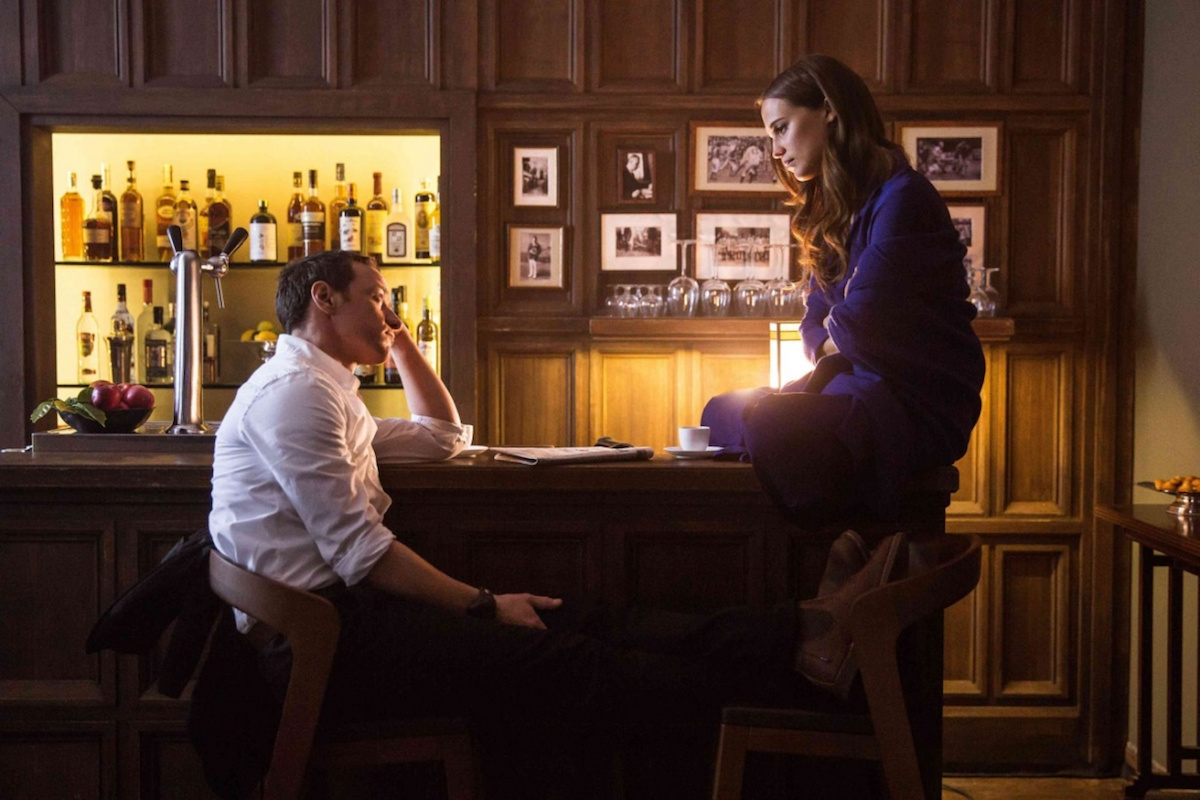 The European premiere of Wim Wenders’ Submergence will open the 65th edition of the San Sebastian Festival on September 22, 2017. The film which will world premiere at the 2017 Toronto International Film Festival stars Alicia Vikander and James McAvoy.
The story, shot in Berlin, Madrid, Toledo, different locations in France and Djibouti, was written by Erin Dignam (The Yellow Handkerchief, The Last Face) based on the famous novel of the same name by The Economist correspondent J.M. Ledgard (Giraffe). James McAvoy and Alicia Vikander embody a hydraulic engineer and a bio-mathematician who meet in a hotel on the French coast, where both are preparing their missions. While she works on a project of immersion in the Greenland Sea, he is taken hostage in Somalia.
Submergence is a love story that takes us into the extremely different worlds of our two protagonists, Danielle Flinders (Alicia Vikander) and James More (James McAvoy). They meet by chance in a remote hotel in Normandy where they both prepare for a dangerous mission. They fall in love almost against their will, but soon recognize in each other the love of their lives. When they have to separate, we find out that James works for the British Secret Service. He’s involved in a mission in Somalia to track down a source for suicide bombers infiltrating Europe. Danielle ‘Danny’ Flinders is a bio-mathematician working on a deep sea diving project to support her theory about the origin of life on our planet. Soon, they are worlds apart. James is taken hostage by Jihadist fighters and has no way of contacting Danny, and she has to go down to the bottom of the ocean in her submersible, not even knowing if James is still alive…
The German filmmaker, screenwriter and producer Wim Wenders (Düsseldorf, 1945) has worked during his career in both Europe and the United States, putting his name to some of the most relevant films in the last four decades, including Der Stand der Dinge (The State of Things, 1982), Golden Lion at Venice Festival; Paris, Texas (1984), screened at the San Sebastian Festival after receiving the Palme d’Or at the Cannes Festival; Der Himmel über Berlin (Wings of Desire, 1987), winner of Best Director in Cannes; and the documentaries Buena Vista Social Club (1999), which garnered over a dozen awards at the Seattle, New York and Los Angeles festivals; Pina (2011), premiered at Berlin and presented in the Zabaltegi Pearls section in San Sebastian, or Salt of the Earth, co-helmed with Juliano Ribeiro Salgado (1914), Un Certain Regard Special Prize and Audience Award in San Sebastian. Founder member of the European Film Academy, in 2002 he chaired the San Sebastian Festival Jury, which awarded the Golden Shell to Los lunes al sol (Mondays in the Sun) by Fernando León de Aranoa.
Scottish actor James McAvoy (Glasgow, 1979) plays the leading part in The Last King of Scotland (Kevin Macdonald, 2006), Atonement (Joe Wright, 2007), The Disappearance of Eleanor Rigby (Ned Benson, 2014, selected for the Festival’s Pearls section) and Split (M. Night Shyamalan, 2016), in addition to embodying a young Charles Xavier in three films of the X-Men saga.
Swedish actor Alicia Vikander (Gothenburg, 1988), remarkable for her performances of Kitty in Anna Karenina (Joe Wright, 2012), Queen Mathilde in En Kongelig Affære / A Royal Affair (Nikolaj Arcel, 2012) and Ex machina (Alex Garland, 2014), won the 2015 Academy Award as Best Supporting Actress for her part in The Danish Girl (Gerda Wegener) and will see her performance as Lara Croft take to the screen next year in the latest installment of Tomb Raider (Roar Uthaug, 2018).
The soundtrack is written by Fernando Velázquez (A Monster Calls, The Impossible), once again featuring the Basque National Symphony Orchestra.
The European premiere of Wim Wenders’ Submergence will open the 65th edition of the San Sebastian Festival on September 22, 2017. The film which will world premiere at the 2017 Toronto International Film Festival stars Alicia Vikander and James McAvoy.
The story, shot in Berlin, Madrid, Toledo, different locations in France and Djibouti, was written by Erin Dignam (The Yellow Handkerchief, The Last Face) based on the famous novel of the same name by The Economist correspondent J.M. Ledgard (Giraffe). James McAvoy and Alicia Vikander embody a hydraulic engineer and a bio-mathematician who meet in a hotel on the French coast, where both are preparing their missions. While she works on a project of immersion in the Greenland Sea, he is taken hostage in Somalia.
Submergence is a love story that takes us into the extremely different worlds of our two protagonists, Danielle Flinders (Alicia Vikander) and James More (James McAvoy). They meet by chance in a remote hotel in Normandy where they both prepare for a dangerous mission. They fall in love almost against their will, but soon recognize in each other the love of their lives. When they have to separate, we find out that James works for the British Secret Service. He’s involved in a mission in Somalia to track down a source for suicide bombers infiltrating Europe. Danielle ‘Danny’ Flinders is a bio-mathematician working on a deep sea diving project to support her theory about the origin of life on our planet. Soon, they are worlds apart. James is taken hostage by Jihadist fighters and has no way of contacting Danny, and she has to go down to the bottom of the ocean in her submersible, not even knowing if James is still alive…
The German filmmaker, screenwriter and producer Wim Wenders (Düsseldorf, 1945) has worked during his career in both Europe and the United States, putting his name to some of the most relevant films in the last four decades, including Der Stand der Dinge (The State of Things, 1982), Golden Lion at Venice Festival; Paris, Texas (1984), screened at the San Sebastian Festival after receiving the Palme d’Or at the Cannes Festival; Der Himmel über Berlin (Wings of Desire, 1987), winner of Best Director in Cannes; and the documentaries Buena Vista Social Club (1999), which garnered over a dozen awards at the Seattle, New York and Los Angeles festivals; Pina (2011), premiered at Berlin and presented in the Zabaltegi Pearls section in San Sebastian, or Salt of the Earth, co-helmed with Juliano Ribeiro Salgado (1914), Un Certain Regard Special Prize and Audience Award in San Sebastian. Founder member of the European Film Academy, in 2002 he chaired the San Sebastian Festival Jury, which awarded the Golden Shell to Los lunes al sol (Mondays in the Sun) by Fernando León de Aranoa.
Scottish actor James McAvoy (Glasgow, 1979) plays the leading part in The Last King of Scotland (Kevin Macdonald, 2006), Atonement (Joe Wright, 2007), The Disappearance of Eleanor Rigby (Ned Benson, 2014, selected for the Festival’s Pearls section) and Split (M. Night Shyamalan, 2016), in addition to embodying a young Charles Xavier in three films of the X-Men saga.
Swedish actor Alicia Vikander (Gothenburg, 1988), remarkable for her performances of Kitty in Anna Karenina (Joe Wright, 2012), Queen Mathilde in En Kongelig Affære / A Royal Affair (Nikolaj Arcel, 2012) and Ex machina (Alex Garland, 2014), won the 2015 Academy Award as Best Supporting Actress for her part in The Danish Girl (Gerda Wegener) and will see her performance as Lara Croft take to the screen next year in the latest installment of Tomb Raider (Roar Uthaug, 2018).
The soundtrack is written by Fernando Velázquez (A Monster Calls, The Impossible), once again featuring the Basque National Symphony Orchestra.
-
Twenty-One Spanish Films Among Official Selections for San Sebastian Festival
[caption id="attachment_23355" align="aligncenter" width="1200"]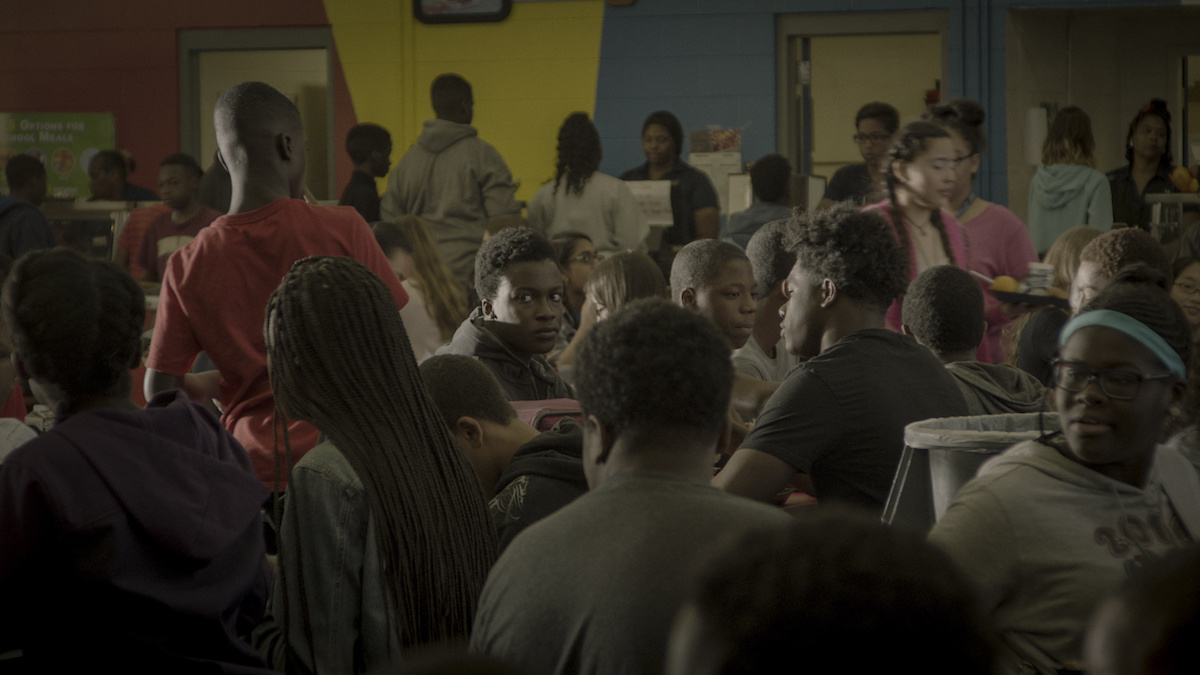 Life and Nothing More[/caption]
Twenty-one films with Spanish production are among the official selection films confirmed for the 65th edition of the San Sebastian Festival. From September 22 to 30 the Festival will premiere Life and Nothing More, the second film by Antonio Méndez Esparza, winner of the Cannes Critics’ Week award with Aquí y allá; Handia, the latest proposal from Jon Garaño and Aitor Arregi, director and screenwriters of Loreak (Flowers); El autor, by Manuel Martín Cuenca, third-time contender for the Golden Shell; Marrowbone, the directorial debut of screenwriter Sergio G. Sánchez; the first two episodes of the series La peste (The Plague), directed by Alberto Rodríguez; and Morir (Dying), the second film by Fernando Franco.
Manuel Martín Cuenca returns to the Official Selection with El autor, a film based on the novel El móvil (The Motive), by Javier Cercas, starring Javier Gutiérrez, María Leon and Antonio de la Torre, with a soundtrack by José Luis Perales.
Handia, based on the true story of Miguel Joaquín Eleizegi (1818-1861), known as the Altzo giant, explores his human side and how he related to the society of his time. Handia is the new film by Aitor Arregi and Jon Garaño. Jon Garaño directed Loreak (Flowers, Official Selection, 2014) together with Jose Mari Goenaga; Aitor Arregi wrote Loreak and directed Lucio (premiered in Zabaltegi Special Screenings in 2007) also with Goenaga.
Having landed the Cannes Critics’ Week award for Aquí y allá, his take on Mexican emigration, the moviemaker from Madrid, Antonio Méndez Esparza turns his eyes in Life and Nothing More towards the situation of a single mother and her 14 year-old son in the state of Florida.
Featuring out of competition in the Official Selection is Marrowbone, directorial debut of Sergio G. Sánchez, screenwriter of El Orfanato (The Orphanage), The Impossible (2012 Official Selection) and Palmeras en la nieve (Palm Trees in the Snow), who has recruited young British and North American talents for the film: Anya Taylor-Joy (The Witch, Split), George Mackay (Captain Fantastic), Mia Goth (A Cure for Wellness, Nymphomaniac. Vol. II) and Charlie Heaton (As You Are, Stranger Things).
Featuring in the special screenings section is Morir (Dying) by Fernando Franco, winner of the Special Jury Prize at the San Sebastian Festival and of the Goya Award to Best New Director for his first work, La herida. Morir (Dying), a free adaptation of the book of the same name by Arthur Schnitzler, stars Andrés Gertrúdix and Marian Álvarez, also winner with La herida of the Best Actress Silver Shell, endorsed by the Goya for Best Actress.
Spanish participation can also be found in La cordillera (The Summit), the film directed by Santiago Mitre which will be shown in a special screening to celebrate presentation of the Donostia Award to its leading man, the Argentine actor Ricardo Darín.
In New Directors, Nicolás Combarro (A Coruña, 1979), a well-known artist who uses different forms of expression including photography and sculpture, presents his first film, Alberto García-Alix. La línea de la sombra (Alberto García-Alix. The Shadow Line), portraying the universe of the Spanish photographer. Also in the section dedicated to new talents is the co-production between Chile, Spain and Argentina, Princesita (Princess), directed by Marialy Rivas, whose first feature, Joven & Alocada (Young & Wild, 2012), won the Best Screenplay Award at Sundance. Princesita (Princess) was a participant in the Films in Progress selection in 2015.
The co-production between Chile, Germany, Spain and United States Una mujer fantástica (A Fantastic Woman) by Sebastián Lelio, winner of the Silver Bear for Best Screenplay at the Berlinale, will open Horizontes Latinos, the selection of which includes La educación del Rey (Rey’s Education), by Santiago Esteves, winner of the two Films in Progress awards last year (Films in Progress 30 Industry Award and the CAACI / Ibermedia TV Films in Progress Award).
Competitors for the Zabaltegi-Tabakalera award include the first work as a director from Gustavo Salmerón, the documentary Muchos hijos, un mono y un castillo (Lots of Kids, a Monkey and a Castle), an allegory of the crisis which garnered the Best Documentary Award at the Karlovy Vary Festival, and the shorts Plágan (Kimuak 2017), by Koldo Almandoz, who competed in the same section last year with Sipo Phantasma (Ghost Ship), and Plus Ultra, by Samuel M. Delgado and Helena Girón, selected for the Locarno Festival. The coming feature film project by Delgado and Girón, Eles transportan a morte, has been selected for the Ikusmira Berriak 2017 program.
Furthermore, the co-production Loving Pablo, the film about drug lord Pablo Escobar, directed by Fernando León de Aranoa and starring Javier Bardem and Penélope Cruz, will close the Pearls section and will be screened in the Anoeta Velodrome.
The Velodrome also will host the premieres of Operación Concha (Operation Golden Shell), a screwball comedy set at the San Sebastian Festival, directed by Antonio Cuadri (El corazón de la tierra /The Heart of the Earth) and starring Jordi Mollà and Karra Elejalde, and Fe de etarras, fourth feature as a director from Borja Cobeaga, written by Diego San José and starring Javier Cámara, Julián López, Miren Ibarguren and Gorka Otxoa.
The Spanish Television gala will host the premiere of La llamada, the adaptation of the homonymous musical. The directors of the play, Javier Calvo and Javier Ambrossi, take their first steps in feature film territory with this movie starring Macarena García (Best Actress Silver Shell for Blancanieves / Snow White), Anna Castillo and Belén Cuesta.
Lastly, competing at the International Film Students Meeting is L’home llop (The Wolfman), directed by a student of the ESCAC (Escola Superior de Cinema i Audiovisuals de Catalunya), Lluís Sellarés.
Life and Nothing More[/caption]
Twenty-one films with Spanish production are among the official selection films confirmed for the 65th edition of the San Sebastian Festival. From September 22 to 30 the Festival will premiere Life and Nothing More, the second film by Antonio Méndez Esparza, winner of the Cannes Critics’ Week award with Aquí y allá; Handia, the latest proposal from Jon Garaño and Aitor Arregi, director and screenwriters of Loreak (Flowers); El autor, by Manuel Martín Cuenca, third-time contender for the Golden Shell; Marrowbone, the directorial debut of screenwriter Sergio G. Sánchez; the first two episodes of the series La peste (The Plague), directed by Alberto Rodríguez; and Morir (Dying), the second film by Fernando Franco.
Manuel Martín Cuenca returns to the Official Selection with El autor, a film based on the novel El móvil (The Motive), by Javier Cercas, starring Javier Gutiérrez, María Leon and Antonio de la Torre, with a soundtrack by José Luis Perales.
Handia, based on the true story of Miguel Joaquín Eleizegi (1818-1861), known as the Altzo giant, explores his human side and how he related to the society of his time. Handia is the new film by Aitor Arregi and Jon Garaño. Jon Garaño directed Loreak (Flowers, Official Selection, 2014) together with Jose Mari Goenaga; Aitor Arregi wrote Loreak and directed Lucio (premiered in Zabaltegi Special Screenings in 2007) also with Goenaga.
Having landed the Cannes Critics’ Week award for Aquí y allá, his take on Mexican emigration, the moviemaker from Madrid, Antonio Méndez Esparza turns his eyes in Life and Nothing More towards the situation of a single mother and her 14 year-old son in the state of Florida.
Featuring out of competition in the Official Selection is Marrowbone, directorial debut of Sergio G. Sánchez, screenwriter of El Orfanato (The Orphanage), The Impossible (2012 Official Selection) and Palmeras en la nieve (Palm Trees in the Snow), who has recruited young British and North American talents for the film: Anya Taylor-Joy (The Witch, Split), George Mackay (Captain Fantastic), Mia Goth (A Cure for Wellness, Nymphomaniac. Vol. II) and Charlie Heaton (As You Are, Stranger Things).
Featuring in the special screenings section is Morir (Dying) by Fernando Franco, winner of the Special Jury Prize at the San Sebastian Festival and of the Goya Award to Best New Director for his first work, La herida. Morir (Dying), a free adaptation of the book of the same name by Arthur Schnitzler, stars Andrés Gertrúdix and Marian Álvarez, also winner with La herida of the Best Actress Silver Shell, endorsed by the Goya for Best Actress.
Spanish participation can also be found in La cordillera (The Summit), the film directed by Santiago Mitre which will be shown in a special screening to celebrate presentation of the Donostia Award to its leading man, the Argentine actor Ricardo Darín.
In New Directors, Nicolás Combarro (A Coruña, 1979), a well-known artist who uses different forms of expression including photography and sculpture, presents his first film, Alberto García-Alix. La línea de la sombra (Alberto García-Alix. The Shadow Line), portraying the universe of the Spanish photographer. Also in the section dedicated to new talents is the co-production between Chile, Spain and Argentina, Princesita (Princess), directed by Marialy Rivas, whose first feature, Joven & Alocada (Young & Wild, 2012), won the Best Screenplay Award at Sundance. Princesita (Princess) was a participant in the Films in Progress selection in 2015.
The co-production between Chile, Germany, Spain and United States Una mujer fantástica (A Fantastic Woman) by Sebastián Lelio, winner of the Silver Bear for Best Screenplay at the Berlinale, will open Horizontes Latinos, the selection of which includes La educación del Rey (Rey’s Education), by Santiago Esteves, winner of the two Films in Progress awards last year (Films in Progress 30 Industry Award and the CAACI / Ibermedia TV Films in Progress Award).
Competitors for the Zabaltegi-Tabakalera award include the first work as a director from Gustavo Salmerón, the documentary Muchos hijos, un mono y un castillo (Lots of Kids, a Monkey and a Castle), an allegory of the crisis which garnered the Best Documentary Award at the Karlovy Vary Festival, and the shorts Plágan (Kimuak 2017), by Koldo Almandoz, who competed in the same section last year with Sipo Phantasma (Ghost Ship), and Plus Ultra, by Samuel M. Delgado and Helena Girón, selected for the Locarno Festival. The coming feature film project by Delgado and Girón, Eles transportan a morte, has been selected for the Ikusmira Berriak 2017 program.
Furthermore, the co-production Loving Pablo, the film about drug lord Pablo Escobar, directed by Fernando León de Aranoa and starring Javier Bardem and Penélope Cruz, will close the Pearls section and will be screened in the Anoeta Velodrome.
The Velodrome also will host the premieres of Operación Concha (Operation Golden Shell), a screwball comedy set at the San Sebastian Festival, directed by Antonio Cuadri (El corazón de la tierra /The Heart of the Earth) and starring Jordi Mollà and Karra Elejalde, and Fe de etarras, fourth feature as a director from Borja Cobeaga, written by Diego San José and starring Javier Cámara, Julián López, Miren Ibarguren and Gorka Otxoa.
The Spanish Television gala will host the premiere of La llamada, the adaptation of the homonymous musical. The directors of the play, Javier Calvo and Javier Ambrossi, take their first steps in feature film territory with this movie starring Macarena García (Best Actress Silver Shell for Blancanieves / Snow White), Anna Castillo and Belén Cuesta.
Lastly, competing at the International Film Students Meeting is L’home llop (The Wolfman), directed by a student of the ESCAC (Escola Superior de Cinema i Audiovisuals de Catalunya), Lluís Sellarés.
OFFICIAL SELECTION
In competition
EL AUTOR MANUEL MARTÍN CUENCA (SPAIN – MEXICO) Production: LAZONA FILMS, ALEBRIJE CINE Y VÍDEO, ICÓNICA PRODUCCIONES, LA LOMA BLANCA P.C. Cast: Javier Gutiérrez, María León, Adelfa Calvo, Adriana Paz, Tenoch Huerta, Rafael Téllez, Antonio de la Torre Álvaro wants to be an author, but everything he puts down on paper rings false, pretentious and insipid. He works as a clerk at a notary’s office in Seville and his life is dull, only coloured by his dreams. His wife, Amanda, is quite the opposite. She’s always had her feet firmly on the ground and has never dreamt of becoming an author. However, she sets out to write and produces a bestseller. The ironies of life. Separation is inevitable. Just then, Álvaro decides to fulfil his dream: to write a great novel. But he can’t; he has neither the talent nor the imagination. Guided by Juan, his writing teacher, he studies the fundamentals of the novel, until discovering one day that fiction is in fact based on reality. Álvaro starts manipulating his neighbours and friends to create a story, a real story bigger than fiction. HANDIA AITOR ARREGI, JON GARAÑO (SPAIN) Production: IRUSOIN, MORIARTI PRODUKZIOAK, KOWALSKI FILMS S.L., AUNDIYA FILM A.I.E. Cast: Eneko Sagardoy, Joseba Usabiaga, Iñigo Aranburu, Ramon Agirre, Aia Kruse Having fought in the First Carlist War, Martin returns to his family farm in Gipuzkoa only to find that his younger brother, Joaquín, towers over him in height. Convinced that everyone will want to pay to see the tallest man on Earth, the siblings set out on a long trip all over Europe, during which ambition, money and fame will forever change the family’s fate. A story based on true events. LIFE AND NOTHING MORE ANTONIO MÉNDEZ ESPARZA (SPAIN – USA) Production: AQUÍ Y ALLÍ FILMS Cast: Andrew Bleechington, Regina Williams, Robert Williams, Ry’nesia Chambers Life and Nothing More portrays the reality of a single mother who lives in north Florida state with her children. In a context of social inequality, her life is nothing but a constant struggle to make it to the end of the month, while coping with routine and everyday difficulties, among which are the problem of her son’s behaviour and her permanent conflict when trying to become part of society.Not in competition
LA PESTE (THE PLAGUE) ALBERTO RODRÍGUEZ (SPAIN) Production: MOVISTAR+, ATÍPICA FILMS Cast: Pablo Molinero, Paco León, Sergio Castellanos, Patricia López Arnaiz, Manolo Solo, Lupe del Junco, Tomás del Estal, Paco Tous, Cecilia Gómez During an outbreak of the bubonic plague in the magnificent Seville of 1587, Mateo, a former soldier, returns, honouring his word to find and extract a dead friend’s son from the city. Previously, Mateo had been forced to flee the city to save his life, having been sentenced to death by the Inquisition for printing forbidden books. Before he can complete his task, Mateo is arrested by the Inquisitor’s bailiffs, who promise to pardon his life in exchange for solving a series of crimes of diabolic overtones being committed in Seville. MARROWBONE SERGIO G. SÁNCHEZ (SPAIN) Production: MARROWBONE, S.L, TELECINCO CINEMA Cast: George MacKay, Anya Taylor-Joy, Charlie Heaton, Mia Goth, Matthew Stagg Jack and his siblings struggle to survive at the rundown Marrowbone farm. Despite the blow of their mother’s early death, the four brothers have created in this remote and labyrinthine spot a refuge suited to their needs, safe from the outside world and with no adult help whatsoever. They stay together, observing their mother’s last wish; but the danger closing in around them isn’t to be found outside the farm. Strange noises and occurrences start shaking Marrowbone’s old walls, as if haunted by an ancient curse. With no other option but to stay in the mansion, the four brothers will have to find a way to overcome the threatening ominous presence.Special screenings
MORIR (DYING) FERNANDO FRANCO (SPAIN) Production: KOWALSKI FILMS, FERDYDURKE FILMS Cast: Andrés Gertrúdix, Marian Álvarez The lives of Luis and Marta are abruptly paralysed. Lies, guilt and fear put the couple’s stability and love to the test.DONOSTIA AWARD SPECIAL SCREENING
LA CORDILLERA (THE SUMMIT) SANTIAGO MITRE (ARGENTINA – SPAIN – FRANCE) Production: KRAMER & SIGMAN FILMS, MOD PRODUCCIONES, MANEKI FILMS, LA UNIÓN DE LOS RÍOS Cast: Ricardo Darín, Dolores Fonzi, Érica Rivas, Elena Anaya, Daniel Giménez-Cacho, Alfredo Castro, Gerardo Romano, Leonardo Franco, Paulina García, Christian Slater At a Summit for Latin American presidents in Chile, where the region’s geopolitical strategies and alliances are in discussion, Argentine president Hernán Blanco endures a political and family drama that will force him to face his own demons. He will have to come to two decisions that could change the course of his public and private life forever: one regarding a complicated emotional situation with his daughter, and the other, the most important political decisión of his career.NEW DIRECTORS
ALBERTO GARCÍA-ALIX. LA LÍNEA DE SOMBRA (ALBERTO GARCÍA-ALIX. THE SHADOW LINE) NICOLÁS COMBARRO (SPAIN) Production: MORELLI PRODUCCIONES Alberto García-Alix. La línea de sombra is the portrait of one of the most important photographers on the Spanish artistic scene, reference of an entire generation. A direct testimony of the lights and shadows through which Alberto García-Alix has had to make his way in order to find his path. Narrated from the intimacy of his studio, the film takes the shape of a voyage between the present and the past. A dialogue between his life and work. PRINCESITA (PRINCESS) MARIALY RIVAS (CHILE – SPAIN – ARGENTINA) Production: FABULA, SETEMBRO CINE, SUDESTADA CINE Cast: Sara Caballero, Marcelo Alonso, Maria Gracia Omegna Films in Progress 28 In a far-off country at the end of the world Tamara, aged 12, lives under the wing of charismatic cult leader Miguel, a man she adores. That summer the girl will be given a mission: to have a holy child with him immediately she has her first period. Tamara realises that the life she wants for herself is not the same as the fate imposed on her. Her disobedience will lead to her violent development from child to woman, forcing her to gain her freedom in a way she had never imagined.HORIZONTES LATINOS
UNA MUJER FANTÁSTICA (A FANTASTIC WOMAN) SEBASTIÁN LELIO (TXILE – GERMANY – SPAIN – USA) Production: FABULA, KOMPLIZEN FILM, SETEMBRO CINE Cast: Daniela Vega, Francisco Reyes, Luis Gnecco, Paulina García, Néstor Cantillana, Alonso Torres, Cristián Chaparro, Senén Arancibia OPENING FILM (IN COMPETITION) Marina is a young waitress and wannabe singer; Orlando owns a printing company. Together they plan their future. When Orlando dies suddenly, Marina has to stand up to her family and society to show them what she truly is: a complex, strong, forthright and… fantastic woman. Teddy Award and Silver Bear for Best Screenplay at the Berlinale 2017. LA EDUCACIÓN DEL REY (REY’S EDUCATION) SANTIAGO ESTEVES (ARGENTINA – SPAIN) Production: 13 CONEJOS, NEPHILIM S.A. Cast: Germán De Silva, Matías Encinas, Jorge Prado, Mario Jara, Martín Arrojo, Elena Schnell, Marcelo Lacerna, Esteban Lamothe Bolting from his first ever heist, Reynaldo Galíndez, alias ‘Rey’, lands in the patio of the house inhabited by Carlos Vargas, a retired security guard. Vargas proposes a deal: the young boy will repair the damage to his home in return for not being handed over to the police. The lessons given to the teenager by the former guard develop into a relationship not unlike the old legends of educating a king (for the “Rey” of his name, meaning “king”). But the agreement will start to fall apart when the loose ends of the robbery Reynaldo had been involved in start closing in around them. Films in Progress Industry Award and CAACI / Ibermedia TV Films in Progress Award in 2016.ZABALTEGI-TABAKALERA
MUCHOS HIJOS, UN MONO Y UN CASTILLO (LOTS OF KIDS, A MONKEY AND A CASTLE.) GUSTAVO SALMERÓN (SPAIN) Production: GUSTAVO SALMERÓN P.C. Cast: Julia Salmerón, Antonio García Cabanes, Gustavo Salmerón, Nacho Salmerón, Ramón García Salmerón, David García Salmerón, Paloma García Cabanes This is the story about Julita, a matriarch whose three childhood wishes have been granted: lots of kids, a monkey, and a Spanish castle. At her 81 years old, one of her children needs to find the vertebra of his murdered great-grandmother, lost among the exorbitant amount of weird objects she has hoarded throughout her life, revealing a very picturesque family history. This unique old lady is about to find the meaning of life. Winner of the Award to the Best Documentary at Karlovy Vary. PLÁGAN (PLAGUE) Short film KOLDO ALMANDOZ (SPAIN) Production: TXINTXUA FILMS SL, MKM Plague: From the Latin plague ‘blow’, ‘wound’. Meaning: Massive and sudden appearance of living beings of a same species which cause serious damage to animal or vegetable populations. Abundance of something harmful. PLUS ULTRA Short film SAMUEL M. DELGADO, HELENA GIRÓN (SPAIN) Production: EL VIAJE FILMS, FILMIKA GALAIKA Cast: David Pantaleón, Rubén Rodríguez, María Isabel Díaz, Elena Navarro, Mercedes Pintado Plus Ultra is Spain’s motto. It was used to encourage seafarers to conquer new lands, forgetting Greek mythology’s warning: Non Terrae Plus Ultra (No Land Beyond). The Canary Islands – test bench for the tactics used to colonise America – become the scene of a fable about the territory. VERGÜENZA JUAN CAVESTANY, ÁLVARO FERNÁNDEZ ARMERO (SPAIN) Production: MOVISTAR+, APACHE FILMS S.L. Cast: Javier Gutiérrez, Malena Alterio, Vito Sanz Jesús and Nuria have a problem: no matter what they do, they’re always the laughing stock of their family and friends, stupidly making a fool of themselves. He is a wedding and christening photographer, but believes he has a calling to show his true talent in ‘artistic’ photography. She believes that after her temporary crises she’ll start to have a more interesting life. Together they must decide whether being so pathetic is just a passing virus or if they actually have a chronic disease. Vergüenza is a ten chapter television series. SAURA(S) FÉLIX VISCARRET (SPAIN) Production: IMVAL PRODUCCIONES, PANTALLA PARTIDA Félix Viscarret is a young director. Carlos Saura is a living legend. United by the Cineastas Contados initiative tribute to the genius from Aragon, Viscarret devises a plan for his personal portrayal of the veteran filmmaker. It’s brilliant. It will show the most intimate Saura through conversations between the master and his 7 children. All accept. Saura isn’t fond of talking about the past. Viscarret insists. Saura likes painting. And photography.PEARLS
LOVING PABLO FERNANDO LEÓN DE ARANOA (SPAIN – BULGARIA) Production: ESCOBAR FILMS AIE, B2Y OOD LTD, JAVIER BARDEM Cast: Javier Bardem, Penélope Cruz CLOSING NIGHT FILM Not in competition The true story of the notorious drug kingpin Pablo Escobar, who killed thousands, made billions and struck up an unlikely love affair with his polar opposite, a glamorous television host named Virginia Vallejo.VELODROME
FE DE ETARRAS BORJA COBEAGA (SPAIN) Production: NETFLIX, MEDIAPRO Cast: Javier Cámara, Gorka Otxoa, Julian López, Miren Ibarguren, Ramón Barea Fe de etarras is an unusual dark comedy set in the warm summer of 2010 in a Spanish provincial capital. A peculiar commando composed of a veteran desperate to prove he’s not a coward, a couple whose commitment depends on continuity of the outfit and a guy from La Mancha who thinks that joining the commando will turn him into Chuck Norris, hole up in a safe house while waiting for the call to tell them they can take action. Meanwhile, the Spanish football team notches up victories in the South Africa World Cup and the whole country is celebrating around them, causing enormous frustration among the farcical commando. OPERACIÓN CONCHA (OPERATION GOLDEN SHELL) ANTONIO CUADRI (SPAIN – MEXICO) Production: ABRA PROD S.L., SPLINE PRODUCCIÓN AUDIOVISUAL S.A. DE CV (CARIBBEAN FIMS) Cast: Jordi Mollà, Karra Elejalde, Unax Ugalde, Ramón Agirre, Bárbara Goenaga, Bárbara Mori, Mara Escalante, Alosian Vivancos Unscrupulous businessman Marcos Ruiz de Aldazábal (Karra Elejalde) is the head of a film production company gone bust. Desperate and penniless, Marcos and his team come up with a plan to hoodwink a millionnaire investment company with a lookalike of prestigious actor Ray Silvela (Jordi Mollà), who has declined the offer to work on their film. Making the most of the San Sebastian Festival context, they set about contriving a massive hoax where nothing is what it seems to be.TVE SPECIAL SCREENING
LA LLAMADA (HOLY CAMP) JAVIER CALVO, JAVIER AMBROSSI (SPAIN) Production: APACHE FILMS, LO HACEMOS Y YA VEMOS AIE, SÁBADO PELÍCULAS Cast: Macarena García, Anna Castillo, Belén Cuesta, Gracia Olayo Segovia. A Christian Summer camp, called ‘The Compass’. Bernarda, a nun who has just got there, wants to save the camp with her song Viviremos firmes en la fe. Sister Milagros, a young woman who doubts, remembers she liked Presuntos Implicados very much. María and Susana, two adolescents who are there as a punishment, have a band called Suma Latina. But since God appeared to María, everything is changing. And that’s because God loves Whitney Houston.INTERNATIONAL FILM STUDENTS MEETING
L’HOME LLOP (THE WOLFMAN) Short film LLUÍS SELLARÈS (SPAIN) Cast: Nico Roig, Mar del Hoyo ESCAC (Spain) Nico is half of the couple who stays at home while Mar is working, looking out the window the vastness of the forest and seeking for new ways to procrastinate.
-
Argentine Actor Ricardo Darín to Receive Donostia Award at San Sebastian Film Festival
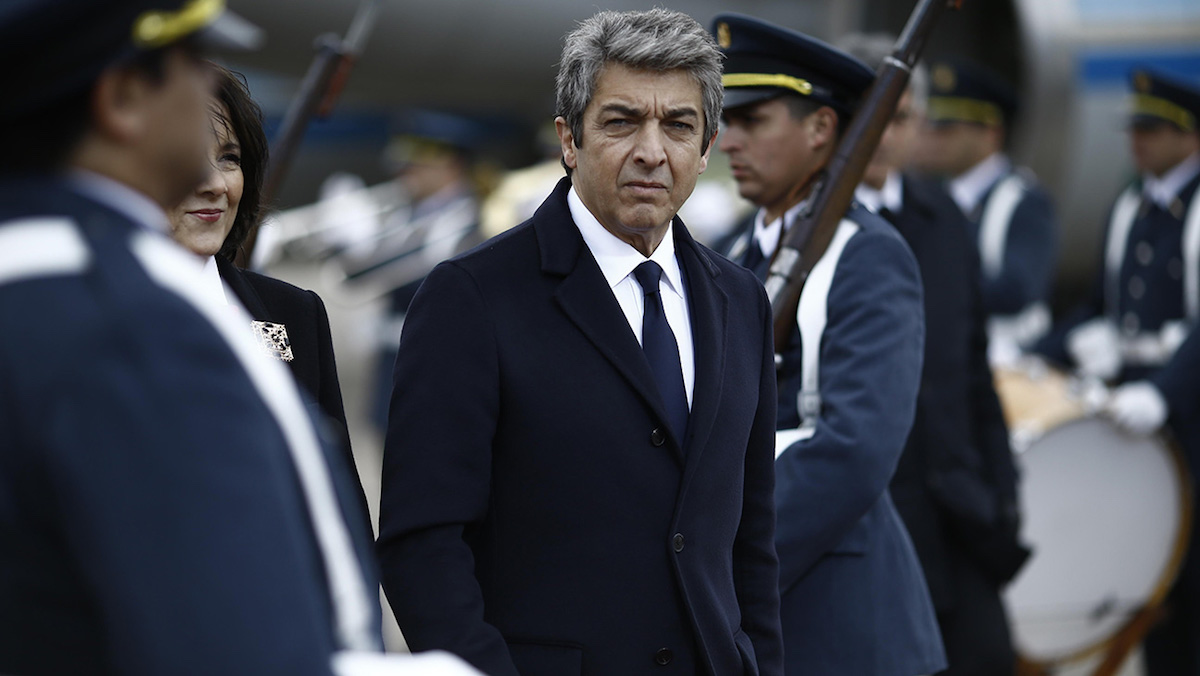 Argentine actor Ricardo Darín will receive a Donostia Award on September 26 at the 65th edition of the San Sebastian Festival, at the screening of his film The Summit (La cordillera). The Festival’s most important honorary award acknowledges the career of the Argentine actor, who has worked with filmmakers including Adolfo Aristarain, Juan José Campanella, Fabián Bielinsky, Fernando Trueba, Pablo Trapero, Cesc Gay and Santiago Mitre.
The Summit (La cordillera) is written and directed by Santiago Mitre; and stars Dolores Fonzi, Érica Rivas, Elena Anaya, Daniel Giménez Cacho, Alfredo Castro, Paulina García and Christian Slater. The film premiered in the Un Certain Regard section of the 2017 Cannes Film Festival, and will be screened on Tuesday 26 at the Kursaal Auditorium. Warner Bros Pictures will release the film in Spanish cinemas on September 29.
The Summit (La cordillera) is set at a Summit for Latin American presidents in Chile, where the region’s geopolitical strategies and alliances are in discussion, Argentine president Hernán Blanco endures a political and family drama that will force him to face his own demons. He will have to come to two decisions that could change the course of his public and private life forever: one regarding a complicated emotional situation with his daughter, and the other, the most important political decision of his career.
Ricardo Darín is known for El hijo de la novia (Son of the Bride, 2001, nominee for the Best Foreign Language Film Academy Award), Luna de Avellaneda (Moon of Avellaneda,2004) and El secreto de sus ojos (The Secret in Their Eyes, 2009, Best Foreign Language Film Academy Award), all three directed by Juan José Campanella. In 2007 he made his directorial debut with the film La señal alongside Martín Hodara, with whom he repeated the experience this year on Nieve negra (Black Snow).
His filmography also includes the role of a professor of Criminal Law in Tesis sobre un homicidio (Thesis on a Homicide, Hernán Goldfrid, 2012), a desperate father in Séptimo (7th Floor, Patxi Amezcua, 2013), an explosives expert in Relatos Salvajes (Wild Tales, Damián Szifron, 2014), which competed in Cannes and was nominated for Best Foreign Language Film Academy Award, and his part as the President of Argentina in La cordillera (The Summit). He is also a member of the cast on the latest film by the Iranian director Asghar Farhadi, as yet untitled, on which he will share the credits with Penelope Cruz and Javier Bardem.
The Donostia Award culminates a list of more than 20 national and international wards including five Silver Condors, two Konex, two Sur by the Argentine Academy of Cinematography Arts and Sciences Awards, a Goya, a José María Forqué, a Gaudí, a CEC (Cinema Writers Circle) award, a Feroz, a Platino Audience Award, a Sant Jordi, awards at the Valladolid, Havana and Biarritz festivals, the aforementioned Silver Shell in San Sebastian, the Honorary Platino received last year and the Gold Medal for Merits in the Fine Arts he will receive this year. All recognize the extraordinary career of an actor who has worked indistinctly in television, cinema and theatre (with the award-winning Algo en común, Art and Escenas de la vida conyugal).
Argentine actor Ricardo Darín will receive a Donostia Award on September 26 at the 65th edition of the San Sebastian Festival, at the screening of his film The Summit (La cordillera). The Festival’s most important honorary award acknowledges the career of the Argentine actor, who has worked with filmmakers including Adolfo Aristarain, Juan José Campanella, Fabián Bielinsky, Fernando Trueba, Pablo Trapero, Cesc Gay and Santiago Mitre.
The Summit (La cordillera) is written and directed by Santiago Mitre; and stars Dolores Fonzi, Érica Rivas, Elena Anaya, Daniel Giménez Cacho, Alfredo Castro, Paulina García and Christian Slater. The film premiered in the Un Certain Regard section of the 2017 Cannes Film Festival, and will be screened on Tuesday 26 at the Kursaal Auditorium. Warner Bros Pictures will release the film in Spanish cinemas on September 29.
The Summit (La cordillera) is set at a Summit for Latin American presidents in Chile, where the region’s geopolitical strategies and alliances are in discussion, Argentine president Hernán Blanco endures a political and family drama that will force him to face his own demons. He will have to come to two decisions that could change the course of his public and private life forever: one regarding a complicated emotional situation with his daughter, and the other, the most important political decision of his career.
Ricardo Darín is known for El hijo de la novia (Son of the Bride, 2001, nominee for the Best Foreign Language Film Academy Award), Luna de Avellaneda (Moon of Avellaneda,2004) and El secreto de sus ojos (The Secret in Their Eyes, 2009, Best Foreign Language Film Academy Award), all three directed by Juan José Campanella. In 2007 he made his directorial debut with the film La señal alongside Martín Hodara, with whom he repeated the experience this year on Nieve negra (Black Snow).
His filmography also includes the role of a professor of Criminal Law in Tesis sobre un homicidio (Thesis on a Homicide, Hernán Goldfrid, 2012), a desperate father in Séptimo (7th Floor, Patxi Amezcua, 2013), an explosives expert in Relatos Salvajes (Wild Tales, Damián Szifron, 2014), which competed in Cannes and was nominated for Best Foreign Language Film Academy Award, and his part as the President of Argentina in La cordillera (The Summit). He is also a member of the cast on the latest film by the Iranian director Asghar Farhadi, as yet untitled, on which he will share the credits with Penelope Cruz and Javier Bardem.
The Donostia Award culminates a list of more than 20 national and international wards including five Silver Condors, two Konex, two Sur by the Argentine Academy of Cinematography Arts and Sciences Awards, a Goya, a José María Forqué, a Gaudí, a CEC (Cinema Writers Circle) award, a Feroz, a Platino Audience Award, a Sant Jordi, awards at the Valladolid, Havana and Biarritz festivals, the aforementioned Silver Shell in San Sebastian, the Honorary Platino received last year and the Gold Medal for Merits in the Fine Arts he will receive this year. All recognize the extraordinary career of an actor who has worked indistinctly in television, cinema and theatre (with the award-winning Algo en común, Art and Escenas de la vida conyugal).
-
6 Latin American Films Selected for San Sebastian Film Festival’s Films in Progress 31
[caption id="attachment_21349" align="aligncenter" width="1200"]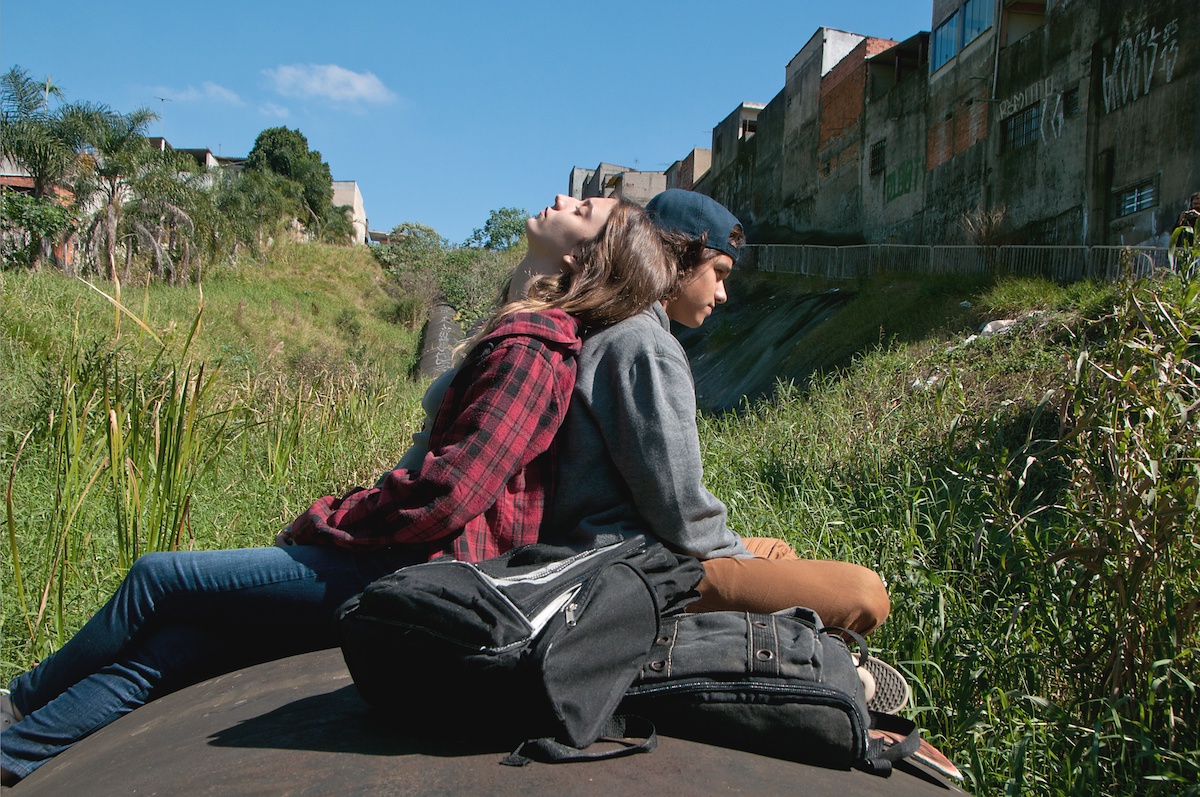 Half Brother[/caption]
6 films, 5 of them début films, have been selected for Films in Progress 31, the professional platform that supports the production of Latin American feature-length films, organized by the San Sebastian and Cinelatino, Rencontres de Toulouse festivals. Films in Progress fosters the meeting, dialogue and interaction among Latin American and European film professionals, promoting the diversity and talent of independent film makers. The Toulouse edition will be held on March 23 and 24, 2017.
JASMINES IN LÍDICE (JAZMINES EN LÍDICE)
RUBÉN SIERRA SALLES (VENEZUELA – MEXICO)
Meche has not got over the absence of his son Raúl; His room remains intact, his clothes are still in the closet. Challenged by an imminent danger, her daughters Dayana and Anabel try to convince her to leave Lídice, the neighborhood where she has lived her entire life. With Dayana’s birthday for excuse, the family gathers, even Raúl’s wife comes over. The meeting becomes painful, bursting with complaints and open wounds, before the feeble gaze of whom who feels responsible for the misery of those who stayed behind. Debut feature.
MARILYN
MARTÍN RODRÍGUEZ REDONDO (ARGENTINA – CHILE)
Marcos, a seventeen years farm worker, discovers his sexuality in a hostile environment. Nicknamed Marilyn by other teenagers in town, he becomes the target both of human desire and discrimination. Marcos feels himself pushed into a corner more and more. Debut feature.
HALF BROTHER (MEIO IRMÃO)
ELIANE COSTER (BRAZIL)
Sandra (16) is looking for her mother who’s been missing for days. As time goes by, difficulties pile up and she has to seek her half brother Jorge, with whom she has little contact. Jorge lives and works with his father, they install surveillance systems. At the point Sandra finds him, he’s being threatened not to leak a video he made on his phone of a homophobic attack on a male friend to whom he’s secretly attracted to. Debut feature.
THE DESERT BRIDE (LA NOVIA DEL DESIERTO)
CECILIA ATÁN, VALERIA PIVATO (ARGENTINA – CHILE)
Teresa (54) has worked for decades as a live-in maid in Buenos Aires. When the family sells the house, she is forced to take a job in a distant town. Although feeling uncomfortable, she embarks on a journey through the desert. During her first stop, in the land of the miraculous “Saint Correa”, she loses her bag with all her belongings. This incident leads her to cross paths with a traveling salesman, the only one who can help her. What seemed like the end of her world will prove her salvation. Debut feature.
LOS PERROS
MARCELA SAID (CHILE – FRANCE – ARGENTINA – PORTUGAL – GERMANY)
Mariana (42), is a slightly off-the-wall woman, who stands out from the Chilean upper class to which she belongs. Her father, Francisco, has raised her with love and kindness, but also with a strong grip. Pedro, her husband, is a workaholic architect who doesn’t seem to make her happy. She finds solace in the company of Juan (60), a riding teacher and a former colonel with a shady past.
HUNTING SEASON (TEMPORADA DE CAZA)
NATALIA GARAGIOLA (ARGENTINA – FRANCE – USA)
Nahuel has almost finished high school in Buenos Aires when his mother suddenly dies. He is legally obliged to spend the last three months before turning 18 with his father Ernesto, a respected hunter who lives in a small village near the mountains. They haven’t seen each other for more than a decade. As the journey begins and wilderness becomes his new environment, Nahuel is confronted with his ability to love and kill. Debut feature.
Half Brother[/caption]
6 films, 5 of them début films, have been selected for Films in Progress 31, the professional platform that supports the production of Latin American feature-length films, organized by the San Sebastian and Cinelatino, Rencontres de Toulouse festivals. Films in Progress fosters the meeting, dialogue and interaction among Latin American and European film professionals, promoting the diversity and talent of independent film makers. The Toulouse edition will be held on March 23 and 24, 2017.
JASMINES IN LÍDICE (JAZMINES EN LÍDICE)
RUBÉN SIERRA SALLES (VENEZUELA – MEXICO)
Meche has not got over the absence of his son Raúl; His room remains intact, his clothes are still in the closet. Challenged by an imminent danger, her daughters Dayana and Anabel try to convince her to leave Lídice, the neighborhood where she has lived her entire life. With Dayana’s birthday for excuse, the family gathers, even Raúl’s wife comes over. The meeting becomes painful, bursting with complaints and open wounds, before the feeble gaze of whom who feels responsible for the misery of those who stayed behind. Debut feature.
MARILYN
MARTÍN RODRÍGUEZ REDONDO (ARGENTINA – CHILE)
Marcos, a seventeen years farm worker, discovers his sexuality in a hostile environment. Nicknamed Marilyn by other teenagers in town, he becomes the target both of human desire and discrimination. Marcos feels himself pushed into a corner more and more. Debut feature.
HALF BROTHER (MEIO IRMÃO)
ELIANE COSTER (BRAZIL)
Sandra (16) is looking for her mother who’s been missing for days. As time goes by, difficulties pile up and she has to seek her half brother Jorge, with whom she has little contact. Jorge lives and works with his father, they install surveillance systems. At the point Sandra finds him, he’s being threatened not to leak a video he made on his phone of a homophobic attack on a male friend to whom he’s secretly attracted to. Debut feature.
THE DESERT BRIDE (LA NOVIA DEL DESIERTO)
CECILIA ATÁN, VALERIA PIVATO (ARGENTINA – CHILE)
Teresa (54) has worked for decades as a live-in maid in Buenos Aires. When the family sells the house, she is forced to take a job in a distant town. Although feeling uncomfortable, she embarks on a journey through the desert. During her first stop, in the land of the miraculous “Saint Correa”, she loses her bag with all her belongings. This incident leads her to cross paths with a traveling salesman, the only one who can help her. What seemed like the end of her world will prove her salvation. Debut feature.
LOS PERROS
MARCELA SAID (CHILE – FRANCE – ARGENTINA – PORTUGAL – GERMANY)
Mariana (42), is a slightly off-the-wall woman, who stands out from the Chilean upper class to which she belongs. Her father, Francisco, has raised her with love and kindness, but also with a strong grip. Pedro, her husband, is a workaholic architect who doesn’t seem to make her happy. She finds solace in the company of Juan (60), a riding teacher and a former colonel with a shady past.
HUNTING SEASON (TEMPORADA DE CAZA)
NATALIA GARAGIOLA (ARGENTINA – FRANCE – USA)
Nahuel has almost finished high school in Buenos Aires when his mother suddenly dies. He is legally obliged to spend the last three months before turning 18 with his father Ernesto, a respected hunter who lives in a small village near the mountains. They haven’t seen each other for more than a decade. As the journey begins and wilderness becomes his new environment, Nahuel is confronted with his ability to love and kill. Debut feature.
-
Film Director Joseph Losey to be Honored with a Retrospective at San Sebastian Film Festival
[caption id="attachment_20469" align="aligncenter" width="1200"]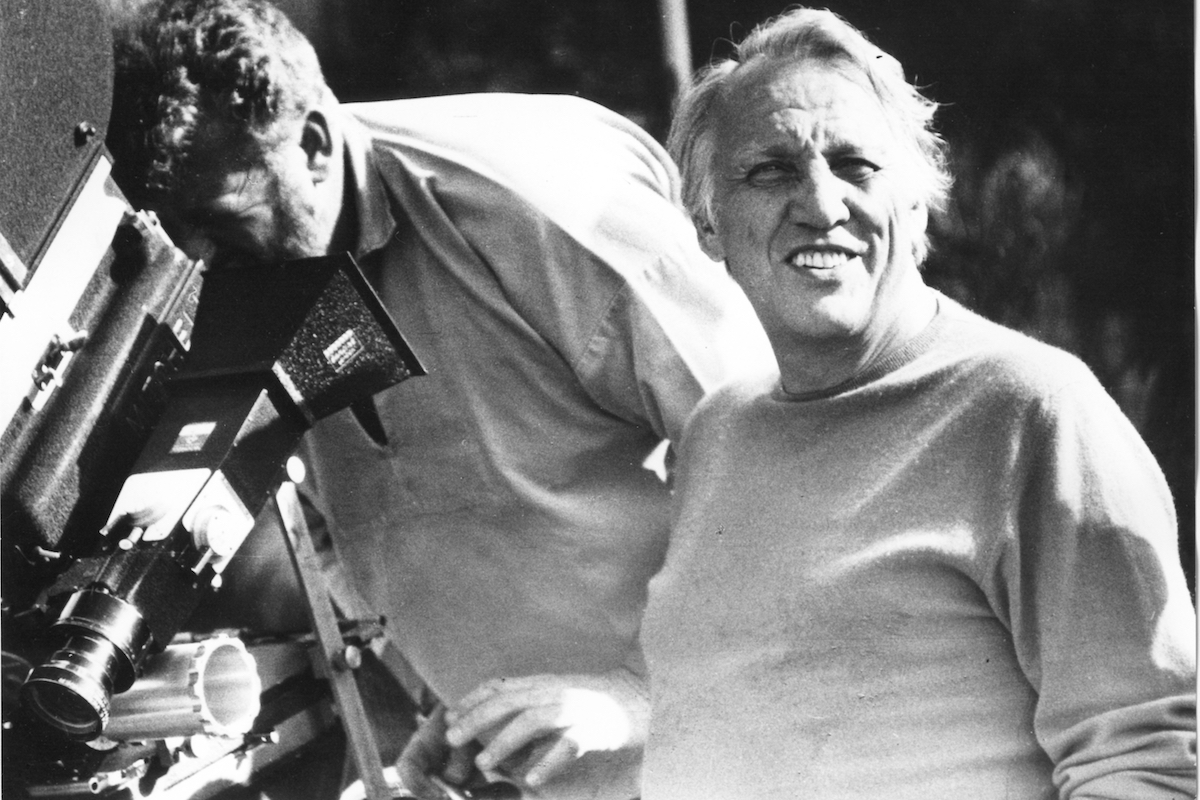 Joseph Losey[/caption]
Film director Joseph Losey will be honored with a retrospective at the 65th edition of the San Sebastian Film Festival and the Spanish Film Archive.
In the seventies, Joseph Losey represented the greatest expression of auteur or art-house cinema with works like The Servant (1963), King and Country (1964), Accident (1967) and The Go-Between (1971), all of which, with the exception of the second, were written by the playwright Harold Pinter. But before becoming a leading figure of European independent film, Losey endured a complicated situation like so many others affected by the reprisals of the Hollywood witch hunt from 1947 onwards. His work is divided into three periods: his early period in North American film until the early fifties, the prestige he achieved in the UK of the sixties and seventies and a later, more itinerant stage when he worked for Italian, French and Spanish production.
Born in La Crosse, Wisconsin, in 1909, Losey turned his steps towards written and broadcast journalism, later moving into theatre. His openly left-wing beliefs led him to work on several mises en scène with Bertold Brecht and to spend a period in the former Soviet Union studying new theatre concepts. In the late thirties he started to direct short films with Metro Goldwyn Mayer, making his feature debut in 1948 with The Boy with Green Hair, a parable against war, totalitarianism and intransigence towards difference, produced by RKO. Although he did succeed in making a number of low-cost films noirs of undisguised social slant – The Lawless (1950), The Prowler (1951) and The Big Night (1951), all three penned by screenwriters blacklisted by the Un-American Activities Commission, Daniel Mainwaring, Daltun Trumbo and Ring Lardner Jr – and even a remake of Fritz Lang’s famous M in 1951, his name appeared on the blacklist for the tone of his early films and he was accused of belonging to the North American Communist Party.
When called to testify, he was in Italy shooting Stranger on the Prowl / Imbarco a mezzanotte (1952). He decided not to return to the United States and settled in Britain. He released said film under the pseudonym Andrea Forzano and trade union issues prevented his name from featuring on the first two movies made in his country of adoption: in The Sleeping Tiger (1954), first collaboration with one of his actors fetiche, Dirk Bogarde, he is credited as Victor Hanbury and, in The Intimate Stranger (1956), as Joseph Walton.
Losey took up his place in British cinema at a time of change. These were not only the days of rising Free Cinema, a trend he had no part in even if some of his earlier films made in the sixties did have a certain realistic and social angle, but also of the horror movie makers Hammer Film Productions, for which Losey started X The Unknown (1956), before he was ousted from the shooting and replaced by Leslie Norman, later directing The Damned (1962); these were Losey’s only inroads to the sci-fi domain.
Following a timid attempt at integration to the great British film industry with The Gypsy and the Gentleman (1958), a Rank production headlining Melina Mercouri, his work attracted outstanding interest from the mystery movie Blind Date (1959) and the prison drama The Criminal (1961), the beginning of his collaboration with the other actor with whom he would enjoy close understanding, Stanley Baker. Until the mid-seventies, Losey alternated highly personal films reflecting on relations of power (between both men and institutional bodies) constructed around mises en scène packed with symbols (his particular use of spectacular images), with what at first glance seemed to be more commercial titles served up by the big stars of the moment and taking their inspiration from works of enormous popularity or unquestionable literary prestige.
To this first group belonged the film that best defines his work, The Servant, with Pinter’s acerbic writing and the acting duel between Bogarde and James Fox, Accident (Grand Prix du Jury at the Cannes Festival), The Go-Between (Palme d’Or at Cannes) and the anti-war King and Country, played out in the British trenches of the First World War during a summary trial for desertion. The second group includes works like Eve (1962), adaptation of a novel by James Hadley Chase, starring Jeanne Moreau and which was the first of many films consecrated by Losey to female characters who irradiate a strange fascination; Modesty Blaise (1966), iconoclastic version of Peter O’Donnell and Jim Holdaway’s spy-fi comic strip featuring Monica Vitti; Boom (1968), a piece by Tennessee Williams dished up by the explosive couple Elizabeth Taylor & Richard Burton; Secret Ceremony (1968), a psychological and claustrophobic drama once again starring Elizabeth Taylor, with Robert Mitchum and Mia Farrow; A Doll’s House (1973), based on Henrik Ibsen’s piece and with Jane Fonda, David Warner and Trevor Howard, and A Romantic Englishwoman (1975), another of his defining movies, an intense and evil triangular game written by Tom Stoppard and performed by Glenda Jackson, Michael Caine and Helmut Berger.
During this prolific period, Losey made hugely abstract works including Figures in a Landscape (1970), following the flight of two prisoners pursued by a mysterious helicopter (with a screenplay written by actor Robert Shaw, its leading man alongside Malcolm McDowell; the film competed in San Sebastian) and Mr. Klein (1976), with Alain Delon in the part of an unsavoury character accused of being a Jew during the Nazi occupation in France (winner of the César for Best Film). But he also shot films of obvious political accent such as L’assassinio di Trotsky / The Assassination of Trotsky (1972), with Delon as Ramón Mercader and Burton in the role of Leon Trotsky, and Les routes du Sud (1978), continuation of La guerre est finie (1966) by Alain Resnais, once again written by Jorge Semprún and with Yves Montand repeating his role of Spanish exile in constant ideological conflict.
Losey returned to Brecht many years later with a cinema adaptation of Galileo (1974), based on the English translation by Charles Laughton and starring Topol, hugely popular at the time for his leading part in Fiddler on the Roof (1971). He also made the filmed opera Don Giovanni (1979) with Ruggero Raimondi and, in France, La Truite (1982) with Isabelle Huppert in the part of yet another of the director’s complex female characters. His last film was Steaming (1985) which, like the one before it, was never screened in Spain. This is a work of theatrical roots starring Vanessa Redgrave and Sarah Miles and set in London Turkish baths as they fight its closure on ladies day. Losey never saw the final cut of the film; he passed away in June 1984, almost a year before its presentation at Cannes.
Losey’s relationship with the San Sebastian Festival was always complicated owing to the Franco dictatorship. In addition to Figures in a Landscape, the Festival screened The Sleeping Tiger, Boom and, in the informative section, The Go-Between.The Romantic Englishman was also selected, but the director and Glenda Jackson refused to come to the event in protest against the death sentences recently signed by Franco.
After its screening in San Sebastian, the retrospective will run at the Filmoteca Española in Madrid.
Joseph Losey[/caption]
Film director Joseph Losey will be honored with a retrospective at the 65th edition of the San Sebastian Film Festival and the Spanish Film Archive.
In the seventies, Joseph Losey represented the greatest expression of auteur or art-house cinema with works like The Servant (1963), King and Country (1964), Accident (1967) and The Go-Between (1971), all of which, with the exception of the second, were written by the playwright Harold Pinter. But before becoming a leading figure of European independent film, Losey endured a complicated situation like so many others affected by the reprisals of the Hollywood witch hunt from 1947 onwards. His work is divided into three periods: his early period in North American film until the early fifties, the prestige he achieved in the UK of the sixties and seventies and a later, more itinerant stage when he worked for Italian, French and Spanish production.
Born in La Crosse, Wisconsin, in 1909, Losey turned his steps towards written and broadcast journalism, later moving into theatre. His openly left-wing beliefs led him to work on several mises en scène with Bertold Brecht and to spend a period in the former Soviet Union studying new theatre concepts. In the late thirties he started to direct short films with Metro Goldwyn Mayer, making his feature debut in 1948 with The Boy with Green Hair, a parable against war, totalitarianism and intransigence towards difference, produced by RKO. Although he did succeed in making a number of low-cost films noirs of undisguised social slant – The Lawless (1950), The Prowler (1951) and The Big Night (1951), all three penned by screenwriters blacklisted by the Un-American Activities Commission, Daniel Mainwaring, Daltun Trumbo and Ring Lardner Jr – and even a remake of Fritz Lang’s famous M in 1951, his name appeared on the blacklist for the tone of his early films and he was accused of belonging to the North American Communist Party.
When called to testify, he was in Italy shooting Stranger on the Prowl / Imbarco a mezzanotte (1952). He decided not to return to the United States and settled in Britain. He released said film under the pseudonym Andrea Forzano and trade union issues prevented his name from featuring on the first two movies made in his country of adoption: in The Sleeping Tiger (1954), first collaboration with one of his actors fetiche, Dirk Bogarde, he is credited as Victor Hanbury and, in The Intimate Stranger (1956), as Joseph Walton.
Losey took up his place in British cinema at a time of change. These were not only the days of rising Free Cinema, a trend he had no part in even if some of his earlier films made in the sixties did have a certain realistic and social angle, but also of the horror movie makers Hammer Film Productions, for which Losey started X The Unknown (1956), before he was ousted from the shooting and replaced by Leslie Norman, later directing The Damned (1962); these were Losey’s only inroads to the sci-fi domain.
Following a timid attempt at integration to the great British film industry with The Gypsy and the Gentleman (1958), a Rank production headlining Melina Mercouri, his work attracted outstanding interest from the mystery movie Blind Date (1959) and the prison drama The Criminal (1961), the beginning of his collaboration with the other actor with whom he would enjoy close understanding, Stanley Baker. Until the mid-seventies, Losey alternated highly personal films reflecting on relations of power (between both men and institutional bodies) constructed around mises en scène packed with symbols (his particular use of spectacular images), with what at first glance seemed to be more commercial titles served up by the big stars of the moment and taking their inspiration from works of enormous popularity or unquestionable literary prestige.
To this first group belonged the film that best defines his work, The Servant, with Pinter’s acerbic writing and the acting duel between Bogarde and James Fox, Accident (Grand Prix du Jury at the Cannes Festival), The Go-Between (Palme d’Or at Cannes) and the anti-war King and Country, played out in the British trenches of the First World War during a summary trial for desertion. The second group includes works like Eve (1962), adaptation of a novel by James Hadley Chase, starring Jeanne Moreau and which was the first of many films consecrated by Losey to female characters who irradiate a strange fascination; Modesty Blaise (1966), iconoclastic version of Peter O’Donnell and Jim Holdaway’s spy-fi comic strip featuring Monica Vitti; Boom (1968), a piece by Tennessee Williams dished up by the explosive couple Elizabeth Taylor & Richard Burton; Secret Ceremony (1968), a psychological and claustrophobic drama once again starring Elizabeth Taylor, with Robert Mitchum and Mia Farrow; A Doll’s House (1973), based on Henrik Ibsen’s piece and with Jane Fonda, David Warner and Trevor Howard, and A Romantic Englishwoman (1975), another of his defining movies, an intense and evil triangular game written by Tom Stoppard and performed by Glenda Jackson, Michael Caine and Helmut Berger.
During this prolific period, Losey made hugely abstract works including Figures in a Landscape (1970), following the flight of two prisoners pursued by a mysterious helicopter (with a screenplay written by actor Robert Shaw, its leading man alongside Malcolm McDowell; the film competed in San Sebastian) and Mr. Klein (1976), with Alain Delon in the part of an unsavoury character accused of being a Jew during the Nazi occupation in France (winner of the César for Best Film). But he also shot films of obvious political accent such as L’assassinio di Trotsky / The Assassination of Trotsky (1972), with Delon as Ramón Mercader and Burton in the role of Leon Trotsky, and Les routes du Sud (1978), continuation of La guerre est finie (1966) by Alain Resnais, once again written by Jorge Semprún and with Yves Montand repeating his role of Spanish exile in constant ideological conflict.
Losey returned to Brecht many years later with a cinema adaptation of Galileo (1974), based on the English translation by Charles Laughton and starring Topol, hugely popular at the time for his leading part in Fiddler on the Roof (1971). He also made the filmed opera Don Giovanni (1979) with Ruggero Raimondi and, in France, La Truite (1982) with Isabelle Huppert in the part of yet another of the director’s complex female characters. His last film was Steaming (1985) which, like the one before it, was never screened in Spain. This is a work of theatrical roots starring Vanessa Redgrave and Sarah Miles and set in London Turkish baths as they fight its closure on ladies day. Losey never saw the final cut of the film; he passed away in June 1984, almost a year before its presentation at Cannes.
Losey’s relationship with the San Sebastian Festival was always complicated owing to the Franco dictatorship. In addition to Figures in a Landscape, the Festival screened The Sleeping Tiger, Boom and, in the informative section, The Go-Between.The Romantic Englishman was also selected, but the director and Glenda Jackson refused to come to the event in protest against the death sentences recently signed by Franco.
After its screening in San Sebastian, the retrospective will run at the Filmoteca Española in Madrid.
-
63rd San Sebastian International Film Festival Award Winners; SPARROWS Wins Best Film
 Rúnar Rúnarsson’s “Sparrows” is the winner of the Golden Shell for Best Film at the 63rd San Sebastian Film Festival. “Sparrows” is a drama about Ari, 16, who has been living with his mother in Reykjavik and is suddenly sent back to the remote Westfjords to live with his father Gunnar. Here he has to navigate a difficult relationship with his father, and he finds his childhood friends changed. In these hopeless and declining surroundings, Ari has to step up and find his way.
63rd San Sebastian International Film Festival Award-Winners
Golden Shell for Best Film
SPARROWS
RÚNAR RÚNARSSON (ICELAND – DENMARK – CROATIA)
Special Jury Prize
EVOLUTION
LUCILE HADZIHALILOVIC (FRANCE – BELGIUM – SPAIN)
Silver Shell for Best Director
JOACHIM LAFOSSE
LES CHEVALIERS BLANCS / THE WHITE KNIGHTS
JOACHIM LAFOSSE (BELGIUM – FRANCE)
Silver Shell for Best Actress
YORDANKA ARIOSA
EL REY DE LA HABANA (THE KING OF HAVANA)
AGUSTÍ VILLARONGA (SPAIN – DOMINICAN REP.)
Silver Shell for Best Actor
(tie)
RICARDO DARIN
TRUMAN
CESC GAY (SPAIN – ARGENTINA)
(tie)
JAVIER CÁMARA
TRUMAN
CESC GAY (SPAIN – ARGENTINA)
Jury Prize for Best Cinematography
MANU DACOSSE
EVOLUTION
LUCILE HADZIHALILOVIC (FRANCE – BELGIUM – SPAIN)
Jury Prize for Best Screenplay
ARNAUD LARRIEU, JEAN-MARIE LARRIEU
21 NUITS AVEC PATTIE / 21 NIGHTS WITH PATTIE
JEAN-MARIE LARRIEU, ARNAUD LARRIEU (FRANCE)
Jury Special Mention
EL APÓSTATA ( THE APOSTATE)
FEDERICO VEIROJ (SPAIN – URUGUAY – FRANCE)
Kutxabank-New Directors Award
LE NOUVEAU / THE NEW KID
RUDI ROSENBERG (FRANCE)
SPECIAL MENTION
TJUVHEDER / DRIFTERS
PETER GRÖNLUND (SWEDEN)
SPECIAL MENTION
VIDA SEXUAL DE LAS PLANTAS (SEX LIFE OF PLANTS)
SEBASTIÁN BRAHM (CHILE)
Horizontes Award
PAULINA
SANTIAGO MITRE (ARGENTINA – BRAZIL – FRANCE)
SPECIAL MENTION – LUIS SILVA
DESDE ALLÁ (FROM AFAR)
LORENZO VIGAS (VENEZUELA – MEXICO)
SPECIAL MENTION
TE PROMETO ANARQUÍA ( I PROMISE YOU ANARCHY)
JULIO HERNÁNDEZ CORDÓN (MEXICO – GERMANY)
Irizar Basque Film Award
AMAMA (WHEN A TREE FALLS)
ASIER ALTUNA IZA (SPAIN)
SPECIAL MENTION – IRENE ESCOLAR
UN OTOÑO SIN BERLÍN
LARA IZAGIRRE
Audience Award
UMIMACHI DIARY / OUR LITTLE SISTER
HIROKAZU KOREEDA (JAPAN)
AWARD TO THE EUROPEAN FILM
SHAN HE GU REN / MOUNTAINS MAY DEPART
JIA ZHANG-KE (CHINA – FRANCE – JAPAN)
EZAE Youth Award
PAULINA
SANTIAGO MITRE (ARGENTINA – BRAZIL – FRANCE)
International Film Students Meeting Awards
FIRST PRIZE
NUEVA VIDA (NEW LIFE)
KIRO RUSSO (ARGENTINA – BOLIVIA)
Universidad del Cine (Argentina)
SECOND PRIZE
EL ENEMIGO (THE ENEMY)
ALDEMAR MATIAS (CUBA)
Escuela Internacional de Cine y TV (EICTV) (Cuba)
THIRD PRIZE
WADA’ / PREDICTION
KHALED MZHER (GERMANY)
Deutsche Film – und Fernsehakademie Berlin (Germany)
ORONA AWARD
NUEVA VIDA (NEW LIFE)
KIRO RUSSO (ARGENTINA – BOLIVIA)
Universidad del Cine (Argentina)
TORINO AWARD
VOLANDO VOY (I’LL FLY HIGHER)
ISABEL LAMBERTI (NETHERLANDS)
Netherlands Film Academy (Netherlands)
Tokyo Gohan Film Festival Award
NOMA, MY PERFECT STORM
PIERRE DESCHAMPS (UK – DENMARK)
Films in Progress Awards
ERA O HOTEL CAMBRIDGE / THE CAMBRIDGE SQUATTER
ELIANE CAFFÉ (BRASIL – FRANCE)
Films in Progress Industry Award
Ibermedia TV Films in Progress Award
Europe-Latin America Co-production Forum. EGEDA Best Project Award
LA OMISIÓN (THE OMISSION)
SEBASTIÁN SCHJAER (ARGENTINA – GERMANY – FRANCE)
SPECIAL MENTION TO THE PROYECT
MEMORIAS DEL CALABOZO
ÁLVARO BRECHNER (SPAIN-URUGUAY)
Directed by Álvaro Brechner and Tornasol Films
TVE-Another Look Award
PAULINA
SANTIAGO MITRE (ARGENTINA – BRAZIL – FRANCE)
Spanish Cooperation Award
LA TIERRA Y LA SOMBRA (LAND AND SHADE)
CÉSAR AUGUSTO ACEVEDO (COLOMBIA – CHILE – BRAZIL – NETHERLANDS – FRANCE)
FIPRESCI Award
EL APÓSTATA ( THE APOSTATE)
FEDERICO VEIROJ (SPAIN – URUGUAY – FRANCE)
Zinemaldia FEROZ Award
TRUMAN
CESC GAY (SPAIN – ARGENTINA)
SIGNIS Award
MOIRA
LEVAN TUTBERIDZE (GEORGIA)
SPECIAL MENTION
AMAMA (WHEN A TREE FALLS)
ASIER ALTUNA IZA (SPAIN)
Guipuzcoan Blood-Donors’ Association Corresponding to the Solidarity Award
FREEHELD
PETER SOLLETT (USA)
Sebastiane Award
FREEHELD
PETER SOLLETT (USA)
Rúnar Rúnarsson’s “Sparrows” is the winner of the Golden Shell for Best Film at the 63rd San Sebastian Film Festival. “Sparrows” is a drama about Ari, 16, who has been living with his mother in Reykjavik and is suddenly sent back to the remote Westfjords to live with his father Gunnar. Here he has to navigate a difficult relationship with his father, and he finds his childhood friends changed. In these hopeless and declining surroundings, Ari has to step up and find his way.
63rd San Sebastian International Film Festival Award-Winners
Golden Shell for Best Film
SPARROWS
RÚNAR RÚNARSSON (ICELAND – DENMARK – CROATIA)
Special Jury Prize
EVOLUTION
LUCILE HADZIHALILOVIC (FRANCE – BELGIUM – SPAIN)
Silver Shell for Best Director
JOACHIM LAFOSSE
LES CHEVALIERS BLANCS / THE WHITE KNIGHTS
JOACHIM LAFOSSE (BELGIUM – FRANCE)
Silver Shell for Best Actress
YORDANKA ARIOSA
EL REY DE LA HABANA (THE KING OF HAVANA)
AGUSTÍ VILLARONGA (SPAIN – DOMINICAN REP.)
Silver Shell for Best Actor
(tie)
RICARDO DARIN
TRUMAN
CESC GAY (SPAIN – ARGENTINA)
(tie)
JAVIER CÁMARA
TRUMAN
CESC GAY (SPAIN – ARGENTINA)
Jury Prize for Best Cinematography
MANU DACOSSE
EVOLUTION
LUCILE HADZIHALILOVIC (FRANCE – BELGIUM – SPAIN)
Jury Prize for Best Screenplay
ARNAUD LARRIEU, JEAN-MARIE LARRIEU
21 NUITS AVEC PATTIE / 21 NIGHTS WITH PATTIE
JEAN-MARIE LARRIEU, ARNAUD LARRIEU (FRANCE)
Jury Special Mention
EL APÓSTATA ( THE APOSTATE)
FEDERICO VEIROJ (SPAIN – URUGUAY – FRANCE)
Kutxabank-New Directors Award
LE NOUVEAU / THE NEW KID
RUDI ROSENBERG (FRANCE)
SPECIAL MENTION
TJUVHEDER / DRIFTERS
PETER GRÖNLUND (SWEDEN)
SPECIAL MENTION
VIDA SEXUAL DE LAS PLANTAS (SEX LIFE OF PLANTS)
SEBASTIÁN BRAHM (CHILE)
Horizontes Award
PAULINA
SANTIAGO MITRE (ARGENTINA – BRAZIL – FRANCE)
SPECIAL MENTION – LUIS SILVA
DESDE ALLÁ (FROM AFAR)
LORENZO VIGAS (VENEZUELA – MEXICO)
SPECIAL MENTION
TE PROMETO ANARQUÍA ( I PROMISE YOU ANARCHY)
JULIO HERNÁNDEZ CORDÓN (MEXICO – GERMANY)
Irizar Basque Film Award
AMAMA (WHEN A TREE FALLS)
ASIER ALTUNA IZA (SPAIN)
SPECIAL MENTION – IRENE ESCOLAR
UN OTOÑO SIN BERLÍN
LARA IZAGIRRE
Audience Award
UMIMACHI DIARY / OUR LITTLE SISTER
HIROKAZU KOREEDA (JAPAN)
AWARD TO THE EUROPEAN FILM
SHAN HE GU REN / MOUNTAINS MAY DEPART
JIA ZHANG-KE (CHINA – FRANCE – JAPAN)
EZAE Youth Award
PAULINA
SANTIAGO MITRE (ARGENTINA – BRAZIL – FRANCE)
International Film Students Meeting Awards
FIRST PRIZE
NUEVA VIDA (NEW LIFE)
KIRO RUSSO (ARGENTINA – BOLIVIA)
Universidad del Cine (Argentina)
SECOND PRIZE
EL ENEMIGO (THE ENEMY)
ALDEMAR MATIAS (CUBA)
Escuela Internacional de Cine y TV (EICTV) (Cuba)
THIRD PRIZE
WADA’ / PREDICTION
KHALED MZHER (GERMANY)
Deutsche Film – und Fernsehakademie Berlin (Germany)
ORONA AWARD
NUEVA VIDA (NEW LIFE)
KIRO RUSSO (ARGENTINA – BOLIVIA)
Universidad del Cine (Argentina)
TORINO AWARD
VOLANDO VOY (I’LL FLY HIGHER)
ISABEL LAMBERTI (NETHERLANDS)
Netherlands Film Academy (Netherlands)
Tokyo Gohan Film Festival Award
NOMA, MY PERFECT STORM
PIERRE DESCHAMPS (UK – DENMARK)
Films in Progress Awards
ERA O HOTEL CAMBRIDGE / THE CAMBRIDGE SQUATTER
ELIANE CAFFÉ (BRASIL – FRANCE)
Films in Progress Industry Award
Ibermedia TV Films in Progress Award
Europe-Latin America Co-production Forum. EGEDA Best Project Award
LA OMISIÓN (THE OMISSION)
SEBASTIÁN SCHJAER (ARGENTINA – GERMANY – FRANCE)
SPECIAL MENTION TO THE PROYECT
MEMORIAS DEL CALABOZO
ÁLVARO BRECHNER (SPAIN-URUGUAY)
Directed by Álvaro Brechner and Tornasol Films
TVE-Another Look Award
PAULINA
SANTIAGO MITRE (ARGENTINA – BRAZIL – FRANCE)
Spanish Cooperation Award
LA TIERRA Y LA SOMBRA (LAND AND SHADE)
CÉSAR AUGUSTO ACEVEDO (COLOMBIA – CHILE – BRAZIL – NETHERLANDS – FRANCE)
FIPRESCI Award
EL APÓSTATA ( THE APOSTATE)
FEDERICO VEIROJ (SPAIN – URUGUAY – FRANCE)
Zinemaldia FEROZ Award
TRUMAN
CESC GAY (SPAIN – ARGENTINA)
SIGNIS Award
MOIRA
LEVAN TUTBERIDZE (GEORGIA)
SPECIAL MENTION
AMAMA (WHEN A TREE FALLS)
ASIER ALTUNA IZA (SPAIN)
Guipuzcoan Blood-Donors’ Association Corresponding to the Solidarity Award
FREEHELD
PETER SOLLETT (USA)
Sebastiane Award
FREEHELD
PETER SOLLETT (USA)