
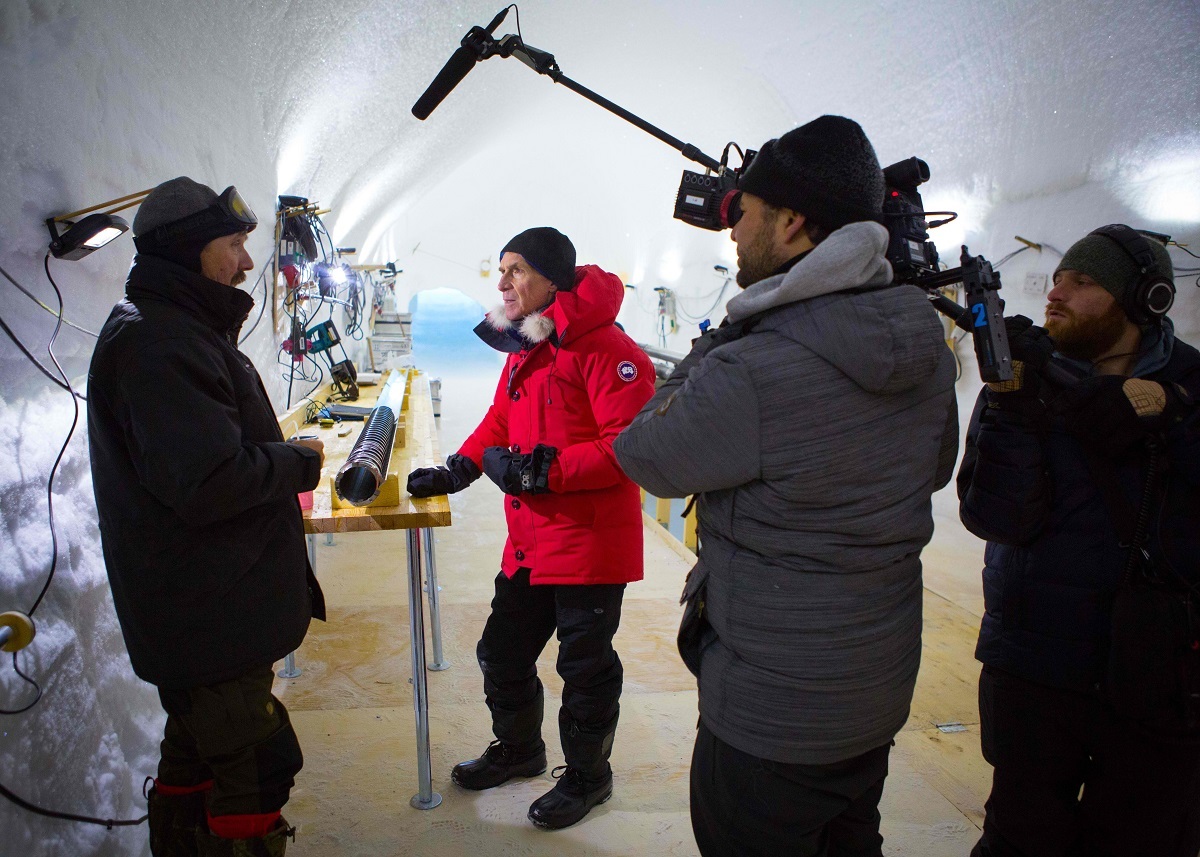
 “Bill Nye: Science Guy,” which premiered at the 2017 South by Southwest Film Festival follows the legendary science advocate and TV personality Bill Nye in his pursuit to ignite a passion among Americans for science and science education.
PBS Distribution (PBSd) will release the film in theaters across the country later this year, following a robust festival tour including upcoming screenings at AFI Docs in Washington, D.C. and the Los Angeles Film Festival. It will have its broadcast premiere in 2018 via PBS documentary series POV.
“Bill Nye: Science Guy” was produced and directed by David Alvarado and Jason Sussberg, produced by Seth Gordon, Kate McLean, and Nick Pampenella, executive produced by Walker Deibel, Mary Rohlich, Henry S. Rosenthal, and Chad Troutwine, and co-executive produced by Andre Gaines.
Bill Nye is on a journey to change the world. Once the host of a popular kids show, today he is the CEO of The Planetary Society where he’s leading a mission to launch a solar-powered satellite into the cosmos and advocating for the importance of science research and discovery. He is taking off “The Science Guy” costume and taking on those who deny the importance of science, with the goal of creating a more scientifically literate and engaged universe. “Bill Nye: Science Guy” follows the man himself as he embarks on a quest to change the world through science advocacy and education. With intimate and exclusive access, as well as plenty of wonder and whimsy, this is a behind-the-scenes portrait of “the Science Guy,” as he inspires millennials to participate in STEM. The film features Bill Nye, Neil DeGrasse Tyson, Ann Druyan, Ken Ham, Joe Bastardi, and many others.
“Bill Nye: Science Guy,” which premiered at the 2017 South by Southwest Film Festival follows the legendary science advocate and TV personality Bill Nye in his pursuit to ignite a passion among Americans for science and science education.
PBS Distribution (PBSd) will release the film in theaters across the country later this year, following a robust festival tour including upcoming screenings at AFI Docs in Washington, D.C. and the Los Angeles Film Festival. It will have its broadcast premiere in 2018 via PBS documentary series POV.
“Bill Nye: Science Guy” was produced and directed by David Alvarado and Jason Sussberg, produced by Seth Gordon, Kate McLean, and Nick Pampenella, executive produced by Walker Deibel, Mary Rohlich, Henry S. Rosenthal, and Chad Troutwine, and co-executive produced by Andre Gaines.
Bill Nye is on a journey to change the world. Once the host of a popular kids show, today he is the CEO of The Planetary Society where he’s leading a mission to launch a solar-powered satellite into the cosmos and advocating for the importance of science research and discovery. He is taking off “The Science Guy” costume and taking on those who deny the importance of science, with the goal of creating a more scientifically literate and engaged universe. “Bill Nye: Science Guy” follows the man himself as he embarks on a quest to change the world through science advocacy and education. With intimate and exclusive access, as well as plenty of wonder and whimsy, this is a behind-the-scenes portrait of “the Science Guy,” as he inspires millennials to participate in STEM. The film features Bill Nye, Neil DeGrasse Tyson, Ann Druyan, Ken Ham, Joe Bastardi, and many others.Films
-
PBS to Release BILL NYE: SCIENCE GUY Documentary in Theaters Late 2017
“Bill Nye: Science Guy,” which premiered at the 2017 South by Southwest Film Festival follows the legendary science advocate and TV personality Bill Nye in his pursuit to ignite a passion among Americans for science and science education.
PBS Distribution (PBSd) will release the film in theaters across the country later this year, following a robust festival tour including upcoming screenings at AFI Docs in Washington, D.C. and the Los Angeles Film Festival. It will have its broadcast premiere in 2018 via PBS documentary series POV.
“Bill Nye: Science Guy” was produced and directed by David Alvarado and Jason Sussberg, produced by Seth Gordon, Kate McLean, and Nick Pampenella, executive produced by Walker Deibel, Mary Rohlich, Henry S. Rosenthal, and Chad Troutwine, and co-executive produced by Andre Gaines.
Bill Nye is on a journey to change the world. Once the host of a popular kids show, today he is the CEO of The Planetary Society where he’s leading a mission to launch a solar-powered satellite into the cosmos and advocating for the importance of science research and discovery. He is taking off “The Science Guy” costume and taking on those who deny the importance of science, with the goal of creating a more scientifically literate and engaged universe. “Bill Nye: Science Guy” follows the man himself as he embarks on a quest to change the world through science advocacy and education. With intimate and exclusive access, as well as plenty of wonder and whimsy, this is a behind-the-scenes portrait of “the Science Guy,” as he inspires millennials to participate in STEM. The film features Bill Nye, Neil DeGrasse Tyson, Ann Druyan, Ken Ham, Joe Bastardi, and many others.
-
FilmRise to Release Sophie Brooks’ Comedy THE BOY DOWNSTAIRS in Early 2018
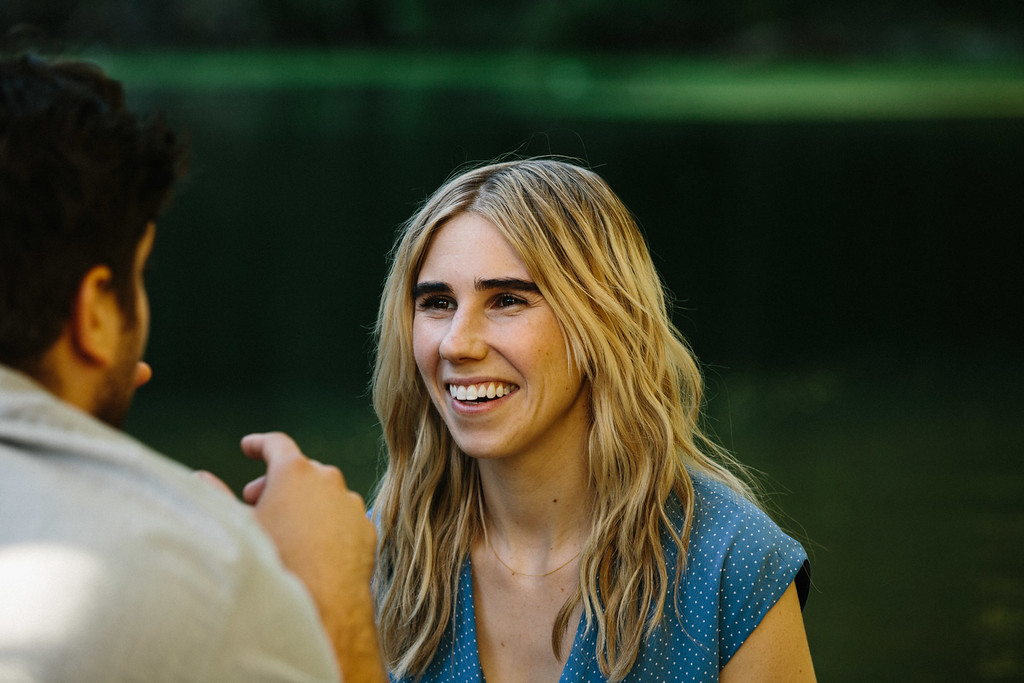 Sophie Brooks’ debut feature film The Boy Downstairs which had its world premiere at the 2017 Tribeca Film Festival will be released in early 2018 by FilmRise.
Aspiring writer Diana (Mamet in her first film role since the end of HBO’s hit “Girls”) returns to New York City after a few years living in London and finds what seems to be the perfect Brooklyn apartment to start fresh. However, on the first night in her new home she discovers that her ex-boyfriend Ben (Matthew Shear, Mistress America) lives in the apartment downstairs. With support from her affable landlady Amy (Deirdre O’Connell) and her best friend Gabby (Diana Irvine), Diana proclaims her intentions for a cordial friendship, but as the story progresses and old wounds are reopened, she is forced to confront the true nature of her feelings.
The Boy Downstairs was written and directed by Sophie Brooks. It was produced by Dan Clifton, David Brooks, and Leon Clarance; and executive produced by Paul Brooks.
“I am beyond excited to team up with FilmRise,” said filmmaker Sophie Brooks. “The Boy Downstairs was an incredibly special experience for me and I cannot wait for audiences to see it next year.”
“We are thrilled to share Sophie Brooks’ charming feature debut with the world,” said Danny Fisher, CEO of FilmRise. “The Boy Downstairs is a fresh, sincere comedy that we believe audiences everywhere will enjoy.”
Sophie Brooks’ debut feature film The Boy Downstairs which had its world premiere at the 2017 Tribeca Film Festival will be released in early 2018 by FilmRise.
Aspiring writer Diana (Mamet in her first film role since the end of HBO’s hit “Girls”) returns to New York City after a few years living in London and finds what seems to be the perfect Brooklyn apartment to start fresh. However, on the first night in her new home she discovers that her ex-boyfriend Ben (Matthew Shear, Mistress America) lives in the apartment downstairs. With support from her affable landlady Amy (Deirdre O’Connell) and her best friend Gabby (Diana Irvine), Diana proclaims her intentions for a cordial friendship, but as the story progresses and old wounds are reopened, she is forced to confront the true nature of her feelings.
The Boy Downstairs was written and directed by Sophie Brooks. It was produced by Dan Clifton, David Brooks, and Leon Clarance; and executive produced by Paul Brooks.
“I am beyond excited to team up with FilmRise,” said filmmaker Sophie Brooks. “The Boy Downstairs was an incredibly special experience for me and I cannot wait for audiences to see it next year.”
“We are thrilled to share Sophie Brooks’ charming feature debut with the world,” said Danny Fisher, CEO of FilmRise. “The Boy Downstairs is a fresh, sincere comedy that we believe audiences everywhere will enjoy.”
-
Tim Smit’s Futuristic Thriller KILL SWITCH to Open on June 16th | Trailer
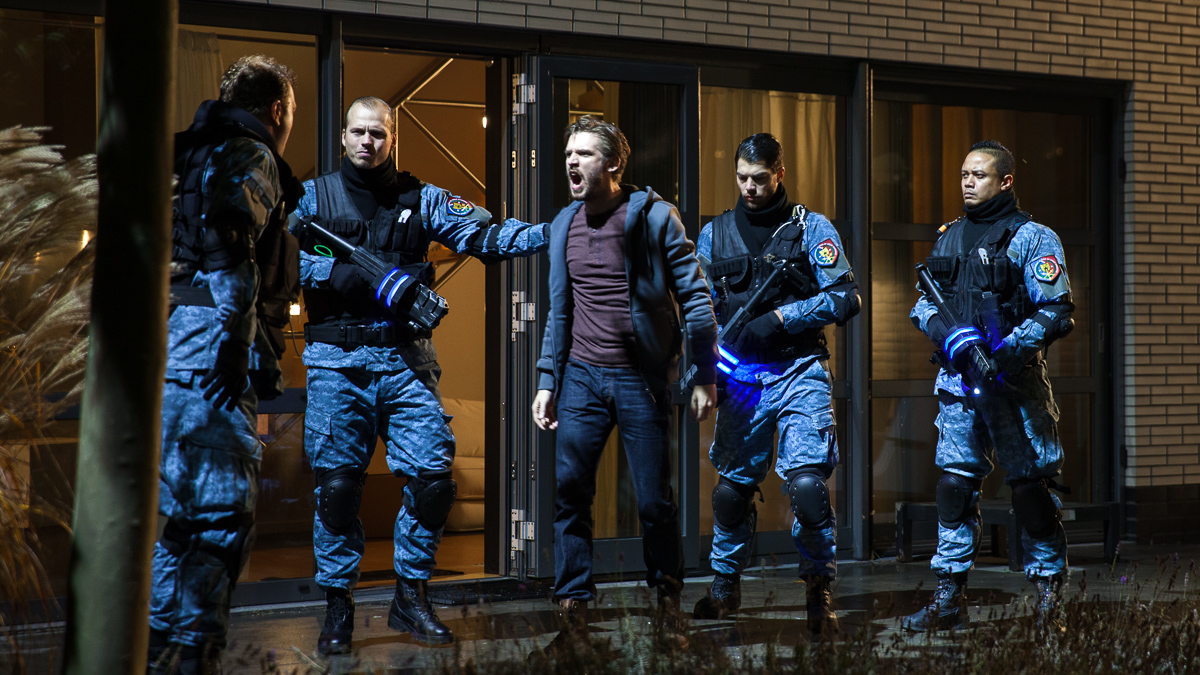 Kill Switch from writer-director Tim Smit, is an epic story framed from a first person perspective that makes you feel like you are in the film with a video-game style experience. Part apocalyptic and part thriller, the film explores a future where a pilot turned physicist (Stevens) has to save the world by harnessing parallel universes and channeling unlimited energy
The film starring Dan Stevens (Beauty and the Beast, “Downtown Abbey”) and Bérénice Marlohe (Skyfall), will open in select theaters and on demand on June 16th.
Acclaimed writer-director Tim Smit explodes on to the scene with his futuristic, VFX-heavy feature debut! Kill Switch charts the story of a pilot battling to save his family and the planet, based on Smit’s short What’s In The Box?
Set in a future version of the world, the video game style plot follows an experiment for unlimited energy, harnessing parallel universes, which goes wrong. Chased by drones and soldiers, pilot and physicist Will Porter must race through an imploding world to get the Redivider box to a tower, which will save humanity, including his family, in the real world.
Kill Switch from writer-director Tim Smit, is an epic story framed from a first person perspective that makes you feel like you are in the film with a video-game style experience. Part apocalyptic and part thriller, the film explores a future where a pilot turned physicist (Stevens) has to save the world by harnessing parallel universes and channeling unlimited energy
The film starring Dan Stevens (Beauty and the Beast, “Downtown Abbey”) and Bérénice Marlohe (Skyfall), will open in select theaters and on demand on June 16th.
Acclaimed writer-director Tim Smit explodes on to the scene with his futuristic, VFX-heavy feature debut! Kill Switch charts the story of a pilot battling to save his family and the planet, based on Smit’s short What’s In The Box?
Set in a future version of the world, the video game style plot follows an experiment for unlimited energy, harnessing parallel universes, which goes wrong. Chased by drones and soldiers, pilot and physicist Will Porter must race through an imploding world to get the Redivider box to a tower, which will save humanity, including his family, in the real world.
-
Eight Documentary Film Projects Selected for Sundance Institute Documentary Edit and Story Labs
 The Sundance Institute has selected eight documentary film projects for its annual Documentary Edit and Story Labs, taking place in two sessions at the Sundance Resort in Utah from June 23 to July 1 and July 7 to 15.
The Documentary Edit and Story Lab creates an incubation space for nonfiction storytellers to creatively interrogate their projects during the later stages of post-production. Among the breathtaking scenery of the Sundance Mountain Resort, filmmakers take advantage of the Lab’s creative environment to intensively explore story, dramatic structure and character development, centering their work around their own original motivation and intention.
Overseen by Documentary Film Program Director Tabitha Jackson and Labs Director Kristin Feeley, each Lab brings together independent director and editor teams with world-renowned documentary filmmakers acting as advisors. For the second year the Lab will host writers-in-residence Eric Hynes and Logan Hill in a program designed to bring film critics and nonfiction filmmakers together to forge a deeper understanding of nonfiction film through immersion in the creative process.
“This vibrant array of projects illustrates the power of documentary filmmakers to use the language of cinema to tell untold stories, challenge and change perspectives and use their independent voice to speak truth to power,” said Jackson. “Convening these directors and editors, to refine and hone their craft with the help of our creative advisors, will we hope fuel their bold and pivotal work at this critical moment.”
Recent projects that have participated in the Documentary Edit and Story Lab include Unrest, Whose Streets?, Newtown, Strong Island and Cameraperson. The Lab is part of the 26 residential Labs the Institute hosts each year to discover and foster the talent of emerging independent artists in film, theatre, new media and episodic content.
The selected projects for the Documentary Edit and Story Lab are:
Jacqueline Olive (director) / Always in Season (USA): As the trauma of more than a century of lynching African Americans bleeds into the present, Always in Season follows relatives of the perpetrators and victims seeking justice and reconciliation – all in the midst of police shootings, church burnings and heated national debate about the value of black lives.
Marilyn Ness (director), Don Bernier (editor) / Charm City (USA): During three years of unparalleled violence in Baltimore, Charm City delivers an unexpectedly candid, observational portrait of those left on the frontlines. With grit, fury and compassion, a group of police, citizens and government officials grapple with the consequences of violence and try to reclaim their future.
Sedika Mojadidi (director), Sinead Kinnane (editor) / Facing the Dragon (Afghanistan/USA): Filmmaker Sedika Mojadidi follows two compelling Afghan women, a Member of Parliament and a journalist, as the international community withdraws from Afghanistan, threatening its fragile democracy.
Naziha Arebi (director), Alice Powell (editor) / Freedom Fields (UK/Libya): In post-revolution Libya, a group of women are brought together by one dream: to play football for their nation. But as the country descends into civil war, their personal stories of aspirations, love and struggle collide with history.
Petra Costa (director), Jordana Berg (editor) / Impeachment (Brazil): An epic tragedy of corruption and betrayal, Impeachment is a behind-the-scenes look at the ousting of Brazil’s first female president. With unique access to the president and other key politicians, the film unravels like a political thriller as Brazil falls into disarray, echoing the undoing of so many democracies throughout the world.
Cristina Ibarra (co-director/co-editor), Alex Rivera (co-director/co-editor) / The Infiltrators (USA): When two young immigrant-activists get detained by Border Patrol, on purpose, their mission to expose the abuses inside a detention center becomes much more complex and dangerous than they imagined.
Hao Wu (director), Nanfu Wang (editor) / People’s Republic of Desire (China/USA): In China’s popular live-streaming showrooms, three millennials seek fame, fortune and human connection, ultimately finding the same promises and perils online as in their real lives.
Christina D. King (co-director), Elizabeth Castle (co-director), Kristen Nutile (editor) / Warrior Women (USA): Chronicling the lifelong struggle of a Lakota mother and daughter in the American Indian Movement’s fight for Native liberation from the 1970s to today, where they are protesting the Dakota Access Pipeline in Standing Rock, North Dakota.
The Sundance Institute has selected eight documentary film projects for its annual Documentary Edit and Story Labs, taking place in two sessions at the Sundance Resort in Utah from June 23 to July 1 and July 7 to 15.
The Documentary Edit and Story Lab creates an incubation space for nonfiction storytellers to creatively interrogate their projects during the later stages of post-production. Among the breathtaking scenery of the Sundance Mountain Resort, filmmakers take advantage of the Lab’s creative environment to intensively explore story, dramatic structure and character development, centering their work around their own original motivation and intention.
Overseen by Documentary Film Program Director Tabitha Jackson and Labs Director Kristin Feeley, each Lab brings together independent director and editor teams with world-renowned documentary filmmakers acting as advisors. For the second year the Lab will host writers-in-residence Eric Hynes and Logan Hill in a program designed to bring film critics and nonfiction filmmakers together to forge a deeper understanding of nonfiction film through immersion in the creative process.
“This vibrant array of projects illustrates the power of documentary filmmakers to use the language of cinema to tell untold stories, challenge and change perspectives and use their independent voice to speak truth to power,” said Jackson. “Convening these directors and editors, to refine and hone their craft with the help of our creative advisors, will we hope fuel their bold and pivotal work at this critical moment.”
Recent projects that have participated in the Documentary Edit and Story Lab include Unrest, Whose Streets?, Newtown, Strong Island and Cameraperson. The Lab is part of the 26 residential Labs the Institute hosts each year to discover and foster the talent of emerging independent artists in film, theatre, new media and episodic content.
The selected projects for the Documentary Edit and Story Lab are:
Jacqueline Olive (director) / Always in Season (USA): As the trauma of more than a century of lynching African Americans bleeds into the present, Always in Season follows relatives of the perpetrators and victims seeking justice and reconciliation – all in the midst of police shootings, church burnings and heated national debate about the value of black lives.
Marilyn Ness (director), Don Bernier (editor) / Charm City (USA): During three years of unparalleled violence in Baltimore, Charm City delivers an unexpectedly candid, observational portrait of those left on the frontlines. With grit, fury and compassion, a group of police, citizens and government officials grapple with the consequences of violence and try to reclaim their future.
Sedika Mojadidi (director), Sinead Kinnane (editor) / Facing the Dragon (Afghanistan/USA): Filmmaker Sedika Mojadidi follows two compelling Afghan women, a Member of Parliament and a journalist, as the international community withdraws from Afghanistan, threatening its fragile democracy.
Naziha Arebi (director), Alice Powell (editor) / Freedom Fields (UK/Libya): In post-revolution Libya, a group of women are brought together by one dream: to play football for their nation. But as the country descends into civil war, their personal stories of aspirations, love and struggle collide with history.
Petra Costa (director), Jordana Berg (editor) / Impeachment (Brazil): An epic tragedy of corruption and betrayal, Impeachment is a behind-the-scenes look at the ousting of Brazil’s first female president. With unique access to the president and other key politicians, the film unravels like a political thriller as Brazil falls into disarray, echoing the undoing of so many democracies throughout the world.
Cristina Ibarra (co-director/co-editor), Alex Rivera (co-director/co-editor) / The Infiltrators (USA): When two young immigrant-activists get detained by Border Patrol, on purpose, their mission to expose the abuses inside a detention center becomes much more complex and dangerous than they imagined.
Hao Wu (director), Nanfu Wang (editor) / People’s Republic of Desire (China/USA): In China’s popular live-streaming showrooms, three millennials seek fame, fortune and human connection, ultimately finding the same promises and perils online as in their real lives.
Christina D. King (co-director), Elizabeth Castle (co-director), Kristen Nutile (editor) / Warrior Women (USA): Chronicling the lifelong struggle of a Lakota mother and daughter in the American Indian Movement’s fight for Native liberation from the 1970s to today, where they are protesting the Dakota Access Pipeline in Standing Rock, North Dakota.
-
THE FENCER, Finland’s Entry for Academy Awards for Best Foreign Language Film, Sets Release Date | Trailer
 The Fencer directed by Klaus Härö – 2016 Golden Globe nominee for Best Foreign Language Film, as well as Finland’s official selection and shortlist finalist at the 2016 Academy Awards (Best Foreign Language Film) will be released in the US in Summer 2017. The film will open at City Cinemas in New York on July 21 and at the Royal and Playhouse 7 in Los Angeles on August 11. A national release will follow.
A young man, Endel Nelis (Märt Avandi), arrives in Haapsalu, Estonia in the early 1950s. Having left Leningrad to escape the secret police, he finds work as a teacher and organizes a sports club for his students. Endel learns to love the children and begins to looks after them; most are orphans as a result of the Russian occupation. He starts teaching them his great passion – fencing. Fencing becomes a form of self-expression for the children and Endel is quickly seen as their role model and a father figure.
Endel’s popularity with his students causes a conflict with the school’s principal. Envious and suspicious, the principal starts investigating Endel’s background and discovers a secret from his past. When an opportunity arises for the children to participate in a national fencing tournament in Leningrad, Endel must make a choice: risk everything to take the children to Leningrad, or disappoint them by putting his safety first.
The Fencer was inspired by the true story of Endel Nelis, Estonia’s legendary fencing maestro.
The Fencer directed by Klaus Härö – 2016 Golden Globe nominee for Best Foreign Language Film, as well as Finland’s official selection and shortlist finalist at the 2016 Academy Awards (Best Foreign Language Film) will be released in the US in Summer 2017. The film will open at City Cinemas in New York on July 21 and at the Royal and Playhouse 7 in Los Angeles on August 11. A national release will follow.
A young man, Endel Nelis (Märt Avandi), arrives in Haapsalu, Estonia in the early 1950s. Having left Leningrad to escape the secret police, he finds work as a teacher and organizes a sports club for his students. Endel learns to love the children and begins to looks after them; most are orphans as a result of the Russian occupation. He starts teaching them his great passion – fencing. Fencing becomes a form of self-expression for the children and Endel is quickly seen as their role model and a father figure.
Endel’s popularity with his students causes a conflict with the school’s principal. Envious and suspicious, the principal starts investigating Endel’s background and discovers a secret from his past. When an opportunity arises for the children to participate in a national fencing tournament in Leningrad, Endel must make a choice: risk everything to take the children to Leningrad, or disappoint them by putting his safety first.
The Fencer was inspired by the true story of Endel Nelis, Estonia’s legendary fencing maestro.
-
WE WHO REMAIN Wins Seattle International Film Festival’s First 360/VR Award
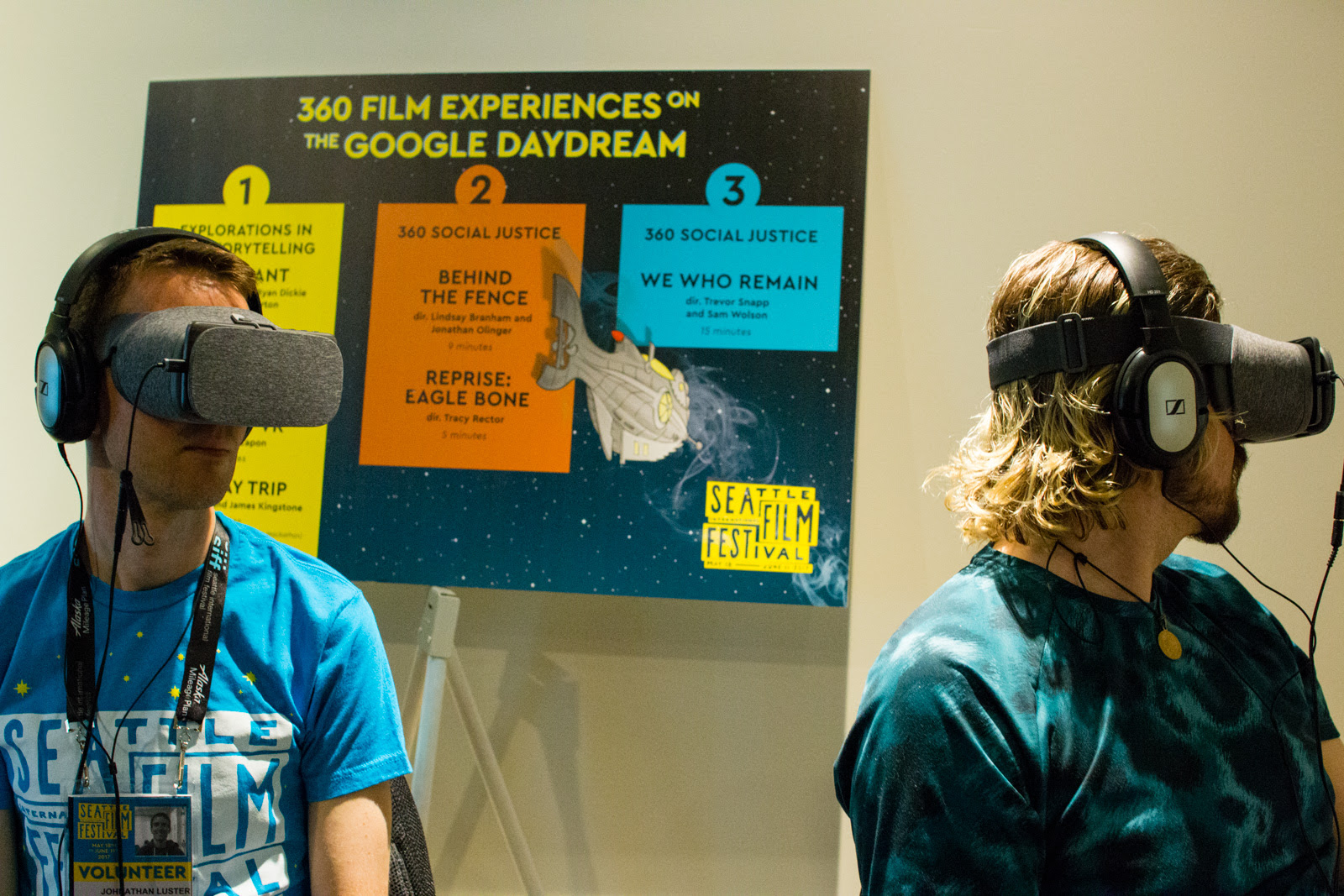 The Seattle International Film Festival has presented the first SIFF 360/VR Award, recognizing excellence in virtual reality filmmaking to We Who Remain by Trevor Snapp and Sam Wolson.
The winner will receive $500 and the opportunity for the awarded film to be distributed globally through Pixvana’s SPIN Studio platform. This year, the jury’s decision was guided by three criteria: story, impact, and technical prowess. Jury members included Julia Fryett (Director of Marketing & Community Development, Pixvana), Kate Becker (Director, Seattle Office of Film + Music) and Sarah Wilke (Executive Director, SIFF).
In a statement the jury said, “We are pleased to present the SIFF 360/VR Award, sponsored by Pixvana, to We Who Remain, a film that intimately brings the viewer inside the heart of a forgotten conflict in the Nuba Mountains of Sudan. Fusing elegant storytelling with sharp technical skill, the film weaves together narratives from a student, rebel soldier, journalist, and mother who have chosen to remain and relentlessly struggle to bring peace back to their land.” We Who Remain is produced by Emblematic Group and directed by Trevor Snapp and Sam Wolson.
The Seattle International Film Festival has presented the first SIFF 360/VR Award, recognizing excellence in virtual reality filmmaking to We Who Remain by Trevor Snapp and Sam Wolson.
The winner will receive $500 and the opportunity for the awarded film to be distributed globally through Pixvana’s SPIN Studio platform. This year, the jury’s decision was guided by three criteria: story, impact, and technical prowess. Jury members included Julia Fryett (Director of Marketing & Community Development, Pixvana), Kate Becker (Director, Seattle Office of Film + Music) and Sarah Wilke (Executive Director, SIFF).
In a statement the jury said, “We are pleased to present the SIFF 360/VR Award, sponsored by Pixvana, to We Who Remain, a film that intimately brings the viewer inside the heart of a forgotten conflict in the Nuba Mountains of Sudan. Fusing elegant storytelling with sharp technical skill, the film weaves together narratives from a student, rebel soldier, journalist, and mother who have chosen to remain and relentlessly struggle to bring peace back to their land.” We Who Remain is produced by Emblematic Group and directed by Trevor Snapp and Sam Wolson.
360/VR Films Presented at SIFF 2017
After Solitary by Emblematic Group / Cassandra Herrman and Lauren Mucciolo Behind the Fence by Lindsay Branham and Jonathan Olinger Eagle Bone by Tracy Rector The Giant by New Media Ltd. / Mike Anderson, Ryan Dickle, and Abigail Horton Journey VR by Eugene Capon Love! A Virtual Reality Dance Story by Jess Kantor The Ministry of Time by Future Lighthouse / Nicolás Alcalá Potato Dreams by Mechanical Dreams / Wes Hurley (Work-in-Progress) Say Our Name by State Media / Stina Hamlin Silent Resonance by Pixvana / Scott Squires Syzygy: Paul Taylor Dance Company by Andrew Asnes We Who Remain by Emblematic Group / Trevor Snapp and Sam Wolson All twelve films included in the 360/VR Storytelling Pop-Up at the 2017 Seattle International Film Festival will be available for viewing at the SIFF Lounge.
-
Palm Springs International ShortFest Announces 2017 Lineup Featuring Idris Elba, Kate Winslet and More
[caption id="attachment_22679" align="aligncenter" width="1200"]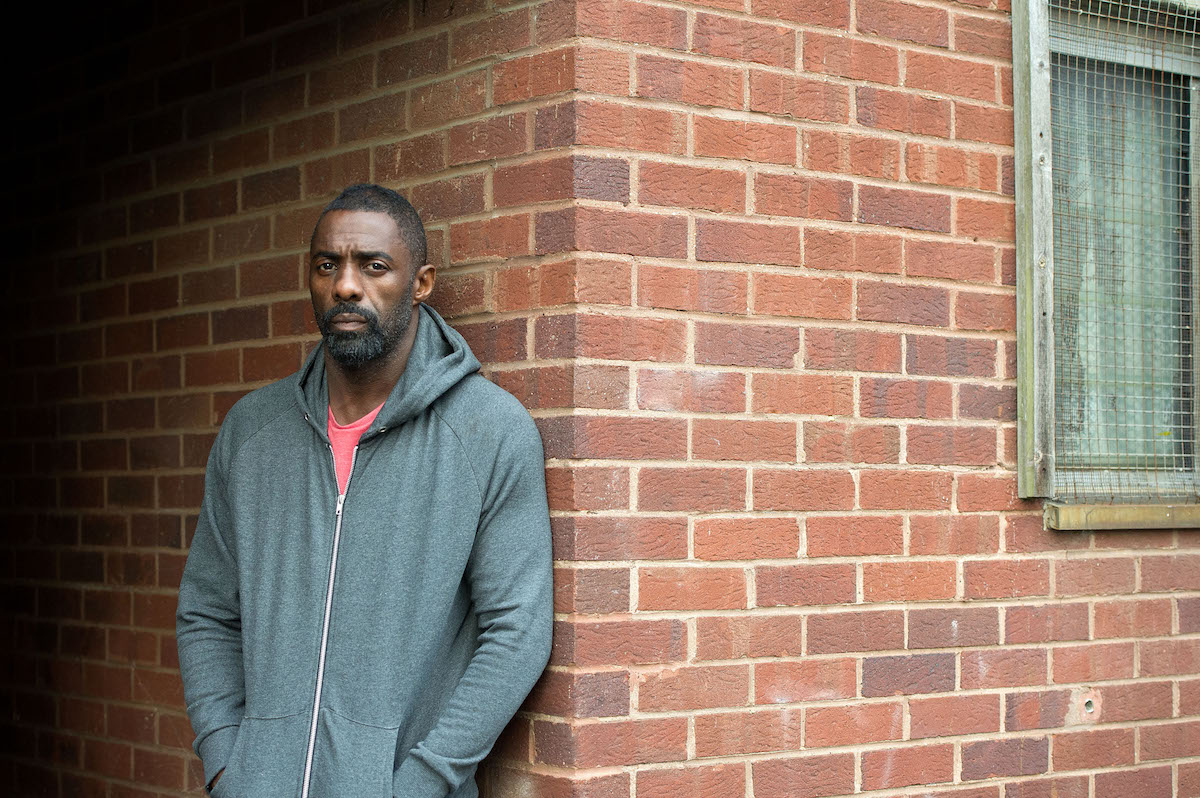 Idris Elba in Five by Five[/caption]
This year’s 23rd Palm Springs International ShortFest taking place June 20-26, 2017, at the Camelot Theatres in Palm Springs will showcase 338 films including 46 World Premieres, 12 International Premieres, 42 North American Premieres and 16 U.S. Premieres.
“Each year, the quality of films we watch for ShortFest keeps getting stronger,” said Festival Director Lili Rodriguez. “It makes our job of narrowing down the final selection that much harder, but also incredibly rewarding. There are so many unique and strong voices and we’re really proud to champion these films at the festival.”
This year’s star-studded shorts feature Academy Award® winners and nominees, as well as film and television stars including Summer Phoenix in Across My Land (USA/France); Thomas Lennon and Lennon Parham in All Exchanges Final (USA); Tatiana Maslany in Apart From Everything (Canada); The Dark of Night (USA) directed by Robin Wright and starring Leslie Bibb and Sam Rockwell; Sir Ian McKellen in Edmund the Magnificent (UK); Toby Jones in The Entertainer (UK); Julian Sands in The Escape (UK); Idris Elba in Five by Five (UK); Rick Fox in Game (USA); Carrie Coon in Great Choice (USA); Kate Winslet in The Lost Letter (Ireland); Rose Byrne and Bobby Cannavale in Martha Monster (Australia); Valerie Harper in My Mom and the Girl (USA); Helena Bonham Carter in Poles Apart (UK); Show Business (USA) directed by Clark Duke; and Super Sex directed by Matthew Modine and starring Kevin Nealon, Edward Asner, Elizabeth Perkins and Efren Ramirez.
In addition to ShortFest’s award-winning short films, each year the Festival also welcomes a long guest list of filmmakers and industry attendees for the ShortFest Forums of panels and roundtables. Other prominent industry figures from AMPAS®, Anonymous Content, CAA, Cartoon Network, FX Networks, ICM Partners, NASA, Preferred Content, Seed&Spark, UTA, Vimeo and other organizations will participate in three days of ShortFest Forums covering a wide range of emerging trends and new practices in the global film community.
Idris Elba in Five by Five[/caption]
This year’s 23rd Palm Springs International ShortFest taking place June 20-26, 2017, at the Camelot Theatres in Palm Springs will showcase 338 films including 46 World Premieres, 12 International Premieres, 42 North American Premieres and 16 U.S. Premieres.
“Each year, the quality of films we watch for ShortFest keeps getting stronger,” said Festival Director Lili Rodriguez. “It makes our job of narrowing down the final selection that much harder, but also incredibly rewarding. There are so many unique and strong voices and we’re really proud to champion these films at the festival.”
This year’s star-studded shorts feature Academy Award® winners and nominees, as well as film and television stars including Summer Phoenix in Across My Land (USA/France); Thomas Lennon and Lennon Parham in All Exchanges Final (USA); Tatiana Maslany in Apart From Everything (Canada); The Dark of Night (USA) directed by Robin Wright and starring Leslie Bibb and Sam Rockwell; Sir Ian McKellen in Edmund the Magnificent (UK); Toby Jones in The Entertainer (UK); Julian Sands in The Escape (UK); Idris Elba in Five by Five (UK); Rick Fox in Game (USA); Carrie Coon in Great Choice (USA); Kate Winslet in The Lost Letter (Ireland); Rose Byrne and Bobby Cannavale in Martha Monster (Australia); Valerie Harper in My Mom and the Girl (USA); Helena Bonham Carter in Poles Apart (UK); Show Business (USA) directed by Clark Duke; and Super Sex directed by Matthew Modine and starring Kevin Nealon, Edward Asner, Elizabeth Perkins and Efren Ramirez.
In addition to ShortFest’s award-winning short films, each year the Festival also welcomes a long guest list of filmmakers and industry attendees for the ShortFest Forums of panels and roundtables. Other prominent industry figures from AMPAS®, Anonymous Content, CAA, Cartoon Network, FX Networks, ICM Partners, NASA, Preferred Content, Seed&Spark, UTA, Vimeo and other organizations will participate in three days of ShortFest Forums covering a wide range of emerging trends and new practices in the global film community.
-
Watch Putin Offer His Opinion of Senator McCain in New Clip from Oliver Stone’s THE PUTIN INTERVIEWS
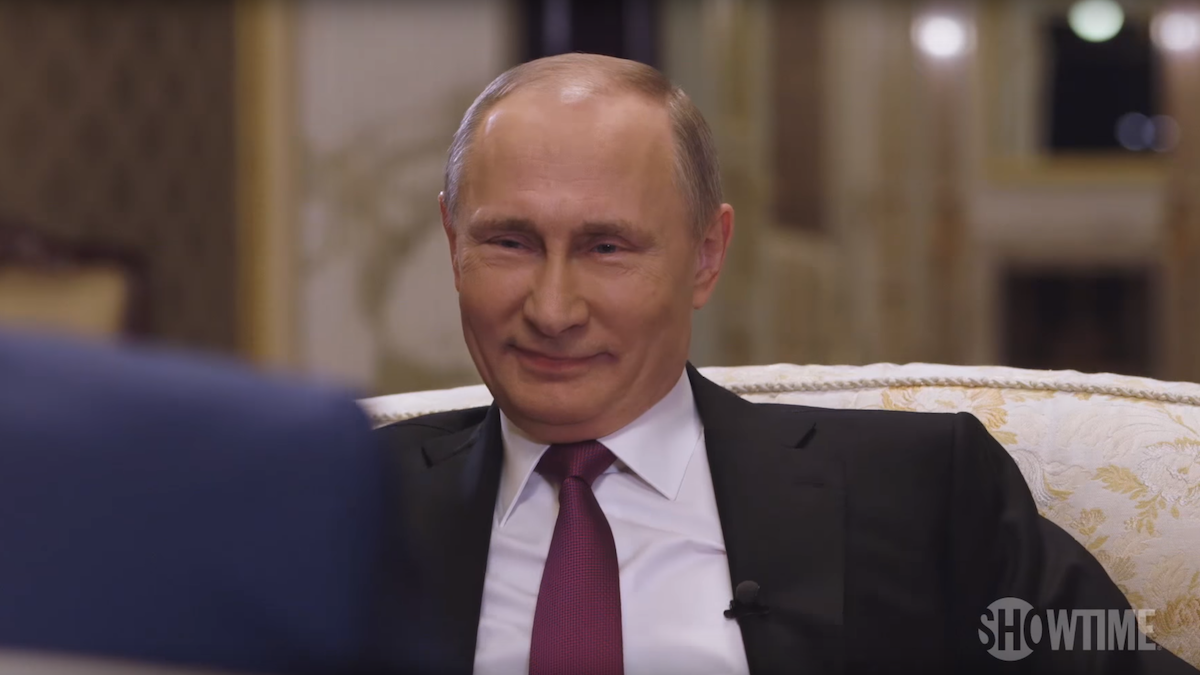 Showtime has released a new extended clip from Oliver Stone’s unprecedented conversations with Vladimir Putin, the docuseries – The Putin Interviews. The clip is pulled from hour four of the special, which features Stone’s most recent discussion with the Russian president this past February, following the U.S. presidential elections.
In the newly released clip, Putin offers his opinion of his former Cold War foe, Senator John McCain, that sheds light on how Putin views today’s global affairs in a historical context.
https://youtu.be/le7fv_9TfcE
Additionally, a new video for The Putin Interviews was released that features a behind-the-scenes look and interview with Stone, about the making of the television special.
https://youtu.be/FvNo0jRj7is
In one of multiple interviews over the course of two years, Oliver Stone interviews Russian President Vladimir Putin while he is driving, where Putin discusses his point of view on Edward Snowden.
https://www.youtube.com/watch?v=UD4eIM-8Vrc
Granted intimate access to both Putin’s professional and personal worlds, Oscar(R)-winning writer and director Oliver Stone (Platoon, Snowden), with the help of his longtime documentary producer Fernando Sulichin, interviewed the Russian leader more than a dozen times over the course of two years. Since first becoming the president of Russia in 2000, Putin has never before spoken at such length or in such detail to a Western interviewer, leaving no topic off limits. In scope and depth, The Putin Interviews recalls The Nixon Interviews, the series of conversations between David Frost and Richard Nixon that aired in the spring of 1977, 40 years ago.
https://www.youtube.com/watch?v=I2cJXEWkt60
The Putin Interviews will have its world television premiere on Showtime over four consecutive nights starting on Monday, June 12 at 9 p.m. ET/PT.
Showtime has released a new extended clip from Oliver Stone’s unprecedented conversations with Vladimir Putin, the docuseries – The Putin Interviews. The clip is pulled from hour four of the special, which features Stone’s most recent discussion with the Russian president this past February, following the U.S. presidential elections.
In the newly released clip, Putin offers his opinion of his former Cold War foe, Senator John McCain, that sheds light on how Putin views today’s global affairs in a historical context.
https://youtu.be/le7fv_9TfcE
Additionally, a new video for The Putin Interviews was released that features a behind-the-scenes look and interview with Stone, about the making of the television special.
https://youtu.be/FvNo0jRj7is
In one of multiple interviews over the course of two years, Oliver Stone interviews Russian President Vladimir Putin while he is driving, where Putin discusses his point of view on Edward Snowden.
https://www.youtube.com/watch?v=UD4eIM-8Vrc
Granted intimate access to both Putin’s professional and personal worlds, Oscar(R)-winning writer and director Oliver Stone (Platoon, Snowden), with the help of his longtime documentary producer Fernando Sulichin, interviewed the Russian leader more than a dozen times over the course of two years. Since first becoming the president of Russia in 2000, Putin has never before spoken at such length or in such detail to a Western interviewer, leaving no topic off limits. In scope and depth, The Putin Interviews recalls The Nixon Interviews, the series of conversations between David Frost and Richard Nixon that aired in the spring of 1977, 40 years ago.
https://www.youtube.com/watch?v=I2cJXEWkt60
The Putin Interviews will have its world television premiere on Showtime over four consecutive nights starting on Monday, June 12 at 9 p.m. ET/PT.
-
CHASING CORAL Releases New Trailer for World Oceans Day
 Today, on World Oceans Day, a new trailer was released for the documentary Chasing Coral, set to debut globally July 14 on Netflix.
Chasing Coral taps into the collective will and wisdom of an ad man, a self-proclaimed coral nerd, top-notch camera designers, and renowned marine biologists as they reveal a phenomenon called “coral bleaching.” With its breathtaking photography and nail-biting suspense, Chasing Coral is a dramatic revelation that won’t have audiences sitting idle for long.
“Our oceans are dramatically changing and we are losing coral reefs on a global scale,” said Jeff Orlowski, director of Chasing Coral. “We spent three years with divers, underwater photographers, and experts to reveal the majesty of our oceans, and the rapidly changing reality we’re facing. We are excited to launch this trailer on World Oceans Day and help heighten awareness of the connection between humanity and our ocean.”
https://www.youtube.com/watch?v=b6fHA9R2cKI
Today, on World Oceans Day, a new trailer was released for the documentary Chasing Coral, set to debut globally July 14 on Netflix.
Chasing Coral taps into the collective will and wisdom of an ad man, a self-proclaimed coral nerd, top-notch camera designers, and renowned marine biologists as they reveal a phenomenon called “coral bleaching.” With its breathtaking photography and nail-biting suspense, Chasing Coral is a dramatic revelation that won’t have audiences sitting idle for long.
“Our oceans are dramatically changing and we are losing coral reefs on a global scale,” said Jeff Orlowski, director of Chasing Coral. “We spent three years with divers, underwater photographers, and experts to reveal the majesty of our oceans, and the rapidly changing reality we’re facing. We are excited to launch this trailer on World Oceans Day and help heighten awareness of the connection between humanity and our ocean.”
https://www.youtube.com/watch?v=b6fHA9R2cKI
-
Bill Duke Directed Indie Thriller CREATED EQUAL to World Premiere at American Black Film Festival | Trailer
[caption id="attachment_22655" align="aligncenter" width="1200"]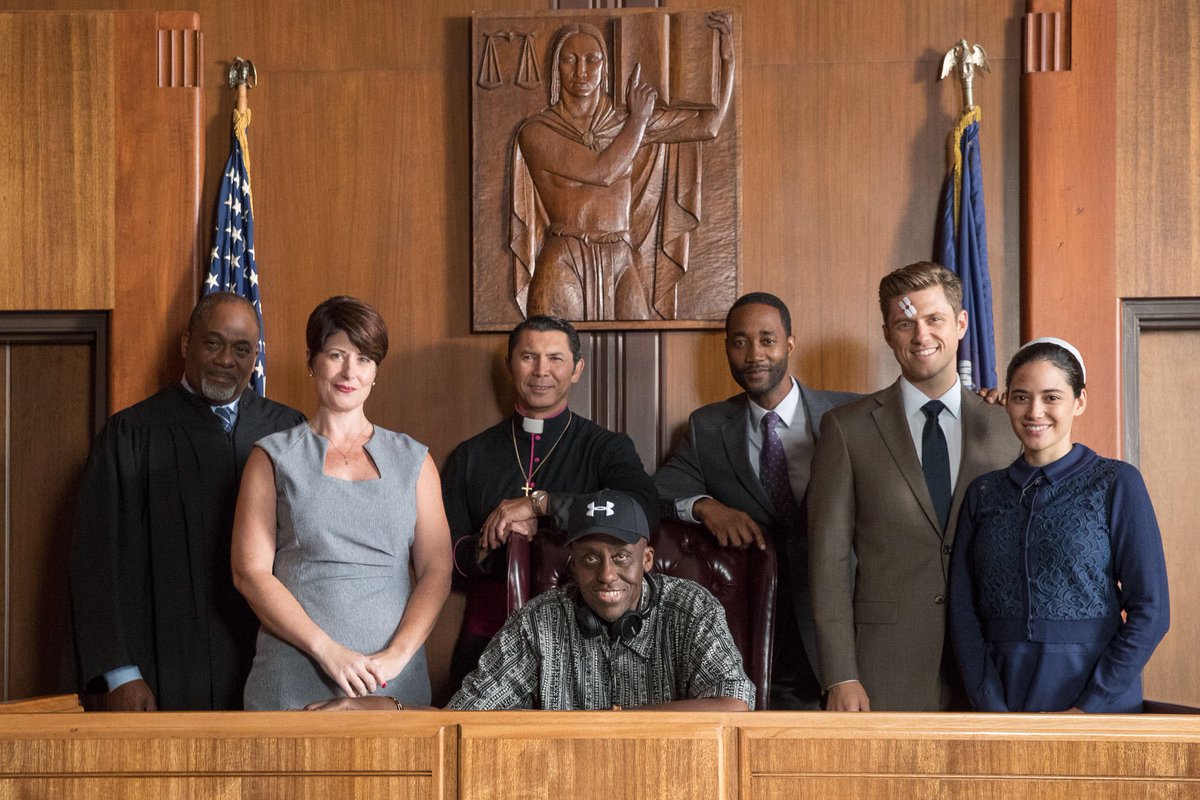 Created Equal[/caption]
Six years after stunning audiences with his shocking documentary, Dark Girls, actor/director Bill Duke returns to directing with the legal thriller Created Equal. Created Equal, based on the novel, Created Equal written by Roger A. Brown, will World Premiere at the 2017 American Black Film Festival on Thursday, June 15, 4pm, at the Miami Beach Cinematheque (1130 Washington Avenue, Miami Beach, FL).
In a world where gender equality remains a critical issue, this controversial film, doesn’t set out to challenge the Catholic Church doctrine, but asks a very modern question… Should women be allowed into seminaries to study for the priesthood? “Created Equal is a film that gives you a voyeur experience into the stained glass ceiling that exists in the Catholic Church and asks the question about women being allowed into seminaries without actually taking sides,” shares Bill Duke. “We are so excited that the American Black Film Festival has officially selected our film as a world premiere and look forward to the conversation that is created around this highly debated topic.”
The film stars Broadway actor and singer Aaron Tveit (Grease Live!) Latina actress Edy Ganem (Devious Maids), Yohance Myles (Shots Fired), veteran actors Lou Diamond Phillips (Longmire) and GregAlan Williams (Greenleaf).
Desperate to become a priest in the Catholic Church, Alejandra “Allie” Batista (Edy Ganem) turns to Thomas Reilly (Aaron Tveit), a successful lawyer who files suit against the Archdiocese of New Orleans for sex discrimination without justifiable cause. As Allie’s case starts to make national headlines, both she and Tommy face serious backlash from the people in their lives. The trial unfolds and an extremist concocts a plot to stop the heresy against the church by attacking Alejandra and attempting to kill her if she doesn’t back off.
https://www.youtube.com/watch?v=91Bw2UFlonM
Created Equal[/caption]
Six years after stunning audiences with his shocking documentary, Dark Girls, actor/director Bill Duke returns to directing with the legal thriller Created Equal. Created Equal, based on the novel, Created Equal written by Roger A. Brown, will World Premiere at the 2017 American Black Film Festival on Thursday, June 15, 4pm, at the Miami Beach Cinematheque (1130 Washington Avenue, Miami Beach, FL).
In a world where gender equality remains a critical issue, this controversial film, doesn’t set out to challenge the Catholic Church doctrine, but asks a very modern question… Should women be allowed into seminaries to study for the priesthood? “Created Equal is a film that gives you a voyeur experience into the stained glass ceiling that exists in the Catholic Church and asks the question about women being allowed into seminaries without actually taking sides,” shares Bill Duke. “We are so excited that the American Black Film Festival has officially selected our film as a world premiere and look forward to the conversation that is created around this highly debated topic.”
The film stars Broadway actor and singer Aaron Tveit (Grease Live!) Latina actress Edy Ganem (Devious Maids), Yohance Myles (Shots Fired), veteran actors Lou Diamond Phillips (Longmire) and GregAlan Williams (Greenleaf).
Desperate to become a priest in the Catholic Church, Alejandra “Allie” Batista (Edy Ganem) turns to Thomas Reilly (Aaron Tveit), a successful lawyer who files suit against the Archdiocese of New Orleans for sex discrimination without justifiable cause. As Allie’s case starts to make national headlines, both she and Tommy face serious backlash from the people in their lives. The trial unfolds and an extremist concocts a plot to stop the heresy against the church by attacking Alejandra and attempting to kill her if she doesn’t back off.
https://www.youtube.com/watch?v=91Bw2UFlonM
-
Sundance Selects to Release Jeff Unay’s THE CAGE FIGHTER Documentary
[caption id="attachment_22652" align="aligncenter" width="1200"] The Cage Fighter[/caption]
Jeff Unay’s documentary and directorial feature debut The Cage Fighter that premiered earlier this year at the 2017 San Francisco International Film Festival has been acquired by Sundance Selects for release in the US. It was written, directed and photographed by Jeff Unay.
The Cage Fighter is the story of a man in the fight of his life. Joe Carman is a blue-collar Washington State boilermaker and master plumber, a loving father and husband. Unable to cope with stresses at home, reeling from his wife’s recent illness and an ongoing custody battle, Joe escapes back into the fighting cage — the one place he’d promised never to set foot again. By trading his inner pain for physical blows, Joe struggles to heal himself and come to terms with his past. In the fighting cage, life’s problems are as simple as they are acute; but there, unlike in the real world, an old fighter can at least go down swinging.
“I am very excited that we are partnering with Sundance Selects to bring The Cage Fighter to the public,” said Jeff Unay, director. “Their prestigious label/brand of films coupled together with their penchant to distribute their films to the widest possible audience is extremely promising and very important to our film. We are proud to be part of the Sundance Selects family.”
“Jeff Unay’s impressive and beautiful debut unfolds like a narrative film in which the story of Joe Carman and his journey is portrayed with empathy and universal accessibility. We can’t wait to share his story with audiences across the country,” said Arianna Bocco, EVP of Acquisitions and Productions.
The Cage Fighter[/caption]
Jeff Unay’s documentary and directorial feature debut The Cage Fighter that premiered earlier this year at the 2017 San Francisco International Film Festival has been acquired by Sundance Selects for release in the US. It was written, directed and photographed by Jeff Unay.
The Cage Fighter is the story of a man in the fight of his life. Joe Carman is a blue-collar Washington State boilermaker and master plumber, a loving father and husband. Unable to cope with stresses at home, reeling from his wife’s recent illness and an ongoing custody battle, Joe escapes back into the fighting cage — the one place he’d promised never to set foot again. By trading his inner pain for physical blows, Joe struggles to heal himself and come to terms with his past. In the fighting cage, life’s problems are as simple as they are acute; but there, unlike in the real world, an old fighter can at least go down swinging.
“I am very excited that we are partnering with Sundance Selects to bring The Cage Fighter to the public,” said Jeff Unay, director. “Their prestigious label/brand of films coupled together with their penchant to distribute their films to the widest possible audience is extremely promising and very important to our film. We are proud to be part of the Sundance Selects family.”
“Jeff Unay’s impressive and beautiful debut unfolds like a narrative film in which the story of Joe Carman and his journey is portrayed with empathy and universal accessibility. We can’t wait to share his story with audiences across the country,” said Arianna Bocco, EVP of Acquisitions and Productions.
-
French Musical Comedy FOOTNOTES to Open in New York on July 14
[caption id="attachment_22647" align="aligncenter" width="1000"] Footnotes[/caption]
The French musical comedy Footnotes directed by Paul Calori and Kostia Testut will open in New York on Friday, July 14th at the Village East Cinema with a national release to follow.
Inspired by the films of Jacques Demy and Stanley Donen,Footnotes is a whimsical and original musical comedy about Julie, a young woman struggling to make ends meet in France’s radically changing economy. Living out of a backpack, Julie spends her days jumping from job to job until she’s finally offered a temporary stockroom position at a women’s luxury shoe factory. After making friends with the boss’s spunky receptionist Sophie and the ever-charming factory truck driver Samy, Julie thinks the hard times are behind her. But Julie’s dreams of stability collapse when management threatens to close down the factory. As her intrepid group of female colleagues get together to go on strike, Samy and the other truck drivers decide to side with the company’s scheming CEO. Julie must choose whether to keep a low profile (and a shot at permanent employment) or to resist and fight back on the picket line.
Footnotes stars Pauline Etienne, Olivier Chantreau, François Morel, Loïc Corbery and Julie Victor; and was an Official Selection of Palm Springs International Film Festival, Minneapolis St. Paul International Film Festival, Filmfest DC and many more.
Footnotes[/caption]
The French musical comedy Footnotes directed by Paul Calori and Kostia Testut will open in New York on Friday, July 14th at the Village East Cinema with a national release to follow.
Inspired by the films of Jacques Demy and Stanley Donen,Footnotes is a whimsical and original musical comedy about Julie, a young woman struggling to make ends meet in France’s radically changing economy. Living out of a backpack, Julie spends her days jumping from job to job until she’s finally offered a temporary stockroom position at a women’s luxury shoe factory. After making friends with the boss’s spunky receptionist Sophie and the ever-charming factory truck driver Samy, Julie thinks the hard times are behind her. But Julie’s dreams of stability collapse when management threatens to close down the factory. As her intrepid group of female colleagues get together to go on strike, Samy and the other truck drivers decide to side with the company’s scheming CEO. Julie must choose whether to keep a low profile (and a shot at permanent employment) or to resist and fight back on the picket line.
Footnotes stars Pauline Etienne, Olivier Chantreau, François Morel, Loïc Corbery and Julie Victor; and was an Official Selection of Palm Springs International Film Festival, Minneapolis St. Paul International Film Festival, Filmfest DC and many more.