
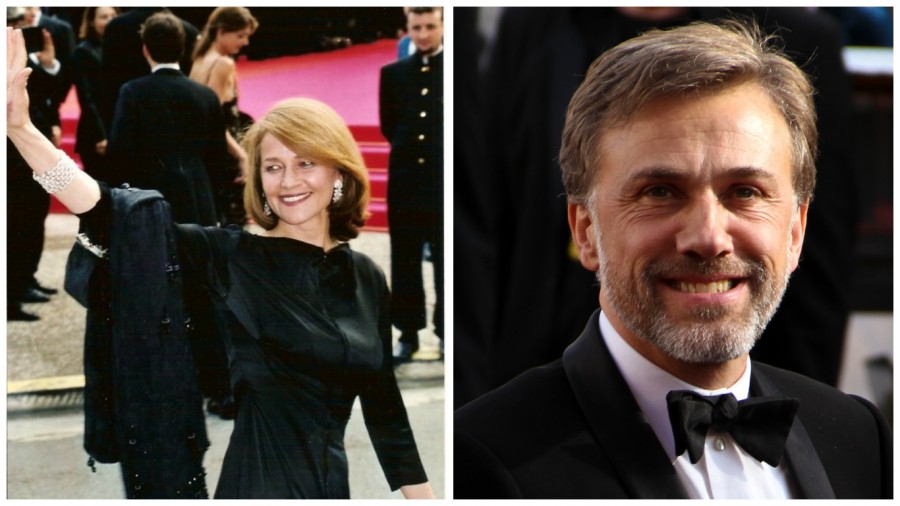
 The European Film Academy will present Charlotte Rampling with the honorary Lifetime Achievement Award, and the European Achievement In World Cinema will go to two-time Oscar winner Christoph Waltz. Both Charlotte Rampling and Christoph Waltz will be honorary guests at the 28th European Film Awards Ceremony on December 12th, 2015, in Berlin.
Born in England, Charlotte Rampling grew up in Gibraltar, France, Italy and Spain to become a truly European multi-language actress. Throughout her career, Charlotte Rampling has worked with great European directors from Luchino Visconti, Liliana Cavani and Patrice Chéreau to François Ozon, Laurent Cantet, Claude Lelouch, Gianni Amelio, Bille August and Lars von Trier. Charlotte Rampling is a five-time EFA Nominee and won European Actress 2003 for SWIMMING POOL. She has received an Honorary César and has been nominated four times in France, as the murder suspect Barbara in HE DIED WITH HIS EYES OPEN, the lonely wife in UNDER THE SAND, a famous mystery author in SWIMMING POOL and the deranged Alice Pollock in LEMMING. She recently received a Silver Berlin Bear for her role in 45 YEARS which is also part of this year’s EFA Selection. Among some of Charlotte Rampling’s most interesting films are THE NIGHT PORTER by Liliana Cavani, HEADING SOUTH by Laurent Cantet, STARDUST MEMORIES by Woody Allen, THE VERDICT by Sidney Lumet, UNDER THE SAND by François Ozon, MAX MY LOVE by Nagisa Oshima and MELANCHOLIA by Lars von Trier.
Born in Austria, Christoph Waltz studied acting at the Max Reinhardt Seminar in Vienna and in New York. He started out as a theatre actor and quickly became a popular TV star. In 2009 Christoph Waltz shot to international fame with Quentin Tarantino’s INGLOURIOUS BASTERDS for which he received the Best Actor Award in Cannes, a BAFTA, a Golden Globe and his first Oscar. He acted in THE GREEN HORNET by Michel Gondry, in CARNAGE by Roman Polanski and in 2012 he again collaborated with Quentin Tarantino, playing Dr. King Schultz in DJANGO UNCHAINED which won him another Golden Globe, a BAFTA, and ultimately a second Oscar. And he plays a leading part in the new James Bond film SPECTRE.
The European Film Academy will present Charlotte Rampling with the honorary Lifetime Achievement Award, and the European Achievement In World Cinema will go to two-time Oscar winner Christoph Waltz. Both Charlotte Rampling and Christoph Waltz will be honorary guests at the 28th European Film Awards Ceremony on December 12th, 2015, in Berlin.
Born in England, Charlotte Rampling grew up in Gibraltar, France, Italy and Spain to become a truly European multi-language actress. Throughout her career, Charlotte Rampling has worked with great European directors from Luchino Visconti, Liliana Cavani and Patrice Chéreau to François Ozon, Laurent Cantet, Claude Lelouch, Gianni Amelio, Bille August and Lars von Trier. Charlotte Rampling is a five-time EFA Nominee and won European Actress 2003 for SWIMMING POOL. She has received an Honorary César and has been nominated four times in France, as the murder suspect Barbara in HE DIED WITH HIS EYES OPEN, the lonely wife in UNDER THE SAND, a famous mystery author in SWIMMING POOL and the deranged Alice Pollock in LEMMING. She recently received a Silver Berlin Bear for her role in 45 YEARS which is also part of this year’s EFA Selection. Among some of Charlotte Rampling’s most interesting films are THE NIGHT PORTER by Liliana Cavani, HEADING SOUTH by Laurent Cantet, STARDUST MEMORIES by Woody Allen, THE VERDICT by Sidney Lumet, UNDER THE SAND by François Ozon, MAX MY LOVE by Nagisa Oshima and MELANCHOLIA by Lars von Trier.
Born in Austria, Christoph Waltz studied acting at the Max Reinhardt Seminar in Vienna and in New York. He started out as a theatre actor and quickly became a popular TV star. In 2009 Christoph Waltz shot to international fame with Quentin Tarantino’s INGLOURIOUS BASTERDS for which he received the Best Actor Award in Cannes, a BAFTA, a Golden Globe and his first Oscar. He acted in THE GREEN HORNET by Michel Gondry, in CARNAGE by Roman Polanski and in 2012 he again collaborated with Quentin Tarantino, playing Dr. King Schultz in DJANGO UNCHAINED which won him another Golden Globe, a BAFTA, and ultimately a second Oscar. And he plays a leading part in the new James Bond film SPECTRE.People
-
European Film Academy to Honor Charlotte Rampling and Christoph Waltz
The European Film Academy will present Charlotte Rampling with the honorary Lifetime Achievement Award, and the European Achievement In World Cinema will go to two-time Oscar winner Christoph Waltz. Both Charlotte Rampling and Christoph Waltz will be honorary guests at the 28th European Film Awards Ceremony on December 12th, 2015, in Berlin.
Born in England, Charlotte Rampling grew up in Gibraltar, France, Italy and Spain to become a truly European multi-language actress. Throughout her career, Charlotte Rampling has worked with great European directors from Luchino Visconti, Liliana Cavani and Patrice Chéreau to François Ozon, Laurent Cantet, Claude Lelouch, Gianni Amelio, Bille August and Lars von Trier. Charlotte Rampling is a five-time EFA Nominee and won European Actress 2003 for SWIMMING POOL. She has received an Honorary César and has been nominated four times in France, as the murder suspect Barbara in HE DIED WITH HIS EYES OPEN, the lonely wife in UNDER THE SAND, a famous mystery author in SWIMMING POOL and the deranged Alice Pollock in LEMMING. She recently received a Silver Berlin Bear for her role in 45 YEARS which is also part of this year’s EFA Selection. Among some of Charlotte Rampling’s most interesting films are THE NIGHT PORTER by Liliana Cavani, HEADING SOUTH by Laurent Cantet, STARDUST MEMORIES by Woody Allen, THE VERDICT by Sidney Lumet, UNDER THE SAND by François Ozon, MAX MY LOVE by Nagisa Oshima and MELANCHOLIA by Lars von Trier.
Born in Austria, Christoph Waltz studied acting at the Max Reinhardt Seminar in Vienna and in New York. He started out as a theatre actor and quickly became a popular TV star. In 2009 Christoph Waltz shot to international fame with Quentin Tarantino’s INGLOURIOUS BASTERDS for which he received the Best Actor Award in Cannes, a BAFTA, a Golden Globe and his first Oscar. He acted in THE GREEN HORNET by Michel Gondry, in CARNAGE by Roman Polanski and in 2012 he again collaborated with Quentin Tarantino, playing Dr. King Schultz in DJANGO UNCHAINED which won him another Golden Globe, a BAFTA, and ultimately a second Oscar. And he plays a leading part in the new James Bond film SPECTRE.
-
Civil Rights Icon Grace Lee Boggs, AMERICAN REVOLUTIONARY: THE EVOLUTION OF GRACE LEE BOGGS, Dies at 100
 Grace Lee Boggs, civil rights icon, and subject of the 2013 documentary American Revolutionary: The Evolution of Grace Lee Boggs, has died at the age of 100.
According to the a statement on the Boggs Center website, Grace Lee Boggs died peacefully in her sleep at her home on Field Street in Detroit on Monday night, October 5, 2015.
Philosopher-Activist Grace Lee Boggs Dies in Detroit: A Champion for the People October 5, 2015–Grace Lee Boggs died peacefully in her sleep at her home on Field Street in Detroit this morning. She had recently celebrated her 100th birthday at the Charles H. Wright Museum of African American History. Grace was an internationally known philosopher activist for justice. She had been politically active since the 1930’s working with A. Phillip Randolph’s first march on Washington and later C.L.R. James. For more than 40 years she worked closely with her late husband James Boggs in advancing ideas of revolution and evolution for the 20th and 21st Centuries. She helped organize the 1963 March down Woodward Avenue with Dr. Martin Luther King and the Grassroots Leadership Conference with Malcolm X. Grace Lee Boggs was active in Labor, Civil Rights, Black Power, women and environmental justice movements. Later, with her husband James, she helped organize SOSAD, WePros, Detroiters Working for Environmental Justice, Gardening Angels and Detroit Summer. Grace was a founding member of the James and Grace Lee Boggs Center to Nurture Community Leadership and was a strong advocate for place based education and supported the James and Grace Lee Boggs School. “Grace died as she lived surrounded by books, politics, people and ideas,” said Alice Jennings and Shea Howell, two of her Trustees. A memorial celebrating her life will be announced later.
President Barack Obama, issued a statement, saying “Michelle and I were saddened to hear of the passing of author, philosopher, and activist Grace Lee Boggs. Grace dedicated her life to serving and advocating for the rights of others – from her community activism in Detroit, to her leadership in the civil rights movement, to her ideas that challenged us all to lead meaningful lives. As the child of Chinese immigrants and as a woman, Grace learned early on that the world needed changing, and she overcame barriers to do just that. She understood the power of community organizing at its core – the importance of bringing about change and getting people involved to shape their own destiny. Grace’s passion for helping others, and her work to rejuvenate communities that had fallen on hard times spanned her remarkable 100 years of life, and will continue to inspire generations to come. Our thoughts and prayers are with Grace’s family and friends, and all those who loved her dearly.”
The filmmakers of the documentary also issued a statement saying, “Grace Lee Boggs passed away peacefully this morning. We are so grateful for the vision of justice and human connection that she gave us and feel incredibly privileged to have been able to share her story with others.”
The documentary film, AMERICAN REVOLUTIONARY: THE EVOLUTION OF GRACE LEE BOGGS, plunges us into Boggs’s lifetime of vital thinking and action, traversing the major U.S. social movements of the last century; from labor to civil rights, to Black Power, feminism, the Asian American and environmental justice movements and beyond. Boggs’s constantly evolving strategy—her willingness to re-evaluate and change tactics in relation to the world shifting around her—drives the story forward. Angela Davis, Bill Moyers, Bill Ayers, Ruby Dee and Ossie Davis, Danny Glover, Boggs’s late husband James and a host of Detroit comrades across three generations help shape this uniquely American story. As she wrestles with a Detroit in ongoing transition, contradictions of violence and non-violence, Malcolm X and Martin Luther King, the 1967 rebellions, and non-linear notions of time and history, Boggs emerges with an approach that is radical in its simplicity and clarity: revolution is not an act of aggression or merely a protest. Revolution, Boggs says, is about something deeper within the human experience — the ability to transform oneself to transform the world.
POV is streaming the film for free until November 4.
https://www.youtube.com/watch?v=_JvyZtNA4CU
Grace Lee Boggs, civil rights icon, and subject of the 2013 documentary American Revolutionary: The Evolution of Grace Lee Boggs, has died at the age of 100.
According to the a statement on the Boggs Center website, Grace Lee Boggs died peacefully in her sleep at her home on Field Street in Detroit on Monday night, October 5, 2015.
Philosopher-Activist Grace Lee Boggs Dies in Detroit: A Champion for the People October 5, 2015–Grace Lee Boggs died peacefully in her sleep at her home on Field Street in Detroit this morning. She had recently celebrated her 100th birthday at the Charles H. Wright Museum of African American History. Grace was an internationally known philosopher activist for justice. She had been politically active since the 1930’s working with A. Phillip Randolph’s first march on Washington and later C.L.R. James. For more than 40 years she worked closely with her late husband James Boggs in advancing ideas of revolution and evolution for the 20th and 21st Centuries. She helped organize the 1963 March down Woodward Avenue with Dr. Martin Luther King and the Grassroots Leadership Conference with Malcolm X. Grace Lee Boggs was active in Labor, Civil Rights, Black Power, women and environmental justice movements. Later, with her husband James, she helped organize SOSAD, WePros, Detroiters Working for Environmental Justice, Gardening Angels and Detroit Summer. Grace was a founding member of the James and Grace Lee Boggs Center to Nurture Community Leadership and was a strong advocate for place based education and supported the James and Grace Lee Boggs School. “Grace died as she lived surrounded by books, politics, people and ideas,” said Alice Jennings and Shea Howell, two of her Trustees. A memorial celebrating her life will be announced later.
President Barack Obama, issued a statement, saying “Michelle and I were saddened to hear of the passing of author, philosopher, and activist Grace Lee Boggs. Grace dedicated her life to serving and advocating for the rights of others – from her community activism in Detroit, to her leadership in the civil rights movement, to her ideas that challenged us all to lead meaningful lives. As the child of Chinese immigrants and as a woman, Grace learned early on that the world needed changing, and she overcame barriers to do just that. She understood the power of community organizing at its core – the importance of bringing about change and getting people involved to shape their own destiny. Grace’s passion for helping others, and her work to rejuvenate communities that had fallen on hard times spanned her remarkable 100 years of life, and will continue to inspire generations to come. Our thoughts and prayers are with Grace’s family and friends, and all those who loved her dearly.”
The filmmakers of the documentary also issued a statement saying, “Grace Lee Boggs passed away peacefully this morning. We are so grateful for the vision of justice and human connection that she gave us and feel incredibly privileged to have been able to share her story with others.”
The documentary film, AMERICAN REVOLUTIONARY: THE EVOLUTION OF GRACE LEE BOGGS, plunges us into Boggs’s lifetime of vital thinking and action, traversing the major U.S. social movements of the last century; from labor to civil rights, to Black Power, feminism, the Asian American and environmental justice movements and beyond. Boggs’s constantly evolving strategy—her willingness to re-evaluate and change tactics in relation to the world shifting around her—drives the story forward. Angela Davis, Bill Moyers, Bill Ayers, Ruby Dee and Ossie Davis, Danny Glover, Boggs’s late husband James and a host of Detroit comrades across three generations help shape this uniquely American story. As she wrestles with a Detroit in ongoing transition, contradictions of violence and non-violence, Malcolm X and Martin Luther King, the 1967 rebellions, and non-linear notions of time and history, Boggs emerges with an approach that is radical in its simplicity and clarity: revolution is not an act of aggression or merely a protest. Revolution, Boggs says, is about something deeper within the human experience — the ability to transform oneself to transform the world.
POV is streaming the film for free until November 4.
https://www.youtube.com/watch?v=_JvyZtNA4CU
-
Rodrigo Bellott, Erin Greenwell and Mylo Mendez Win Queer/Art/Mentorship Fellowships in Film
 Queer/Art/Mentorship, the multi-disciplinary, inter-generational arts program that pairs and supports mentorship between emerging and established LGBTQI artists in NYC, has announced the eleven Fellows accepted for its 2015-2016 annual mentorship cycle.
The Fellows chosen in five artistic disciplines are Monstah Black, Eva Peskin and Justine Williams in Performance; Jacob Matkov and Brendan Williams-Childs in Literary; Rodrigo Bellott, Erin Greenwell and Mylo Mendez in Film; Caroline Wells Chandler and Doron Langberg in Visual Arts; and Hugh Ryan in Curatorial.
The 2015-2016 Queer/Art/Mentorship Fellows in Film are
Rodrigo Bellott was born in Santa Cruz, Bolivia. His breakout film, Sexual Dependency won over 15 awards in over 65 film festivals around the world and was also Bolivia’s first film competing for “Best Foreign Language Film” at the 2004 Academy Awards. VARIETY magazine named Bellott as one of the “TOP TEN Latin American Talents to Watch”.
Bellott will be working with Mentor, filmmaker Silas Howard on the film adaptation of his play Tu Me Manques, that explores contemporary queer identity in the moment of historical change in contrast with the current situations in other parts of the world.
Erin Greenwell wrote and directed the feature film My Best Day, which premiered at the Sundance Film Festival in 2012. Her other directing endeavors include Oh Come On, a punk DIY performance video for Kathleen Hanna’s band The Julie Ruin and The Golden Age of Hustlers, featuring Justin Vivian Bond’s remake of the iconic song written by legendary punk chanteuse Bambi Lake. In 2006, Greenwell formed Smithy Productions, a production company, with the aim of cultivating talents from the queer/independent art community under the umbrella of narrative and documentary storytelling.
Greenwell will be working with Mentor, director and screenwriter Stacie Passon to develop her narrative feature length script, The Flight Deck, based on the butch/femme lesbian bar scene in Buffalo, NY during the 1950s.
Mylo Mendez is a Texas-born video artist currently based in Brooklyn. Hir work uses humor, narrative, and characters with aberrant bodies to navigate identity, social and geographical borders, and history. Mendez has been featured in group shows in New York City and Austin. Ze received hir MFA from Parsons The New School for Design.
Mendez will be working with Mentor, filmmaker Thomas Allen Harris on a film about the intersection of trans and punk identities and communities in New York City.
Queer/Art/Mentorship, the multi-disciplinary, inter-generational arts program that pairs and supports mentorship between emerging and established LGBTQI artists in NYC, has announced the eleven Fellows accepted for its 2015-2016 annual mentorship cycle.
The Fellows chosen in five artistic disciplines are Monstah Black, Eva Peskin and Justine Williams in Performance; Jacob Matkov and Brendan Williams-Childs in Literary; Rodrigo Bellott, Erin Greenwell and Mylo Mendez in Film; Caroline Wells Chandler and Doron Langberg in Visual Arts; and Hugh Ryan in Curatorial.
The 2015-2016 Queer/Art/Mentorship Fellows in Film are
Rodrigo Bellott was born in Santa Cruz, Bolivia. His breakout film, Sexual Dependency won over 15 awards in over 65 film festivals around the world and was also Bolivia’s first film competing for “Best Foreign Language Film” at the 2004 Academy Awards. VARIETY magazine named Bellott as one of the “TOP TEN Latin American Talents to Watch”.
Bellott will be working with Mentor, filmmaker Silas Howard on the film adaptation of his play Tu Me Manques, that explores contemporary queer identity in the moment of historical change in contrast with the current situations in other parts of the world.
Erin Greenwell wrote and directed the feature film My Best Day, which premiered at the Sundance Film Festival in 2012. Her other directing endeavors include Oh Come On, a punk DIY performance video for Kathleen Hanna’s band The Julie Ruin and The Golden Age of Hustlers, featuring Justin Vivian Bond’s remake of the iconic song written by legendary punk chanteuse Bambi Lake. In 2006, Greenwell formed Smithy Productions, a production company, with the aim of cultivating talents from the queer/independent art community under the umbrella of narrative and documentary storytelling.
Greenwell will be working with Mentor, director and screenwriter Stacie Passon to develop her narrative feature length script, The Flight Deck, based on the butch/femme lesbian bar scene in Buffalo, NY during the 1950s.
Mylo Mendez is a Texas-born video artist currently based in Brooklyn. Hir work uses humor, narrative, and characters with aberrant bodies to navigate identity, social and geographical borders, and history. Mendez has been featured in group shows in New York City and Austin. Ze received hir MFA from Parsons The New School for Design.
Mendez will be working with Mentor, filmmaker Thomas Allen Harris on a film about the intersection of trans and punk identities and communities in New York City.
-
Swiss directors Michael Steiner and Jan Gassmann Win 1st Filmmaker Award at 11th Zurich Film Festival
 Oscar winner Christoph Waltz presented the first-ever ‘Filmmaker Award’ on Saturday Evening to the two Swiss directors Michael Steiner and Jan Gassmann. Michael Steiner’s project “Und morgen seid ihr tot” (“Tomorrow You’ll Be Dead”) received CHF 75’000 and Jan Gassmann’s project “Europe, She Loves” received CHF 25’000. The two winners were chosen from a total of four nominated projects.
The presentation took place at the IWC gala dinner‚ For the Love of Cinema held as part of the 11th Zurich Film Festival.
Said the delighted film actor Christoph Waltz: “I am proud to be here in person to present this award, which is very important for the Swiss film industry”. He continued: “Providing sponsorship for filmmakers is a necessary and relevant task, one which makes a significant contribution to the diversity of Swiss film.” Christoph Waltz shot to fame with roles in INGLOURIOUS BASTERDS and DJANGO UNCHAINED by the American cult director Quentin Tarantino.
The project UND MORGEN SEID IHR TOT from producers Bernhard Burgener and Norbert Preuss tells the true story of two Swiss citizens, Daniela Widmer and David Och, who were kidnapped by the Taliban in Pakistan in July 2011 and succeeded in making a spectacular escape after eight months spent in captivity. Shooting is planned to start in February 2016. The film will be directed by Michael Steiner, known for his works MEIN NAME IST EUGEN and GROUNDING.
Now in post-production, the project EUROPE, SHE LOVES from producer Lisa Blatter portrays five couples forced to draw deep on their reserves of wit and love as they struggle for everyday survival in a Europe shaken by the economic crisis. “The scripts of both these films stood out for their compelling storytelling and the exceptional sensitivity with which these two very different stories were told. Hopefully we’ll be able to see both of them on the big screen soon,” said IWC CEO Georges Kern during the award ceremony.
For director Marc Forster, who was also a member of the jury, the Filmmaker Award represents a real milestone for the domestic film industry: “By specifically backing projects in the pre- or post-production stages, we are plugging a gap in the existing funding available for films,” he explained.
image credit: IWC SCHAFFHAUSEN FOR THE LOVE OF CINEMA GALA DINNER
26 SEPTEMBER, ZURICH, SWITZERLAND Bernhard Burgener, Norbert Preuss and Michael Steiner (Und morgen seid ihr tot) and Lisa Blatter and Jan Gassmann (Europe, She Loves) receive the Filmmaker Award. The award was set up by the Association for the Promotion of Film in Switzerland (Verein zur Filmfoerderung in der Schweiz), a non-profit organization founded by Marc Forster, IWC CEO Georges Kern, the co-directors of the Zurich Film Festival Nadja Schildknecht and Karl Spoerri, and the CEO of Ringier, Marc Walder. (Photo by Lennart Preiss/Getty Images for IWC)
Oscar winner Christoph Waltz presented the first-ever ‘Filmmaker Award’ on Saturday Evening to the two Swiss directors Michael Steiner and Jan Gassmann. Michael Steiner’s project “Und morgen seid ihr tot” (“Tomorrow You’ll Be Dead”) received CHF 75’000 and Jan Gassmann’s project “Europe, She Loves” received CHF 25’000. The two winners were chosen from a total of four nominated projects.
The presentation took place at the IWC gala dinner‚ For the Love of Cinema held as part of the 11th Zurich Film Festival.
Said the delighted film actor Christoph Waltz: “I am proud to be here in person to present this award, which is very important for the Swiss film industry”. He continued: “Providing sponsorship for filmmakers is a necessary and relevant task, one which makes a significant contribution to the diversity of Swiss film.” Christoph Waltz shot to fame with roles in INGLOURIOUS BASTERDS and DJANGO UNCHAINED by the American cult director Quentin Tarantino.
The project UND MORGEN SEID IHR TOT from producers Bernhard Burgener and Norbert Preuss tells the true story of two Swiss citizens, Daniela Widmer and David Och, who were kidnapped by the Taliban in Pakistan in July 2011 and succeeded in making a spectacular escape after eight months spent in captivity. Shooting is planned to start in February 2016. The film will be directed by Michael Steiner, known for his works MEIN NAME IST EUGEN and GROUNDING.
Now in post-production, the project EUROPE, SHE LOVES from producer Lisa Blatter portrays five couples forced to draw deep on their reserves of wit and love as they struggle for everyday survival in a Europe shaken by the economic crisis. “The scripts of both these films stood out for their compelling storytelling and the exceptional sensitivity with which these two very different stories were told. Hopefully we’ll be able to see both of them on the big screen soon,” said IWC CEO Georges Kern during the award ceremony.
For director Marc Forster, who was also a member of the jury, the Filmmaker Award represents a real milestone for the domestic film industry: “By specifically backing projects in the pre- or post-production stages, we are plugging a gap in the existing funding available for films,” he explained.
image credit: IWC SCHAFFHAUSEN FOR THE LOVE OF CINEMA GALA DINNER
26 SEPTEMBER, ZURICH, SWITZERLAND Bernhard Burgener, Norbert Preuss and Michael Steiner (Und morgen seid ihr tot) and Lisa Blatter and Jan Gassmann (Europe, She Loves) receive the Filmmaker Award. The award was set up by the Association for the Promotion of Film in Switzerland (Verein zur Filmfoerderung in der Schweiz), a non-profit organization founded by Marc Forster, IWC CEO Georges Kern, the co-directors of the Zurich Film Festival Nadja Schildknecht and Karl Spoerri, and the CEO of Ringier, Marc Walder. (Photo by Lennart Preiss/Getty Images for IWC)
-
Activist Malala Yousafzai, HE NAMED ME MALALA, at 2015 Global Citizen Festival in Central Park NYC
 Activist Malala Yousafzai (C) speaks on stage at the 2015 Global Citizen Festival to end extreme poverty by 2030 in Central Park on September 26, 2015 in New York City. Malala is the subject of the documentary HE NAMED ME MALALA from acclaimed documentary filmmaker Davis Guggenheim (An Inconvenient Truth, Waiting for Superman). HE NAMED ME MALALA opens in select theaters on Friday, October 2nd 2015.
HE NAMED ME MALALA is an intimate portrait of Nobel Peace Prize Laureate Malala Yousafzai, who was targeted by the Taliban and severely wounded by a gunshot when returning home on her school bus in Pakistan’s Swat Valley. The then 15-year-old (she turned 18 this July) was singled out, along with her father, for advocating for girls’ education, and the attack on her sparked an outcry from supporters around the world. She miraculously survived and is now a leading campaigner for girls’ education globally as co-founder of the Malala Fund.
https://www.youtube.com/watch?v=3ghiYve6k68
-
Film Society of Lincoln Center to Honor Late Legendary Documentarian ALBERT MAYSLES
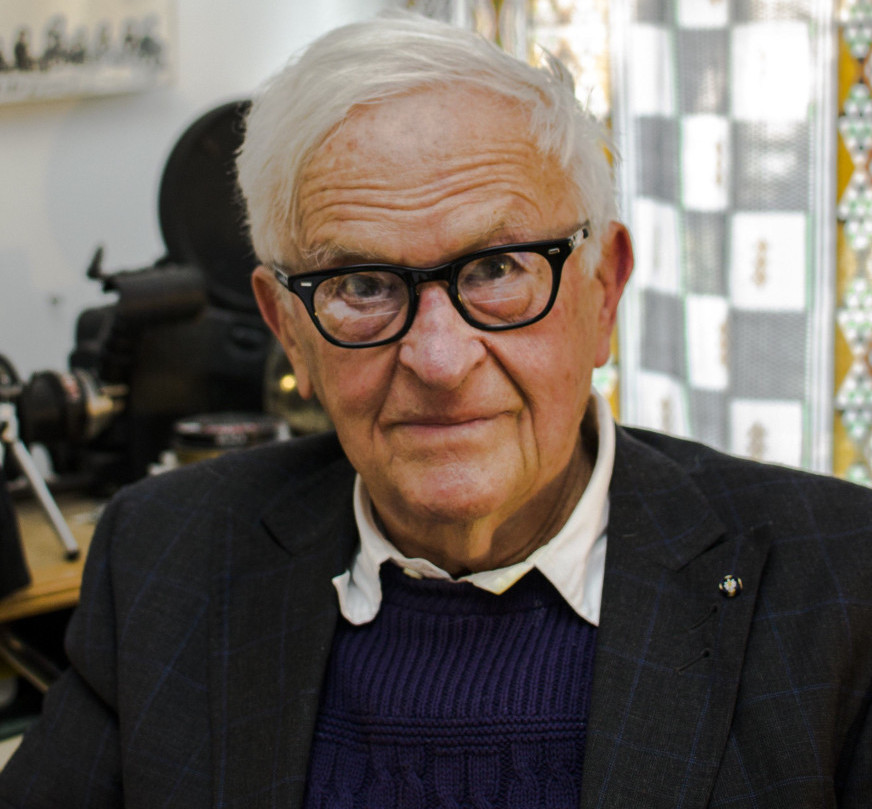 The Film Society of Lincoln Center will co-host a tribute to the late legendary documentarian Albert Maysles at Alice Tully Hall on Sunday, October 4 at 10AM. It will coincide with the 53rd New York Film Festival (September 25 – October 11), and all tickets will be free to the public. The event will be co-hosted by the Maysles family and will include special in-person appearances and a selection of clips to celebrate the work of this remarkable filmmaker. The event will also highlight Albert’s work with the Maysles Documentary Center, the nonprofit organization he started in Harlem in 2005.
New York Film Festival Director Kent Jones reflects on the filmmaker: “Al Maysles’s touch with the camera is as distinctive as Richter’s on the piano or Miles Davis’s with his horn. And his sensitivity to human energies is inseparable from his fierce love for the people he filmed—all those faces over all those years. Make that: for people, period. That love was with him to the very end. It was always great to see Al, to hang out with him. He was modest, thoughtful, and unfailingly generous, to young people in particular. In fact, he was so unassuming that it comes as a shock, still, to realize that he and his brother David were two of the people who actually opened up and expanded the art of cinema.”
Born in 1926, Albert Maysles was a pioneer of Direct Cinema and, along with his late brother, David, was the first to make nonfiction feature films in which the drama of life unfolds as is, without scripts, sets, interviews, or narration. Albert made his first film, Psychiatry in Russia (1955), as he transitioned from psychologist to filmmaker. Among his more than 40 films are some of the most iconic works in documentary history, including Salesman, Gimme Shelter, andGrey Gardens. In 2009, Albert directed the award-winning film Muhammad and Larry for ESPN’s series 30 for 30, Get Yer Ya-Ya’s Out!, and then reunited with Paul McCartney in 2011 for The Love We Make. Last year’s 52nd New York Film Festival presented the World Premiere of Maysles’s Iris, and his final film, In Transit, received the Special Jury Prize at the Tribeca Film Festival earlier this year. Albert has received a Guggenheim Fellowship, two Peabody Awards, three Emmy Awards, six Lifetime Achievement Awards, the Columbia DuPont Award, and the award for best cinematography at Sundance for LaLee’s Kin: The Legacy of Cotton (2001), which was also nominated for an Academy Award. Eastman Kodak has saluted him as one of the world’s 100 finest cinematographers. Albert received the 2013 National Medal of the Arts from President Barack Obama.
The Film Society of Lincoln Center will co-host a tribute to the late legendary documentarian Albert Maysles at Alice Tully Hall on Sunday, October 4 at 10AM. It will coincide with the 53rd New York Film Festival (September 25 – October 11), and all tickets will be free to the public. The event will be co-hosted by the Maysles family and will include special in-person appearances and a selection of clips to celebrate the work of this remarkable filmmaker. The event will also highlight Albert’s work with the Maysles Documentary Center, the nonprofit organization he started in Harlem in 2005.
New York Film Festival Director Kent Jones reflects on the filmmaker: “Al Maysles’s touch with the camera is as distinctive as Richter’s on the piano or Miles Davis’s with his horn. And his sensitivity to human energies is inseparable from his fierce love for the people he filmed—all those faces over all those years. Make that: for people, period. That love was with him to the very end. It was always great to see Al, to hang out with him. He was modest, thoughtful, and unfailingly generous, to young people in particular. In fact, he was so unassuming that it comes as a shock, still, to realize that he and his brother David were two of the people who actually opened up and expanded the art of cinema.”
Born in 1926, Albert Maysles was a pioneer of Direct Cinema and, along with his late brother, David, was the first to make nonfiction feature films in which the drama of life unfolds as is, without scripts, sets, interviews, or narration. Albert made his first film, Psychiatry in Russia (1955), as he transitioned from psychologist to filmmaker. Among his more than 40 films are some of the most iconic works in documentary history, including Salesman, Gimme Shelter, andGrey Gardens. In 2009, Albert directed the award-winning film Muhammad and Larry for ESPN’s series 30 for 30, Get Yer Ya-Ya’s Out!, and then reunited with Paul McCartney in 2011 for The Love We Make. Last year’s 52nd New York Film Festival presented the World Premiere of Maysles’s Iris, and his final film, In Transit, received the Special Jury Prize at the Tribeca Film Festival earlier this year. Albert has received a Guggenheim Fellowship, two Peabody Awards, three Emmy Awards, six Lifetime Achievement Awards, the Columbia DuPont Award, and the award for best cinematography at Sundance for LaLee’s Kin: The Legacy of Cotton (2001), which was also nominated for an Academy Award. Eastman Kodak has saluted him as one of the world’s 100 finest cinematographers. Albert received the 2013 National Medal of the Arts from President Barack Obama.
-
DEMON Director Marcin Wrona Dies While Attending Film Festival
 Polish director Marcin Wrona was found dead in his hotel room on Friday night, while attending the Gdynia Film Festival in the Baltic city of Gdynia for the Polish premiere of his latest movie Demon. He was 42.
“Demon” made its world premiere last week at the Toronto International Film Festival,
A police spokesman in Gdynia, Michal Rusak, said police found the body of a 42-year-old man, whom he did not identify, at a hotel in Gdynia. The police were notified by the victim’s wife at 5.30 a.m. local time.
The organizers of the 40th Gdynia Film Festival released a statement, “On Friday night, suddenly died Marcin Wrona, the director of “Demon”, screened in the Main Competition at 40th Gdynia Film Festival. As the organizers of the Festival and at the same time friends of Marcin, we are deeply shocked and saddened by this information. We would like to express our sincere condolences to the Wife of the director and all the people who were close to Him. At the same time we would like to inform that the Awards Ceremony planned for today will be held in a shortened form and with full respect to the memory of Marcin.”
The organizers of the Toronto International also released a statement, that said,“We are all deeply shocked and saddened at the news of the sudden death of Marcin Wrona. His filmDemon truly marked the emergence of a strong new voice on the world cinema stage. Our thoughts go out to his friends and family, especially his wife and producing partner, Olga Szymanska, who was with him at the premiere in Toronto.”
Demon directed by Marcin Wrona, is described by the Toronto International Film Festival as “A clever take on one of the most famous figures of Jewish folklore — the dybbuk, a spirit of a person not properly laid to rest that seeks to inhabit the body of a living person — Wrona’s latest sets a creepy tale of possession squarely in the middle of a night of wild revelry.
Peter (Israeli actor Itay Tiran, previously seen at the Festival in Lebanon) has just arrived from England to marry his beautiful fiancée, Zaneta (Agnieszka Zulewska), at her family’s country house in rural Poland. The old homestead is a gift from his future father-in-law, and Peter is excited to renovate it into a home for his new family. While inspecting the grounds on the eve of his nuptials, Peter finds skeletal human remains buried on the property. Haunted by his discovery, Peter slowly starts to unravel while the joyous and drunken traditional Polish wedding goes on around him; and soon, he is overcome by what seem to be epileptic fits, panicking his bride and scandalizing his father-in-law.
As the night wears on, it becomes apparent that there is an uninvited guest at the wedding, that she is lonely — and that she is very, very dead.”
https://www.youtube.com/watch?v=Cn2zvlURSeU
Polish director Marcin Wrona was found dead in his hotel room on Friday night, while attending the Gdynia Film Festival in the Baltic city of Gdynia for the Polish premiere of his latest movie Demon. He was 42.
“Demon” made its world premiere last week at the Toronto International Film Festival,
A police spokesman in Gdynia, Michal Rusak, said police found the body of a 42-year-old man, whom he did not identify, at a hotel in Gdynia. The police were notified by the victim’s wife at 5.30 a.m. local time.
The organizers of the 40th Gdynia Film Festival released a statement, “On Friday night, suddenly died Marcin Wrona, the director of “Demon”, screened in the Main Competition at 40th Gdynia Film Festival. As the organizers of the Festival and at the same time friends of Marcin, we are deeply shocked and saddened by this information. We would like to express our sincere condolences to the Wife of the director and all the people who were close to Him. At the same time we would like to inform that the Awards Ceremony planned for today will be held in a shortened form and with full respect to the memory of Marcin.”
The organizers of the Toronto International also released a statement, that said,“We are all deeply shocked and saddened at the news of the sudden death of Marcin Wrona. His filmDemon truly marked the emergence of a strong new voice on the world cinema stage. Our thoughts go out to his friends and family, especially his wife and producing partner, Olga Szymanska, who was with him at the premiere in Toronto.”
Demon directed by Marcin Wrona, is described by the Toronto International Film Festival as “A clever take on one of the most famous figures of Jewish folklore — the dybbuk, a spirit of a person not properly laid to rest that seeks to inhabit the body of a living person — Wrona’s latest sets a creepy tale of possession squarely in the middle of a night of wild revelry.
Peter (Israeli actor Itay Tiran, previously seen at the Festival in Lebanon) has just arrived from England to marry his beautiful fiancée, Zaneta (Agnieszka Zulewska), at her family’s country house in rural Poland. The old homestead is a gift from his future father-in-law, and Peter is excited to renovate it into a home for his new family. While inspecting the grounds on the eve of his nuptials, Peter finds skeletal human remains buried on the property. Haunted by his discovery, Peter slowly starts to unravel while the joyous and drunken traditional Polish wedding goes on around him; and soon, he is overcome by what seem to be epileptic fits, panicking his bride and scandalizing his father-in-law.
As the night wears on, it becomes apparent that there is an uninvited guest at the wedding, that she is lonely — and that she is very, very dead.”
https://www.youtube.com/watch?v=Cn2zvlURSeU
-
Director Masato Harada to be the focus of JAPAN NOW at 2015 Tokyo International Film Festival
 Masato Harada will be the first Director in Focus of 2015 Tokyo International Film Festival (TIFF)’s new section JAPAN NOW. Masato Harada is the award-winning director of such works as “Bounce Ko Gals,” “Climber’s High,” “Chronicle of My Mother” and “The Emperor in August.”
Created to showcase outstanding Japanese films from recent and upcoming months, JAPAN NOW will display the diversity of Japanese film, and unique facets of Japanese culture, as well as providing a multifaceted look inside Japan today. The section will also highlight outstanding work by other directors, with subtitled screenings of films to boost their recognition overseas.
Masato Harada was chosen as the initial Director in Focus due to his success over a 30-year career, creating a range of compelling films that are both social criticisms and world-class entertainments. He has received international attention, but JAPAN NOW will present the first mini-retrospective of his work, with English-subtitled screenings of “Kamikaze Taxi” (1994), “Climber’s High”(2008), “Chronicle of My Mother” (2011), “Kakekomi” (2015) and “The Emperor in August” (2015).
https://www.youtube.com/watch?v=FMxeYUWjAgU
https://www.youtube.com/watch?v=10CY5odEygo
https://www.youtube.com/watch?v=nk9cOWlhV2c
https://www.youtube.com/watch?v=l0uE7cCqyKw
Masato Harada will be the first Director in Focus of 2015 Tokyo International Film Festival (TIFF)’s new section JAPAN NOW. Masato Harada is the award-winning director of such works as “Bounce Ko Gals,” “Climber’s High,” “Chronicle of My Mother” and “The Emperor in August.”
Created to showcase outstanding Japanese films from recent and upcoming months, JAPAN NOW will display the diversity of Japanese film, and unique facets of Japanese culture, as well as providing a multifaceted look inside Japan today. The section will also highlight outstanding work by other directors, with subtitled screenings of films to boost their recognition overseas.
Masato Harada was chosen as the initial Director in Focus due to his success over a 30-year career, creating a range of compelling films that are both social criticisms and world-class entertainments. He has received international attention, but JAPAN NOW will present the first mini-retrospective of his work, with English-subtitled screenings of “Kamikaze Taxi” (1994), “Climber’s High”(2008), “Chronicle of My Mother” (2011), “Kakekomi” (2015) and “The Emperor in August” (2015).
https://www.youtube.com/watch?v=FMxeYUWjAgU
https://www.youtube.com/watch?v=10CY5odEygo
https://www.youtube.com/watch?v=nk9cOWlhV2c
https://www.youtube.com/watch?v=l0uE7cCqyKw
-
Director Stephen Frears to be Honored with the 2015 Stockholm Lifetime Achievement Award
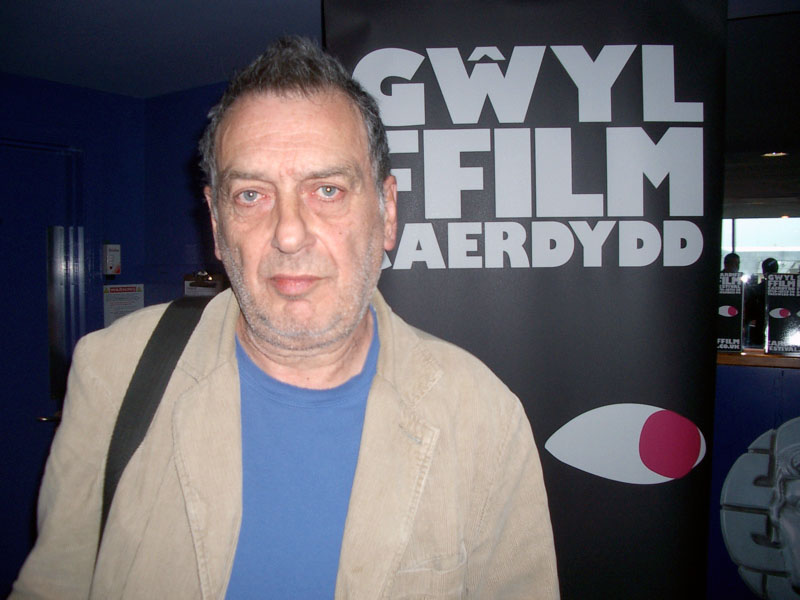 Director Stephen Frears will be honored with the 2015 Stockholm Lifetime Achievement Award at the upcoming 26th Stockholm International Film Festival taking place November 11 to 22, 2015. During the premiere of his latest film The Program, Frears will visit the 2015 Stockholm International Film Festival to receive the Bronze Horse.
The festival notes that, “British director Stephen Frears never shies away from taking on people’s dark and tragic sides, doing so with warmth, passion and a sense of humor.”
“This year’s receiver of the Lifetime Achievement Award is a filmmaker who is not afraid to take a stand for those who exist at the margins of society. His filmmaking ranges from political films with social pathos to grand epics with the biggest stars. Regardless of what form the story takes, Stephen Frears shows us that he is a director with a genuine curiosity for people’s life stories.”
The prize has previously been awarded to directors such as Jean-Luc Godard, Quentin Tarantino, David Cronenberg, David Lynch, Oliver Stone and Mike Leigh.
Director Stephen Frears will be honored with the 2015 Stockholm Lifetime Achievement Award at the upcoming 26th Stockholm International Film Festival taking place November 11 to 22, 2015. During the premiere of his latest film The Program, Frears will visit the 2015 Stockholm International Film Festival to receive the Bronze Horse.
The festival notes that, “British director Stephen Frears never shies away from taking on people’s dark and tragic sides, doing so with warmth, passion and a sense of humor.”
“This year’s receiver of the Lifetime Achievement Award is a filmmaker who is not afraid to take a stand for those who exist at the margins of society. His filmmaking ranges from political films with social pathos to grand epics with the biggest stars. Regardless of what form the story takes, Stephen Frears shows us that he is a director with a genuine curiosity for people’s life stories.”
The prize has previously been awarded to directors such as Jean-Luc Godard, Quentin Tarantino, David Cronenberg, David Lynch, Oliver Stone and Mike Leigh.
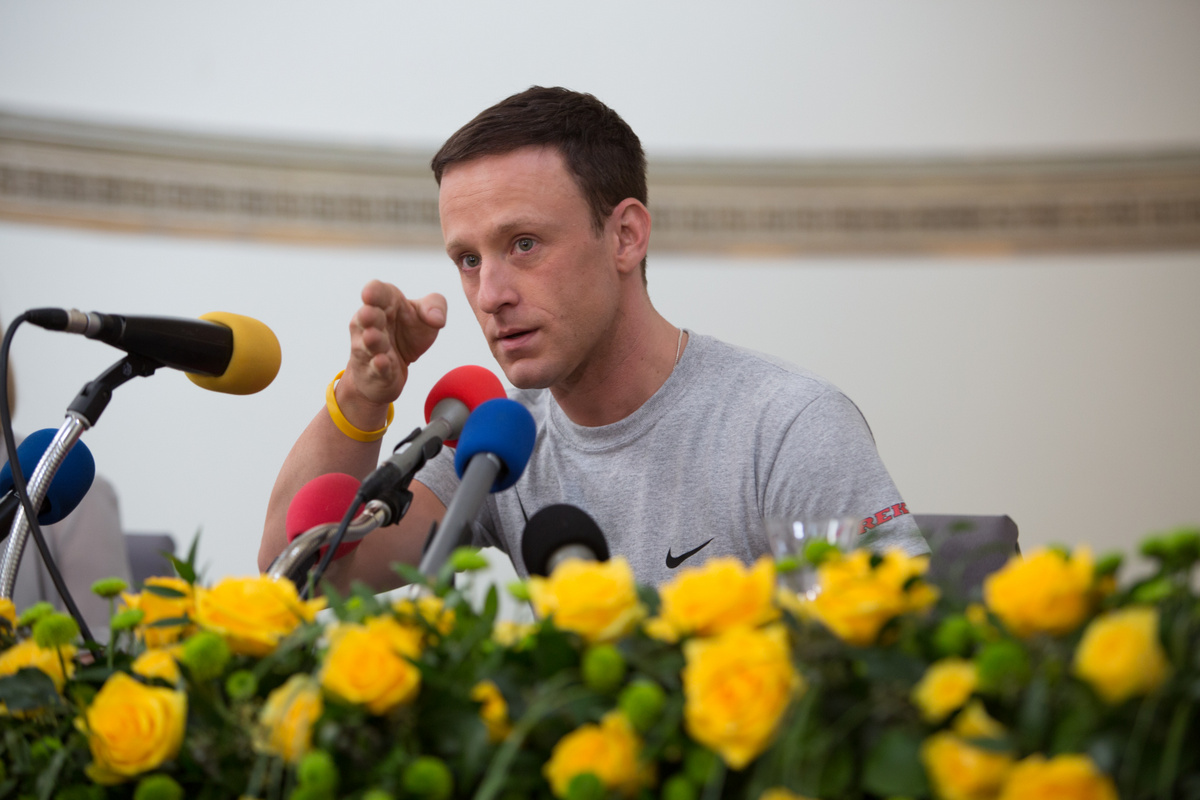 Stephen Frears latest film Philomena (2013) was shown during the Stockholm International Film Festival two years ago and he returns with The Program (2015), which tells the dramatic story of Lance Armstrong. The undefeated Tour de France champion was discovered to be involved in the most sophisticated doping program in the history of cycling. Starring Ben Foster as Armstrong and Chris O’Dowd as David Walsh, the journalist who devoted years to reveal the scandalous fraud, The Program is described as a gripping story with a deeply psychological portrait of its main characters.
The Program stars Ben Foster, Lee Pace, Dustin Hoffman, Chris O ‘Dowd, Elaine Cassidy, Jesse Plemons, and Laura Donnelly.
https://www.youtube.com/watch?v=ItBL6Qmloj0
Stephen Frears latest film Philomena (2013) was shown during the Stockholm International Film Festival two years ago and he returns with The Program (2015), which tells the dramatic story of Lance Armstrong. The undefeated Tour de France champion was discovered to be involved in the most sophisticated doping program in the history of cycling. Starring Ben Foster as Armstrong and Chris O’Dowd as David Walsh, the journalist who devoted years to reveal the scandalous fraud, The Program is described as a gripping story with a deeply psychological portrait of its main characters.
The Program stars Ben Foster, Lee Pace, Dustin Hoffman, Chris O ‘Dowd, Elaine Cassidy, Jesse Plemons, and Laura Donnelly.
https://www.youtube.com/watch?v=ItBL6Qmloj0
-
Arnold Schwarzenegger to be Honored at Zurich Film Festival, Fest to Screen Latest Film “MAGGIE” | TRAILER
 Arnold Schwarzenegger will receive the coveted Golden Icon Award at this year’s Zurich Film Festival (ZFF), taking place September 24 to October 4, 2015.
The award is considered the Festival’s most prestigious symbol of recognition, awarded in appreciation of the lifetime achievements of an actor or actress.
In addition to receiving ZFF’s Golden Icon Award, Schwarzenegger will present his latest film, MAGGIE, and discuss his body of work in A Conversation With… Arnold Schwarzenegger’.
“We are extraordinarily proud to welcome Arnold Schwarzenegger one of Hollywood’s most iconic legends, to Zurich and are delighted that he will share his films and stories with our public,” said Zurich Film Festival Artistic Director Karl Spoerri. “Arnold has had a transformative career that no one in Hollywood can match and established himself as a global brand, even beyond the box office. We are honored to present him with our Golden Icon award at this year’s Festival.”
https://www.youtube.com/watch?v=cthHQnwk9zY
Image: Arnold Schwarzenegger with Abigail Breslin in ‘Maggie.’ Tracy Bennett/Roadside Attractions
Arnold Schwarzenegger will receive the coveted Golden Icon Award at this year’s Zurich Film Festival (ZFF), taking place September 24 to October 4, 2015.
The award is considered the Festival’s most prestigious symbol of recognition, awarded in appreciation of the lifetime achievements of an actor or actress.
In addition to receiving ZFF’s Golden Icon Award, Schwarzenegger will present his latest film, MAGGIE, and discuss his body of work in A Conversation With… Arnold Schwarzenegger’.
“We are extraordinarily proud to welcome Arnold Schwarzenegger one of Hollywood’s most iconic legends, to Zurich and are delighted that he will share his films and stories with our public,” said Zurich Film Festival Artistic Director Karl Spoerri. “Arnold has had a transformative career that no one in Hollywood can match and established himself as a global brand, even beyond the box office. We are honored to present him with our Golden Icon award at this year’s Festival.”
https://www.youtube.com/watch?v=cthHQnwk9zY
Image: Arnold Schwarzenegger with Abigail Breslin in ‘Maggie.’ Tracy Bennett/Roadside Attractions
-
MAD MAX: FURY ROAD Voted Best Film by International Federation of Film Critics, FIPRESCI
 Mad Max: Fury Road directed by George Miller, has been voted best film by the International Federation of Film Critics, FIPRESCI. The vote for the FIPRESCI Gran Prix 2015 saw the participation of 493 Federation members around the world, who made their choice from among films to have premiered after 1 July 2014. The four finalists included Saul Fia / Son of Saul, Nie yinniang/ The Assassin, Taxi Téhéran and Mad Max: Fury Road.
Mad Max: Fury Road was screened in the Official Selection out of competition at the last Cannes Festival. This is the first time that a film by George Miller has won the FIPRESCI Grand Prix, presented since its creation in 1999 to Richard Linklater, Michael Haneke, Paul Thomas Anderson, Jafar Panahi, Pedro Almodóvar, Jean-Luc Godard and Nuri Bilge Ceylan, among others.
Mad Max: Fury Road directed by George Miller, has been voted best film by the International Federation of Film Critics, FIPRESCI. The vote for the FIPRESCI Gran Prix 2015 saw the participation of 493 Federation members around the world, who made their choice from among films to have premiered after 1 July 2014. The four finalists included Saul Fia / Son of Saul, Nie yinniang/ The Assassin, Taxi Téhéran and Mad Max: Fury Road.
Mad Max: Fury Road was screened in the Official Selection out of competition at the last Cannes Festival. This is the first time that a film by George Miller has won the FIPRESCI Grand Prix, presented since its creation in 1999 to Richard Linklater, Michael Haneke, Paul Thomas Anderson, Jafar Panahi, Pedro Almodóvar, Jean-Luc Godard and Nuri Bilge Ceylan, among others.
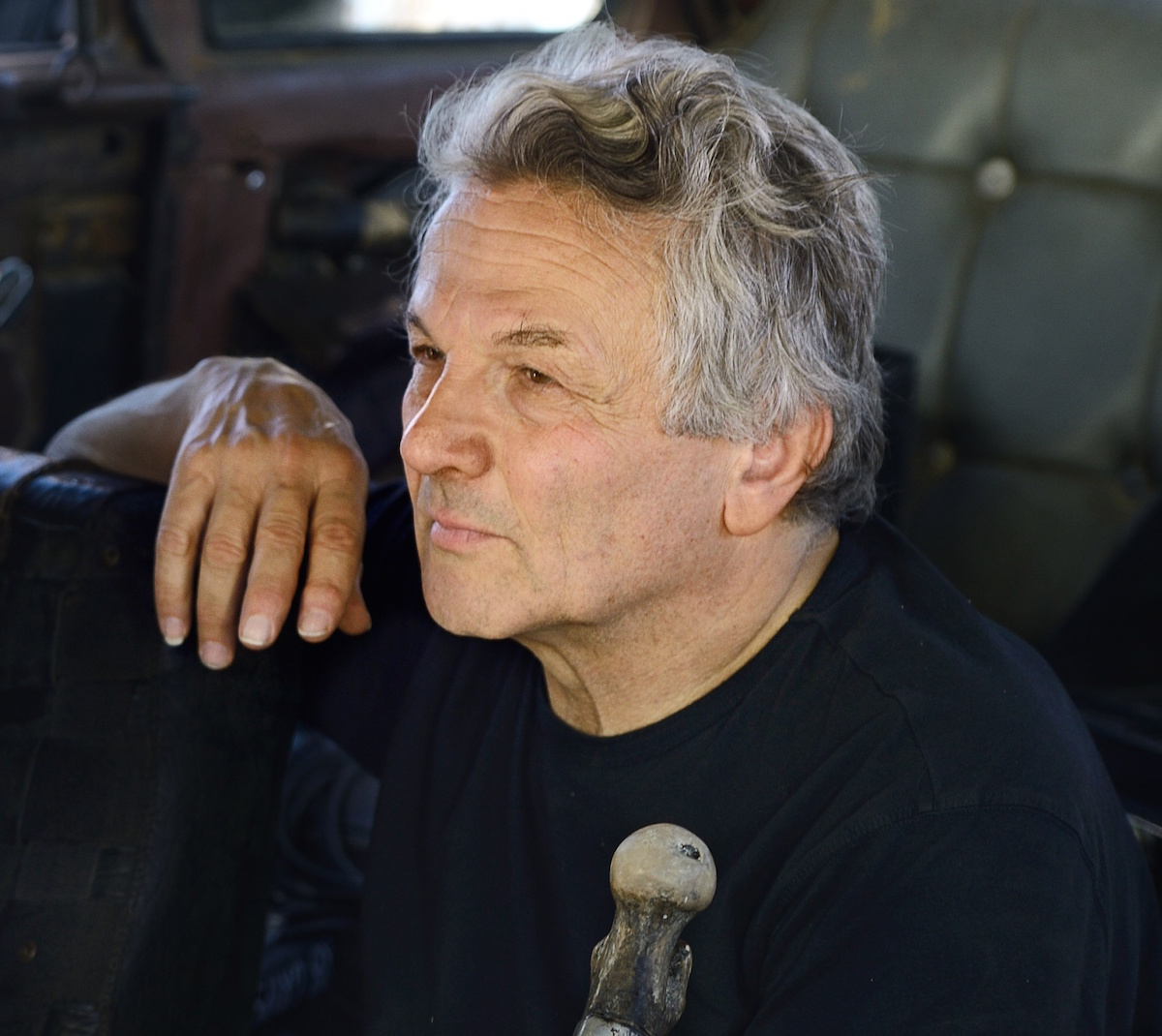 Director George Miller (pictured above) says: “You could have knocked me over with a feather! It’s lovely to have this great cohort of critics acknowledge our collective labours in this way”
Mad Max: Fury Road will have a special screening on September 18 at the San Sebastian Festival, attended by George Miller, who will collect the FIPRESCI Grand Prix at the Festival opening gala.
Director George Miller (pictured above) says: “You could have knocked me over with a feather! It’s lovely to have this great cohort of critics acknowledge our collective labours in this way”
Mad Max: Fury Road will have a special screening on September 18 at the San Sebastian Festival, attended by George Miller, who will collect the FIPRESCI Grand Prix at the Festival opening gala.
Haunted by his turbulent past, Mad Max believes the best way to survive is to wander alone. Nevertheless, he becomes swept up with a group fleeing across the wasteland in a war rig driven by an elite Imperator, Furiosa. They are escaping a citadel tyrannized by the Immortan Joe, from whom something irreplaceable has been taken. Enraged, the Warlord marshalls all his gangs and pursues the rebels ruthlessly in the high-octane Road War that follows.
https://www.youtube.com/watch?v=hEJnMQG9ev8
-
Academy Award Nominated-German Actor Armin Mueller-Stahl to Receive Zurich Film Festival’s Lifetime Achievement Award
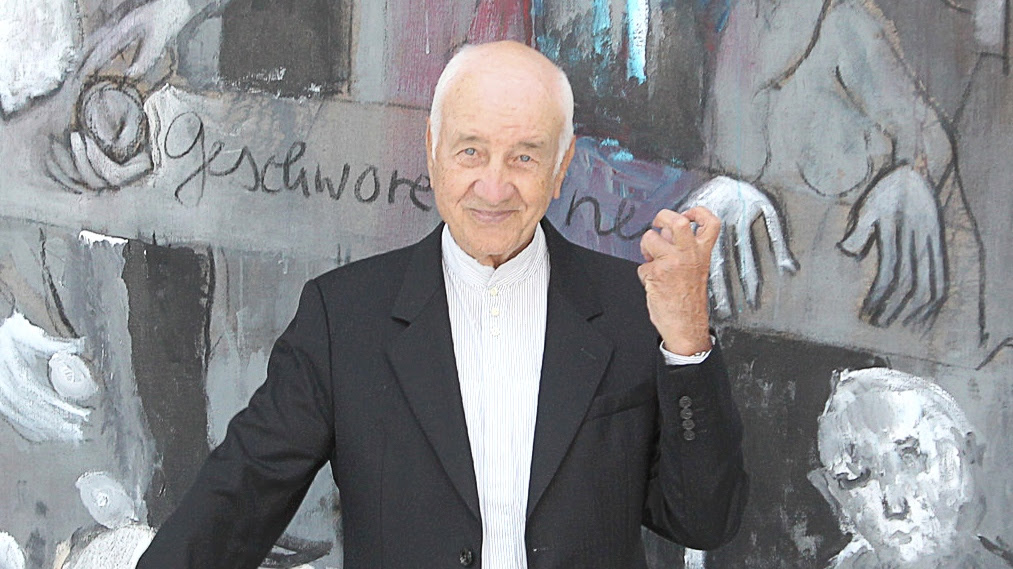 Armin Mueller-Stahl, one of the few German actors whose careers have spanned East Germany, West Germany and Hollywood, will be the recipient of the 2015 Zurich Film Festival’s prestigious Lifetime Achievement Award. Following the award ceremony, Mueller-Stahl will present Jim Jarmusch’s NIGHT ON EARTH (1991), where he played an East German taxi driver trying his luck in New York.
https://www.youtube.com/watch?v=o_ESHkySoJs
His most noteworthy films include LOLA (1981), OBERST REDL (1985), MOMO (1986), MUSIC BOX (1989), NIGHT ON EARTH (1991), DAS GEISTERHAUS (1993) and SHINE (1996).
Raised in the German Democratic Republic (GDR) and initially trained as a concert violinist, East Prussia-born Mueller-Stahl played the lead role in approximately 60 TV and cinema films, and became one of the most decorated GDR actors ever.
Armin Mueller-Stahl’s career came to an abrupt end when he signed the petition against the expatriation of singer-songwriter Wolf Biermann. He moved from East to West Berlin in 1980, where his career continued with roles in Rainer Werner Fassbinder’s LOLA (1981) and DIE SEHNSUCHT DER VERONIKA VOSS (1982) et al.
Despite being barely able to speak English, Armin Mueller-Stahl decided to make a fresh start in the USA. His first film MUSIC BOX (1989) by Costa Gavras was both an artistic and commercial success. He received an Academy Award nomination for his role in his second Hollywood film, Barry Levinson’s AVALON (1990), and SHINE (1996), garnered him his second Academy Award nomination.
Despite his success in Hollywood, Armin Mueller-Stahl returned to Germany, where he took on such leading roles as Thomas Mann in the three-part TV series DIE MANNS – EIN JAHRHUNDERTROMAN (2001).
Armin Mueller-Stahl, one of the few German actors whose careers have spanned East Germany, West Germany and Hollywood, will be the recipient of the 2015 Zurich Film Festival’s prestigious Lifetime Achievement Award. Following the award ceremony, Mueller-Stahl will present Jim Jarmusch’s NIGHT ON EARTH (1991), where he played an East German taxi driver trying his luck in New York.
https://www.youtube.com/watch?v=o_ESHkySoJs
His most noteworthy films include LOLA (1981), OBERST REDL (1985), MOMO (1986), MUSIC BOX (1989), NIGHT ON EARTH (1991), DAS GEISTERHAUS (1993) and SHINE (1996).
Raised in the German Democratic Republic (GDR) and initially trained as a concert violinist, East Prussia-born Mueller-Stahl played the lead role in approximately 60 TV and cinema films, and became one of the most decorated GDR actors ever.
Armin Mueller-Stahl’s career came to an abrupt end when he signed the petition against the expatriation of singer-songwriter Wolf Biermann. He moved from East to West Berlin in 1980, where his career continued with roles in Rainer Werner Fassbinder’s LOLA (1981) and DIE SEHNSUCHT DER VERONIKA VOSS (1982) et al.
Despite being barely able to speak English, Armin Mueller-Stahl decided to make a fresh start in the USA. His first film MUSIC BOX (1989) by Costa Gavras was both an artistic and commercial success. He received an Academy Award nomination for his role in his second Hollywood film, Barry Levinson’s AVALON (1990), and SHINE (1996), garnered him his second Academy Award nomination.
Despite his success in Hollywood, Armin Mueller-Stahl returned to Germany, where he took on such leading roles as Thomas Mann in the three-part TV series DIE MANNS – EIN JAHRHUNDERTROMAN (2001).