
 City of Joy[/caption]
Netflix has released the trailer for City of Joy, directed by first-time director Madeleine Gavin, that follows the first class of women at a revolutionary leadership center in eastern Congo called City of Joy. The documentary will launch globally on Netflix on September 7, 2018.
City of Joy follows the unlikely friendship that develops between Congolese doctor Dr. Denis Mukwege (2016 Nominee for the Nobel Peace Prize), The Vagina Monologues playwright Eve Ensler, and a charismatic Congolese human rights activist who join forces to create a safe haven for women survivors in the middle of violence-torn Eastern Congo.
https://www.youtube.com/watch?v=MNy0MG_iy0Y
City of Joy[/caption]
Netflix has released the trailer for City of Joy, directed by first-time director Madeleine Gavin, that follows the first class of women at a revolutionary leadership center in eastern Congo called City of Joy. The documentary will launch globally on Netflix on September 7, 2018.
City of Joy follows the unlikely friendship that develops between Congolese doctor Dr. Denis Mukwege (2016 Nominee for the Nobel Peace Prize), The Vagina Monologues playwright Eve Ensler, and a charismatic Congolese human rights activist who join forces to create a safe haven for women survivors in the middle of violence-torn Eastern Congo.
https://www.youtube.com/watch?v=MNy0MG_iy0YCITY OF JOY (2016)
-
Watch Trailer for Powerful Documentary CITY OF JOY, Premieres September 7 on Netflix
[caption id="attachment_18245" align="aligncenter" width="1110"] City of Joy[/caption]
Netflix has released the trailer for City of Joy, directed by first-time director Madeleine Gavin, that follows the first class of women at a revolutionary leadership center in eastern Congo called City of Joy. The documentary will launch globally on Netflix on September 7, 2018.
City of Joy follows the unlikely friendship that develops between Congolese doctor Dr. Denis Mukwege (2016 Nominee for the Nobel Peace Prize), The Vagina Monologues playwright Eve Ensler, and a charismatic Congolese human rights activist who join forces to create a safe haven for women survivors in the middle of violence-torn Eastern Congo.
https://www.youtube.com/watch?v=MNy0MG_iy0Y
-
-
BOMB CITY, BIG SONIA and GAME Win Audience Awards at Tallgrass Film Festival
[caption id="attachment_25330" align="aligncenter" width="1200"]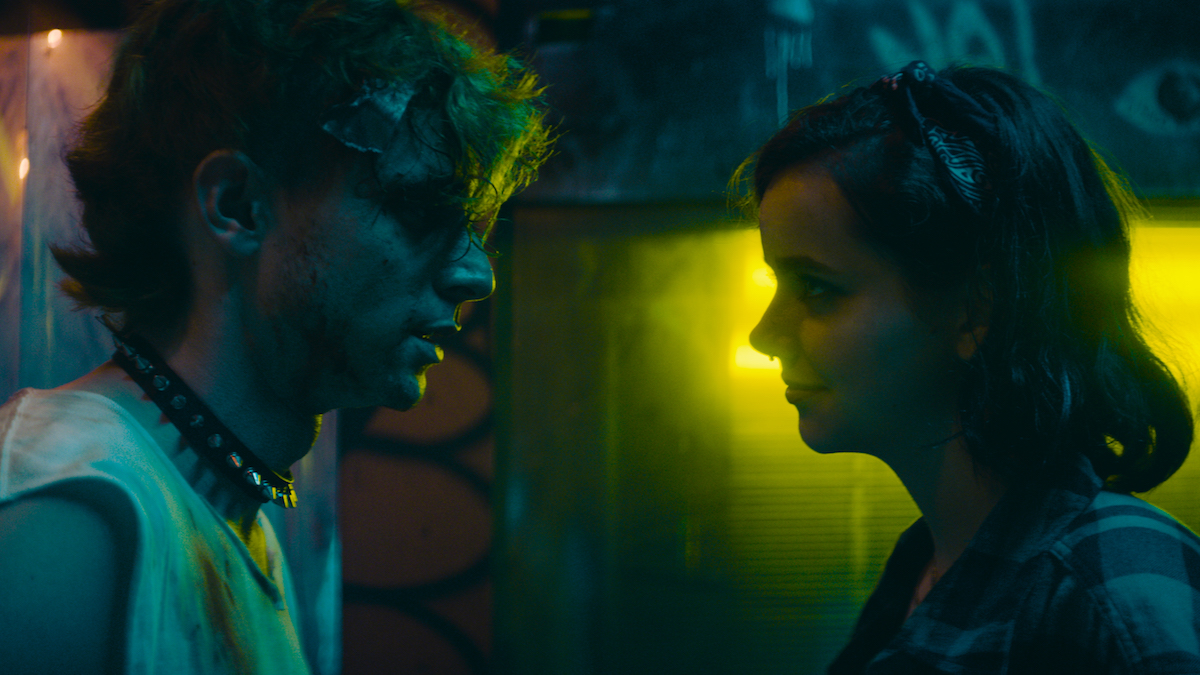 Bomb City[/caption]
Bomb City, Big Sonia and Game wowed the audience at the 2017 Tallgrass Film Festival and were voted winners of the Audience Awards. Bomb City directed by Jameson Brooks won the Audience Award for Award Winning Feature Narrative, and Big Sonia directed by Leah Warshawski and Todd Soliday won the Audience Award for Award Winning Feature Documentary. Game directed by Jeannie Donohoe won the prize for Audience Award Winning Short .
Bomb City is a crime-drama about the cultural aversion of teenage punks in a conservative Texas town and their ongoing battle with a rival, more-affluent group of jocks. The film is based on the true story of Brian Deneke.
In Big Sonia, Holocaust survivor and diva, Sonia Warshawski, has just been served an eviction notice for her popular tailor shop in suburban Kansas City. Sonia’s trauma comes to the surface as she struggles with the concept of retirement.
Gook, directed Justin Chon was awarded the prize for Outstanding Narrative Feature, along with Outstanding Rising Star for Simone Baker. In the film, set in 1992, two Korean-American brothers strike up an unlikely friendship with an 11-year-old African-American girl, while racial tensions build to a breaking point as the L.A. riots break out.
For Ahkeem directed by Jeremy S. Levin and Landon Van Soest took the award for Outstanding Documentary Feature. After a school fight lands 17-year old Daje Shelton in a court-supervised alternative high school, she’s determined to turn things around and make a better future for herself, despite challenges both personally and in society.
Bomb City[/caption]
Bomb City, Big Sonia and Game wowed the audience at the 2017 Tallgrass Film Festival and were voted winners of the Audience Awards. Bomb City directed by Jameson Brooks won the Audience Award for Award Winning Feature Narrative, and Big Sonia directed by Leah Warshawski and Todd Soliday won the Audience Award for Award Winning Feature Documentary. Game directed by Jeannie Donohoe won the prize for Audience Award Winning Short .
Bomb City is a crime-drama about the cultural aversion of teenage punks in a conservative Texas town and their ongoing battle with a rival, more-affluent group of jocks. The film is based on the true story of Brian Deneke.
In Big Sonia, Holocaust survivor and diva, Sonia Warshawski, has just been served an eviction notice for her popular tailor shop in suburban Kansas City. Sonia’s trauma comes to the surface as she struggles with the concept of retirement.
Gook, directed Justin Chon was awarded the prize for Outstanding Narrative Feature, along with Outstanding Rising Star for Simone Baker. In the film, set in 1992, two Korean-American brothers strike up an unlikely friendship with an 11-year-old African-American girl, while racial tensions build to a breaking point as the L.A. riots break out.
For Ahkeem directed by Jeremy S. Levin and Landon Van Soest took the award for Outstanding Documentary Feature. After a school fight lands 17-year old Daje Shelton in a court-supervised alternative high school, she’s determined to turn things around and make a better future for herself, despite challenges both personally and in society.
2017 Tallgrass Film Festival Award Winners
Best Kansas & Emerging Filmmaker Awards
Best Emerging Student Award Documentary: Yellow, Director Rowyn Mottershead Best Emerging Student Award – Narrative: Reverse, Director Andrew Kivett Best Kansas Short Film Award – Documentary: Dragtivists, Director, Savannah Rodgers Best Kansas Short Film Award -Narrative: Rabbits, Director Patrick ClementGolden Strands Programming Awards
Outstanding Cinematography: Seat 25, CInematographer Joe Kaufman Outstanding Screenplay: Lucky, Screenwriters Logan Sparks & Drago Sumonja Best Editing: 20 Weeks, Editor David Hopper Outstanding Film Animation: Two Trains Runnin’ Outstanding Rising Star: Simone Baker, Gook Outstanding Male Actor: Christopher Marquette, I Hate the Man in the Basement Outstanding Female Actor: Simone Nortman, For the Birds Outstanding Ensemble Cast: Badsville, Ian McLaren, Benjamin Barrett, Tamara Duarte, Emilio Rivera, Robert Knepper Outstanding Courage in Filmmaking: City of Joy, Director, Madeleine Gavin Excellence in the Art of Filmmaking: Black Cop, Director, Cory Bowles Venus Award for the Teddie Barlow Outstanding Female Filmmaker: Skye Borgman, Forever ‘B’ Outstanding First Feature: Whose Streets?, Directors, Sabaah Folayan and Damon Davis Outstanding Documentary Short Film: Edith + Eddie, Director, Laura Checkoway Outstanding Narrative Short Film: Real Artist, Director, Cameo Wood Outstanding Documentary Feature: For Ahkeem, Directors, Jeremy S. Levin, Landon Van Soest Outstanding Narrative Feature: Gook, Director Justin ChonAudience Awards
Audience Award Winning Short ($1,000 Cash Prize): GAME, Director, Jeannie Donohoe Audience Award for Award Winning Feature Documentary ($2,500 Cash Prize): BIG SONIA, Directors, Leah Warshawski, Todd Soliday Audience Award for Award Winning Feature Narrative ($2,500 Cash Prize): BOMB CITY, Director Jameson Brooks
-
2017 Woods Hole Film Festival Awards: ‘Charged: The Eduardo Garcia Story’ Wins Best of Fest
 The 2017 Woods Hole Film Festival wrapped this month after screening 52 narrative and documentary features and 81 narrative, documentary, and animated shorts. “Charged: The Eduardo Garcia Story”, a documentary directed by Phillip Baribeau that chronicles the journey of chef and outdoorsman, Eduardo Garcia and his recovery after being electrocuted by 2400 volts of electricity, was awarded the Best of the Festival prize.
2017 Woods Hole Film Festival Audience Awards
Best of the Festival Charged: The Eduardo Garcia Story by Phillip Baribeau Best Feature Drama Blur Circle by Christopher J. Hansen 1st Runner Up: The Sounding by Catherine Eaton 2nd Runner Up: Holding Patterns by Jake Goldberger Best Feature Comedy Quaker Oaths by Louisiana Kreutz 1st Runner Up: Quality Problems by Brooke Purdy & Doug Purdy 2nd Runner Up: Diani & Divine Meet The Apocalypse by Gabriel Diani & Etta Devine Best Feature Documentary Dateline-Saigon by Thomas D. Herman 1st Runner Up: California Typewriter by Doug Nichol 2nd Runner Up: City of Joy by Madeleine Gavin Best Short Documentary Blind Sushi by Eric Heimbold 1st Runner-Up: Patagonia Azul: the interconnection of life by Daniel Casado 2nd Runner-Up: Tick Days by Marnie Crawford Samuelson Best Short Animation Stars by Han Zhang 1st Runner-Up: A Little Grey by Simon Hewitt 2nd Runner-Up: Fox and the Whale by Robin Joseph Best Short Drama Game by Jeannie Donohoe 1st Runner-Up: House of Teeth by Susanna Styron 2nd Runner-Up: The 6th Amendment by Elika Portnoy Best Short Comedy The Final Show by Dana Nachman 1st Runner-Up: Shy Guys by Fredric Lehne 2nd Runner-Up: Rhonna & Donna by Daina O. Pusic2017 Woods Hole Film Festival Jury Awards
Best Feature Drama Jagveld (Hunting Emma) by Byron Davis Best Feature Comedy What Children Do by Dean Peterson Best Feature Documentary City of Joy by Madeleine Gavin Best Short Documentary Patagonia Azul: the interconnection of life by Daniel Casado Best Short Animation A Little Grey by Simon Hewitt Best Short Drama Promise by Tian Xie Best Short Comedy Rhonna & Donna by Daina O. Pusic2017 Woods Hole Film Festival Directors Awards
Emerging New England Filmmaker (Sponsored by TALAMAS) Jeannie Donohoe Fortitude in Filmmaking Ryan Killackey – Yasuni Man Best Cinematography Frederic Fasano – Can Hitler Happen Here? (Narrative Feature) Georgia Pantazopoulos – The Crest (Documentary Feature) Ricardo Prates – A Beautiful Mess (Narrative Short) Todd Bell – A Doll’s Eyes (Documentary Short) Best Actor Madeleine Cooke – SEAT 25 (Feature Film) Lance Reddick – Spoken Word (Short Film)2017 Woods Hole Film Festival Screenwriting Awards
COMEDY FEATURE Winner: Go Catch the Devil by Martin Blinder, USA 1st Runner-Up: The Best Version of You by Mark Ward and Shannon Meehan, USA DRAMATIC FEATURE Winner: Don’t Call Me Sir! by Bo Svenson, USA 1st Runner-Up Den of Wolves by Fabian Martin, USA COMEDY SHORT Winner: That Sound by Steve Spremo, USA 1st Runner-Up: In Shadows by Cooper Justus, USA DRAMATIC SHORT Winner: The Street Photographer by Jim Norman, USA 1st Runner-Up: Lunch Lady by Colleen Asbury, USA image via Facebook
-
RUMBLE: THE INDIANS WHO ROCKED THE WORLD and HARE KRISHNA! Win Top Awards at Illuminate Film Festival
[caption id="attachment_20521" align="aligncenter" width="1200"]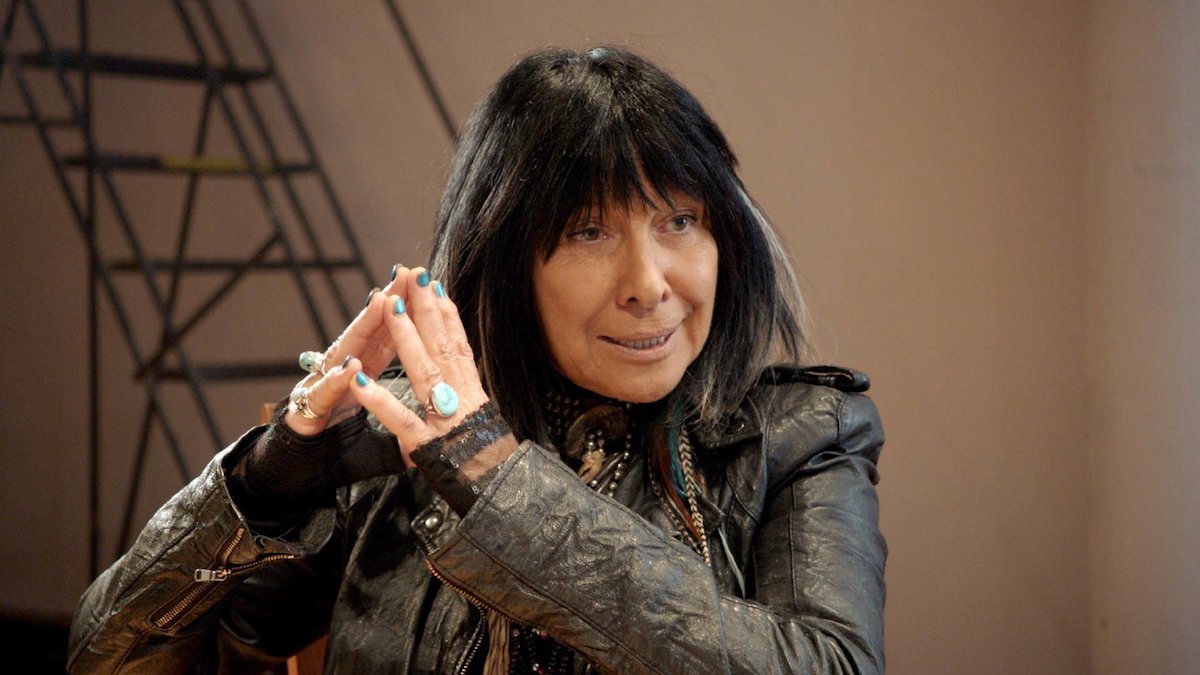 Rumble: The Indians Who Rocked the World[/caption]
RUMBLE: The Indians Who Rocked The World, the documentary that examines the often-under-appreciated role of Native American tradition in the evolution of American popular music, received the Audience Award for Best Feature Film at the 2017 Illuminate Film Festival, in Sedona. Directed by Catherine Bainbridge and Alfonso Maiorana, the film features Link Wray, Robbie Robertson, Jesse Ed Davis, Jimi Hendrix, Randy Castillo, Martin Scorsese, Quincy Jones, Steven Tyler, Iggy Pop, Tony Bennett and George Clinton. Second place went to Hare Krishna! The Mantra, The Movement and the Swami Who Started It All, directed by John Griesser and co-directed by Jean Griesser and Lauren Ross.
In the feature competition section, Hare Krishna! took home the coveted 2017 Feature Competition Jury Prize. The documentary follows the true story of an unexpected, prolific, and controversial revolutionary, 70-year-old Indian Swami Srila Prabhupada, whose unflinching determination and faith ignited the worldwide Hare Krishna movement.
The Georgia Wyss-directed documentary, Mantra – Sounds Into Silence, captured the Director’s Choice Award. The film offers viewers a transformative journey of the human experience through which music is used to reach, unify and liberate even those on the outskirts of humanity. An Honorable Mention went to the Opening Night film HEAL, by director Kelly Noonan, which attracted the festival’s largest audience of the year.
The Audience Award for Best Short Film went to The Invisible World, directed by Jen Fineran. This short documentary tells the story of artist Mark Weiss as he embarks on a mystical transformation through the 10,000 scrapes and strokes needed to manifest a single work of art. The runner up in the Short Film category was environmental doc Straws, directed by Illuminate alum Linda Booker (Bringing It Home, 2015).
The Illuminate Film Festival Impact Award went to City of Joy by Madeleine Gavin, which highlights the tremendous resilience of abused women in the Republic of Congo who transform their suffering into inspired forms of leadership with the help of playwright Eve Ensler (The Vagina Monologues). The screening sparked a cathartic post-screening discussion where filmgoers courageously shared powerful personal stories. All The Rage, a film about healing chronic pain through the mind-body connection, took home an Honorable Mention.
Organizers announced its first satellite festival, the Illuminate Film Festival Retreat on October 6-9, 2017 in Santa Cruz, California.
Rumble: The Indians Who Rocked the World[/caption]
RUMBLE: The Indians Who Rocked The World, the documentary that examines the often-under-appreciated role of Native American tradition in the evolution of American popular music, received the Audience Award for Best Feature Film at the 2017 Illuminate Film Festival, in Sedona. Directed by Catherine Bainbridge and Alfonso Maiorana, the film features Link Wray, Robbie Robertson, Jesse Ed Davis, Jimi Hendrix, Randy Castillo, Martin Scorsese, Quincy Jones, Steven Tyler, Iggy Pop, Tony Bennett and George Clinton. Second place went to Hare Krishna! The Mantra, The Movement and the Swami Who Started It All, directed by John Griesser and co-directed by Jean Griesser and Lauren Ross.
In the feature competition section, Hare Krishna! took home the coveted 2017 Feature Competition Jury Prize. The documentary follows the true story of an unexpected, prolific, and controversial revolutionary, 70-year-old Indian Swami Srila Prabhupada, whose unflinching determination and faith ignited the worldwide Hare Krishna movement.
The Georgia Wyss-directed documentary, Mantra – Sounds Into Silence, captured the Director’s Choice Award. The film offers viewers a transformative journey of the human experience through which music is used to reach, unify and liberate even those on the outskirts of humanity. An Honorable Mention went to the Opening Night film HEAL, by director Kelly Noonan, which attracted the festival’s largest audience of the year.
The Audience Award for Best Short Film went to The Invisible World, directed by Jen Fineran. This short documentary tells the story of artist Mark Weiss as he embarks on a mystical transformation through the 10,000 scrapes and strokes needed to manifest a single work of art. The runner up in the Short Film category was environmental doc Straws, directed by Illuminate alum Linda Booker (Bringing It Home, 2015).
The Illuminate Film Festival Impact Award went to City of Joy by Madeleine Gavin, which highlights the tremendous resilience of abused women in the Republic of Congo who transform their suffering into inspired forms of leadership with the help of playwright Eve Ensler (The Vagina Monologues). The screening sparked a cathartic post-screening discussion where filmgoers courageously shared powerful personal stories. All The Rage, a film about healing chronic pain through the mind-body connection, took home an Honorable Mention.
Organizers announced its first satellite festival, the Illuminate Film Festival Retreat on October 6-9, 2017 in Santa Cruz, California.
-
Director Madeleine Gavin Discusses Her New Film CITY OF JOY Premiering at DOC NYC
[caption id="attachment_18245" align="aligncenter" width="1000"] City of Joy[/caption]
In what might be one of the most important and uplifting documentaries premiering at DOC NYC, City of Joy follows a community for women survivors of violence in the Eastern Democratic Republic of Congo. The documentary displays how these women triumph over abuse and join forces to revolutionize their community. The doc is equally stirring as it is inspirational, and encourages a catalyst for change at every turn. As a fantastic reassurance of what women can do when the work together, this is one documentary not to be missed. We sat down with the director Madeleine Gavin, to tell us more about this film.
Can you tell us what City of joy is all about?
City of Joy takes place in Eastern Democratic Republic of Congo, an area often referred to as “the worst place in the world to be a woman.” The film follows the first class of women who enter a leadership center in Bukavu, in Eastern DRC for a 9-month leadership training. It also focuses on the founders of this center, three activists who imagined this revolutionary place where women who have suffered horrific rape and abuse can learn to lead others and work toward changing their country, in spite of all they have endured.
What was your motivation for making a documentary about women survivors of violence in the Eastern Democratic Republic of Congo? When did you first become aware of these women?
What motivated me to want to make this film began a few years before this leadership center, City of Joy (from which the film gets its title) opened. At the time, I was creating web pieces that tracked some of the work Eve Ensler (author of The Vagina Monologues) and V-Day (the movement she founded) were doing to end violence against women and girls around the world.
I remember the first piece I did about the Democratic Republic of Congo. I had known about the genocide in Rwanda but, at the time had only a vague knowledge of the DRC and the violence occurring there since the mid 1990’s. As I began to learn more about was going on, the torture, the devastation to women’s families, to their communities, their children, their bodies, I was shaken to the core. Having a young daughter myself, it was impossible to imagine how these women could envision a life with meaning after being through what they had or witnessing their children go through such atrocities. And yet there was a resilience and insistence on hope in these women that was palpable. To say that it was awe-inspiring is really an understatement but it was this awe I felt in the face of the incomprehensible strength of these women that initially motivated me to want to make this film.
Once City of Joy opened and we began shooting and following the first class of women there, my commitment to this project became even stronger. I knew of Co-Founder Eve Ensler’s work and her dedication to ending violence against women but getting to know Co-Founder Christine Schuler-Deschryver and seeing the work of Co-Founder Dr. Denis Mukwege, left an indelible mark on me. Risking their own personal safety, the founders of City of Joy – as well as many others who teach and work there – have a fierce devotion to the women of Congo and to the country they dearly love. I felt I needed to tell the story of this devotion, this dedication to hope in a world where so much hopelessness surrounded them.
How long did it take to film and what did you find to be most challenging part of making it?
We shot on and off for a little over four years. There were many challenges in the making of this film. There were times when, because of the logistics of shooting in Congo and issues related to access and security, I had to reimagine what I had wanted to shoot, mid-shoot. This was often difficult because material I dearly wanted might become impossible to shoot. But one of the most challenging things overall I would say was trying to find the balance between the devastation of what these women had suffered and the incredible force of hope and joy that they embodied. I didn’t want audiences to go numb in the watching of this film and to shut down and stop listening. So I grappled a lot with the shifting tones. In the shooting, there was of course wrenching, heart-breaking emotion. But there was also a huge amount of humor, irreverence and joy. It was really important to me that audiences experienced the powerful and often incomprehensible array of emotions I myself experienced in Congo.
In a sentence or two, tell our readers why they should see the City of Joy.
I think audiences should see City of Joy because there is so much they can learn from the individuals in it and because our worlds are connected and we need to take action to care about others the way these women care about each other. I myself feel like I learned a lot about the meaning of the word “joy” from the women of Congo, a very important word that the graduates of City of Joy are taking along with their courage and strength, into their work in villages all over Congo.
It is an incredibly important topic, particularly now. I think people will get a lot out of your message. What specifically do you want the audience to take away from City of Joy?
I hope that audiences will be moved by the individuals in this film, by their strength, their courage and their dedication to each other and to changing their country. I also hope people will be outraged by what the women have suffered and that they will begin to understand how connected our world is, that we can’t separate corporate greed from violence in villages that we could never even find on a map. I really hope people will leave the theatre with the belief that change is possible and that we all have a huge role in that. If these women at City of Joy can move beyond experiences that would paralyze many, then I really hope audiences will actively join their fight.
Can you give tips to any prospective Documentary film makers? What did you learn while making the film?
I learned so much from the people in the film, first and foremost. But in terms of filmmaking itself, I definitely learned to be even more flexible with narrative, sometimes intentionally and sometimes out of necessity. I really wanted this film to have its own particular style of story-telling, to be an experience for an audience rather than information. I grappled a lot with this and, whether I was fully successful or not, I learned an enormous amount about pushing boundaries of narrative. Regarding tips for others, I would only say that trying to be true to the specificity of what you want to explore in a film is so important. Being open to criticism and new ideas is equally important. Doing something that goes against the central core of your film, however, is often worth fighting against. Of course trying to figure out the sweet spot of where that line falls can be difficult but is also key.
What’s next step for both you and the doc?
City of Joy is the first film I have directed. Before this I have worked primarily as an editor in both documentary and narrative. I love both forms and tend to go back and forth between them. Right now I am working with Rebecca Cammisa (WHICH WAY HOME) on her new film for HBO about radioactive waste that was illegally dumped in downtown St. Louis. I am also developing a new project that I hope to direct.
City of Joy premieres tonight at 7:00 PM at SVA Theatre
For more information and to buy tickets click here.
City of Joy[/caption]
In what might be one of the most important and uplifting documentaries premiering at DOC NYC, City of Joy follows a community for women survivors of violence in the Eastern Democratic Republic of Congo. The documentary displays how these women triumph over abuse and join forces to revolutionize their community. The doc is equally stirring as it is inspirational, and encourages a catalyst for change at every turn. As a fantastic reassurance of what women can do when the work together, this is one documentary not to be missed. We sat down with the director Madeleine Gavin, to tell us more about this film.
Can you tell us what City of joy is all about?
City of Joy takes place in Eastern Democratic Republic of Congo, an area often referred to as “the worst place in the world to be a woman.” The film follows the first class of women who enter a leadership center in Bukavu, in Eastern DRC for a 9-month leadership training. It also focuses on the founders of this center, three activists who imagined this revolutionary place where women who have suffered horrific rape and abuse can learn to lead others and work toward changing their country, in spite of all they have endured.
What was your motivation for making a documentary about women survivors of violence in the Eastern Democratic Republic of Congo? When did you first become aware of these women?
What motivated me to want to make this film began a few years before this leadership center, City of Joy (from which the film gets its title) opened. At the time, I was creating web pieces that tracked some of the work Eve Ensler (author of The Vagina Monologues) and V-Day (the movement she founded) were doing to end violence against women and girls around the world.
I remember the first piece I did about the Democratic Republic of Congo. I had known about the genocide in Rwanda but, at the time had only a vague knowledge of the DRC and the violence occurring there since the mid 1990’s. As I began to learn more about was going on, the torture, the devastation to women’s families, to their communities, their children, their bodies, I was shaken to the core. Having a young daughter myself, it was impossible to imagine how these women could envision a life with meaning after being through what they had or witnessing their children go through such atrocities. And yet there was a resilience and insistence on hope in these women that was palpable. To say that it was awe-inspiring is really an understatement but it was this awe I felt in the face of the incomprehensible strength of these women that initially motivated me to want to make this film.
Once City of Joy opened and we began shooting and following the first class of women there, my commitment to this project became even stronger. I knew of Co-Founder Eve Ensler’s work and her dedication to ending violence against women but getting to know Co-Founder Christine Schuler-Deschryver and seeing the work of Co-Founder Dr. Denis Mukwege, left an indelible mark on me. Risking their own personal safety, the founders of City of Joy – as well as many others who teach and work there – have a fierce devotion to the women of Congo and to the country they dearly love. I felt I needed to tell the story of this devotion, this dedication to hope in a world where so much hopelessness surrounded them.
How long did it take to film and what did you find to be most challenging part of making it?
We shot on and off for a little over four years. There were many challenges in the making of this film. There were times when, because of the logistics of shooting in Congo and issues related to access and security, I had to reimagine what I had wanted to shoot, mid-shoot. This was often difficult because material I dearly wanted might become impossible to shoot. But one of the most challenging things overall I would say was trying to find the balance between the devastation of what these women had suffered and the incredible force of hope and joy that they embodied. I didn’t want audiences to go numb in the watching of this film and to shut down and stop listening. So I grappled a lot with the shifting tones. In the shooting, there was of course wrenching, heart-breaking emotion. But there was also a huge amount of humor, irreverence and joy. It was really important to me that audiences experienced the powerful and often incomprehensible array of emotions I myself experienced in Congo.
In a sentence or two, tell our readers why they should see the City of Joy.
I think audiences should see City of Joy because there is so much they can learn from the individuals in it and because our worlds are connected and we need to take action to care about others the way these women care about each other. I myself feel like I learned a lot about the meaning of the word “joy” from the women of Congo, a very important word that the graduates of City of Joy are taking along with their courage and strength, into their work in villages all over Congo.
It is an incredibly important topic, particularly now. I think people will get a lot out of your message. What specifically do you want the audience to take away from City of Joy?
I hope that audiences will be moved by the individuals in this film, by their strength, their courage and their dedication to each other and to changing their country. I also hope people will be outraged by what the women have suffered and that they will begin to understand how connected our world is, that we can’t separate corporate greed from violence in villages that we could never even find on a map. I really hope people will leave the theatre with the belief that change is possible and that we all have a huge role in that. If these women at City of Joy can move beyond experiences that would paralyze many, then I really hope audiences will actively join their fight.
Can you give tips to any prospective Documentary film makers? What did you learn while making the film?
I learned so much from the people in the film, first and foremost. But in terms of filmmaking itself, I definitely learned to be even more flexible with narrative, sometimes intentionally and sometimes out of necessity. I really wanted this film to have its own particular style of story-telling, to be an experience for an audience rather than information. I grappled a lot with this and, whether I was fully successful or not, I learned an enormous amount about pushing boundaries of narrative. Regarding tips for others, I would only say that trying to be true to the specificity of what you want to explore in a film is so important. Being open to criticism and new ideas is equally important. Doing something that goes against the central core of your film, however, is often worth fighting against. Of course trying to figure out the sweet spot of where that line falls can be difficult but is also key.
What’s next step for both you and the doc?
City of Joy is the first film I have directed. Before this I have worked primarily as an editor in both documentary and narrative. I love both forms and tend to go back and forth between them. Right now I am working with Rebecca Cammisa (WHICH WAY HOME) on her new film for HBO about radioactive waste that was illegally dumped in downtown St. Louis. I am also developing a new project that I hope to direct.
City of Joy premieres tonight at 7:00 PM at SVA Theatre
For more information and to buy tickets click here.
