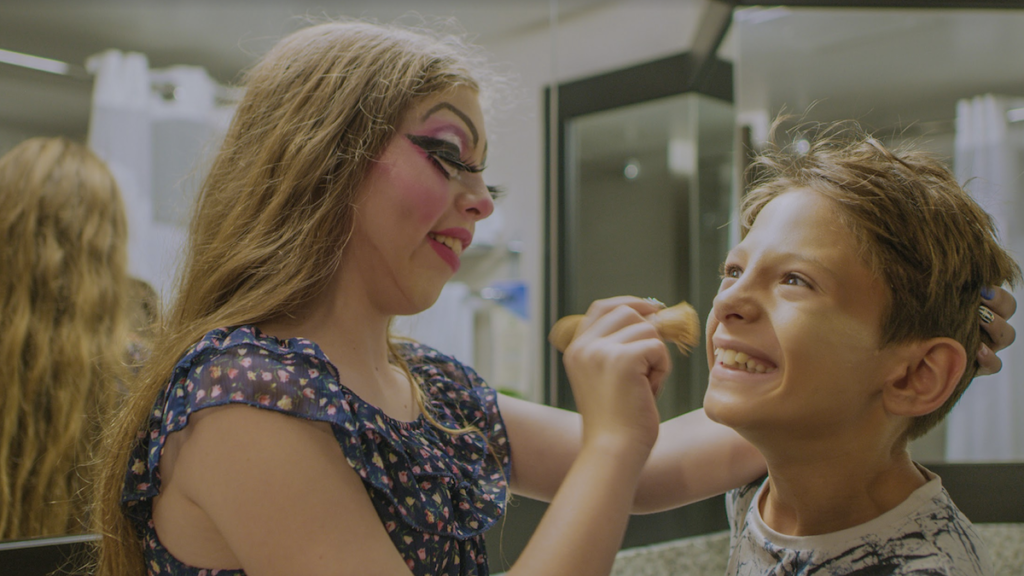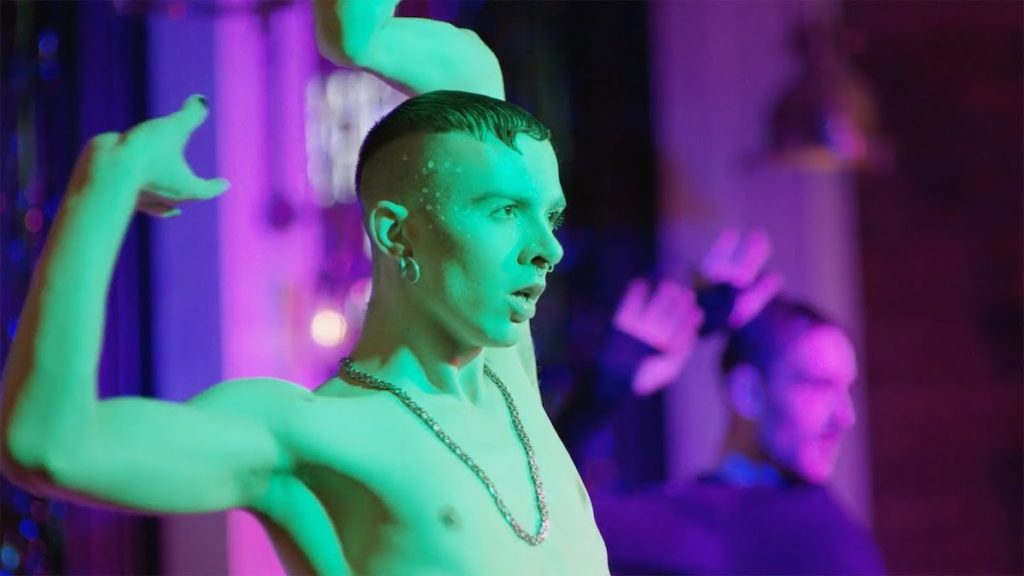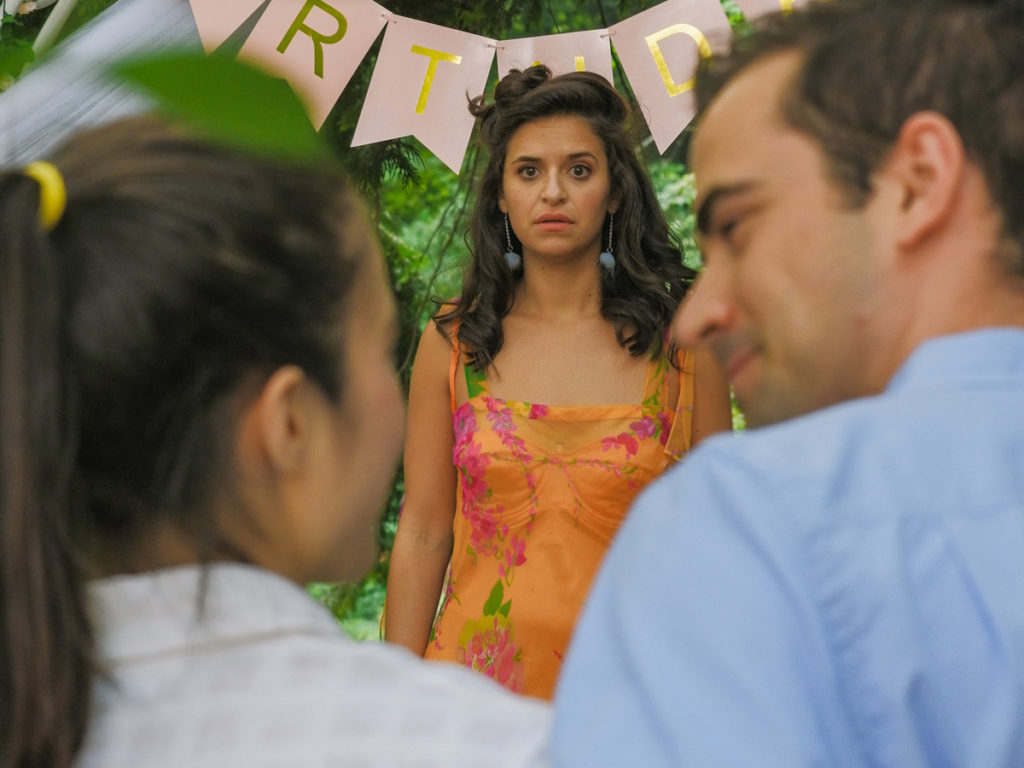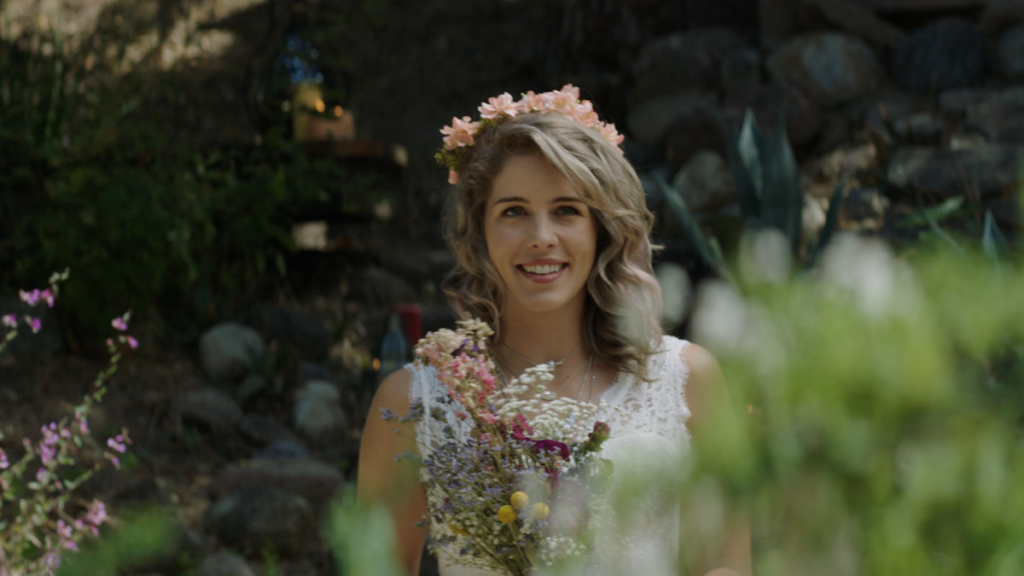
The 29th annual Inside Out Toronto LGBT Film Festival (Inside Out), championing innovative LGBTQ filmmakers from across the globe, revealed its short film lineup. This year’s festival will take place May 23 to June 2, 2019.

The 29th annual Inside Out Toronto LGBT Film Festival (Inside Out), championing innovative LGBTQ filmmakers from across the globe, revealed its short film lineup. This year’s festival will take place May 23 to June 2, 2019.

From director Michael Gallagher comes Funny Story a heartfelt tragicomedy you never saw coming that teaches us about the destructive power of narcissism, the healing power of forgiveness, and the dangers of doing karaoke after drinking enough tequila.

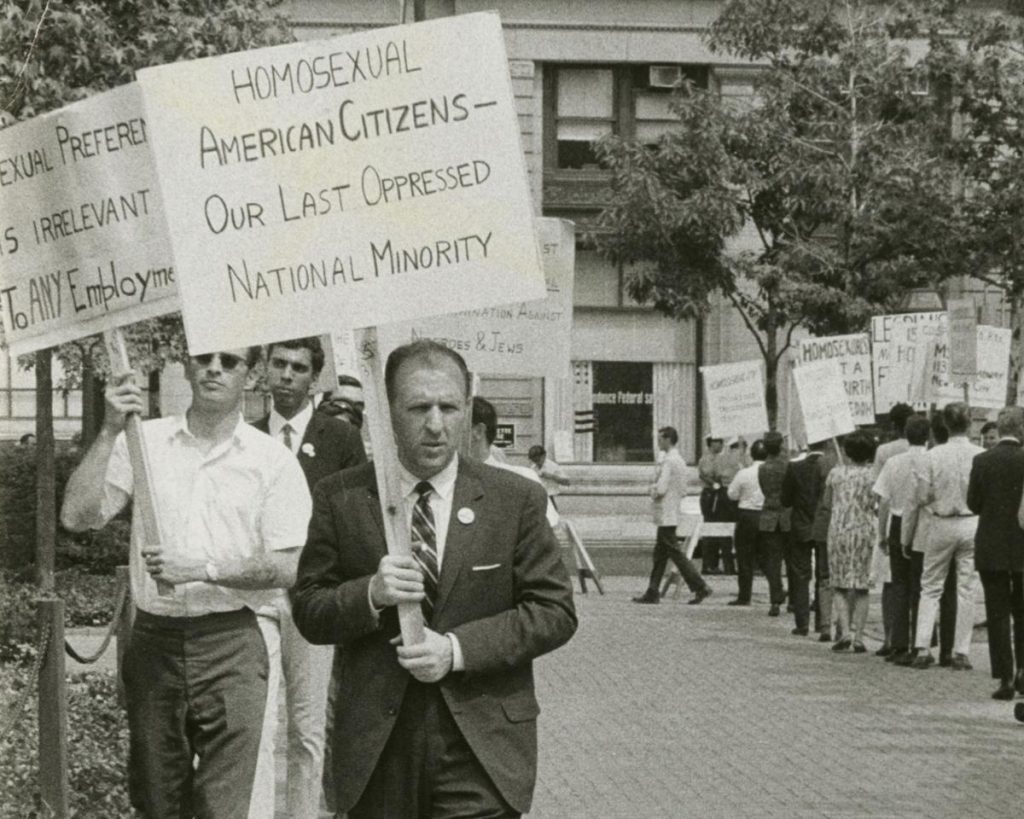
The Lavender Scare, the award-winning documentary film tells the story of the vicious witch hunt where tens of thousands of gay men and lesbians were fired from their jobs in a decades-long effort by the U.S. government to rid the federal workforce of homosexuals.

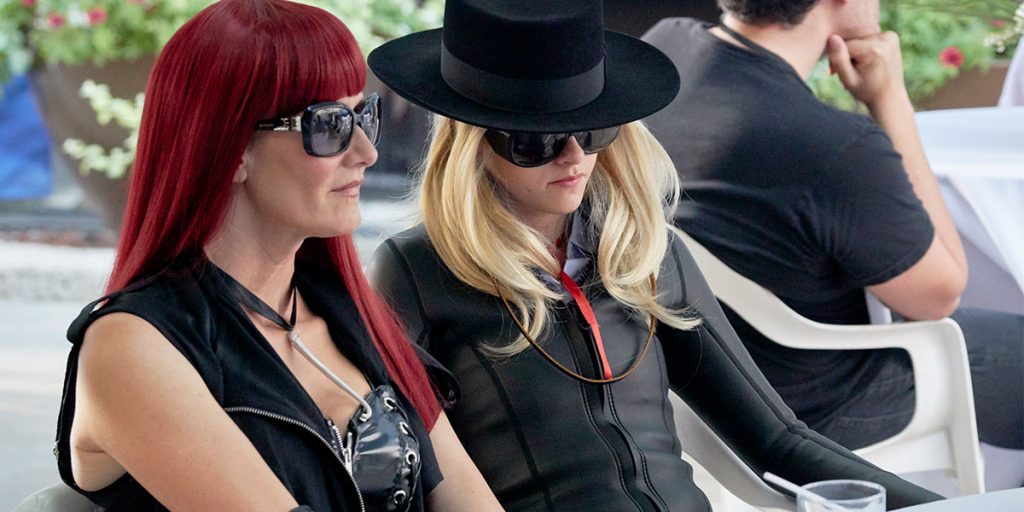
This year, the Tribeca Film Festival will debut the inaugural Tribeca Celebrates Pride, a day-long event on Saturday, May 4th at the Tribeca Festival Hub at Spring Studios concluding with the World Premiere of Wig, directed by Chris Moukarbel. The day will honor the 50th anniversary of the Stonewall riots, including one-on-one interviews with LGBTQ+ luminaries including Neil Patrick Harris, John Cameron Mitchell, Larry Kramer and guest speaker Asia Kate Dillon. The program will reflect on the impact of this seminal moment for the LGBTQ+ community and include conversations with Raul Castillo, Patti Harrison, Angelica Ross, and more.

The first trailer is here for the new documentary Gay Chorus Deep South chronicling The San Francisco Gay Men’s Chorus’ life-changing Lavender Pen Tour through five southern states in the fall of 2017.

Jeanie Finlay’s Seahorse, that follows a gay transgender man who decides to carry his own baby, released the first trailer ahead of its World Premiere at the 2019 Tribeca Film Festival on Saturday, April 27th.

From March 21st to 31st , the 33rd edition of BFI Flare: London LGBTQ+ Film Festival will showcase the best in contemporary global LGBTQ+ films, over 50 features, more than 80 shorts and a wide range of special events, guest appearances, club nights and much more.

Writer/director Matthew Montgomery’s Devil’s Path follows two men who meet up in a popular wilderness park for a casual hookup. Winner of Best First Narrative Feature and Best Supporting Actor at FilmOut San Diego, Devil’s Path opens in Los Angeles on March 1, DVD and VOD on March 5.

GLAAD, the lesbian, gay, bisexual, transgender, and queer (LGBTQ) media advocacy organization, announced the nominees for the 30th Annual GLAAD Media Awards at the Sundance Film Festival. Among the nominees: The Favourite, Can You Ever Forgive Me?, Boy Erased, Love Simon, and The Miseducation of Cameron Post. GLAAD announced Special Recognition Awards for Nanette, a Netflix special starring queer comedian Hannah Gadsby; TransMilitary, a documentary which premiered on Logo and spotlighted the lives of transgender service members; and House of Mamis, a Spanish-language docuseries about a LGBTQ voguing community in Mexico City which ran on LGBTQ site INTOMore.com.

Love, faith and civil rights collide in a southern town as evangelical Christians and drag queens step into the spotlight to dismantle stereotypes in the trailer for the documentary The Gospel of Eureka. Directed by Michael Palmieri and Donal Mosher; and narrated by Mx Justin Vivian Bond, Kino Lorber will release The Gospel of Eureka on February 8, 2019.
CALL HER GANDA[/caption]
Ganda [gʌn-daː] – meaning “beauty” in Tagalog
On October 11, 2014, Jennifer Laude was last seen with a United States Marine and later found dead in a motel bathroom. This and the identity of the suspect is known to both the Philippines and the United States Government, yet their imperialistic relationship and preponderant transphobia in both countries has rendered the case gridlocked. Filipino-American director PJ Raval seeks justice for trans woman Jeffery “Jennifer” Laude as her homicide evolves far beyond her death and echoes a long-pondered question: what is the United States’ role in the Philippines? Call her Ganda is a poignant exploration of LGBT+ relations in a time of social media saturation and in an environment dominated by lingering post-colonialism. Raval and journalist Meredith Talusan unravels the red herring media coverage and social delusion regarding Laude’s family and the trans community as they struggle for authentic visibility. This documentary intimately examines the resulting Filipino nationalism after Laude’s tragic death as well as the first indictment of a U.S. serviceman on Philippines soil.
Born Jeffery Laude, Jennifer was the breadwinner of her family and provided financial support to her mother. Though her main source of income was promiscuous, the viewer is asked to look beyond her sex-work, identity, and race to ultimately find humanity in someone that is most likely foreign to themselves. The film provides a glimpse into the misunderstood trans-culture of the Philippines and its relation to the nation’s prevailing poverty and corrupt political system. Testimony from her friends and family acquaints us with the bright and benevolent life Laude led while conversely probing us to question the immoral capabilities of United States servicemen. We feel her mother’s struggle for justice, recognize her fiancé’s pain as he tries to make sense of the tragedy, and understand the upheaval of the Filipino people in response U.S.’s intrusion in Filipino law. Raval inquires us to examine the relationship the Philippines has with its Western Subjugator and challenge documents such as the Visiting Forces Agreement (VFA) that allow the U.S. to interfere in Filipino judicial processes under certain circumstances.
Call Her Ganda makes it a point to remind us of media’s involvement in the proceedings following the incident and the interconnective soapbox that is social media. We see how opinions over the internet sustain widespread dogmatism over complex controversies and how media can contort the truth for political interest whenever convenient. Though Laude and Pemberton’s case may seem unambiguous to either side of the aisle due to predispositions of gender, race, and nationality, Talusan explores varying perspectives subsequently highlighting the numerous moral dilemmas that saturate both the events in question and the legal turbulence that follows. The film itself seeks “Justice for Jennifer,” yet rather than completely villainizing a single person or group, Talusan ventures toward understanding Pemberton’s perspective and widespread transphobia ultimately revaluating modern and western education of gender fluidity.
Despite the film’s emphasis on social media’s tendency to polarize opinions, it doesn’t forget to demonstrate its power to bring people together under a meaningful cause. The film itself is a product of social support as it captures the united front that is transgender and Filipino pride. Joseph Scott Pemberton’s actions that night may have pained so many who knew and sympathized with Jennifer Laude, but this documentary makes it known that her death was not in vein. The anger and sadness that stems from mourning is galvanized into a passion for justice and social equality. Laude’s name stands as a reminder that trans people will continue to be marginalized and Filipinos overlooked if these moral dilemmas go unaddressed, unexamined, and uncontested. Call Her Ganda attempts to breed empathy regarding gender identity and race, ultimately breathing new life into Jennifer Laude by recognizing a deep desire shared by all humans: to unapologetically be one’s true self. Laude defined herself by who she knew she was and took pride in her identity making her truly Ganda.
https://www.youtube.com/watch?v=6YwQtgBRhZQ