
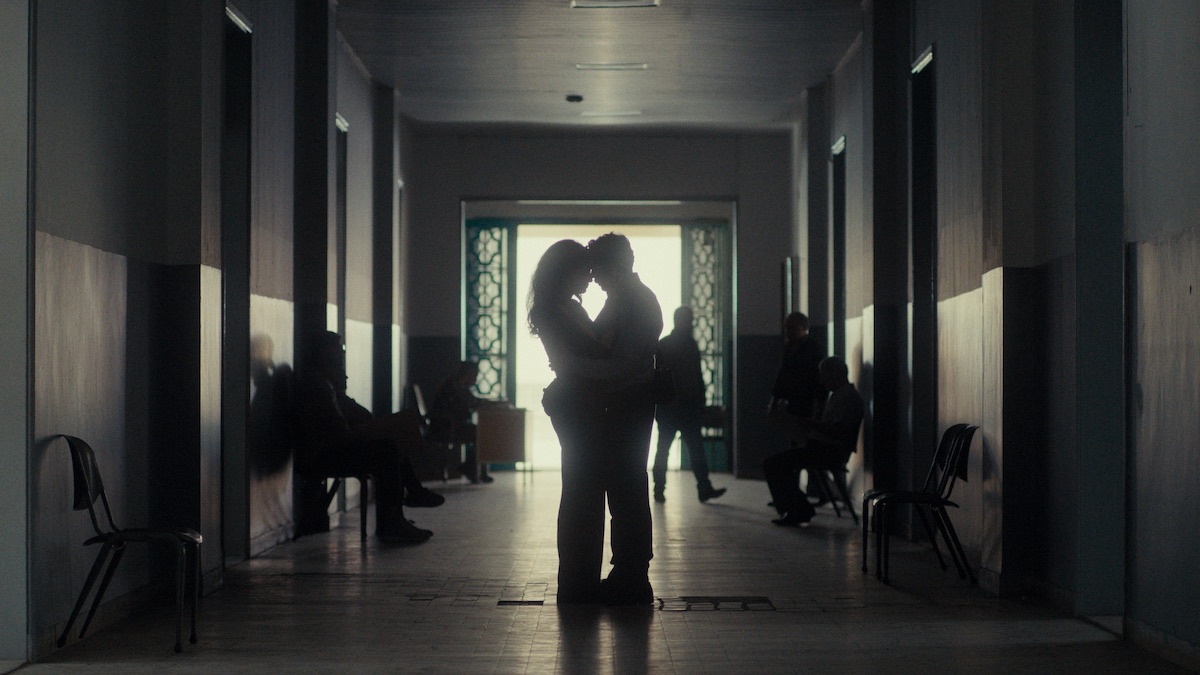
After walking into the blinding daylight after being dead focused on the beauty of ‘A Sad and Beautiful World’ for nearly two hours, I had to flush out both the words ‘sad’ and ‘beautiful’ from my vocabulary. While the words encapsulate the film on the surface, this piece is much more than these two words (with no hate to the title; there, they work just fine).
Cyril Aris’ feature debut follows a love story that spans three decades of friendship, passion, heartbreak, and hope. It focuses on the lives of Nino and Yasmina, who are drawn together by a magnetic relationship. Struggling with universal choices of adult life in the extraordinary circumstances of a country constantly ravaged by war, they are confronted with an impossible choice between love and survival. They must decide if they can build a family and chart a path to happiness in Lebanon, despite the tragedies ravaging their country, or if they should seize the opportunity for reinvention far from home.
I had not known of Cyril Aris before this film, and after learning this was his fictional feature debut, my mouth dropped. He managed to create something not too short of a masterpiece on the first try. Stylistically beautiful, this film also creates a tense dynamic between the characters where there is no hero; there is no ‘right’ side or ‘wrong’ side. In an age that loves clear endings, this film will leave one battling between the two sides of the movie that push, pull, and poke at each other, never fully resolving.
Opening in Beirut, Lebanon, A Sad and Beautiful World starts violently: a screaming woman in the middle of childbirth. The close camera shot on the mother immerses the viewer in the stress of the situation, and the intensity increases when, the moment the baby is birthed, the hospital erupts from a bombing. As said, the story kicks off fast.
Aris takes the approach of introducing the basics of the characters right in the beginning, which I appreciate, as it gives the viewer a firm ground to start absorbing the other aspects of the film. We learn that the main characters, Nino and Yasmina, were born on the same day, seconds apart. This connection follows them outside the hospital, and, as viewers will learn, far into adulthood.
Yasmina is quiet but outspoken. She was raised in a home plagued by her parents’ fighting leading up to their divorce, which has left her jaded, yet realistic. Nino, charming and social, was raised by his grandfather after his parents’ death. They find solace in each other, despite being quite opposite.
The past and the present take turns telling the story of Yasmina and Nino. Through flashbacks, we see that Nino and Yasmina were classmates turned friends until Nino confesses his love for Yasmina at the old age of about 12.
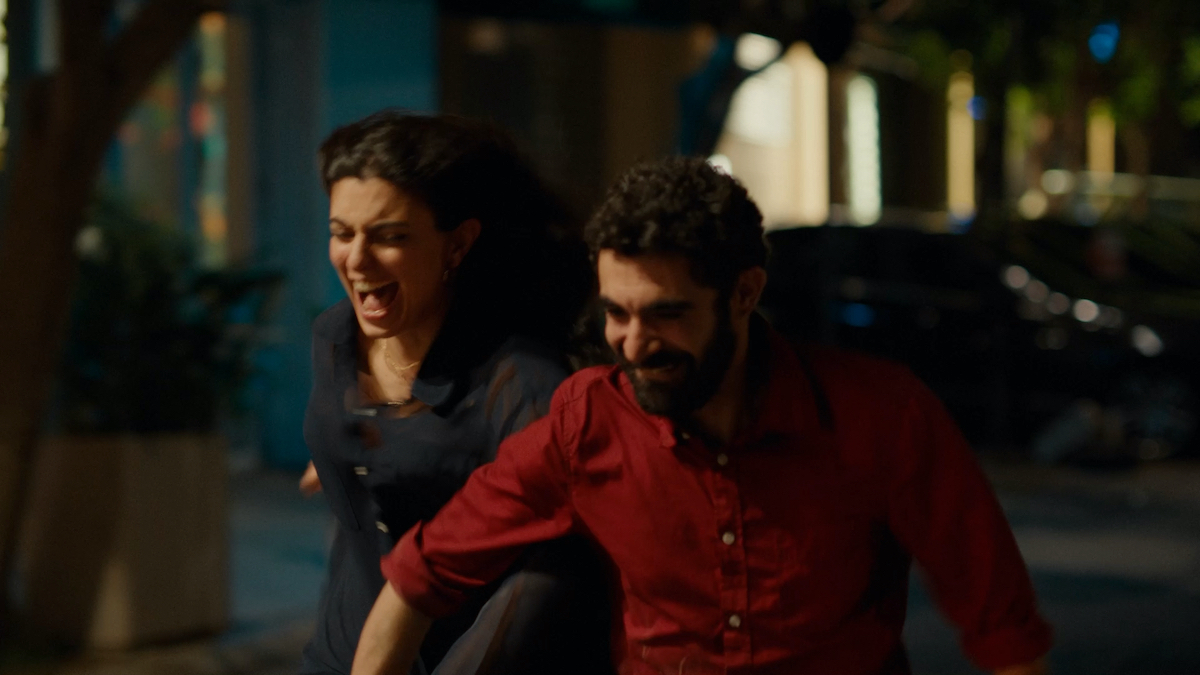
The flashback portions of this movie are done beautifully. Not over the top where it takes away from the core of the story, which, of course, happens in the present day, but it gives the viewer a deep understanding of the bond that the two main characters share. Their relationship is written so intricately and intimately that you can understand how exactly they balance each other out, how they push each other, and, in many of the same ways, how they ruin each other.
When Nino and Yasmina reunite, he sees a lot of their relationship and their dynamic based on the past. He’s a nostalgic and sentimental person, which makes him make a lot of decisions based on emotional circumstances that hinder his practicality. While Yasmina brings this more logical way of thinking into his life, he only half-hears.
The role of Yasmina resonated with me very deeply. She, to me, was the most captivating part of the film. She’s a modern woman of Lebanon; she isn’t written to have the common religious expression that many women practice in the region. She’s unconventional, strong-willed, pessimistic, driven, and, most importantly, knows what she wants in her life. Meeting Nino softens some of her harder edges and brings her levels of happiness that she finds peace in, but he creates an obstacle in the path she imagines for herself with his naivety about their circumstances.
This struggle is apparent when Yasmina finds out she is pregnant. Previously, Yasmina had been vocal about her opposition to bringing a child into a war-torn world. Nino, however, disregards her fear, assuring her that they have each other; they will make it work. The end portion of the film focuses on Yasmina’s desire to raise their daughter somewhere more stable and safe, and Nino’s desire to stay in Lebanon.
This dynamic is fascinating and emotional to watch, especially as the couple struggles about their future in a country that is not the one they once knew. This push-and-pull dynamic, in many ways, makes them stronger while also leading to an ambiguous ending.
While the plot is crafted with wonderful structure and pacing, it is also a visually beautiful movie. I have found that a lot of recent films have been afraid of using dramatic lighting (bring back strong shadows!). The close-ups and the dramatic, almost heavenly lighting make this film eye candy, seriously. I was captivated not only by the story, but by the way Aris captures it.
If you can’t tell, I very much enjoyed this film. It was the first modern picture I had watched in a while, and it has motivated me to dive deeper into the world of international film.
Leave a Reply
You must be logged in to post a comment.